
How to Honor Your Ancestors: Traditions, Offerings and Remembrance
Quick Summary
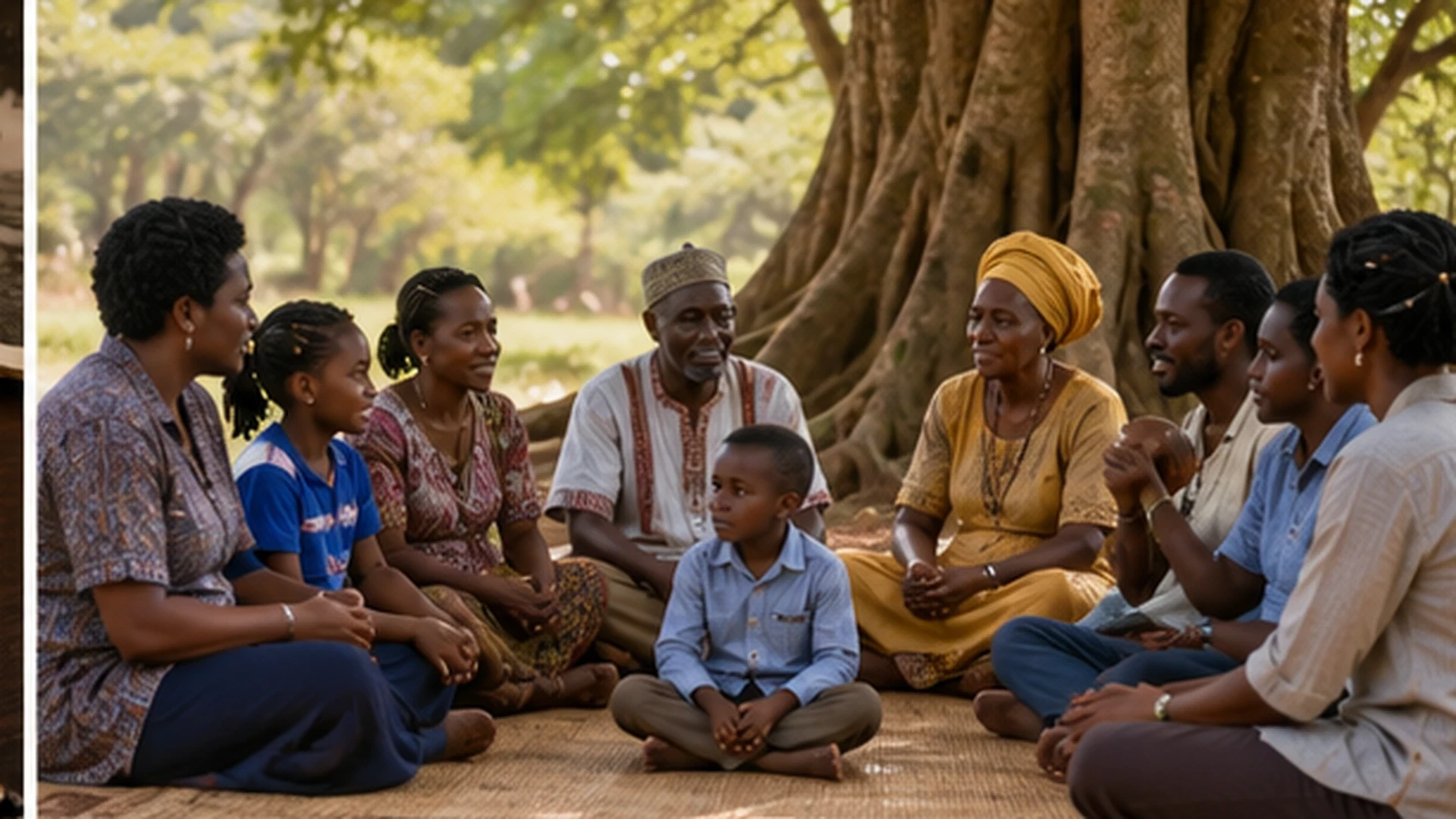
Honoring ancestors means remembering the people and generations who helped shape a family, community or cultural identity. It may involve speaking their names, preserving stories,...
Honoring ancestors means remembering the people and generations who helped shape a family, community or cultural identity. It may involve speaking their names, preserving stories, caring for burial places, sharing food, offering prayer, creating memorial art or carrying forward values that deserve to survive. The practice can be religious, spiritual, cultural, historical or simply personal.
There is no single ancestor ritual shared by all Africans or by all people worldwide. A royal ancestor altar in the historic Benin Kingdom, a Fon memorial sculpture in Ouidah, a Korean Confucian rite at Jongmyo Shrine and an Indigenous Mexican Day of the Dead observance belong to distinct communities with different histories, authorities and meanings. They should be studied respectfully rather than blended into one invented ceremony. [1][2][3][7][8]
This guide therefore begins with practices available to almost anyone—names, stories, gratitude, grave care, family meals and ethical legacy—before discussing offerings and selected cultural examples. It does not claim that any object guarantees contact, protection, wealth, healing or messages from the dead.
Quick Answer
| Quick Answer |
|---|
| You can honor your ancestors by learning and speaking their names, recording family stories, caring for photographs and graves, preparing meaningful foods, offering water or flowers where appropriate, praying or keeping silence, helping relatives and living the best values they passed down. Begin with your own family and tradition, and do not copy restricted ceremonies without permission. |
What Does It Mean to Honor Your Ancestors?
To honor an ancestor is to treat their memory, contribution or place in a lineage with deliberate respect. The word can describe several different relationships:
Family remembrance: keeping the names, stories, photographs, recipes and values of deceased relatives alive.
Religious or spiritual veneration: addressing ancestors through prayers, offerings or community rites according to a recognized tradition.
Historical responsibility: learning how earlier generations lived, including the difficult choices, injustices and migrations that shaped the present.
Cultural transmission: teaching language, songs, names, crafts, land knowledge or social obligations received from earlier generations.
Living legacy: doing work that reflects the best of what an ancestor stood for, rather than remembering only through objects.
Veneration does not always mean worship. In many communities, ancestors are respected as elders, family members, moral examples or participants in a continuing spiritual relationship, while supreme worship may be directed elsewhere. In other traditions, prayer is offered for the dead rather than to them. The correct language depends on the community and faith involved.
Who Counts as an Ancestor?
The answer is not identical everywhere. An ancestor may be a biological relative, adoptive parent, clan forebear, founding leader, respected elder, cultural predecessor or a person whose work made a community possible. Some traditions reserve the spiritual category of “ancestor” for people who met particular moral, social or ritual conditions after death. Others use the word more broadly for all deceased family members.
You do not need to prove an unbroken bloodline before practicing remembrance. Adopted people, people from displaced families and people whose records were destroyed can still preserve the names they know, honor caregivers and acknowledge unnamed generations without inventing identities or claiming membership in a community that has not recognized them.
Why People Honor Ancestors
UNESCO describes living heritage as knowledge and practices inherited from earlier generations and transmitted onward. This includes oral traditions, rituals, social practices, festivals, environmental knowledge and crafts. The value lies not only in a ceremony itself but also in the knowledge, identity and responsibility carried between generations. [1]
Gratitude: recognizing sacrifices, care, knowledge and opportunities received from previous generations.
Belonging: understanding where a family came from and how its members are connected.
Moral reflection: asking which inherited values should be protected and which harmful patterns should end.
Cultural continuity: preserving language, names, recipes, songs, burial knowledge and family histories.
Grief and memory: maintaining a meaningful inner relationship with someone who died.
Community responsibility: remembering that identity is shaped by people beyond the individual self.
Begin with Respect, Not Performance
The safest beginning is not buying ritual objects. It is learning. Ask what your family actually did, which practices were public, who had authority to lead them and whether any knowledge was restricted. A beautiful online image does not provide cultural permission.
| A respectful starting rule |
|---|
| Use universal remembrance practices freely. Use family-specific practices with family guidance. Use community ceremonies only with the consent and leadership of their custodians. |
12 Respectful Ways to Honor Your Ancestors
1. Learn and Speak Their Names
Write down the full names, nicknames, praise names, clan names and name spellings that relatives remember. Record where each person lived, the languages they spoke, their occupation and the people who knew them. Saying a name during a family gathering can restore a person to shared memory without making any supernatural claim.
When a name is unknown, use honest language such as “the relatives whose names were lost,” “the women who raised this family” or “the generations displaced before records were kept.” Do not fill gaps with invented genealogies.
2. Record Oral Histories
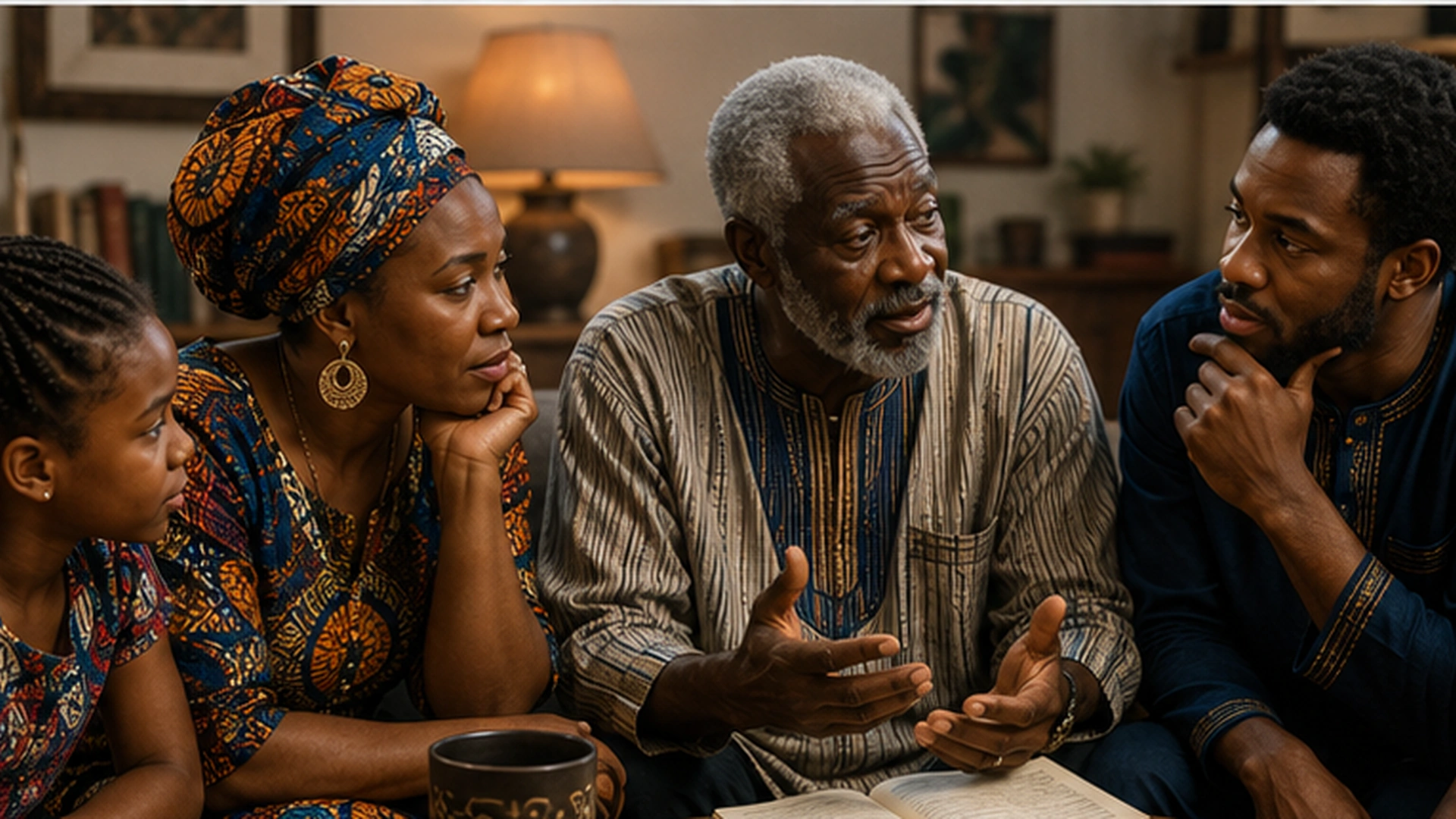
Ask elders focused questions while they are able to answer: Who were your grandparents? What work did they do? Which foods were prepared on important days? Where are relatives buried? Which stories are told incorrectly? Obtain permission before recording sensitive information, and ask whether the recording may be shared beyond the family.
Save the audio in more than one place and create a written summary. Include dates, names of speakers and uncertainty. “Aunt Grace remembers that…” is more trustworthy than presenting one memory as unquestionable fact.
3. Build a Family Archive
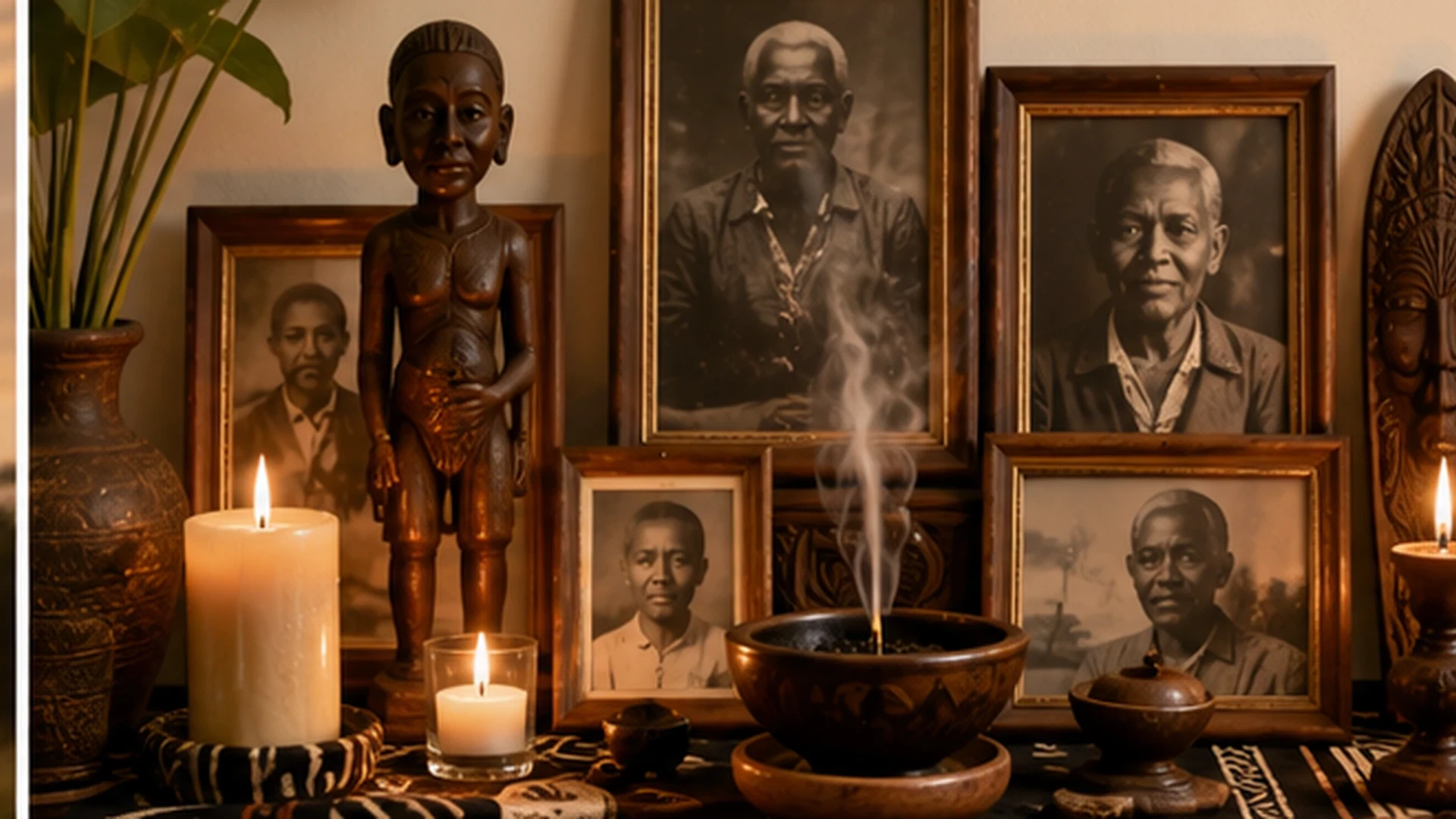
Gather photographs, letters, certificates, funeral programs, recipes, land records and recorded interviews. Digitize fragile items, but keep originals in acid-free sleeves where possible. Label copies with names, dates, places and the person who supplied the information. A file named “grandmother photo” may become meaningless to the next generation; a detailed caption protects context.
Respect privacy. Not every family story belongs online. Medical histories, adoption records, conflict, abuse and disputed parentage may require consent and careful access rules.
4. Create a Remembrance Space
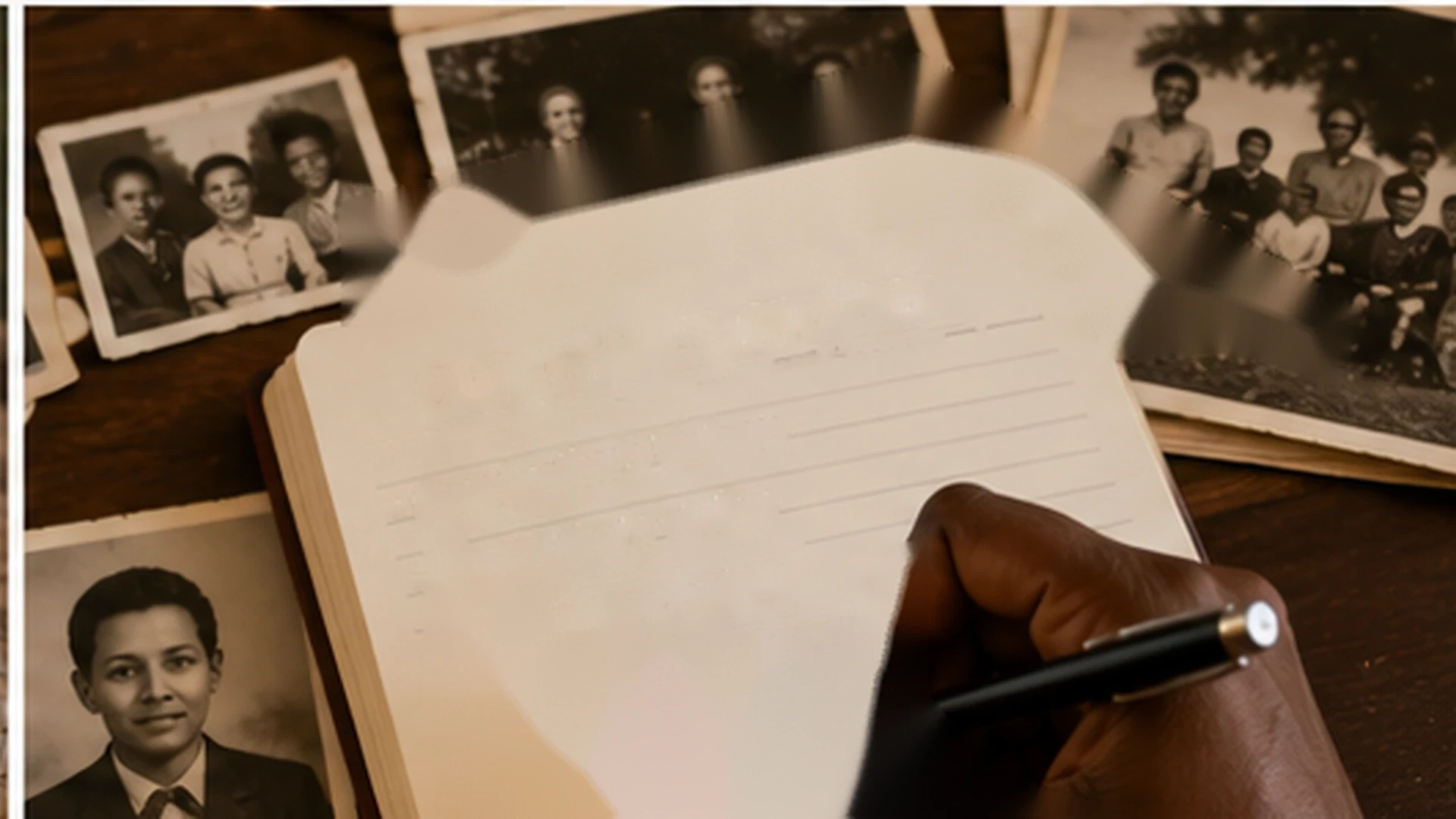
A remembrance space can be a shelf, table, framed photograph, family-history box or garden corner. It does not have to be called an altar. Place only items you can maintain respectfully: photographs, names, a cloth, flowers, a candle used safely, a bowl of water or an object associated with the person’s life.
Keep the space clean. Remove spoiled food, replace stagnant water and do not create fire hazards. In homes where relatives hold different religious beliefs, discuss the space before placing it in a shared room. A private archive may be more respectful than forcing one practice on everyone.
5. Visit and Care for Burial Places
Where access is permitted, clean a grave, remove litter, trim vegetation, replace flowers and document damaged inscriptions. Follow cemetery rules and local law. Do not pour liquids, burn incense, plant trees or leave food where these actions are prohibited or may harm stone, wildlife or the environment.
Some families cannot visit a grave because the location is unknown, distant, unsafe or inaccessible. Remembrance is still possible through a home gathering, map, written name, planted tree or charitable act.
6. Prepare and Share Meaningful Food
Cooking a relative’s recipe can carry memory through taste, smell and conversation. Invite family members to explain who prepared the dish, how ingredients changed over time and which occasions it marked. The meal may be dedicated in gratitude without claiming it belongs to a tradition that the family did not practice.
If a tradition includes setting aside a portion for the deceased, follow family guidance about placement and disposal. Do not leave food where it will attract pests or endanger animals. A shared meal among living relatives can itself be the memorial act.
7. Offer Water, Flowers or Other Simple Gifts
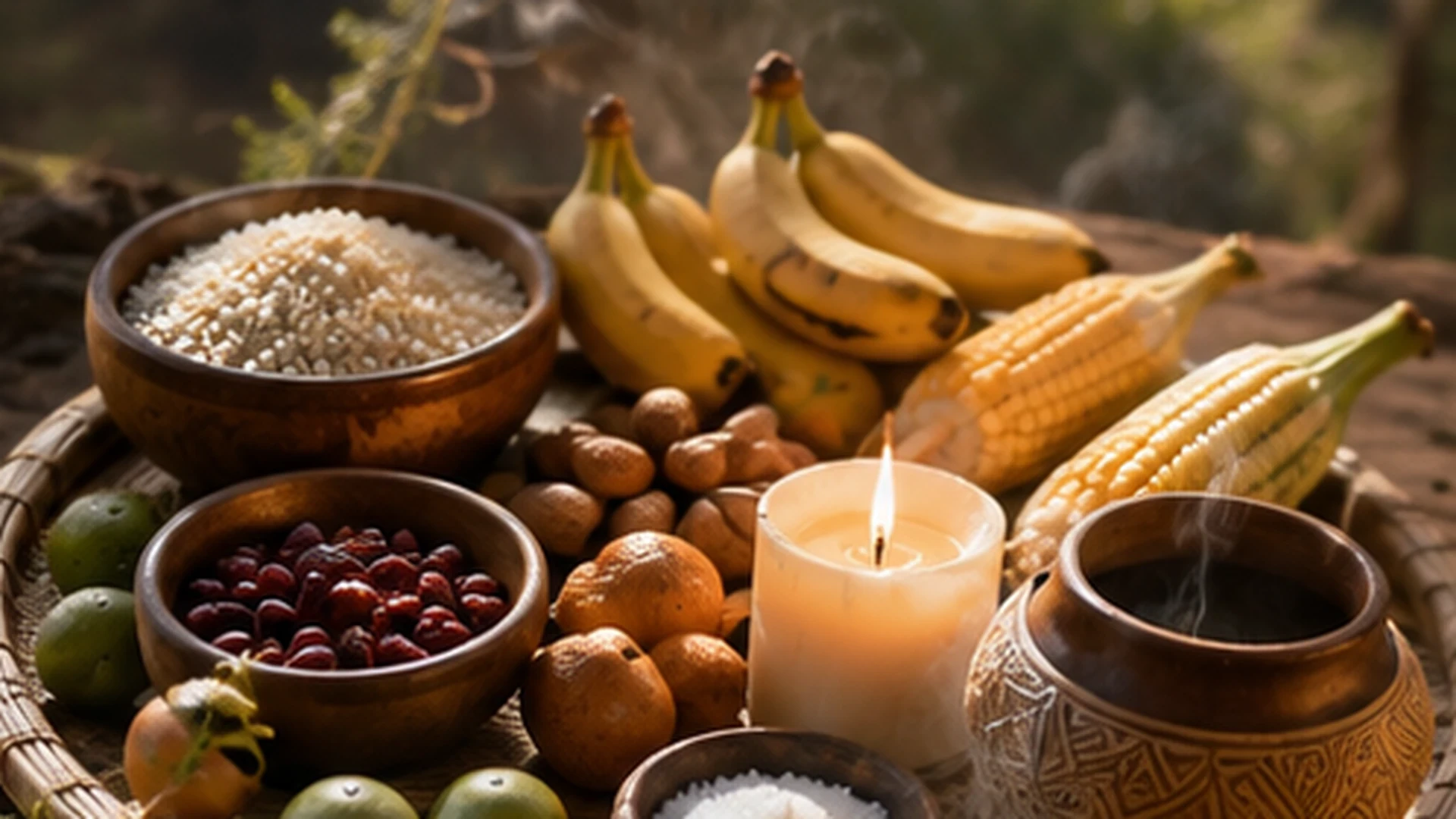
Offerings can express welcome, gratitude, beauty, nourishment, continuity or respect. Their meanings are culturally specific. Water may be chosen because it is simple and life-sustaining; flowers because they are temporary and beautiful; food because it connects memory to hospitality; light because it marks attention and remembrance.
An offering is not a payment that guarantees favors. It should not be used to frighten a grieving person or pressure them into expensive services. If you do not know what your family offered, choose a modest act of remembrance rather than inventing an elaborate ritual.
Common Offerings and Respectful Considerations
| Offering | Possible meaning | Responsible practice |
|---|---|---|
| Clean water | Life, welcome, refreshment or simplicity in some practices | Use a clean container; replace regularly; prevent mosquitoes and spills. |
| Flowers or leaves | Beauty, life cycles, affection or seasonal memory | Use locally appropriate plants; avoid protected species and plastic litter. |
| Prepared food | Hospitality, family identity or a remembered favorite | Follow cultural rules; remove before spoilage; avoid wildlife and pest problems. |
| Fruit or grain | Harvest, continuity, nourishment or gratitude | Use modest portions and dispose of them safely. |
| Candle or lamp | Attention, prayer, memory or spiritual light in some faiths | Use a stable holder; never leave flame unattended; substitute an electric light where needed. |
| Incense or fragrance | Prayer, purification, hospitality or sensory memory | Avoid where respiratory conditions, fire rules or religious beliefs make it unsuitable. |
| Cloth, beads or personal object | Identity, status, family history or affection | Do not use sacred insignia you are not authorized to display. |
| Music, song or spoken words | Praise, mourning, gratitude, prayer or storytelling | Use family-owned or public material; do not publish restricted songs. |
| Service or charity | Living the ancestor’s values and helping descendants | Choose transparent, practical action rather than claiming guaranteed spiritual reward. |
8. Use Prayer, Silence or Words of Gratitude
A Christian family may pray for the departed or thank God for their lives. A Muslim family may make du’a for deceased relatives and give charity in their memory according to its religious understanding. A traditional community may use lineage prayers, praise poetry or libation under the guidance of people authorized to lead. A secular family may read a letter, hold silence or name one lesson received from the person.
Do not combine sacred words from unrelated religions merely because they look powerful online. Use language you understand and can say honestly.
9. Mark Anniversaries and Family Days
Birthdays, death anniversaries, harvest times, family reunions and culturally recognized festivals can become occasions for remembrance. Keep the gathering proportionate to the family’s capacity. A short meal and story circle can be as meaningful as a large ceremony.
Record who attended, what stories emerged and which questions remain. This turns an annual observance into a growing archive rather than a repeated performance with no learning.
10. Continue a Skill, Language or Recipe
Teach a child the correct pronunciation of a family name. Restore a neglected recipe. Learn the craft an elder practiced. Preserve a song with permission. Plant a crop associated with the family’s history. These acts treat heritage as living knowledge, which matches UNESCO’s emphasis on transmission rather than freezing culture as a museum display. [1]
11. Serve the Living Family
Caring for an elderly relative, paying school fees transparently, mediating a family dispute, maintaining a shared grave or helping preserve family documents can be a stronger expression of respect than purchasing decorative ritual objects. Ancestral honor should not become an excuse to neglect living people.
12. Live the Values Worth Carrying Forward
Ask what the ancestor did that should continue: generosity, courage, craftsmanship, truthfulness, education, hospitality or public service. Then choose a measurable action. Mentor one young person, repair a family relationship, document a language term or support a cause the person valued.
Honoring a lineage also means ending harmful inheritance. Violence, prejudice, secrecy, exploitation and addiction do not become sacred simply because they are old.
A Simple Home Remembrance Practice
This is a non-denominational remembrance framework, not a replacement for a family or community ceremony:
Clean the space and place one photograph, written name or family object where it will be safe.
Add a modest item such as fresh water or flowers if that feels appropriate.
Speak the person’s name and one verified fact about their life.
Express gratitude, prayer or silence according to your belief.
Name one value to continue and one harmful pattern to end.
Choose one action for the living family or community.
Remove perishable items responsibly and record any story you learned.
Cultural Traditions Are Specific, Not Interchangeable
Museums and heritage organizations document many forms of ancestral remembrance, but these records should not be treated as instructions for outsiders. Objects that look similar may have different meanings, ownership rules and ritual requirements.
Benin Kingdom: Royal Ancestor Altars
In the historic Benin Kingdom, commemorative heads were placed on royal ancestor altars under the authority of the oba. Smithsonian documentation notes that the right to display particular metal heads was historically tied to royal power, and later permissions for some chiefs did not turn the practice into a universal household custom. [3] The lesson for a modern reader is not to copy the object; it is to notice how memory, leadership and political legitimacy were connected in a specific institution.
Fon Memorial Arts in Ouidah
Fon artists created iron memorial sculptures called asen. Smithsonian descriptions explain that imagery could refer to an individual ancestor’s occupation, religious life and family heritage, functioning in some ways like a visual biography. [2] Because asen belong to a defined artistic and religious history, a generic metal ornament purchased online should not be advertised as an authentic substitute.
Fang Reliquary Traditions
Among Fang peoples, historical bieri practices involved remembrance of names and deeds as well as the protection of ancestral relics by carved guardians. Museum records also describe ritual materials and specialist mediation. [4] These are not do-it-yourself techniques. Human remains, sacred medicines and restricted objects require legal, ethical and community authority. The accessible lesson is the importance of names, deeds and responsible guardianship of family memory.
Tabwa Royal Ancestors and Leadership
The Metropolitan Museum of Art describes how some nineteenth-century Tabwa leaders used sculptures of royal predecessors to support claims of lineage and political legitimacy. [5] This example shows that ancestor imagery can carry power and historical argument, not merely private grief. It also warns readers to ask who commissioned an object, whose authority it supported and how meanings changed over time.
Vodun Communities in Benin
UNESCO’s recent work supporting a community-led heritage nomination describes ancestors as important within Vodun beliefs and social practices. [6] Vodun is a living, diverse tradition whose practitioners and cultural institutions must define its rites. Outsiders should not reduce it to offerings, curses or sensational images.
Jongmyo in the Republic of Korea
The annual royal ancestral rite at Seoul’s Jongmyo Shrine is a Confucian ceremony maintained by descendants of the Joseon royal family. It includes formal offerings, prayer, music and dance in an order shaped over centuries. [7] Its value as an example lies in continuity, trained participation and cultural stewardship—not in extracting isolated gestures for unrelated home rituals.
Indigenous Mexican Day of the Dead Traditions
UNESCO describes Indigenous Mexican Day of the Dead observances as seasonal commemorations in which families prepare paths, flowers, candles and offerings for deceased relatives. [8] Commercial decoration outside these communities should not erase the agricultural calendar, Indigenous histories and family obligations that give the observance meaning.
Offerings: Questions to Ask Before You Place Anything
Does this offering belong to my family, religion or community tradition, or did I copy it from an unrelated source?
Who taught the practice, and did that person have authority to teach it?
Is the item legal, safe and environmentally responsible?
Could it offend a living relative or violate a shared household’s beliefs?
Does the practice require a specialist, elder, priest or lineage leader?
Am I treating the offering as gratitude, or as a transaction promising guaranteed results?
Can the same intention be expressed through water, flowers, prayer, charity or storytelling instead?
Practices Not to Improvise
Some traditions include animal sacrifice, blood, human remains, sacred medicines, restricted songs, spirit-mediumship, possession rites or objects controlled by titled societies. Do not improvise these practices from social media or a generic article. They may involve law, animal welfare, health risk, religious authority, initiation and private community knowledge.
A responsible article can acknowledge that such practices exist without publishing operational instructions. Speak with legitimate custodians from the relevant community, and accept that some knowledge is not available to outsiders.
Can Remembrance Help with Grief?
Bereavement research uses the term “continuing bonds” for ways people maintain an inner relationship with someone who died through memories, possessions, stories, places, private communication or values. A 2024 systematic review found that continuing bonds can bring comfort, identity and meaning, but can also be connected with distress or uncertainty depending on the person and circumstances. The evidence does not support one practice as helpful for everyone. [9]
Research on funeral and after-death practices is similarly cautious. A mixed-methods review found inconclusive quantitative evidence, while qualitative findings suggested that rituals may be most meaningful when bereaved people can shape them and say goodbye in a way that fits their needs. [10] Cultural context matters, and no ritual should be marketed as a cure for grief. [11]
Seek professional support when grief causes persistent inability to function, severe depression, traumatic symptoms, substance misuse, self-harm thoughts or fear that someone is exploiting. Spiritual and cultural support can accompany—not automatically replace—qualified mental-health or medical care.
When You Do Not Know Your Ancestors’ Names
Loss of names may result from enslavement, colonial renaming, war, migration, adoption, institutional care, family conflict or weak record systems. Do not treat this absence as personal failure. Begin with what can be verified: a place, language, surname, photograph, migration route, occupation or remembered phrase.
Create a page titled “Known facts” and a separate page titled “Family possibilities.”
Interview several relatives independently before merging accounts.
Use archives, civil records, church or mosque records, cemetery registers and local historians where accessible.
Honor unnamed ancestors collectively without assigning them invented identities.
Support the preservation of community records so future families lose fewer names.
How to Honor Ancestors with Difficult Legacies
Not every ancestor was safe, loving or honorable. Remembrance does not require denial. You can acknowledge that a person belongs to the family history while refusing to praise abuse, exploitation or prejudice.
Tell the truth in age-appropriate language.
Distinguish explanation from excuse.
Protect living relatives from forced contact, disclosure or reconciliation.
Honor survivors and repairers alongside powerful family figures.
Choose a legacy statement such as: “This pattern ends with us.”
Work with a qualified therapist or trusted community leader when memories are traumatic.
Digital Remembrance and Privacy
Online memorials can preserve photographs and gather stories across distance, but platforms can disappear, accounts can be hacked and family members may disagree about publicity. Keep offline backups. Obtain permission before posting private letters, medical information, images of children, burial details or contested family histories.
A digital archive should identify the source of each claim and distinguish confirmed information from family tradition. Technology can preserve memory; it should not manufacture certainty.
Common Misunderstandings
| Misunderstanding | Balanced clarification |
|---|---|
| “I need an expensive altar.” | A clean photograph, written name, story or charitable action can be sufficient. Cost does not measure respect. |
| “Every ancestor wants the same offering.” | Offerings differ by family, religion and community. There is no universal list. |
| “If I do it incorrectly, I will be punished.” | Fear-based claims are often used to pressure people. Seek guidance from trusted family or cultural authorities, not anyone demanding urgent payment. |
| “All African traditions use libation and sacrifice.” | Africa contains thousands of communities and religious histories. Practices vary greatly and many families do not use either. |
| “Honoring ancestors means approving everything they did.” | Truthful remembrance can preserve good inheritance and end harmful patterns. |
| “A dream proves an ancestor is demanding a ritual.” | Dreams can be personally meaningful, but one dream does not prove a supernatural instruction or justify dangerous decisions. |
| “Objects make a practice authentic.” | Authority, relationship, knowledge and community context matter more than decorative objects. |
Key Takeaways
Begin with names, stories and verified family history.
Treat offerings as culturally situated symbols, not guaranteed transactions.
Keep remembrance spaces safe, clean and acceptable to the household.
Do not copy restricted rites, sacred objects or specialist practices from unrelated communities.
Care for the living family as part of honoring those who came before.
Remember honestly, including difficult legacies.
Use remembrance to transmit knowledge and values to future generations.
Seek qualified help when grief or fear becomes overwhelming.
People Also Ask
How do you honor your ancestors?
Learn and speak their names, preserve stories and photographs, care for graves, share meaningful foods, offer prayer or silence, and carry forward values that benefit the living. Use family and community guidance for formal rites.
What is a good offering for ancestors?
A modest offering may be clean water, flowers, fruit, a prepared food, light, music, prayer or charitable service. The best choice is one that fits your family or religious tradition and can be handled safely.
Can I honor ancestors without knowing their names?
Yes. Acknowledge unnamed relatives honestly, preserve the facts you do know and avoid inventing identities. You can honor the generations who survived, cared, migrated or made your life possible.
Do I need an ancestor altar?
No. A remembrance shelf, family-history box, grave visit, meal, prayer, story circle or living-legacy action can serve the purpose. Some religions or households may prefer no altar.
Is ancestor veneration the same as worship?
Not always. Some traditions distinguish respect for deceased elders from worship of a deity. Other faiths pray for the dead rather than addressing them. Use the terms recognized by the relevant community.
Can remembrance help with grief?
It can provide comfort, identity or meaning for some people, but the research is mixed and individual. Remembrance is not a substitute for professional care when grief is severe or disabling.
Frequently Asked Questions
How often should I honor my ancestors?
There is no universal schedule. Some families remember daily, weekly, annually or on specific religious and family dates. Choose a rhythm you can maintain without fear or compulsion.
Can I honor an ancestor I never met?
Yes. Use verified stories, photographs, records and the memories of people who knew them. Avoid pretending to know their personality or spiritual wishes.
What should not be placed on a remembrance table?
Avoid illegal or hazardous items, human remains without lawful authority, sacred insignia you are not entitled to use, spoiled food, uncontained flames and objects that violate the beliefs of people sharing the home.
Can I use alcohol as an offering?
Only where it fits the relevant tradition, household rules and law. Water is a safer substitute when alcohol is inappropriate, medically risky or religiously prohibited.
Can Christians honor ancestors?
Christian communities differ. Many remember the dead through prayer, memorial services, cemetery care, family stories and thanksgiving to God, while rejecting practices understood as worship or spirit consultation. Follow your denomination and conscience.
Can Muslims honor deceased relatives?
Muslims commonly remember deceased relatives through du’a, charity and good deeds offered with appropriate intention. Practices presented as calling on the dead may be rejected. Seek guidance from a trusted scholar in your tradition.
Can I honor cultural ancestors who are not relatives?
You can acknowledge teachers, community founders and historical predecessors, but do not claim bloodline, clan authority or ritual membership you do not have.
Is it respectful to post ancestor photos online?
Only when privacy, family consent and cultural rules allow it. Some photographs, funeral images and sacred objects should remain private.
What if relatives disagree about ancestor practices?
Use the least coercive option. A private archive, grave care or charitable act may preserve remembrance without imposing an altar or ceremony in shared space.
How do I dispose of food offerings?
Follow family or religious guidance where known. Otherwise use a small amount, remove it before spoilage and compost or discard it safely. Do not create litter or feed wildlife unsuitable food.
Can I ask ancestors for money, love or protection?
Some traditions include petitions, but no offering guarantees an outcome. Do not make dangerous financial, medical or relationship decisions based solely on claimed messages.
What is the most meaningful way to honor an ancestor?
The most meaningful act is often the one that connects truthful memory to present responsibility: preserving a story, repairing harm, supporting family, teaching a skill or living a value worth continuing.
Conclusion
Honoring ancestors does not require theatrical ritual. It begins with attention: learning names, listening to elders, protecting records, caring for graves, preparing remembered foods and asking what responsibilities one generation owes the next. Offerings can support that attention when they belong to a real family, religious or community practice and are handled safely.
The most respectful approach is culturally humble. Study distinct traditions without merging them. Let custodians decide what is public. Accept that some knowledge is restricted. Refuse fear, exploitation and guaranteed spiritual promises. Remember the dead in ways that strengthen truth, dignity and care among the living.
Final Summary
| Final Summary |
|---|
| Honor ancestors through truthful memory, safe and culturally appropriate offerings, care for family heritage, service to living relatives and values that deserve a future. Begin simply, seek guidance where ritual authority is required, and never confuse cultural respect with copying sacred practices. |
Research Sources and Further Reading
1. UNESCO Intangible Cultural Heritage — “What Is Intangible Cultural Heritage?”
2. Smithsonian National Museum of African Art — Fon altar/asɛn memorial sculpture collection record
3. Smithsonian National Museum of African Art — Edo commemorative head and royal ancestor altars
4. Smithsonian National Museum of African Art — Fang reliquary guardian figure and bieri remembrance
5. The Metropolitan Museum of Art — “Portraits of African Leadership: Royal Ancestors”
6. UNESCO Intangible Cultural Heritage — Vodun beliefs, social practices and ways of living (community-led nomination assistance)
7. UNESCO Intangible Cultural Heritage — Royal ancestral ritual in the Jongmyo shrine and its music
8. UNESCO Intangible Cultural Heritage — Indigenous festivity dedicated to the dead in Mexico
9. Hewson, Galbraith, Jones and Heath — “The Impact of Continuing Bonds Following Bereavement: A Systematic Review,” Death Studies, 2024
10. Burrell and Selman — “How Do Funeral Practices Impact Bereaved Relatives’ Mental Health, Grief and Bereavement?” 2020
11. Kagawa-Singer — “The Cultural Context of Death Rituals and Mourning Practices,” Oncology Nursing Forum, 1998
Article Information
- Publisher
- Ancestral Temple
- Editor
- Ancestral Temple
- Last updated
- Jul 26, 2026
- Last reviewed
- Jul 26, 2026
- Content version
- 6e6cfa0d71
This educational article should be read as cultural and spiritual information, not as medical, legal, financial, or emergency advice.
Helpful Related Guidance
Explore This Topic
Related Topic Cluster
Dreams & Symbolism
About the Author
 Ancestral Temple
Spiritual guide and practitioner with decades of experience in ancestral wisdom, rituals, and divine guidance.
Related Posts
View All






Leave a Comment
We'd love to hear your thoughts.