
Dreams in Traditional Storytelling
Cornerstone Content
Quick Summary
Dreams have entered traditional storytelling as warnings, memories, poems, religious testimonies, political claims, and accounts of encounters with the dead. This article examines how dream narratives gain meaning through performance, audience, culture, and historical context rather than through a universal dream dictionary.
Dreams in Traditional Storytelling explores how dreams have been interpreted in cultural, symbolic and personal ways. Dream meanings are not universal proof of future events; they depend on context, tradition, emotion and the details remembered by the dreamer.
Dreams in Traditional Storytelling
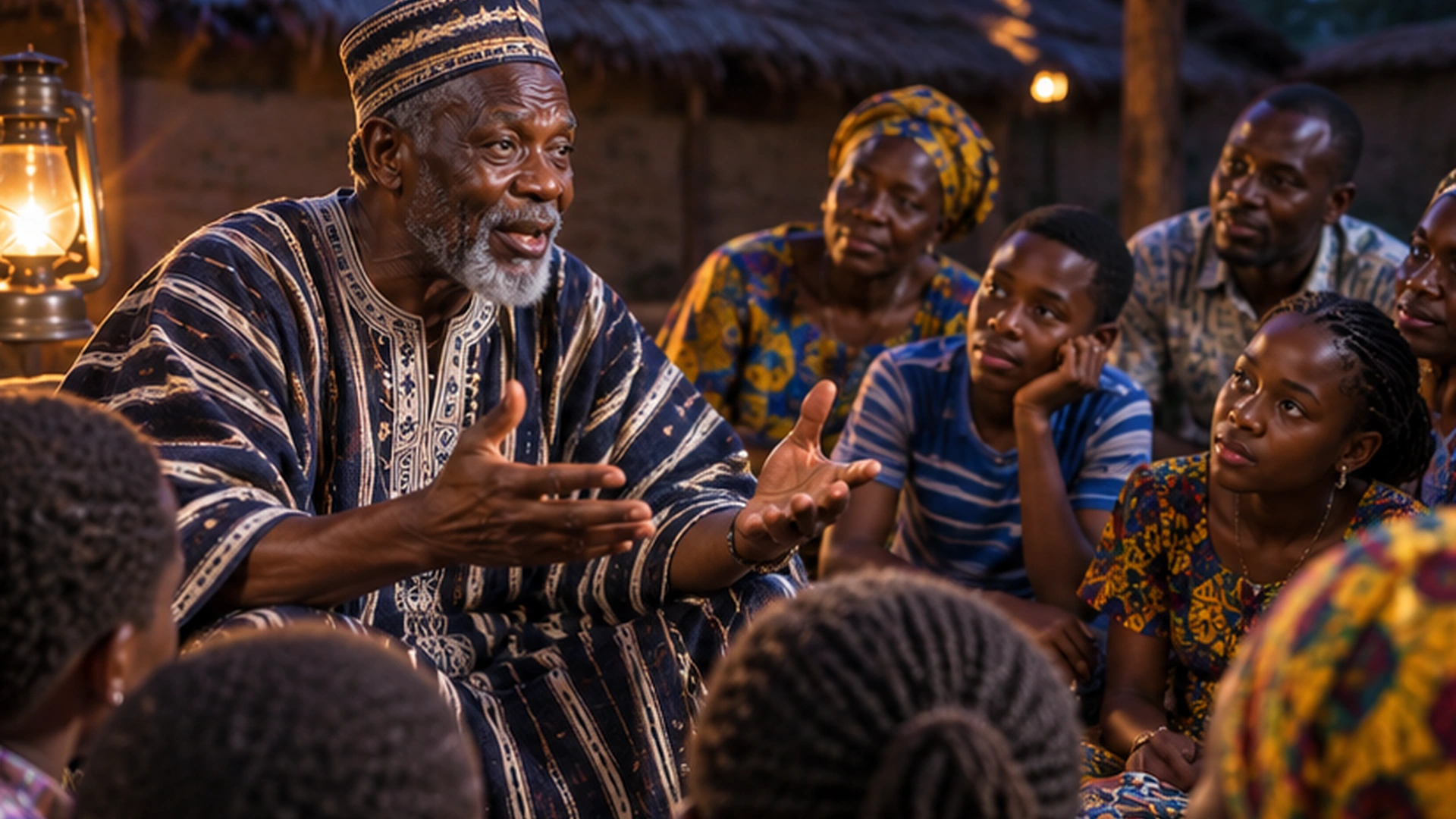
A dream becomes a story as soon as someone tells it.
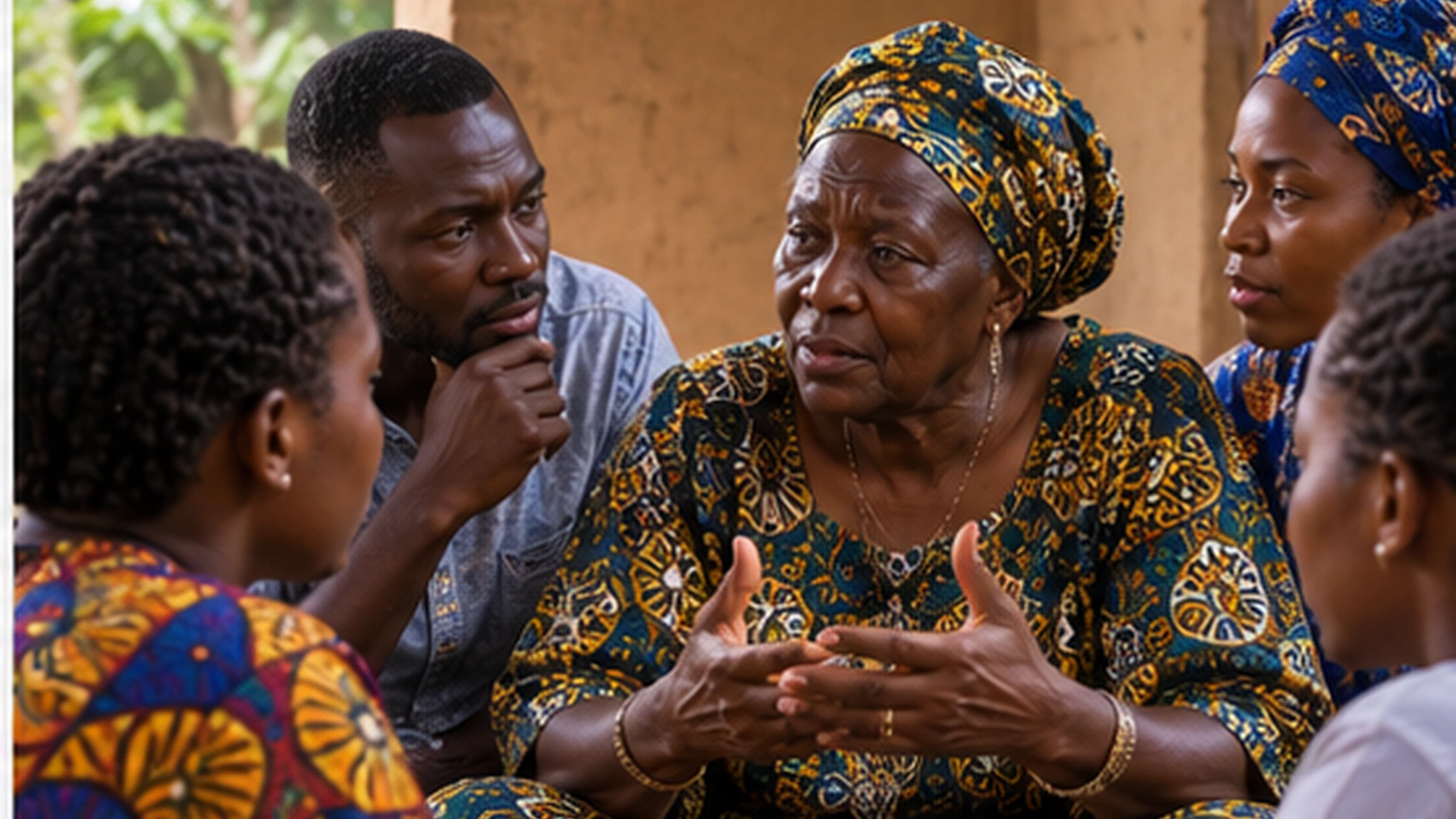
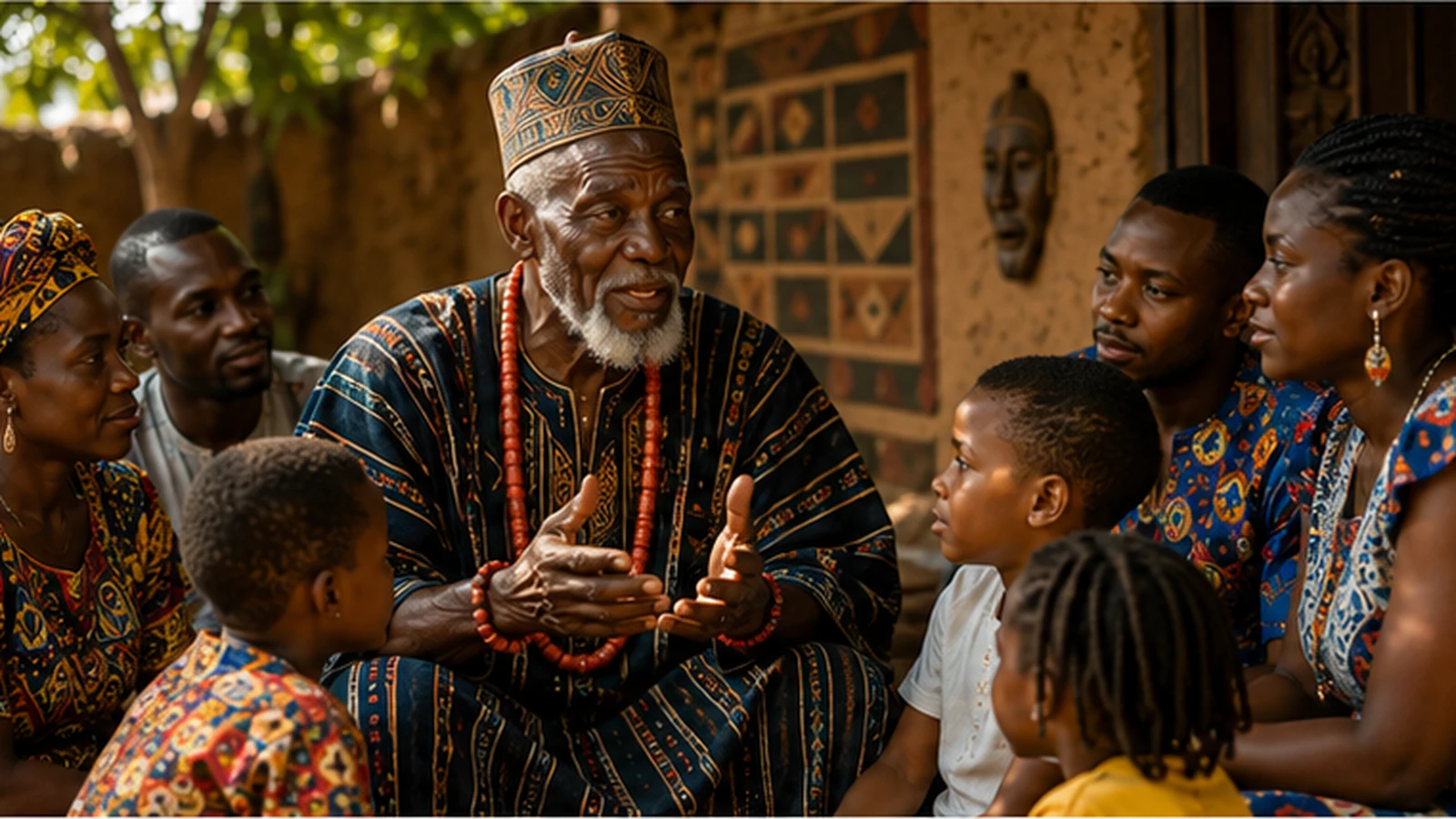
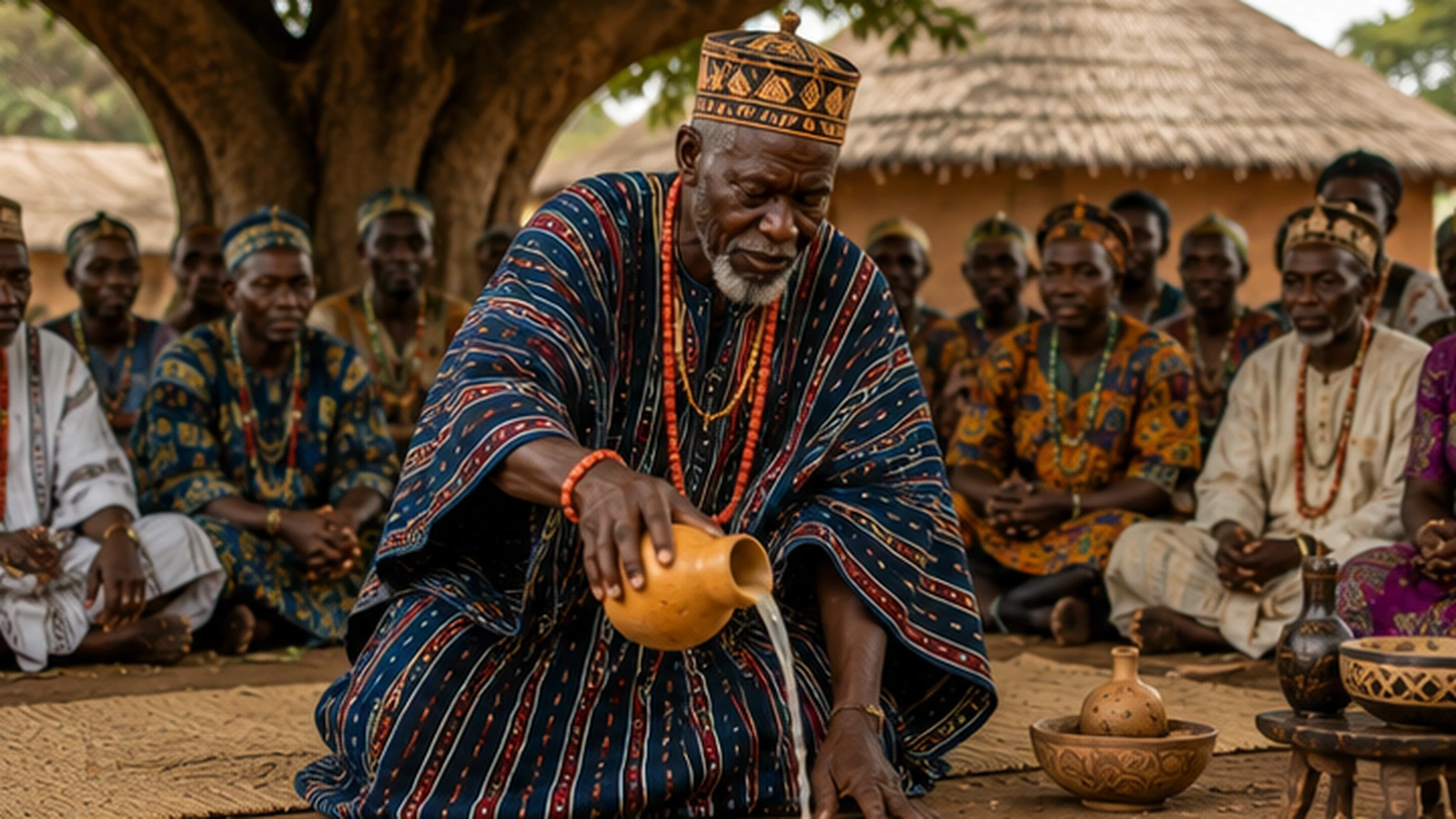
The dreamer selects a beginning, identifies the people who appeared, describes the setting, explains what felt frightening or important, and decides how the experience ended. A listener may ask questions, connect the dream with a proverb, compare it with an older family story, challenge its meaning, or repeat it to another person.
Dreams have therefore entered storytelling traditions in many forms:
Warnings before a journey or conflict
Encounters with deceased relatives
Calls to religious or social responsibility
Explanations of political change
Sources of poetry and song
Accounts of healing or danger
Stories about rulers and founders
Personal testimonies
Moral lessons
Expressions of grief, longing, and hope
Traditional storytelling does not mean that every old story is identical, secret, supernatural, or historically literal. Oral traditions are living practices shaped by performers, audiences, languages, places, and changing circumstances.
UNESCO describes oral traditions and expressions as including proverbs, riddles, tales, legends, myths, epic songs, poems, charms, prayers, chants, songs, and dramatic performances. These forms transmit knowledge, social values, and collective memory. Dreams may enter any of them, but their role differs from one community to another. (UNESCO, “Oral Traditions and Expressions.”)
A dream becomes a social narrative when it is told, questioned, interpreted, performed, or repeated.
Oral traditions preserve knowledge through spoken forms such as tales, legends, proverbs, songs, poems, prayers, and epics.
Dream stories may provide warnings, explain responsibilities, express grief, inspire poetry, or support claims to authority.
Tuareg research connects dreams with poetry, memory, gender, separation, deceased people, travel, and political history.
In colonial Buganda, dream narratives could contribute to political imagination and opposition, while official histories sometimes excluded such visionary material.
Research on a West African religious movement shows that publicly told dreams could function as patterned performances affecting status and social action.
Mande oral epics demonstrate that traditional narratives are performed by recognized specialists and may vary across tellings; one written version should not be treated as the only authentic form.
Dream narratives can preserve emotional truth without serving as exact historical records.
Retelling may clarify a dream, but it may also reshape uncertain details.
Public dream stories should not be used to accuse people, claim unquestionable authority, reveal restricted knowledge, or demand harmful action.
Modern sermons, radio programmes, novels, films, podcasts, and social media continue to adapt traditional dream-story forms.
Repeated nightmares that seriously disrupt sleep or daily life may require professional support.
Clear Definition
Dreams in traditional storytelling are narrated sleep experiences, dream visions, or dream-inspired motifs used within oral, religious, poetic, historical, family, and performance traditions to communicate meaning.
Plain-Language Meaning
A person dreams.
They tell the dream to someone else.
The dream may then become:
A family memory
A warning story
A poem
A sermon testimony
A political narrative
A tale about an ancestor
A lesson for children
A claim to a calling or responsibility
The meaning does not come only from the images seen during sleep. It also comes from who tells the story, who listens, where it is told, and what the community considers trustworthy.
What Is Traditional Storytelling?
Traditional storytelling is not simply reading an old tale aloud.
It may include:
Spoken narration
Song
Poetry
Gesture
Music
Audience response
Proverbs
Repetition
Improvisation
Performance at a particular place or occasion
UNESCO emphasizes that oral traditions are fragile because their survival depends on transmission from person to person. Safeguarding therefore focuses on creating conditions in which knowledge bearers can continue passing traditions to younger generations rather than freezing one performance as the only correct version. (UNESCO, “Oral Traditions and Expressions.”)
A storyteller may adjust language, emphasis, humour, length, or explanation according to the audience. This does not automatically make the tradition false. Performance is part of the tradition.
Why Dreams Work So Well in Stories
Dreams Cross Ordinary Boundaries
In a dream, the living may speak with the dead. A child may meet a ruler from the past. A person may travel without moving, hear an unknown song, or witness a future possibility.
These events allow stories to connect:
Past and present
Living and deceased people
Home and distant places
Personal emotion and public history
Ordinary life and religious meaning
Dreams Create Narrative Suspense
A dream may contain a warning whose meaning is not understood immediately.
The audience waits to learn:
Whether the warning will be respected
Whether the dream predicts anything
Whether the dreamer misunderstood it
Whether the message was symbolic
Whether another person can interpret it
This makes dreams useful storytelling devices even where listeners do not regard every dream as supernatural.
Dreams Can Give a Character Authority
A storyteller may describe a dream in which a deceased elder, religious figure, ancestor, angel, saint, divinity, or respected leader gives instructions.
The story can strengthen a character’s claim to:
Leadership
A religious calling
A journey
A warning
A new teaching
A political position
This is also why dream claims require accountability. A dream is difficult for other people to verify.
Dreams Compress Complex Emotion
A single dream image can carry grief, fear, hope, separation, or responsibility.
A deserted family home may communicate loss. A road may communicate distance. A deceased parent appearing healthy may express continuing attachment. A flood may convey danger without naming every waking concern.
Dreams Invite Interpretation
Traditional stories often leave room for listeners to discuss meaning.
A dream episode may encourage questions such as:
What did the dreamer fail to understand?
Which warning was ignored?
Was the dream literal or figurative?
Who had the authority to interpret it?
What responsibility followed the dream?
From Dream Experience to Dream Narrative
A remembered dream is not a perfect recording of sleep.
The dreamer wakes with fragments and then organizes them into language. They may add a title, identify a sequence, or explain an emotion that was difficult to describe.
Dream researchers have argued that dreams often contain characters, settings, events, and forms resembling stories. One review described dreaming as a storytelling process that combines memory elements into novel sequences rather than simply replaying waking events. (Pace-Schott, “Dreaming as a Story-Telling Instinct.”)
The spoken dream is therefore both:
1. A report of an experience
2. A new social performance
The listener never receives the dream directly. They receive the dreamer’s narration.
How Retelling Can Change a Dream Story
Retelling may help a dreamer remember additional details, but it can also reshape the narrative.
Changes may occur because:
The dreamer forgets uncertainty
Listeners ask leading questions
Later events influence interpretation
The story is shortened for performance
A respected interpreter emphasizes one symbol
The dreamer adapts the story to religious expectations
Repetition creates a polished version
This does not automatically mean dishonesty.
Human memory is reconstructive. A responsible historian or cultural researcher distinguishes between:
The original remembered dream
The first recorded account
Later retellings
Public performance
Community interpretation
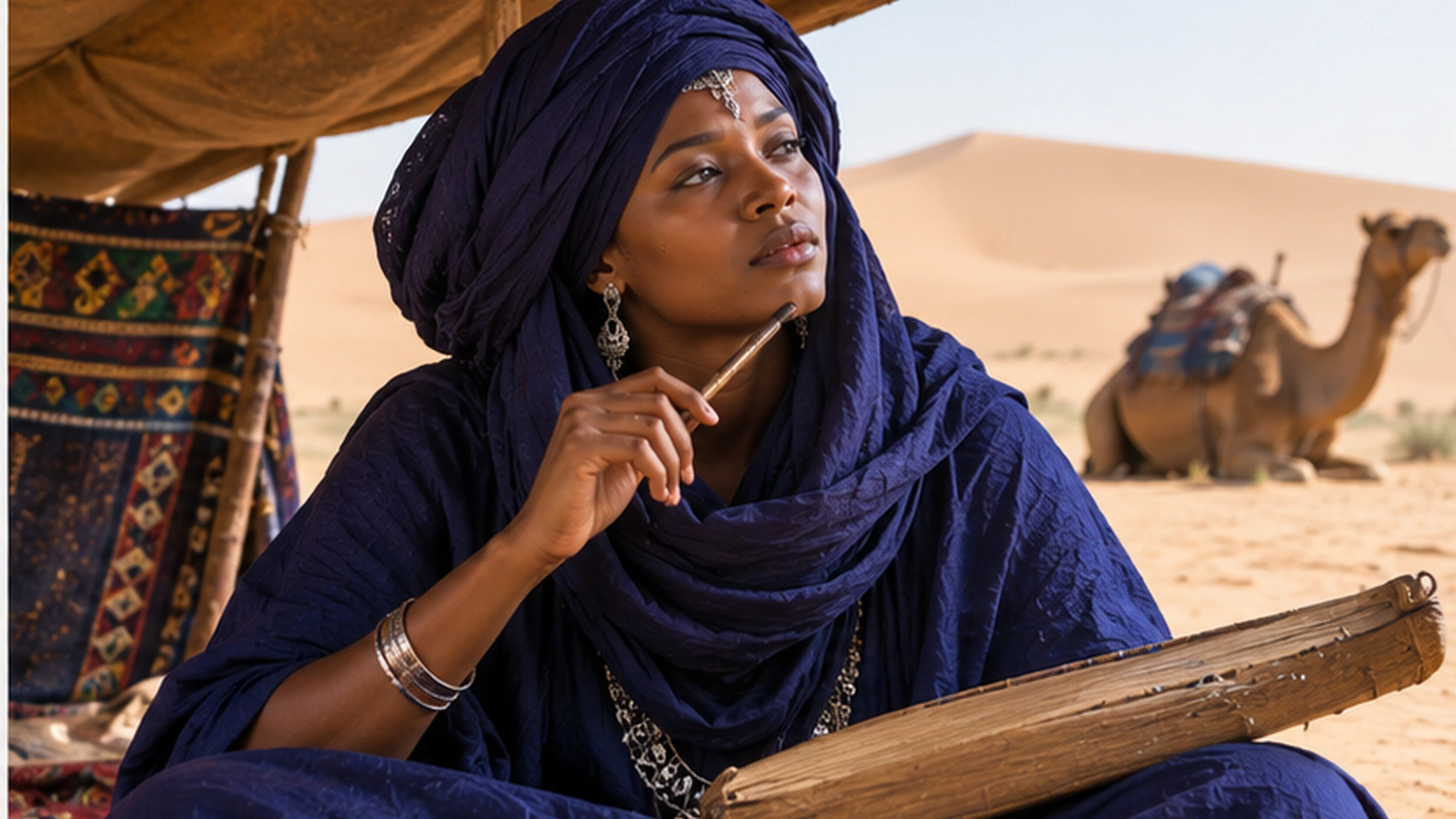
Tuareg Dream-Inspired Poetry and Memory
Research on Tuareg dream traditions offers one of the clearest documented examples of dreams becoming poetry and historical narration.
Anthropologist Arianna Dragani examined Tuareg historical sources and contemporary practices across areas including Niger, Mali, Algeria, France, and diaspora settings. The research links dreams with gender, poetry, waiting, travel, deceased poets, political conflict, memory, and absent loved ones. (Dragani, “The Past of Dreams: Gender, Memory and Tuareg Oneiric Inspiration.”)
In some documented women’s poetry, dreams may concern men who are travelling, participating in conflict, joining caravans, or remaining absent. Dream narration can therefore express:
Longing
Separation
Love
Anxiety
Political instability
Migration
Memory of the dead
The dream is not merely interpreted privately. It may become a poem that can be remembered, performed, and connected with a wider history.
This example should not be turned into one universal Tuareg practice. Tuareg communities are diverse, and the research also demonstrates that dreams may be private, gendered, sensitive, or inappropriate to disclose freely.
Dreams and Political Imagination in Buganda
Dream narratives can become political history.
Historian Jonathon L. Earle’s study of colonial Buganda shows that dreams were part of the kingdom’s intellectual and political life. Muslim dissenters used dream narratives in challenges to colonial and political authority after the late nineteenth-century religious wars. The study also argues that Apolo Kaggwa’s official histories removed or minimized political dreaming, limiting the visionary archive available to dissenting voices. (Earle, “Dreams and Political Imagination in Colonial Buganda.”)
This case demonstrates that traditional storytelling is not politically neutral.
Deciding which dreams enter an official history can affect:
Whose authority is remembered
Which political possibilities appear legitimate
Whether dissenting voices survive
How religion and government are narrated
What future generations understand as historical evidence
A dream narrative may be personally experienced, but its preservation or exclusion can become a public political act.
Public Dream Narratives in a West African Religious Movement
Dreams may also become public religious performances.
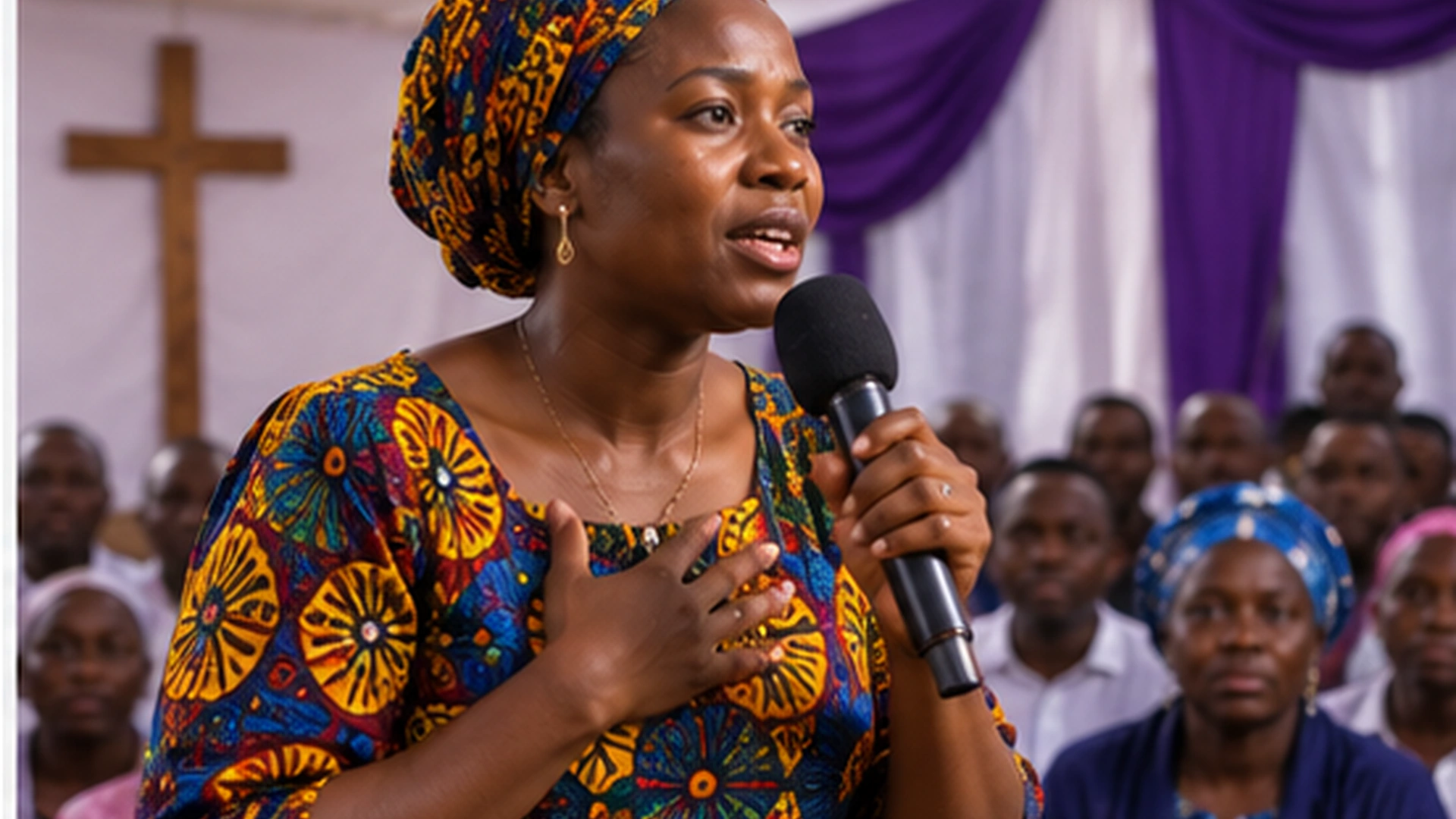
Richard Curley’s study of a West African religious movement argued that dream narratives were shaped according to the expectations of the church community and affected social action. Dreamers might first tell a religious dream to a pastor before presenting it publicly. The public narration could influence how the community evaluated commitment, spiritual worth, or suitability for a role. (Curley, “Dreams of Power: Social Process in a West African Religious Movement.”)
This example demonstrates that a dream story may function as:
Testimony
Evidence of commitment
A request for interpretation
A claim to religious authority
A narrative supporting community expectations
A performance through which social position is negotiated
It also creates ethical questions.
A public dream story should not automatically be accepted as proof that the speaker has divine authority or that another person is guilty of wrongdoing.
Mande Epic Performance and the Authority of Storytellers
Dream narratives exist within broader systems of oral performance.
The Sunjata epic, which celebrates the founder of the thirteenth-century Mali Empire, is traditionally performed by professional Mande bards known by titles such as jeli or jali, depending on language and transcription. University teaching resources emphasize that the epic is an orally transmitted performance tradition and that written editions are representations rather than substitutes for the living performance. (Columbia University, “Epic of Sun-Jata”; University of California, Berkeley, “Sundiata.”)
This context is relevant to dream storytelling because it shows that:
Not everyone holds the same authority to perform every tradition
Performance belongs to recognized social roles
Stories may vary across performers and occasions
Music, praise names, genealogy, and audience knowledge affect meaning
A printed transcript cannot reproduce every aspect of oral performance
A dream episode told by a family member, a ritual specialist, a poet, a religious leader, and a professional bard may carry different forms of authority.
Dreams, Ancestors, and Family Storytelling
Dreams about deceased relatives often enter family storytelling.
A person may say:
“Grandmother appeared before the wedding.”
“Father warned us about the journey.”
“An elder returned in a dream after the funeral.”
“My mother appeared healthy and asked us to remain united.”
The story may be retold during:
Funerals
Family meetings
Naming discussions
Inheritance disputes
Anniversaries
Reconciliation
Religious gatherings
A deceased relative is not automatically an ancestor in every tradition. Ancestors, recently deceased relatives, elders, divinities, spirits, healers, priests, and family heads should remain distinct categories.
Family dream stories may preserve emotional memory without establishing that every detail is historically or spiritually verified.
Dreams as Warnings in Traditional Stories
A warning dream is a common narrative structure.
The dreamer may be warned about:
A dangerous journey
A dishonest visitor
A coming drought
A conflict
A neglected responsibility
A broken promise
The story may teach attentiveness, but it can also teach the danger of careless interpretation.
A responsible telling asks:
Was the warning specific or vague?
Did the dreamer already know of a real danger?
Was the story retold after the event?
Did the warning lead to a safe action?
Was another person unfairly accused?
Dream stories should not replace practical risk assessment, medical care, legal evidence, or informed judgment.
Dreams as Calls to Responsibility
Some stories describe a dream that calls a person toward:
Religious service
Healing work
Leadership
Poetry
Reconciliation
Care for a family member
Preservation of a sacred place
The calling may be meaningful within a particular institution.
However, one vivid dream does not automatically make someone a healer, diviner, priest, prophet, chief, or cultural authority.
Legitimate roles may require:
Community recognition
Training
Ethical conduct
Initiation
Accountability
Long-term service
Restricted initiation details should not be reconstructed from public stories.
Dreams in Biblical and Qur’anic Storytelling
Dreams are central to several Jewish, Christian, and Islamic narratives.
The story of Joseph in Genesis includes dreams involving sheaves, celestial bodies, cattle, and grain. Joseph’s interpretations influence family conflict, imprisonment, political responsibility, food planning, and survival during famine.
The Qur’anic account of Prophet Yusuf also makes dreams central to a narrative about patience, knowledge, injustice, family reconciliation, and responsible preparation.
These stories demonstrate that dream meaning emerges from:
The complete narrative
The dreamer’s situation
Recognized interpretive authority
Later events
Moral and religious context
They do not establish a universal dictionary in which cattle, stars, or grain always mean the same thing.
Ancient Egyptian Dream Texts and the Movement From Speech to Writing
Ancient Egypt preserves one of the earliest surviving organized dream manuals.
Papyrus Chester Beatty III, dated to approximately 1220 BCE, contains a written guide classifying particular dreams as favourable or unfavourable. The manuscript demonstrates that dream knowledge could be collected, copied, and consulted. (British Museum, Papyrus Chester Beatty III.)
The document is not a transcript of every ancient Egyptian oral tradition. It represents a particular scribal system.
Its existence illustrates an important transition:
A dream is experienced
A dream is narrated
Interpretations circulate
Some interpretations are written down
Written classifications gain authority
A written dream book can preserve knowledge, but it can also make flexible traditions appear more fixed than they were.
Dreams as Moral Teaching
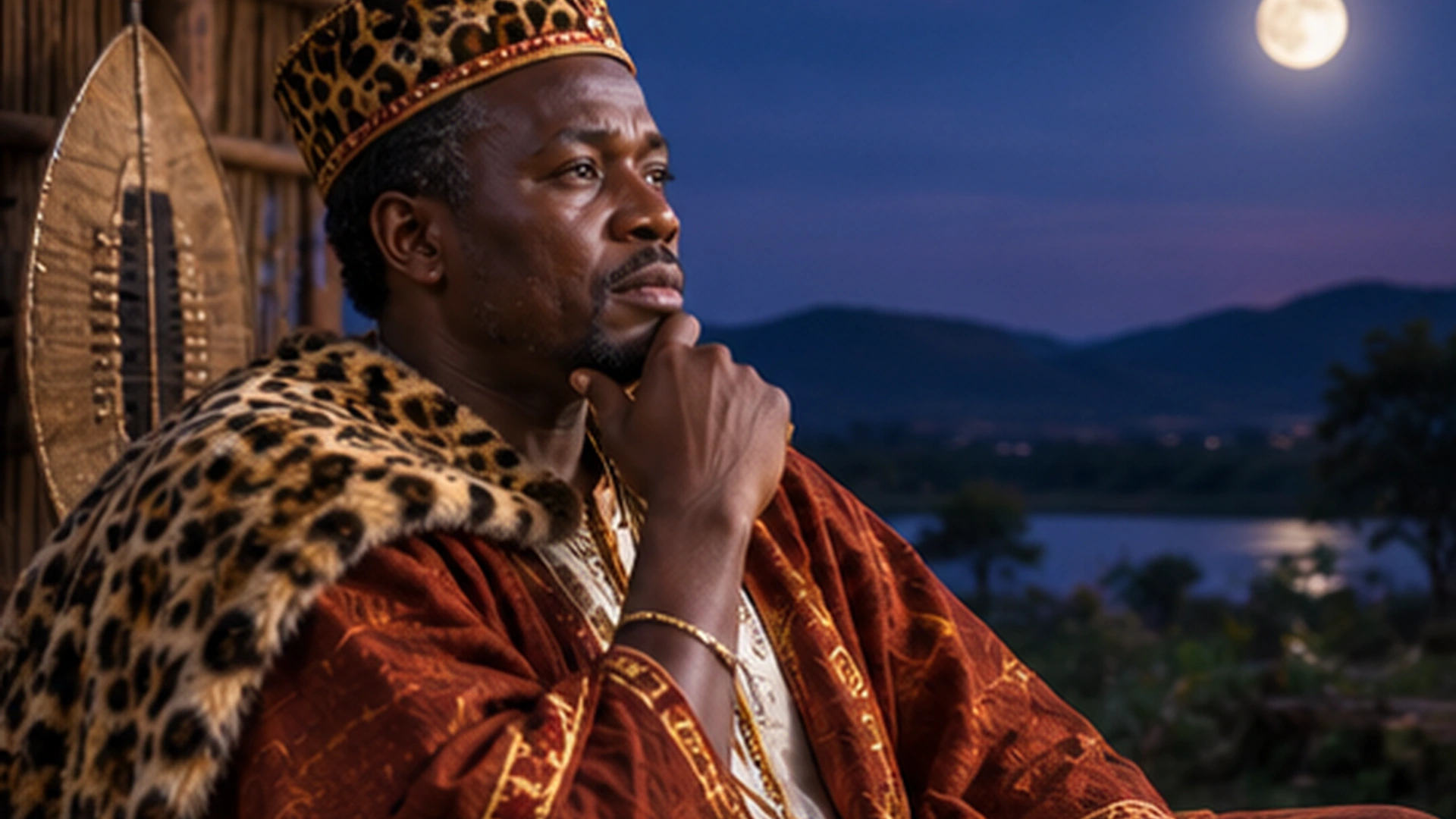
Traditional stories often use dreams to explore responsibility rather than prediction.
A dream character may:
Ignore wise advice
Misinterpret a warning
Become proud after receiving a vision
Refuse to help another person
Repair a relationship
Confess wrongdoing
Learn humility
The lesson may concern behaviour, not supernatural proof.
A story about a warning dream may teach preparedness. A story about a false interpretation may teach caution. A story about a deceased elder may teach family responsibility.
Dreams as Explanations of Origin
Some narratives connect dreams with the beginning of:
A settlement
A religious movement
A shrine
A journey
A family custom
A leadership role
Origin stories help communities explain identity and responsibility.
They should be studied alongside archaeology, archives, genealogy, language, material culture, and other historical evidence. A dream-based origin story may hold cultural truth without providing a complete factual chronology.
Dreams as Sources of Poetry and Song
A dream may provide:
A line of poetry
A melody
A praise name
An image
A repeated phrase
A complete song
When the material is performed, listeners may no longer know which elements came from the original dream and which were added during composition.
That creative development is not necessarily a corruption. It is part of artistic production.
The Tuareg example demonstrates how dream inspiration can become part of poetic memory, especially around absence, travel, conflict, and relationships with the dead.
The Audience Helps Create the Meaning
Storytelling is interactive.
Listeners may:
Ask for clarification
Repeat a refrain
Correct genealogy
Compare another dream
Laugh
Express fear
Reject an accusation
Consult an elder
Request a song
The same dream may receive different meanings in different settings.
A private family discussion differs from:
A public sermon
A royal court
A funeral
A healing consultation
A performance festival
A social-media video
Meaning is shaped by audience, authority, and consequence.
Storyteller, Interpreter, and Dreamer Are Different Roles
The person who dreams is not always the person who interprets or performs the story.
Possible roles include:
Dreamer
Family narrator
Elder
Poet
Jeli or bard
Priest
Pastor
Imam
Healer
Diviner
Historian
Researcher
These roles should not be treated as interchangeable.
An elder is not automatically a diviner. A poet is not automatically a priest. A storyteller may preserve a narrative without claiming that every event is literal.
Public and Restricted Knowledge
Some dream stories are appropriate for public performance.
Others may involve:
Initiation
Private family conflict
Restricted names
Ritual medicines
Sacred places
Confidential religious guidance
Trauma
Sexual experiences
Public knowledge about a tradition does not authorize outsiders to reproduce restricted prayers, ceremonies, medicines, or initiation procedures.
A respectful writer should ask:
Who owns this story?
Who is permitted to tell it?
Is consent required?
Could publication cause harm?
Is the story sacred, private, or restricted?
Can Dream Stories Be Used as Historical Evidence?
Yes, but carefully.
Dream narratives may reveal:
Political concerns
Religious imagination
Social values
Emotional history
Family relationships
Ideas about authority
Public fears and hopes
They do not automatically prove that the dream’s supernatural events occurred.
The Buganda research is especially important because it shows that the inclusion or exclusion of dream material can shape political history. Dream narratives belong to archives of thought, even when historians cannot verify every event described within them.
Dream Stories and Social Authority
A person who publicly narrates a dream may gain attention because the experience appears private and difficult to challenge.
This can create authority, but it can also create abuse.
Warning signs include:
Claiming that a dream cannot be questioned
Demanding money for protection
Naming enemies without evidence
Pressuring someone into initiation
Controlling marriage or inheritance
Threatening death or illness
Claiming automatic leadership
Curley’s West African case study demonstrates why researchers examine dream narratives as public performances with social consequences, not only as private sleep experiences.
Dreams, Empathy, and Shared Storytelling
Modern dream-sharing research has proposed that discussing dreams may increase empathy between dreamers and attentive listeners. A 2019 study found relationships between dream discussion and empathic engagement, while later work has proposed that dream sharing may support group bonding. These ideas remain research questions rather than proof that every dream-sharing practice has the same effect. (Blagrove and colleagues, research on dream sharing and empathy.)
Traditional dream storytelling may create connection because listeners enter the dreamer’s emotional world.
That connection depends on respectful listening. Mockery, coercion, or automatic interpretation can produce the opposite effect.
How Traditional Dream Stories Change in Modern Media
Dream storytelling now appears in:
Radio programmes
Recorded sermons
Television
Novels
Film
Podcasts
WhatsApp groups
YouTube videos
Social media
Online dream forums
Digital media can preserve stories that might otherwise disappear.
It can also remove context.
A short video may separate a dream from:
The original language
The family history
The storyteller’s authority
The audience’s response
The religious institution
The difference between public and restricted knowledge
A viral story should not automatically be treated as representative of an entire community.
Common Misconceptions
“Traditional Dream Stories Never Change”
False.
Oral traditions are performed and recreated. Variation does not automatically destroy authenticity.
“Every Dream Story Is a Prophecy”
False.
Dream stories may express grief, memory, poetry, politics, morality, or social identity.
“All African Communities Tell Dream Stories the Same Way”
False.
Tuareg poetry, Buganda political dreaming, Mande epic performance, and West African church testimonies belong to different histories and institutions.
“A Dream Story Is Exact Historical Proof”
False.
It may be valuable historical evidence about ideas and social life without proving every narrated event.
“The Storyteller Automatically Has Spiritual Authority”
False.
Authority depends on community recognition, role, training, ethics, and context.
“A Dream About the Dead Is Always an Ancestor Message”
False.
It may involve grief, memory, a recently deceased relative, religious belief, or another interpretation.
“Writing a Story Down Preserves It Perfectly”
False.
A transcript cannot fully capture tone, gesture, music, audience response, language, or performance context.
“Public Knowledge Means Anyone Can Reproduce the Practice”
False.
Some traditions contain restricted or private elements.
Ethical and Safety Boundaries
Dream storytelling should never be used to:
Accuse someone of witchcraft
Declare a person guilty of crime without evidence
Diagnose illness or pregnancy
Stop prescribed treatment
Force marriage, divorce, travel, or initiation
Demand expensive ceremonies
Threaten death, infertility, or misfortune
Frighten children
Control property or inheritance
Reveal private family information without consent
Claim unrestricted access to sacred knowledge
Encourage violence or self-harm
A story may be meaningful without becoming a command.
Medical, legal, financial, and safeguarding decisions require appropriate evidence and professional advice.
When Distressing Dream Stories Need More Than Interpretation
Most dream stories do not require treatment.
Professional support may be appropriate when nightmares:
Occur frequently
Follow trauma
Cause fear of sleeping
Repeatedly interrupt rest
Produce severe daytime distress
Interfere with work, study, or caregiving
Include dangerous physical dream enactment
Occur with hallucinations while fully awake
Contribute to thoughts of self-harm
Dreams can occur during all sleep stages but are often most vivid during REM sleep. Frequent nightmares that impair sleep or everyday functioning may meet criteria for a sleep or mental-health concern. (National Institute of Neurological Disorders and Stroke; Mayo Clinic, “Nightmare Disorder.”)
Spiritual or pastoral support may accompany professional care, but it should not replace it.
Key Takeaways
Dreams become stories through narration, performance, interpretation, and audience response.
Oral traditions transmit collective memory through many spoken and performed forms.
Dreams are useful narrative devices because they cross boundaries, create suspense, and compress emotion.
A dream report is not identical to the original sleep experience.
Retelling may preserve meaning while changing details.
Tuareg dream traditions demonstrate connections with poetry, gender, memory, separation, and political history.
Buganda dream narratives could participate in political dissent and visionary history.
Public dream testimonies in a West African religious movement influenced social action and authority.
Mande epic traditions demonstrate the importance of recognized performers, variation, and performance context.
Dreams may support moral teaching, origin narratives, religious testimony, grief, poetry, and family memory.
Dream stories can be historically valuable without proving supernatural events.
Public dream claims require accountability because they can affect reputation, leadership, money, and family decisions.
Restricted knowledge and private stories require consent and cultural authority.
Traditional dream-story forms continue through modern media.
Distressing nightmares or dangerous dream enactment may require professional help.
People Also Ask
Why do traditional stories include dreams?
Dreams allow stories to connect ordinary life with memory, warning, religion, grief, creativity, political possibility, and encounters that would be impossible while awake.
Are dream stories considered true?
That depends on the community and genre. A story may be spiritually true, morally instructive, historically meaningful, poetic, or personally sincere without every detail being externally verifiable.
How are dreams used in African oral traditions?
Uses vary. Documented examples include Tuareg dream-inspired poetry, political dream narratives in Buganda, and public religious testimony in a West African church movement.
Can dreams give storytellers authority?
They can support claims to authority, but legitimate authority also depends on community recognition, ethics, training, and accountability.
Do oral dream stories change over time?
Yes. Retelling, performance, translation, audience response, memory, and changing circumstances may alter wording or emphasis.
Frequently Asked Questions
1. What is a dream narrative?
A dream narrative is a spoken, written, sung, or performed account of a remembered dream or dream vision.
2. Why are dreams common in traditional storytelling?
They create suspense, cross ordinary boundaries, express strong emotion, and allow characters to receive warnings, responsibilities, or visions.
Frequently Asked Questions
What should readers know first about african spirituality and cultural history?
African spirituality and cultural history: Read clear guidance, key signs, practical steps, and private support from Ancestral Temple.
What causes dreams-in-traditional-storytelling?
The safest next step is to compare the signs, prepare clear details, and request private guidance when the matter feels personal.
How does dreams-in-traditional-storytelling work?
The safest next step is to compare the signs, prepare clear details, and request private guidance when the matter feels personal.
Is it possible to get private guidance for dreams-in-traditional-storytelling?
The safest next step is to compare the signs, prepare clear details, and request private guidance when the matter feels personal.
How long does dreams-in-traditional-storytelling take to understand?
The safest next step is to compare the signs, prepare clear details, and request private guidance when the matter feels personal.
Can dreams-in-traditional-storytelling affect relationships, family, work, or personal peace?
The safest next step is to compare the signs, prepare clear details, and request private guidance when the matter feels personal.
Why do people seek spiritual guidance for dreams-in-traditional-storytelling?
The safest next step is to compare the signs, prepare clear details, and request private guidance when the matter feels personal.
What signs should someone notice before asking about dreams-in-traditional-storytelling?
The safest next step is to compare the signs, prepare clear details, and request private guidance when the matter feels personal.
When should someone contact a private spiritual guide?
The safest next step is to compare the signs, prepare clear details, and request private guidance when the matter feels personal.
What causes african spirituality and cultural history?
African spirituality and cultural history: Read clear guidance, key signs, practical steps, and private support from Ancestral Temple. The safest next step is to compare the signs, prepare clear details, and request private guidance when the matter feels perso
Article Information
- Publisher
- Ancestral Temple
- Editor
- Ancestral Temple
- Last updated
- Jul 26, 2026
- Last reviewed
- Jul 13, 2026
- Content version
- dcfcc1fb43
This educational article should be read as cultural and spiritual information, not as medical, legal, financial, or emergency advice.
Helpful Related Guidance
Explore This Topic
African Spiritual Traditions · Ancestor Reverence In African Cultures
Related Topic Cluster
African Spirituality And Cultural History
Complete Guide Why Homes Have Been Blessed Throughout HistoryAbout the Author
 Ancestral Temple
Spiritual guide and practitioner with decades of experience in ancestral wisdom, rituals, and divine guidance.
Related Posts
View All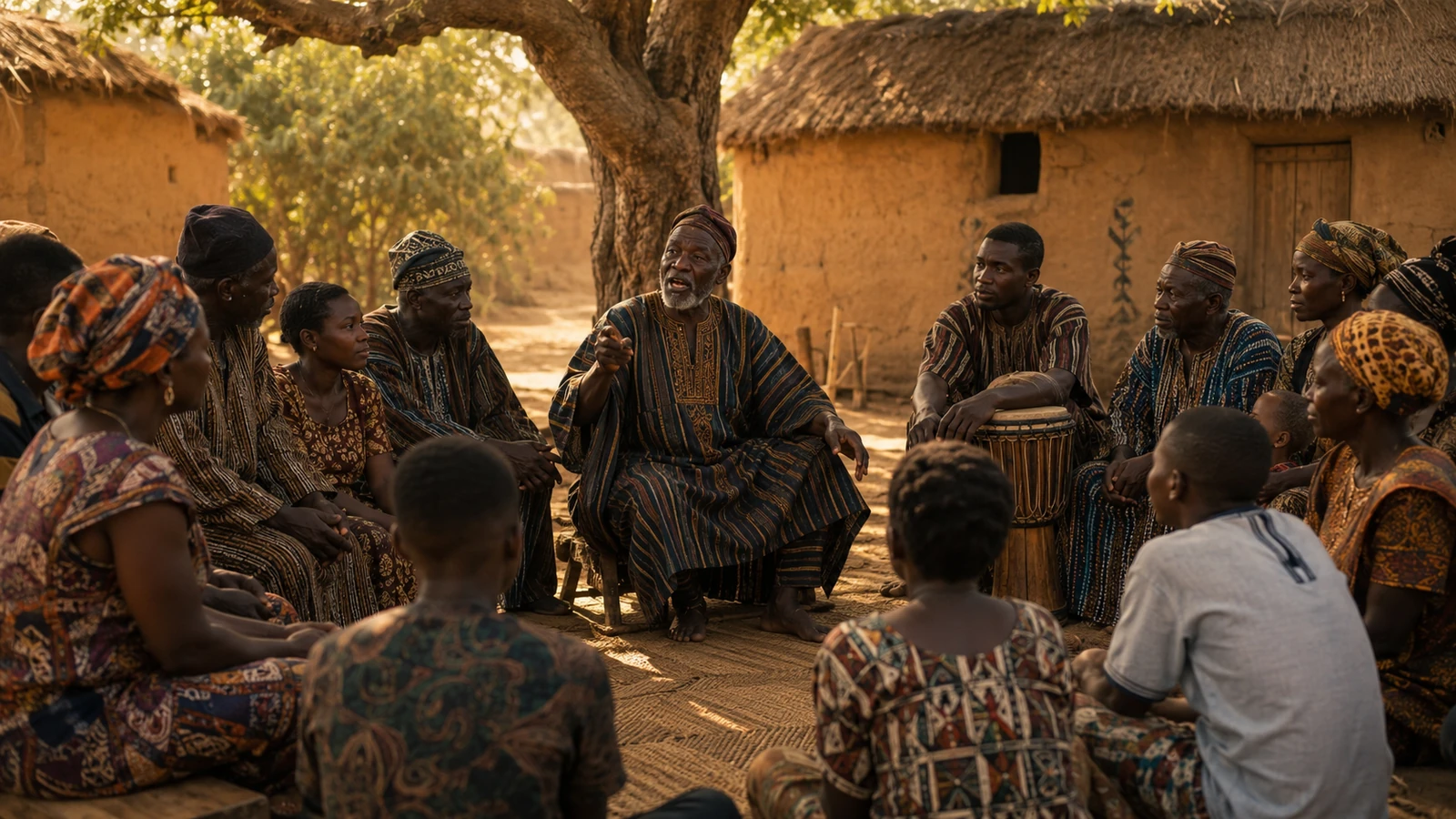

Leave a Comment
We'd love to hear your thoughts.
The distinction between the original dream and its later public narration was very useful.
I appreciated the explanation that a dream becomes a social story when it is told and interpreted.