
Gratitude and Ancestor Honor
Cornerstone Content
Quick Summary
Gratitude and ancestor honor connect living generations with the people whose work, sacrifices, knowledge, and relationships shaped family and community life. This guide explains their meaning across diverse African and global traditions while distinguishing respectful remembrance from generalized claims about ancestor worship.
Gratitude toward previous generations can take many forms.
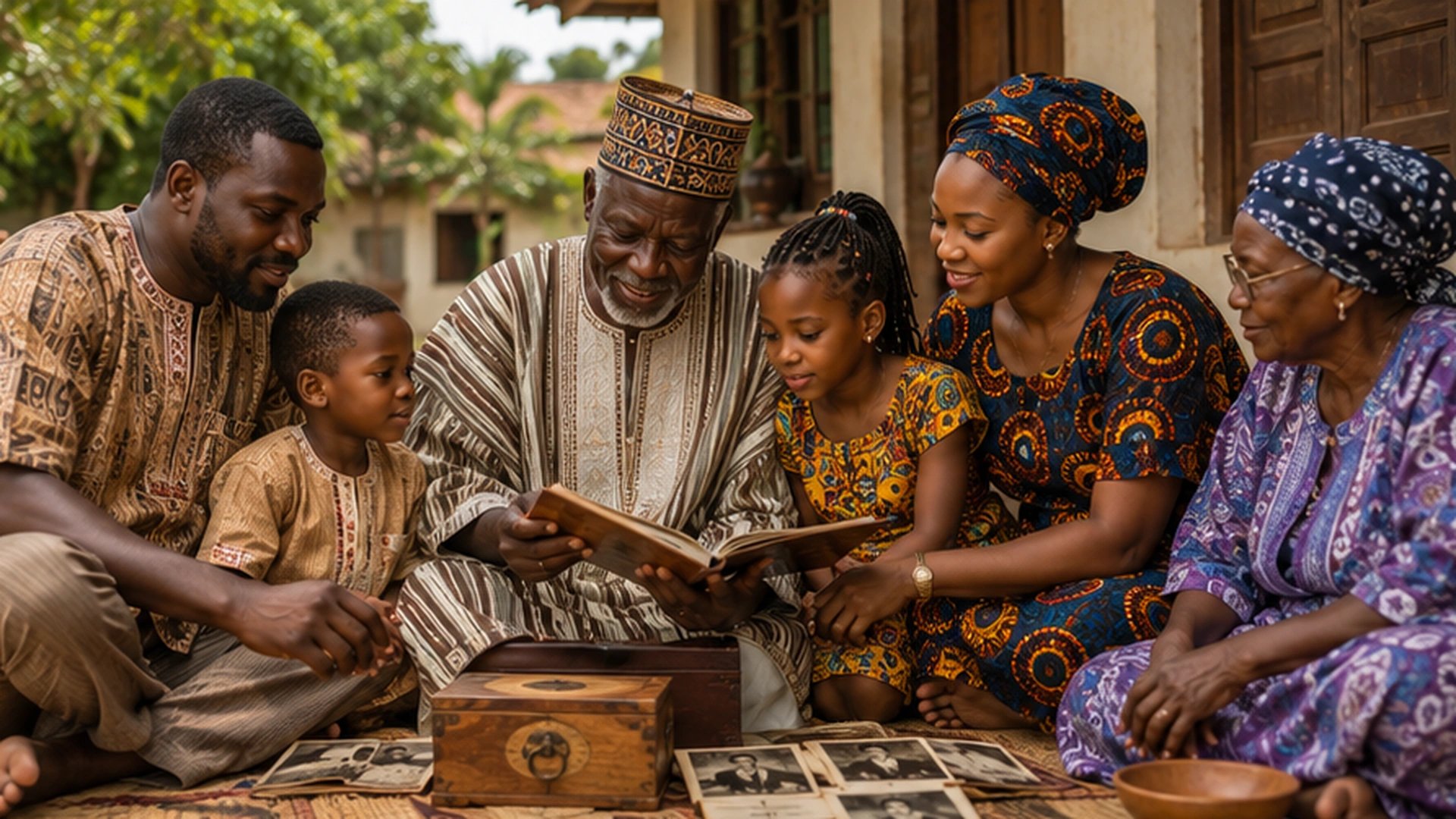
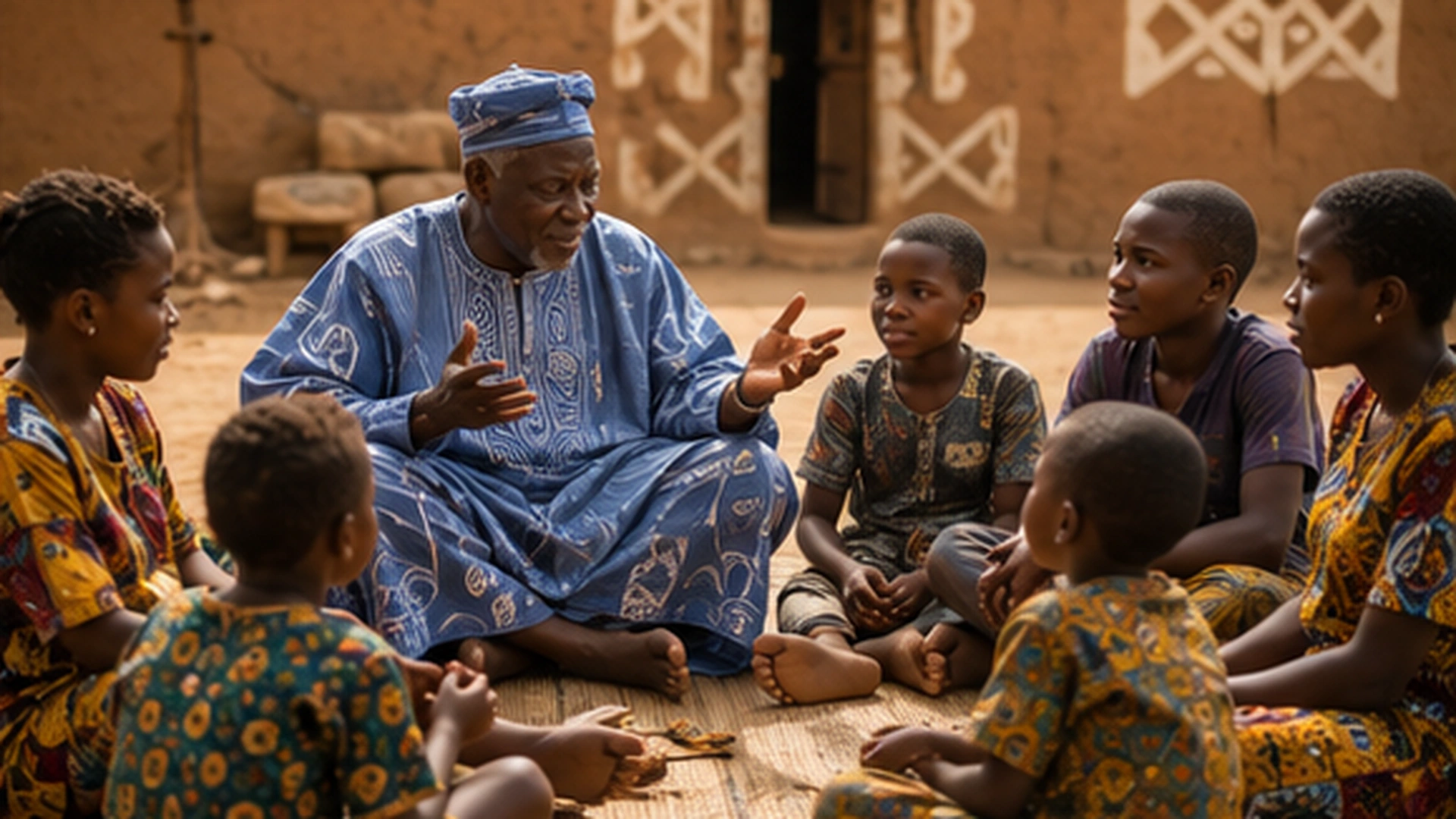
A family may preserve the name of a respected grandparent. Relatives may maintain a burial place, repeat a proverb learned from an elder, prepare a commemorative meal, record a family history, support younger relatives, or continue a craft taught by someone who has died.
In some religious and cultural settings, ancestor honor also includes prayers, offerings, libations, festivals, sacred objects, or communication through recognized specialists. In other families, remembrance is expressed without ritual or belief that the dead remain spiritually active.
These practices should not be reduced to one universal idea.
African societies contain diverse languages, religions, political histories, kinship systems, and understandings of death. Ancestor-related practices among particular Akan, Yorùbá, Xhosa, Okoyong, Malagasy, or Kongo communities may differ greatly from one another. Practices may also vary between neighboring families, urban and rural households, religious denominations, and generations.
Gratitude and ancestor honor are best understood as broad themes that communities express through their own beliefs, institutions, and histories.
Key Points
Gratitude and ancestor honor involve recognizing the lives, contributions, knowledge, sacrifices, and responsibilities of earlier generations.
They may be expressed through:
- Family storytelling
- Preserving names and genealogies
- Caring for graves or memorial spaces
- Continuing useful skills and values
- Songs, praise poetry, and commemorative art
- Family gatherings
- Public festivals
- Religious observances
- Supporting relatives and community members
- Responsible care for inherited land, objects, or knowledge
Ancestor honor is not automatically the same as ancestor worship.
Some communities understand particular ancestors as spiritually active members of a family or lineage. Others remember the dead historically, emotionally, or religiously without addressing them as spiritual beings.
Respectful education must identify the particular community and avoid treating every African tradition as identical.
What Is Gratitude and Ancestor Honor?
Gratitude and ancestor honor describe ways people acknowledge those who came before them.
Gratitude focuses on appreciation. People may recognize that their lives were shaped by previous generations who raised children, preserved knowledge, protected communities, cultivated land, developed institutions, survived hardship, or created opportunities.
Ancestor honor refers to acts of respect, remembrance, or responsibility directed toward deceased family members, lineage founders, previous rulers, cultural figures, or other recognized forebears.
Not every deceased person automatically becomes an ancestor in every tradition.
In some societies, ancestral status may depend on age, moral standing, proper burial, descendants, social office, or the circumstances of death. Elsewhere, the word “ancestor” is used more generally for any person from whom a family or community traces descent.
Scholars have long warned against separating ancestors completely from kinship and elderhood. In some African contexts, relationships with ancestors are understood as extensions of family authority, obligation, and continuity rather than as devotion to unrelated supernatural beings.
Plain-Language Meaning
Gratitude and ancestor honor mean remembering where we came from and showing appreciation for the people who helped make our lives possible.
This appreciation may be shown by:
- Speaking their names
- Telling their stories accurately
- Caring for family members
- Preserving valuable knowledge
- Learning from both their achievements and mistakes
- Protecting meaningful family objects
- Visiting or maintaining memorial places
- Living according to values the family considers worthy
A person can honor an ancestor without believing that the ancestor controls every event in the living world.
Gratitude as a Form of Cultural Memory
Gratitude is not limited to saying “thank you.”
Within family and community traditions, gratitude can become a method of preserving memory. When people explain who planted a family farm, established a business, protected children during conflict, taught a language, or maintained a community institution, they connect present-day benefits with earlier human effort.
This does not mean the past should be romanticized.
Previous generations may have displayed courage and wisdom while also participating in harmful systems, family conflicts, inequality, or exclusion. Responsible remembrance makes room for complexity.
A family can appreciate an elder’s sacrifices without pretending that every decision was correct.
Living heritage is inherited from earlier generations but continually recreated as communities respond to their environment, history, and changing circumstances. It provides identity and continuity without requiring people to reproduce the past without change.
Why People Honor Their Ancestors
To preserve family identity
Ancestor remembrance can help people understand their names, relationships, places of origin, and family histories.
Children who know how relatives are connected may better understand why certain responsibilities, languages, professions, or places are important to the family.
Genealogical knowledge can also explain relationships that are not obvious from surnames alone, particularly where naming systems, clan identities, marriage, migration, or adoption have shaped family organization.
To recognize sacrifice and contribution
Many families remember people who worked under difficult circumstances so later generations could access land, education, safety, professional opportunities, or social mobility.
Gratitude may be expressed by continuing a worthwhile project, caring for surviving relatives, or using inherited opportunities responsibly.
To preserve moral lessons
Stories about ancestors may communicate values such as courage, hospitality, patience, generosity, loyalty, or responsibility.
They may also serve as warnings. A remembered family conflict, misuse of authority, or damaging decision can teach younger relatives what should not be repeated.
Ancestor honor does not require presenting every ancestor as morally perfect.
To maintain continuity during change
Migration, urbanization, religious conversion, conflict, and language loss can interrupt family memory.
Remembrance traditions may help people maintain connections when they live far from ancestral homes or no longer participate in the same institutions as their grandparents.
To strengthen relationships among the living
Activities associated with remembrance often bring relatives together.
Planning a memorial, collecting photographs, discussing genealogy, cleaning a burial place, or preparing a family gathering can renew relationships among living family members.
Social practices and commemorative events often connect identity with community participation, kinship, seasonal cycles, religious observance, or major life transitions.
Who Counts as an Ancestor?
There is no universal answer.
In everyday English, an ancestor is usually any person from whom someone descends. Cultural and religious definitions may be more specific.
Depending on the community, an ancestor may be:
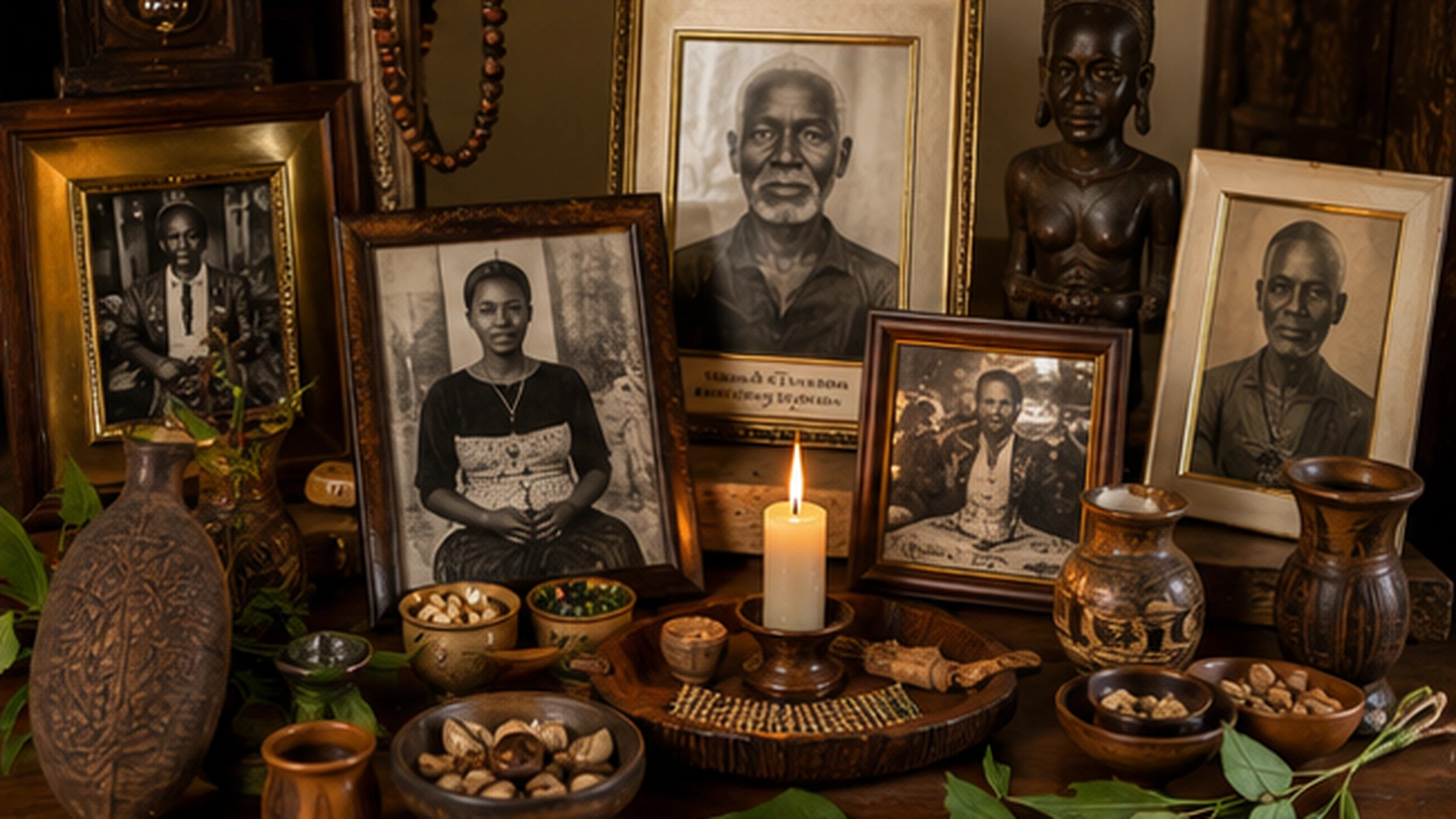
- A deceased parent or grandparent
- A respected lineage elder
- A family founder
- A previous chief, king, or queen mother
- A person remembered for exceptional service
- A founding figure associated with a community
- A deceased officeholder whose authority continues symbolically
- A distant forebear known through oral history
The recently deceased may also occupy a different category from established ancestors.
Some traditions distinguish between a person who has just died and one who has completed the necessary funerary or commemorative processes. Others focus primarily on remembrance rather than a formal transition into ancestral status.
Ancestors should not automatically be confused with:
- Divinities
- Nature spirits
- Saints
- Angels
- Deities
- Ghosts
- Recently deceased persons
- Unrelated spiritual beings
These categories may overlap in some traditions, but they remain distinct in others.
Public Remembrance and Religious Ancestor Veneration
Ancestor remembrance exists on a wide spectrum.
At one end are historical and family activities:
- Displaying photographs
- Recording oral histories
- Naming children after relatives
- Maintaining graves
- Holding memorial gatherings
- Preserving letters and documents
- Continuing family recipes or crafts
At another point on the spectrum are religious practices in which particular ancestors are understood to remain involved in family or community life.
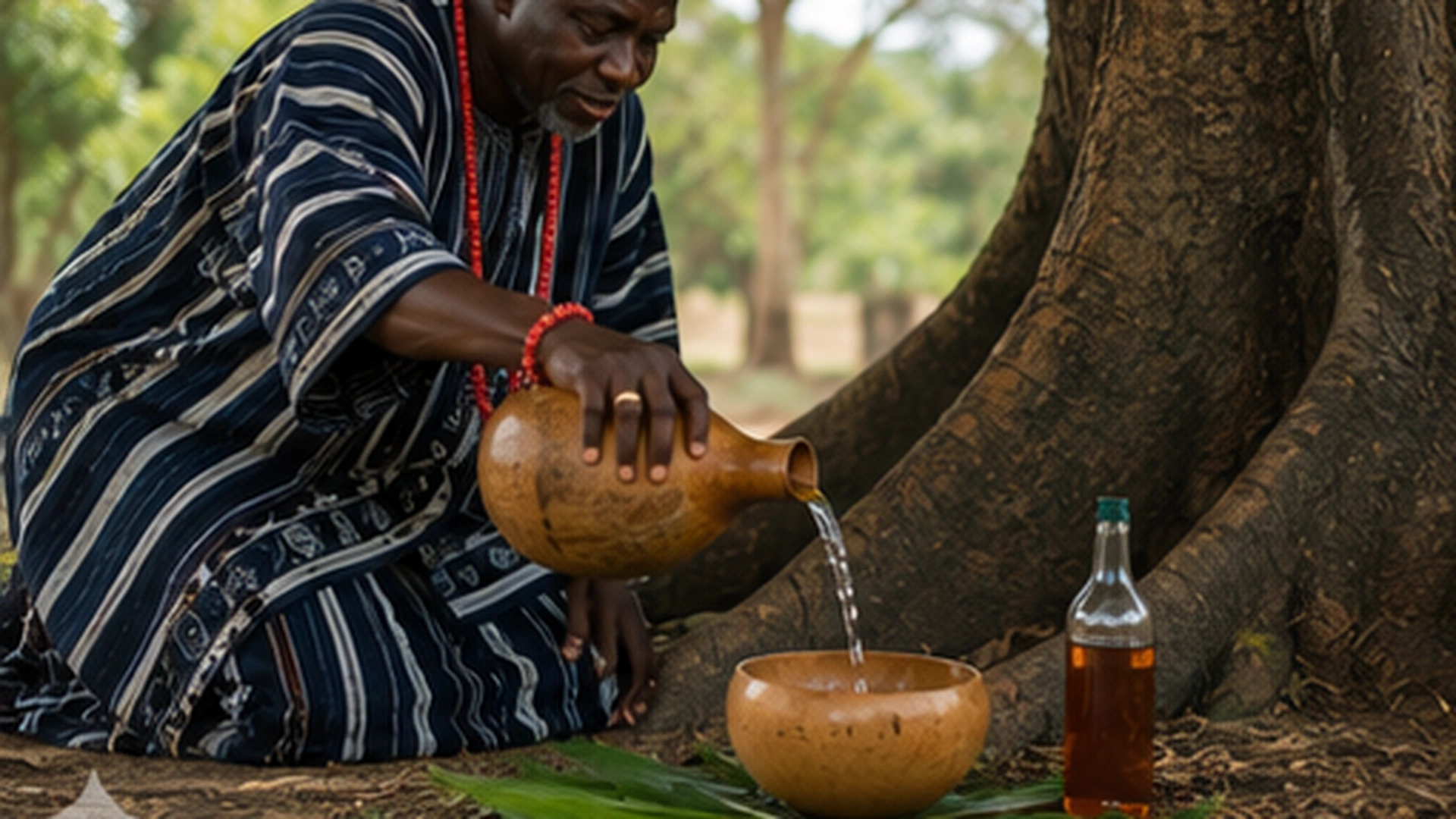
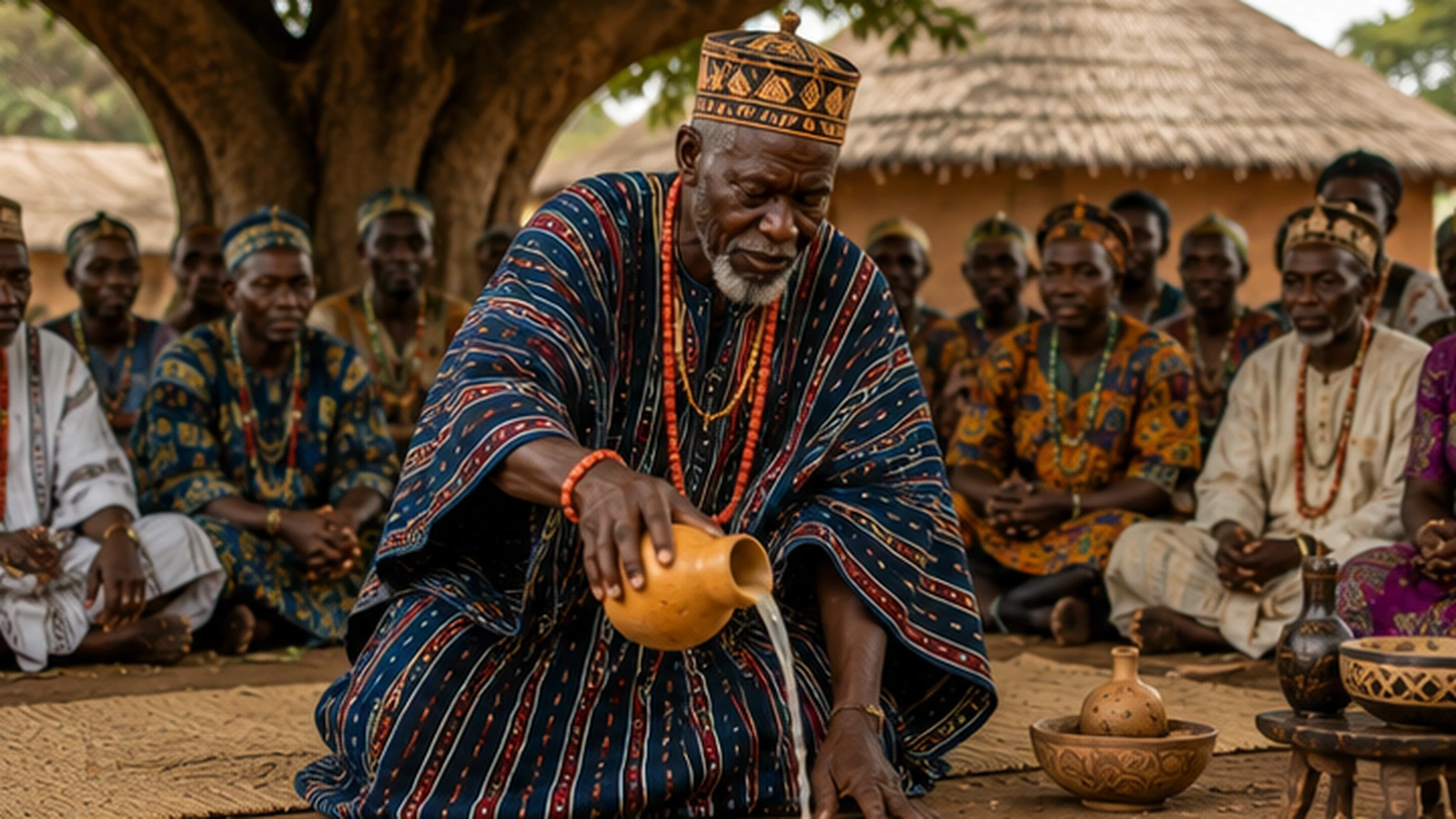
These practices may include prayers, offerings, libations, sacred objects, festivals, or consultation through authorized religious practitioners.
The term ancestor veneration is often more accurate than ancestor worship because it emphasizes honor and respect. However, the appropriate term depends on how members of the relevant tradition understand their own practices.
Outside writers should not impose a label merely because food, drink, prayer, or ceremonial attention is involved.
Gratitude and Ancestor Honor in Specific African Contexts
The following examples illustrate cultural diversity. They do not represent every member of the named community or every African tradition.
Akan and Asante royal remembrance in Ghana
Among particular Akan societies in southern Ghana, remembrance may be expressed through royal memorial art, stools, cemetery traditions, family history, and institutions associated with political succession.
The Metropolitan Museum of Art documents Akan terracotta memorial portraits known as nsodie, including posthumous representations of rulers that were placed with images of previous leaders in designated cemetery areas.
Within Asante political traditions, stools can symbolize personal and institutional authority. The stools of deceased chiefs or queen mothers may be blackened and kept within dedicated ancestral stool rooms, where they become part of periodic acts of royal remembrance and continuity.
These traditions concern particular royal and political institutions. They should not be presented as customs followed identically by every Ghanaian or every Akan family.
They also show that ancestor honor may preserve an office as well as an individual. Remembering a deceased ruler can reinforce historical responsibilities, political legitimacy, and expectations placed upon successors.
Yorùbá Egúngún traditions in Nigeria, Benin, and the diaspora
Among particular Yorùbá communities, Egúngún traditions honor departed ancestors through masquerade festivals involving layered textiles, movement, music, family participation, and recognized religious responsibilities.
The Brooklyn Museum describes Egúngún as a centuries-old practice continuing in Nigeria, the Republic of Benin, and parts of the Yorùbá diaspora. Its research into one ensemble traced the object to the Lekewọgbẹ family in Ògbómọ̀ṣọ́ and emphasized that masquerade heritage belongs to identifiable makers and communities rather than to an anonymous idea of “African culture.”
Egúngún should not be reduced to “a person wearing a mask.”
Its meaning involves performance, lineage, authorization, textile history, music, movement, and relationships between the living and departed. Some knowledge connected with preparation or religious empowerment may be restricted.
Educational images or articles should not invent private ceremonies or reveal details that recognized practitioners have not made public.
Ancestors, kinship, and the Xhosa homestead
Research from South Africa’s Eastern Cape has examined how some Xhosa families invoke ancestors while sustaining relationships between rural homesteads and relatives living in towns or cities.
In this context, ancestral practices may be closely connected with extended-family cooperation, investment in the homestead, reciprocal obligations, and attempts to maintain trust during economic and social uncertainty. Christianity and ancestor-related traditions may also appear together rather than operating as completely separate systems.
This example shows that ancestor honor may concern the organization of living relationships as much as beliefs about the dead.
It should not be generalized to all Xhosa people. Practice can vary according to family, church membership, location, generation, and personal conviction.
Libation among particular Okoyong communities in Nigeria
Ethnographic research among Kiong-speaking Okoyong people in southeastern Nigeria has examined libation as a locally meaningful form of communication connecting social welfare, tradition, and relationships with ancestors.
This does not mean that all Nigerian communities perform libation or that every libation follows the same sequence.
The words spoken, substances used, authorized participants, recipients, occasions, and meanings can vary significantly.
For that reason, general educational content should explain the cultural role of libation without publishing restricted formulas or presenting a simplified ritual script for outsiders to copy.
Ways Gratitude May Be Expressed Without Restricted Rituals
People can honor family history in respectful and publicly appropriate ways without imitating ceremonies they do not understand.
Record family stories
Interview relatives about childhood, migration, work, language, marriage, education, leadership, and important historical events.
Ask permission before recording.
Clarify whether the information may be shared publicly, kept within the family, or withheld for a particular period.
Preserve names and genealogies
Record full names, praise names, nicknames, clan affiliations, places of origin, and relationships where appropriate.
Check information with several relatives because memories may differ.
A disagreement should be documented honestly rather than forced into one version.
Care for photographs and documents
Old photographs, letters, certificates, notebooks, land records, and family books may carry valuable historical information.
Store them away from moisture, direct sunlight, insects, and destructive adhesives. Create digital copies while preserving the originals.
Maintain memorial places responsibly
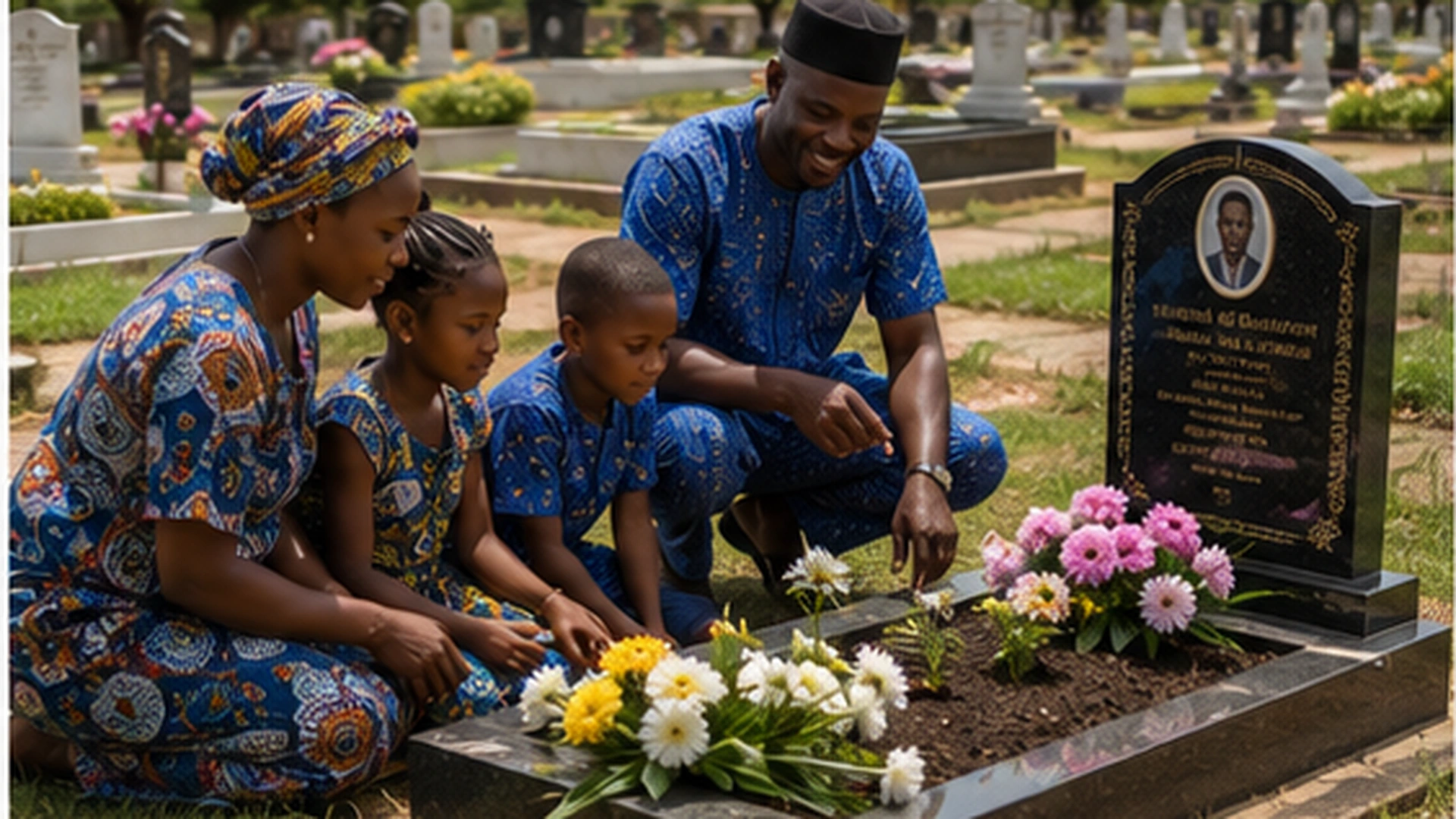
Families may care for graves, gardens, monuments, family houses, or other places connected with deceased relatives.
Permission should be obtained before altering a grave, moving an object, publishing a location, or photographing a sensitive site.
Continue useful skills
Learning a recipe, language, song, farming method, craft, or profession associated with a relative can be an active form of gratitude.
The goal should not be to imitate the past mechanically. The learner can preserve the core knowledge while adapting it responsibly.
Support living relatives
Ancestor honor can become empty symbolism if surviving elders, children, widows, disabled relatives, or vulnerable family members are neglected.
In many families, the strongest expression of gratitude to previous generations is responsible care for the people who remain.
Live according to worthy values
A person may honor a respected ancestor by practicing the qualities for which that individual is remembered.
These might include fairness, courage, patience, service, education, craftsmanship, or hospitality.
Is Ancestor Honor the Same as Ancestor Worship?
Not necessarily.
The phrase ancestor worship has often been used broadly by missionaries, colonial writers, and early scholars to categorize practices they did not fully understand. More recent scholarship has questioned descriptions that separate ancestors from ordinary family and political relationships or assume that every act of respect constitutes worship.
Three situations should be distinguished:
Historical remembrance: Remembering deceased relatives through stories, photographs, names, and memorials.
Respect or veneration: Showing formal honor to ancestors as important members of family or community history.
Religious devotion: Addressing ancestors through prayer, offerings, sacred objects, or authorized ceremonies because they are understood to remain spiritually active.
A single community may combine these categories. Another may recognize only one or two.
The safest approach is to use the terminology preferred by knowledgeable members of the particular tradition and explain what the practice involves.
Gratitude Does Not Mean Idealizing Every Ancestor
Families sometimes hide painful histories because they believe respect requires silence.
However, responsible remembrance can acknowledge:
- Abuse
- Abandonment
- Discrimination
- Unresolved conflict
- Harmful leadership
- Property disputes
- Gender inequality
- Participation in violence
- Family secrets that continue to cause harm
No person is required to celebrate someone who harmed them.
A descendant may study an ancestor’s life, preserve accurate history, establish boundaries, and choose not to continue harmful behavior.
Gratitude is meaningful when it is honest. It should not be used to force reconciliation, silence survivors, or excuse abuse.
Ancestor Honor, Christianity, Islam, and Religious Diversity
African families may include followers of Indigenous religions, Christianity, Islam, or other faiths.
Some Christians understand family remembrance as compatible with honoring parents, commemorating the dead, maintaining graves, or preserving genealogies. Others reject direct communication with ancestors on theological grounds.
Muslim families may preserve family history, visit burial places within accepted religious boundaries, give charity in memory of the deceased, and pray to God for departed relatives. Interpretations vary among legal schools, teachers, regions, and families.
Other communities combine Indigenous and world-religion practices in ways shaped by local history.
It is therefore inaccurate to assume that religious conversion completely erases family traditions or that all people belonging to one religion treat ancestor-related customs identically.
Writers should describe actual community practice rather than declaring that one blended religious identity applies to everyone.
Ancestor Honor Beyond Africa
Remembering ancestors is not unique to African societies.
Jongmyo royal ancestral ritual in Korea
At Jongmyo Shrine in Seoul, a Confucian ritual commemorates the royal ancestors of the Joseon dynasty through music, dance, and ceremonial observance. The ritual is organized by descendants of the royal family and continues as a recognized heritage tradition.
Día de los Muertos in Mexico
Indigenous communities in Mexico observe traditions associated with Día de los Muertos, during which deceased relatives and loved ones are commemorated through family and community activities. The tradition combines regionally specific Indigenous histories with later religious and national influences.
Chinese Spring Festival practices
During Chinese New Year traditions, some families make offerings connected with heaven, earth, and ancestors while also greeting elders, relatives, friends, and neighbors. Practices differ across regions, families, religious orientations, and diaspora communities.
These comparisons reveal a common human concern with family continuity, but they should not be used to claim that Korean, Mexican, Chinese, and African ancestor traditions have the same theology or ritual meaning.
Ancestor Honor in the African Diaspora
Forced displacement, enslavement, colonialism, migration, and changing borders separated many people of African descent from specific family histories.
In some diaspora communities, ancestor honor may therefore include:
- Reconstructing genealogy
- Visiting archives
- Preserving family reunion traditions
- Remembering victims of slavery and racial violence
- Maintaining cemeteries
- Celebrating cultural survival
- Recovering languages or names
- Supporting historical institutions
- Honoring community founders
- Creating new memorial practices
The Smithsonian’s National Museum of African American History and Culture notes that family reunions gained particular importance after emancipation, when African Americans worked to reconnect relatives separated through slavery and establish family roles under freedom.
Diasporic remembrance may be both personal and collective. People may honor biological ancestors, cultural ancestors, freedom fighters, artists, teachers, or community elders whose work created possibilities for later generations.
Care should be taken not to invent precise ethnic ancestry where reliable evidence is unavailable.
Common Misconceptions
“All African people worship their ancestors”
False.
Ancestor-related beliefs and practices vary widely, and many Africans do not participate in them. Some focus on historical remembrance, while others follow Christian, Muslim, secular, or other approaches.
“Every deceased relative becomes an ancestor”
Not in every tradition.
Ancestral status may depend on family recognition, moral standing, age, descendants, office, burial, or other cultural conditions.
“Ancestor honor guarantees protection or success”
No practice can guarantee protection, wealth, healing, pregnancy, business success, legal victory, or control over another person.
Claims of guaranteed outcomes should be treated cautiously.
“Every African family pours libation”
False.
Libation is practiced in particular communities and settings. Materials, words, purposes, and authorized participants vary.
“Every mask represents an ancestor”
False.
Masks and masquerades may relate to ancestors, political authority, entertainment, moral education, initiation, divinities, spirits, professional associations, or other purposes.
Meaning depends on the specific object and context.
“Honoring ancestors requires copying another culture’s ritual”
False.
People can preserve their own family history through storytelling, documentation, ethical living, grave care, or supporting relatives.
Copying a restricted ceremony without community authority may be disrespectful.
“Respecting ancestors means never questioning them”
False.
Historical honesty includes acknowledging both positive legacies and harmful actions.
Ethical and Safety Boundaries
Responsible ancestor-related education should avoid:
- Publishing private prayers
- Revealing initiation knowledge
- Naming restricted spiritual beings without permission
- Photographing private ceremonies
- Sharing grave locations that families want protected
- Removing objects from memorial spaces
- Presenting replicas as ritually authentic
- Selling invented “ancestral” items
- Claiming authority that has not been granted
- Promising supernatural results
Traditional or spiritual practices must not replace medical treatment, mental-health care, legal assistance, emergency services, financial advice, or safety planning.
A person experiencing bereavement, disturbing visions, severe anxiety, suicidal thoughts, or an inability to function should seek appropriate professional support. Cultural and religious support can accompany professional care, but it should not be used to deny urgent help.
How to Teach Children About Ancestor Gratitude
Children can learn family history through age-appropriate activities.
Families may:
- Label old photographs together
- Create a simple family tree
- Cook a relative’s recipe
- Visit a meaningful place
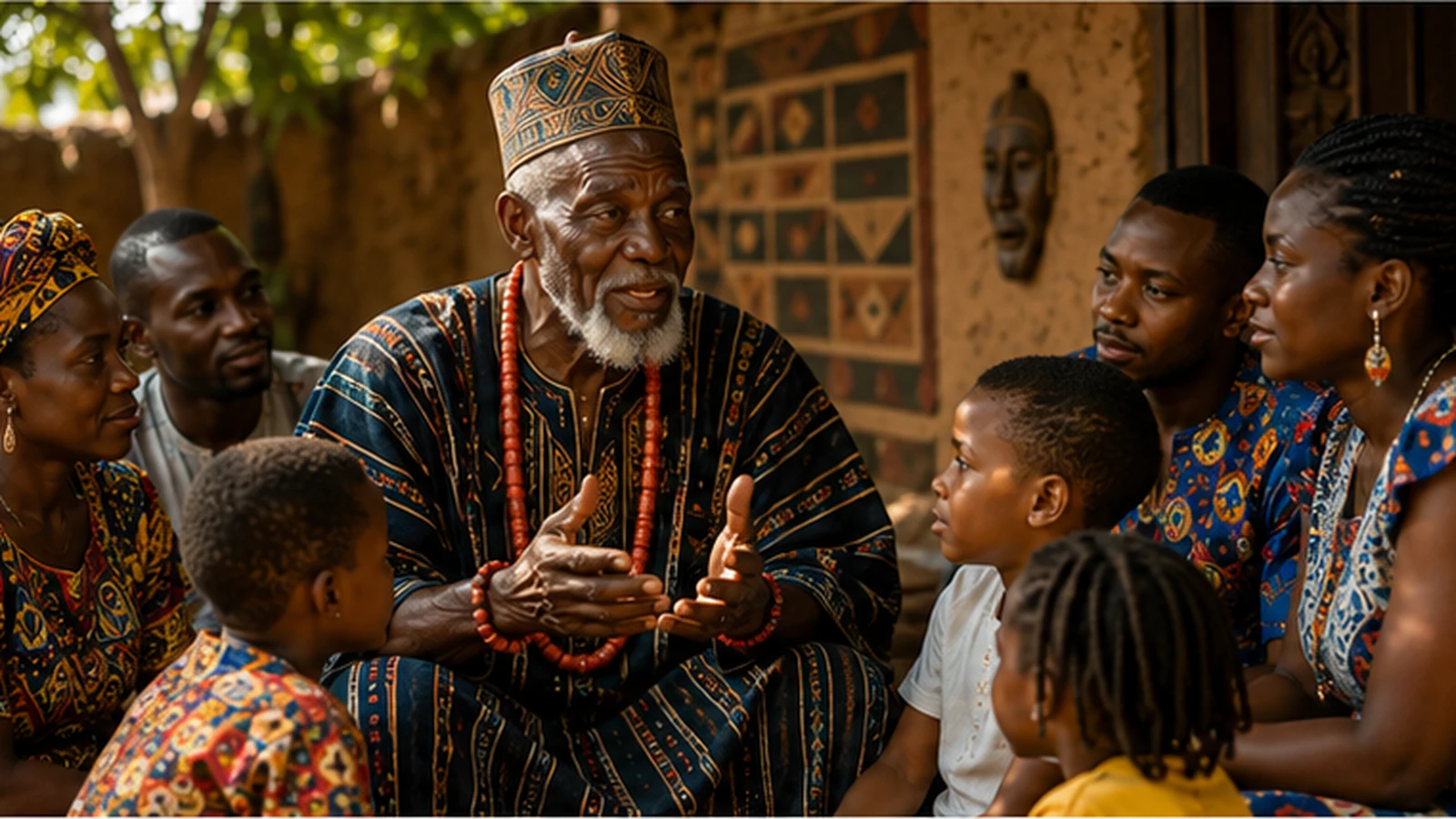
- Record an elder’s story
- Learn the origin of a family name
- Read old letters
- Discuss a relative’s profession
- Preserve a song or proverb
- Create a memory book
Children should also learn that ancestors were human beings with strengths and weaknesses.
They should not be frightened with claims that deceased relatives will punish ordinary mistakes. Family memory should encourage belonging and responsibility rather than fear.
Preserving Ancestor Traditions Responsibly
Let communities define their traditions
Living heritage is recognized and maintained by the communities that practice it. External researchers, writers, tourists, and content creators should not decide alone what a tradition means.
Obtain informed consent
People should know why they are being recorded, where the information will appear, and whether it may be used commercially.
Permission to conduct an interview does not automatically include permission to publish every detail.
Distinguish public and restricted knowledge
A public festival may contain private preparations. A museum object may once have held a religious function that cannot be recreated merely by displaying it.
Public visibility does not eliminate cultural ownership.
Credit specific knowledge holders
Use the names of communities, families, practitioners, scholars, and institutions when permission and reliable information are available.
Avoid anonymous phrases such as “according to African tradition.”
Preserve context
A song, textile, photograph, or memorial object should be documented with information about its maker, owner, date, place, function, and community interpretation.
Allow responsible change
Traditions may adapt to migration, technology, new religious identities, and changing family structures.
Change is not necessarily cultural loss. Communities should lead decisions about what can evolve and what requires protection.
Key Takeaways
- Gratitude and ancestor honor recognize the contributions and legacies of previous generations.
- Ancestor remembrance can be historical, emotional, social, political, or religious.
- Not every deceased person automatically becomes an ancestor in every culture.
- Ancestors, divinities, spirits, saints, and recently deceased relatives are not interchangeable categories.
- African ancestor traditions vary by community, family, religion, office, gender, location, and historical period.
- Akan royal remembrance, Yorùbá Egúngún, Xhosa kinship practices, and Okoyong libation traditions have distinct cultural meanings.
- Ancestor honor is not automatically ancestor worship.
- Gratitude does not require idealizing harmful family members.
- Public education should not reveal restricted rituals or private knowledge.
- Family stories, photographs, language, ethical living, and care for relatives are meaningful forms of remembrance.
- Spiritual practices cannot guarantee health, wealth, protection, love, or legal success.
- Communities should lead the interpretation and safeguarding of their heritage.
People Also Ask
What does honoring ancestors mean?
Honoring ancestors means remembering and respecting earlier family or community members through stories, memorials, ethical responsibilities, cultural practices, or religious observances.
Is ancestor honor the same as ancestor worship?
No. Ancestor honor may involve historical remembrance, respect, or religious veneration. The appropriate description depends on the beliefs of the particular community.
Why is gratitude to ancestors important?
It can preserve family memory, strengthen identity, recognize sacrifice, transmit knowledge, and encourage responsibility toward living relatives and future generations.
How do African communities honor ancestors?
Methods vary and may include oral history, grave care, family gatherings, royal memorial objects, masquerades, libation, naming practices, prayers, or ethical obligations.
Does every African culture practice ancestor veneration?
No. Africa includes highly diverse religious and cultural traditions, and many people do not participate in ancestor-veneration practices.
Can someone honor ancestors without performing rituals?
Yes. People may preserve family stories, photographs, genealogies, languages, values, recipes, crafts, or memorial places without performing religious rituals.
Who can be considered an ancestor?
Definitions vary. An ancestor may be a deceased relative, lineage founder, respected elder, previous ruler, or recognized community forebear.
Is it acceptable to copy another community’s ancestor ceremony?
Not without appropriate knowledge, invitation, and permission. Restricted or culturally specific ceremonies should not be copied as generic spiritual practices.
Can ancestor practices guarantee protection or success?
No. No cultural or spiritual practice can guarantee protection, healing, wealth, love, pregnancy, legal victory, or business success.
How can families preserve ancestor memories?
Families can record interviews, label photographs, document names, care for memorial places, preserve meaningful objects, and teach younger relatives.
Frequently Asked Questions
1. What does honoring ancestors mean?
Honoring ancestors means remembering and respecting people from earlier generations through family stories, memorials, values, cultural practices, or religious observances.
2. Is ancestor honor the same as ancestor worship?
No. Ancestor honor may involve remembrance or respect without worship. Some traditions include religious veneration, but terminology should reflect the community’s own understanding.
Frequently Asked Questions
What should readers know first about african spirituality and cultural history?
African spirituality and cultural history: Read clear guidance, key signs, practical steps, and private support from Ancestral Temple.
What causes Gratitude and Ancestor Honor?
The safest next step is to compare the signs, prepare clear details, and request private guidance when the matter feels personal.
How does Gratitude and Ancestor Honor work?
The safest next step is to compare the signs, prepare clear details, and request private guidance when the matter feels personal.
Is it possible to get private guidance for Gratitude and Ancestor Honor?
The safest next step is to compare the signs, prepare clear details, and request private guidance when the matter feels personal.
How long does Gratitude and Ancestor Honor take to understand?
The safest next step is to compare the signs, prepare clear details, and request private guidance when the matter feels personal.
Can Gratitude and Ancestor Honor affect relationships, family, work, or personal peace?
The safest next step is to compare the signs, prepare clear details, and request private guidance when the matter feels personal.
Why do people seek spiritual guidance for Gratitude and Ancestor Honor?
The safest next step is to compare the signs, prepare clear details, and request private guidance when the matter feels personal.
What signs should someone notice before asking about Gratitude and Ancestor Honor?
The safest next step is to compare the signs, prepare clear details, and request private guidance when the matter feels personal.
When should someone contact a private spiritual guide?
The safest next step is to compare the signs, prepare clear details, and request private guidance when the matter feels personal.
What causes african spirituality and cultural history?
African spirituality and cultural history: Read clear guidance, key signs, practical steps, and private support from Ancestral Temple. The safest next step is to compare the signs, prepare clear details, and request private guidance when the matter feels perso
Article Information
- Publisher
- Ancestral Temple
- Editor
- Ancestral Temple
- Last updated
- Jul 26, 2026
- Last reviewed
- Jul 13, 2026
- Content version
- c04a4e17ee
This educational article should be read as cultural and spiritual information, not as medical, legal, financial, or emergency advice.
Helpful Related Guidance
Explore This Topic
African Spiritual Traditions · Ancestor Reverence In African Cultures
Related Topic Cluster
African Spirituality And Cultural History
Complete Guide Why Homes Have Been Blessed Throughout HistoryAbout the Author
 Ancestral Temple
Spiritual guide and practitioner with decades of experience in ancestral wisdom, rituals, and divine guidance.
Related Posts
View All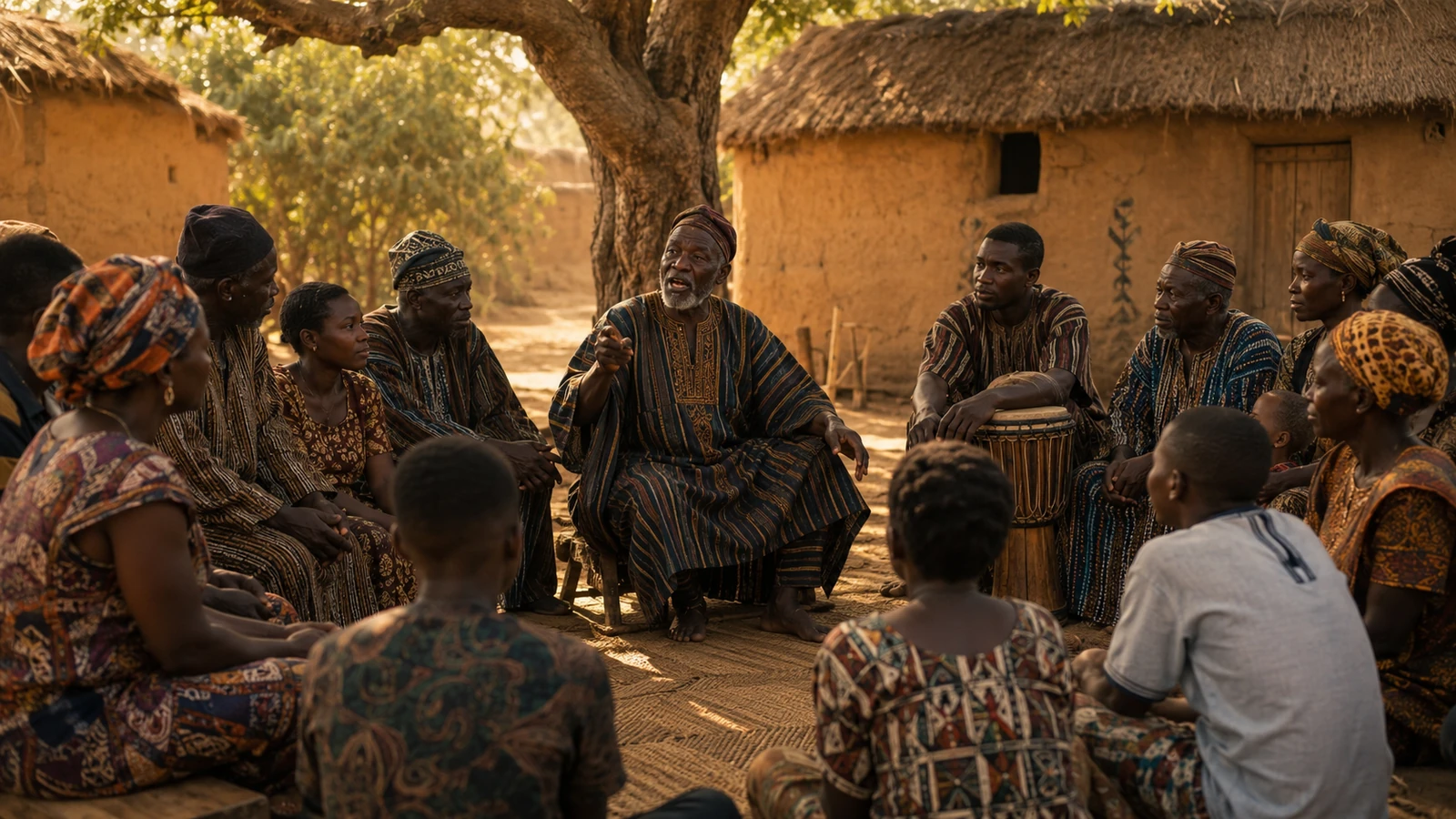

Leave a Comment
We'd love to hear your thoughts.
This article would be useful for families beginning a genealogy or memory-book project.
The reminder not to invent precise ethnic ancestry without evidence was valuable.
The final section explains cultural continuity in a practical and respectful way.
I would like to read an article about how family names change through migration and marriage.
The advice about obtaining consent before publishing family interviews is very important.
The article shows that remembrance can be cultural, emotional, historical, or religious.
I appreciated the distinction between a recently deceased relative and an established ancestor.
Could there be a printable worksheet for recording oral histories and photograph details?
The table of internal links gives many good ideas for a broader heritage knowledge hub.
The article encouraged cultural learning without telling outsiders to copy ceremonies.
I would like more detail about the history of family reunions in the African diaspora.
The section about difficult ancestors was honest and necessary.
Can schools support family-history projects without exposing students’ private information?
I liked the recommendation to record full names, nicknames, and places of origin.
The article makes an important point that not every mask represents an ancestor.
I would appreciate a future article about respectful grave maintenance in different cultural settings.
The explanation of ancestral stools helped separate political institutions from ordinary household customs.
Could you explore the role of women in preserving family genealogies and remembrance traditions?
The part about descendants using inherited opportunities responsibly gave the topic a practical meaning.
The article was detailed while remaining easy to follow on a phone.
How can families preserve digital photographs so they are still available to future generations?
The section about naming traditions would make a good full article.
I appreciated that the article did not promise protection or other guaranteed spiritual results.
The idea of documenting different versions of a family story instead of choosing one was thoughtful.
Thank you for distinguishing public festival information from private preparation.
The glossary entry for restricted knowledge was particularly useful.
I would like more information about memorial traditions in East African communities.
The global examples showed similarities without claiming that all ancestor traditions are the same.
Could you explain more about how migration affects the preservation of graves and family land?
The section on children was balanced and avoided frightening language.
A follow-up article about ancestor traditions within different Christian communities would be interesting.
I appreciated the warning that gratitude should never be used to silence someone who experienced harm.
The explanation of living heritage was very helpful.
The article gave practical ideas without presenting private ritual instructions.
Can family recipes be considered a form of ancestor remembrance even when they are used every day?
The Egúngún example was handled carefully and identified the specific Yorùbá context.
I would like a guide for interviewing grandparents respectfully.
This article helped me understand why the words ancestor and spirit should not automatically be used as synonyms.
The section about supporting living relatives was especially meaningful.
Could you write more about how oral historians resolve conflicting family stories?
I liked the reminder that ancestors were human beings and should not always be idealized.
The Akan section was informative without suggesting that every Ghanaian family follows royal traditions.
I would enjoy a separate article about how families can organize and preserve old photographs.
The distinction between ancestor honor, veneration, and worship was clearly explained.
I appreciated the explanation that gratitude can include caring for living relatives and not only performing memorial activities.