
Honoring Ancestors Through Respectful Traditions
Pillar Article
Quick Summary
Discover respectful ways to honor ancestors through family stories, photographs, grave care, genealogy, memorial meals, gratitude, ethical conduct, and responsible cultural learning.
Honoring Ancestors Through Respectful Traditions explains the meaning, background and cultural context of 7 family heritage preservation tips to honor your ancestors in clear educational language. The article answers the main topic near the beginning, preserves the original examples and highlights important distinctions for respectful understanding.
Honoring ancestors through respectful traditions means preserving the memory, history, values, and contributions of people who came before us without misrepresenting cultures, copying restricted ceremonies, or making unsupported spiritual claims.
Ancestor remembrance can be religious, cultural, emotional, historical, or familial. One family may pray at a grave, while another maintains photographs, records genealogy, cooks a remembered meal, preserves ancestral land, or gathers to share stories.
There is no single correct way to honor ancestors.
The most appropriate tradition usually comes from a person’s own family, community, religion, and cultural history. When inherited customs have been lost, families can create honest memorial practices without falsely calling them ancient, sacred, African, Asian, Indigenous, or traditional.
Respect is more important than spectacle.
A simple conversation about a deceased grandparent may preserve more meaningful knowledge than an elaborate ceremony copied from social media without understanding its language, purpose, or authority.
Key Points
Respectful ways to honor ancestors include:
- Learning and recording family history
- Preserving photographs and documents
- Interviewing elders with consent
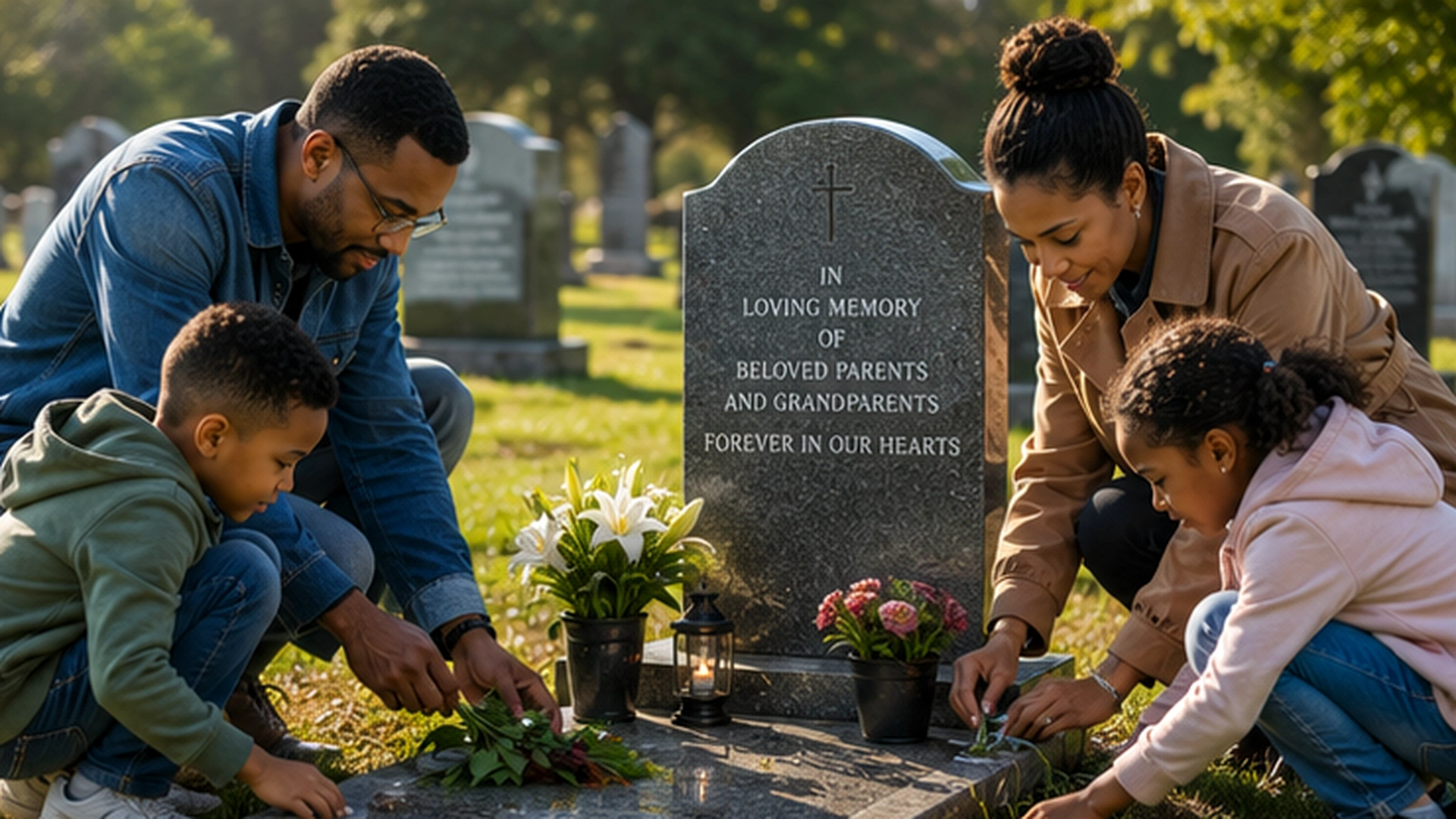
- Maintaining graves and memorial sites
- Sharing family stories
- Cooking inherited recipes
- Preserving names and languages
- Creating a family memory book
- Holding a memorial gathering
- Practicing gratitude
- Caring for living relatives
- Continuing positive family values
- Correcting harmful inherited patterns
- Protecting ancestral land responsibly
- Creating secure digital archives
- Supporting causes connected with an ancestor’s life
Ancestor reverence does not require copying a religious ritual that does not belong to your family or community.
What Does It Mean to Honor an Ancestor?
To honor an ancestor is to recognize that a deceased person or earlier generation continues to matter through memory, identity, values, family relationships, cultural knowledge, land, or religious belief.
An ancestor may be:
- A deceased parent or grandparent
- A distant family predecessor
- A founder of a lineage
- A respected community elder
- A historical leader
- A person connected with ancestral territory
- A cultural or national founder
Clear Definition
Honoring ancestors means respectfully preserving or recognizing the memory, history, influence, and responsibilities inherited from earlier generations.
Plain-Language Meaning
It means remembering where you came from and treating that history responsibly.
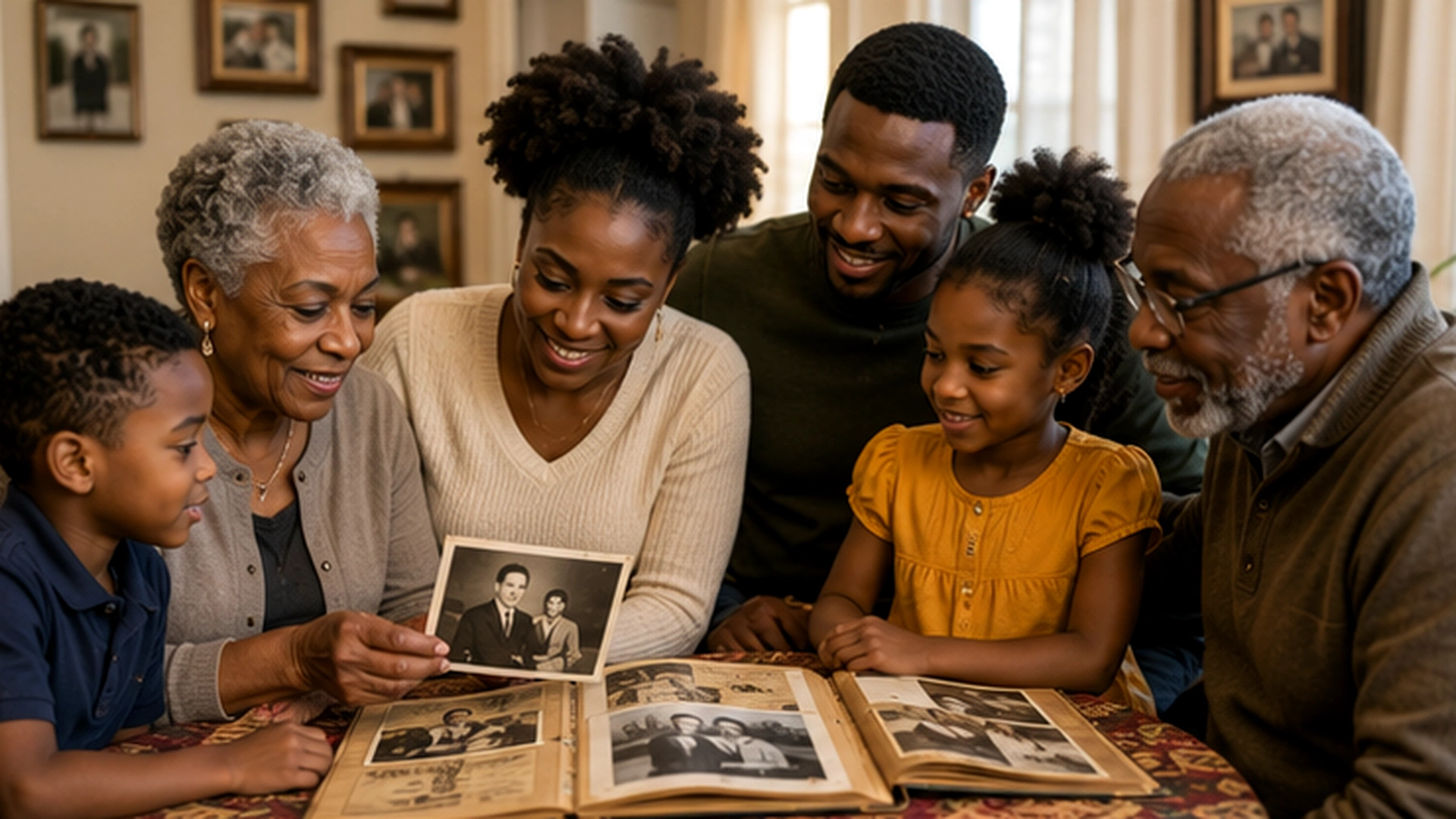
Honoring ancestors may involve spiritual practices, but it can also be as simple as protecting an old photograph, recording a family name correctly, visiting a grave, or telling children the story of a relative they never met.
Respectful Traditions Begin With Truth
A respectful ancestral practice should be honest about its origin.
Ask:
- Did this tradition come from my family?
- Is it part of my religion?
- Did a recognized elder teach it?
- Is it public or restricted?
- Am I creating a personal memorial rather than claiming an ancient ritual?
- Do I understand the meaning of the objects and words involved?
There is nothing wrong with creating a new family remembrance practice.
The problem begins when an invented activity is presented as:
- An authentic tribal ceremony
- An ancient African ritual
- A secret Indigenous practice
- A guaranteed ancestral blessing method
- A tradition belonging to a community that did not authorize its use
A Helpful Principle
Call inherited traditions inherited, researched traditions researched, and newly created memorials newly created.
That honesty protects both the family creating the practice and the culture whose traditions might otherwise be misrepresented.
Why Families Honor Their Ancestors
Families may honor ancestors to:
- Preserve identity
- Express gratitude
- Process grief
- Maintain genealogy
- Protect cultural knowledge
- Teach values
- Strengthen family relationships
- Recognize inherited responsibilities
- Remember sacrifices
- Preserve language
- Care for ancestral places
- Connect generations
UNESCO describes living cultural heritage as traditions, knowledge, rituals, social practices, and skills inherited from earlier generations and transmitted to descendants. Such heritage is not frozen; communities continually recreate it as their circumstances change.
This means that respectful ancestral traditions can adapt while still maintaining continuity.
1. Learn Your Family History
The most accessible way to honor ancestors is to learn who they were.
Begin with questions such as:
- What were their full names?
- Where were they born?
- Which languages did they speak?
- What work did they do?
- Where did they live?
- What challenges did they face?
- What skills did they possess?
- What stories did they tell?
- What values did they emphasize?
- Where were they buried?
Start With What Can Be Verified
Useful sources may include:
- Birth and death records
- Marriage certificates
- Family Bibles or Qur’ans
- Letters
- Photographs
- Funeral programs
- School records
- Land documents
- Cemetery records
- Newspaper archives
- Oral testimonies
Family stories can preserve valuable knowledge, but memories may differ. Record alternative versions rather than forcing everyone’s account into one story.
2. Interview Elders With Consent
Elders may remember names, migrations, marriages, land boundaries, occupations, songs, sayings, and family disputes that were never written down.
Before recording an interview, explain:
- Why you are asking questions
- Whether audio or video will be recorded
- Where the recording will be stored
- Who will be allowed to view it
- Whether any part will be published
- Whether the elder can request deletion later
Questions to Ask
- What do you remember about your parents?
- Which relatives influenced you most?
- What family stories should children know?
- Which traditions changed during your lifetime?
- Are there names or places commonly recorded incorrectly?
- Which subjects should remain private?
- What lessons should future generations preserve?
UNESCO’s description of Mapoyo oral tradition shows how community elders can serve as primary keepers of narratives that connect history, identity, territory, and social knowledge.
Do Not Pressure Elders
Some information may involve:
- Trauma
- Family conflict
- Adoption
- Enslavement
- Violence
- Restricted religious knowledge
- Disputed parentage
- Political persecution
An elder has the right to refuse a question or request that information remain private.
Frequently Asked Questions
What should readers know first about Honoring ancestors through respectful traditions?
Honoring ancestors through respectful traditions: Discover respectful ways to honor ancestors through family stories, photographs, grave care, genealogy, memo
What causes Honoring ancestors through respectful traditions?
Discover respectful ways to honor ancestors through family stories, photographs, grave care, genealogy, memorial meals, gratitude, ethical conduct, and responsible cultural learning. The safest next step is to compare the signs, prepare clear details, and requ
How does Honoring ancestors through respectful traditions work?
Discover respectful ways to honor ancestors through family stories, photographs, grave care, genealogy, memorial meals, gratitude, ethical conduct, and responsible cultural learning. The safest next step is to compare the signs, prepare clear details, and requ
Is it possible to get private guidance for Honoring ancestors through respectful traditions?
Discover respectful ways to honor ancestors through family stories, photographs, grave care, genealogy, memorial meals, gratitude, ethical conduct, and responsible cultural learning. The safest next step is to compare the signs, prepare clear details, and requ
How long does Honoring ancestors through respectful traditions take to understand?
Discover respectful ways to honor ancestors through family stories, photographs, grave care, genealogy, memorial meals, gratitude, ethical conduct, and responsible cultural learning. The safest next step is to compare the signs, prepare clear details, and requ
Can Honoring ancestors through respectful traditions affect relationships, family, work, or personal peace?
Discover respectful ways to honor ancestors through family stories, photographs, grave care, genealogy, memorial meals, gratitude, ethical conduct, and responsible cultural learning. The safest next step is to compare the signs, prepare clear details, and requ
Why do people seek spiritual guidance for Honoring ancestors through respectful traditions?
Discover respectful ways to honor ancestors through family stories, photographs, grave care, genealogy, memorial meals, gratitude, ethical conduct, and responsible cultural learning. The safest next step is to compare the signs, prepare clear details, and requ
What signs should someone notice before asking about Honoring ancestors through respectful traditions?
Discover respectful ways to honor ancestors through family stories, photographs, grave care, genealogy, memorial meals, gratitude, ethical conduct, and responsible cultural learning. The safest next step is to compare the signs, prepare clear details, and requ
When should someone contact a private spiritual guide?
Discover respectful ways to honor ancestors through family stories, photographs, grave care, genealogy, memorial meals, gratitude, ethical conduct, and responsible cultural learning. The safest next step is to compare the signs, prepare clear details, and requ
Article Information
- Publisher
- Ancestral Temple
- Editor
- Ancestral Temple
- Last updated
- Jul 26, 2026
- Last reviewed
- Jul 13, 2026
- Content version
- 9985dda7ae
This educational article should be read as cultural and spiritual information, not as medical, legal, financial, or emergency advice.
Helpful Related Guidance
Explore This Topic
Ancestor Reverence In African Cultures · Why Cultures Honor Their Ancestors
Related Topic Cluster
Honoring Ancestors Through Respectful Traditions
Complete Guide Understanding African Spiritual Traditions: A Historical IntroductionAbout the Author
 Ancestral Temple
Spiritual guide and practitioner with decades of experience in ancestral wisdom, rituals, and divine guidance.
Related Posts
View All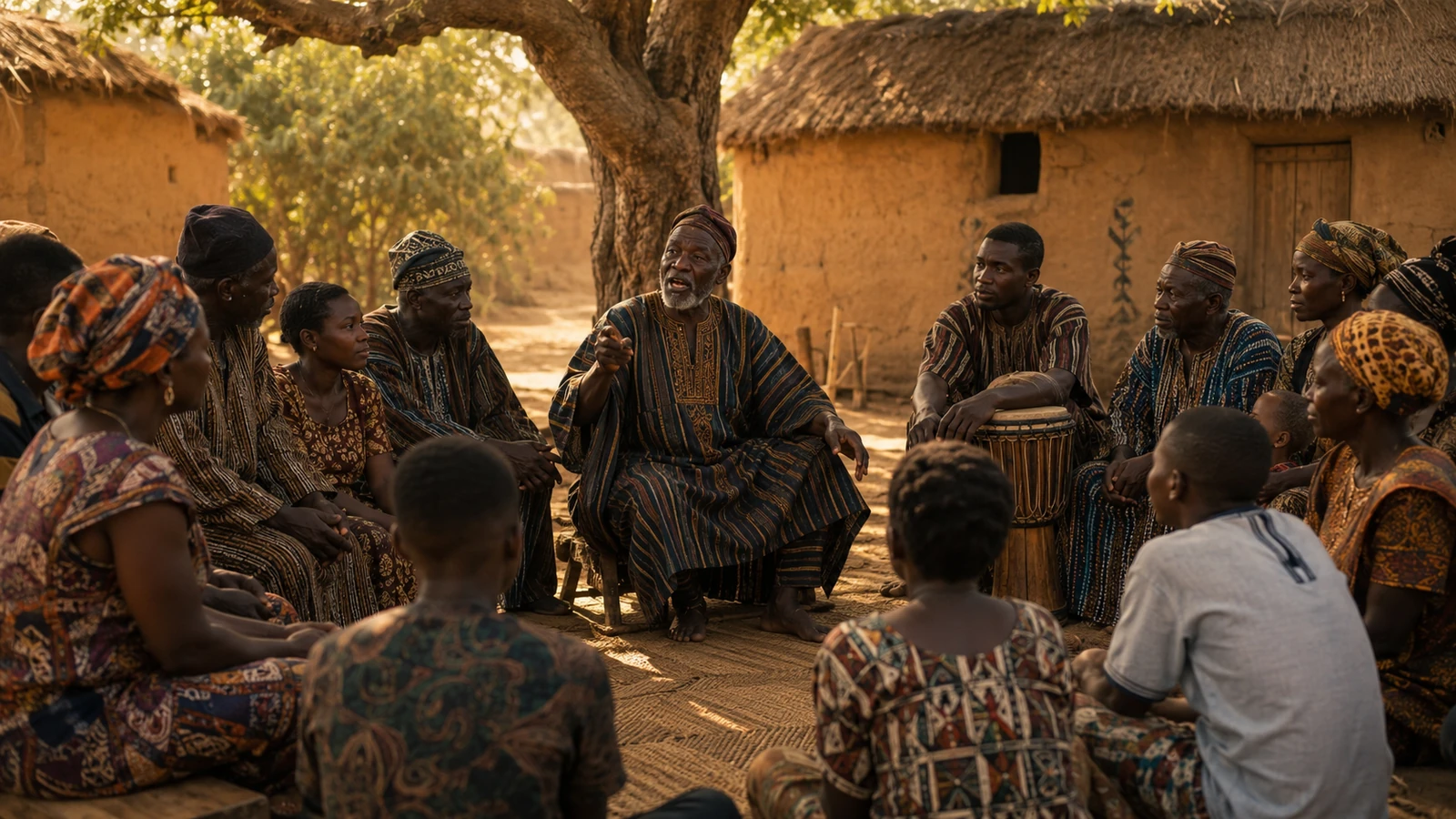

Leave a Comment
We'd love to hear your thoughts.
This was comprehensive without suggesting that everyone must follow the same ancestor tradition.
Are there recommended apps for creating secure private family archives?
The article gave options for families whose original traditions were lost through migration.
I would like to learn more about preserving family languages and proverbs.
I liked the reminder that difficult family history should be preserved carefully rather than erased.
Strong practical guide. It connects ancestral memory with responsibility toward living and future relatives.
The common mistakes section answered several problems I have seen on social media.
The tone stayed respectful while warning clearly about exploitation and fear.
The article has encouraged me to create an annual family storytelling day.
I appreciated that African ancestor traditions were not presented as one universal system.
More guidance on organizing privacy levels in a family archive would be useful.
The digital archive section should help families protect information from being lost.
The main lesson for me was that respect is more important than an elaborate performance.
This article respected spirituality without making unsupported promises.
I liked the suggestion of recording elders pronouncing family names correctly.
The principle of calling new memorials new instead of pretending they are ancient was important.
Could you write a complete guide to preserving old family photographs?
The short paragraphs made the article readable on mobile.
The article was detailed but the numbered sections made it easy to follow.
This is useful for anyone beginning a genealogy or family-history project.
Thank you for clearly stating that spiritual practices should never replace professional care.
I appreciated the discussion of ancestral land and legal ownership.
The part about teaching children through stories and photographs was very practical.
A future article comparing memorial spaces, shrines, and religious altars would be helpful.
The glossary explained the difference between oral tradition and oral history clearly.
The grave-care section included useful practical precautions.
My family has many photographs but almost none of them are labeled. I need to begin that project.
I liked the suggestion of supporting a cause connected with an ancestor’s life.
This was respectful and did not encourage people to copy restricted spiritual practices.
The section on harmful inherited patterns made the article honest rather than overly romantic.
I would like a future article about how to interview elders without making them uncomfortable.
I appreciated the reminder that expensive ceremonies do not automatically show greater respect.
Recording family recipes is something simple that many people can begin immediately.
The privacy warning is important because family documents can contain sensitive information.
The section about respecting different religions within one family was balanced.
I liked that the article included both religious and nonreligious ways to remember ancestors.
The advice about preserving uncertainty instead of inventing missing facts was excellent.
A detailed guide to creating a family memory book would be useful.
I did not think about adding locations and names when scanning family photographs.
Caring for living relatives as part of honoring ancestors was the strongest lesson for me.
The article made ancestor remembrance feel practical rather than mysterious.
I appreciated the warning against presenting an invented ceremony as an ancient cultural ritual.
This encouraged me to record my grandmother while she can still explain the people in our old photographs.
The distinction between inherited traditions and newly created family memorials was very helpful.
I liked the idea that preserving a correct name and photograph can be a meaningful way to honor someone.