
Traditional Family Blessing Ceremonies Explained
Pillar Article
Quick Summary
Discover how traditional family blessing ceremonies mark births, marriages, new homes, reconciliation, harvests, and other important transitions through prayer, elder guidance, symbolic food, and community participation.
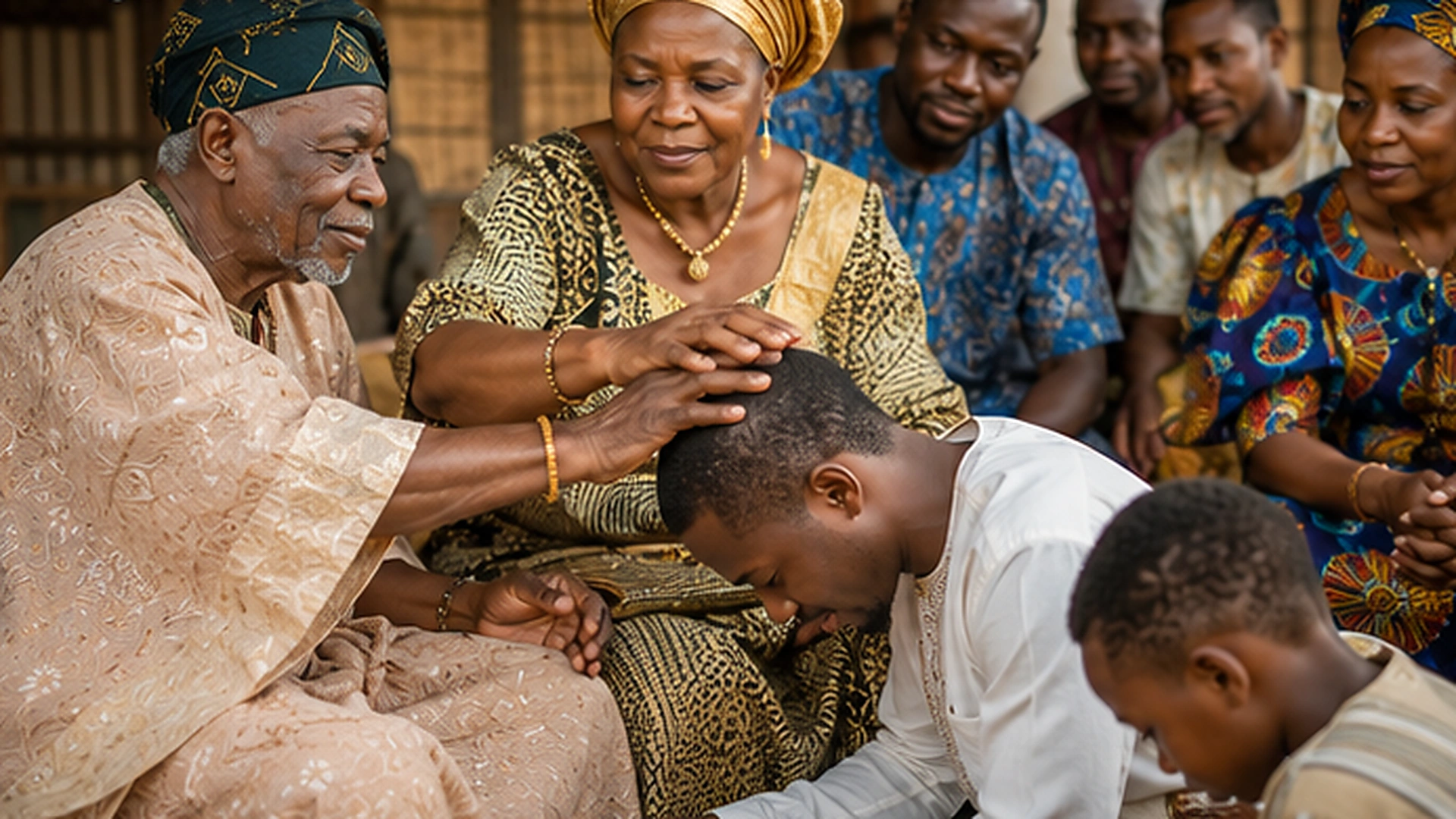
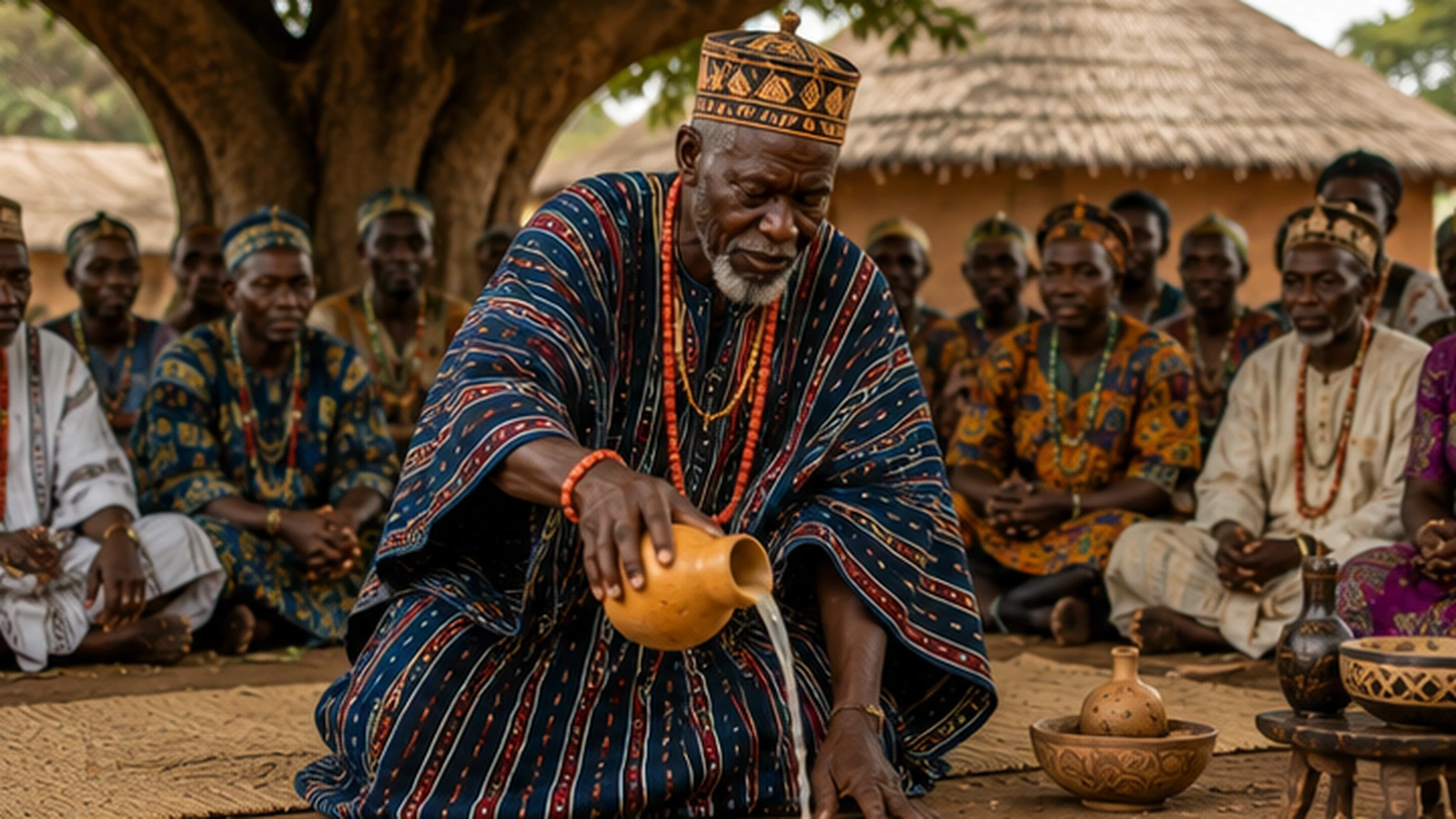
Traditional family blessing ceremonies are gatherings in which relatives, elders, religious leaders, or recognized community representatives express goodwill, prayer, guidance, acceptance, and responsibility toward an individual, couple, household, or generation.
Such ceremonies may take place when:
- A child is born or named
- A young person reaches a major life stage
- A couple marries
- A new family member is welcomed
- A household moves into a new home
- Relatives reconcile after conflict
- A family begins a new season
- A person accepts leadership responsibilities
- A family remembers deceased relatives
- Relatives gather for a harvest or New Year celebration
There is no single traditional African family blessing ceremony.
The words spoken, people authorized to lead, objects used, religious beliefs involved, and expected responsibilities differ among communities. A blessing performed among Batooro families in western Uganda should not be described as identical to Yoruba naming customs, Wolaita elder blessings, South African customary marriage rites, or Christian family prayers in Botswana.
In some households, a blessing is addressed directly to God. In others, ancestors may be acknowledged. Some ceremonies combine cultural customs with Christian or Islamic prayer. Others focus primarily on family acceptance and moral instruction without claiming supernatural power.
The central purpose is often to recognize a transition and place it within a network of family relationships.
Key Points
Traditional family blessing ceremonies may include:
- Prayer
- Words of encouragement
- Advice from elders
- Naming
- Recognition of family lineage
- Introduction to relatives
- Libation
- Symbolic food or drink
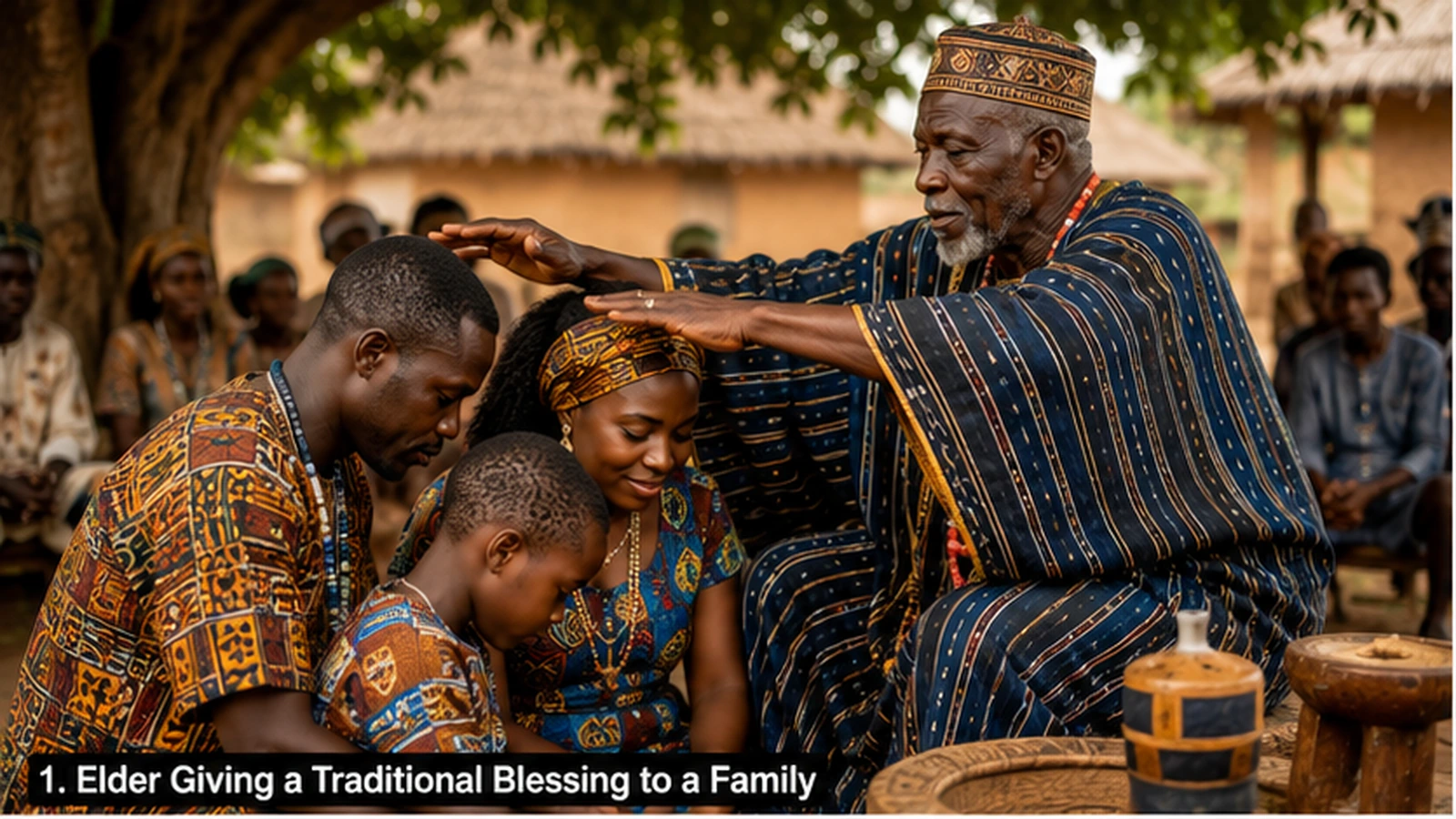
- Touching the head, shoulders, or hands
- Presentation of gifts
- Family witnesses
- Songs and music
- Shared meals
- Reconciliation
- Commitments made by the person receiving the blessing
- Responsibilities accepted by the wider family
A blessing should not be confused with a guaranteed promise of wealth, fertility, healing, marriage success, or protection from every difficulty.
What Is a Traditional Family Blessing Ceremony?
A traditional family blessing ceremony is a culturally recognized gathering in which a person or household is welcomed, affirmed, prayed for, advised, or entrusted with responsibilities.
Clear Definition
A traditional family blessing ceremony is a formal or informal gathering through which relatives and recognized elders express goodwill, prayer, acceptance, guidance, and shared responsibility during an important life transition.
Plain-Language Meaning
It is a family gathering that says:
- “We welcome you.”
- “You belong to this family.”
- “We support this new beginning.”
- “We hope you live responsibly.”
- “We ask for peace and wellbeing.”
- “We will help you carry your responsibilities.”
A blessing is therefore not only about receiving something. It can also establish duties.
Why Families Hold Blessing Ceremonies
Families may hold blessing ceremonies to:
- Recognize a new stage of life
- Welcome a person into the family
- Preserve cultural identity
- Teach moral values
- Give elders a formal role
- Unite relatives
- Ask for divine guidance
- Acknowledge ancestors
- Resolve tension
- Share responsibility
- Preserve names and genealogy
- Celebrate gratitude
- Mark a new beginning
Traditional ceremonies are forms of living heritage because they are passed between generations while also being adapted by communities as circumstances change. UNESCO explains that intangible cultural heritage includes social practices, rituals, festive events, oral traditions, and knowledge that communities continually recreate rather than preserve unchanged.
Blessing Does Not Mean the Same Thing Everywhere
The word blessing can describe several different actions.
Divine Prayer
A Christian or Muslim elder may pray to God for:
- Wisdom
- Health
- Peace
- Protection
- Faithfulness
- Responsible parenting
Ancestral Recognition
A family may name deceased elders, pour libation, or formally introduce a new family member to its ancestral lineage.
Public Acceptance
The ceremony may announce that:
- A child belongs to the family
- A marriage has been accepted
- A spouse has joined a household
- A person has received a title
- A dispute has been resolved
Moral Guidance
Elders may offer advice concerning:
- Marriage
- Parenting
- Work
- Integrity
- Respect
- Hospitality
- Family responsibility
Emotional Support
A blessing may simply express:
- Love
- Encouragement
- Gratitude
- Hope
- Solidarity
These meanings can overlap without being identical.
Who Leads a Family Blessing Ceremony?
Depending on the community, the ceremony may be led by:
- A clan head
- A family elder
- A grandparent
- A paternal or maternal aunt
- A chief
- A priest or priestess
- A pastor
- An imam
- A recognized ritual specialist
- Both families together
The leader is not chosen merely because of age.
Authority may depend on:
- Family position
- Religious office
- Knowledge
- Moral reputation
- Lineage
- Community recognition
- Ceremonial training
A self-appointed person should not claim authority over a family tradition they do not understand.
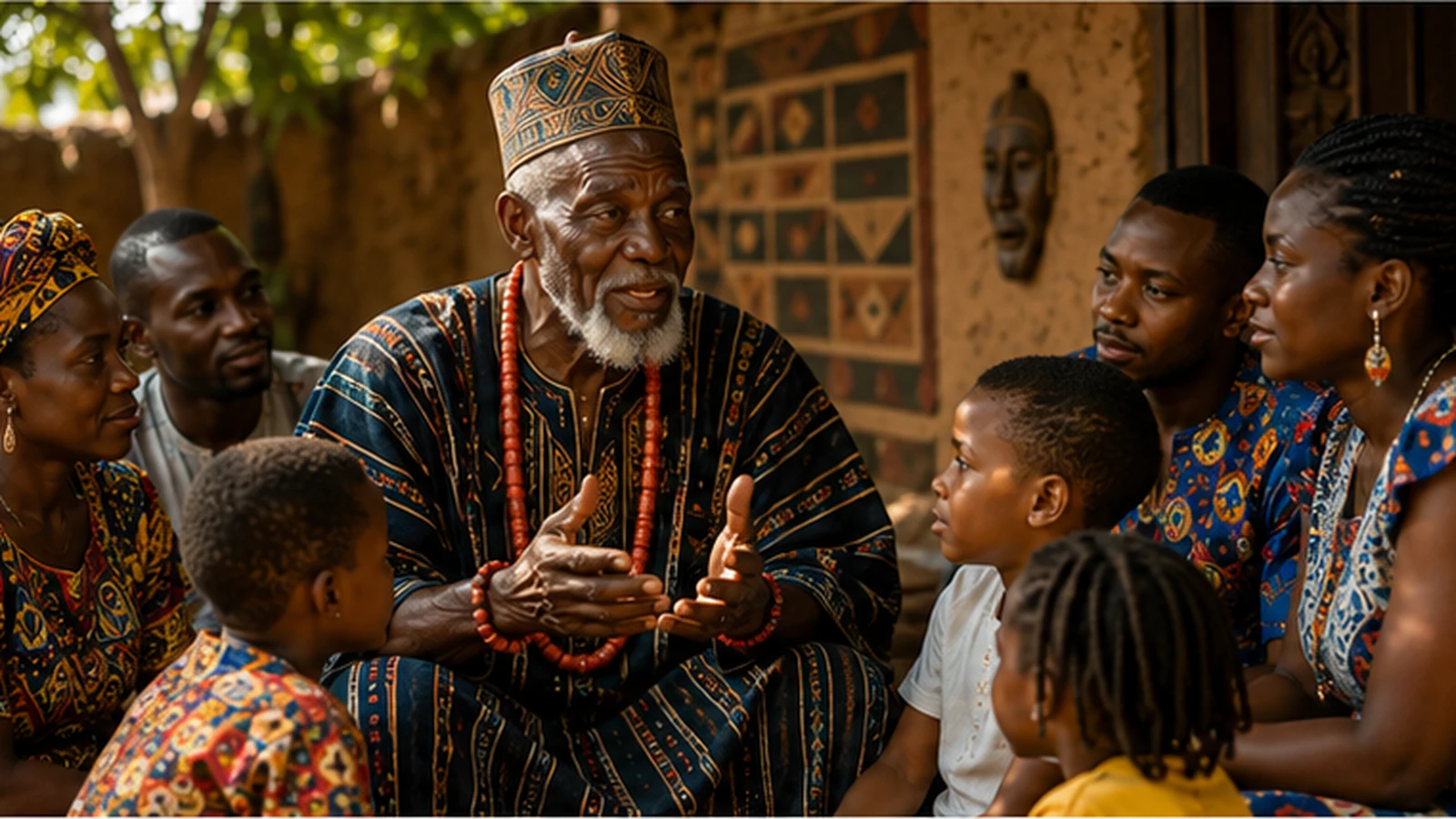
The Role of Elders
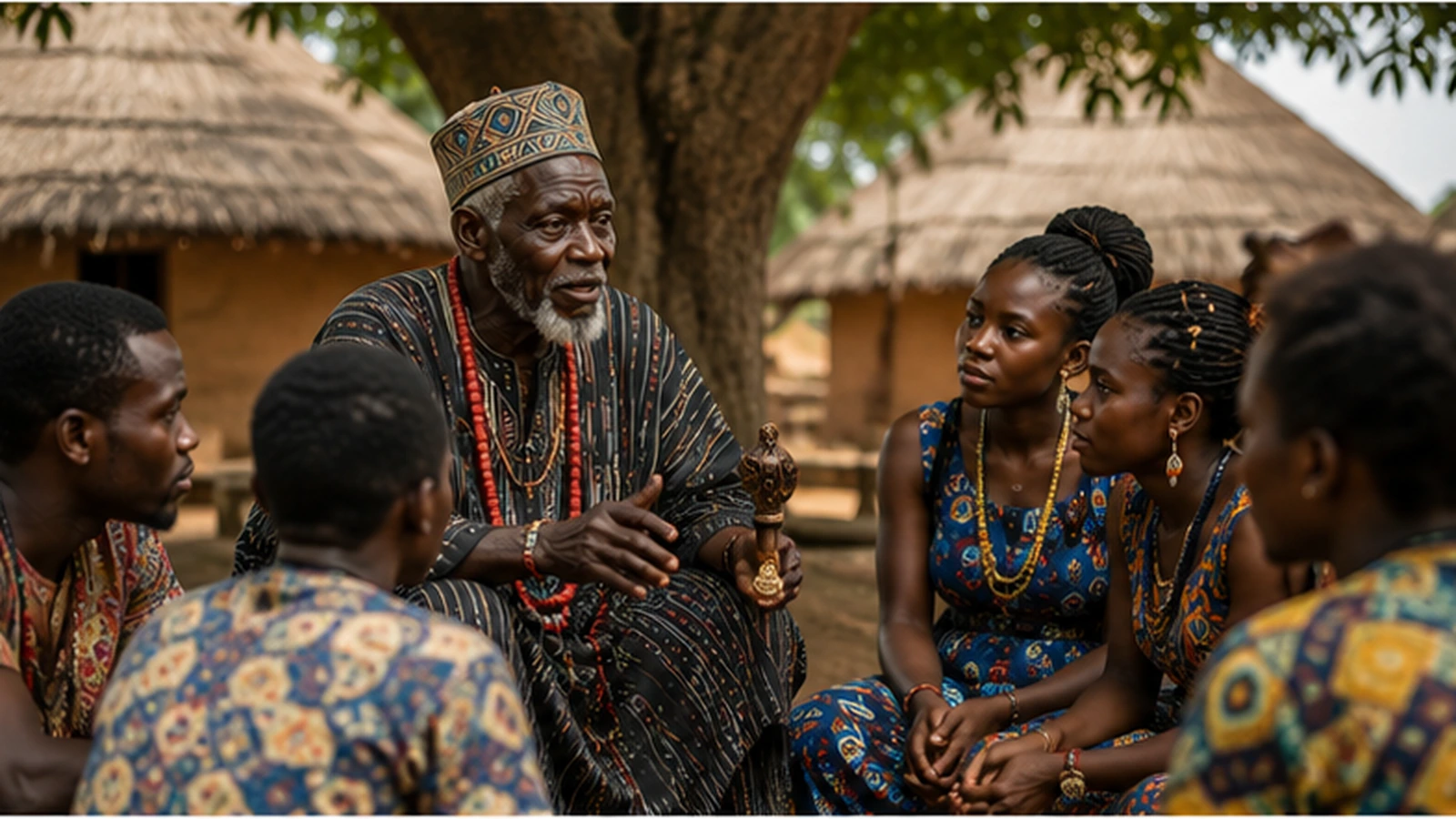
Elders often connect the ceremony with family history.
They may know:
- The correct names of relatives
- The family’s place of origin
- Earlier marriages
- Important graves
- Family titles
- Past conflicts
- Cultural prayers
- Appropriate proverbs
- Responsibilities attached to land or leadership
Their blessing may be valued because they represent experience, continuity, and public family approval.
However, age does not place an elder above ethical accountability. No elder should use a blessing ceremony to force marriage, silence abuse, demand money, or control another person’s choices.
Common Structure of a Family Blessing Ceremony
Although ceremonies vary, many contain several recognizable stages.
1. Gathering the Family
Relatives assemble at a home, family compound, religious building, grave, community hall, or another meaningful place.
2. Explaining the Occasion
An elder states why the family has gathered.
Examples include:
- Naming a child
- Welcoming a spouse
- Opening a new home
- Reconciling relatives
- Beginning a new year
- Recognizing a family leader
Frequently Asked Questions
What should readers know first about Traditional family blessing ceremonies?
Discover how traditional family blessing ceremonies mark births, marriages, new homes, reconciliation, harvests, and other important transitions through praye
What causes Traditional family blessing ceremonies?
Discover how traditional family blessing ceremonies mark births, marriages, new homes, reconciliation, harvests, and other important transitions through prayer, elder guidance, symbolic food, and community participation. The safest next step is to compare the
How does Traditional family blessing ceremonies work?
Discover how traditional family blessing ceremonies mark births, marriages, new homes, reconciliation, harvests, and other important transitions through prayer, elder guidance, symbolic food, and community participation. The safest next step is to compare the
Is it possible to get private guidance for Traditional family blessing ceremonies?
Discover how traditional family blessing ceremonies mark births, marriages, new homes, reconciliation, harvests, and other important transitions through prayer, elder guidance, symbolic food, and community participation. The safest next step is to compare the
How long does Traditional family blessing ceremonies take to understand?
Discover how traditional family blessing ceremonies mark births, marriages, new homes, reconciliation, harvests, and other important transitions through prayer, elder guidance, symbolic food, and community participation. The safest next step is to compare the
Can Traditional family blessing ceremonies affect relationships, family, work, or personal peace?
Discover how traditional family blessing ceremonies mark births, marriages, new homes, reconciliation, harvests, and other important transitions through prayer, elder guidance, symbolic food, and community participation. The safest next step is to compare the
Why do people seek spiritual guidance for Traditional family blessing ceremonies?
Discover how traditional family blessing ceremonies mark births, marriages, new homes, reconciliation, harvests, and other important transitions through prayer, elder guidance, symbolic food, and community participation. The safest next step is to compare the
What signs should someone notice before asking about Traditional family blessing ceremonies?
Discover how traditional family blessing ceremonies mark births, marriages, new homes, reconciliation, harvests, and other important transitions through prayer, elder guidance, symbolic food, and community participation. The safest next step is to compare the
When should someone contact a private spiritual guide?
Discover how traditional family blessing ceremonies mark births, marriages, new homes, reconciliation, harvests, and other important transitions through prayer, elder guidance, symbolic food, and community participation. The safest next step is to compare the
Article Information
- Publisher
- Ancestral Temple
- Editor
- Ancestral Temple
- Last updated
- Jul 26, 2026
- Last reviewed
- Jul 13, 2026
- Content version
- 21c7f88214
This educational article should be read as cultural and spiritual information, not as medical, legal, financial, or emergency advice.
Helpful Related Guidance
Explore This Topic
Traditional African Ways Of Seeking Blessings · Libation Ceremonies In African Communities
Related Topic Cluster
Traditional Family Blessing Ceremonies
Complete Guide The Role of Elders in Traditional African Spiritual PracticesAbout the Author
 Ancestral Temple
Spiritual guide and practitioner with decades of experience in ancestral wisdom, rituals, and divine guidance.
Related Posts
View All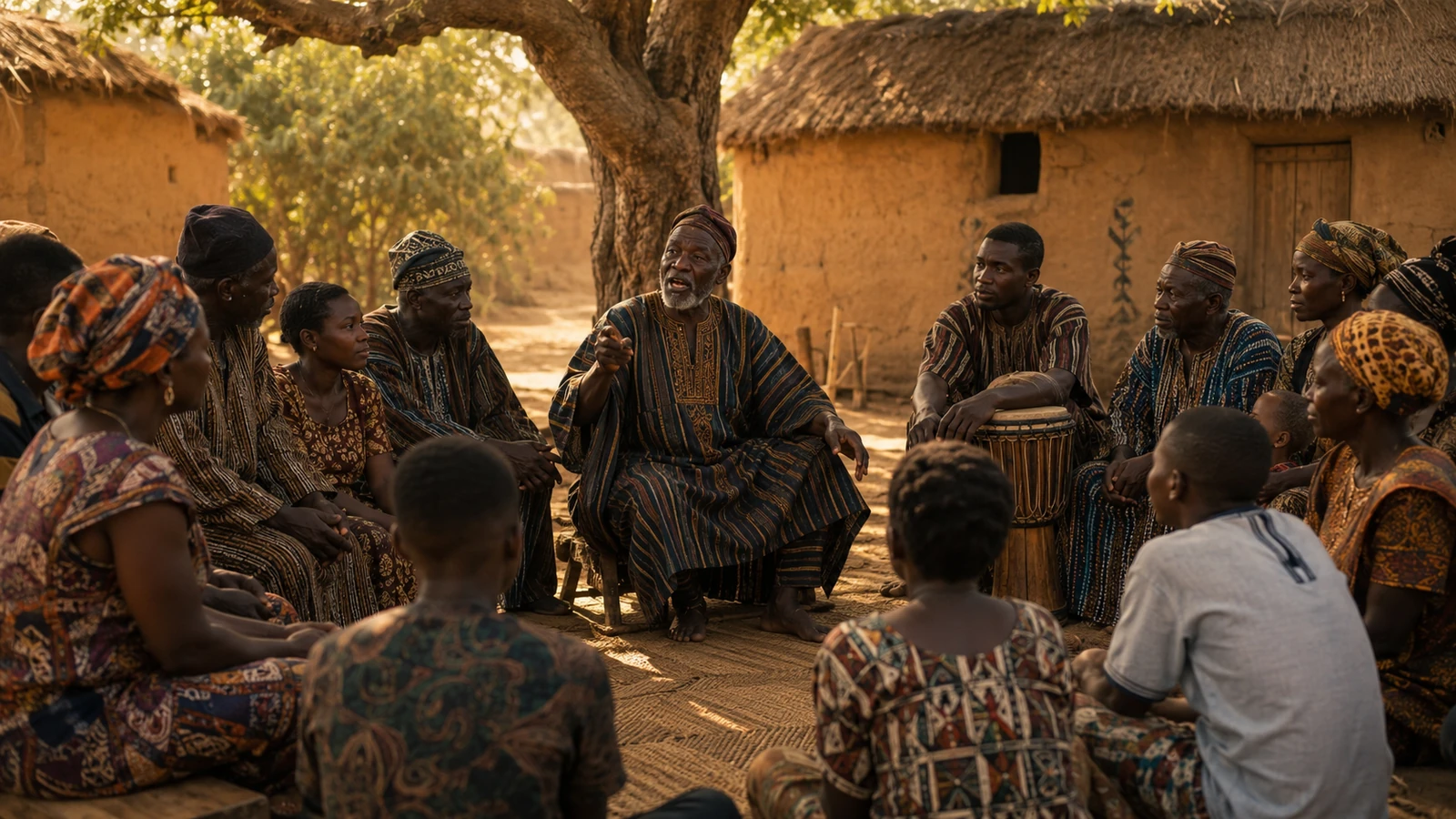

Leave a Comment
We'd love to hear your thoughts.
This was detailed without suggesting that every family must perform a religious ritual.
Are there recommended books about African naming and family blessing ceremonies?
The simple ceremony format is useful for families whose earlier traditions were lost.
A future article about proverbs used during family blessings would be interesting.
I liked that the article recognized both traditional religion and modern Christian family practices.
Strong overview connecting blessings with family identity, guidance, responsibility, and unity.
The misconceptions section answered many claims that appear on social media.
The tone stayed respectful while warning clearly about coercion and exploitation.
The family reconciliation section was one of the strongest parts.
The article corrected the common idea that every traditional blessing involves ancestor worship.
More information about Islamic family blessings across African communities would be useful.
The Gifaataa example deserves a more detailed article about Wolaita family traditions.
The most important lesson was that a blessing should be connected with practical support.
The article respected spiritual beliefs without promising guaranteed outcomes.
I appreciated that the responsibilities of both marriage partners were included.
The explanation of living heritage showed why ceremonies can change over time.
Could you write next about traditional blessings for a new home?
The short sections and headings worked well on mobile.
The ceremony structure made the topic simple to understand.
This is useful for readers studying family traditions, religion, and cultural heritage.
Thank you for saying that prayer does not replace professional medical or legal assistance.
I liked the connection between ancestral land and real family responsibilities.
The article clearly stated that physical gestures must respect consent and boundaries.
A detailed article about women who lead family blessing ceremonies would be interesting.
The glossary made the difference between blessing, invocation, and libation easier to understand.
The section about symbolic food explained why the meal matters to the whole family.
I liked the suggestion of recording the names and stories shared during the gathering.
The new-home blessing section could help families create meaningful traditions.
This was educational without making family ceremonies appear mysterious or frightening.
The article showed that a blessing can involve practical support as well as prayer.
I would like a separate guide about family reconciliation ceremonies.
I appreciated the reminder that family approval cannot replace the consent of the couple.
The idea that elders preserve genealogy and family history was clearly explained.
The warnings about using fear to demand money were necessary.
The religious-diversity section was balanced and respectful.
I liked that the article did not suggest expensive ceremonies are more meaningful.
The section about creating a new family tradition was practical and honest.
A full article about Empaako names and their meanings would be helpful.
I had not considered a New Year family gathering to be a blessing ceremony before.
The marriage section made it clear that consent must remain important.
The article correctly avoided presenting one ceremony as universal across Africa.
The distinction between prayer to God and ancestral acknowledgment was very useful.
I liked that naming ceremonies were explained as welcoming a child into the wider family.
The Empaako section was especially interesting because it is connected with identity and reconciliation.
I appreciated that the article explained blessings as both support and responsibility.