
Cleansing Before New Beginnings
Pillar Article
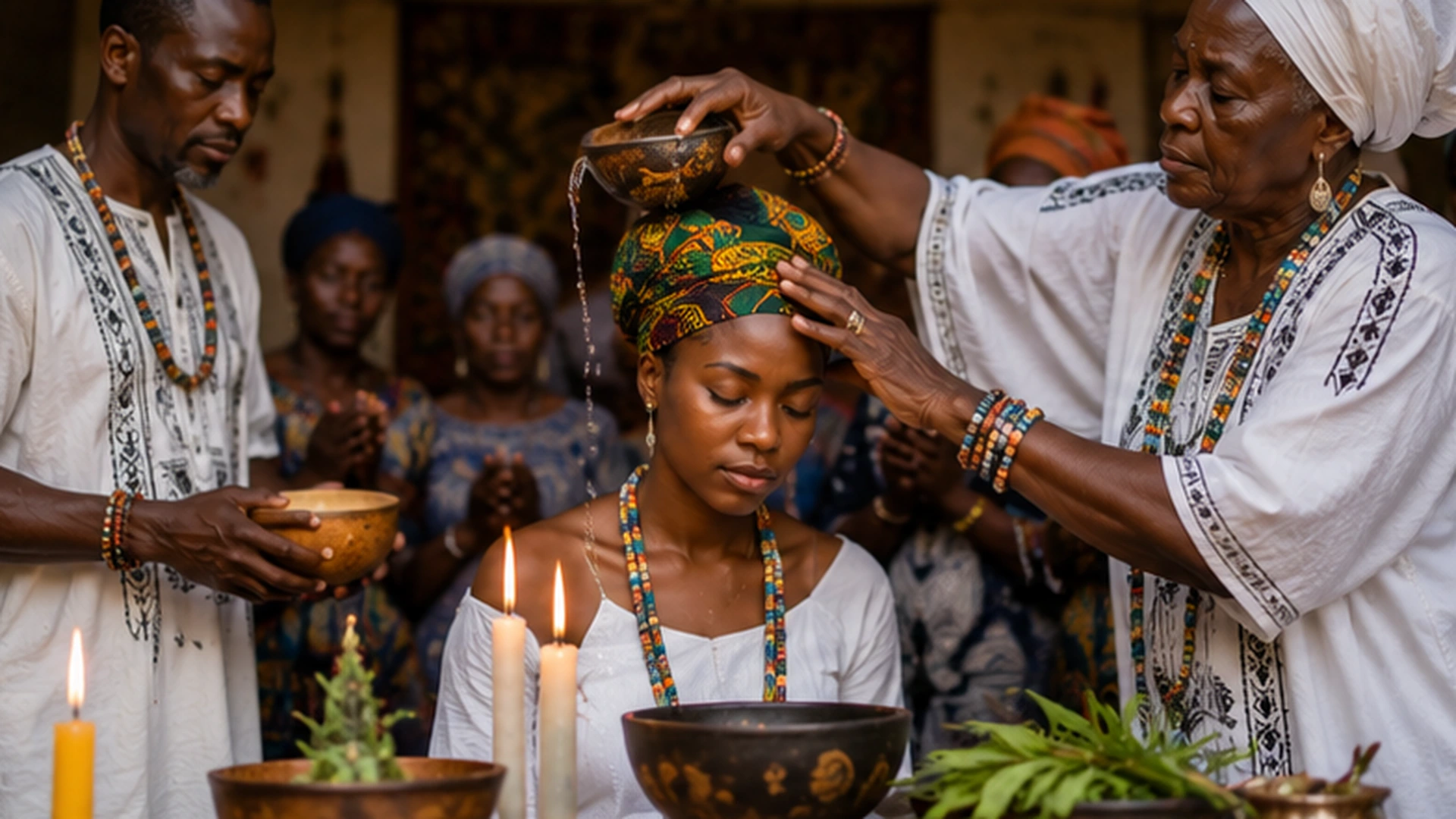
Quick Summary
Discover why cultures use prayer, water, cleaning, reconciliation, blessings, symbolic food, and community gatherings before new years, marriages, new homes, and other major life transitions.
Cleansing before new beginnings is the use of religious, cultural, familial, or personal practices to mark the end of one stage and prepare for another.
A person may cleanse before:
- Entering a new year
- Moving into a new home
- Beginning a marriage
- Naming or welcoming a child
- Accepting leadership
- Returning after a long absence
- Rejoining a family or community
- Ending a period of mourning
- Recovering from a difficult experience
- Beginning a new job, business, or course of study
- Repairing a damaged relationship
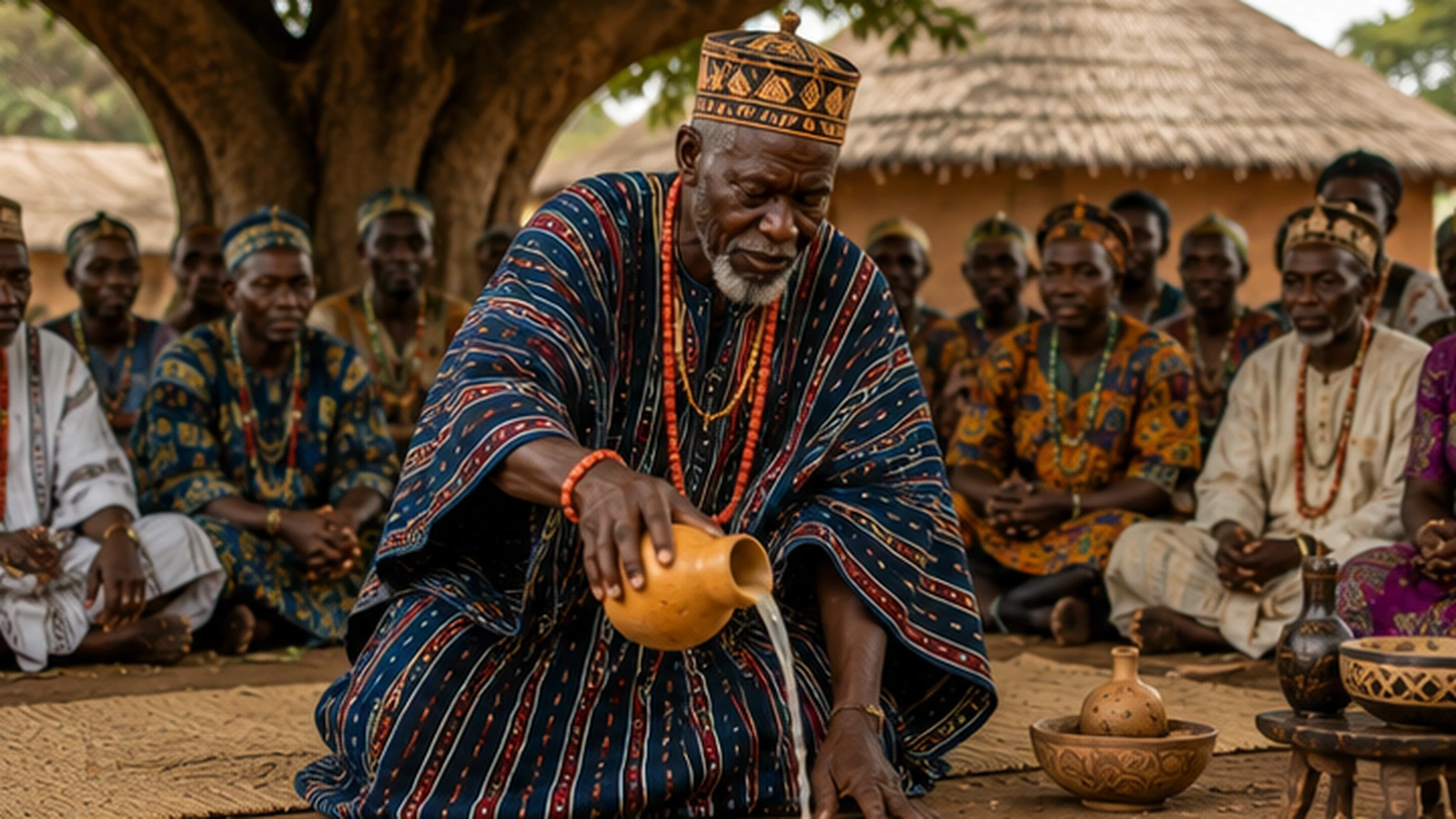
The cleansing may involve water, prayer, cleaning the home, wearing fresh clothing, sharing food, asking forgiveness, receiving an elder’s blessing, visiting a religious place, or participating in a community festival.
There is no universal cleansing ceremony for new beginnings.
Myanmar’s Thingyan water festival, Thailand’s Songkran, Shinto purification in Japan, Hindu ritual bathing at Kumbh Mela, and Uganda’s Lango cleansing tradition belong to different religious and cultural systems. Similar-looking actions do not mean that participants share identical beliefs.
The central idea is usually not that the future will become free from every problem. Instead, cleansing creates a meaningful boundary between what came before and what participants hope to build next.
Key Points
Cleansing before a new beginning may help people:
- Mark the end of an earlier stage
- Prepare mentally or spiritually
- Express repentance or forgiveness
- Repair damaged relationships
- Welcome a new family member
- Establish a new household
- Recognize new responsibilities
- Ask for divine guidance
- Acknowledge ancestors or elders
- Clean and organize a physical space
- Strengthen community unity
- Begin with clearer intentions
Common elements may include:
- Water
- Prayer
- Blessing
- Cleaning
- Fresh clothing
- Flowers
- Food
- Music
- Silence
- Reconciliation
- Confession
- Gifts
- Community witnesses
A ceremony may support hope and commitment, but it cannot guarantee wealth, healing, marriage success, protection, or freedom from future difficulties.
What Does Cleansing Before a New Beginning Mean?
Cleansing before a new beginning means symbolically releasing, resolving, or separating from an earlier condition before entering a new stage.
Clear Definition
Cleansing before a new beginning is a culturally or personally meaningful act of purification, preparation, reconciliation, or renewal performed before an important transition.
Plain-Language Meaning
It means creating a clear moment between:
- What has ended
- What is changing
- What is about to begin
The person or community may be saying:
- “The old season is finished.”
- “We are preparing for a new responsibility.”
- “We want to begin in peace.”
- “We are leaving conflict behind.”
- “This home is beginning a new chapter.”
- “We are asking for guidance.”
- “We want our actions to match our intentions.”
Why New Beginnings Often Include Rituals
Major transitions create uncertainty.
Marriage changes family relationships. Moving changes one’s connection with place. A new year brings hope but also unfinished obligations. Leadership creates authority and responsibility. Reconciliation requires people to decide whether they will repeat an old conflict or build a different relationship.
Anthropologists often describe ceremonies surrounding transitions as rites of passage. Such rites can separate a person from an earlier condition, place them in an in-between stage, and recognize their entry into a new social position. Rituals do not merely decorate a transition; they can help communities define what has changed and what responsibilities now apply.
A Transition Needs Recognition
Without public recognition, people may disagree about whether a change has truly occurred.
A ceremony can make clear that:
- A child has received a name
- A couple has become a family unit
- A conflict has been addressed
- A person has accepted leadership
- A new household has been established
- A period of mourning has ended
- A new year has begun
The event creates memory and witnesses.
Cleansing Is Not Always About Removing Evil
Popular online discussions often describe cleansing as removing:
- Negative energy
- Curses
- Bad spirits
- Spiritual attacks
These explanations may belong to particular belief systems, but they are not universal.
Cleansing may instead mean:
- Washing before worship
- Cleaning a house
- Asking forgiveness
- Restoring social status
- Preparing the mind
- Ending mourning
- Renewing family relationships
- Beginning a new season
- Committing to better conduct
A respectful explanation should identify what participants themselves believe is being cleansed or renewed.
Spiritual Cleansing and Physical Cleaning
These practices may occur together, but they are not the same.
- Spiritual or symbolic cleansing
- Physical cleaning
- Marks renewal or preparation
- Removes dirt and physical contaminants
- May involve prayer or ritual
- Uses water, soap, tools, and approved products
- Depends on cultural interpretation
- Produces physically observable results
- May address relationships or identity
- Addresses hygiene and sanitation
- Cannot replace repairs or disinfection
- Does not necessarily have religious meaning
A home may be prayed over and still require mold removal, pest control, safe wiring, clean water, and structural repairs.
New Beginnings as Living Heritage
Traditional ceremonies are not always preserved exactly as they were centuries ago.
UNESCO defines intangible cultural heritage as knowledge and practices transmitted between generations but continually recreated by communities in response to changing circumstances. This means that cleansing traditions may adapt through migration, urban life, religious conversion, technology, law, and generational preferences.
A family may therefore:
- Shorten a ceremony
- Combine cultural and church prayers
- Use a modern family home instead of an ancestral compound
- Include relatives through video
- Replace smoke with a safer alternative
- Record blessings for absent relatives
- Create a new memorial practice
The ceremony should be described honestly rather than falsely presented as unchanged or ancient.
1. Cleansing Before a New Year
The beginning of a new year is one of the most common occasions for symbolic renewal.
People may:
- Clean their homes
- Settle debts
- Ask forgiveness
- Wear fresh clothing
- Wash ceremonial objects
- Visit elders
- Share food
- Pray
- Give gifts
- Remember deceased relatives
- Remove broken or unwanted items
Myanmar’s Thingyan Festival
Myanmar’s traditional Atā Thingyan festival marks the New Year through water, community activities, charitable practices, performances, and social participation.
UNESCO describes the festival as promoting harmony and representing a symbolic washing away of the previous year’s “dirt,” enabling a physical and mental fresh start.
The tradition should not be reduced to a recreational water fight. Its meaning includes renewal, community unity, religious practice, generosity, and seasonal transition.
Songkran in Thailand
Songkran is Thailand’s traditional New Year festival.
UNESCO describes it as a time associated with family reunion, respect for elders, cooperation, forgiveness, prayers for prosperity, and symbolically washing away misfortune.
Water may be used respectfully in activities such as:
- Pouring water over revered images
- Offering water to elders
- Family blessing
- Community celebration
Modern public water celebrations form only one part of a wider cultural tradition.
Gifaataa Among the Wolaita
Gifaataa is a New Year festival of the Wolaita people of Ethiopia.
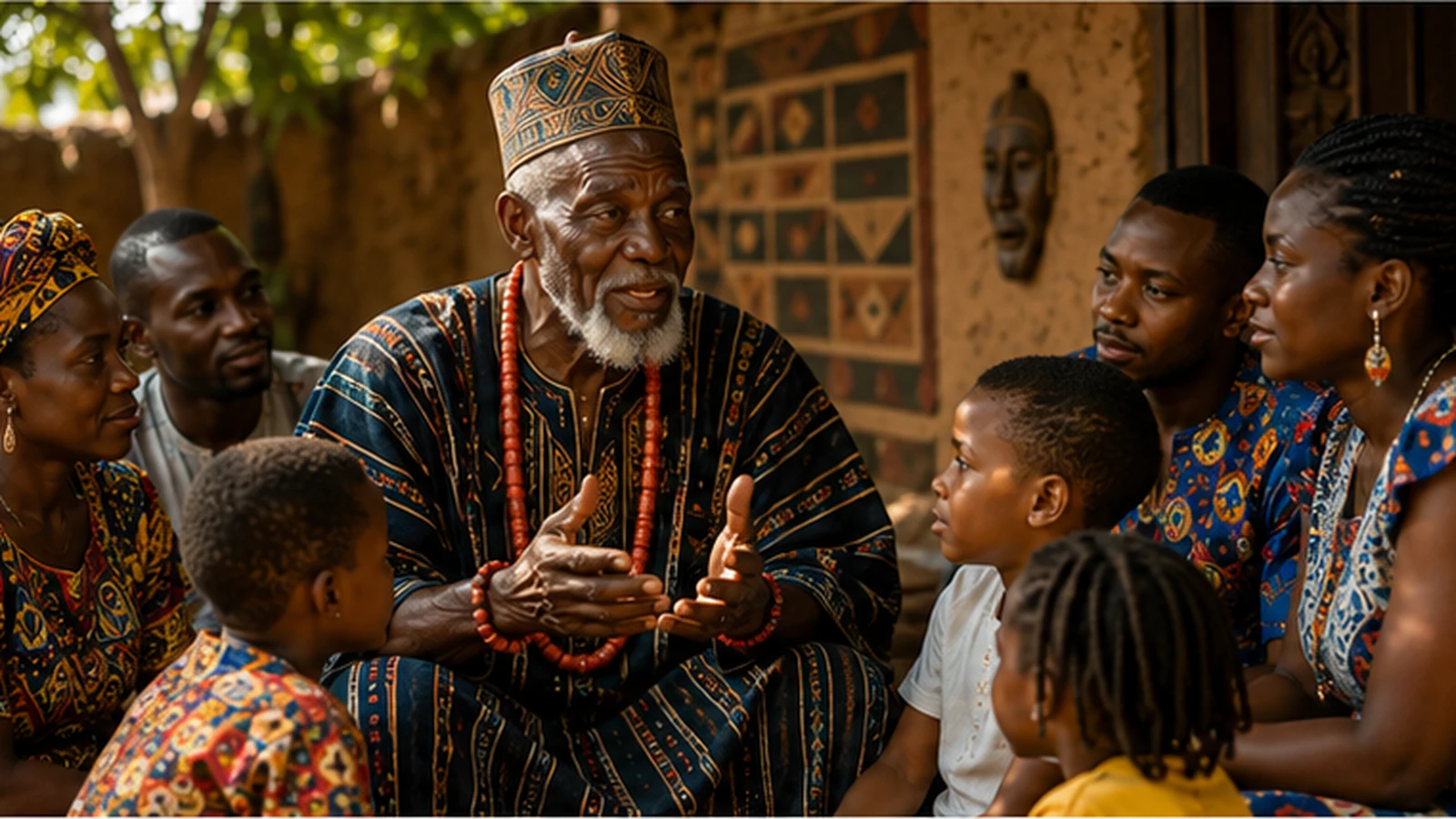
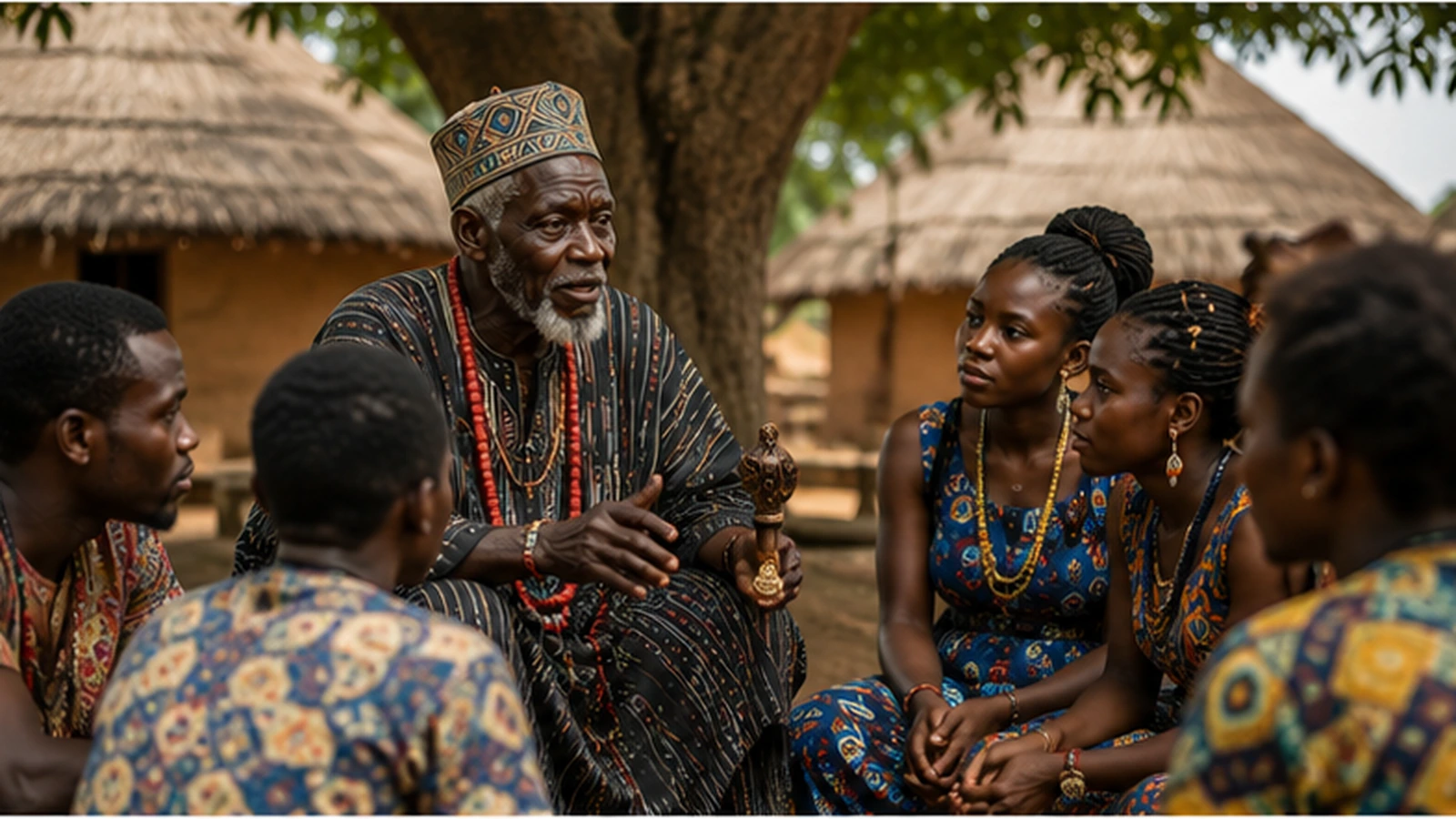
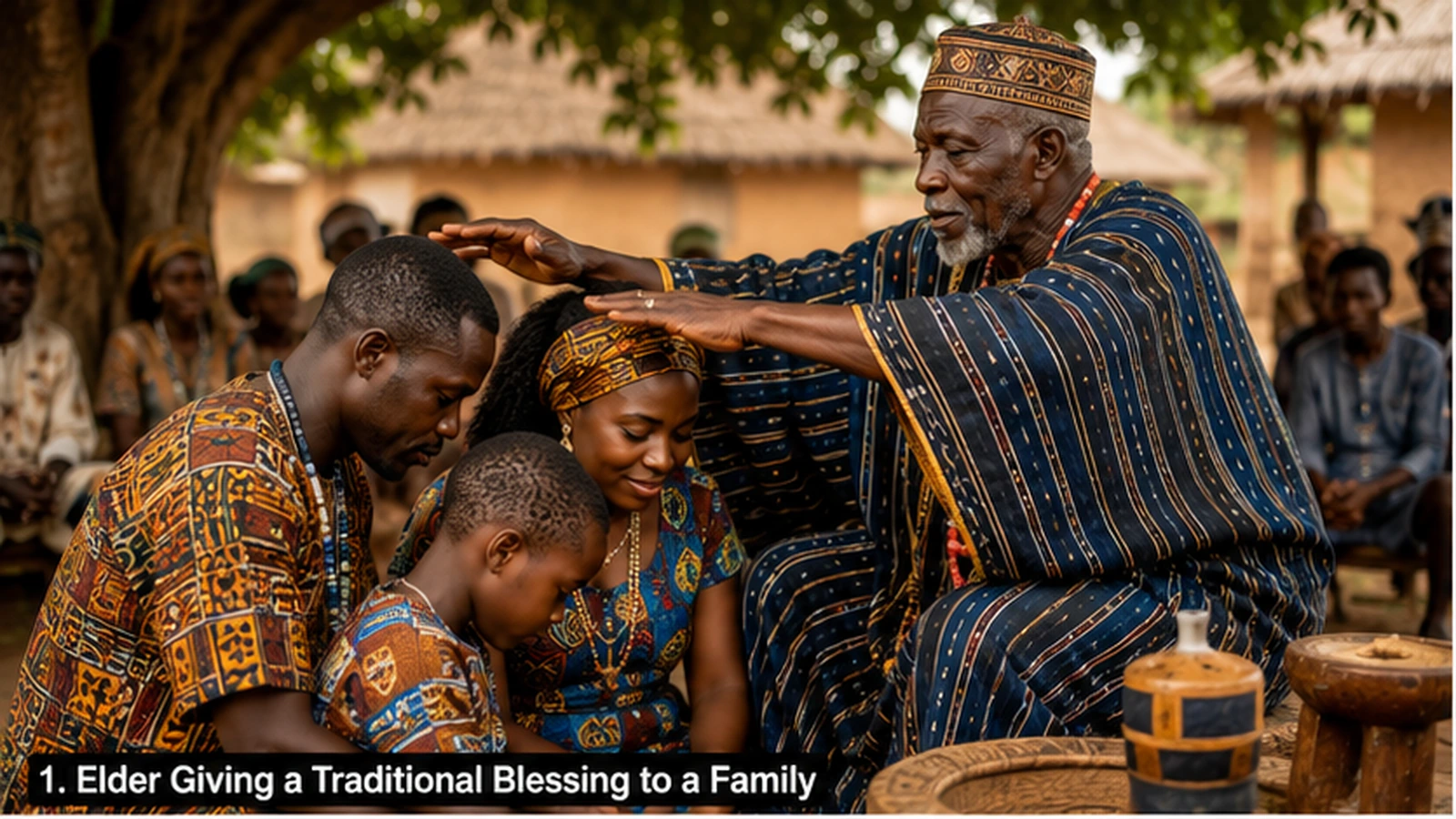
The celebration includes family gatherings, food, music, community events, and blessings from elders. The role of elders emphasizes social harmony, continuity, and guidance at the start of the new season.
This example shows that renewal may occur through blessing and family reunion rather than through a material described as cleansing.
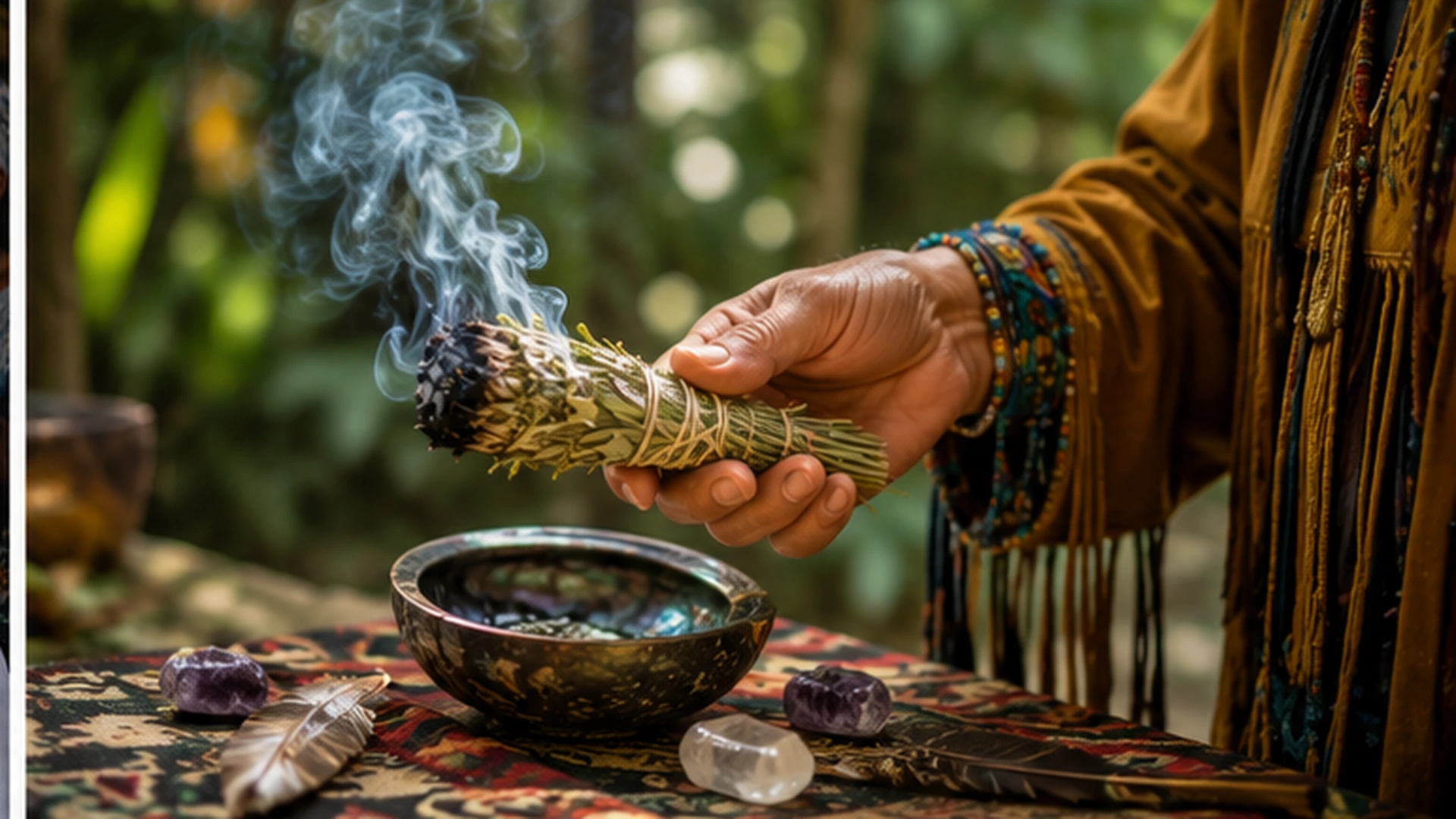
2. Cleansing Before Marriage
Marriage marks a major change in social and family relationships.
A cleansing or blessing before marriage may be intended to:
- Prepare the couple
- Resolve earlier family conflict
- Welcome a spouse
- Ask for divine guidance
- Recognize both families
- Establish responsibilities
- Begin the household in peace
The ceremony may involve:
- Prayer
- Advice from elders
- Washing
- Special clothing
- Gifts
- Family introductions
- Symbolic food
- Religious instruction
- Reconciliation between relatives
Cleansing Should Not Erase Accountability
A couple should not be told that a ceremony automatically removes:
- Abuse
- Dishonesty
- Addiction
- Financial irresponsibility
- Unresolved legal obligations
- Lack of consent
A strong beginning may require:
- Honest conversation
- Health testing where appropriate
- Financial planning
- Legal registration
- Counselling
- Safe boundaries
- Free consent
A ceremony can support these responsibilities but cannot replace them.
Frequently Asked Questions
What should readers know first about Cleansing before new beginnings?
Cleansing before new beginnings: Discover why cultures use prayer, water, cleaning, reconciliation, blessings, symbolic food, and community gatherings before
What causes Cleansing before new beginnings?
Discover why cultures use prayer, water, cleaning, reconciliation, blessings, symbolic food, and community gatherings before new years, marriages, new homes, and other major life transitions. The safest next step is to compare the signs, prepare clear details,
How does Cleansing before new beginnings work?
Discover why cultures use prayer, water, cleaning, reconciliation, blessings, symbolic food, and community gatherings before new years, marriages, new homes, and other major life transitions. The safest next step is to compare the signs, prepare clear details,
Is it possible to get private guidance for Cleansing before new beginnings?
Discover why cultures use prayer, water, cleaning, reconciliation, blessings, symbolic food, and community gatherings before new years, marriages, new homes, and other major life transitions. The safest next step is to compare the signs, prepare clear details,
How long does Cleansing before new beginnings take to understand?
Discover why cultures use prayer, water, cleaning, reconciliation, blessings, symbolic food, and community gatherings before new years, marriages, new homes, and other major life transitions. The safest next step is to compare the signs, prepare clear details,
Can Cleansing before new beginnings affect relationships, family, work, or personal peace?
Discover why cultures use prayer, water, cleaning, reconciliation, blessings, symbolic food, and community gatherings before new years, marriages, new homes, and other major life transitions. The safest next step is to compare the signs, prepare clear details,
Why do people seek spiritual guidance for Cleansing before new beginnings?
Discover why cultures use prayer, water, cleaning, reconciliation, blessings, symbolic food, and community gatherings before new years, marriages, new homes, and other major life transitions. The safest next step is to compare the signs, prepare clear details,
What signs should someone notice before asking about Cleansing before new beginnings?
Discover why cultures use prayer, water, cleaning, reconciliation, blessings, symbolic food, and community gatherings before new years, marriages, new homes, and other major life transitions. The safest next step is to compare the signs, prepare clear details,
When should someone contact a private spiritual guide?
Discover why cultures use prayer, water, cleaning, reconciliation, blessings, symbolic food, and community gatherings before new years, marriages, new homes, and other major life transitions. The safest next step is to compare the signs, prepare clear details,
Article Information
- Publisher
- Ancestral Temple
- Editor
- Ancestral Temple
- Last updated
- Jul 26, 2026
- Last reviewed
- Jul 13, 2026
- Content version
- 7f25ca7e0e
This educational article should be read as cultural and spiritual information, not as medical, legal, financial, or emergency advice.
Helpful Related Guidance
Explore This Topic
African Spirituality And Cultural History · Traditional Family Blessing Ceremonies
Related Topic Cluster
Cleansing Before New Beginnings
Complete Guide The Role of Elders in Traditional African Spiritual PracticesAbout the Author
 Ancestral Temple
Spiritual guide and practitioner with decades of experience in ancestral wisdom, rituals, and divine guidance.
Related Posts
View All

Leave a Comment
We'd love to hear your thoughts.
This was comprehensive without encouraging people to copy restricted ceremonies.
Are there recommended academic books about rites of passage and purification?
The personal fresh-start plan is useful for people without an inherited ritual tradition.
A future article about reconciliation ceremonies would be interesting.
I liked the idea that a new beginning is a different relationship with the past rather than complete forgetting.
Strong overview connecting renewal with family, responsibility, culture, and practical action.
The misconceptions section answered many claims that appear on social media.
The tone stayed respectful while warning clearly about exploitation.
The new-home section reminded me to combine prayer with safety inspections.
I appreciated that no universal African cleansing ceremony was invented.
More examples of African New Year renewal traditions would make a useful follow-up.
The Shinto purification section deserves a complete article.
The main lesson was that a fresh start needs practical commitments.
The article respected spiritual belief without promising supernatural results.
I liked that the article allowed new family practices when their origins are described honestly.
The distinction between forgiveness and restored access was important.
Could you write next about water rituals connected with new beginnings?
The short paragraphs and tables worked well on mobile.
The numbered sections made the article easy to follow.
This is useful for readers interested in religion, anthropology, and family traditions.
Thank you for saying that ceremonies cannot replace professional help.
I appreciated that physical cleaning was treated as important rather than inferior to spiritual practice.
The consent guidance is important for marriage and family ceremonies.
A future comparison of Thingyan and Songkran would be interesting.
The glossary explained liminality and reintegration in simple language.
The Lango ceremony was correctly presented as a specific Ugandan tradition.
I liked the question about what should be carried forward instead of leaving everything behind.
The Wolaita Gifaataa example showed the importance of blessings from elders.
This was educational without making cleansing sound frightening or mysterious.
The physical home-safety checklist made this more responsible than many spiritual articles.
I would like a detailed guide about ending a mourning period respectfully.
I appreciated the point that the new beginning must be followed by changed behavior.
The explanation of rites of passage helped me understand why transitions need ceremonies.
The warning against using fear to demand money was necessary.
The religious-differences section was balanced and respectful.
I liked the safe personal fresh-start format.
The article made it clear that a ceremony cannot erase unresolved harm.
A complete article about cleansing and blessing a new home would be helpful.
I did not know Songkran also involved elders, forgiveness, and family reunion.
The section about accountability before reconciliation was one of the strongest parts.
The Thingyan example showed how renewal can involve the whole community.
I liked that the article did not combine every water tradition into one universal ritual.
The section about moving into a new home gave practical and respectful ideas.
The difference between physical cleaning and spiritual cleansing was very clear.
I appreciated the explanation that cleansing is about preparation and responsibility, not guaranteed luck.