
Why Many Cultures Honor Their Ancestors
Pillar Article
Quick Summary
Explore why communities around the world honor their ancestors through family stories, offerings, memorials, festivals, sacred places, and responsibilities across generations.
Many cultures honor their ancestors because relationships with family, identity, memory, land, and moral responsibility are not always understood to end at death.
Ancestor-honoring traditions appear in different forms across Africa, Asia, Europe, the Americas, Oceania, and the global diaspora. They may involve maintaining graves, sharing family stories, preserving genealogies, displaying portraits, preparing food, offering prayers, holding festivals, pouring libations, or naming children after deceased relatives.
These customs are not all based on the same religious belief.
Some communities understand ancestors as spiritually active members of an extended family. Others emphasize respectful remembrance without believing that the dead directly influence daily life. Ancestors may also represent the origins of a lineage, community, nation, political office, or relationship with ancestral land.
The term ancestor worship is sometimes used broadly, but it may be inaccurate. Many people honor, remember, respect, or venerate ancestors without considering them gods.
To understand why a culture honors its ancestors, it is necessary to examine that community’s history, language, religion, family structure, and understanding of life and death.
Key Points
Cultures may honor their ancestors to:
- Preserve family history
- Maintain a sense of identity
- Connect generations
- Express gratitude
- Remember moral examples
- Process grief
- Protect genealogical knowledge
- Recognize ancestral land
- Maintain family obligations
- Strengthen community unity
- Seek spiritual guidance or protection
- Honor founders and historical leaders
- Pass traditions to children
- Understand the present through the past
Ancestor reverence is not one universal religion. Its meaning differs among cultures, families, and religious communities.
What Does It Mean to Honor an Ancestor?
Honoring an ancestor means recognizing the continuing importance of a deceased family member, community founder, historical leader, or earlier generation.
The practice may be religious, cultural, familial, political, or a combination of these.
Clear Definition
Ancestor reverence is the respectful remembrance or recognition of deceased people who remain important to the identity, values, history, or spiritual life of the living.
Plain-Language Meaning
Honoring ancestors means remembering where a family or community came from and recognizing that earlier generations helped shape the lives people have today.
This may involve spiritual practices, but it can also involve ordinary actions such as:
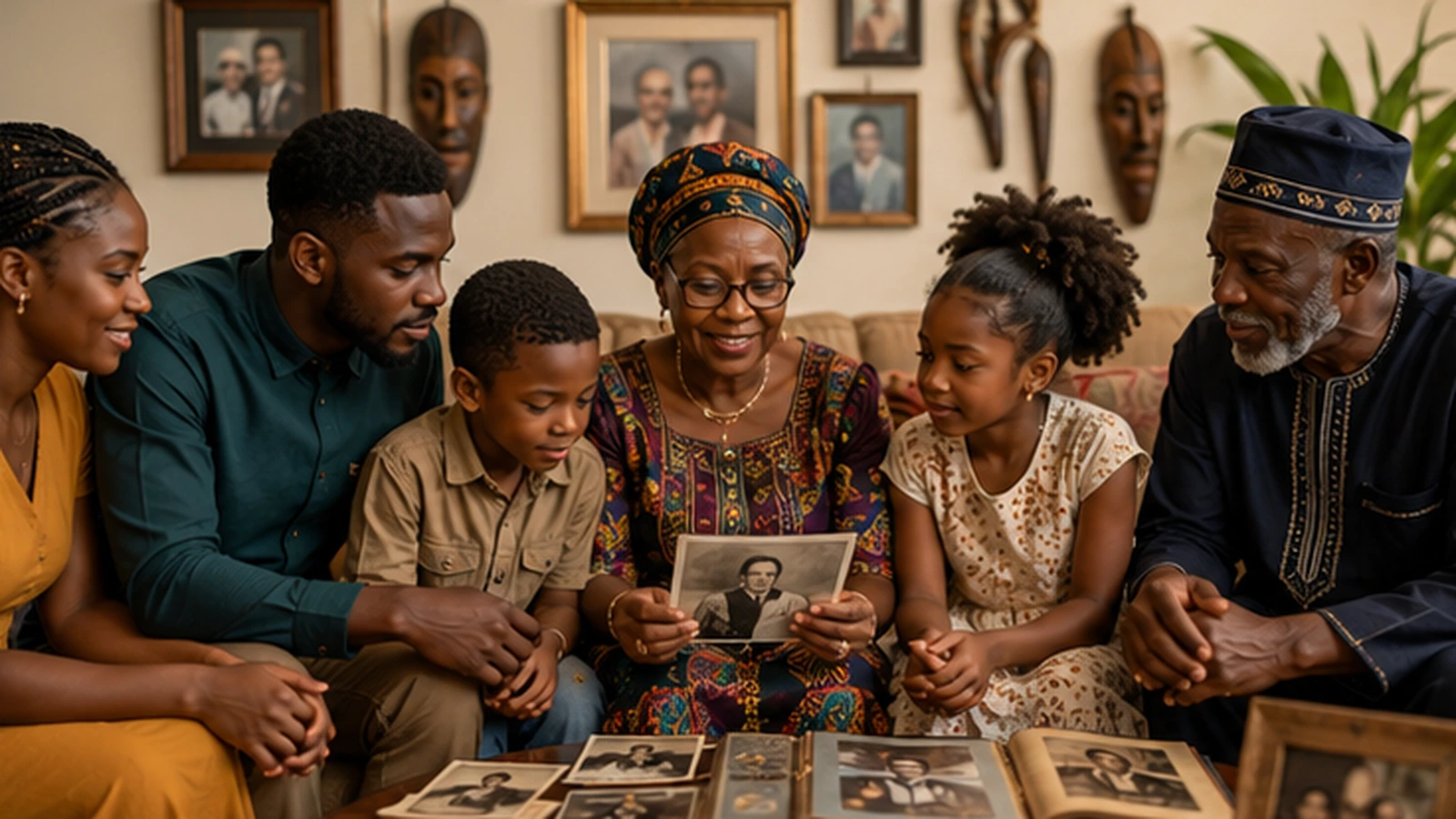
- Sharing a grandparent’s stories
- Maintaining a family grave
- Preserving old photographs
- Recording a genealogy
- Cooking a family recipe
- Continuing a family name
- Protecting inherited land
- Teaching children about earlier generations
Why Ancestor Traditions Appear in Many Societies
Human communities everywhere must respond to death, loss, inheritance, family continuity, and historical memory.
Ancestor traditions provide ways to answer difficult questions:
- What happens to a person’s place in the family after death?
- How should the dead be remembered?
- What responsibilities do descendants inherit?
- How does a family preserve its history?
- Who has authority over land or leadership?
- What values should be passed to children?
- How can grief become shared remembrance?
Different societies have developed different answers, but many recognize that the dead continue to matter through memory, identity, property, language, stories, and social obligations.
Reason 1: Ancestors Preserve Family Identity
One of the main reasons cultures honor ancestors is to preserve a sense of family identity.
Ancestors may explain:
- Where a family came from
- How relatives are connected
- Why people carry particular names
- How land was inherited
- Which communities share historical ties
- Which professions or responsibilities belong to a lineage
- How earlier generations survived hardship
A person may understand themselves not only as an individual but as part of a continuing family story.
Genealogy as More Than a Family Tree
A genealogy can contain:
- Names
- Marriages
- Migrations
- Alliances
- Leadership histories
- Land relationships
- Religious identities
- Stories of survival
- Causes of family conflict
Preserving this information can help descendants understand their place within a wider community.
Reason 2: Ancestors Connect Past, Present, and Future
Ancestor reverence connects three generations:
- Those who lived before
- Those who are living now
- Those who will live in the future
The living inherit names, languages, knowledge, resources, responsibilities, and unresolved problems from earlier generations.
They also influence what future descendants will inherit.
Intergenerational Responsibility
Honoring ancestors may encourage people to ask:
- What did earlier generations sacrifice?
- What responsibilities did they leave behind?
- Which harmful patterns should end?
- Which valuable traditions should continue?
- What will future generations remember about us?
In this sense, ancestor reverence is not only focused on the past. It can encourage long-term thinking.
Reason 3: Ancestors Provide Moral Examples
Families often preserve stories about ancestors who demonstrated courage, generosity, wisdom, patience, leadership, or resilience.
These stories may teach descendants how they are expected to behave.
An ancestor may be remembered for:
- Protecting the family
- Raising children responsibly
- Helping neighbors
- Defending the community
- Keeping promises
- Surviving displacement
- Preserving a language
- Building a family home
- Serving as a respected leader
Ancestors Are Not Always Idealized
Not every deceased person is remembered positively.
Families may also preserve stories about:
- Conflict
- Neglect
- Betrayal
- Harmful decisions
- Failed leadership
- Lost property
- Family divisions
These stories can function as warnings.
Honest remembrance allows descendants to learn from both the strengths and failures of earlier generations.
Reason 4: Ancestor Traditions Help Communities Process Grief
Death creates emotional, social, and practical disruption.
Rituals of remembrance can give families structured ways to:
- Express sorrow
- Share memories
- Support one another
- Recognize the reality of death
- Preserve a deceased person’s identity
- Accept changing family roles
- Mark anniversaries
- Transform private pain into communal remembrance
Ancestor traditions do not remove grief, but they can give grief a shared language.
Continuing Bonds
Remembering the dead may allow people to maintain a meaningful connection without denying the reality of death.
A person may still:
- Speak about a deceased parent
- Visit a grave
- Preserve personal objects
- Celebrate a birthday
- Cook a remembered meal
- Tell children about the person
These actions can keep family memory alive.
Reason 5: Ancestors Represent Gratitude
Many people recognize that their lives were made possible by the work and sacrifices of earlier generations.
Ancestors may have:
- Cultivated land
- Raised families
- Built homes
- Preserved knowledge
- Resisted oppression
- Migrated for safety
- Created businesses
- Protected cultural traditions
- Educated children
- Maintained community institutions
Honoring them can be an expression of gratitude.
Gratitude Without Romanticizing the Past
Gratitude does not require believing that earlier generations were perfect.
A person can appreciate sacrifices while also questioning harmful customs or decisions.
Respectful remembrance can include both appreciation and honest evaluation.
Reason 6: Ancestors Strengthen Community Unity
Ancestor traditions can unite people around shared origins, stories, and responsibilities.
A founding ancestor may connect:
- A lineage
- A clan
- A village
- A royal dynasty
- A cultural group
- A nation
In Vietnam, the worship of the Hùng Kings includes ceremonies, pilgrimages, offerings, and performances through which participants commemorate national ancestors and pray for health, favorable weather, good fortune, and abundant harvests. UNESCO describes the tradition as helping communities express shared origins and cultural identity.
Shared Ancestors and Public Identity
A shared ancestor may function as:
- A symbol of unity
- A source of political legitimacy
- A connection with historical territory
- A reminder of shared responsibilities
- A focus for festivals and public ceremonies
The ancestor may be historical, legendary, or understood through a combination of history and sacred tradition.
Reason 7: Ancestors Connect People With Land
Land can hold ancestral meaning because it contains:
- Graves
- Family homes
- Farms
- Sacred sites
- Historical meeting places
- Migration routes
- Community boundaries
- Natural landmarks
- Places named after earlier generations
For some communities, ancestral territory is a living archive.
UNESCO describes the Mapoyo oral tradition of Venezuela as inseparably connected with places in the community’s ancestral territory along the Orinoco River. Narratives associated with these places preserve collective memory and explain the Mapoyo people’s relationship with their history and land.
Land as Inheritance and Responsibility
Ancestral land may represent more than financial property.
It may carry obligations to:
- Protect burial grounds
- Preserve forests or water sources
- Maintain historical boundaries
- Care for family homes
- Pass knowledge to younger generations
- Respect community rules
Reason 8: Ancestors May Be Understood as Spiritually Present
Some religions and cultural traditions believe that deceased relatives continue to influence or participate in the lives of the living.
Depending on the tradition, ancestors may be understood as:
- Guardians
- Moral witnesses
- Protectors
- Intermediaries
- Sources of guidance
- Members of an extended spiritual family
- Custodians of land or lineage identity
These beliefs vary significantly.
In African contexts where ancestor veneration occurs, scholars have often connected it with kinship, descent, domestic life, family authority, and relationships between living elders and deceased generations. However, researchers also warn against assuming that all African societies define ancestors in the same way.
Not Every Deceased Person Becomes an Ancestor
Some communities distinguish between a deceased relative and a recognized ancestor.
Ancestral status may depend on:
- Age
- Moral character
- Proper burial
- Descendants
- Family position
- Leadership
- Continued remembrance
- The circumstances of death
These requirements differ across societies.
Reason 9: Ancestor Traditions Support Family Obligations
Honoring ancestors can reinforce responsibilities among living relatives.
People may be encouraged to:
- Care for parents
- Protect children
- Support elderly relatives
- Maintain family property
- Resolve disputes
- Preserve the family name
- Respect marriage obligations
- Assist relatives during hardship
Ancestor reverence may communicate that people are accountable to something larger than personal preference.
Authority and Its Risks
Ancestral authority can support responsibility, but it can also be misused.
No appeal to ancestors or family tradition should justify:
- Abuse
- Forced marriage
- Violence
- Discrimination
- Exploitation
- Medical neglect
- Silencing victims
- Denial of legal rights
Cultural respect does not require obedience to harmful practices.
Reason 10: Ancestor Rituals Preserve Cultural Knowledge
Ancestor-honoring ceremonies may preserve:
- Languages
- Prayers
- Songs
- Recipes
- Clothing
- Artistic styles
- Genealogies
- Funeral traditions
- Historical narratives
- Ritual speech
- Family titles
- Agricultural knowledge
UNESCO treats oral traditions, rituals, festive events, and social practices as forms of living heritage transmitted between generations rather than as static objects from the past.
Memory Through Performance
A ritual may preserve knowledge through:
- Words
- Music
- Movement
- Food
- Dress
- Place
- Objects
- Participation
Young people learn not only by receiving explanations but also by joining family and community events.
Is Ancestor Reverence the Same as Ancestor Worship?
Not necessarily.
The terms describe different possible relationships.
- Term
- General meaning
- Remembrance
- Keeping a deceased person’s memory alive
- Honor
- Showing gratitude, recognition, or respect
- Reverence
- Deep respect for an important ancestor
- Veneration
- Formal or ceremonial recognition
- Worship
- Religious devotion normally associated with a divine or sacred being
The boundaries between these terms vary among religions.
Some traditions pray to ancestors or present offerings. Others maintain graves, portraits, and family records without believing ancestors possess supernatural power.
Why “Worship” Can Mislead
The term may wrongly imply that:
- Every ancestor is considered a god
- Ancestors replace belief in a creator
- Every family follows formal rituals
- All cultures hold the same beliefs
- Every deceased relative becomes an ancestor
A more accurate explanation describes the specific practice and how participants interpret it.
Common Ways Cultures Honor Ancestors
Ancestor-honoring practices may include:
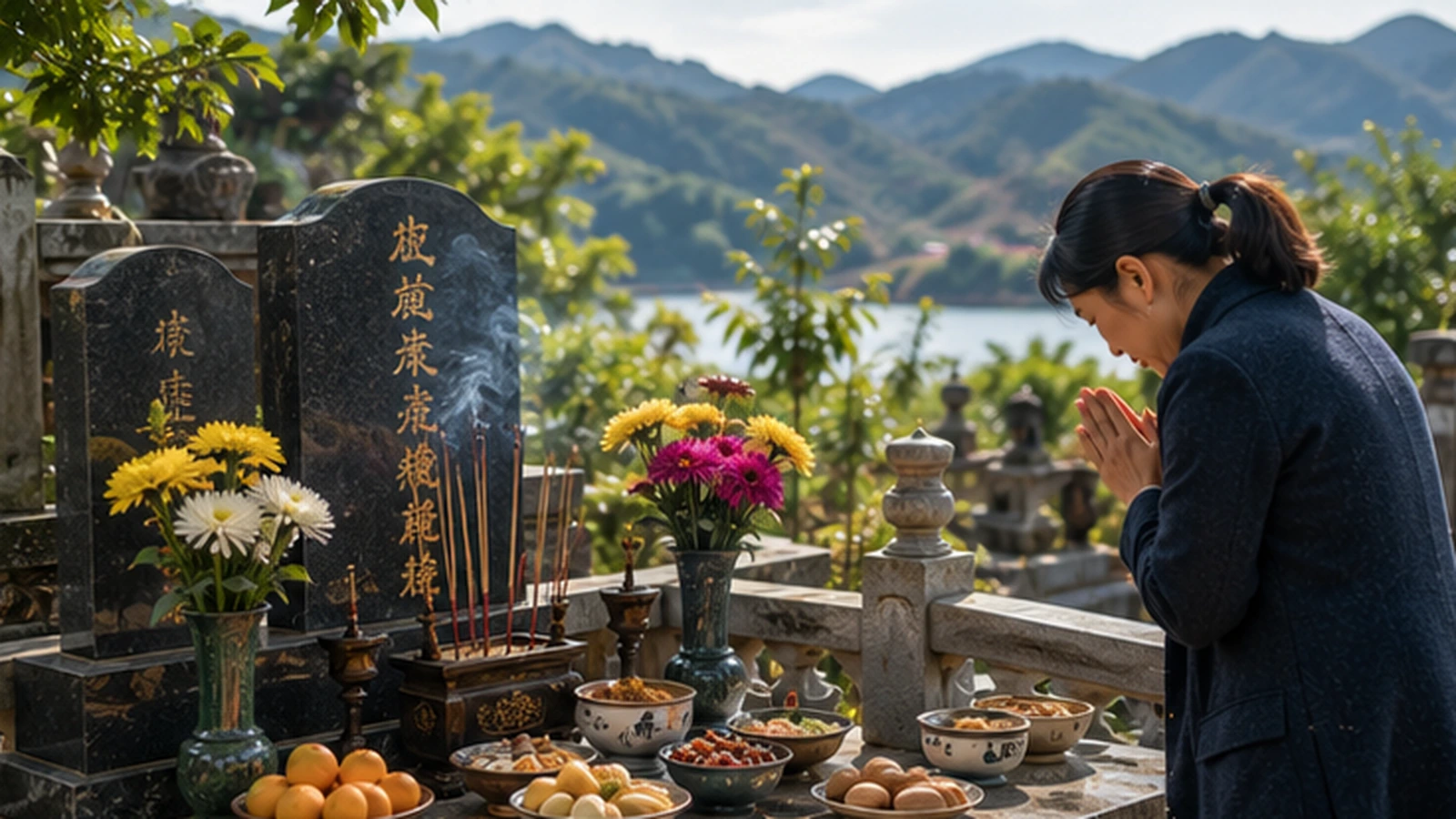
- Maintaining graves
- Displaying portraits
- Lighting candles
- Burning incense
- Offering food or drink
- Pouring libations
- Sharing memorial meals
- Reciting genealogies
- Naming children after relatives
- Preserving personal objects
- Holding festivals
- Singing ancestral songs
- Visiting family land
- Building memorials
- Recording oral histories
No practice should be assumed to have the same meaning everywhere.
Ancestor Portraits in Chinese Family Traditions
Chinese ancestor portraits were historically used as focal points during annual family rituals.
The portraits could be placed above family altars while relatives gathered, presented offerings, burned incense, and formally remembered their forebears. The continued ritual use of the paintings could leave physical traces such as incense smoke and surface wear.
Why Portraits Matter
A portrait may:
- Preserve a person’s identity
- Represent family continuity
- Provide a focus for ceremony
- Connect descendants with earlier generations
- Demonstrate social status
- Preserve clothing and historical appearance
The image is not merely decoration. Its role depends on family practice.
Ancestral Rites in Korean Traditions
Korean ancestral rites such as charye may be performed on major holidays, including Chuseok and Lunar New Year.
The ceremony can include food and drink offerings, formal bows, and recognition of ancestral tablets. Families may also visit and maintain graves through practices known as seongmyo.
Family Meals and Continuity
After ancestral rites, family members may share food.
This can connect:
- Religious respect
- Family gathering
- Seasonal celebration
- Gratitude
- Intergenerational teaching
Ancestor Remembrance in Vietnamese Culture
The worship of the Hùng Kings in Vietnam honors figures regarded as national ancestors.
The tradition includes pilgrimages, ceremonies, offerings, performances, and prayers. It connects local communities with a shared historical and cultural origin.
This example shows that ancestors may represent more than one household. They can symbolize a nation or wider cultural community.
Mexico’s Indigenous Festivity Dedicated to the Dead
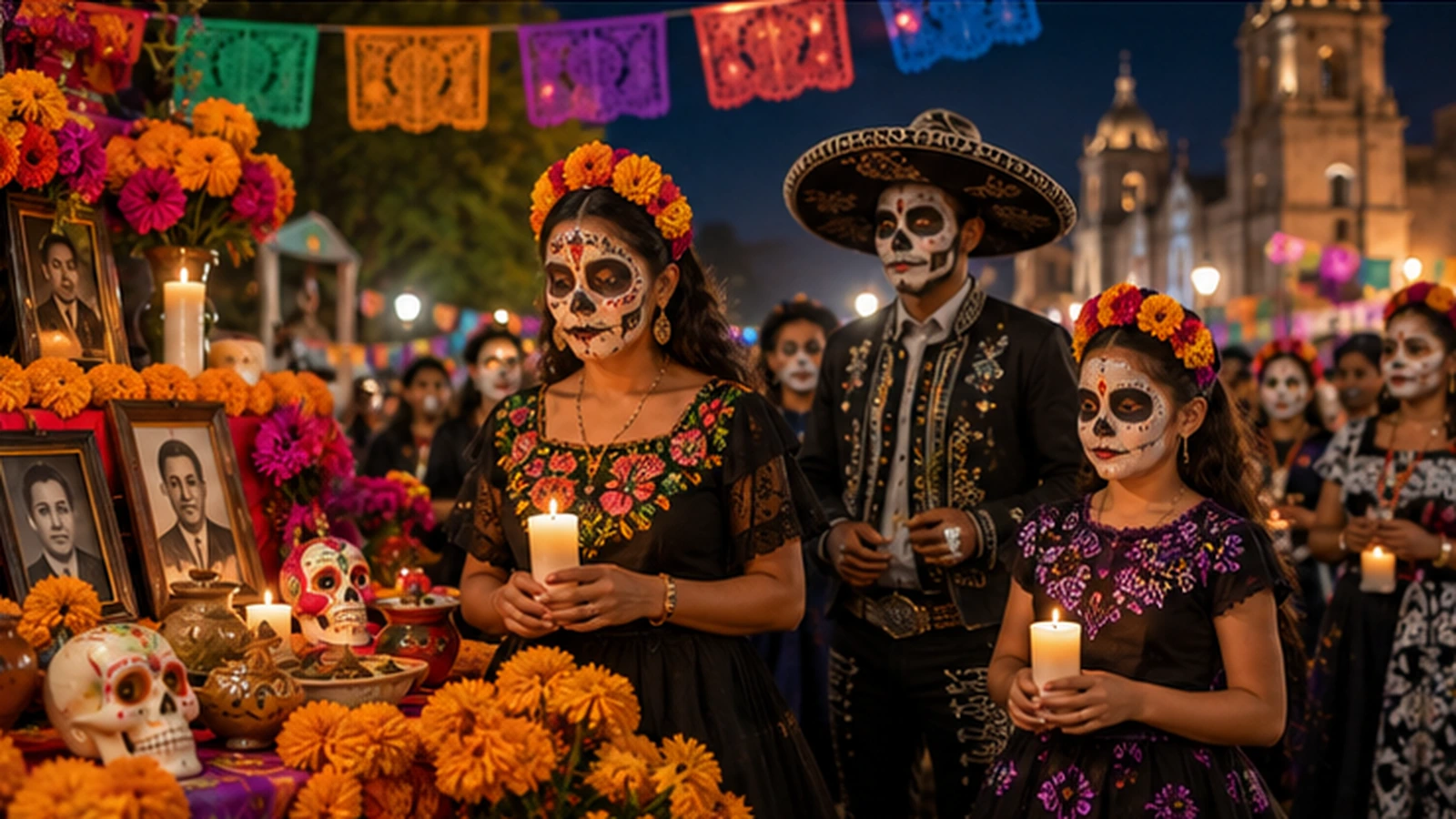
In Indigenous Mexican communities, the celebration commonly associated with the Day of the Dead commemorates the temporary return of deceased relatives.
Families may prepare food, flowers, candles, and offerings and gather at homes, cemeteries, and sacred or community spaces. UNESCO describes the tradition as bringing together Indigenous religious concepts and Catholic observances while maintaining strong community meanings.
Celebration and Mourning Together
The tradition demonstrates that remembrance does not always have to be silent or entirely sorrowful.
Families may remember the dead through:
- Color
- Food
- Music
- Humor
- Prayer
- Storytelling
- Cemetery visits
- Community gatherings
The celebration should not be reduced to decorative skull imagery separated from its cultural and religious context.
Ancestors in Ancient Roman Family and Political Life
Ancient Roman households maintained religious practices connected with family and domestic protection.
Household shrines known as lararia were associated with the Lares and other domestic religious figures. Elite Roman families also displayed ancestral death masks and images connected with funerary and political memory.
Ancestors and Social Status
For Roman elites, ancestral images could communicate:
- Family reputation
- Political legitimacy
- Public service
- Historical continuity
- Claims to authority
This demonstrates that ancestor remembrance can be both religious and political.
Ancestor Veneration in the Ancient Andes
Archaeological research in the Andes has found evidence linking feasting, mortuary architecture, community identity, and ancestor veneration.
At sites such as Chinchawas in Peru, researchers have examined how ritual meals, burial spaces, ceramics, animal remains, and stone sculptures may have supported relationships between living communities and revered dead.
Ancestors could be connected with:
- Territorial claims
- Community history
- Political authority
- Agricultural life
- Public ceremony
This shows why ancestor traditions cannot be understood only as private family grief.
Ancestors in African Cultures
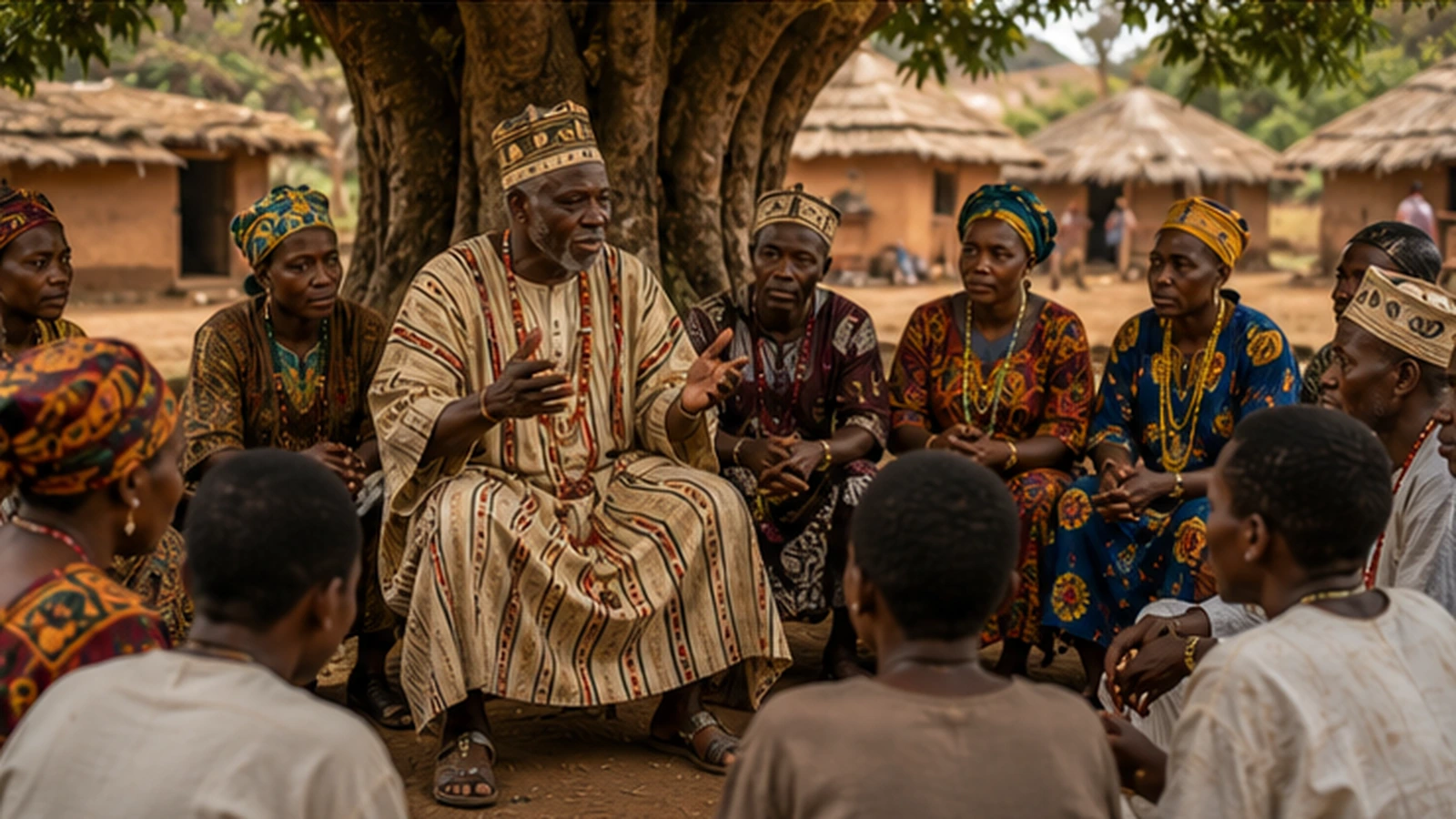
Across Africa, ancestor traditions vary greatly.
Depending on the community, ancestors may be connected with:
- Family lineage
- Moral authority
- Land
- Political legitimacy
- Funeral customs
- Healing
- Divination
- Community identity
- Elders
- Royal institutions
Scholarly work emphasizes that ancestor practices are rooted in specific kinship and social systems rather than forming one uniform African belief.
Remembrance Through Everyday Responsibility
An ancestor may be honored through:
- Responsible parenting
- Care for family land
- Preservation of names
- Support for elders
- Participation in funerals
- Resolution of disputes
- Oral history
- Libation or offerings
The ceremony is only one part of the relationship.
Indigenous Ancestor Traditions and Ancestral Territory
For many Indigenous peoples, ancestry cannot be separated from territory.
Stories about ancestors may explain:
- The origins of sacred places
- Routes of migration
- Boundaries
- Environmental responsibilities
- Burial locations
- Relationships with animals or natural forces
- Community laws
The Mapoyo example demonstrates how oral narratives and geographic places can function together as a system of collective memory.
Ancestor Traditions in Modern Life
Ancestor reverence has not disappeared with cities, global migration, technology, Christianity, Islam, secularization, or modern education.
People may now preserve ancestral memory through:
- Digital family trees
- Cloud-based photo archives
- Video interviews with elders
- Family WhatsApp groups
- Memorial websites
- Online cemetery records
- DNA ancestry research
- Recorded funeral services
- Digital maps of family land
- Diaspora reunions
Modern Does Not Mean Inauthentic
A family may use a smartphone to record an oral history while preserving knowledge transmitted for generations.
Traditions can adapt without losing all connection to the past.
Ancestor Traditions in Diaspora Communities
Migration can make ancestor remembrance especially important.
Diaspora communities may use ancestral traditions to:
- Preserve cultural identity
- Teach children about origins
- Maintain language
- Remember displaced relatives
- Reconnect with ancestral homelands
- Process histories of slavery or forced migration
- Build community in a new country
A practice may change because traditional materials, places, or family leaders are no longer available.
These adaptations should be understood as living cultural responses rather than imperfect copies of an original tradition.
Ancestors, Religion, and Changing Beliefs
Ancestor traditions may coexist with Christianity, Islam, Buddhism, Confucian practice, Indigenous religion, secular identity, and other belief systems.
People respond differently.
Some may:
- Continue ancestral ceremonies
- Interpret them as cultural remembrance
- Direct prayers only toward God
- Reject offerings but preserve graves
- Combine family customs with church or mosque practices
- Participate for social rather than religious reasons
Religious identity should not be assumed solely from attendance at a family ceremony.
The Difference Between Honoring and Obeying Ancestors
Honoring ancestors does not mean every decision from the past must be repeated.
Cultures change because people reconsider:
- Gender roles
- Marriage customs
- Inheritance
- Leadership
- Health practices
- Treatment of children
- Disability
- Human rights
- Religious freedom
A respectful descendant may preserve valuable knowledge while rejecting harmful customs.
Healthy Ancestral Respect
Healthy remembrance can include:
- Gratitude
- Honest history
- Cultural learning
- Ethical responsibility
- Respect for the dead
- Care for the living
- Protection of future generations
It should not require fear, manipulation, or silence.
When Ancestor Claims Become Harmful
Spiritual claims involving ancestors should never be used to justify:
- Violence
- Abuse
- Threats
- Financial exploitation
- Forced marriage
- Medical neglect
- False accusations
- Isolation
- Discrimination
- Control over another person
No person should claim guaranteed power over an ancestor or promise certain wealth, love, pregnancy, protection, or healing in exchange for payment.
Spiritual traditions do not replace qualified medical care, legal advice, financial guidance, mental-health support, or emergency services.
Common Misconceptions
Misconception 1: Only African and Asian Cultures Honor Ancestors
Reality: Ancestor traditions have appeared in Europe, Africa, Asia, Oceania, and the Americas.
Misconception 2: Honoring Ancestors Always Means Worshipping Them
Reality: Practices range from religious devotion to historical remembrance and family respect.
Misconception 3: Every Deceased Relative Becomes an Ancestor
Reality: Some traditions apply conditions involving age, character, burial, leadership, descendants, or community recognition.
Misconception 4: Ancestor Traditions Are Only About Death
Reality: They may also address identity, morality, land, leadership, family unity, and future generations.
Misconception 5: Modern People No Longer Honor Ancestors
Reality: Traditions continue through graves, memorials, festivals, digital archives, family gatherings, and religious ceremonies.
Misconception 6: Every Offering Has the Same Meaning
Reality: Food, incense, candles, water, flowers, and other materials have different meanings in different cultures.
Misconception 7: Ancestor Traditions Never Change
Reality: They adapt through migration, religious conversion, law, technology, and generational change.
Misconception 8: Ancestors Must Be Remembered as Perfect
Reality: Honest remembrance can include both achievements and failures.
How to Honor Ancestors Respectfully
Step 1: Begin With Family History
Ask relatives about:
- Names
- Places
- Languages
- Migrations
- Occupations
- Photographs
- Burial places
- Important stories
Step 2: Record Information With Consent
Before recording an elder, explain:
- Why you are recording
- Where the information will be stored
- Who will access it
- Whether it will be published
Step 3: Preserve Context
Do not save only names.
Record:
- Relationships
- Dates
- Locations
- Cultural meanings
- Alternative versions
- Languages used
- Sources of information
Step 4: Avoid Inventing Cultural Connections
Do not claim membership in a culture, lineage, or spiritual tradition without reliable evidence.
Step 5: Respect Graves and Sacred Places
Follow family and community rules concerning:
- Photography
- Offerings
- Clothing
- Access
- Touching objects
- Publication
Step 6: Distinguish Public and Private Knowledge
Some prayers, names, ceremonies, or objects may belong only to particular families or initiated members.
Step 7: Care for Living Relatives
Honoring the dead should not replace responsibility toward living family members.
Key Takeaways
- Cultures honor ancestors for religious, historical, moral, emotional, and social reasons.
- Ancestor reverence is not always the same as worship.
- Ancestors may connect families with identity, land, values, and history.
- Rituals can help people process grief and preserve memory.
- Ancestor traditions may reinforce responsibilities among living relatives.
- Chinese, Korean, Vietnamese, Mexican, African, Roman, Andean, and Indigenous communities have developed distinct ancestral traditions.
- Ancestor practices change through migration, technology, and religious transformation.
- Cultural specificity is essential.
- Respect does not require repeating harmful customs.
- Spiritual claims about ancestors should never be used to justify exploitation or neglect professional care.
People Also Ask
Why do people honor their ancestors?
People may honor ancestors to preserve family history, express gratitude, maintain identity, process grief, seek spiritual guidance, and connect generations.
Is honoring ancestors the same as worship?
Not always. Honoring may involve remembrance, gratitude, grave care, family storytelling, or ceremonial respect without treating ancestors as gods.
Which cultures honor ancestors?
Ancestor-honoring traditions appear in many African, Asian, Indigenous American, Pacific, European, and diaspora cultures.
Why do families make offerings to ancestors?
Depending on the tradition, offerings may express hospitality, gratitude, remembrance, respect, prayer, or continued family connection.
Can ancestors be important without spiritual beliefs?
Yes. A person may honor ancestors through genealogy, memorials, family stories, graves, photographs, and inherited traditions.
Are ancestor traditions still practiced today?
Yes. They continue through family ceremonies, public festivals, digital archives, religious rituals, and diaspora communities.
Frequently Asked Questions
1. What is ancestor reverence?
Ancestor reverence is the respectful remembrance or recognition of deceased people who remain important to a family or community.
2. Why are ancestors connected with family identity?
Ancestors preserve genealogies, names, migration histories, inherited responsibilities, and stories about a family’s origins.
Frequently Asked Questions
What should readers know first about Why cultures honor their ancestors?
Why cultures honor their ancestors: Explore why communities around the world honor their ancestors through family stories, offerings, memorials, festivals, sa
What causes Why cultures honor their ancestors?
Explore why communities around the world honor their ancestors through family stories, offerings, memorials, festivals, sacred places, and responsibilities across generations. The safest next step is to compare the signs, prepare clear details, and request pri
How does Why cultures honor their ancestors work?
Explore why communities around the world honor their ancestors through family stories, offerings, memorials, festivals, sacred places, and responsibilities across generations. The safest next step is to compare the signs, prepare clear details, and request pri
Is it possible to get private guidance for Why cultures honor their ancestors?
Explore why communities around the world honor their ancestors through family stories, offerings, memorials, festivals, sacred places, and responsibilities across generations. The safest next step is to compare the signs, prepare clear details, and request pri
How long does Why cultures honor their ancestors take to understand?
Explore why communities around the world honor their ancestors through family stories, offerings, memorials, festivals, sacred places, and responsibilities across generations. The safest next step is to compare the signs, prepare clear details, and request pri
Can Why cultures honor their ancestors affect relationships, family, work, or personal peace?
Explore why communities around the world honor their ancestors through family stories, offerings, memorials, festivals, sacred places, and responsibilities across generations. The safest next step is to compare the signs, prepare clear details, and request pri
Why do people seek spiritual guidance for Why cultures honor their ancestors?
Explore why communities around the world honor their ancestors through family stories, offerings, memorials, festivals, sacred places, and responsibilities across generations. The safest next step is to compare the signs, prepare clear details, and request pri
What signs should someone notice before asking about Why cultures honor their ancestors?
Explore why communities around the world honor their ancestors through family stories, offerings, memorials, festivals, sacred places, and responsibilities across generations. The safest next step is to compare the signs, prepare clear details, and request pri
When should someone contact a private spiritual guide?
Explore why communities around the world honor their ancestors through family stories, offerings, memorials, festivals, sacred places, and responsibilities across generations. The safest next step is to compare the signs, prepare clear details, and request pri
Article Information
- Publisher
- Ancestral Temple
- Editor
- Ancestral Temple
- Last updated
- Jul 26, 2026
- Last reviewed
- Jul 13, 2026
- Content version
- fa0e1a2214
This educational article should be read as cultural and spiritual information, not as medical, legal, financial, or emergency advice.
Helpful Related Guidance
Explore This Topic
African Spiritual Traditions · Ancestor Reverence In African Cultures
Related Topic Cluster
Why Cultures Honor Their Ancestors
Complete Guide Understanding African Spiritual Traditions: A Historical IntroductionAbout the Author
 Ancestral Temple
Spiritual guide and practitioner with decades of experience in ancestral wisdom, rituals, and divine guidance.
Related Posts
View All

Leave a Comment
We'd love to hear your thoughts.
This article showed that remembering ancestors can be religious, cultural, historical, or all three.
Are there recommended books comparing ancestor traditions across different regions?
The digital archives section made the topic relevant to modern families.
I would like to know more about how migration changes ancestral ceremonies.
The explanation of ancestor traditions helping people process grief was compassionate.
Strong introduction. Honoring ancestors seems closely connected with memory, identity, and responsibility.
The misconceptions section answered several assumptions I had seen repeated online.
The tone stayed neutral and educational throughout the article.
This has encouraged me to begin a family genealogy project.
I liked that the African section emphasized diversity instead of one universal belief.
More links to Indigenous scholars and community archives would be useful in future articles.
The Andean example made it clear that ancestor traditions could involve public community life and territory.
The most important lesson for me was that ancestors help families understand where they came from.
The article respected spiritual beliefs without presenting every claim as proven fact.
The section about future generations showed that ancestor reverence is not only about looking backward.
I appreciated the idea that people can honor ancestors while still rejecting harmful customs.
Could you write a detailed article about ancestor traditions in ancient Rome and Greece?
The headings and short paragraphs made the long article easy to read on mobile.
The article covered many cultures without claiming that all the traditions have the same meaning.
This is a useful introduction for students of religion, anthropology, history, and cultural studies.
Thank you for clearly stating that spiritual traditions do not replace professional care.
The discussion of ancestors and territorial identity was one of the most interesting parts.
I would like more guidance on recording oral histories with older relatives.
The ancient Roman example showed that ancestors could also support political reputation.
The glossary makes the differences between remembrance, reverence, veneration, and worship clearer.
The Day of the Dead example was explained with more depth than the decorative images usually seen online.
I have started labeling old family photographs so future generations will know who the people are.
The section about gratitude for earlier generations stood out to me.
This was informative without making ancestor traditions sound frightening or mysterious.
The Hùng Kings section was interesting because it showed how ancestors can symbolize a nation.
I would enjoy a full article about Korean charye and grave-visiting traditions.
The article showed why cultural context matters before describing a practice as worship.
I liked the difference between a deceased relative and a recognized ancestor.
The warning about not using ancestral claims to justify abuse was necessary.
The explanation of how Christians and Muslims may preserve family remembrance traditions was balanced.
I appreciated that the article also discussed harmful ancestors and family mistakes instead of idealizing everyone.
The section about ancestors providing moral examples made the topic easy to understand.
A separate article comparing ancestor reverence and ancestor worship would be helpful.
I did not know Chinese ancestor portraits were displayed during annual family rituals.
The point about ancestral land being more than financial property was especially important.
The discussion of grief and continuing family bonds was handled respectfully.
I liked the global examples because they showed that ancestor traditions are not limited to one continent.
This article reminded me that preserving family stories is also a way of honoring ancestors.
The section about connecting past, present, and future generations was very meaningful.
I appreciated the explanation that honoring ancestors does not always mean worshipping them.