
Spiritual Lessons from Ancient African Kingdoms
Pillar Article
Quick Summary
Explore spiritual lessons from ancient African kingdoms, including responsible leadership, ancestral memory, justice, sacred land, community accountability, and cultural continuity.
Spiritual Lessons from Ancient African Kingdoms explains the cultural and historical meaning of Spiritual lessons from ancient African kingdoms without treating one tradition as universal. The article preserves safety cautions, distinguishes spiritual interpretation from medical or legal advice, and avoids guaranteed-result claims.
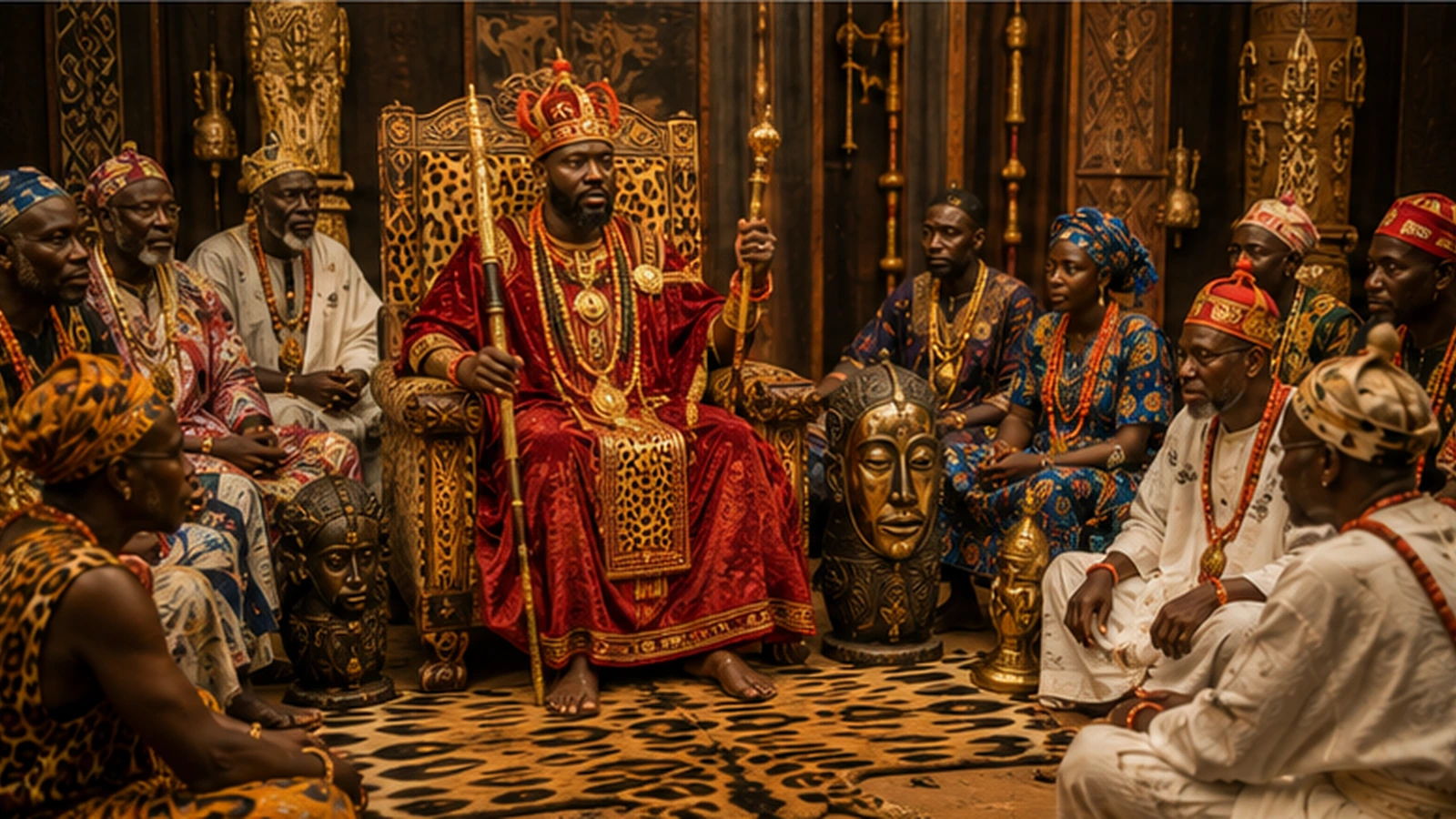
Ancient and precolonial African kingdoms developed many different ways of connecting political authority with spirituality, ancestry, justice, land, community, and moral responsibility.
There was no single African model of kingship. The Kingdom of Benin, the Luba Kingdom, ancient Egypt, Nubia, Aksum, Mali, Kongo, Great Zimbabwe, Asante, and other states developed within different environments, religions, languages, economies, and historical periods.
Some rulers were regarded as sacred or connected with divine ancestry. Others ruled alongside priests, councils of elders, nobles, lineage heads, judges, or religious associations that limited their power. In some kingdoms, royal ancestors were central to political legitimacy. In others, rulers drew authority from Christianity, Islam, local divinities, sacred land, military success, or responsibility for rain, fertility, and public order.
The lessons found in these histories should not be treated as magical formulas or romanticized claims that every ancient kingdom was peaceful or just. African kingdoms, like states elsewhere, experienced conflict, inequality, political competition, conquest, and abuse of power.
Their histories nevertheless offer valuable reflections on responsibility, leadership, memory, spiritual legitimacy, justice, and the relationship between individuals and communities.
Key Points
Spiritual lessons from ancient African kingdoms include the following:
- Leadership is a responsibility rather than only a privilege.
- Political authority often requires moral and spiritual legitimacy.
- A ruler may be powerful while still being accountable to councils, customs, and community institutions.
- Ancestors and historical memory can connect present leadership with earlier obligations.
- Sacred objects often represent offices and responsibilities rather than personal wealth alone.
- Land can be understood as an inherited trust rather than merely private property.
- Community wellbeing is often more important than individual status.
- Oral history preserves both praise and warnings about leadership.
- Religious diversity and cultural exchange can strengthen societies.
- Power loses legitimacy when it is separated from justice and service.
These lessons come from different traditions and should not be presented as one universal African philosophy.
What Were Ancient African Kingdoms?
Ancient African kingdoms were organized political societies ruled by kings, queens, emperors, councils, dynasties, chiefs, or other institutions of authority.
The word kingdom covers many different systems.
Some were large empires governing several peoples and trade routes. Others were smaller states centered on a capital, royal lineage, sacred institution, agricultural region, or network of towns.
Examples include:
- Ancient Egypt
- Kush and Nubian kingdoms
- Aksum
- Ghana or Wagadu
- Mali
- Songhai
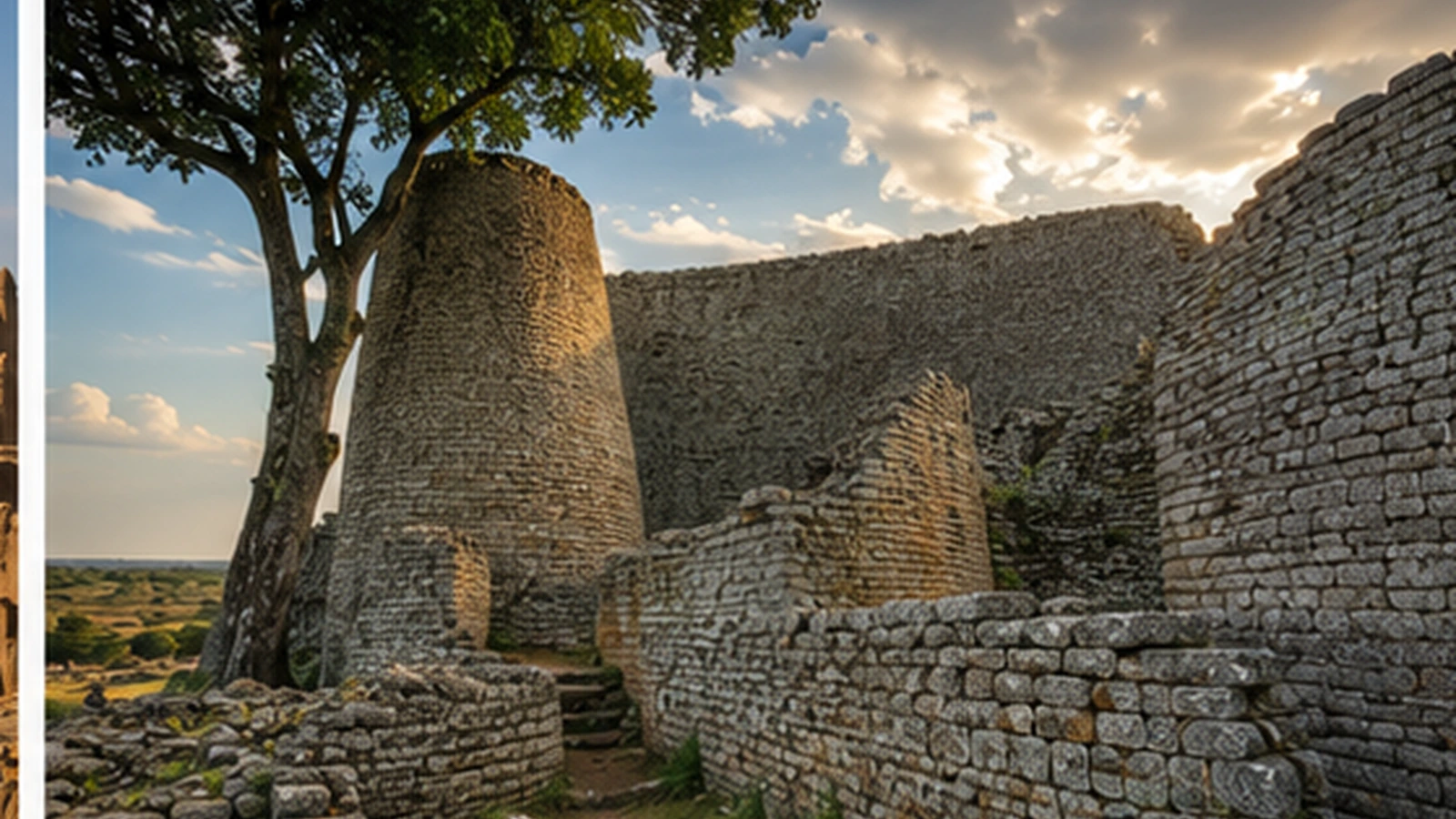
- Great Zimbabwe
- Kongo
- Benin
- Luba
- Lunda
- Asante
- Oyo
- Monomotapa
- Various Sahelian, Great Lakes, forest, coastal, and highland states
Clear Definition
An ancient African kingdom was a historically organized state whose political authority could be connected with lineage, religion, land, military power, commerce, law, and community institutions.
Plain-Language Meaning
African kingdoms were not just palaces and armies.
They were societies with farmers, traders, craftspeople, religious specialists, families, elders, officials, soldiers, artists, and communities whose cooperation made political life possible.
Lesson 1: Leadership Is a Sacred Responsibility
One of the clearest lessons from many African kingdoms is that leadership was not understood only as the right to command.
A ruler might be expected to:
- Protect the population
- Maintain justice
- Defend the territory
- Preserve social order
- Respect religious obligations
- Support agriculture and trade
- Maintain relationships with ancestors
- Protect sacred places
- Provide hospitality
- Listen to advisers
- Represent the community during crises
A ruler who failed in these responsibilities could lose moral legitimacy even if the ruler remained politically powerful.
Sacred Kingship Did Not Mean Unlimited Power
The term sacred kingship refers to systems in which royal authority has religious or spiritual significance.
A king might be regarded as:
- Descended from a sacred founder
- Chosen or approved by spiritual powers
- Connected with royal ancestors
- Responsible for fertility or rain
- Guardian of shrines
- Representative of cosmic or social order
However, sacred authority did not always mean absolute authority.
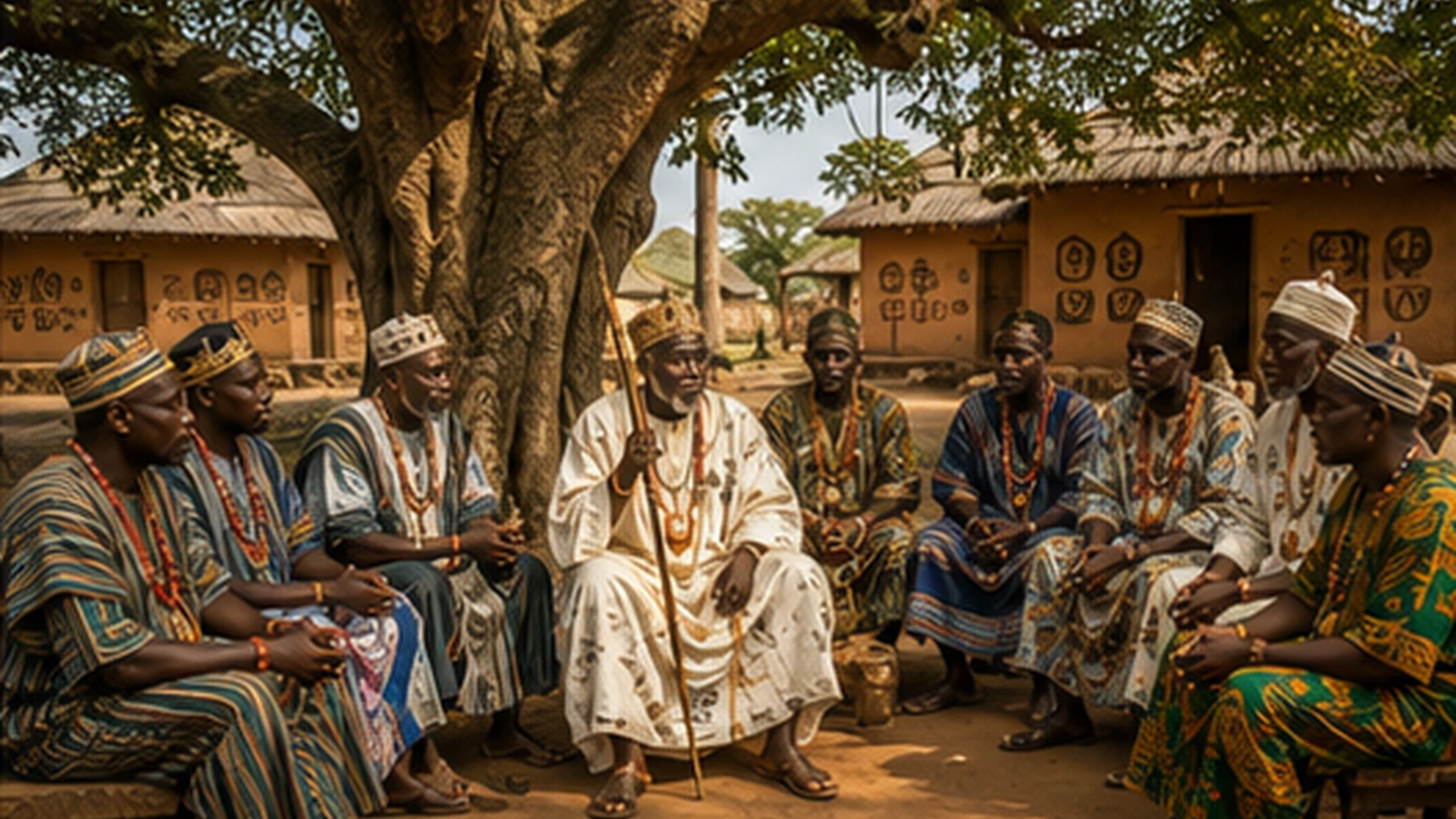
Historical African kingdoms often included councils of elders or nobles that advised rulers, interpreted custom, and sometimes restrained royal power. The Metropolitan Museum notes that authority in many African kingdoms was not held exclusively by the ruler because governing bodies of elders or nobles also played important roles.
Spiritual Lesson
Leadership becomes meaningful when authority is connected with service, responsibility, and accountability.
Modern leaders can draw from this principle by asking not only, “What power do I have?” but also, “What obligations come with this position?”
Lesson 2: Power Needs Moral Legitimacy
Military strength, wealth, or inheritance could help a ruler gain authority, but lasting leadership often required broader legitimacy.
Legitimacy might come from:
- Descent from a recognized dynasty
- Approval by elders
- Installation rituals
- Religious recognition
- Public acceptance
- Protection of community interests
- Fulfillment of customary duties
- Successful mediation of conflict
- Respect for inherited law
Luba Sacred Kingship
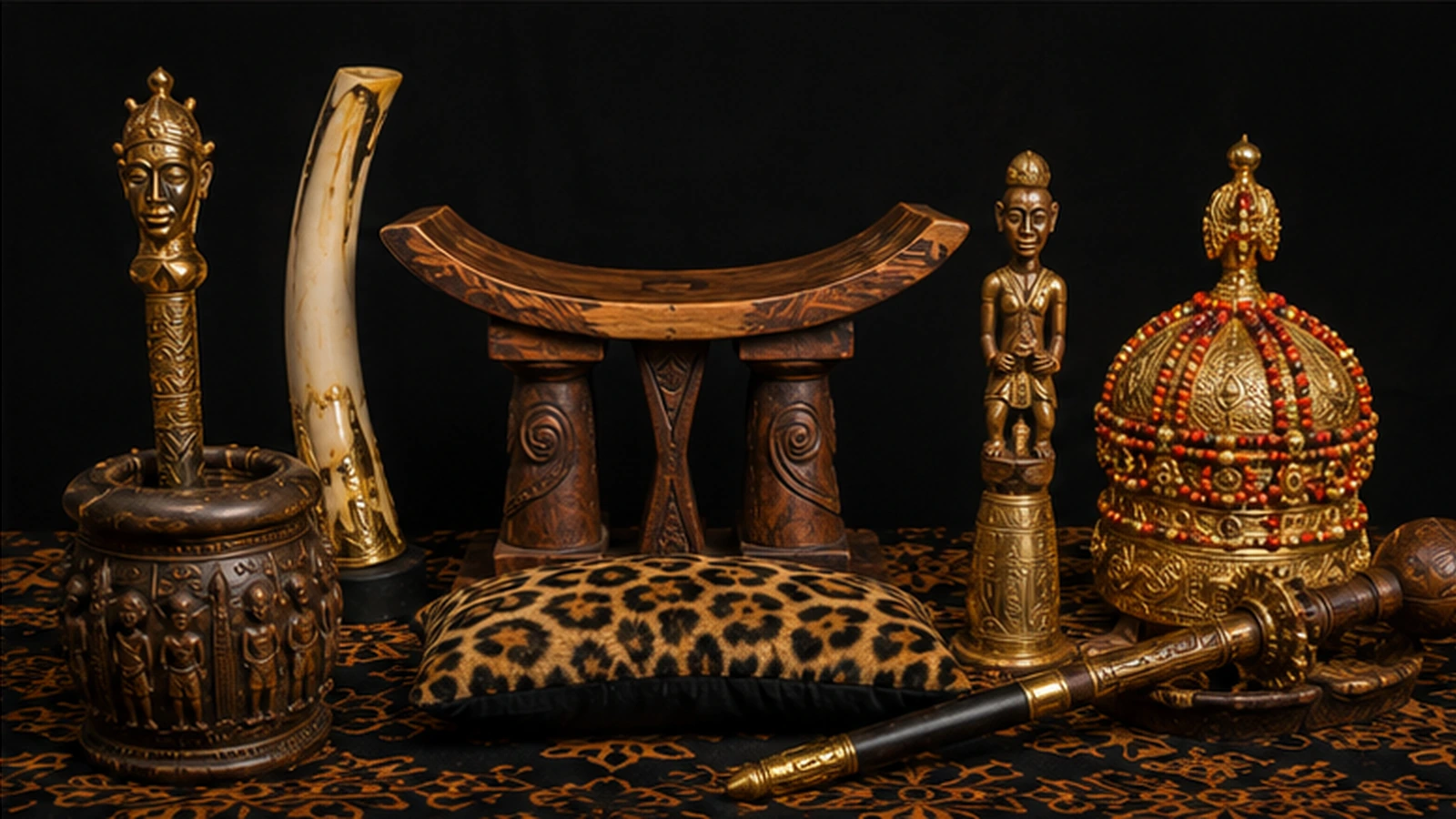
Luba leaders traced their authority to a dynasty of sacred kings. Royal seats were connected with the founding source of the ruler’s legitimacy rather than functioning as ordinary furniture.
During royal investiture, Luba insignia such as seats, staffs, spears, axes, and ceremonial vessels represented the ruler’s office and responsibilities.
These objects communicated that authority did not belong only to the individual ruler. It belonged to an inherited institution with historical and spiritual obligations.
Spiritual Lesson
Power becomes more stable when people recognize its moral purpose.
Authority based only on fear may produce obedience, but authority connected with justice, history, and responsibility is more likely to produce trust.
Lesson 3: A Leader Is Part of a Larger Community
Ancient African rulers did not govern alone.
A functioning kingdom depended on:
- Farmers
- Traders
- Craftspeople
- Soldiers
- Priests
- Judges
- Elders
- Families
- Musicians
- Messengers
- Healers
- Tax collectors
- Provincial leaders
- Market associations
- Religious institutions
Royal power was therefore relational.
A ruler needed the cooperation of communities, officials, and institutions.
Councils and Shared Authority
Many kingdoms developed systems in which councils advised or checked rulers.
These bodies could:
- Interpret customary law
- Represent lineages
- Advise on war and diplomacy
- Approve succession
- Mediate disputes
- Protect religious institutions
- Present community concerns
- Restrain abuse
This demonstrates that leadership can be sacred without being solitary.
Spiritual Lesson
No person becomes strong entirely alone.
A leader who ignores the community, advisers, and institutions that sustain authority eventually weakens the same system that gives leadership meaning.
Lesson 4: Ancestors Represent Historical Responsibility
Royal ancestors played important roles in several African kingdoms.
They could represent:
- The origin of a dynasty
- The history of the state
- Earlier political achievements
- Moral expectations
- Inherited authority
- The continuity of leadership
- Obligations toward future generations
Benin Royal Ancestors
In the Kingdom of Benin, royal ancestral altars commemorated former Obas and preserved dynastic continuity. Cast brass heads were commissioned for royal ancestral altars, connecting current rulers with earlier kings.
The Oba’s authority combined political leadership with spiritual power connected to divine ancestry.
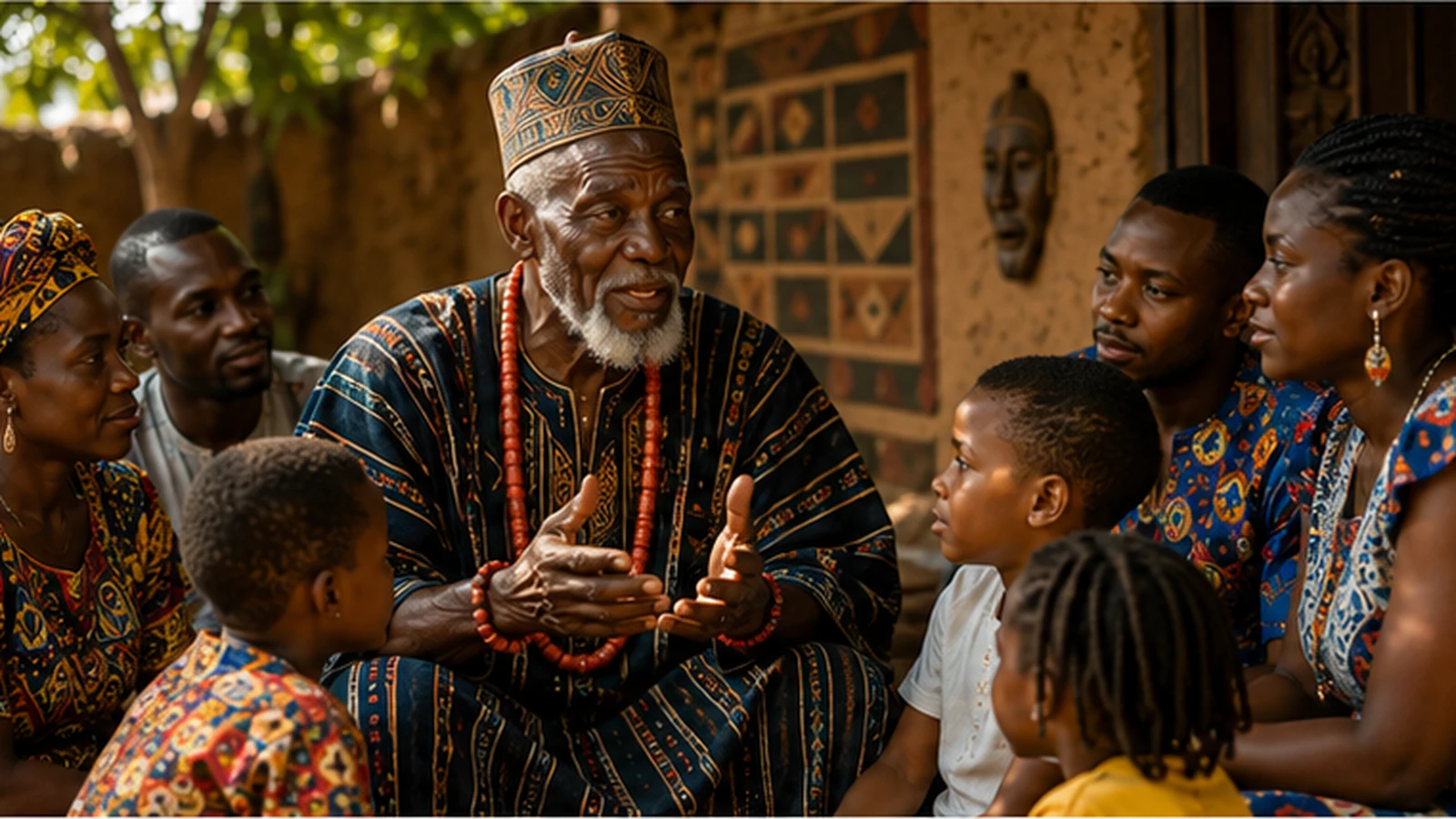
These traditions communicated that a ruler did not begin history personally. Each ruler inherited a position shaped by those who came before.
Spiritual Lesson
Leadership should be aware of history.
A person who inherits authority also inherits unfinished responsibilities, past mistakes, achievements, and expectations.
Remembering predecessors can encourage humility because current leadership is only one stage in a longer story.
Lesson 5: Sacred Objects Represent Duty, Not Decoration
Royal regalia in African kingdoms often carried political and spiritual meaning.
Objects might include:
- Crowns
- Thrones
- Stools
- Staffs
- Swords
- Spears
- Drums
- Beads
- Ivory objects
- Brass sculptures
- Ceremonial vessels
- Royal clothing
These objects could represent:
- Legitimate authority
- Ancestral continuity
- Judicial responsibility
- Military protection
- Sacred office
- The unity of the kingdom
- The ruler’s obligations
Kongo Royal Symbols
Kongo rulers and chiefs used carved ivory scepters as emblems of authority during public and ceremonial appearances. Some incorporated spiritually significant materials intended to reinforce the ruler’s power.
Luba Royal Vessels
Certain Luba royal vessels played roles in investiture and ceremonies honoring ancestors, showing how physical objects could connect leadership, community participation, and historical memory.
Spiritual Lesson
Symbols of status should remind leaders of duty.
A title, office, uniform, crown, or badge should not merely elevate the wearer. It should remind the wearer of the responsibility attached to that position.
Lesson 6: Justice Preserves Spiritual and Social Order
In many historical societies, justice was not separated completely from spirituality.
A serious wrongdoing could be understood as damaging:
- The victim
- The family
- The community
- The land
- The ancestors
- Public order
- Relationships between groups
Justice could therefore aim to restore relationships rather than only punish an offender.
Justice as Balance
A ruler or council might be expected to:
- Hear disputes
- Protect the vulnerable
- Enforce agreements
- Prevent revenge cycles
- Regulate inheritance
- Address theft
- Resolve land disagreements
- Maintain public peace
The idea of balance does not mean every historical legal system was equal or fair. However, it highlights the belief that injustice damages more than one individual.
Spiritual Lesson
Justice is not only about punishment; it is also about restoring damaged relationships and protecting the community.
Lesson 7: Land Is an Inherited Trust
Land in many African kingdoms carried economic, political, ancestral, and sacred meaning.
It could provide:
- Food
- Settlement
- Burial places
- Political territory
- Sacred groves
- Shrines
- Trade routes
- Water access
- Historical identity
A ruler might be regarded as a custodian rather than an unrestricted private owner.
Custodianship
Custodianship means holding responsibility for something that must also serve others and future generations.
This principle can apply to:
- Farmland
- Rivers
- Forests
- Cultural sites
- Burial grounds
- Community resources
- Political institutions
Spiritual Lesson
Resources inherited from earlier generations should not be exhausted without regard for those who come later.
This lesson is especially relevant to environmental protection and responsible public leadership.
Lesson 8: Oral History Protects Identity
Many African kingdoms preserved history through:
- Genealogies
- Epic narratives
- Praise poetry
- Royal songs
- Proverbs
- Court historians
- Ritual speeches
- Public performances
- Accounts of migration and war
UNESCO explains that oral traditions transmit knowledge, social values, and collective memory and help keep cultures alive.
History as Moral Education
Oral histories did more than praise rulers.
They could also preserve:
- Warnings about failed leaders
- Accounts of betrayal
- Lessons from wars
- Memories of migration
- Reasons behind political alliances
- Expectations of rulers
- Community claims to land
Spiritual Lesson
A society that forgets its history loses guidance for the future.
History should preserve achievement, but it should also preserve mistakes.
Lesson 9: Wisdom Is Collective
Ancient African political systems often relied on several kinds of knowledge.
A ruler might need:
- Religious advisers
- Military commanders
- Traders
- Elders
- Healers
- Diviners
- Historians
- Craftspeople
- Agricultural specialists
- Provincial representatives
No one person could master every area.
Listening as Leadership
A wise ruler was not necessarily the person who always spoke first.
Wisdom could involve:
- Listening
- Consulting
- Deliberating
- Comparing accounts
- Respecting specialist knowledge
- Considering long-term consequences
Spiritual Lesson
Wisdom grows when different forms of knowledge are allowed to meet.
Modern communities can apply this by valuing elders, professionals, young people, researchers, artisans, and local experience rather than relying on one voice.
Lesson 10: Religious Diversity Can Coexist with Political Unity
African kingdoms often included communities with different beliefs, languages, and customs.
Trade and migration brought contact among:
- Indigenous religions
- Islam
- Christianity
- Regional religious traditions
- Merchant communities
- Foreign visitors
Religious interaction in West Africa produced forms of coexistence, adaptation, debate, and cultural pluralism long before the twentieth century.
Mali and Islamic Scholarship
The Mali Empire became associated with Islamic scholarship, trade, pilgrimage, and political prestige while many local traditions also continued among different communities.
Aksum and Christianity
Aksum became an important early Christian kingdom while retaining political and commercial relationships across the Red Sea and neighboring regions.
Spiritual Lesson
Political community does not always require complete religious uniformity.
Societies may become stronger when they establish shared responsibilities while allowing different communities to preserve meaningful identities.
Lesson 11: Trade Carries Ideas as Well as Goods
Ancient African trade networks moved:
- Gold
- Salt
- Ivory
- textiles
- Metalwork
- Agricultural products
- Books
- Religious teachings
- Artistic styles
- Languages
- Technologies
Trade linked African kingdoms across the Sahara, the Nile Valley, the Red Sea, the Indian Ocean, forests, savannas, and inland routes.
Spiritual Exchange
Merchants and travelers carried:
- Religious ideas
- Ethical teachings
- Ritual practices
- Architectural forms
- Legal knowledge
- Stories
- Writing systems
- Scholarly traditions
Spiritual Lesson
Exchange can enrich a society without requiring it to abandon its identity.
Healthy cultural exchange involves learning, adaptation, and discernment rather than blind rejection or imitation.
Lesson 12: Wealth Should Support Public Responsibility
Many African kingdoms gained wealth through agriculture, trade, craft production, taxation, and natural resources.
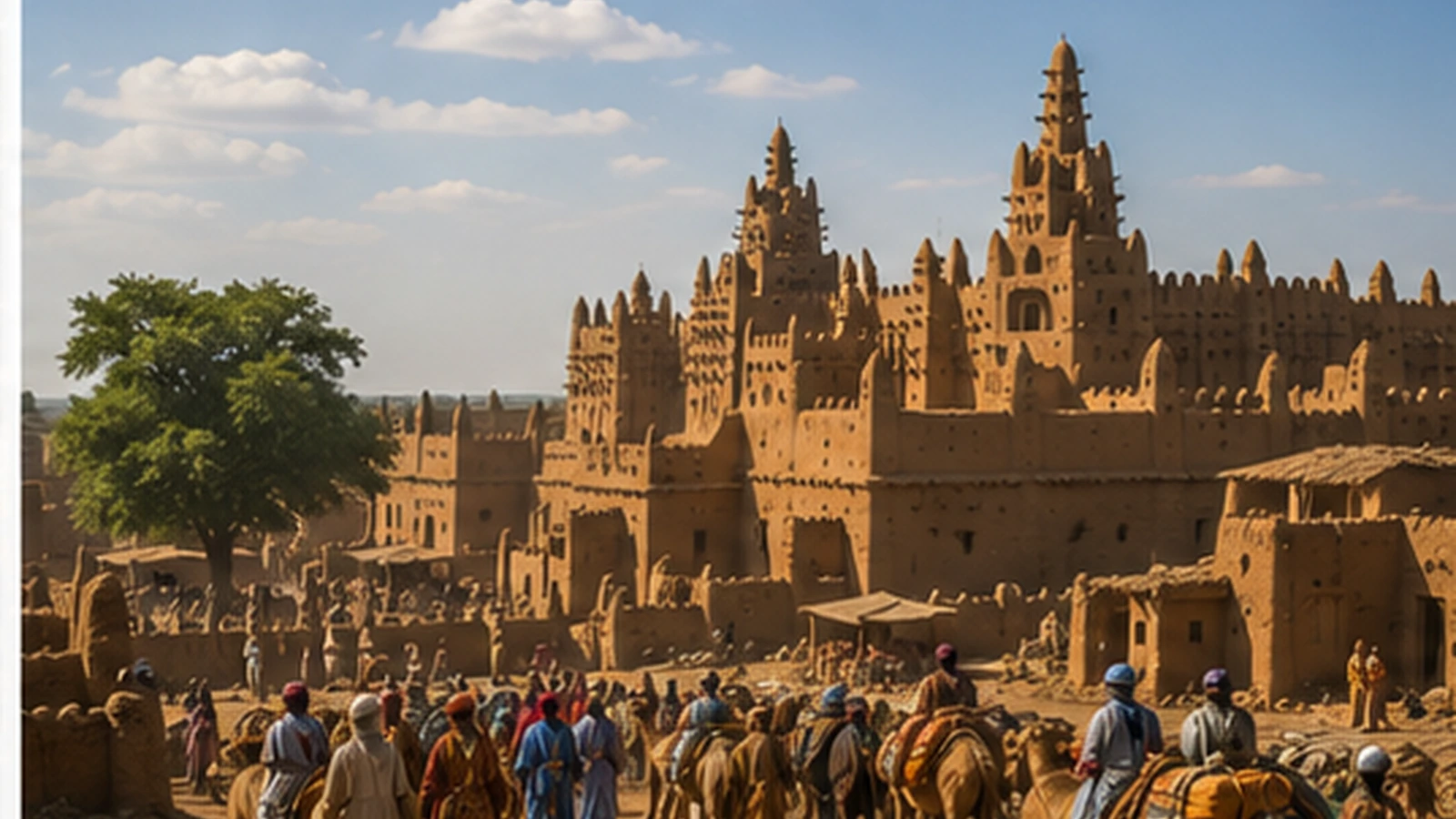
Royal wealth could be displayed through:
- Palaces
- Regalia
- Public ceremonies
- Art
- Religious institutions
- Military organization
- Hospitality
- Diplomacy
However, wealth also created expectations.
A prosperous ruler might be expected to:
- Protect trade routes
- Support public order
- Assist during crisis
- Reward service
- Maintain institutions
- Sponsor religious or cultural life
- Demonstrate generosity
Spiritual Lesson
Wealth gains social meaning when it supports more than personal comfort.
A kingdom that accumulates wealth while neglecting its people eventually weakens its legitimacy.
Lesson 13: Women Can Be Sources of Sacred and Political Authority
Women held different political and spiritual roles across African kingdoms.
They could serve as:
- Queen mothers
- Regents
- Advisers
- Priestesses
- Royal wives
- Market leaders
- Landholders
- Diplomats
- Founders of dynasties
- Guardians of royal memory
In Luba political symbolism, women were associated with privileged access to the source of divine kingship.
Queen Mothers
Queen mothers in several African kingdoms could hold political, spiritual, diplomatic, or advisory authority.
Their status demonstrates that power was not always organized through male kings alone.
Spiritual Lesson
A society loses wisdom when it ignores the authority and experience of women.
Historical examples encourage modern readers to examine whose voices are included in leadership and whose contributions have been overlooked.
Lesson 14: Ritual Reminds Leaders That Office Is Larger Than the Individual
Royal installation rituals could involve:
- Oaths
- Sacred objects
- Special clothing
- Ancestral recognition
- Public witness
- Blessings
- Processions
- Restrictions
- Ceremonial seating
These actions separated private identity from public office.
The ruler became responsible for something larger than personal ambition.
Spiritual Lesson
Leadership should transform the person who receives it.
Taking office should involve accepting limits, obligations, public scrutiny, and service—not only receiving privileges.
Lesson 15: Authority Must Be Renewed Through Conduct
A ruler might inherit a throne, but daily conduct determined whether authority remained respected.
Legitimacy could weaken through:
- Injustice
- Neglect
- Cowardice
- Greed
- Failure to protect the population
- Disrespect for customs
- Abuse of religious institutions
- Ignoring advisers
- Mismanagement of resources
Spiritual Lesson
Titles are inherited or awarded, but trust must be continually earned.
Past greatness cannot excuse present failure.
Lesson 16: Memory Can Unite a Community
Kingdoms used royal histories, monuments, ceremonies, songs, and sacred objects to create shared identity.
Collective memory could explain:
- Where the kingdom began
- Why the ruler held authority
- Which groups formed alliances
- How territory was acquired
- Which crises had been overcome
- What responsibilities citizens shared
Spiritual Lesson
Shared memory can create belonging, but it should not erase the experiences of less powerful groups.
A responsible history includes rulers and ordinary people, victories and suffering, unity and conflict.
Lesson 17: Spirituality and Politics Require Ethical Boundaries
When rulers claim spiritual authority, there is always a risk of manipulation.
Sacred legitimacy can be used responsibly to encourage service, restraint, and justice. It can also be misused to silence criticism or justify domination.
Important Caution
Historical spiritual leadership should never be used today to justify:
- Absolute obedience
- Political violence
- Abuse
- Fraud
- Discrimination
- Medical neglect
- Exploitation
- Claims of supernatural entitlement
Spiritual Lesson
Sacred language does not remove the need for accountability.
Any leader who invokes spirituality should be held to a higher ethical standard, not placed beyond criticism.
Comparison of Selected Kingdoms and Spiritual Themes
- Kingdom or state
- Spiritual or political theme
- Possible lesson
- Benin
- Royal ancestors and sacred Oba authority
- Leadership inherits historical obligations
- Luba
- Sacred kingship and royal regalia
- Office is larger than the individual
- Kongo
- Royal symbols and Christian-indigenous interaction
- Traditions can adapt through exchange
- Mali
- Islam, scholarship, trade, and imperial authority
- Knowledge and commerce shape society
- Aksum
- Christianity, trade, and royal identity
- Faith can interact with international networks
- Great Zimbabwe
- Land, architecture, trade, and political authority
- Public achievement depends on collective labor
- Ancient Egypt
- Sacred kingship, justice, death, and cosmic order
- Leadership should preserve social balance
- Kush
- Royal continuity, sacred authority, and regional exchange
- Cultures adapt without losing local identity
This table presents broad educational themes, not complete descriptions of each kingdom.
What Ancient Kingdoms Should Not Be Romanticized
Ancient African kingdoms were not perfect spiritual societies.
They could contain:
- Warfare
- Slavery
- Political rivalry
- Inequality
- Gender restrictions
- Harsh punishment
- Court competition
- Forced tribute
- Expansion through conquest
Historical respect does not require pretending these realities did not exist.
Why Honest History Matters
Romanticized history can be as misleading as colonial stereotypes.
A responsible approach recognizes:
- Achievement
- Complexity
- Moral insight
- Human failure
- Historical change
Spiritual Lesson
Wisdom comes from honest memory, not idealized memory.
Applying These Lessons Today
Historical lessons become useful when translated carefully into modern ethical principles.
For Leaders
- Treat authority as service.
- Consult qualified advisers.
- Protect public resources.
- Respect institutions.
- Learn from history.
- Accept criticism.
- Plan for future generations.
For Communities
- Preserve oral histories.
- Value elders and young people.
- Hold leaders accountable.
- Protect cultural sites.
- Include women’s knowledge.
- Resolve conflict fairly.
- Avoid using spirituality to manipulate others.
For Individuals
- Remember that personal success depends on community relationships.
- Use inherited knowledge responsibly.
- Respect cultural differences.
- Leave useful knowledge for future generations.
- Balance ambition with moral responsibility.
Common Misconceptions
Misconception 1: Every African King Was Considered a God
Reality: Royal spiritual authority varied widely. Some rulers were sacred, while others depended on priests, councils, ancestry, Islam, Christianity, or customary legitimacy.
Misconception 2: African Kingdoms Had Absolute Monarchs
Reality: Many rulers shared authority with elders, nobles, lineage heads, councils, and religious institutions.
Misconception 3: Ancient African Spirituality Was Unchanged
Reality: Kingdoms exchanged ideas through migration, trade, conquest, marriage, Christianity, Islam, and diplomacy.
Misconception 4: Royal Objects Were Only Decorations
Reality: Thrones, staffs, crowns, vessels, and sculptures often represented authority, ancestry, office, and spiritual responsibility.
Misconception 5: African Kingdoms Were Always Peaceful
Reality: They experienced war, inequality, conflict, and political competition as well as cultural achievement.
Misconception 6: Spiritual Authority Made Leaders Perfect
Reality: Sacred status did not prevent misrule, and many societies developed institutions that checked royal authority.
Misconception 7: Oral History Is Not Real History
Reality: Oral traditions preserve collective memory, values, genealogies, and political history and are studied alongside archaeology and written evidence.
Misconception 8: Ancient Lessons Should Be Copied Literally
Reality: Historical principles should be interpreted ethically within modern legal, social, and human-rights contexts.
Key Takeaways
- Ancient African kingdoms developed diverse relationships among spirituality, politics, ancestry, and community.
- Sacred kingship usually involved obligations as well as privilege.
- Councils and institutions often limited royal authority.
- Ancestors connected present leaders with historical responsibility.
- Royal objects represented office, legitimacy, and duty.
- Land could be understood as a trust shared across generations.
- Oral history preserved moral and political lessons.
- Religious exchange shaped African kingdoms long before colonialism.
- Women could hold important spiritual and political authority.
- Wealth was expected to support public responsibility.
- Sacred authority requires ethical accountability.
- Ancient kingdoms should be studied honestly rather than romanticized.
People Also Ask
What spiritual lessons can we learn from ancient African kingdoms?
Major lessons include responsible leadership, respect for history, community accountability, justice, sacred responsibility, and protection of resources for future generations.
Were African kings considered divine?
Some rulers were regarded as sacred or connected with divine ancestry, while others ruled through councils, Islamic authority, Christian institutions, lineage legitimacy, or customary law.
What was sacred kingship?
Sacred kingship was a system in which the ruler’s office had religious or spiritual meaning and carried obligations toward the community, ancestors, land, and social order.
Did African rulers have unlimited power?
Not always. Many kingdoms included councils of elders, nobles, priests, lineage heads, or other institutions that advised or restrained rulers.
Why were ancestors important to African kingdoms?
Royal ancestors could legitimize leadership, preserve dynastic history, communicate moral obligations, and connect current rulers with founders and earlier leaders.
What can modern leaders learn from African kingdoms?
They can learn that authority should involve service, consultation, historical awareness, protection of public resources, and accountability.
Frequently Asked Questions
1. Which ancient African kingdom had the strongest spiritual tradition?
There is no objective answer. Each kingdom developed distinctive religious and political institutions suited to its history and culture.
2. Was the Kingdom of Benin spiritually organized?
Yes. Royal authority was closely connected with ancestors, palace rituals, sacred objects, and the spiritual status of the Oba.
Related Cultural Guides
For more context, continue with Ethiopian spiritual heritage, ancient shrines explained, Great Zimbabwe cultural heritage and the Kasubi Tombs in Buganda.
Frequently Asked Questions
What should readers know first about Spiritual lessons from ancient African kingdoms?
Explore spiritual lessons from ancient African kingdoms, including responsible leadership, ancestral memory, justice, sacred land, community accountability, a
What causes Spiritual lessons from ancient African kingdoms?
Explore spiritual lessons from ancient African kingdoms, including responsible leadership, ancestral memory, justice, sacred land, community accountability, and cultural continuity. The safest next step is to compare the signs, prepare clear details, and reque
How does Spiritual lessons from ancient African kingdoms work?
Explore spiritual lessons from ancient African kingdoms, including responsible leadership, ancestral memory, justice, sacred land, community accountability, and cultural continuity. The safest next step is to compare the signs, prepare clear details, and reque
Is it possible to get private guidance for Spiritual lessons from ancient African kingdoms?
Explore spiritual lessons from ancient African kingdoms, including responsible leadership, ancestral memory, justice, sacred land, community accountability, and cultural continuity. The safest next step is to compare the signs, prepare clear details, and reque
How long does Spiritual lessons from ancient African kingdoms take to understand?
Explore spiritual lessons from ancient African kingdoms, including responsible leadership, ancestral memory, justice, sacred land, community accountability, and cultural continuity. The safest next step is to compare the signs, prepare clear details, and reque
Can Spiritual lessons from ancient African kingdoms affect relationships, family, work, or personal peace?
Explore spiritual lessons from ancient African kingdoms, including responsible leadership, ancestral memory, justice, sacred land, community accountability, and cultural continuity. The safest next step is to compare the signs, prepare clear details, and reque
Why do people seek spiritual guidance for Spiritual lessons from ancient African kingdoms?
Explore spiritual lessons from ancient African kingdoms, including responsible leadership, ancestral memory, justice, sacred land, community accountability, and cultural continuity. The safest next step is to compare the signs, prepare clear details, and reque
What signs should someone notice before asking about Spiritual lessons from ancient African kingdoms?
Explore spiritual lessons from ancient African kingdoms, including responsible leadership, ancestral memory, justice, sacred land, community accountability, and cultural continuity. The safest next step is to compare the signs, prepare clear details, and reque
When should someone contact a private spiritual guide?
Explore spiritual lessons from ancient African kingdoms, including responsible leadership, ancestral memory, justice, sacred land, community accountability, and cultural continuity. The safest next step is to compare the signs, prepare clear details, and reque
Article Information
- Publisher
- Ancestral Temple
- Editor
- Ancestral Temple
- Last updated
- Jul 26, 2026
- Last reviewed
- Jul 13, 2026
- Content version
- 59eb864fd0
This educational article should be read as cultural and spiritual information, not as medical, legal, financial, or emergency advice.
Helpful Related Guidance
Explore This Topic
Spiritual Lessons From Ancient African Kingdoms · African Spiritual Traditions
Related Topic Cluster
Spiritual Lessons From Ancient African Kingdoms
Complete Guide Understanding African Spiritual Traditions: A Historical IntroductionAbout the Author
 Ancestral Temple
Spiritual guide and practitioner with decades of experience in ancestral wisdom, rituals, and divine guidance.
Related Posts
View All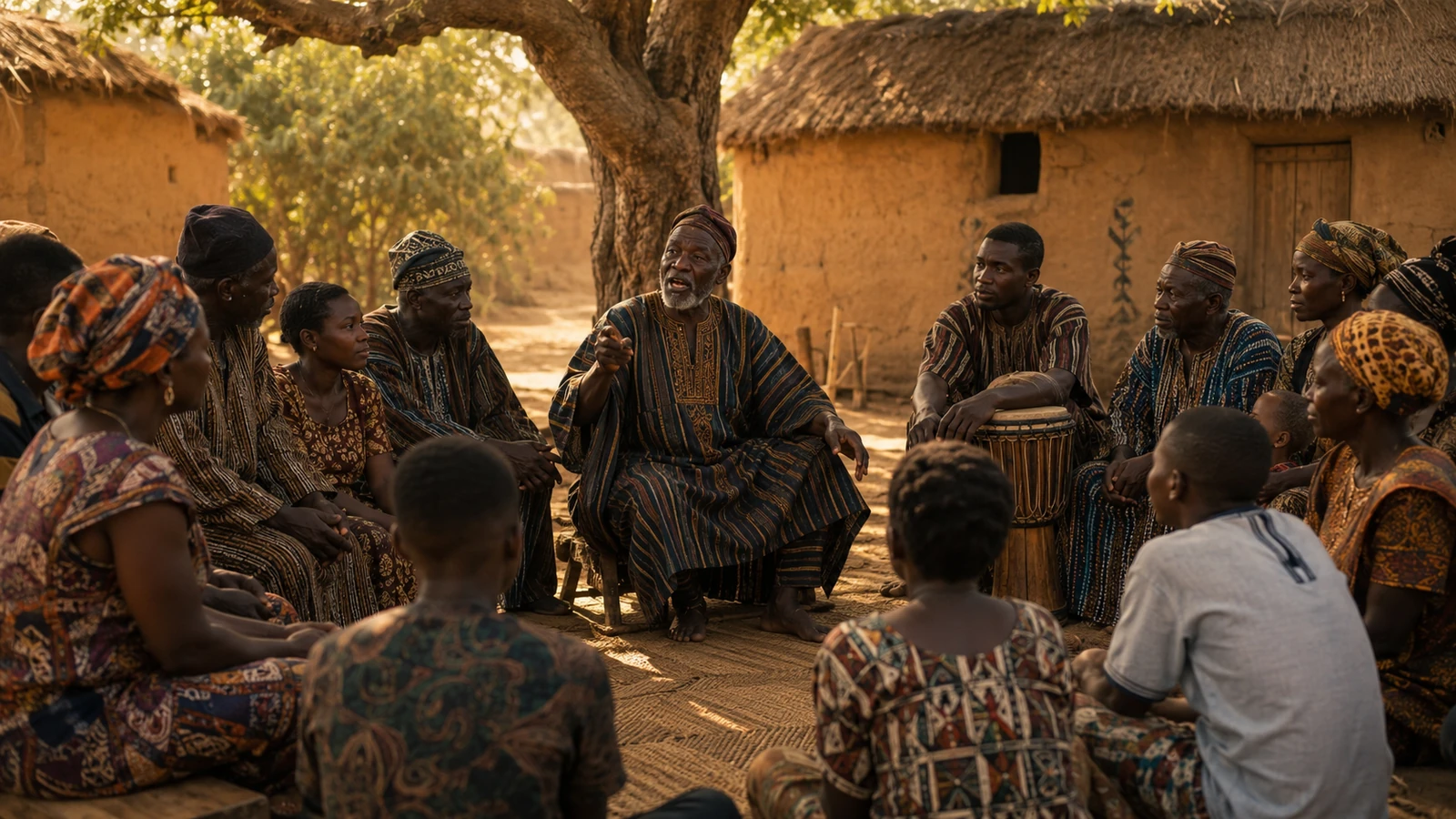

Leave a Comment
We'd love to hear your thoughts.
This article offered useful lessons without pretending that all African kingdoms were the same.
Are there recommended books about sacred kingship in Benin and Luba history?
The comparison table made the kingdoms and lessons easier to understand.
The idea of leadership as stewardship should be discussed more often today.
I liked the reminder that oral history can preserve criticism of rulers as well as praise.
A strong article about how authority, spirituality, and public responsibility could work together.
The misconceptions section answered many oversimplified claims I have seen online.
The article was respectful without turning history into spiritual fantasy.
The lesson about resources belonging partly to future generations is very relevant.
The section on Benin’s royal ancestors was very informative.
More references to African historians and community scholars would strengthen future articles.
I would enjoy a detailed article about the Luba Kingdom and its royal objects.
The strongest lesson for me was that no ruler succeeds without the wider community.
This article challenged the stereotype that African kingdoms were politically simple.
The role of women in sacred and political authority deserves more attention in history lessons.
I appreciated the point that sacred leaders should face higher standards rather than less accountability.
Could you write more about justice and mediation in ancient African kingdoms?
The short lesson summaries made the long article easy to follow on mobile.
The article was detailed but still easy to understand.
This would be a useful introduction for students of African history and leadership.
Thank you for including a warning against using spiritual authority to justify abuse.
The connection between trade and religious exchange was interesting.
The article made me think differently about crowns, staffs, and thrones as symbols of duty.
A comparison between Mali, Benin, Kongo, and Aksum would make a good follow-up article.
The glossary was helpful, especially the definitions of legitimacy, investiture, and sacred kingship.
The lesson about justice restoring relationships rather than only punishing people was powerful.
I liked the idea that leaders inherit unfinished responsibilities from those who came before.
The Luba royal seat example made the meaning of sacred office easy to understand.
The article respected African history without presenting the past as perfect.
The section on legitimacy explained why inheriting a throne was not always enough.
I would like a separate article about queen mothers and women’s political authority.
The article showed that there was no single African model of monarchy.
Ancient African leadership is often reduced to kings and wars, so the spiritual and institutional side was useful.
The point about oral traditions preserving warnings as well as praise was excellent.
The discussion of religious coexistence in African kingdoms was important.
I liked the balance between historical information and modern leadership lessons.
The lesson that wealth should support public responsibility stood out to me.
A full article about the spiritual role of the Oba in Benin would be interesting.
I did not know that councils of elders sometimes restrained kings.
The Benin and Luba examples showed how leadership could be connected to ancestors and historical memory.
The connection between royal objects and public responsibility was explained very clearly.
I appreciated that the article did not romanticize ancient African kingdoms or ignore conflict and inequality.
The lesson about land being an inherited trust feels very relevant to environmental problems today.
The section about sacred kingship helped me understand that spiritual authority did not always mean unlimited power.
I liked the main idea that leadership was connected with responsibility and not only privilege.