
What Is Spiritual Cleansing? A Cultural Overview
Pillar Article
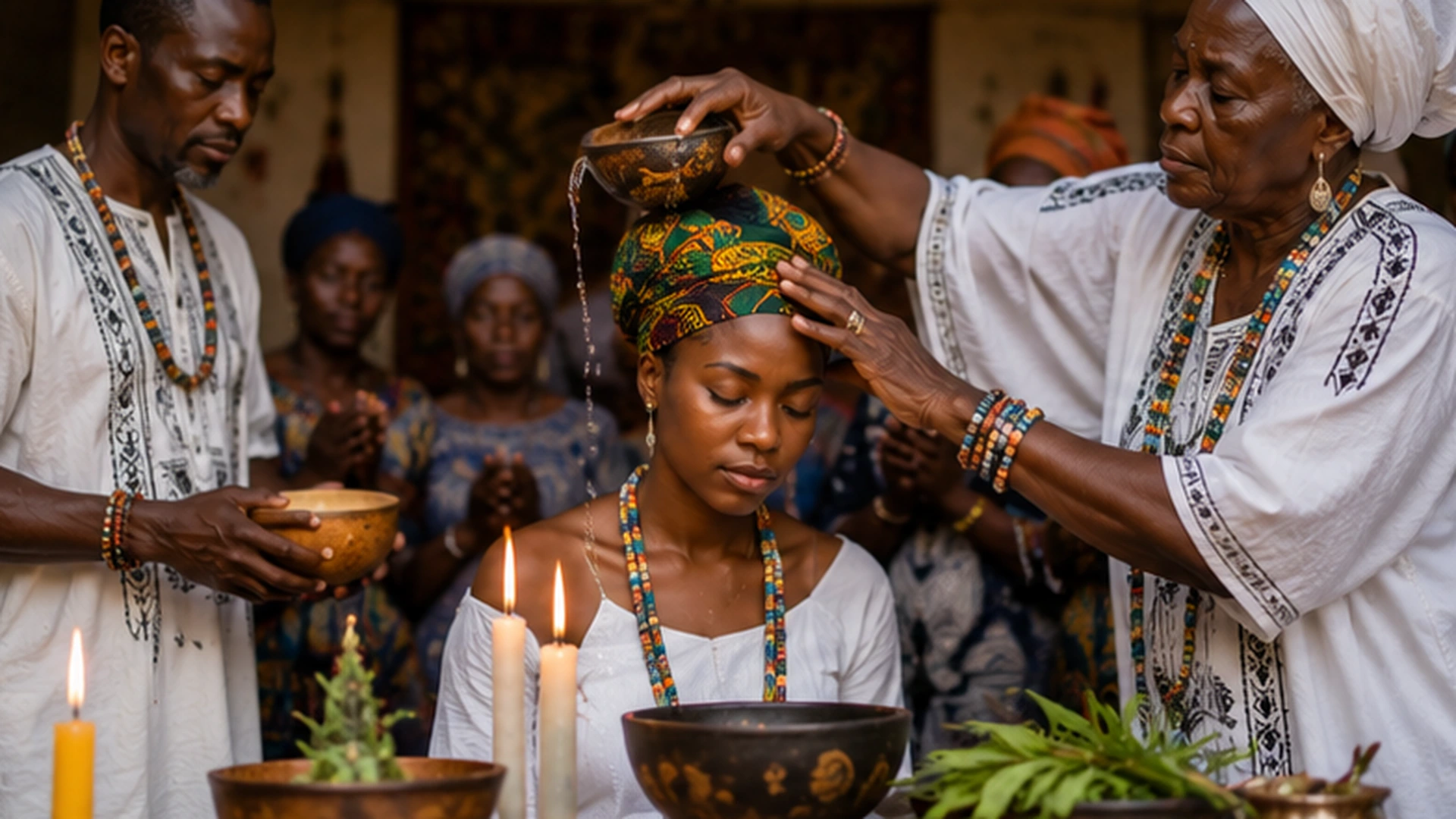
Quick Summary
Explore what spiritual cleansing means across different cultures and religions, including traditions involving water, prayer, smoke, music, reconciliation, sacred space, and symbolic renewal.
What Is Spiritual Cleansing? A Cultural Overview explains the cultural and historical meaning of traditional cleansing without treating one tradition as universal. The article preserves safety cautions, distinguishes spiritual interpretation from medical or legal advice, and avoids guaranteed-result claims.
Spiritual cleansing is a broad term for religious, cultural, or personal practices intended to symbolize purification, renewal, protection, reconciliation, preparation, or the restoration of spiritual and social balance.
The term does not describe one universal ceremony.
A cleansing practice in a Ugandan community may have little in common with Shinto purification in Japan, Indigenous smudging in parts of North America, ceremonial bathing at the Kumbh Mela in India, Korean Buddhist ritual purification, or an Afro-Brazilian religious bath.
Some traditions understand cleansing as removing spiritual pollution, harmful influence, ritual impurity, misfortune, or disrupted relationships. Others emphasize forgiveness, mental preparation, community reintegration, remembrance, discipline, or beginning a new season.
The meaning comes from the culture, religion, language, officiant, participants, occasion, and actions involved.
In this article, spiritual cleansing is treated as a cultural and religious concept. It is not a medical diagnosis, scientifically measurable substance, or replacement for healthcare.
Key Points
Spiritual cleansing may refer to practices intended to:
- Prepare a person for worship
- Mark a new beginning
- Restore peace after conflict
- Reinforce community belonging
- Recognize an important transition
- Express repentance or forgiveness
- Symbolize the removal of misfortune
- Welcome a person back into society
- Consecrate a religious space
- Support grief or memorial observance
- Restore a sense of spiritual balance
- Ask for divine or ancestral protection
- Separate ordinary time from sacred time
Cleansing ceremonies may involve:
- Water
- Prayer
- Blessings
- Music
- Smoke
- Incense
- Flowers
- Sacred objects
- Special clothing
- Silence
- Confession
- Reconciliation
- Symbolic washing
- Community witnesses
No single method belongs to every culture.
What Does Spiritual Cleansing Mean?
Spiritual cleansing generally refers to a culturally recognized process through which a person, object, household, community, or sacred place is symbolically prepared, purified, renewed, or restored.
Clear Definition
Spiritual cleansing is a religious or cultural practice that symbolizes purification, renewal, protection, reconciliation, or preparation for a sacred or important transition.
Plain-Language Meaning
It is a ceremony or symbolic action through which people express the desire to leave behind disorder, conflict, grief, impurity, misfortune, or an earlier stage of life.
The practice may communicate:
- “I am preparing to pray.”
- “A difficult period has ended.”
- “This person is being welcomed back.”
- “This place is being set apart.”
- “The family wants peace.”
- “We are beginning again.”
- “We are asking for spiritual protection.”
Spiritual Cleansing Is Not One Universal Belief
The English phrase spiritual cleansing combines many traditions that use different words and concepts.
A particular community may speak instead about:
- Purification
- Blessing
- Consecration
- Reconciliation
- Washing
- Renewal
- Deliverance
- Restoration
- Preparation
- Removal of ritual impurity
- Protection
- Re-entry into society
These terms are not always interchangeable.
A ceremony may resemble another tradition visually while expressing a completely different theology.
Why Cultural Context Matters
To understand a cleansing ceremony, ask:
- Which community practices it?
- What is its local name?
- Who is authorized to lead it?
- What event makes it necessary?
- Is it public, private, or restricted?
- What do participants believe is being changed?
- Which prayers or actions are involved?
- Does the ceremony create new responsibilities?
- Is participation voluntary?
Without these questions, the practice can easily be misrepresented.
Why Cultures Develop Purification Traditions
Religious and communal rituals often help people mark boundaries between ordinary and sacred activity, communicate shared commitments, process transitions, and strengthen cooperation. Rituals can bring participants together through coordinated action, shared emotion, recognizable symbols, and public expressions of responsibility.
Spiritual cleansing may therefore address several dimensions of life.
Religious Preparation
A person may undergo purification before:
- Entering a shrine or sacred area
- Participating in worship
- Handling ceremonial objects
- Receiving a religious office
- Beginning a pilgrimage
- Joining a festival
Personal Transition
Cleansing may mark:
- Birth
- Initiation
- Marriage
- Recovery from hardship
- Return from travel
- The end of mourning
- A new year
- A leadership role
Social Restoration
Some ceremonies restore:
- Family relationships
- Community status
- Membership
- Trust
- Peace after conflict
- Recognition after exclusion
Emotional Renewal
Participants may experience a ceremony as a structured opportunity to:
- Reflect
- Grieve
- Release guilt
- seek forgiveness
- Express hope
- Begin again
This emotional meaning does not prove that a supernatural change has objectively occurred. It explains how participants may understand and experience the practice.
Spiritual Cleansing and Ritual Purity
Ritual purity is not always the same as physical cleanliness.
A person may be physically clean but considered ritually unprepared according to a particular religion.
Similarly, water used ceremonially may symbolize:
- Spiritual readiness
- Repentance
- Transition
- Blessing
- Renewal
- Removal of ritual impurity
It is important not to assume that a tradition’s concept of impurity means a person is dirty, immoral, inferior, or diseased.
In many religions, ritual impurity is a temporary condition connected with an event, place, action, or stage of life.
Common Elements in Spiritual Cleansing Traditions
1. Water
Water is one of the most widespread symbols of cleansing.
It may be used through:
- Washing the hands
- Sprinkling
- Bathing
- Pouring
- Immersion
- Drinking within a permitted religious context
- Washing ceremonial objects
- Crossing or entering a body of water
Water may symbolize life, renewal, purity, forgiveness, transition, or preparation.
Ceremonial Bathing at Kumbh Mela
Kumbh Mela in India brings together spiritual seekers for religious gatherings and ritual bathing in sacred rivers. Participants understand bathing as connected with purification, devotion, and liberation from sin within Hindu religious traditions. The practice belongs to a complex pilgrimage institution and should not be reduced to an ordinary wellness bath.
Water Does Not Have One Meaning
Water used during a Hindu pilgrimage does not have the same meaning as:
- Christian baptism
- Islamic ablution
- Shinto misogi
- A family libation
- A memorial washing
- A New Year water festival
Similar materials do not make the traditions interchangeable.
2. Smoke, Incense, and Aromatic Plants
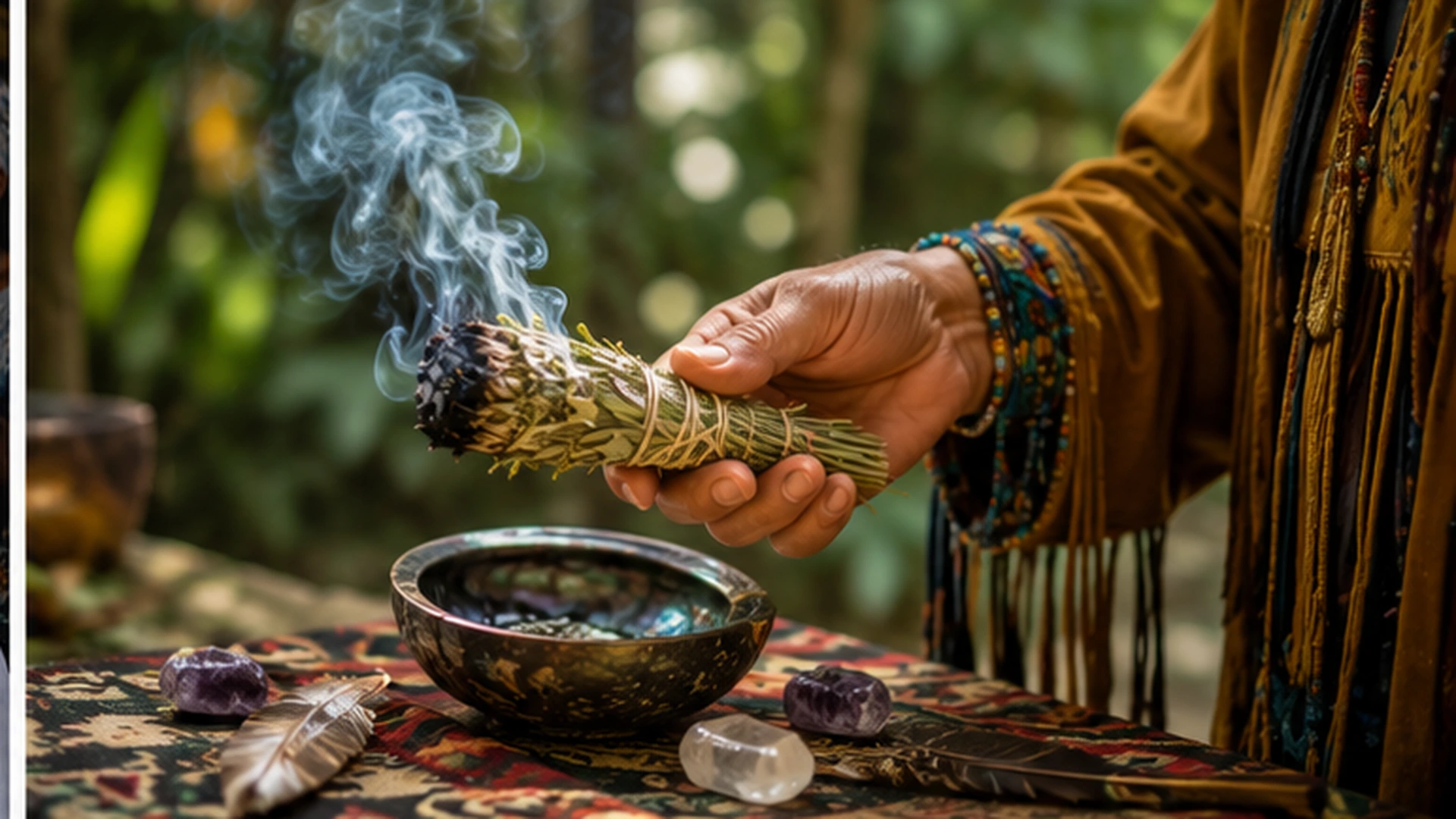
Some traditions use smoke as part of prayer, blessing, purification, offering, or the recognition of sacred space.
Materials may include:
- Incense
- Resins
- Local plants
- Sacred medicines
- Wood
- Leaves
The substances and procedures differ among communities.
Indigenous Smudging Traditions
Smudging is practiced by some Indigenous peoples of the Americas and may involve sacred medicines such as sage, cedar, tobacco, or sweetgrass. Depending on the nation and ceremony, it may be connected with purification, prayer, cultural grounding, healing, or preparation. It is not one standardized ritual shared by every Indigenous community.
Smudging should not be treated as a generic internet technique for “removing negative energy.” Cultural medicines, teachings, harvesting practices, prayers, and authority differ among nations.
Smoke Safety
Burning incense, candles, plants, or other materials creates indoor particulate matter. The United States Environmental Protection Agency recommends adequate ventilation when candles or incense are burned indoors, and people with asthma, allergies, respiratory conditions, or smoke sensitivity may need smoke-free alternatives.
Frequently Asked Questions
What should readers know first about What is spiritual cleansing??
What is spiritual cleansing?: Explore what spiritual cleansing means across different cultures and religions, including traditions involving water, prayer, sm
What causes What is spiritual cleansing??
Explore what spiritual cleansing means across different cultures and religions, including traditions involving water, prayer, smoke, music, reconciliation, sacred space, and symbolic renewal. The safest next step is to compare the signs, prepare clear details,
How does What is spiritual cleansing? work?
Explore what spiritual cleansing means across different cultures and religions, including traditions involving water, prayer, smoke, music, reconciliation, sacred space, and symbolic renewal. The safest next step is to compare the signs, prepare clear details,
Is it possible to get private guidance for What is spiritual cleansing??
Explore what spiritual cleansing means across different cultures and religions, including traditions involving water, prayer, smoke, music, reconciliation, sacred space, and symbolic renewal. The safest next step is to compare the signs, prepare clear details,
How long does What is spiritual cleansing? take to understand?
Explore what spiritual cleansing means across different cultures and religions, including traditions involving water, prayer, smoke, music, reconciliation, sacred space, and symbolic renewal. The safest next step is to compare the signs, prepare clear details,
Can What is spiritual cleansing? affect relationships, family, work, or personal peace?
Explore what spiritual cleansing means across different cultures and religions, including traditions involving water, prayer, smoke, music, reconciliation, sacred space, and symbolic renewal. The safest next step is to compare the signs, prepare clear details,
Why do people seek spiritual guidance for What is spiritual cleansing??
Explore what spiritual cleansing means across different cultures and religions, including traditions involving water, prayer, smoke, music, reconciliation, sacred space, and symbolic renewal. The safest next step is to compare the signs, prepare clear details,
What signs should someone notice before asking about What is spiritual cleansing??
Explore what spiritual cleansing means across different cultures and religions, including traditions involving water, prayer, smoke, music, reconciliation, sacred space, and symbolic renewal. The safest next step is to compare the signs, prepare clear details,
When should someone contact a private spiritual guide?
Explore what spiritual cleansing means across different cultures and religions, including traditions involving water, prayer, smoke, music, reconciliation, sacred space, and symbolic renewal. The safest next step is to compare the signs, prepare clear details,
Article Information
- Publisher
- Ancestral Temple
- Editor
- Ancestral Temple
- Last updated
- Jul 26, 2026
- Last reviewed
- Jul 13, 2026
- Content version
- 52486fd047
This educational article should be read as cultural and spiritual information, not as medical, legal, financial, or emergency advice.
Helpful Related Guidance
Explore This Topic
African Spirituality And Cultural History · What Is Spiritual Cleansing
Related Topic Cluster
What Is Spiritual Cleansing?
Complete Guide Understanding African Spiritual Traditions: A Historical IntroductionAbout the Author
 Ancestral Temple
Spiritual guide and practitioner with decades of experience in ancestral wisdom, rituals, and divine guidance.
Related Posts
View All
Leave a Comment
We'd love to hear your thoughts.
This was comprehensive without encouraging readers to copy restricted ceremonies.
Are there recommended academic books comparing purification traditions across religions?
The article gave safe alternatives for someone who wants a symbolic fresh start.
A future article about prayer and spoken words in cleansing ceremonies would be interesting.
I liked the point that ceremonies may create responsibilities rather than simply remove negativity.
Strong overview connecting cleansing with renewal, preparation, reconciliation, and cultural identity.
The misconceptions section answered many claims that appear on social media.
The tone remained respectful while clearly warning against harmful practices.
The distinction between personal renewal and claiming another culture’s ceremony was important.
I appreciated that the article did not provide an invented universal African cleansing ritual.
More guidance about smoke-free alternatives would be useful for people with asthma.
The Korean Buddhist example deserves a more detailed article.
The most important lesson was that context gives a cleansing practice its meaning.
The article respected belief while separating cultural meaning from scientific proof.
I liked that the article discussed emotional renewal without claiming that every experience is supernatural.
The warning signs of exploitation should help readers avoid fraudulent practitioners.
Could you write next about the meaning of spiritual baths in African and diaspora traditions?
The headings and short paragraphs worked well on mobile.
The cultural examples were diverse without being mixed together.
This is a useful introduction for students of religion, culture, and anthropology.
Thank you for clearly saying that spiritual practices do not replace healthcare.
The article showed that cleansing may restore social relationships rather than remove an invisible substance.
I appreciated the reminder that no one should be forced to inhale smoke or drink a substance.
A future article comparing ritual cleansing, blessing, and protection would be interesting.
The glossary made the differences between purification, consecration, cleansing, and reconciliation clearer.
The Lango example was clearly presented as a specific Ugandan tradition.
I liked the suggestion that personal reflection practices should be described honestly.
The Myanmar New Year example showed how cleansing can symbolize a fresh start for a whole community.
This was educational without making the subject frightening or sensational.
The safety information made the article more responsible than many cleansing guides online.
I would like a detailed article about water purification traditions in different religions.
I appreciated the point that ritual impurity does not mean a person is dirty or immoral.
The Indigenous smudging section clearly emphasized cultural specificity.
The warning against mixing bleach or chemicals into spiritual baths was necessary.
The discussion of religious differences was balanced.
I liked the explanation that a blessed room may still require physical cleaning and repairs.
The distinction between cleansing and exorcism answered an important question.
A complete article about spiritual bathing traditions would be useful.
The section about water showed how one symbol can have many cultural meanings.
I appreciated that African cleansing traditions were not presented as one system.
The article respected spiritual traditions without making guaranteed claims.
The Shinto section showed why local terminology matters when studying purification.
I liked that the article included safety warnings about smoke, plants, and chemicals.
The difference between ritual purification and physical cleaning was very helpful.
I appreciated that spiritual cleansing was explained as a broad cultural idea rather than one universal ritual.