
Traditional Cleansing Herbs: Uses, Meanings and Context
Pillar Article
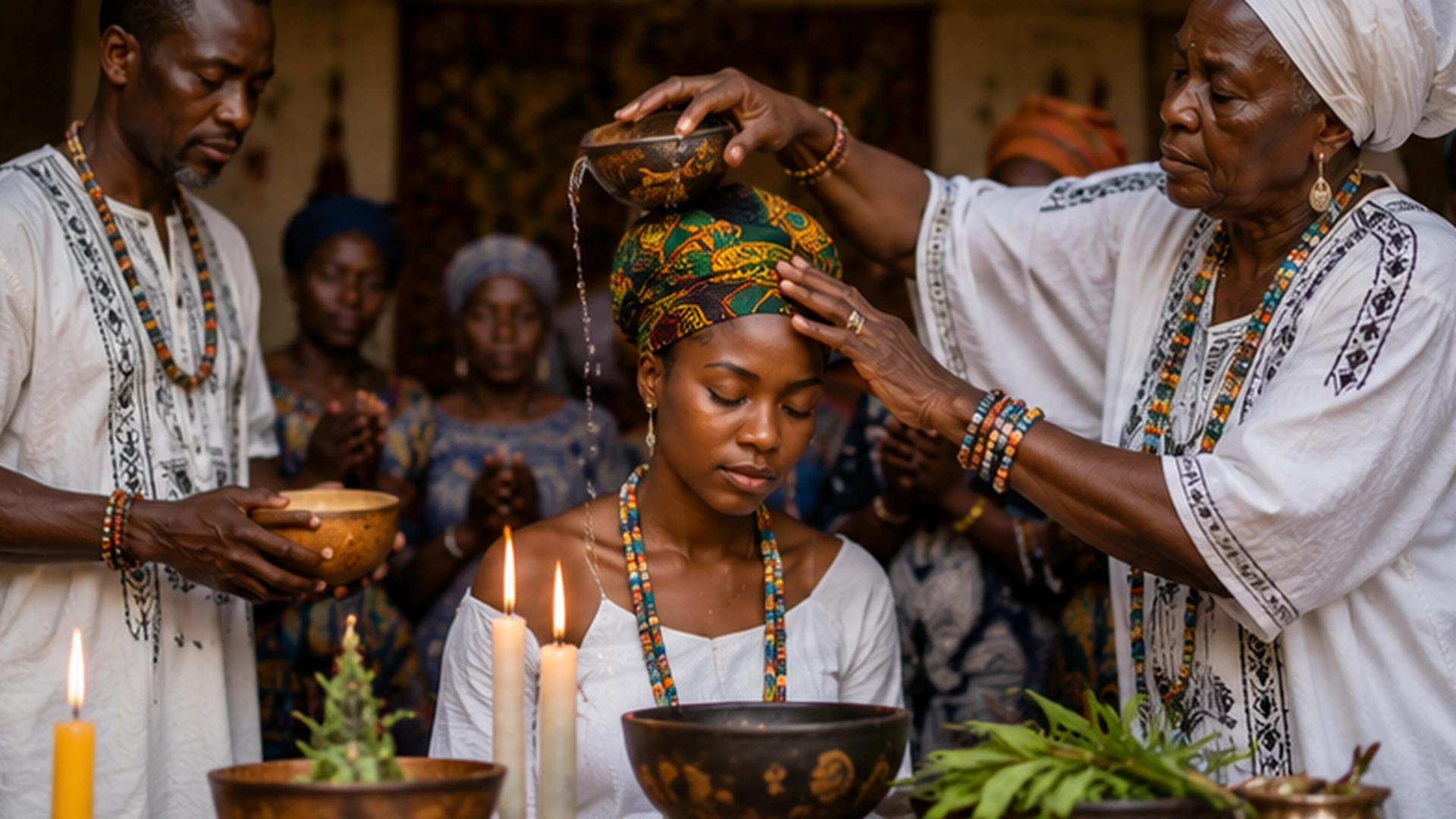
Quick Summary
Discover how communities around the world use plants such as sage, cedar, imphepho, rosemary, rue, tulsi, and frankincense in culturally specific traditions of purification, blessing, prayer, and renewal.
Traditional cleansing herbs are plants or plant-derived materials used in specific cultures to symbolize purification, blessing, protection, preparation or renewal. They are not one universal system, and ritual use should not be confused with medical safety. Smoke, allergies, concentrated oils, plant identity, conservation and cultural authority all matter.
Traditional cleansing herbs used around the world include sage, cedar, sweetgrass, sacred tobacco, imphepho, rosemary, rue, basil, tulsi, and aromatic materials such as frankincense.
These plants do not form one universal cleansing system.
A plant burned during a First Nations ceremony may have a different meaning from a South African ritual incense, a Mediterranean memorial herb, a Hindu sacred plant, or resin burned in a Christian church or Muslim community.
The word herb is also used loosely in popular discussions. Some materials described as cleansing herbs are technically grasses, shrubs, trees, woods, or resins.
Their cultural meanings may involve:
- Prayer
- Blessing
- Purification
- Protection
- Ancestral recognition
- Religious preparation
- Memorial observance
- Community reconciliation
- Consecration
- Personal or household renewal
Traditional use does not automatically prove that a plant is medically safe. The World Health Organization emphasizes the need for safety monitoring and evidence-based evaluation of traditional medicine products, while the United States National Center for Complementary and Integrative Health warns that botanical products can cause direct toxicity, contamination, and interactions with medicines.
Quick Summary
Plants associated with cleansing traditions include:
- Sage in particular Indigenous North American traditions
- Cedar in blessing, prayer, and purification practices
- Sweetgrass in culturally specific sacred-medicine traditions
- Tobacco as a sacred ceremonial plant in some Indigenous communities
- Imphepho or Helichrysum in parts of southern Africa
- Rosemary in Mediterranean and European ritual traditions
- Rue in Mediterranean and Latin American folk practices
- Basil and myrtle in several Mediterranean religious cultures
- Tulsi in Hindu household worship and sacred-plant traditions
- Frankincense in African, Arabian, Christian, Muslim, and other religious settings
- Diverse local plants used in Afro-Brazilian religious ceremonies
No plant should be swallowed, applied to skin, burned indoors, or added to bathwater merely because it is described as traditional.
What Is a Cleansing Herb?
A cleansing herb is a plant or plant-derived material used within a particular culture to symbolize purification, blessing, protection, preparation, reconciliation, or renewal.
It may be:
- Burned as incense
- Placed in water
- Used in a ritual bath
- Carried or displayed
- Placed near a doorway
- Offered during prayer
- Used to sprinkle water
- Planted in a household courtyard
- Incorporated into a public religious ceremony
Concise Definition
A cleansing herb is a culturally meaningful plant used during a ceremony or symbolic practice associated with purification, blessing, protection, or renewal.
In Simple Terms
It is a plant that a community uses to express the idea of becoming spiritually prepared, protected, restored, or ready for a new beginning.
The plant’s meaning does not come only from its chemistry or fragrance. It may depend on:
- The local name
- The prayer spoken
- Who gathered it
- Who is allowed to use it
- How it was prepared
- The ceremony
- The religious authority involved
- The relationship between the plant and the community
Cleansing, Medicine, and Fragrance Are Different Uses
The same plant may have several roles.
For example, a plant may be used as:
- Religious incense
- Household fragrance
- Insect repellent
- Food seasoning
- Traditional medicine
- Memorial decoration
- Ceremonial offering
These uses should not be merged.
A plant that is safe as a small amount of food seasoning may be unsafe as a concentrated oil. A plant burned during an authorized ceremony may be inappropriate for casual commercial use. A medicinal preparation may require a completely different species, quantity, and method.
Safety, Smoke and Responsible Use
Readers should not burn, ingest, bathe with, inhale or apply any plant simply because it is described online as cleansing. Smoke can irritate lungs, essential oils can be concentrated, some plants interact with medicines, and fire safety matters indoors. Ethical sourcing also matters when a plant is culturally restricted, endangered, overharvested or commercially exploited.
Sage in Indigenous North American Traditions
Several plants commonly called sage are used by particular First Nations, Métis, Inuit, and Native American communities.
The practices are not identical across nations.
Sage may be understood as:
- A sacred medicine
- A plant used in prayer
- A ceremonial purifier
- A source of grounding
- A plant used to prepare a person or place
- Part of a larger system of cultural teachings
Some Anishinaabe teachings identify tobacco, sage, cedar, and sweetgrass as four sacred medicines. Each carries particular teachings and responsibilities, and the plants may be used in daily life and ceremony.
White Sage Is Not a Universal Indigenous Plant
Commercial wellness culture frequently treats white sage as a universal product for removing “negative energy.”
This presentation can erase important distinctions:
- Different nations use different species.
- Some communities do not use white sage.
- Some teachings are restricted.
- Gathering protocols may be important.
- Commercial bundles may not have been harvested with community consent.
- “Smudging” is not a single ceremony shared by every Indigenous people.
A healthcare setting in British Columbia describes ceremonial smudging as involving sacred medicines such as tobacco, sage, cedar, and sweetgrass and emphasizes that skilled cultural practitioners guide the ceremony.
Respectful Language
Avoid saying:
- “Native American sage ritual”
- “Tribal cleansing spell”
- “Universal smudging method”
Use language such as:
- “A smudging practice taught by a specific community”
- “Anishinaabe sacred-medicine teachings”
- “A ceremony led by an authorized cultural practitioner”
Cedar
Cedar is used ceremonially in some Indigenous North American traditions, although the species, meaning, and procedure vary.
It may be connected with:
- Prayer
- Protection
- Blessing
- Purification
- Preparing a place
- Honoring a gathering
Cedar should not be treated merely as an aromatic substitute for sage.
Its cultural role comes from community teachings rather than a universal list of supposed “energetic properties.” Some traditions may burn cedar, while others prepare or handle it differently.
Botanical Accuracy Matters
The common name cedar is applied to several unrelated plants.
A product sold as cedar may come from:
- Thuja species
- Juniper species
- Cedrus species
- Other aromatic trees
People should know the exact plant before burning, applying, or ingesting it.
Frequently Asked Questions
What should readers know first about Traditional cleansing herbs used around the world?
Traditional cleansing herbs used around the world: Discover how communities around the world use plants such as sage, cedar, imphepho, rosemary, rue, tulsi, a
What causes Traditional cleansing herbs used around the world?
Discover how communities around the world use plants such as sage, cedar, imphepho, rosemary, rue, tulsi, and frankincense in culturally specific traditions of purification, blessing, prayer, and renewal. The safest next step is to compare the signs, prepare c
How does Traditional cleansing herbs used around the world work?
Discover how communities around the world use plants such as sage, cedar, imphepho, rosemary, rue, tulsi, and frankincense in culturally specific traditions of purification, blessing, prayer, and renewal. The safest next step is to compare the signs, prepare c
Is it possible to get private guidance for Traditional cleansing herbs used around the world?
Discover how communities around the world use plants such as sage, cedar, imphepho, rosemary, rue, tulsi, and frankincense in culturally specific traditions of purification, blessing, prayer, and renewal. The safest next step is to compare the signs, prepare c
How long does Traditional cleansing herbs used around the world take to understand?
Discover how communities around the world use plants such as sage, cedar, imphepho, rosemary, rue, tulsi, and frankincense in culturally specific traditions of purification, blessing, prayer, and renewal. The safest next step is to compare the signs, prepare c
Can Traditional cleansing herbs used around the world affect relationships, family, work, or personal peace?
Discover how communities around the world use plants such as sage, cedar, imphepho, rosemary, rue, tulsi, and frankincense in culturally specific traditions of purification, blessing, prayer, and renewal. The safest next step is to compare the signs, prepare c
Why do people seek spiritual guidance for Traditional cleansing herbs used around the world?
Discover how communities around the world use plants such as sage, cedar, imphepho, rosemary, rue, tulsi, and frankincense in culturally specific traditions of purification, blessing, prayer, and renewal. The safest next step is to compare the signs, prepare c
What signs should someone notice before asking about Traditional cleansing herbs used around the world?
Discover how communities around the world use plants such as sage, cedar, imphepho, rosemary, rue, tulsi, and frankincense in culturally specific traditions of purification, blessing, prayer, and renewal. The safest next step is to compare the signs, prepare c
When should someone contact a private spiritual guide?
Discover how communities around the world use plants such as sage, cedar, imphepho, rosemary, rue, tulsi, and frankincense in culturally specific traditions of purification, blessing, prayer, and renewal. The safest next step is to compare the signs, prepare c
Article Information
- Publisher
- Ancestral Temple
- Editor
- Ancestral Temple
- Last updated
- Jul 26, 2026
- Last reviewed
- Jul 13, 2026
- Content version
- 8a34d5d669
This educational article should be read as cultural and spiritual information, not as medical, legal, financial, or emergency advice.
Helpful Related Guidance
Explore This Topic
African Spirituality And Cultural History · Traditional Cleansing Herbs Used Around The World
Related Topic Cluster
Traditional Cleansing Herbs Used Around The World
Complete Guide Understanding African Spiritual Traditions: A Historical IntroductionAbout the Author
 Ancestral Temple
Spiritual guide and practitioner with decades of experience in ancestral wisdom, rituals, and divine guidance.
Related Posts
View All
Leave a Comment
We'd love to hear your thoughts.
This was detailed without encouraging people to copy restricted ceremonies.
Are there recommended ethnobotany books about sacred plants?
The sourcing questions will help readers make more responsible choices.
A future article about Mediterranean ritual plants would be interesting.
I liked that frankincense was correctly described as a resin.
Strong overview connecting plants with culture, religion, ecology, and safety.
The misconceptions section answered several social-media claims.
The article remained neutral while clearly explaining risks.
The warnings about essential oils were very practical.
I appreciated that imphepho was not described as a generic African herb.
More information about plant conservation would make a useful follow-up.
The section about sacred tobacco clarified a common misunderstanding.
The strongest lesson was that plants are not culturally interchangeable.
The article respected belief without making guaranteed claims.
I liked that personal rituals were allowed but had to be described honestly.
The contamination section was surprising and important.
Could you write next about traditional herbal baths?
The short paragraphs worked well on mobile.
The regional sections made the long article easy to follow.
This is useful for readers interested in spirituality and ethnobotany.
Thank you for stating that cleansing herbs do not replace healthcare.
The article explained why similar plants can have different meanings.
I appreciated the safety advice for children and people with asthma.
More information about smoke-free ceremonial alternatives would be useful.
The glossary made the terms much easier to understand.
The Afro-Brazilian section deserves a separate full article.
I liked the distinction between cultural meaning and scientific proof.
The discussion of sweetgrass avoided reducing it to a commercial product.
This was informative without giving unsafe herbal recipes.
The indoor-air warning should be included in more articles about incense.
I would like a detailed comparison of frankincense and myrrh.
The section about botanical names showed why correct identification matters.
I had not considered the ethical issues around sacred-plant harvesting.
The article clearly separated ceremonial tobacco from commercial smoking.
The tulsi section respected its religious importance.
I appreciated the reminder that natural does not mean harmless.
The warning about rue during pregnancy was important.
A complete article about imphepho would be useful.
Rosemary’s connection with remembrance was interesting.
The southern African section was culturally specific and easy to understand.
I did not know that several Helichrysum species may be called imphepho.
The herbal-safety sections made the article much more responsible.
I liked that the article did not present smudging as one universal Indigenous ceremony.
The explanation of imphepho and white sage corrected an assumption I had.
I appreciated the distinction between herbs, trees, grasses, and resins.