
Community Healing Traditions Across Africa
Pillar Article
Quick Summary
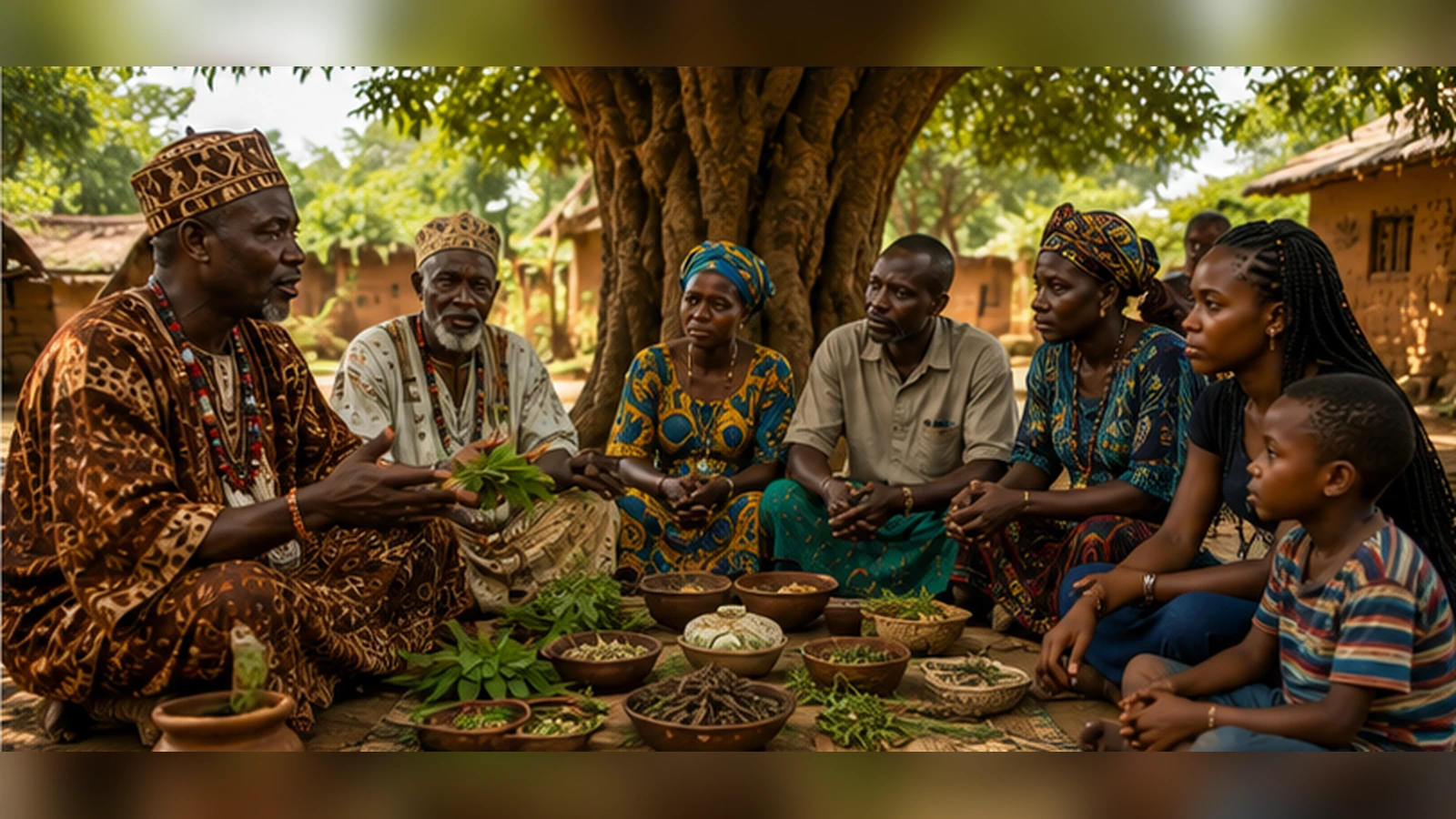
Explore how African communities use herbal knowledge, counseling, music, ritual, birth support, reconciliation, and collective care while recognizing the importance of medical safety.
Community healing traditions across Africa include culturally specific practices through which families and communities respond to physical illness, emotional distress, grief, social conflict, spiritual concerns, childbirth, disability, and disruptions in communal life.
These traditions are highly diverse.
A herbal practitioner in Ghana, a Tumbuka healing-dance community in Malawi, a family elder offering grief counsel in Uganda, a diviner in a Yoruba community, and a traditional birth attendant in another region may all participate in healing, but their training, methods, beliefs, and authority are not interchangeable.
Some traditions rely mainly on medicinal plants or physical treatments. Others emphasize prayer, divination, music, dance, ancestral relationships, family counseling, ritual purification, social reconciliation, or collective participation. Several approaches may be combined.
The World Health Organization defines traditional medicine broadly as culturally rooted systems of knowledge, skills, philosophies, and practices that developed before biomedicine and continue to evolve. WHO also emphasizes that traditional healthcare should be supported by credible evidence, appropriate regulation, quality controls, and patient safety.
This article provides a historical and educational overview. It does not offer instructions for preparing medicines, treating illnesses, performing restricted rituals, or replacing professional healthcare.
Key Points
Community healing traditions may involve:
- Herbal or plant-based knowledge
- Massage and physical care
- Counseling by elders or specialists
- Prayer and spiritual consultation
- Music, drumming, and dance
- Divination
- Birth and postpartum support
- Funeral and grief traditions
- Family mediation
- Reconciliation ceremonies
- Community meals and practical support
- Referral to medical or mental-health services
Their purposes may include:
- Relieving physical symptoms
- Understanding a personal difficulty
- Restoring family relationships
- Reducing isolation
- Supporting grief
- Helping a person feel spiritually or culturally grounded
- Reintegrating someone into community life
- Preserving knowledge across generations
Not every traditional practice is medically effective or safe. Cultural respect should be combined with informed consent, scientific evaluation, appropriate regulation, and timely access to qualified professional care.
What Is Community Healing?
Community healing is a broad term for practices through which a group participates in supporting the wellbeing of individuals, families, or the wider community.
Clear Definition
Community healing refers to culturally recognized forms of care that involve social relationships, shared knowledge, collective participation, or community responsibility in responding to illness, distress, grief, and broken relationships.
Plain-Language Meaning
Community healing means that recovery is not always treated as a private matter between one patient and one practitioner.
Family members, elders, neighbors, musicians, religious leaders, healers, caregivers, and trained health workers may all play different roles.
Healing Is Broader Than Curing
The word healing does not always mean that a disease has been medically cured.
Healing may refer to:
- Feeling supported during illness
- Making sense of distress
- Rebuilding trust
- Mourning a death
- Reducing social isolation
- Restoring family relationships
- Accepting a life change
- Reconnecting with cultural identity
- Receiving practical care
A tradition may provide meaningful emotional or social support without proving that it can cure a biological illness.
Africa Does Not Have One Healing System
Africa contains many medical, spiritual, religious, and cultural traditions.
Community healing differs according to:
- Language
- Region
- Religion
- Ecology
- Family lineage
- Practitioner training
- Available plants
- Local history
- Urban or rural setting
- National health regulations
- Access to hospitals and clinics
It is therefore inaccurate to refer to one unified form of “African healing.”
Key Point
A treatment, ceremony, or diagnosis used in one community should not automatically be transferred to another.
Even similar practices may have different explanations and ethical rules.
Traditional Medicine and Community Healing Are Related but Different
Traditional medicine usually refers to systems intended to protect health, diagnose problems, relieve symptoms, or provide treatment.
Community healing is broader.
It may include medical practices, but it can also include:
- Grief support
- Family reconciliation
- Communal prayer
- Storytelling
- Music and dance
- Restoring a person’s social role
- Caring for a new mother
- Supporting a bereaved family
- Reintegrating someone after illness
WHO recognizes traditional medicine as an important and widely used part of healthcare in many African communities while continuing to call for scientific validation, ethical practice, regulation, and stronger links with formal health systems.
Who Participates in Community Healing?
Healing responsibilities may be distributed among several people.
- Participant
- Possible role
- Herbal practitioner
- Uses recognized plant-based preparations
- Traditional healer
- Provides culturally specific forms of care
- Diviner
- Interprets signs through a trained system
- Priest or priestess
- Provides religious or shrine-based support
- Spirit medium
- Communicates messages attributed to spirits
- Elder
- Offers family history, counsel, or mediation
- Birth attendant
- Supports pregnancy, birth, or postpartum care
- Musician or dancer
- Participates in structured healing performance
- Family member
- Provides food, transport, comfort, or supervision
- Community health worker
- Connects households with formal health services
- Doctor or nurse
- Provides evidence-based diagnosis and treatment
- Mental-health professional
- Assesses and treats psychological or psychiatric conditions
One individual may hold more than one role, but these roles should not be treated as identical.
Community-Based Understandings of Illness
Biomedicine investigates illness through anatomy, physiology, infection, genetics, psychology, environment, and other scientific fields.
Some African healing traditions may also interpret distress through relationships involving:
- Family conflict
- Ancestors
- Spirits
- Broken obligations
- Social isolation
- Grief
- Environmental disruption
- Religious concerns
- Moral conduct
These interpretations may shape what type of help a person seeks.
A person may visit a clinic and also seek prayer, family counseling, or cultural support. Such choices do not necessarily mean the person rejects medical science.
Multiple Explanations Can Coexist
A family may understand an illness as:
- A biological condition requiring medical care
- A source of emotional distress
- A disruption of family responsibilities
- A spiritual question
- A community problem requiring support
The danger arises when a spiritual or social explanation delays necessary diagnosis or treatment.
Herbal Knowledge and Plant-Based Care
Plant-based preparations are among the most visible elements of African traditional medicine.
Knowledge may include:
- Identification of plants
- Seasonal harvesting
- Storage
- Preparation
- Dosage traditions
- Physical applications
- Dietary practices
- Recognition of plants considered dangerous
This knowledge may be transmitted through family teaching, apprenticeship, specialist training, or professional associations.
Herbal Does Not Automatically Mean Safe
Plants contain biologically active chemicals.
A traditional preparation may:
- Cause allergic reactions
- Damage the liver or kidneys
- Affect pregnancy
- Interact with prescribed medicine
- Be contaminated
- Be incorrectly identified
- Contain an unsafe dose
WHO’s approach to traditional medicine emphasizes evidence, quality, safety, regulation, and proper monitoring rather than assuming that long use alone proves effectiveness.
Intellectual and Cultural Ownership
Medicinal knowledge may belong to:
- A family
- A healer’s lineage
- A local community
- A professional association
- An Indigenous knowledge system
Researchers and commercial companies should obtain consent and establish fair benefit-sharing rather than extracting knowledge without recognition or compensation.
Physical and Manual Forms of Care
Some traditional practitioners specialize in:
- Massage
- Bone setting
- Joint manipulation
- Wound care
- Steam or bathing practices
- Postpartum support
- Physical rehabilitation
These practices require careful evaluation.
A practitioner may have valuable experience, but severe fractures, infections, burns, head injuries, spinal injuries, internal bleeding, and other emergencies require prompt medical assessment.
Counseling, Listening, and Interpretation
Many community healing encounters include extensive conversation.
A healer or elder may ask about:
- Family history
- Recent losses
- Dreams
- Conflicts
- Work
- Marriage
- Social responsibilities
- Religious concerns
- Previous illness
- Relationships with relatives
This can make the client feel heard within a wider life context.
The Value of Cultural Understanding
People may communicate distress through culturally familiar language rather than clinical terminology.
A culturally knowledgeable counselor may understand:
- Local expressions of grief
- Family expectations
- Community stigma
- Religious concerns
- Traditional explanations of misfortune
- Social consequences of illness
However, understanding cultural language does not replace professional assessment when a person shows signs of severe depression, psychosis, trauma, epilepsy, suicidal thinking, or another serious condition.
Music, Drumming, and Dance
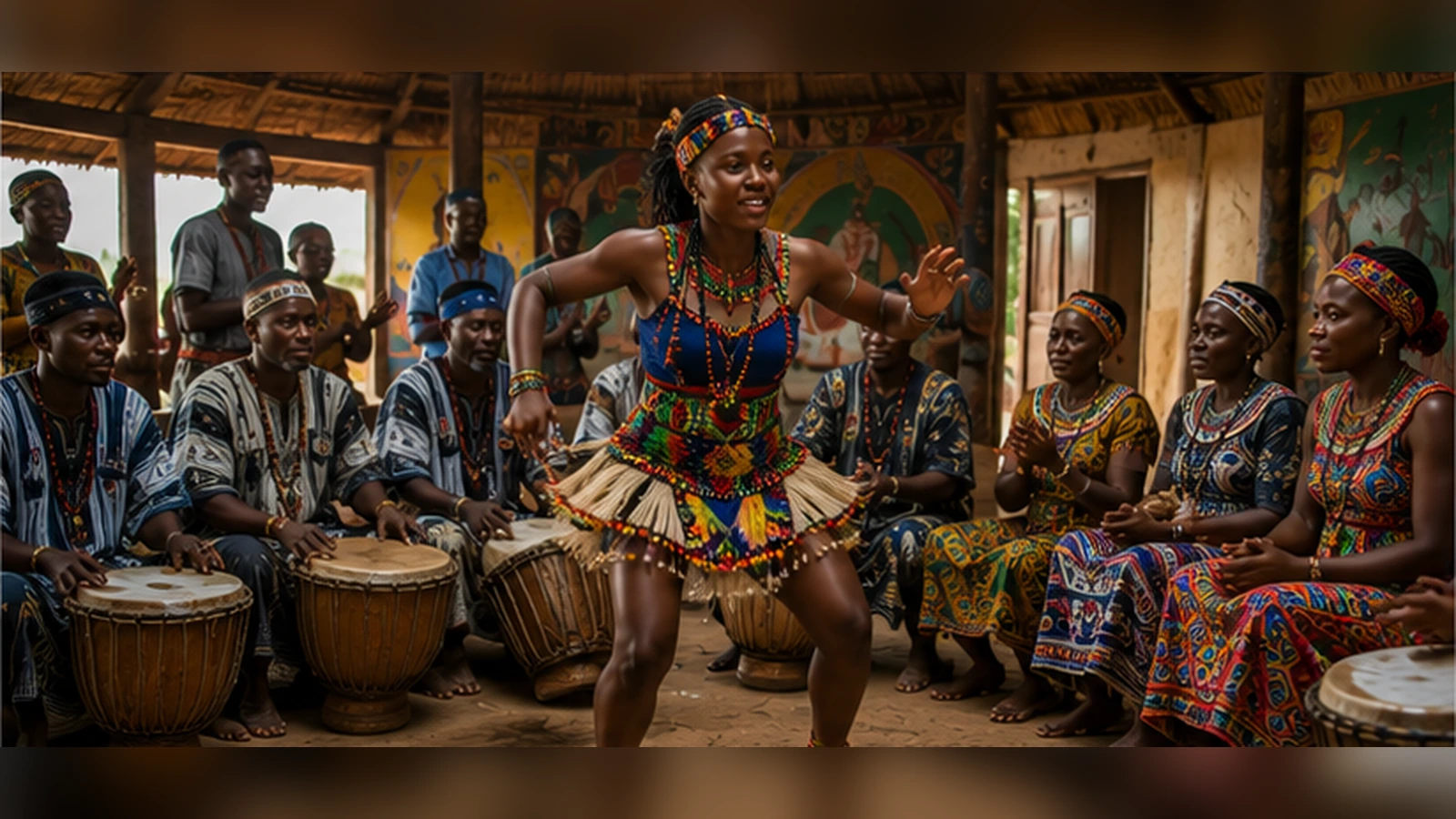
Music and dance can play important roles in communal care.
They may provide:
- Emotional expression
- Structured participation
- Social recognition
- Physical movement
- A shared rhythm
- Connection with religious meaning
- Relief from isolation
- A setting for storytelling or prayer
Vimbuza Healing Dance
Vimbuza is a healing dance associated with Tumbuka communities in northern Malawi. UNESCO describes it as an important expression of the broader ng’oma healing tradition, involving drumming, song, dance, community participation, and culturally specific understandings of distress.
Vimbuza should not be presented as a treatment used throughout Africa. It is a particular tradition with its own history and community custodians.
Mwazindika Spiritual Dance
In December 2025, UNESCO added the Mwazindika spiritual dance of Kenya’s Dawida community to its List of Intangible Cultural Heritage in Need of Urgent Safeguarding. UNESCO describes it as a living tradition connected with healing, memory, spiritual balance, and cultural identity.
Healing Performance Is Not Entertainment Alone
A healing dance may involve:
- Trained musicians
- Recognized leaders
- Particular songs
- Specific rhythms
- Family participation
- Religious preparation
- Rules about attendance
- A culturally understood diagnosis
Copying the visible movements does not reproduce the tradition.
Prayer, Ritual, and Spiritual Consultation
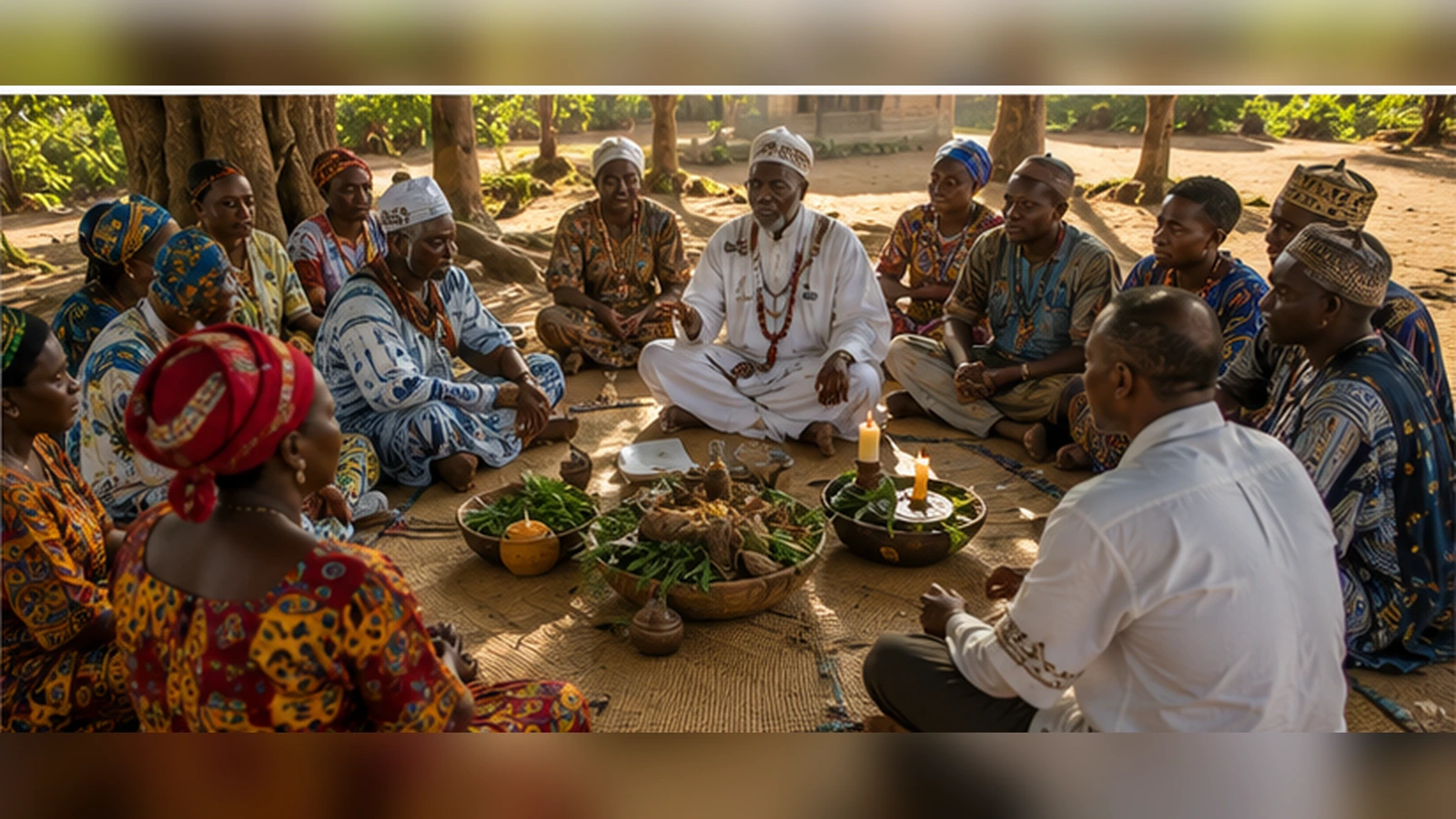
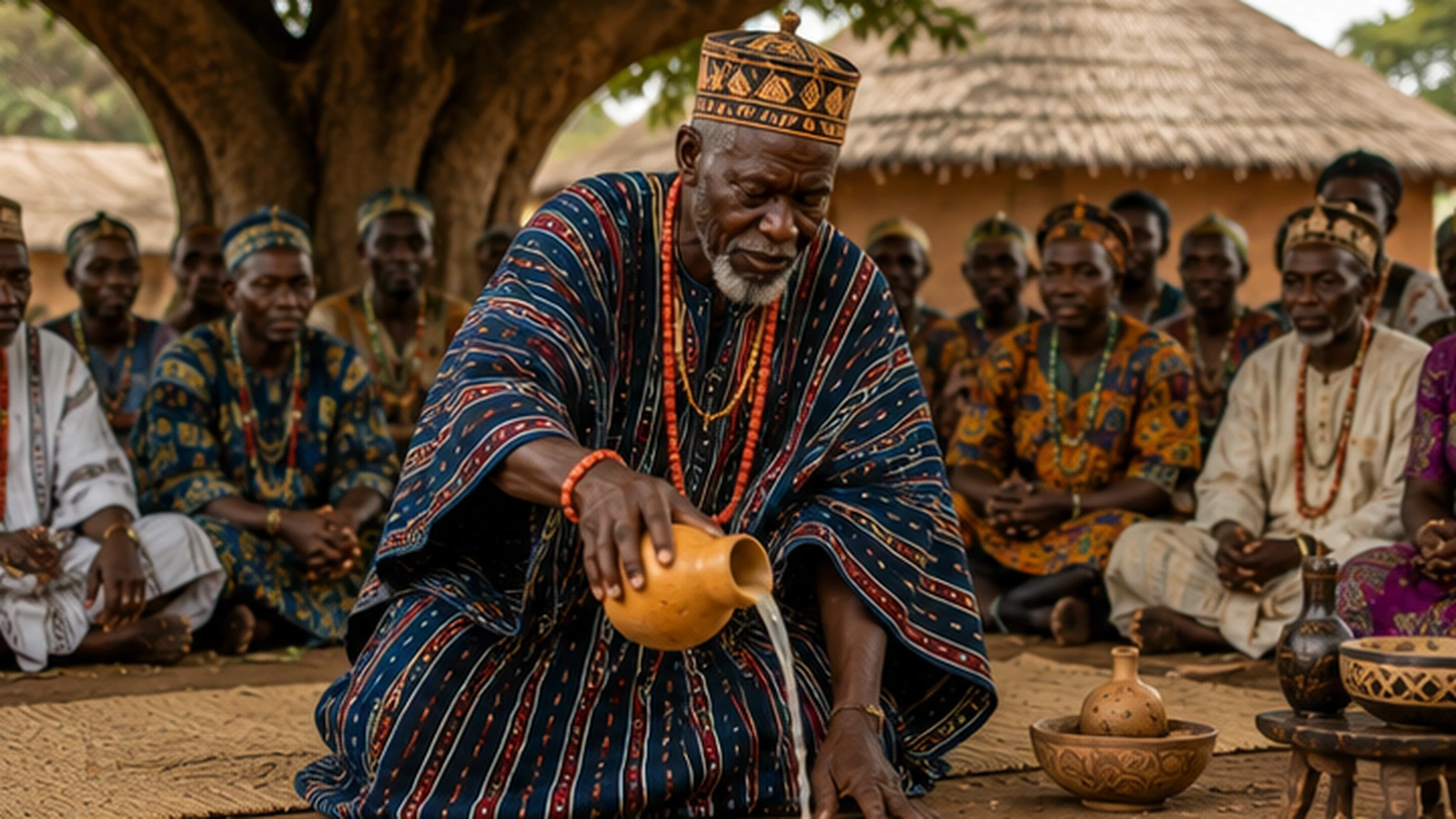
Some community healing traditions involve prayer, offerings, cleansing, shrine visits, divination, or communication with spiritual beings.
The goal may be to:
- Seek guidance
- Restore a neglected obligation
- Support someone through fear or uncertainty
- Mark a transition
- Request protection
- Reconnect a person with family or community
- Address a spiritually interpreted concern
Ethical Limits
A spiritual consultation should never be used to justify:
- Beating
- Chaining
- Forced confinement
- Sexual exploitation
- Starvation
- Withholding medicine
- False accusations
- Abandonment
- Financial fraud
- Violence toward children, older people, or people with disabilities
Consent, dignity, safety, and legal rights remain essential.
Divination as a Form of Interpretation
Divination is a structured system for interpreting signs, patterns, dreams, sacred texts, or other recognized forms of information.
A consultation may explore:
- The social context of a problem
- Family obligations
- Possible sources of conflict
- Appropriate ritual responses
- Questions about identity or direction
Divination is not a replacement for laboratory tests, medical imaging, psychiatric evaluation, legal investigation, or financial advice.
Women’s Roles in Community Healing
Women have often preserved and practiced important forms of healing knowledge.
They may serve as:
- Herbal practitioners
- Birth attendants
- Midwives
- Mothers and grandmothers
- Ritual leaders
- Spirit mediums
- Grief counselors
- Initiation mentors
- Caregivers
- Community organizers
Women’s healing knowledge may involve pregnancy, birth, infant care, nutrition, family relationships, mourning, reproductive health, and plant use.
Avoiding Romanticization
Not every inherited childbirth practice is safe.
Complications such as heavy bleeding, obstructed labor, seizures, infection, severe pain, high blood pressure, or fetal distress require urgent skilled medical care.
Traditional birth attendants may support cultural comfort and referrals, but they should not be expected to manage emergencies beyond their competence.
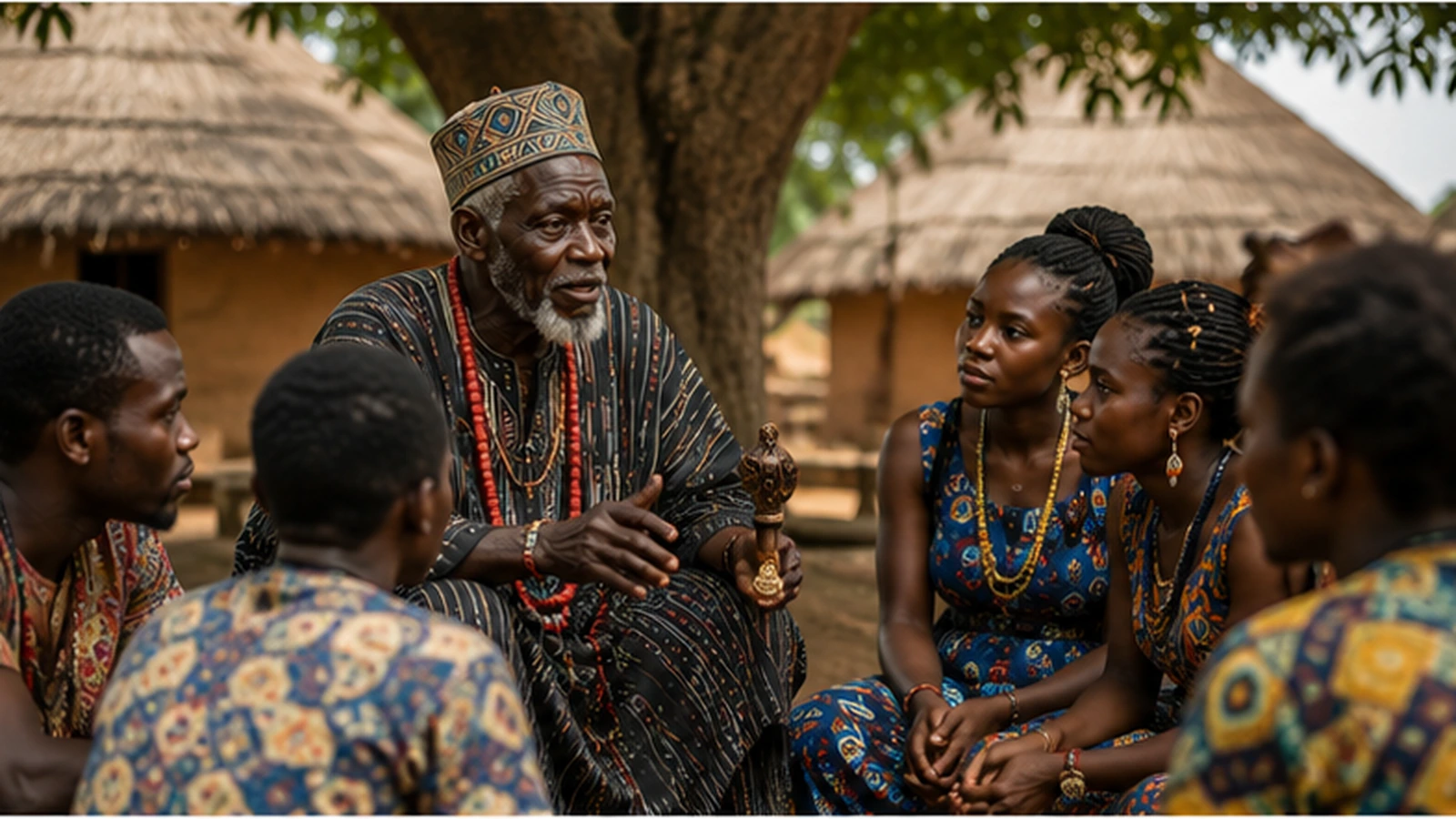
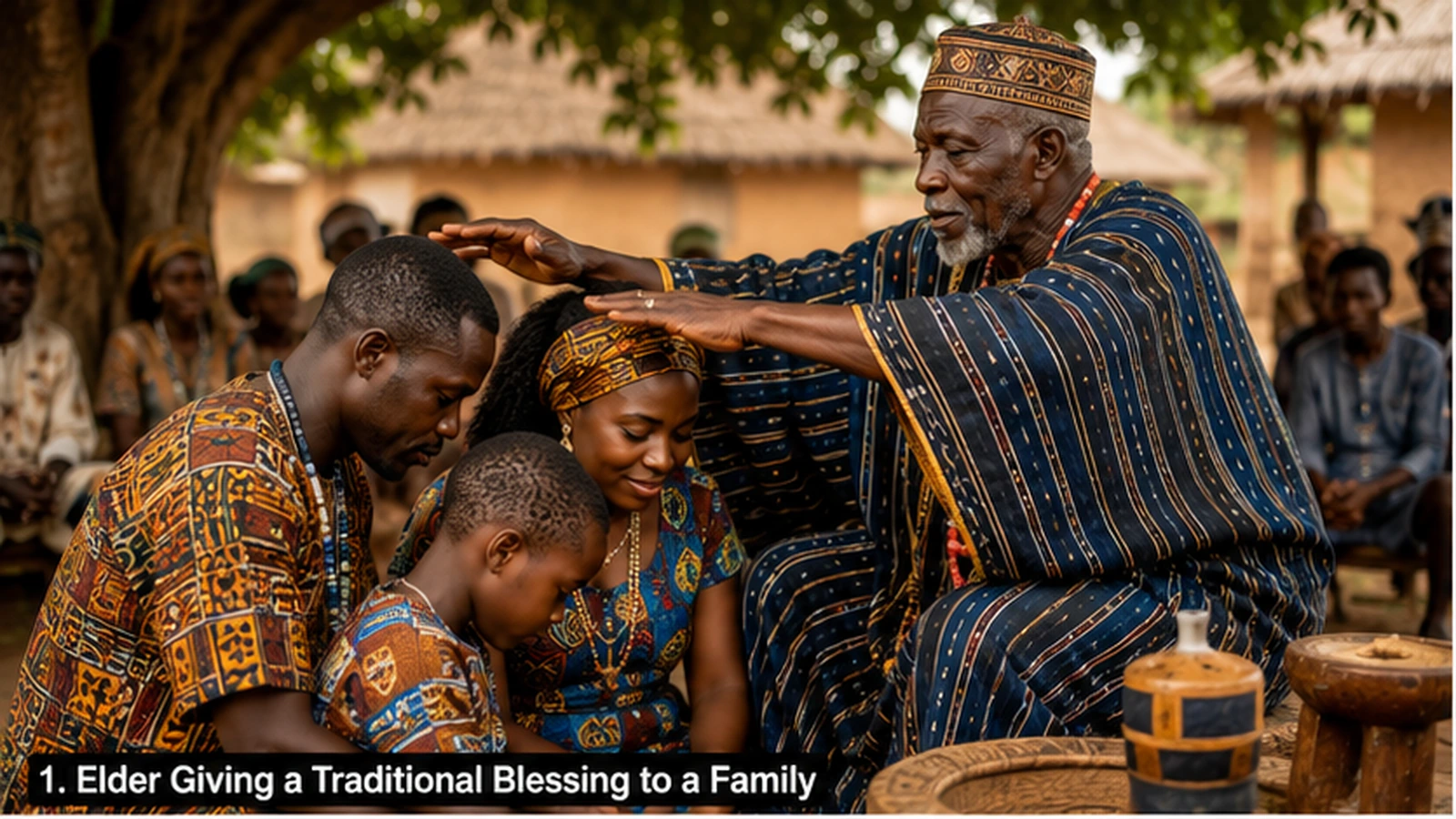
Elders and Family Healing
Elders may support healing by:
- Listening
- Preserving family history
- Explaining cultural expectations
- Mediating conflict
- Organizing practical assistance
- Supporting mourning
- Connecting people with specialists
- Advising younger caregivers
Their authority varies.
An elder is not automatically a healer, and respect for age does not make harmful advice medically correct.
Birth, Postpartum Care, and Community Support
Pregnancy and childbirth are often treated as family and community events.
Support may include:
- Preparing meals
- Helping with household work
- Caring for other children
- Offering companionship
- Teaching infant-care traditions
- Supporting breastfeeding
- Marking naming or welcome ceremonies
- Protecting the mother’s rest
These forms of practical support can reduce isolation and recognize the importance of recovery.
They should accompany, not replace, antenatal care, skilled delivery support, vaccination, postnatal assessment, and emergency services.
Grief, Funeral Traditions, and Mourning
Death can affect the emotional, social, financial, and spiritual life of an entire community.
Community healing after a death may involve:
- Visiting the bereaved
- Preparing food
- Contributing money
- Singing or praying
- Sharing memories
- Helping with funeral arrangements
- Caring for children
- Supporting a surviving spouse
- Maintaining graves
- Completing family obligations
Mourning as Shared Work
Communal mourning can prevent a bereaved person from facing every responsibility alone.
It also allows the community to:
- Recognize the death publicly
- Preserve the person’s history
- Restore disrupted family roles
- Express grief through culturally familiar forms
Grief traditions should remain voluntary and should not impose harmful isolation, financial exploitation, or abusive treatment on surviving relatives.
Reconciliation and Social Healing
Some forms of community healing address damaged relationships rather than illness.
They may respond to:
- Family disputes
- Inheritance conflict
- Land disagreements
- Marriage problems
- Broken promises
- Community violence
- Leadership disputes
- Long-standing resentment
A reconciliation process may include:
- Hearing different accounts
- Identifying the harm
- Reviewing community history
- Acknowledging responsibility
- Agreeing on restitution or apology
- Restoring workable relationships
- Witnessing the agreement publicly
Restorative Goals
The aim may be to restore:
- Trust
- Social participation
- Family communication
- Community peace
- Respect for agreements
Serious violence, abuse, or crime should not be hidden through private mediation. Survivors retain the right to seek legal protection and professional support.
Food, Hospitality, and Practical Care
Healing is not always ceremonial.
Communities may support a sick or bereaved household through:
- Cooking
- Cleaning
- Farming
- Transport
- Childcare
- Fundraising
- Visiting
- Collecting medicine
- Accompanying someone to a clinic
These practical actions can be central to recovery.
Community Care as Shared Responsibility
A person who cannot work may need food and financial support. A caregiver may need rest. A family traveling to a hospital may need transport and accommodation.
Community healing can therefore include organizing resources rather than offering a spiritual diagnosis.
Healing, Identity, and Belonging
Illness may cause a person to feel separated from ordinary life.
Community practices can help by:
- Recognizing the person publicly
- Offering a meaningful role
- Reducing stigma
- Restoring relationships
- Affirming cultural identity
- Creating a shared language for distress
Belonging can improve emotional wellbeing, but social acceptance does not replace clinical treatment when treatment is needed.
Mental Health and Community Healing
Traditional and faith healers are frequently consulted for emotional distress and serious mental-health conditions in several African settings.
They may be accessible, culturally trusted, and located close to the community. At the same time, delayed referral, harmful interpretations, coercive treatment, and lack of clinical training can create serious risks. Reviews of African mental-health pathways therefore emphasize structured collaboration, education, human rights, and referral rather than uncritical acceptance or rejection.
Signs Requiring Professional Help
Urgent professional support is needed when a person:
- Has suicidal thoughts
- Threatens serious harm
- Cannot care for basic needs
- Experiences severe confusion
- Has repeated seizures
- Hears commands to cause harm
- Stops eating or drinking
- Becomes unconscious
- Is restrained or abused
- Has severe withdrawal symptoms
Community members can help by arranging safe transport, staying with the person, reducing stigma, and supporting continued treatment.
Traditional Healers and Formal Healthcare
The relationship between traditional and biomedical practitioners has often involved mistrust, competition, and historical conflict.
Potential areas of responsible cooperation include:
- Early referral
- Health education
- Recognizing emergency signs
- Medication-safety information
- Maternal-health referrals
- Mental-health referrals
- Infection prevention
- Reducing stigma
- Patient follow-up
- Public-health communication
Ghana’s Collaboration Experience
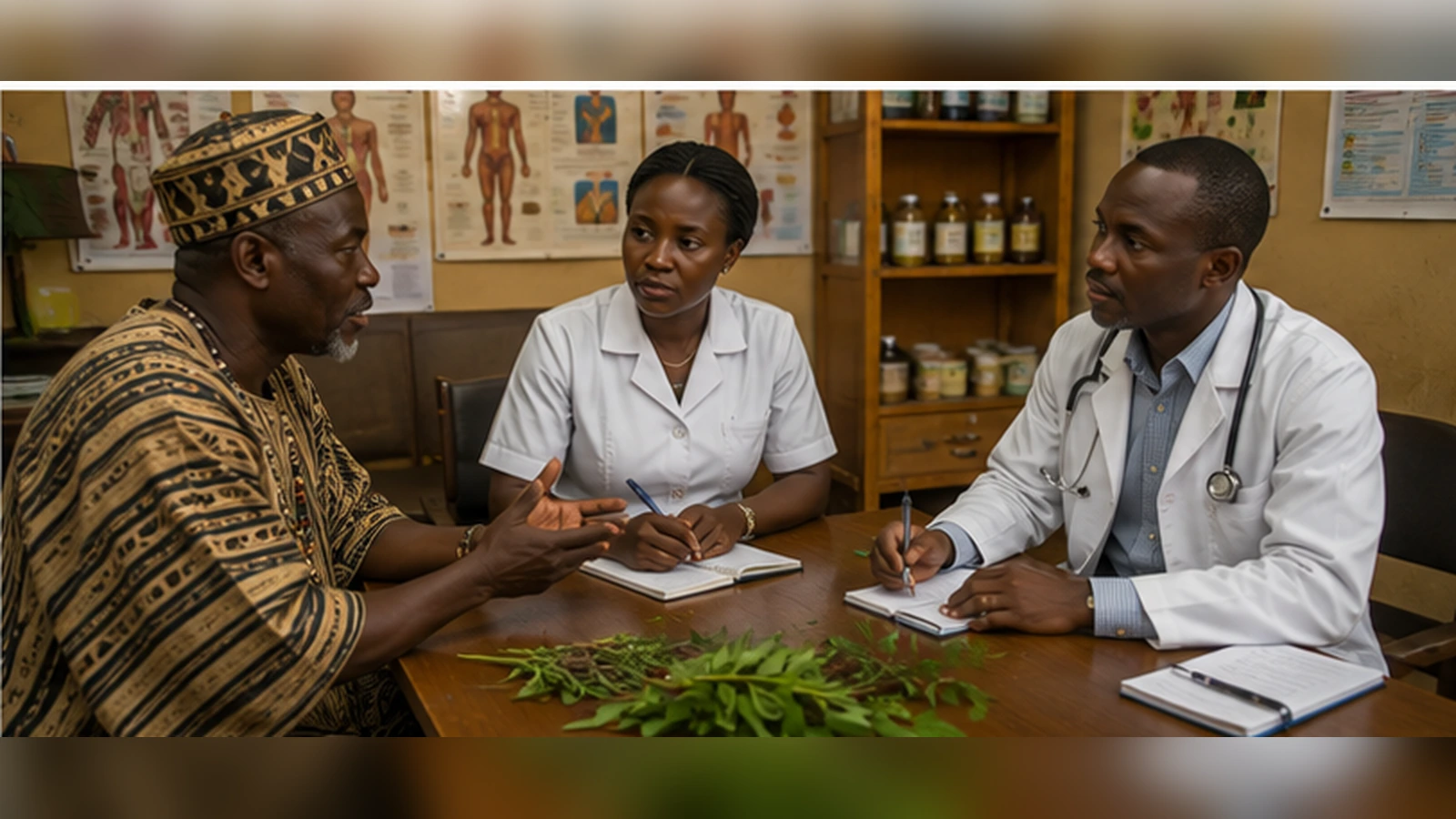
WHO has documented Ghanaian efforts to place traditional medicine clinics in hospital settings, support research into plant medicine, and encourage cooperation between traditional and conventional practitioners.
Ghana’s Fight Against Epilepsy Initiative also engaged traditional and faith healers in awareness, referral, and stigma reduction as part of community-based care.
Cooperation Requires Clear Boundaries
Responsible collaboration should include:
- Defined scopes of practice
- Patient consent
- Confidentiality
- Referral procedures
- Codes of ethics
- Registration where required
- Reporting of harmful effects
- Respectful communication
- Evidence-based standards
WHO guidance for African health systems has promoted professional regulation, practitioner education, safety standards, and collaboration while recognizing that national circumstances differ.
Scientific Research and Traditional Knowledge
Traditional use can provide leads for research, but it does not replace research.
A treatment should be investigated for:
- Biological activity
- Correct identification
- Dosage
- Toxicity
- Contamination
- Interactions
- Effectiveness
- Manufacturing quality
- Long-term effects
WHO’s Global Traditional Medicine Centre focuses on evidence, health systems, sustainability, equity, innovation, and respect for local heritage and rights.
Respectful Research
Researchers should:
- Obtain informed consent
- Credit knowledge holders
- Protect confidential knowledge
- Establish benefit-sharing
- Avoid overharvesting plants
- Publish negative as well as positive findings
- Include communities in decision-making
Colonialism and the Marginalization of Healing Traditions
Colonial governments and missionary institutions often classified African healing traditions as superstition, witchcraft, or illegitimate medicine.
They sometimes:
- Criminalized practitioners
- Destroyed shrines
- Restricted ceremonies
- Removed sacred objects
- Dismissed oral knowledge
- Privileged imported medical institutions
- Separated spiritual and physical care
Despite suppression, many traditions continued privately or adapted to new religious, political, and urban conditions.
A Balanced Historical View
Colonial dismissal was often unjust and culturally destructive.
However, correcting that injustice does not require claiming that every inherited treatment is safe or effective.
Respect and critical evaluation can coexist.
Modernization and Change
Community healing traditions are not frozen in the past.
Practitioners may use:
- Mobile phones
- Digital records
- Modern packaging
- Laboratory testing
- Social media
- Professional associations
- Referral networks
- Hospital partnerships
- Formal training
Families may also combine inherited practices with:
- Hospital treatment
- Counseling
- Physiotherapy
- Medication
- Religious support
- Community health services
Commercialization and Fraud
Growing public interest in African spirituality and traditional medicine has created opportunities for exploitation.
Warning signs include:
- Guaranteed cures
- Claims to treat every illness
- Demands to stop prescribed medicine
- Secret ingredients with no safety information
- Threats involving ancestors or spirits
- Large unexplained payments
- Claims that only one practitioner can prevent disaster
- Refusal to refer emergencies
- Sexual demands framed as treatment
- Selling fake cultural identities online
No ethical practitioner should guarantee healing, wealth, love, protection, fertility, reconciliation, or success.
Preserving Healing Heritage Responsibly
Communities may preserve knowledge through:
- Interviews with practitioners
- Apprenticeships
- Community archives
- Botanical documentation
- Local-language education
- Practitioner associations
- Cultural festivals
- Museum partnerships
- Research agreements
- Digital recordings
UNESCO emphasizes that oral traditions and knowledge survive through continued transmission and community participation, not merely through storing documents.
What Should Not Be Published
Some information may need protection, including:
- Restricted ritual instructions
- Confidential consultations
- Exact locations of vulnerable medicinal plants
- Private patient histories
- Initiation knowledge
- Sacred names
- Formulas owned by a family or community
Comparison of Community Healing Approaches
- Healing approach
- Possible community role
- Important limitation
- Herbal care
- Relief of symptoms or culturally recognized treatment
- Safety and effectiveness require evaluation
- Counseling
- Emotional support and interpretation
- Severe conditions may require professionals
- Music and dance
- Expression, participation, and belonging
- Not a substitute for medical treatment
- Spiritual consultation
- Religious guidance or meaning-making
- Must not justify harm or delay care
- Birth support
- Practical and emotional care
- Emergencies require skilled maternity services
- Mourning traditions
- Shared grief and family support
- Participation should not be forced
- Reconciliation
- Repair of social relationships
- Crime and abuse still require legal protection
- Community assistance
- Food, transport, money, and caregiving
- Caregivers also need support
- Biomedical treatment
- Diagnosis and evidence-based care
- Should be culturally respectful and accessible
- Collaborative referral
- Links cultural and clinical support
- Requires consent, training, and clear boundaries
Common Misconceptions
Misconception 1: Africa Has One Traditional Healing System
Reality: Healing practices differ greatly among communities, regions, religions, and practitioners.
Misconception 2: Every Traditional Healer Uses Herbs
Reality: Some specialize in counseling, divination, spiritual care, physical treatment, birth support, or mediation.
Misconception 3: Natural Remedies Are Always Safe
Reality: Plants can be toxic, contaminated, incorrectly dosed, or interact with medication.
Misconception 4: Community Healing Is the Same as Medical Treatment
Reality: Community practices may provide social, emotional, cultural, or spiritual support without curing disease.
Misconception 5: Traditional and Modern Medicine Cannot Cooperate
Reality: Cooperation is possible through research, regulation, referral, education, and patient consent.
Misconception 6: Every Healing Ceremony Should Be Shared Online
Reality: Some practices are private, restricted, family-owned, or initiation-based.
Misconception 7: Cultural Respect Requires Accepting Harm
Reality: Abuse, restraint, exploitation, forced treatment, and medical neglect are unacceptable.
Misconception 8: A Spiritual Diagnosis Proves the Cause of an Illness
Reality: Medical and mental-health conditions require appropriate professional assessment.
How to Approach Community Healing Safely
Step 1: Identify the Practitioner
Ask about:
- Training
- Community recognition
- Professional association
- Experience
- Scope of practice
- Referral habits
Step 2: Explain Existing Treatment
Tell the practitioner about:
- Current medication
- Allergies
- Pregnancy
- Diagnosed conditions
- Recent procedures
- Previous reactions
Step 3: Avoid Unknown Products
Do not consume a preparation when:
- Ingredients are unknown
- Dosage is unclear
- The container is contaminated
- The practitioner refuses safety questions
- The product promises a guaranteed cure
Step 4: Recognize Emergencies
Seek urgent professional help for:
- Difficulty breathing
- Heavy bleeding
- Severe burns
- Poisoning
- Seizures
- Loss of consciousness
- Severe dehydration
- Chest pain
- Stroke symptoms
- Suicidal thinking
- Complicated labor
- Serious injury
Step 5: Use Community Support Alongside Care
Family and community members can help with:
- Transport
- Food
- Childcare
- Medication reminders
- Emotional support
- Appointment attendance
- Safe housing
- Follow-up
Key Takeaways
- Community healing traditions across Africa are diverse and culturally specific.
- Healing may involve physical, emotional, social, spiritual, and practical forms of support.
- Traditional medicine and community healing overlap but are not identical.
- Herbal knowledge can be valuable but requires safety and evidence.
- Music and dance may support expression, identity, and participation.
- Vimbuza is a specific Tumbuka healing-dance tradition from northern Malawi.
- Women, elders, families, and specialists can all hold healing roles.
- Funeral and reconciliation traditions may help communities address grief and damaged relationships.
- Traditional and biomedical practitioners can cooperate through ethical referral and regulation.
- Community support should never delay emergency care.
- Cultural respect does not require tolerating abuse or exploitation.
- No healer should promise guaranteed results.
People Also Ask
What are community healing traditions in Africa?
They are culturally specific practices through which families, healers, elders, religious specialists, and communities support physical, emotional, spiritual, or social wellbeing.
What do traditional African healers do?
Their roles vary and may include herbal care, counseling, divination, spiritual support, physical treatment, birth assistance, or referral.
Is African traditional medicine scientifically proven?
Some products or practices have evidence, while others remain untested, ineffective, or unsafe. Each treatment must be evaluated individually.
How does music support healing?
Music may create participation, emotional expression, social connection, religious meaning, and structured movement.
Can traditional healing and hospital treatment be combined?
They may be combined safely when practitioners respect treatment plans, obtain consent, avoid harmful interactions, and refer serious conditions appropriately.
Is spiritual healing a replacement for medical care?
No. Spiritual care may support meaning and emotional wellbeing but should not replace diagnosis, emergency treatment, medication, surgery, or mental-health care.
Frequently Asked Questions
1. Are traditional healers licensed in Africa?
Regulation differs by country. Some nations register practitioners or professional associations, while others have limited formal oversight.
2. What is a healing dance?
A healing dance is a culturally organized performance involving movement, music, community participation, and religious or therapeutic meaning.
Frequently Asked Questions
What should readers know first about Community healing traditions across Africa?
Community healing traditions across Africa: Explore how African communities use herbal knowledge, counseling, music, ritual, birth support, reconciliation, an
What causes Community healing traditions across Africa?
Explore how African communities use herbal knowledge, counseling, music, ritual, birth support, reconciliation, and collective care while recognizing the importance of medical safety. The safest next step is to compare the signs, prepare clear details, and req
How does Community healing traditions across Africa work?
Explore how African communities use herbal knowledge, counseling, music, ritual, birth support, reconciliation, and collective care while recognizing the importance of medical safety. The safest next step is to compare the signs, prepare clear details, and req
Is it possible to get private guidance for Community healing traditions across Africa?
Explore how African communities use herbal knowledge, counseling, music, ritual, birth support, reconciliation, and collective care while recognizing the importance of medical safety. The safest next step is to compare the signs, prepare clear details, and req
How long does Community healing traditions across Africa take to understand?
Explore how African communities use herbal knowledge, counseling, music, ritual, birth support, reconciliation, and collective care while recognizing the importance of medical safety. The safest next step is to compare the signs, prepare clear details, and req
Can Community healing traditions across Africa affect relationships, family, work, or personal peace?
Explore how African communities use herbal knowledge, counseling, music, ritual, birth support, reconciliation, and collective care while recognizing the importance of medical safety. The safest next step is to compare the signs, prepare clear details, and req
Why do people seek spiritual guidance for Community healing traditions across Africa?
Explore how African communities use herbal knowledge, counseling, music, ritual, birth support, reconciliation, and collective care while recognizing the importance of medical safety. The safest next step is to compare the signs, prepare clear details, and req
What signs should someone notice before asking about Community healing traditions across Africa?
Explore how African communities use herbal knowledge, counseling, music, ritual, birth support, reconciliation, and collective care while recognizing the importance of medical safety. The safest next step is to compare the signs, prepare clear details, and req
When should someone contact a private spiritual guide?
Explore how African communities use herbal knowledge, counseling, music, ritual, birth support, reconciliation, and collective care while recognizing the importance of medical safety. The safest next step is to compare the signs, prepare clear details, and req
Article Information
- Publisher
- Ancestral Temple
- Editor
- Ancestral Temple
- Last updated
- Jul 26, 2026
- Last reviewed
- Jul 13, 2026
- Content version
- abb9da5877
This educational article should be read as cultural and spiritual information, not as medical, legal, financial, or emergency advice.
Helpful Related Guidance
Explore This Topic
Community Healing Traditions Across Africa · Role Of Elders In African Spiritual Practices
Related Topic Cluster
Community Healing Traditions Across Africa
Complete Guide Understanding African Spiritual Traditions: A Historical IntroductionAbout the Author
 Ancestral Temple
Spiritual guide and practitioner with decades of experience in ancestral wisdom, rituals, and divine guidance.
Related Posts
View All

Leave a Comment
We'd love to hear your thoughts.
This article explained community healing without treating Africa as one culture or making unsafe medical promises.
Are there recommended books or documentaries about Vimbuza and other ng’oma traditions?
The section about commercialization and guaranteed cures was especially relevant.
I would like a future article on how community health workers cooperate with cultural leaders.
The discussion of grief showed why recovery often involves the whole family.
A strong overview of the social, spiritual, and medical dimensions of community care.
The misconceptions section addressed many exaggerated claims found on social media.
The article remained neutral, factual, and respectful throughout.
I liked the warning against practitioners who demand that patients stop prescribed medication.
The explanation of how healing can restore social participation was very clear.
Community voices should be included whenever researchers document traditional knowledge.
More information about the research process for medicinal plants would make a good follow-up article.
The strongest lesson was that culture and medical safety do not have to oppose each other.
The article avoided both colonial dismissal and uncritical acceptance.
I appreciated the statement that respect for elders does not make every piece of advice medically correct.
The idea that belonging can be part of healing stood out to me.
Could you write next about women herbal practitioners and community midwives?
The emergency warning signs were useful and should remain in the published article.
The article was long but easy to follow because each section covered one clear issue.
This would be useful for students studying public health, religion, anthropology, or African history.
Thank you for naming harmful practices clearly instead of hiding them behind cultural respect.
The discussion of mental health was responsible and did not dismiss cultural beliefs.
The section about postpartum support reminded me how important practical care is for new mothers.
I would like to read more about how traditional practitioners are registered in different countries.
The glossary was useful, especially the definitions of community healing and restorative healing.
I agree that reconciliation processes should never be used to hide serious abuse or crime.
Community meals and practical help can make a major difference when a family is dealing with illness.
The Ghana epilepsy example showed how referral can work in a culturally realistic way.
This article respected tradition without romanticizing every inherited practice.
The section on collaboration between traditional healers and hospitals was balanced.
Could you publish a separate article about African community approaches to grief?
I appreciated the difference between cultural explanation and medical diagnosis.
The comparison table made the strengths and limitations of each approach easy to understand.
It was good to see practical community support treated as a real part of healing.
The role of women in birth support, grief care, and herbal knowledge deserves more attention.
The section on informed consent and patient dignity should be included in every discussion of healing.
I liked the clear statement that spiritual care should not replace hospital treatment.
The part about music helping people express distress and feel less isolated was interesting.
Vimbuza was new to me. I would like to read a full article about its history.
I appreciated that the article did not present one community’s practice as representative of the whole continent.
The warnings about herbal interactions and unknown dosages were important.
The section about families providing food, transport, and childcare showed that healing is not always ceremonial.
I liked that the article respected cultural knowledge while still emphasizing medical safety.
The distinction between traditional medicine and broader community healing was very helpful.
I appreciated the explanation that healing can include social and emotional support without necessarily claiming to cure an illness.