
Ancestor Reverence Around the World
Pillar Article
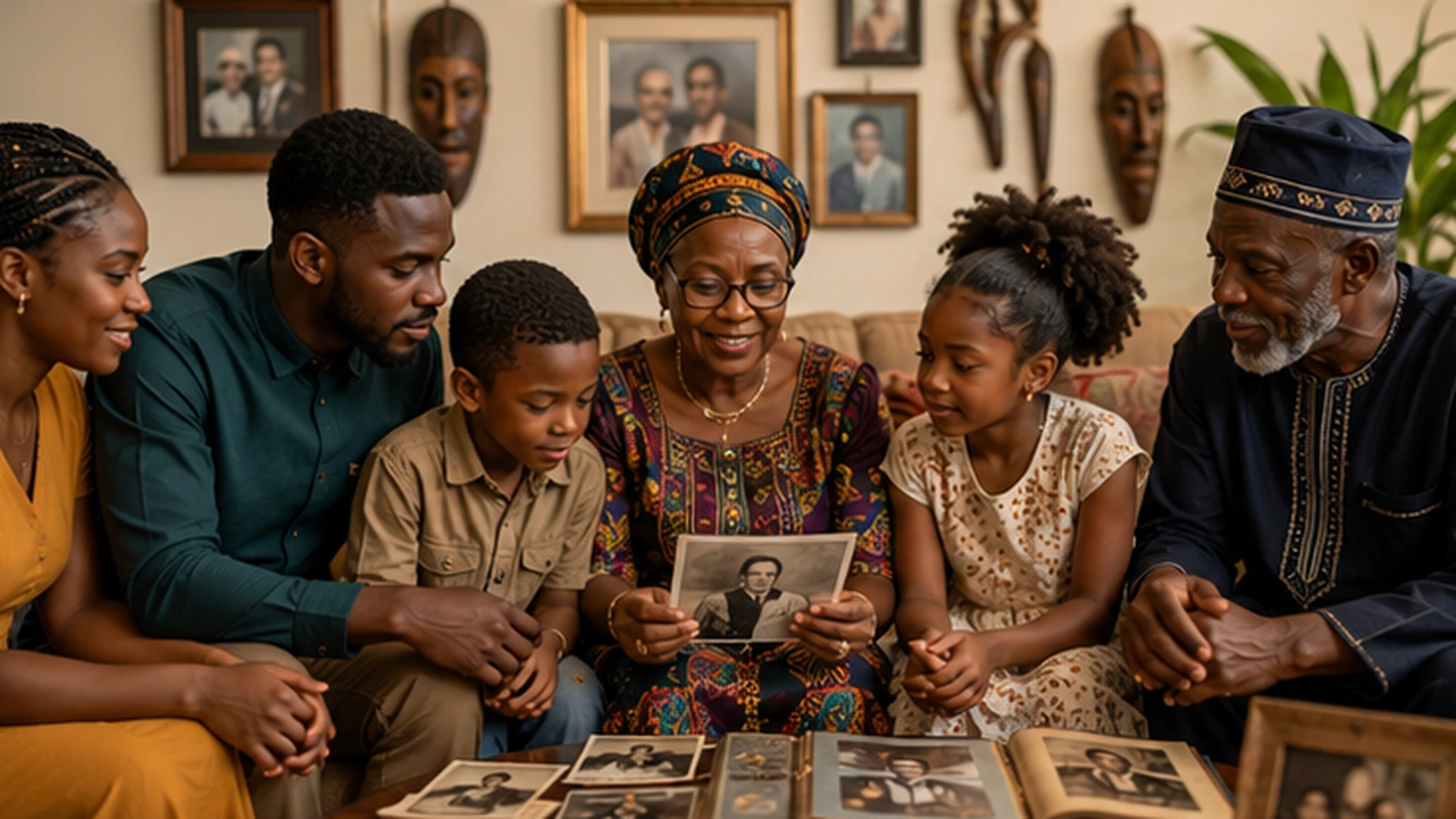
Quick Summary
Explore ancestor reverence around the world, from African lineage traditions and Chinese family portraits to Korean Chuseok, Japanese Obon, Vietnam’s Hùng Kings, Mexico’s Day of the Dead, and Māori whakapapa.
Ancestor reverence around the world takes many forms, including family storytelling, maintaining graves, preserving genealogies, displaying portraits, preparing memorial meals, offering prayers, holding festivals, pouring libations, and protecting ancestral land.
These traditions do not form one universal religion.
In some communities, ancestors are understood as spiritually active members of an extended family. In others, honoring ancestors primarily means preserving history, expressing gratitude, maintaining graves, or teaching children where their family came from.
The words remembrance, honor, reverence, veneration, and worship are sometimes used interchangeably, but they can describe very different relationships.
A family that displays a deceased grandparent’s photograph is not necessarily worshipping that person. A community that performs a formal ancestral ritual may also distinguish ancestors from gods, divinities, saints, spirits, or a supreme creator.
Understanding ancestor reverence therefore requires cultural specificity. Readers must ask who is being honored, what participants believe, which actions are performed, and what responsibilities the tradition creates for the living.
Key Points
Ancestor reverence appears in culturally distinct forms across many parts of the world.
Examples include:
- Family lineage and ancestral relationships in African communities
- Ancestor portraits and family altars in Chinese traditions
- Family gatherings and ancestral thanksgiving during Korean Chuseok
- Grave visits, offerings, lanterns, and remembrance during Japanese Obon
- Public commemoration of the Hùng Kings in Vietnam
- Indigenous Mexican traditions associated with the Day of the Dead
- Māori whakapapa connecting people, ancestors, land, and the natural world
- Ancestral images and household shrines in ancient Rome
- Digital memorials and family-history projects in modern diaspora communities
No single ceremony, offering, spiritual belief, or definition applies to every tradition.
What Is Ancestor Reverence?
Ancestor reverence is the respectful recognition of deceased people who continue to matter to the history, identity, moral life, or spirituality of a family or community.
An ancestor may be:
- A deceased family member
- A founder of a lineage
- A respected community leader
- A royal predecessor
- A legendary cultural founder
- A national ancestor
- A person linked with ancestral land
- A member of an earlier generation remembered collectively
Clear Definition
Ancestor reverence is the respectful remembrance, ceremonial recognition, or spiritual acknowledgment of deceased people who remain important to the living.
Plain-Language Meaning
Ancestor reverence means recognizing that people who lived before us continue to shape our families, cultures, land, knowledge, and responsibilities.
The practice may be religious, but it can also be historical, emotional, political, or familial.
Ancestor Reverence, Veneration, and Worship
These terms can overlap, but they should not automatically be treated as identical.
- Term
- General meaning
- Remembrance
- Preserving the memory of a deceased person
- Honor
- Expressing respect, appreciation, or gratitude
- Reverence
- Showing deep respect toward an ancestor
- Veneration
- Formal or ceremonial recognition
- Worship
- Religious devotion directed toward a divine or sacred being
The meaning of each term depends on how the community itself understands its practices.
Why the Distinction Matters
Calling every ancestral custom “worship” may incorrectly suggest that:
- Ancestors are considered gods
- Ancestors replace a supreme creator
- All deceased relatives receive religious devotion
- Every family follows formal ceremonies
- Similar-looking traditions share the same theology
Responsible writing should explain what participants actually do and believe.
Why Ancestor Reverence Appears in Many Cultures
Although traditions differ, communities commonly face similar human questions:
- How should deceased relatives be remembered?
- What does one generation owe another?
- How is family history preserved?
- What happens to a person’s social identity after death?
- How should inherited land and property be protected?
- What values should be passed to children?
- How can grief become collective memory?
Ancestor traditions provide culturally meaningful ways of addressing these questions.
Ancestor Reverence in African Communities
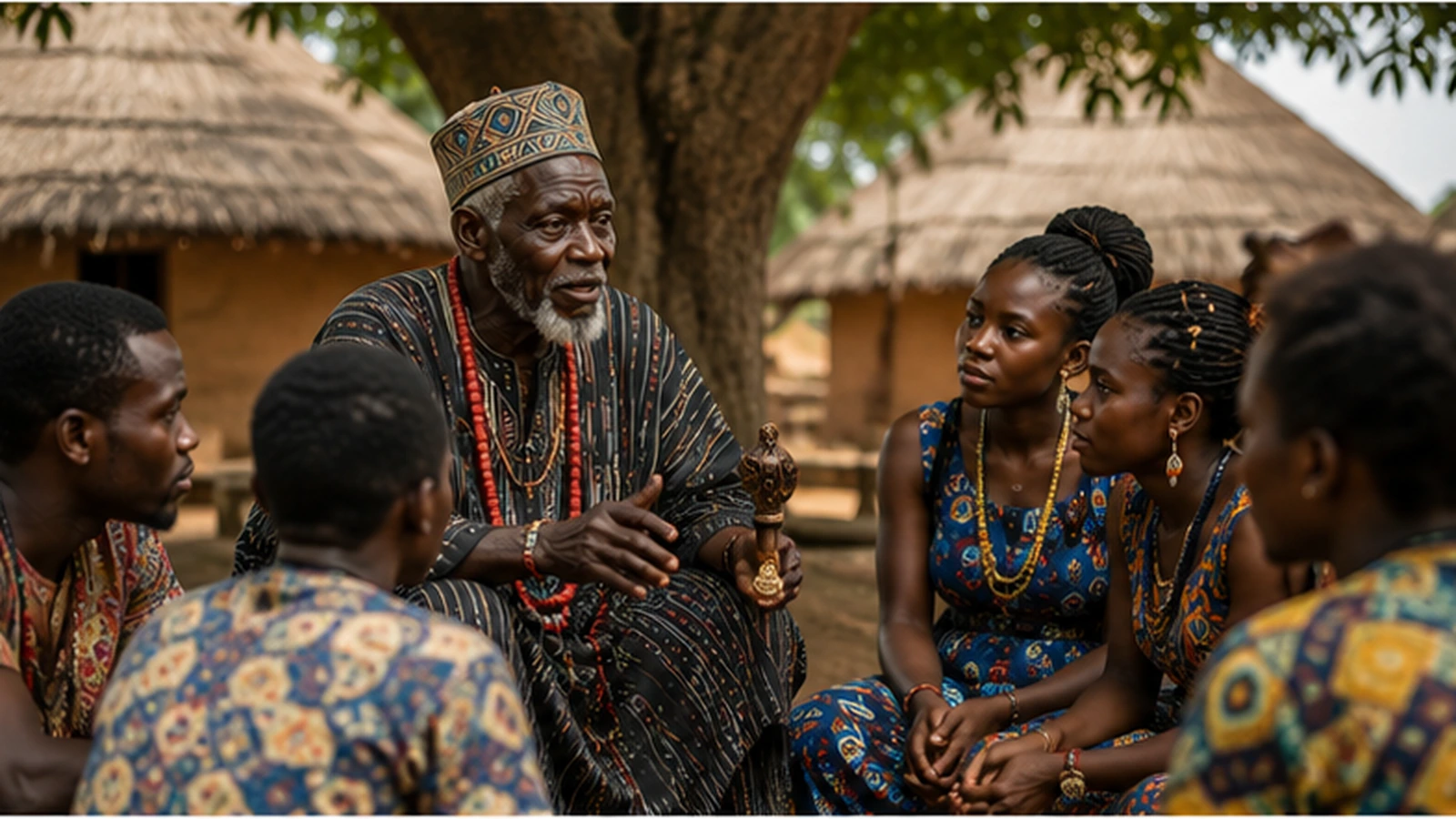
Africa contains thousands of communities with different religious, linguistic, political, and family systems. There is therefore no single African ancestor tradition.
Where ancestor reverence occurs, it may be connected with:
- Lineage
- Family authority
- Moral responsibility
- Inherited land
- Funeral practices
- Elders
- Divination
- Healing
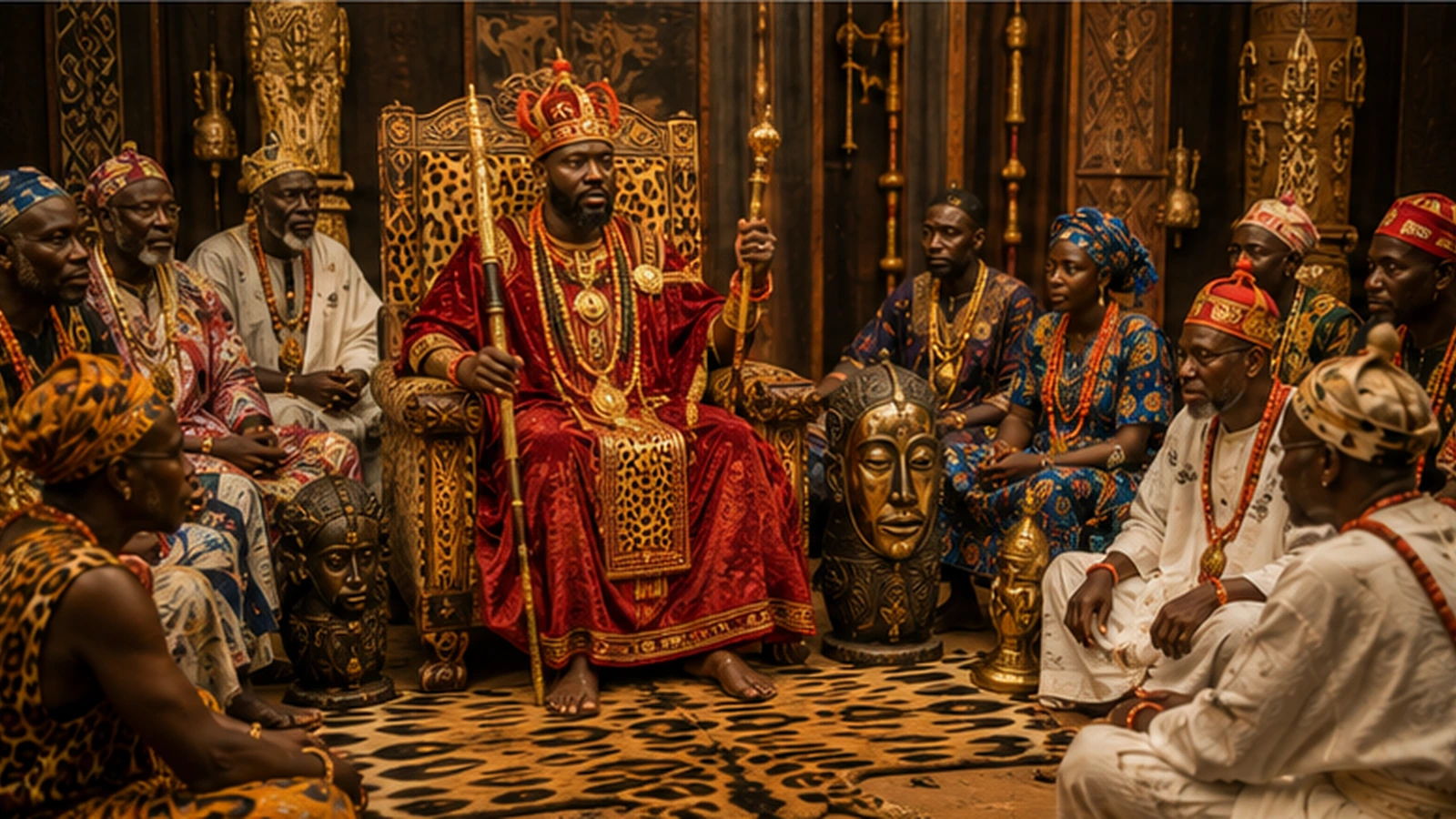
- Political legitimacy
- Community identity
Scholarly research has often connected African ancestor traditions with family, kinship, descent, and domestic institutions. Researchers also caution against assuming that every African community organizes ancestors and family authority in the same way.
Ancestors as Continuing Family Members
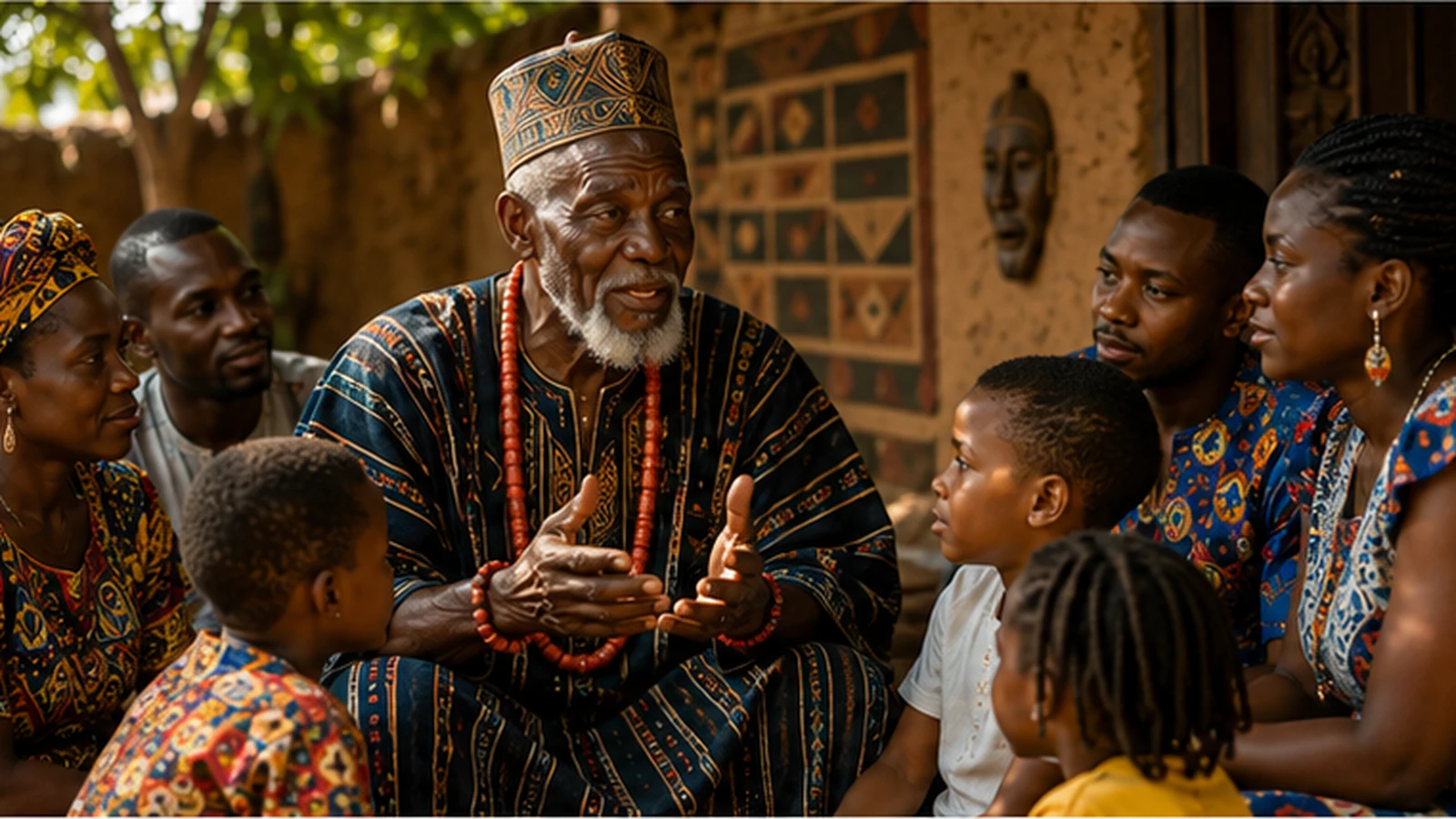
In some communities, ancestors may be understood as deceased elders who remain concerned with the wellbeing and conduct of their descendants.
They may be remembered as:
- Moral witnesses
- Protectors
- Family representatives
- Custodians of inherited responsibilities
- Links between generations
- Sources of guidance
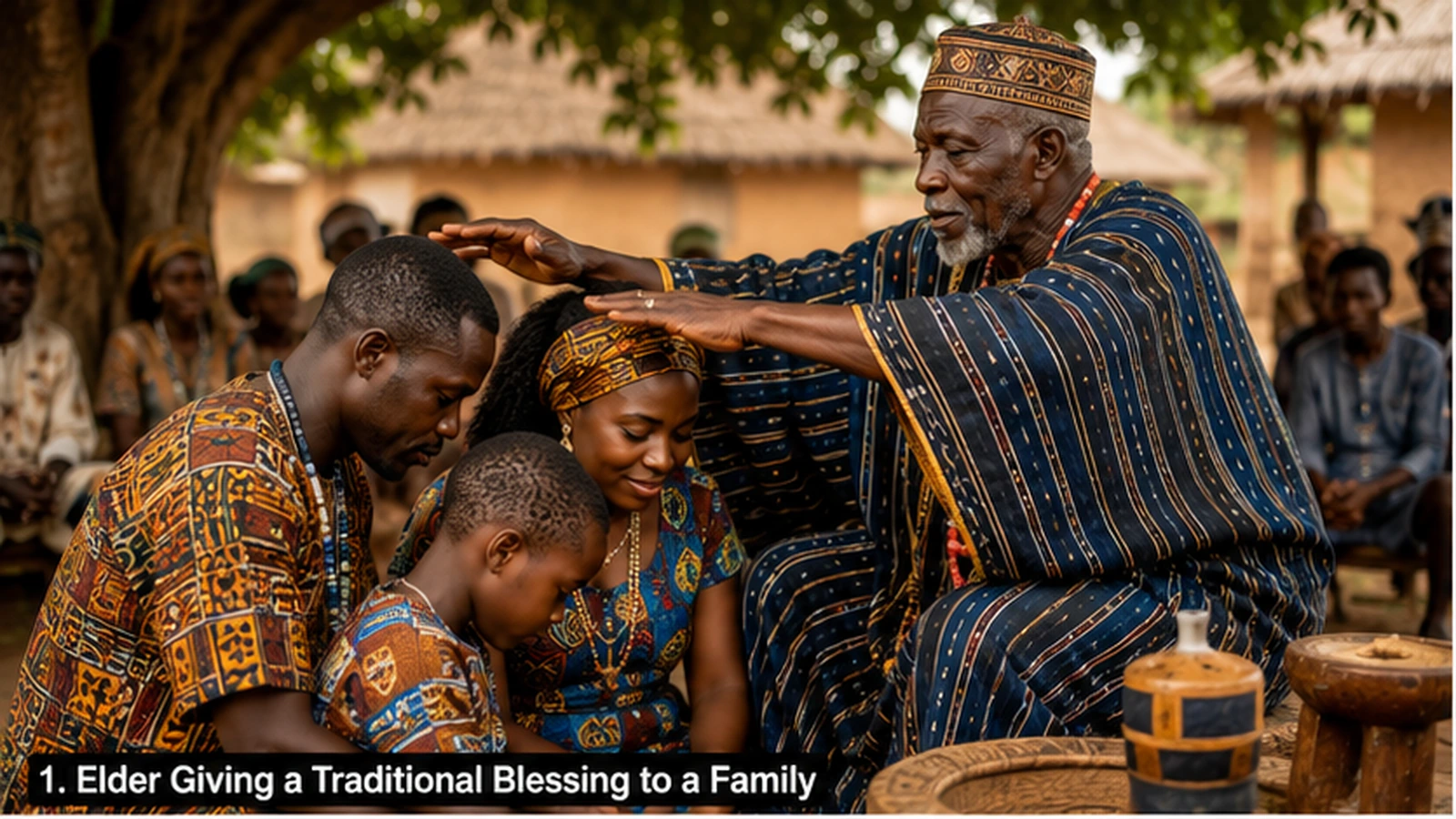
The relationship between ancestors and the living may be structured through family elders, lineage heads, ritual specialists, or household representatives.
Not Every Deceased Person Becomes an Ancestor
Ancestral status may depend on factors such as:
- Age
- Family position
- Moral reputation
- Proper burial
- Descendants
- Leadership
- Community recognition
- Circumstances of death
The requirements vary by community.
Ways Ancestors May Be Honored
Depending on the tradition, people may:
- Preserve genealogies
- Maintain graves
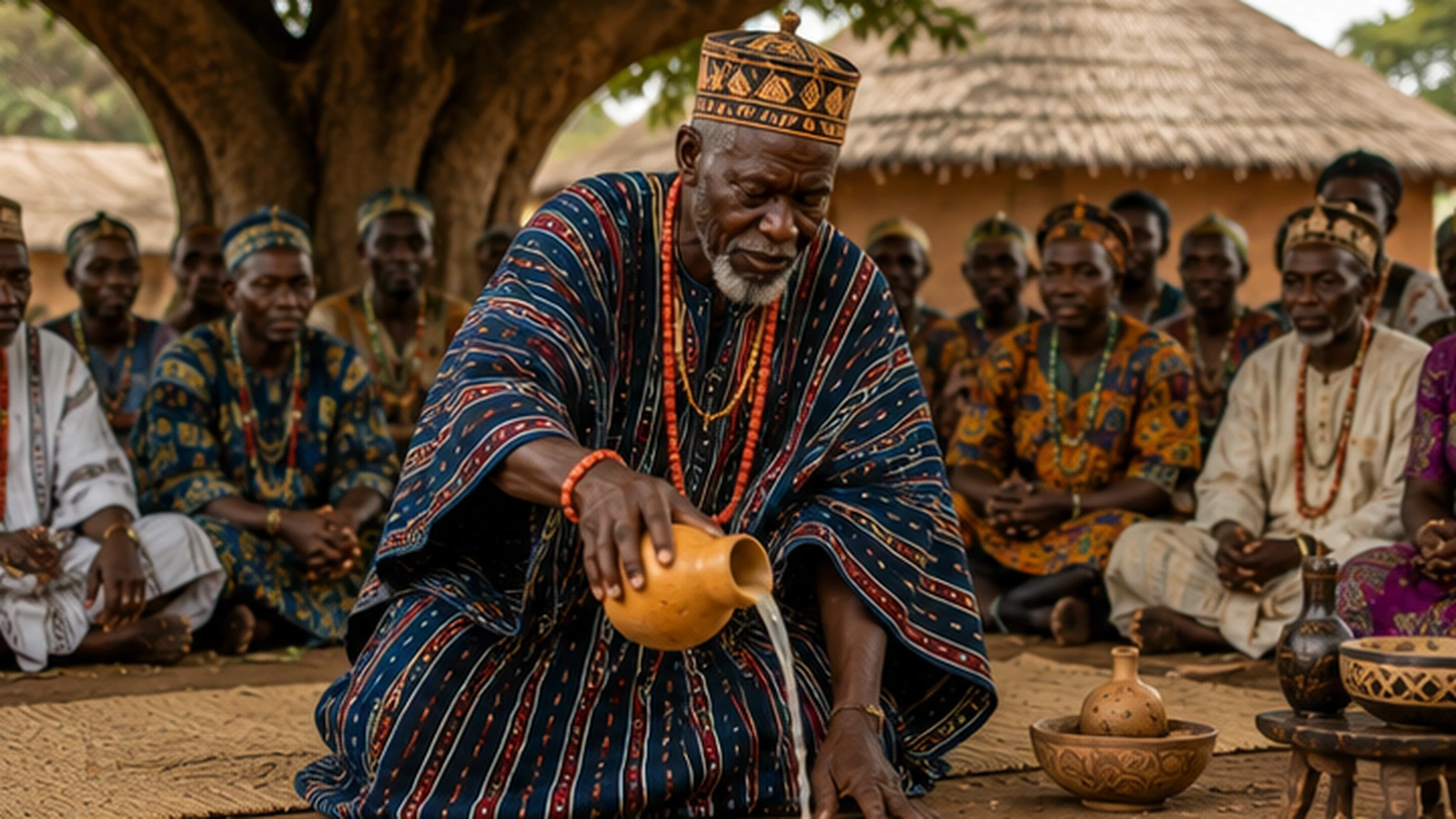
- Pour libations
- Present food or drink
- Call ancestral names
- Hold memorial gatherings
- Seek family reconciliation
- Protect ancestral land
- Follow inherited moral responsibilities
The ceremony is usually only one part of a wider relationship involving the living family.
Chinese Ancestor Portraits and Family Altars
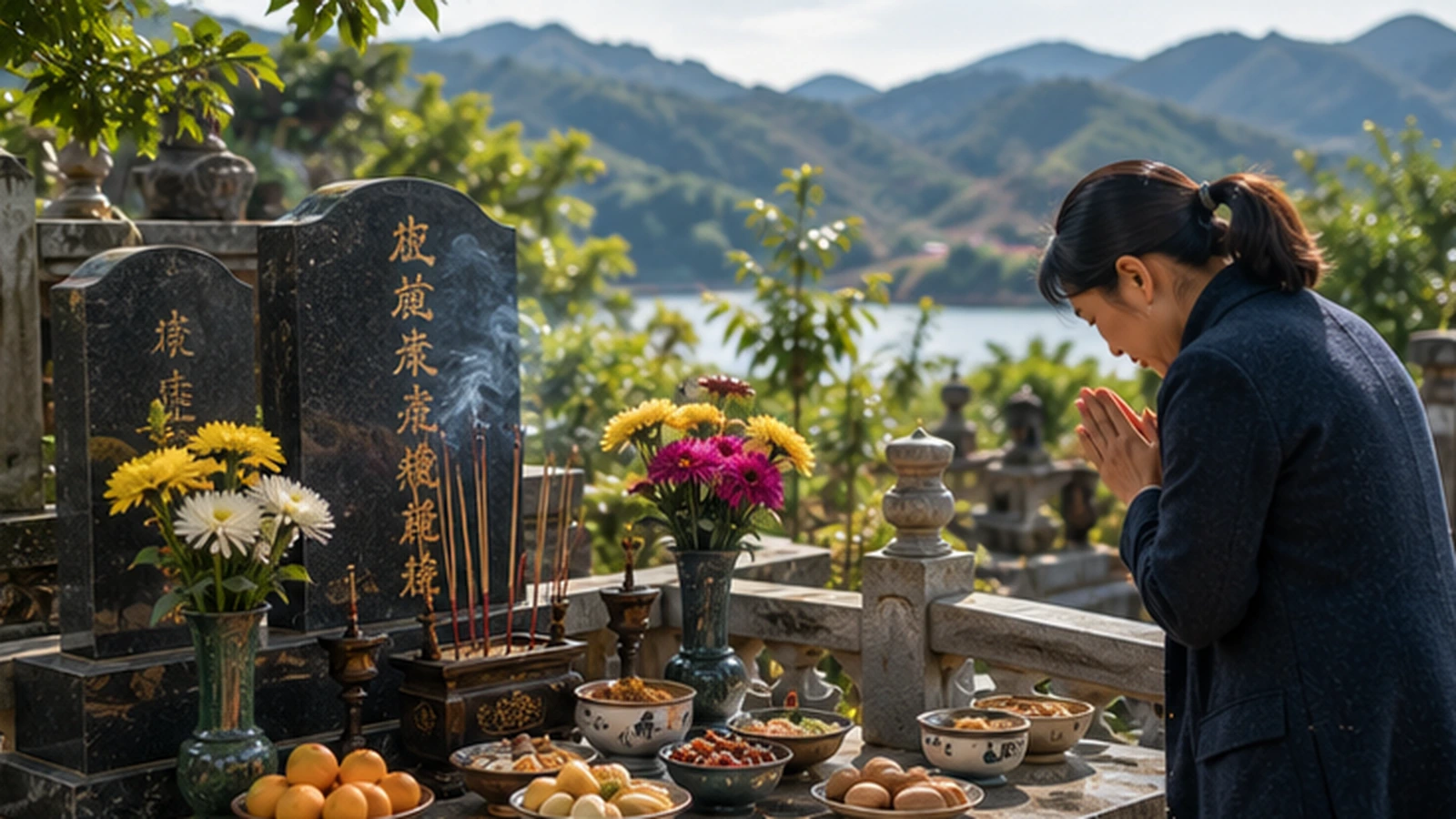
Chinese ancestor traditions have historically included commemorative portraits, ancestral tablets, family altars, incense, food offerings, and annual household rituals.
The Smithsonian’s National Museum of Asian Art explains that Chinese ancestor portraits were displayed above family altars during annual ceremonies in which descendants formally honored their forebears. Incense smoke and repeated ritual use could leave physical traces on the paintings.
The Role of Ancestor Portraits
A portrait could:
- Preserve the recognizable identity of an ancestor
- Represent family continuity
- Provide a ceremonial focal point
- Record historical clothing and status
- Connect descendants with earlier generations
Portraits were not normally displayed as ordinary household decoration throughout the entire year. Some were brought out for funerals, New Year observances, family ceremonies, or the introduction of a new family member.
Family Responsibility
Ancestor traditions could reinforce:
- Respect for parents
- Family unity
- Genealogical knowledge
- Responsibility toward descendants
- Continuity of the family line
Chinese communities are diverse, and not every modern Chinese family performs ancestral rites in the same way.
Korean Ancestor Traditions and Chuseok
Chuseok is a major Korean celebration associated with the harvest, family gathering, and thanksgiving.
The National Museum of Asian Art describes Chuseok as a time when families gather and give thanks to their ancestors. It is celebrated during the eighth lunar month and is associated historically with the ancient Silla kingdom.
Depending on the family, ancestral remembrance may involve:
- Preparing food
- Formal family ceremonies
- Expressions of gratitude
- Visiting ancestral graves
- Cleaning burial sites
- Sharing a family meal
- Traveling to a hometown
Ancestral Thanksgiving
The tradition brings together:
- Harvest gratitude
- Family reunion
- Historical memory
- Respect for earlier generations
- Cultural identity
Contemporary Korean families differ in how formally they perform ancestral rites. Some preserve detailed ceremonies, while others emphasize family gathering, remembrance, or grave visits.
Japanese Obon
Obon is a Japanese Buddhist-influenced observance dedicated to remembering deceased relatives and ancestors.
Customs vary by region, but may include:
- Visiting graves
- Cleaning burial sites
- Placing offerings at household altars
- Lighting or floating lanterns
- Returning to one’s hometown
- Participating in Bon Odori dances
- Welcoming and later sending off ancestral spirits
Official Japanese cultural resources describe Obon as a period during which families honor ancestors, welcome their spirits, visit graves, and place offerings at family Buddhist altars.
Lanterns and Return
Lanterns may symbolically guide or accompany ancestral spirits.
Local customs and dates differ. Some regions celebrate Obon in July, while many observe it in mid-August.
Religious and Social Meaning
Obon may combine:
- Buddhist teachings
- Local customs
- Family reunion
- Grave care
- Music and dance
- Community celebration
The observance demonstrates how remembrance can be solemn, familial, and festive at the same time.
Worship of the Hùng Kings in Vietnam
The worship of the Hùng Kings in Phú Thọ honors rulers regarded as founding ancestors of the Vietnamese nation.
The tradition includes:
- Temple ceremonies
- Pilgrimages
- Incense
- Offerings
- Processions
- Music
- Community participation
- Prayers for good health, weather, harvests, and prosperity
UNESCO describes the tradition as expressing spiritual solidarity and connecting participants with Vietnamese national origins and cultural identity.
Ancestors Beyond the Household
The Hùng Kings tradition shows that an ancestor may represent more than one biological family.
Founding ancestors can symbolize:
- A people
- A nation
- Shared origins
- Moral identity
- Historical unity
The tradition also has organized custodians, ritual committees, and guardians who maintain worship sites and guide public participation.
Mexico’s Indigenous Festivity Dedicated to the Dead
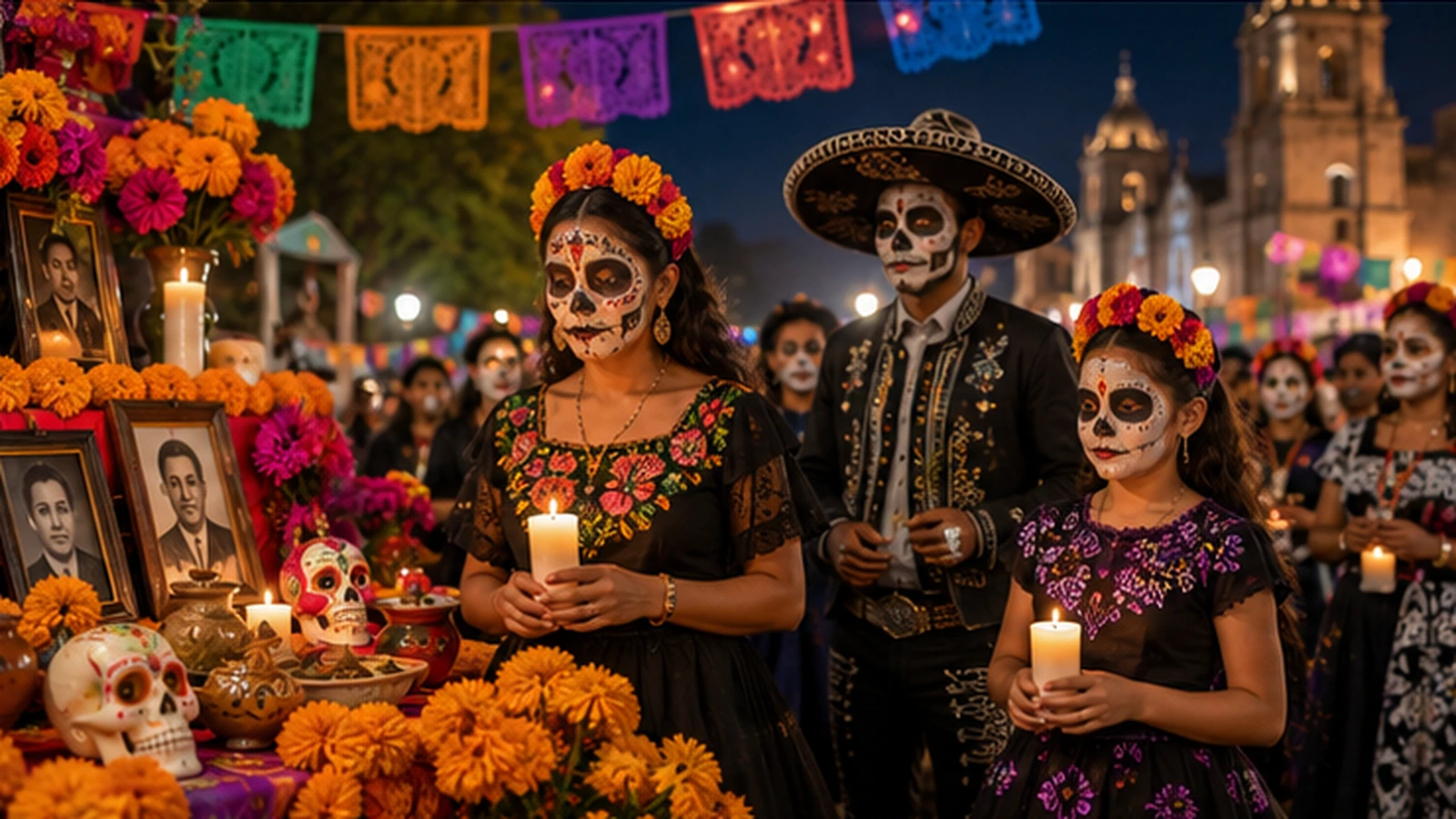
Mexico’s Indigenous festivity dedicated to the dead, widely associated with Día de los Muertos, commemorates deceased relatives and loved ones.
UNESCO describes the tradition as marking the temporary return of deceased relatives at the end of October and beginning of November. The observance is also connected with the annual agricultural cycle, particularly maize cultivation.
Families and communities may prepare:
- Home altars
- Flowers
- Candles
- Photographs
- Favorite foods
- Drinks
- Personal objects
- Cemetery decorations
- Memorial gatherings
Remembrance Through Celebration
The dead may be remembered through:
- Prayer
- Music
- Food
- Color
- Storytelling
- Humor
- Cemetery visits
- Family reunion
The tradition should not be reduced to skull makeup or commercial decorations. Its central meaning lies in relationships among deceased relatives, living families, Indigenous beliefs, Catholic observances, food, land, and community memory.
Māori Whakapapa and Ancestral Identity
In Māori culture, whakapapa is commonly translated as genealogy, but it encompasses more than a list of human relatives.
Te Ara, the Encyclopedia of New Zealand, explains that whakapapa connects people with ancestors, spiritual realities, history, knowledge, customs, plants, animals, land, and the wider universe.
Genealogy as a Worldview
Whakapapa helps organize:
- Identity
- Belonging
- Family relationships
- Tribal relationships
- Rights and responsibilities
- Connections with mountains and rivers
- Historical narratives
- Knowledge of the natural world
Through whakapapa, people may gain a sense of tūrangawaewae, often understood as a place where one has the right to stand through ancestry and belonging.
Ancestors, Land, and Nature
Māori genealogical thought may connect humans with:
- Mountains
- Rivers
- Plants
- Animals
- Spiritual beings
- The sky and earth
This means ancestry is not limited to remembering deceased individuals. It can structure a wider ethical relationship with land and the natural world.
Ancestral Memory in Ancient Rome
Ancient Roman ancestor traditions included household shrines, commemorative portraits, funerary practices, and public claims to family history.
Elite Roman families preserved wax portrait masks known as imagines representing important ancestors. These could be stored in household settings and displayed during funerary or public occasions.
Ancestry and Public Reputation
Ancestral images could communicate:
- Family history
- Political legitimacy
- Public service
- Social status
- Continuity between generations
- Expectations placed on descendants
Household religious spaces also connected family identity with domestic protection and ritual practice.
Important Distinction
Ancient Roman ancestors should not be interpreted through the assumptions of modern African, Asian, Indigenous, or Christian traditions.
The example demonstrates that ancestral remembrance also appeared in ancient European political and domestic life.
Ancestors in Indigenous and Land-Based Traditions
In many Indigenous cultures, ancestry is closely connected with territory.
Ancestral narratives may preserve knowledge about:
- Migration routes
- Burial places
- Sacred mountains
- Rivers
- Community boundaries
- Seasonal resources
- Historical settlements
- Relationships with animals and plants
- Duties toward the environment
In such traditions, land may function as a living archive containing the presence, stories, and responsibilities of earlier generations.
Ancestral Land Is More Than Property
Ancestral territory may involve:
- Identity
- Spiritual responsibility
- Burial rights
- Community law
- Environmental stewardship
- Historical memory
- Collective survival
Selling or damaging such land may therefore carry consequences beyond its economic value.
Common Elements Across Ancestor Traditions
Although meanings differ, several recurring elements appear in different regions.
Family Gatherings
Ancestor remembrance often brings relatives together.
Gatherings may create opportunities to:
- Share stories
- Resolve disagreements
- Introduce children to family history
- Visit graves
- Prepare traditional food
- strengthen relationships
Food and Drink
Food may symbolize:
- Hospitality
- Gratitude
- Family continuity
- Seasonal abundance
- Shared memory
- Continued relationship
An offering should not automatically be interpreted as feeding a god or purchasing a supernatural result.
Portraits and Memorial Objects
Families may preserve:
- Photographs
- Paintings
- Tablets
- Clothing
- Jewelry
- Tools
- Letters
- Personal belongings
These objects help make family history tangible.
Graves and Sacred Places
Graves can provide a physical location for:
- Mourning
- Prayer
- Family reunion
- Historical education
- Land claims
- Memorial responsibility
Names and Genealogies
Naming children after earlier relatives may preserve:
- Identity
- Family continuity
- Admired qualities
- Historical connections
- Relationships between generations
Oral Traditions
Stories, songs, prayers, and genealogies preserve information that may not appear in written records.
Important Differences Between Traditions
Similar actions can have different meanings.
- Practice
- Possible meanings
- Offering food
- Hospitality, gratitude, prayer, remembrance, seasonal celebration
- Burning incense
- Prayer, purification, respect, ritual communication
- Visiting graves
- Family duty, mourning, prayer, grave maintenance, historical education
- Displaying portraits
- Memorial identity, ritual focus, family status, historical documentation
- Lighting candles or lanterns
- Remembrance, guidance, prayer, spiritual welcome
- Reciting genealogy
- Identity, authority, land rights, historical continuity
- Pouring liquid
- Hospitality, libation, thanksgiving, ancestral recognition
Meaning must be determined through cultural context rather than appearance alone.
Not Every Culture Defines an Ancestor the Same Way
A deceased relative may not automatically become a recognized ancestor.
Ancestral status may depend on:
- Proper burial
- Moral character
- Age
- Family position
- Children or descendants
- Leadership
- Social title
- Continued remembrance
- Circumstances of death
Some traditions honor all deceased relatives. Others distinguish between ordinary dead, remembered family members, founders, elders, saints, spirits, and formal ancestors.
Ancestor Reverence and Grief
Ancestor traditions can provide structured ways to process loss.
They may help people:
- Accept the reality of death
- Preserve meaningful memories
- Share grief with relatives
- Mark anniversaries
- Transform private sorrow into public remembrance
- Continue a symbolic relationship with the deceased
- Reorganize family responsibilities
Remembering the dead does not necessarily mean denying that they have died.
It may mean recognizing that their influence continues through memory, values, relationships, and inherited responsibilities.
Ancestor Reverence and Moral Responsibility
Ancestor traditions often communicate expectations for the living.
Descendants may be expected to:
- Care for children
- Respect elders
- Maintain family property
- Preserve graves
- Protect land
- Keep promises
- Resolve family disputes
- Preserve cultural knowledge
- Support vulnerable relatives
- pass useful knowledge forward
Learning From Both Success and Failure
Honest ancestral memory should include:
- Achievements
- Sacrifices
- Wisdom
- Conflict
- Mistakes
- Injustice
- Unresolved trauma
Honoring ancestors does not require presenting them as perfect.
Ancestor Reverence in Christianity, Islam, and Other Religions
Ancestor traditions sometimes coexist with Christianity, Islam, Buddhism, Indigenous religions, secular identities, and other worldviews.
A person may:
- Attend a family memorial
- Maintain a grave
- Preserve genealogy
- Join a cultural festival
- Refuse prayers directed toward ancestors
- Direct all prayers toward God
- Treat offerings as symbolic remembrance
- Combine inherited customs with a church or mosque ceremony
Religious participation should not be assumed solely from someone’s attendance at a family or cultural event.
Modern Ancestor Reverence
Ancestor remembrance continues to adapt to modern life.
Current practices may include:
- Digital family trees
- Online memorial pages
- Scanned photographs
- Recorded interviews with elders
- Family history podcasts
- DNA genealogy research
- Livestreamed memorials
- Virtual family reunions
- Digital cemetery databases
- Maps of ancestral settlements
- Family WhatsApp archives
Technology changes the method of preservation but does not necessarily remove the cultural importance of ancestry.
Ancestor Reverence in Diaspora Communities
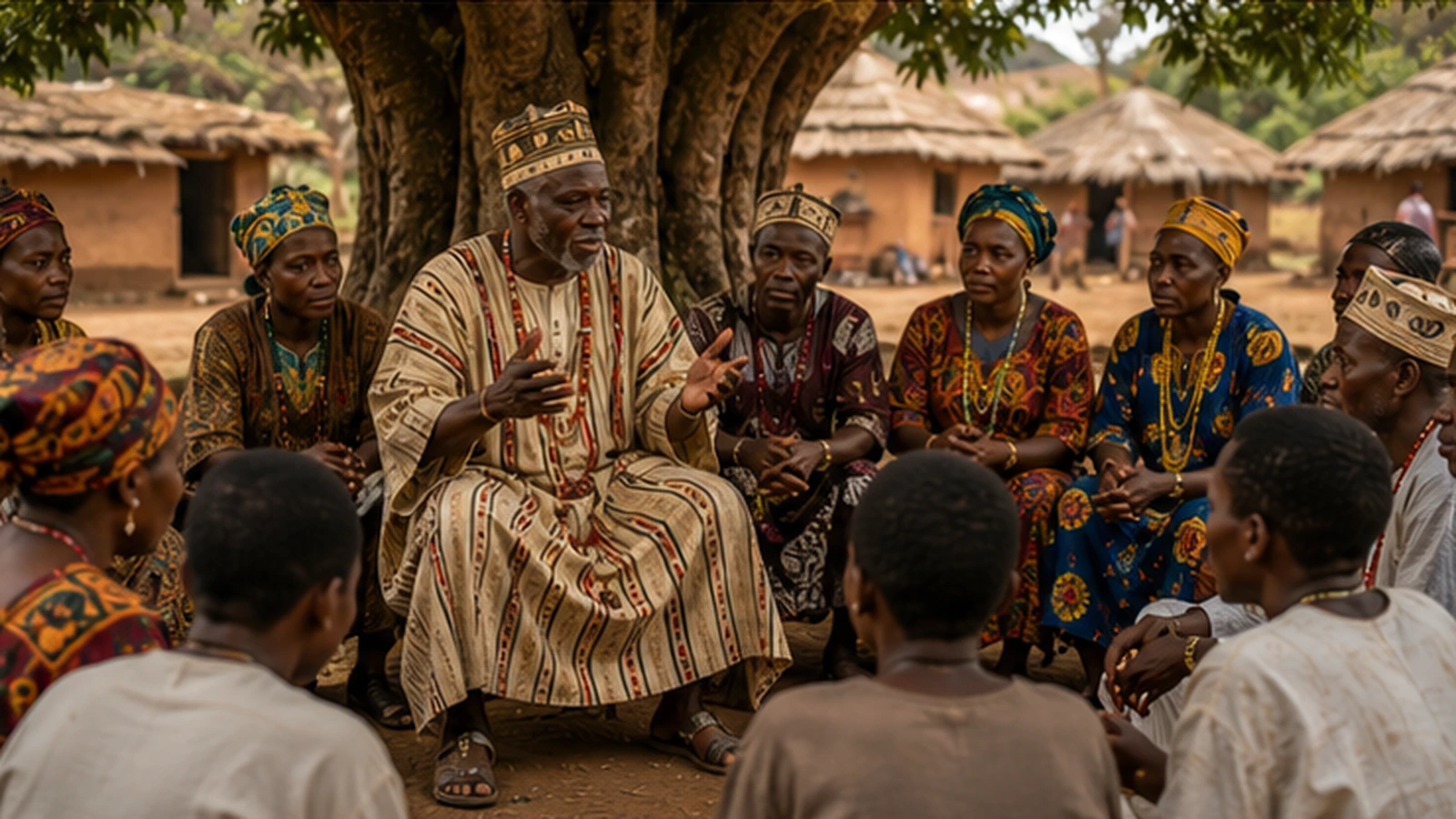
Migration can make ancestral identity especially important.
Diaspora families may honor ancestors to:
- Preserve cultural identity
- Teach children about their origins
- Maintain language
- Remember migration
- Reconnect with relatives
- Address histories of enslavement or displacement
- Build community in a new country
- Preserve food, music, and family names
Traditional materials, sacred places, or authorized leaders may no longer be available, causing practices to adapt.
These adaptations should not automatically be treated as inauthentic.
Cultural Appropriation and Ancestor Traditions
Ancestor ceremonies can be harmed when outsiders copy them without understanding their history or authority.
Problematic behavior may include:
- Copying restricted prayers
- Inventing an “ancient” ritual
- Mixing unrelated cultures
- Selling guaranteed ancestral blessings
- Photographing private ceremonies without consent
- Using sacred objects as costumes
- Claiming an ancestral identity without evidence
- Publishing confidential family names
Respectful Learning
A respectful learner should:
- Identify the specific community.
- Use reliable, community-informed sources.
- Ask permission before recording.
- Distinguish public and restricted knowledge.
- Avoid claiming guaranteed spiritual results.
- Credit knowledge keepers appropriately.
What Ancestor Reverence Should Never Be Used to Justify
Ancestral or cultural authority must never be used to justify:
- Violence
- Abuse
- Forced marriage
- Medical neglect
- Financial exploitation
- False accusations
- Discrimination
- Isolation
- Threats
- Denial of legal rights
No practitioner can ethically guarantee wealth, love, pregnancy, business success, healing, or complete protection through ancestral rituals.
Spiritual traditions do not replace qualified medical care, legal assistance, financial guidance, mental-health support, or emergency services.
Common Misconceptions
Misconception 1: Ancestor Reverence Is One Global Religion
Reality: Traditions differ in theology, purpose, authority, materials, and family structure.
Misconception 2: Honoring Ancestors Always Means Worshipping Them
Reality: Practices may involve remembrance, gratitude, grave care, genealogy, or ceremonial veneration without treating ancestors as gods.
Misconception 3: Only African and Asian Cultures Honor Ancestors
Reality: Ancestor traditions have also existed in Europe, Oceania, the Americas, and many diaspora communities.
Misconception 4: Every Deceased Person Becomes an Ancestor
Reality: Some communities establish particular conditions for ancestral recognition.
Misconception 5: All Offerings Have the Same Meaning
Reality: Food, incense, flowers, candles, water, and other items carry different meanings in different traditions.
Misconception 6: Ancestor Traditions Belong Only to the Past
Reality: They continue through family gatherings, grave visits, festivals, religious ceremonies, and digital archives.
Misconception 7: Ancestors Must Be Remembered as Perfect
Reality: Honest family history may preserve both admirable qualities and harmful actions.
Misconception 8: Ancestral Rituals Guarantee Results
Reality: Ethical traditions should not guarantee material, medical, financial, or romantic outcomes.
How to Study Ancestor Reverence Respectfully
Identify the Community
Avoid beginning with a vague phrase such as “ancient ancestor ritual.”
Determine:
- Country or region
- Community
- Language
- Religion
- Historical period
- Family or public context
Understand the Local Terminology
A local word may communicate distinctions that the English word ancestor does not capture.
Study Actions and Beliefs Together
Do not assume that an offering, grave visit, portrait, or candle has the same meaning everywhere.
Prioritize Community-Informed Sources
Use:
- Indigenous scholars
- Community museums
- Cultural institutions
- Oral historians
- Religious practitioners
- University research
- Official heritage organizations
Ask Before Recording
Permission should be obtained before publishing:
- Prayers
- Names
- Graves
- Private altars
- Restricted ceremonies
- Family conflicts
- Sacred objects
Care for Living Relatives
Honoring deceased relatives should never replace responsibility toward living parents, children, elders, or vulnerable family members.
Key Takeaways
- Ancestor reverence appears in many culturally distinct forms.
- It may be spiritual, historical, familial, political, or several of these at once.
- African ancestor traditions vary greatly and are often connected with kinship, elders, land, and moral responsibility.
- Chinese ancestor portraits historically served as focal points for family rituals.
- Korean Chuseok connects ancestral gratitude with harvest and family gathering.
- Japanese Obon includes grave visits, offerings, lanterns, and family remembrance.
- Vietnam’s Hùng Kings represent national ancestral origins and cultural unity.
- Mexico’s Indigenous festivity dedicated to the dead combines family remembrance, food, agriculture, and community ritual.
- Māori whakapapa connects ancestry with identity, land, nature, knowledge, and responsibility.
- Ancient Roman families used ancestral images to preserve status, history, and public legitimacy.
- Ancestor traditions continue through digital archives and diaspora communities.
- Respectful study requires cultural specificity, consent, and ethical boundaries.
People Also Ask
What is ancestor reverence?
Ancestor reverence is the respectful remembrance, recognition, or ceremonial acknowledgment of deceased people who remain important to a family or community.
Which cultures practice ancestor reverence?
Ancestor traditions appear in many African, Asian, Pacific, Indigenous American, European, and diaspora cultures.
Is ancestor reverence the same as ancestor worship?
Not always. Reverence may involve gratitude, remembrance, grave care, genealogy, offerings, or formal respect without treating ancestors as gods.
What is Obon?
Obon is a Japanese Buddhist-influenced observance during which families remember ancestors through grave visits, offerings, lanterns, and community traditions.
How do Korean families honor ancestors?
Some Korean families gather during Chuseok, prepare food, give thanks to ancestors, visit graves, and share meals.
Why are ancestors important in Māori culture?
Whakapapa connects Māori people with ancestors, family, land, tribal identity, the natural world, knowledge, rights, and responsibilities.
Frequently Asked Questions
1. Why do cultures honor ancestors?
Cultures may honor ancestors to preserve family identity, express gratitude, process grief, maintain history, protect ancestral land, and connect generations.
2. Do all cultures believe ancestors have spiritual power?
No. Some believe ancestors remain spiritually active, while others focus primarily on memory, family identity, or historical respect.
Frequently Asked Questions
What should readers know first about Ancestor reverence around the world?
Explore ancestor reverence around the world, from African lineage traditions and Chinese family portraits to Korean Chuseok, Japanese Obon, Vietnam’s Hùng Kin
What causes Ancestor reverence around the world?
Explore ancestor reverence around the world, from African lineage traditions and Chinese family portraits to Korean Chuseok, Japanese Obon, Vietnam’s Hùng Kings, Mexico’s Day of the Dead, and Māori whakapapa. The safest next step is to compare the signs, prepa
How does Ancestor reverence around the world work?
Explore ancestor reverence around the world, from African lineage traditions and Chinese family portraits to Korean Chuseok, Japanese Obon, Vietnam’s Hùng Kings, Mexico’s Day of the Dead, and Māori whakapapa. The safest next step is to compare the signs, prepa
Is it possible to get private guidance for Ancestor reverence around the world?
Explore ancestor reverence around the world, from African lineage traditions and Chinese family portraits to Korean Chuseok, Japanese Obon, Vietnam’s Hùng Kings, Mexico’s Day of the Dead, and Māori whakapapa. The safest next step is to compare the signs, prepa
How long does Ancestor reverence around the world take to understand?
Explore ancestor reverence around the world, from African lineage traditions and Chinese family portraits to Korean Chuseok, Japanese Obon, Vietnam’s Hùng Kings, Mexico’s Day of the Dead, and Māori whakapapa. The safest next step is to compare the signs, prepa
Can Ancestor reverence around the world affect relationships, family, work, or personal peace?
Explore ancestor reverence around the world, from African lineage traditions and Chinese family portraits to Korean Chuseok, Japanese Obon, Vietnam’s Hùng Kings, Mexico’s Day of the Dead, and Māori whakapapa. The safest next step is to compare the signs, prepa
Why do people seek spiritual guidance for Ancestor reverence around the world?
Explore ancestor reverence around the world, from African lineage traditions and Chinese family portraits to Korean Chuseok, Japanese Obon, Vietnam’s Hùng Kings, Mexico’s Day of the Dead, and Māori whakapapa. The safest next step is to compare the signs, prepa
What signs should someone notice before asking about Ancestor reverence around the world?
Explore ancestor reverence around the world, from African lineage traditions and Chinese family portraits to Korean Chuseok, Japanese Obon, Vietnam’s Hùng Kings, Mexico’s Day of the Dead, and Māori whakapapa. The safest next step is to compare the signs, prepa
When should someone contact a private spiritual guide?
Explore ancestor reverence around the world, from African lineage traditions and Chinese family portraits to Korean Chuseok, Japanese Obon, Vietnam’s Hùng Kings, Mexico’s Day of the Dead, and Māori whakapapa. The safest next step is to compare the signs, prepa
Article Information
- Publisher
- Ancestral Temple
- Editor
- Ancestral Temple
- Last updated
- Jul 26, 2026
- Last reviewed
- Jul 13, 2026
- Content version
- 3f1382182e
This educational article should be read as cultural and spiritual information, not as medical, legal, financial, or emergency advice.
Helpful Related Guidance
Explore This Topic
Ancestor Reverence In African Cultures · Libation Ceremonies In African Communities
Related Topic Cluster
Ancestor Reverence Around The World
Complete Guide How Different African Communities Remember Their AncestorsAbout the Author
 Ancestral Temple
Spiritual guide and practitioner with decades of experience in ancestral wisdom, rituals, and divine guidance.
Related Posts
View All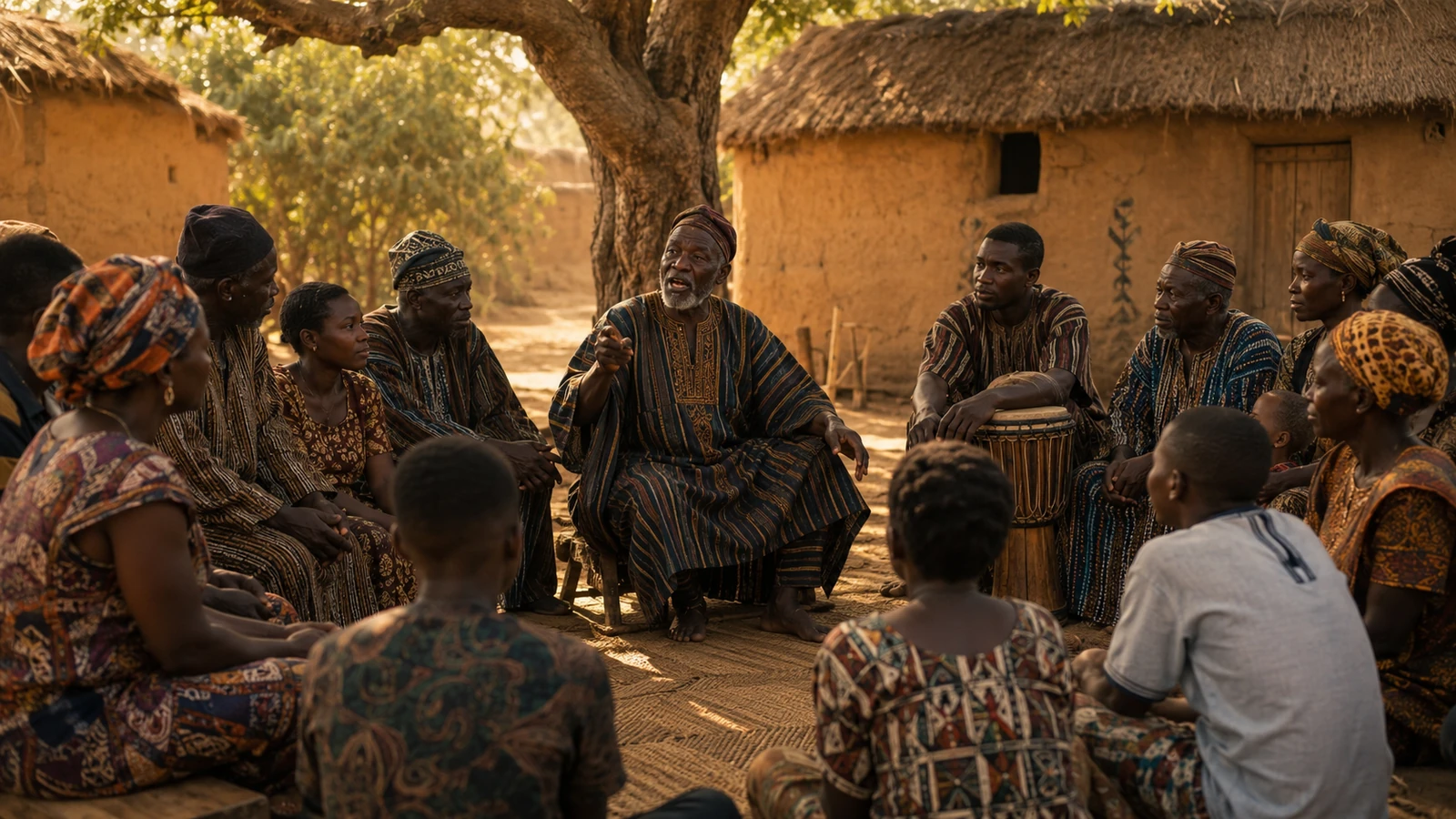

Leave a Comment
We'd love to hear your thoughts.
This article showed that ancestor reverence can be religious, cultural, historical, environmental, or several of these together.
Are there recommended academic books comparing ancestor traditions across several continents?
The diaspora section explained why ancestor traditions may become especially important after relocation.
I would like to learn more about how migration changes family ancestor ceremonies.
I liked the point that honest ancestral memory can include both achievements and mistakes.
Strong global overview. The article connected ancestry with identity, memory, land, and responsibility.
The misconceptions section answered many inaccurate claims that appear online.
The article remained neutral while still explaining why these practices matter to participants.
The digital family-history section made the topic relevant to younger generations.
The African section avoided the common mistake of presenting one lineage system as universal.
More information about Pacific Island ancestor traditions would make a useful follow-up.
The ancient Roman ancestral masks deserve a separate historical article.
The most important lesson was that the same action can have a different meaning in each culture.
The article respected spiritual beliefs without presenting every traditional claim as scientifically proven.
The section about women, children, and family teaching could be expanded in a future article.
I appreciated that the article distinguished household ancestors from national or legendary ancestors.
Could you write next about food offerings in ancestor traditions around the world?
The short paragraphs and headings worked well on mobile.
The global organization made the long article easy to follow.
This would be a useful introduction for students of religion, history, anthropology, and cultural studies.
Thank you for including strong warnings against spiritual exploitation and guaranteed results.
It was interesting to see how ancestors may be connected with political legitimacy as well as religion.
The article encouraged me to begin recording family stories before more information is lost.
A future article about family altars in different cultures would be interesting.
The glossary is useful because many of these terms are often mixed together online.
I liked the reminder that honoring ancestors should include responsibility toward living relatives.
The section about grief and continuing bonds was compassionate.
The comparison table made it easier to see how similar actions can have different meanings.
This was respectful and educational without treating ancestor traditions as strange or frightening.
The ancient Roman example challenged the idea that ancestor traditions existed only outside Europe.
I would like a complete article about the meaning of Māori whakapapa.
This article made it clear why ancestral land may be more than property.
Māori whakapapa was one of the most interesting sections because it connects genealogy with nature and land.
The cultural-appropriation warnings are important when people copy ceremonies from social media.
The discussion of Christianity and Islam was balanced and did not assume that every family follows the same customs.
I liked that Día de los Muertos was explained as more than decorative skulls.
The Hùng Kings example showed how ancestors can represent a nation rather than only one family.
A detailed comparison between Obon and Chuseok would make an interesting article.
The explanation of Japanese Obon was clear without treating every regional custom as identical.
I appreciated the warning that not every deceased person automatically becomes an ancestor.
The Korean Chuseok section showed how harvest gratitude and family memory can work together.
I did not know Chinese ancestor portraits were sometimes displayed only during particular family ceremonies.
The section about African ancestor traditions correctly emphasized cultural diversity.
The distinction between remembrance, reverence, veneration, and worship was very helpful.
I liked how the article compared traditions without claiming that they all have the same beliefs.