
Traditional Ways Communities Sought Guidance: Elders, Divination, Dr
Cornerstone Content
Quick Summary
Before modern counseling, forecasting, and digital search, communities used many systems to face uncertainty. This guide explores elders, oral precedent, divination, dreams, oracles, sacred places, and environmental observation while respecting cultural boundaries.
Traditional Ways Communities Sought Guidance: Elders, Divination, Dreams, and Signs
What This Topic Means
Every community must make decisions under uncertainty. Families ask whether to move, marry, plant, trade, travel, begin conflict, end conflict, accept a leader, or respond to illness and misfortune. Long before modern forecasting, professional counseling, and online search, people developed organized ways to seek direction.
These ways were not all supernatural, and they were not all attempts to predict a fixed future. Some relied on elders who remembered precedent. Some used proverbs, genealogy, and public debate. Some consulted a diviner, oracle, dream interpreter, healer, priest, or spirit medium. Others read stars, waves, weather, animal movement, and seasonal change.
The phrase “traditional ways communities sought guidance” is therefore an umbrella expression. It covers distinct systems that belong to particular peoples, languages, historical periods, and religious worlds. Similar outward actions do not make the traditions interchangeable.
What Did “Seeking Guidance” Mean?
Guidance could mean asking what action was wise, what obligation had been neglected, why conflict continued, whether a journey should proceed, or how a community should restore balance. In some settings, the central question was not “What will happen?” but “What should we do now?”
A consultation might produce a direct recommendation, a proverb, a narrative, a symbolic pattern, a warning, a period of waiting, or a requirement to seek wider agreement. The answer could remain deliberately open because interpretation and responsibility still belonged to the people making the decision.
This is one reason “fortune-telling” is often an inadequate label. It can reduce complex institutions to entertainment and obscure their educational, legal, moral, political, or spiritual roles.
Why Communities Built Systems of Guidance
Uncertainty creates anxiety, but it also creates a social problem: whose judgment should be trusted? Traditional guidance systems helped communities identify recognized sources of authority and establish procedures for consultation.
Such systems could perform several functions at once: preserve historical memory, slow down impulsive decisions, bring hidden disagreements into discussion, connect choices with religious or ancestral obligations, and create a shared explanation for action.
No system eliminated uncertainty. Its value often lay in creating an orderly way to face uncertainty together.
Elders, Councils, and Collective Deliberation
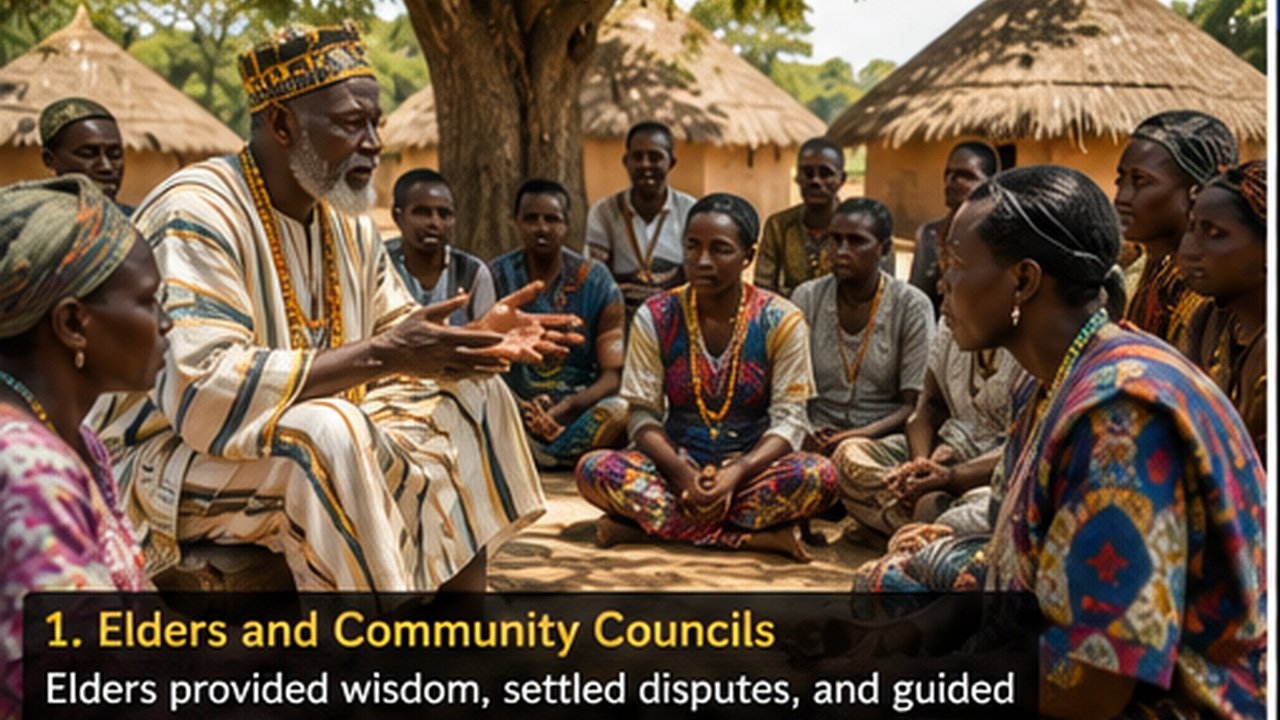
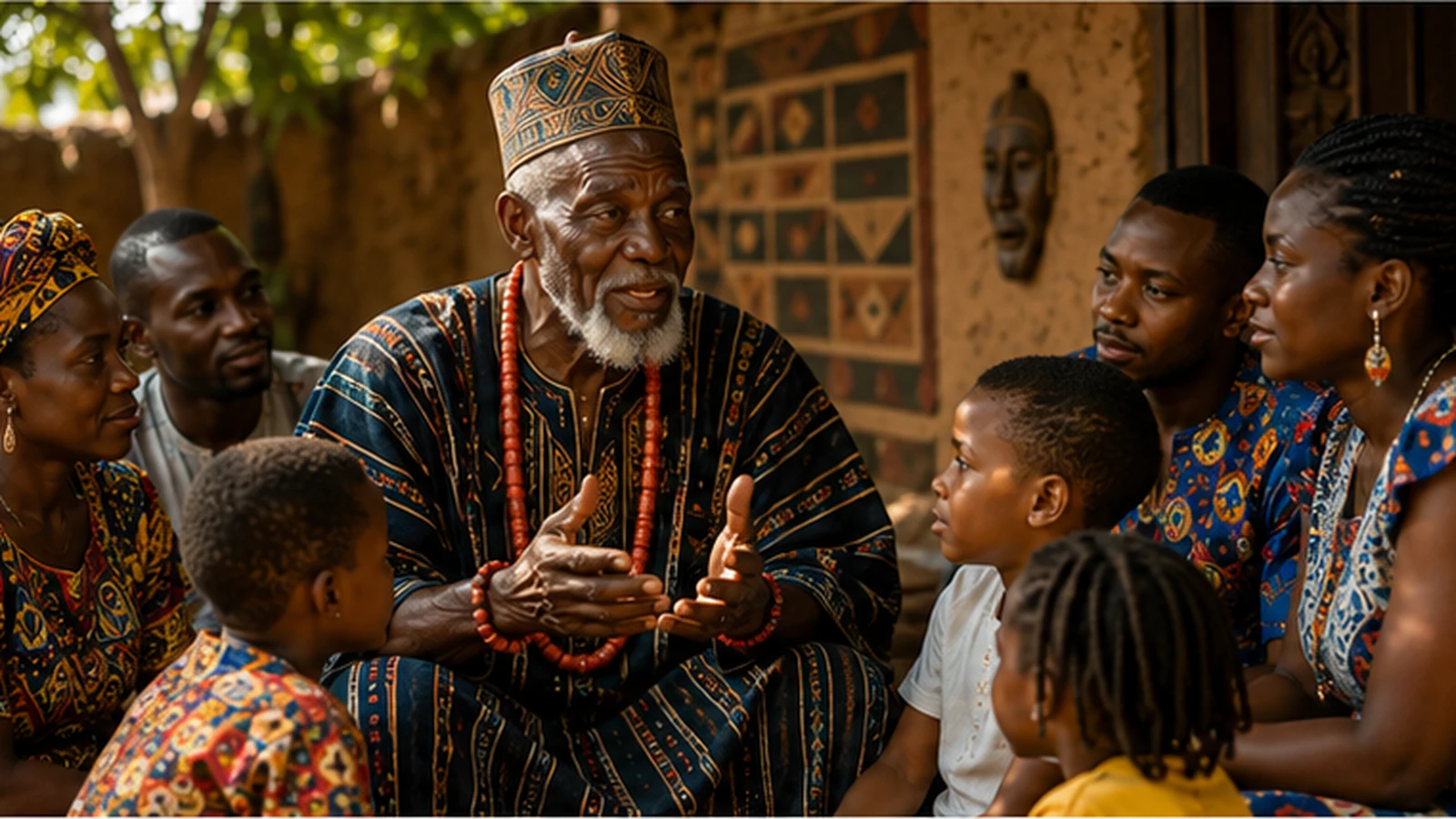
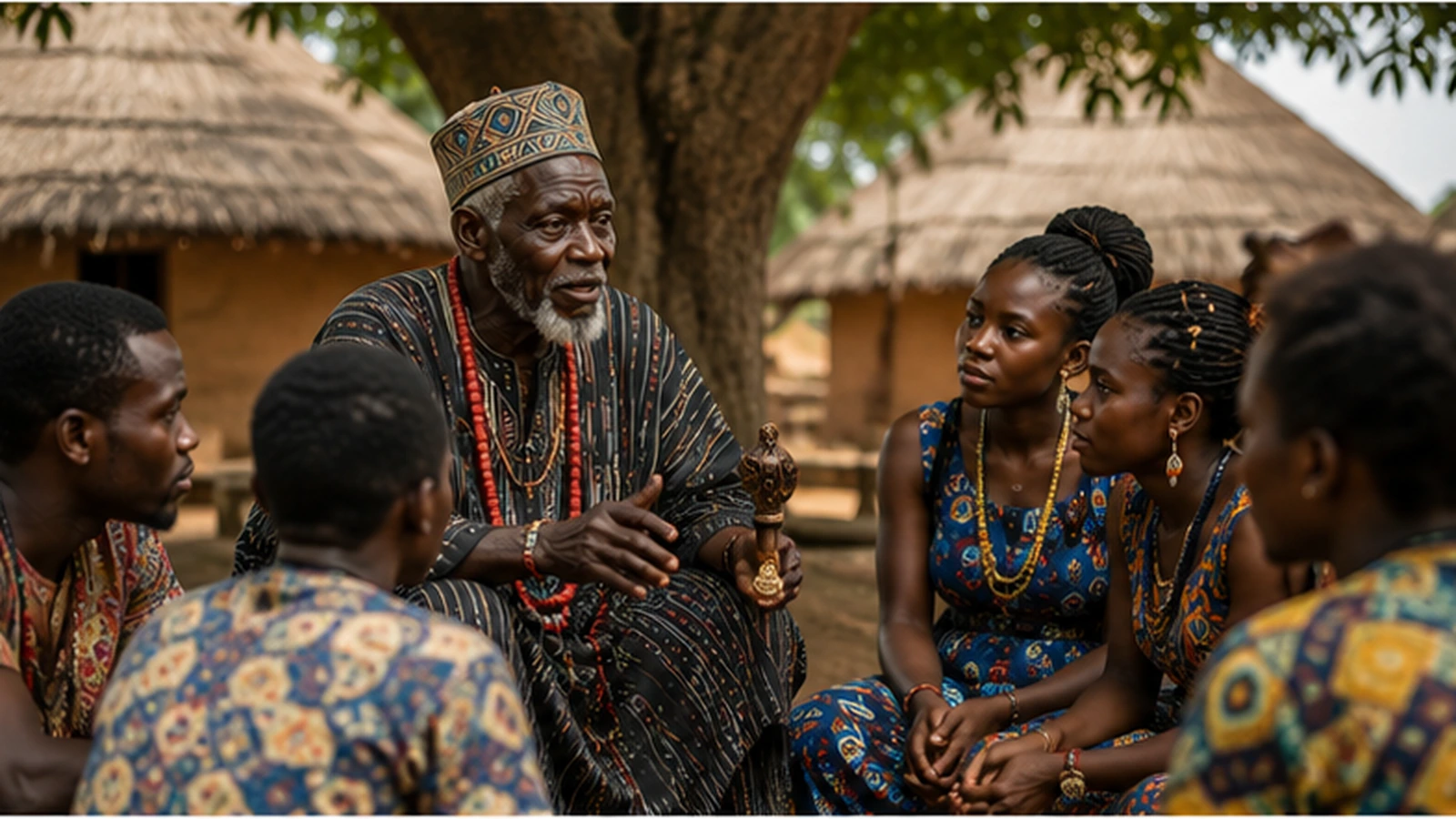
One of the most widespread methods of seeking guidance was consultation with people recognized for experience, memory, service, age, lineage responsibility, or moral standing. Elders could remember earlier disputes, migrations, marriages, droughts, agreements, and consequences that younger members had not witnessed.
The Oromo Gada system in Ethiopia illustrates guidance embedded in governance rather than separated into private advice. UNESCO describes Gada as an indigenous democratic socio-political system developed from knowledge accumulated through community experience over generations. It regulates political, economic, social, and religious life and includes institutions for conflict resolution and collective responsibility. [1]
An elder council was not automatically unanimous or infallible. Its authority could depend on procedure: who was allowed to speak, how competing claims were heard, whether lineage representatives were present, and how a decision was communicated. The process itself could be part of the guidance.
Oral Tradition, Proverbs, and Historical Precedent
Communities also sought direction by remembering what had happened before. Proverbs compressed social experience into memorable language. Genealogies identified obligations and relationships. Praise poetry, origin narratives, legal sayings, and family histories provided precedents for interpreting a new situation.
A proverb rarely functions like a mechanical rule. Its meaning depends on timing, audience, and the skill of the speaker. Two proverbs may even point in different directions, requiring listeners to debate which one fits the circumstances.
Oral guidance therefore combined memory with judgment. The purpose was not to repeat the past exactly, but to use inherited knowledge to think responsibly about the present.
Ifa Divination in Yoruba Communities
Ifa is among the best-documented African systems of guidance. UNESCO describes it as a divination system practiced among Yoruba communities and in parts of the African diaspora. It uses a complex system of signs connected with an extensive literary corpus, interpreted by trained diviners to guide individuals and communities. [2]
Within Yoruba religious understanding, Ifa is associated with Orunmila, a figure of wisdom and intellectual development. A consultation is not merely the production of a sign. The sign points into a body of verses, narratives, ethical reflections, and remembered cases that must be interpreted in relation to the question and the person seeking guidance.
This structure shows why Ifa should not be reduced to random object casting. Its meaning depends on language, apprenticeship, memorized knowledge, ritual authority, and community recognition. Closed procedures should remain with qualified practitioners and the communities that safeguard them.
Diviners, Healers, and Spirit Mediums
Across many societies, specialized practitioners helped interpret uncertainty. Depending on the community, a practitioner might be understood as a diviner, healer, priest, medium, seer, ritual expert, or custodian of ancestral knowledge. These categories should not be treated as interchangeable.
Some specialists interpreted patterned objects, bodily states, dreams, possession experiences, family histories, or signs in the environment. Others acted as counselors who asked questions, identified neglected relationships, and recommended communal steps.
Outsiders often focus only on dramatic moments. Yet the practitioner’s authority may rest on years of training, ethical obligations, lineage, language skill, knowledge of medicine or ritual, and accountability to a community.
Dreams as Sources of Guidance
Dreams have been treated as meaningful in many cultures, but no universal dream dictionary exists. A river, snake, ancestor, journey, or house may carry different meanings in different traditions and even for different people within one community.
Ancient Egypt provides documentary evidence of organized dream interpretation. The British Museum’s Chester Beatty Papyrus III, dating to around 1220 BCE, contains a manual for interpreting dreams. The manuscript classified certain dream experiences as favorable or unfavorable within an Egyptian cultural framework. [3]
Dream guidance often required interpretation by someone who knew the dreamer’s circumstances, religious language, and social relationships. The dream was not necessarily taken as a literal command. It could be a warning, question, symbolic reflection, or reason to seek further consultation.
Oracle Bones in Shang China
In late Shang-dynasty China, questions of royal and state concern were inscribed on animal bones or turtle plastrons. Heat was applied, and the resulting cracks were interpreted within a formal divinatory process. British Museum collections include oracle bones dated approximately 1200–1050 BCE. [4]
The inscriptions preserve questions about matters such as warfare, harvests, weather, childbirth, ritual, and royal decisions. These objects are also important because the inscriptions form some of the earliest substantial evidence for Chinese writing.
Oracle-bone practice was tied to Shang royal institutions and ancestral religion. It should not be presented as a generic method anyone can reproduce by heating bones.
The Yijing and Reflection on Change
The Chinese Yijing, often called the Book of Changes, developed through a long history of divination, commentary, philosophy, and ethical reflection. Hexagrams and their texts were used to think about changing circumstances and possible action.
The Stanford Encyclopedia of Philosophy emphasizes that the Yijing tradition cannot be neatly divided into “irrational divination” on one side and “rational philosophy” on the other. Consultation could create a disciplined moment to review the past, examine the present, and plan a next step. [5]
This example illustrates a broader principle: a guidance system may not simply deliver an answer. It may structure attention, expose assumptions, and require the inquirer to confront uncertainty and responsibility.
Omens and Specialist Knowledge in Mesopotamia
Ancient Mesopotamian courts maintained highly trained specialists who interpreted signs believed to communicate divine intentions. The Metropolitan Museum of Art describes baru-diviners who read omens through practices including the examination of sacrificial animal organs and the observation of celestial or terrestrial phenomena. [6]
These specialists were not casual guessers. They worked with accumulated records, technical categories, and long traditions of scholarly training. Omens could affect military, political, and royal decisions.
Modern readers may reject the assumptions behind omen interpretation, but historically the practice functioned as an organized knowledge system within Mesopotamian religion and government.
The Oracle of Delphi
In ancient Greece, people and city-states traveled to Delphi to consult the oracle of Apollo. UNESCO identifies Delphi as a pan-Hellenic sanctuary whose oracle became a major religious and political institution. Pilgrims came to receive an oracle from the Pythia, the priestess of Apollo. [7]
Consultation did not mean receiving a modern-style prediction report. Questions, ritual preparation, priestly institutions, and interpretation shaped the response. Oracular language could require judgment and could later be debated or reinterpreted.
Delphi demonstrates how guidance could become a public institution with influence far beyond one household. Religious authority, diplomacy, political calculation, pilgrimage, and sacred landscape were closely connected.
Lots, Marked Objects, and Structured Chance
Many societies used lots, marked pieces, sticks, shells, stones, dice-like objects, or other procedures that produced a pattern not directly chosen by the questioner. Scholars sometimes use the term cleromancy for guidance through lots.
The use of chance did not necessarily mean that the result was considered meaningless. A community might understand the pattern as revealing divine will, removing personal manipulation, or creating a neutral starting point for interpretation.
The objects alone did not create authority. Meaning came from the accepted procedure, the question asked, the interpreter, and the community’s beliefs about how the result should guide action.
Sacred Places, Pilgrimage, and Withdrawal
Guidance was sometimes sought by going somewhere: a shrine, river, mountain, grove, tomb, cave, temple, or ancestral place. Travel separated the seeker from ordinary routines and placed the question within a sacred landscape.
A period of fasting, silence, prayer, retreat, or waiting could slow the decision and create space for reflection. The answer might emerge through a ritual specialist, dream, sign, scripture, remembered teaching, or renewed sense of obligation.
Sacred places are not interchangeable “energy sites.” Their meaning belongs to communities, histories, and custodians. Access may be restricted, and photography or removal of objects may be prohibited.
Prayer, Scripture, and Religious Counsel
Within many religious traditions, people sought guidance through prayer, meditation, fasting, sacred texts, sermons, confession, or consultation with clergy and teachers. These practices could be personal, but they were usually interpreted within a larger community of doctrine and moral teaching.
Scripture might be read for principle rather than as a random answer generator. A religious counselor could help the seeker connect a personal problem with obligations concerning justice, mercy, family, repentance, patience, or communal peace.
The presence of spiritual language did not remove the need for practical knowledge. Communities often combined prayer with discussion, observation, negotiation, and skilled advice.
Guidance From Stars, Waves, Seasons, and Landscapes
Not all traditional guidance concerned divination. Communities also developed precise observational knowledge for travel, farming, fishing, hunting, and weather response.
Marshallese navigators learned to interpret ocean swells, wave interactions, winds, and island patterns. Smithsonian research explains that stick charts made from plant strips and shells helped represent this specialized knowledge; some were teaching models, while others supported piloting instruction. [8]
This kind of wayfinding demonstrates that “reading signs” can be empirical, embodied, and highly technical. A trained navigator does not merely look at the sea; the navigator feels motion, remembers routes, recognizes patterns, and interprets multiple indicators together.
What These Traditions Share—and What They Do Not
Many systems share a concern with uncertainty, responsibility, and the limits of individual knowledge. They may slow decisions, involve recognized specialists, connect a question with inherited wisdom, or place personal desire within a larger moral order.
Those similarities do not prove that all methods come from one source or work in the same way. Ifa is not the Yijing. An Oromo council is not the Delphic oracle. A Marshallese navigation chart is not a divination board. An Egyptian dream manual is not a universal guide to dreams.
Comparison is most useful when it reveals both recurring human needs and culturally specific answers.
Why People Trusted Guidance Systems
People trusted guidance systems for different reasons: ancestral authority, long use, successful memory, religious commitment, public procedure, specialist training, social pressure, or the experience of receiving an answer that clarified a difficult choice.
Trust could also be contested. Communities debated practitioners, rejected interpretations, consulted more than one source, or treated some answers as warnings rather than commands.
Historical study should neither mock all traditional systems nor claim that every interpretation was accurate. The important question is how a system created meaning, authority, and action within its social world.
Colonialism, Conversion, and the Loss of Guidance Traditions
Colonial governments, missionary campaigns, forced schooling, urbanization, and legal restrictions disrupted many systems of community authority and spiritual consultation. Some practices were criminalized or described as superstition, while sacred objects and records entered museums through unequal collecting systems.
At the same time, traditions did not simply disappear. Communities preserved knowledge through families, language, apprenticeship, religious institutions, cultural organizations, and adaptation in cities and diasporas.
Safeguarding should support the right of communities to define, teach, restrict, reinterpret, or discontinue their own practices.
How to Approach Traditional Guidance Respectfully
Use the community’s own name for a practice whenever possible. Identify the language, location, historical period, and religious framework instead of writing about a vague universal “ancient wisdom.”
Do not reproduce closed procedures, sacred verses, initiation knowledge, or restricted objects as online instructions. Public information about a tradition does not mean every part of it is available for personal use.
Avoid promising that divination, dreams, or ancestral consultation will guarantee wealth, healing, pregnancy, reconciliation, legal success, or protection. Spiritual guidance should not replace qualified medical, legal, financial, or safety advice.
Respectful education can explain how a community understands a practice while remaining honest about historical evidence, uncertainty, and the limits of outside interpretation.
Key Takeaways
Traditional communities sought guidance by combining memory, relationship, ritual, observation, and reflection. Elders recalled precedent. Councils tested decisions publicly. Diviners interpreted symbolic systems. Dream specialists placed night visions within cultural frameworks. Priests read omens. Navigators read seas and stars.
The most important lesson is not that every tradition possessed a secret method for predicting the future. It is that communities created disciplined ways to ask questions when no answer was obvious.
To study these traditions responsibly is to recognize both their human purpose and their cultural ownership: they helped people face uncertainty, but they did so through systems shaped by particular histories, obligations, and communities.
Frequently Asked Questions
What should readers know first about african spirituality and cultural history?
African spirituality and cultural history: Read clear guidance, key signs, practical steps, and private support from Ancestral Temple.
What causes traditional-ways-communities-sought-guidance?
The safest next step is to compare the signs, prepare clear details, and request private guidance when the matter feels personal.
How does traditional-ways-communities-sought-guidance work?
The safest next step is to compare the signs, prepare clear details, and request private guidance when the matter feels personal.
Is it possible to get private guidance for traditional-ways-communities-sought-guidance?
The safest next step is to compare the signs, prepare clear details, and request private guidance when the matter feels personal.
How long does traditional-ways-communities-sought-guidance take to understand?
The safest next step is to compare the signs, prepare clear details, and request private guidance when the matter feels personal.
Can traditional-ways-communities-sought-guidance affect relationships, family, work, or personal peace?
The safest next step is to compare the signs, prepare clear details, and request private guidance when the matter feels personal.
Why do people seek spiritual guidance for traditional-ways-communities-sought-guidance?
The safest next step is to compare the signs, prepare clear details, and request private guidance when the matter feels personal.
What signs should someone notice before asking about traditional-ways-communities-sought-guidance?
The safest next step is to compare the signs, prepare clear details, and request private guidance when the matter feels personal.
When should someone contact a private spiritual guide?
The safest next step is to compare the signs, prepare clear details, and request private guidance when the matter feels personal.
What causes african spirituality and cultural history?
African spirituality and cultural history: Read clear guidance, key signs, practical steps, and private support from Ancestral Temple. The safest next step is to compare the signs, prepare clear details, and request private guidance when the matter feels perso
Article Information
- Publisher
- Ancestral Temple
- Editor
- Ancestral Temple
- Last updated
- Jul 26, 2026
- Last reviewed
- Jul 13, 2026
- Content version
- 1990c5e861
This educational article should be read as cultural and spiritual information, not as medical, legal, financial, or emergency advice.
Helpful Related Guidance
Explore This Topic
Dreams & Symbolism · African Spiritual Traditions
Related Topic Cluster
African Spirituality And Cultural History
Complete Guide Why Homes Have Been Blessed Throughout HistoryAbout the Author
 Ancestral Temple
Spiritual guide and practitioner with decades of experience in ancestral wisdom, rituals, and divine guidance.
Related Posts
View All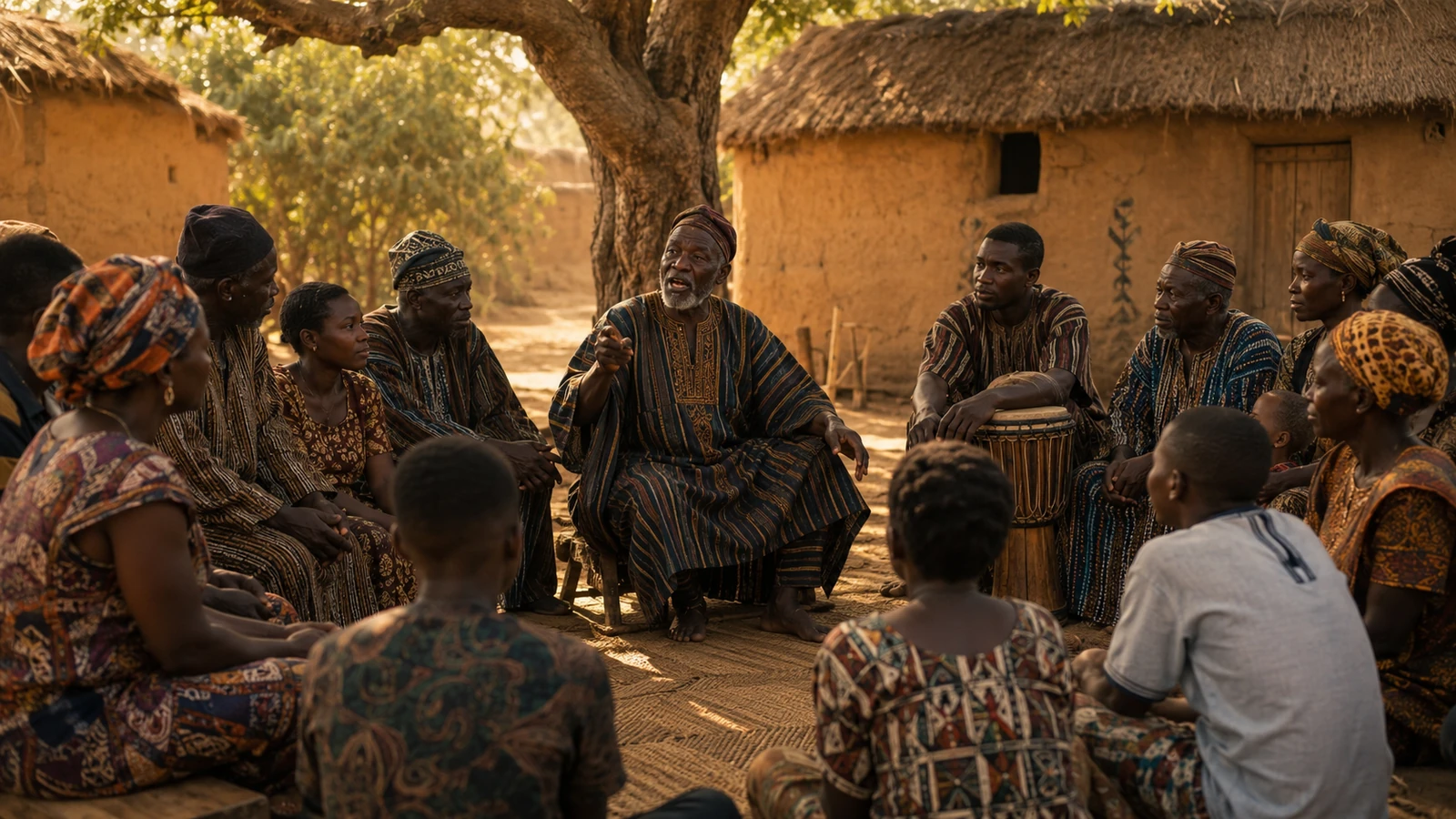


Leave a Comment
We'd love to hear your thoughts.
The final message respects both the human need for guidance and the cultural ownership of traditions.
I appreciate that the article avoids instructions for closed or restricted rites.
The section on lots explains how structured chance could reduce personal manipulation.
The SEO metadata, FAQ schema, glossary, and publishing checklist are very practical.
The comparison section clearly states that similarity does not prove one origin.
The discussion of living heritage respects communities as present-day authorities.
The image plan will make the final blog much easier to build.
The article is detailed but organized into sections that are easy to navigate.
The Delphi section explains its political importance without exaggerating certainty.
I liked the distinction between scripture as moral guidance and random answer generation.
The cultural-sensitivity guidance should be standard in spiritual education articles.
The article shows that guidance could come through discussion, ritual, or environmental knowledge.
The Egyptian dream section is careful not to claim universal meanings.
The section on colonial disruption gives necessary historical context.
The FAQ answers are clear and suitable for search results.
The article recognizes that traditional institutions could be questioned and debated.
I appreciate the warning not to use spiritual guidance instead of medical or legal advice.
The explanation of why communities trusted guidance systems was balanced.
The article repeatedly names the specific culture instead of using vague labels.
This would work well for students studying religion, history, or anthropology.
The article gives a global comparison while maintaining a strong African foundation.
The conclusion about disciplined ways of asking questions is memorable.
The wayfinding section is one of the strongest because it separates observation from divination.
The internal links create a useful knowledge hub for future articles.
The sacred-place section emphasizes community ownership and visitor responsibility.
The article treats prayer and religious counsel carefully without mixing all religions together.
The Mesopotamian section shows that omen interpretation involved scholarship and records.
I liked the explanation of the Yijing as a framework for reflection on change.
The oracle-bone section is concise and easy to understand.
The dream manuscript from ancient Egypt adds a strong historical example.
The section on trained specialists corrects the idea that anyone could perform these practices.
The article does not mock traditional beliefs or make unsupported promises.
The glossary is useful for readers unfamiliar with terms such as cleromancy and oracle.
The comparison between Ifa and the Yijing keeps their differences clear.
I appreciate that the article recognizes debate and disagreement within traditional systems.
The section on community memory and precedent was thoughtful.
This is a strong introduction for readers who confuse divination with random guessing.
The warning against one universal dream dictionary is especially important.
The article balances spiritual traditions with practical observation very well.
I liked the point that many consultations asked what action was responsible, not only what would happen.
The Ifa section is respectful and does not turn a living knowledge system into entertainment.
The Gada example shows how guidance can be built into governance and conflict resolution.
The section on oral tradition explains why proverbs need context instead of literal interpretation.
I appreciated the distinction between elders, diviners, priests, and navigators.
The article makes it clear that guidance was often a community process rather than a private prediction.