
Justice Rituals After Being Wronged: Spiritual Traditions for Protection and Peace
Pillar Article
Quick Summary
Being wronged can produce anger, fear, humiliation and a strong desire to see consequences. The harm may involve betrayal, theft, abuse, false accusation, unpaid money, workplace m...
Being wronged can produce anger, fear, humiliation and a strong desire to see consequences. The harm may involve betrayal, theft, abuse, false accusation, unpaid money, workplace mistreatment, family conflict or violence. In such moments, people may turn to prayer, elders, sacred places, restorative ceremonies or spiritual practitioners.
The phrase justice ritual is broad and modern. It can describe a prayer for protection, a formal act of apology and restitution, an elder-guided reconciliation process or a personal ceremony for releasing revenge. It does not name one universal tradition.
A responsible justice practice must distinguish justice from retaliation. Justice seeks truth, protection, accountability and repair. Revenge seeks suffering in return and can create more victims, legal consequences and spiritual exploitation.
Quick Answer
A justice ritual after being wronged is a culturally specific or personal practice used to seek truth, protection, accountability, restitution, peace or guidance. Examples include Acoli Mato Oput, Diné peacemaking, Jewish teshuvah and restitution, Christian prayer joining justice with forgiveness and Buddhist loving-kindness practices.
Spiritual practice can support courage and self-control, but it cannot guarantee punishment or replace emergency safety, evidence, medical care, reporting or qualified legal advice. Where there is violence, stalking, coercive control or fear of retaliation, protection should come before mediation or reconciliation.
What Is a Justice Ritual?
A justice ritual is a structured spiritual, cultural or personal act used to respond to wrongdoing. Depending on the tradition, it may involve prayer, confession, restitution, public acknowledgement, elder-guided dialogue, symbolic repair or a commitment to non-recurrence.
The word ritual does not mean that the process is magical. A formal sequence can help people:
A ritual becomes unethical when it claims to control another person, promises guaranteed punishment, demands escalating payments or encourages stalking, threats, poisoning, assault or public humiliation.
Justice, Revenge, Protection and Peace
| Concept | Main aim | Typical actions | Important limit |
|---|---|---|---|
| Justice | Truth, rights and accountability | Reporting, hearings, restitution, proportionate consequences | Must follow fair and lawful processes |
| Protection | Preventing further harm | Safety planning, secure communication, medical support, protective orders | A ritual alone cannot provide physical security |
| Restitution | Repairing a specific loss | Returning money, property, reputation or services | May not repair every emotional or physical harm |
| Reparation | Broader response to serious harm | Compensation, rehabilitation, acknowledgement and guarantees of non-recurrence | Often requires institutional or legal action |
| Forgiveness | Changing one's relationship to resentment or revenge | Prayer, reflection, counselling or personal decision | Does not require restored trust or cancelled accountability |
| Reconciliation | Restoring peaceful relations | Voluntary dialogue, mediation and agreements | Unsafe or inappropriate in some cases |
| Revenge | Causing suffering in return | Threats, humiliation, violence or coercion | Creates further harm and may be illegal |
| Peace | Safety and right relationship | Justice, boundaries, healing and non-recurrence | Is not silence at any cost |
The United Nations defines restorative justice around redressing harm, holding responsible people accountable and involving affected communities. Modern UNODC guidance emphasizes voluntary participation by those most affected. Restorative justice should complement, not automatically replace, formal justice.
First Priorities After Being Wronged
Before considering ritual, ask what the situation requires in practical terms.
Immediate danger
Move to a safer place and seek emergency help through local services. Do not arrange a private confrontation with someone who has threatened or assaulted you.
Medical needs
Obtain medical care after physical or sexual violence, poisoning or serious stress symptoms. WHO guidance emphasizes immediate physical, emotional, safety and ongoing support needs after violence.
Evidence
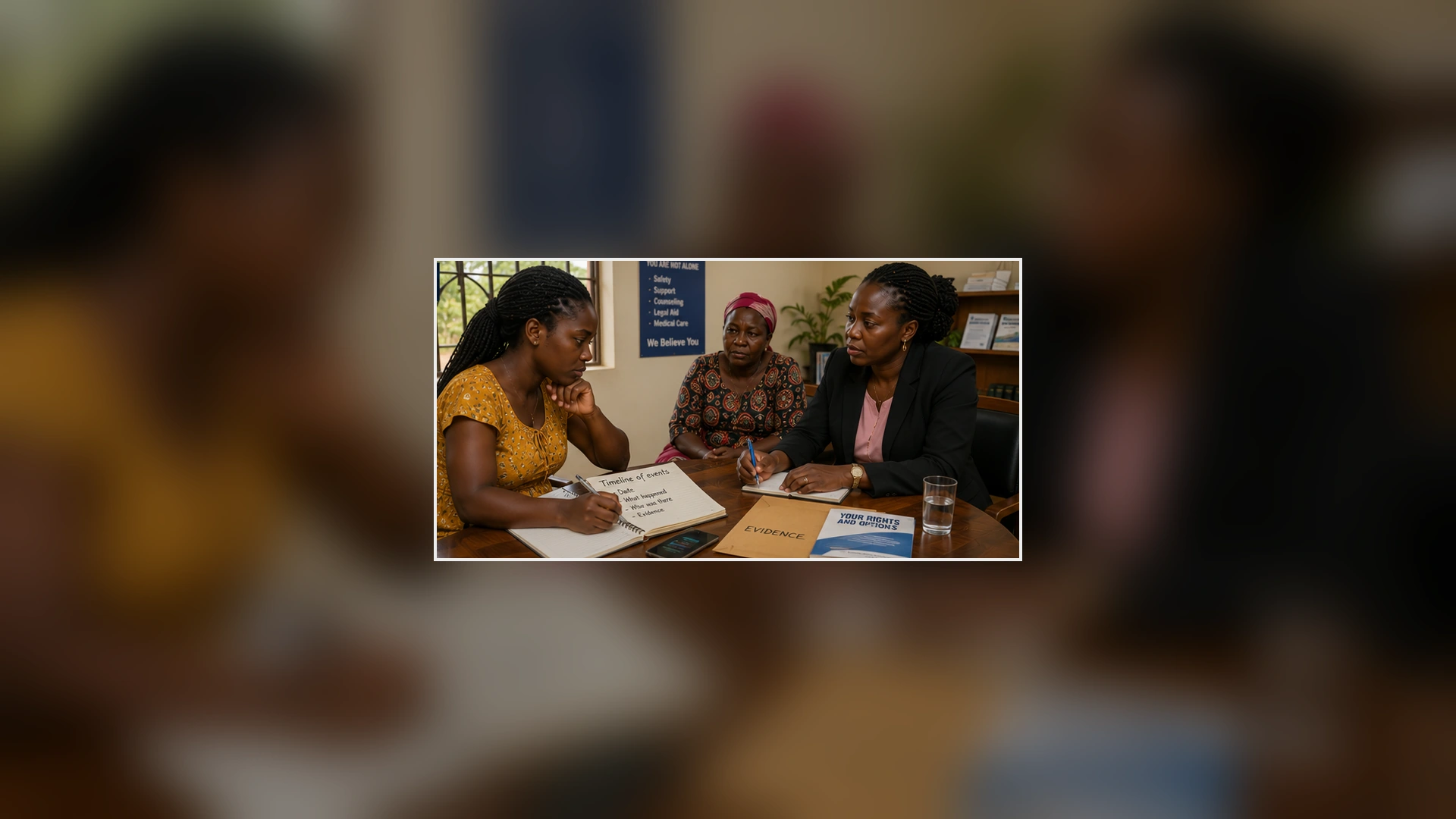
Preserve messages, photographs, receipts, witness details, medical records and a dated timeline. Do not alter or fabricate evidence.
Legal and institutional remedies
Contact qualified legal aid, police, workplace procedures, regulators, courts or community services appropriate to the harm. Laws and deadlines vary by jurisdiction.
Emotional and spiritual support
Prayer, counselling, trusted relatives and religious leaders may help the person remain steady. They should not pressure a victim to remain silent, forgive immediately or abandon formal protection.
Restorative Justice: Repair Without Erasing Accountability
Restorative justice focuses on the harm, the needs of the person harmed, accountability and community participation. It may include a facilitated conference, an apology, restitution, a repair agreement or reintegration after responsibility has been accepted.
Its core principles include:
Restorative processes are not suitable for every situation. Serious power imbalance, coercive control, intimidation or danger can make direct dialogue unsafe.
Acoli Mato Oput and Grave Harm
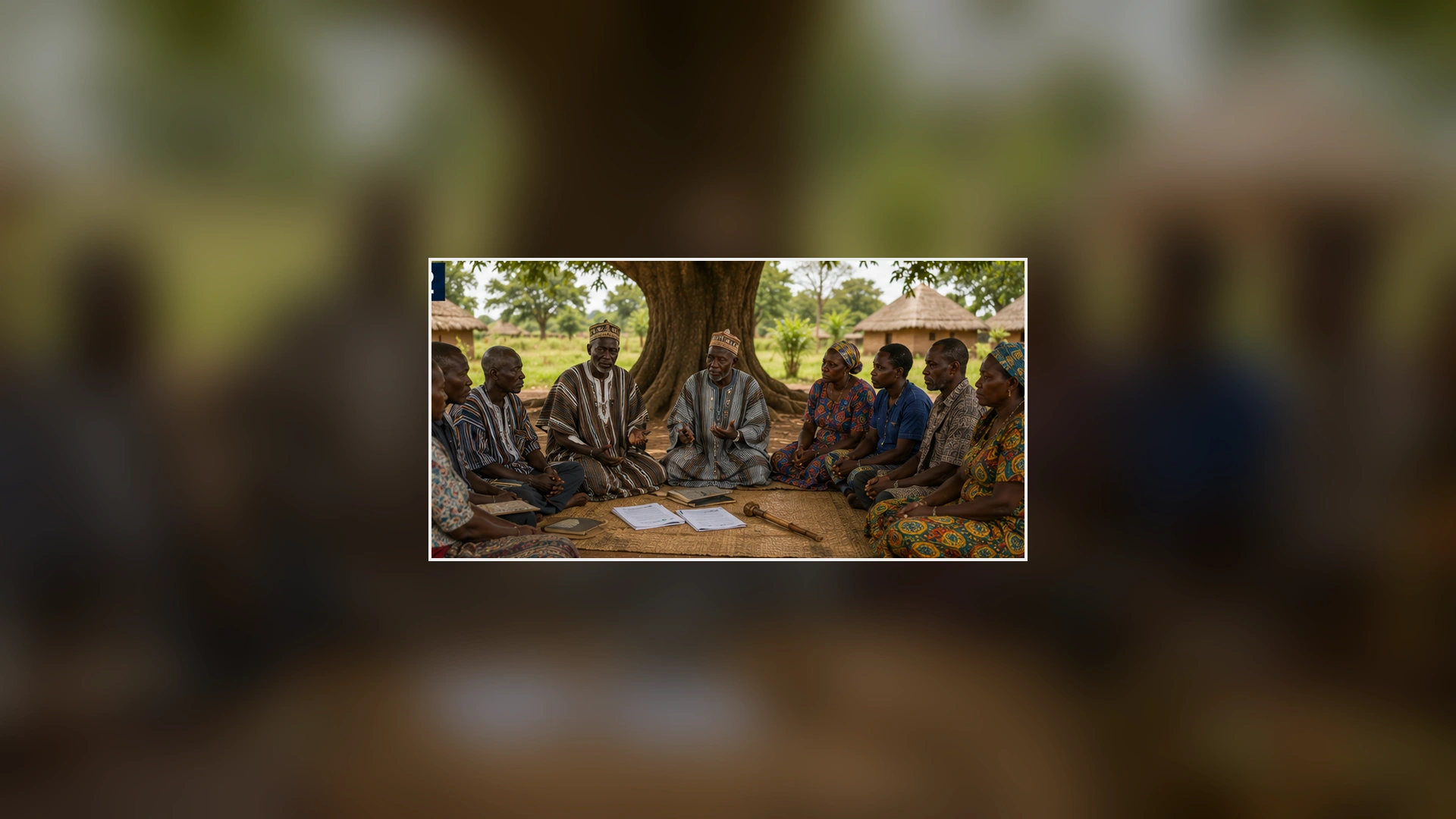
Mato Oput is a documented Acoli process from northern Uganda associated with grave harm and the restoration of peaceful coexistence. Gulu University researchers describe it as the second-last step in a much longer process. The responsible person and victim must be known, and responsibility for the grave act must be established before Mato Oput becomes relevant.
The process may involve elders, acknowledgement, compensation and relations between affected families or clans. The authors caution that Mato Oput is not automatically appropriate for mass killings or crimes against humanity.
This matters because the final symbolic ceremony is often presented online as if it were a stand-alone ritual. In reality, the deeper work occurs through truth, responsibility and restoration before the final act.
Diné Hózhóji Naat'aah: Peacemaking and Harmony
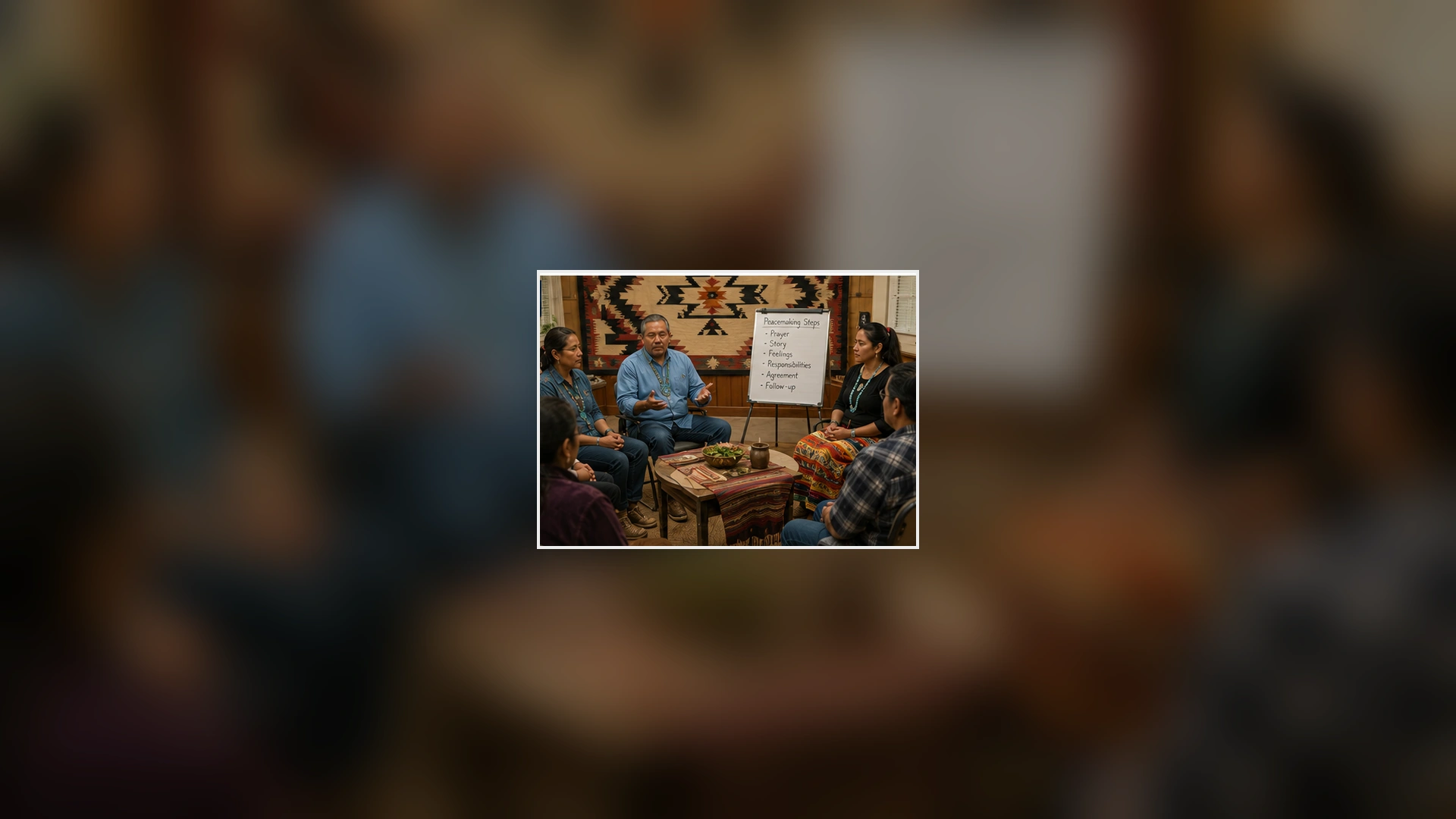
The Navajo Nation Judicial Branch describes hózhóji naat'aah as Diné traditional peacemaking. Its purpose is not simply to negotiate a compromise. A peacemaker acts as a leader, teacher and healer who uses stories, teachings and dialogue to help participants move from disorder toward hózhó, often translated as harmony or balanced relationship.
The process is consensual. Participants agree to address the problem, feelings and responsibilities. The official programme explains that peacemaking may include opening and closing prayer, discussion, life-value teachings, decisions about reparative gestures and shared food after agreement.
Diné peacemaking should not be copied as a generic circle method. Its language, teachings, clanship and authority belong to the Navajo Nation. The broader lesson is that justice may include emotional truth, cultural education and mutual positive action, not only punishment.
Jewish Teshuvah, Confession and Restitution
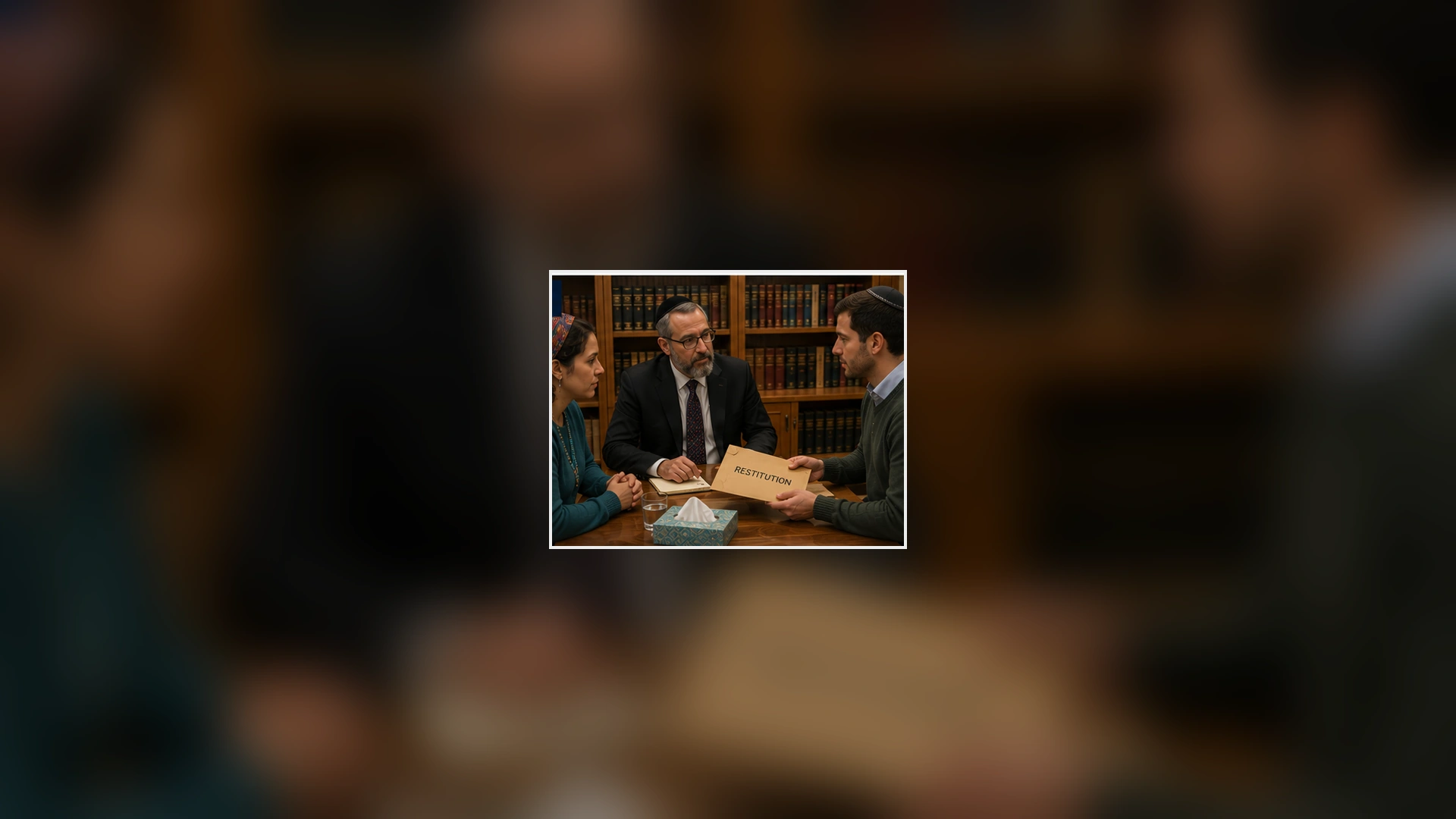
Jewish teachings on interpersonal wrongdoing emphasize more than private remorse. Numbers 5 describes confession and repayment after wronging another person. Maimonides teaches that interpersonal offences are not repaired until the person gives back what is owed, appeases the injured person and asks forgiveness.
This framework connects justice with concrete repair:
Traditional texts also discuss repeated requests for forgiveness, but modern safety requires boundaries. Repeated approaches must not become harassment or override a person's request for no contact.
Christian Justice, Forgiveness and Peace
Christian sources often place justice and forgiveness together. Saint John Paul II taught that forgiveness is the opposite of revenge, not the opposite of justice, and that peace requires both justice and forgiveness.
This distinction prevents two opposite errors:
A Christian prayer after being wronged may ask for protection, truthful investigation, fair judgement, courage, repentance by the wrongdoer and freedom from hatred. It should not claim that prayer replaces courts, medical care or safeguarding.
Forgiveness is personal. It does not require dropping a complaint, returning to an unsafe relationship or trusting someone who has not changed. Churches and religious leaders should never pressure victims to remain exposed to violence.
Buddhist Loving-Kindness, Protection and Anger
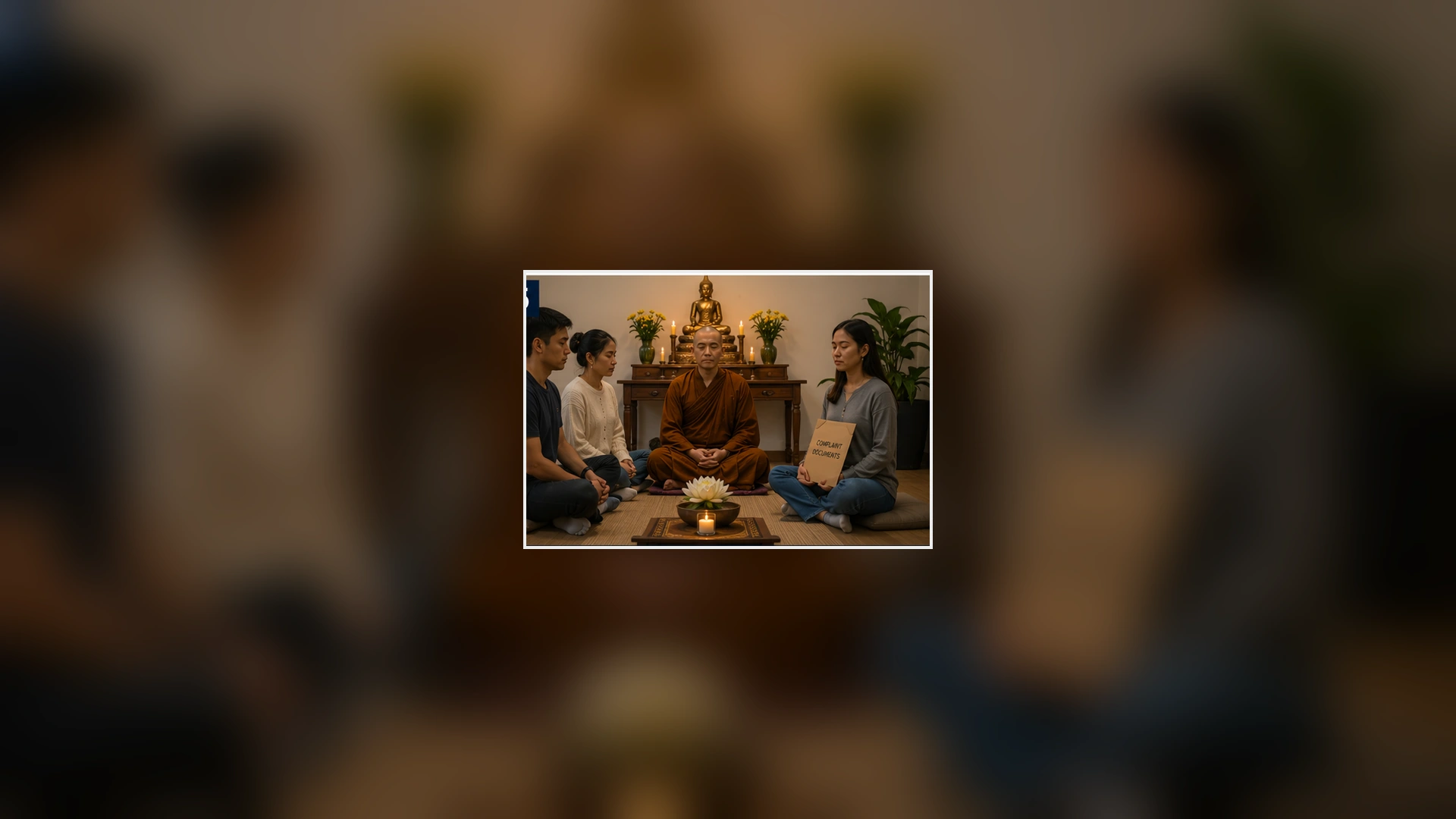
The Karaṇīya Mettā Sutta teaches goodwill and warns against wishing harm through anger or irritation. Buddhist protection chants and loving-kindness practices are used in some traditions to cultivate steadiness, non-hatred and a sense of protection.
This does not mean accepting injustice passively. Loving-kindness can help prevent anger from turning into harmful speech or action while a person pursues lawful protection and accountability.
A responsible modern application may include:
Protection Rituals and Practical Safety
Spiritual protection may include prayer, scripture, blessings, meditation, sacred objects or community support. These practices may provide emotional grounding and a sense of connection. They do not create a physical barrier against violence, fraud or retaliation.
A complete protection plan may include:
WHO and UN Women guidance emphasizes survivor-centred services, including health care, counselling, police response, legal aid and safe accommodation.
Rights to Remedy and Reparation
International human-rights principles recognize that victims of serious violations may have rights to an effective remedy and reparation. Reparation can include:
Spiritual peace should not be used to deny these rights. A prayer ceremony cannot substitute for compensation, medical rehabilitation or institutional reform when those are required.
When Restorative Justice or Mediation Is Unsafe
Do not assume that every conflict should be resolved face-to-face. Mediation may be unsafe where there is:
UNODC guidance emphasizes voluntary participation. Survivor-centred practice prioritizes safety, dignity and freedom from retraumatization. Formal investigation and protective measures may be necessary before or instead of restorative dialogue.
Justice Does Not Require Forgiveness
A person may pursue justice while remaining angry, grieving or unable to forgive. Forgiveness is not a legal requirement and should not become a spiritual test imposed on the injured person.
Someone may:
Peace can mean that the harm has stopped, rights are protected and the person can rebuild a life. It does not require pretending that nothing happened.
A Modern Non-Denominational Justice and Peace Practice
The following is a personal reflective structure, not an inherited ritual from any named culture.
This practice helps organize intention and action. It does not guarantee a court result or supernatural punishment.
A Prayer for Justice Without Revenge
May truth be revealed and harm be stopped. May I receive protection, wise counsel and fair remedy. May those responsible face just accountability and make repair. Guard me from fear, hatred and actions that create more suffering. Lead me toward safety, dignity and lasting peace.
This prayer is intentionally non-denominational. People should use prayers authorized by their own faith communities when they want a tradition-specific practice.
Common Mistakes After Being Wronged
Spiritual Justice Scam Warning Signs
Be cautious when someone:
An ethical spiritual practitioner should state fees clearly, avoid guarantees and support lawful safety and accountability.
Common Misunderstandings
“Justice means making the wrongdoer suffer as much as I suffered”
Justice may involve punishment, but its purpose is protection, accountability, rights and proportionate response, not unlimited retaliation.
“Forgiveness means dropping the case”
No. Forgiveness and legal action are different decisions.
“Restorative justice is always more peaceful than court”
No. It can be unsafe or manipulative without genuine consent and protection.
“A protection prayer makes safety planning unnecessary”
No. Prayer may support courage, but practical protection remains necessary.
“Traditional justice is one African system”
False. Acoli Mato Oput and other African processes belong to specific communities and circumstances.
“Anger makes me spiritually weak”
Anger can be a normal response to violated rights. The task is to use it without allowing it to produce further harm.
Key Takeaways
People Also Ask
What is a justice ritual?
A justice ritual is a culturally specific or personal practice used to seek truth, protection, accountability, restitution, peace or guidance after wrongdoing.
What is the difference between justice and revenge?
Justice seeks truth, safety, rights and proportionate repair. Revenge seeks to cause suffering in return and may create further harm.
Can prayer help after being wronged?
Prayer may provide courage, clarity and emotional support. It does not replace evidence, medical care, reporting or legal remedies.
What is restorative justice?
Restorative justice addresses harm by involving affected people, encouraging accountability and seeking repair. Participation should be voluntary and safe.
What is Mato Oput?
Mato Oput is an Acoli reconciliation process associated with grave harm, compensation and restoration of peaceful coexistence.
What is Diné peacemaking?
Hózhóji naat'aah is a Diné process guided by a peacemaker who uses teachings, dialogue and consensual decisions to move participants toward harmony.
Does forgiveness mean giving up justice?
No. A person may forgive and still report wrongdoing, request restitution, maintain boundaries or support lawful consequences.
Can a ritual punish someone who harmed me?
No ethical or reliable ritual can guarantee punishment or control another person. Guaranteed revenge claims are warning signs of exploitation.
Frequently Asked Questions
Should I meet the person who wronged me?
Only when contact is safe, voluntary and useful. Seek qualified advice where there is violence, intimidation or legal risk.
Can an elder or religious leader mediate?
Yes, when all parties accept the person, confidentiality is protected and the mediator understands safety and power imbalances.
Is reporting wrongdoing revenge?
No. Reporting through appropriate channels can be part of protection and accountability.
Can I forgive without reconciling?
Yes. Forgiveness does not require contact, reunion or restored trust.
What does restitution mean?
Restitution is concrete repair, such as returning property, repaying money or correcting a false statement.
When should I seek professional help?
Seek medical, psychological, legal or safeguarding support when the harm affects safety, health, finances, employment, children or legal rights.
Can spiritual protection stop retaliation?
It may offer emotional support, but practical security, reporting and professional protection measures remain necessary.
What if the wrongdoer refuses responsibility?
Use formal remedies and protective boundaries. Reconciliation cannot be forced when responsibility is denied.
Conclusion
Justice rituals reveal that the desire for peace does not require silence about wrongdoing. Across Acoli, Diné, Jewish, Christian and Buddhist traditions, meaningful responses to harm involve truth, responsibility, repair, protection and restraint from retaliation.
These traditions are not interchangeable. Their leaders, words and ceremonies belong to specific communities. Their shared lesson is that peace is strongest when it grows from justice rather than fear.
Spiritual practice can help a person remain grounded, refuse revenge and seek a dignified future. It cannot replace practical safety, evidence, professional care or lawful accountability.
Final Summary
After being wronged, the first responsibilities are safety, truth and informed action. Justice may involve reporting, restitution, legal remedies, community accountability and spiritual support.
A ritual should never promise guaranteed punishment or encourage harm. The responsible goal is protection and right repair: stopping the wrongdoing, acknowledging the person harmed, holding the responsible party accountable and building peace without creating another injustice.
Article Information
- Publisher
- Ancestral Temple
- Editor
- Ancestral Temple
- Last updated
- Jul 30, 2026
- Last reviewed
- Jul 30, 2026
- Content version
- 61457c9389
This educational article should be read as cultural and spiritual information, not as medical, legal, financial, or emergency advice.
Helpful Related Guidance
About the Author
 Ancestral Temple
Spiritual guide and practitioner with decades of experience in ancestral wisdom, rituals, and divine guidance.
Related Posts
View All









Comments
We'd love to hear your thoughts.