
Community Renewal Traditions
Cornerstone Content
Quick Summary
Community renewal traditions help people repair relationships, care for shared spaces, celebrate seasonal change, preserve cultural memory, and recommit to collective responsibilities. This guide examines documented examples from Rwanda and Ethiopia while explaining how renewal traditions differ across communities.
Communities do not renew themselves through ceremonies alone.
Renewal may happen when neighbors repair a road, families resolve disagreements before a new year, farmers share a harvest, elders teach younger people, residents clean a public space, or displaced communities preserve songs and stories that restore a sense of belonging.
The phrase community renewal traditions is a broad educational description rather than the official name of one universal practice.
Some traditions focus on collective labor. Others are seasonal festivals associated with reconciliation, gratitude, family visits, environmental care, or the beginning of a new year. Religious communities may also understand renewal through prayer, repentance, forgiveness, memorial observance, or recommitment to shared ethical responsibilities.
These practices vary significantly.
Rwanda’s Umuganda community work should not be presented as identical to the Sidama Fichee-Chambalaalla festival in Ethiopia. Wolaita Gifaataa has its own calendar, history, foods, relationships, and forms of participation. Umuganura in Rwanda concerns harvest, gratitude, achievement, and collective reflection rather than simply cleaning a neighborhood.
Understanding community renewal therefore requires attention to the specific people, history, location, authority, and purpose involved.
Key Points
Community renewal traditions are recurring practices through which people restore shared spaces, strengthen relationships, express gratitude, resolve disputes, preserve identity, or prepare for a new social or seasonal period.
They may involve:
- Communal work
- Cleaning public or family spaces
- Repairing roads, homes, or community facilities
- Sharing food
- Harvest celebrations
- Family visits
- Reconciliation
- Public dialogue
- Teaching younger generations
- Remembering community history
- Environmental restoration
- Welcoming a new year or season
- Renewing commitments to mutual support
Community renewal is not necessarily a spiritual ritual.
A practice may be civic, cultural, religious, agricultural, environmental, or a combination of several functions.
No tradition should be copied without understanding its cultural context, and no ceremony can substitute for legal accountability, professional mediation, public services, medical care, or practical rebuilding.
What Are Community Renewal Traditions?
Community renewal traditions are established or recurring activities that help a group restore cooperation, identity, shared environments, or social relationships.
The community involved may be:
- A village
- A neighborhood
- A clan
- An extended family
- A religious congregation
- A professional association
- A cultural community
- A town or municipality
- A displaced or diasporic community
- A nation participating in a public tradition
Renewal can be physical, social, cultural, environmental, or moral.
A physical form of renewal might involve repairing paths or cleaning water channels. Social renewal may include resolving disagreements or visiting relatives. Cultural renewal may involve teaching songs, restoring a meeting place, or bringing younger people into a public festival.
UNESCO describes social practices, rituals, and festive events as activities that structure the lives of communities and are shared by their members. Such practices can reaffirm identity, mark seasonal changes, and strengthen social relationships.
Plain-Language Meaning
A community renewal tradition is something people do together to improve, reconnect, or begin again.
The shared message may be:
- Let us repair what has been neglected.
- Let us resolve disagreements before moving forward.
- Let us care for the place we share.
- Let us remember what holds this community together.
- Let us thank those who contributed to the harvest.
- Let us teach younger people their responsibilities.
- Let us plan for the next season.
- Let us support families who need assistance.
Renewal becomes meaningful when it is connected with real participation and responsibility.
Why Communities Create Renewal Traditions
To restore shared spaces
Roads, water sources, schools, gathering places, gardens, drainage systems, and neighborhood paths require regular care.
When residents contribute labor together, the activity can produce visible results while also creating opportunities for conversation and shared planning.
Communal work does not eliminate the responsibility of governments to provide infrastructure and public services. It can, however, complement properly funded services when participation is fair, safe, and locally directed.
To repair social relationships
Unresolved disagreements can affect families, neighborhoods, and community organizations.
Some seasonal traditions encourage people to settle disputes, apologize, visit relatives, or resume relationships before entering a new year.
Reconciliation must remain voluntary and accountable. A person should not be forced to forgive abuse, return to an unsafe relationship, or abandon legal protection merely because a festival emphasizes unity.
To recognize collective contribution
Harvests, public facilities, family achievements, and cultural events usually depend on many people.
A renewal tradition may recognize farmers, artisans, elders, young people, teachers, caregivers, organizers, or residents whose work supported the community.
This shifts attention away from individual success alone and acknowledges cooperation.
To transmit knowledge
Older or experienced participants may teach:
- Farming knowledge
- Environmental practices
- Community history
- Songs and dances
- Food preparation
- Conflict-management customs
- Leadership expectations
- Craft skills
- Appropriate greetings
- Family responsibilities
Young people are not merely passive recipients. They may organize events, document heritage, introduce safer technology, and adapt traditions to new circumstances.
To mark time
Communities often organize renewal around:
- A new year
- The beginning or end of a rainy season
- Harvest
- Planting
- Religious calendars
- Historical anniversaries
- Leadership transitions
- Annual family gatherings
A recurring date creates a shared rhythm and reminds people that repair and recommitment should not happen only during a crisis.
Main Forms of Community Renewal
Communal Work
Communal work brings people together to complete tasks that benefit several households or the wider public.
Projects may include:
- Cleaning public areas
- Repairing paths
- Clearing drainage
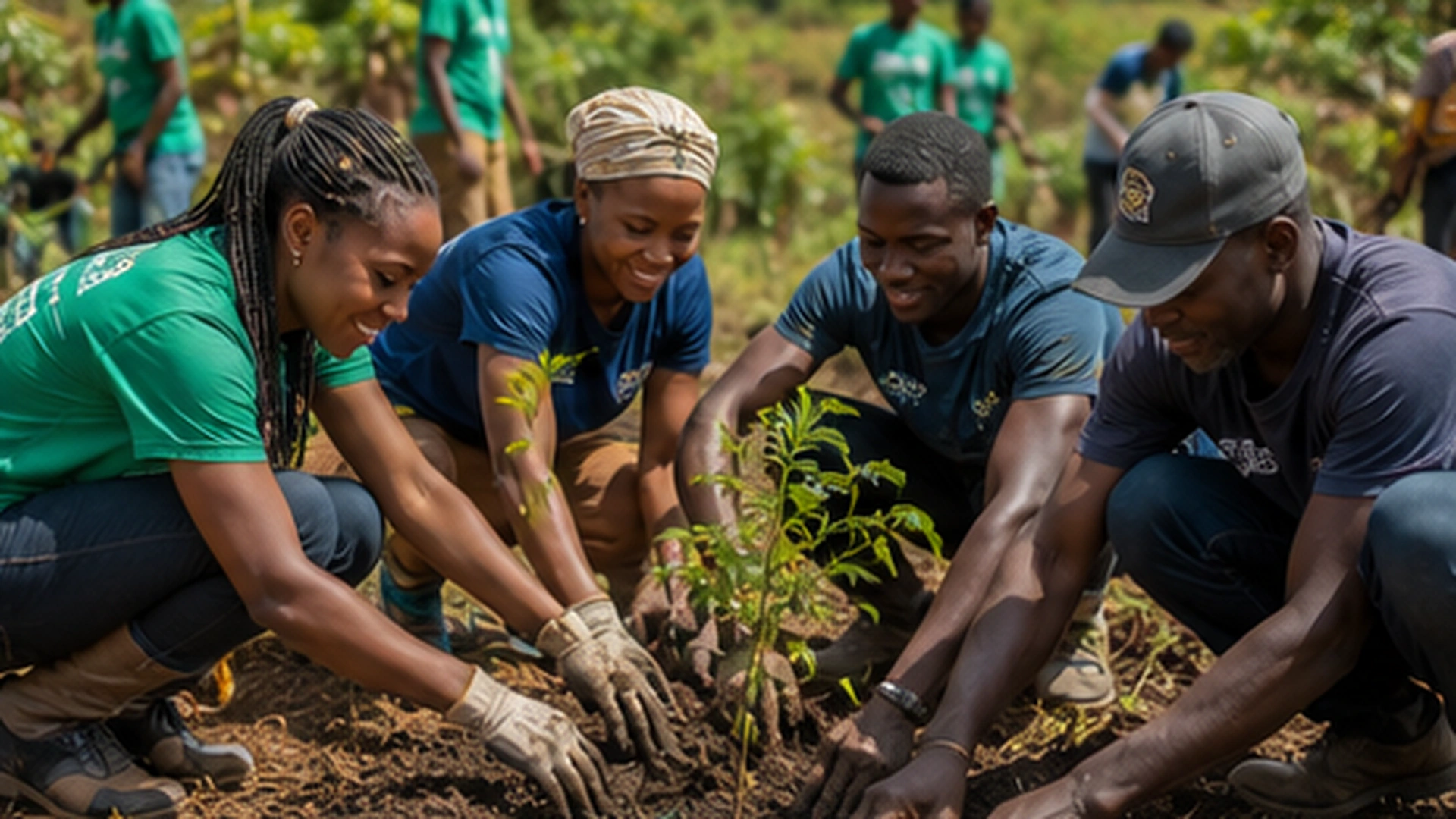
- Planting trees
- Maintaining community buildings
- Assisting a vulnerable household
- Restoring a meeting place
- Protecting a water source
The cultural meaning of shared work differs between communities.
It may be understood as mutual assistance, citizenship, family duty, neighborhood cooperation, national development, or inherited social responsibility.
Seasonal and New Year Renewal
New Year festivals frequently encourage communities to leave certain disputes or forms of neglect behind.
Preparations may include:
- Cleaning homes
- Repairing household items
- Preparing food
- Visiting relatives
- Settling disagreements
- Wearing appropriate ceremonial clothing
- Teaching children
- Gathering for music and dance
- Receiving advice from elders
These elements should not be turned into a universal “African New Year ritual.” Each festival has its own calendar, history, and authority.
Harvest Renewal
Harvest celebrations may combine gratitude with planning.
Communities may share food, review achievements, recognize agricultural labor, discuss future priorities, or support families with limited resources.
A harvest festival should not be romanticized as evidence that all participants have equal access to land or food. Historical and contemporary inequalities may still affect who controls production and who benefits.
Reconciliation and Dialogue
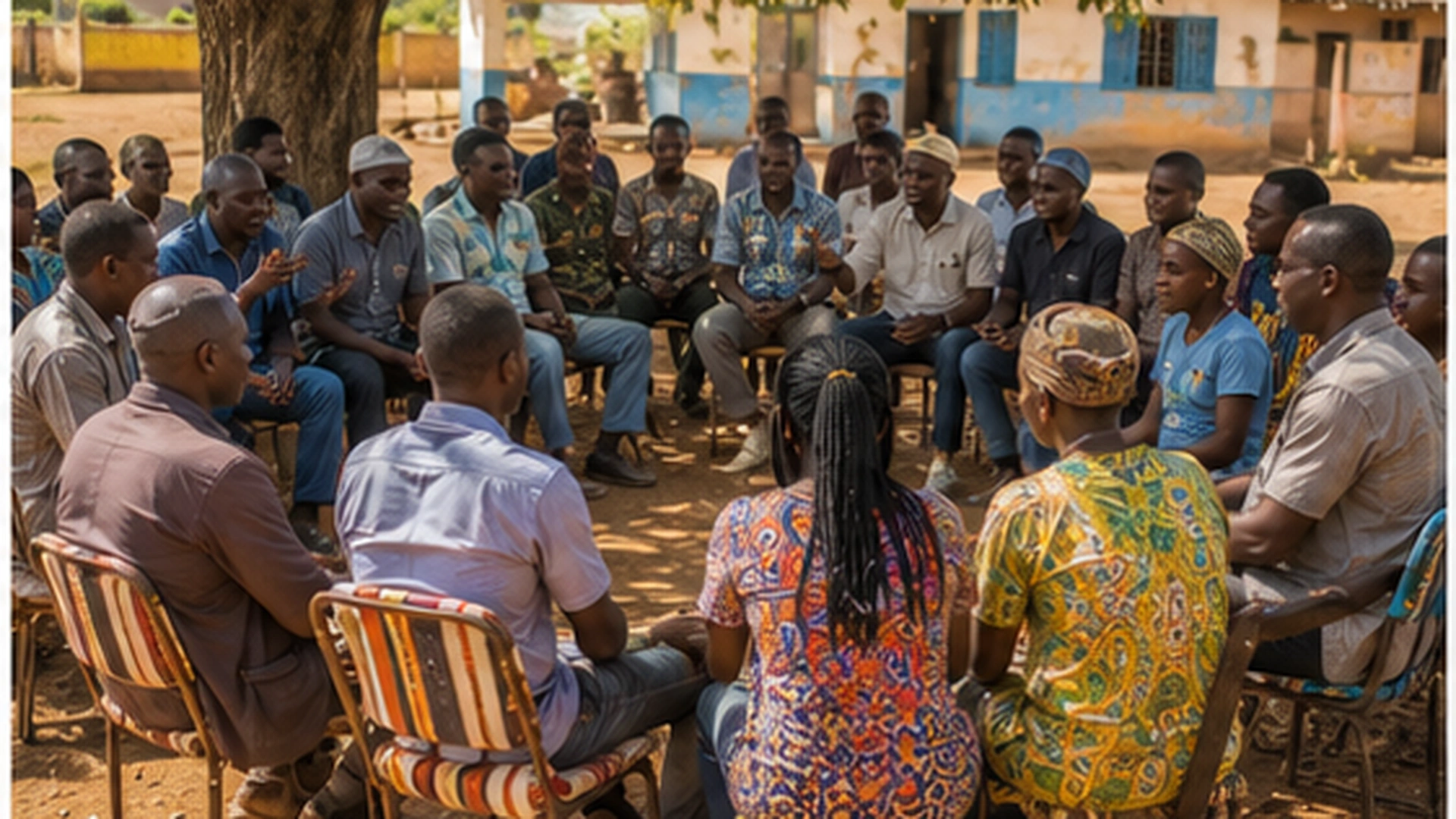
Some renewal traditions include structured opportunities to discuss community concerns.
Dialogue may happen:
- After communal work
- During family meetings
- Before a seasonal festival
- Through elders or mediators
- At public assemblies
- Within religious institutions
- Through youth and women’s groups
Customary dialogue can complement formal systems, but it must respect human rights and applicable law.
Serious violence, child abuse, sexual assault, or other crimes should not be hidden through informal settlement.
Cultural and Heritage Renewal
Communities may renew themselves by restoring access to language, music, dance, oral history, public sites, and cultural knowledge.
UNESCO describes living heritage as traditional and contemporary at the same time. Communities inherit practices and continually recreate them in response to changing environments and history.
This means cultural renewal is not simply an attempt to return to an imagined unchanged past.
Community Renewal Traditions in Specific African Contexts
The following examples illustrate different forms of renewal. They should not be combined into a single generic ceremony.
Umuganda Community Work in Rwanda
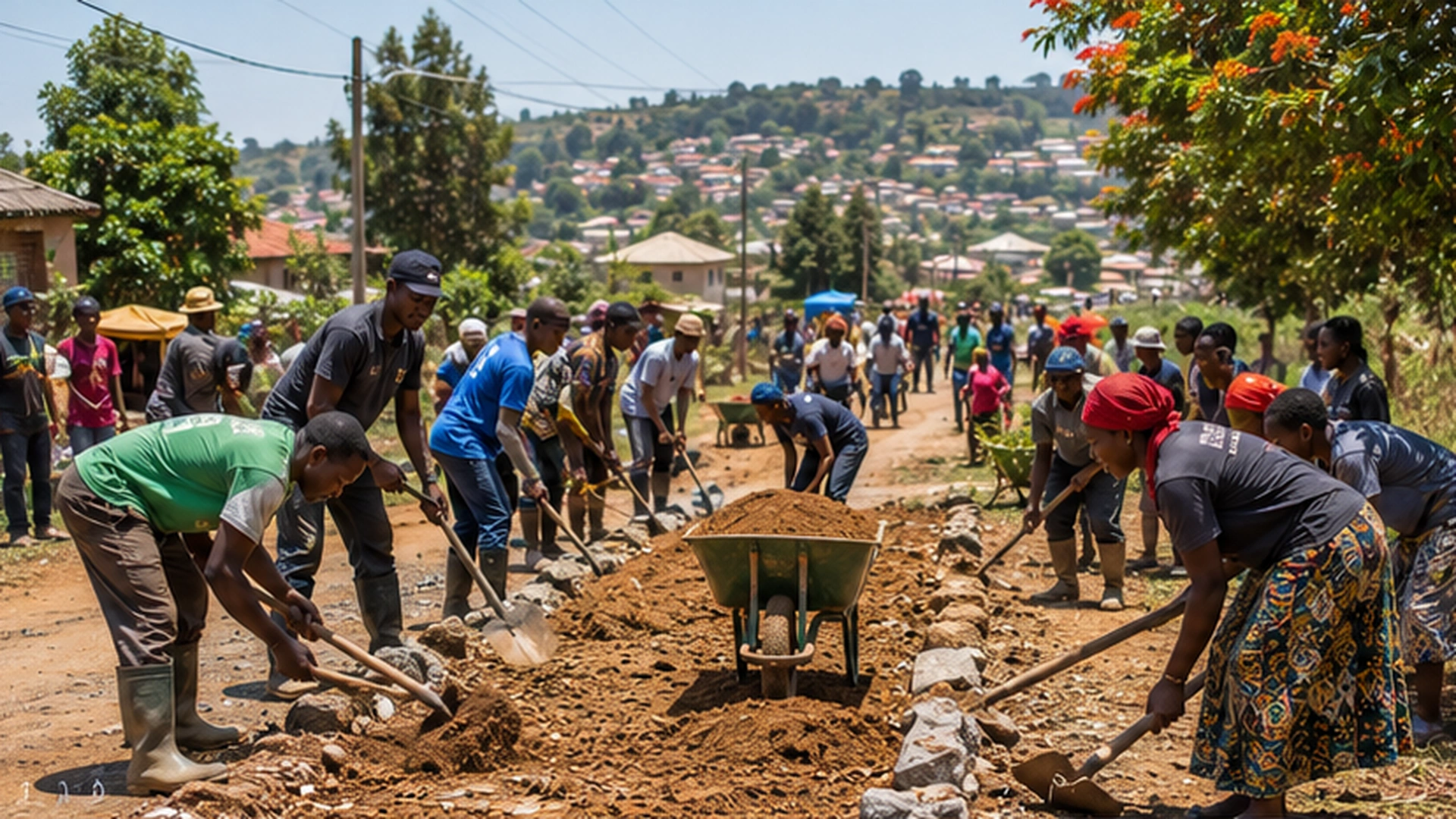
Umuganda is a Rwandan practice of community work in which residents come together for projects intended to serve public or local needs.
Modern Umuganda is organized regularly, commonly on the last Saturday of the month. Activities may focus on sanitation, environmental protection, infrastructure, housing assistance, or other locally identified work. Community discussions may also address social and economic concerns.
The Government of Rwanda identifies Umuganda among the country’s home-grown governance and development approaches.
UNDP has also documented the use of Umuganda in environmental action, including public participation related to plastic pollution and green development.
Why Umuganda represents renewal
Umuganda can renew a community in several ways:
- Shared spaces receive practical maintenance.
- Residents contribute to visible local projects.
- People gather across household and occupational boundaries.
- Public information can be discussed.
- Environmental responsibilities become collective.
- Community needs can be identified locally.
However, Umuganda should not be treated as a decorative cultural activity for tourists.
It operates within Rwanda’s contemporary civic and political system. Participation, authority, and historical interpretation may be viewed differently by different residents, and educational writing should acknowledge that formalized community work can involve questions about obligation as well as solidarity.
Umuganura and Harvest Renewal in Rwanda
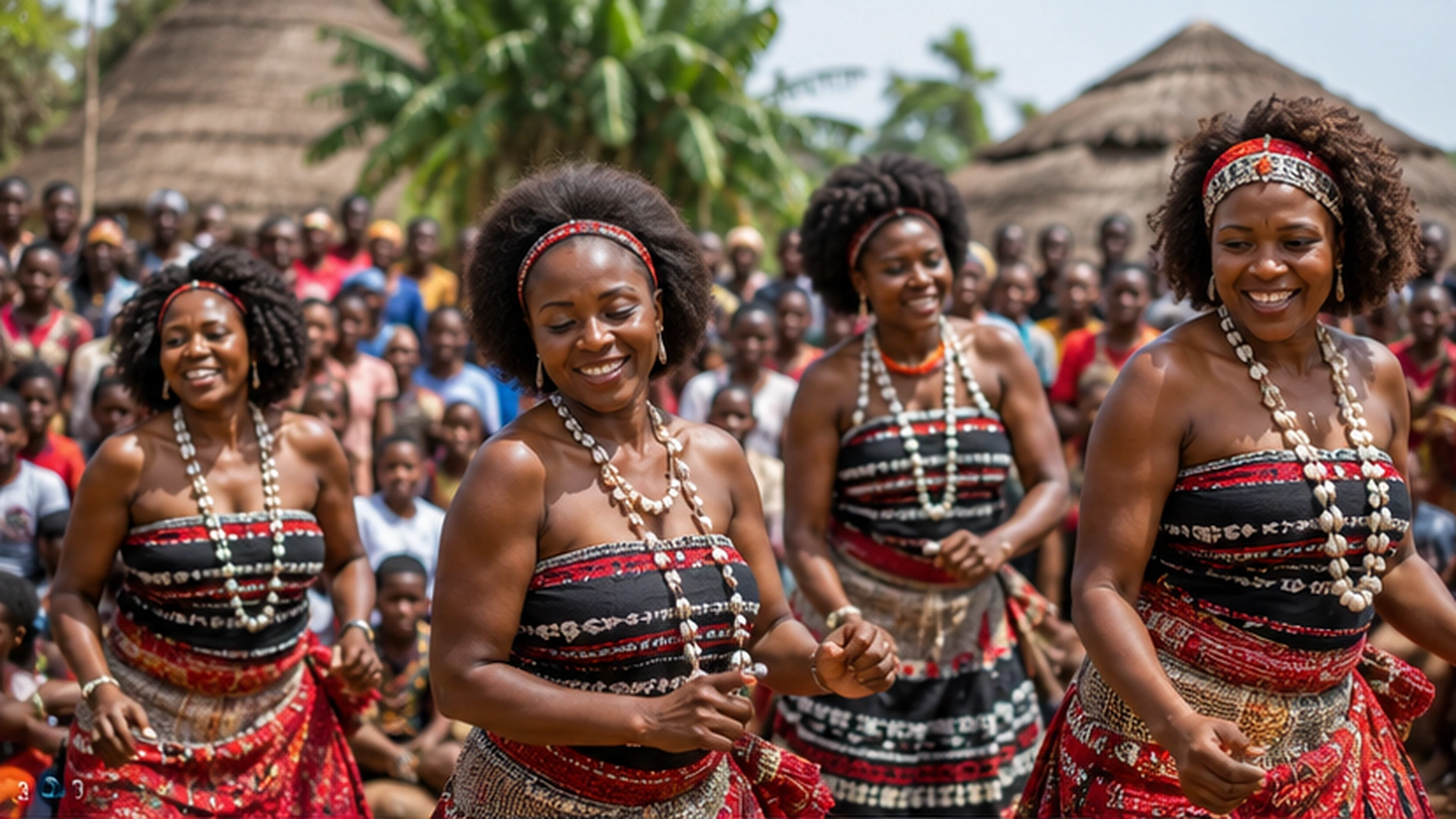
Umuganura is a Rwandan harvest-related celebration associated with gratitude, shared achievement, cultural identity, and collective reflection.
Contemporary observance is held annually, with the central public holiday taking place on the first Friday of August. Communities gather to share the harvest and reflect on achievements and future priorities.
FAO’s 2025 account describes Umuganura as a nationwide first-harvest festival emphasizing gratitude, unity, agriculture, and collective effort.
Why Umuganura represents renewal
The festival connects renewal with:
- Gratitude for production
- Sharing food
- Recognition of work
- Cultural performance
- Community achievement
- Reflection on development
- Planning for future progress
Umuganura is not merely a feast.
Its modern public form links agricultural memory with national and community priorities. Its meaning may differ across households, regions, generations, and official settings.
Fichee-Chambalaalla Among the Sidama
Fichee-Chambalaalla is the New Year festival of the Sidama people in Ethiopia.
UNESCO describes it as a celebration first taking place within families and later extending into the wider community. Preparations and participation involve family visits, shared food, oral traditions, music, dance, and intergenerational teaching.
UNESCO documentation also notes that people seek peace with one another before the celebration, connecting the New Year with personal and communal renewal.
Why Fichee-Chambalaalla represents renewal
The festival supports renewal through:
- Reconciliation before the New Year
- Reaffirmation of family relationships
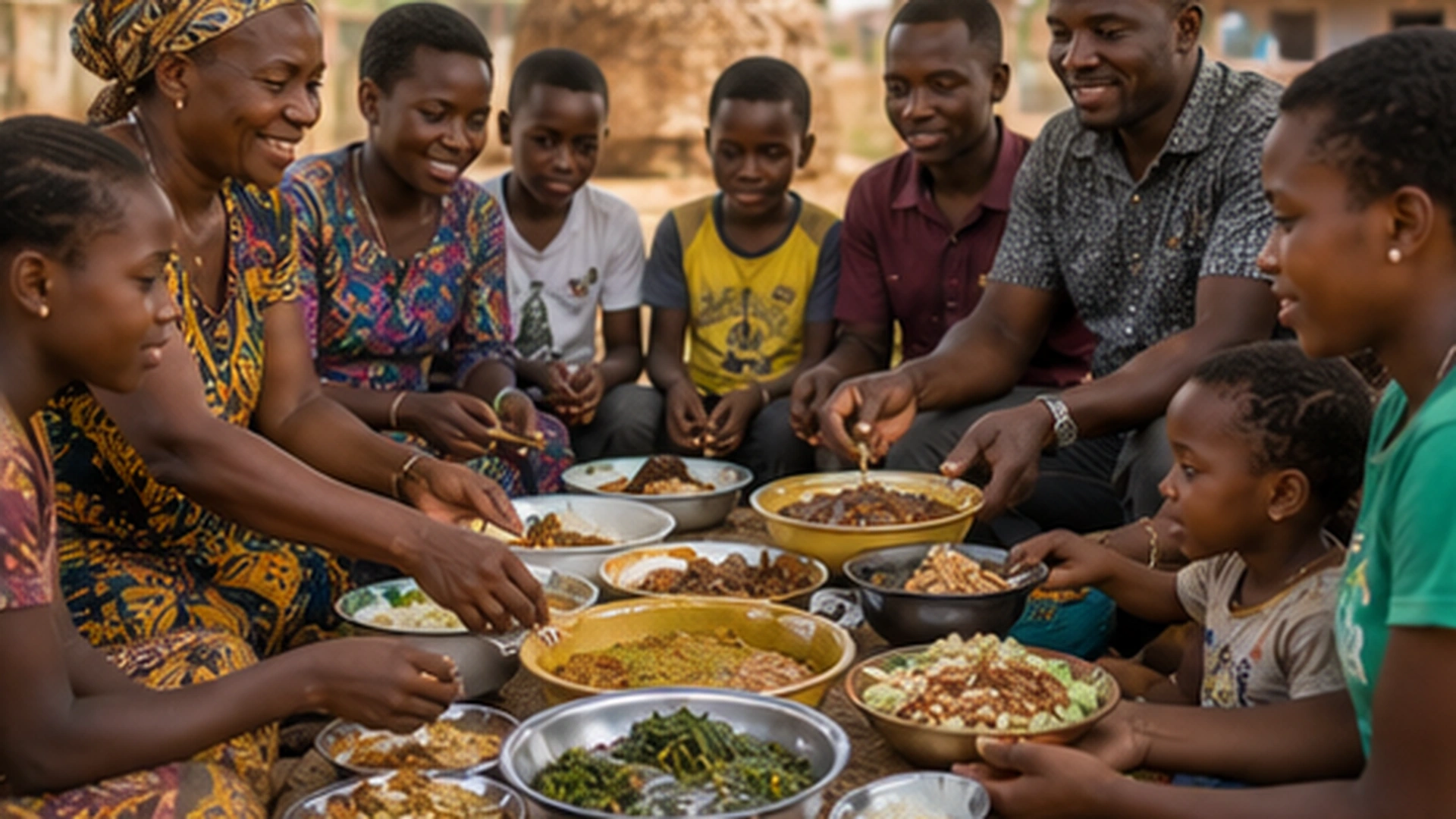
- Shared meals
- Respect between generations
- Transmission of cultural knowledge
- Community celebration
- Ethical guidance
- A recognized transition into a new annual period
The festival should be identified as Sidama heritage, not presented as a national Ethiopian custom practiced identically by everyone.
Specific ceremonial knowledge, songs, timing systems, or family responsibilities may require guidance from recognized Sidama knowledge holders.
Gifaataa Among the Wolaita
Gifaataa is a New Year festival celebrated by the Wolaita community in Ethiopia, generally between mid-September and early October.
Before the festival, people clean their homes and surroundings, repair household items, prepare food, reconnect with relatives, and seek to settle disagreements. Family visits, flowers, blessings from elders, and the sharing of knowledge are part of the broader celebration.
Gifaataa was inscribed on UNESCO’s Representative List of the Intangible Cultural Heritage of Humanity in 2025.
Why Gifaataa represents renewal
Gifaataa connects renewal with:
- Cleaning and preparation
- Repairing domestic environments
- Resolving conflict
- Returning to family
- Welcoming a new year
- Teaching younger generations
- Sharing food
- Receiving guidance and blessings
- Strengthening Wolaita identity
Cleaning in this context is not simply cosmetic. It becomes part of preparing households and relationships for a new period.
The festival must not be reduced to a reusable “cleansing ritual” for outsiders.
Similarities and Differences Between These Traditions
- Tradition
- Community or setting
- Central form of renewal
- Umuganda
- Rwanda
- Communal work, public maintenance, local action
- Umuganura
- Rwanda
- Harvest gratitude, shared achievement, reflection
- Fichee-Chambalaalla
- Sidama communities in Ethiopia
- New Year, reconciliation, family and cultural renewal
- Gifaataa
- Wolaita communities in Ethiopia
- New Year, cleaning, repair, family visits, reconciliation
Shared themes
These traditions may involve:
- Cooperation
- Intergenerational participation
- Shared responsibility
- Preparation for the future
- Recognition of relationships
- Public or family gathering
- Cultural transmission
Important differences
They differ in:
- Language
- Calendar
- Community authority
- Historical development
- Religious meaning
- Foods
- Music and performance
- Appropriate participants
- Public and private elements
- Relationship to government
- Connection with farming
- Use of blessings or ceremonial speech
Similarity does not make them interchangeable.
Is Community Renewal the Same as Spiritual Cleansing?
No.
The phrase community renewal may describe practical, social, cultural, or environmental restoration.
Spiritual cleansing usually refers to a religious interpretation involving the removal of spiritual impurity, harmful influence, wrongdoing, or ritual disorder.
A community-cleaning project is not automatically a spiritual ceremony. A New Year festival involving household cleaning should not automatically be described as removing supernatural forces.
The correct interpretation depends on what the participants themselves say.
Writers should avoid adding words such as:
- Purification
- Cleansing energy
- Removing curses
- Driving away spirits
- Resetting vibrations
- Breaking negative forces
unless reliable community sources use and explain those concepts in the relevant context.
The Role of Elders and Community Leaders
Elders may help:
- Announce a festival
- Explain community history
- Encourage reconciliation
- Offer public advice
- Teach younger participants
- Coordinate families
- Preserve calendars or oral traditions
- Give blessings where culturally appropriate
However, elderhood does not create universal authority.
An elder in one family may not be authorized to speak for an entire ethnic community. A political official may coordinate public work without being a religious leader. A religious specialist may lead prayer without controlling civic decisions.
Community renewal is strongest when leadership is accountable and participation includes women, young people, people with disabilities, minority families, and others affected by community decisions.
The Role of Women
Women frequently sustain the everyday work that makes community renewal possible, including food preparation, caregiving, family communication, environmental maintenance, teaching, and organizing.
Their labor should not be treated as naturally available or invisible.
A renewal tradition can become unequal when:
- Women perform most of the work but hold little authority.
- Girls are removed from school for preparation.
- Widows or unmarried women are excluded.
- Women cannot speak in public planning.
- Caregiving burdens are ignored.
- Cultural language is used to excuse discrimination.
Respectful safeguarding should recognize women as knowledge holders, decision-makers, organizers, artists, farmers, and leaders.
The Role of Young People
Young people may contribute through:
- Physical work
- Environmental projects
- Music and performance
- Oral-history recording
- Digital documentation
- Translation
- Event organization
- Youth dialogue
- Cultural education
- Community mapping
- Disability-access planning
Traditions are more likely to continue when younger people understand their purpose and can participate meaningfully.
Requiring young people to repeat activities without explanation may preserve appearance while losing meaning.
Community Renewal After Conflict or Crisis
Communities may seek renewal after:
- Political violence
- Displacement
- Disease outbreaks
- Natural disasters
- Economic hardship
- Environmental damage
- Family division
- Loss of cultural sites
Cultural events, storytelling, music, sport, communal work, and dialogue can support social connection and resilience. UNESCO has described living heritage initiatives among refugee communities in Kenya’s Kakuma camp as tools for social cohesion and resilience.
However, cultural activity alone cannot resolve structural injustice.
Post-conflict renewal may also require:
- Truth-seeking
- Legal accountability
- Reparations
- Trauma-informed support
- Secure housing
- Health services
- Protection from further violence
- Inclusive governance
- Restoration of livelihoods
Traditional dialogue should complement rather than erase these needs.
Environmental Renewal Traditions
Community renewal increasingly includes:
- Tree planting
- Wetland protection
- Water-source maintenance
- Soil restoration
- Waste collection
- Fire prevention
- Community gardens
- Protection of heritage landscapes
Environmental action becomes culturally meaningful when communities connect present work with inherited knowledge, future generations, and responsibility toward shared land.
Care is needed when using traditional environmental knowledge.
Information about rare plants, sacred forests, medicinal resources, or protected sites should not be published without permission. Publicizing exact locations can expose them to exploitation.
Community Renewal in Urban and Diaspora Settings
People living in cities or outside their countries of origin may adapt renewal traditions.
Examples include:
- Neighborhood cleanup days
- Family reunions
- Cultural-language weekends
- Community food drives
- Online reconciliation meetings
- Heritage exhibitions
- Youth mentoring
- Cemetery maintenance
- Oral-history projects
- Annual association meetings
- Shared fundraising for community facilities
Adaptation does not automatically make a tradition inauthentic.
Living heritage changes as people respond to migration, technology, new environments, and changing family structures.
The adapted practice should be described honestly. A newly created diaspora event should not be advertised as an unchanged ancient ritual.
How Modern Communities Can Create Renewal Traditions
A community does not have to borrow another people’s festival.
It can create a transparent modern tradition based on local needs.
Identify the purpose
Possible purposes include:
- Cleaning a public space
- Welcoming new residents
- Supporting vulnerable households
- Reviewing community achievements
- Resolving minor disputes
- Preserving local history
- Improving environmental care
- Connecting elders and youth
Consult the community
Planning should include the people expected to participate.
Ask:
- What problem are we addressing?
- Who may be excluded?
- What date is accessible?
- What work is safe?
- Who controls funds?
- Is participation voluntary?
- Are children properly supervised?
- How will people with disabilities participate?
- What religious differences must be respected?
Separate public service from ritual authority
A community cleanup does not need invented spiritual language.
Religious communities may include prayer according to their own traditions, but participants should not be pressured into religious observance.
Combine celebration with practical action
A renewal event may include:
- A defined work project
- A public report
- Youth activities
- Food
- Music
- Recognition of volunteers
- Community discussion
- A plan for follow-up
Measure the outcome
Useful questions include:
- Was the project completed?
- Who participated?
- Who was left out?
- Were resources used responsibly?
- Did the activity create lasting improvement?
- What should change next time?
A tradition remains meaningful when it produces trust, participation, learning, or practical care rather than appearance alone.
Ethical and Safety Boundaries
Community renewal should not involve:
- Forced labor
- Public humiliation
- Dangerous construction without trained supervision
- Child labor
- Discrimination
- Forced reconciliation
- Concealment of criminal activity
- Financial exploitation
- Unsafe waste handling
- Unprotected contact with sewage or chemicals
- Destruction of cultural property
- Unauthorized access to sacred places
- Publication of restricted knowledge
- Political intimidation
- Claims of guaranteed spiritual results
Protective equipment and professional guidance may be required for construction, sanitation, medical waste, electrical work, water systems, and environmental hazards.
Cultural renewal does not replace qualified engineering, public-health services, emergency response, legal assistance, or mental-health support.
Common Misconceptions
“Community renewal is one traditional African ceremony”
False.
The phrase describes many kinds of civic, cultural, agricultural, family, and religious activity.
“Every renewal tradition involves ancestors”
False.
Some traditions may involve ancestral remembrance, while others focus on work, harvest, God, family, public service, or seasonal change.
“Cleaning always represents spiritual purification”
False.
Cleaning may be practical preparation, environmental care, hospitality, or household organization.
“Community unity means everyone must agree”
False.
Healthy communities can include disagreement. Renewal should create space for respectful participation rather than suppress criticism.
“Traditional reconciliation replaces legal justice”
False.
Customary mediation may help with certain disputes, but serious crimes and human-rights violations require appropriate legal and protective responses.
“Everyone participates equally”
Not necessarily.
Gender, age, disability, wealth, political authority, and social status can affect participation. These inequalities should be examined rather than hidden.
“An old tradition should never change”
False.
Living traditions adapt. The community should guide that adaptation while protecting meaningful knowledge.
“A festival alone can rebuild a damaged community”
False.
Ceremonies and cultural activities may support belonging, but long-term renewal also requires material resources, accountability, services, safety, and inclusive institutions.
Key Takeaways
- Community renewal traditions restore cooperation, shared spaces, relationships, identity, or environmental responsibility.
- “Community renewal tradition” is a broad description rather than one universal ritual.
- Renewal may be civic, cultural, agricultural, religious, environmental, or social.
- Umuganda emphasizes communal work and public action in Rwanda.
- Umuganura connects harvest gratitude with shared achievement and future planning.
- Fichee-Chambalaalla is a Sidama New Year festival involving family, reconciliation, and cultural transmission.
- Gifaataa is a Wolaita New Year festival associated with cleaning, repair, family visits, and reconciliation.
- Similar traditions should not be mixed or treated as interchangeable.
- Cleaning does not automatically mean spiritual purification.
- Elders, political officials, religious leaders, and cultural practitioners hold different forms of authority.
- Renewal should include women, young people, people with disabilities, and marginalized residents.
- Community traditions cannot replace legal justice, public services, professional mediation, or medical care.
- Participation should be safe, informed, and free from coercion.
- Communities should lead the documentation and adaptation of their living heritage.
People Also Ask
What are community renewal traditions?
They are recurring practices through which people restore shared spaces, relationships, cultural identity, environmental responsibility, or collective commitments.
What are examples of community renewal traditions in Africa?
Examples include Rwanda’s Umuganda community work and Umuganura harvest celebration, Sidama Fichee-Chambalaalla, and Wolaita Gifaataa.
Is community renewal always religious?
No. It may be civic, cultural, environmental, agricultural, familial, religious, or a combination of these.
How does communal work strengthen a community?
It can improve shared spaces, encourage cooperation, create opportunities for dialogue, and make local responsibilities visible.
Why is reconciliation part of some New Year traditions?
Resolving disagreements can help families and neighbors enter a new period with restored relationships and clearer responsibilities.
Is community cleaning a spiritual cleansing ceremony?
Not necessarily. Cleaning may be practical, environmental, domestic, or symbolic, depending on the tradition.
Can a community create a new renewal tradition?
Yes. Communities can create transparent modern traditions without falsely claiming ancient origins or copying restricted practices.
What role do elders play in community renewal?
Depending on the tradition, elders may offer guidance, preserve history, announce festivals, mediate disputes, or teach younger people.
Can traditional reconciliation replace legal action?
No. Informal reconciliation cannot replace legal protection or accountability for serious crimes and abuse.
How can community renewal traditions be preserved?
They can be supported through community-led documentation, intergenerational teaching, inclusive planning, safe participation, and responsible adaptation.
Frequently Asked Questions
1. What are community renewal traditions?
Community renewal traditions are recurring practices that help people restore social relationships, shared spaces, cultural continuity, or collective responsibility.
2. What are examples from African communities?
Documented examples include Umuganda and Umuganura in Rwanda, Fichee-Chambalaalla among the Sidama, and Gifaataa among the Wolaita.
Frequently Asked Questions
What should readers know first about african spirituality and cultural history?
African spirituality and cultural history: Read clear guidance, key signs, practical steps, and private support from Ancestral Temple.
What causes Community Renewal Traditions?
The safest next step is to compare the signs, prepare clear details, and request private guidance when the matter feels personal.
How does Community Renewal Traditions work?
The safest next step is to compare the signs, prepare clear details, and request private guidance when the matter feels personal.
Is it possible to get private guidance for Community Renewal Traditions?
The safest next step is to compare the signs, prepare clear details, and request private guidance when the matter feels personal.
How long does Community Renewal Traditions take to understand?
The safest next step is to compare the signs, prepare clear details, and request private guidance when the matter feels personal.
Can Community Renewal Traditions affect relationships, family, work, or personal peace?
The safest next step is to compare the signs, prepare clear details, and request private guidance when the matter feels personal.
Why do people seek spiritual guidance for Community Renewal Traditions?
The safest next step is to compare the signs, prepare clear details, and request private guidance when the matter feels personal.
What signs should someone notice before asking about Community Renewal Traditions?
The safest next step is to compare the signs, prepare clear details, and request private guidance when the matter feels personal.
When should someone contact a private spiritual guide?
The safest next step is to compare the signs, prepare clear details, and request private guidance when the matter feels personal.
What causes african spirituality and cultural history?
African spirituality and cultural history: Read clear guidance, key signs, practical steps, and private support from Ancestral Temple. The safest next step is to compare the signs, prepare clear details, and request private guidance when the matter feels perso
Article Information
- Publisher
- Ancestral Temple
- Editor
- Ancestral Temple
- Last updated
- Jul 26, 2026
- Last reviewed
- Jul 13, 2026
- Content version
- 77b00aab27
This educational article should be read as cultural and spiritual information, not as medical, legal, financial, or emergency advice.
Helpful Related Guidance
Explore This Topic
Harvest Celebrations Across Cultures · Role Of Elders In African Spiritual Practices
Related Topic Cluster
African Spirituality And Cultural History
Complete Guide Why Homes Have Been Blessed Throughout HistoryAbout the Author
 Ancestral Temple
Spiritual guide and practitioner with decades of experience in ancestral wisdom, rituals, and divine guidance.
Related Posts
View All

Leave a Comment
We'd love to hear your thoughts.
A downloadable checklist for organizing an inclusive community-renewal event would be useful.
I liked the final explanation that symbolic meaning should be connected with real responsibility.
The article was long but remained easy to scan because of the headings.
Could you provide examples of community-renewal traditions from Southern Africa?
The point that unity does not require everyone to agree was very important.
I would like an article comparing community work with government responsibility.
The safety and ethics section was detailed and necessary.
The article avoids the common mistake of calling every African public tradition an ancestral ritual.
Can an online heritage project be considered a form of community renewal?
The Gifaataa section clearly connected household repair with social relationships.
I would enjoy a complete guide to Fichee-Chambalaalla and its cultural history.
The article would be useful for local leaders planning neighborhood activities.
I appreciated that women’s often-unrecognized labor was discussed directly.
Could schools participate in renewal traditions without placing too much work on children?
It was helpful to see that community renewal may happen through family visits and not only public labor.
The explanation of living heritage made it clear that traditions naturally adapt.
I would like more information about community traditions in refugee and displaced communities.
The section on measuring results makes the tradition feel practical rather than symbolic only.
How can people with disabilities be included properly in communal work events?
The article showed how environmental work can become part of cultural responsibility.
A separate article about food sharing during harvest celebrations would be interesting.
I appreciated the section explaining different kinds of authority among elders, officials, and religious leaders.
The glossary definition of forced reconciliation was particularly useful.
Could you write more about community renewal after natural disasters?
The discussion of reconciliation respected the rights and safety of survivors.
The role of public dialogue after communal work would make a useful follow-up topic.
I liked the suggestion that a modern community can create a transparent new tradition.
The article correctly explains that similarities do not make traditions interchangeable.
Could you explore how community traditions change when people move to cities?
Umuganura sounds like an important example of connecting gratitude with future planning.
The point about protective equipment during sanitation work should not be overlooked.
I would like a detailed guide about organizing a safe community cleanup.
The section on young people gave them an active role instead of treating them only as learners.
Can neighborhood associations create annual renewal days without connecting them to religion?
I appreciated the warning not to label every form of cleaning as spiritual purification.
The discussion of Umuganda explained both the practical work and the community conversations.
A future article about environmental restoration traditions would be valuable.
The table comparing the four traditions made the article easy to understand.
I liked the reminder that festivals cannot replace public services or legal accountability.
The Sidama and Wolaita examples were presented separately instead of being combined as one Ethiopian tradition.
Could you write more about how women organize community-renewal activities?
The section about forced reconciliation was important and very clearly stated.
I would enjoy a full article about how communal work traditions differ across African countries.
The distinction between Umuganda and Umuganura was especially useful.
I appreciated the explanation that community renewal can be practical and social without always being a spiritual ceremony.