
Family Reconciliation Rituals: Prayers, Ceremonies and Ancestral Traditions
Pillar Article
Quick Summary
When a family relationship breaks, people often search for a decisive act that can end the conflict: a prayer, an elder’s blessing, a shared meal, a cleansing, a visit to an ancest...
When a family relationship breaks, people often search for a decisive act that can end the conflict: a prayer, an elder’s blessing, a shared meal, a cleansing, a visit to an ancestral place or a ceremony where everyone finally speaks. Ritual can give form to a difficult transition. It can create a protected time, name the harm, invite witnesses and mark commitments that ordinary conversation has failed to establish.
Yet a family reconciliation ritual is not a spiritual shortcut. It cannot make an unsafe person trustworthy, erase financial damage, reverse abuse or obligate the injured person to resume contact. A meaningful process must distinguish reconciliation from silence, forgiveness from access and family unity from pressure to protect appearances.
Across religious and cultural traditions, reconciliation commonly involves some combination of truth-telling, remorse, confession, restitution, prayer, mediation, symbolic action and future obligations. The details are not interchangeable. Catholic reconciliation is not Jewish teshuvah. Islamic sulh is not Plum Village Beginning Anew. Acholi Mato Oput is a community-governed process for serious inter-clan harm, not a generic “African family ritual.” This guide explains the traditions carefully and then offers a modern, non-denominational framework that families can adapt without borrowing restricted practices.
Quick Answer
| In one paragraph Family reconciliation rituals are structured practices that help relatives address harm through truth-telling, prayer, apology, mediation, restitution, symbolic acts and future commitments. Their form depends on the family’s religion and culture. A ritual can support repair, but reconciliation must be voluntary, safe and supported by changed behavior; it should never force contact after abuse. |
|---|
AncestralTemple.com offers Reconciliation Between Family Members guidance for people seeking a personalized spiritual approach. Educational information and spiritual support should complement—not replace—professional counseling, legal advice, safeguarding or emergency help when those are needed.
What Is a Family Reconciliation Ritual?
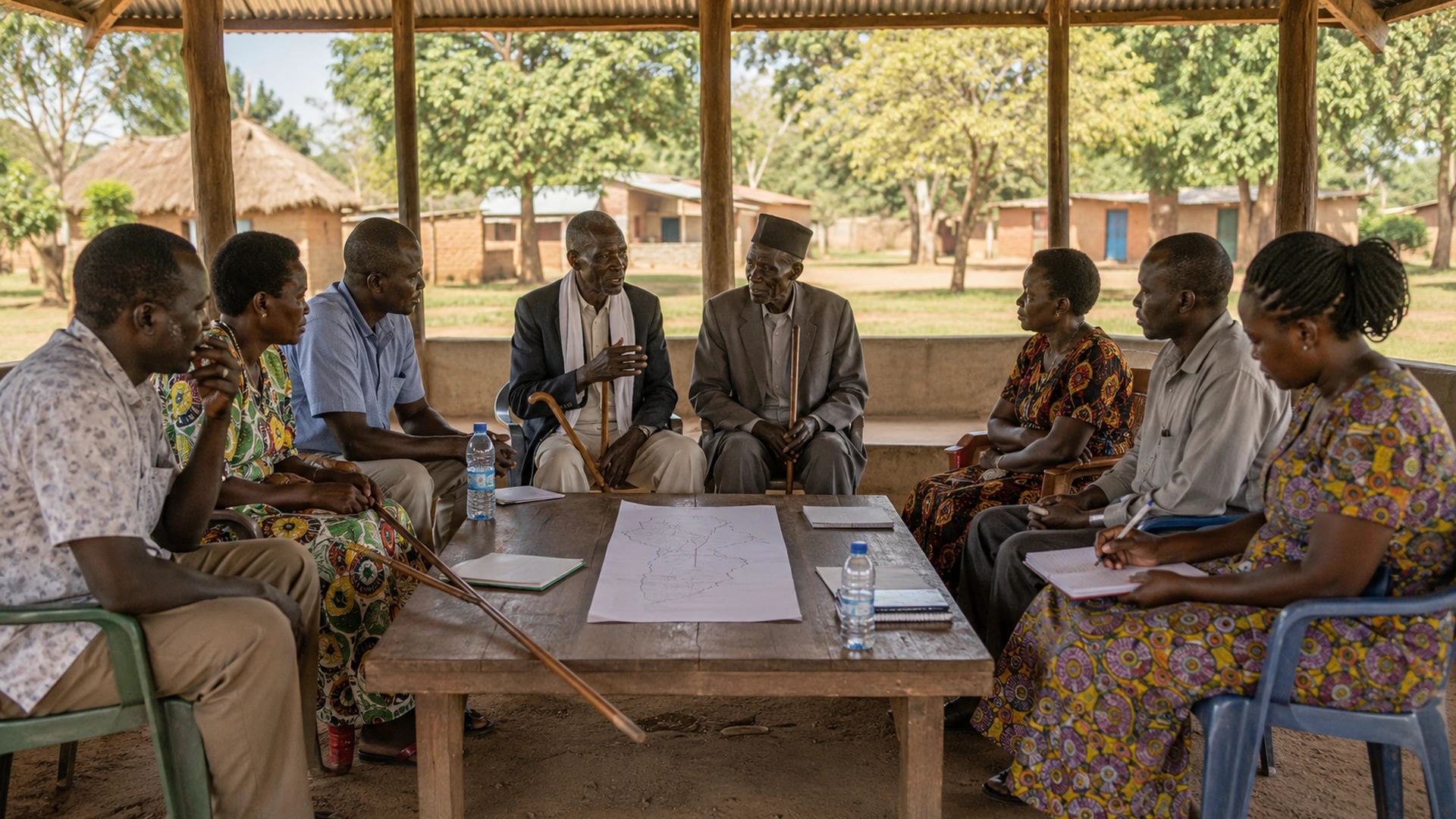
A family reconciliation ritual is a recognized sequence of words and actions used to address damaged relationships. It may be private, such as two relatives praying before a mediated conversation, or communal, such as clans meeting under elder leadership after a grave offense. The ritual may include religious authority, ancestral remembrance, formal apology, a meal, gifts, compensation, written promises or a public declaration that hostility has ended.
The word ritual does not mean that every step is mystical. A repeated order—opening silence, each person speaking, acknowledgement, agreed repair, shared food and follow-up—can become ritual because it organizes meaning and responsibility. In a religious setting, the same process may be understood as repentance before God, restoration of communal harmony or renewal of moral obligations.
The United Nations Office on Drugs and Crime describes restorative justice as a process concerned with harm, participation, accountability and repair. Although its handbook focuses on justice programmes rather than family spirituality, the principles are useful: participation should be voluntary and informed; facilitators should be impartial; safety and power imbalance require attention; and agreements should be realistic. [1]
Reconciliation Is Not the Same as Forgiveness or Reunion
| Term | Meaning in family repair |
|---|---|
| Forgiveness | A personal, religious or moral response to resentment or wrongdoing. It may be gradual and does not automatically restore access. |
| Reconciliation | A relational process in which parties attempt to repair trust, responsibilities and communication. It normally requires participation from more than one person. |
| Apology | A specific acknowledgement of what was done, why it was wrong and how it affected others. A complete apology does not demand immediate forgiveness. |
| Restitution or amends | Concrete repair such as returning property, repaying money, correcting a lie, replacing what was damaged or accepting a boundary. |
| Reunion | Physical or social coming together. A reunion can occur without reconciliation, and reconciliation can sometimes mean respectful distance rather than renewed closeness. |
| Peace or non-retaliation | An end to active hostility. Relatives may stop attacking one another without becoming close or sharing private access. |
This distinction is especially important where violence has occurred. In a June 2026 Vatican address, Pope Leo XIV described forgiveness as a gradual process and stated that it does not always mean returning to the previous relationship or restoring close contact with a person who caused violence. [5] That is a useful ethical boundary far beyond Catholic settings.
The Core Elements of a Responsible Reconciliation Process
| Element | What it requires |
|---|---|
| Voluntary participation | No one should be threatened with family exclusion, spiritual punishment or public shame for declining a meeting. |
| A safety assessment | Violence, stalking, coercive control, child abuse, severe intimidation and active substance-related danger require specialist planning, not an informal family circle. |
| Truth-telling | The harm should be named without euphemism. “Mistakes were made” is not equivalent to acknowledging who did what. |
| Accountability | The person who caused harm accepts responsibility without blaming the injured relative for provoking it. |
| Restitution | Where possible, money, property, reputation, care duties or practical losses are repaired. |
| An impartial facilitator | A respected elder can help only if that person is trusted, does not benefit from the outcome and will not silence younger people or women. |
| Boundaries and future conduct | The agreement specifies what will change: contact frequency, finances, caregiving, confidentiality, visits, alcohol use, communication or third-party supervision. |
| Follow-up | Trust is evaluated through repeated behavior, not the emotion of one ceremony. |
A prayer can open the process, but it should not replace facts. A meal can mark renewed hospitality, but it should not be used to pretend that repayment or protection is unnecessary. A symbolic washing, candle or family heirloom may be meaningful only when it belongs to the participants’ tradition and everyone consents.
Restorative processes are not successful merely because an agreement is signed. The injured person may value being heard even when close relationship is not restored. Conversely, a dramatic public reunion can fail if the person who caused harm returns immediately to secrecy, insults or financial exploitation.
Why Families Use Ceremony When Conversation Has Failed
Ordinary family arguments often happen in kitchens, phone calls, group chats or hurried visits. The setting itself can reinforce old roles: one person interrupts, another withdraws, a parent invokes authority and younger relatives become messengers. A ceremony changes the frame. It establishes a beginning and an end, gives each person a defined turn and makes commitments visible to witnesses.
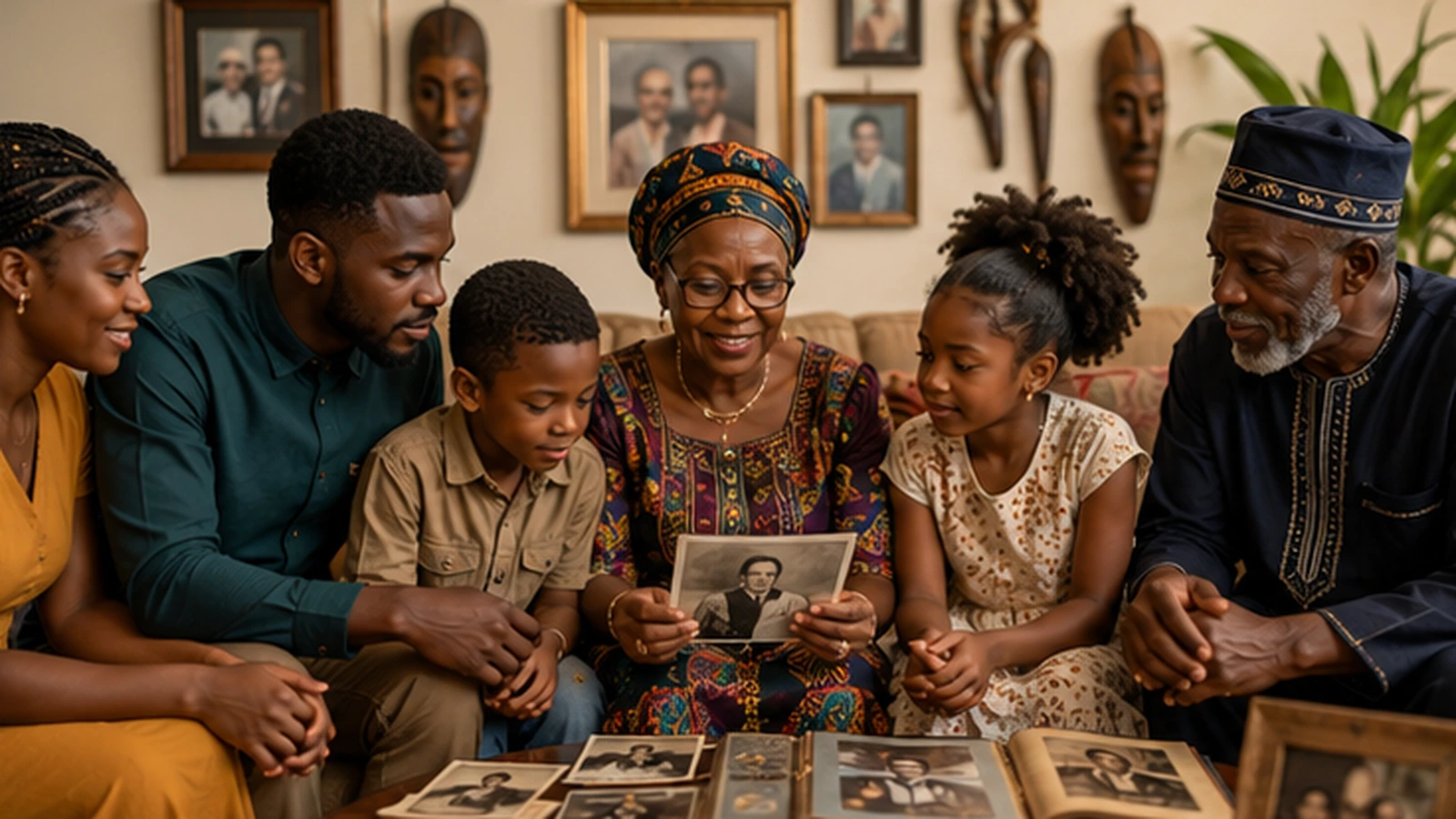
Ritual also helps people move from abstract emotion to concrete responsibility. Lighting an ordinary lamp, reading a prayer, placing a family photograph on the table or sharing tea can slow the pace and remind participants that the conversation concerns a relationship with history. The symbol does not repair the harm by itself. Its value comes from the agreement attached to it and the behavior that follows.
Public witnessing can be helpful when the conflict affected the wider family. A person who spread a false accusation may need to correct it before the same relatives who heard it. An inheritance dispute may require transparent accounting. A caregiving conflict may need a written rota rather than a private promise. At the same time, public settings can become humiliating. Sensitive details, sexual harm, health information and children’s experiences should not be exposed for the sake of a dramatic ceremony.
Families also use ceremony because endings matter. Even when close reconciliation is impossible, a facilitated process may mark the return of property, clarify funeral or land responsibilities, establish no-contact boundaries or allow relatives to stop recruiting others into the dispute. Peace can be structured without pretending affection has returned.
The Role of Elders, Clergy and Professional Mediators
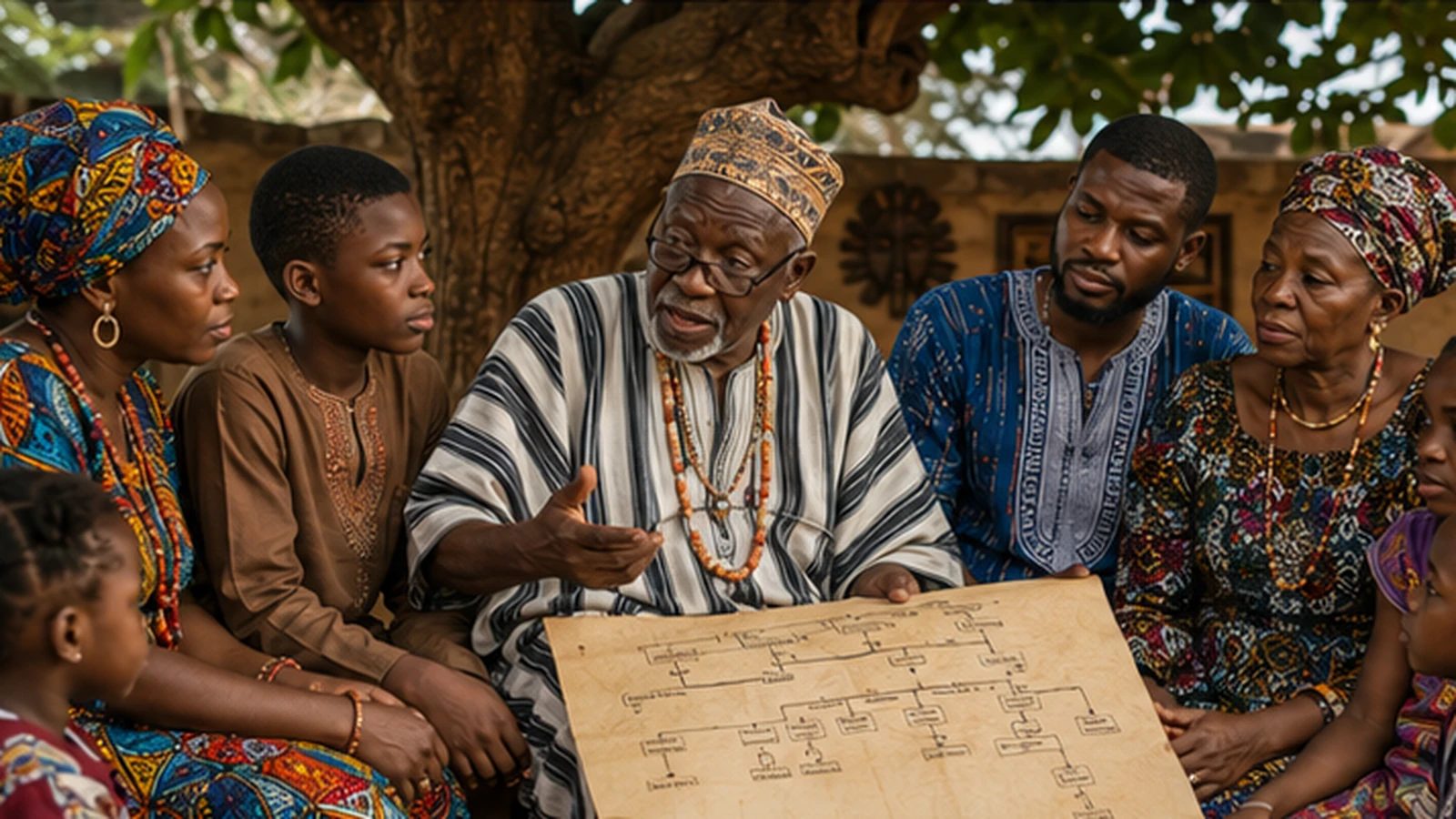
An elder may bring memory, kinship knowledge and moral authority. Clergy may provide prayer, religious interpretation and community accountability. A professional mediator or counselor may contribute conflict-assessment skills, confidentiality rules and methods for managing power imbalance. These roles can complement one another, but they are not interchangeable.
Age alone does not create impartiality. An elder may be financially dependent on one side, committed to preserving a marriage at any cost or unwilling to challenge a powerful relative. A clergy member may understand doctrine but lack training in domestic violence. A counselor may be skilled in communication but unfamiliar with the family’s cultural obligations. The safest process identifies these limits before the meeting.
A suitable facilitator should be able to meet participants separately, explain confidentiality and its limits, stop intimidation, allow interpreters or support people, record agreements accurately and end the process when safety deteriorates. Participants should know whether the facilitator is offering pastoral care, legal mediation, therapy, customary adjudication or an informal family conversation.
Where property, inheritance, custody, criminal conduct or immigration status is involved, the family may need independent legal advice. A mediator helps parties communicate and negotiate; that person should not secretly decide legal rights or pressure a vulnerable relative into signing away them.
Shared Meals, Gifts and Symbolic Acts
Many reconciliation traditions end with food, drink, exchanged gifts or a blessing. Sharing a meal can communicate that hostility has ended and ordinary social life may resume. A gift can represent restitution, gratitude or renewed responsibility. A plant, family cloth, photograph or repaired household object can become a reminder of the agreement.
The meaning depends on context. Compensation is not a bribe when it repairs a recognized loss, but a token gift can become manipulative if it is offered instead of returning stolen money. A shared meal can express peace, but requiring the injured person to eat with an abuser may violate safety. Even apparently simple acts—touching, handshakes, kneeling, public embraces or drinking from one vessel—must remain voluntary.
Families designing a modern ceremony should choose symbols already meaningful to them. They might sign duplicate copies of an agreement, serve a food associated with family hospitality, restore a damaged photograph, create a caregiving calendar or plant a tree on land whose ownership is undisputed. They should not imitate sacred drinks, ritual animals, clerical vestments or ancestral invocations from communities to which they do not belong.
Christian Prayers and Practices of Reconciliation
Christian traditions differ among Catholic, Orthodox, Anglican, Pentecostal and other churches, but common themes include repentance, confession, forgiveness, restitution, prayer and peace. The Catholic Catechism describes reconciliation through contrition, confession and satisfaction—meaning that sorrow and words are joined to actions that address the wrong. [4]
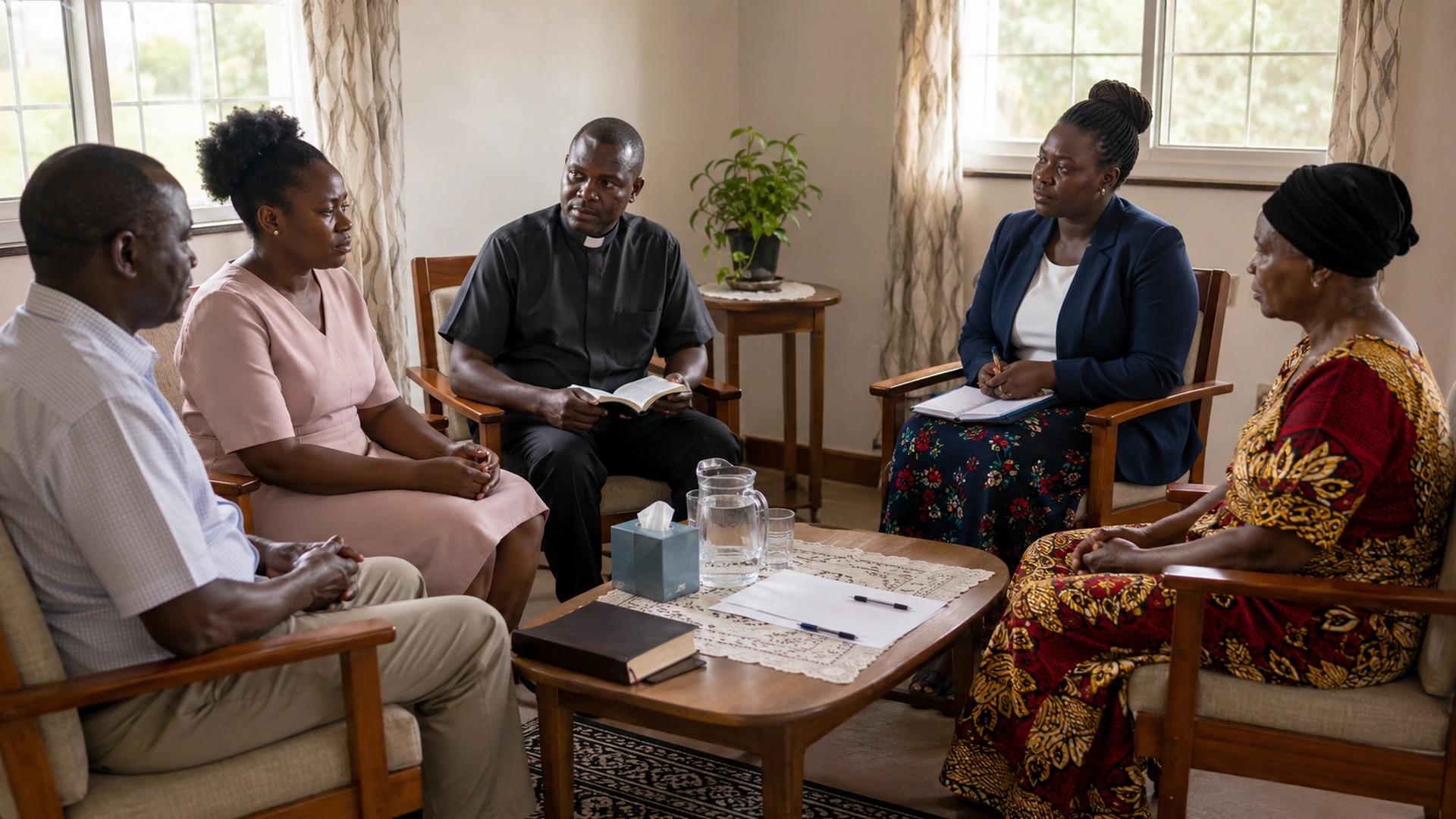
Within a family, a Christian reconciliation gathering may involve Scripture, confession of specific harm, prayer led by clergy or a mature layperson, commitments to restitution and a blessing for peace. Churches may also recommend counseling, safeguarding or legal reporting. A religious leader should not use obedience, marriage vows or family honor to send someone back into danger.
Christian forgiveness is sometimes misunderstood as pretending the offense did not occur. The 2026 Vatican guidance noted above is more careful: forgiveness may be a long process, and violence can justify maintaining distance. [5] A family prayer should therefore ask for truth, courage and justice as well as tenderness.
| Original Christian prayer for a mediated family conversation God of truth and mercy, help us speak without cruelty and listen without denial. Give us courage to acknowledge the harm we have caused, wisdom to make repair and patience to respect necessary boundaries. Protect every vulnerable person, guide those who mediate and lead us toward the form of peace that is honest, safe and just. Amen. |
|---|
Jewish Teshuvah and Asking Forgiveness
In Jewish tradition, teshuvah is often translated as repentance or return. Yom Kippur is associated with atonement, but wrongdoing against another person is not repaired by prayer alone. Chabad’s public guidance explains that the person who caused physical, emotional or financial harm should approach the injured person, ask forgiveness and make monetary restitution where appropriate. [6]
This creates a strong distinction between divine forgiveness and interpersonal repair. A family member cannot avoid repaying a debt by fasting or praying. Nor should asking forgiveness become a performance designed to pressure the injured person. The wrongdoing should be specified unless doing so would cause additional harm or humiliation.
A Jewish family may prepare for Yom Kippur by contacting relatives, correcting financial wrongs, asking forgiveness and making a plan to behave differently. These practices belong within Jewish religious life; non-Jewish families can learn from the principle that prayer does not cancel obligations without copying liturgy or ritual objects.
Islamic Sulh, Islah and Family Mediation
Islamic sources place high value on reconciliation while also emphasizing justice. Qur’an 4:35 addresses serious marital discord by calling for a mediator from each family when a split is feared. [7] Qur’an 49:10 instructs believers to make peace between those in conflict. [8]
The terms sulh and islah are used in discussions of amicable settlement and repairing relations. Contemporary scholarship on Islamic family dispute mediation describes a process in which trusted mediators help parties reach a peaceful agreement while preserving rights and family ties. [16] Practice differs among legal systems, schools of law, countries and communities.
A Muslim family reconciliation meeting may begin with recitation or supplication, but the central work remains specific: clarify the dispute, hear both sides, protect rights, arrange repayment or custody responsibilities where relevant and record the agreement. Religious mediation should not conceal domestic violence, deprive a person of lawful support or pressure someone to surrender property.
| Original non-liturgical prayer for Muslim family mediation O Allah, guide us to truth, justice and mercy. Protect us from pride, false accusation and oppression. Help us return every right, speak with honesty and accept wise counsel. Grant safety to those who are vulnerable and place peace between us only through what is fair and sincere. Ameen. |
|---|
Plum Village “Beginning Anew” for Families
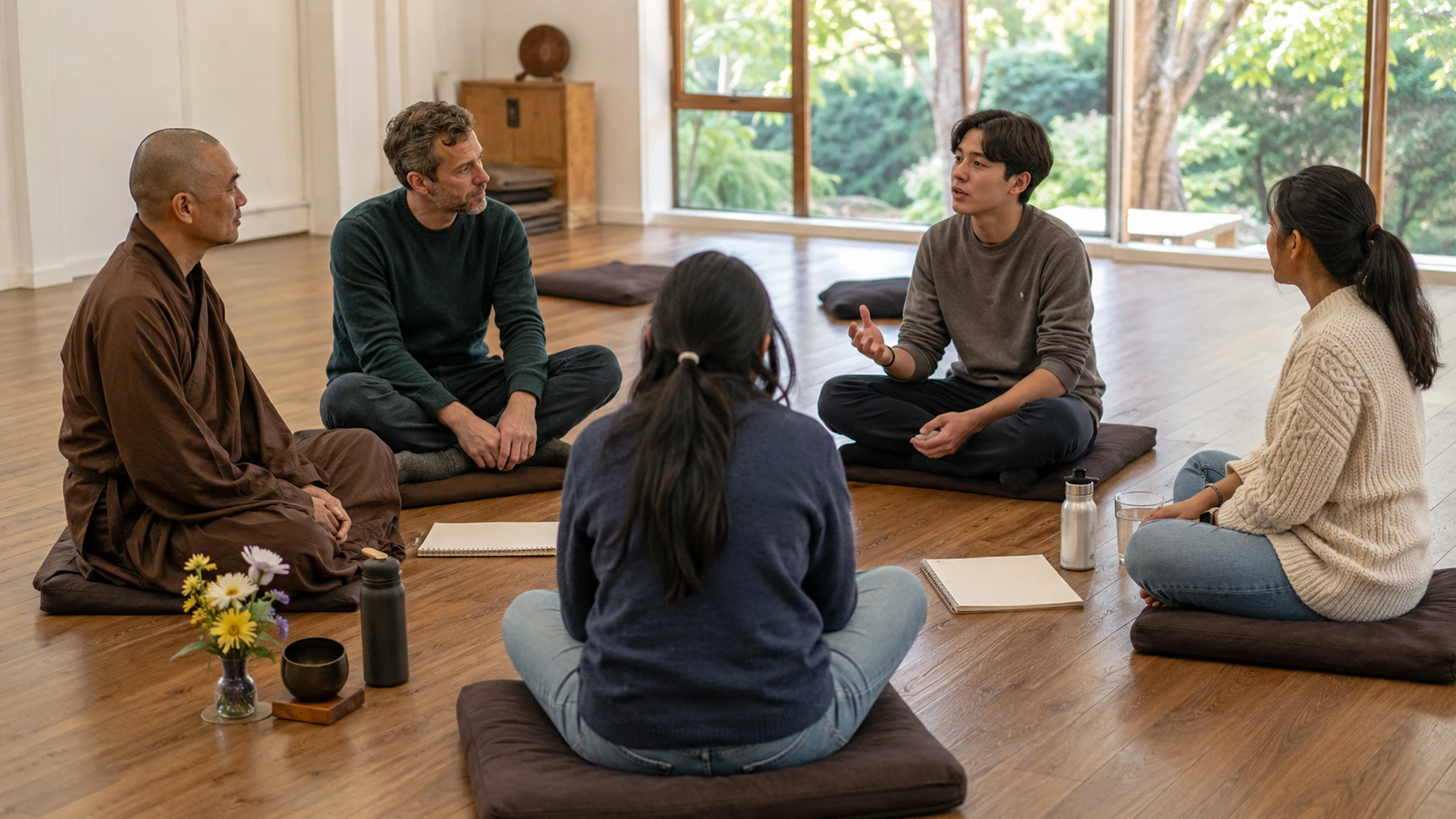
Plum Village, the Buddhist community founded by Thich Nhat Hanh, teaches a public practice called Beginning Anew. Its materials describe a structured way to clear misunderstandings through mindful breathing, loving speech and compassionate listening. [9] The formal practice commonly includes appreciation, acknowledging regrets, expressing hurt and asking for support.
The family adaptation is designed for parents, children and teenagers and encourages regular practice before resentment becomes explosive. [10] One person speaks at a time while others listen without interruption. Appreciation is not used to erase harm; it creates a fuller picture of the relationship before difficult matters are named.
Beginning Anew is a specific Plum Village practice, not a universal Buddhist family ritual. Families outside that tradition can use ordinary listening principles, but they should not claim lineage or authenticity they have not received.
Ancestral Traditions and the Danger of Inventing a Universal Ritual
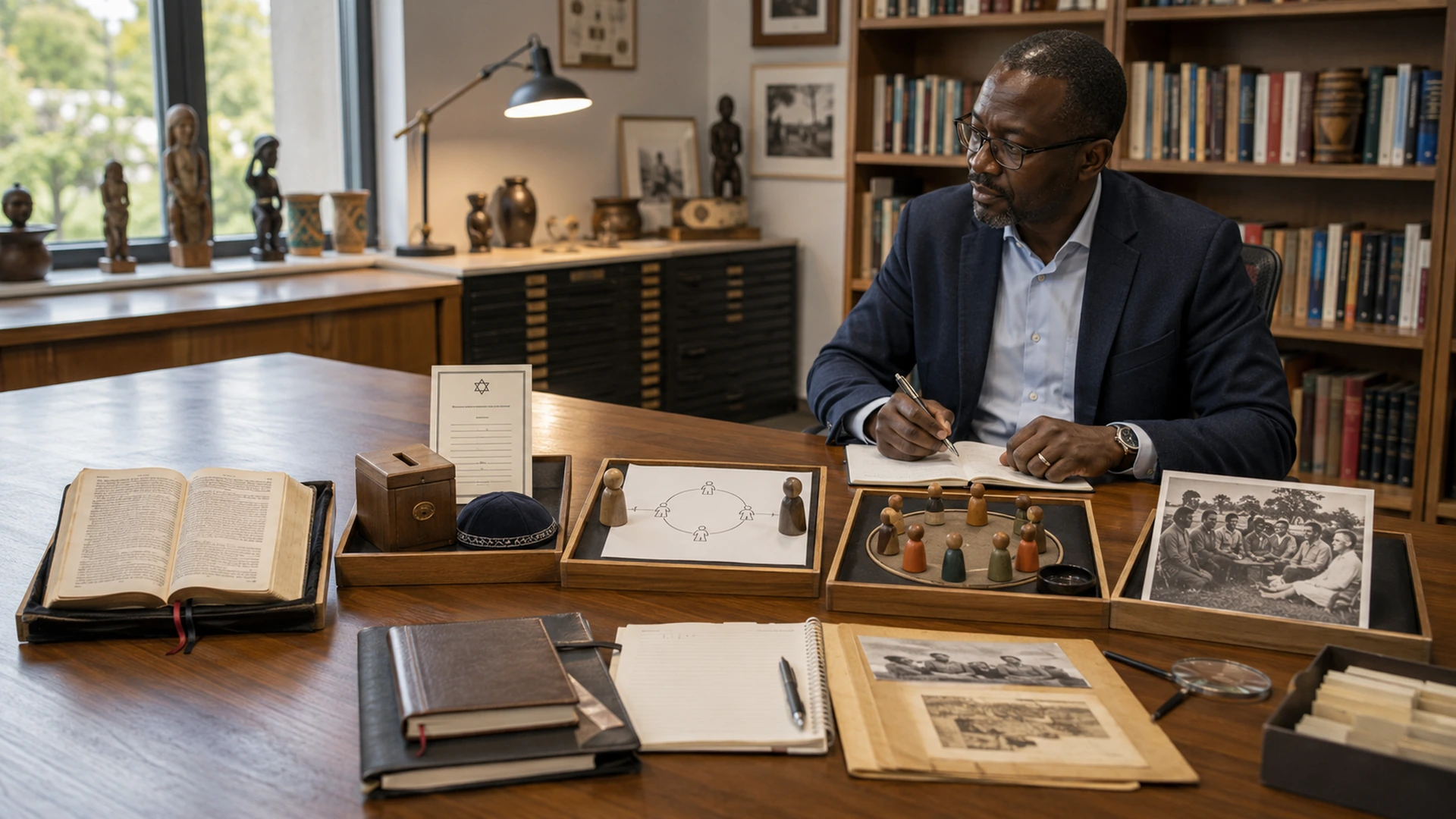
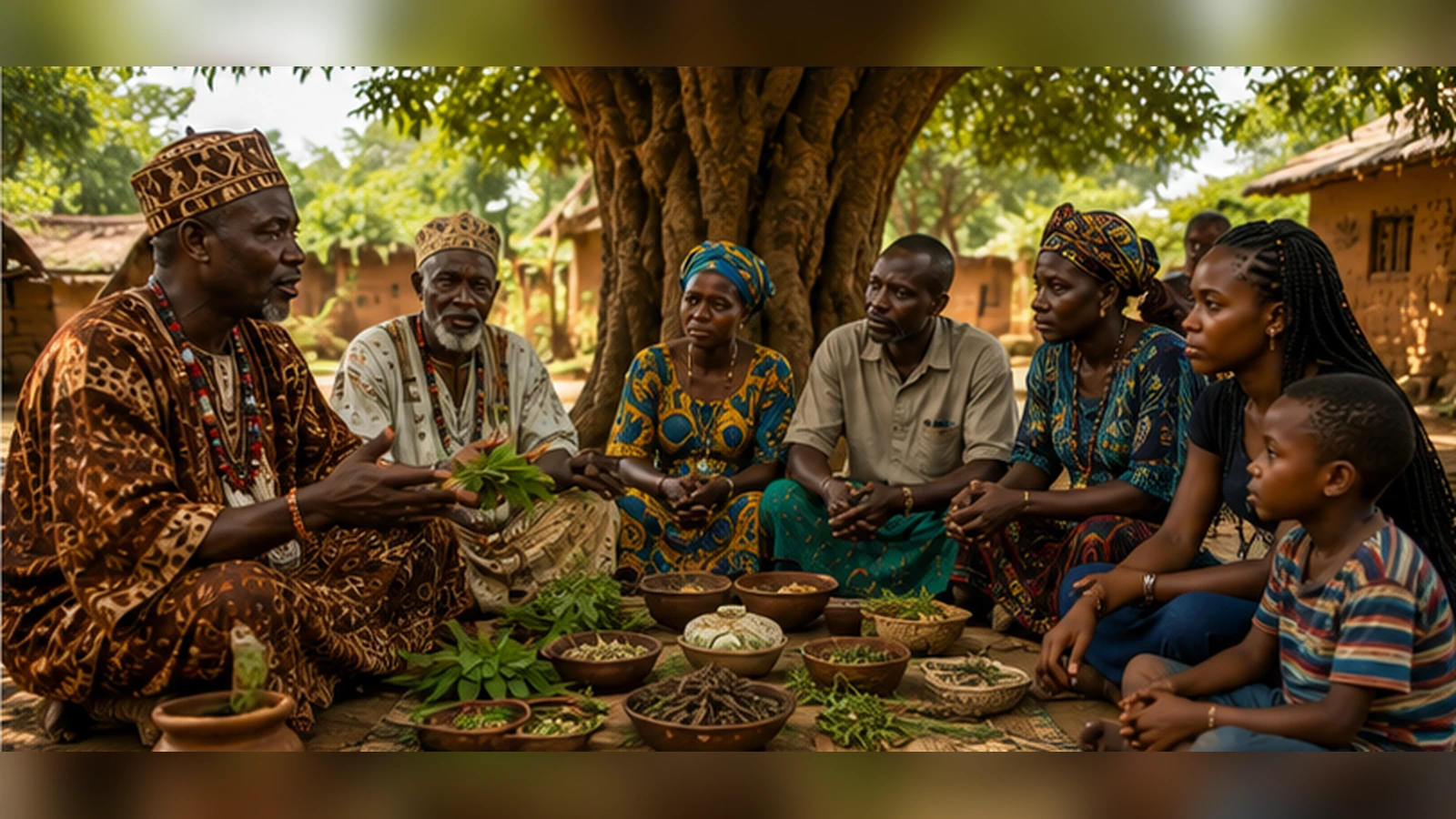
The phrase ancestral reconciliation ritual can refer to living customary law, family remembrance, clan mediation or modern spiritual practice. It should never be assumed that all African societies use the same ceremony. Uganda alone contains many communities with different languages, authorities, kinship systems, histories and religious lives.
UNESCO’s framework is useful: intangible cultural heritage exists because communities recognize, maintain and transmit it. Ethical engagement depends on dialogue, consultation and informed consent, and heritage must remain compatible with human rights. [14] Outsiders cannot combine fragments from several groups and declare the result an “ancient ancestral reconciliation ceremony.”
Ancestor remembrance may support reconciliation through family history, prayer for deceased relatives, visiting a grave, caring for inherited land, restoring a neglected memorial responsibility or asking elders to explain the origins of a dispute. These are different from claiming that ancestors guarantee a reunion or authorize one person to control the family.
Acholi Mato Oput: A Specific Community Process
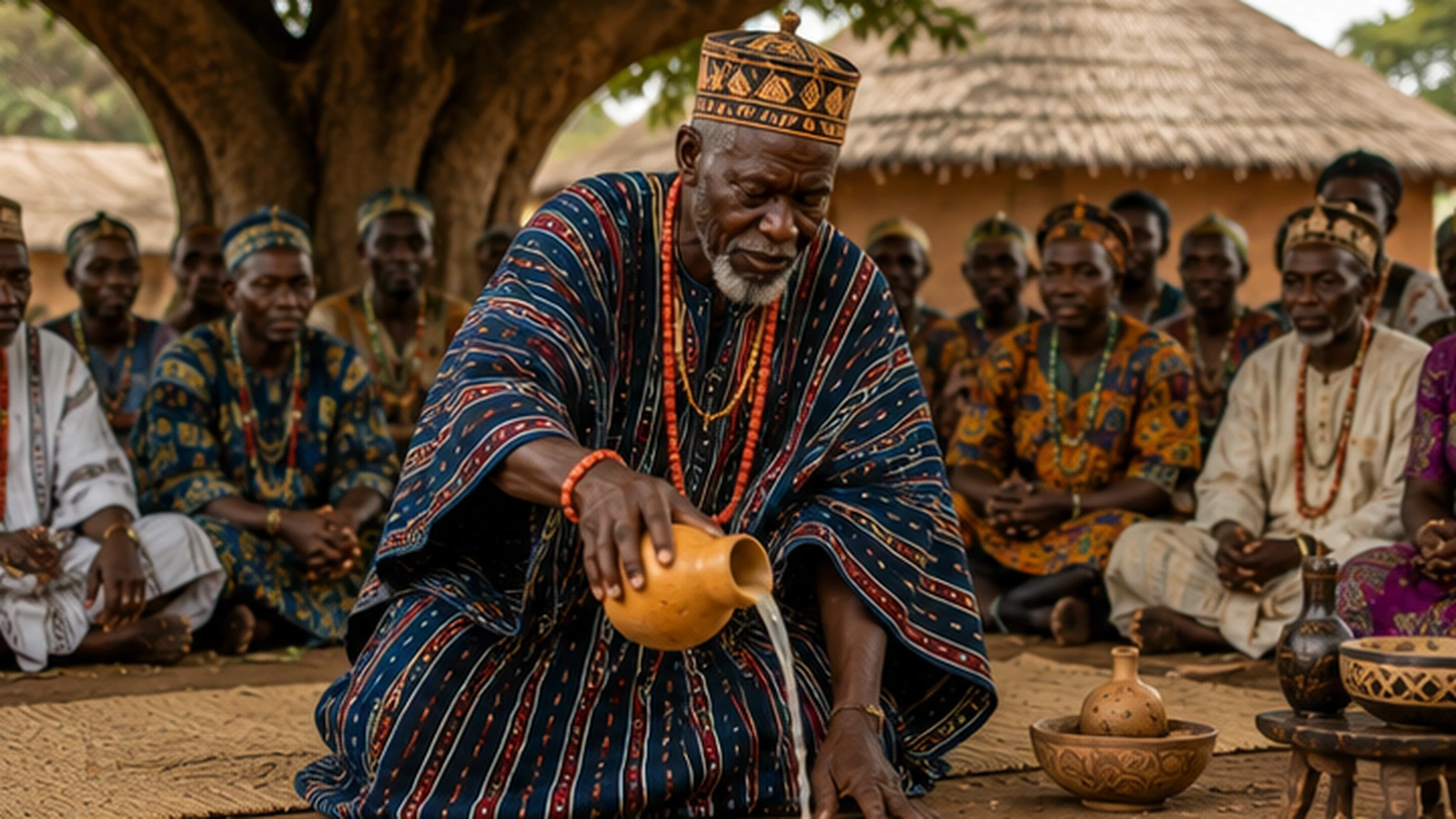
Mato Oput is an Acholi reconciliation process from northern Uganda. Public sources describe it as clan- and family-centered, involving acknowledgement of wrongdoing, mediation, compensation and a culminating symbolic sharing of a bitter drink. [11] A council of elders traditionally guides the process, and the person responsible is expected to accept responsibility and seek forgiveness. [12]
Mato Oput is frequently oversimplified online as a ritual that anyone can perform after an argument. That is inaccurate. Scholarly accounts emphasize its relationship to grave harm, including homicide, and the extensive mediation that precedes the final ceremony. It operates within Acholi authority, kinship and compensation systems.
It also has limitations. Not every person affected by conflict is Acholi or wishes to participate; serious crimes may require formal justice; and customary authority can reproduce unequal power. Research on traditional justice in Uganda warns that practices may need adaptation to protect rights and address the scale and nature of harm. [13][15]
The respectful lesson is not to copy the bitter drink. It is to recognize the deeper sequence: facts are investigated, responsibility is established, representatives mediate, compensation is negotiated, the injured group is heard and a public act marks the agreement. Only Acholi communities and their recognized custodians can determine how Mato Oput should be practiced today.
Can You Reconcile With a Deceased Family Member?
A deceased relative cannot participate in a two-way agreement, return property or demonstrate changed behavior. For that reason, reconciliation with the dead is better understood as grief work, remembrance, moral repair or spiritual relationship according to the person’s faith.
A family member might write an unsent letter, visit a grave where permitted, pray, speak with elders, correct a false story, repay an inherited debt, care for descendants harmed by the past or create a memorial that tells the truth. In some religious traditions, prayers for the dead are established practices; in others, direct address to ancestors may be discouraged. The family should follow its own tradition rather than mixing incompatible beliefs.
No article can verify that a deceased person has accepted an apology or sent a message. The observable value lies in honest remembrance, changed conduct and repair among the living.
| Original ancestor-remembrance statement We remember those whose lives shaped this family, including what was loving, what was painful and what remained unfinished. We will not hide harm in the name of honor. May truth guide our memory, may repair guide our choices and may the next generation inherit greater safety, responsibility and peace. |
|---|
A Safe Modern Family Reconciliation Ceremony
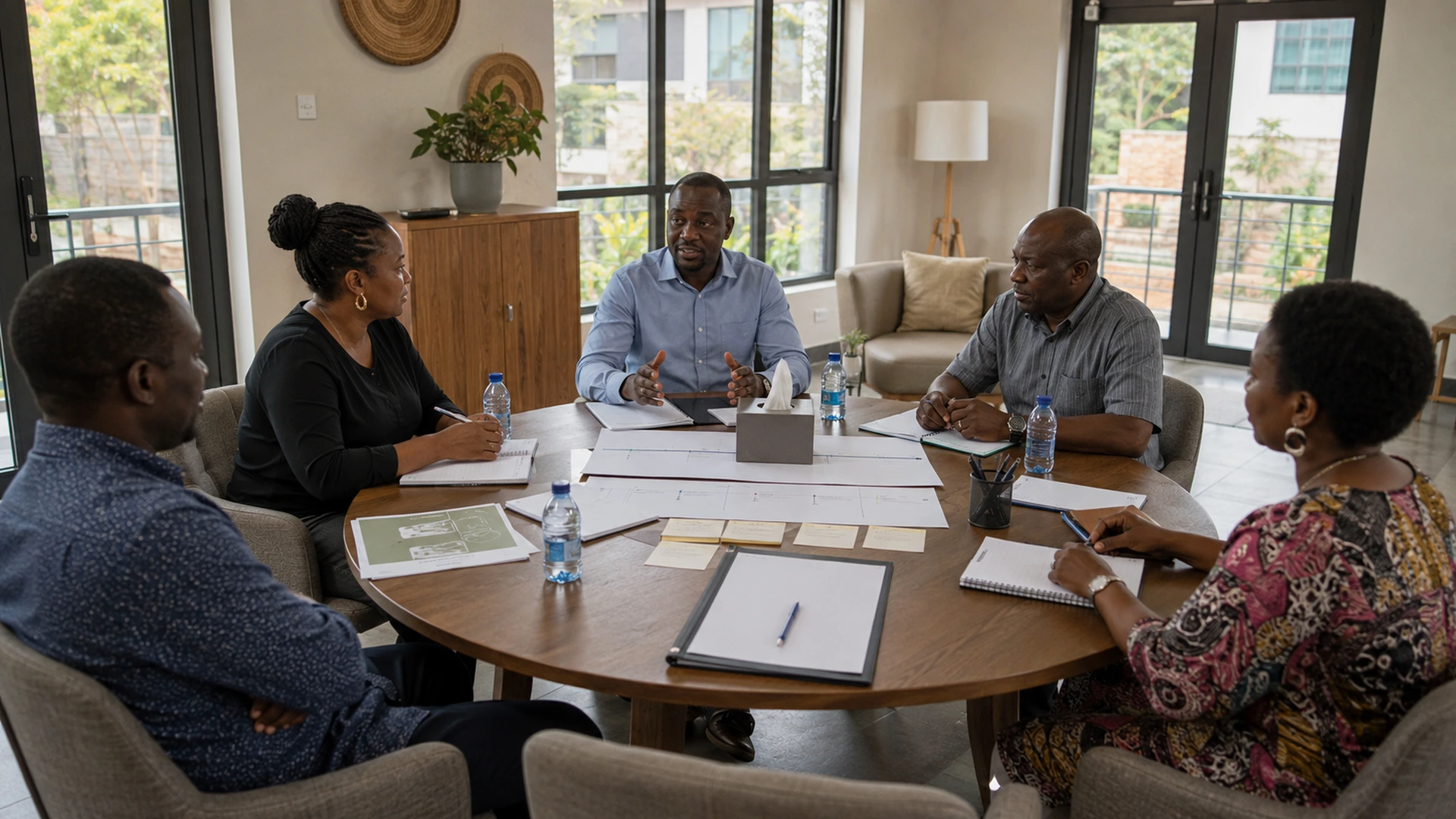
The following is an original, non-denominational framework—not an ancestral ritual and not a substitute for therapy, legal advice or community authority. Use it only when participation is voluntary and a basic safety assessment shows that direct conversation is appropriate.
1. Confirm safety and consent. Ask each participant privately whether they want the meeting, what contact feels safe and what topics or people would make participation impossible.
2. Choose an impartial facilitator. This may be a trained mediator, counselor, clergy member or elder who will protect speaking time, confidentiality and boundaries.
3. Define the purpose. Write one sentence such as: “We are meeting to address the unpaid inheritance funds and agree on future communication.” Avoid vague goals such as “make the family normal again.”
4. Prepare facts and requested repairs. Each person lists the events, impact, evidence, desired amends and non-negotiable safety needs.
5. Open with prayer, silence or a statement of shared values. Use only language everyone can accept. No one should be required to invoke God or ancestors.
6. Listen in turns. Each person speaks without interruption. The facilitator summarizes what was heard and distinguishes disputed facts from acknowledged facts.
7. Make accountable apologies. A useful apology names the action, impact and responsibility, expresses remorse and states how recurrence will be prevented.
8. Agree on restitution and boundaries. Record payments, property return, corrections, caregiving duties, contact rules, supervision, confidentiality and deadlines.
9. Choose a simple closing symbol. Options include signing the agreement, sharing tea, planting a tree, exchanging copies of a family photograph or leaving separately in peace. Do not borrow sacred objects from another culture.
10. Schedule follow-up. Review behavior after two weeks, one month and three months. Adjust contact according to evidence, not pressure.
When a Family Should Not Use an Informal Reconciliation Ritual
An informal family meeting is not appropriate when one person faces a realistic risk of violence, stalking, sexual abuse, coercive control, retaliation, child endangerment or serious financial exploitation. WHO identifies intimate partner violence as including physical, sexual and psychological harm and controlling behavior, and emphasizes immediate and ongoing safety needs for survivors. [2][3]
In these situations, “family unity” can become a dangerous slogan. A survivor may choose no contact, indirect communication through a lawyer or advocate, separate worship, supervised contact or permanent distance. Forgiveness—where it is personally or religiously meaningful—does not require withdrawing a police report, abandoning child protection, returning to a shared home or revealing a safe address.
Likewise, an elder or religious leader is not automatically qualified to mediate abuse. A facilitator who minimizes violence, blames the victim, demands secrecy or insists that reputation matters more than safety should not lead the process.
| Safety first Where violence, threats, coercive control, child abuse or stalking is present, prioritize confidential professional support, health care, legal advice and a personalized safety plan. Do not announce a reconciliation meeting to the person causing harm without specialist guidance. |
|---|
Signs That Reconciliation Is Becoming Real
The person who caused harm tells the truth without demanding praise for admitting it.
Restitution begins on the agreed schedule.
Boundaries are respected even when relatives disagree with them.
Private apologies match public behavior.
Gossip, triangulation and recruitment of other relatives stop.
The injured person can decline invitations without retaliation.
Children and dependent adults are not used as messengers.
The family accepts that closeness may rebuild slowly or never return to its previous form.
Follow-up meetings focus on evidence of change rather than repeating the original ceremony.
Warning Signs That Ritual Is Being Used to Hide Harm
A public apology is scheduled before the injured person agrees to attend.
The victim is told that ancestors, God or family honor require immediate forgiveness.
The offender offers symbolic gifts while refusing repayment or changed behavior.
Women, younger relatives, people with disabilities or financially dependent members are not allowed to speak freely.
The ceremony requires secrecy about abuse or illegal conduct.
A leader claims supernatural authority to determine who is telling the truth.
The family celebrates “unity” while threats, stalking or financial control continue.
The facilitator benefits financially or politically from a quick reunion.
How to Write an Accountable Family Apology
A ritual becomes more credible when the apology is specific. A useful structure is:
“I did…” — name the action without passive language.
“It affected you by…” — describe the impact using what the harmed person has said.
“It was wrong because…” — acknowledge the violated responsibility or right.
“I will repair it by…” — state restitution, correction or service with a deadline.
“I will prevent it by…” — describe changed behavior, treatment, financial controls or supervision.
“You do not owe me immediate forgiveness or access.” — remove pressure from the apology.
Avoid “I am sorry you felt hurt,” “we both made mistakes” or “let us forget the past.” These phrases shift attention away from responsibility and can reopen the harm.
Frequently Asked Questions
What is the best prayer for family reconciliation?
The best prayer is one that fits the family’s faith and asks for truth, responsibility, safety and wisdom—not merely reunion. Prayer should accompany apology, restitution and changed conduct.
Can a ritual bring estranged relatives back immediately?
No ritual can guarantee another person’s decision. A ceremony may create an opportunity for safe communication, but renewed contact remains voluntary.
Do I have to forgive a family member who has not apologized?
Religious teachings differ, and personal forgiveness may be understood in several ways. You can release revenge or pray for someone without restoring access, trust or closeness.
Is family reconciliation the same as family reunion?
No. A reunion is a gathering. Reconciliation is repair. Relatives can attend an event while conflict remains unresolved, or they can establish peaceful boundaries without gathering.
What is Mato Oput?
Mato Oput is a specific Acholi process of reconciliation associated with serious harm, elder mediation, responsibility, compensation and a culminating symbolic act. It is not a generic ritual for ordinary arguments.
Can ancestors be included in a family reconciliation ceremony?
Only according to the family’s own religion and cultural authority. Some families use remembrance or prayer; others prohibit addressing ancestors. Do not invent a pan-African ancestral invocation.
Can children participate?
Children should never be pressured to mediate adult conflict or disclose trauma publicly. A qualified child specialist should advise on participation where harm has affected them.
What if only one person wants reconciliation?
One person can make amends, stop harmful behavior, return property and communicate respectfully. A two-way relationship cannot be restored without the other person’s consent.
Should serious crimes be handled through a family ceremony?
No. A ceremony does not replace reporting, investigation, medical care, child protection or court processes. Cultural and restorative practices may complement formal justice only when rights and safety are protected.
How long does family reconciliation take?
There is no fixed timeline. A conversation may resolve a misunderstanding quickly, while betrayal, violence or long-term exploitation can require years of accountability and may never result in restored closeness.
Key Takeaways
Family reconciliation rituals organize truth-telling, prayer, apology, restitution, mediation and future commitments.
Forgiveness, reconciliation, reunion and restored access are different outcomes.
Christian, Jewish, Muslim, Buddhist and Acholi practices must be described in their own terms.
Acholi Mato Oput is an elder-led community process associated with grave harm, not a universal African ritual.
Ancestral traditions belong to the communities that recognize and transmit them.
Prayer and symbolic acts cannot substitute for repayment, safeguarding, treatment, legal responsibility or changed behavior.
Where abuse or coercive control exists, safety and specialist support take priority over family unity.
Real reconciliation is measured by consistent conduct after the ceremony.
Conclusion
Family reconciliation rituals matter because conflict is not only an exchange of words. It affects memory, identity, property, caregiving, faith, kinship and the stories passed to the next generation. A structured ceremony can make responsibility visible and give a family language for beginning again.
But the ceremony is not the repair itself. Repair is the returned money, the corrected story, the respected boundary, the treatment completed, the child protected, the gossip stopped and the promise kept months later. Sometimes the most truthful reconciliation is renewed closeness. Sometimes it is a calm, enforceable distance with no further harm.
The most respectful approach is therefore both spiritual and practical: honor the family’s genuine tradition, invite qualified mediators, protect voluntary participation, name the harm precisely and let future behavior prove whether trust can grow.
Article Information
- Publisher
- Ancestral Temple
- Editor
- Ancestral Temple
- Last updated
- Jul 30, 2026
- Last reviewed
- Jul 30, 2026
- Content version
- b722f231e5
This educational article should be read as cultural and spiritual information, not as medical, legal, financial, or emergency advice.
Helpful Related Guidance
About the Author
 Ancestral Temple
Spiritual guide and practitioner with decades of experience in ancestral wisdom, rituals, and divine guidance.
Related Posts
View All






Comments
We'd love to hear your thoughts.