
Relationship Healing Rituals: Forgiveness, Communication and Spiritual Traditions
Pillar Article
Quick Summary
Relationship healing rituals are structured cultural, spiritual or personal practices used after conflict, betrayal, harmful speech, neglect or another breakdown in trust. They may...
Relationship healing rituals are structured cultural, spiritual or personal practices used after conflict, betrayal, harmful speech, neglect or another breakdown in trust. They may involve prayer, truth-telling, confession, apology, compassionate listening, restitution, shared food, symbolic actions or guidance from elders and religious leaders.
There is no universal ritual that can restore every marriage, friendship or family bond. Acholi Mato Oput, Native Hawaiian ho'oponopono, Catholic reconciliation, Jain forgiveness observances and Buddhist Beginning Anew belong to different histories and should not be blended into one invented ceremony.
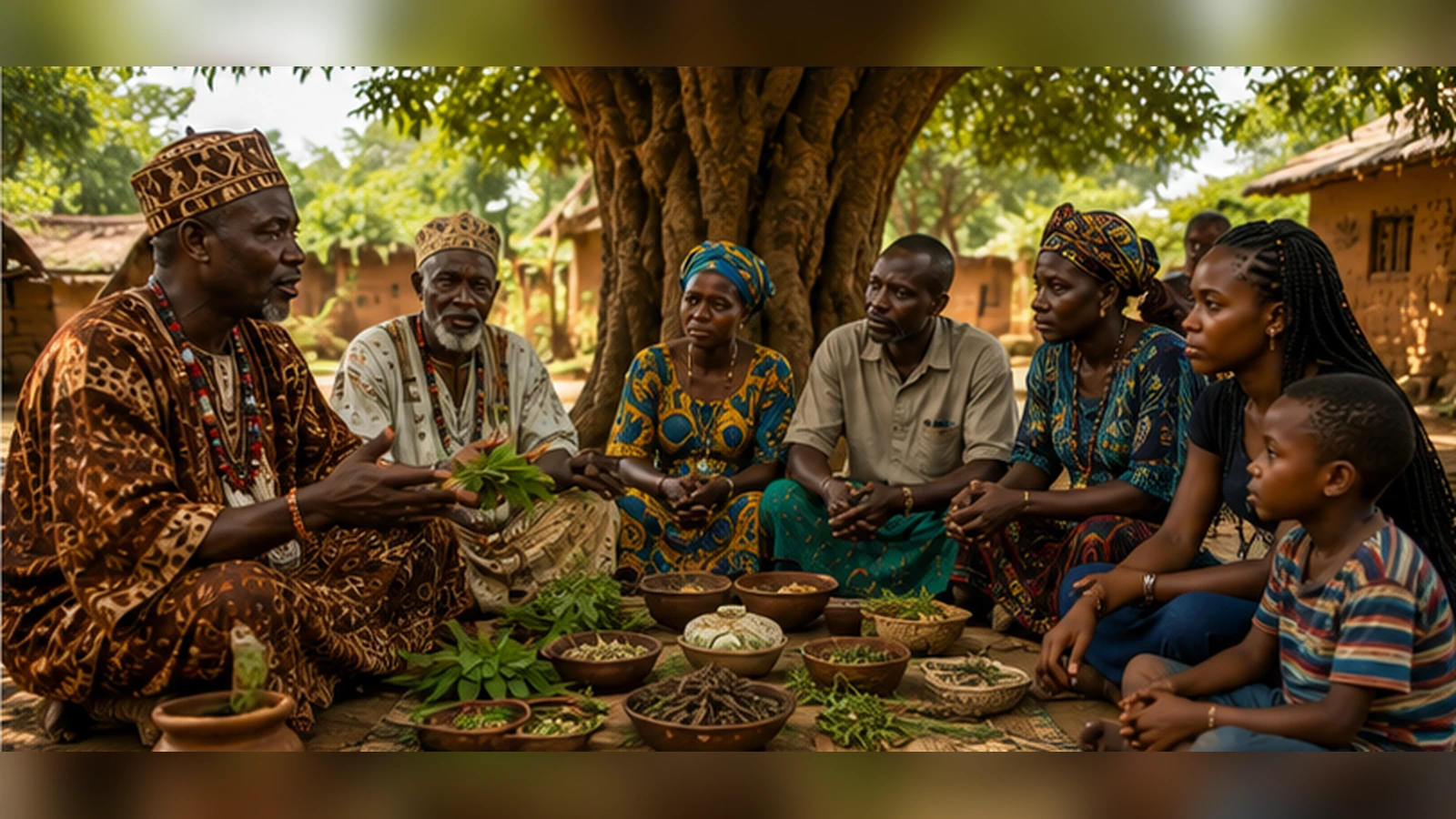
The common lesson is not that ritual can force people back together. Rather, ritual can create a recognized time and place for honesty, responsibility and careful decisions about what comes next.
Quick Answer
A relationship healing ritual is a culturally specific process for acknowledging harm, communicating, apologizing, seeking forgiveness, making amends or restoring peaceful relations. Forgiveness may be personal, but reconciliation requires participation from everyone involved. No ritual can force trust, erase abuse or guarantee reunion; safe boundaries and changed behaviour remain essential.
What Is a Relationship Healing Ritual?
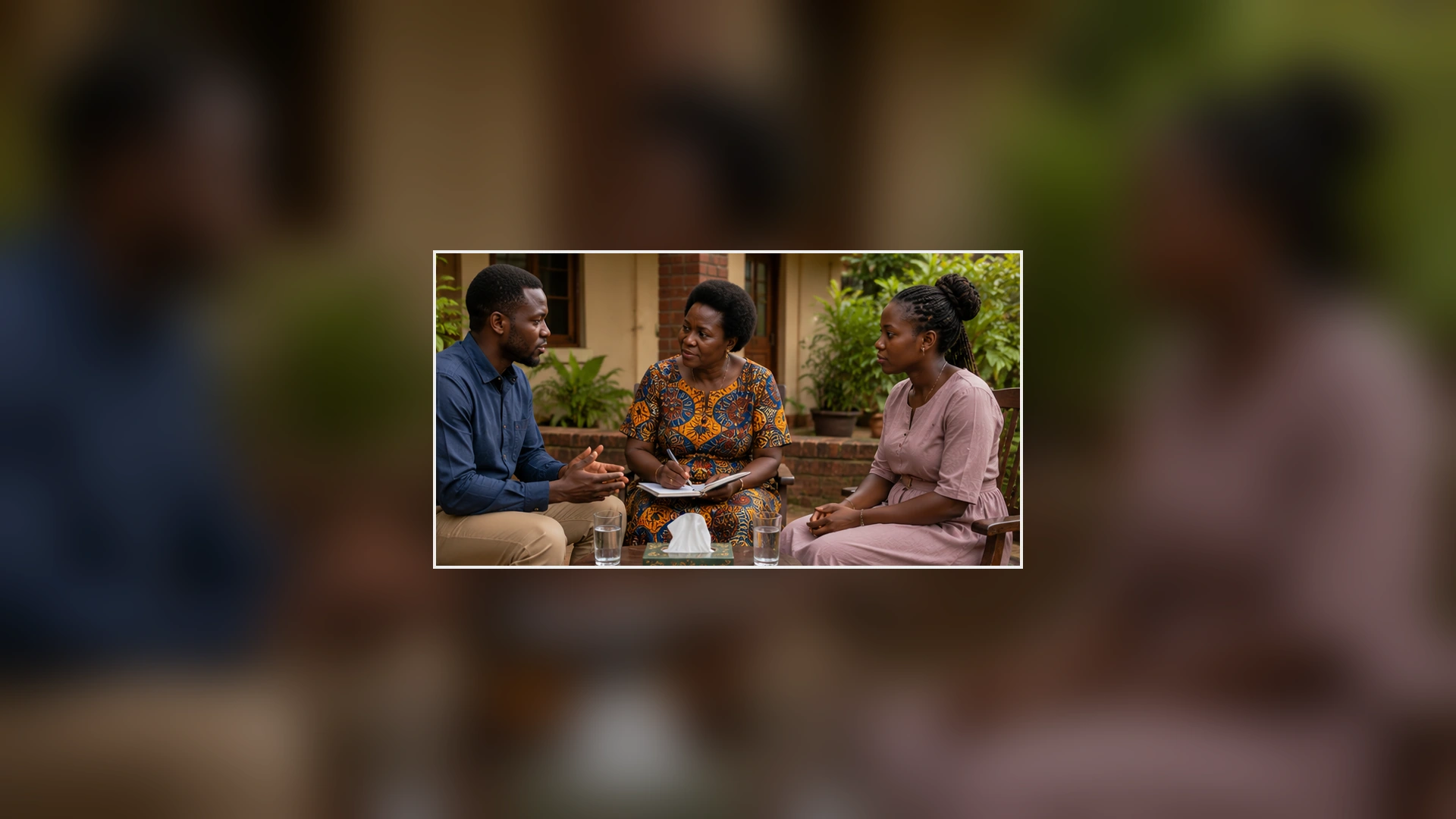
A relationship healing ritual is a repeated or formally structured practice intended to address relational harm. The relationship may involve spouses, partners, relatives, friends, neighbours, colleagues, clans or an entire community.
The word healing can refer to several different outcomes:
restoring communication;
reducing hostility;
acknowledging what happened;
accepting responsibility;
making restitution;
grieving what cannot be restored;
ending a relationship peacefully;
rebuilding trust gradually;
restoring community membership;
finding personal peace without renewed contact.
This range matters because not every relationship should return to its previous form. Sometimes healing means reconciliation. Sometimes it means boundaries, distance or a respectful ending.
Forgiveness, Reconciliation, Trust and Repair
| Term | Meaning | Who controls it? | Does it require reunion? |
|---|---|---|---|
| Forgiveness | A process of releasing or transforming resentment, revenge or the hold of an injury | The person who was hurt | No |
| Apology | An acknowledgement of harm and expression of remorse | The person who caused harm | No |
| Restitution | Concrete action to repair loss or damage | Usually the person responsible, sometimes through a wider process | No |
| Reconciliation | Renewal of workable or peaceful relations | All involved parties | Usually requires mutual participation |
| Trust | Confidence built from reliable and safe behaviour | The person deciding whether to trust | No; it may remain limited |
| Healing | Recovery of personal or relational well-being | Individuals and communities | No |
| Mediation | A structured discussion assisted by a neutral or trusted third party | Participants and mediator | No predetermined outcome |
Christian sources explicitly distinguish forgiveness from the wider work of restoring relationships, while research on survivors of intimate partner violence warns that pressure to forgive for the sake of preserving a relationship may increase the intention to return to an abuser. Forgiveness can therefore be separated from reconciliation and renewed access. [6][12][13]
Why Ritual Can Help People Address Conflict
It marks a change in ordinary time
Conflict often becomes repetitive. People argue, withdraw, return to daily tasks and then repeat the same pattern. A ritual interrupts that cycle by establishing a different setting, leader, sequence and purpose.
It makes responsibility public or visible
A spoken apology, signed agreement, returned object or act of restitution makes accountability more concrete than private regret.
It protects turn-taking
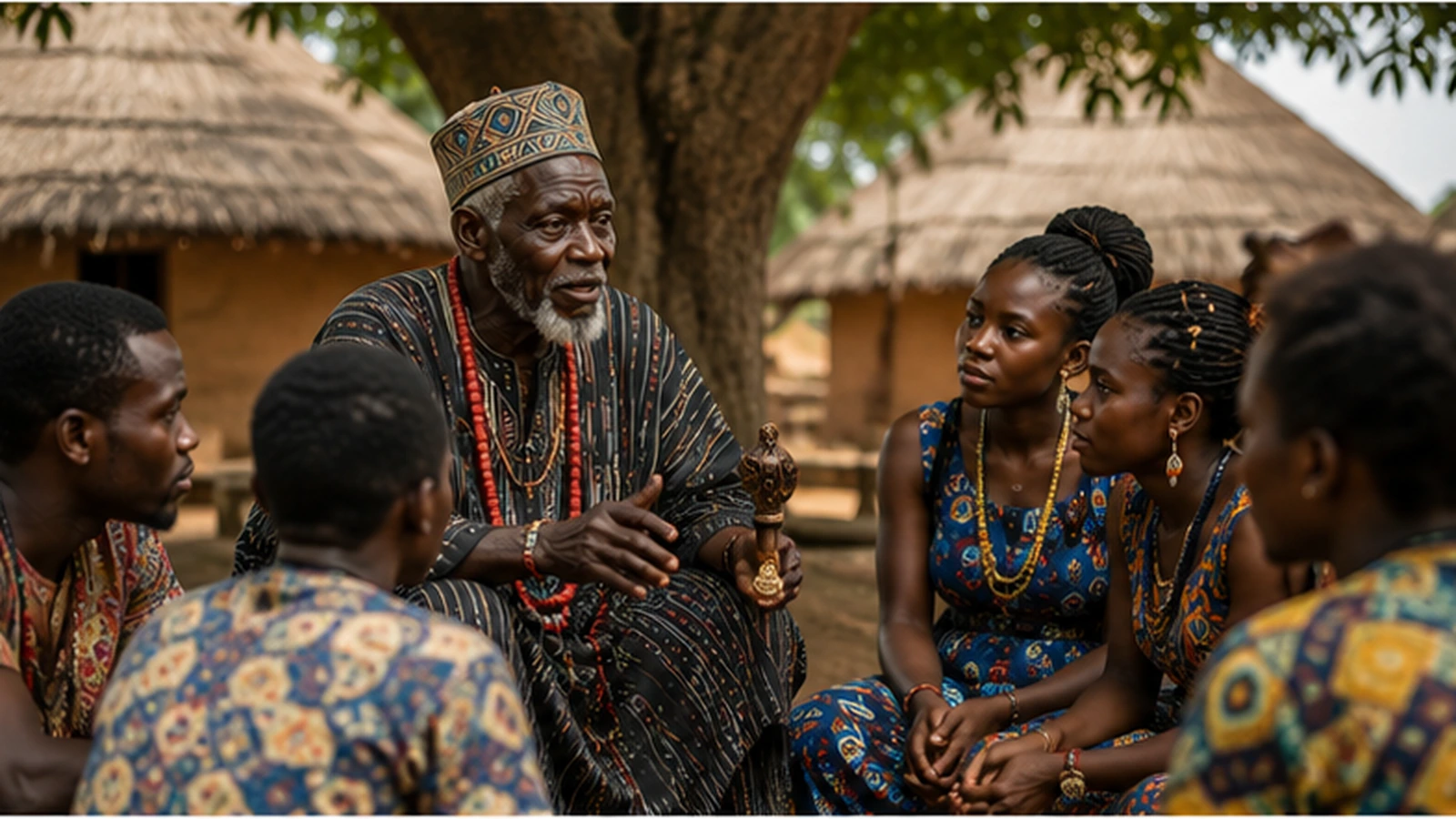
Many reconciliation traditions give each person an opportunity to speak. A recognized elder, mediator or facilitator may prevent interruption and keep attention on the harm rather than personal attacks.
It connects repair with values
Prayer, sacred texts, family history or community teachings can remind participants that reconciliation is not merely about ending discomfort. It may concern justice, humility, compassion or obligations to future generations.
It gives people a closing action
Shared food, a greeting, a handshake, a prayer or another symbolic act can mark the end of a formal process. That action does not erase what happened; it signals an agreed transition.
Common Elements of Relationship-Repair Traditions
Across different traditions, the following elements may appear:
1. Preparation and agreement to participate.
2. Acknowledgement of the specific harm.
3. Listening without interruption.
4. Acceptance of responsibility.
5. Apology or confession.
6. Explanation without using explanation as an excuse.
7. Restitution, compensation or corrective action.
8. Request for forgiveness.
9. A decision about boundaries and future conduct.
10. A closing prayer, meal, greeting or symbolic act.
Not every tradition uses all ten elements. The objects, words, leaders and theology cannot be transferred from one culture to another simply because the general purpose is reconciliation.
Mato Oput Among Acoli Communities of Northern Uganda
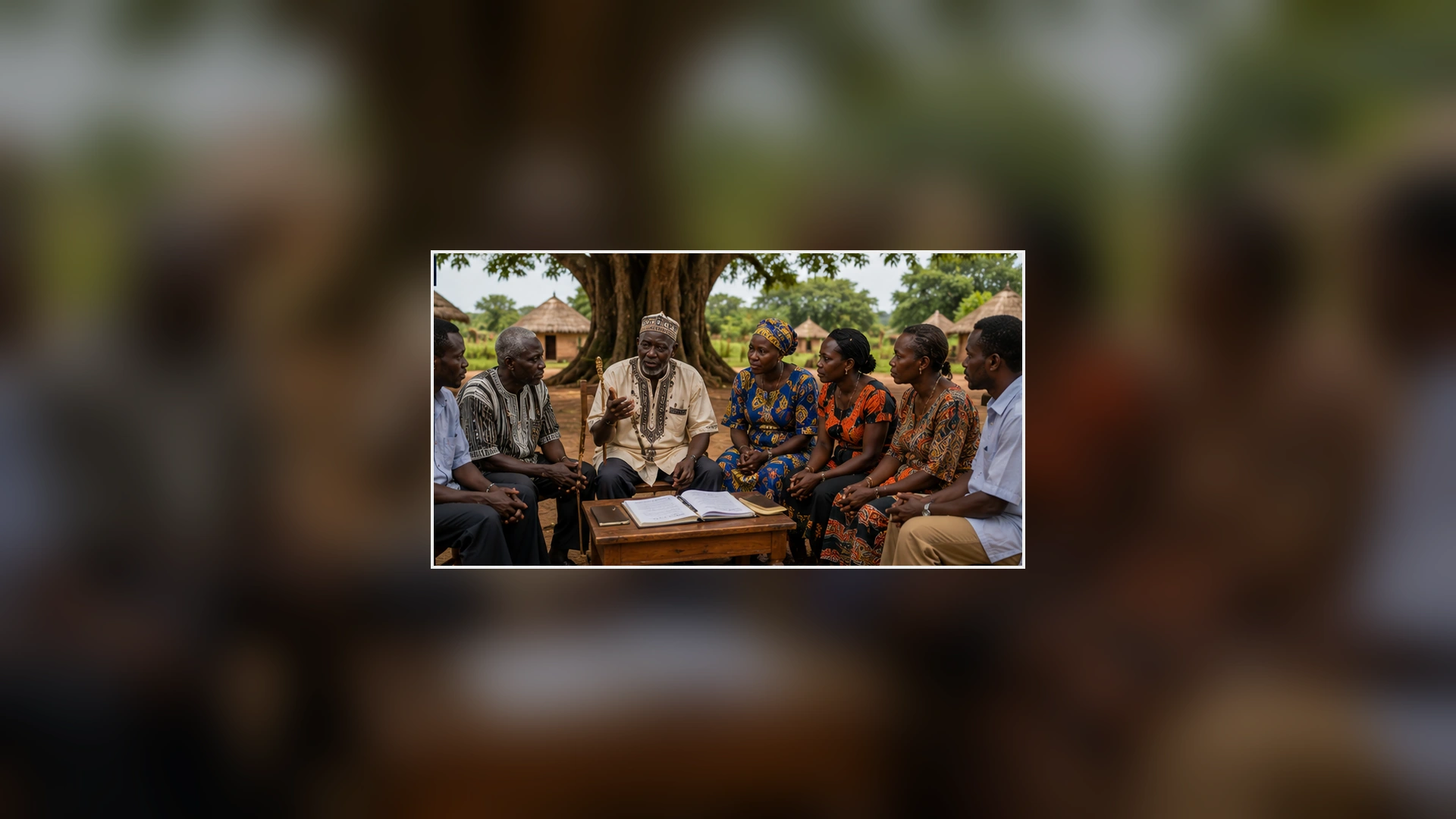
Mato Oput is one of the best-known African reconciliation practices, but it is frequently oversimplified. Research from Gulu University describes it as a late stage within a longer process following grave harm. The responsible person and victim must be known, responsibility must be established and prior steps toward restoration must already have occurred. The authors caution that Mato Oput is not automatically suitable for mass atrocities or every conflict. [1]
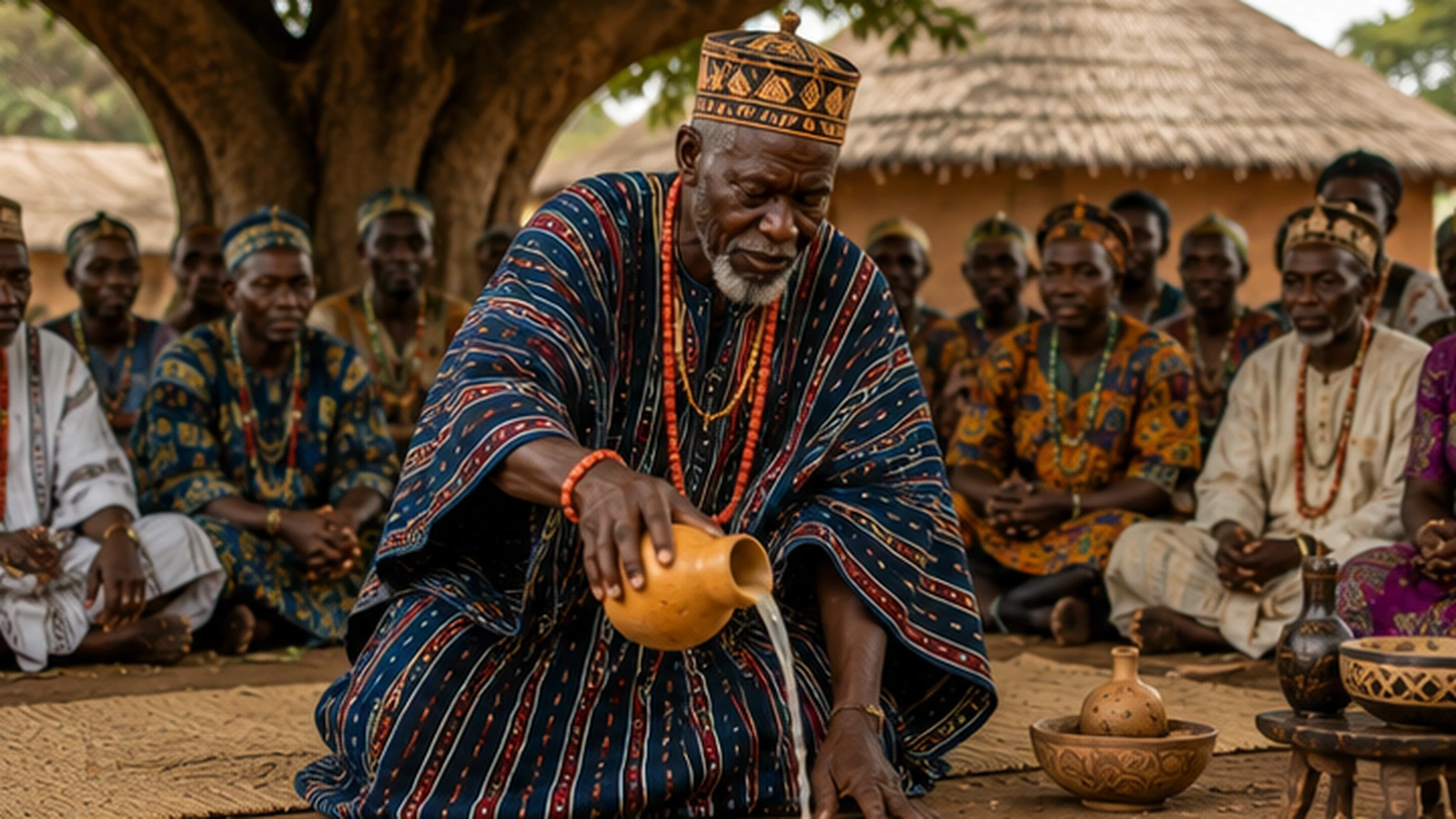
The expression is commonly translated as “drinking the bitter root.” The final ceremony is associated with acknowledgement, compensation, the involvement of elders and restoration of peaceful coexistence between affected families or clans. Scholarship also notes that practices vary among clans and that the term is sometimes used too broadly for any reconciliation process. [1][2]
Mato Oput is therefore not a recipe for solving ordinary arguments between romantic partners. Its cultural authority belongs to Acoli communities and elders. Its wider lesson is that reconciliation after serious harm requires truth, responsibility, material repair and community participation before a final symbolic act.
Ho'oponopono in Native Hawaiian Tradition
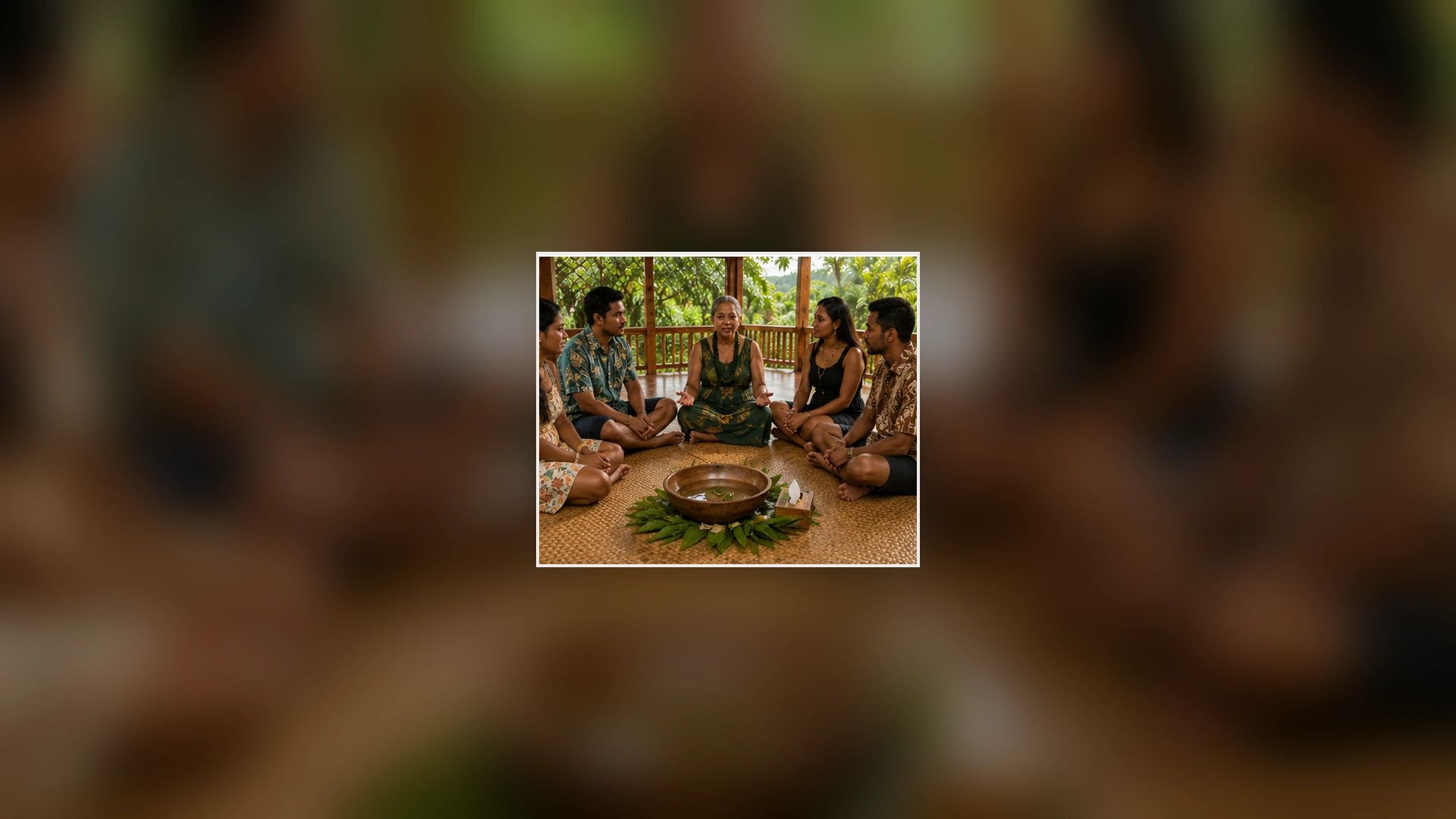
Ho'oponopono means making right or restoring order. University of Hawai'i sources describe it as a Native Hawaiian process for resolving disputes within families and close groups through ritual communication, truth-telling, responsibility, repentance, forgiveness and reconciliation. A facilitator or knowledgeable elder may guide the process so each person can speak and be acknowledged. [3][4]
Contemporary Hawaiian educators have also integrated ho'oponopono into social work and community practice. The purpose is not to win an argument but to restore pono: right relationship, goodness and peace. [3][4]
Online content often reduces ho'oponopono to four sentences repeated privately. That version should not be confused with the fuller family process documented by Native Hawaiian scholars and practitioners. Cultural context, relationships and skilled facilitation are central.
Christian Reconciliation, Confession and Repair
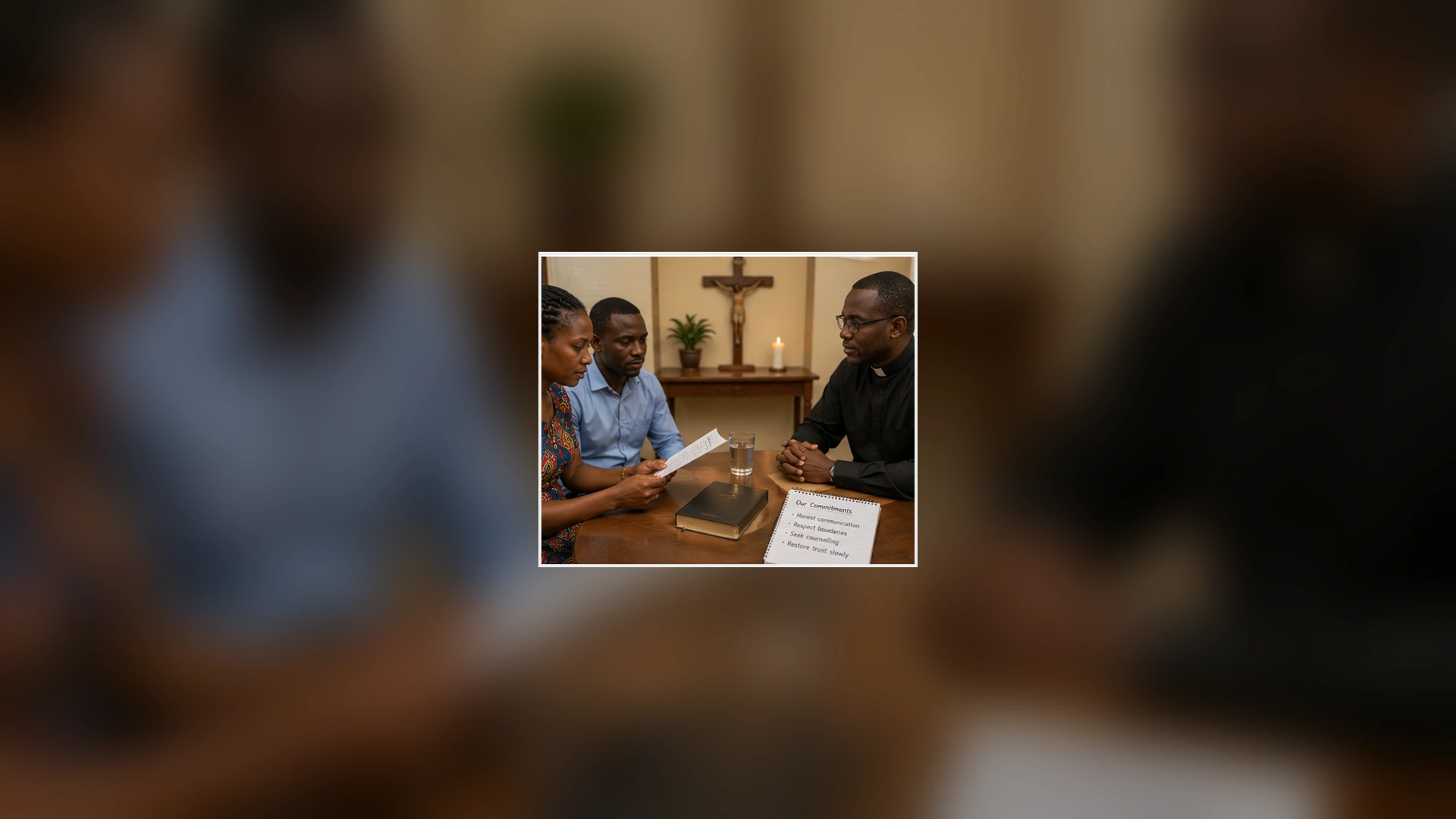
Christian traditions approach forgiveness through prayer, repentance, confession and the teachings of Jesus, but denominational practices differ. In Catholicism, the Sacrament of Penance and Reconciliation concerns reconciliation with God and the Church. Catholic teaching also presents forgiveness as fundamental to reconciliation between people. [5][6]
For interpersonal harm, saying “I am sorry” is incomplete when the person avoids responsibility or refuses repair. United States Catholic resources encourage family members to ask forgiveness and do something that helps repair the relationship. [7]
Christian forgiveness does not require pretending that evil did not occur. Vatican teaching states that forgiveness is not indulgence toward wrongdoing. In cases of domestic violence, USCCB guidance warns that religious beliefs may be used to pressure victims to remain in dangerous relationships. Safety and accountability must come before reunion. [6][12]
Jain Forgiveness: Paryushan, Samvatsari and Kshamavani
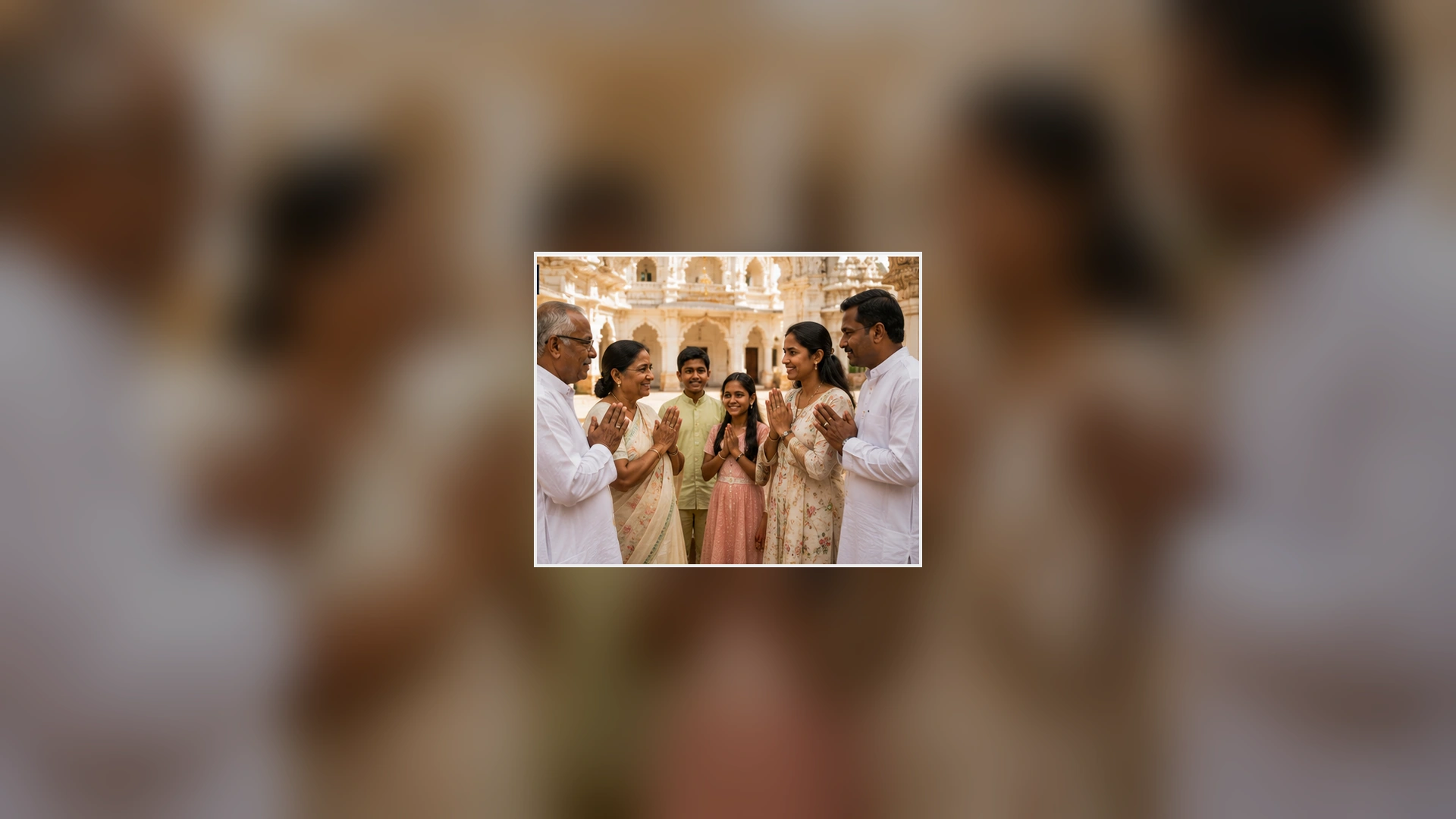
Forgiveness has a central place in Jain ethical and festival life. During Paryushan and related observances, Jains reflect on harm caused through thought, speech and action and seek forgiveness. Jain sources describe Samvatsari and Kshamavani as occasions when people contact relatives, friends and acquaintances to ask forgiveness and renew relationships. [8]
The phrase Micchami Dukkadam is used in connection with the wish that harm caused by one's actions become fruitless or forgiven. The observance is broader than repairing one romantic relationship; it reflects nonviolence, humility, self-examination and friendship toward living beings. [8]
A formula does not remove the need for sincerity or changed behaviour. Sending the phrase by message while continuing the same harm would contradict the ethical purpose of the observance.
Buddhist Beginning Anew and Compassionate Communication
Plum Village, a Buddhist community in the tradition of Thich Nhat Hanh, teaches Beginning Anew as a practice for maintaining and healing relationships. Its materials emphasize conscious breathing, loving speech and compassionate listening. [9]
The process invites people to recognize positive qualities, express regret and discuss hurts with care. It is not a universal Buddhist ritual, but a particular practice within the Plum Village tradition.
The value of Beginning Anew lies in slowing down communication. Participants are encouraged to speak without attack and listen without immediately preparing a defence. If reconciliation is difficult, guidance from an experienced community member may be appropriate. [9]
Apology: What Makes It Meaningful?
A meaningful apology usually includes:
1. A clear statement of what happened.
2. Acknowledgement that the action caused harm.
3. Responsibility without blaming the injured person.
4. Expression of remorse.
5. A concrete offer to repair the damage.
6. A plan to reduce the chance of repetition.
7. Respect for the other person's need for time or distance.
Experimental research suggests that apologies can promote forgiveness partly by communicating that the relationship and the injured person are valued. [10]
An apology is weakened by phrases such as “I am sorry you felt hurt,” “I only did it because you made me angry” or “You must forgive me now.” These statements shift responsibility or demand an outcome.
Restitution and Changed Behaviour
Words alone are often insufficient. Repair may require:
replacing damaged property;
returning money;
correcting a public lie;
ending contact with a third party after betrayal;
attending treatment for harmful behaviour;
respecting agreed communication limits;
sharing responsibilities more fairly;
making a formal community apology;
following through consistently over time.
Trust is not restored by the intensity of one ceremony. It returns, when it returns at all, through repeated evidence of safety and reliability.
What Research Says About Forgiveness and Communication
A systematic review and meta-analysis found that forgiveness-focused therapy can improve aspects of psychological well-being among people who have experienced interpersonal hurt, although outcomes vary and forgiveness should never be coerced. [11]
Research on couple therapy shows substantial improvements in relationship satisfaction and meaningful gains in communication, emotional intimacy and partner behaviour. Relationship education programmes also show benefits for communication and satisfaction in many studies. [14][15]
These findings do not prove that a cultural ritual works like clinical therapy. They show that structured reflection, guided communication and professional interventions can help some people. A spiritual practice may complement counselling, but it should not replace trauma-informed care, addiction treatment or mental-health support when those are needed.
Relationship Healing After Betrayal
Betrayal may involve infidelity, financial secrecy, public humiliation, broken confidentiality or repeated lying. Healing requires clarity about what happened and what the injured person needs to feel safe.
Useful questions include:
Has the full truth been disclosed voluntarily?
Has the harmful behaviour stopped?
Is the apology specific?
Has restitution begun?
Are boundaries respected without argument?
Is the person willing to tolerate uncertainty while trust rebuilds?
Are both people choosing the process freely?
Forgiveness should not be used to rush past anger or grief. Those emotions may carry information about violated values and unsafe patterns.
Family and Friendship Repair
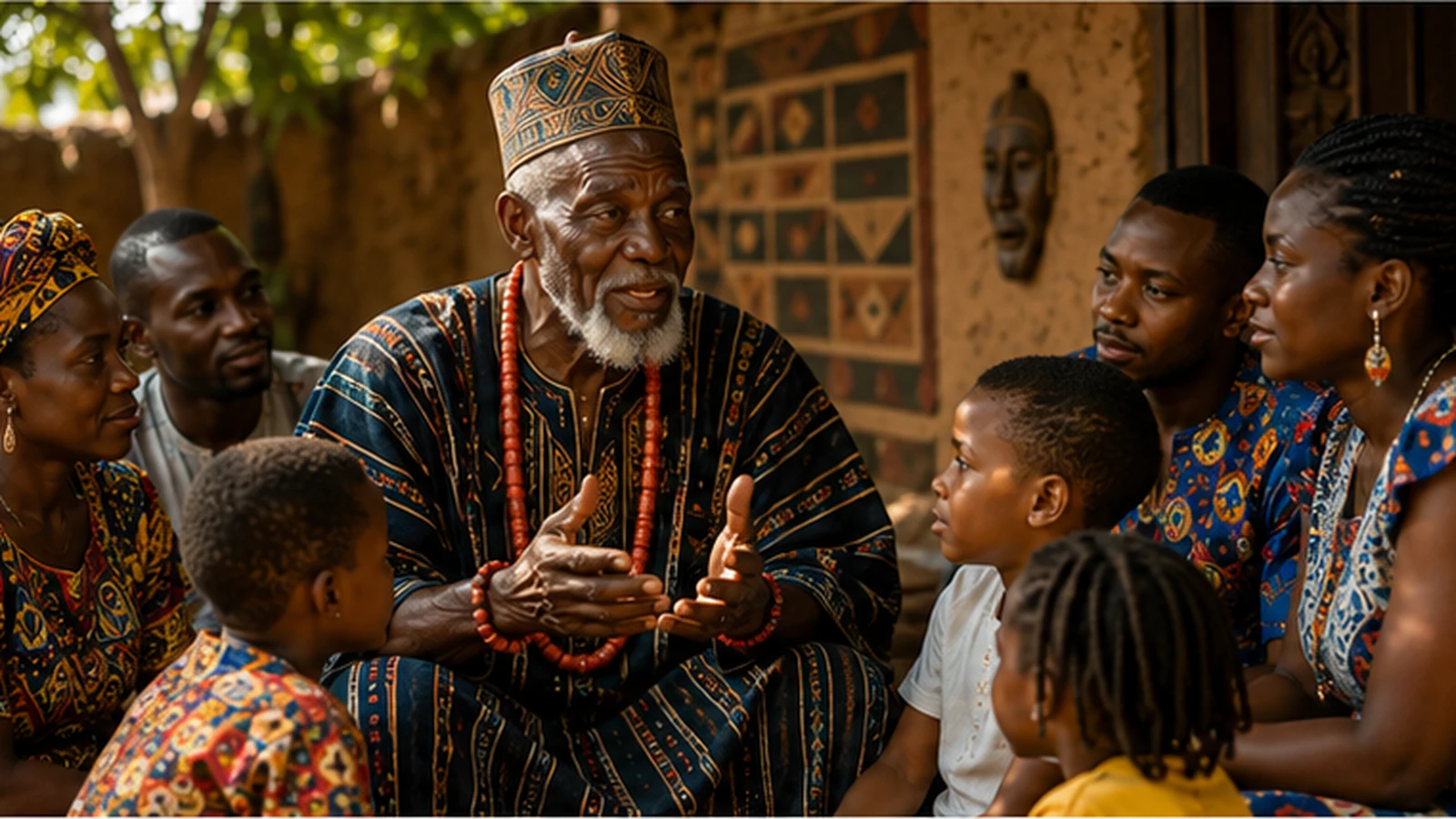
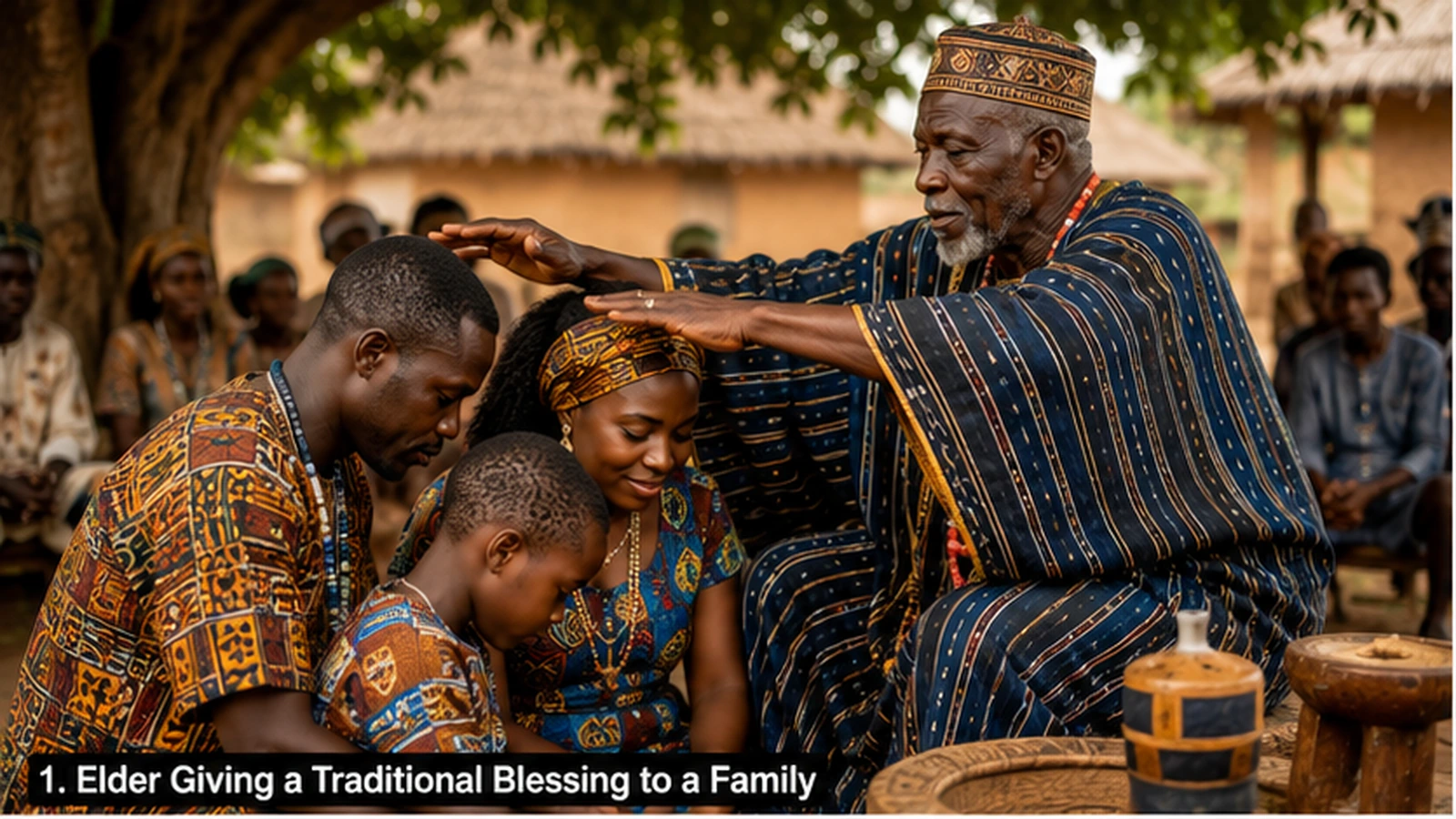
Family reconciliation can involve several generations, inheritance disputes, caregiving conflict or long-standing misunderstandings. A trusted elder may help, but age alone does not guarantee neutrality.
Friendship repair may require a smaller process: a message requesting a conversation, an apology and respect for the friend's response. A former friend has the right to decline renewed contact.
In both settings, repair is more likely when the request is specific and does not demand immediate forgiveness.
When Healing Does Not Mean Reconciliation
Healing can occur without restoring the former relationship. A person may forgive privately, stop seeking revenge and still maintain distance.
Reconciliation normally requires:
acknowledgement of harm;
voluntary participation;
an end to the harmful behaviour;
respect for boundaries;
credible accountability;
enough safety for renewed contact.
Where these conditions are absent, separation may be the healthier outcome.
Abuse, Coercion and Safety
Relationship rituals should never be used to pressure a person to remain with someone who is violent, sexually coercive, controlling or psychologically abusive. The World Health Organization defines intimate partner violence to include physical aggression, sexual coercion, psychological abuse and controlling behaviour, and identifies it as a major public-health and human-rights problem. [12]
Religious language can be misused to demand silence, forgiveness or reunion. USCCB guidance notes that victims may struggle with spiritual pressure around forgiveness and reconciliation. Research with survivors also emphasizes that forgiveness does not have to include reconciliation. [13]
In an abusive relationship:
safety planning comes before joint ritual;
the person harmed is not responsible for changing the abuser;
couples mediation may be unsafe where coercive control is present;
separation and legal protection may be necessary;
forgiveness is optional and personal;
renewed contact is not owed.
Anyone in immediate danger should contact local emergency services or trusted local support.
Modern Social-Media Relationship Rituals
Online content may promote candle rituals, binding ceremonies, “communication spells,” scripted ho'oponopono phrases, manifestation letters or techniques said to make an ex return.
Some are personal inventions; others borrow selectively from living religions. They should not be described as ancient or culturally authentic without evidence.
A private reflective ritual can still be meaningful when it is honest. Lighting a candle while writing an apology may help someone focus. It does not spiritually compel another person to respond, forgive or resume a relationship.
A Respectful Non-Denominational Repair Practice
The following is a modern communication structure, not an inherited ritual from a named culture:
1. Confirm that both people feel safe and agree to speak.
2. Choose a quiet place and a limited time.
3. Begin with one minute of silence or prayer according to each person's beliefs.
4. State the purpose: understanding and accountability, not winning.
5. The person who caused harm describes the action without excuses.
6. The person harmed explains the impact without interruption.
7. The responsible person summarizes what they heard.
8. Agree on restitution and boundaries.
9. Decide whether another conversation is wanted.
10. Close with a written summary, respectful greeting or separate departure.
This practice is unsuitable where violence, intimidation or coercive control makes equal participation impossible.
A Communication Guide for Difficult Conversations
Use sentences that describe rather than accuse:
“When this happened, I felt…”
“The part that damaged trust was…”
“What I need before further contact is…”
“I accept responsibility for…”
“I cannot change what happened, but I can repair…”
“I understand that forgiveness may take time.”
“I will respect your decision about contact.”
Avoid:
“You always…”
“You made me do it.”
“My ritual says you must forgive me.”
“If you loved me, you would come back.”
“Everyone agrees that you are the problem.”
“Let us forget it ever happened.”
Who Can Facilitate Relationship Repair?
Depending on the relationship and tradition, a facilitator may be:
a recognized elder;
a religious leader;
a trained mediator;
a couples or family therapist;
a community restorative-justice practitioner;
a trusted relative accepted by both sides.
The facilitator should disclose conflicts of interest, protect confidentiality and avoid pressuring one side. In serious cases, legal or clinical expertise may be required.
Common Misunderstandings
“Forgiveness means forgetting”
No. A person can forgive while remembering the event and using that knowledge to set boundaries.
“Reconciliation is always the most spiritual outcome”
No. Safety, truth and justice may require distance or separation.
“A traditional ritual can make an ex return”
No ethical tradition can erase another person's consent.
“Mato Oput is an African couples ritual”
False. It is an Acoli restorative process associated with grave harms and community relations.
“Ho'oponopono is only four sentences”
That popular internet version does not represent the full Native Hawaiian family process.
“An apology automatically restores trust”
Trust depends on changed behaviour over time.
“Counselling shows that faith failed”
Professional help and spiritual practice can complement each other.
Key Takeaways
Relationship healing rituals structure truth-telling, apology, listening and repair.
Forgiveness is personal; reconciliation is mutual.
Trust is earned through reliable behaviour.
Mato Oput belongs to Acoli restorative traditions and is not a generic romance ritual.
Ho'oponopono is a Native Hawaiian family reconciliation process involving responsibility and ritual communication.
Christian reconciliation connects mercy with confession and repair.
Jain forgiveness observances emphasize harm caused in thought, speech and action.
Plum Village's Beginning Anew emphasizes loving speech and compassionate listening.
Apologies are stronger when they communicate responsibility and relationship value.
Couple therapy and relationship programmes can improve communication and satisfaction.
Forgiveness never requires remaining in an abusive relationship.
No ritual can override consent or guarantee reunion.
People Also Ask
What is a relationship healing ritual?
A relationship healing ritual is a structured cultural, spiritual or personal practice used to acknowledge harm, communicate, apologize, seek forgiveness, make amends or decide how people will move forward.
What is the difference between forgiveness and reconciliation?
Forgiveness can be an individual process. Reconciliation requires the participation of everyone involved and usually depends on accountability, safety and changed behaviour.
What is Mato Oput?
Mato Oput is an Acoli restorative process in northern Uganda associated with grave harm, responsibility, compensation and restoring peaceful coexistence between affected families or clans.
What is ho'oponopono?
Ho'oponopono is a Native Hawaiian process for making relationships right through guided truth-telling, responsibility, repentance, forgiveness and reconciliation within families or close groups.
What is Micchami Dukkadam?
It is a Prakrit expression used during Jain forgiveness observances to seek forgiveness for harm caused knowingly or unknowingly.
What is Beginning Anew?
Beginning Anew is a Plum Village Buddhist communication practice involving mindful breathing, loving speech, appreciation, regret and compassionate listening.
Can an apology rebuild trust?
An apology can begin repair, but trust usually requires specific accountability and consistent changed behaviour.
Can someone forgive without continuing the relationship?
Yes. Forgiveness does not require reunion, contact or restored trust.
Can a ritual make an ex return?
No. A ritual cannot ethically or reliably override another person's consent.
Frequently Asked Questions
Can couples create their own healing ceremony?
Yes, they can create a personal, non-denominational repair practice. They should not falsely claim that it is an inherited ceremony from another culture.
Should an elder always mediate family conflict?
Only when all participants trust the elder and the elder can remain fair. Some conflicts require a trained mediator, therapist or legal professional.
Is joint counselling safe in an abusive relationship?
It may be unsafe when one partner uses coercive control or violence. Individual safety assessment and specialized support should come first.
How long does reconciliation take?
There is no fixed period. The seriousness of the harm, openness of the people involved and consistency of repair all matter.
Must the injured person accept an apology?
No. The person may need time, request conditions or decline further contact.
Can prayer heal a relationship?
Prayer may support reflection, courage and compassion. It does not remove the need for truth, accountability and consent.
Is forgiveness therapy effective?
Research suggests forgiveness-focused therapy can improve some aspects of well-being for some people, but it should be voluntary and appropriately guided.
When should people seek professional help?
Professional help may be useful when conflict is repeated, communication has collapsed, trauma is present or the same harmful behaviour continues despite promises.
Conclusion
Relationship healing rituals show that forgiveness is rarely only a private feeling. Across different traditions, repair may require truth-telling, confession, listening, responsibility, restitution and a deliberate decision about future relationships.
The traditions in this article are not interchangeable. Mato Oput, ho'oponopono, Christian reconciliation, Jain forgiveness and Beginning Anew each belong to specific communities and ethical frameworks.
Their shared wisdom is that real repair cannot be forced. Forgiveness may be offered freely, reconciliation must be mutual and trust must be supported by changed behaviour.
Final Summary
A relationship healing ritual can create a protected structure for apology, communication and accountability. It may support couples, families, friends or communities, but it cannot guarantee reunion.
The safest and most respectful approach distinguishes forgiveness from reconciliation, honours cultural authority, protects consent and refuses to use spiritual language to keep someone in danger.
Article Information
- Publisher
- Ancestral Temple
- Editor
- Ancestral Temple
- Last updated
- Jul 30, 2026
- Last reviewed
- Jul 30, 2026
- Content version
- fd1687aaa1
This educational article should be read as cultural and spiritual information, not as medical, legal, financial, or emergency advice.
Helpful Related Guidance
About the Author
 Ancestral Temple
Spiritual guide and practitioner with decades of experience in ancestral wisdom, rituals, and divine guidance.
Related Posts
View All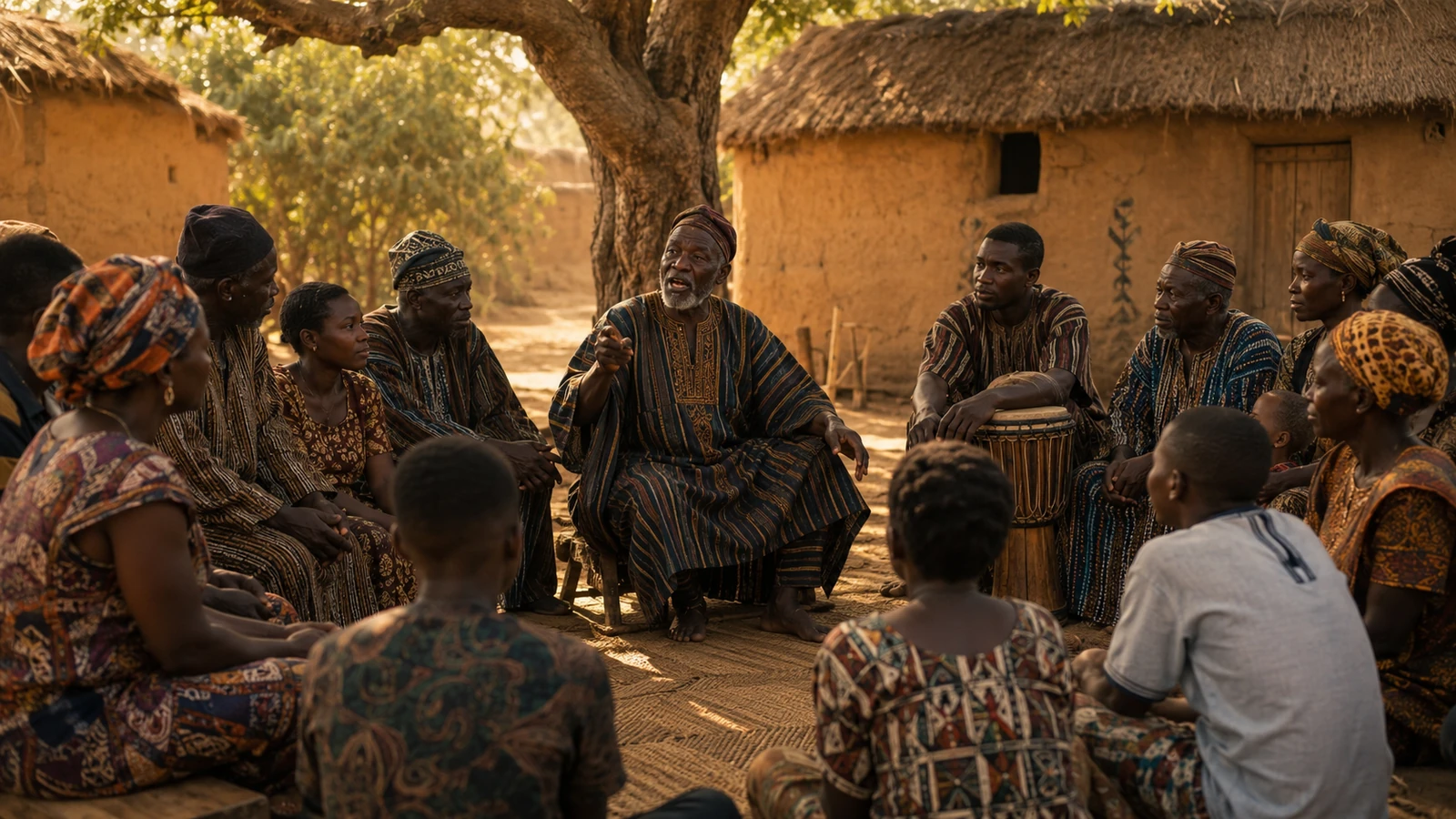






Comments
We'd love to hear your thoughts.