
Friendship Reconciliation Rituals: Traditions for Peace, Forgiveness and Unity
Pillar Article
Quick Summary
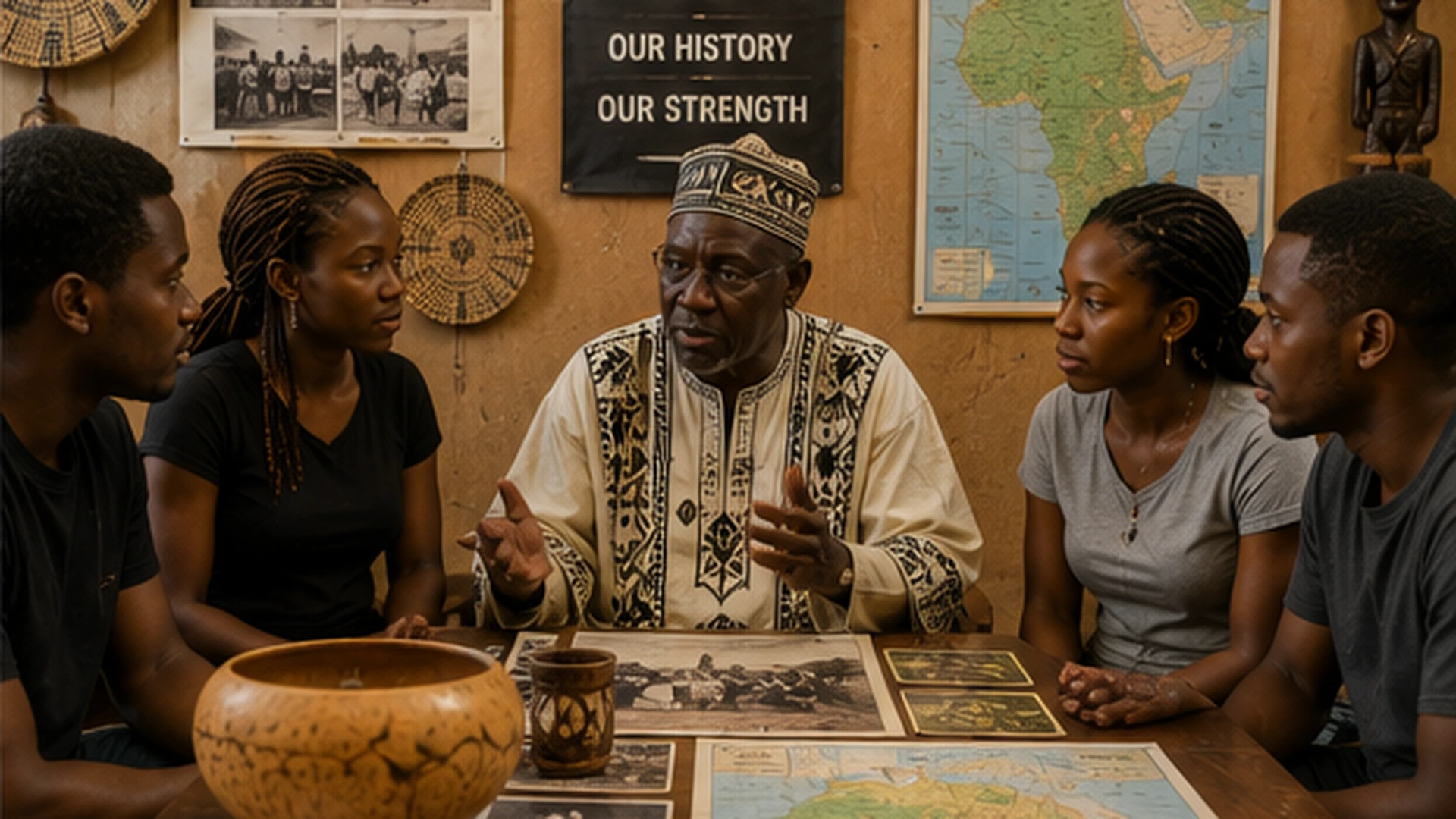
Friendship reconciliation rituals are structured acts through which people acknowledge harm, seek forgiveness, repair trust or mark a decision to live in peace. They may include an...
Friendship reconciliation rituals are structured acts through which people acknowledge harm, seek forgiveness, repair trust or mark a decision to live in peace. They may include an apology, mediated conversation, prayer, symbolic exchange, shared food, restitution or a public commitment to changed behaviour.
The phrase is a broad educational label rather than the name of one universal ceremony. Acholi Mato Oput in northern Uganda, Sidama Fichee-Chambalaalla in Ethiopia, Hawaiian hooponopono, Islamic sulh, Jewish teshuvah and Christian reconciliation belong to different histories, authorities and purposes. Similar themes of apology and peace do not make their words or symbols interchangeable.
Reconciliation is also not guaranteed. Forgiveness may happen without renewed friendship, and a repaired relationship requires voluntary participation, safety, accountability and time. A ceremony cannot make an unsafe person trustworthy or require the harmed person to return.
Quick Answer
A friendship reconciliation ritual is a meaningful process used to address conflict through honest speech, apology, responsibility, repair and, where appropriate, forgiveness. It may be religious, cultural or newly created by the friends themselves. Reconciliation must be voluntary and safe; forgiveness does not require renewed contact.
What Is a Friendship Reconciliation Ritual?
A friendship reconciliation ritual is an intentional process that marks an attempt to repair a damaged relationship. The word ritual may describe a traditional ceremony, a religious practice or a newly created sequence such as writing apologies, meeting with a mediator, exchanging repaired property and sharing a meal.
Ritual gives a difficult conversation a beginning, structure and ending. It can establish who will speak, what harm will be named, whether restitution is required and how future boundaries will be reviewed. The structure does not create sincerity by itself; the participants’ conduct before and after the meeting matters more than symbolism.
A friendship can also be repaired without ceremony. Some people prefer a private conversation, letter, counselling session or gradual change in behaviour. The most appropriate form depends on the harm, the relationship, culture, safety and consent.
Forgiveness, Reconciliation, Apology and Peace
| Term | Main meaning | Who controls it | Important limit |
|---|---|---|---|
| Apology | Acknowledging harm and expressing regret | The person who caused harm | Does not by itself restore trust |
| Restitution or repair | Correcting damage where possible | Usually the person responsible | May involve repayment, replacement, correction or service |
| Forgiveness | A change in the harmed person’s relationship to resentment or moral debt | The harmed person | May occur without renewed contact |
| Reconciliation | Rebuilding a workable relationship | All participating parties | Requires safety, consent and changed behaviour |
| Peaceful coexistence | Ending hostility or agreeing on boundaries | Individuals or groups | May be realistic even when friendship does not resume |
Psychological research commonly distinguishes forgiveness from reconciliation because a person may forgive someone who is deceased, unavailable or unsafe. This distinction protects the right to maintain boundaries while processing anger or grief. [1]
Why People Use Ritual in Friendship Repair
To make harm visible
Conflict often becomes confusing because each person remembers events differently. A structured meeting can identify the specific action, impact and responsibility.
To provide witnesses or mediation
A trusted elder, counsellor, religious leader or trained mediator may slow escalation and prevent interruption, threats or humiliation.
To require more than words
Restitution, changed routines and follow-up meetings show whether an apology is accompanied by action.
To mark a transition
A handshake, meal, prayer or written agreement can mark the end of open hostility and the beginning of a test period.
To reconnect friendship with community values
Religious and cultural traditions may link friendship repair with truth, mercy, justice, hospitality, family reputation or peaceful coexistence.
What Makes an Apology Meaningful?
Research on apology shows that apologies differ in effectiveness. The strongest versions normally identify the harm, accept responsibility, express regret and offer repair rather than using vague language or demanding immediate forgiveness. [2]
A meaningful apology avoids phrases such as “I am sorry you felt hurt,” which shift attention from the action to the harmed person’s reaction. It also avoids excuses, public pressure and promises that cannot be measured.
The harmed friend controls whether to accept the apology, request more information, delay a decision or end contact. An apology is an offer of accountability, not a purchase of forgiveness.
Name the action clearly.
Acknowledge its impact without arguing about the other person’s feelings.
Accept the part for which you are responsible.
Express regret.
Repair practical damage where possible.
Explain the specific change you will make.
Allow the other person time and freedom to decide.
Origins and Historical Limits
No single origin exists for friendship reconciliation rituals. Families and communities have long developed ways to settle disputes, restore cooperation and prevent cycles of retaliation, but household practices often left limited written evidence.
Modern labels can also distort history. A practice designed for homicide between clans should not be simplified into a friendship exercise. A New Year festival that promotes peaceful coexistence should not be called a private apology ritual. A religious process should not be reduced to a universal self-help technique.
Comparative study is useful when it identifies specific traditions and their limits rather than blending them into one formula.
Mato Oput Among the Acholi of Northern Uganda
Mato Oput is an Acholi reconciliation process whose name is commonly translated as drinking the bitter root. Research from Gulu University emphasizes that the ceremony is a late stage in a much larger process following grave, identifiable harm. The responsible person and victim must be known, responsibility must be addressed and steps toward restoration precede the final ceremony. [3]
Mato Oput is most closely associated with grave harm such as killing and relations between families or clans. It is therefore inaccurate to copy its drink, animal-related elements or ritual sequence for an ordinary disagreement between friends. Community authority, compensation, truth and the seriousness of the offence are central.
Scholars also caution against treating Mato Oput as a universal answer to mass atrocities or conflicts involving people who do not share Acholi tradition. It has possibilities and limits, and contemporary use is debated. [3][4]
Fichee-Chambalaalla and Peaceful Coexistence
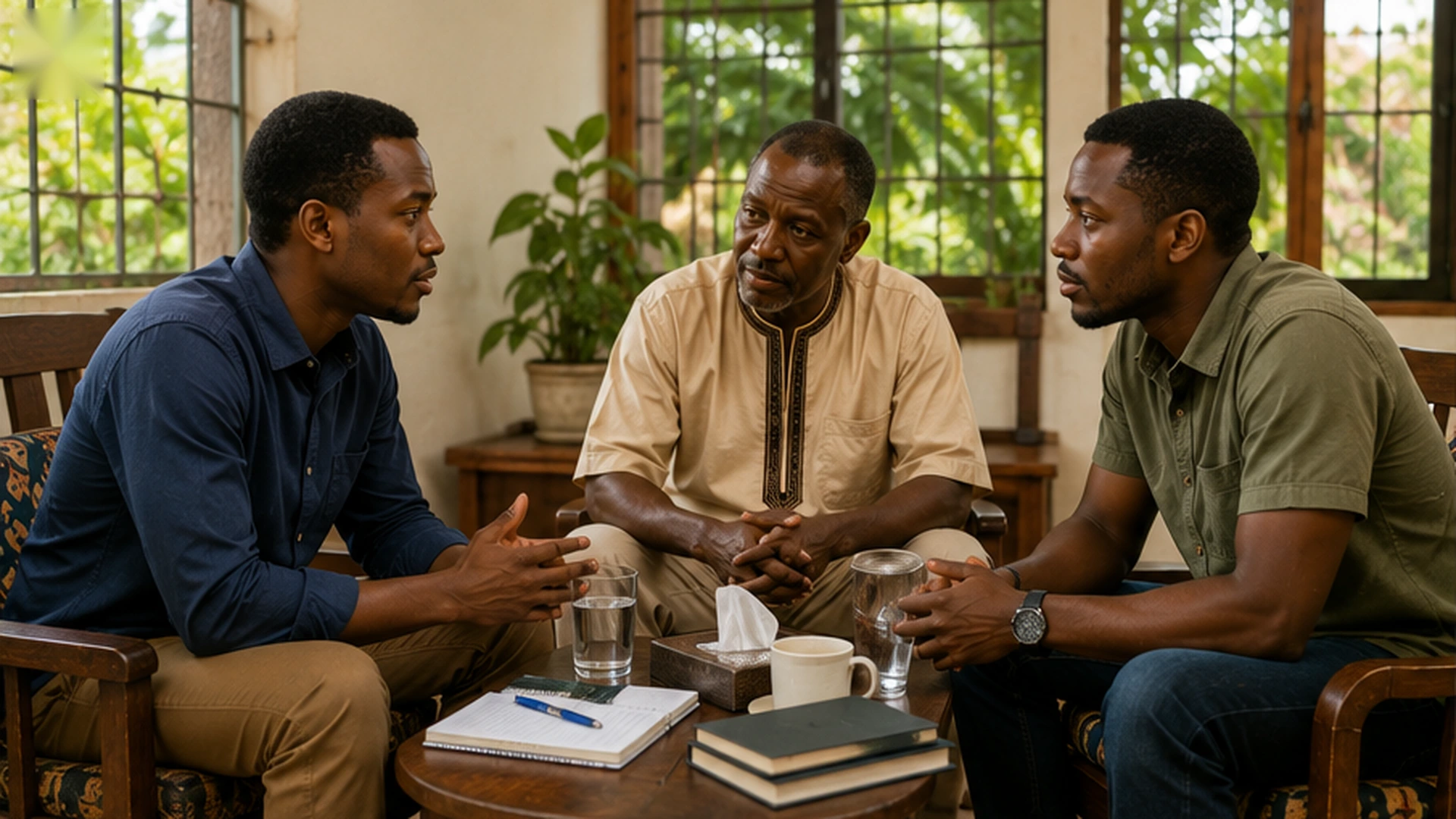
Fichee-Chambalaalla is the New Year festival of the Sidama people in Ethiopia. UNESCO describes it as a community-wide tradition involving family visits, greetings, shared buurisame, songs, dances and advice from clan leaders. The festival supports social cohesion, peaceful coexistence and integration. [5]
It should not be described as a private friendship-forgiveness ceremony. Its contribution to reconciliation comes through seasonal renewal, hospitality, community advice and shared participation.
The example shows that peace can be cultivated through repeated social practices, not only through dramatic conflict ceremonies.
Hooponopono in Native Hawaiian Tradition
Traditional Hawaiian hooponopono is a practice for setting relationships right. Academic descriptions emphasize guided discussion, prayer or reflection, acknowledgment, forgiveness and mutual restitution within family and community relationships. [6]
Modern commercial versions often reduce hooponopono to four repeated sentences. That popular method should not be presented as the complete traditional Hawaiian family process. Language, genealogy, family authority and the presence of a knowledgeable leader may be important.
Outsiders can learn from the values of careful speech, responsibility and restoration without claiming to perform an authentic Native Hawaiian ceremony.
Sulh in Islamic Traditions
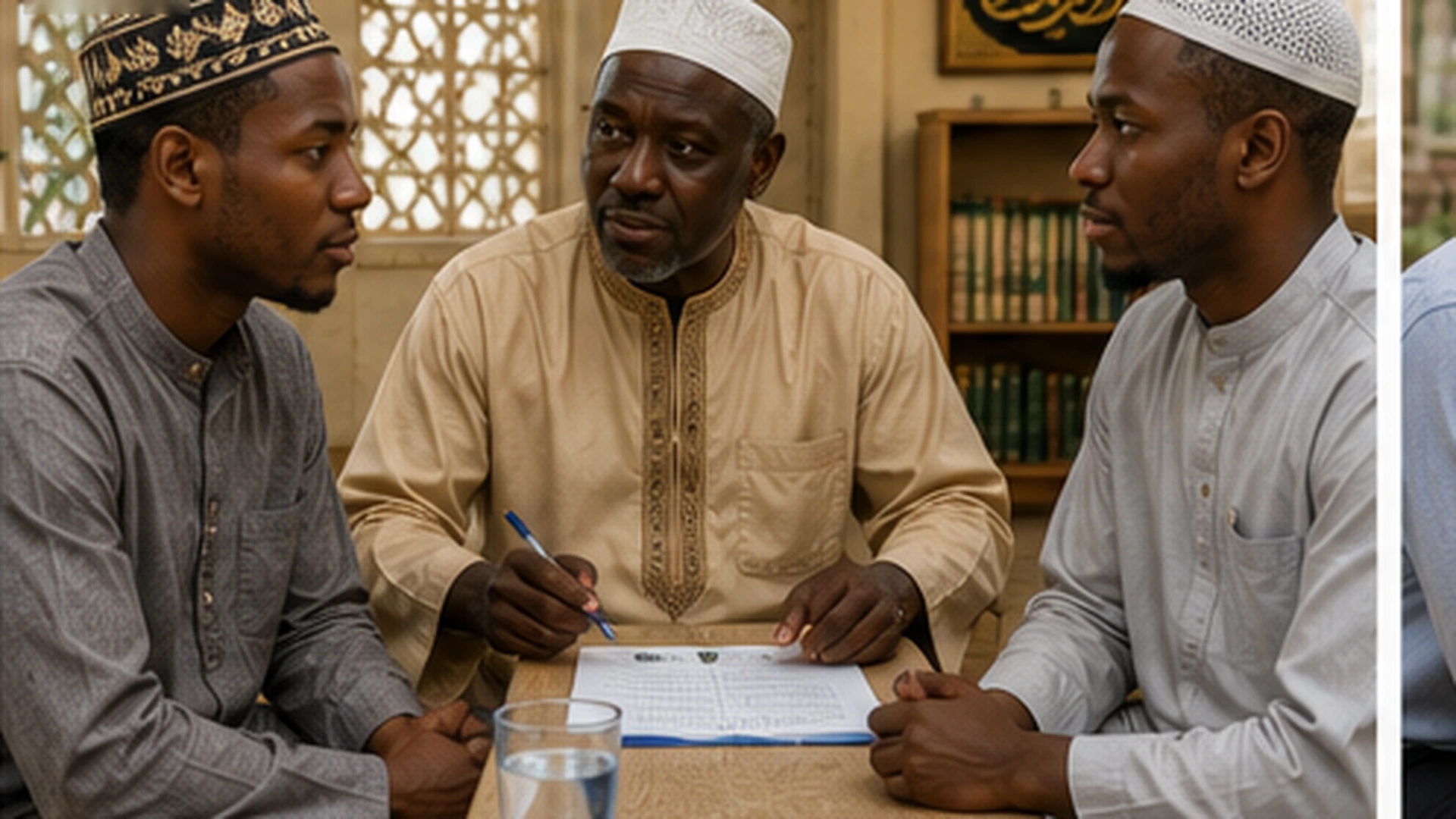
Sulh means peacemaking or amicable settlement and developed as an established method of dispute resolution in Islamic law alongside adjudication and arbitration. Historical study shows that it could involve negotiated agreement, acknowledgement of claims and mutually accepted settlement. [7]
In contemporary Muslim communities, a trusted imam, elder, family member or mediator may help friends speak honestly and reach a lawful agreement. The details differ across legal schools, countries and communities.
Sulh is not permission to hide abuse, threats, theft or serious crimes. A settlement must be voluntary, lawful and free from coercion. Spiritual encouragement can support accountability but cannot override legal rights.
Jewish Teshuvah and Asking Forgiveness
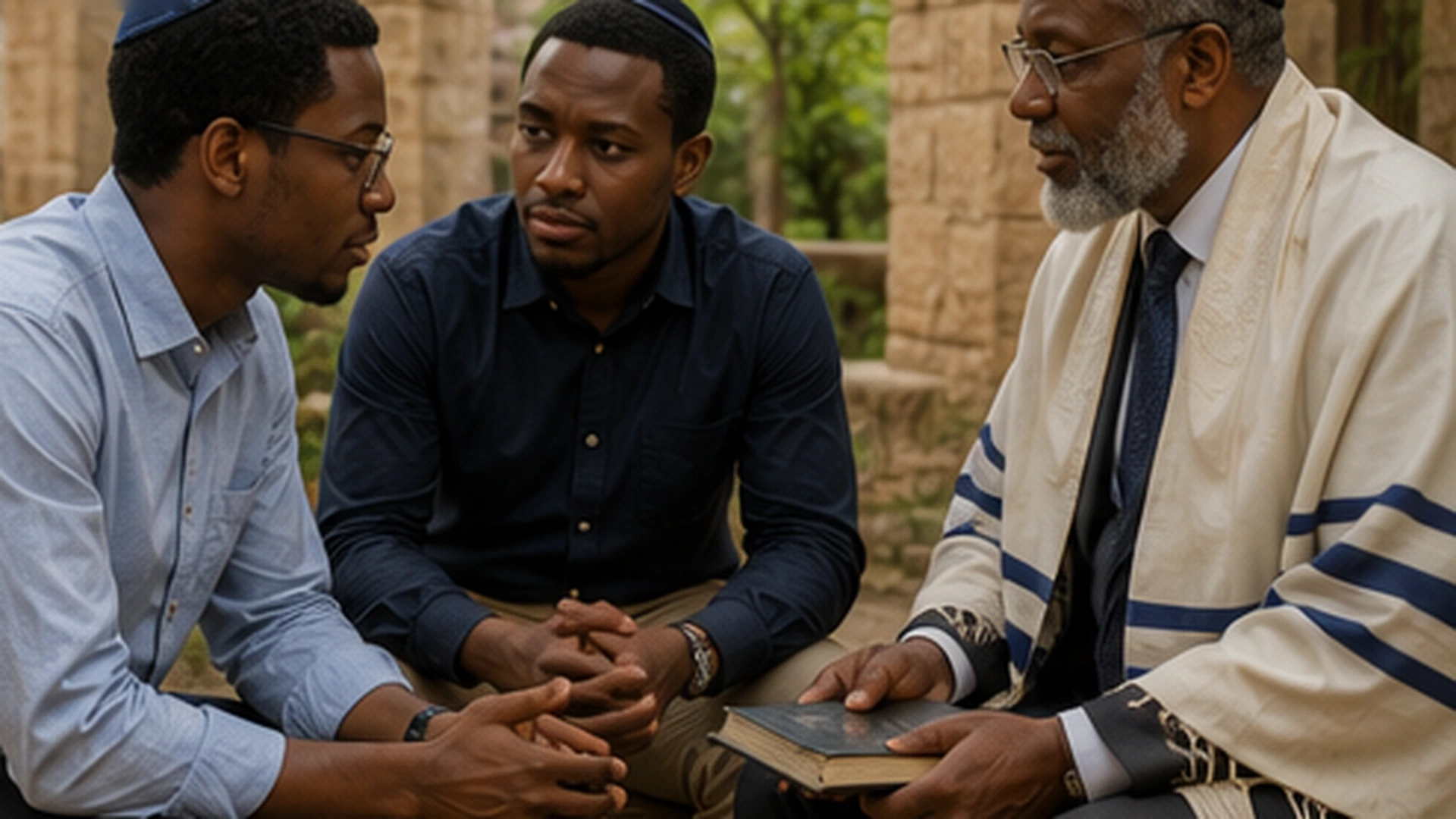
Jewish tradition distinguishes wrongs against God from wrongs committed against other people. Yom Kippur prayer does not erase interpersonal harm unless the person who caused it seeks forgiveness and makes appropriate restitution. [8]
Teshuvah involves recognizing wrongdoing, regret, commitment not to repeat it and repair where possible. The apology should be directed to the actual person harmed rather than replaced by a public post or general religious statement.
Forgiveness is encouraged when repentance is sincere, but the harmed person should not be pressured through spectacle or community shame. Jewish practices differ across communities and should be explained through reliable Jewish guidance.
Christian Reconciliation and Forgiveness
Christian traditions connect reconciliation with repentance, forgiveness, love of neighbour and peace. Catholic teaching describes conversion, confession, satisfaction and reconciliation with God and the Church, while also identifying effort at reconciliation with one’s neighbour as a form of penance. [9]
Christian communities may use confession, prayer, a peace service, pastoral counselling or direct apology. These religious acts should support responsibility rather than substitute for repairing harm done to a friend.
Christian forgiveness also does not require a person to remain exposed to violence or repeated manipulation. Boundaries, legal protection and professional help may be morally necessary.
A Safe Friendship Reconciliation Process
1. Decide whether contact is safe
Do not arrange a private meeting when there has been violence, stalking, coercion, sexual harm, threats or severe manipulation. Seek professional or legal support.
2. Clarify the purpose
Decide whether the goal is apology, information, repayment, peaceful coexistence or gradual rebuilding. Do not assume the friendship must return to its earlier form.
3. Choose a neutral setting
Use a public, calm or mediated setting. Both people should control transportation and be free to leave.
4. Name the specific harm
Describe what happened and its impact without insults, spiritual accusations or claims to read the other person’s mind.
5. Allow an uninterrupted response
The harmed person may explain the impact, ask questions, decline discussion or request time.
6. Accept responsibility
Do not make the apology conditional on the other person admitting equal blame.
7. Agree on repair
Replace property, correct a lie, repay money, apologize to people misled or change a harmful routine.
8. Set boundaries
Agree on communication frequency, privacy, shared spaces, social media and topics that require caution.
9. Choose a symbolic closing only if helpful
A prayer, handshake, meal, letter or planted tree may mark the agreement. It should not be forced.
10. Review the relationship later
Trust is rebuilt through consistent action. Schedule a check-in or allow the relationship to remain limited.
An Original Friendship Reconciliation Ceremony
The following is an original modern framework. It is not presented as an Acholi, Hawaiian, Islamic, Jewish or Christian traditional rite.
Place two chairs at equal height in a quiet, neutral space.
Each person states what they hope the meeting can accomplish.
The person who caused harm names the action, accepts responsibility and offers a specific repair.
The other person describes the impact and states any conditions or boundaries.
A mediator summarizes agreements without deciding whether forgiveness must occur.
Write one short agreement covering repair, communication and review.
Close with silence, a non-denominational prayer or a shared drink only when both people consent.
Review the agreement after an agreed period.
| We meet to speak truthfully and without humiliation. We acknowledge the harm that occurred and the responsibility to repair what can be repaired. Forgiveness cannot be demanded, and trust will be measured by future conduct. May this meeting lead to wiser boundaries, peaceful coexistence and, if both people freely choose it, a renewed friendship. |
|---|
When Reconciliation Should Not Be Forced
The other person has threatened, assaulted, stalked or coerced you.
The person denies clear harm and demands instant forgiveness.
The meeting would expose a child or vulnerable adult to danger.
Money, immigration status, employment or housing is being used as pressure.
A religious leader treats returning to abuse as proof of faith.
The conflict involves sexual violence, serious crime or ongoing fraud.
You need trauma-informed counselling, legal advice or emergency assistance first.
The relationship repeatedly cycles through apology without changed behaviour.
Forgiveness and reconciliation can be separated. A person may work toward emotional release while maintaining distance, pursuing justice or ending a friendship. [1]
Common Misunderstandings
“A ritual can make someone return.”
False. Reconciliation requires the free choice of every participant.
“Forgiveness means trusting again immediately.”
False. Trust depends on evidence and may never return.
“Both sides are always equally responsible.”
False. Mediation should not erase differences in power or responsibility.
“Mato Oput is a general friendship ritual.”
False. It belongs to an Acholi process concerning grave, identifiable harm.
“Hooponopono is only four sentences.”
Misleading. The popular formula does not represent the complete traditional Hawaiian family process.
“Prayer replaces restitution.”
False. Religious practice should accompany, not replace, repair.
“Unity means avoiding disagreement.”
False. Peaceful relationships can include honest disagreement and boundaries.
“A shared meal proves reconciliation.”
False. Symbolic closure has meaning only when accountability and consent are present.
Cultural and Ethical Boundaries
Name the exact community, religion and historical setting.
Do not reproduce restricted prayers, drinks, sacrifices or sacred objects.
Do not stage trauma, possession or grief for photography.
Do not combine Acholi, Sidama, Hawaiian, Islamic, Jewish and Christian practices into one invented ceremony.
Obtain consent from participants and mediators.
Do not pressure a harmed person to forgive publicly.
Do not use spiritual accusations to avoid evidence or responsibility.
Do not promise a guaranteed reunion.
Do not conceal crime, abuse or danger through informal settlement.
Accept correction from community custodians and scholars.
Key Takeaways
Friendship reconciliation rituals structure apology, repair and decisions about future relationship.
Forgiveness and reconciliation are related but not identical.
A sincere apology names harm, accepts responsibility and offers repair.
Mato Oput concerns grave harm in Acholi society and is not a casual friendship exercise.
Fichee-Chambalaalla encourages social cohesion through a Sidama New Year tradition.
Traditional hooponopono is a guided Native Hawaiian relationship-setting practice.
Sulh is an Islamic tradition of amicable settlement.
Jewish teshuvah requires direct repair of interpersonal harm.
Christian reconciliation joins repentance and forgiveness with responsibility.
Safety, consent and changed behaviour are more important than symbolic closure.
People Also Ask
What is a friendship reconciliation ritual?
It is a structured process using apology, truth-telling, mediation, repair or prayer to address conflict and decide whether a friendship can be rebuilt.
How do you reconcile with a friend?
Choose a safe time, name the harm, listen without interruption, accept responsibility, offer repair and agree on realistic boundaries.
Does forgiveness mean becoming friends again?
No. Forgiveness may occur without renewed contact. Reconciliation requires mutual consent and safety.
What makes an apology sincere?
Specific acknowledgment, responsibility, regret, repair and changed behaviour are stronger than vague words or demands for forgiveness.
Can prayer repair a friendship?
Prayer may support reflection and humility, but trust depends on communication, restitution, boundaries and future conduct.
Should a mediator be present?
A neutral, trusted mediator can help when emotions are intense, communication repeatedly breaks down or agreements need witnesses.
What is Mato Oput?
It is an Acholi reconciliation process associated with grave harm and restoration between affected families or clans.
Is reconciliation always the right choice?
No. Distance, legal protection or ending the friendship may be necessary when there is abuse, coercion, stalking or repeated harm.
Frequently Asked Questions
1. How long does reconciliation take?
There is no fixed period. An apology can occur in one meeting, while trust may require months of consistent behaviour.
2. Should I apologise if I did not intend harm?
Intent matters, but impact also matters. A person can acknowledge the effect of an action without falsely claiming malicious intent.
3. What if both friends caused harm?
Each person should take responsibility for specific actions without using the other person’s mistakes as an excuse.
4. Can reconciliation happen by text message?
A message may begin the process, especially when distance or safety matters. Complex conflicts may need a call, mediated meeting or written agreement.
5. Is a handshake necessary?
No. Physical contact must be voluntary. A verbal agreement or respectful departure may be more appropriate.
6. Can friends pray together after conflict?
Yes, when both freely agree and share or respect the religious framework. Prayer should not silence unresolved harm.
7. What if the apology is rejected?
Respect the decision. Complete any owed restitution, maintain boundaries and allow time without repeated pressure.
8. Can I forgive someone who has died or disappeared?
A person may work toward forgiveness or emotional release without direct reconciliation.
9. Should private conflict be discussed publicly?
Usually not. Public correction may be needed when public lies or harm occurred, but privacy and safety should guide disclosure.
10. Can reconciliation replace therapy?
No. Counselling may be useful when conflict involves trauma, repeated patterns or severe emotional distress.
11. Can a spiritual practitioner guarantee reunion?
No. No ethical practitioner can control another person’s choice or guarantee a friendship will return.
12. What if a friendship is not restored?
Peaceful coexistence, clear boundaries and learning from the conflict can still be meaningful outcomes.
Conclusion
Friendship reconciliation rituals matter because broken trust needs more than a wish to move on. Repair requires language, responsibility, witnesses where helpful and evidence that harmful behaviour will change.
Cultural traditions offer different models. Mato Oput demonstrates the seriousness of truth and restoration after grave harm. Fichee-Chambalaalla shows how seasonal hospitality and community advice support peaceful coexistence. Hooponopono, sulh, teshuvah and Christian reconciliation each connect relationship repair with distinct moral and religious frameworks.
The most respectful lesson is not to copy every ceremony. It is to practise honest apology, voluntary forgiveness, restitution, boundaries and consistent action. Sometimes the result is renewed friendship. Sometimes it is peaceful distance. Both can be responsible forms of reconciliation.
Final Summary
Friendship reconciliation rituals are culturally specific processes for addressing harm and restoring peace. A practical modern process can include a safe meeting, clear apology, listening, restitution, written boundaries and follow-up. Forgiveness cannot be forced, reconciliation is not always appropriate and symbolic acts have value only when they are supported by accountability and changed behaviour.
Article Information
- Publisher
- Ancestral Temple
- Editor
- Ancestral Temple
- Last updated
- Jul 30, 2026
- Last reviewed
- Jul 30, 2026
- Content version
- 5ab6d0eb52
This educational article should be read as cultural and spiritual information, not as medical, legal, financial, or emergency advice.
Helpful Related Guidance
About the Author
 Ancestral Temple
Spiritual guide and practitioner with decades of experience in ancestral wisdom, rituals, and divine guidance.
Related Posts
View All





Comments
We'd love to hear your thoughts.