
COMMUNICATION-OPENING RITUALS: Traditions for Resolving Silence and Conflict
Pillar Article
Quick Summary
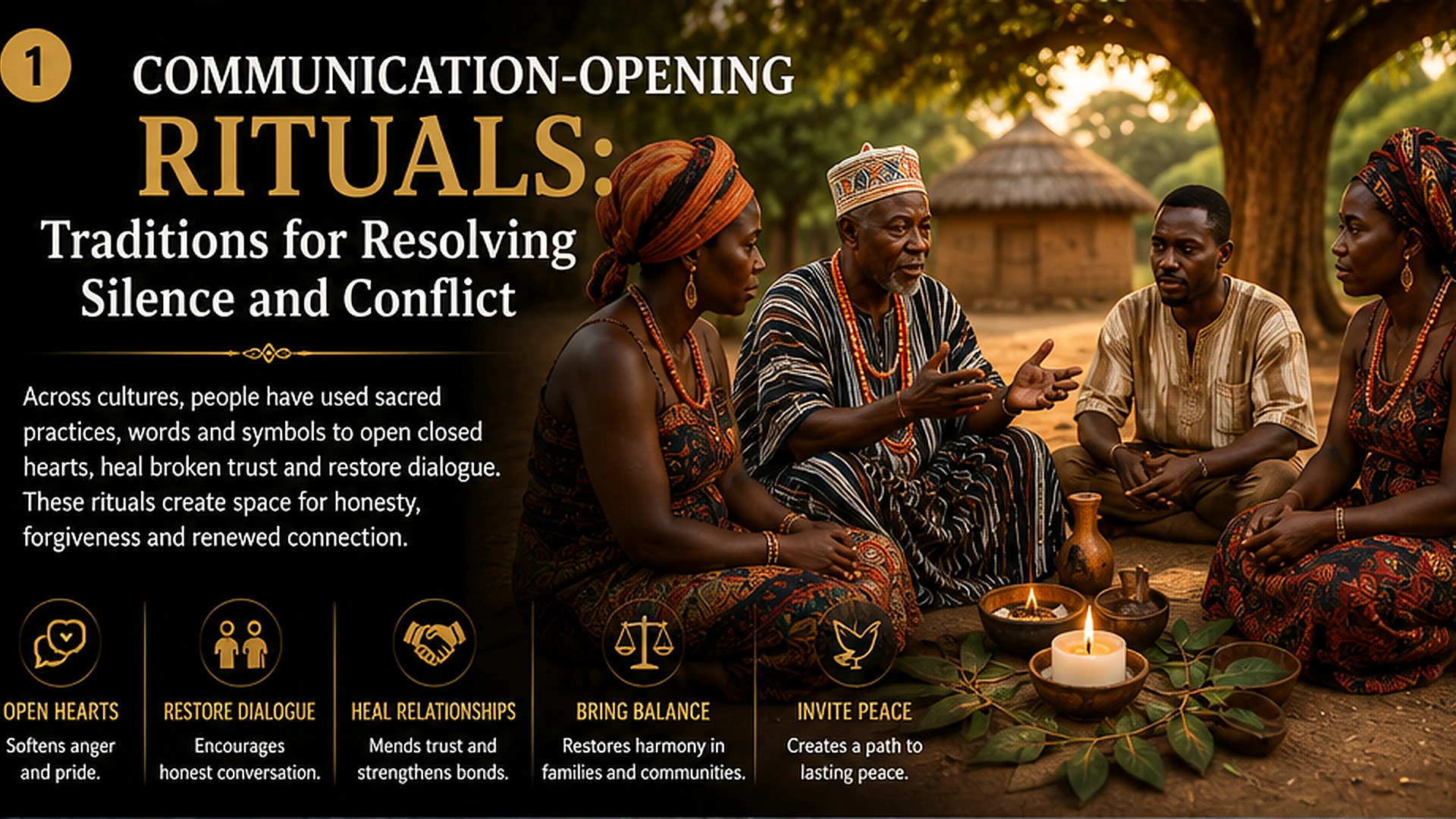
Communication-opening rituals are culturally specific practices that create a recognized time and place for people to speak after silence, anger, mistrust or harm. They may involve...
Communication-opening rituals are culturally specific practices that create a recognized time and place for people to speak after silence, anger, mistrust or harm. They may involve an elder, mediator, prayer, greeting, circle, apology, symbolic object, shared drink or meal. Their purpose is usually not to control another person’s mind. It is to make difficult communication safer, more orderly and morally meaningful.
The phrase “communication-opening ritual” is modern and broad rather than a formal category used by every community. A western Ugandan Empaako greeting, a Native Hawaiian hoʻoponopono process, an Acholi reconciliation ceremony and an Indigenous restorative circle are not versions of one universal spell. Each belongs to a particular history, language, authority structure and understanding of responsibility.
This distinction matters because silence can have many causes. It may follow shame, grief, fear, disrespect, a broken promise, family division or unresolved wrongdoing. Silence can also be a healthy boundary. A culturally responsible approach therefore asks two questions at once: What traditions help people reopen dialogue, and when should another person’s decision not to communicate be respected?
Quick Answer
Communication-opening rituals are traditions that help people resume respectful dialogue after silence or conflict. They often use a mediator, formal greeting, speaking order, prayer, apology, restitution or shared meal. Examples include Uganda’s Empaako, Hawaiian hoʻoponopono, restorative circles and Acholi reconciliation customs. They cannot force contact, erase consent or guarantee forgiveness.
What Are Communication-Opening Rituals?
A communication-opening ritual is any culturally recognized act that marks a transition from avoidance or hostility toward structured speech. The word ritual does not always mean a secret ceremony. It may refer to a repeated greeting, a family meeting with established rules, an elder’s invitation to speak, a prayer before mediation, the passing of a talking piece or a shared meal after agreement.
What makes the practice ritual-like is its form. Ordinary conversation is unpredictable. A recognized reconciliation custom gives participants roles, sequence and expectations. It can answer questions such as: Who begins? Who may interrupt? What must be acknowledged? Is an apology required? Does compensation matter? How is the agreement witnessed? What shows that the conflict is closed?
The structure can reduce uncertainty, but it does not make the process automatically fair. Elders, religious leaders and family heads can misuse authority. Women, younger people, migrants, lower-status relatives or survivors of violence may feel pressured to accept a settlement. Cultural legitimacy must therefore be considered together with voluntary participation, human rights and safety.
Why Silence Becomes Part of Conflict
Silence is not one thing. In some situations it is punishment: a person withdraws speech to control or distress another. In others it is self-protection, grief, embarrassment or an attempt to avoid saying something harmful. Family systems may also preserve silence around inheritance, infidelity, violence, debt, addiction, land, lineage or old grievances because speaking threatens reputation or social stability.
Ritualized dialogue helps by changing the setting. Instead of demanding “Talk to me now,” the process may create a scheduled gathering, trusted witness and limited topic. Participants know that speech has consequences and that the mediator will slow escalation. This is one reason many traditions separate the opening, discussion, apology, agreement and closing into different stages.
However, no cultural custom turns communication into an entitlement. A person who has ended contact may be protecting themselves. The desire for closure does not cancel their boundary. Reconciliation is strongest when people choose it freely and when accountability is not replaced by pressure to “keep the family together.”
Common Elements Across Reconciliation Traditions
A trusted mediator or elder
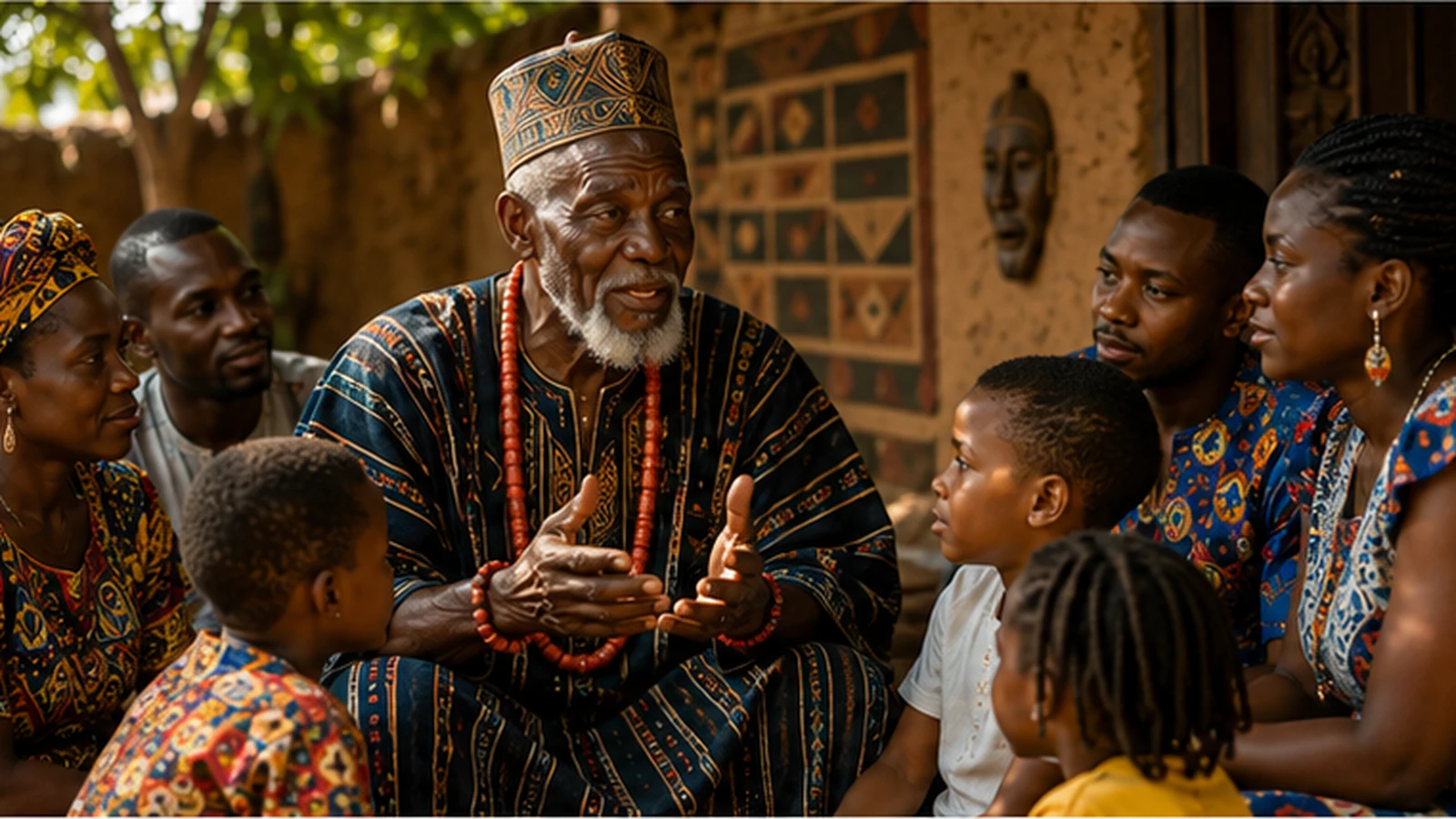
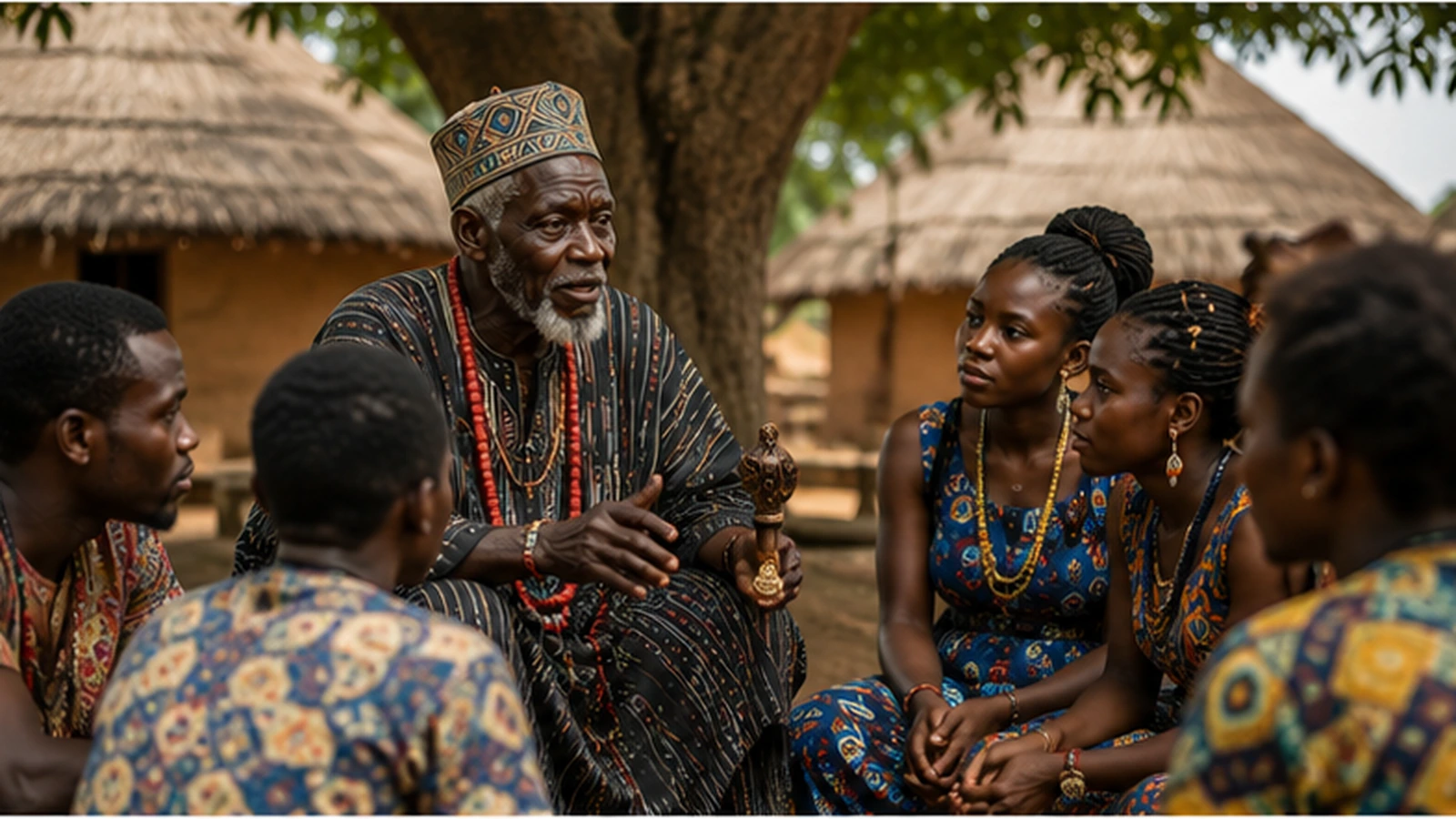
Many traditions begin with a person who has social credibility but is not expected to dominate the outcome. The mediator may be an elder, clan head, religious leader, family specialist, community peacekeeper or trained facilitator. Their role is to invite speech, protect order, clarify the issue and stop humiliation or retaliation.
A protected place and time
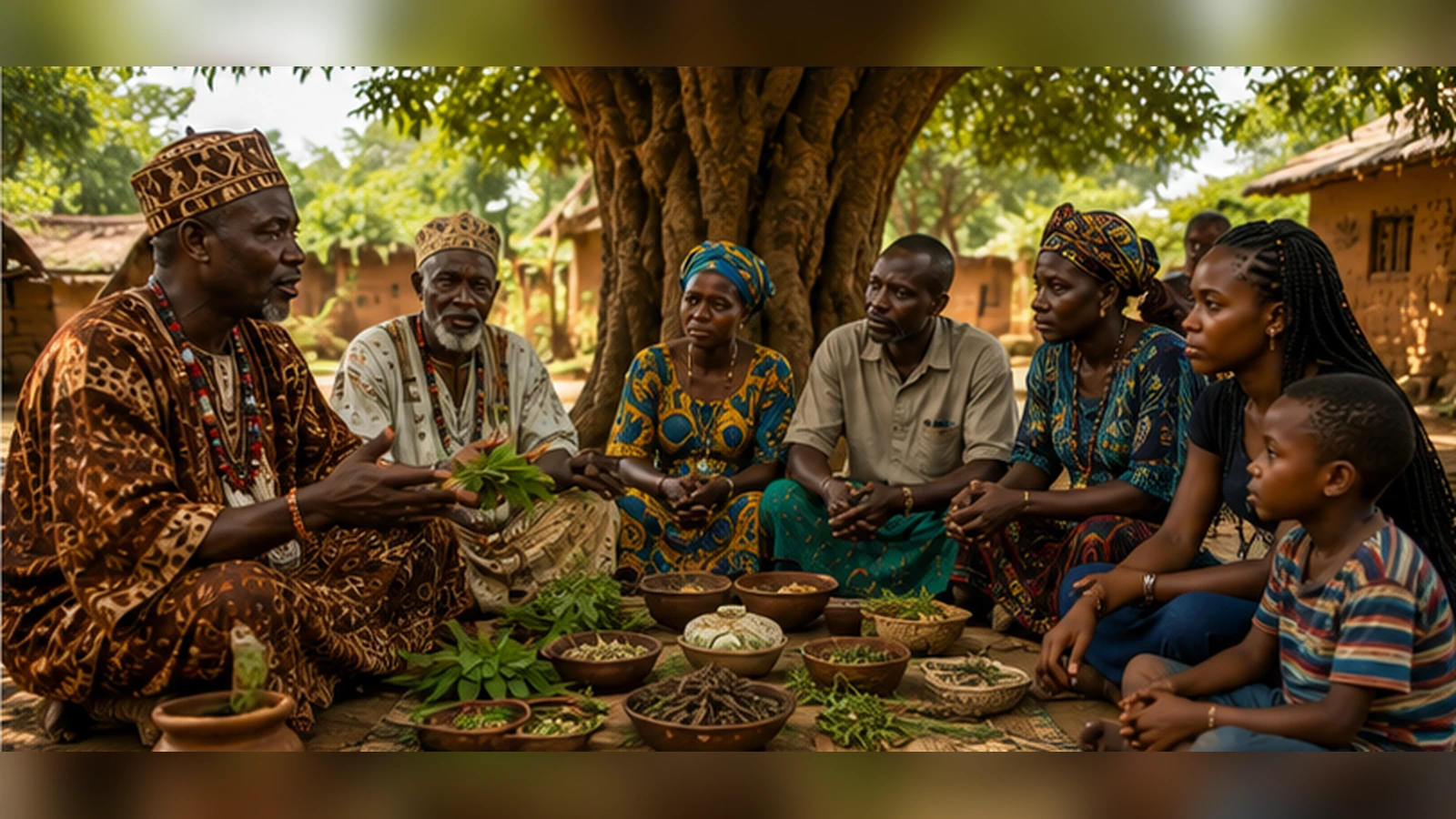
Difficult conversations are often moved away from public performance. A home, courtyard, shade tree, council space or community room becomes a temporary setting where participants can focus. The meeting may open with prayer, a greeting or a statement of purpose that separates it from ordinary argument.
Turn-taking and disciplined listening
A speaking order prevents the loudest person from controlling the meeting. Some processes use a talking piece. Others require participants to address the mediator rather than attack each other directly. Silence within the ritual can be purposeful: people listen, pause, reflect and wait for permission to respond.
Truth, acknowledgement and apology
Communication is not considered open merely because words have been exchanged. The central issue is whether harm is named honestly. A meaningful apology usually includes acknowledgement of the act, recognition of its effect, responsibility without excuses and a commitment to change.
Restitution or practical repair
Some conflicts involve material harm. Returning property, paying compensation, repairing a boundary, correcting a public statement, supporting a child or fulfilling a neglected obligation may matter more than eloquent speech. Ritual without repair can become performance.
A recognized closing
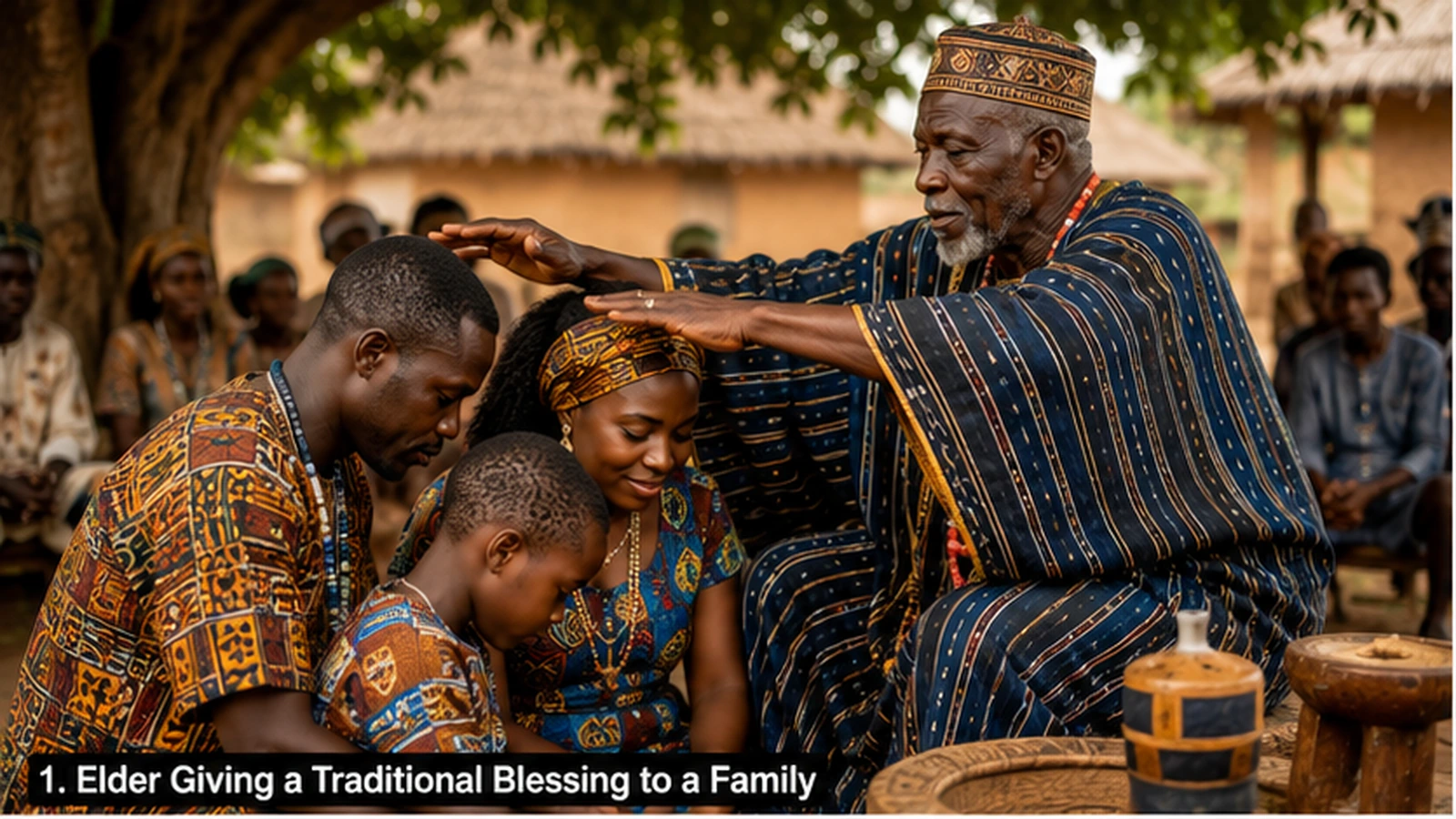
The process may end with prayer, blessing, shared food, a handshake, a name of respect, a written agreement or a statement from the mediator. Closure does not mean that trust is instantly restored. It means the participants understand what was decided and what must happen next.
Empaako: Respectful Address and Reconciliation in Western Uganda
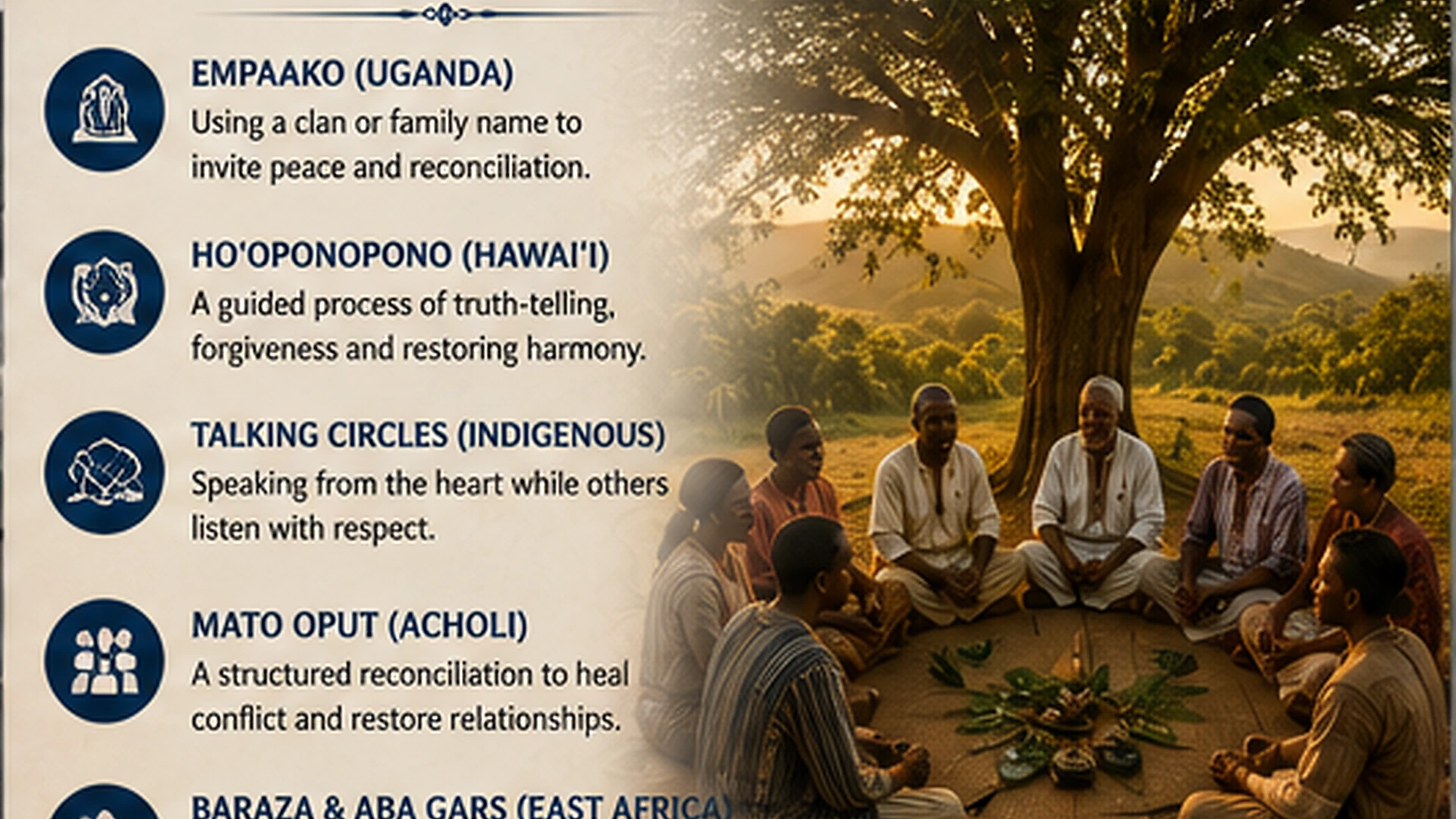
Empaako is a naming tradition practiced by the Batooro, Banyoro, Batuku, Batagwenda and Banyabindi of western Uganda. In addition to personal and family names, members receive one of a shared set of Empaako names. UNESCO describes addressing someone by Empaako as an affirmation of social ties that can express affection, respect, honor or love.[1]
Its communication-opening power lies in recognition. During anger, a respectful form of address can remind both people that the relationship is larger than the immediate dispute. UNESCO notes that using Empaako can defuse tension or anger and communicate social identity, unity, peace and reconciliation.[1] The word itself does not mechanically remove conflict; its effect depends on shared cultural understanding and the sincerity of the speaker.
Empaako also shows that reconciliation can begin before a formal meeting. A greeting, title or kinship term may change the emotional temperature enough for further conversation. Outsiders should not treat Empaako as a phrase to copy casually. It belongs to named communities, languages and a naming system transmitted through family and clan life.
Hoʻoponopono: Restoring Right Relationship in Hawaiian Families
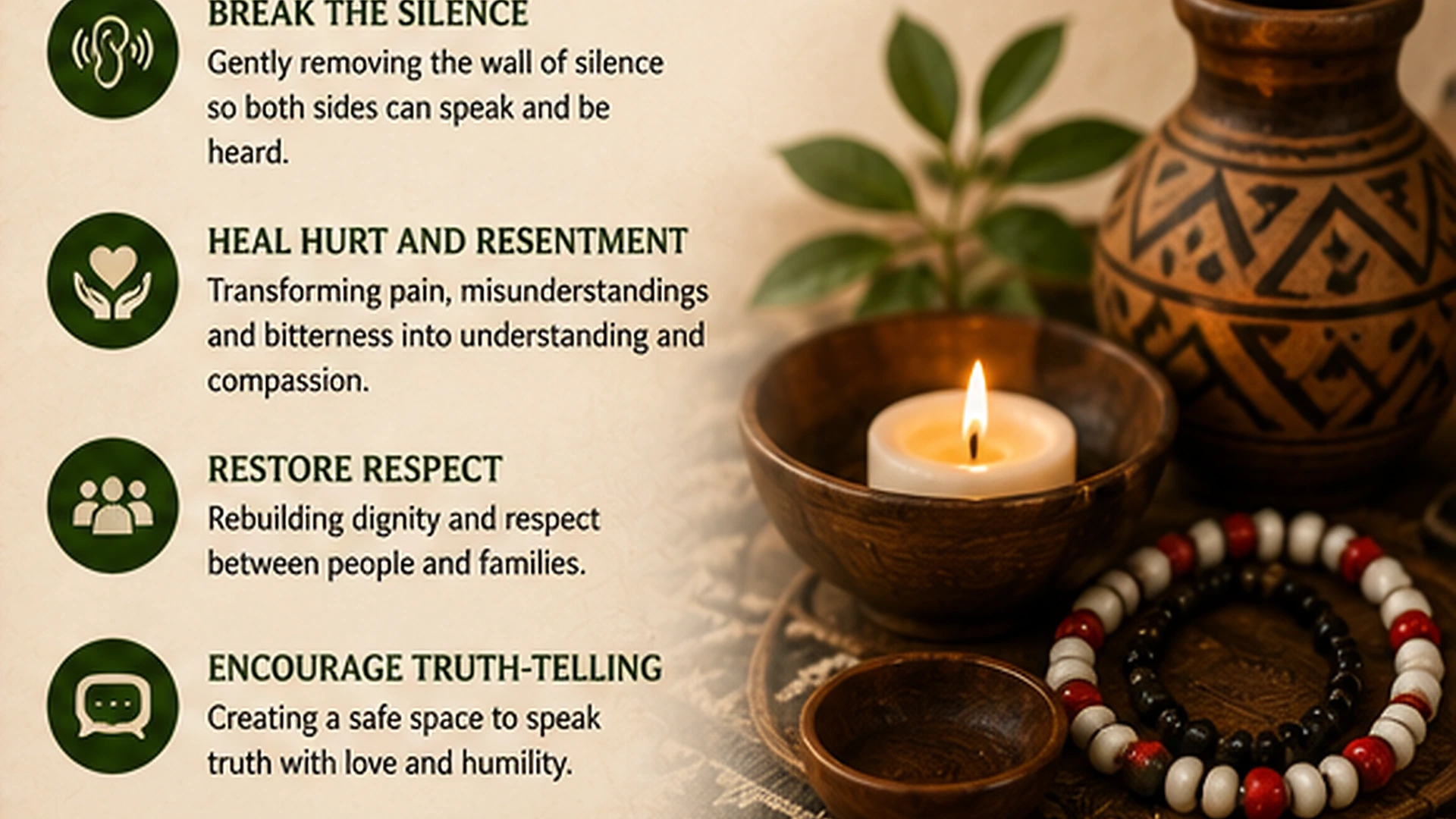
Hoʻoponopono is a Native Hawaiian process commonly translated as setting things right or making right. University of Hawaiʻi sources describe it as a way of restoring goodness and peace within families or close groups through ritual communication, truth-telling, acknowledgement and healing.[2] Its traditional forms are more complex than the popular online slogan based on repeating four short phrases.
In family practice, a knowledgeable leader or haku can guide the process. Participants identify the problem, speak about their own actions and feelings, listen without interruption, examine layers of entanglement, acknowledge wrongdoing and work toward repentance, forgiveness and release. University of Hawaiʻi accounts emphasize that each person has an opportunity to be heard and that the process seeks restored relationship rather than victory in an argument.[2][3]
Hoʻoponopono must be understood as Native Hawaiian knowledge. Commercial self-help versions often detach it from ʻohana, cultural authority, prayer, genealogy and responsibility. Respectful discussion should credit Hawaiian teachers and avoid presenting a simplified affirmation as the entire tradition.
Talking and Restorative Circles in Indigenous Contexts
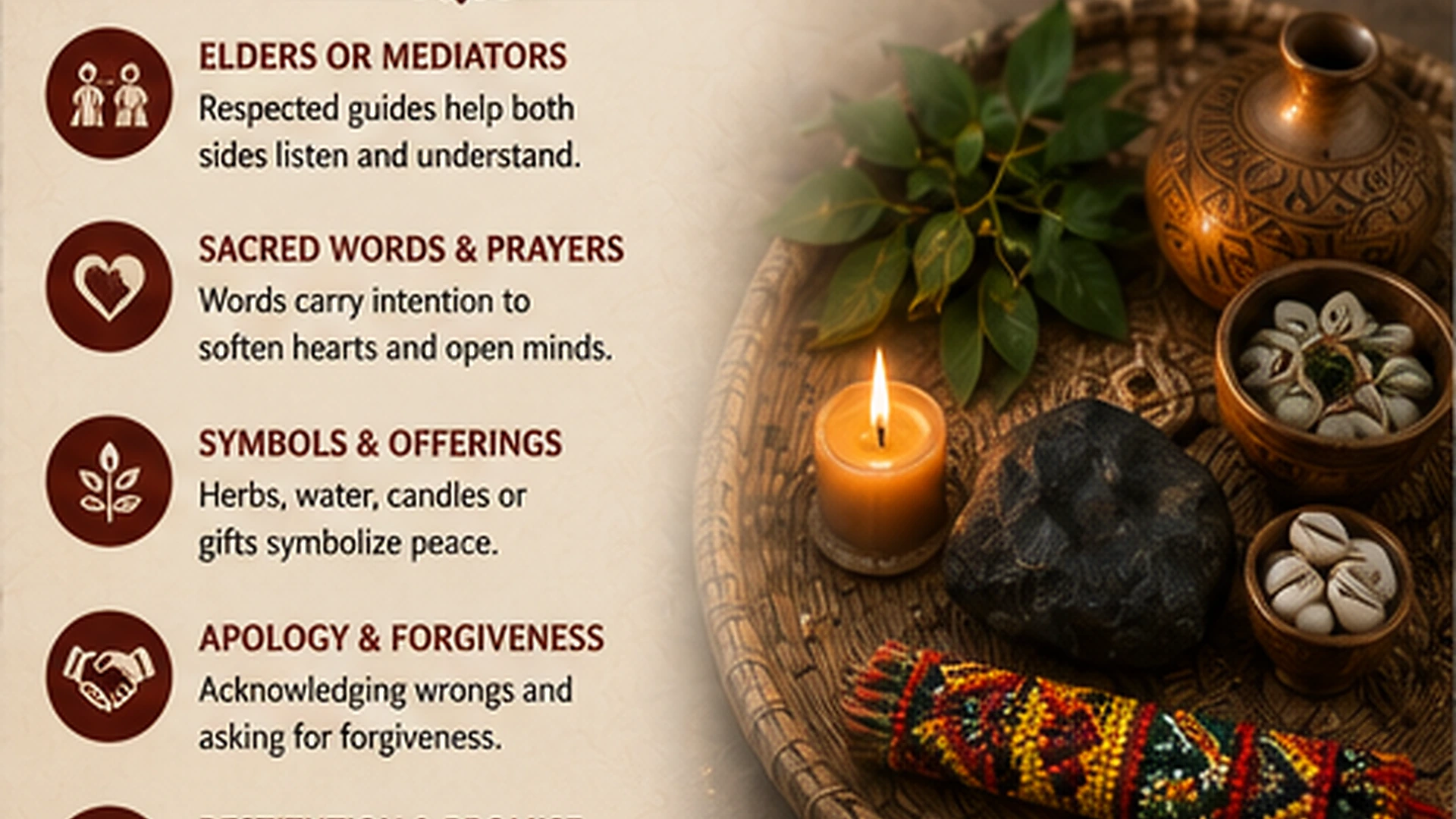
Circle processes are used in some Indigenous legal and healing traditions, especially among particular First Nations in Canada and Indigenous peoples elsewhere. They should not be described as a single practice shared identically by all Indigenous nations. Justice Canada notes that circle models differ in purpose and procedure and may include sentencing, healing, release, community justice or family processes.[4]
A circle can regulate communication by placing participants at the same level and allowing each voice to enter in turn. A talking stick, feather or other culturally authorized object may be passed to indicate who has the right to speak. The circle may include the harmed person, the person who caused harm, relatives, elders, community members and justice professionals. Participation should be voluntary, and the harmed person’s safety and wishes must remain central.[4][5]
Modern restorative programs sometimes adapt the circle format beyond its original communities. This can be useful, but adaptation should not erase its Indigenous roots or copy sacred objects without permission. A classroom “sharing circle” and a nation-specific legal ceremony are not automatically the same thing.
Mato Oput and Acholi Reconciliation
Among the Acholi of northern Uganda, Mato Oput is widely discussed as a traditional justice and reconciliation mechanism. UN and Ugandan transitional-justice sources recognize it as one of the practices communities may use to address serious wrongdoing, restore relationships and support peace.[6][7] The phrase is often translated in relation to drinking a bitter root, but the meaning is not reducible to the drink itself.
The broader process can involve investigation, acknowledgement of responsibility, negotiation between clans, compensation, ritual acts and reintegration. Its moral logic recognizes that violence damages relations beyond two individuals. Repair may therefore involve families, lineages and community authorities. The bitterness symbolizes the gravity of harm and the difficult work of accepting a settlement.
Mato Oput has also been debated. Serious crimes raise questions about victim consent, gender, accountability, criminal law and whether customary settlement is sufficient. Uganda’s transitional-justice discussions recognize traditional mechanisms while also emphasizing victim-centeredness and the need to work within human-rights standards.[7] It should never be marketed as a simple “drink this and your ex will talk to you” ritual.
Palaver, Baraza and Elder-Led Peace Forums
Across different parts of Africa, communities use public or semi-public forums in which trusted elders, leaders or specialized communicators help disputants speak. The words and structures vary. A baraza in East or Central Africa may be a community meeting for discussion and mediation. United Nations peacebuilding programs in the Democratic Republic of the Congo have used local Barazas as safe spaces for Bantu and Twa members to address rumors and violence through structured dialogue.[8]
In northern Ethiopia, indigenous peace custodians known as Aba Gars or Abo Gerebs mediate disputes involving land, water, pasture and livestock. A 2026 United Nations account describes their role in reconnecting communities and rebuilding trust after conflict.[9] In Mali, griots and other traditional communicators have also held recognized mediation roles; scholarship shows that such institutions continue to evolve rather than disappearing.[10]
These examples show that “opening communication” is often a social task, not a private magical act. The mediator has authority because the community recognizes their integrity, knowledge and relationships. The gathering works because the people involved accept a process in which words are witnessed and obligations can be enforced.
Names, Food, Water and Other Symbols of Reopened Communication
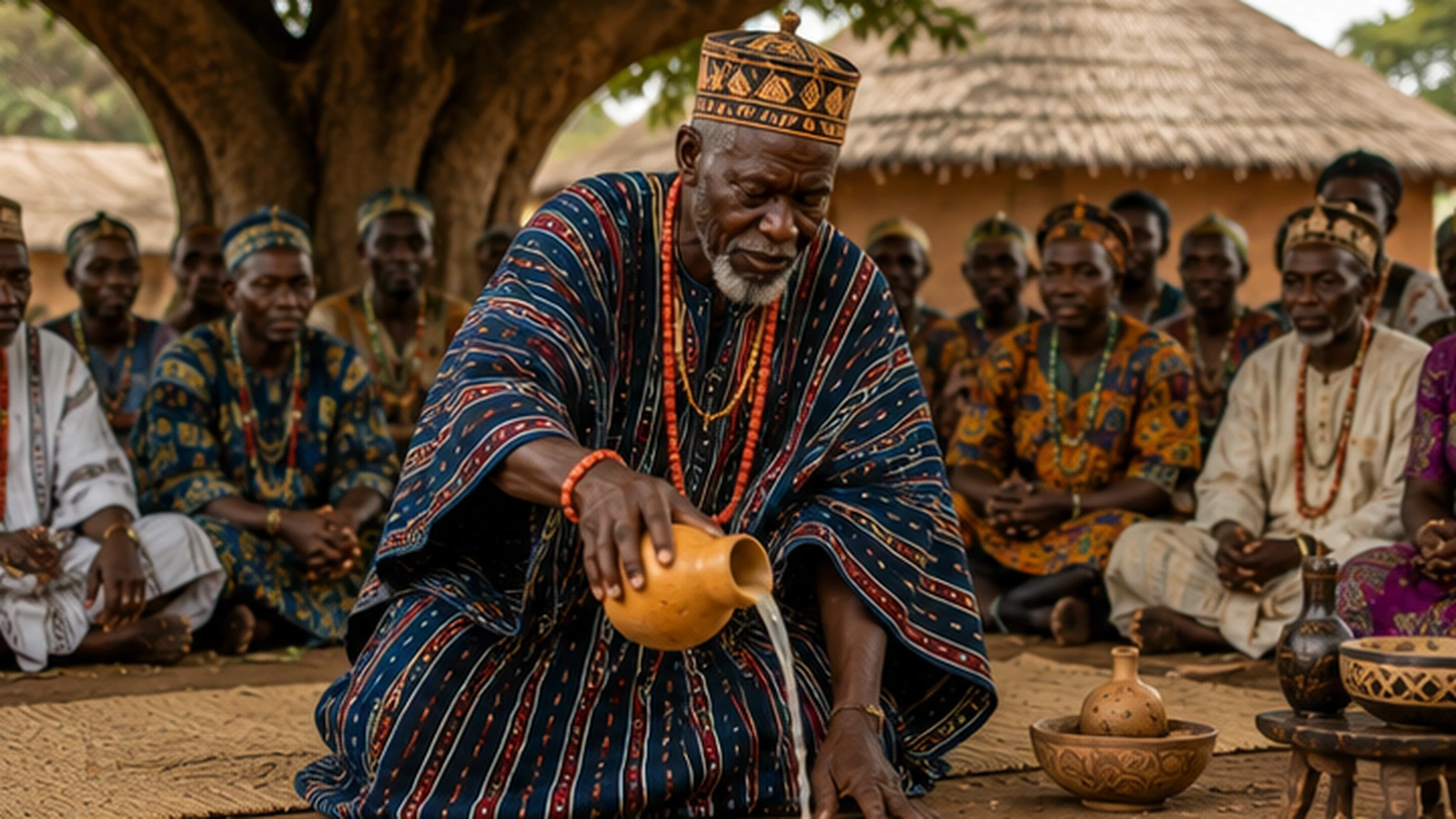
Reconciliation customs often use ordinary materials in extraordinary ways. A respectful name can restore recognition. Water may mark cleansing or a new beginning. Bitter taste can acknowledge suffering. Food can show that people are again able to sit together. A shared cup may symbolize common responsibility. A tree, boundary marker or written agreement may make the settlement visible beyond the meeting.
The object does not carry one universal power. Meaning comes from the relationship among community, history, words, authorized participants and action. Copying an object while ignoring responsibility creates a decorative performance rather than reconciliation. A calabash, candle, kola nut, herb or cup cannot substitute for truth, consent and repair.
Can a Ritual Make Someone Talk to You?
There is no reliable evidence that a ritual can override another person’s decision and force them to call, text, apologize or return. Claims of guaranteed contact often exploit anxiety and may encourage repeated payments, surveillance or harassment. Symbolic practice may help the person performing it calm down, clarify their intention or prepare for a respectful conversation, but that is different from controlling someone else’s behavior.
A safe communication-opening practice begins with an invitation, not a command. One clear message can state the issue, acknowledge any harm and offer a choice of time or mediator. If the person declines or does not respond, continued pressure can become coercive. No-contact boundaries, court orders and safety plans must be respected.
When Communication Should Not Be Reopened
Reconciliation language can be dangerous when violence, stalking, threats, coercive control, sexual abuse or serious exploitation is present. Survivors may be pressured to meet the person who harmed them, forgive publicly or protect family reputation. A ritual is not ethical merely because it is old or community-approved.
Do not arrange private reconciliation meetings when there is a credible risk of violence.
Do not contact someone who has clearly requested no contact or obtained a protective order.
Do not use children, relatives or spiritual leaders to pressure a person into responding.
Do not treat forgiveness as proof that accountability, restitution or legal action is unnecessary.
Use trained safeguarding, legal, mental-health or domestic-violence support when the conflict involves serious harm.
A Safe Modern Dialogue-Opening Framework
The following is a modern, non-secret framework inspired by widely shared mediation principles. It is not a recreation of Empaako, hoʻoponopono, Mato Oput or any sacred tradition.
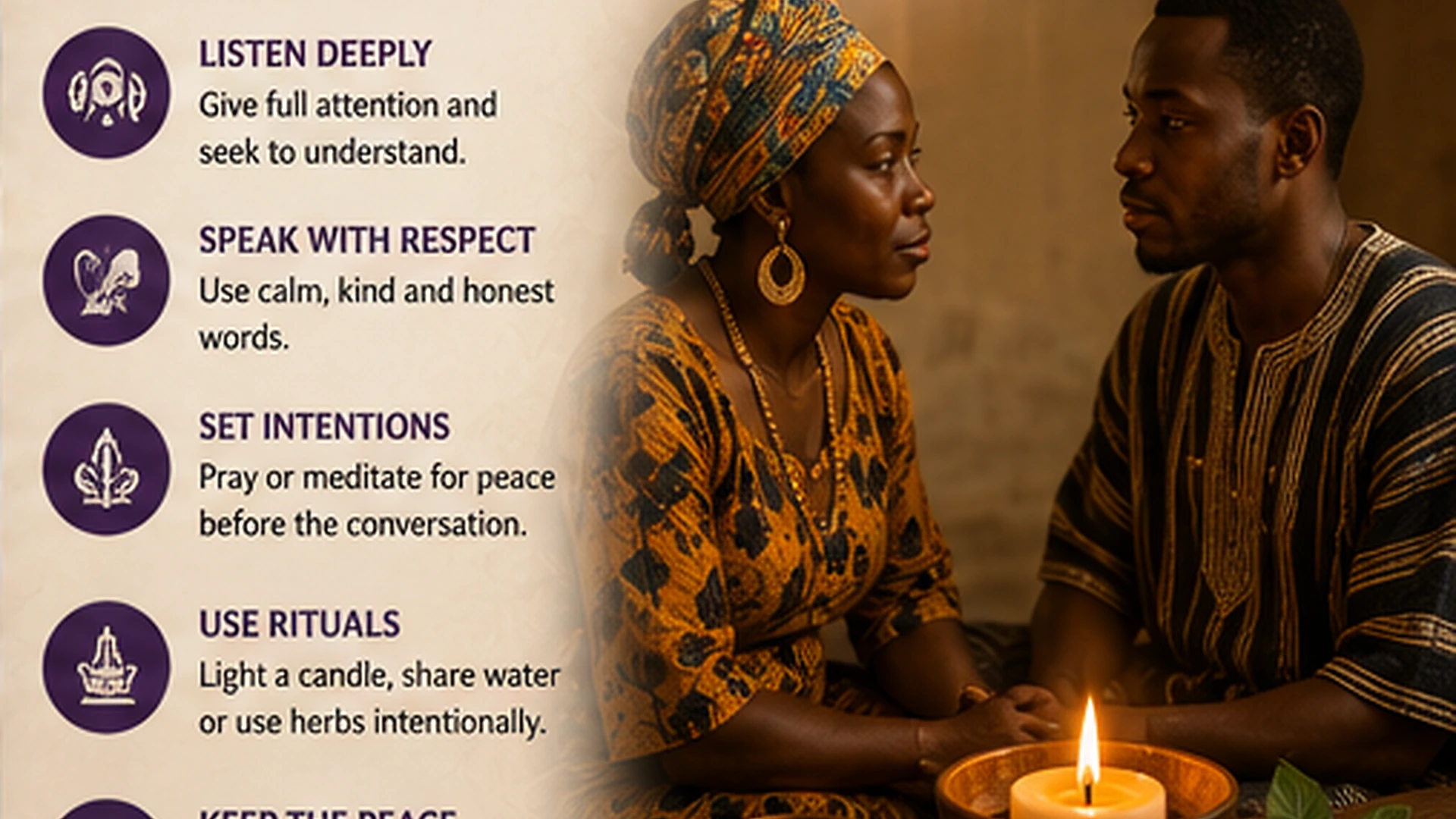
Clarify the purpose. Identify one issue that needs discussion rather than reopening every grievance at once.
Ask for consent. Invite the other person to a conversation and make refusal a genuine option.
Choose a neutral facilitator. Use a respected elder, counselor, mediator, religious leader or trained community worker whom both parties accept.
Agree on safety and speaking rules. Set a time limit, no-interruption rule, confidentiality boundary and procedure for pausing.
Begin with acknowledgement. Each participant states what they understand about the conflict and what they hope to repair.
Speak from personal experience. Describe actions, effects and needs instead of making claims about another person’s motives.
Listen and reflect. The listener summarizes what they heard before defending themselves.
Name responsibility. An apology should identify harm and avoid vague language such as “sorry you felt hurt.”
Agree on practical repair. Decide what must be returned, corrected, paid, changed or stopped.
Close clearly. Record the agreement, set a review date or state respectfully that no reconciliation was reached.
What Makes Reconciliation Genuine?
Genuine reconciliation is not measured by whether people smile for a photograph or resume the previous relationship. It is visible in changed behavior. The person who caused harm accepts responsibility. The harmed person has meaningful choice. Practical obligations are fulfilled. Boundaries are respected. The wider family or community stops spreading the conflict.
Forgiveness and reconciliation are also different. A person may release resentment without restoring access. Two people may reach a practical settlement without emotional closeness. A community may reintegrate someone while continuing supervision. Traditions vary, but responsible interpretation leaves room for these distinctions.
Common Misunderstandings
“Every silence is caused by spiritual blockage.”
Silence may arise from ordinary interpersonal, psychological, legal or safety reasons. Spiritual interpretation can be meaningful within a faith tradition, but it should not replace evidence or become an accusation that another person is cursed, controlled or possessed.
“A candle, herb or bath can guarantee contact.”
“Traditional reconciliation always restores the relationship.”
Some processes end with separation, compensation or managed coexistence rather than intimacy. A culturally valid process can conclude that contact should remain limited.
“The elder is always neutral.”
Elders and mediators can have loyalties, biases or conflicts of interest. Participants need a way to challenge unfair process, request another facilitator or leave safely.
“Forgiveness means there should be no consequences.”
Many traditions connect reconciliation with restitution, public acknowledgement or changed conduct. Forgiveness does not erase legal responsibility or the need to protect others.
Key Takeaways
Communication-opening rituals are structured cultural practices, not universal spells.
Their strongest recurring elements are consent, mediation, listening, truth, apology, repair and recognized closure.
Empaako, hoʻoponopono, talking circles, Mato Oput and barazas belong to distinct communities and should not be blended.
No ritual can ethically or reliably force another person to communicate.
Silence may be a boundary, especially where safety, abuse or legal restrictions are involved.
Modern mediation can learn from traditional values without copying sacred or restricted practices.
People Also Ask
What is a communication-opening ritual?
It is a culturally recognized practice that creates structured space for people to speak after silence or conflict. It may use a mediator, formal greeting, speaking order, prayer, apology, restitution or shared meal.
Can a ritual make someone contact you?
No reliable evidence shows that a ritual can force another person to call, text or return. A symbolic practice may help you prepare emotionally, but communication still depends on consent.
What is the best ritual for reconciliation?
There is no universal best ritual. The appropriate process depends on the people, culture, harm, safety concerns and whether both parties agree to participate.
How does Empaako help communication?
Within western Ugandan communities that practice it, addressing someone by Empaako can affirm respect and social connection, which may reduce tension and create space for dialogue.
What is hoʻoponopono?
Hoʻoponopono is a Native Hawaiian process for making relationships right through guided communication, truth, responsibility, repentance, forgiveness and release.
What happens in a talking circle?
In some Indigenous and restorative contexts, participants sit in a circle and speak in turn, sometimes using an authorized talking piece. Procedures vary by nation and purpose.
What is Mato Oput?
Mato Oput is an Acholi reconciliation and traditional-justice mechanism involving acknowledgement, negotiation, compensation, ritual acts and reintegration. It is not a simple relationship spell.
Can prayer help reopen communication?
Prayer may help a believer reflect, calm emotions and approach dialogue with humility. It does not remove the other person’s freedom to decline contact.
Should I contact someone who has blocked me?
A block usually signals a boundary. Do not evade it through new accounts, relatives or spiritual pressure. Use legal or professional channels only where genuinely necessary.
Does reconciliation require forgiveness?
Not always. People can agree on restitution, safety or coexistence without emotional forgiveness. Forgiveness can also occur without restoring the former relationship.
Frequently Asked Questions
Are communication-opening rituals African?
Many African communities have elder-led mediation, greetings and reconciliation customs, but the broad phrase is not exclusively African and should not hide regional differences.
Can I perform Empaako if I am not from the communities that use it?
Empaako is a community naming tradition, not a general phrase to appropriate. Learn from community sources and avoid claiming membership or authority you do not have.
Is the four-phrase practice the same as traditional hoʻoponopono?
No. The popular four-phrase method is a modern simplification. Traditional and contemporary Hawaiian hoʻoponopono includes family, cultural leadership, structured discussion and responsibility.
Are talking circles always spiritual?
No. Some circles are ceremonial or culturally grounded; others are adapted restorative or educational processes. Their meaning depends on the community and facilitator.
Can a shared meal resolve conflict?
A meal may symbolize renewed social relations, but it cannot replace acknowledgement, restitution or changed behavior.
What if only one person wants reconciliation?
One person can prepare an apology or request mediation, but a two-party reconciliation process cannot proceed ethically without the other person’s consent.
Can I use candles or herbs before a conversation?
You may use personally meaningful, safe practices for reflection, provided you do not claim they control another person or copy restricted cultural rituals.
How long should a reconciliation meeting last?
Long enough to address the agreed issue without exhaustion or escalation. Complex cases may require several sessions rather than one long meeting.
Should family elders mediate relationship conflict?
Only when both parties trust the elder, the elder can be fair and the situation is safe. Professional mediation may be better where power imbalance or violence is present.
What if the apology is rejected?
The harmed person is not required to accept it. The person apologizing should still honor boundaries and complete any practical repair they owe.
Can spiritual practitioners guarantee communication?
No ethical practitioner should guarantee that another person will contact you. Such claims can exploit grief, fear or relationship anxiety.
When is legal advice necessary?
Seek legal advice when conflict involves custody, inheritance, land, business ownership, threats, stalking, violence, protective orders or significant financial obligations.
Conclusion
Communication-opening traditions show that speech after conflict often needs more than courage. It needs structure, witnesses, respectful language, time, responsibility and a shared understanding of what repair requires. Empaako can affirm belonging. Hoʻoponopono can organize family truth-telling. Circles can protect turn-taking. Mato Oput and elder-led forums can place individual harm within community relationships.
Their value does not lie in supernatural control. It lies in the disciplined creation of conditions under which people may choose to speak honestly. A ritual can mark the doorway to communication, but consent determines whether anyone walks through it.
Final Summary
Communication-opening rituals are culturally specific ways of moving from silence toward dialogue. They may involve names, prayer, elders, circles, apology, compensation or shared food. They cannot force contact or replace safety. The most responsible modern application is voluntary, mediated, focused on accountability and respectful of boundaries.
Article Information
- Publisher
- Ancestral Temple
- Editor
- Ancestral Temple
- Last updated
- Jul 30, 2026
- Last reviewed
- Jul 30, 2026
- Content version
- f85275947c
This educational article should be read as cultural and spiritual information, not as medical, legal, financial, or emergency advice.
Helpful Related Guidance
About the Author
 Ancestral Temple
Spiritual guide and practitioner with decades of experience in ancestral wisdom, rituals, and divine guidance.
Related Posts
View All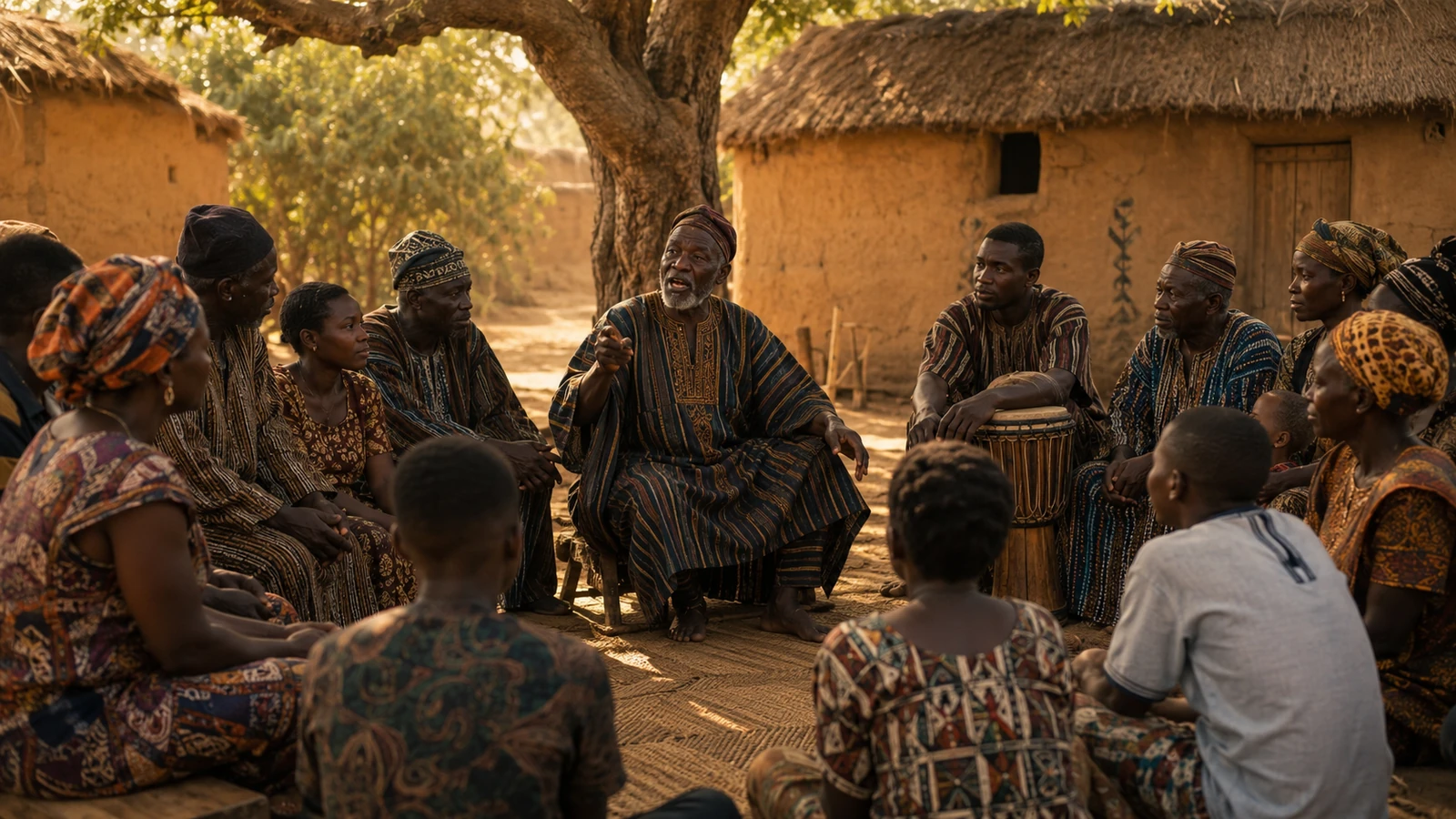






Comments
We'd love to hear your thoughts.