
Protection Rituals After Conflict, Threats or Negative Encounters
Pillar Article
Quick Summary
Quick Answer After conflict or a threatening encounter, protection begins with physical safety: create distance, contact someone trustworthy, preserve evidence and seek local profe...
| Quick Answer After conflict or a threatening encounter, protection begins with physical safety: create distance, contact someone trustworthy, preserve evidence and seek local professional or legal help when needed. Prayer, washing, changing clothes, opening a safe window, journaling or speaking with a legitimate religious or cultural leader may help mark the end of the encounter and restore calm. These practices can support meaning and confidence, but they do not guarantee protection or replace reporting, medical care, counselling, secure housing or a safety plan. |
|---|
Protection After Conflict at a Glance
| Layer | What it can include | Important boundary |
|---|---|---|
| Immediate safety | Distance, safe location, trusted contact, emergency help, documentation | Do not meet a threatening person alone to “clear the energy” |
| Nervous-system recovery | Water, food, breathing, rest, routine and social support | Persistent symptoms may need qualified mental-health care |
| Spiritual practice | Prayer, recitation, washing, blessing or speaking with a faith leader | Religious meaning does not guarantee physical protection |
| Cultural reconciliation | Community-led apology, accountability or reintegration | Only when safe, voluntary and led by legitimate custodians |
| Practical boundary repair | Blocking contact, changing passwords, reviewing transport and home security | A ritual cannot replace legal or digital safety measures |
What Does “Protection” Mean After a Negative Encounter?
Protection can mean several things at once. It may mean getting away from a person who has threatened you. It may mean calming the body after an argument. It may mean asking God for peace, visiting a religious community, washing after an upsetting experience or seeking an elder’s blessing. It may also mean changing practical routines so the other person cannot easily contact, track or approach you.
These meanings should not be confused. A person may feel spiritually unsettled and physically unsafe at the same time. A prayer can be sincere and important, but it does not lock a door, preserve evidence or stop digital surveillance. A safety plan can reduce risk, but it may not address the person’s religious need for comfort, repentance or cleansing. Responsible guidance allows both layers while keeping the order clear: prevent further harm first.
The phrase “negative energy” is common in spiritual and popular language. Some people use it to describe a belief that an encounter has left a harmful influence. Others use it as shorthand for tension, fear, shame, anger or bodily alertness. Science has not established a measurable contaminating energy transferred through ordinary conflict. The emotional and physical after-effects, however, can be very real.
If the Threat Is Active, Safety Comes Before Ritual
A repeated threat, stalking pattern, coercive control, unwanted contact or credible fear of violence is not merely a disagreement. The United States Office for Victims of Crime describes stalking as a pattern of power and control that can include repeated proximity, non-consensual communication and implied or explicit threats. Its guidance directs people toward emergency services, victim advocates, safety planning and legal protections where available. [1]
Local laws and services differ, so this article cannot provide a universal legal procedure. The safety principles are broadly useful: move to a place where other people are present, tell a trusted person what happened, record dates and messages, preserve screenshots or voicemails, review device and account security, and ask a local advocate or authority about options. Do not warn a dangerous person about every step you are taking if that increases risk.
Call local emergency services when there is immediate danger or injury.
Avoid a private “reconciliation meeting” with someone who has threatened, stalked or assaulted you.
Preserve evidence instead of deleting upsetting messages immediately.
Tell a trusted person where you are and what happened.
Check passwords, location sharing, shared accounts and device access.
Seek medical care after injury, strangulation, sexual violence, poisoning or exposure to dangerous substances.
Use a victim advocate, counsellor, community leader or lawyer who respects your choices and confidentiality.
Why the Body Can Still Feel Unsafe Afterwards
After a threatening encounter, the body may remain alert even after the immediate danger has passed. People may shake, feel numb, replay the event, struggle to sleep, become unusually watchful or feel afraid for relatives. WHO notes that psychological distress is common after emergencies and that crisis support should be humane, practical and respectful of culture and dignity. [2][3]
Psychological first aid is not forced debriefing. It emphasizes listening without pressure, helping with practical needs, connecting people with support and protecting them from further harm. CDC guidance also recommends reconnecting with family, spiritual and community supports, returning gradually to routine, resting, eating regular meals and avoiding overuse of alcohol or drugs after traumatic incidents. [4]
A ritual can help because it gives a clear transition: “the encounter has ended; I am now in a safer place; these are the people and values I am returning to.” That meaning may reduce helplessness. It should not be used to suppress emotion or demand instant calm.
A Safe, Non-Harmful Reset After Conflict
The following routine is not a sacred ceremony and does not claim supernatural power. It is a flexible, culturally neutral sequence that can be adapted to a person’s faith or family practice.
Move to safety. Close or lock the door if appropriate, choose a public or trusted place, and make sure urgent medical needs are addressed.
Tell one person. Briefly explain what happened and what support you need: company, transport, a place to stay, help documenting or contact with services.
Record the facts. Write the date, time, location, witnesses, exact words and any messages. Keep the record somewhere the threatening person cannot access.
Settle the body without forcing it. Drink water, eat something simple, place both feet on the floor and breathe slowly. Stop if a technique makes you more distressed.
Choose an optional symbolic transition. Wash your hands or face, shower, change clothes, say a prayer, sit quietly, read a sacred passage or tidy the entrance. Use only safe materials.
Name the boundary. Examples include “I will not meet this person alone,” “I will keep communication in writing,” or “I will ask an advocate before responding.”
Review practical security. Check locks, transport, passwords, location sharing and who has access to your schedule.
Plan the next day. Decide whom you will contact, where you will sleep, what evidence to preserve and whether professional support is needed.
Prayer and Blessing After Conflict
Prayer can offer language when a person feels frightened, angry or unable to organize thoughts. It can ask for safety, wisdom, justice, peace and freedom from revenge. In many traditions, the ethical direction of prayer matters: protection is not permission to harm another person or to treat hatred as holiness.
A short personal prayer may include four movements: name the fear honestly, ask for protection and wise action, remember the needs of other vulnerable people, and reject revenge. A person can also ask a legitimate religious leader for a public prayer or pastoral support without disclosing more than they choose.
Christian Prayer: Protection Without Revenge
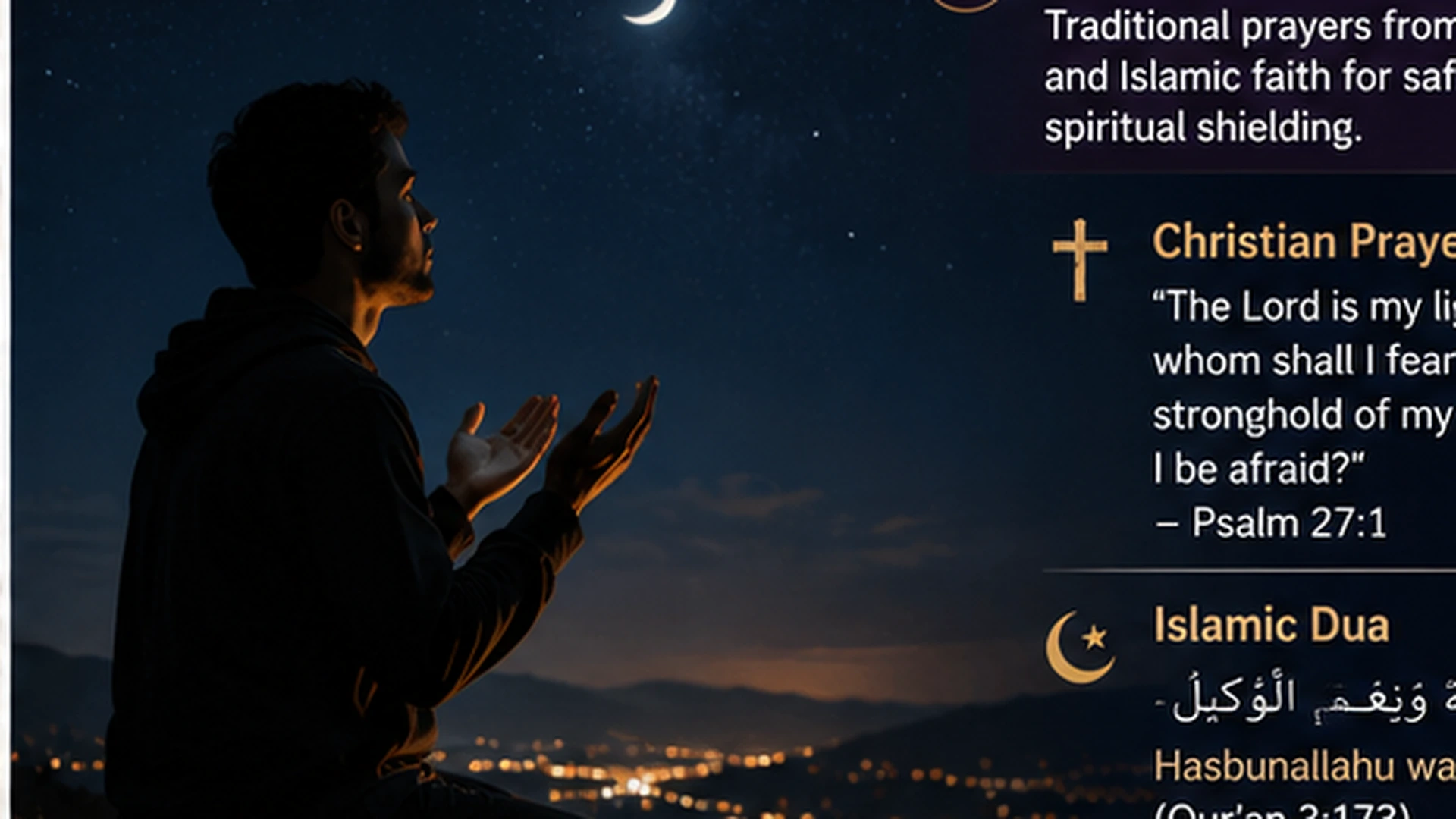
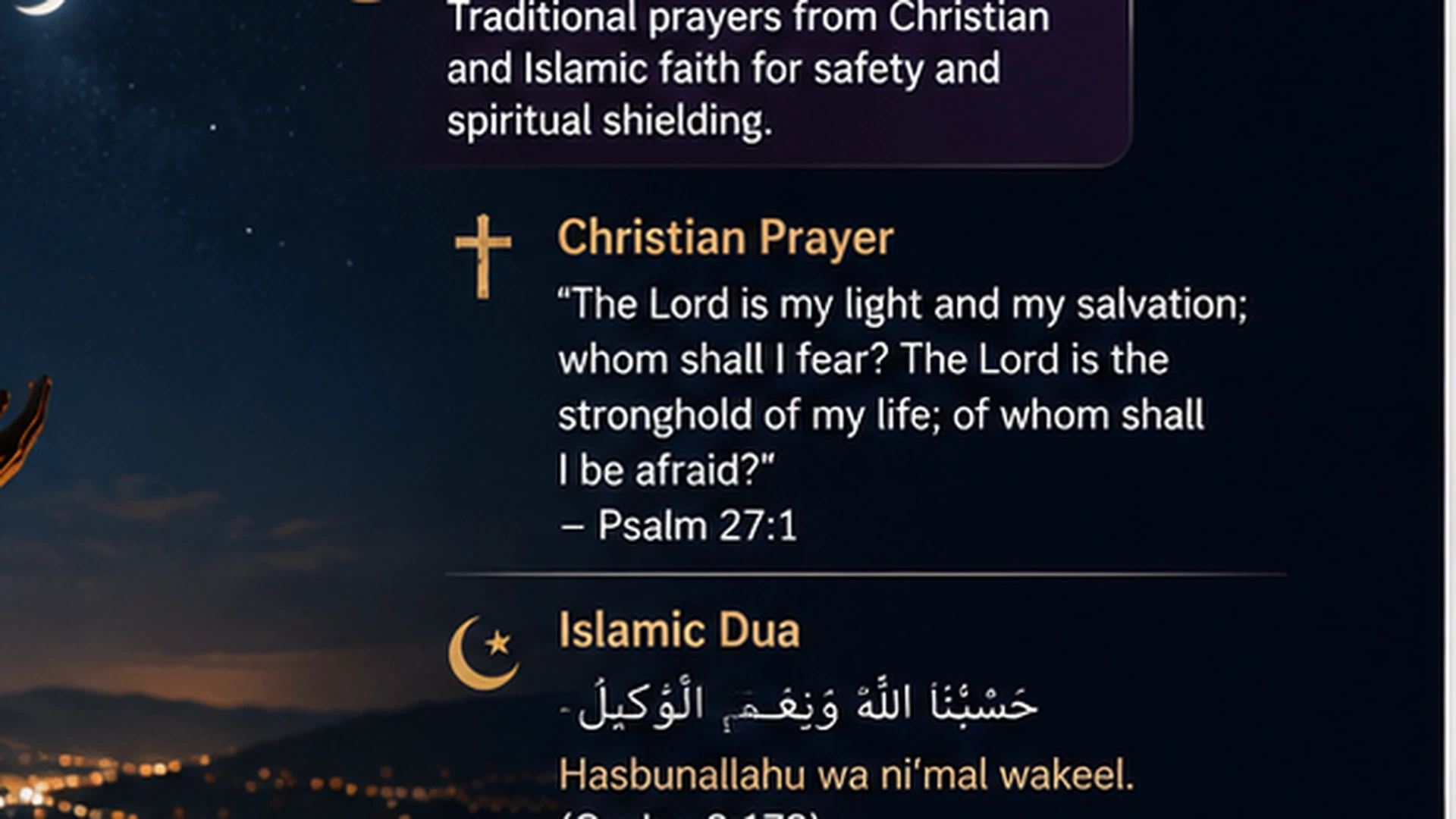
Christian prayers after violence commonly ask God to protect the vulnerable, heal those who are wounded, restore trust and remove hatred or the desire for revenge. A prayer published by the United States Conference of Catholic Bishops asks for peace and protection from violence while explicitly asking that hatred and revenge be taken away. [5]
This framing is important. Christian protection prayer is not a curse against an enemy and does not require unsafe reconciliation. Forgiveness, when part of a person’s faith, does not cancel reporting, boundaries or accountability. A survivor does not have to meet the person who harmed them in order to pray for peace.
Islamic Refuge Prayers and Practical Trust
In Islamic practice, Surahs al-Falaq and an-Nas begin with seeking refuge in God. Al-Falaq asks for refuge from harms associated with creation, darkness and envy; an-Nas seeks refuge in the Lord of humankind from harmful whispering. These chapters are widely understood as prayers of refuge. [6][7]
A Muslim who feels shaken after a threatening encounter may recite Qur’an, make du‘a, perform ordinary ablution or speak with a trusted imam. These actions belong to worship and reliance on God. They should not become evidence that a particular neighbour has used magic, nor should they replace police, medical care, counselling or safe accommodation when those are needed.
Care is also needed around ruqyah services. A trustworthy practitioner should not demand secrecy, isolation, large payments, sexual contact, beating, burning, ingestion of unknown substances or stopping prescribed treatment. Religious support must protect dignity and consent.
Cleansing as a Symbolic Transition
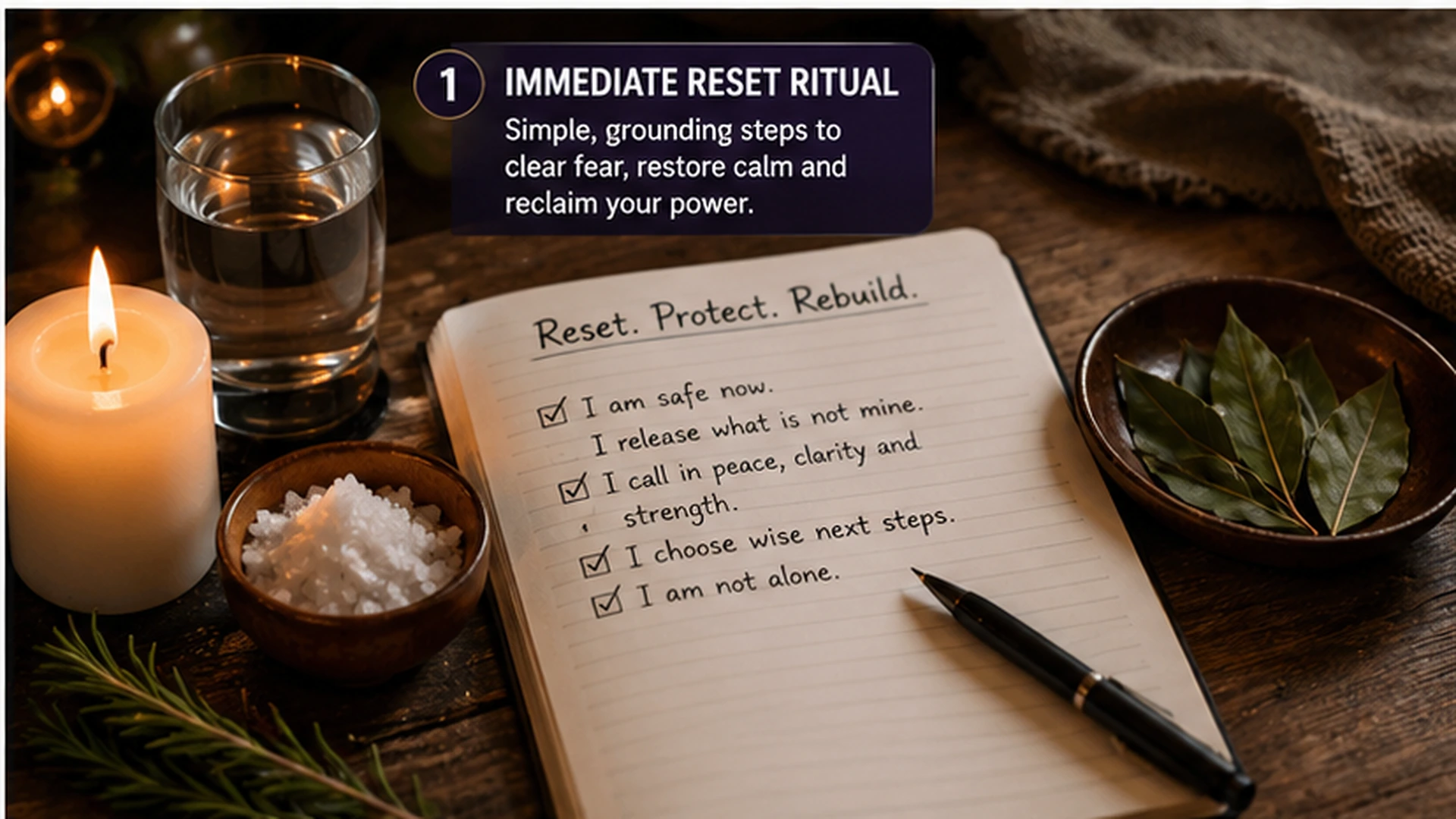
Cleansing practices often use water, changing clothes, sweeping, incense, prayer, sound or movement to mark a transition from disorder to restored order. Their meanings differ. Washing before prayer is not the same as smoke cleansing; a Shinto purification rite is not the same as a household bath; a community reintegration ceremony is not a private “energy detox.”
For an ordinary personal reset, the safest options are simple: wash with normal water and soap, change clothes, ventilate a room when outdoor air is safe, remove rubbish, clean a surface or take a shower. The action can be paired with prayer or a statement of intention. There is no need for unknown powders, toxic herbs, ingestion, cuts, fire or heavy smoke.
Salt, candles and herbs are widely marketed as universal protection tools. Science has not shown that they remove a measurable harmful energy from an encounter. Salt can damage surfaces and is dangerous if ingested in excess. Candles create fire risk. Smoke can worsen asthma and indoor air quality. A ritual that creates a new hazard is not protective.
Shinto Ooharae: Purification and Reflection in Japan
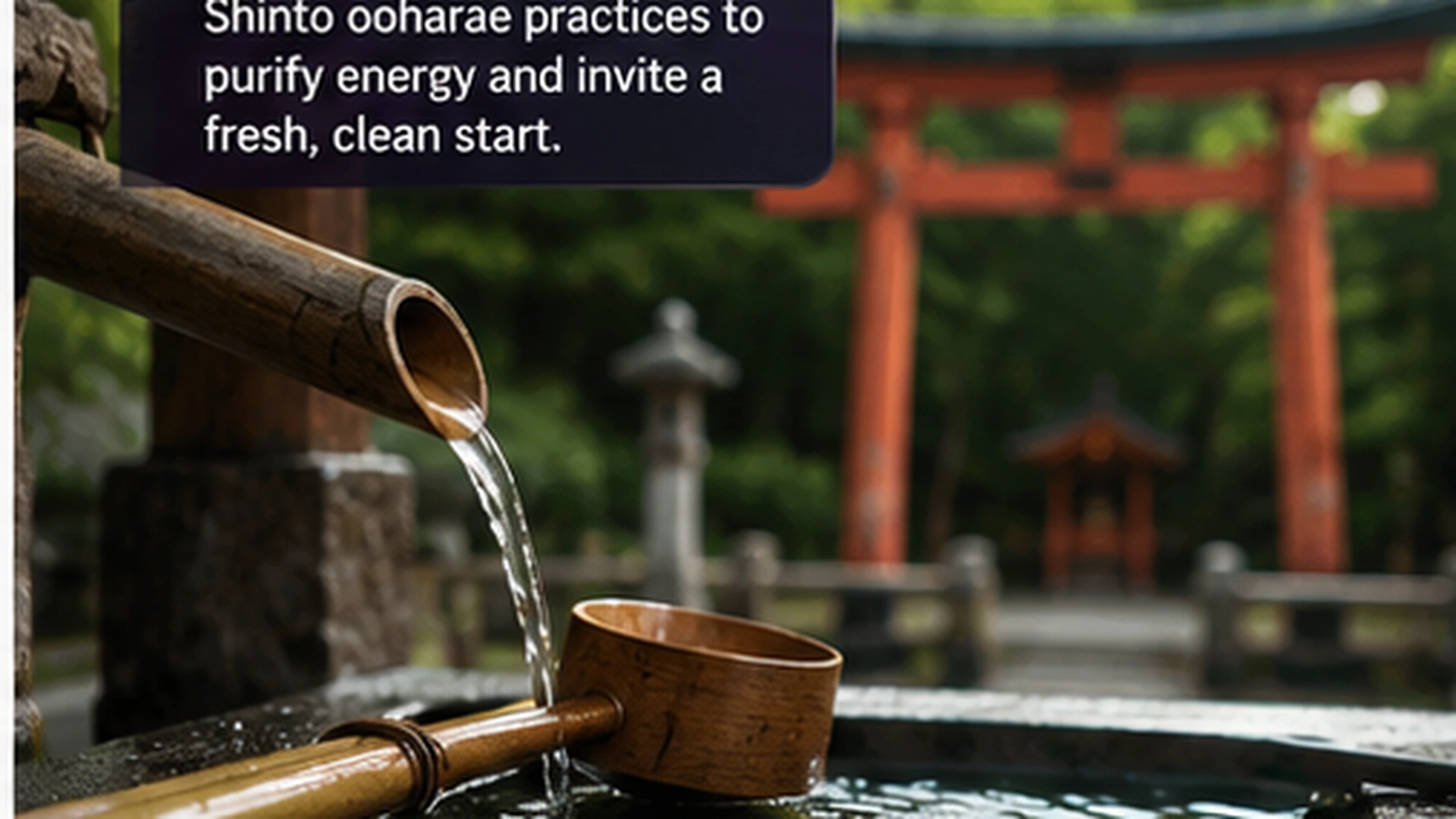
The Association of Shinto Shrines describes ooharae as a traditional purification observance intended to remove pollution, wrongdoing and causes of misfortune so people can return to daily life with a clean state of mind. It is commonly held twice a year, in June and December, and can involve prayers and symbolic paper forms according to shrine practice. [8]
Ooharae is a specific Shinto observance, not proof that every unpleasant social encounter creates a substance that must be removed. Visitors should follow the shrine’s public instructions and avoid inventing prayers, copying sacred materials or turning the rite into a commercial “Japanese energy cleanse.” The wider lesson is that purification can include reflection on one’s own errors as well as concern about outside harm.
Ugandan Traditions: Reconciliation, Identity and Reintegration
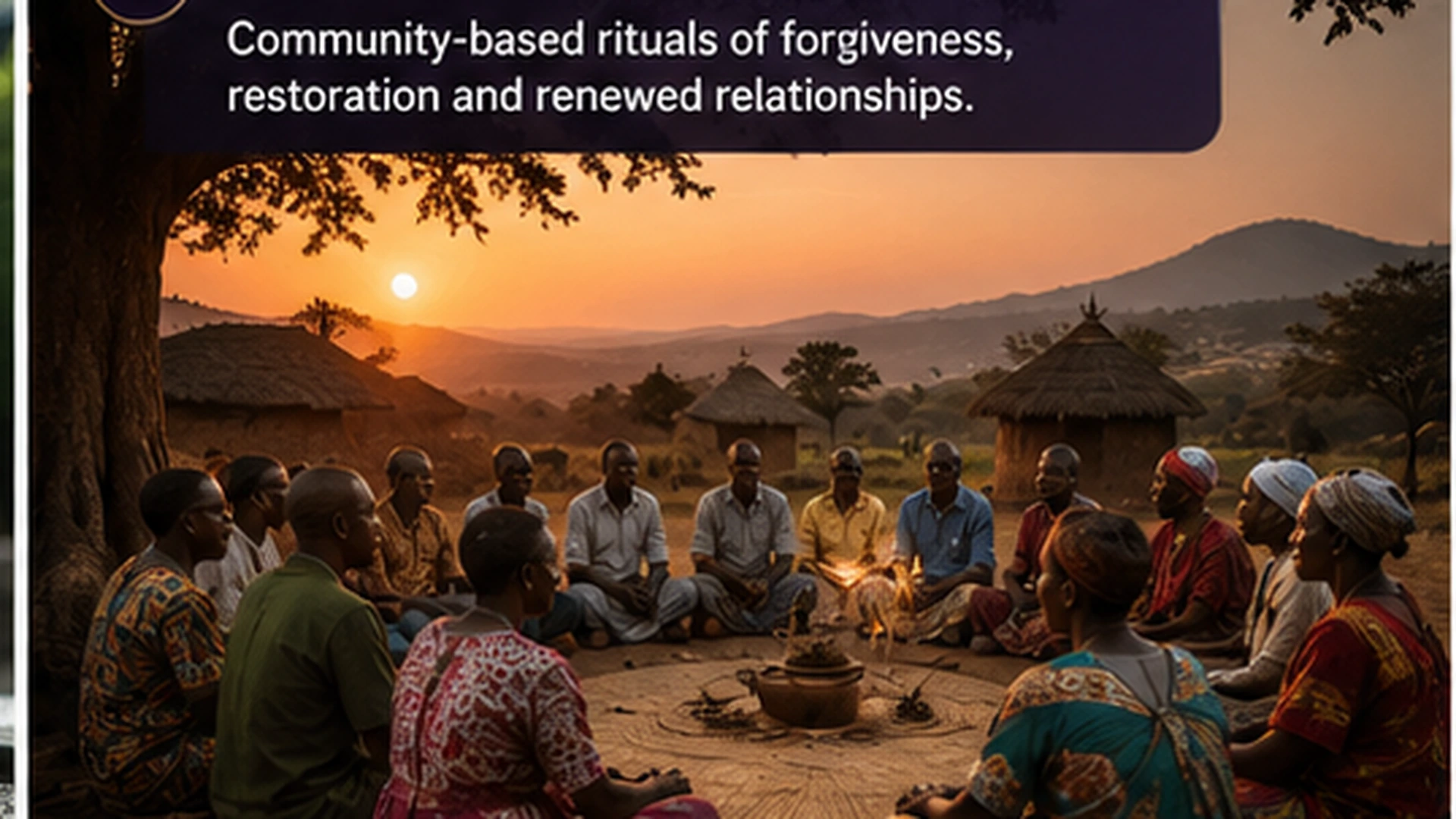
Uganda’s cultural traditions do not form one protection system. Different communities maintain distinct naming, cleansing, reconciliation and reintegration practices. UNESCO’s description of Empaako notes that using an Empaako name can defuse tension or anger and communicate affection, respect, unity, peace and reconciliation among the communities that practise it. [9]
UNESCO also documents a Lango male-child cleansing ceremony that promotes reconciliation and restores the social status of the child. The rite belongs to Lango belief, family authority and community custodianship. Its public documentation is not an invitation to reproduce the ceremony, especially because it is culturally specific, gendered and safeguarded by community consent. [10]
These examples show that “protection” after conflict may be social rather than magical: restoring a person’s place in the family, reducing anger, recognizing identity and rebuilding relationships. UNESCO guidance encourages cultural practices to complement—not replace—legal and administrative mechanisms for peace, safety and reconciliation. [11]
When Reconciliation Is Unsafe
Reconciliation is not the same as ending revenge in your own heart. You can choose not to retaliate while also choosing distance, legal protection or no contact. A ritual leader, family elder or religious authority should never force a survivor to meet an abusive person for the sake of unity or reputation.
Do not use reconciliation meetings when there is active stalking, recent physical violence, threats with weapons, strangulation, sexual violence, abduction, severe coercive control or credible risk of retaliation. Specialist services may advise safer forms of communication or no contact. Children should never be used as messengers or witnesses in adult conflict.
Protective Objects, Symbols and Boundaries
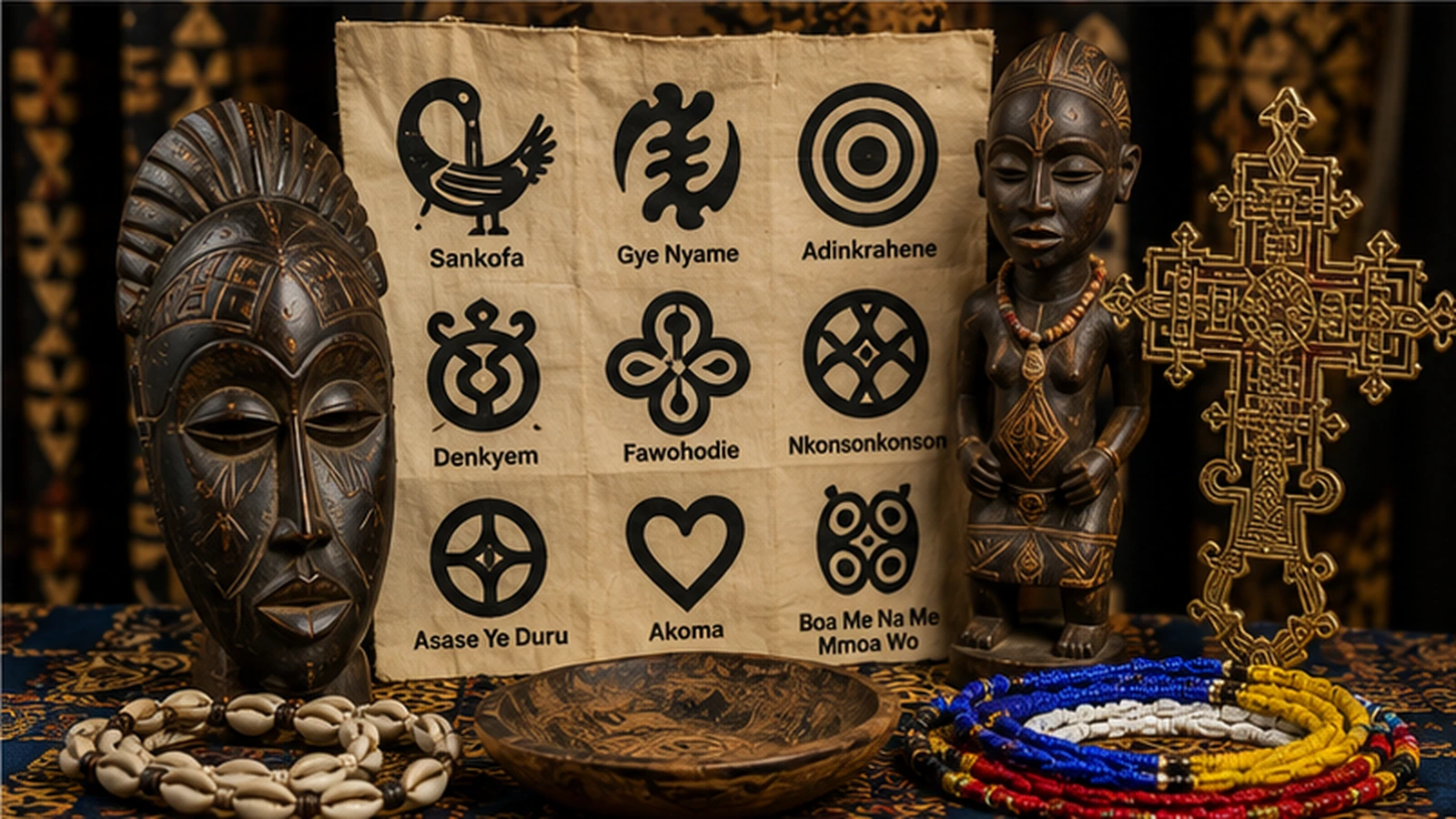
Some people wear a cross, carry an enclosed prayer, keep an amulet, display a religious symbol or hold an ancestral heirloom after a frightening event. Such objects can support identity, memory and prayer. Their meaning comes from a tradition and relationship, not from appearing on a generic online list.
An object should not be used to diagnose who caused harm. A broken necklace, extinguished candle or unusual dream is not proof that someone attacked you spiritually. Accusing a person on that basis can escalate conflict and expose innocent people to danger.
Practical boundaries are also protective symbols made concrete: a changed password, a written no-contact request where safe, a trusted escort, a new transport routine or a secure place to store evidence. These actions do not oppose faith. They turn the intention of protection into measurable behaviour.
Digital Protection After a Threatening Encounter
Change passwords from a safer device and use unique passwords for important accounts.
Review location sharing, linked devices, cloud albums, shared calendars and family plans.
Preserve screenshots and message metadata before blocking when safe to do so.
Ask a trusted technician or advocate for help if you suspect spyware or unauthorized access.
Do not announce your location publicly while the risk is unresolved.
Avoid clicking links or opening files sent by a threatening person.
Digital safety decisions depend on the threat model. Abruptly changing access can sometimes alert an abusive person, so a specialist advocate may help plan the timing. A ritual that focuses only on the room while ignoring the phone can leave the main risk untouched.
The First 24 Hours After a Threatening Encounter
The first day does not need to be spiritually perfect or emotionally calm. The goal is to reduce uncertainty and prevent further harm. In the first hour, focus on location, injury, trusted contact and evidence. If returning home is unsafe, choose another place before attempting any cleansing or prayer routine. If the person who threatened you knows your usual route, consider changing transport with help from someone trustworthy.
During the next several hours, preserve the clearest account you can. Trauma can affect memory and sequence, so record facts without pressuring yourself to create a polished statement. Save messages, note witnesses and photograph damage or injury when safe. Keep copies away from any shared device or account controlled by the other person. A brief prayer or washing practice can happen alongside this work, but it should not delay it.
Later in the day, reduce unnecessary exposure. Avoid public posts about your location, limit contact with people who carry messages back to the threatening person and decide who genuinely needs information. Eat, hydrate and rest where possible. The body may alternate between agitation and exhaustion. This does not prove spiritual attack; it is a common response to intense stress.
Before sleeping, make a simple plan for the morning: whom to call, where to go, which passwords or routines to review and whether medical, legal, pastoral or mental-health help is needed. Keep essential documents, medication, keys and a charged phone accessible. The plan does not have to solve the whole conflict. It only needs to make the next safe step easier.
Children, Older Adults and Dependent Family Members
After a frightening encounter, adults may be tempted to hold a family ritual immediately and ask everyone to explain what they saw. Children and dependent adults should not be pressured to speak publicly, repeat details for multiple relatives or participate in a ceremony they do not understand. Give clear, age-appropriate information, restore ordinary routines and identify one safe adult who can answer questions.
Watch for changes in sleep, eating, school attendance, toileting, play, concentration or fear of separation. These responses do not mean the child is spiritually contaminated. They may reflect stress and deserve patience. Seek qualified support when symptoms persist, when the child witnessed violence or when there is concern about ongoing access by the threatening person.
Older adults and people with disabilities may need help with transport, medication, communication devices, hearing or mobility. A safety plan must account for those needs. Religious or ancestral practices can provide comfort, but consent remains essential, and no person should be left alone with an unverified healer or mediator because the family is desperate for protection.
Common Misunderstandings
| Claim | Responsible answer |
|---|---|
| “Feeling heavy proves someone transferred negative energy.” | The feeling is real, but it may reflect stress, fear, fatigue or belief. It does not identify a cause by itself. |
| “A cleansing ritual guarantees the person cannot harm me.” | No ritual guarantees physical or digital protection. Use safety planning and appropriate services. |
| “If I forgive, I must resume contact.” | No. Forgiveness and contact are separate decisions. Safety and consent remain essential. |
| “Salt, smoke or herbs are harmless.” | They can create health, fire, poisoning or allergy risks. |
| “A dream or divination can identify the attacker.” | It is not reliable evidence and should not be used to accuse someone. |
| “Religious leaders should decide whether I report.” | A trusted leader may support you, but should not obstruct emergency, medical or legal help. |
| “Strong faith means I should not feel afraid.” | Fear after a threat is a human response. Seeking support is not spiritual failure. |
How to Choose a Safe Spiritual or Cultural Helper
They explain their role and limits clearly.
They respect confidentiality and your right to stop.
They do not promise guaranteed protection or revenge.
They do not isolate you from family, doctors, advocates or authorities.
They do not demand sexual contact, beating, burning, cuts or unknown substances.
They use culturally legitimate authority rather than invented titles.
They refer you to medical, mental-health or legal help when the situation requires it.
Their fees, if any, are transparent and not tied to escalating fear.
When to Seek Mental-Health Support
Distress often reduces with time, safety and support. Professional help is important when fear, nightmares, panic, numbness, anger, concentration problems or avoidance persist, disrupt daily life or become worse. Seek urgent help for thoughts of self-harm, inability to care for yourself, severe confusion, substance-related danger or ongoing violence.
WHO’s current emergency mental-health guidance emphasizes community supports, psychological first aid and access to clinical care when needed. Recovery is not a test of faith. Prayer, cultural belonging and professional treatment can coexist. [2][12]
People Also Ask
What is a protection ritual after conflict?
It is a meaningful practice used to restore safety, calm, spiritual confidence or social order after a difficult encounter. It may include prayer, washing, blessing, community support or reconciliation. It should not replace practical safety measures.
How do I cleanse myself after a negative encounter?
Use safe, ordinary actions such as washing, showering, changing clothes, prayer, fresh air when safe, journaling and contacting someone trustworthy. Avoid toxic substances, heavy smoke, fire and unknown remedies.
What should I do first after someone threatens me?
Move to safety, tell a trusted person, preserve evidence and contact local emergency, victim-support or legal services when appropriate.
Can prayer protect me after an argument?
Prayer can provide comfort, ethical direction and a sense of refuge. It cannot guarantee that another person will stop threatening you, so practical boundaries and safety planning remain necessary.
Should I reconcile after a threatening encounter?
Not while there is active danger, coercion or stalking. Reconciliation must be voluntary, accountable and safe; distance or no contact may be the responsible choice.
Does negative energy have scientific proof?
Science has not established a measurable harmful energy transferred through ordinary social encounters. Stress responses and emotional after-effects are real and deserve care.
Frequently Asked Questions
1. Can I use salt after a conflict?
You may use salt as an ordinary household material or within your own established tradition, but it is not scientifically proven to remove harmful energy. Keep it away from eyes, wounds, children and pets, and do not ingest excessive amounts.
2. Is burning sage or incense necessary?
No. Smoke is not necessary and can worsen asthma, headaches and indoor air quality. Cultural plant practices also belong to specific communities and should not be treated as universal products.
3. Can I cleanse my phone?
You can clean the device physically and, more importantly, secure it digitally: change passwords, review linked devices and preserve evidence. Do not apply liquids that may damage electronics.
4. What if the threat is described as witchcraft?
Take the fear seriously without assuming the accusation is factual. Address any observable threats, harassment, poisoning, fraud or violence through appropriate services, and seek religious support that does not encourage retaliation.
5. Can an elder mediate the conflict?
Yes when all parties consent and there is no active danger or coercion. An elder should not replace legal protection or pressure a survivor to forgive.
6. How soon should I perform a ritual?
There is no required time. Immediate safety and medical needs come first. A simple prayer or wash can happen when you are secure and ready.
7. What if I keep having nightmares?
Nightmares can follow stress. Restore sleep routines, reduce stimulating media, talk with someone trustworthy and seek professional care if they persist or impair daily life.
8. Can a ritual stop stalking?
No ritual can reliably stop stalking. Use a safety plan, document incidents and seek local victim-support and legal options.
Key Takeaways
Immediate danger requires distance, documentation and appropriate help before any spiritual practice.
Prayer, washing, changing clothes and cultural support may help mark a transition and restore calm.
“Negative energy” is a spiritual or emotional description, not a scientifically established contamination.
Christian, Islamic, Shinto and Ugandan practices must remain culturally distinct.
Reconciliation is never mandatory after threats, stalking, abuse or violence.
Rituals should not involve revenge, accusations, toxic substances, unsafe smoke, forced contact or guaranteed claims.
Professional, legal, medical and mental-health support can coexist with sincere faith and cultural tradition.
Conclusion
Protection after conflict begins by reducing the chance of further harm. It continues through trusted relationships, clear boundaries, practical security and care for the body’s stress response. Spiritual practices can then give the experience meaning: a prayer may ask for refuge, a wash may mark a new beginning, a shrine observance may invite purification, and a community process may restore belonging.
The responsible test is not whether a ritual looks powerful. It is whether it respects consent, reduces fear without denying reality, avoids new harm and supports wise action. A practice that isolates a survivor, promises revenge or replaces safety planning has crossed the ethical boundary. Protection should return power, dignity and choice to the person who has been threatened—not take them away.
Article Information
- Publisher
- Ancestral Temple
- Editor
- Ancestral Temple
- Last updated
- Jul 30, 2026
- Last reviewed
- Jul 30, 2026
- Content version
- e775818c55
This educational article should be read as cultural and spiritual information, not as medical, legal, financial, or emergency advice.
Helpful Related Guidance
About the Author
 Ancestral Temple
Spiritual guide and practitioner with decades of experience in ancestral wisdom, rituals, and divine guidance.
Related Posts
View All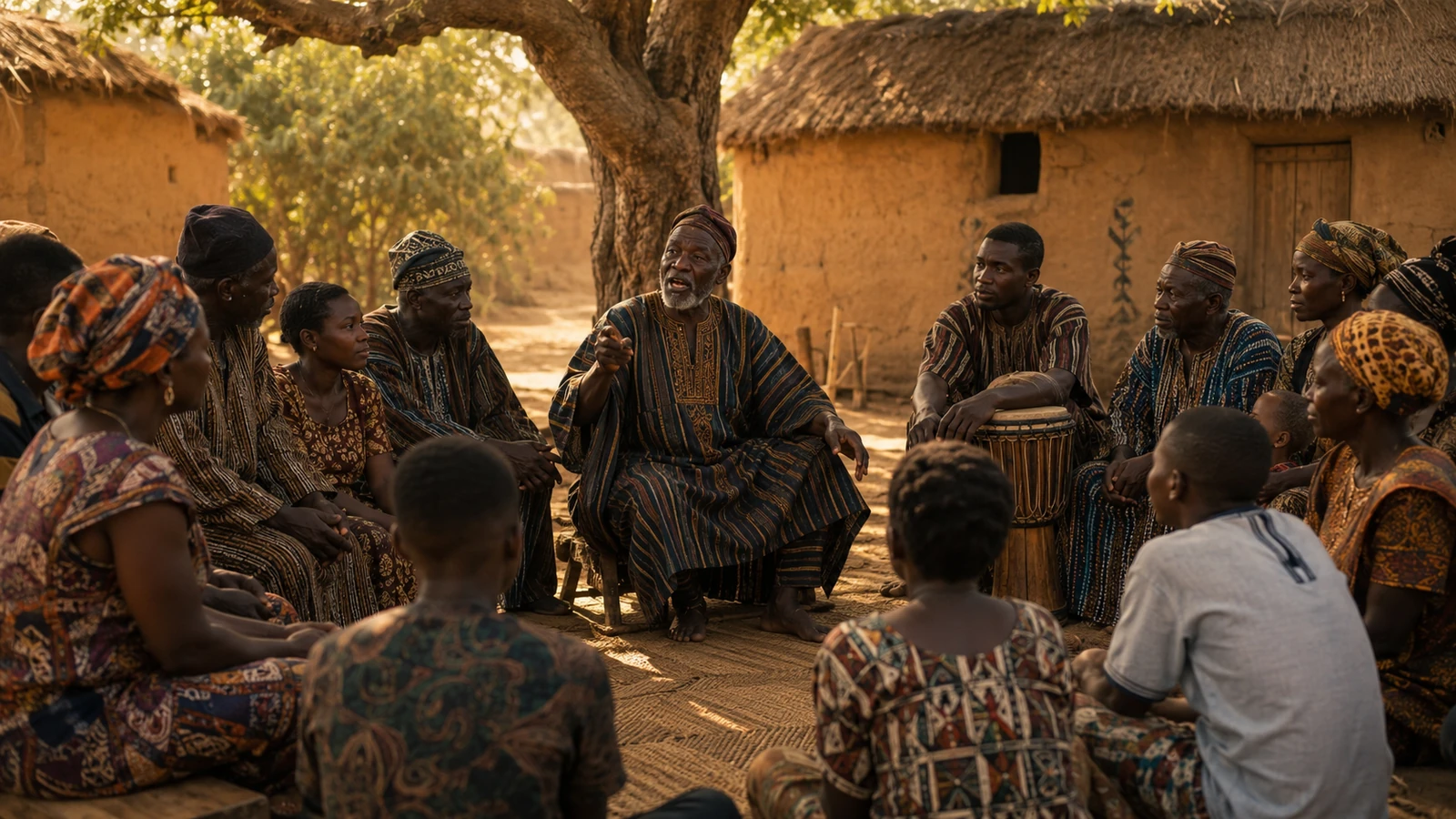










Comments
We'd love to hear your thoughts.