
Protection Rituals for Children: Family Blessings, Symbols and Cultural Traditions
Pillar Article
Quick Summary
Protection rituals for children are culturally specific prayers, naming ceremonies, blessings, symbols or family observances intended to welcome a child, express hope for safety, a...
Protection rituals for children are culturally specific prayers, naming ceremonies, blessings, symbols or family observances intended to welcome a child, express hope for safety, affirm belonging or ask for spiritual care. They may take place at birth, naming, baptism, entry into school, illness, travel or another family transition.
The phrase does not describe one universal African or world tradition. A western Ugandan Empaako naming ceremony, a Christian baptism, a Jewish baby-welcoming ceremony and a Japanese child omamori belong to different histories, beliefs and institutions. Similar intentions do not make their words, objects or authority interchangeable.
Child protection also has a practical and legal meaning. A prayer or symbol cannot prevent every illness, accident, abuse or exploitation. Real protection includes safe and nurturing caregivers, birth registration, healthcare, supervision, education, emergency planning and action when a child is harmed or threatened. Spiritual practices should strengthen those responsibilities rather than replace them. [1][2][3]
Quick Answer
A protection ritual for a child is a family, cultural or religious practice that expresses blessing, belonging, hope or spiritual care. It may use prayer, a name, water, touch, a meaningful object or community witnesses. No ritual guarantees safety. It must never replace medical treatment, birth registration, supervision, safeguarding or reporting abuse.
What Is a Protection Ritual for a Child?
A child-protection ritual is an organized act through which a family or community expresses care for a child in spiritual, social or symbolic language. It may welcome a newborn, establish a name, connect the child with a religious community, ask for blessing, mark a transition or remind adults of their responsibilities.
The word protection can mean different things. In a religious setting, it may refer to divine care, prayer or freedom from spiritual harm. In family life, it may mean belonging, social support and recognized caregivers. In law and public health, child protection means preventing violence, abuse, neglect, exploitation and avoidable injury. Those meanings can support one another, but they are not interchangeable. [1][2]
An authentic ceremony is not defined by how dramatic it looks. Its meaning depends on the child’s family, the tradition, the authorized leader, the words, the witnesses and the responsibilities created by the event.
Spiritual Protection and Real-World Safeguarding
| Type | Examples | Possible value | Limit |
|---|---|---|---|
| Spiritual or ceremonial protection | Prayer, blessing, naming, sacred identity, meaningful symbols and community witness | May provide belonging, hope, continuity and moral commitment | Cannot guarantee freedom from illness, accident, abuse or exploitation |
| Practical safeguarding | Safe caregivers, supervision, healthcare, birth registration, education, emergency planning and reporting abuse | Directly addresses identifiable risks and rights | Requires ongoing action, services and accountability |
| Healthy integration | A blessing that also names adult duties, registers the child, supports healthcare and builds a protective family network | Connects belief with responsible care | Must not conceal harm or discourage professional help |
UNICEF describes the family as the first line of protection and emphasizes loving, non-violent homes, legal identity and access to health, education, justice and social services. CDC guidance similarly emphasizes safe, stable and nurturing relationships and environments. [1][2][3]
Why Families Use Blessings, Names and Symbols
To welcome a child
A ceremony allows relatives and community members to acknowledge a new life rather than letting the transition pass unnoticed.
To establish identity
Names can connect a child with language, family memory, religion, clan or community.
To name adult responsibilities
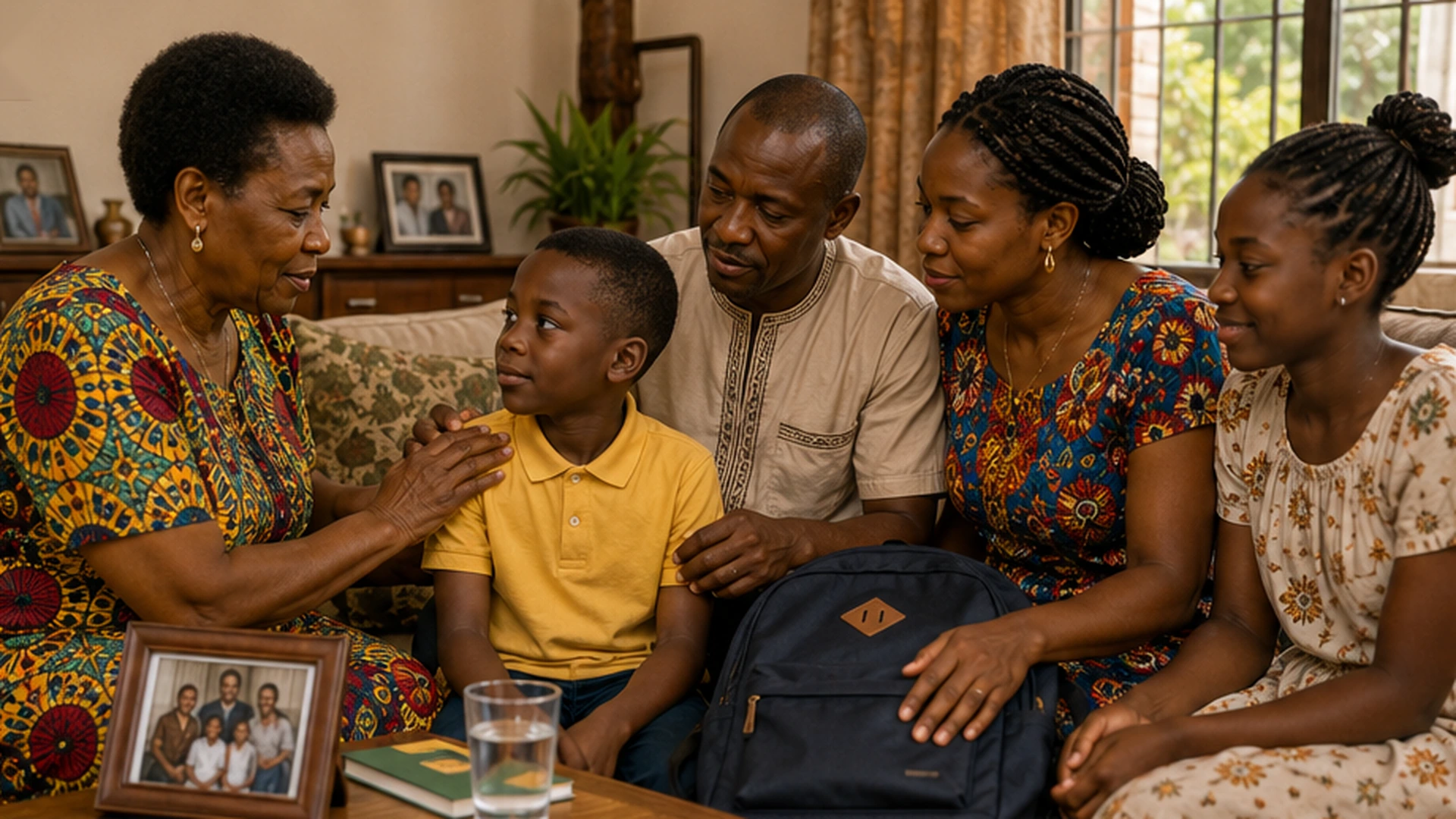
Parents, godparents, grandparents and elders may publicly accept duties toward the child.
To express prayer and hope
Families may pray for health, wisdom, courage, peace, moral character and supportive relationships.
To create social support
Witnesses can become people who notice danger, help caregivers and support the child over time.
To preserve memory
A garment, photograph, written blessing or named ceremony may become part of the child’s family history.
Common Forms of Child-Protection Traditions
Spoken blessings
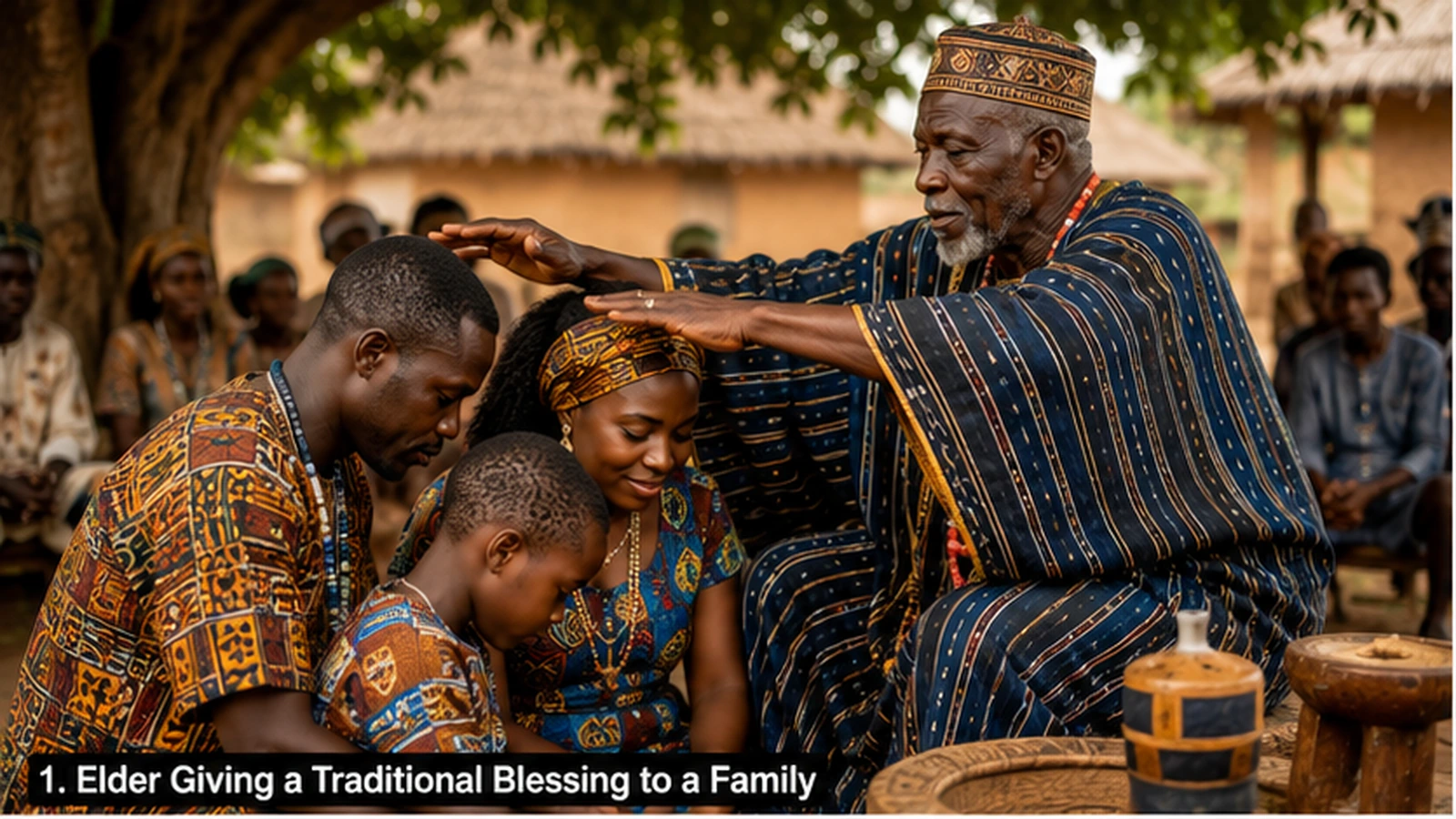
Parents, elders or religious leaders may speak prayers, advice or words of goodwill.
Naming ceremonies
A name may establish identity, kinship, covenant, memory or social belonging.
Water and anointing
Some Christian rites use water and sacred oil. These meanings should not be generalized to unrelated traditions.
Protective objects
Pouches, pendants, medals, cloth, written prayers or amulets may be worn or kept nearby. Their safety and context matter.
Community witnesses
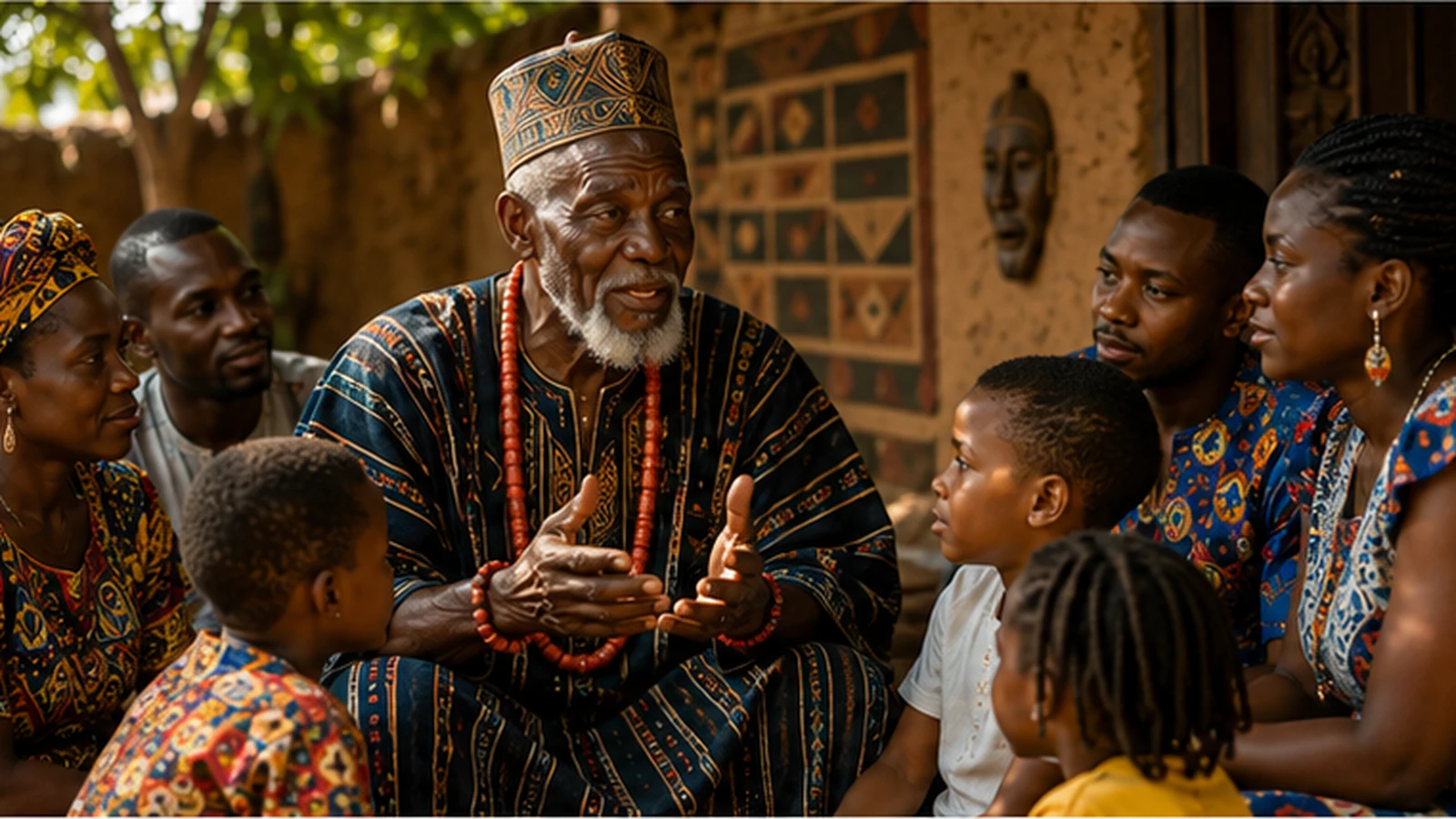
Relatives, godparents, clan leaders or congregations may acknowledge responsibility for the child.
Gifts and meals
Food, clothing, books, money, a planted tree or another gift may express welcome and future care.
Family routines
Bedtime prayer, checking school arrangements, emergency contacts and safe supervision can connect spiritual care with daily protection.
Empaako Naming in Western Uganda
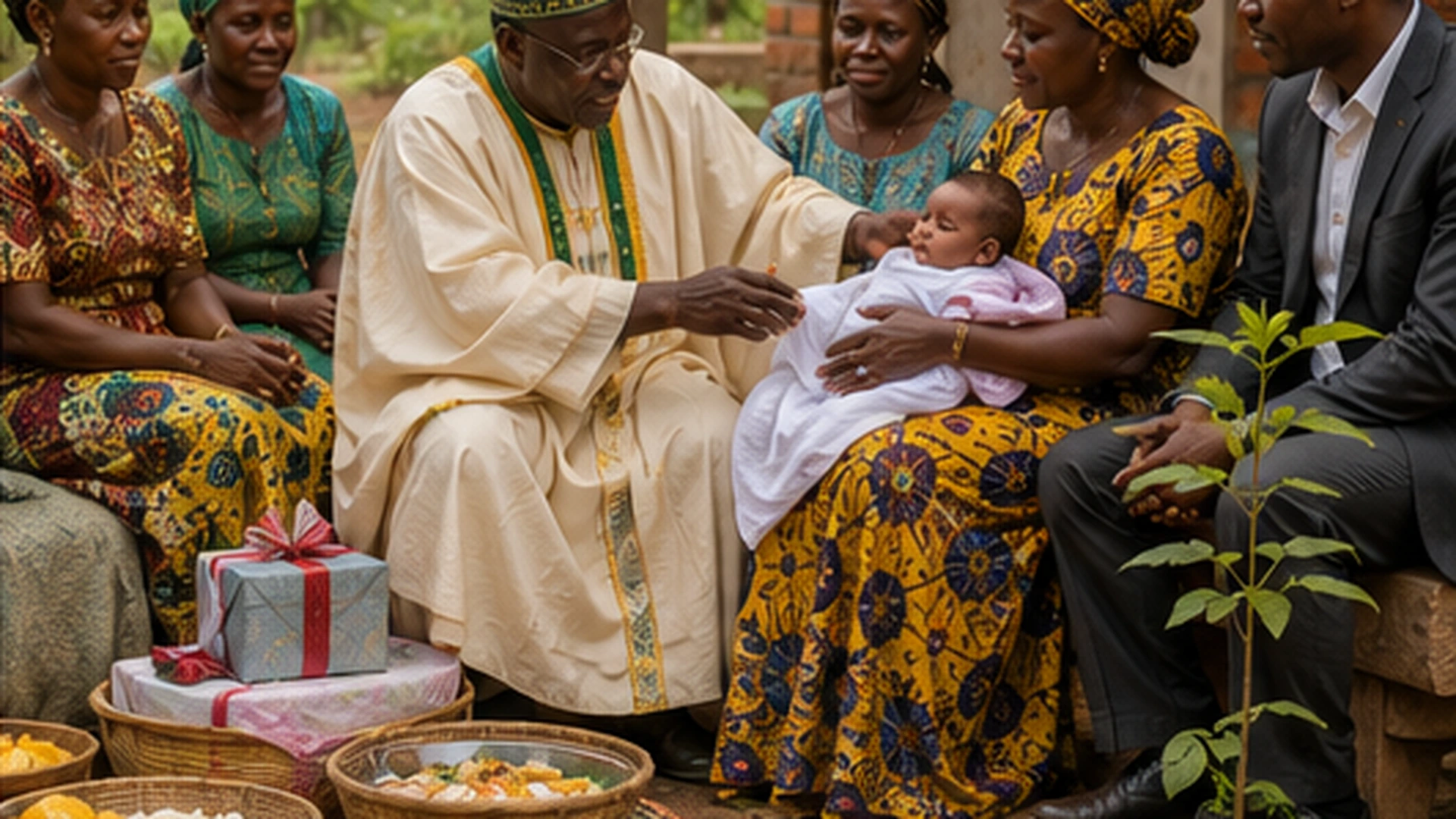
UNESCO documents Empaako as a naming system practised by the Batooro, Banyoro, Batuku, Batagwenda and Banyabindi of western Uganda. In addition to given and family names, a child receives one of twelve Empaako names shared across these communities. Addressing someone by an Empaako can express affection, respect, honour, unity and reconciliation. [4]
The publicly documented naming ceremony takes place in the home and is led by the clan head. Paternal aunts receive the baby and consider family resemblance; the clan head declares the Empaako, relatives share a meal, gifts are presented and a tree may be planted for the child. [4]
This tradition should not be described as a universal Ugandan child-protection ritual. Its value lies in specific communities, language, social identity and family relationships. Outsiders should not invent Empaako names or reproduce ceremony details without community participation.
Christian Baptism and Blessings for Children
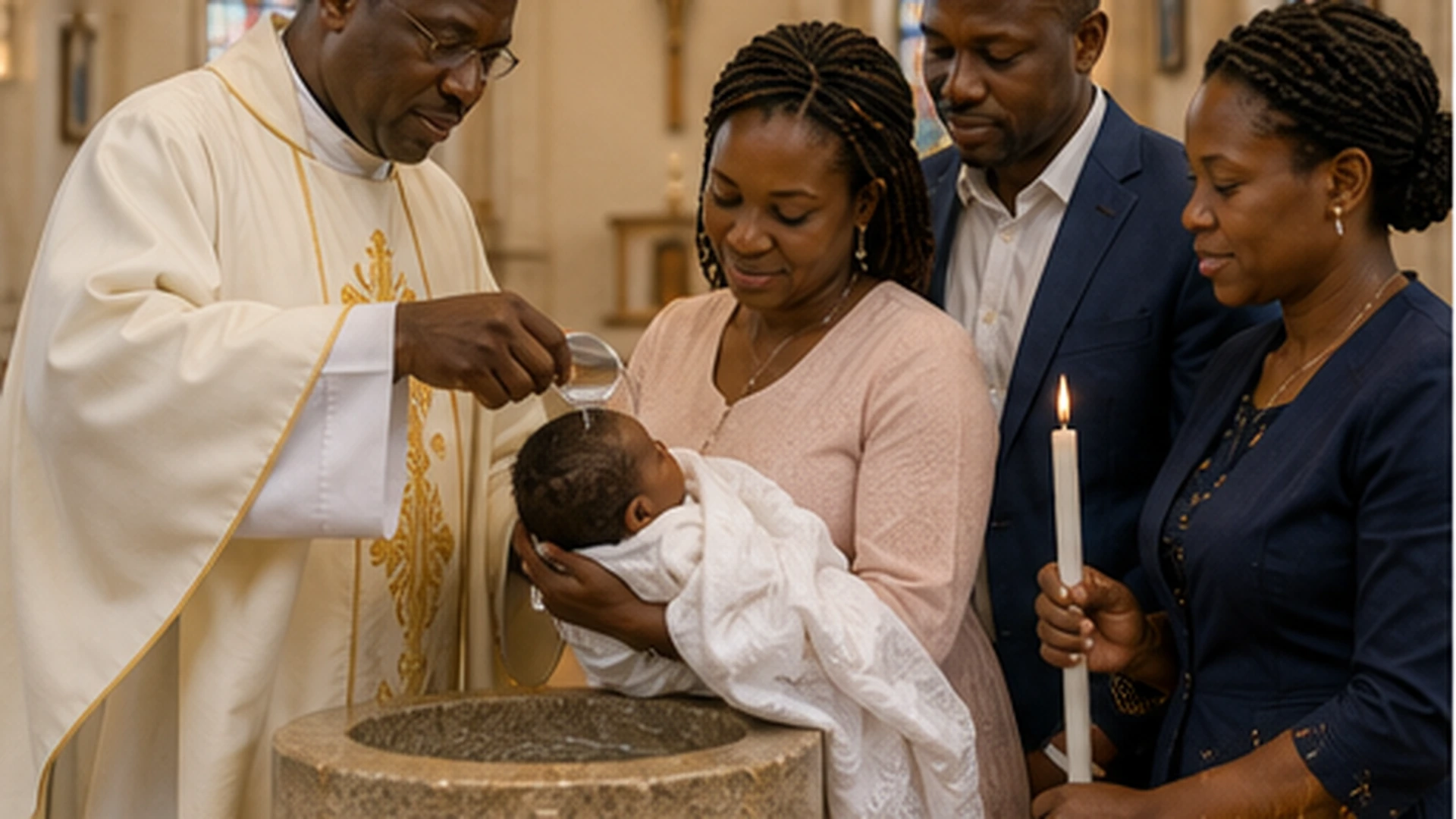
Christian traditions use different rites for children. In Catholic teaching, infant baptism is an initiation into the Church and a gift of grace, not a magical object or private guarantee against physical danger. Parents and godparents are expected to help the child’s faith develop, and the wider community shares responsibility for that formation. [5]
Water, anointing, a white garment, a candle and a final blessing have defined meanings within the liturgy. Other Christian churches differ on infant baptism, child dedication, confirmation and who may administer particular rites. [5]
Christian families may also pray over a child before school, travel, illness or a major transition. The prayer should strengthen loving care and wise action, not discourage vaccination, treatment, safeguarding or reporting abuse.
Jewish Baby Welcome and Naming
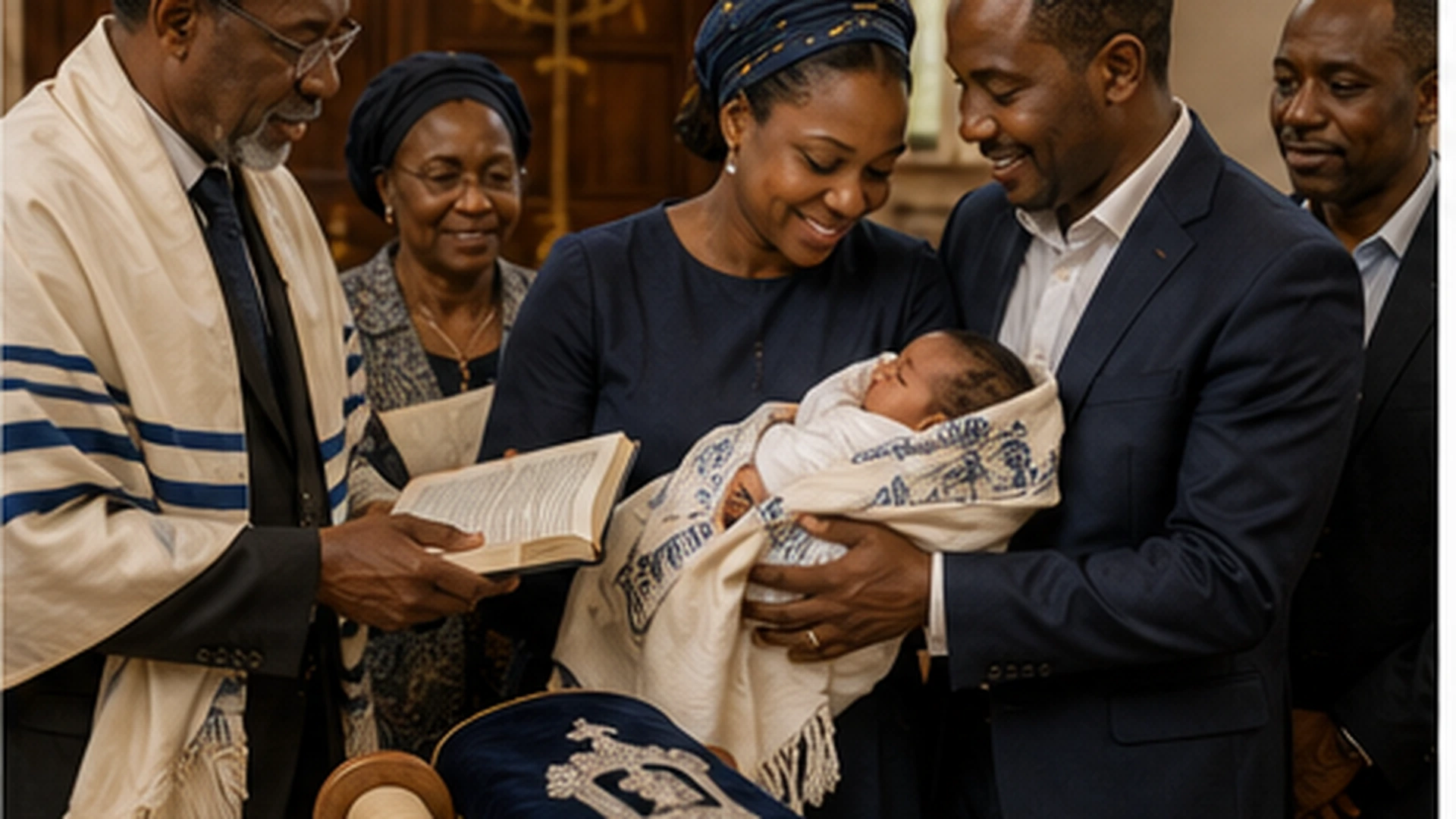
Jewish baby ceremonies welcome a child into covenant, community and a lifetime of religious practice. A child’s Hebrew name may be formally announced at a brit milah, brit bat, simchat bat, synagogue service or another family ceremony, depending on the family and movement. [6]
Naming customs vary. Ashkenazi families often honour deceased relatives, while Sephardic families may name children for living relatives. Contemporary ceremonies for girls developed in multiple Jewish movements and use different names and liturgies. [6]
These ceremonies are not best described as generic “protection spells.” Their central ideas include covenant, commandment, community, memory and responsibility. Families should follow their own rabbi or community rather than copying isolated ritual elements.
Japanese Omamori for Children
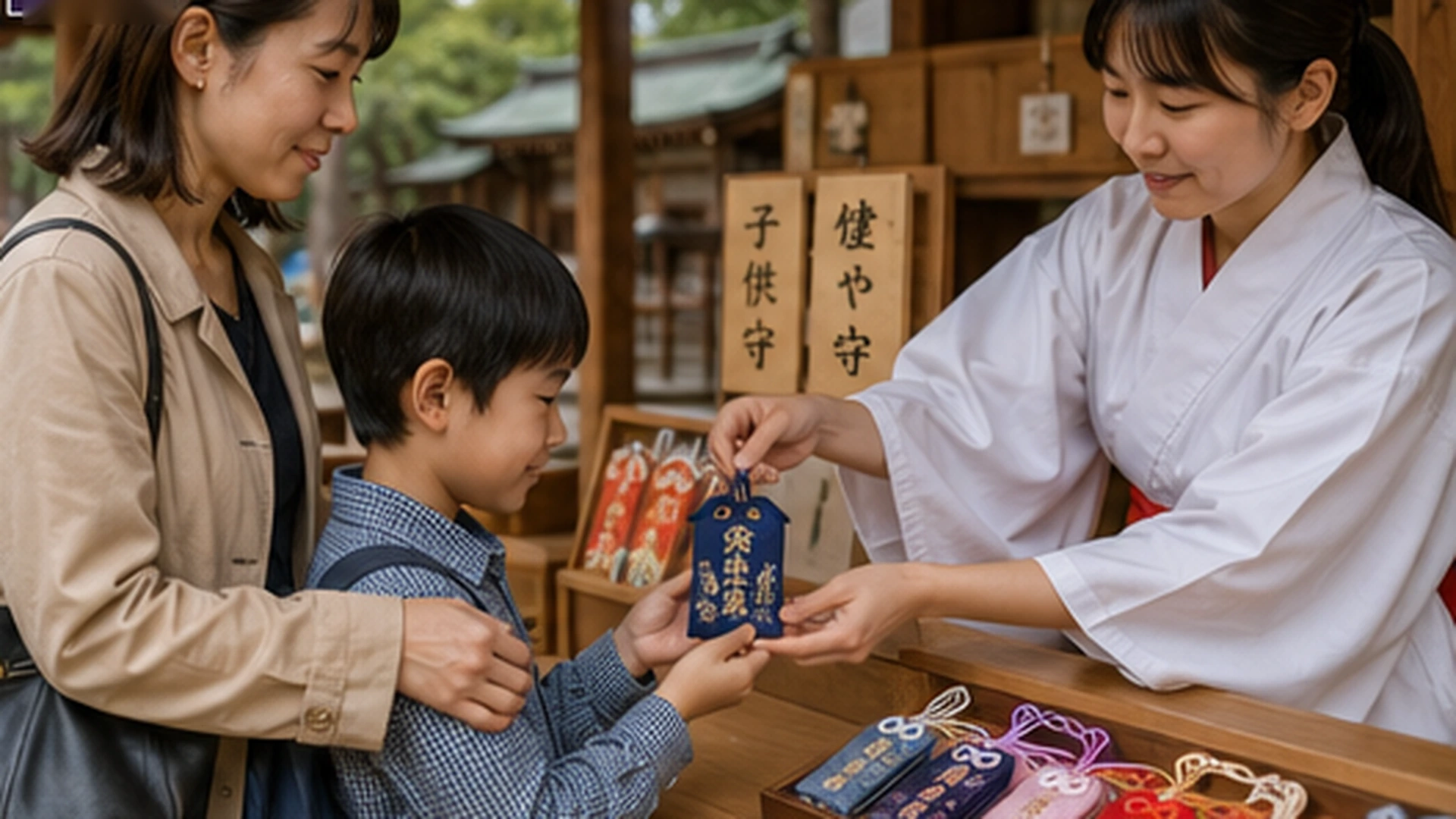
Omamori are small sealed pouches obtained from Japanese temples and shrines and carried for a named purpose. The British Museum records a silk warabe omamori from Motsu-ji specifically associated with protecting children. Such pouches commonly contain paper bearing a stamp, prayer or image and are kept closed. [7]
An omamori is not simply a decorative pendant. Its meaning is connected with the temple or shrine, the religious institution and the stated purpose. Shinto and Buddhist settings should not be blended carelessly, and a sealed pouch should not be opened for curiosity or display.
Parents should also consider physical safety. A pouch, cord or charm should not be tied around an infant’s neck or left where a young child can choke, strangle or swallow small components.
Historical Child Amulets and Protective Symbols
Museum collections preserve evidence that families in earlier societies used amulets associated with children, pregnancy and birth. The Metropolitan Museum of Art describes an ancient Egyptian faience triad showing Horus the Child held by Isis and Nephthys; the image symbolized the goddesses’ care and protection. [8]
The British Museum holds Phoenician-period amulets depicting Horus the Child and Isis with a child, as well as a large Neo-Assyrian Pazuzu head probably suspended near a woman in labour in a tradition intended to repel Lamashtu. These objects belong to specific ancient religious systems and archaeological histories. [9]
The British Museum also records a twentieth-century miniature metal shield associated with Baganda production and described in an old collector’s note as an amulet. The record shows that amuletic objects existed in a Buganda-related context, but one museum entry cannot establish how all Baganda families used protective symbols. [10]
Historical objects should be studied through provenance, date, place and community. Reproductions sold online do not automatically carry the same meaning, and antiquities should never be placed on children as wearable toys.
Symbols Do Not Mean the Same Thing Everywhere
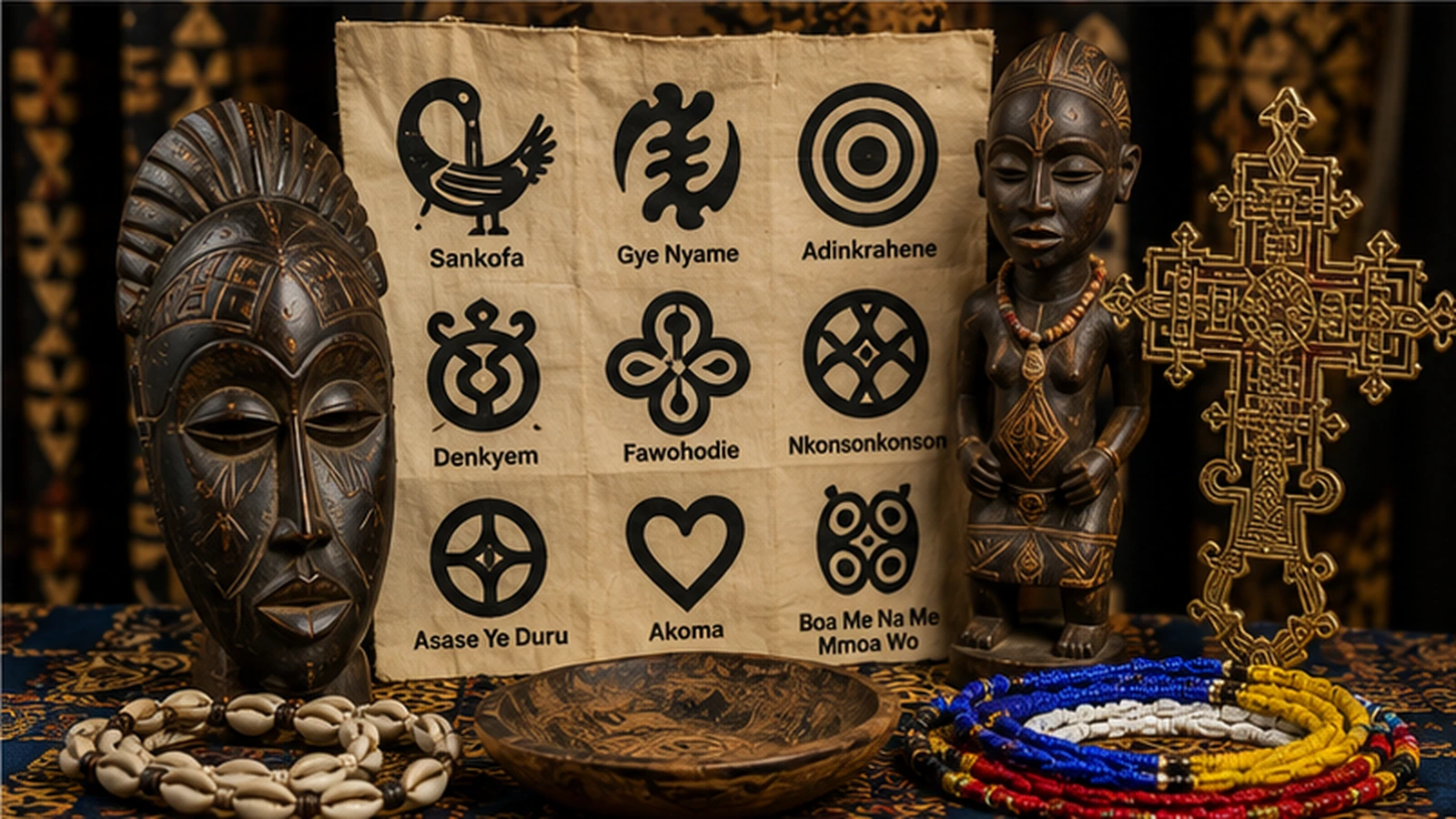
An eye, hand, cross, shield, bead, animal, colour or written prayer can have different meanings across communities. Similar shapes may arise independently or travel through trade, migration, pilgrimage and colonial collecting. A responsible explanation identifies the exact tradition instead of claiming one universal code.
Use the local name when known.
Identify who made and used the object.
Distinguish a sacred object from jewelry or a souvenir.
Ask whether the object is meant to be worn, placed in the home or kept at a shrine.
Do not combine unrelated symbols into an invented child-protection kit.
Do not claim that a commercial product has guaranteed power.
When a Tradition Becomes Harmful
Cultural respect does not require accepting violence, coercion or practices that harm children. UNICEF works with faith and community leaders to challenge child marriage, female genital mutilation and other practices sometimes justified as religious or cultural even though they violate children’s rights and cause lasting harm. [11]
A ritual is not acceptable merely because it is old, secret or led by an adult. Children must be protected from beating, cutting, burning, poisoning, sexual contact, forced marriage, abandonment, humiliation, isolation, unsafe restraint and denial of medical care.
Parents and community leaders should stop a practice and seek qualified help when it causes injury, intense fear, breathing problems, poisoning, infection, choking, strangulation or trauma. Suspected abuse should be reported through the appropriate child-protection, police, health or social-service channels.
Safety Risks From Objects, Cosmetics, Smoke and Plants
Necklaces, cords and small charms
Do not tie necklaces, cords, beads, pouches or pacifiers around an infant’s neck. Small objects may be swallowed, and cords can create strangulation hazards. Keep symbolic items out of sleeping spaces and follow age-appropriate product-safety guidance.
Kohl, kajal, surma, tiro and related eye products
The U.S. Food and Drug Administration warns that traditional eye products sold under names including kohl, kajal, surma, tiro, tozali and kwalli may contain high levels of lead. Children are especially vulnerable, and some infant poisonings have been linked to these products. Do not apply an unverified product to a child’s eyes or umbilical stump. [12]
Lead and contaminated materials
WHO states that children are particularly vulnerable to lead’s effects on the developing nervous system and that even relatively low exposure can cause serious and sometimes irreversible harm. Lead can occur in jewelry, toys, pigments, traditional cosmetics and medicines. [13]
Smoke, candles and incense
Keep flames away from children, fabrics and sleeping areas. Use ventilation and smoke-free alternatives where asthma, respiratory illness or fire risk is present. A prayer does not require smoke.
Herbs, oils and substances on the skin
Do not apply unknown herbs, essential oils, powders or mixtures to a child’s skin or feed them to a child because they are described as protective. Plants and oils can cause poisoning, burns, allergic reactions and dangerous interactions. Use products only in age-appropriate ways supported by reliable health guidance.
Real Protection Every Family Can Practise
Register the child’s birth
UNICEF explains that birth registration gives a child legal identity, helps establish nationality and parentage and supports access to health, education and legal protection. Proof of age can help protect children from trafficking, child marriage, child labour and other exploitation. [14]
Create safe, stable and nurturing relationships
Children are better protected when caregivers are attentive, predictable, emotionally supportive and non-violent. CDC identifies these relationships and environments as central to preventing abuse and neglect. [2]
Know every caregiver
Parents should know who supervises the child, how discipline is handled, how emergencies are managed and how to contact the child.
Use healthcare and vaccination
Spiritual support can accompany healthcare but cannot diagnose infection, injury, disability or mental-health needs.
Teach body safety and trusted-adult rules
Use age-appropriate language about private body parts, unwanted touch, secrets, online contact and how to seek help.
Plan for school and emergencies
Keep contact details current, know school reunification procedures and adapt safety plans for children with disabilities or communication needs. [15]
Respond to warning signs
Listen to children, document concerns safely and contact qualified child-protection, health or law-enforcement services when abuse or exploitation is suspected.
How to Create a Respectful Family Blessing for a Child
The following is an original modern framework, not a traditional ritual copied from a community.
1. Choose the purpose
Name one honest purpose such as beginning school, recovering after illness, welcoming a newborn, travelling or entering a new stage.
2. Ask for the child’s participation
Explain what will happen in age-appropriate language. A child who is old enough should be allowed to ask questions, decline touch or choose who stands close.
3. Invite supportive adults
Include caregivers and trusted relatives who will actually help protect and encourage the child.
4. Use safe symbols
Choose a photograph, book, flower, certificate, fabric or object too large to swallow. Do not place cords around the child’s neck.
5. Speak the child’s name
Affirm identity, family belonging and the child’s right to safety and respect.
6. Name adult responsibilities
Adults should promise supervision, listening, non-violent discipline, healthcare, education and action when danger appears.
7. Let the child speak
Invite the child to name hopes, worries and people they trust.
8. Create a practical safety step
Update emergency contacts, register the birth, check school pickup rules, schedule a medical appointment or inspect the home.
9. Close with food or a simple gift
Share an age-appropriate meal or give a book, school item or family keepsake.
10. Record the moment privately
Keep a family note or photograph with consent rather than publishing the child’s private ceremony online.
Original Non-Denominational Blessing for a Child
This text is original and may be adapted by a family. It is not a translation of a traditional prayer:
| May you grow in safety, wisdom and courage. May you know that your body and your voice deserve respect. May the adults around you listen carefully, guide you without violence and act when you need help. May you learn with curiosity, choose trustworthy friends and offer kindness without surrendering your boundaries. We promise to protect your health, education, dignity and future with prayer, attention and responsible action. |
|---|
Children With Disabilities and Inclusive Rituals
Children with disabilities should not be presented as spiritually defective, cursed or responsible for family misfortune. CDC notes that children with disabilities may face increased risks of bullying, abuse and neglect and that safety planning should be adapted to each child’s communication, mobility and support needs. [16]
An inclusive ceremony may use visual schedules, quiet space, sign language, mobility access, sensory accommodations and a trusted support person. Do not force eye contact, touch, loud music, smoke, fasting or prolonged standing.
Parents should work with qualified health, education and disability professionals while respecting the family’s faith and the child’s dignity.
Common Misunderstandings
“A blessed child cannot become ill or be harmed.”
False. Blessings express faith and commitment; they do not remove physical risk or human responsibility.
“Every African child receives the same protective ritual.”
False. African communities differ by language, lineage, religion, region and family practice.
“Any necklace is safe if it has spiritual meaning.”
False. Cords and small pieces can cause strangulation or choking.
“Traditional eye cosmetics are safe because they are natural.”
False. Some kohl and related products contain dangerous levels of lead. [12]
“A ceremony can replace birth registration.”
False. Legal identity is a concrete form of protection and supports access to rights and services. [14]
“A child should obey every adult during a ritual.”
False. Adults may hold authority, but a child should not be forced into harmful, sexual, humiliating or frightening actions.
“Older automatically means authentic and good.”
False. Traditions change, and age does not make a harmful practice acceptable.
“Copying the symbol recreates the tradition.”
False. Meaning depends on community, authority, prayer, place and relationship.
“Prayer means adults do not need to report abuse.”
False. Suspected abuse requires practical protection and appropriate reporting.
“Disability is evidence of spiritual attack.”
False and harmful. Children with disabilities deserve evidence-based care, inclusion and protection.
Cultural and Ethical Boundaries
Identify the exact community, religion, region and historical period.
Distinguish public heritage from private, initiated or restricted practice.
Obtain parental permission and age-appropriate child assent before photography or participation.
Do not publish a child’s name, school, location, medical condition or family history unnecessarily.
Do not expose private prayers, initiation details or sacred names.
Do not combine Empaako, baptism, Jewish naming and omamori into one invented universal ritual.
Do not market fear by claiming that a child is cursed or spiritually attacked.
Do not promise guaranteed health, protection, intelligence, success or obedience.
Do not use a ritual to conceal abuse, punish a child or prevent professional help.
Credit communities, museums, religious institutions and scholars accurately.
Key Takeaways
Protection rituals for children include blessings, naming ceremonies, prayers and meaningful symbols.
They do not form one universal African or global tradition.
Empaako belongs to specific communities of western Uganda and affirms social identity and ties.
Christian baptism and Jewish baby naming carry distinct theological meanings.
Japanese omamori are sealed objects obtained from temples and shrines.
Historical child amulets should be studied through context and provenance.
Necklaces, small charms, lead-containing cosmetics, smoke and unknown herbs can harm children.
Spiritual belief must not replace birth registration, healthcare, supervision or reporting abuse.
Children deserve consent, dignity, inclusion and freedom from harmful practices.
A family blessing is strongest when adults make practical commitments to protect the child.
People Also Ask
What is a protection ritual for a child?
It is a culturally or religiously grounded blessing, naming ceremony, prayer or symbolic act intended to express care, identity or hope for a child.
Can parents bless their own children?
Yes, in many families parents offer prayers and words of encouragement. Formal rites should follow the rules of the relevant religious community.
Do child-protection rituals guarantee safety?
No. They may offer meaning and support but cannot prevent every illness, accident or act of abuse.
What is the Empaako naming tradition?
It is a naming system of specific western Ugandan communities in which a child receives one of twelve shared Empaako names in addition to given and family names.
Are protective necklaces safe for babies?
Necklaces and cords can create choking and strangulation hazards. They should not be placed around an infant’s neck or in a sleep space.
What is a child omamori?
It is a sealed protective pouch obtained from a Japanese temple or shrine for a stated purpose connected with the institution.
Can a blessing replace medicine?
No. A child with illness or injury needs qualified medical assessment and treatment.
Why is birth registration protective?
It gives legal recognition of a child’s identity and age and supports access to healthcare, education and legal protection.
Frequently Asked Questions
1. Can a newborn be blessed before a formal ceremony?
Families may offer private prayer or words of welcome, while later following their religious or cultural ceremony.
2. Who may lead a traditional child blessing?
Authority may belong to parents, a clan head, elder, priest, pastor, rabbi, cantor or another recognized person. It varies by tradition.
3. Is a naming ceremony mainly about protection?
Not always. It may emphasize identity, covenant, family memory, social belonging, gratitude or religious responsibility.
4. Can a child wear an amulet?
Only when it is age-appropriate and does not create choking, strangulation, poisoning or skin risks. Infants should not wear necklaces or cords.
5. Should an omamori be opened?
Traditionally, omamori are kept sealed. The British Museum’s collection notes that the contents have not been opened. [7]
6. Can kohl or kajal be used to protect a baby’s eyes?
Unverified kohl, kajal, surma and related products should not be used on children because some contain dangerous levels of lead. [12]
7. Is baptism the same as a protection charm?
No. Christian baptism is a sacrament or initiation rite with theological meaning and ongoing community responsibilities.
8. Can several traditions be combined?
Interfaith families can hold a respectful shared gathering, but each tradition’s sacred actions and objects should remain accurately represented rather than blended into a fictional universal rite.
9. What if a child is frightened by a ceremony?
Stop, explain what is happening and respect the child’s needs. No ceremony should require terror, coercion or humiliating exposure.
10. Can a blessing help a child before school?
It can communicate support and confidence. Adults should also confirm transport, pickup rules, emergency contacts and a trusted person at school.
11. Should a child’s blessing be posted online?
Only with careful consent and privacy protection. Avoid posting the child’s full name, school, home location or sensitive family details.
12. What should I do if someone says my child is cursed?
Do not allow fear-based claims to justify harm or large payments. Seek trusted religious counsel, healthcare and child-protection help as appropriate.
Conclusion
Protection rituals for children reveal how families connect prayer, identity, memory and responsibility. A name can affirm belonging. A baptism or baby-welcoming ceremony can create a religious community around a child. A sealed omamori can connect a family with a Japanese temple or shrine. An ancient amulet can show how earlier societies imagined care and danger.
Those traditions deserve accurate names and cultural boundaries. They should not be mixed into one global protection formula or sold with promises that a child will never become ill, struggle or face danger.
The most responsible family blessing combines words with action: register the child, provide healthcare, listen without violence, know the caregivers, plan for emergencies and report abuse. Spiritual care becomes ethically meaningful when adults accept the daily work of protecting the child’s dignity, safety and future.
Final Summary
Protection rituals for children may involve prayer, naming, baptism, community welcome or culturally specific symbols. Empaako, Christian baptism, Jewish baby naming, Japanese omamori and historical child amulets belong to different traditions. None guarantees safety. Families should preserve cultural meaning while prioritizing birth registration, safe caregiving, healthcare, age-appropriate objects, consent and action against abuse.
Article Information
- Publisher
- Ancestral Temple
- Editor
- Ancestral Temple
- Last updated
- Jul 30, 2026
- Last reviewed
- Jul 30, 2026
- Content version
- 7cd1e10989
This educational article should be read as cultural and spiritual information, not as medical, legal, financial, or emergency advice.
Helpful Related Guidance
About the Author
 Ancestral Temple
Spiritual guide and practitioner with decades of experience in ancestral wisdom, rituals, and divine guidance.
Related Posts
View All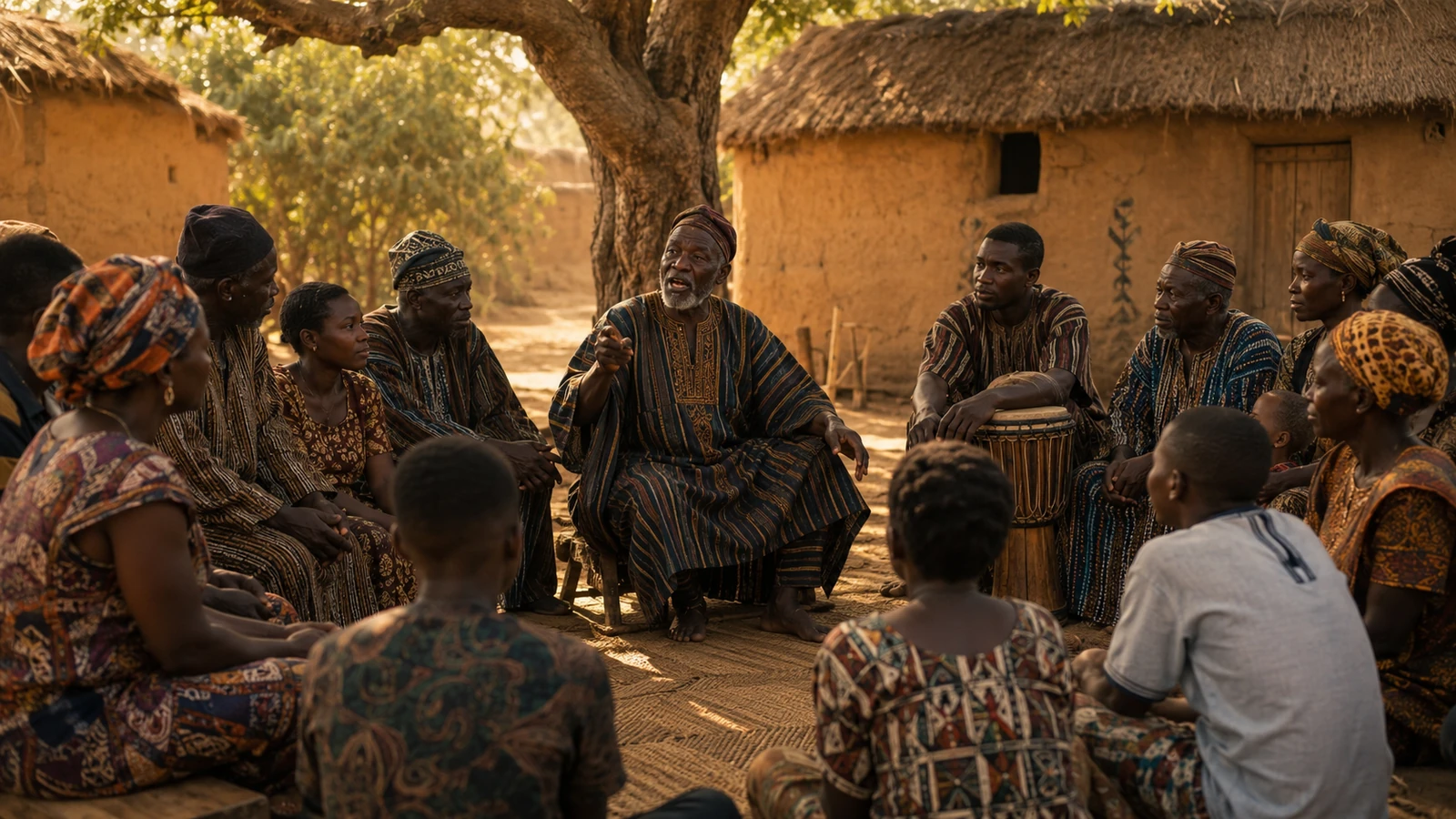






Comments
We'd love to hear your thoughts.