
New Business Blessing Rituals: Meaning, Practices and Prosperity Traditions
Pillar Article
Quick Summary
Opening a new business is an economic event, but in many communities it is also a social, moral or spiritual threshold. Owners may invite relatives, neighbours, elders, clergy, emp...
Opening a new business is an economic event, but in many communities it is also a social, moral or spiritual threshold. Owners may invite relatives, neighbours, elders, clergy, employees or cultural practitioners to mark the beginning with prayer, purification, music, food, gifts, symbolic objects or a public statement of responsibility.
A new business blessing ritual is a religious, cultural or community ceremony intended to place a new enterprise within a meaningful relationship: with God or deities, ancestors, local community, land, workers, customers or inherited values. It may ask for safety, wisdom, honest dealings, harmony and well-being. In some traditions it also expresses hope for prosperity or abundance.
The word prosperity, however, should not be reduced to quick money. It can refer to sufficient livelihood, steady work, healthy relationships, protection from avoidable harm, generosity, reputation, continuity and the ability to support a family or community. A ceremony may strengthen commitment and social trust, but it cannot guarantee sales, profit or protection from business risk.
Quick Answer
A new business blessing ritual is a ceremony that marks the opening of a shop, office, workshop or enterprise through culturally recognized actions such as prayer, purification, offerings, music, food, symbolic gifts or public commitments. Its purpose may include safety, gratitude, ethical work, community support and hope for prosperity. It does not guarantee profit or replace sound business planning.
What Does a New Business Blessing Mean?
A business blessing gives ceremonial form to a beginning. It tells participants that a new responsibility has started and that the owner wishes to conduct it under particular values or relationships.
The ceremony may communicate several meanings at once:
UNESCO describes rituals and social practices as activities that structure community life and reaffirm identity. Their significance comes from the communities that recognize, transmit and recreate them—not from an object copied from a photograph or a script purchased online. [1]
Is It a Ritual, Ceremony, Prayer or Opening Event?
These words overlap but are not identical.
| Term | Practical meaning |
|---|---|
| Business blessing | A broad phrase for asking divine, ancestral or communal favour over an enterprise. |
| Ritual | A repeated or symbolically ordered action recognized within a tradition. |
| Ceremony | The full organized occasion, which may contain several rituals, speeches and social activities. |
| Prayer | Spoken, sung or silent communication within a religious tradition. |
| Opening event | A public launch that may be religious, cultural, secular or mixed. |
| Dedication | Formally setting a place or undertaking apart for a stated purpose or value. |
A ribbon cutting is an opening ceremony but not necessarily a sacred ritual. A prayer may be one part of a larger dedication. A lion dance is a performance tradition with its own cultural history; it should not be treated as decorative “magic.”
Why Do People Bless a New Business?
To Mark a Risk-Filled Beginning
Starting a business involves uncertainty. Rent, stock, employees, licensing, customer demand and cash flow can all create pressure. A ceremony cannot remove that uncertainty, but it can help people acknowledge it openly and enter the new phase with shared purpose.
To Place Commerce Under Moral Rules
Markets depend on trust. Owners weigh goods, describe services, handle deposits, keep promises and employ people. A blessing can frame prosperity as inseparable from honesty, safety and responsibility. This interpretation is more culturally and ethically grounded than treating ritual as a way to obtain money regardless of conduct.
To Thank the People Who Made the Business Possible
Many enterprises begin through family savings, community referrals, shared labour or mentorship. An opening meal, public acknowledgment or gift to helpers turns gratitude into visible action.
To Introduce the Enterprise to Its Community
A business does not operate alone. It affects neighbours, suppliers, workers and customers. Inviting these people can transform an anonymous opening into a relationship-building event.
To Connect a Modern Enterprise with Inherited Identity
Migrants and diaspora communities may use familiar prayers, foods, music or ceremonial specialists to connect a new workplace with home, family and religious belonging. The practice may be adapted to a modern office while remaining meaningful to participants.
Common Elements in Business Blessing Rituals
There is no universal sequence, but several elements appear in different combinations.
Cleaning and Purification
Owners often clean, repair or decorate a workplace before opening. In religious settings, purification may involve water, incense, salt, smoke, sacred branches, recitation or a blessing by an authorized practitioner. The physical cleaning and symbolic purification should not be confused: one addresses hygiene and order; the other carries religious or cultural meaning.
Spoken Blessings and Prayers
Words may ask for wisdom, safety, honest work, good relationships or sufficient livelihood. In some traditions only a recognized priest, elder or specialist should recite the formal words. Copying a sacred formula without understanding its language or authority can be disrespectful.
Offerings
Offerings can include food, water, flowers, rice, fruit, oil, incense or other culturally defined items. Their meaning differs greatly. They may express hospitality, gratitude, respect or relationship with a deity. They are not interchangeable props.
Symbolic First Actions
A first action can represent the business purpose: opening the door, switching on a machine, placing the first book on a shelf, serving the first customer, signing the first order or making a charitable donation from the first day’s income.
Music, Dance and Procession
Drumming, singing, lion or qilin dance, hymns and processions can make an opening public and communal. Performers should be properly invited, paid and credited.
Food and Shared Hospitality
A shared meal often carries more social meaning than expensive decoration. Eating together recognizes guests, strengthens relationships and allows the business owner to begin by giving rather than only asking to receive.
Gifts, Charity and Generosity
Some owners distribute food, support a local cause, give small gifts to workers or offer a free service. Generosity can embody the values the business claims to uphold.
African Context: Blessing a New Undertaking Without Inventing One “African Ritual”
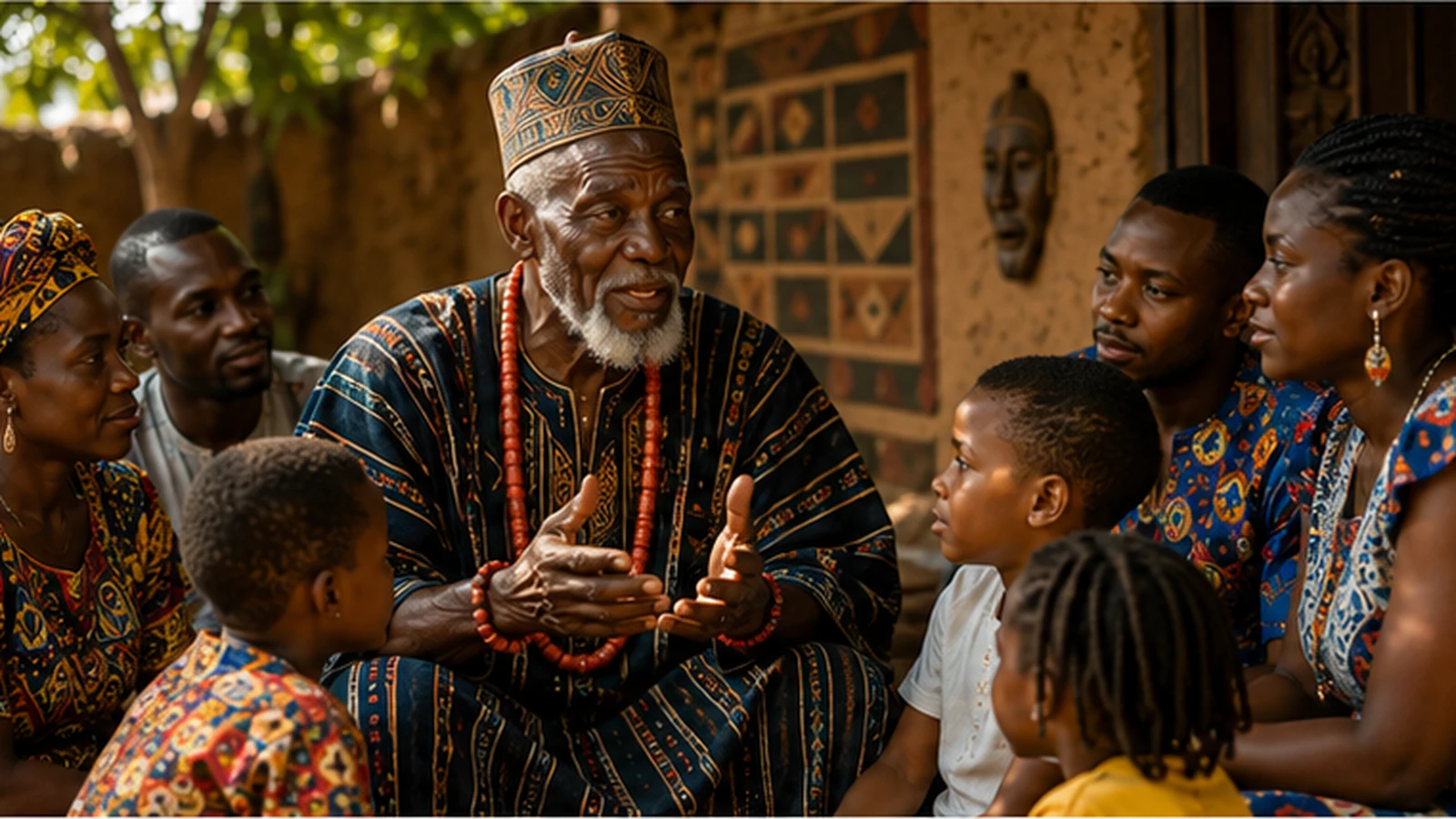
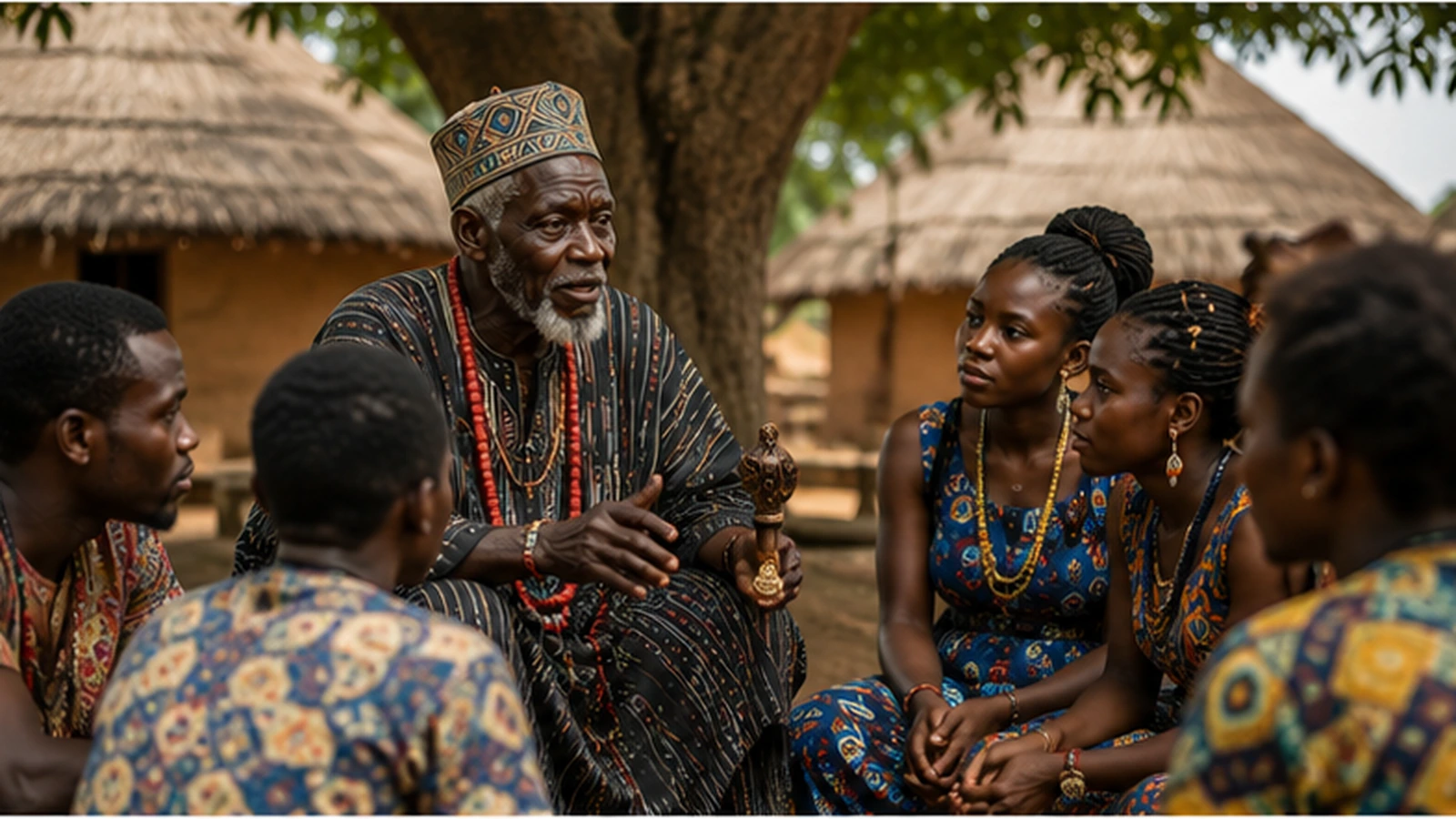
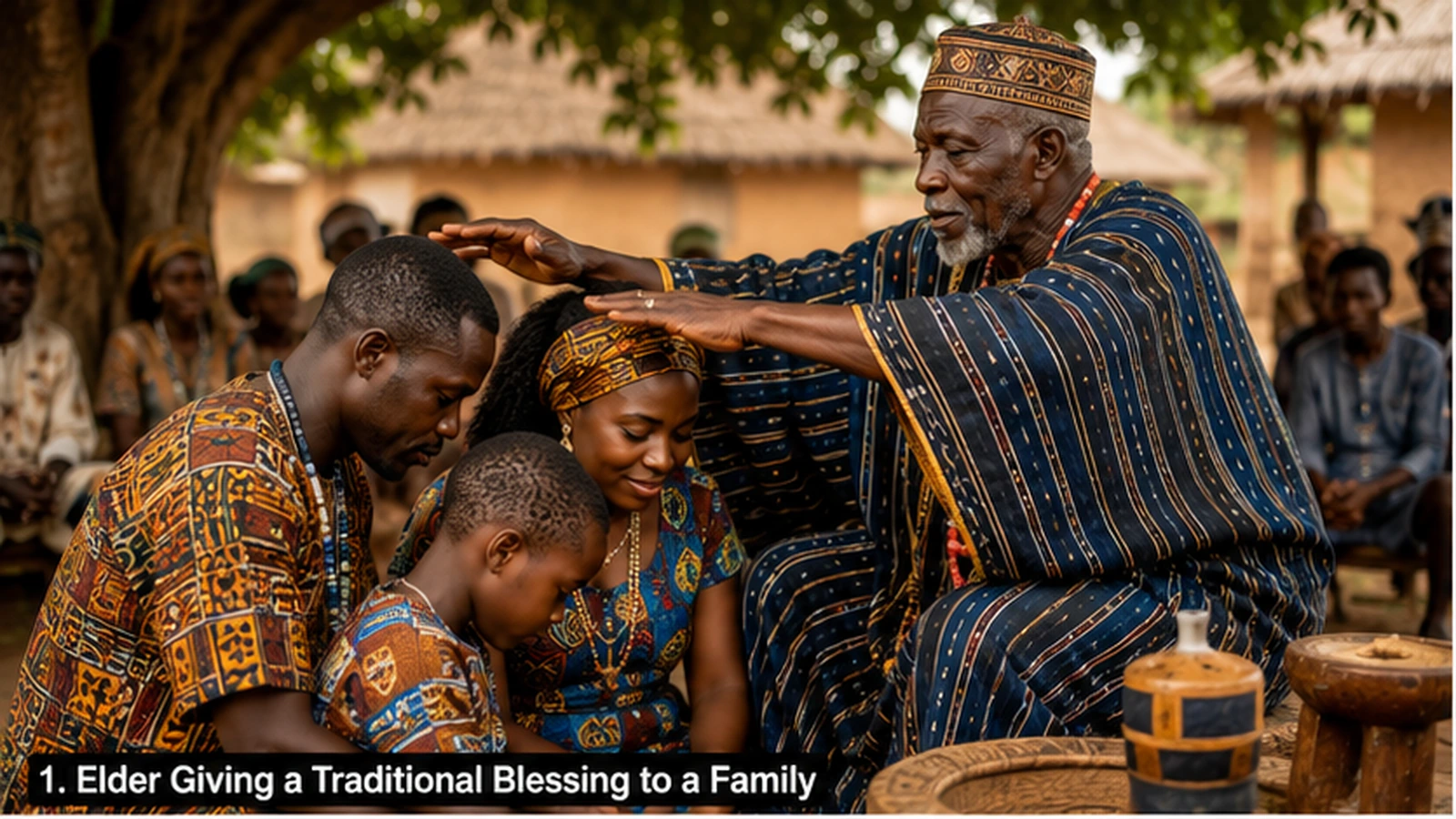
Africa contains thousands of communities, languages and religious traditions. There is no single African business blessing ritual. A Christian shop opening in Kampala, a Muslim enterprise launch in Zanzibar, a family ceremony in Accra and a shrine-based practice in another region may have very different authorities and meanings.
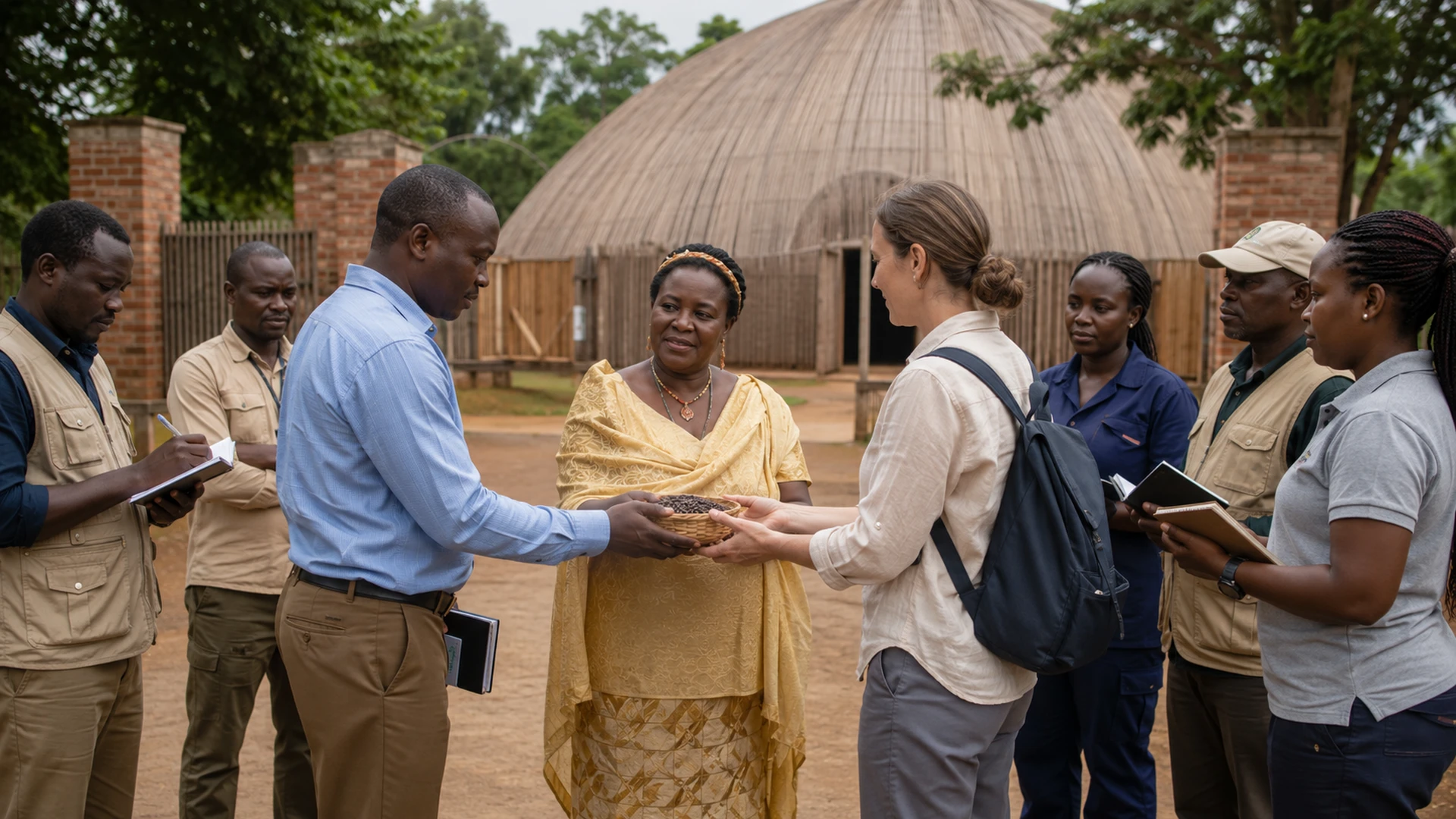
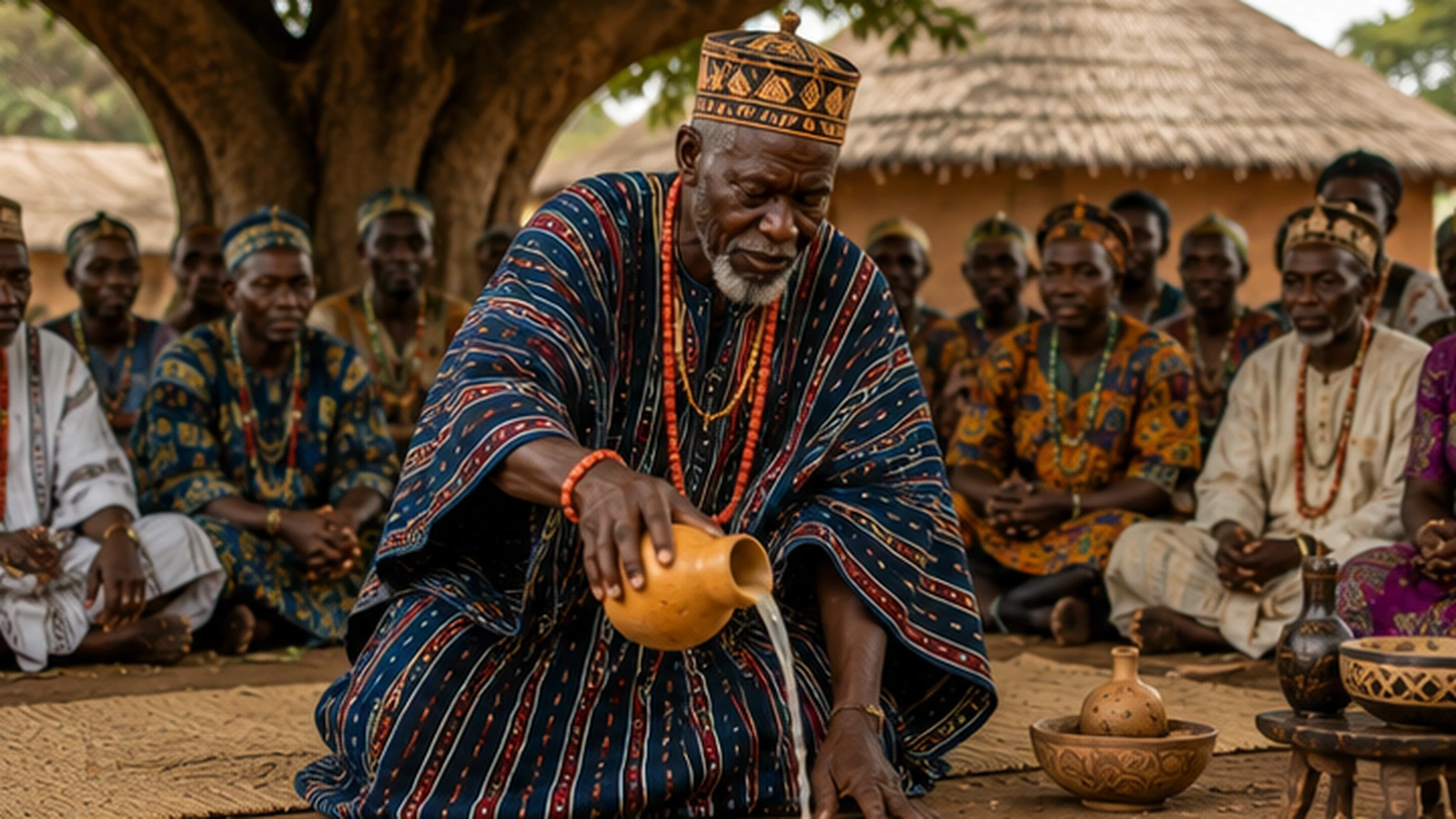
A documented Ugandan example helps illustrate how blessing can accompany a new undertaking. During work connected with safeguarding the Kasubi Tombs, a Buganda cultural custodian led a welcome and cleansing ritual before visitors entered a sanctuary. Coffee beans were shared as a sign of bonding and friendship, and a request was made for well-being and success in the reconstruction project. UNESCO described the event in relation to the site and its custodians. [2]
This does not prove that coffee beans form a standard ritual for every new Ugandan business. It shows that, in a specific Buganda heritage context, welcome, cleansing, relationship and hope for successful work could be expressed ceremonially.
Contemporary African Business Openings
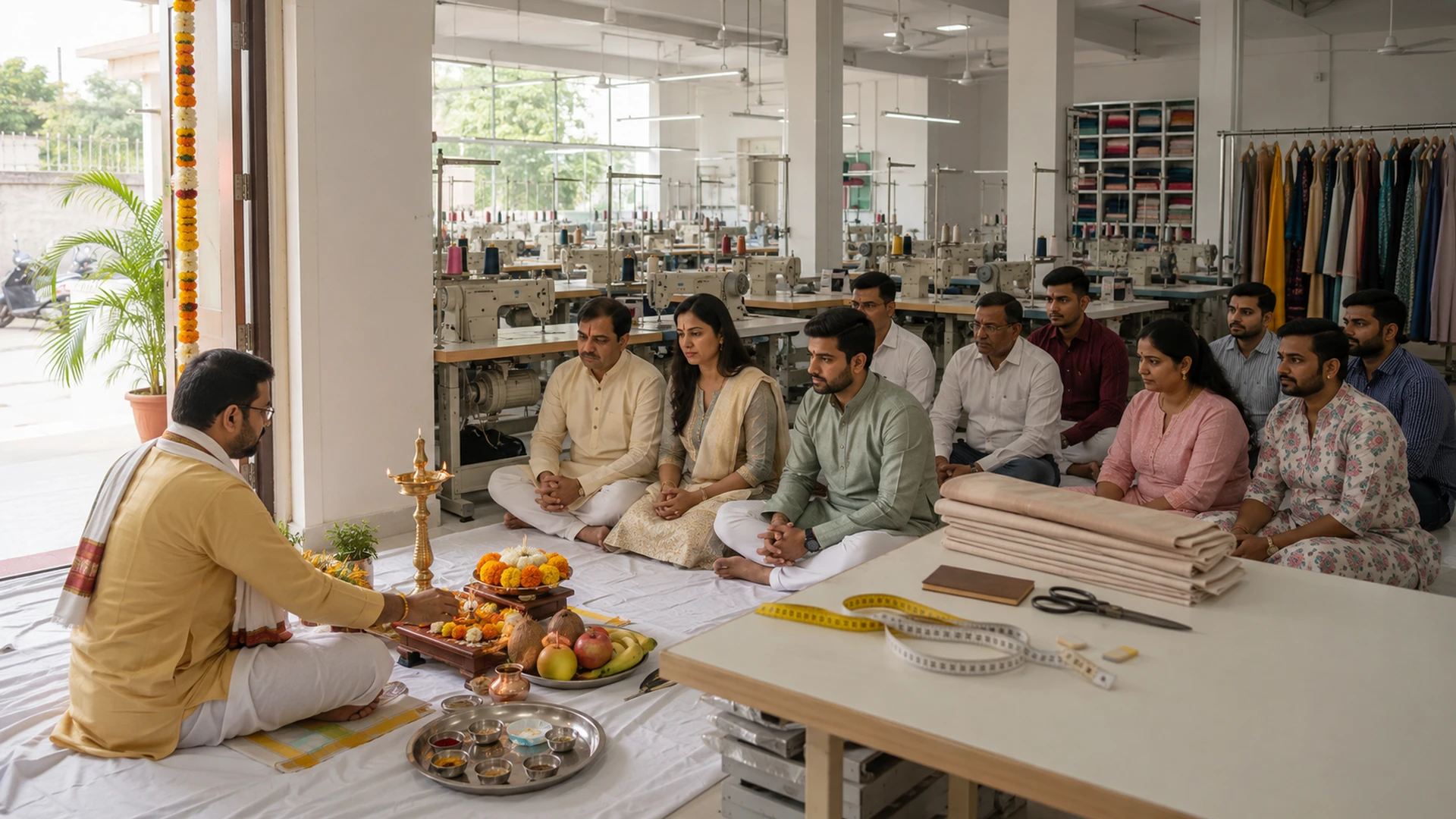
Many contemporary African business owners use ceremonies belonging to their actual faith communities: church prayers, Qur’anic recitation or du‘a, family blessings, speeches by elders, communal food, ribbon cutting and charitable giving. These are modern, locally shaped events rather than evidence of one unchanged ancient ceremony.
A responsible article should name the specific community or institution whenever possible. Phrases such as “African prosperity ritual” are too broad unless the source identifies the people, location, language, authority and context.
Hindu Traditions: Puja, Auspicious Beginnings and Prosperity
In Hindu traditions, puja is an act of worship that establishes a relationship between devotee and deity through attention, offerings and prayer. Practices vary by region, lineage, family and temple. [3]
Ganesha is widely approached before new endeavours and is associated with beginnings and the removal of obstacles. Lakshmi is associated with abundance and prosperity. Museum and university sources describe these meanings, but they should not be simplified into a commercial formula. [4][5]
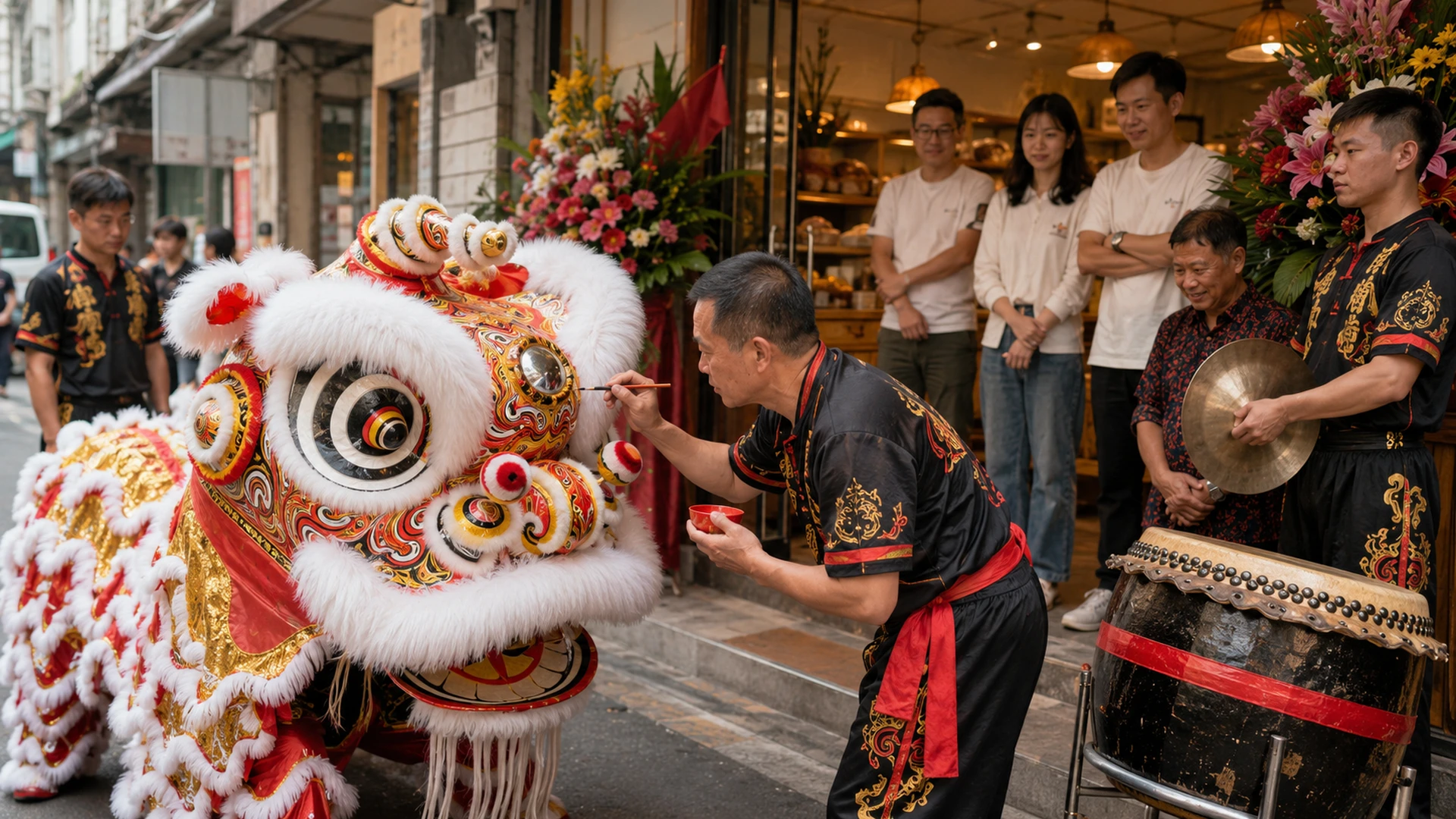
A shop or workplace opening puja may include cleaning the premises, installing or respectfully displaying sacred images, lighting a lamp, offerings of flowers or fruit, recitation by a priest, and distribution of blessed food. The actual sequence and deities invoked depend on the community and the owner’s tradition.
Diwali also has strong connections with homes, offices, cleaning, lamps, puja and Lakshmi in many Hindu communities. Georgetown University notes that homes and offices may be cleaned and decorated and that family puja commonly honours Lakshmi. [6] This does not mean that every Hindu business performs the same rite or that Diwali is only about wealth.
Shinto Traditions: Purification, Safety and Business Prosperity
Japan’s Association of Shinto Shrines explains that shrine prayers may address many concerns, including shōbai hanjō, commonly translated as prosperity in business. Its official guidance also answers a question about opening a new company office: it recommends purification for the premises and prayers for office safety and the prosperity of the enterprise. [7]
A Shinto ceremony may involve purification, offerings called shinsen, formal prayers called norito, and respectful presentation of a tamagushi branch. Official Shinto sources emphasize gratitude, respect, safety and the relationship between people, place and kami. [8][9]
For a new office, the business should contact the relevant shrine or shrine priest rather than assembling ritual items from an online checklist. Procedures differ, and sacred language should be led by the practitioner.
A related ceremony, jichinsai, is held before construction to show respect to the deities of the land and pray for safe completion and lasting security of the building. It is especially relevant when a business is constructing a new factory, shop or office rather than moving into an existing room. [10]
Chinese and Hong Kong Traditions: Lion Dance, Qilin Dance and Auspicious Openings
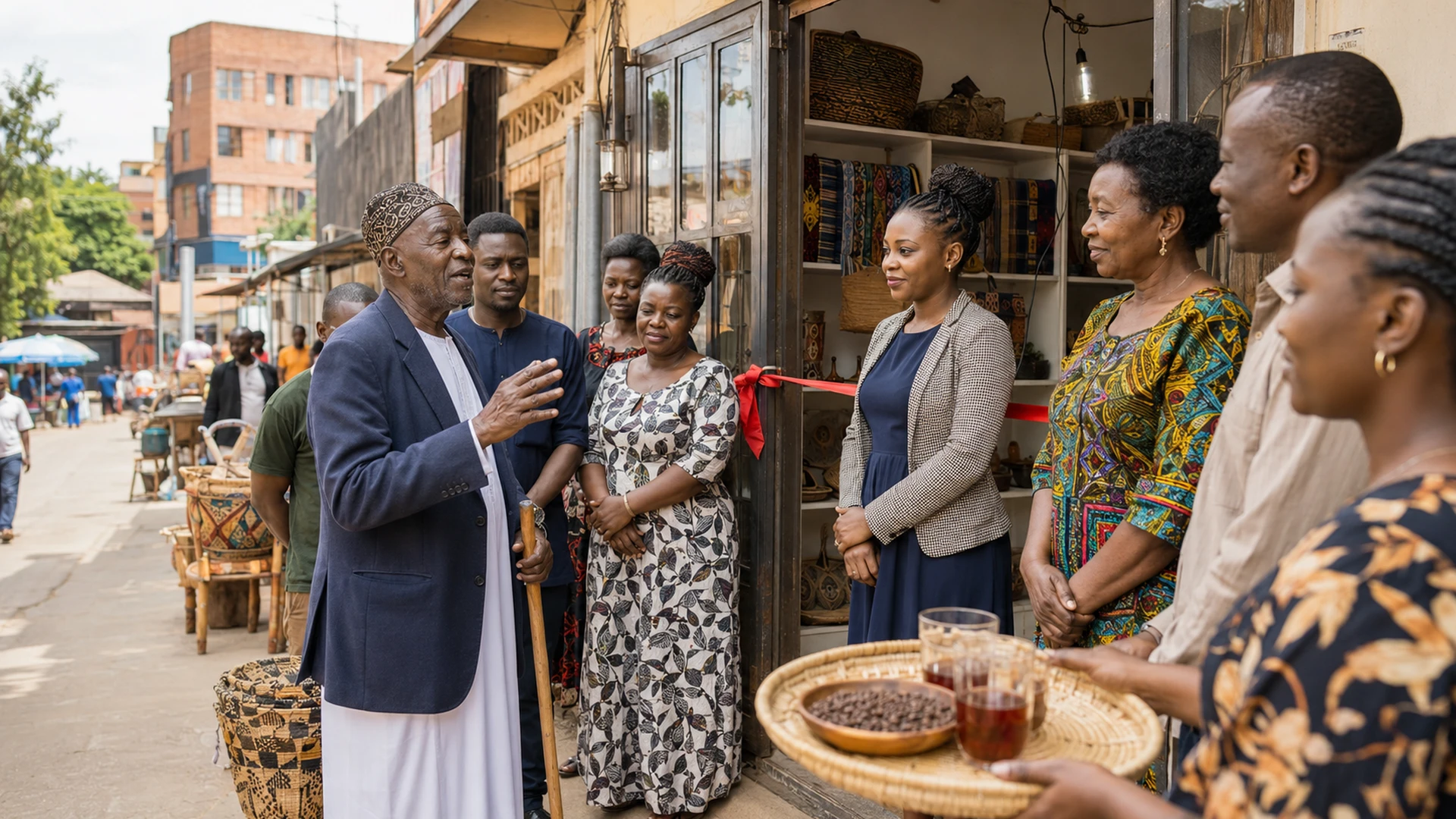
Lion dance is a recognized performance and craft tradition in Hong Kong and southern Chinese cultural settings. Government heritage programmes document lion heads, dance transmission and eye-dotting ceremonies. [11]
At a business opening, a properly invited lion-dance team may perform to create an energetic public launch and express auspicious hopes. Eye-dotting is sometimes used to ceremonially “awaken” the lion before a performance. These actions belong to trained traditions; they should not be reduced to a generic mascot appearance.
Hong Kong government heritage material also describes Hakka qilin dancing as carrying wishes for peace, luck, protection, success and longevity. [12] Lion and qilin traditions are related to regional performance culture but are not identical. A business owner should use the correct name, invite an appropriate local association and avoid mixing costumes or symbols.

Christian Workplace Blessings
Christian approaches differ among denominations. In Catholic teaching, blessings can be directed toward people, objects, places of life and work, and the fruits of human labour. The Vatican describes blessings as praise of God and prayer for spiritual benefit, not as independent magical forces. [13]
A workplace blessing may include scripture, intercessions for owners and employees, prayer for honest work and safety, a blessing of rooms or tools, and a shared meal. Some churches may use holy water; others may emphasize spoken prayer and dedication.
The central ethical point is that blessing should align the business with faith commitments. A company cannot reasonably ask for blessing while deliberately exploiting workers, deceiving customers or ignoring safety.
Other Religious and Community Approaches
Muslim, Jewish, Buddhist, Indigenous and other communities also have prayers, dedications or practices relevant to work, livelihood and new places. Their forms vary significantly. Rather than offering a universal script, the safest approach is to consult a recognized local leader and ask:
This approach respects living authority and avoids turning religious traditions into interchangeable “prosperity hacks.”
Prosperity Symbols and Their Meanings
Lamps and Light
Rice, Grain and Food
Grain may represent livelihood, harvest, nourishment or abundance. Offerings and floor designs associated with Lakshmi in Odisha, for example, connect rice, harvest and worship in a specific regional tradition. [14]
Flowers and Greenery
Fresh flowers may express honour, beauty, renewal or hospitality. Particular plants can have religious meanings and should be chosen with guidance.
Coins, Cowries and Money Symbols
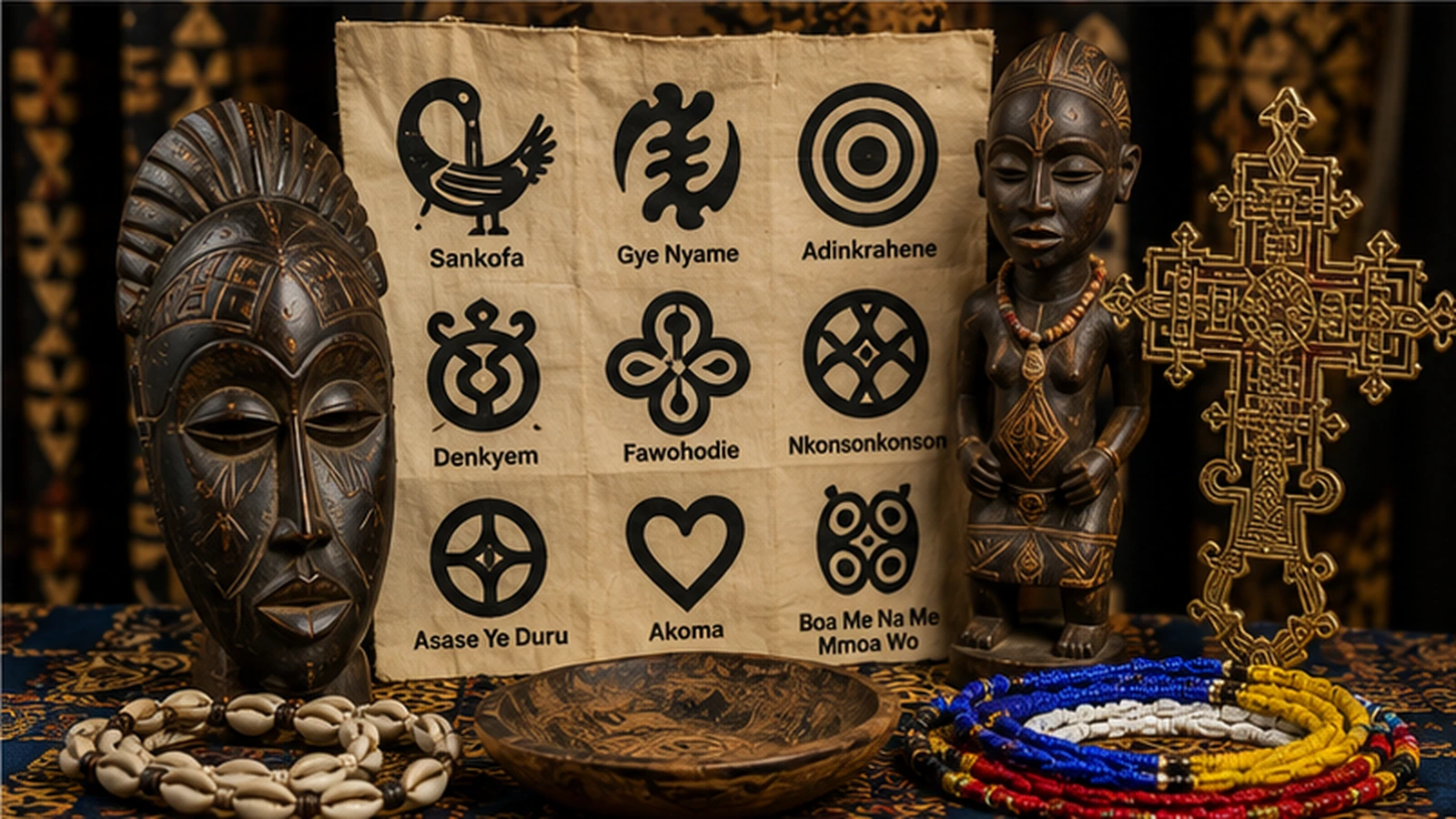
Cowrie shells historically served as currency and also carried meanings connected with trade, power and protection in different societies. The Smithsonian warns, through its historical presentation, that their meanings were complex and changed across contexts. [15] Using cowries as generic “African money magic” erases that history.
Doors, Keys and First Entry
Opening a door, presenting keys or inviting the first guest can symbolize access, trust and beginning. These actions can be meaningful in a secular ceremony without claiming inherited sacred authority.
Water, Incense and Smoke
Water and smoke may purify, bless or mark sacred space in particular traditions. They can also create allergies, fire hazards or legal restrictions. The practitioner and venue safety rules must guide their use.
Does Choosing an Auspicious Date Guarantee Success?
Some communities consult religious calendars, astrology, elders or customary rules when selecting an opening date. The date may align the event with a festival, lunar phase, saint’s day, shrine calendar or family tradition.
This can be culturally meaningful, but it is not scientific evidence that the business will succeed. A good date cannot correct inadequate capital, an unlawful operation, unsafe equipment or lack of demand. The responsible approach is to respect the belief while continuing practical preparation.
How to Plan a Respectful New Business Blessing
1. Define the Purpose
Decide what the ceremony should express: gratitude, safety, dedication, remembrance, community welcome, ethical commitments or religious prayer. A clear purpose prevents the event from becoming a collection of unrelated symbols.
2. Identify the Actual Tradition
Name the specific religion, community, region or institution. “African,” “Asian” or “Indigenous” is not specific enough.
3. Invite a Recognized Practitioner
Contact a shrine, temple, mosque, church, cultural institution, elder or community association. Explain the type of business, venue, guests and publicity plans.
4. Ask About Consent and Restrictions
Confirm whether photographs, video, livestreaming, alcohol, certain foods, mixed seating or commercial branding are appropriate.
5. Agree on Payment and Hospitality
Religious and cultural labour should not be treated as free entertainment. Ask about fees, transport, donations, meals and the correct way to host the practitioner.
6. Prepare the Business Properly
Clean the premises, complete safety checks, secure licenses, test equipment, brief staff and prepare customer service. Ceremony should accompany readiness, not conceal its absence.
7. Include the People Who Will Do the Work
Employees should not be treated as background decoration. Recognize their labour, explain the values of the business and make participation voluntary where religious diversity is involved.
8. Begin With Generosity
A meal, donation, free community service or fair opening offer can embody prosperity as shared well-being.
9. State Ethical Commitments Publicly
The owner can promise fair dealing, accurate pricing, respectful employment, environmental care or service to the neighbourhood. These commitments give the ceremony practical consequences.
10. Document Without Exploiting
Photograph the public event only with consent. Do not publish restricted prayers, private objects or dramatic captions that misrepresent the tradition.
A Simple Inclusive Business Opening Structure
A multicultural or nonreligious business can hold a meaningful opening without imitating sacred rites.
What Business Blessings Cannot Do
A responsible business blessing article must state its limits clearly.
A ceremony cannot guarantee:
Be cautious of anyone who demands escalating payments, claims a curse is blocking the business, promises certain riches, requests secrecy from trusted family members, or insists that legal and financial advice is unnecessary.
Business Foundations That Must Accompany Any Ceremony
Spiritual or cultural meaning can coexist with practical discipline. A new enterprise still needs:
The strongest interpretation of a business blessing is not “money will appear.” It is “we begin this work with gratitude, responsibility, courage and support.”
Cultural Cautions
Do Not Market a Community’s Ceremony as a Secret Product
Restricted knowledge should not be extracted, filmed or resold. Public information about a tradition does not make every practice available for commercial use.
Do Not Mix Unrelated Traditions for Visual Effect
A lion dance, Hindu lamp, cowrie shells, Maasai clothing and Japanese shrine objects do not become more powerful when placed together. Such mixing usually creates a fictional ritual.
Do Not Treat Practitioners as Performers for Branding
Some traditions include performance, but their leaders may be religious specialists or cultural custodians. Agree on publicity and credit before the event.
Do Not Force Employees to Participate
A workplace can include people of many beliefs. Attendance, prayer and handling sacred objects should be voluntary unless participation is a genuine requirement of a faith-based institution disclosed in advance and consistent with local law.
Do Not Promise Guaranteed Financial Outcomes
Prosperity language should be presented as belief, hope or symbolism. Marketing guaranteed wealth through ritual is misleading and can exploit vulnerable business owners.
Key Takeaways
People Also Ask
What is a business blessing ceremony?
A business blessing ceremony marks the beginning of a shop, office or enterprise through religious, cultural or community actions. It may ask for safety, guidance, ethical work, good relationships and prosperity.
How do you bless a new business?
Choose the relevant tradition, invite a recognized practitioner, prepare the premises, follow the practitioner’s protocol, include workers and community members appropriately, and combine the ceremony with practical business readiness.
What rituals are performed when opening a shop?
Practices may include purification, prayer, lighting a lamp, offerings, a first transaction, lion dance, scripture, food, charity or words from elders. The correct actions depend on the community.
Do prosperity rituals guarantee business success?
No. They express belief, hope, gratitude or cultural identity. They do not scientifically guarantee profit, customers or protection from risk.
Why are lion dances used at business openings?
In southern Chinese cultural settings, trained lion-dance performances can express auspicious hopes, energize a public opening and continue a recognized performance and craft tradition.
What is a Shinto office purification?
It is a ceremony led by a Shinto priest to purify a newly opened office and pray for safety and the prosperity of the enterprise. Specific procedures should be arranged with a shrine.
Which Hindu deities are associated with business openings?
Ganesha is widely associated with beginnings and the removal of obstacles, while Lakshmi is associated with abundance and prosperity. Regional and family practices vary.
Can a pastor or priest bless a business?
Many Christian communities permit blessings or dedications of workplaces, but the form depends on denomination and local clergy.
Can I hold a secular business blessing?
Yes. A secular ceremony can express gratitude, recognize employees, state ethical commitments, make a community donation, complete a first symbolic action and share food.
Can I combine several cultural rituals?
Only with informed consent and appropriate leadership. Do not blend sacred objects or words merely for appearance.
Frequently Asked Questions
What is a new business blessing ritual?
It is a religious, cultural or community ceremony held to mark the opening of a business or workplace. Depending on the tradition, it may include prayer, purification, offerings, music, food, spoken commitments or blessings for safety, ethical work and well-being.
Do business blessing rituals guarantee prosperity?
No. They express faith, hope, gratitude, identity or community support, but they do not scientifically guarantee sales, profit, protection or business success.
Are business blessings the same in every culture?
No. Practices differ by religion, region, community, family and type of enterprise. There is no single African, Asian or universal business blessing ritual.
What is commonly included in a business opening blessing?
Common elements may include cleaning or purifying the premises, prayer, words from elders or clergy, symbolic offerings, music, a first transaction, food, charitable giving and public commitments about how the business will serve people.
Can a business owner combine traditions?
Only with care. A multicultural opening can include several invited representatives, but sacred words, clothing, objects and restricted rites should not be blended without the consent and leadership of the relevant communities.
Can a nonreligious business hold a meaningful opening ceremony?
Yes. A secular ceremony can welcome staff and neighbours, explain the business purpose, recognize workers, make an ethical pledge, support a local cause and share food without imitating sacred traditions.
Who should lead a traditional business blessing?
The appropriate leader depends on the tradition and may be a priest, imam, pastor, shrine priest, elder, clan authority, family representative or another recognized practitioner.
Should guests photograph a business blessing?
Ask first. Public openings may permit photography, while prayers, sacred objects or particular parts of a ceremony may be private or restricted.
What is the safest way to arrange a cultural blessing?
Contact a recognized local religious or cultural institution, explain the event honestly, ask what is appropriate, agree on fees and permissions, and let the invited practitioner determine the ritual form.
What should follow the blessing ceremony?
The business still needs sound planning, lawful registration, accurate accounting, fair employment, safe operations, customer service and realistic financial management.
Conclusion
New business blessing rituals show that commerce is never only about money. A shop, office or workshop enters a web of relationships with workers, customers, families, neighbourhoods, religious communities and the wider environment.
A respectful ceremony can acknowledge those relationships, give thanks, ask for safety, affirm cultural identity and state how the enterprise intends to behave. It may create courage and solidarity at an uncertain beginning. Its value is strongest when it is led by legitimate practitioners, culturally specific, voluntary, honest about its limits and followed by responsible action.
Prosperity is not produced by copying symbols or purchasing secret formulas. It is pursued through faith or hope, community trust, disciplined work, fairness, planning and the willingness to share success.
Final Summary
A new business blessing is a culturally or religiously meaningful way to begin an enterprise. Traditions may use prayer, purification, offerings, performance, food or ethical pledges, but no single formula applies everywhere. Blessings can support purpose and community; they cannot guarantee profit. Respect the specific tradition, invite authorized leaders and pair ceremony with sound business practice.
Article Information
- Publisher
- Ancestral Temple
- Editor
- Ancestral Temple
- Last updated
- Jul 30, 2026
- Last reviewed
- Jul 30, 2026
- Content version
- 0a1f4e2a33
This educational article should be read as cultural and spiritual information, not as medical, legal, financial, or emergency advice.
Helpful Related Guidance
About the Author
 Ancestral Temple
Spiritual guide and practitioner with decades of experience in ancestral wisdom, rituals, and divine guidance.
Related Posts
View All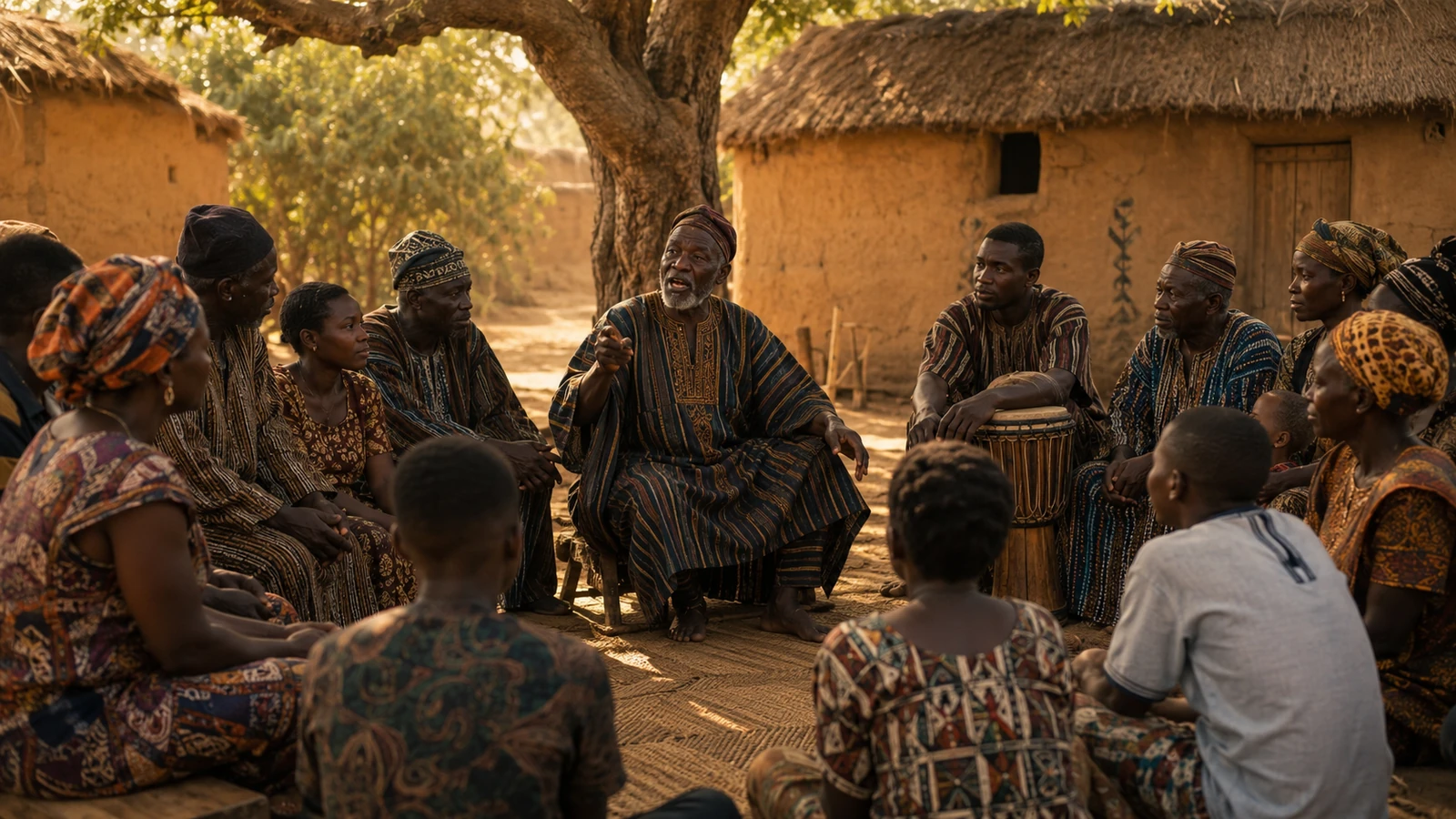







Comments
We'd love to hear your thoughts.