
Business Success Rituals: Blessings for Shops, Offices and New Ventures
Pillar Article
Quick Summary
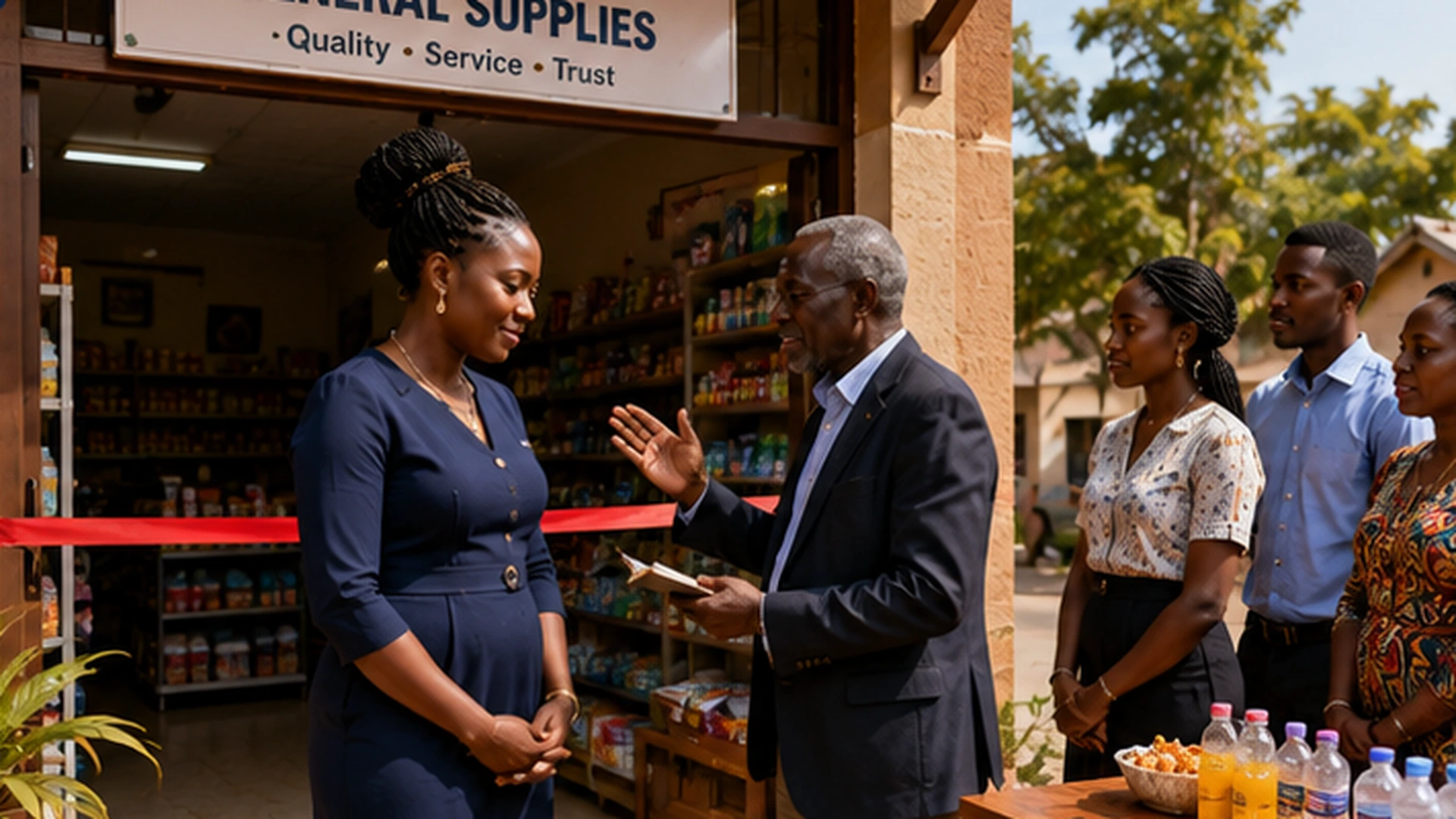
Opening a shop, moving into an office or launching a new venture is more than a financial event. It can mark a change in identity, responsibility and relationship with the wider co...
Opening a shop, moving into an office or launching a new venture is more than a financial event. It can mark a change in identity, responsibility and relationship with the wider community. For that reason, many people begin a business with prayer, purification, offerings, words of gratitude, a shared meal or a formal dedication of the work.
These practices are often called business success rituals, business blessings or opening ceremonies. Their meaning depends on the faith, culture, family and community involved. A Catholic workplace blessing is not the same as a Hindu puja, a Shinto prayer at a shrine or a Muslim dua offered before trade begins. Even within one religion, customs vary by country, denomination, school and household.
A ritual may help people express hope, calm anxiety, unite a team and state the values they want the venture to follow. Research on workplace rituals suggests that shared ceremonial actions can increase emotional energy and work meaningfulness under some conditions.[1] That finding does not show that a ritual can produce supernatural profit. Sustainable business performance still depends on demand, planning, pricing, cash flow, lawful conduct, service quality and the ability to adapt.
Quick Answer
Business success rituals are ceremonies used to mark a new commercial beginning through prayer, gratitude, purification, generosity and shared commitments. They may bless a shop, office, team or new venture, but they do not guarantee sales or profit. A responsible ritual should reflect the participants’ real tradition and be followed by ethical conduct, financial planning, customer care and practical risk management.
What Are Business Success Rituals?
A business success ritual is a structured action performed to mark, bless or prepare a commercial undertaking. It may be religious, cultural, family-based or secular. The ceremony can take place before the first customer arrives, after moving into a new office, when reopening after hardship or at the beginning of a major project.
Common elements include:
UNESCO describes rituals and social practices as activities that can mark important events, reaffirm identity and connect people with a community’s worldview and memory.[2] This helps explain why a business launch can become more than a private commercial act. The opening may publicly declare who the owners are, whom they serve and what kind of relationship they hope to build with employees, customers and neighbors.
What Does “Business Blessing” Mean?
A blessing is generally a prayer, declaration or sacred action asking for divine favor, protection, wisdom or peace. In business settings, people may ask that the work provide honest income, treat customers fairly, support employees and avoid harm.
The meaning should not be reduced to “make me rich.” In many religious traditions, blessing is connected with responsibility. Prosperity without justice, generosity or truthful dealing may be treated as morally empty or spiritually dangerous.
A careful business blessing therefore asks not only for growth but also for:
Why Do People Perform Rituals Before Starting a Business?
To mark a serious transition
A launch ceremony separates preparation from operation. Before the ceremony, the venture is an idea, construction site or unopened room. After it, the owners and team publicly accept the responsibilities of running it.
To reduce uncertainty
Starting a business involves risk. A structured ceremony can give people a moment to acknowledge fear without allowing fear to control every decision. Repeated actions, familiar prayers and the presence of trusted supporters can make uncertainty feel more manageable.
To create shared meaning
A 2025 field experiment involving employees in China found that workplace rituals could contribute to shared emotional energy, stronger work meaningfulness and proactive behavior.[1] This does not prove that every ceremony improves performance, but it supports the idea that ritual can shape how a group experiences its work.
To build community support
A shop depends on relationships. A launch can introduce the owner to neighbors, suppliers, staff and potential customers. Food, speeches and hospitality may strengthen social ties that later support communication and trust.
To state ethical commitments
The most useful business ritual names the standards that will guide the venture. A team may promise transparent pricing, accurate weights, respectful service, timely payment and lawful handling of customer information.
Business Blessings Across Religious and Cultural Traditions
There is no universal ceremony. The following examples show different ways people connect beginnings, prosperity, gratitude and ethical work.
Christian Workplace and Business Blessings
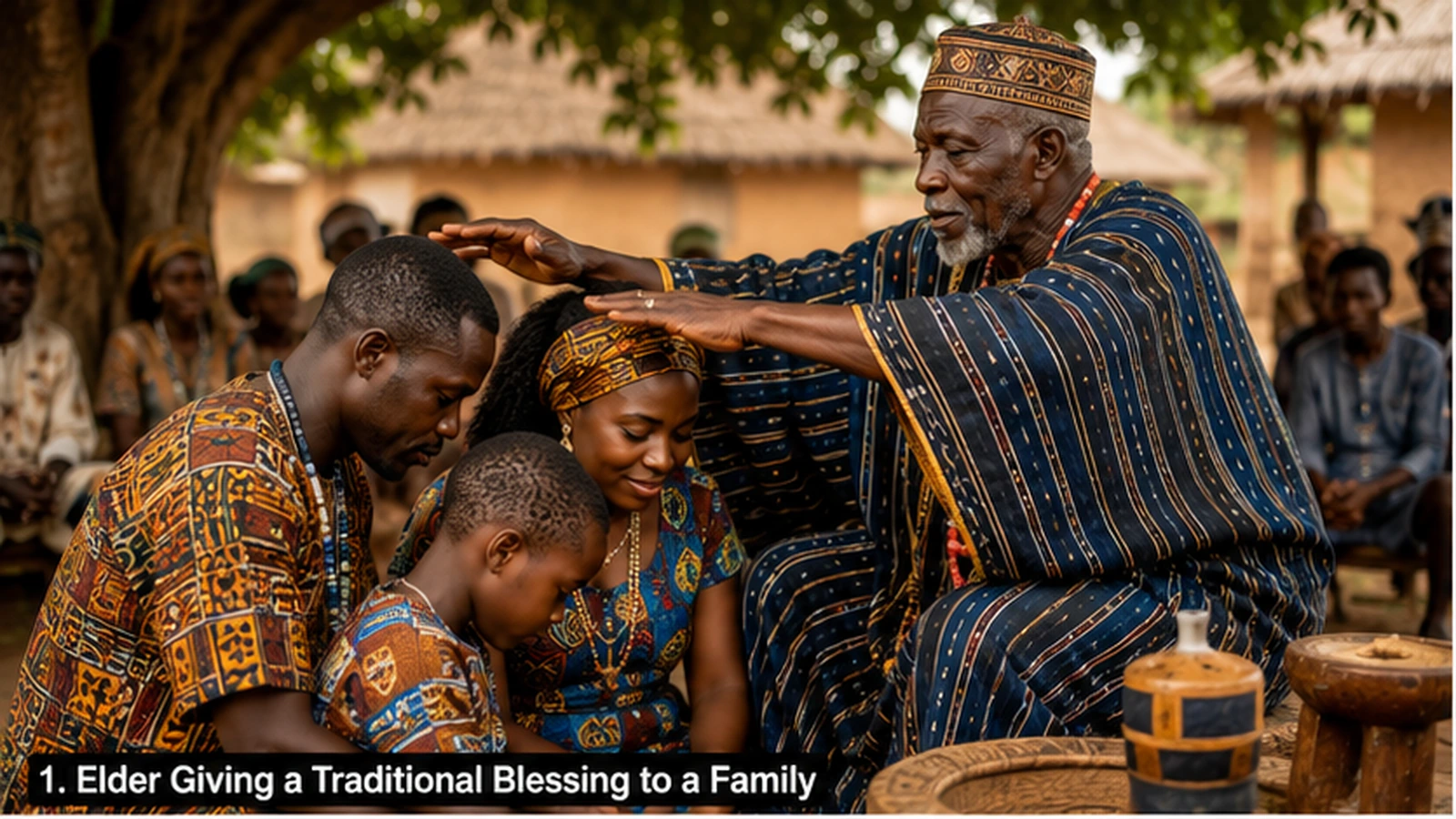
Christian communities may bless a shop, office, workshop, vehicle, tool or new project through prayer and scripture. Catholic teaching describes blessings as sacramentals that normally include prayer, Scripture and sometimes a ritual sign. Depending on the blessing and local practice, an ordained minister may preside, while some household or devotional blessings can be led by baptized laypeople.[3]
A Christian business blessing may include:
The Book of Blessings includes prayers for people, places and forms of work. One example asks that communication technology be used to communicate truth, support justice and promote peace.[4] The principle is important for modern offices and online ventures: a blessing concerns how tools are used, not merely whether the organization earns money.
A responsible Christian ceremony should avoid implying that God has guaranteed commercial victory over competitors. It can instead dedicate the venture to honest labor, care for people and responsible stewardship.
Hindu Traditions of Auspicious Beginnings
In many Hindu settings, beginnings may be marked by puja and the invocation of deities associated with auspiciousness, abundance, wisdom and the removal of obstacles. Practices vary greatly across India, Nepal, the diaspora, sects, regions and families.
Ganesha is widely known as the lord of beginnings and the remover of obstacles. Museum scholarship notes that his name is invoked before new undertakings and that he is associated with success and auspiciousness.[5] Lakshmi is associated with abundance, prosperity and good fortune; visual and devotional traditions often place her together with Ganesha in domestic worship.[6]
A family-run shop or office opening may include:
These actions should not be copied as decoration by people unfamiliar with Hindu practice. A genuine puja follows tradition, relationship and religious knowledge. It is not simply a set of “wealth hacks.”
Shinto Prayers for Prosperity, Safety and New Undertakings
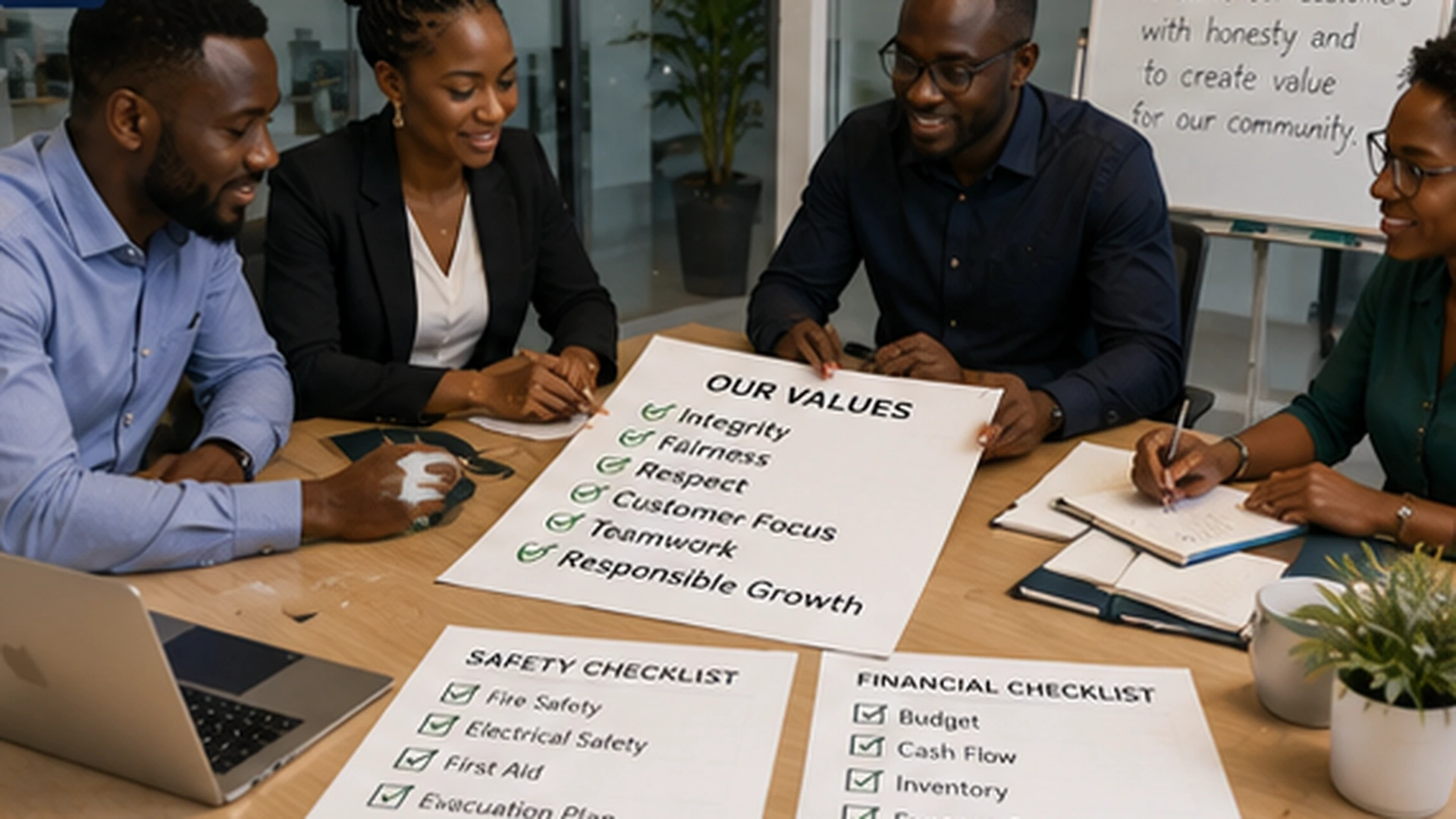
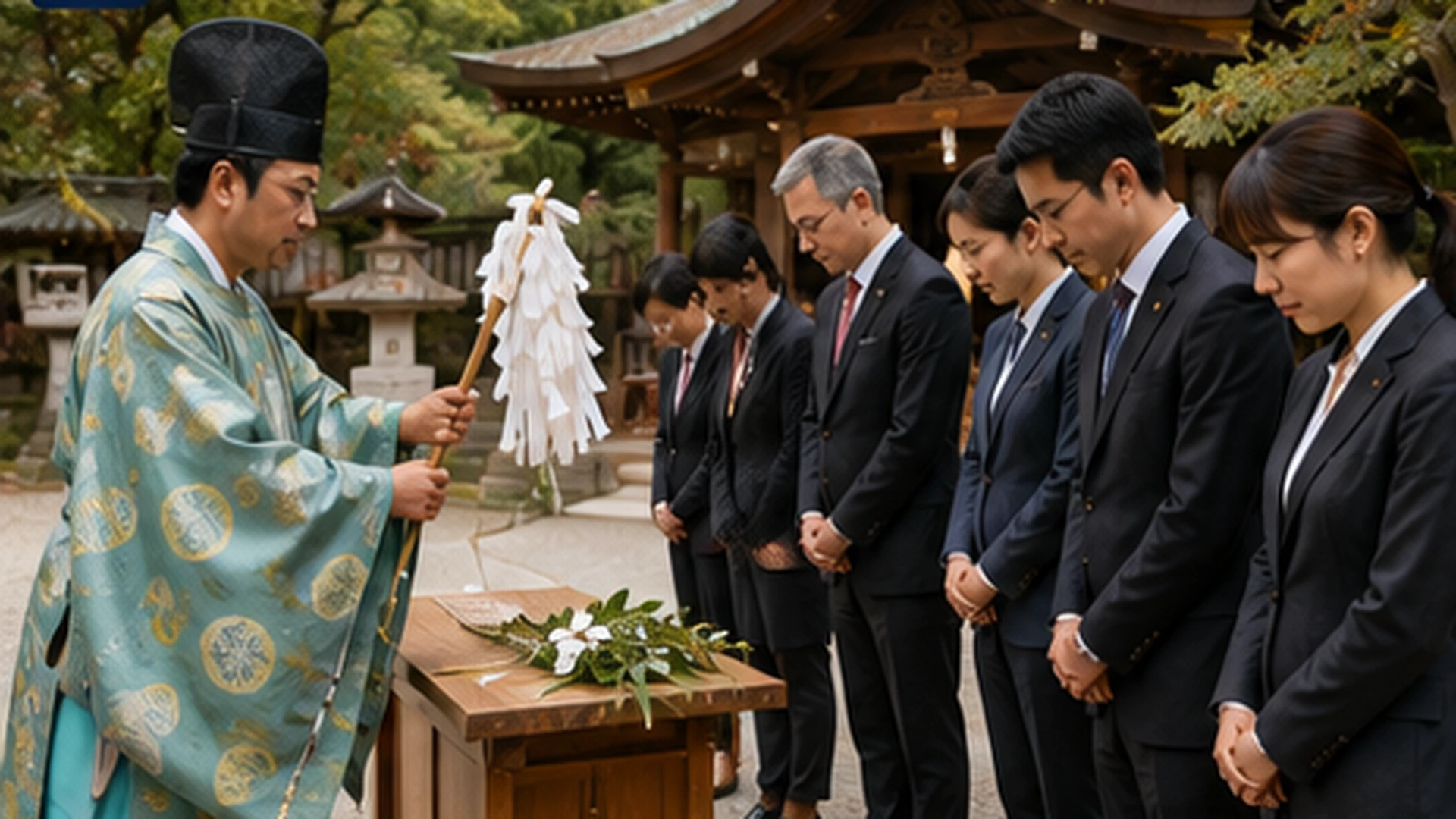
Shinto practice centers on reverence for kami and takes place at jinja, or shrines, across Japan. Jinja Honcho explains that people visit shrines to give thanks for blessings received or to make particular requests, known as gokito.[7]
Businesses may arrange formal prayers connected with safety, prosperity, construction, a new office, company milestones or the well-being of employees. The exact rite should be conducted through the shrine and its priests rather than improvised from online fragments.
Shinto shrine etiquette commonly includes purification, respectful entry, an offering and prayer. Jinja Honcho describes the familiar pattern of bowing, clapping and quiet prayer for ordinary shrine visitors.[8] Formal company prayers may involve additional priest-led liturgy and offerings.
The value of the ceremony is not limited to a request for profit. It may express gratitude, respect for place, concern for safety and recognition that business activity occurs within a wider community and environment.
Islamic Prayer, Gratitude and Ethical Trade
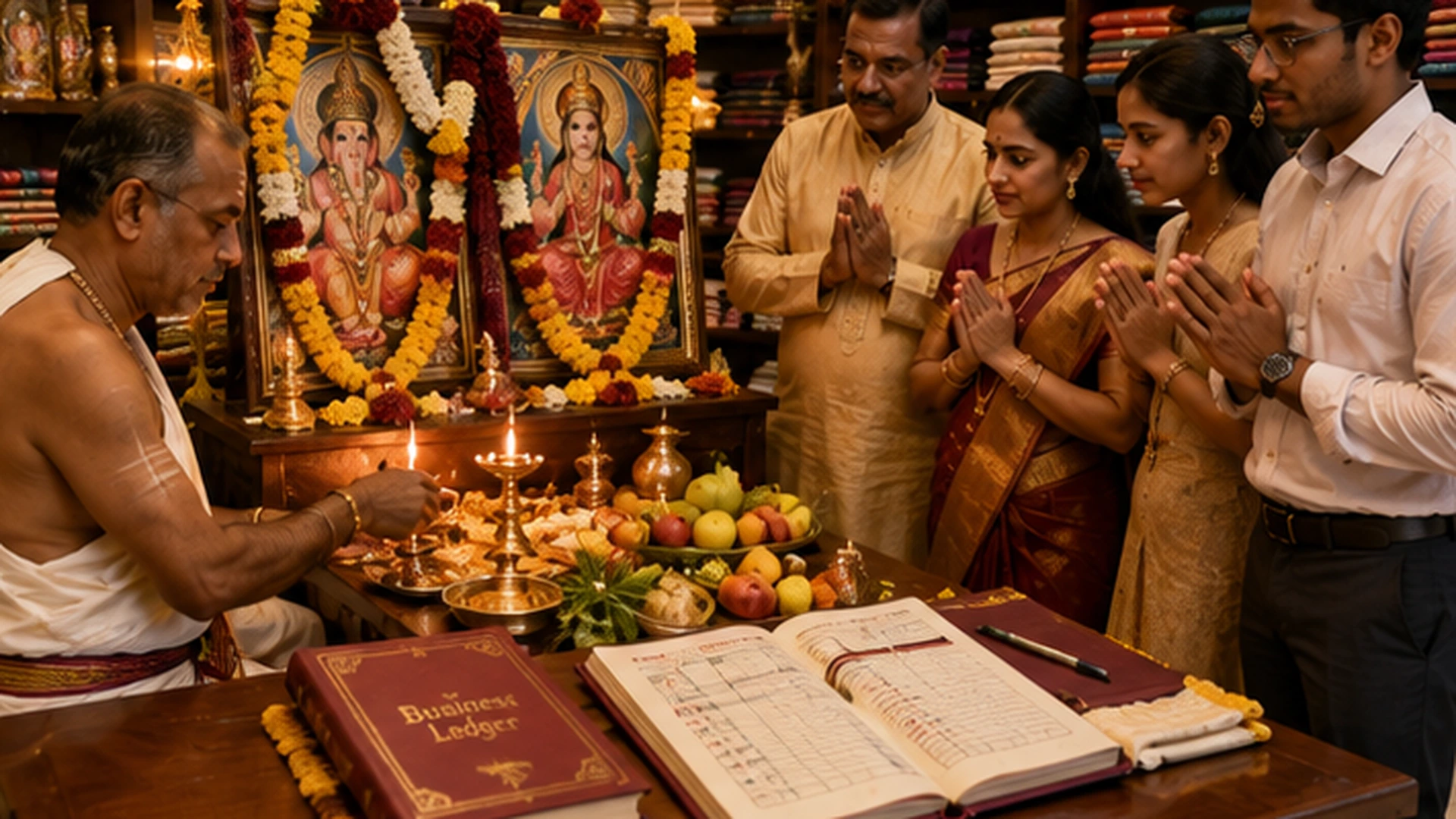
Islamic practice does not require one universal ceremony for opening a business. Muslim entrepreneurs may begin with personal or communal dua, recitation, gratitude to Allah, charity and a commitment to lawful and honest trade. Customs differ across countries and communities.
Academic discussion of Islamic business ethics emphasizes productive work, justice, fair conduct, integrity, service and consciousness of God.[9] Qur’anic teaching also strongly condemns dishonest measurement and commercial deception. The ethical foundation matters because a prayer for barakah—blessing—cannot responsibly be separated from the way the business treats people.
A Muslim business opening may include:
A culturally responsible article should not claim that one verse, amulet or repeated formula guarantees customers. The deeper principle is that provision is received with gratitude and business is conducted with justice.
African Business Blessings: Why Specificity Matters
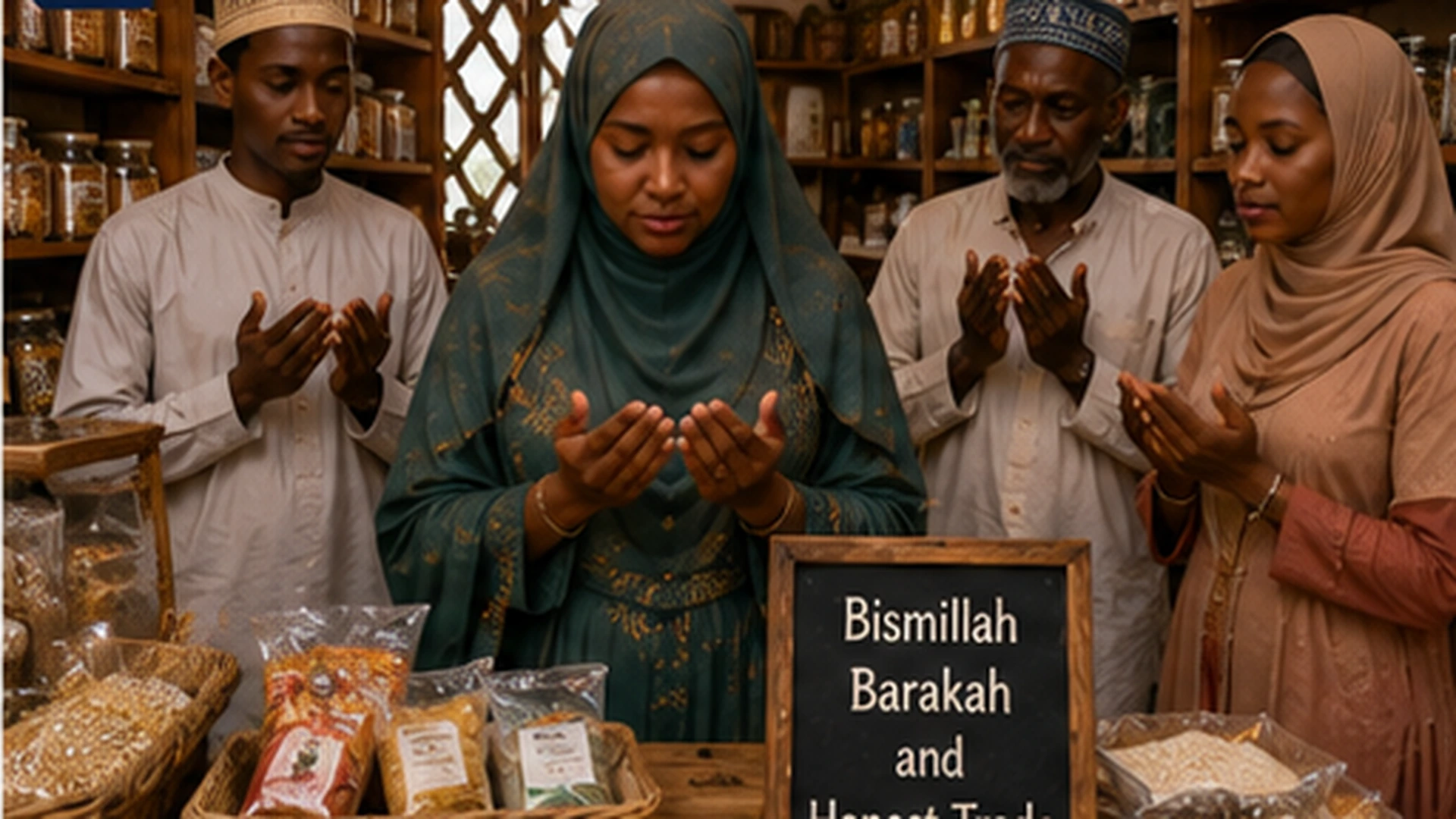
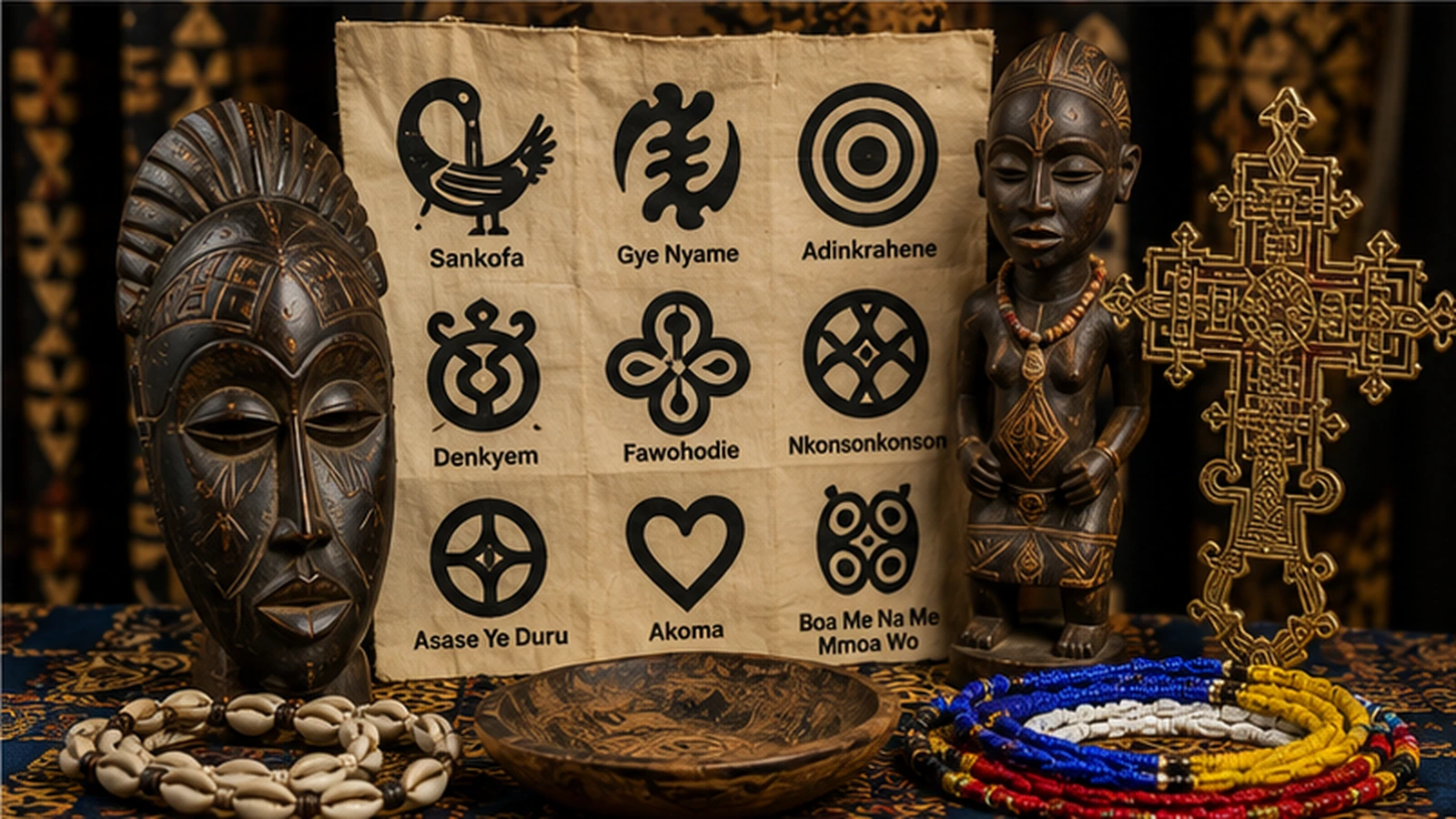
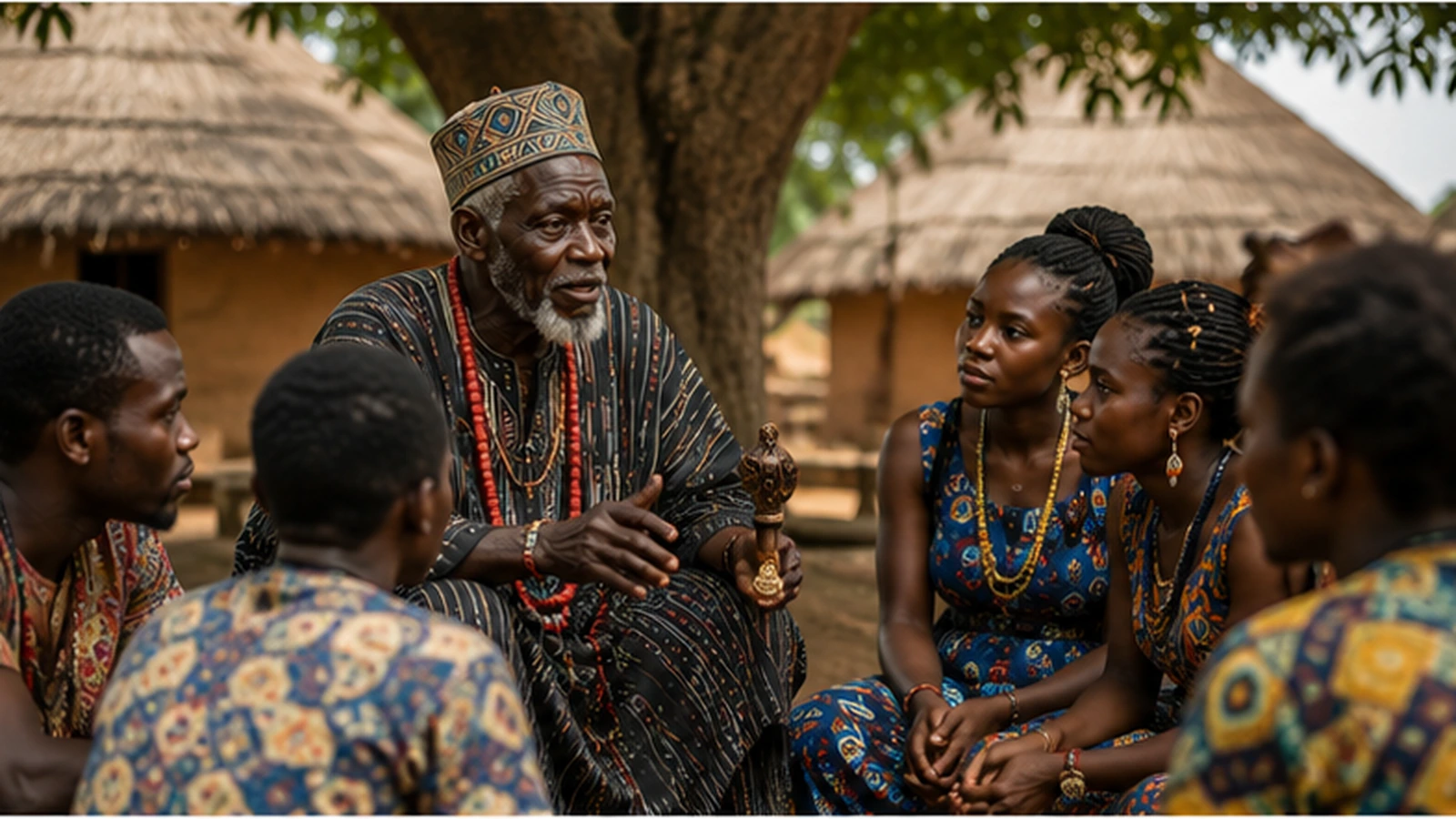
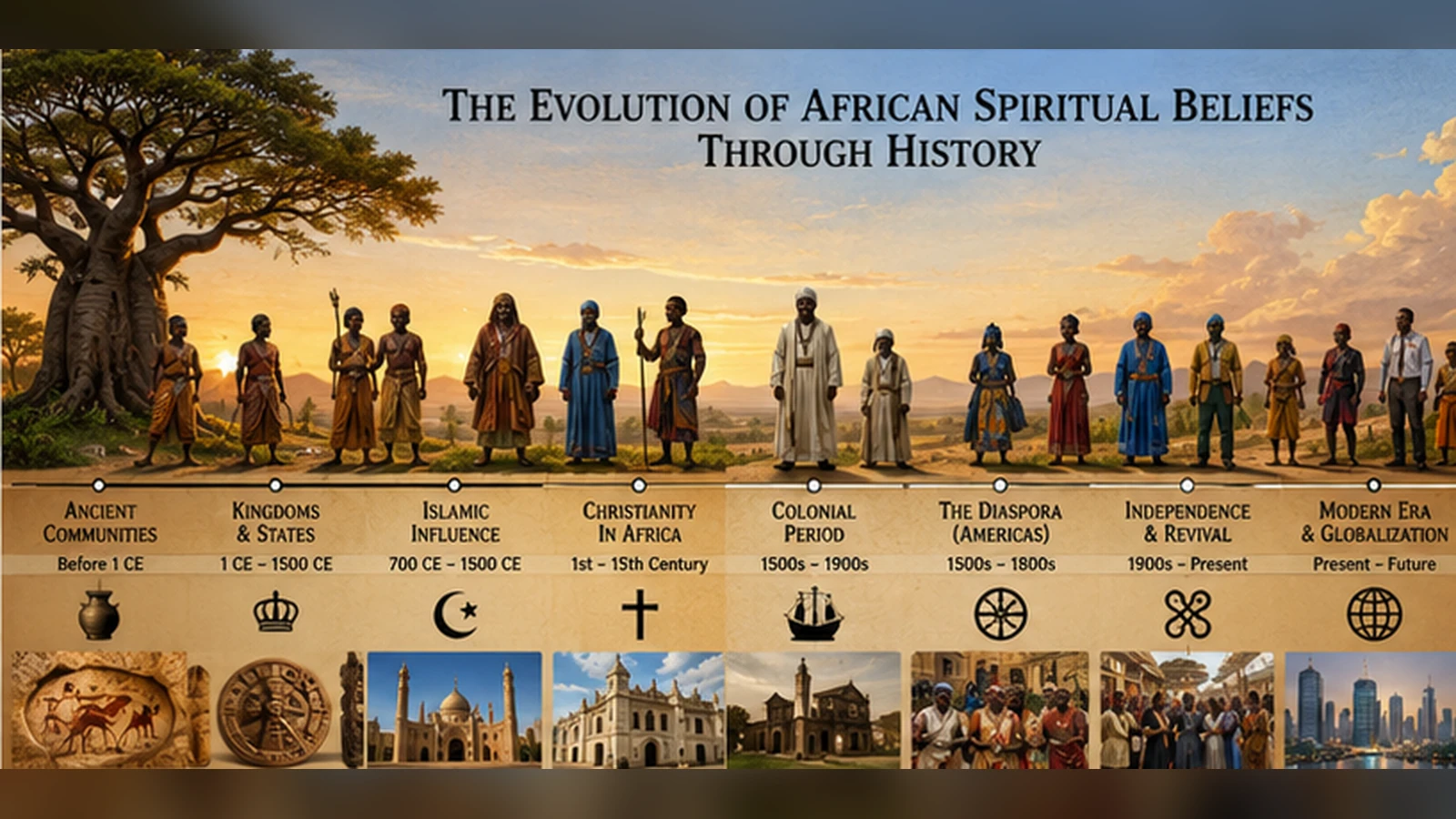
There is no single African ritual for business success. Africa contains thousands of communities, languages, religious traditions and modern urban cultures. A ceremony in Kampala may be Christian, Muslim, family-led, culturally specific, secular or a combination shaped by the participants’ own histories.
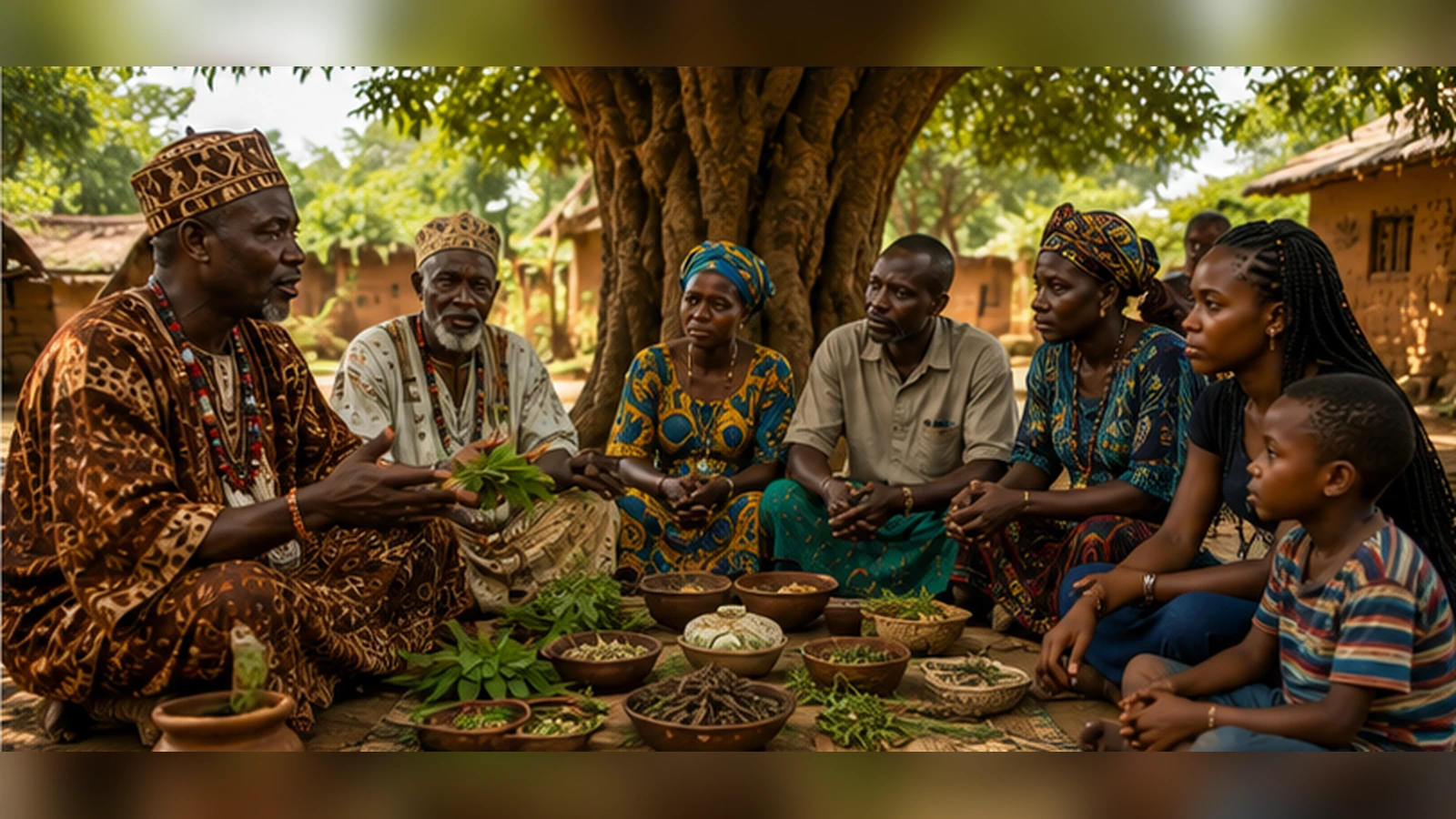
UNESCO’s work on intangible cultural heritage stresses that rituals are linked to particular communities, identities and worldviews.[2] It also notes that access to some practices may be restricted. This means a public article should not invent libations, ancestral invocations, herbs or ceremonial objects and label them “African business rituals.”
In Uganda and elsewhere, a new business may be marked by:
Research on ritual and ethics in northern Uganda shows that ritual practice is shaped by local ethical judgments and changing circumstances rather than fitting one universal model.[10] The respectful rule is simple: name the community and tradition when reliable evidence exists, and do not reveal restricted practices without consent.
Chinese Entrepreneurial and Corporate Rituals
Research on entrepreneurs in China describes ritual as a form of standardized social interaction that can create shared contexts, emotions, trust and community.[11] This does not mean every Chinese business performs the same religious ceremony. It shows that ritual can operate through family gatherings, relationship-building, corporate events, origin stories, formal meals and repeated workplace practices.
Modern organizations also create secular rituals: launch meetings, team pledges, founder stories, awards, morning gatherings and annual celebrations. These can support identity, but they can also become empty performance if leaders do not follow the values they announce.
A Responsible Business-Blessing Ceremony Anyone Can Adapt
The following framework is intentionally non-denominational. It does not copy a restricted cultural ceremony. Participants should replace its wording with prayers or practices that genuinely belong to their faith or family tradition.
1. Prepare the space
Complete ordinary cleaning, repairs, electrical checks, fire-safety preparation and accessibility review. Ritual cleansing must never replace hygiene or safety.
2. Invite the right people
Include owners, employees and close supporters. Invite a religious leader or elder only when the participants genuinely recognize that person’s role.
3. Explain the purpose
State why the gathering is taking place. For example: “We are opening this workplace with gratitude and committing ourselves to honest service.”
4. Acknowledge gratitude
Thank those who contributed labor, money, advice or encouragement. Religious participants may thank God according to their tradition.
5. Name the values of the venture
Read a short list of commitments such as honest pricing, accurate records, respectful treatment, lawful contracts, customer privacy and safe working conditions.
6. Offer the prayer or blessing
Use a prayer from the participants’ real tradition. A nonreligious group may observe silence, read a values statement or dedicate the work to community benefit.
7. Walk through the space if appropriate
Some traditions bless particular rooms, entrances, tools or desks. Follow fire regulations and building rules. Do not burn incense or light flames where unsafe or prohibited.
8. Make one concrete act of generosity
Give food, support a local cause, offer a fair opening-day service or contribute to a community need. Generosity should not be used as hidden advertising or pressure.
9. Complete the first responsible business action
Examples include issuing the first accurate receipt, recording opening inventory, signing the staff code of conduct or checking that emergency contacts are visible.
10. Share food and open the doors
A simple meal can mark the transition and thank participants. The business then begins its ordinary work.
A Sample Non-Denominational Business Blessing
May this place be guided by wisdom, honesty and respect. May those who work here be protected from negligence and treated with dignity. May customers receive fair value, suppliers be dealt with truthfully and profit be used responsibly. May we have courage in difficulty, humility in success and discipline in every decision. May this venture serve both the people who depend on it and the community around it.
This wording can be adapted, but it should not be falsely presented as a traditional prayer from a culture or religion.
Rituals for Shops
A retail shop has a visible threshold and direct relationship with the public. A shop-opening blessing can focus on welcome, accurate pricing, safe products and respectful service.
Useful elements include:
Avoid promising that a symbolic object will “pull” customers into the shop. Customer traffic usually depends on location, visibility, demand, pricing, reputation and marketing.
Rituals for Offices
An office blessing should include the people who will use the space. Participation in explicitly religious prayer should be voluntary, especially in a diverse workplace.
An office ceremony can dedicate:
The ceremony should be followed by written policies. A prayer for staff protection cannot replace fire exits, anti-harassment procedures, insurance, secure systems or fair contracts.
Rituals for Online and Home-Based Ventures
A digital business may have no public storefront, but it still has thresholds: the website launch, first invoice, first advertisement, first employee or first customer-data collection.
A launch ritual can include:
The symbolic blessing of a laptop should be followed by cybersecurity, strong passwords, two-factor authentication and reliable backups.
Business Cleansing and Purification
Many traditions use water, incense, prayer, sound or cleaning to mark purification. Meanings differ, and not every method belongs in every culture.
A responsible preparation distinguishes four things:
| Spiritual intention | Practical action that must accompany it |
|---|---|
| Cleansing the space | Cleaning surfaces, removing waste, pest control and ventilation |
| Protecting the business | Locks, insurance, cybersecurity, contracts and emergency planning |
| Welcoming prosperity | Market research, fair prices, visible signage and reliable service |
| Removing obstacles | Licenses, supplier checks, budgeting and problem-solving |
| Blessing employees | Safe conditions, clear roles, fair pay and respectful leadership |
| Attracting customers | Honest marketing, accessibility, product quality and reputation |
A ceremony can reinforce these actions. It cannot replace them.
What Symbols May Appear in Business Blessings?
Symbols gain meaning from tradition and context. They should not be treated as interchangeable decorations.
Doorways and keys
The threshold marks entry, welcome and responsibility. Keys can symbolize stewardship and accountability.
Light
A lamp or candle may symbolize guidance, sacred presence, hope or a new beginning. Use only where safe and permitted.
Water
Water can represent purification, life or blessing in several traditions, but the prayers and meanings are not identical.
Food and grain
Food may express abundance, hospitality and shared life. It can also connect a business to agriculture, labor and community dependence.
Flowers and plants
Flowers may mark beauty, impermanence, devotion or celebration. A living plant in an office can symbolize care, but it should not be advertised as a guaranteed wealth-producing object.
Ledgers, tools and technology
Blessing the actual instruments of work can be more meaningful than displaying generic prosperity symbols. A ledger represents accountability; a tool represents skill; a computer represents communication and data responsibility.
Can Business Success Rituals Really Work?
The answer depends on what “work” means.
A ritual can work socially by gathering supporters, clarifying roles and publicly marking the launch. It can work psychologically by reducing anxiety, creating focus and strengthening commitment. It can work ethically by making values visible and memorable. Research on work rituals provides evidence that shared ritualized actions can influence meaning and proactive behavior.[1]
There is no reliable scientific evidence that a ceremony, object, incense, prayer formula or repeated action can guarantee revenue, customers or immunity from failure. Businesses can fail after sincere blessings, and unblessed businesses can succeed financially.
Religious believers may still understand blessing through faith. The responsible distinction is between a spiritual belief and a measurable commercial guarantee.
Common Misunderstandings
“A powerful ritual guarantees profit”
No ritual can responsibly guarantee profit. Market demand, costs, competition and management remain decisive.
“One African ritual works for every business”
Africa is not one culture. Traditions must be identified by community, place and religious context.
“The more expensive the ceremony, the stronger it is”
Cost does not prove authenticity or spiritual value. High-pressure demands for urgent payment are a warning sign.
“A business problem always means spiritual attack”
Low sales may come from pricing, location, product quality, weak marketing, cash-flow problems or economic conditions. Investigate ordinary causes before accepting frightening claims.
“Employees must participate”
In a diverse workplace, participation in religious activity should be voluntary and respectful of employment law and conscience.
“Blessing replaces legal preparation”
A ceremony does not replace registration, tax compliance, contracts, licenses, insurance or safety procedures.
Ethical Boundaries and Safety
Business Blessing Checklist
Before the ceremony
During the ceremony
After the ceremony
Key Takeaways
People Also Ask
What ritual is good for business success?
A useful business ritual combines gratitude, prayer or reflection, a clear statement of ethical values, community support and a practical launch action. It should belong to the participants’ real tradition and should never be presented as a guarantee of profit.
How do you bless a shop before opening?
Prepare and clean the premises, complete safety checks, gather the owner and supporters, offer an appropriate prayer or dedication, state commitments to fair service and record the first transaction correctly. A priest, pastor, imam, pandit, Shinto priest, elder or family member may participate depending on the tradition.
What do you say when blessing a new office?
Ask for wisdom, safety, respectful communication, honest records, fair leadership and responsible service. The wording should reflect the participants’ faith or use a clearly labeled non-denominational dedication.
Can prayer make a business successful?
Believers may understand prayer as a source of blessing, guidance and strength. Prayer does not provide a measurable guarantee of commercial success. Planning, demand, pricing, customer service and ethical management still matter.
What is a prosperity ritual for business?
It is a ceremony intended to express hope for abundance, lawful income and growth. Responsible prosperity rituals also emphasize gratitude, fairness, generosity and accountability.
Should employees attend an office blessing?
They may be invited, but participation in explicitly religious prayer should be voluntary, especially in a workplace containing different faiths or no faith.
How can a business be spiritually protected?
People may pray according to their beliefs, but practical protection also requires locks, cybersecurity, insurance, lawful contracts, fire safety and accurate records.
Is it respectful to copy a ritual from another culture?
Not automatically. Publicly described practices may still require religious knowledge, community authority or consent. Avoid turning sacred traditions into decorative “success techniques.”
Frequently Asked Questions
When should a business blessing take place?
It may take place before opening, after moving, during a relaunch, after major renovation or at an anniversary. Choose a time that does not endanger stock, workers or customers.
Can a home-based business be blessed?
Yes. The owner may dedicate the work area, review online policies, pray or reflect and complete a practical action such as securing accounts or recording the first invoice.
What should be blessed in an office?
Depending on the tradition, people may pray for the staff, rooms, tools, vehicles, technology and work itself. The ceremony should focus on responsible use rather than magical protection of objects.
Can I perform a business blessing myself?
A personal prayer or non-denominational dedication can be done by the owner. Formal religious rites should follow the rules of the relevant tradition and may require an authorized minister or priest.
Are candles or incense necessary?
No. They are meaningful in some traditions and absent from others. Use them only when culturally appropriate and safe.
What food can be served after a business blessing?
Serve food appropriate to the participants, local culture, budget and religious dietary needs. Hospitality matters more than extravagance.
What should I avoid during a business ritual?
Avoid guaranteed promises, dangerous smoke, copied sacred practices, employee pressure, fear-based claims and anything illegal or harmful.
Can a business be blessed after it has already opened?
Yes. A blessing can mark renewal, a new team, recovery after hardship, expansion or a recommitment to ethical practice.
Conclusion
Business success rituals reveal that commerce is never only about money. A shop depends on trust. An office depends on relationships. A new venture changes the responsibilities of owners, employees and families. Prayer, purification, gratitude and communal gathering can give that transition meaning.
The value of a blessing is weakened when it is used to promise effortless wealth or frighten an owner into expensive spiritual services. A responsible ceremony asks for wisdom and protection while recognizing ordinary causes of success and failure.
The strongest ritual is therefore not the most dramatic. It is the one that fits the participants’ real tradition, respects employees and communities, avoids unsupported guarantees and is remembered through honest daily conduct.
Final Summary
Business success rituals are culturally and religiously varied ceremonies for blessing shops, offices and new ventures. They may include prayer, purification, offerings, charity, a community meal and statements of ethical intention. They can strengthen meaning and teamwork, but they cannot guarantee profit. Every ceremony should be followed by lawful registration, financial discipline, safety, fair employment and reliable customer service.
Article Information
- Publisher
- Ancestral Temple
- Editor
- Ancestral Temple
- Last updated
- Jul 30, 2026
- Last reviewed
- Jul 30, 2026
- Content version
- d961ff3c36
This educational article should be read as cultural and spiritual information, not as medical, legal, financial, or emergency advice.
Helpful Related Guidance
About the Author
 Ancestral Temple
Spiritual guide and practitioner with decades of experience in ancestral wisdom, rituals, and divine guidance.
Related Posts
View All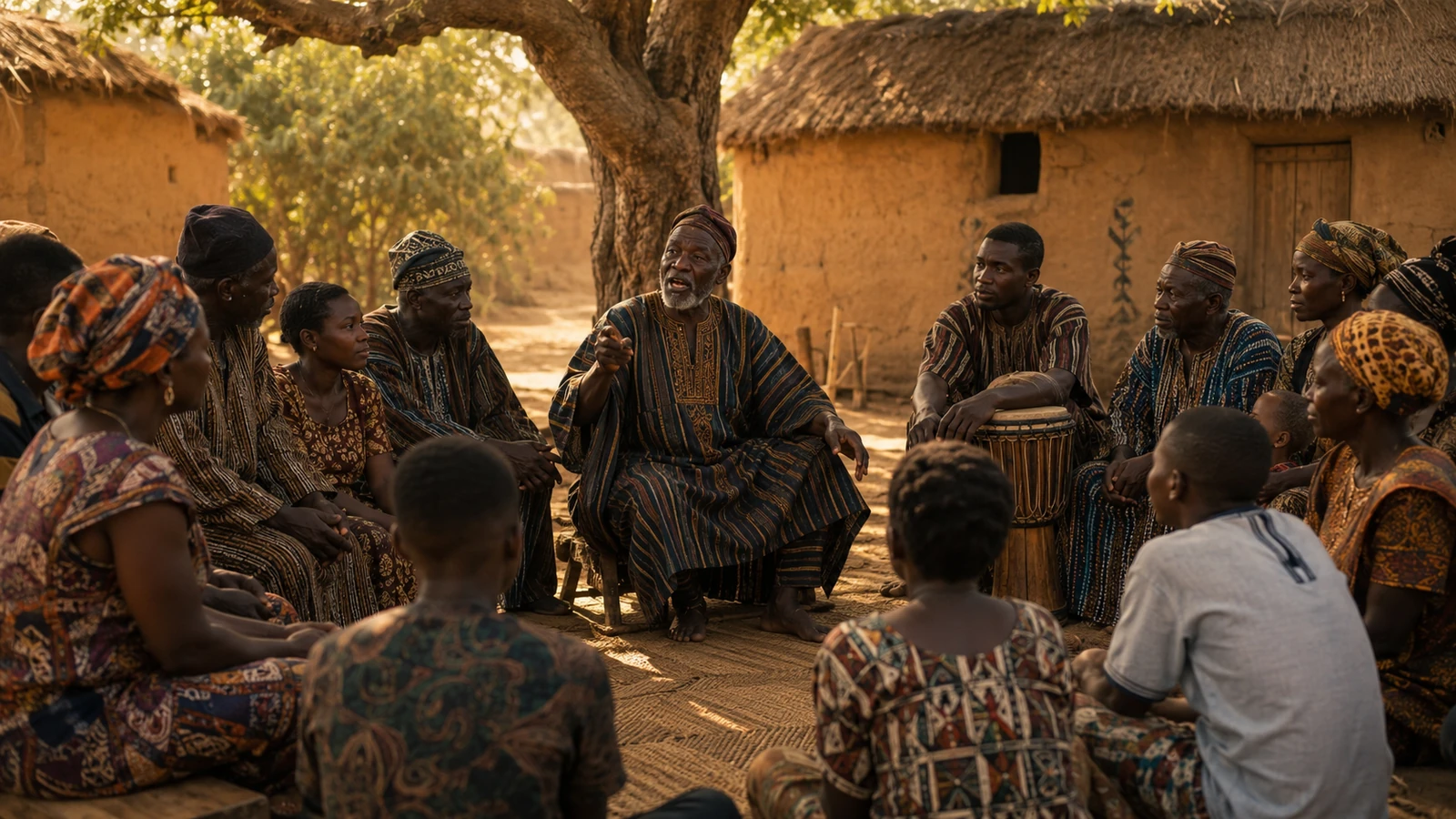







Comments
We'd love to hear your thoughts.