
Customer Attraction Rituals: Traditional Practices for Shops and Businesses
Pillar Article
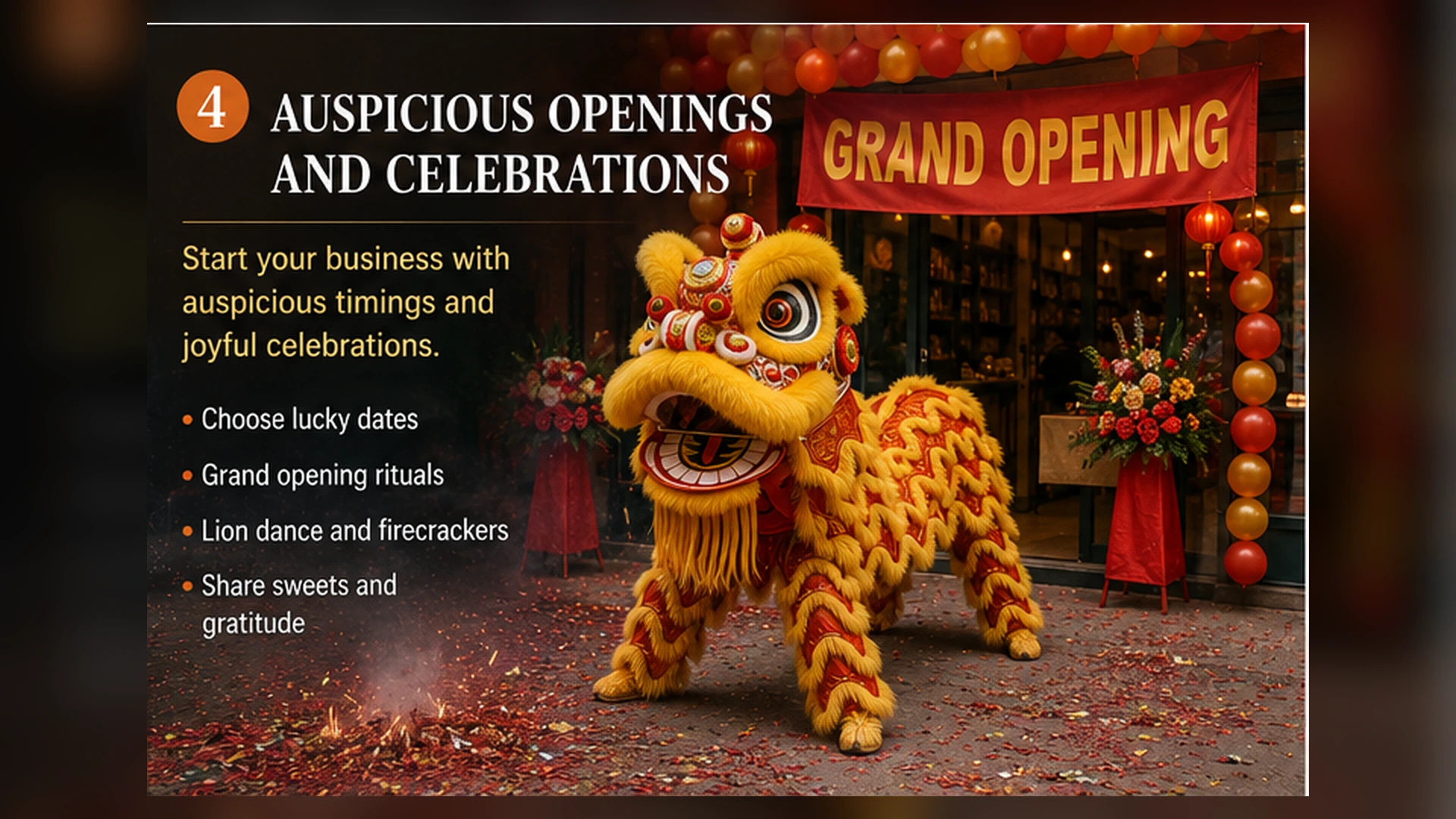
Quick Summary
A quiet shop before opening has a distinctive feeling. Shelves are arranged, the floor is clean, the first cash drawer is ready and the owner waits for people to cross the threshol...
A quiet shop before opening has a distinctive feeling. Shelves are arranged, the floor is clean, the first cash drawer is ready and the owner waits for people to cross the threshold. In many societies, that moment is not treated as a purely commercial beginning. It may be marked with prayer, offerings, a blessing, a dance, new account books, a shared meal or a visit to a sacred place associated with prosperity.
These practices are often grouped online under phrases such as customer attraction rituals, shop prosperity rituals or business blessings. The broad labels are convenient for search, but they can hide important differences. A Japanese prayer to Inari Okami is not the same as Gujarati Chopda Pujan. A Chinese lion dance at a restaurant opening is not interchangeable with Christian prayer for a workplace. A Muslim trader’s supplication and commitment to honest measures do not create a universal “Islamic money ritual.”
This guide explains documented traditions without turning them into a formula for controlling customers. Ritual may help a business owner express gratitude, establish moral commitments, strengthen community ties and mark a hopeful beginning. It cannot force people to buy, guarantee profit or replace product quality, location, pricing, service, visibility and lawful marketing.
Quick Answer
| In one paragraph Customer attraction rituals are culturally specific prayers, offerings, opening ceremonies, prosperity observances or community practices connected with shops and businesses. Examples include Japanese Inari worship, Hindu Chopda Pujan and Chinese lion dance at business openings. They may express gratitude and hope, but they cannot guarantee customers; ethical service, visibility, trust and honest marketing remain essential. |
|---|
Customer Attraction Rituals at a Glance
| Topic | Explanation |
|---|---|
| Common purpose | To dedicate a business, pray for prosperity, begin a financial period, welcome the community or affirm ethical responsibilities. |
| Common settings | Shrines, temples, churches, mosques, family businesses, market stalls, offices, restaurants and storefronts. |
| Common forms | Prayer, offerings, account-book worship, dance, music, charity, food, purification, symbolic objects and community gathering. |
| What varies | Deity or theology, authorized leader, timing, language, objects, whether customers attend and whether the act is public or private. |
| What ritual cannot do | Override customer choice, guarantee profit, repair a weak product, replace marketing or justify misleading claims. |
| Respect rule | Follow one tradition in context. Do not combine sacred objects from unrelated cultures into a decorative “prosperity altar.” |
What Does “Customer Attraction Ritual” Mean?
The phrase customer attraction ritual is modern English. It can refer to several different things: a religious blessing for a commercial space, a prayer for prosperity, an auspicious opening ceremony, a seasonal observance connected with accounts, or a family custom performed before the first sale of the day or year. In some communities, the focus is not “attracting” people at all. The rite may be about gratitude, protection, right conduct, the welfare of workers or the long-term stability of the enterprise.
The word attraction can also create an ethical problem. Customers are persons with freedom, needs and budgets. A ritual should not be described as a method for controlling their decisions, compelling loyalty or taking money from them. When traditional sources speak about prosperity, abundance or good fortune, these ideas sit within larger moral worlds involving reciprocity, worship, generosity, community and responsibility.
A careful definition is therefore: a customer attraction ritual is a culturally recognized or personally adapted practice through which business owners mark commercial beginnings, seek blessing, express gratitude, strengthen confidence or welcome community support. It is symbolic and relational, not a scientifically established mechanism for producing sales.
Why Businesses Develop Prosperity and Opening Rituals
Commerce contains uncertainty. A new shop may have rent, stock and wages due before the owner knows whether customers will arrive. Seasonal changes, illness, roadworks, competition and wider economic conditions can affect income. Ritual gives uncertainty a social form. It creates a moment when family, employees, religious leaders or neighbors can acknowledge the risk and offer support.
Opening rites can also make values visible. A prayer may ask for honest work. A new ledger may symbolize accountability. A shared meal can turn a private investment into a community relationship. A lion dance can publicly announce that a shop has opened. A shrine visit can connect a modern business to a longer religious tradition. None of these functions is reducible to superstition.
At the same time, ritual can be commercialized. Sellers may market copied sacred objects as guaranteed customer magnets or demand repeated payments to “remove business blockages.” Historical depth does not make every claim true, and a cultural symbol does not create automatic profit. Responsible practice keeps hope, heritage and practical business judgment together.
Japan: Inari Worship, Business Prosperity and Shop Openings
In Japan, Inari shrines are strongly associated with livelihood and business prosperity. Fushimi Inari Taisha in Kyoto states that people have prayed there for bountiful harvests, business prosperity, household safety and other wishes throughout its long history. The shrine identifies Inari Okami with the provision of food, clothing and shelter and with prosperity in industry and commerce. [2][3]
The agricultural origin matters. Rice and harvest abundance were not separate from economic life. As Japan urbanized and commercial activity changed, Inari devotion became important to merchants, craftspeople, companies and households. The familiar fox statues are messengers of Inari Okami, not the deity itself. Treating every fox image as a generic wealth charm removes it from the shrine tradition. [2]
Fushimi Inari’s annual Sangyo-sai expresses thanks to Inari Okami as a deity of business enterprises and includes prayer for business success and economic prosperity. Other Inari shrines offer prayers for company safety and business prosperity. Shirasasa Inari Jinja also lists on-site ceremonies for new residences and stores, opening ceremonies and purification of relocated premises. [3][4]
A visitor should follow shrine etiquette rather than inventing a private copy. Businesses that request a priest-led ceremony arrange it through the shrine, prepare the space and make an offering according to local guidance. The ritual is not simply an interior-design theme. Miniature torii, ema tablets, ofuda and altar arrangements have specific uses and should not be purchased as exotic “customer magnets” without understanding their context.
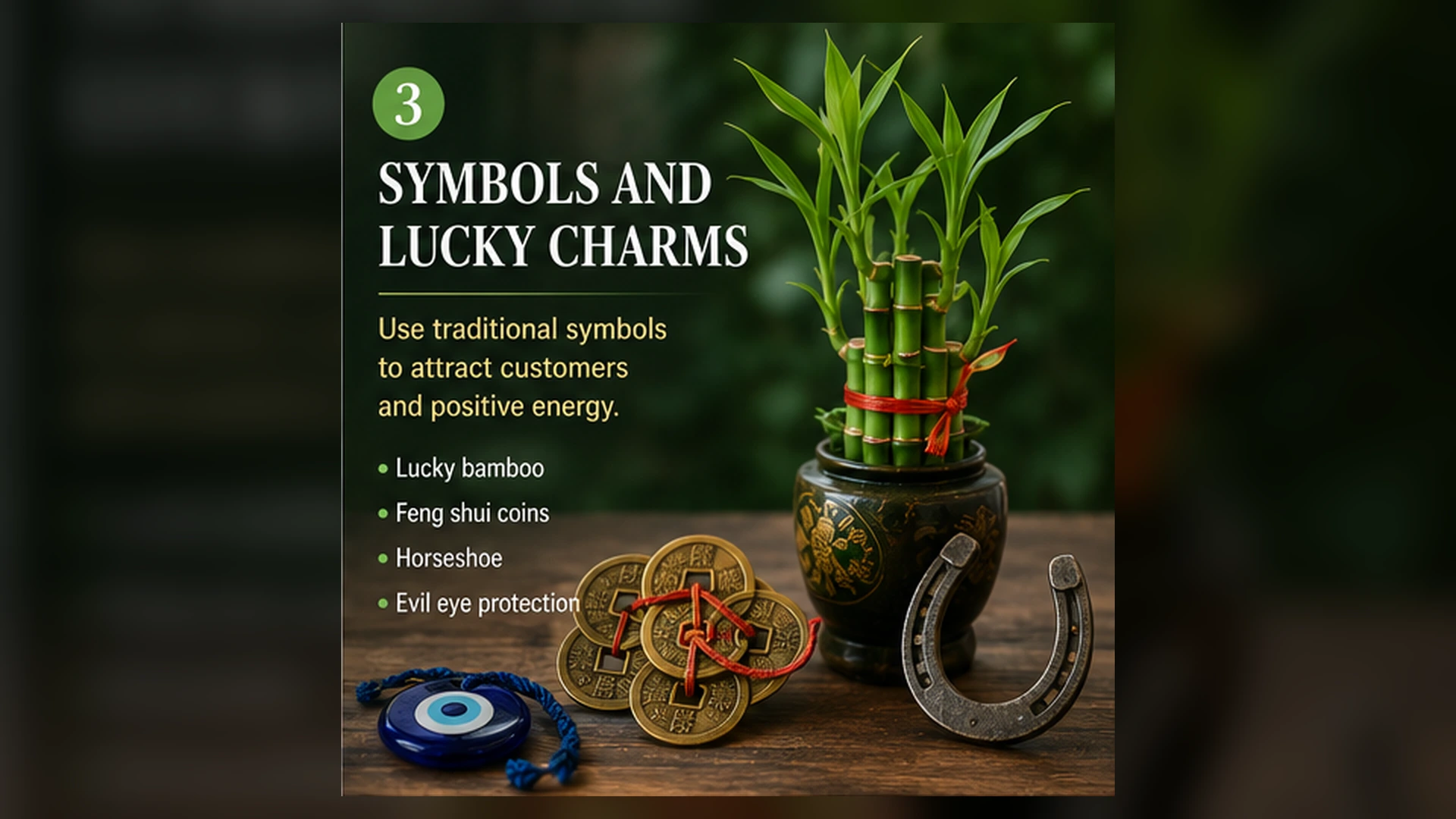
Hindu Business Traditions: Lakshmi Puja and Chopda Pujan
In many Hindu communities, business prosperity is connected with Diwali and the worship of Lakshmi, a goddess associated with wealth, fortune and well-being. Practices vary by region, sect, family and profession. They should not be reduced to a single “Hindu money ritual.”
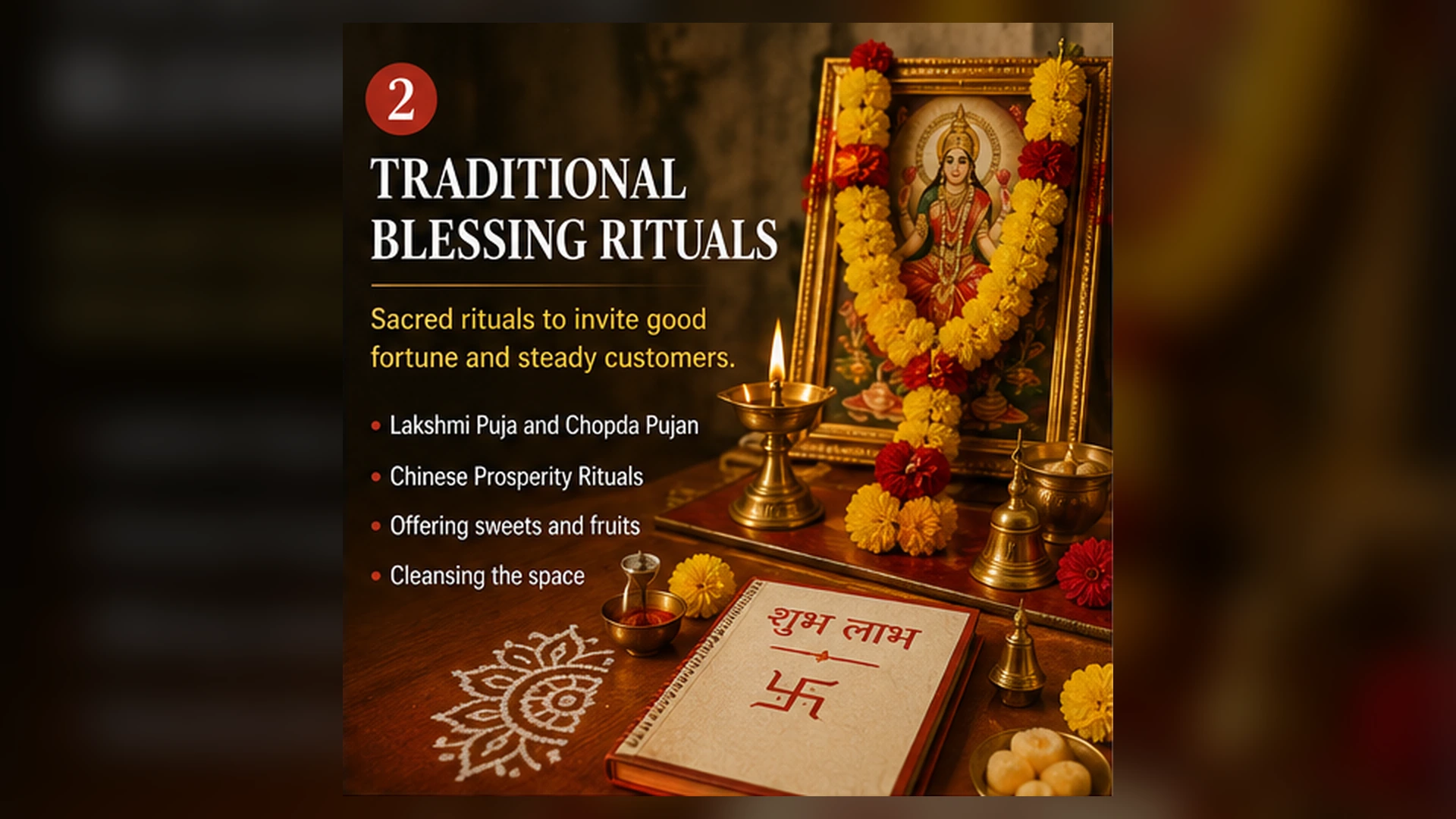
Chopda Pujan is especially associated with Gujarati business communities. The word chopda refers to account books. During Diwali, traders may ritually honor old and new ledgers, offer prayer and begin a new financial period. BAPS descriptions of Diwali celebrations explain Chopda Pujan as the sanctification of account books and connect Lakshmi Puja with gratitude for wealth and the responsibility to use it for noble purposes. [5][6]
This ethical dimension is easy to miss in commercial retellings. The books do not merely symbolize “more money.” They represent records, obligations, past mistakes and a new beginning. A business owner may reconcile accounts, seek forgiveness, pray for wisdom and commit to better conduct. The ritual can therefore join prosperity with accountability.
Online checklists often mix Lakshmi imagery, unrelated mantras, crystals, colored candles and invented directions. Families who observe Chopda Pujan should follow their temple, priest, community or inherited household practice. Outsiders can learn from the themes of gratitude and responsible stewardship without copying sacred recitations or treating a deity image as a sales device.
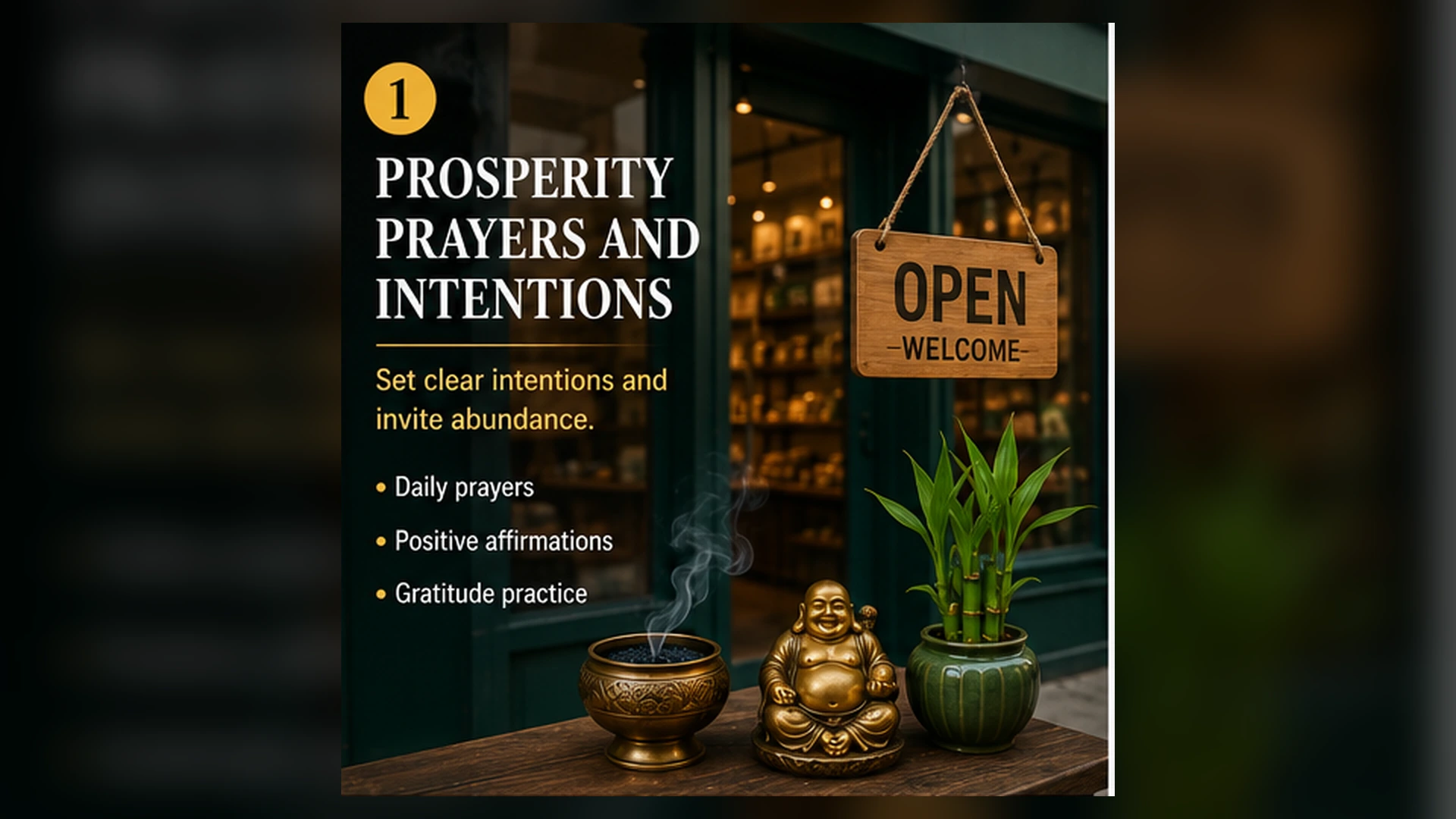
Chinese Business Openings: Lion Dance, Red Envelopes and Prosperity Symbols
Chinese business-opening traditions are diverse across regions and diasporas. One of the most visible is lion dance. The dance is performed at Lunar New Year, festivals, weddings and opening ceremonies. Smithsonian materials describe lion dance visits to restaurants, bakeries and other businesses as a way of bringing good fortune for the new year, while Smithsonian Folklife records note its role in launching events and openings. [7][8]
In some southern Chinese traditions, the lion performs cai qing, often translated as “plucking the greens.” Lettuce or another green vegetable may be suspended with a red envelope. Wordplay connects the greens with prosperity. The lion takes the offering, performs and may scatter shredded leaves. Details depend on the troupe and community. Firecrackers, drums, gongs and cymbals may accompany the performance, but local safety rules matter.
Business owners may also display images of deities associated with wealth or merchant protection. The British Museum notes that Guan Yu became a patron of merchants and was also represented as a god of wealth, while Caishen is a generic name for several Chinese gods of wealth. These figures have religious and historical identities; they are not interchangeable decorations. [9][10]
A respectful opening hires a recognized lion-dance troupe, asks about regional protocol and prepares the space safely. The lion dance functions as performance, blessing, public announcement and community participation at the same time. Its visibility can draw a crowd, but the cultural meaning is not equivalent to a modern advertising stunt.
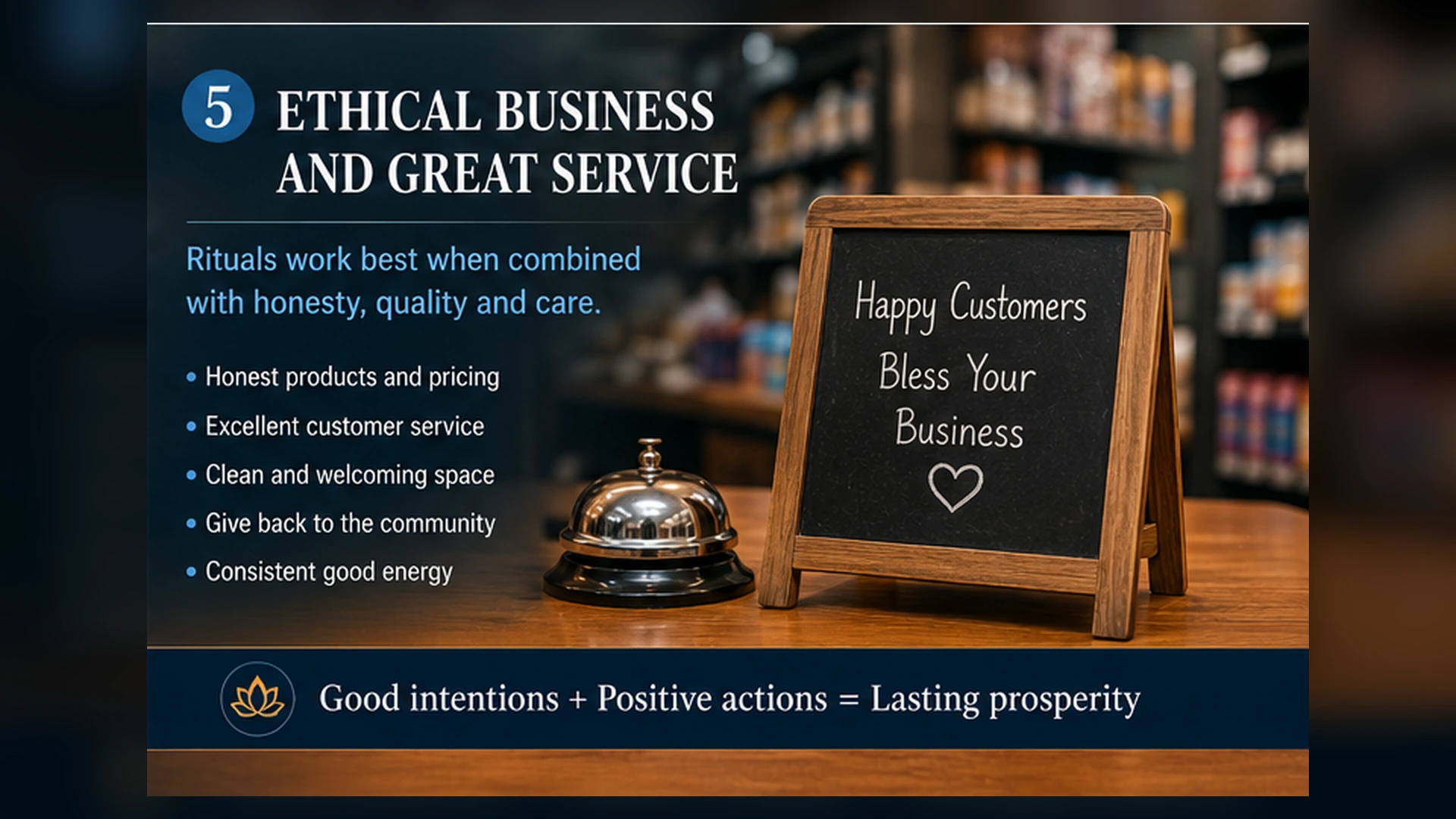
Christian Prayer for Workplaces and Businesses
Christian communities may pray for a new workplace, business owners, workers, customers and the just use of resources. The exact form depends on denomination and local church authority. Catholic teaching treats blessings as prayer that directs people and the circumstances of life toward God, and official resources connect work with human dignity, fair treatment and responsibility. [11][12]
A Christian business blessing is therefore not properly understood as a technique for compelling sales. It may include Scripture, intercession, thanksgiving, dedication of the owners’ work and prayer for employees and those served. Some churches use holy water or an authorized liturgical order; others use spontaneous prayer. A business should ask its own priest, pastor or church leader what is appropriate.
Promises that a prayer will deliver a fixed number of customers, eliminate competition or guarantee a contract distort both faith and commerce. A Christian approach to business must also ask whether wages are fair, advertising is truthful, customers are treated with dignity and the business contributes to the common good.
Muslim Business Prayer, Barakah and Ethical Trade
Islamic business life includes prayer, remembrance of God, supplication and the pursuit of barakah, often translated as blessing. There is no single universal Islamic ritual for “attracting customers.” Practices differ across legal schools, cultures, Sufi traditions and local communities.
The Qur’an places strong limits around commercial conduct. It prohibits consuming one another’s wealth unjustly and condemns those who give short measure. [13] For a Muslim trader, prayer for provision cannot be separated from honest weights, lawful goods, fair dealing, fulfilled contracts and care for employees and customers.
A shop owner may begin with the basmala, make personal dua, give charity or ask an imam to pray, depending on community practice. These actions are devotional rather than manipulative. Objects, verses or amulets should not be marketed as guaranteed sales devices, and religious claims should never conceal fraud or exploit financial desperation.
African Markets and Businesses: Avoid the Myth of One “African Ritual”
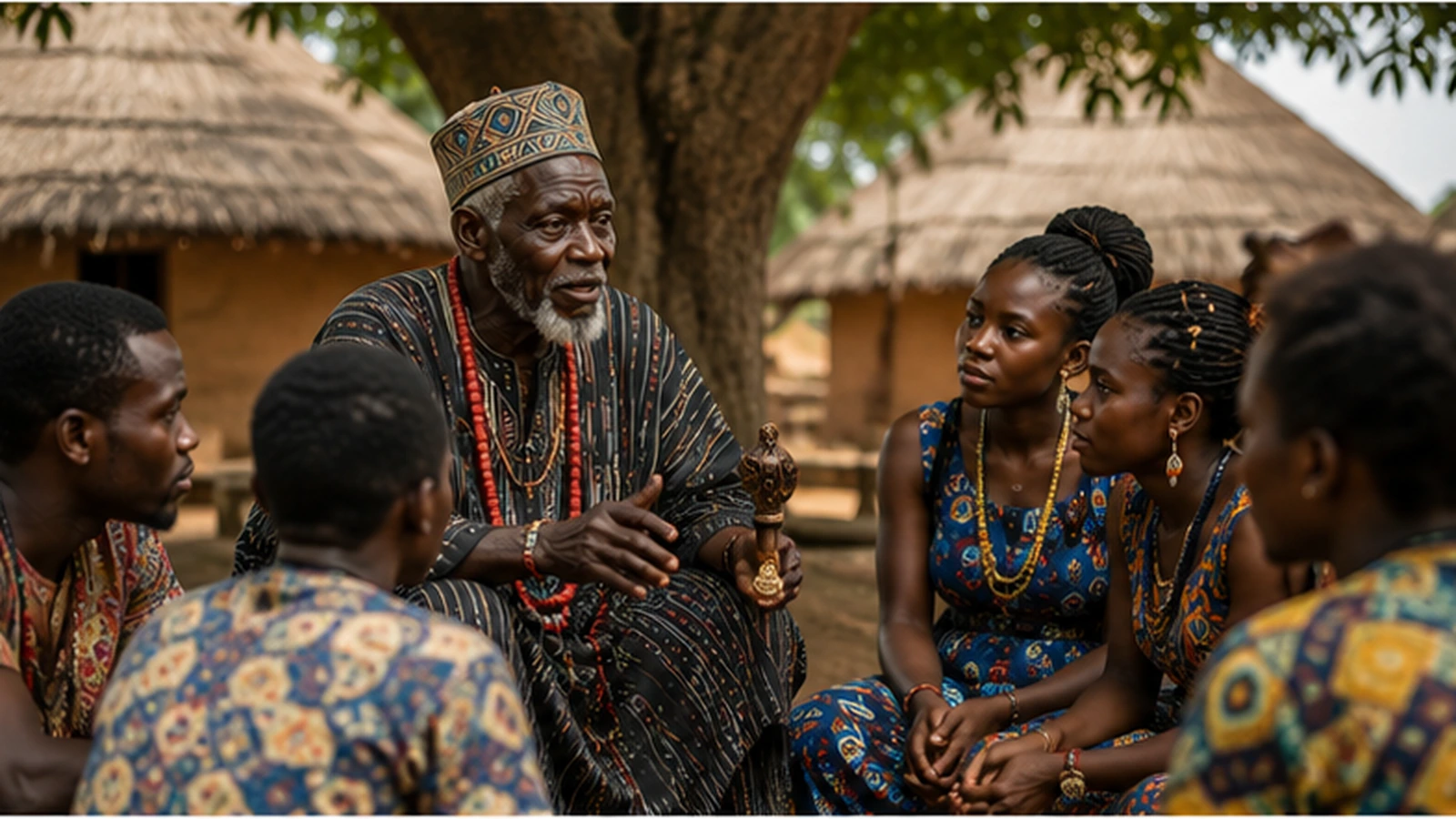
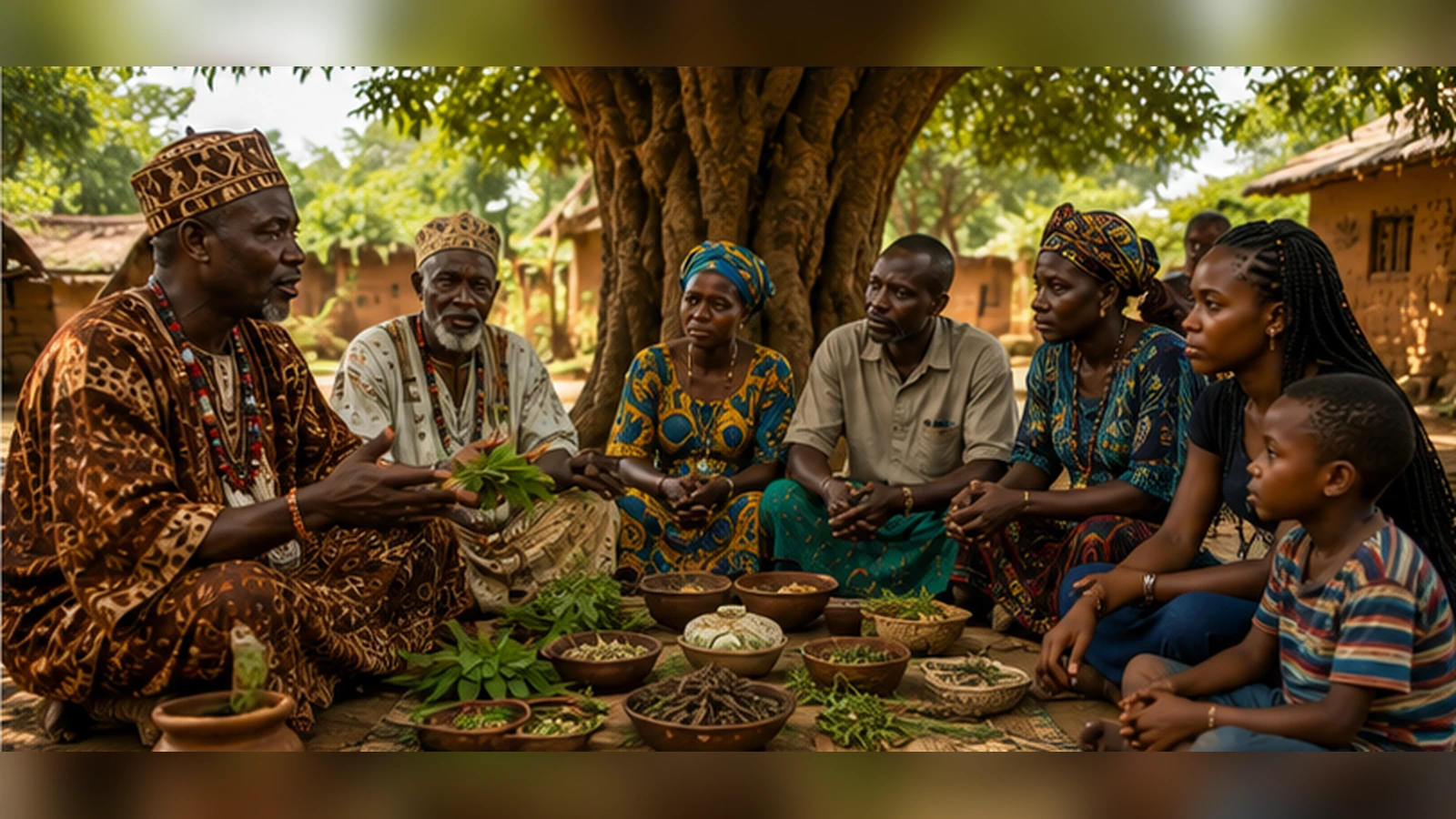
Africa does not have one customer-attraction ritual. A trader in Kampala, Lagos, Kumasi, Dakar or Johannesburg may be Christian, Muslim, an adherent of an Indigenous tradition, religiously plural or non-religious. Business practices also differ by language, market organization, family network, commodity and local law.
Research on religion and informal economic governance in Nigeria shows that religious movements can shape trust, discipline, networks and commercial life, but the relationship is historically and politically complex. It should not be reduced to “African magic for customers.” [14]
Market success also depends on social skill. Research in Kumasi Central Market describes persuasive and relationship-preserving speech as an important trading competence, while studies of Ghanaian markets emphasize the livelihood value of social relationships among producers, wholesalers, retailers, drivers and institutions. [15][16] These findings are not rituals, but they explain why hospitality, language, reputation and community ties can matter as much as opening-day symbolism.
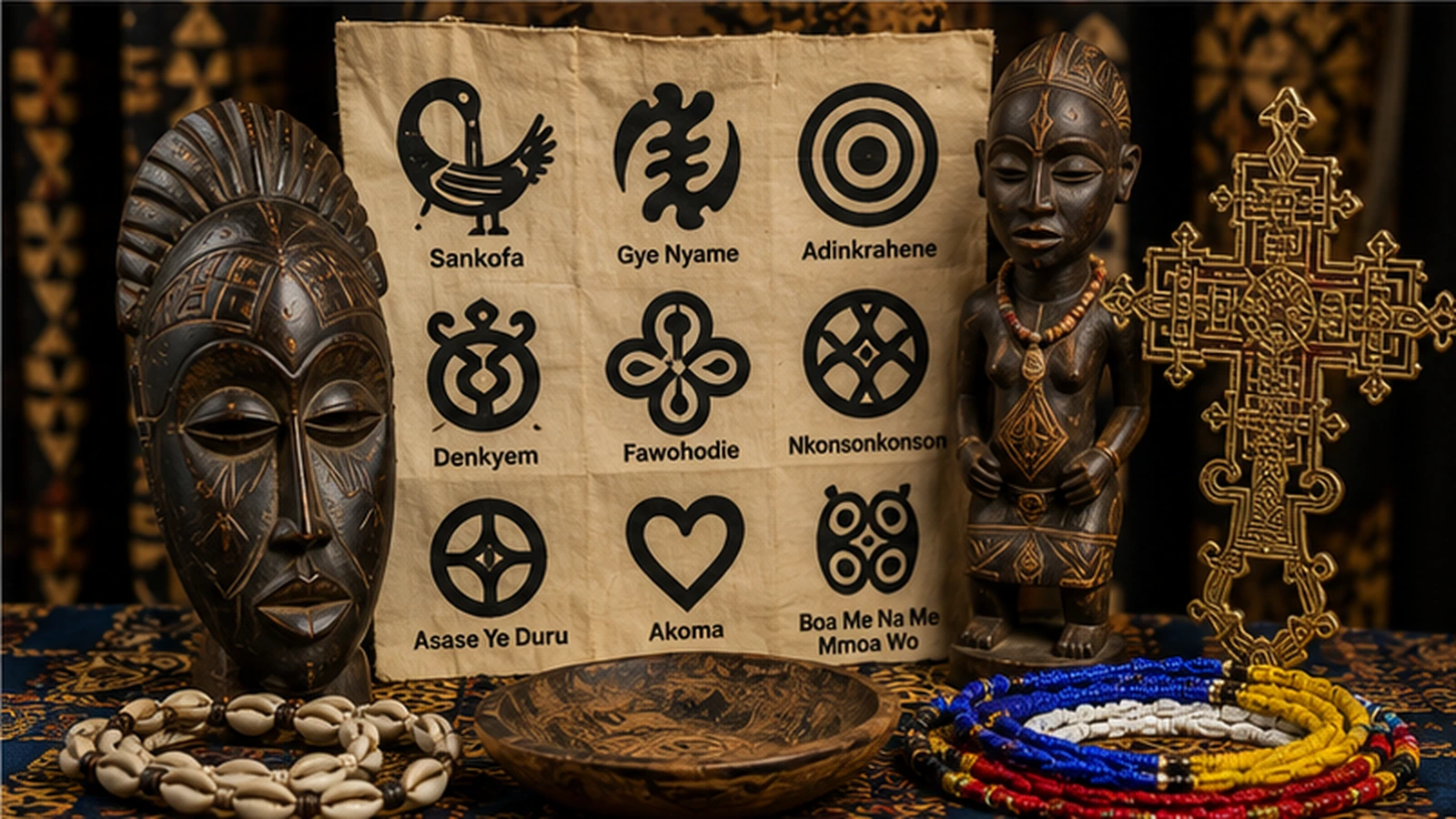
An educational article should name the exact community when describing a spiritual practice and obtain consent before publishing restricted knowledge. A newly invented mixture of cowries, candles, herbs and ancestor language should not be presented as an “ancient African shop ritual.”
What Common Elements Can Mean
| Element | Possible meanings |
|---|---|
| Prayer or recitation | Gratitude, dependence on divine guidance, moral commitment or hope for provision. |
| Offerings | Reciprocity, thanksgiving or participation in a particular shrine or temple relationship. |
| Account books | Accountability, a new financial cycle, honest records and recognition of past obligations. |
| Dance and music | Public announcement, community participation, protection symbolism and celebration. |
| Threshold actions | Marking the boundary between public street and business space; welcoming entry. |
| Light | Knowledge, auspicious beginning, devotion or celebration, depending on tradition. |
| Food and charity | Hospitality, merit, generosity, gratitude and relationship with neighbors or workers. |
| Cleaning or purification | Preparation and dedication of the premises; not necessarily removal of evil. |
| Auspicious timing | Alignment with a religious calendar, festival, family tradition or local system of divination. |
| Symbols or amulets | Community-specific religious identity, protection or hope; never culturally neutral objects. |
Ritual, Marketing and Customer Experience Are Different
A shop-opening ritual can gather attention and strengthen confidence, but repeat business depends on what customers experience after the ceremony. The U.S. Small Business Administration describes marketing and sales planning in terms of target customers, channels, pricing, promotions, customer support and measurable goals. It also emphasizes market research as a way to identify customers. [17]
The practical question is not whether ritual or marketing is “more powerful.” They perform different functions. Ritual can express meaning and identity. Marketing communicates an offer. Operations deliver the product or service. Customer experience determines whether a person feels respected and whether the promise was kept.
A beautiful blessing followed by hidden prices, poor hygiene, rude service or unreliable stock will not build trust. Conversely, a business may thrive without any spiritual ceremony because it provides real value and maintains strong relationships.
| Business foundation | Practical meaning |
|---|---|
| Clear value | Customers understand what the business sells, why it is useful and how much it costs. |
| Visibility | Accurate address, opening hours, exterior signage, online listings and easy contact information. |
| Access | Safe entrance, usable payment methods, disability access where possible and reliable hours. |
| Service | Respectful greeting, product knowledge, reasonable response time and fair complaint handling. |
| Trust | Truthful descriptions, transparent fees, genuine reviews and consistent delivery. |
| Retention | Follow-up, loyalty built through usefulness, remembering regular customers and resolving problems. |
| Community | Relationships with neighbors, suppliers, workers, market associations and local events. |
| Measurement | Track foot traffic, inquiries, conversion, repeat visits, average sale and customer feedback. |
A Respectful Modern Business Dedication
| Important distinction The following is a modern, non-denominational dedication for owners who do not belong to a tradition with an established rite. It is not an ancient universal ceremony and should not be presented as one. |
|---|
1. Prepare the premises practically. Complete repairs, clean the space, test lights, confirm licenses, inspect fire exits and make prices and contact details clear.
2. Name the purpose. Write one sentence describing whom the business serves and what honest value it promises.
3. Gather the right people. Invite staff, family, neighbors or a business-association representative. Participation should be voluntary.
4. Express gratitude. Thank those who contributed labor, advice, money, referrals or patience during the opening process.
5. State commitments. Read short promises about truthful pricing, respectful service, worker dignity, customer privacy, fair complaints and responsible use of profit.
6. Welcome the community. Share tea, water or simple food, introduce the team and explain how customers can ask questions or provide feedback.
7. Begin practical outreach. Confirm the business listing, opening announcement, signage, launch offer and follow-up plan. Review results after the first month.
Safety, Law and Customer Consent
Business premises are workplaces and public spaces. Incense, candles, firecrackers, food, crowds and liquids can create legal and safety risks. The U.S. Fire Administration advises keeping candles away from combustible materials, using stable holders and never leaving them unattended. Local fire codes, leases, insurance rules and food-safety regulations take priority over ceremony. [18]
Customer attraction must also remain truthful. The Federal Trade Commission states that advertising claims must be truthful, non-deceptive and supported by evidence. A business should not advertise guaranteed wealth, healing, legal victory or customer numbers without substantiation. Fake reviews, concealed sponsorships and pressure tactics damage trust and may violate law. [19]
Rituals involving employees require consent. Workers should not be forced to pray, touch sacred objects, disclose beliefs or pay for ceremonies. Customers should not be filmed without permission or told that refusing a blessing will bring misfortune. Religious freedom includes the freedom not to participate.
What to Avoid
Claims that a ritual can force customers to enter, spend money or remain loyal.
Promises of guaranteed daily sales, contracts, wealth or removal of every competitor.
Copying sacred prayers, altar arrangements or priestly actions without community authorization.
Mixing Inari symbols, Lakshmi images, Chinese wealth gods, Christian Scripture and African sacred objects into one “universal prosperity altar.”
Using endangered plants, unknown powders, toxic smoke, open flames near stock or liquids near electrical equipment.
Buying counterfeit sacred objects or presenting mass-produced souvenirs as ritually authorized items.
Blaming employees, relatives or “jealous people” for ordinary business problems without evidence.
Replacing market research, bookkeeping, tax compliance, safety, customer service or professional advice with spiritual claims.
How to Research a Business Ritual Responsibly
1. Name the culture, religion, region and historical period rather than using labels such as “ancient business ritual.”
2. Use official shrines, temples, churches, mosques, museums, community organizations and peer-reviewed research.
3. Ask who is authorized to lead the practice and whether it is public, private or restricted.
4. Distinguish inherited tradition from a modern commercial product or personal adaptation.
5. Describe what participants believe without presenting supernatural outcomes as proven fact.
6. Protect sacred language, private divination, initiation knowledge and people who do not consent to publication.
7. Pair any symbolic practice with lawful, measurable and ethical business action.
Key Takeaways
Customer attraction rituals are culturally specific practices, not one universal spell.
Japanese Inari traditions connect livelihood and business prosperity with shrine worship and gratitude.
Chopda Pujan links Diwali, business account books, ethical reflection and a new financial beginning.
Chinese lion dance can bless and publicly announce a shop opening while strengthening community participation.
Christian and Muslim business prayer should be understood within their own theology and ethical rules.
African business life is religiously and culturally diverse; no generic “African customer ritual” should be invented.
Ritual cannot guarantee customers or replace truthful marketing, value, access, service, reputation and measurement.
Safety, consent, labor dignity and legal compliance come before symbolism.
People Also Ask
What is a customer attraction ritual?
It is a prayer, blessing, opening ceremony, offering or symbolic practice connected with welcoming customers and seeking prosperity for a business. Its meaning depends on the culture or religion. It cannot compel customers or guarantee sales.
What ritual can attract customers to a shop?
There is no universally proven ritual. Traditions include Inari prayers in Japan, Chopda Pujan in Gujarati Hindu communities and lion dance at Chinese business openings. Owners should follow their own tradition and combine any ceremony with good service and marketing.
Why is lion dance performed at shop openings?
Lion dance is associated with good fortune, protection, celebration and public announcement. At openings, the performance can gather the community and mark the business’s beginning. Details vary among regional and diaspora traditions.
What is Chopda Pujan?
Chopda Pujan is a Gujarati Hindu Diwali tradition involving the ritual honoring or sanctification of business account books. It can mark a new financial year and connect prosperity with gratitude, reconciliation of accounts and responsible use of wealth.
Is Inari a god of business?
Inari Okami is a Shinto deity historically associated with rice, livelihood and abundance and is widely worshiped for business prosperity, industry, household safety and other concerns. Foxes at Inari shrines are regarded as messengers, not the deity itself.
Can prayer increase sales?
Prayer may give meaning, confidence and moral focus, but it does not scientifically guarantee sales. Revenue depends on demand, value, pricing, access, communication, customer experience, competition and wider economic conditions.
How can I bless a new business without copying another culture?
Use a ceremony grounded in your own faith or family tradition. For a non-denominational option, express gratitude, state ethical commitments, welcome neighbors, share food and begin a practical customer-outreach plan. Clearly call it a modern personal dedication.
Are business prosperity rituals dangerous?
Most are not inherently dangerous, but candles, incense, firecrackers, crowds, unknown substances and coercive financial claims can create risks. Follow fire codes, obtain consent and avoid practitioners who promise guaranteed wealth or demand escalating payments.
Frequently Asked Questions
1. Is a business blessing the same as business-premises cleansing?
No. A blessing dedicates the enterprise or asks for divine favor. Cleansing prepares or symbolically renews a place. Some traditions combine them, but they remain different ideas.
2. Can I use incense in a retail shop?
Only where the lease, insurance, fire code, ventilation and customer health permit it. Smoke-free alternatives include prayer, music, flowers, natural light, a shared meal or a written dedication.
3. Should employees be required to attend?
No. Participation in religious or spiritual activity should be voluntary. Explain the event in advance and provide a respectful way to opt out.
4. Can I place prosperity symbols from several cultures together?
That may turn sacred objects into decoration and create false equivalence. Use symbols from your own tradition or display cultural objects only with accurate educational context.
5. What should I track after opening?
Track foot traffic, inquiries, conversion rate, repeat visits, average sale, stock availability, complaints, referrals and customer feedback. These measures show where practical changes are needed.
6. What if customers remain low after a blessing?
Review location, pricing, demand, visibility, product quality, service, hours and marketing channels. Seek advice from a business-development professional. Do not assume spiritual attack or keep paying for repeated guaranteed-result rituals.
7. Can an online business have a dedication?
Yes. A modern dedication can include reviewing the website, privacy and refund policies, thanking collaborators, stating ethical commitments and launching a clear outreach plan. It should not claim to be an ancient online-business ritual.
8. Is it respectful to photograph a business ritual?
Ask the religious leader, participants and venue. Some public openings welcome photography; other prayers, altar areas or sacred texts may be restricted. Do not publish people or private rites without consent.
Conclusion
Customer attraction rituals reveal that commerce is never only about exchange. Shops and businesses are also places of hope, risk, moral responsibility, family labor and community relationship. Inari prayers, Chopda Pujan, lion dance and workplace blessings each give those realities a culturally specific form.
The most respectful lesson is not to assemble a universal prosperity spell. It is to recognize the tradition being practiced, learn from authorized sources and keep its ethical dimensions visible. Prosperity traditions often speak not only about receiving wealth but also about gratitude, right conduct, generosity, accurate accounts and responsibility to others.
A meaningful opening can strengthen confidence and community support. Lasting customer relationships, however, are earned through value, honesty, access, service, safety and trust. Ritual may mark the promise. Daily business practice determines whether the promise is kept.
Article Information
- Publisher
- Ancestral Temple
- Editor
- Ancestral Temple
- Last updated
- Jul 30, 2026
- Last reviewed
- Jul 30, 2026
- Content version
- b83f779d9b
This educational article should be read as cultural and spiritual information, not as medical, legal, financial, or emergency advice.
Helpful Related Guidance
About the Author
 Ancestral Temple
Spiritual guide and practitioner with decades of experience in ancestral wisdom, rituals, and divine guidance.
Related Posts
View All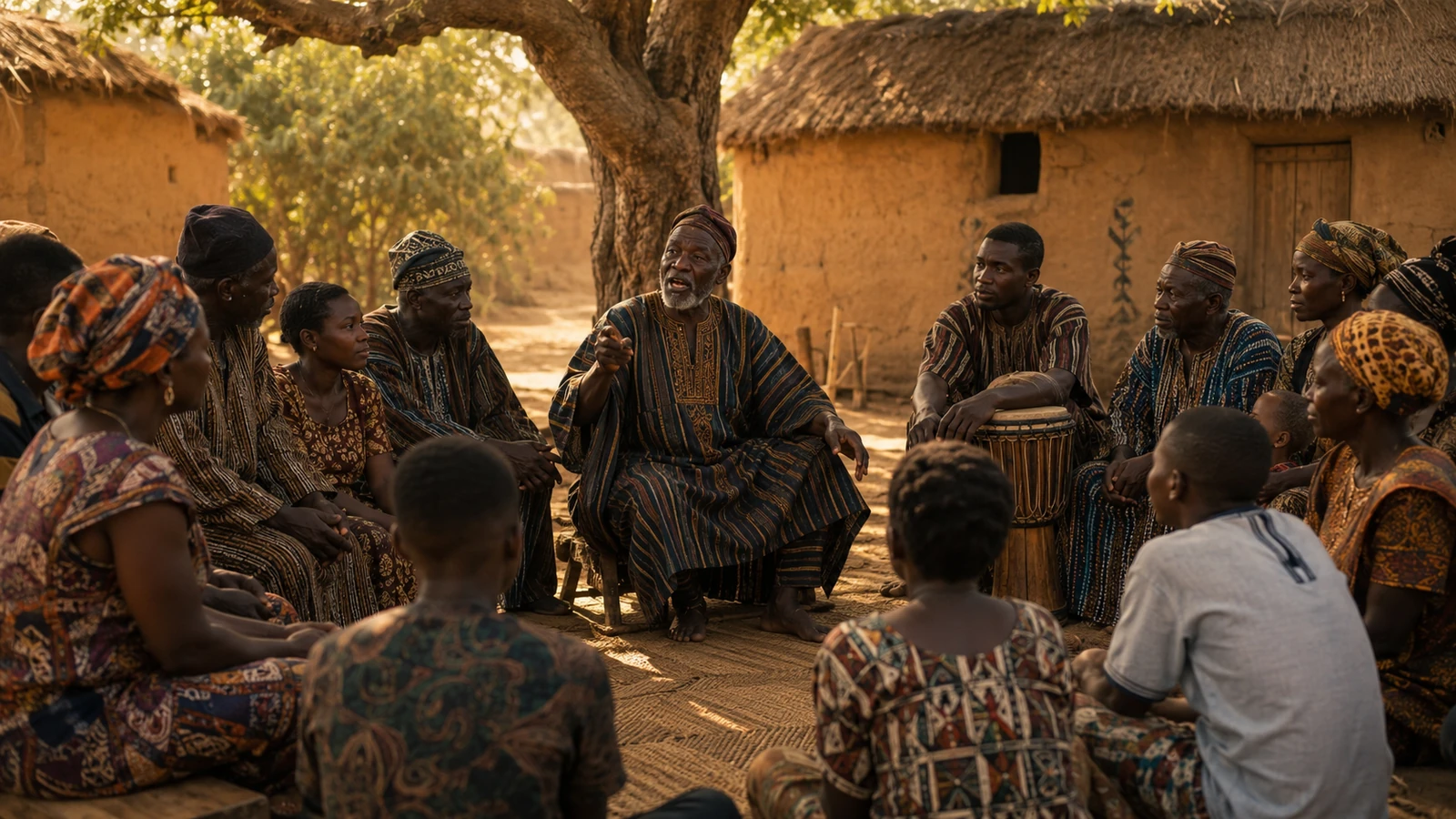








Comments
We'd love to hear your thoughts.