
Move-In Blessing Rituals: Traditions for Welcoming a New Home
Pillar Article
Quick Summary
Moving into a new home is practical work: keys, boxes, cleaning, repairs, utilities and unfamiliar rooms. It can also be a major emotional and social transition. A household is not...
Moving into a new home is practical work: keys, boxes, cleaning, repairs, utilities and unfamiliar rooms. It can also be a major emotional and social transition. A household is not created by walls alone. People establish routines, welcome guests, remember those who helped them, negotiate responsibilities and decide what kind of life they hope to build in the space.
For that reason, many religious and cultural traditions mark a first entry or early gathering with prayer, dedication, hospitality, food, sacred objects, auspicious timing or the presence of family and community. These customs are often described in English as house blessings, move-in rituals, home dedications or housewarming traditions.
The similarities are real, but they should not be overstated. A Hindu griha pravesh is not the same ceremony as affixing a Jewish mezuzah. A Catholic blessing does not have the same theology as a Thai Buddhist merit-making gathering. Islamic guidance may emphasize gratitude, remembrance of God and hospitality without prescribing one universal new-house rite. Shinto ceremonies may occur before construction or as purification of a completed building. This guide keeps those contexts separate while identifying practical themes that readers can understand and adapt responsibly.
Quick Answer
| In one paragraph A move-in blessing ritual is a religious, cultural, familial or personal ceremony that marks the beginning of life in a new home. It may include prayer, dedication, food, threshold customs, sacred objects, charity or community gathering. There is no universal formula: the most respectful approach follows one’s own tradition, asks authorized leaders when needed, and combines symbolism with practical safety and household responsibility. |
|---|
Move-In Blessings at a Glance
| Topic | Explanation |
|---|---|
| Main purpose | To welcome a household, express gratitude, dedicate the space, seek blessing or protection, and recognize a new social beginning. |
| Common participants | Residents, relatives, neighbors, clergy, monks, priests, elders, friends or community members. |
| Common elements | Prayer, Scripture or recitation, water, light, food, threshold actions, sacred objects, charity, music, shared meals and spoken intentions. |
| What varies | Theology, authorized leader, timing, language, materials, room-by-room actions and whether the rite is private or public. |
| Practical limit | A blessing cannot replace locks, smoke alarms, mold removal, safe wiring, tenancy agreements, insurance or medical care. |
| Cultural rule | Do not combine sacred elements from unrelated traditions simply because they look beautiful or “spiritual.” |
What Is a Move-In Blessing Ritual?
A move-in blessing ritual is a recognized act that marks a house or apartment as the beginning of a household. The focus may be the building, the residents, their relationships, the land, the doorway, a home shrine, a shared meal or the responsibilities that begin with occupancy.
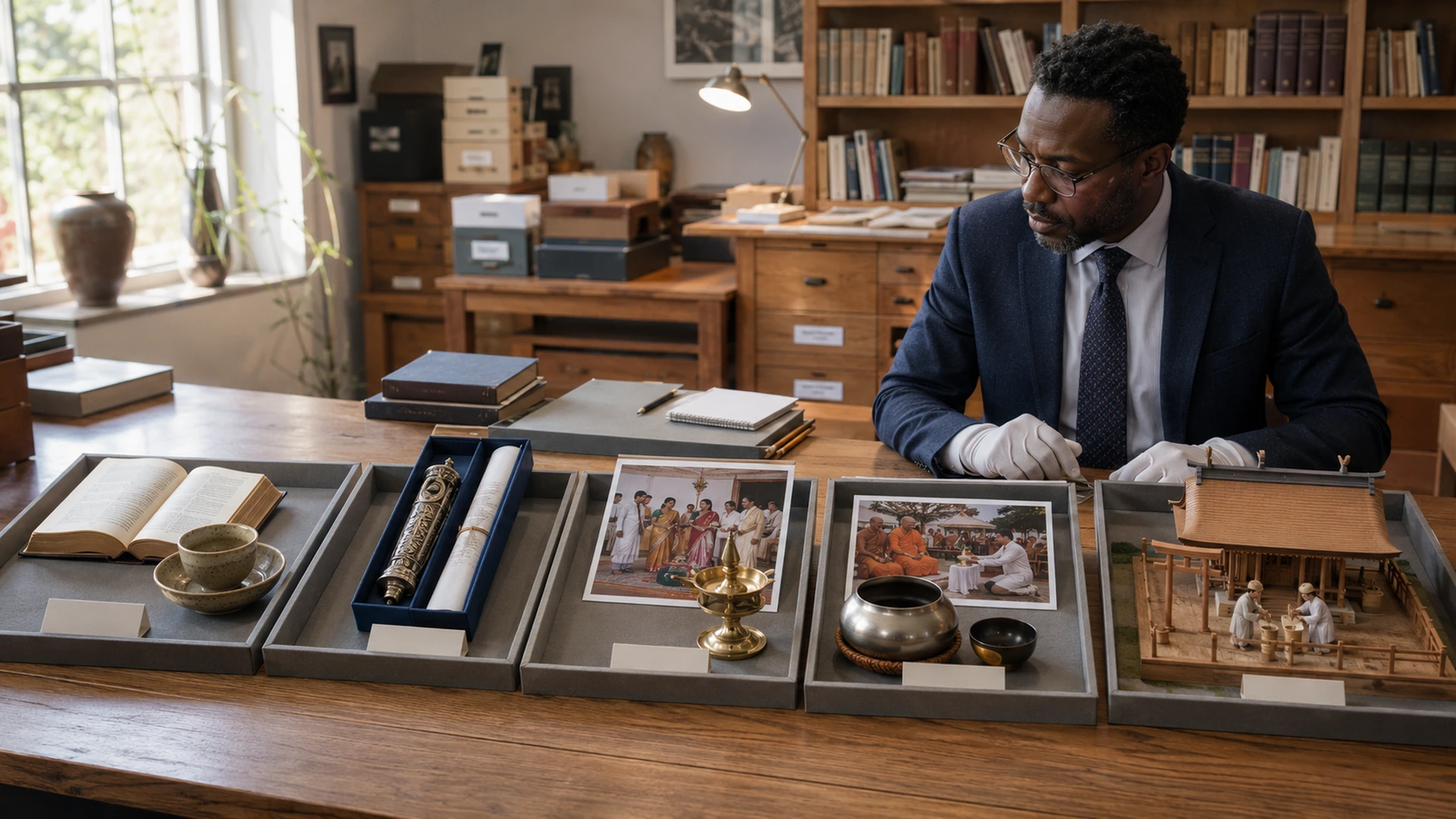
The English word blessing can refer to several different ideas. In a Christian setting, it may mean prayer asking God to dwell with and guide the household. In Jewish practice, the home’s identity is expressed through mitzvot such as affixing a kosher mezuzah and through chanukat habayit, the dedication or housewarming of the home. In Hindu contexts, griha pravesh can involve first entry, worship and prayers for auspicious beginnings. In Thai Buddhist settings, a housewarming may center on merit-making, monastic chanting and hospitality. [2][5][7][9]
These ceremonies do not necessarily claim that a building was dangerous or spiritually contaminated before the family arrived. Often the central purpose is gratitude, orientation and commitment. The residents publicly or privately say, in effect: “This is where our life together will now take place, and we want to begin it with care.”
House Blessing, Housewarming and House Cleansing
| Term | Typical meaning | Important distinction |
|---|---|---|
| House blessing | Prayer or ritual asking for divine favor, peace, protection or faithful use of a home. | Often connected to a religious tradition or authorized leader. |
| House dedication | A declaration that the household or space will be used according to stated values. | May be religious, familial or secular. |
| Housewarming | A social gathering celebrating the move and welcoming guests. | May include religious elements but can be entirely social. |
| House cleansing | Physical cleaning or symbolic purification before occupancy. | Should not be confused with repairs, sanitation or professional remediation. |
| Move-in intention ritual | A contemporary personal practice of gratitude, reflection and goal-setting. | Should be described as a personal adaptation, not an ancient tradition. |
Why People Bless or Dedicate a New Home
To mark a transition. Moving changes routines, neighborhood relationships, financial responsibilities and a family’s connection with place. A ceremony makes the change memorable.
To express gratitude. Residents may thank God, relatives, builders, landlords, community members or the people whose labor made the move possible.
To establish household values. A dedication can name commitments such as hospitality, nonviolence, truthful communication, care for children, respect for neighbors and responsible stewardship.
To welcome community. Many housewarmings turn a private building into a social home by receiving relatives, neighbors, clergy or friends and sharing food.
To create continuity. A family may carry a prayer book, sacred image, home altar, heirloom, photograph or customary food from an earlier home into the new one.
To ask for protection or peace. Within particular faiths, residents may pray for safety, health, harmony and freedom from harm. Such prayers should not be presented as guarantees.
To recognize the threshold. Doorways symbolize movement between public and private space. Some traditions mark them with prayer, objects, greetings or a formal first entry.
UNESCO notes that rituals and social practices can reaffirm identity and connect people with family and community traditions. It also emphasizes that living heritage is recognized and continually recreated by the communities that maintain it; outsiders cannot decide that a practice belongs to a community or freely redesign it on the community’s behalf. [15][16]
Christian Home Blessings
Christian house blessings vary by denomination, country and household. In Catholic practice, blessings are sacramentals that commonly include prayer, Scripture and sometimes a ritual sign. The U.S. Conference of Catholic Bishops publishes a blessing of the home and household in which participants gather, hear Scripture, pray for those who live in the house and ask that visitors encounter love and peace there. [2][3]
The Catholic order for blessing a new home is designed around the presence of the people who will live there, not the treatment of the building as a magical object. It can be led by clergy, and some forms may be adapted for a lay minister. The emphasis is thanksgiving, Christian life in the household, hospitality and care for others. [4]
Anglican, Orthodox, Pentecostal and other Christian communities may use different prayers, Scripture readings, holy water, oil, hymns or room-by-room blessing. A family should follow its own church’s teaching rather than assuming that one denominational rite represents all Christians.
Common Christian elements
Gathering the residents, relatives or parish community
Reading Scripture
Prayers for peace, hospitality, work, children and neighbors
The Lord’s Prayer or denominational prayers
A priest, pastor, deacon or lay leader according to church practice
Holy water, a cross, an icon, oil or another authorized sign in traditions that use them
A shared meal or welcome gathering after prayer
| Cultural boundary Do not copy holy-water, anointing or clerical actions from a church tradition as decorative “energy work.” Ask the relevant congregation what may be led by residents and what is reserved for ordained ministry. |
|---|
Jewish Traditions When Moving Into a New Home
Jewish new-home practice is not simply a generic blessing spoken over rooms. One central mitzvah is affixing a kosher mezuzah to qualifying doorposts. The mezuzah is a handwritten parchment scroll containing passages of the Shema, placed in a protective case. Its preparation, placement and timing follow Jewish law and should be learned from a knowledgeable Jewish source. [5][6]
Chabad’s guide to moving into a new home also describes chanukat habayit, a dedication or housewarming gathering. Suggested customs include bringing bread and salt, sharing words of Torah and receiving blessings from family and friends. Chabad explains the bread and salt custom symbolically while noting that its exact origin is not certain. [5]
The mezuzah should not be treated as a decorative “protection charm” detached from Jewish life. A printed imitation is not a kosher scroll, and non-Jewish readers should not copy the ritual as an aesthetic threshold practice. The respectful lesson for a general audience is that doorways can carry religious obligation, memory and identity.
Hindu Griha Pravesh and Regional House-Entry Traditions
Griha pravesh literally refers to entering a home and is commonly used for Hindu house-entry or housewarming ceremonies. Details differ by region, family, temple community and priestly tradition. They may include choosing an auspicious time, worship, Vedic recitation, offerings, fire ritual, decoration of the threshold, first cooking or the installation of a household worship space.
BAPS describes prasad pravesh as a first ceremonial entry into new premises that unites a community in prayer for peace and harmony and marks a spiritually meaningful beginning. Although BAPS examples often concern mandirs, they illustrate the broader significance of ceremonial first entry in a Hindu setting. [7]
Regional practices matter. A Government of India address recalling a Tamil housewarming in Sri Lanka describes boiling milk outside the house before griha pravesh. That does not make milk-boiling a universal Hindu requirement; it is one documented Tamil custom among many regional forms. [8]
Families seeking a griha pravesh should consult a trusted temple or priest from their own lineage and region. Online lists that promise wealth, fertility or permanent protection for performing every step exactly are not reliable substitutes for community guidance.
Muslim Practices for Entering a New Home
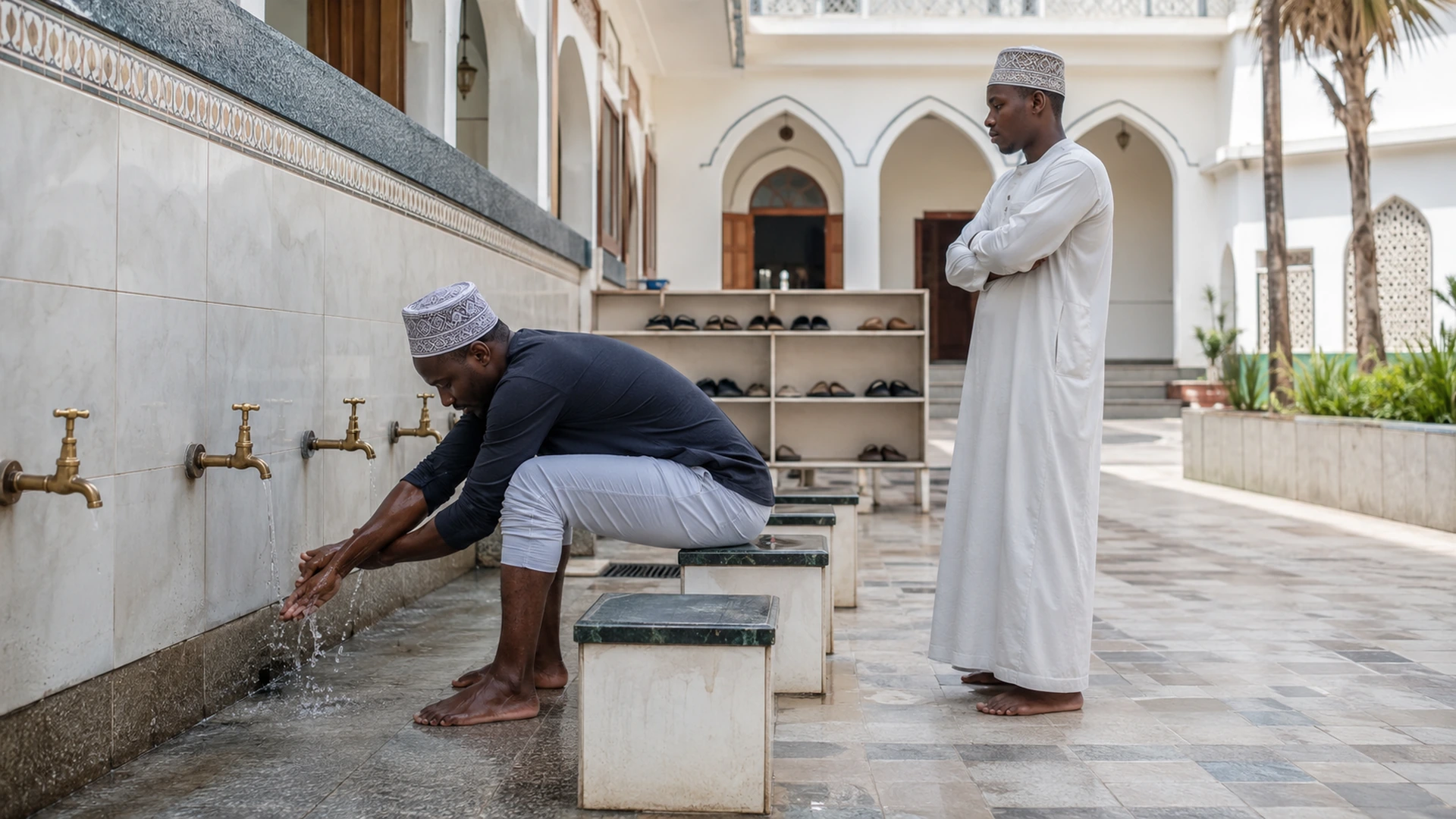
Islamic guidance does not present one universal, obligatory ceremony that every Muslim must perform when moving into a new house. A widely cited legal answer from IslamWeb states that there is no sound evidence for a specific new-house ritual, while recommending gratitude, supplication, remembrance of God and familiar practices associated with entering a home. [12]
Muslim households may begin with Bismillah, salam, Qur’an recitation, voluntary prayer, du‘a, charity or a meal shared with relatives and neighbors. An answer attributed to an Al-Azhar professor describes a wakeerah meal as a recommended way to socialize with new neighbors and strengthen community ties. [13]
Practices differ among Sunni, Shia, Sufi and regional communities. Readers should avoid declaring a cultural custom obligatory or spreading claims that a particular month, object or number automatically determines the home’s fortune. A local imam or trusted scholar can clarify what is established in the household’s tradition.
Thai Buddhist Housewarming and Merit-Making
The Thailand Foundation describes the Thai housewarming ceremony, tham boon khuen baan mai, as a Buddhist merit-making tradition for establishing a new home. It may involve inviting monks, offering a meal before midday, chanting, blessings and participation by relatives or neighbors. [9]
The ceremony is not merely a way to “charge” a building with positive energy. It is connected with generosity, merit, monastic relationships and the social inauguration of the household. The meal and hospitality are therefore part of the religious and communal meaning.
Buddhist traditions are diverse. Fo Guang Shan New Zealand reports a housewarming blessing involving sutra recitation and a purification ceremony led by an abbess, while Nichiren Shu guidance explains that a new household altar may receive an opening-eye blessing from a minister. These examples belong to different Buddhist lineages and should not be blended into one generic Buddhist ritual. [10][11]
Shinto Rites Connected With New Buildings
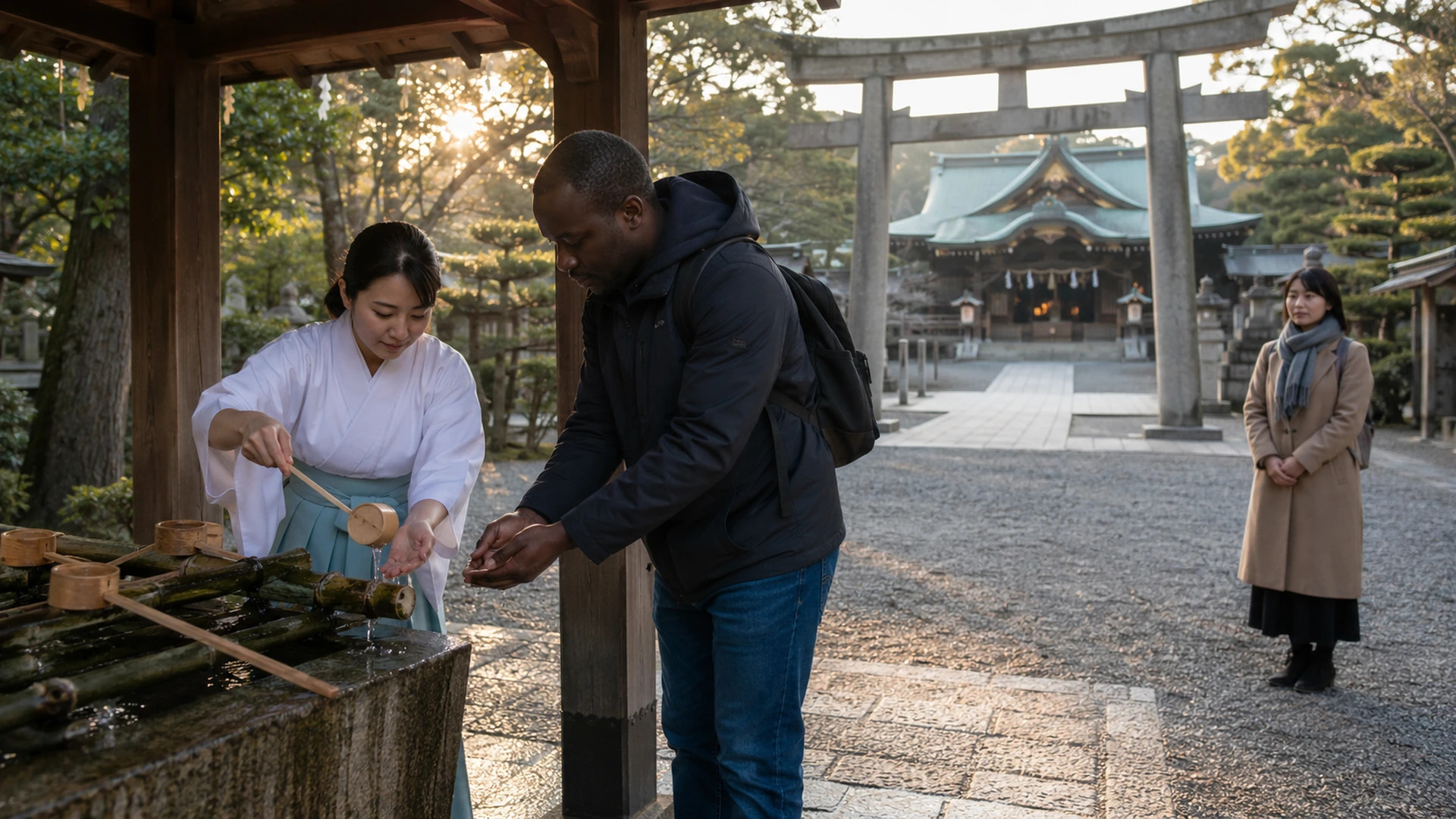
Shinto offers an important reminder that a home-related rite may happen before moving day. Jinja Honcho explains that jichinsai is performed at the beginning of construction to pray for safe completion and the long-term safety of the land and building. It involves local kami, purification and symbolic commencement of work. [14]
Some shrines also offer purification for newly built or previously occupied homes after completion. These are priest-led ceremonies within Shinto practice, not a general instruction to scatter salt or copy shrine implements at home. The appropriate procedure depends on the shrine and local custom.
This distinction improves cross-cultural accuracy: a ground-breaking rite, a completed-building purification and a move-in housewarming may all concern a home, but they occur at different stages and carry different meanings.
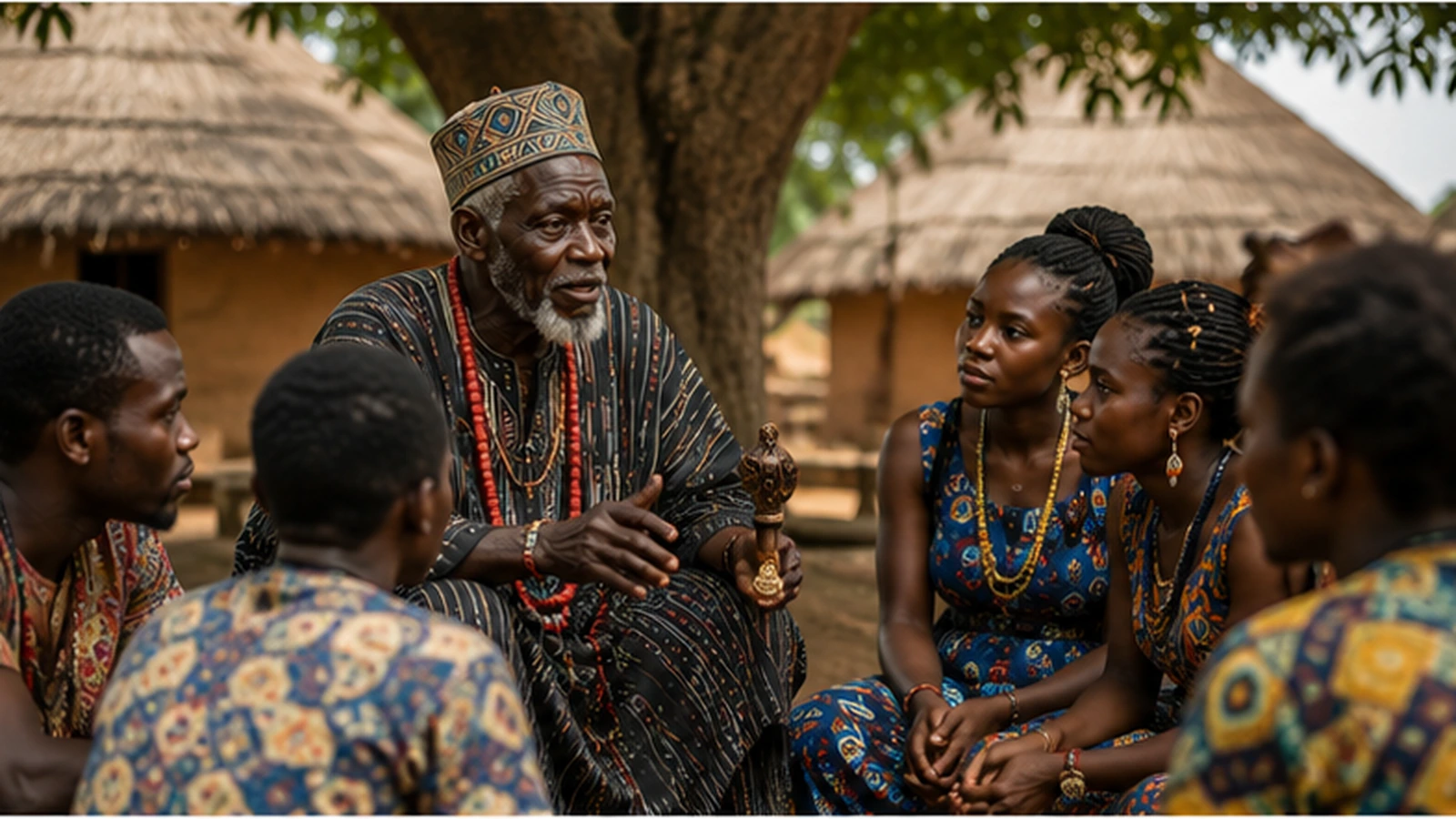
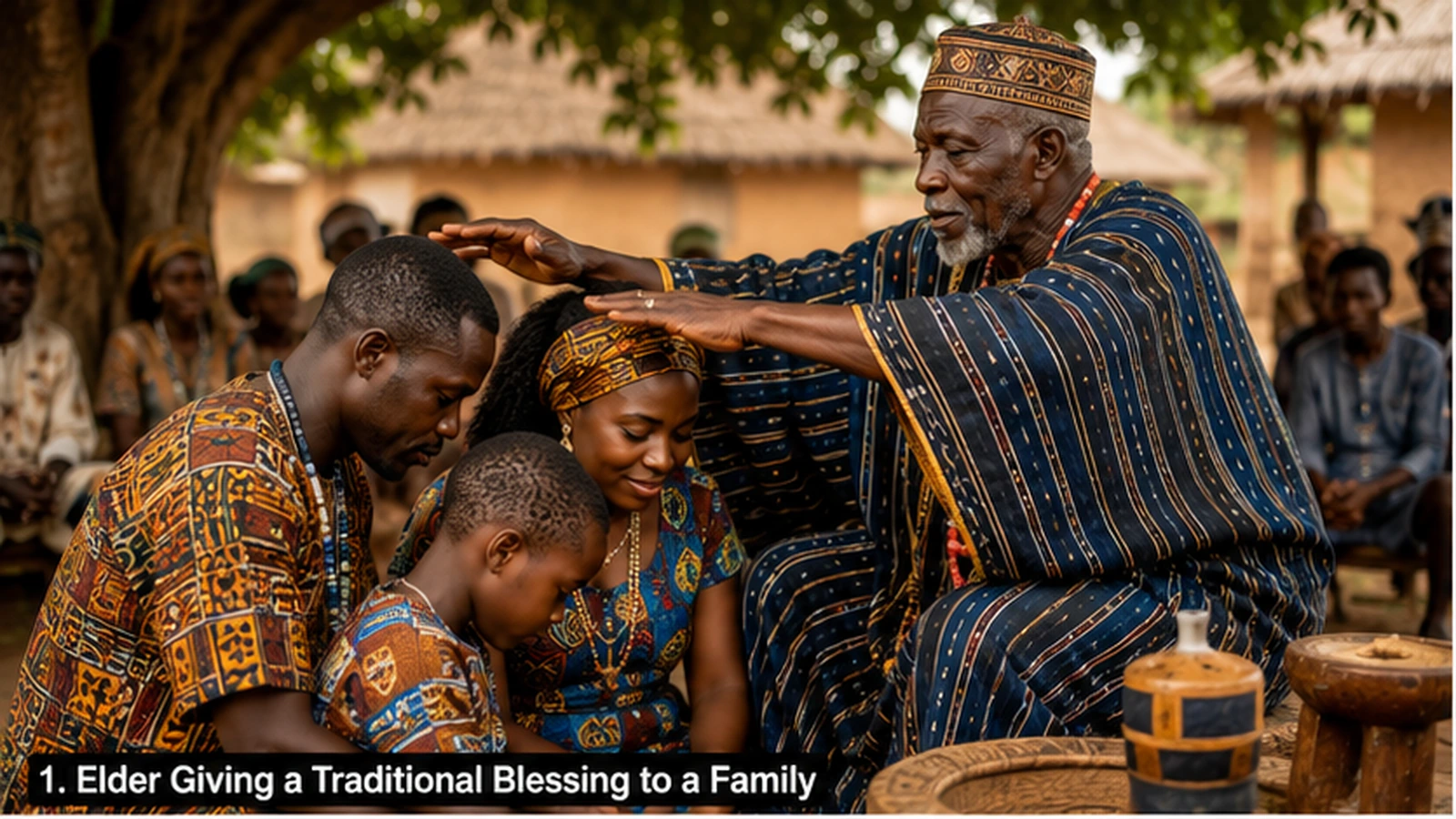
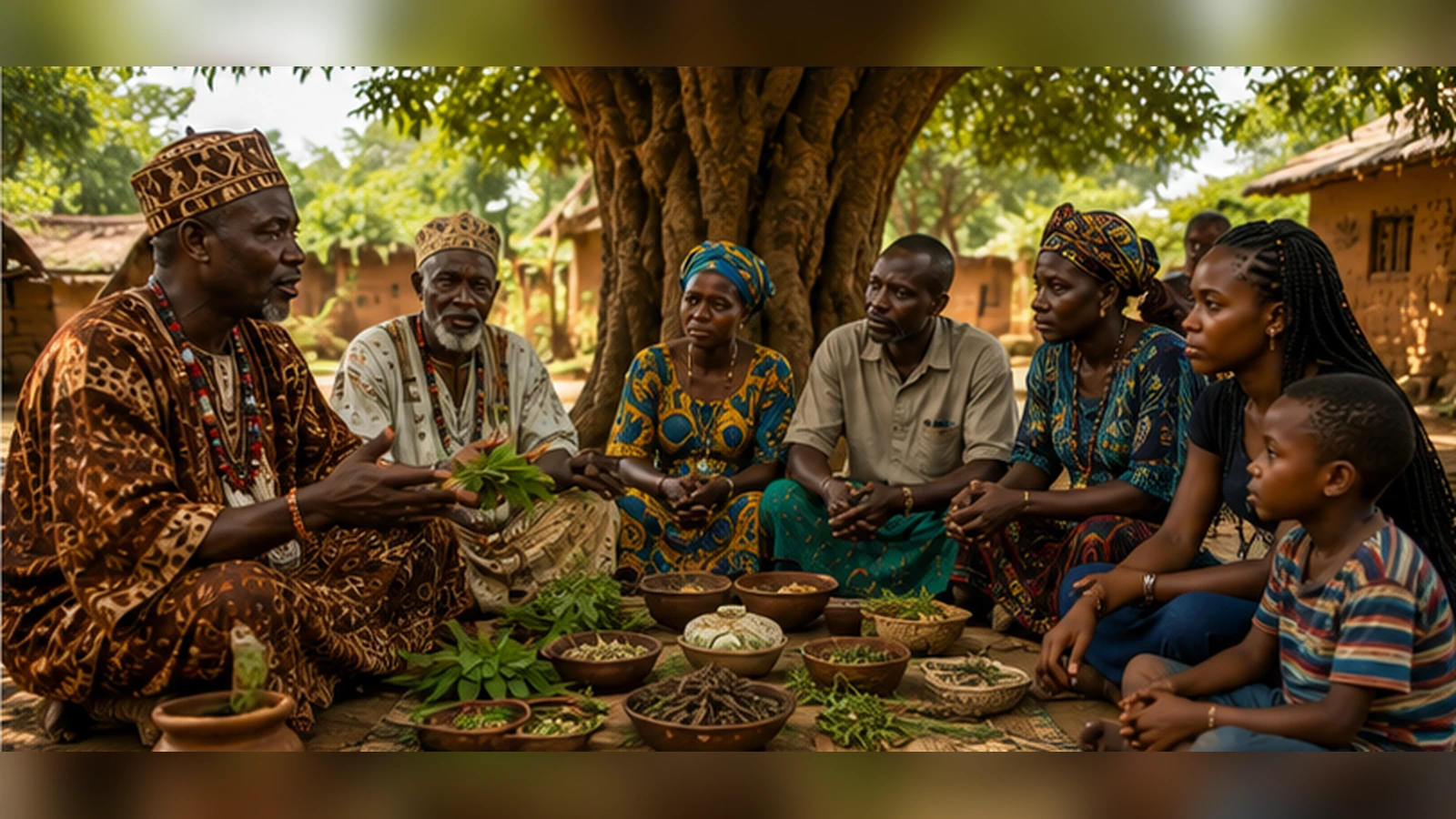
African Homes: Name the Community, Faith and Place
There is no single “African move-in blessing.” Across the continent, new homes may be welcomed through Christian prayer, Muslim supplication, family meals, visits from elders, local customary practices, or combinations shaped by migration and religious change. Describing all of these as one ancestral ceremony erases the differences among nations, languages, clans, churches and religious communities.
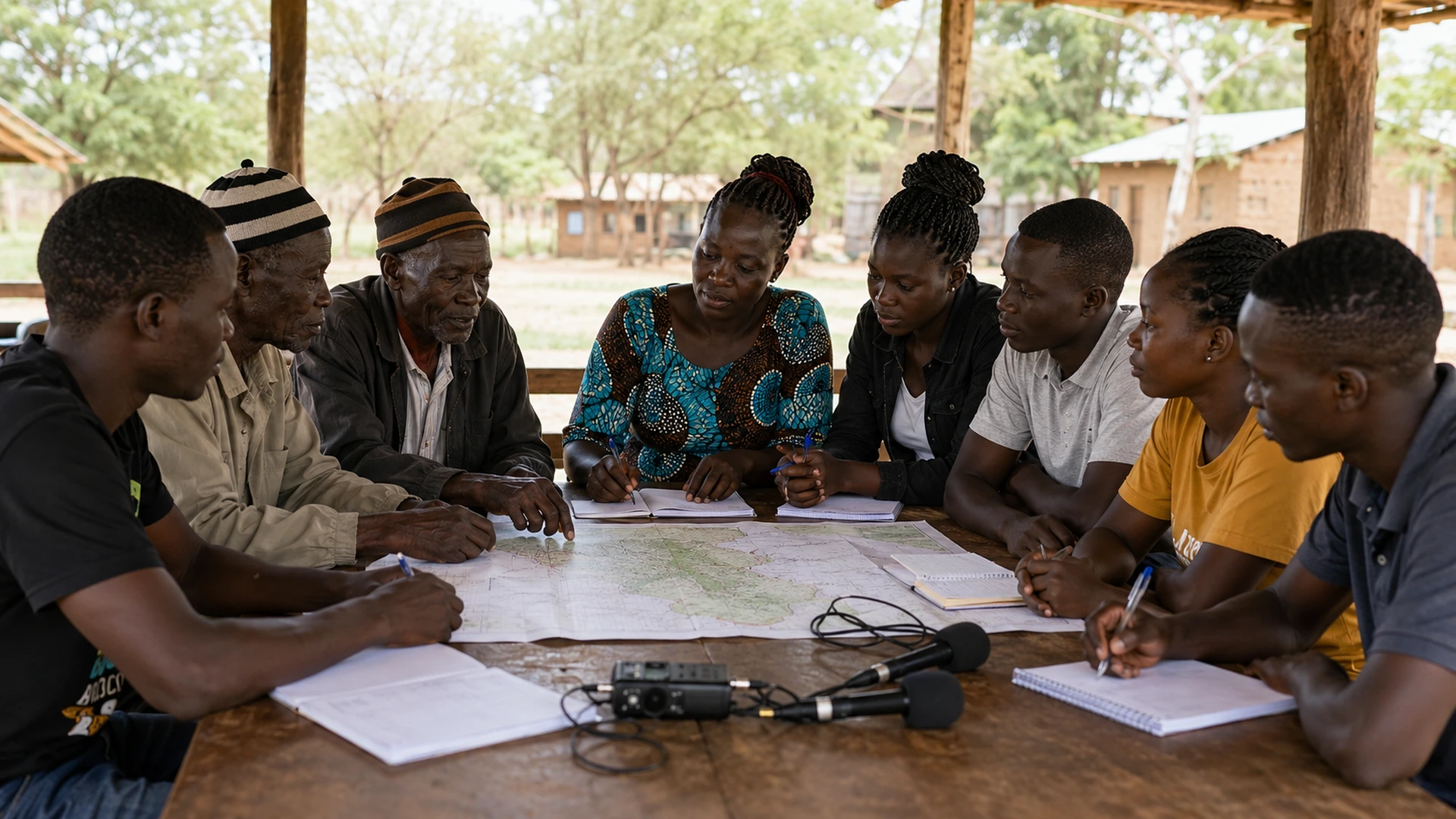
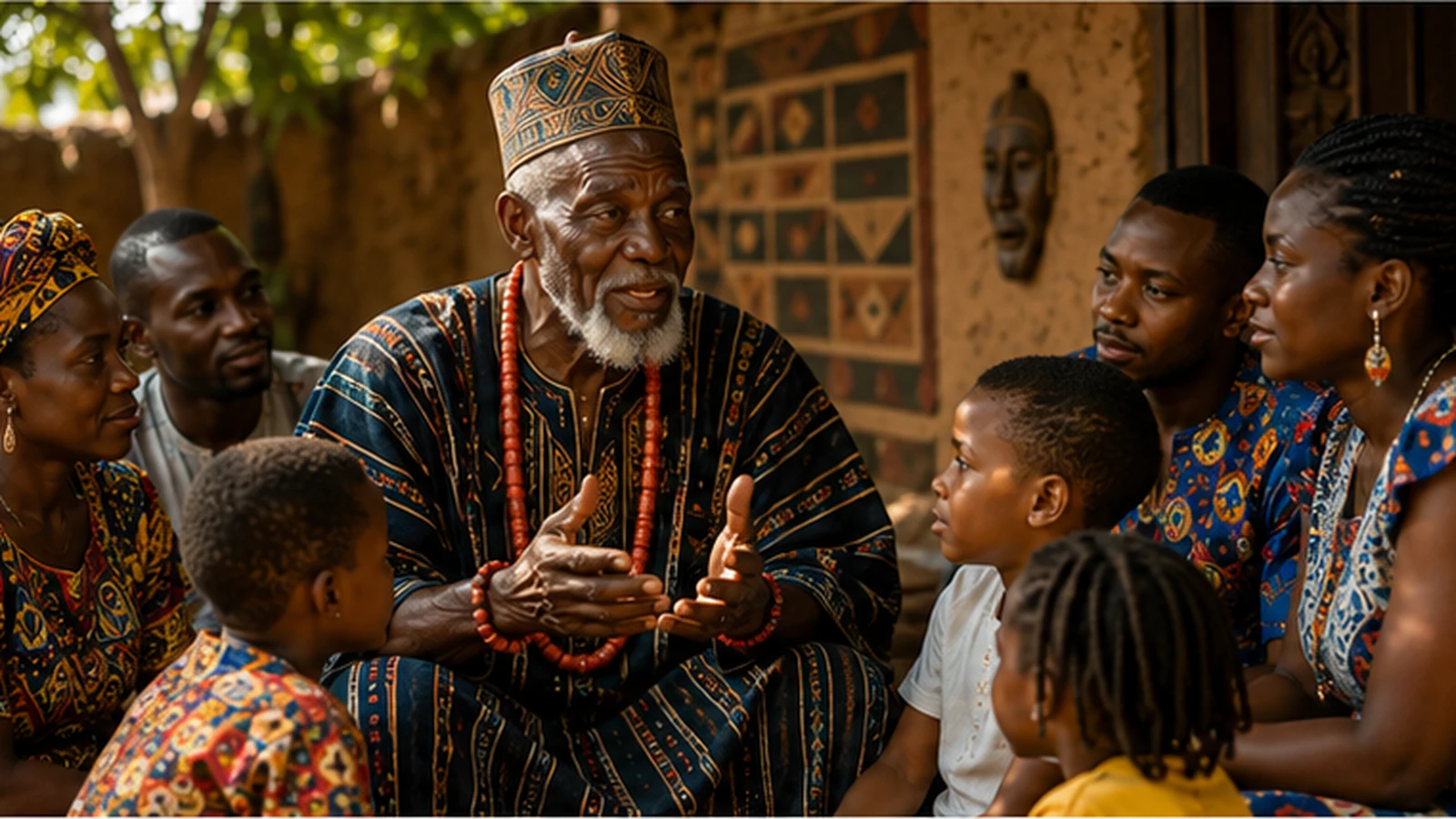
In Uganda, a household may invite a Church of Uganda priest, Catholic clergy, Muslim leader, relatives or respected elders according to the family’s faith and relationships. A family may also preserve inherited customs around hospitality, food, naming or land while rejecting practices that are not theirs. The correct account comes from the people who maintain the tradition, not from a generic online “African house blessing” script.
UNESCO’s community-based principle is useful here: a practice counts as living heritage because the community recognizes, maintains and transmits it. Outside writers should not label a newly invented ritual “ancient African” or expose restricted knowledge without consent. [15][16]
Common Elements and What They Can Mean
| Element | Possible meaning |
|---|---|
| The threshold | Marks entry into private household life; may carry prayer, greeting, sacred obligation or a formal first step. |
| Water | Can signify blessing, purification, life or readiness; its meaning differs across Christian, Hindu, Shinto and other traditions. |
| Light | May represent divine presence, welcome, hope or the beginning of household worship; it also creates a fire-safety responsibility. |
| Food | Turns a building into a place of hospitality and relationship; bread, salt, milk, fruit or shared meals have tradition-specific meanings. |
| Prayer or recitation | Names the source of blessing and the values of the household; language and leadership should follow the faith community. |
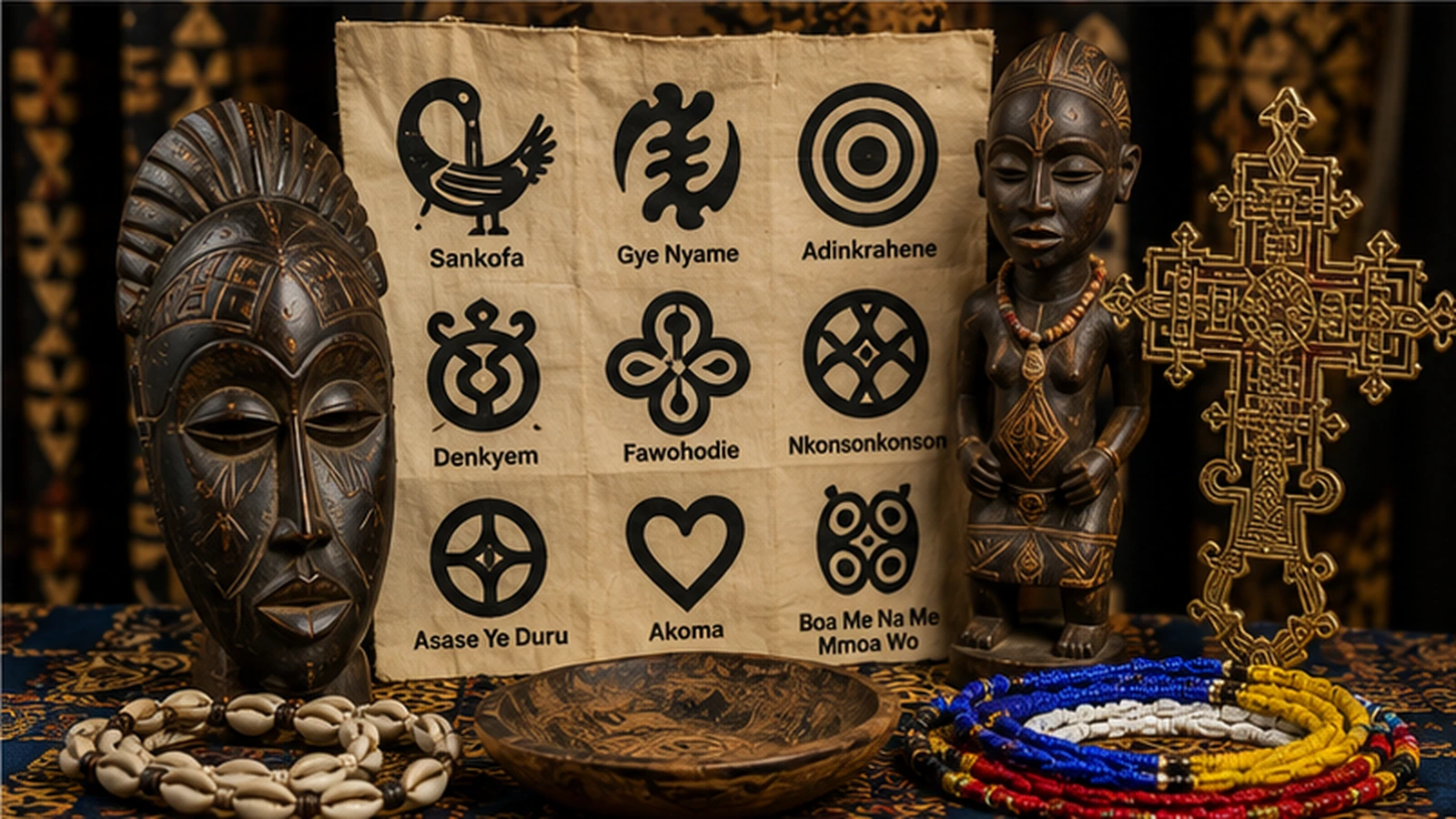
| Sacred objects | A mezuzah, cross, icon, home altar or scripture belongs to a specific religious life and should not be used as generic decor. |
| Charity | Connects gratitude for housing with responsibility toward neighbors, guests or people without secure shelter. |
| Community witnesses | Relatives, neighbors, clergy or friends help recognize that a new household has been established. |
| Cleaning and repair | Prepare the space physically and can carry symbolic meaning, but they remain practical obligations regardless of ritual. |
A Respectful Six-Step New-Home Welcome Ceremony
The following is a modern, non-denominational framework—not a traditional rite from any named culture. It can be used by a secular household or adapted with prayers authorized by the residents’ own faith. Clearly describing it as a personal ceremony prevents cultural appropriation.
1. Prepare the home physically. Check locks, utilities, smoke alarms, ventilation, water, electrical safety, pests, leaks and accessibility. Clean with appropriate products and arrange at least one comfortable shared space.
2. Gather the people who will live there. Include children and other residents in age-appropriate ways. If the home is shared, do not impose religious acts without consent.
3. Pause at the entrance. Hold the key and acknowledge the transition. You might say: “We enter this home with gratitude. May we care for this place and for one another.”
4. Walk through the main rooms. In each room, name a practical commitment: rest in the bedroom, nourishment in the kitchen, honest conversation in the living area, safety at doors and windows, responsible work at the desk.
5. Place one meaningful object. Choose something genuinely connected to the household—a family photograph, a faith object used according to your tradition, a plant, a handmade item or a written household agreement.
6. Share food and welcome. Eat with residents, relatives or neighbors; express thanks; and identify one act of hospitality or service the household will practice in its first month.
| Optional short dedication “May this home be a place of safety, truthful speech, rest, learning, hospitality and responsible care. May those who live here treat one another with dignity, and may those who enter be welcomed with wisdom and peace.” |
|---|
Ideas for Religious, Interfaith and Secular Households
| Household context | Responsible approach |
|---|---|
| Faith-specific household | Invite clergy or a knowledgeable community leader and use the tradition’s own authorized prayers and objects. |
| Interfaith household | Agree in advance which practices each person welcomes. Use separate prayers or moments rather than merging sacred symbols into one improvised rite. |
| Secular household | Center the ceremony on gratitude, household values, practical safety, shared food and commitments to neighbors. |
| Rental or apartment | Use removable objects, respect tenancy rules, avoid smoke and noise that affects neighbors, and do not alter doorframes without permission. |
| Shared accommodation | Obtain consent from housemates before religious activity in common spaces. A private room can hold personal practice that does not create hazards. |
| Remote family | Invite relatives by video, collect short recorded blessings or read messages during the first shared meal. |
| Home after grief or conflict | Do not use a ceremony to silence unresolved harm. Combine any blessing with accountability, counseling, repairs, boundaries or legal action where needed. |
Safety Before Symbolism
A meaningful beginning should not create a fire, smoke or health risk. The U.S. Fire Administration advises keeping lit candles at least twelve inches from anything that can burn, using stable holders and extinguishing candles whenever the room is unattended. Flameless candles are a safer alternative. [17]
The U.S. Environmental Protection Agency notes that burning candles and incense can produce indoor particulate matter and recommends proper ventilation when they are used. People with asthma, allergies, respiratory illness, pregnancy concerns, infants or sensitive pets may need smoke-free alternatives. [18]
Fire, smoke, water and food also interact with tenancy rules, alarms, sprinkler systems, flooring, pets and children. Never disable a smoke alarm for a ritual. Do not burn materials of unknown composition. Do not sprinkle liquids near outlets or electronics. Do not leave milk, food or offerings where they create pests, mold or sanitation problems.
Smoke-Free and Flame-Free Alternatives
Open curtains and windows where safe, then clean and ventilate the home
Use an unlit lamp, battery candle or natural daylight as a symbol of welcome
Read a prayer, poem, Scripture passage or household statement
Ring a small ordinary bell only if neighbors and housemates consent
Play music at a respectful volume
Place flowers, a plant or a family object
Offer food or charity instead of burning an offering
Walk through rooms naming practical commitments
Invite elders, clergy, friends or neighbors to speak blessings
What a Move-In Blessing Cannot Guarantee
A house blessing can provide meaning, connection and a shared beginning. It cannot guarantee wealth, fertility, health, protection from crime, a conflict-free family, freedom from structural problems or supernatural control over neighbors. Claims that a paid ritual will permanently remove every danger or force prosperity should be treated cautiously.
Use qualified professionals for wiring, gas, structural cracks, pests, mold and unsafe water.
Use locks, lighting, insurance, legal documents and neighborhood awareness for security.
Use healthcare and mental-health services for illness, trauma, anxiety or sleep problems.
Use mediation, counseling, safeguarding and legal support for household conflict or abuse.
Use budgeting and tenancy advice for rent, mortgage or debt problems.
Contact emergency services when there is immediate danger.
Cultural Respect and Appropriation
Cross-cultural learning does not require copying. A reader can appreciate why Jewish families affix a mezuzah without purchasing a decorative imitation for “good energy.” A Christian can learn about griha pravesh without performing Vedic fire ritual. A secular household can value Thai merit-making without dressing friends as monks or reproducing a ceremony from a social-media clip.
Ask four questions before using a practice: Who maintains it? Is it public? Does it require initiation, clergy or community authority? Have the participants given informed consent to documentation or adaptation? UNESCO’s ethical principles emphasize dialogue, consultation and the consent of the communities who create and transmit living heritage. [16]
When the answer is uncertain, use a simple personal act—gratitude, cleaning, food, charity, household commitments—rather than presenting an invented ritual as traditional.
Common Mistakes to Avoid
Calling every move-in custom “ancient” without evidence
Combining a mezuzah, Hindu lamp, Buddhist statue and Indigenous smoke practice into one decorative altar
Assuming all Africans, Christians, Muslims, Hindus, Buddhists or Jews follow the same ceremony
Claiming the ritual proves a home is free from danger or “negative energy”
Publishing sacred words or restricted steps without community permission
Using smoke in a lease that prohibits it or around respiratory vulnerability
Performing a faith ritual in shared space without resident consent
Replacing inspection, cleaning, repair or safeguarding with prayer alone
Turning a community ceremony into social-media content without permission
Selling certainty, fear or guaranteed prosperity
Key Takeaways
A move-in blessing marks the beginning of household life through prayer, dedication, hospitality, sacred obligation or personal intention.
There is no universal house blessing ritual.
Christian blessings, Jewish mezuzah practice, Hindu griha pravesh, Muslim moving etiquette, Buddhist merit-making and Shinto building rites have different meanings and authorities.
Thresholds, food, water, light, prayer and community appear in many places, but similar materials do not make ceremonies interchangeable.
A modern personal ceremony should be described honestly as an adaptation, not an ancient tradition.
Consent, tenancy rules, fire safety, ventilation and practical home maintenance come before symbolism.
A blessing can support hope and responsibility but cannot guarantee safety, prosperity, health or family harmony.
People Also Ask
What is a move-in blessing ritual?
It is a religious, cultural, family or personal ceremony that marks the start of life in a new home. It may include prayer, dedication, sacred objects, food, hospitality or spoken household commitments.
How do you bless a new home?
Follow your own faith’s guidance or use a simple personal ceremony: prepare the home safely, gather residents, speak gratitude at the doorway, walk through rooms naming commitments, place one meaningful object and share food.
What should you bring into a new house first?
There is no universal rule. Jewish sources describe bread and salt as a custom; some Tamil housewarmings include milk; other households bring Scripture, sacred objects, food or simply the keys. Use your own tradition rather than a mixed online list.
What is griha pravesh?
Griha pravesh is a Hindu house-entry or housewarming ceremony. Its timing, prayers, offerings and ritual details vary by region, lineage, family and priestly guidance.
Why is a mezuzah placed on a Jewish home?
A mezuzah is a kosher parchment scroll containing passages of the Shema and affixed to qualifying doorposts as a Jewish mitzvah. It is not merely a decorative good-luck object.
Is there a special Islamic ritual for moving house?
Many scholars state that there is no single obligatory new-house ceremony. Muslim households may express gratitude, say Bismillah and salam, recite Qur’an, pray, give charity or share a meal according to reliable guidance.
Can I bless a house without candles or incense?
Yes. Prayer, spoken intentions, cleaning, music, food, charity, flowers, daylight, a family object and community blessings can all create a meaningful smoke-free ceremony.
Can a house blessing remove mold, danger or conflict?
No. Spiritual or symbolic practice cannot replace remediation, repairs, secure locks, healthcare, counseling, legal help or safeguarding. Address practical risks directly.
Can renters perform a move-in blessing?
Yes, provided the practice respects the lease, housemates, neighbors and building safety. Use removable objects and smoke-free methods when required.
Should I invite an elder or religious leader?
Invite someone when the tradition calls for authorized leadership or when their presence is meaningful to the household. Confirm expectations, materials, fees and privacy before the event.
A Final Reflection
A new home is both shelter and responsibility. It contains the daily actions through which residents create trust: locking the door, preparing food, listening, apologizing, maintaining the building, welcoming guests and giving one another room to rest.
A blessing is most meaningful when it points toward those actions. The ceremony may last minutes or hours, but the dedication continues through the way the household treats people, property, neighbors and the wider community.
Begin with gratitude. Name the values you want the rooms to hold. Follow your own tradition with integrity. Then build the blessing through ordinary care.
Article Information
- Publisher
- Ancestral Temple
- Editor
- Ancestral Temple
- Last updated
- Jul 30, 2026
- Last reviewed
- Jul 30, 2026
- Content version
- 890a343870
This educational article should be read as cultural and spiritual information, not as medical, legal, financial, or emergency advice.
Helpful Related Guidance
About the Author
 Ancestral Temple
Spiritual guide and practitioner with decades of experience in ancestral wisdom, rituals, and divine guidance.
Related Posts
View All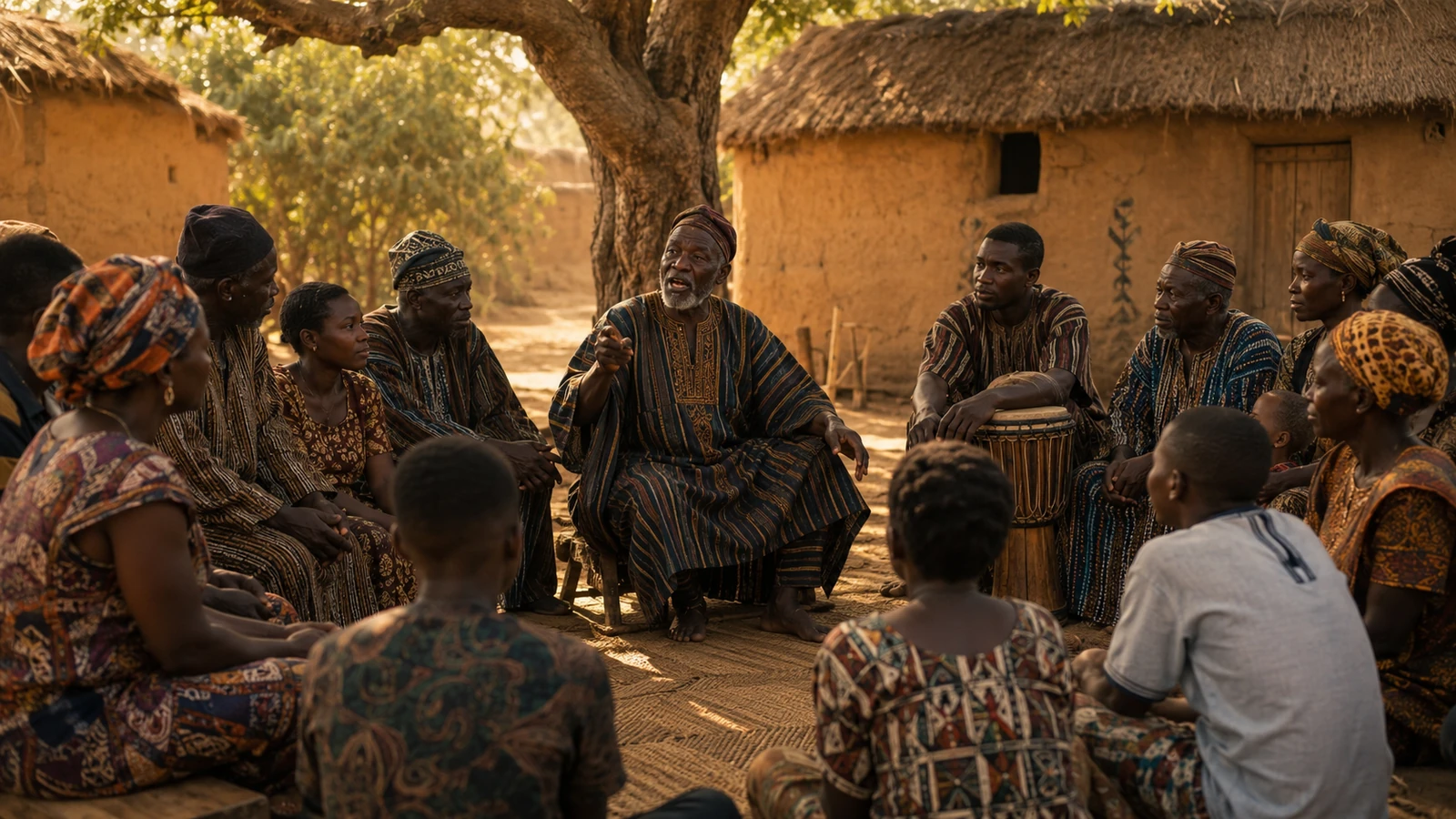







Comments
We'd love to hear your thoughts.