
Move-In Blessing: Meaning, Traditions and Rituals for a New Home
Pillar Article
Quick Summary
A move-in blessing is a meaningful way of marking the transition into a new home. It may be a formal religious service, a family prayer, the installation of a sacred household obje...
A move-in blessing is a meaningful way of marking the transition into a new home. It may be a formal religious service, a family prayer, the installation of a sacred household object, a ritual of purification, a shared meal or a simple moment of gratitude at the doorway. The purpose is not merely to decorate a building. It is to recognize that a dwelling is becoming a place of rest, relationship, work, memory and responsibility.
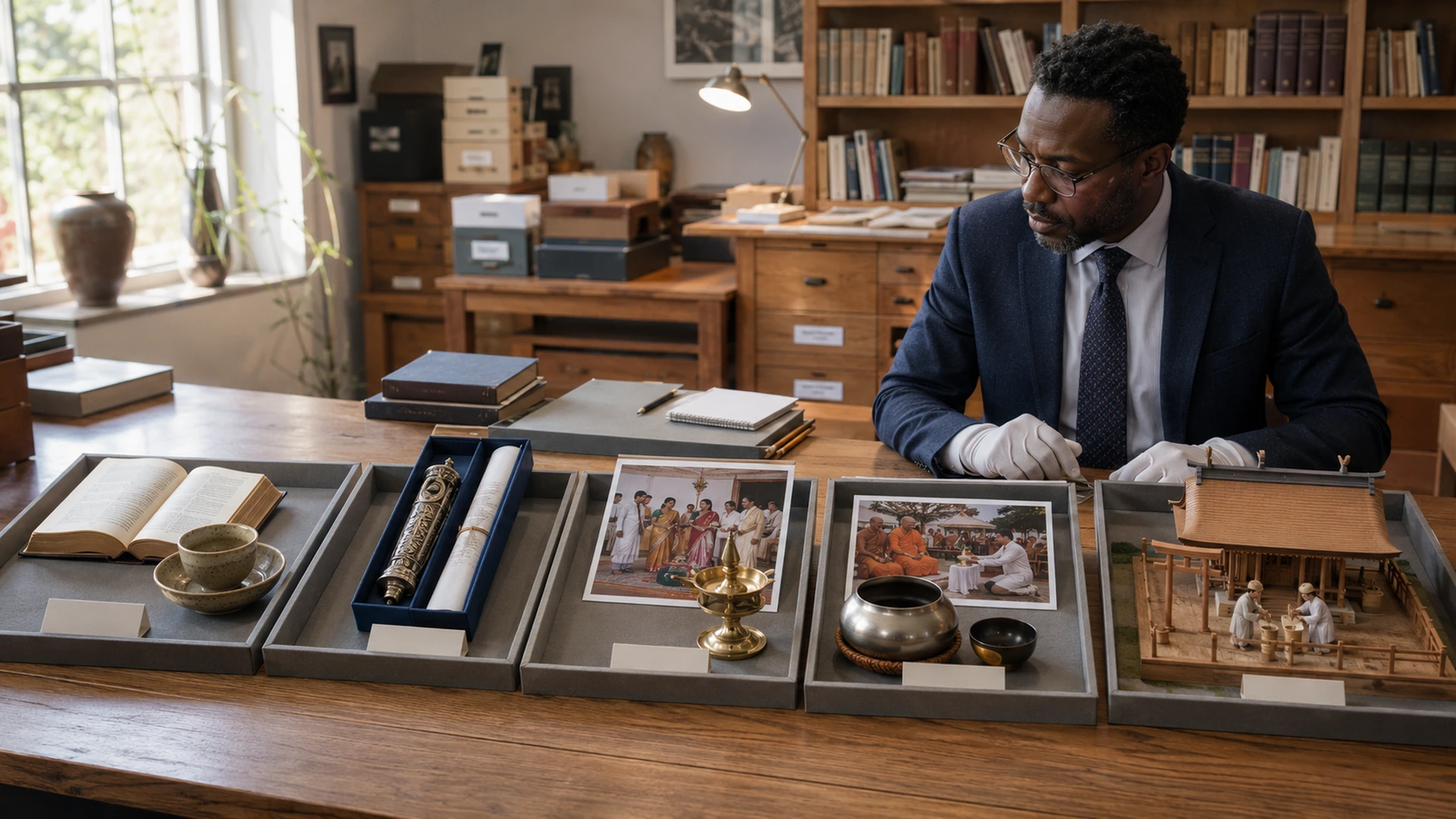
New-home rituals appear in many religions and cultures, but they do not come from one universal ancient ceremony. Christian blessings of homes, Jewish mezuzah customs, Hindu griha-pravesha rites and Japanese Shinto construction rituals developed within different histories and systems of authority. Similar actions—sprinkling water, lighting a lamp, crossing a threshold or sharing food—should not be assumed to have identical meanings.
A responsible move-in blessing also includes practical care. Prayer cannot repair unsafe wiring, stop a gas leak or replace working smoke and carbon-monoxide alarms. The strongest ceremony joins hope and gratitude with the everyday work of making a home safe, welcoming and ethically lived in.
Quick Answer
A move-in blessing is a ceremony or meaningful act used to welcome a household into a new home. It may express prayer, gratitude, protection, dedication, hospitality or responsibility. Its form depends on the family’s religion and culture, and it should support—not replace—cleaning, repairs, safety checks and respectful relationships.
What Is a Move-In Blessing?
A move-in blessing is an intentional act that welcomes people into a new dwelling and gives meaning to the beginning of household life there. The dwelling may be newly constructed, purchased, rented, inherited, renovated or shared. The blessing may be led by a priest, pastor, rabbi, Hindu priest, Shinto priest, elder, parent or the residents themselves, depending on the tradition.
The words house blessing, home dedication, move-in ritual and housewarming are related but not identical. A house blessing normally includes prayer or a request for divine favour. A dedication emphasizes how the home will be used. Cleansing prepares the space physically or symbolically. A housewarming is primarily a social welcome, although it may also include prayer, gifts and ritual actions.
No one action makes a ceremony authentic. Meaning comes from the relationship among the people, the place, the words, the authority of the person leading it and the tradition being followed.
Why Moving Into a Home Feels Spiritually Important
Moving changes daily routines, privacy, neighbours, travel patterns, finances and family relationships. Anthropologists describe major transitions through concepts such as separation, an in-between or liminal period, and incorporation into a new social state. A move-in ceremony can make that transition visible: the old home has been left, the household crosses a threshold, and a new pattern of life begins.
Ritual also gives people a structured response to uncertainty. Experimental research has found that anxiety can increase repetitive, ordered behaviour, suggesting one reason ritualized actions may feel stabilizing during uncertain moments. This does not prove that a particular blessing has supernatural effects; it helps explain why familiar, meaningful sequences can support attention and emotional steadiness during change. [8]
A new-home ceremony can therefore hold several forms of meaning at once: religious devotion, family memory, gratitude for housing, acknowledgement of builders and helpers, hope for peace, commitment to hospitality and practical preparation for safe living.
Move-In Blessing, House Cleansing, Dedication and Housewarming
| Term | Main purpose | Who may lead it | Typical elements |
|---|---|---|---|
| Move-in blessing | Prayer, goodwill or sacred welcome for residents and dwelling | Religious leader, family, elder or residents | Prayer, reading, threshold entry, water, light or shared meal |
| House cleansing | Physical cleaning or symbolic preparation before a new beginning | Residents or authorized practitioner | Cleaning, ventilation, removal of waste, culturally specific purification |
| Home dedication | Statement of the values and purposes that will shape life in the home | Residents, family or religious leader | Promises about peace, hospitality, care, study, worship or service |
| Housewarming | Social welcome and introduction of the home to family, friends or neighbours | Hosts and guests | Food, gifts, conversation, music and community |
Common Elements in New-Home Blessings
Cleaning and repair
The home is made physically ready. Dirt, construction debris and hazards are removed before symbolic actions begin.
The threshold
Entering through the main doorway can mark the change from outside to household life. In some traditions, a sacred object or prayer is connected to the doorpost.
Spoken words
Prayer, scripture, poetry, gratitude, advice or a family statement names the hopes and duties attached to the home.
Water
Some Christian traditions use holy water. Other communities use water differently. Water should not be called universal purification without cultural context.
Light or fire
A lamp or candle may symbolize presence, worship, welcome or the beginning of domestic life. Open flames require ventilation, supervision and fire safety.
Food
Bread, fruit, grain, milk, tea or a first shared meal may express hospitality, continuity and gratitude. The exact foods vary by community.
Witnesses
Family, neighbours, religious leaders or friends can recognize the new beginning and help the household form relationships.
Commitments
Residents may name how they intend to handle conflict, welcome guests, care for children, protect privacy, maintain the property and support neighbours.
A Short History of New-Home Blessings
No historian can identify one first move-in blessing. Household rituals were often oral and ordinary, so they left fewer records than temples, royal ceremonies and public religious institutions. Surviving evidence shows that homes have long been connected with kinship, food, protection, worship, inheritance and relationships with land.
Written religious traditions later preserved prayers, architectural rites and household obligations. Modern migration, apartment living and interfaith families have shortened or adapted many ceremonies. A grandparent may join through video, a priest may bless a small rented apartment, or a family may combine a formal religious rite with a separate secular housewarming.
Adaptation is normal, but it should not become careless mixing. A Jewish mezuzah, Hindu griha-pravesha and Shinto jichinsai are not interchangeable methods for creating 'positive energy.' Each belongs to a particular history, vocabulary and authority.
Christian House Blessings
Christian churches have developed many ways of blessing homes. In Catholic teaching, blessings of people, meals, objects and places belong among sacramentals. They use prayer and signs to direct daily life toward worship and divine grace; they are not mechanical guarantees of protection. [1]
Catholic, Eastern Orthodox, Oriental Orthodox, Anglican, Lutheran, Methodist, Pentecostal, Evangelical and African Independent churches do not use one identical rite. A service may include scripture, prayers in each room, the sign of the cross, holy water, hymns, a candle, a meal or a statement that the home should be used for peace and hospitality.
Greek Orthodox practice often includes annual home blessings around Theophany or Epiphany, when a priest visits with holy water. Church explanations connect this practice with baptismal life and an ongoing commitment to love, justice and humility, not merely the removal of bad luck.
Families should follow the practice of their own parish or denomination. Copying vestments, formulas or sacramental actions from another church can misrepresent both authority and theology.
Jewish Customs for a New Home
One of the most recognizable Jewish new-home practices is affixing a mezuzah to the doorpost. A mezuzah contains a handwritten parchment with passages from the Torah, including the Shema. The practice comes from the command to place these words on the doorposts of the house and gates. It marks the dwelling as a Jewish household and reminds residents of covenant and daily responsibility. [2]
The decorated case is not the central sacred text; the parchment inside is. The mezuzah should not be treated as a generic charm or opened for decorative display. Details about timing, eligible doorways, placement and blessings vary according to Jewish law and community practice.
The Shehechiyanu blessing, expressing gratitude for reaching a new or special moment, has also been associated with acquiring a new home or household items. Some families combine mezuzah installation with study, hospitality, charity, food and the welcoming of neighbours. [3]
Jewish communities are diverse. Ashkenazi, Sephardi, Mizrahi, Ethiopian, Orthodox, Conservative, Reform and other communities may differ in pronunciation, legal interpretation and surrounding customs.
Hindu Griha-Pravesha
Griha-pravesha—literally connected with entering a house—is a Hindu ceremony associated with inaugurating and entering a new dwelling. Historical architectural literature such as the Sanskrit Manasara includes a chapter on opening a dwelling house, describing purification, offerings, water, fire, benediction, decoration, entry and feeding guests. The text represents one historical framework, not a single procedure followed unchanged by every Hindu family today. [4]
Contemporary griha-pravesha ceremonies vary by region, language, lineage, temple connection and priestly tradition. They may include Ganesh worship, Vastu-related rites, a kalasha, lamps, flowers, rice, milk, sacred fire, chanting and a shared meal. Families should ask a knowledgeable priest which parts are appropriate rather than constructing a universal ritual from internet lists.
The ceremony may express gratitude, auspicious beginning, household duty and the relationship between domestic life and worship. Claims that a ritual guarantees wealth, fertility or freedom from every misfortune should be avoided.
Shinto Rituals Before and During Construction
Some home-related traditions begin before anyone moves in. In Japan, jichinsai is a Shinto ground-purification rite performed before construction or civil-engineering work. The Encyclopedia of Shinto explains that it is used to pray for safe, smooth work and for the completed structure to remain free of problems. [5]
A related architectural rite, jotōsai, marks roof-raising or a stage of construction and includes prayers concerning the building’s safety. Historical references show that these rites developed over centuries and can range from elaborate formal ceremonies to abbreviated local forms. [6]
Jichinsai should not be described as a universal Japanese housewarming or copied without understanding. It is normally led by a Shinto priest and belongs to the relationship among the locality, builders, owners and kami. Its timing before foundation work also distinguishes it from a move-in blessing performed after completion.
African Homes, Homesteads and the Need for Specificity
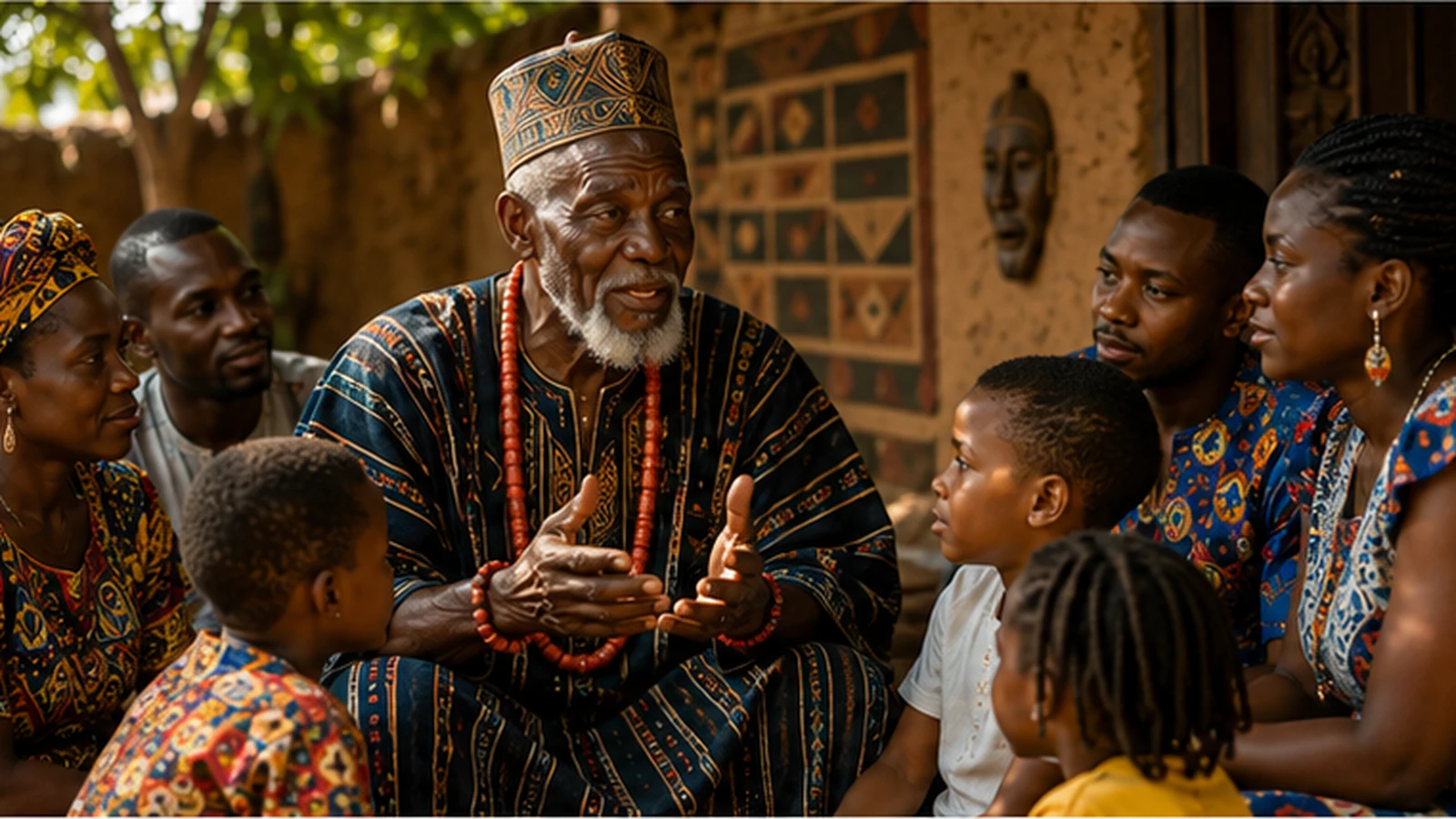
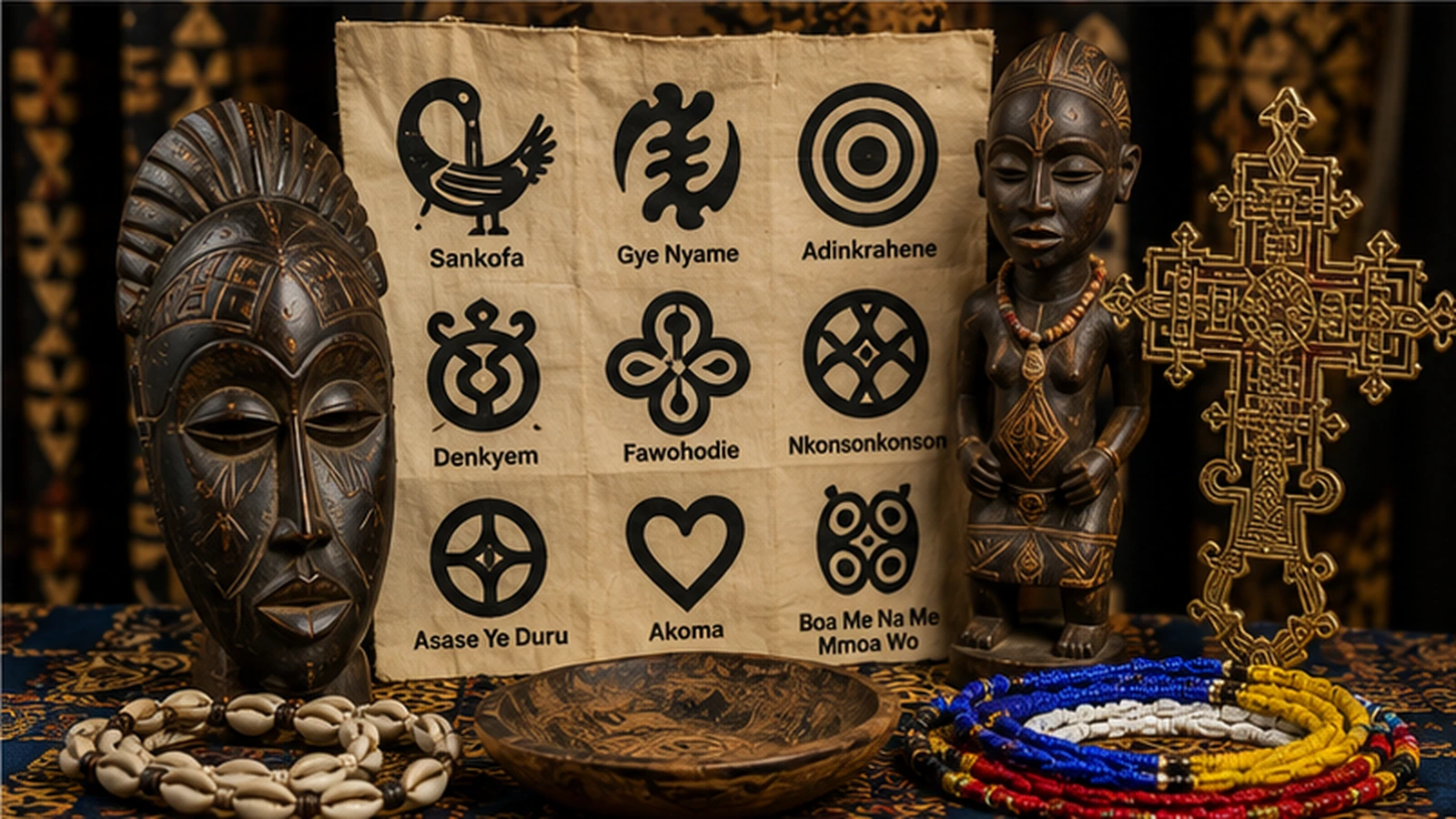
There is no single African move-in blessing. Africa contains thousands of communities, languages, religions, settlement patterns and housing histories. A family in Kampala may invite a pastor, a Muslim household may offer prayer and hospitality, an urban interfaith family may hold a secular dedication, and a rural homestead may be connected with lineage and local authority in ways that cannot be reconstructed from a generic online script.
Ethnographic research in South Africa’s Eastern Cape describes the Xhosa umzi, or homestead, as a centre of kinship, reciprocity and investment. Ritual life there may invoke ancestors and Christian forms as people sustain relationships between rural homesteads and urban relatives. This evidence shows that home, family and ritual can be deeply connected; it does not establish one standard Xhosa move-in formula. [7]
Writers and practitioners should identify the exact community, place, family and religious setting. They should not combine libation, herbs, drums, ancestor invocation and Christian prayer into an invented 'African house blessing.' Some knowledge may be private, lineage-based or led by a recognized custodian.
Secular and Interfaith Move-In Rituals
A family does not have to imitate a religious ceremony to mark a new home. A secular move-in ritual can be built around gratitude, memory, hospitality and responsibility. An interfaith family can also create a shared gathering while allowing each tradition to retain its own prayers and objects.
A simple gathering might include naming everyone who helped with the move, remembering those who cannot be present, reading a poem, opening windows, sharing the first meal, welcoming a neighbour and stating household commitments. The value comes from honesty and relationship rather than from claiming ancient authority.
How to Plan a Respectful Move-In Blessing
1. Make the home physically ready
Remove construction waste, clean surfaces, repair leaks, check wiring and confirm that doors and windows close securely. Symbolic cleansing should not hide material problems.
2. Choose one clear cultural or religious framework
Begin with your family, church, mosque, synagogue, temple, shrine or community. Do not assemble unrelated actions simply because they look spiritual.
3. Invite the right person
Authority may belong to clergy, a priest, rabbi, elder, parent, household head or the residents themselves. Age alone does not authorize every elder to perform every ceremony.
4. Decide what the ceremony should mean
Choose a few honest purposes: gratitude, peace, hospitality, responsibility, remembrance, worship or a fresh start.
5. Begin at the threshold
Welcome participants, explain the purpose and cross into the home together. Use a doorpost prayer or sacred object only when it belongs to the tradition.
6. Move through the important rooms
Pray, read or speak briefly in spaces used for rest, food, work, children and guests. Avoid turning private bedrooms into a public spectacle.
7. Share food or drink
A meal helps transform the event from performance into hospitality. Follow dietary, allergy and religious requirements.
8. Name practical commitments
Promise to maintain the home, address conflict without violence, respect neighbours, keep children safe and use the space responsibly.
9. Close with thanks
Thank builders, movers, relatives, neighbours and guests. Record the date or keep a simple memory object if desired.
A Simple Original Move-In Blessing for a Family
The following text is an original, non-denominational example. It is not a replacement for a community’s authorized liturgy:
| May this home be a place of safety, truthful speech, patient listening and generous welcome. May those who live here care for one another, respect their neighbours and use what they have responsibly. May difficult days be met with courage, wise help and honest action. May joyful days be shared with gratitude. We remember everyone whose work made this home possible, and we dedicate our life here to peace, learning, rest and service. |
|---|
Can You Bless an Apartment, Rental or Shared Home?
Yes. A meaningful home does not have to be owned or newly built. Residents can mark entry into an apartment, rented room, dormitory, temporary family house or shared home.
Renters should avoid permanent alterations without permission. A removable sacred object, prayer, shared meal, plant, framed text or small family record may be more appropriate than drilling into walls. Jewish residents should seek community guidance about mezuzah requirements in a rental or temporary dwelling.
Roommates should consent to shared rituals. One resident should not burn incense, sprinkle substances, invite a practitioner or place religious objects in common areas without discussing allergies, beliefs, privacy and tenancy rules.
Home Safety Is Part of a Responsible Blessing
A new-home ceremony should include a practical safety walk. Test locks, identify exits, store medicines and chemicals safely, check electrical outlets, confirm that cooking and heating appliances are ventilated, and save emergency contacts.
Consumer-safety guidance recommends working smoke alarms on every level of a home, inside bedrooms and outside sleeping areas. Carbon-monoxide alarms are recommended on each level and outside sleeping areas where fuel-burning appliances or other risks are present. Alarms should be tested regularly and installed according to manufacturer instructions. [9]
Never burn charcoal, operate a generator or use fuel-burning equipment inside a home or garage. Carbon monoxide is colourless and odourless and can become deadly. [9]
Incense, candles, charcoal, herbs and smoke are not harmless simply because they are used ceremonially. The World Health Organization identifies household combustion and indoor smoke as sources of harmful particulate matter and carbon monoxide. Use ventilation, respect asthma and fragrance sensitivities, keep flames away from children and fabrics, and choose smoke-free alternatives when necessary. [10]
Common Misunderstandings
“Every new home must be spiritually cleansed.”
False. Some traditions bless, dedicate or celebrate a home without describing it as contaminated.
“Salt, smoke and candles mean the same thing everywhere.”
False. Materials gain meaning within specific traditions, and some are not used at all.
“A house blessing guarantees protection.”
False. A blessing expresses faith, hope or commitment; it cannot guarantee freedom from crime, accident, illness or conflict.
“The older the ritual, the more authentic it is.”
False. Living traditions adapt, and a recent family practice can be meaningful without being called ancient.
“Any elder can perform an ancestral home ritual.”
False. Authority may depend on lineage, office, knowledge, invitation and community recognition.
“Cleansing replaces repairs.”
False. Mould, unsafe wiring, structural damage, pests and leaks require qualified practical help.
“A move-in blessing must be elaborate.”
False. A short prayer, shared meal and honest commitments may be more meaningful than a staged ceremony.
Cultural and Ethical Boundaries
Name the community and religious tradition connected to a practice.
Ask whether the ceremony is public, private, initiated or restricted.
Do not publish secret prayers, names or instructions without permission.
Do not mix unrelated African, Jewish, Hindu, Shinto, Christian or Indigenous traditions into one invented ritual.
Obtain consent before photographing or livestreaming participants and private rooms.
Avoid fear-based claims that a home is cursed, contaminated or unsafe unless expensive spiritual work is purchased.
Do not promise guaranteed protection, wealth, fertility, reconciliation or legal success.
Use qualified contractors, health professionals, legal advisers and emergency services when practical problems require them.
Key Takeaways
A move-in blessing marks the beginning of household life in a new dwelling.
It may involve prayer, dedication, gratitude, hospitality, cleansing or community recognition.
House blessing, cleansing, dedication and housewarming overlap but are not identical.
Christian, Jewish, Hindu and Shinto traditions have distinct histories and forms.
There is no single African move-in ritual; community and local authority must be identified.
A ceremony can be simple and can be adapted for apartments, rentals and shared homes.
Safety checks, repairs and working alarms belong beside spiritual or symbolic preparation.
No ritual guarantees supernatural, medical, financial or physical protection.
People Also Ask
What is a move-in blessing in simple words?
It is a prayer, ceremony or meaningful family act used to welcome people into a new home and express gratitude, hope, dedication or responsibility.
Why do people bless a new house?
People may want to recognize a major transition, dedicate the household to particular values, ask for divine blessing, honour family and welcome community.
What is the difference between a house blessing and a housewarming?
A house blessing is mainly religious or symbolic. A housewarming is mainly a social gathering, although one event can include both.
Should a home be cleaned before a blessing?
Usually yes. Physical cleaning and repairs create a safe, respectful setting. Symbolic cleansing should not substitute for hygiene or maintenance.
Who can perform a move-in blessing?
It depends on the tradition. A clergy member, priest, rabbi, elder, parent, household head or the residents themselves may lead it.
Can a nonreligious family hold a move-in ritual?
Yes. A secular ceremony can include gratitude, a first meal, welcoming neighbours, remembering helpers and stating household commitments.
What is the first thing to bring into a new home?
There is no universal item. Traditions use different foods, texts, lamps, water or household objects. Choose something meaningful within your own family or religion.
Does a house blessing remove bad energy?
Some traditions use language of purification or spiritual protection, but the phrase 'bad energy' is not universal and no outcome can be scientifically guaranteed.
Frequently Asked Questions
1. How long does a house blessing take?
A simple family ceremony may take 10 to 30 minutes. A formal liturgy, griha-pravesha, house-to-house prayer or meal may take longer. Follow the needs of the tradition rather than an artificial time target.
2. Must the blessing happen before sleeping in the home?
Not always. Some traditions prefer blessing or installing a household object promptly, while others allow a later gathering. Safety and practical housing needs may determine timing.
3. Can an old or previously occupied home be blessed?
Yes. A blessing can mark purchase, rental, inheritance, renovation, reconciliation after conflict or a new stage of family life.
4. Can I use holy water without a priest?
Rules differ among churches. In some settings lay people may use blessed water in personal devotion, while formal house blessings may be led by clergy. Ask the relevant church.
5. Can a renter install a mezuzah?
Jewish law and lease conditions both matter. Seek rabbinic guidance for timing and placement and obtain permission where physical alterations are restricted.
6. Is griha-pravesha the same across India?
No. Language, region, family lineage, priestly tradition and local custom affect timing, sequence, offerings and prayers.
7. Is jichinsai performed after moving in?
Usually no. It is primarily a ground-purification rite before construction. It belongs in a new-home article because some traditions bless the building process before the dwelling exists.
8. Can I combine several religions in one ceremony?
Interfaith families can create a respectful shared gathering, but each tradition’s prayers and objects should be represented accurately and voluntarily rather than blended into a fictional universal rite.
9. Are candles and incense required?
No. Smoke-free and flame-free ceremonies can use spoken words, daylight, flowers, music, food, water or another culturally appropriate symbol.
10. Can a move-in blessing solve family conflict?
It may create a moment for commitment, but it cannot replace communication, boundaries, counselling, legal protection or intervention when abuse is present.
11. Should neighbours be invited?
Inviting neighbours can support hospitality and safety, but it is optional. Respect privacy, building rules, noise limits and the comfort of the household.
12. Can a move-in blessing guarantee wealth or protection?
No. It can express faith, gratitude and intention, but it cannot guarantee financial success, health, security or control over future events.
Conclusion
A move-in blessing is most meaningful when it connects a household’s beliefs with truthful, responsible living. It can welcome a family, honour a religious commandment, dedicate a space to hospitality, acknowledge land and labour or simply pause before ordinary life becomes busy.
The strongest approach is culturally specific and practically grounded. Follow the guidance of your own community, keep borrowed traditions in context, obtain consent, protect privacy and make the home physically safe.
A blessing does not make future problems impossible. It gives the household a language for gratitude, responsibility and hope—and a moment to decide what kind of life will be built inside the new walls.
Final Summary
A move-in blessing is an intentional welcome into a new home. Christian house blessings, Jewish mezuzah customs, Hindu griha-pravesha and Shinto construction rites show that homes can be connected with prayer, covenant, worship, land, safety and hospitality in culturally distinct ways. A family-led ceremony may also be secular. Whatever form is chosen, it should never replace repairs, working alarms, lawful tenancy practices, medical care or respectful relationships.
Article Information
- Publisher
- Ancestral Temple
- Editor
- Ancestral Temple
- Last updated
- Jul 30, 2026
- Last reviewed
- Jul 30, 2026
- Content version
- 31b1d12448
This educational article should be read as cultural and spiritual information, not as medical, legal, financial, or emergency advice.
Helpful Related Guidance
About the Author
 Ancestral Temple
Spiritual guide and practitioner with decades of experience in ancestral wisdom, rituals, and divine guidance.
Related Posts
View All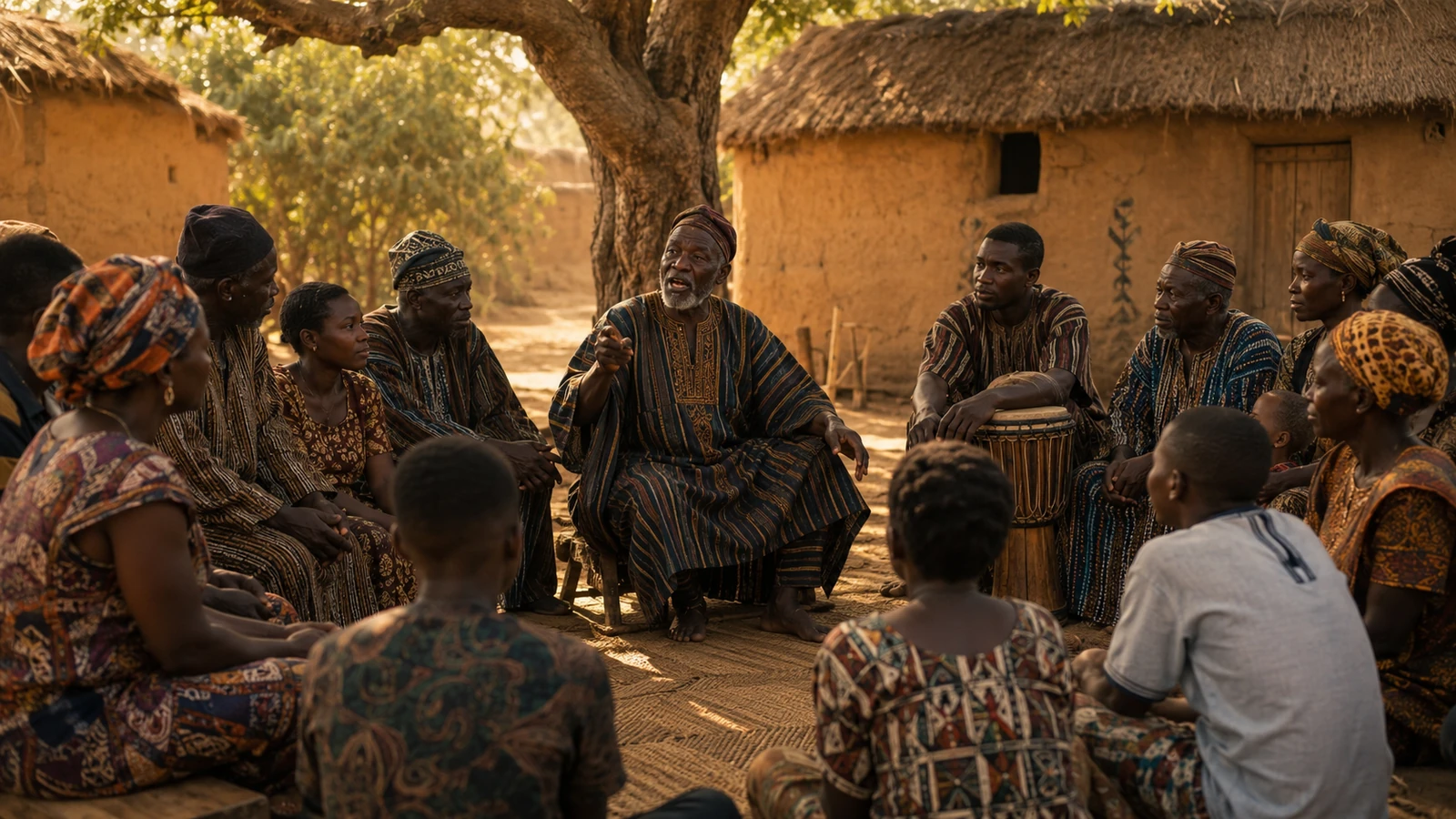







Comments
We'd love to hear your thoughts.