
House Cleansing Rituals: Smoke, Water, Prayer and Cultural Practices
Pillar Article
Quick Summary
House cleansing rituals are symbolic practices used to mark a change in a home, restore a sense of order, ask for blessing, remember family values or prepare a space for a new begi...
House cleansing rituals are symbolic practices used to mark a change in a home, restore a sense of order, ask for blessing, remember family values or prepare a space for a new beginning. Depending on the tradition, the process may include ordinary cleaning, opening doors and windows, incense or plant smoke, blessed water, salt, prayer, Scripture, song, silence or a shared meal.
There is no single worldwide house-cleansing method. An Orthodox Christian priest sprinkling holy water after Theophany, a Catholic family praying an Epiphany home blessing, a First Nations knowledge keeper leading smudging, and a Japanese shrine visitor performing water purification are participating in different systems of meaning. Their materials may look similar, but their authority, prayers, histories and purposes are not interchangeable.
A responsible approach begins with the physical home. Leaks, mold, pests, spoiled food, unsafe wiring and accumulated waste require practical action. A spiritual practice may help people focus, grieve, pray or commit to change, but it cannot replace repairs, professional cleaning, medical care or fire safety.
Quick Answer
A house cleansing ritual combines practical cleaning with a symbolic act of renewal. Smoke may carry prayer or mark sacred space; water may represent blessing and purification; prayer names the household’s hopes and responsibilities. The safest respectful method is to clean and ventilate first, use only practices connected to your own faith or family, and avoid smoke when health or fire risks are present.
What Does It Mean to Cleanse a House?
In ordinary language, cleansing can mean removing dirt, odors, clutter, moisture and hazards. In religious or spiritual language, it may mean dedicating a household to God, restoring peace after conflict, separating one life stage from another, welcoming a family into a new home or symbolically releasing memories associated with illness, grief or fear.
The strongest household practices usually connect the symbolic action to a real responsibility. A prayer for peace is followed by an apology or a boundary. A blessing for health is accompanied by fixing a leak and improving ventilation. Gratitude for shelter may lead to hospitality, rent planning, maintenance or support for someone without stable housing.
Ritual is not a scientific detector of “negative energy.” Feelings of heaviness can arise from grief, conflict, poor lighting, clutter, dampness, sleep loss, noise, unsafe relationships or distressing memories. A cleansing practice can help structure attention, but the explanation should remain open rather than automatically blaming spirits, curses or another person.
When People Commonly Cleanse or Bless a Home
Moving into a new house or returning after a long absence.
After illness, bereavement, conflict, divorce or another difficult transition.
Before a wedding, birth, religious festival, family reunion or important new beginning.
After physical repairs, flood cleanup, pest control or the removal of damaged belongings.
At a seasonal or annual time of prayer, such as Theophany or Epiphany in some Christian communities.
When a household wants to renew shared values, gratitude, boundaries or hospitality.
Four Layers of a Responsible House Cleansing
| Layer | What it includes | Why it matters |
|---|---|---|
| 1. Physical care | Remove rubbish, wash surfaces, launder fabrics, repair leaks, address pests and clear blocked exits. | Creates a genuinely safer, more usable home. |
| 2. Air and light | Open windows when outdoor air is safe, allow daylight in and reduce avoidable indoor smoke. | Changes odor and comfort without requiring ritual claims. |
| 3. Symbolic or religious practice | Use prayer, blessed water, smoke, song, silence or a family reading according to your own tradition. | Names meaning, gratitude, protection or dedication. |
| 4. Follow-through | Set a maintenance plan, repair a relationship, create a budget, seek care or establish a household rule. | Turns a temporary feeling into sustainable change. |
Smoke in House Cleansing and Blessing
Smoke is visually powerful because it moves through a room, carries fragrance and makes an invisible action visible. Across different traditions, smoke may be understood as an offering, a carrier of prayer, a sign of sacred presence, a way of preparing ritual objects or a sensory marker that ordinary activity has paused.
Incense in Christian worship is not simply a deodorizer. In Orthodox liturgy, censing accompanies prayer and honors the altar, icons and gathered people. Some house-blessing customs also use incense alongside prayer and holy water. The meaning comes from the liturgy and community, not from the chemical properties of the smoke. [1][2]
Indigenous smudging must be discussed more carefully than generic “smoke cleansing.” National Museum of the American Indian records connect different materials—such as sweetgrass, sage, cedar, pine needles and tree resins—with specific peoples and ceremonial contexts. First Nations Health Authority materials likewise place smudging among cultural and spiritual supports that may involve Elders, knowledge keepers and community protocols. These sources show why “burn any sage and copy a four-direction script” is culturally careless. [3][4][5]
Smoke Cleansing Is Not the Same as Smudging
| Practice | What it means | Respectful boundary |
|---|---|---|
| Generic smoke cleansing | A modern umbrella phrase for moving fragrance or smoke through a room with a personal intention. | May be adapted, but should not be falsely labeled as an Indigenous ceremony. |
| Smudging | A term used for particular Indigenous cultural or ceremonial practices, with materials and protocols varying by nation and community. | Learn from appropriate Indigenous sources or knowledge keepers; do not assume one universal script. |
| Christian censing | Incense used within Christian prayer, worship and blessing traditions. | Follow the meaning and authority of the relevant church tradition. |
| Household fragrance | Incense, resin or herbs burned mainly for scent. | It is fragrance unless it is intentionally situated within a tradition or prayer. |
Smoke Safety: Fragrance Is Not Harmless Air
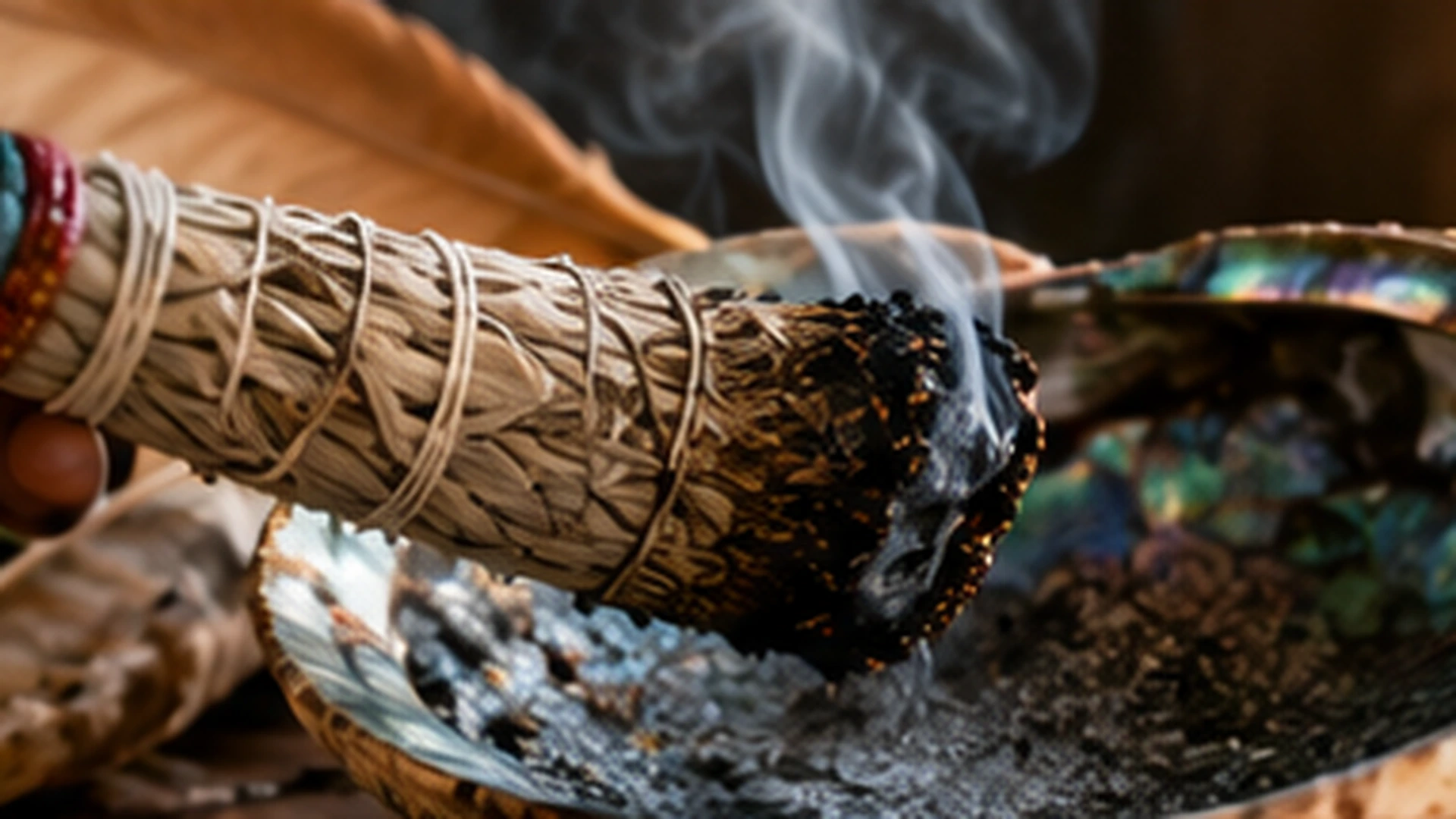
Burning incense, herbs, resins, charcoal and candles releases particles and gases. EPA and WHO materials identify incense and other combustion as potential indoor sources of particulate matter and air pollutants. Risk depends on the material, amount, ventilation, room size, frequency and the health of people and animals in the home. [8][9][12]
People with asthma, chronic lung disease, migraines, fragrance sensitivity, infants, older adults and some pets may be affected by small amounts. Smoke should never be used to prove spiritual seriousness. A no-smoke practice can be equally meaningful.
Never leave charcoal, incense or candles unattended. Use a stable heat-resistant holder, keep flames well away from curtains, paper, bedding and furniture, and extinguish everything before leaving the room or sleeping. The U.S. Fire Administration recommends flameless candles where possible and at least 12 inches of distance from anything that burns. [11]
Water in Cleansing and House Blessing
Water commonly symbolizes life, renewal, boundary crossing and purification, but its meaning differs by tradition. It may be ordinary water used as a sensory reminder, water blessed through a religious rite or water associated with a sacred place and therefore governed by community rules.
In Orthodox Christianity, the Great Blessing of Water at Theophany is followed by the sprinkling of people and homes. The Orthodox Church in America explains that holy water is used to bless everyday life and that a blessing is not a magical force added to an object; it recognizes creation as a gift and reorients its use toward God. [1][2]
The Catholic Epiphany home blessing published by the United States Conference of Catholic Bishops centers on Scripture, intercessions, the Lord’s Prayer and a prayer that the house and its inhabitants reflect Christ’s love. The rite shows that a home blessing can be primarily spoken prayer rather than a dramatic cleansing performance. [6][7]
In Shinto practice, purification with water is associated with misogi and the preparation of body and mind before approaching a shrine. Jinja Honcho explains the use of water at the purification font and the use of salt or salt water in some purification customs. These are Japanese religious practices with their own etiquette; they should not be reduced to “sprinkle salt water in every corner.” [13][14]
The Indira Gandhi National Centre for the Arts documents the cleansing role of water and renewed hearth fire in Angami Sekrenyi. This is a communal, historically situated practice involving specific roles and rules—not a recipe for outsiders to copy inside a house. Its value here is comparative: water and fire can connect bodily purification, social renewal and the household hearth within one cultural system. [15]
Prayer and Spoken Intention
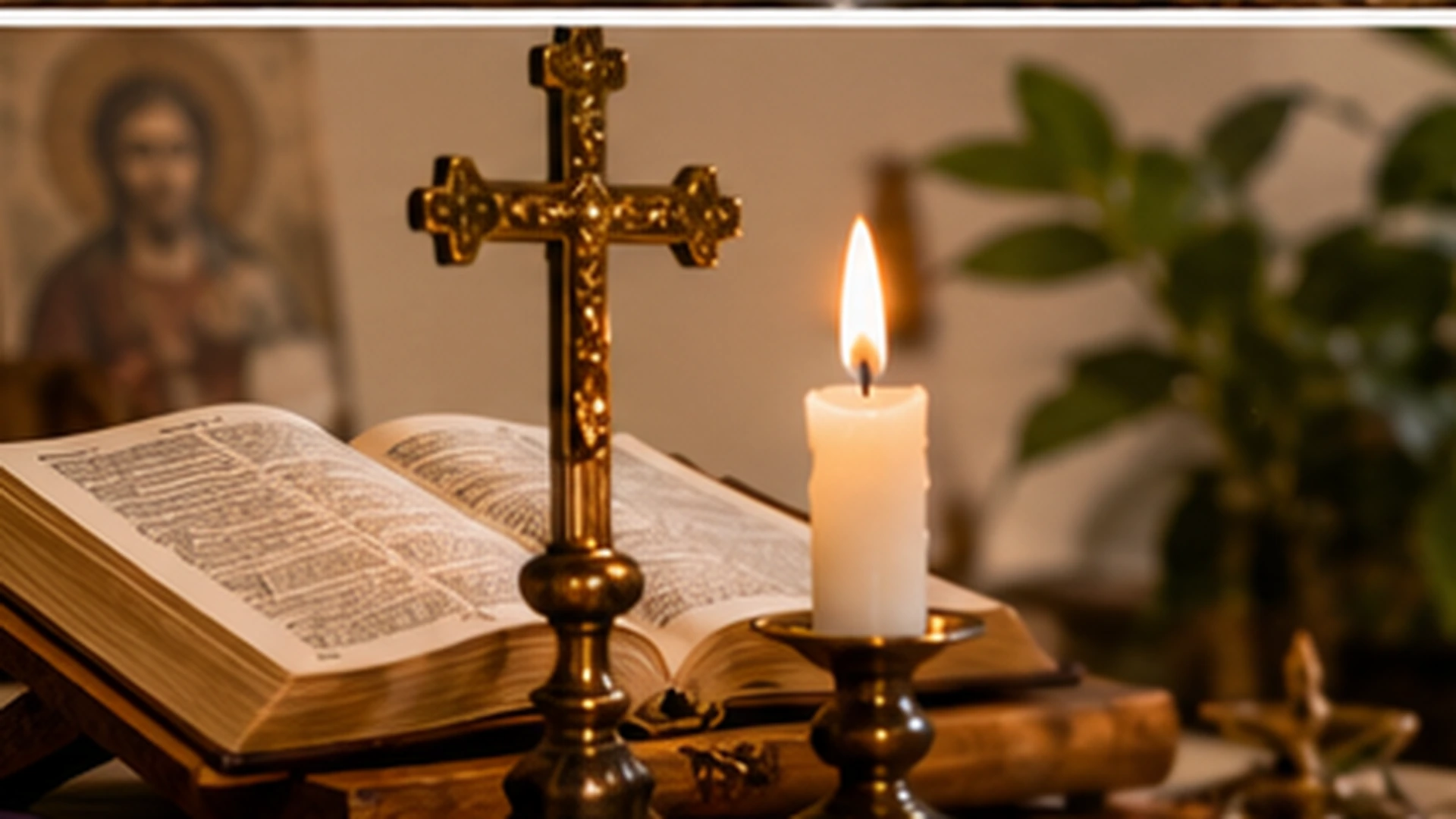
Prayer gives the cleansing process a moral and relational direction. It can ask for peace, protection, wisdom, forgiveness, hospitality or courage. A household may read Scripture, recite inherited prayers, sing, keep silence or speak in ordinary language. What matters is that the words fit the faith and responsibilities of the people who live there.
A useful prayer does not need to accuse an unseen enemy. Fear-based language can intensify anxiety or conflict, especially when it names a neighbor, relative or former resident as spiritually dangerous. A safer prayer asks for truth, wise decisions, mutual respect, rest and protection from known and unknown harm without claiming certainty about its cause.
Prayer is also not a substitute for consent. One householder should not secretly impose a ritual that violates another resident’s religion, medical needs or trauma history. Shared homes require discussion about smoke, sacred objects, visitors, noise and the use of common rooms.
A Simple House-Blessing Prayer
God of life and peace, we give thanks for this shelter and for everyone who enters it. Help us remove what is harmful, repair what is broken and use this home with wisdom. May our words be truthful, our boundaries be respected, our work be fruitful and our hospitality be generous. Protect those who live here, guide our decisions and make this household a place of rest, responsibility and compassion. Amen.
This prayer is intentionally general. People should use prayers authorized by their own faith community when participating in a formal religious blessing.
Cultural Practices: Similar Materials, Different Meanings
| Tradition | Materials or actions | Documented meaning | Important boundary |
|---|---|---|---|
| Orthodox Christian house blessing | Prayer, holy water, cross, sometimes incense | Sanctification and dedication of home and household to God | Do not imitate clergy-only actions or call it magic. |
| Catholic Epiphany home blessing | Scripture, intercessions, Lord’s Prayer, blessing; sometimes chalk in local custom | Christ’s presence, hospitality, peace and responsibility | Use the official or local church form rather than invented promises. |
| First Nations smudging | Materials and protocols vary by nation; may include sage, sweetgrass, cedar, tobacco or other medicines | Prayer, purification, healing, connection and cultural identity in specific communities | Learn from the relevant community; avoid generic scripts and commercial appropriation. |
| Shinto purification | Water, salt or salt water within specific shrine and household customs | Removal of kegare and preparation for respectful worship or renewed life | Do not treat Japanese purification as a universal salt-water spell. |
| Angami Sekrenyi | Water, renewed fire and community rules within a festival context | Bodily and social purification, health and renewal of the hearth | Not a DIY home ritual; observe the gendered and communal historical context. |
| Võro smoke sauna | Smoke sauna, heated stones, water, bathing and family transmission | Relaxation, bodily care, family custom and heritage | It is a living Estonian tradition, not evidence that smoke automatically cleanses any building. |
How to Create a Respectful House-Cleansing Practice
The following method is intentionally non-denominational and smoke-free. It does not claim to reproduce a traditional ceremony. Adapt the prayer or reflection to your own beliefs and obtain consent from everyone who shares the space.
State the real purpose. Name the transition: moving in, recovering after conflict, finishing repairs, mourning a loss or renewing household habits.
Check safety first. Address gas smells, electrical hazards, violence, pests, contaminated water, leaks and mold before any ritual activity.
Clean physically. Remove rubbish, wash high-touch surfaces, launder fabrics, clear blocked pathways and repair the source of persistent odors.
Open the space. Use daylight and ventilation when weather and outdoor air quality allow. Avoid opening windows during dangerous smoke, dust or pollution events.
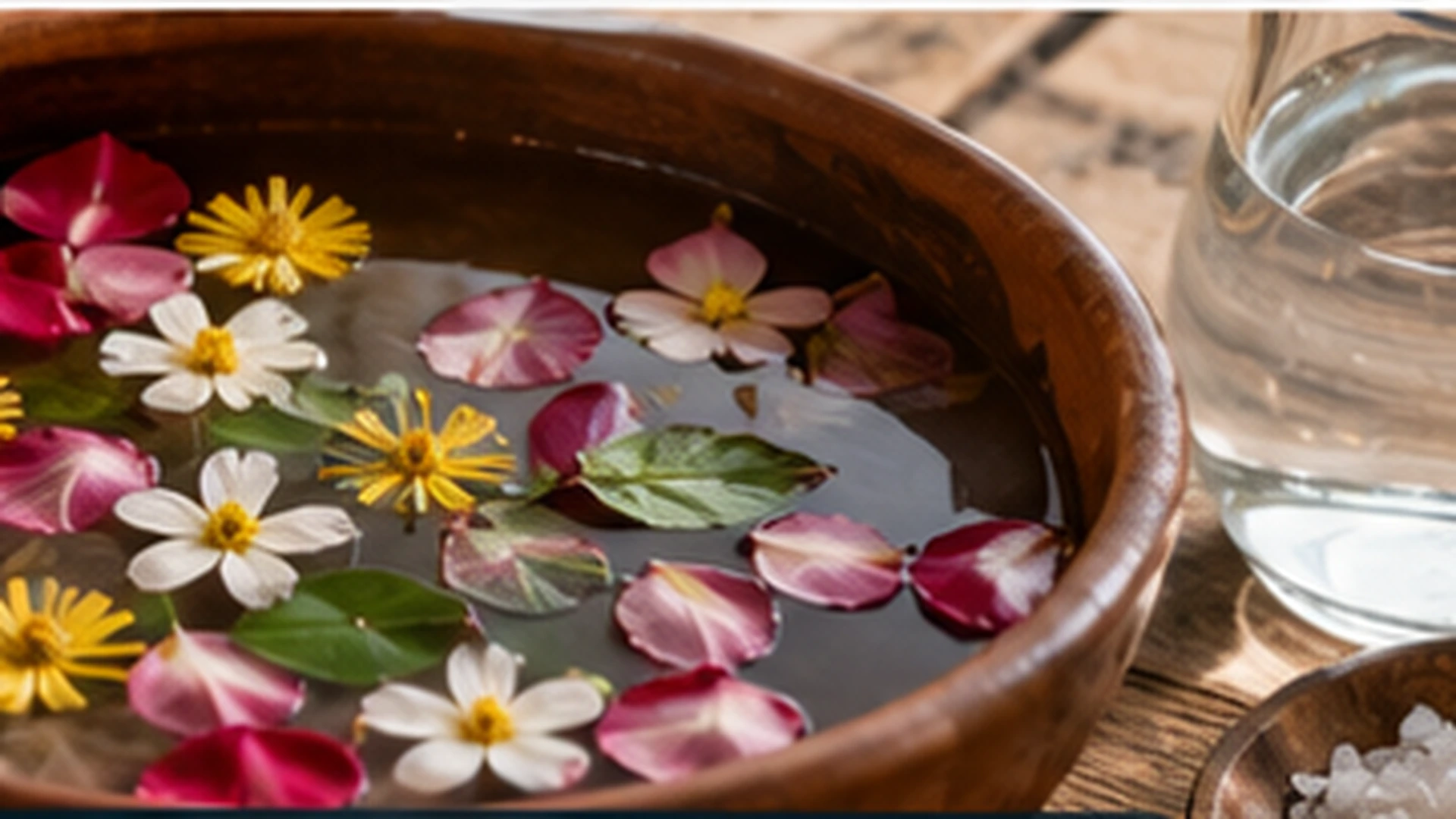
Choose one simple symbol. Use a bowl of clean water, fresh flowers, a family photograph, a meaningful book or an LED candle. More objects do not make the practice stronger.
Walk through the home calmly. Pause in each room to identify its purpose: rest, food, study, work, hospitality or privacy.
Speak a prayer or intention. Ask for peace and wisdom, and name one responsibility connected to each room.
Remove what should not remain. Dispose of spoiled food and unsafe items; donate usable clutter; archive important memories rather than throwing them away impulsively.
Make one practical commitment. Examples include fixing a lock, creating a cleaning rota, reducing conflict at bedtime, setting a savings plan or seeking professional support.
Close with gratitude. Share water or a meal, play meaningful music, sit quietly or invite household members to name what they want to protect in the home.
No-Smoke Alternatives
Prayer, Scripture, poetry, song or a moment of silence.
Opening curtains and windows when safe.
Cleaning with unscented products and laundering fabrics.
A bowl of water used as a visual symbol and then poured into a sink or used for a houseplant.
Fresh flowers, leaves from your own garden or a meaningful family object.
An LED candle instead of an open flame.
Clapping, bells or music when all residents consent to the sound.
A shared meal, donation or act of hospitality that expresses the household’s values.
What a House Cleansing Cannot Do
A cleansing ritual cannot prove that a house is cursed, haunted or contaminated by another person’s intentions. It cannot identify who caused a problem, guarantee protection from crime, cure illness, remove carbon monoxide, kill mold, repair wiring or make an unsafe relationship safe.
Claims that a practitioner can detect a deadly spiritual threat and remove it only after repeated urgent payments are a serious warning sign. Ethical spiritual guidance should not create panic, debt, secrecy or dependence.
If fear continues after the ritual, look at practical causes. Check locks, lighting, smoke and carbon-monoxide alarms, sleep, medication effects, recent trauma, noise and household conflict. Persistent distress, voices, paranoia or inability to sleep deserves compassionate professional support rather than escalating ritual claims.
Mold, Dampness and Odors Need Physical Solutions
Musty odor and visible mold are moisture problems, not evidence of spiritual impurity. EPA and CDC guidance emphasizes cleaning the mold and fixing the water source. Spraying perfume, burning incense or praying over a damp wall does not stop growth. [9][10]
After floods or major leaks, damaged materials may need removal, protective equipment or professional remediation. Never mix cleaning chemicals. Follow product instructions, keep children and pets away from the work area and seek local public-health guidance when contamination is extensive.
Common Misunderstandings
| Misunderstanding | More accurate explanation |
|---|---|
| “More smoke means a stronger cleansing.” | More smoke mainly means more combustion products and greater fire and respiratory exposure. |
| “Smudging is the universal Indigenous way to cleanse a home.” | Indigenous peoples have distinct practices, medicines and protocols; there is no single universal ceremony. |
| “Salt water is used the same way everywhere.” | Shinto, Christian and folk uses of water or salt have different meanings and authorities. |
| “If the home still feels heavy, someone cursed it.” | Fear, grief, clutter, conflict, dampness, poor sleep and unsafe conditions can all affect how a space feels. |
| “A ritual replaces cleaning.” | Symbolic renewal works best after real maintenance, sanitation and repair. |
| “Every house blessing needs a priest or healer.” | Formal rites may require clergy or cultural authorities, while families can also pray, clean and reflect without imitating restricted actions. |
| “Natural incense is safe for everyone.” | Natural combustion still creates particles and may trigger symptoms. |
| “Leaving food or liquid outside is always respectful.” | Offerings can become litter, attract animals or violate rules at graves, rivers, rental properties and heritage sites. |
Key Takeaways
House cleansing can combine physical care, symbolic renewal and prayer, but these layers should not be confused.
Smoke, water and prayer have different meanings in different cultural and religious traditions.
Smudging is not a generic synonym for moving smoke around a house.
No-smoke practices are valid and often safer for children, pets and people with respiratory sensitivity.
Holy water, salt, incense and sacred plants are not universal tools with identical powers.
A spiritual practice cannot replace mold removal, repairs, medical care, security measures or conflict resolution.
Respect means naming the community, learning from appropriate sources and avoiding invented ceremonies.
The most meaningful cleansing ends with a practical commitment that improves daily life in the home.
People Also Ask
What is a house cleansing ritual?
It is a symbolic practice for renewing or blessing a home, often combined with cleaning, prayer, smoke, water, song or a spoken intention. Its meaning depends on the tradition and household.
How do you spiritually cleanse a house?
Begin with physical cleaning and safety, then use a prayer or symbolic action consistent with your own beliefs. Smoke is optional, and cultural ceremonies should not be copied without guidance.
Can prayer cleanse a home?
In many religions, prayer is central to blessing or dedicating a household. Prayer can focus values and hope, but it does not replace repairs, sanitation or professional help.
Can I cleanse a house without smoke?
Yes. Use cleaning, ventilation, water, flowers, music, prayer, an LED candle, a shared meal or a practical household commitment.
Is smudging the same as smoke cleansing?
No. “Smoke cleansing” is a broad modern phrase. Smudging refers to particular Indigenous cultural practices that vary by nation and community.
Does holy water remove negative energy?
Religious traditions understand holy water through their own theology. Orthodox and Catholic blessings are acts of faith and prayer, not scientifically measured energy removal.
Is burning incense indoors safe?
It produces particles and gases. Use very small amounts, ventilation and fire-safe equipment, or choose no-smoke alternatives—especially around respiratory illness, children and pets.
Should you cleanse a new home before moving in?
Many people clean, pray or bless a new home as a transition. Inspect utilities, locks, moisture, pests and safety equipment first.
Can house cleansing remove mold?
No. Mold requires moisture control, physical cleanup and sometimes professional remediation.
How often should a house be cleansed?
There is no universal schedule. Some traditions have annual blessings; other households mark moves, festivals or major transitions. Daily maintenance matters more than repeated fear-based rituals.
Frequently Asked Questions
What room should I start with?
Start with the entrance or the area causing the most practical concern. The order has no universal spiritual rule.
Do I need sage?
No. Sage is not required, and some sage traditions are Indigenous and culturally specific. Use prayer, water, unscented cleaning or materials from your own tradition.
Can I use frankincense or myrrh?
They have long religious and fragrance histories, but burning them creates smoke. Use a safe electric warmer, ventilation or skip fragrance entirely.
Can renters perform a house cleansing?
Yes, provided the practice follows the lease, fire rules and consent of other residents. Do not stain walls, leave residue or disable smoke alarms.
Should doors and windows be open?
Ventilation can reduce odors and smoke when outdoor air is safe. Keep windows closed during severe pollution, wildfire smoke or dangerous weather.
Can I cleanse a house after someone dies?
Families may clean, pray, remember and seek clergy or cultural guidance. Grief rituals should honor the deceased without forcing frightened interpretations on survivors.
What should I do with cleansing water?
Ordinary symbolic water can go down a clean sink or water a suitable plant. Blessed water may have tradition-specific handling; ask the relevant religious authority.
Can I mix several traditions?
Avoid creating a fictional ceremony by combining unrelated sacred practices. A simple personal reflection can be honest without borrowing protected names or rituals.
Is clapping or ringing a bell a cleansing ritual?
Sound can mark a transition or focus attention. It is a personal practice unless connected to a documented tradition, and residents should consent to the noise.
What if a child is afraid of the house?
Address lighting, sounds, nightmares, media exposure and safety. Use reassuring routines rather than confirming frightening supernatural claims.
Can a house cleansing protect against burglary?
No ritual replaces locks, lighting, alarms, neighborhood awareness and local security advice.
When should I seek professional help?
Seek qualified help for mold, structural damage, gas or electrical hazards, pests, domestic violence, severe anxiety, hallucinations or persistent sleep disruption.
Conclusion
House cleansing rituals endure because homes carry more than furniture. They hold meals, conflict, prayer, work, illness, memory and hope. Smoke, water and words can help a household mark a transition, but the symbols become responsible only when they are connected to truthful cultural context and practical care.
The safest approach is straightforward: clean what is dirty, repair what is damaged, ventilate when appropriate, choose a prayer or symbol that genuinely belongs to you, respect everyone who shares the space and finish with an action that improves daily life. A renewed home is not one that looks mystical. It is one that becomes safer, calmer, more honest and more hospitable.
Final Summary
A house cleansing can be a meaningful spiritual or cultural practice, but it should never be confused with sanitation, medical treatment or proof of supernatural danger. Clean first, learn the tradition, use smoke sparingly or not at all, handle water and sacred materials respectfully, pray without fear-based accusations and follow the ritual with practical responsibility.
Article Information
- Publisher
- Ancestral Temple
- Editor
- Ancestral Temple
- Last updated
- Jul 30, 2026
- Last reviewed
- Jul 30, 2026
- Content version
- 8ccf94f74b
This educational article should be read as cultural and spiritual information, not as medical, legal, financial, or emergency advice.
Helpful Related Guidance
About the Author
 Ancestral Temple
Spiritual guide and practitioner with decades of experience in ancestral wisdom, rituals, and divine guidance.
Related Posts
View All









Comments
We'd love to hear your thoughts.