
House Cleansing After Illness, Conflict or Disturbing Events
Pillar Article
Quick Summary
A house can feel changed after illness, a serious argument, bereavement, burglary, frightening incident or another disturbing event. The rooms may contain germs, damaged objects, s...
A house can feel changed after illness, a serious argument, bereavement, burglary, frightening incident or another disturbing event. The rooms may contain germs, damaged objects, smoke, unpleasant smells or reminders of what happened. Even when the physical danger has passed, people may feel tense, avoid a room, sleep poorly or describe the home as heavy, unclean or spiritually unsettled.
House cleansing in this situation should not be treated as one mysterious act. It has at least three different meanings:
1. Physical cleaning and safety: removing dirt, germs, damaged materials, smoke, mold, blood, chemicals or other hazards.
2. Emotional and social recovery: restoring order, repairing boundaries, talking with trusted people and helping the household feel secure again.
3. Spiritual or religious renewal: using prayer, blessing, clean water, light, sound, a meal or another meaningful practice to mark the return to ordinary life.
These layers may support one another, but they are not interchangeable. Prayer does not disinfect a contaminated surface. Bleach does not resolve grief. Burning incense does not repair a broken lock or make an abusive person safe. A responsible home reset begins by identifying what actually happened and what kind of help is required.
Quick Answer
To cleanse a house after illness, conflict or a disturbing event, begin with safety and ordinary cleaning. Ventilate the home, wash visibly dirty surfaces, disinfect only where illness or contamination makes it necessary, repair hazards and seek professional help for blood, sewage, chemicals, major mold, fire damage or crime scenes. After the practical work, use prayer, water, light, music or a shared meal to mark recovery in a way consistent with your culture and beliefs.
First Decide What Kind of Situation You Are Facing
The phrase “disturbing event” can describe very different conditions. The correct response to a healed respiratory illness is not the same as the response to domestic violence, an unattended death, sewage, fire or chemical contamination.
| Situation | First practical response | Possible symbolic response | Professional threshold |
|---|---|---|---|
| Ordinary illness with no major contamination | Ventilate, clean high-touch surfaces, wash laundry and follow medical guidance | Prayer, fresh bedding, light, a shared meal | Seek medical advice for ongoing symptoms or high-risk household members |
| Vomit, blood or body-fluid spill | Restrict the area, use appropriate protection, clean then disinfect | Wait until the physical cleanup is complete | Use trained help for large spills, unknown exposure or traumatic scenes |
| Serious argument without violence | Separate, calm down, check children and vulnerable people, repair damage | Spoken commitment, prayer, rearranging or reopening the room | Seek counseling, mediation or safeguarding help if conflict repeats |
| Violence, stalking or crime | Leave danger, contact trusted people and authorities, preserve evidence | Spiritual support may follow safety action | Do not clean the scene until authorized; use professional services where needed |
| Bereavement or death in the home | Follow medical, legal and funeral procedures; support mourners | Memorial prayer, blessing, meal, flowers or respectful rearrangement | Unattended death or body-fluid contamination requires trained cleanup |
| Fire, flood, sewage, chemicals or extensive mold | Do not re-enter until safe; document damage and contact insurer or authorities | Blessing or reopening ritual only after remediation | Structural, electrical, sewage, smoke and major mold hazards require professionals |
| Disturbing dream or frightening feeling with no physical hazard | Ground yourself, check ordinary causes, contact support and restore normal routine | Prayer, water, light, music or journaling | Seek clinical help if fear, sleeplessness or unusual perceptions persist |
What House Cleansing Means After Illness
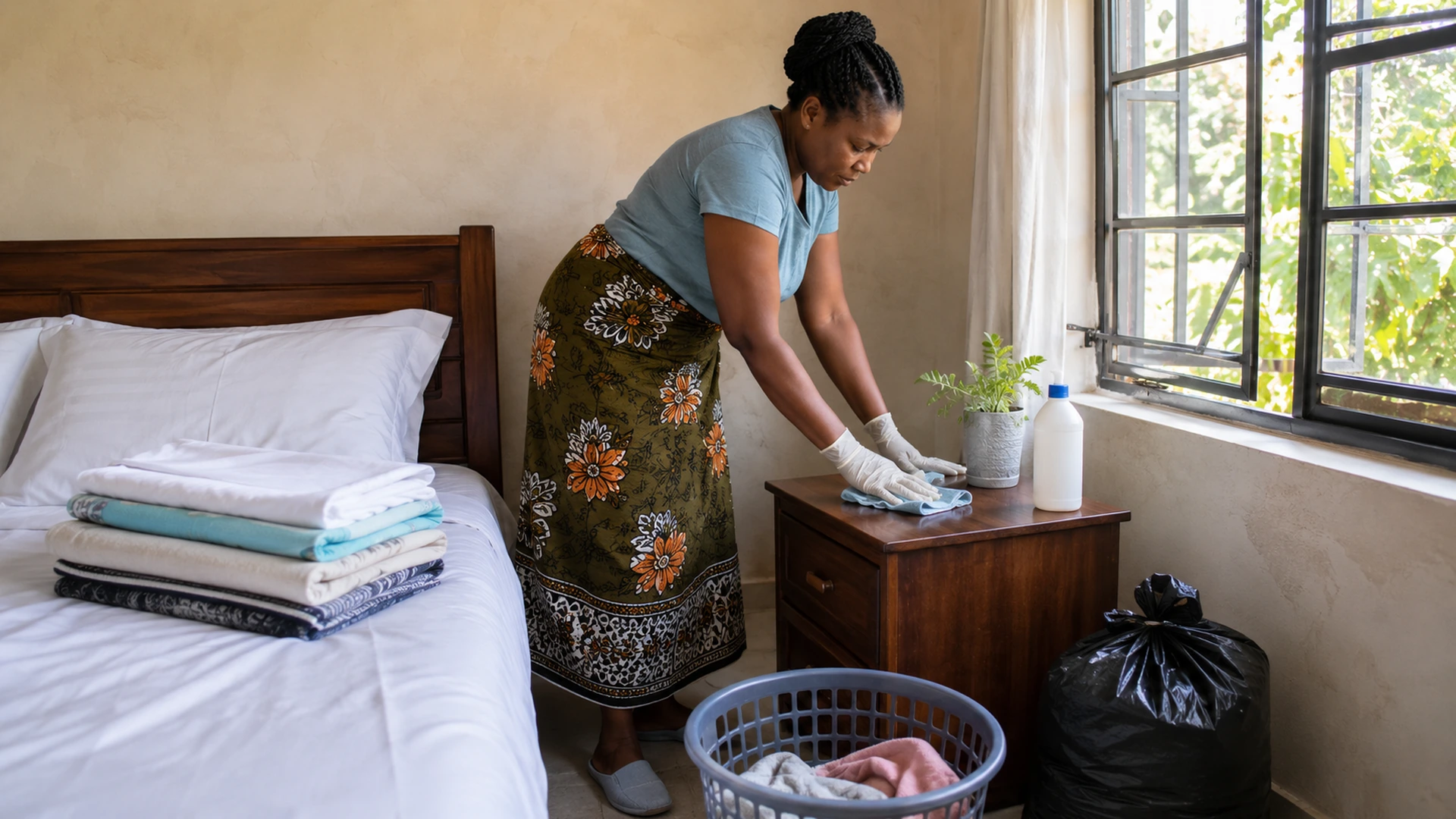
After an illness, people often feel pressure to disinfect every wall, curtain and object. Public-health guidance is more targeted. The CDC distinguishes cleaning, which removes dirt and many germs with soap, water and scrubbing, from disinfecting, which uses chemicals to kill remaining germs. In most ordinary household situations, cleaning is sufficient. Disinfection becomes more relevant when someone is sick, recently visited while sick or is at higher risk of severe illness. [1][2]
Begin With Cleaner Air
Open windows and doors when outdoor air is safe, use exhaust fans and improve filtration if available. Cleaner indoor air can reduce the buildup of respiratory particles, odors and cleaning-product fumes. Ventilation should not make the room dangerously hot, cold, humid or exposed to polluted outdoor air. [3][4]
If someone is still sick with a respiratory illness, follow current health guidance. This may include staying away from others when possible, using cleaner air, practicing hygiene and taking additional precautions around people at higher risk. [5]
Clean Before You Disinfect
Dirt and organic material can make disinfectants less effective. Use water and soap or a suitable detergent first. Focus on high-touch surfaces such as:
Door handles and light switches.
Bedside tables and bathroom fixtures.
Phones, remote controls and frequently used devices.
Countertops, taps and refrigerator handles.
Mobility aids, thermometers or washable care equipment.
Disinfect only with a product appropriate to the surface and the illness. Follow the label’s dilution, contact-time, ventilation and protective-equipment instructions. Never mix bleach with ammonia, acids or other cleaners because dangerous gases may form. Do not apply disinfectants to skin, food, pets or the inside of the body. [1][2][6]
Laundry and Soft Furnishings
Wash bedding, towels and clothing with detergent according to fabric instructions, then dry them thoroughly. Avoid shaking contaminated laundry aggressively, because this can spread dust or particles. Clean laundry baskets if they were used for soiled items.
Curtains, mattresses, upholstered furniture and carpets do not automatically require chemical spraying. Follow manufacturer instructions. If an item is heavily contaminated with blood, sewage, decomposition fluids or extensive mold, ordinary household cleaning may not be appropriate.
Blood, Vomit and Other Body Fluids
Blood and body fluids require greater care. CDC healthcare guidance uses a two-step process: remove the spill with suitable protection and absorbent material, then clean and disinfect the surface. [7] A small, known household spill may sometimes be managed safely with gloves and an appropriate product. Large spills, sharp objects, unknown blood exposure, unattended death or a traumatic scene should be handled by trained professionals.
Do not use spiritual language to minimize infection risk. A surface can be spiritually meaningful and still require correct physical decontamination.
Cleansing a Home After Conflict
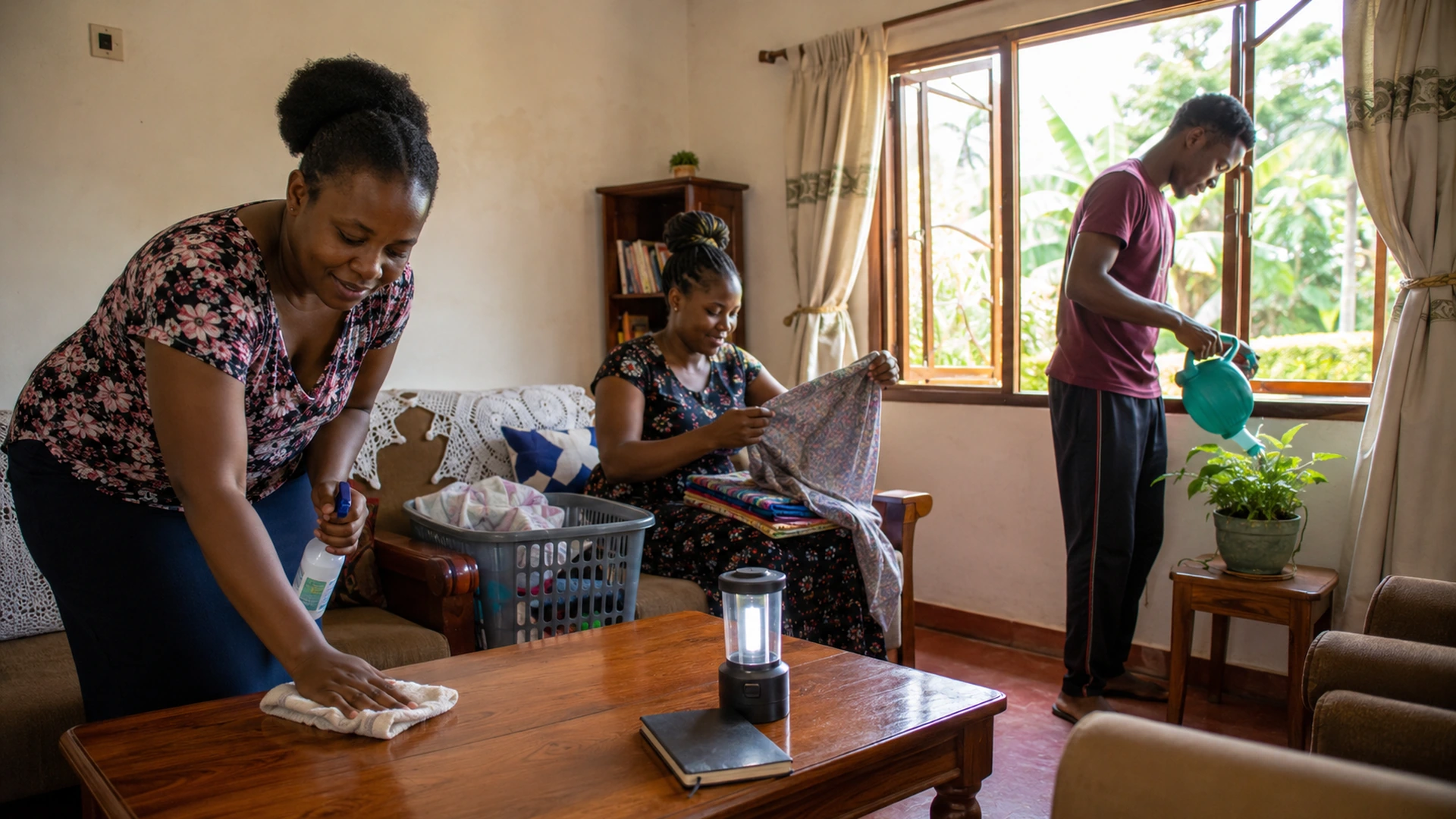
A conflict changes a home through more than dirt. Raised voices, threats, broken objects or prolonged silence can make a room feel unsafe. The goal is not to erase disagreement with a ritual. It is to restore physical safety, establish boundaries and decide whether repair is possible.
Check Safety Before Reconciliation
Ask whether anyone was hit, restrained, threatened, stalked or prevented from leaving. Check children, older adults and people with disabilities. If violence occurred or may recur, prioritize a safe place, trusted contacts, medical care and legal or safeguarding support. Do not pressure someone to participate in a “peace ritual” with a person they fear.
A house blessing cannot turn coercive control into a healthy relationship. Domestic peace requires the freedom to say no, leave the room, seek help and set consequences.
Preserve Evidence When Necessary
After violence, burglary or serious property damage, do not immediately wash, repair or throw away everything. Photograph damage when safe, save messages and follow instructions from relevant authorities, insurers or legal advisers. Cleaning too early may remove evidence or expose you to blood, glass, weapons or chemicals.
Restore the Room in Stages
When there is no active danger, a practical reset may include:
1. Removing broken glass and obvious hazards safely.
2. Opening curtains and allowing daylight into the room.
3. Cleaning one surface at a time rather than attempting the whole house while distressed.
4. Returning furniture to a functional arrangement or changing the arrangement if the old layout is upsetting.
5. Replacing damaged locks, doors or lights.
6. Establishing a rule for how future conflict will be paused.
7. Deciding who can help if another argument escalates.
Use Words That Create Accountability
A responsible household statement might be:
> What happened in this room was harmful. We will not pretend it did not happen. We will repair the damage, protect everyone’s safety and seek help before conflict reaches that point again.
This is different from saying that the room itself caused the conflict. Places hold memories, but people remain responsible for their actions.
After Bereavement, Burglary or Another Disturbing Event
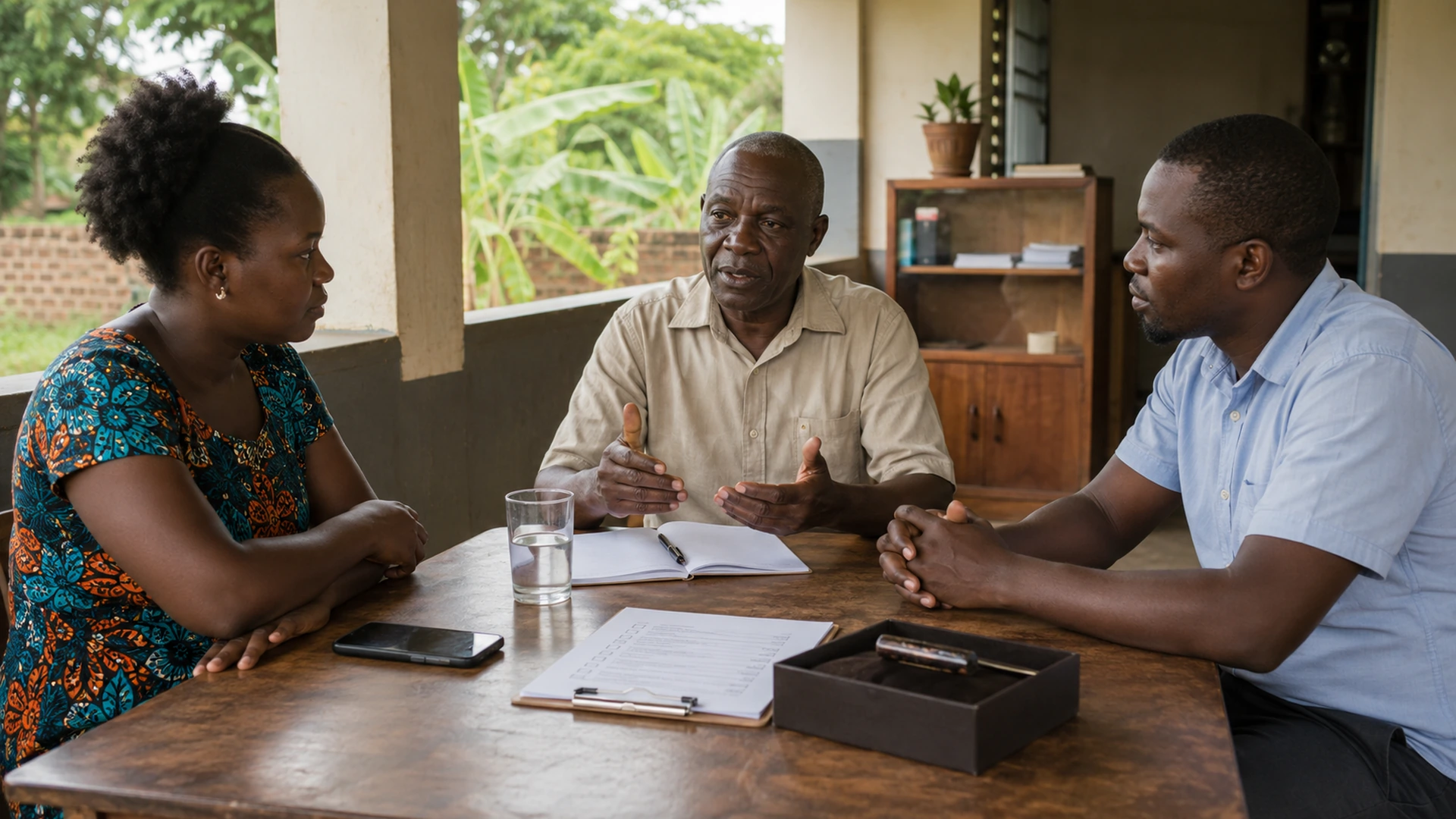
A disturbing event may leave both physical evidence and emotional reminders. Recovery is rarely achieved by removing every object associated with the event.
After Bereavement
If someone died after an ordinary illness under expected medical care and there is no biological contamination, the household may need normal cleaning, laundry and ventilation. Family members may then choose prayer, flowers, a meal, music, photographs or a blessing.
An unattended death, decomposition or substantial body-fluid contamination is different. Do not attempt to clean such a scene yourself. Follow medical and legal procedures and use trained biohazard-remediation professionals.
Grief does not make the house spiritually defective. A home may continue to feel painful because love, routine and memory were tied to the person who died. A ritual can acknowledge the loss, but it should not demand that mourners remove every possession or become “fully healed” on a schedule.
After Burglary or Intrusion
Wait until authorities say it is safe to enter. Photograph damage if appropriate, contact the insurer and repair doors, windows or locks. Avoid touching unknown substances, sharp objects or abandoned items without protection.
After the practical work, residents may reclaim the home by choosing where to begin ordinary life again: preparing tea, reopening a bedroom, inviting a trusted person to stay, playing familiar music or praying at the doorway. These actions do not undo the crime; they help restore agency.
After Fire, Flood, Sewage or Chemical Exposure
Do not use incense, candles or ritual smoke in a building already affected by fire or poor air quality. Structural damage, electrical hazards, soot, sewage and chemical residues require assessment and remediation.
EPA guidance emphasizes drying water-damaged materials within 24 to 48 hours where possible, controlling the source of moisture and using professional assistance when damage or mold is extensive. Floodwater may contain sewage or chemicals, and cleanup can be unsafe. [8][9][10]
Document damage before disposal when required by authorities or insurance. Spiritual reopening should happen after the home is physically cleared for occupancy.
A Safe Step-by-Step House Reset
The following sequence is not a sacred ceremony from one culture. It is a practical framework that can be adapted after the home is safe.
Step 1: Confirm That the Danger Has Ended
Check medical advice, locks, electricity, gas, fire, structural damage, threats, children, vulnerable adults and pets. Do not begin a ceremony while someone is still sick, violent, missing, trapped or exposed to a hazard.
Step 2: Decide What Requires Cleaning
Make three lists:
Ordinary cleaning: dust, dirt, dishes, laundry and clutter.
Targeted disinfection: high-touch surfaces after contagious illness or a known body-fluid spill.
Professional work: blood or decomposition, sewage, chemicals, extensive mold, fire damage, structural danger or a crime scene.
This prevents both neglect and unnecessary chemical use.
Step 3: Bring in Safe Fresh Air
Open windows and doors where safe. Use fans or filtration appropriately. Do not spread mold with fans after visible growth has begun, and do not ventilate with polluted outdoor air. [3][8]
Step 4: Work From Clean Areas Toward Dirtier Areas
Start with the least contaminated room. Use separate cloths for bathrooms and kitchens. Follow product instructions and keep children and pets away from chemicals. Wash hands after cleaning.
Step 5: Restore Basic Household Functions
A home feels safer when ordinary needs work again. Replace broken bulbs, wash drinking cups, prepare beds, remove spoiled food, clear exits and make the bathroom usable. These steps may matter more than decorative ritual items.
Step 6: Choose One Meaningful Threshold
A doorway, window, table or shared room can mark the return. Clean it physically, then decide what it represents. For example: “This doorway marks our decision to protect peace in the home,” or “This table will again be a place where we eat and speak respectfully.”
Step 7: Use a Smoke-Free Symbol
Choose an object already meaningful within your life or faith:
A bowl of clean water.
A battery candle or ordinary lamp.
A family Bible, Qur’an, prayer book or other text you are entitled to use.
Flowers, a plant or freshly laundered cloth.
A photograph of a loved one.
Music, a bell or spoken prayer from your own tradition.
The object does not remove germs or control another person. It helps focus attention.
Step 8: Speak What the Household Is Entering
Keep the words truthful:
> We acknowledge what happened here. We have cleaned what can be cleaned, repaired what can be repaired and sought help for what is beyond us. May this home support safety, honesty, health, rest and mutual respect.
Step 9: Take One Practical Protective Action
Finish by doing something measurable: schedule counseling, change a lock, refill medicine, arrange follow-up care, create a cleaning rota, remove alcohol from a dangerous situation, repair a leak or save emergency contacts.
Step 10: Reopen the Home Gradually
Share a simple meal, invite one trusted person, sleep in the room when ready or resume one ordinary routine. Recovery does not require a large celebration.
Cultural and Religious Context
Household blessing and cleansing traditions are not one global system. Similar objects can carry different meanings, and some practices are reserved for members, clergy, elders or cultural custodians.
Christian Home Blessings
Christian traditions may use Scripture, prayer, holy water, a cross, song and the gathering of the household. A Catholic Epiphany home blessing asks that those who enter find light and love in the home. The United States Conference of Catholic Bishops explains that blessings normally include prayer, Scripture and sometimes a ritual sign. [11][12]
The Church of England also provides forms for blessing a home. These are acts of prayer and dedication within Christianity, not medical disinfection and not proof that a building was spiritually dangerous.
Jewish Mezuzah and the Sanctification of Home
In Jewish practice, a mezuzah contains handwritten passages of the Shema and is affixed to the doorposts of a Jewish home. It identifies and dedicates the household through a commandment and reminder of faith. [13]
It should not be treated as a decorative “protection charm” for outsiders to copy. A kosher mezuzah has specific religious requirements and belongs within Jewish observance.
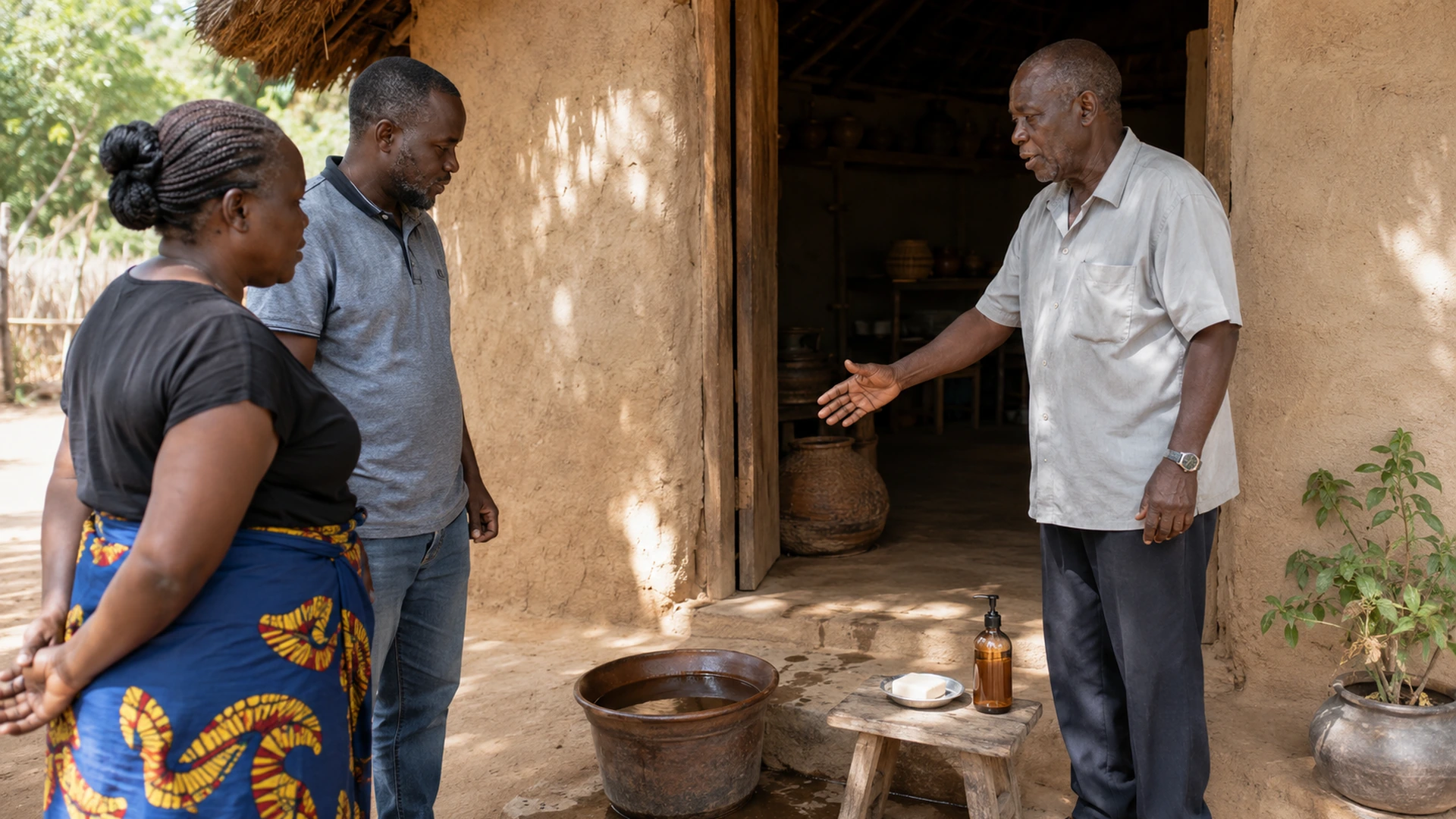
Idyango Among Tonga Communities in Southern Zambia
A UNESCO-hosted living-heritage contribution from the curator of Choma Museum and Crafts Centre documented Idyango among Tonga communities in the Monze area of Zambia. The term refers to an entrance or doorway cleansing point where people returning from forests, burials or visits to seriously ill people historically washed before entering a village or household. During the COVID-19 pandemic, some communities recreated entry washing points and drew parallels with isolation and hygiene practices. [14]
This account is valuable cultural documentation, but it is not a universal African ritual or a substitute for public-health guidance. Some historical methods described on the page, including burning possessions or using unverified herbs, should not be copied automatically. The broader lesson is that thresholds, washing, separation and reintegration have long helped communities organize both physical and spiritual ideas of contamination.
Lango Cleansing and Reconciliation in Uganda
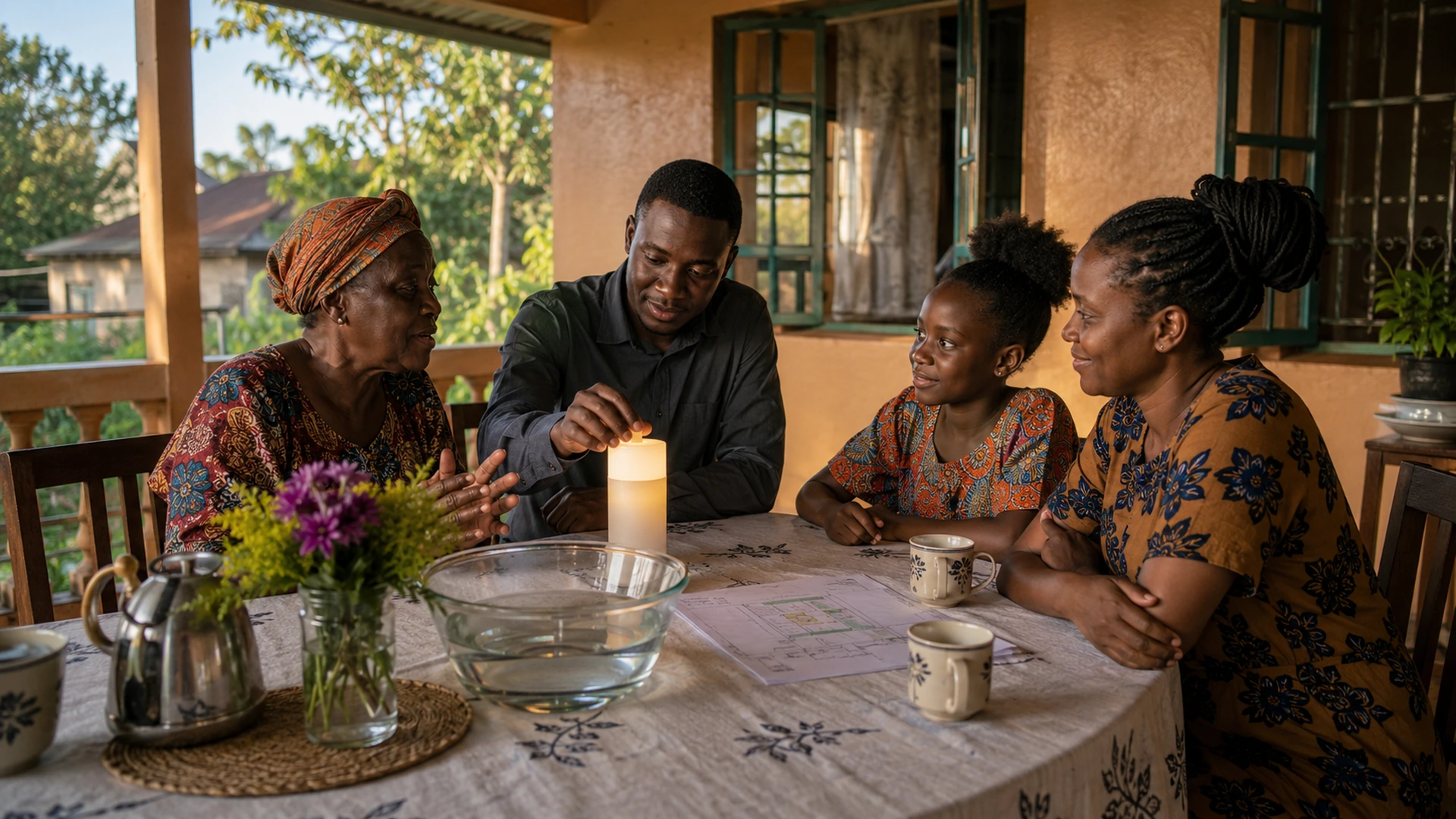
UNESCO documents a specific Lango male-child cleansing ceremony in northern Uganda that includes household separation, family participation, symbolic materials and public reintegration. Its stated social functions include reconciliation and restoration of status. [15]
This is not a general house-cleansing ceremony and should not be recreated from a summary. It demonstrates that cleansing may be relational and communal rather than simply the removal of invisible “energy.” Cultural custodians determine its meaning and appropriate participation.
What Common Household Symbols May Mean
| Symbol or action | Possible meaning | Practical limit |
|---|---|---|
| Clean water | Washing, life, transition, blessing | Does not disinfect unless used with appropriate cleaning methods |
| Open doorway | Return, welcome, boundary, new stage | Does not replace a secure lock or safety plan |
| Light | Guidance, sacred presence, memory, hope | Open flame creates fire risk; battery light is safer |
| Sound or music | Prayer, gathering, emotional change, announcement | Loud sound may disturb neighbors or distressed people |
| Fresh cloth or bedding | Rest, dignity, renewed routine | Must be washed correctly after contamination |
| Flowers or plants | Life, remembrance, care, continuity | Moldy soil or allergy triggers may be unsuitable |
| Shared meal | Reconnection, hospitality, ordinary life | Food safety and consent still matter |
| Prayer or blessing | Faith, dedication, gratitude, protection | Does not guarantee medical, legal or relational outcomes |
| Rearranging furniture | Agency, changed use of space | Avoid hiding structural or safety problems |
Should You Use Incense, Candles, Herbs or Salt?
No ingredient is required for house cleansing.
Smoke and Incense
Smoke can worsen indoor air quality and may irritate people with asthma, heart or lung disease, children, older adults and pets. It is especially inappropriate after respiratory illness, fire, smoke exposure or in poorly ventilated rooms. EPA guidance identifies indoor combustion and fragranced products as sources of particles or gases and recommends source control and ventilation. [3][16]
Candles
A candle may symbolize light, prayer or remembrance, but a battery candle is safer when people are tired, grieving or distracted. Never leave a flame unattended or use it near oxygen equipment, curtains, bedding, children or pets.
Herbs and Essential Oils
Do not burn, drink, bathe in or apply unknown herbs or concentrated oils because someone online calls them cleansing. Plants can cause allergies, burns, poisoning, medication interactions or harm to pets. A familiar culinary herb placed decoratively is different from ingesting an unverified remedy.
Salt
Salt can be a personal symbol, but it does not disinfect a room when sprinkled on the floor. It can damage wood, metal, stone and fabrics and may be dangerous if pets consume a large amount. Ordinary cleaning is more useful.
A Simple Smoke-Free Home Blessing and Reset
Use this only after practical hazards are addressed. It is intentionally non-denominational and should be replaced by an authorized practice from your own tradition when appropriate.
1. Gather the household voluntarily. Do not force a frightened or grieving person to participate.
2. Open a safe window or curtain. Let daylight or clean air enter.
3. Place clean water and a battery light on a stable table. These are symbols, not required ingredients.
4. Name the event without exaggeration. “We have come through illness,” “We experienced conflict,” or “This room reminds us of a painful event.”
5. State what has been done practically. Mention cleaning, repairs, medical care, security or counseling.
6. Offer prayer or reflective words. Use language consistent with your faith or values.
7. Touch the doorway or wash your hands. Explain what the action means to you.
8. Name one household commitment. Examples include no shouting around children, better ventilation, medicine reminders or a weekly check-in.
9. Share water, tea or a simple meal. Participation should be optional and food-safe.
10. Review after one week. Ask whether the home feels safer and what still needs practical attention.
Psychological Recovery and the Meaning of Order
A cleaned and reorganized room may support emotional recovery because it restores predictability and control. WHO psychological-first-aid guidance emphasizes humane, supportive and practical help after distressing events, including listening, assessing needs, protecting from further harm and connecting people with social support. [17]
SAMHSA advises people affected by traumatic events to care for basic needs, use healthy coping methods and reach out to family or friends. [18] Cleaning can be one small coping action, but compulsive cleaning, repeated rituals or spending large amounts of money may increase distress rather than reduce it.
A household member may need mental-health support when they:
Cannot enter or sleep in the home for a prolonged period.
Repeatedly check locks, wash or cleanse for hours.
Have severe panic, nightmares or flashbacks.
Hear or see things others do not experience.
Believe every ordinary event proves a hidden attack.
Stop eating, sleeping, taking medicine or caring for children.
Feel unsafe with themselves or another person.
Spiritual care may accompany clinical care. It should not require stopping medication or avoiding professional assessment.
When to Hire a Professional
Seek trained assistance when the home contains:
Large amounts of blood or body fluids.
An unattended death or decomposition.
Sewage, floodwater or unknown chemicals.
Fire, soot, smoke damage or structural instability.
Extensive mold or water damage.
Sharps, weapons or drug-manufacturing materials.
A crime scene that authorities have not released.
Damage beyond the household’s equipment or skills.
Professional help is not a failure of faith. It is the correct response to a technical hazard.
Common Mistakes
Mistake 1: Using Strong Chemicals Everywhere
More disinfectant is not automatically safer. Unnecessary products can irritate skin and lungs, damage surfaces and create toxic fumes when mixed.
Mistake 2: Burning Smoke After Respiratory Illness
A strong smell does not prove cleansing. It may make breathing harder and contaminate indoor air.
Mistake 3: Cleaning Before Evidence Is Documented
After crime, violence, fire or insurance loss, immediate cleaning may destroy evidence or expose residents to hazards.
Mistake 4: Forcing Reconciliation
A shared prayer or meal is not appropriate when someone is afraid of another household member. Safety and consent come first.
Mistake 5: Treating One African Ritual as Universal
Africa contains many communities and living traditions. The Tonga Idyango and Lango cleansing ceremony have specific histories and custodians and cannot be combined into a fictional “African house cleanse.”
Mistake 6: Paying Under Fear
Be cautious if a spiritual helper says the house contains a deadly curse and demands immediate escalating payments. A trustworthy helper does not prevent you from seeking medical, legal, safety or professional-cleaning advice.
Mistake 7: Expecting One Ceremony to Erase Memory
A room may continue to feel difficult after it is cleaned. Recovery can require time, counseling, grief support, repairs or a change in living arrangements.
People Also Ask
How do you cleanse a house after sickness?
Ventilate the home, clean high-touch and visibly dirty surfaces with soap or detergent, wash bedding and laundry, and disinfect only when the illness or household risk makes it necessary. Follow product labels and never mix chemicals. A prayer or blessing can follow the physical cleaning.
Do I need to disinfect the whole house after illness?
Usually not. CDC guidance says cleaning alone removes most germs in many situations. Focus on frequently touched or contaminated surfaces, and disinfect when someone is sick, recently visited while sick or is at greater risk.
How can I spiritually cleanse a home without smoke?
Use clean water, open curtains, a battery candle, prayer, music, flowers, a plant, ordinary cleaning or a shared meal. Explain the personal or religious meaning of the action rather than claiming the object has universal power.
What should I do after a serious argument at home?
Check for violence and immediate safety first. Repair hazards, establish boundaries, involve trusted support and document serious damage when necessary. A ritual should not pressure anyone to reconcile with someone they fear.
Can I cleanse a room after a traumatic event?
Yes, after authorities and professionals have addressed evidence and hazards. Clean gradually, change the room’s function if helpful, invite support and use a simple symbolic action. Persistent fear, nightmares or avoidance may require trauma-informed counseling.
Can prayer remove germs or mold?
Prayer may provide spiritual meaning, but it does not physically remove pathogens or moisture. Germs require appropriate cleaning or disinfection, and mold requires moisture control and safe remediation.
When is professional biohazard cleanup needed?
Use trained help for large blood or body-fluid contamination, unattended death, decomposition, sewage, unknown chemicals, sharps or traumatic scenes. Do not attempt such cleanup as a spiritual exercise.
Is it safe to burn herbs after illness?
Smoke may irritate the lungs and worsen indoor air quality, especially after respiratory illness. Smoke-free practices are safer.
Frequently Asked Questions
1. Can I use holy water in a house cleansing?
Use it if it belongs to your faith tradition and was obtained appropriately. Treat it as a religious symbol, not a disinfectant or medicine.
2. Should I throw away everything a sick person touched?
Usually no. Most washable items can be cleaned according to normal instructions. Discard items only when they cannot be safely cleaned, are contaminated with hazardous material or professionals advise disposal.
3. Can I spray disinfectant into the air?
Do not improvise fogging or spray products into the air unless the label specifically authorizes that use. Surface disinfectants are generally intended for compatible surfaces, not inhalation.
4. How long should I ventilate after cleaning?
Follow the product label and continue bringing in safe outdoor air until odors and fumes have cleared. Ventilation needs vary by room, weather and product.
5. Can children participate in a home blessing?
They may join a calm, age-appropriate prayer, meal or ordinary cleaning task. Do not frighten them with claims that the house is cursed or expose them to smoke and chemicals.
6. Should I cleanse the house after a nightmare?
You may use a quiet prayer, light, water or normal cleaning if it helps you settle. A dream is not proof that the house or another person caused harm.
7. What if the conflict involved domestic violence?
Prioritize safety, medical care, trusted support and legal or safeguarding advice. Do not use a ritual to pressure the victim to remain, forgive or meet the abusive person.
8. Can I use bleach on every surface?
No. Bleach can damage materials and must be diluted and used only according to the label. Clean first, ventilate and never mix it with other products.
9. What if the home has mold after illness or a leak?
Fix the moisture source and dry materials quickly. Small areas may sometimes be cleaned safely, but extensive water damage, more than roughly ten square feet of mold, contaminated water or health vulnerabilities may require professional help. [10]
10. Can a house hold negative energy?
“Negative energy” is a spiritual or emotional interpretation, not a scientifically measured household substance. A place can contain memories, hazards, tension and sensory reminders that affect how people feel.
11. How often should a house cleansing be repeated?
Repeat normal cleaning as needed and spiritual practices according to your tradition. If you feel compelled to cleanse constantly or become more frightened, seek support rather than escalating the ritual.
12. What is the most important part of the process?
The most important part is matching the response to the real problem: medical cleaning for contamination, safety action for violence, professional remediation for hazards, emotional support for trauma and spiritual practice for meaning.
Key Takeaways
House cleansing after illness or distress has physical, emotional and spiritual layers.
Cleaning with soap or detergent is sufficient in many ordinary situations; disinfect only when needed.
Never mix cleaning products, ingest disinfectants or fill a room with unnecessary chemical spray.
Use trained professionals for blood, decomposition, sewage, chemicals, extensive mold, fire damage or crime scenes.
Conflict recovery requires safety, accountability and boundaries, not forced reconciliation.
Prayer, water, light, music, doorways and meals can support meaning but do not guarantee outcomes.
Cultural practices such as Tonga Idyango, Lango cleansing, Christian home blessings and Jewish mezuzah observance must be described specifically.
Smoke-free rituals are safer after respiratory illness, fire or indoor-air problems.
Spiritual care can accompany medical, legal, psychological and professional help but should not replace it.
A home becomes livable again through repeated ordinary actions, not one dramatic ceremony.
Conclusion: Restore Safety, Then Meaning, Then Ordinary Life
House cleansing after illness, conflict or a disturbing event is most effective when it follows the real needs of the home. Begin with the question: What remains unsafe, contaminated, broken or unresolved? Clean what is dirty. Disinfect what requires disinfection. Repair what is damaged. Preserve evidence when necessary. Bring in trained help when the task exceeds household skills.
Only then ask what the household needs emotionally and spiritually. It may need prayer, a family meeting, a freshly made bed, a doorway blessing, flowers for someone who died, a new lock, counseling or a simple meal at the table. These actions do not erase the event. They help the people living there reclaim responsibility, memory and hope.
A safe home reset is not measured by smoke, expensive ingredients or dramatic promises. It is measured by clearer air, reduced danger, honest boundaries, supportive relationships and the gradual return of rest and ordinary life.
Final Summary
To cleanse a house after sickness, conflict, grief or another disturbing event, separate physical sanitation from symbolic renewal. Ventilate, clean and disinfect appropriately; protect evidence and hire professionals for serious hazards. Then use a culturally appropriate prayer, blessing, light, water, sound or meal to mark recovery. The ritual supports meaning, while safety and repeated practical action restore the home.
Article Information
- Publisher
- Ancestral Temple
- Editor
- Ancestral Temple
- Last updated
- Jul 30, 2026
- Last reviewed
- Jul 30, 2026
- Content version
- 1533a0dfb1
This educational article should be read as cultural and spiritual information, not as medical, legal, financial, or emergency advice.
Helpful Related Guidance
About the Author
 Ancestral Temple
Spiritual guide and practitioner with decades of experience in ancestral wisdom, rituals, and divine guidance.
Related Posts
View All









Comments
We'd love to hear your thoughts.