
Peaceful Home Rituals: Blessings for Harmony, Protection and Family Unity
Pillar Article
Quick Summary
Article Information Purpose: Cultural and educational guidance on home blessings, family routines and respectful reconciliation practices. Evidence boundary: Religious and cultural...
| Article Information Purpose: Cultural and educational guidance on home blessings, family routines and respectful reconciliation practices. Evidence boundary: Religious and cultural meanings are described as beliefs and traditions. No ritual is presented as a guaranteed supernatural shield or substitute for practical safety. Safety boundary: Harmony does not require silence, forced forgiveness or remaining in an abusive household. Threats, coercion, violence and child harm require qualified support and safeguarding. |
|---|
| Quick Answer Peaceful home rituals are repeated actions that help a household express care, gratitude, faith, memory, responsibility and a desire for safety. They may include a spoken blessing, a greeting of peace, a shared meal, a short family meeting, storytelling, cleaning before a new season or a culturally specific reconciliation process. Their most reliable benefits are social and practical: creating predictable moments for communication, reinforcing family values and encouraging shared responsibility. A ritual cannot guarantee protection or erase conflict. It works best when paired with respectful behaviour, safe housing, child safeguarding, healthcare, financial planning and help for violence or abuse when needed. [6][7][9][10][11] |
|---|
Peaceful Home Rituals at a Glance
| Practice | Possible purpose | Important boundary |
|---|---|---|
| Spoken blessing or prayer | Express gratitude, peace, guidance or divine care | Respect the faith tradition; do not promise immunity from harm |
| Greeting at the doorway | Mark arrival with welcome, peace and attention | A greeting cannot replace boundaries or security |
| Shared meal | Create time for connection, memory and conversation | Benefits are associated, not guaranteed or purely causal |
| Family check-in | Discuss needs, plans, conflict and responsibilities | Children must be allowed to speak without humiliation |
| Cleaning or seasonal reset | Create order and mark a new beginning | Cleaning products and smoke require practical safety |
| Story and remembrance | Transmit names, values and family history | Do not invent ancestral authority or restricted rites |
| Reconciliation process | Acknowledge harm, apologize and agree on repair | Never force reconciliation with an abusive person |
What Are Peaceful Home Rituals?
Peaceful home rituals are meaningful actions repeated by a household to express the kind of home its members want to build. They can be religious, cultural, ancestral, civic or entirely personal. A family may pray before a meal, greet one another deliberately at the doorway, hold a weekly check-in, light a lamp within a specific faith tradition, tell stories about grandparents, clean together before a festival or pause after conflict to apologize and plan repair.
The word ritual does not automatically mean magic. In family research, routines are usually described as observable patterns—such as dinner at a regular time—while rituals add symbolic meaning, identity or a sense that “this is who we are.” Reviews of family research have linked routines and rituals with aspects of parenting, child adjustment and relationship satisfaction, while also warning that methods are inconsistent and many findings are correlational. [6]
That distinction is useful for spiritual writing. A family can value a blessing because it expresses faith and unity without claiming that the words create a measurable force field. A ritual may help people slow down, listen, remember duties and make a promise visible. Its ethical value depends on what happens afterward.
What Do Harmony, Protection and Unity Mean?
Harmony is not the absence of disagreement. Healthy households still contain different personalities, beliefs, ages, needs and opinions. Harmony means that conflict can occur without threats, cruelty, humiliation or fear. People can speak, listen, repair mistakes and maintain boundaries.
Protection has both symbolic and practical meanings. A family may ask God, ancestors or a sacred tradition for protection. It must also lock doors, maintain safe wiring, store medicines responsibly, supervise children, seek healthcare and respond to abuse. The CDC identifies safe, stable and nurturing relationships, caregivers who meet children’s basic needs and strong social support as protective factors. [9]
Unity does not require sameness or obedience to one powerful person. It means belonging without erasing individuality. A peaceful ritual should not demand that a child disclose private thoughts publicly, force a spouse to forgive, or shame a relative who does not share the same faith.
Why Repeated Home Practices Can Matter
Predictable practices can give family life a rhythm. They signal when people pause, eat, reflect, plan or reconnect. A review of decades of family-routine research found associations with parenting competence, child adjustment and marital satisfaction, while emphasizing limitations in measurement and causal evidence. [6]
Shared meals are one common example. A 2023 umbrella review found that more frequent family meals were associated with better diet, mental-health, wellbeing and academic outcomes among children and adolescents, but intervention findings were mixed. [7] Another review stressed that much of the evidence is correlational and cannot prove that simply eating together causes better outcomes. Families themselves often describe connection and communication as the main benefits. [8]
The practical lesson is modest: a repeated moment can create an opportunity for connection, but the emotional climate matters. A tense meal filled with criticism is not automatically beneficial. A two-minute check-in conducted with respect may be more useful than an elaborate ceremony performed under pressure.
Common Forms of Peaceful Home Rituals
1. Arrival and Departure Greetings
A deliberate greeting recognizes that someone has entered the shared space. It can be as simple as eye contact, a name, “welcome home,” “peace be with you,” or a culturally specific greeting. The practice works best when it is sincere and does not become surveillance—family members should not be interrogated the moment they enter.
2. Shared Meals and Gratitude
A household may begin a meal with prayer, silence, gratitude or a reminder that everyone helped bring food to the table. Gratitude should not erase hardship. A child should be able to say that the day was difficult; an adult should not use “be grateful” to silence a legitimate complaint.
3. A Weekly Family Check-In
A short meeting can cover what went well, what needs attention, upcoming schedules, household work, money pressures and one request for support. Rotate who speaks first. Separate problem-solving from punishment. Write down agreed actions so the ritual produces accountability rather than repeated promises.
4. Cleaning and Resetting the Home
Cleaning before a festival, new season, move or family gathering can symbolize renewal. The physical work also reduces clutter and hazards. This article should link to the dedicated cleansing page for cross-cultural purification traditions rather than treating every form of cleaning as spiritual cleansing. [13]
5. Storytelling, Memory and Family Values
Photographs, recipes, names and migration stories can help younger relatives understand how the family arrived at the present. Memory can support unity without claiming supernatural contact. When ancestor reverence is part of a living tradition, the practice should be described through that community’s own beliefs and custodians. [14]
6. Blessings Before Change
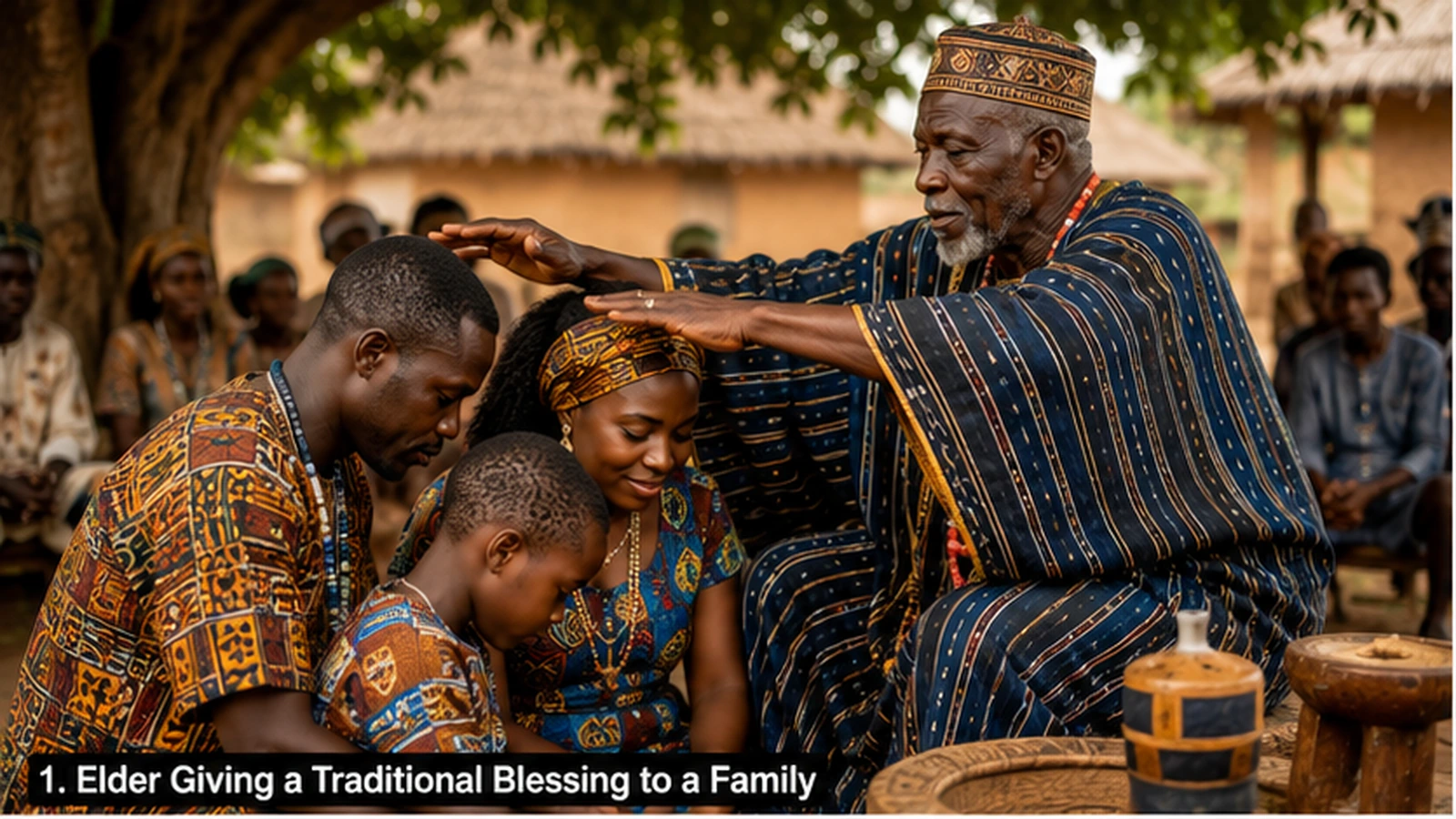
Households often mark a move, a birth, a journey, school entry, marriage or return after illness. A blessing can acknowledge uncertainty and ask for wisdom. It should not be sold as a guarantee that nothing difficult will happen. The existing blessing-history page provides the wider historical context. [12]
Building a Daily and Weekly Rhythm
A home ritual is easier to sustain when it is attached to moments that already happen. The practice does not need to fill the day with ceremony. It can mark transitions: waking, leaving, returning, eating, resolving conflict and preparing for sleep. These moments are useful because transitions often bring stress. People are tired, rushing, hungry or moving between different responsibilities.
Morning: Begin With Direction
A morning practice may last less than two minutes. Family members can greet one another, confirm transport and school plans, identify who needs extra support and offer a short prayer or intention. The goal is not to predict or control the day. It is to reduce preventable confusion and remind everyone that their needs matter.
In households with different schedules, the ritual can be asynchronous. A note on a family board, a voice message or a prepared breakfast can communicate care. Avoid turning the morning check into criticism about lateness, grades, appearance or unfinished work. Practical correction is better handled calmly and specifically.
Returning Home: Shift From Outside Stress
A household can create a small transition between public life and home life. Shoes may be placed in a designated area, hands washed, bags stored and greetings exchanged before difficult topics begin. This is not a spiritual cleansing claim. It is a way to reduce disorder and give people a moment to arrive emotionally.
Some family members need quiet immediately after work or school. Others seek conversation. A peaceful ritual can include a simple question: “Do you need company, food or fifteen minutes alone?” Respecting the answer prevents a ritual of welcome from becoming another demand.
Evening: Review Without Interrogation
An evening practice can focus on three questions: What needs appreciation? What needs repair? What must be prepared for tomorrow? The answers should remain proportional. A small mistake does not require a family tribunal. Serious concerns—violence, self-harm, abuse, dangerous substance use or a missing child—require immediate qualified help rather than a symbolic closing ritual.
Families may end with prayer, silence, a song from their own tradition, reading, or checking that doors, cooking equipment and medicines are secure. The spiritual and practical parts reinforce each other when both are treated seriously.
Weekly: Restore Shared Responsibility
A weekly reset is useful for work that cannot be solved in a daily check-in: household expenses, school needs, care for elders, transport, repairs, visitors and division of labour. Rotate tasks rather than assuming that women or older children will carry the invisible work of maintaining peace. Unity weakens when one person performs all the care while others receive the credit.
The meeting can also protect rest and joy. Families need more than problem-solving. Plan one meal, walk, game, worship service, visit or quiet period that is not organized around performance. A peaceful home is not a workplace with spiritual decoration.
The Physical Home Also Matters
Ritual language should not hide environmental causes of stress. Overcrowding, unsafe wiring, poor ventilation, noise, food insecurity, debt, inaccessible rooms and lack of privacy can produce conflict. A family may not be able to solve structural problems immediately, but naming them prevents relatives from blaming one another for every difficulty.
Small changes can support the ritual: choose one uncluttered meeting place, reduce avoidable noise, keep important numbers visible, create a safe storage area for medicines and documents, and ensure that children know which adults they can contact. These actions are not less spiritual than a blessing. They show that the household takes protection seriously.
A rented room, temporary shelter or multigenerational compound can still hold meaningful routines. Peaceful-home guidance should not assume wealth, private bedrooms or decorative space. The essential resources are attention, consent, fair responsibility and access to help.
Avoiding Fear-Based Home Ritual Marketing
People seeking peace are vulnerable to claims that a home is cursed, spiritually contaminated or under attack. A practitioner may then demand repeated payments, secrecy, expensive objects or isolation from relatives. These are warning signs, especially when the person predicts disaster if the client refuses.
Be cautious of anyone who guarantees permanent peace, complete protection or control over another family member.
Do not allow a practitioner to frighten children, touch people without consent or remove medicines and safety devices.
Ask what tradition authorizes the practice, what is public or restricted, what the total cost is and whether participation can stop at any time.
Keep spiritual guidance separate from legal ownership, inheritance decisions, medical treatment and emergency response.
Choose helpers who support communication, accountability and practical safety rather than dependency.
Cultural Traditions: Similar Hopes, Different Meanings
Many communities use words, meals, thresholds and family gatherings to express peace. Similar forms do not make the traditions interchangeable. A Christian house blessing, an Islamic greeting, hoʻoponopono and the Chinese Spring Festival arise from different languages, histories, authorities and beliefs.
Christian Home Blessing and Family Prayer
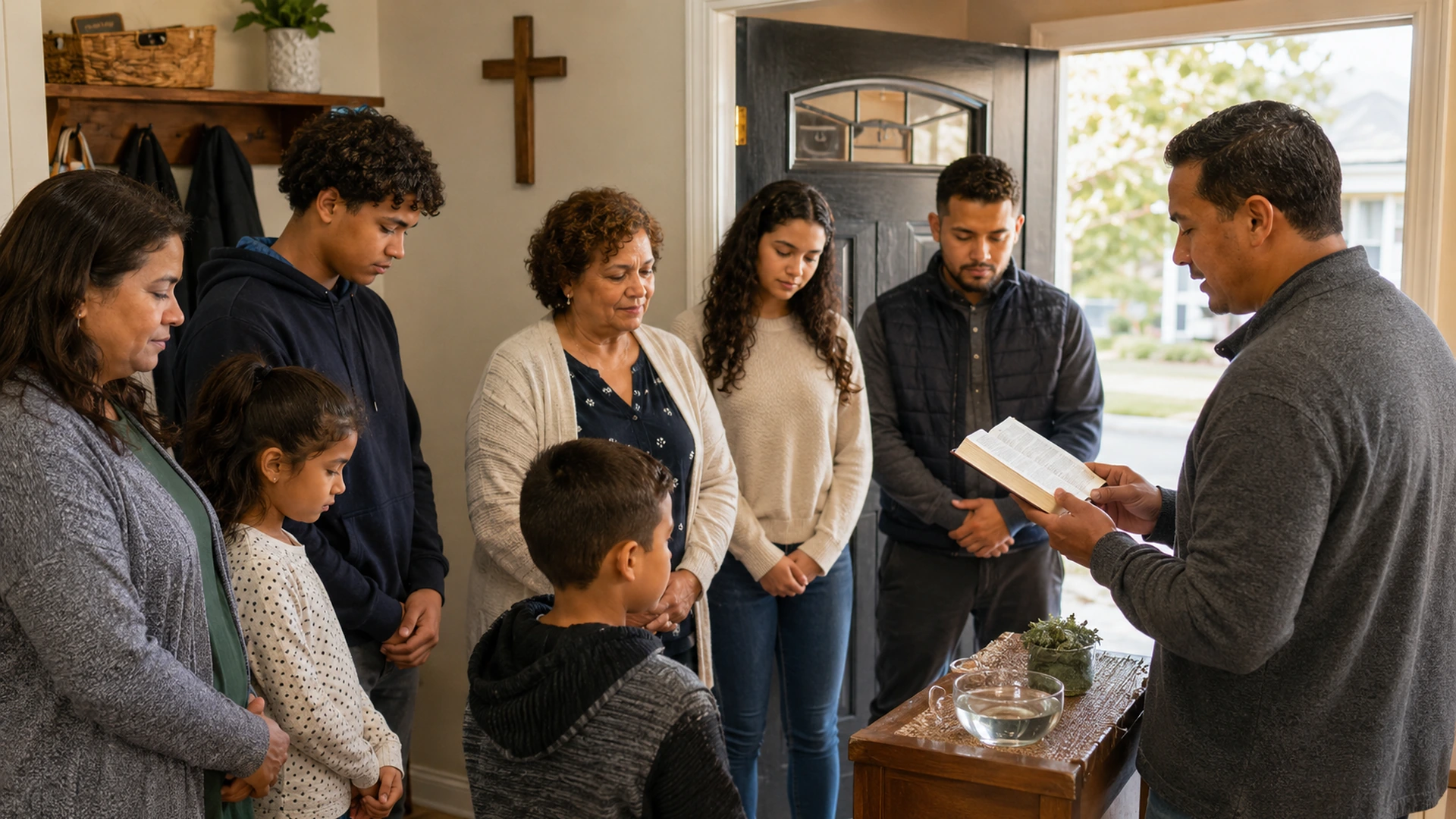
The United States Conference of Catholic Bishops publishes an Epiphany blessing for the home and household. The rite gathers those who live in the home, uses Scripture and prayer, and asks that people who enter find light and love. It also includes concern for hospitality, people without adequate housing and the responsible use of talents. The concluding prayer asks that the household be one in mind and heart. [2]
USCCB family prayers similarly ask that a family possess peace and be watched over, placing the household within Christian life rather than treating the home as a magical object. [3] Catholic teaching describes blessings as prayer, Scripture and sometimes ritual signs; some household blessings may be led by baptized laypeople according to the approved form. [2]
A responsible comparative article should not copy an entire liturgy or imply that every Christian denomination blesses homes in the same way. Some families invite clergy, some pray as a household, and others do not use a formal house blessing.
Islamic Greetings of Peace in the Home
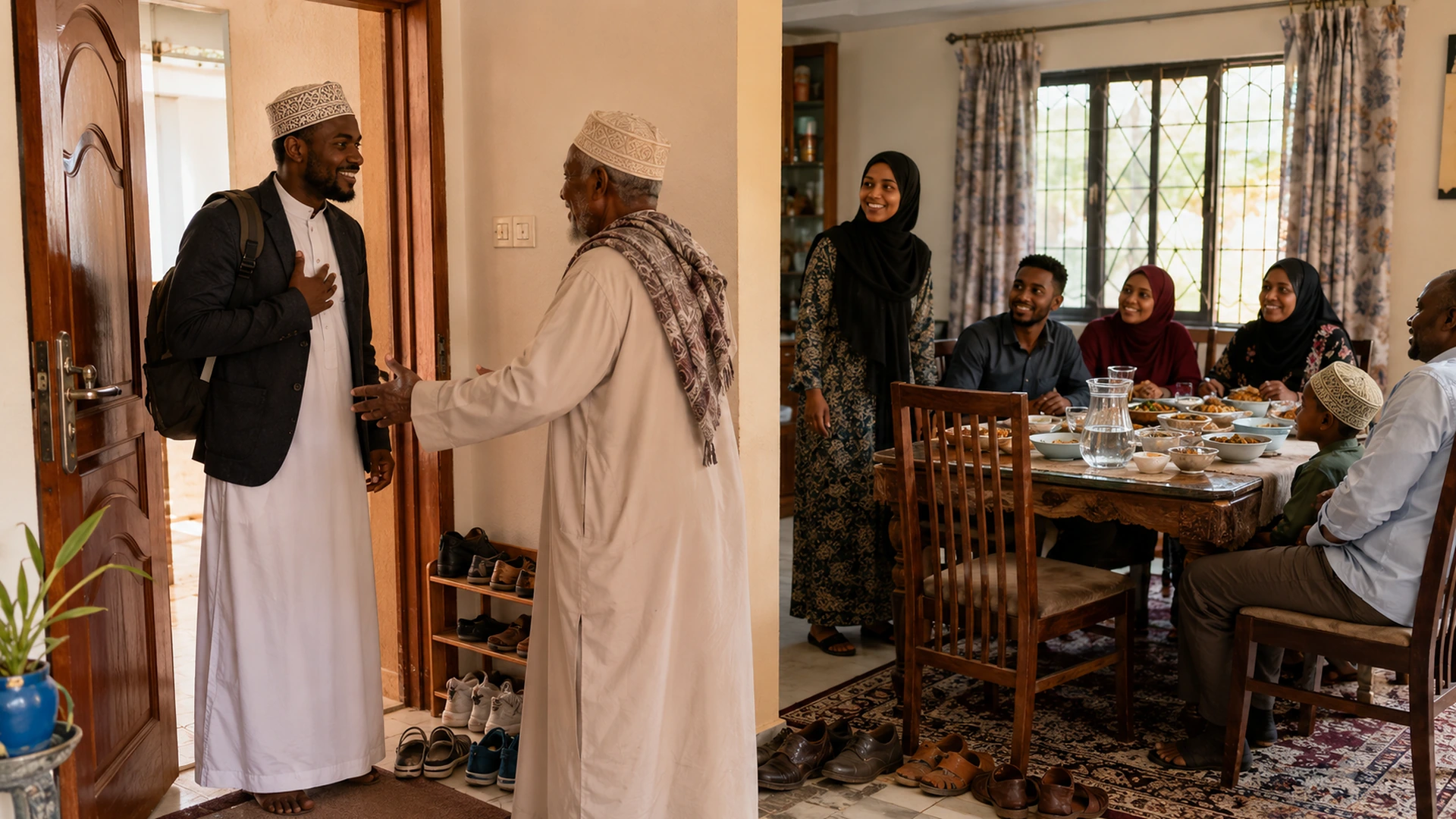
Qur’an 24:61 discusses eating in one’s own home and the homes of relatives and friends, whether together or separately. It then instructs believers that when they enter homes they should greet one another with a blessed and good greeting of peace. [4]
The verse supports a simple household ethic: entrance is marked by peace, and food can be part of social relationship. It does not justify turning salām into a charm or insisting that one greeting removes every conflict. Peace must continue through fair speech, privacy, responsibility and care for relatives.
Muslim households differ across cultures, schools of thought and family histories. The article should describe the public scriptural principle without inventing one universal “Islamic home ritual.”
Hoʻoponopono: Correcting What Is Out of Order
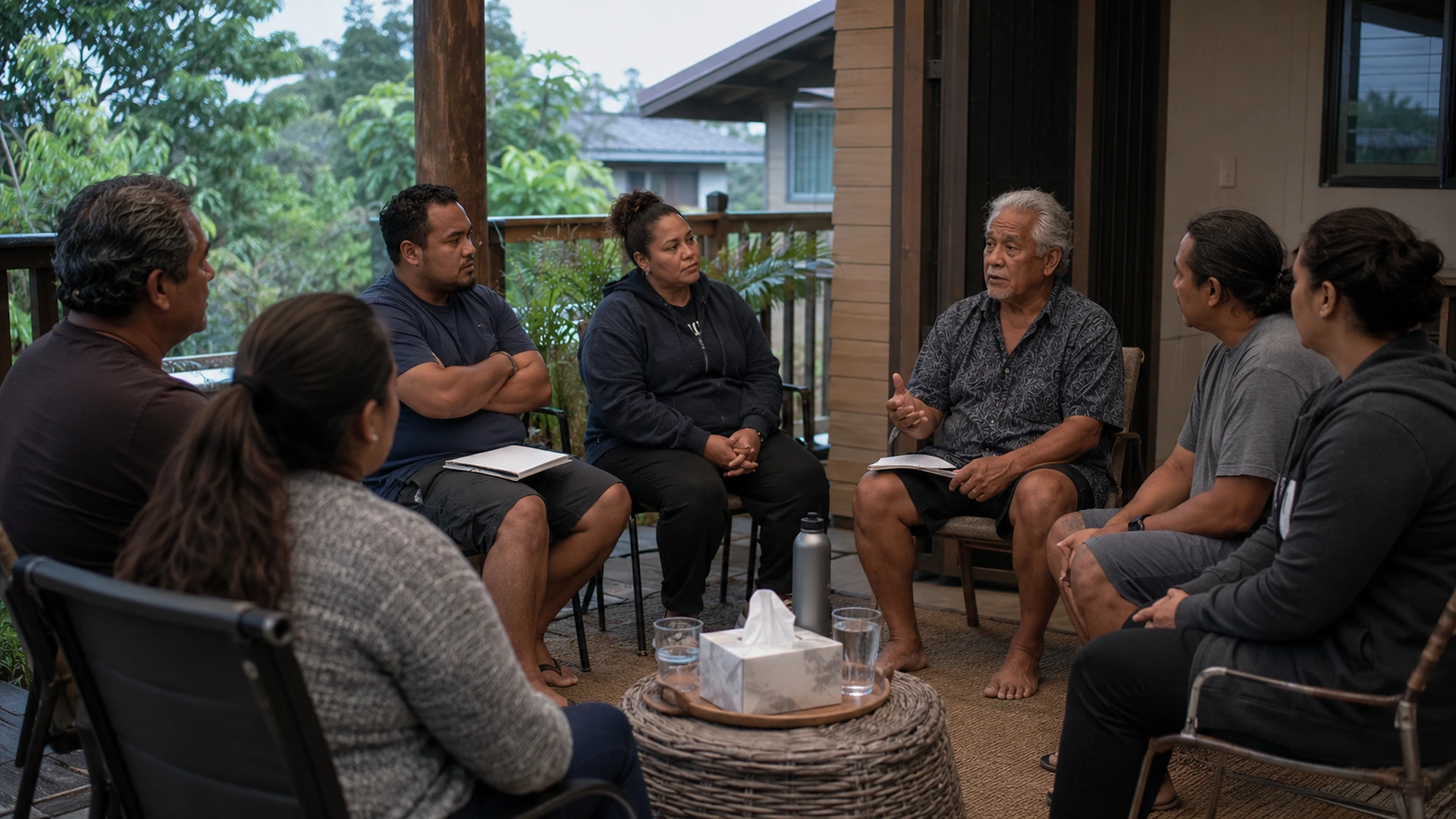
The University of Hawaiʻi describes hoʻoponopono as “to correct” and presents it as a protocol for addressing contention and disputes respectfully. Its public description includes confession, repentance, responsibility and reconciliation so participants can move forward with honour and integrity. [5]
This is different from the widely marketed four-phrase internet exercise often detached from Native Hawaiian family practice. A culturally responsible article should not claim that repeating a formula remotely changes another person or erases harm. The central ethical themes are responsibility, truthful acknowledgement and putting relationships in order.
Outsiders can learn from the value placed on accountability, but they should not present themselves as practitioners or reproduce restricted procedures without legitimate cultural guidance.
Chinese Spring Festival: Home Preparation and Reunion
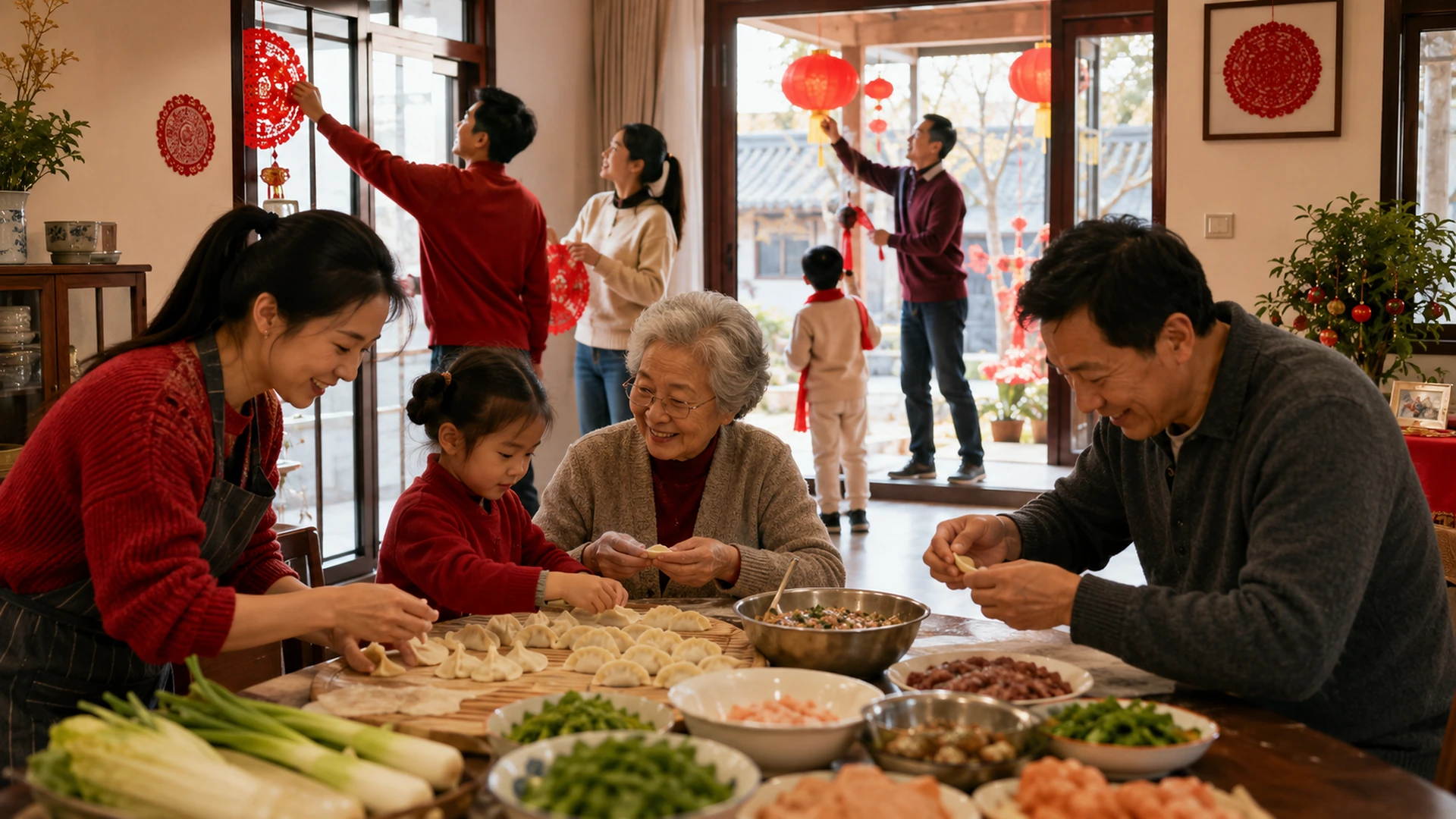
UNESCO inscribed the social practices of the Chinese Spring Festival on the Representative List in 2024. The festival includes cleaning homes, preparing food, family reunion dinners, greetings to elders, relatives and neighbours, and offerings within particular family and religious contexts. UNESCO describes the practices as promoting family values, social cohesion, peace, identity and continuity. [1]
The festival is not a generic “manifestation ritual.” Home cleaning, decorations, food, ancestor-related practices and greetings belong to Chinese communities and vary by region and family. A respectful summary emphasizes transmission across generations and the social work of reunion.
Families outside the tradition can appreciate the general importance of preparation and reunion without copying sacred offerings or presenting red objects as automatic luck devices.
Do Peaceful Home Rituals Work?
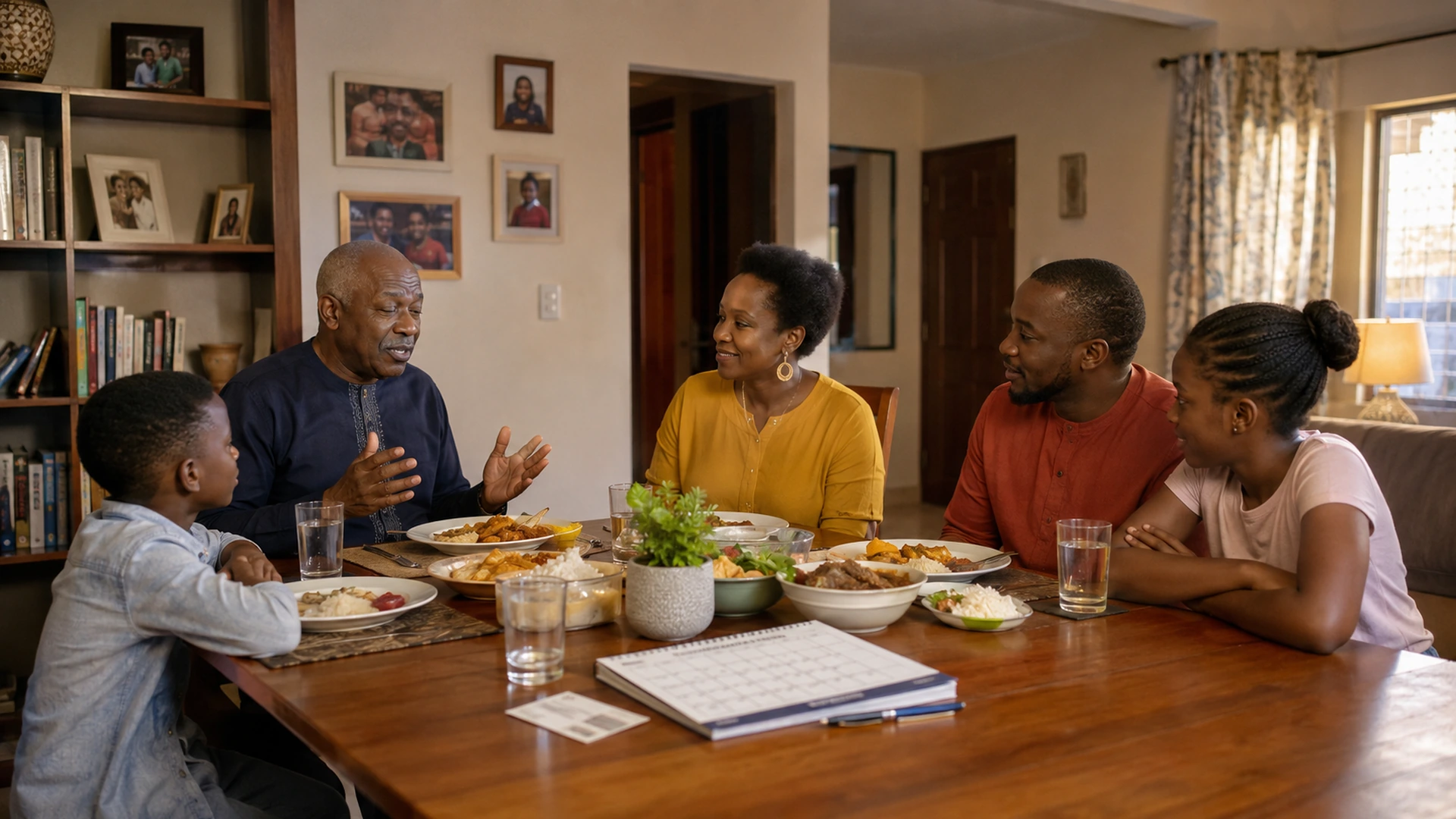
They can work in several ordinary, observable ways. A ritual can create time for conversation, remind people of commitments, distribute household responsibilities, support identity and make care visible. Shared practices may strengthen a sense of normality during stress and can provide opportunities for emotional support. [6][7]
Science has not established that a blessing, candle, greeting, herb, image or ancestral appeal creates a guaranteed supernatural barrier against violence, illness, fire, theft or conflict. People may hold religious beliefs about divine or spiritual protection, but those beliefs should be labelled as beliefs rather than presented as measurable certainty.
A ritual also fails when behaviour contradicts it. A person cannot pray for peace and then terrorize the household. A family cannot hold a unity ceremony while denying food, medical care, education or safety to one member. The test is not how impressive the ritual looks; it is whether the home becomes more respectful and responsible.
Harmony Is Not Silence: Ethical and Safety Boundaries
The language of family unity can be misused. Some households pressure women, children, younger relatives or dependent adults to remain quiet in order to protect the family’s reputation. That is not peace. WHO defines intimate partner violence to include physical aggression, sexual coercion, psychological abuse and controlling behaviour. [10] Violence against children includes physical, sexual and emotional violence and neglect, often by caregivers or authority figures. [11]
Do not require reconciliation with a person who is violent, stalking, threatening or coercive.
Do not use prayer, ancestors, scripture or cultural authority to stop someone seeking medical, legal or safeguarding support.
Do not force children to confess private experiences in a group ritual or punish them for declining participation.
Do not burn herbs, incense or candles around asthma, infants, unsafe wiring or unattended rooms.
Do not replace locks, smoke alarms, safe water, healthcare, medication, counselling or emergency planning with symbolic acts.
Do not blame victims by claiming that misfortune proves weak faith, bad energy or an incorrectly performed ritual.
When conflict is persistent but not abusive, consider a qualified counsellor, mediator, faith leader or community elder with clear ethical standards.
A Respectful 15-Minute Peaceful Home Practice
The following is not a borrowed sacred ceremony. It is an adaptable household routine built around attention, consent and practical care. Families may add prayer from their own tradition or keep it secular.
Prepare the space: silence distracting screens, make the room physically safe and invite—not command—participation.
Begin with a greeting: each person is acknowledged by name or with the household’s customary greeting of peace.
Name one gratitude and one concern: gratitude should be specific, while concerns are heard without immediate argument.
Review practical needs: check the next day’s schedule, food, transport, medication, school needs, household tasks and emergency contacts.
Repair one small issue: identify a misunderstanding, apology or responsibility that can be completed within twenty-four hours.
Offer a blessing or intention: use words from the family’s own faith, or say, “May this home be safe, honest, patient and kind.”
Close with one action: assign a clear task, confirm support for one person and end on time.
Consistency matters more than performance. A weekly ten-minute practice that respects everyone is preferable to an elaborate ceremony that creates pressure or expense.
How to Adapt the Practice for Children and Mixed-Faith Families
Children can draw a gratitude, choose a family song, help prepare food or name one way the home can feel safer. Adults should not demand mature emotional disclosure from young children. Keep the practice brief and predictable.
Mixed-faith households can agree on shared values—peace, honesty, hospitality, safety and care—while allowing each person to pray in their own way or remain silent. Do not combine sacred objects casually to create a “universal” altar. Cultural inclusion means respecting differences, not flattening them.
A person who does not believe in spiritual protection can still participate in the practical portions. Consent is part of unity.
Common Misunderstandings
| Claim | Responsible answer |
|---|---|
| “A peaceful home never has conflict.” | Healthy families disagree; the goal is safe conflict, accountability and repair. |
| “A blessing guarantees protection.” | A blessing expresses faith or intention. Practical safety remains necessary. |
| “All cultures use the same home ritual.” | Similar forms carry different meanings and authorities. |
| “Cleaning automatically removes spiritual negativity.” | Cleaning can improve order and mark transition; supernatural interpretations are culture-specific beliefs. |
| “Family unity means everyone obeys the elder.” | Respect for elders does not justify abuse, coercion or silencing. |
| “Forgiveness requires immediate reunion.” | Forgiveness, reconciliation, trust and access are different decisions. |
| “More elaborate rituals are more powerful.” | Expense and spectacle do not prove cultural legitimacy or effectiveness. |
Related Reading on AncestralTemple.com
Family Protection Rituals: Blessings, Symbols and Ancestral Traditions — for protection-specific household practices and practical safety.
Love Reconciliation Rituals: Meaning, Traditions and Ethical Boundaries — for repairing relationships without coercion.
Cleansing Before New Beginnings: Meaning and Traditions — for purification and renewal practices.
The History of Blessing Ceremonies Across Cultures — for historical context and authority.
Ancestor Reverence: Meaning, History and Cultural Importance — for memory, lineage and deceased relatives.
People Also Ask
What is a peaceful home ritual?
A repeated household action—such as prayer, greeting, a shared meal, gratitude or a family check-in—that expresses peace, care and shared responsibility.
What is a simple ritual for family unity?
Hold a short weekly check-in where each person shares one gratitude, one concern and one practical request, followed by a clear action and optional blessing.
Can a home blessing protect a family?
A blessing may provide religious meaning and reassurance, but it does not replace locks, healthcare, safe housing, supervision, emergency planning or help for violence.
How can I bring peace into my home spiritually?
Use the practices of your own faith or family tradition, pair them with respectful communication, and address practical causes of stress rather than blaming “negative energy.”
Is a family meal a ritual?
It can be. A routine becomes ritual-like when it carries shared meaning, identity or symbolic practices such as prayer, gratitude or storytelling.
What should families avoid in reconciliation rituals?
Avoid coercion, forced forgiveness, public humiliation, victim-blaming and pressure to remain in unsafe relationships.
Can mixed-faith families create a home ritual?
Yes. They can centre shared values and allow different forms of prayer, reflection or silence without mixing sacred traditions carelessly.
Do children have to participate?
Participation should be age-appropriate and non-coercive. Children should be allowed to decline disclosure and should never be shamed.
Frequently Asked Questions
1. How often should a family ritual happen?
Choose a frequency the household can sustain. Daily greetings and weekly check-ins are often more realistic than elaborate monthly ceremonies.
2. Can one person perform a home blessing alone?
That depends on the tradition. Some prayers can be said individually; formal rites may require specific authority. Follow the rules of your own community.
3. What can we say in a non-religious family blessing?
Use an intention such as: “May this home be safe, honest, patient and welcoming, and may we care for one another through our actions.”
4. Can ancestors be included?
Families may name deceased relatives, tell stories or follow their own ancestral tradition. Do not invent spiritual authority or copy another community’s restricted practice.
5. What if family members refuse to participate?
Respect the refusal. Unity cannot be built through compulsion. Invite feedback and design a practical routine that meets shared needs.
6. Should we use candles, incense or herbs?
Only when they belong to your tradition and can be used safely. Consider allergies, asthma, fire hazards, children and pets.
7. Can a ritual fix serious family conflict?
A ritual may open conversation, but persistent conflict may require counselling, mediation, legal advice or safeguarding support.
8. Is forgiveness always necessary for peace?
No. A person can seek peace and safety without restoring trust or contact. Reconciliation requires accountability and voluntary participation.
Key Takeaways
Peaceful home rituals combine meaning with repeated family action.
Their strongest evidence-based value lies in opportunities for connection, communication and shared responsibility—not guaranteed supernatural protection.
Christian house blessings, Islamic greetings of peace, Hawaiian hoʻoponopono and Chinese Spring Festival practices belong to distinct traditions.
A family routine becomes ritual-like when it carries symbolic meaning and identity.
Harmony permits disagreement; it does not require silence or forced forgiveness.
Protection must include practical safety, healthcare, child safeguarding and support for violence or coercion.
Simple, consistent and voluntary practices are more ethical than expensive or fear-based promises.
Conclusion
A peaceful home is not created by one object or one perfect ceremony. It is built through repeated acts: greeting people with respect, eating together when possible, telling the truth, sharing work, apologizing, remembering family history, praying according to one’s faith and responding seriously when someone is unsafe.
Ritual gives those actions a recognizable shape. Culture and religion give them language and authority. Practical care gives them credibility. The most responsible home blessing is therefore not a promise that difficulty will never enter. It is a commitment that, when difficulty comes, the household will respond with honesty, protection, compassion and wise help.
Article body word count (approximate, excluding tables): 3,615 words.
Article Information
- Publisher
- Ancestral Temple
- Editor
- Ancestral Temple
- Last updated
- Jul 30, 2026
- Last reviewed
- Jul 30, 2026
- Content version
- 6645ad451e
This educational article should be read as cultural and spiritual information, not as medical, legal, financial, or emergency advice.
Helpful Related Guidance
About the Author
 Ancestral Temple
Spiritual guide and practitioner with decades of experience in ancestral wisdom, rituals, and divine guidance.
Related Posts
View All






Comments
We'd love to hear your thoughts.