
Property Protection Rituals: Spiritual Beliefs, Boundaries and Family Traditions
Pillar Article
Quick Summary
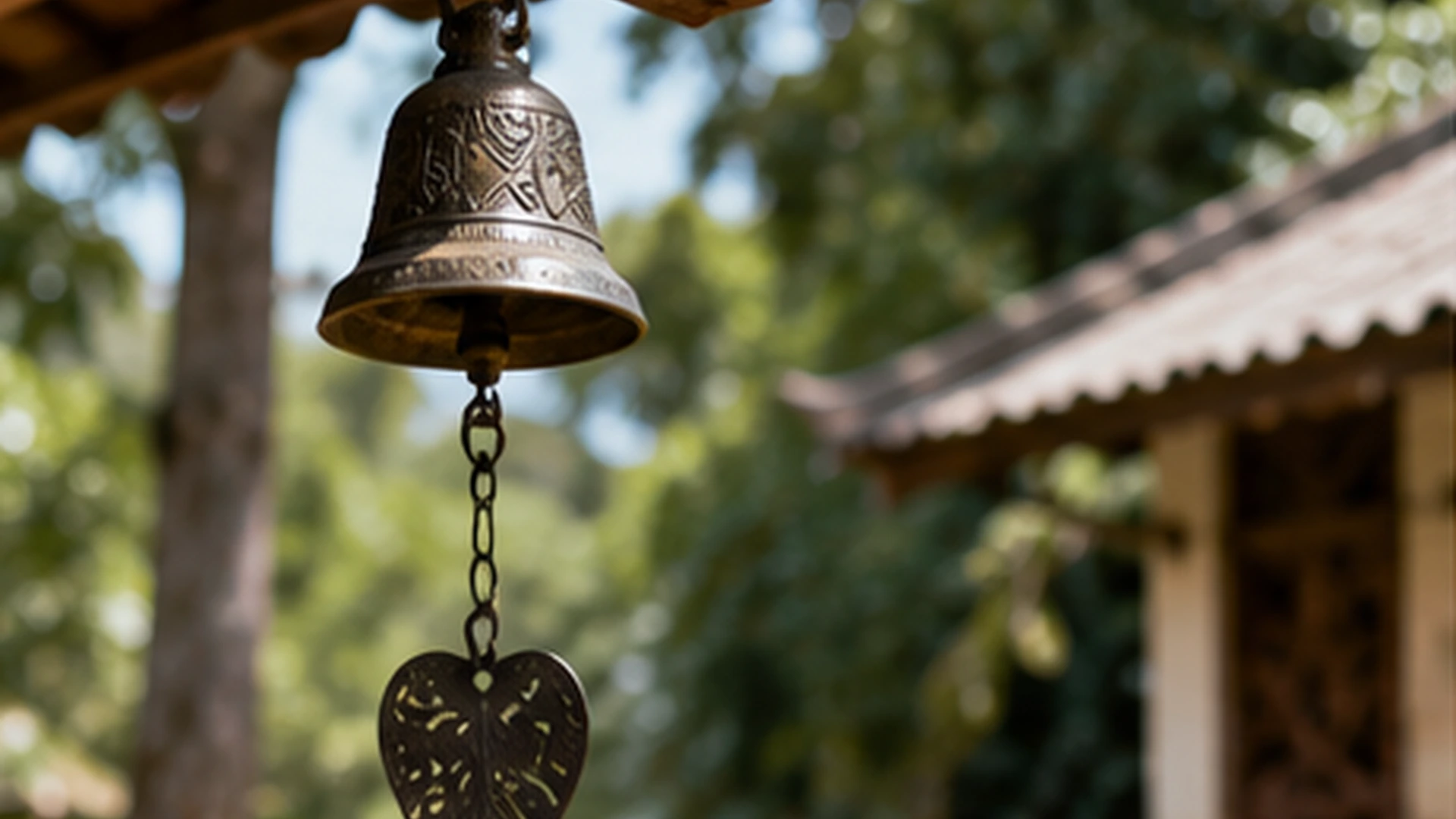
Property protection rituals are culturally defined practices used to mark a home, farm, compound, shop, granary, doorway or piece of land as spiritually meaningful and under the ca...
Property protection rituals are culturally defined practices used to mark a home, farm, compound, shop, granary, doorway or piece of land as spiritually meaningful and under the care of a family, community, deity, ancestor or religious tradition. They may include prayers, blessings, doorway symbols, carved locks, sacred ropes, household shrines, guardian images, processions, annual renewals or acts of cleaning and repair. Their meanings are never universal: a Dogon granary lock, a Jewish mezuzah, a Shinto ofuda, a Chinese door-god print and a Christian house blessing belong to different histories and systems of authority.
These traditions often address more than fear of theft or misfortune. They can define who belongs, remind residents of moral duties, honor ancestors, welcome guests, establish sacred and ordinary space, and connect a household to a wider community. The visible object is only one part of the practice. Words, family memory, authorized leadership, timing, maintenance and respectful behavior may matter just as much.
A culturally responsible explanation must also keep spiritual belief separate from measurable security. No prayer, symbol or ritual can replace strong locks, legal documentation, safe wiring, smoke alarms, emergency plans or professional help. Rituals can express faith and reinforce shared responsibility, but they should not be advertised as guaranteed protection from crime, fire, conflict, illness or natural disaster.
Quick Answer
Property protection rituals are culturally specific practices that mark homes, land, thresholds or family spaces as spiritually or morally safeguarded. They may use blessings, prayers, doorway symbols, household shrines, sacred boundaries or inherited objects. Their meanings depend on the tradition, and they should complement—not replace—locks, legal records, fire safety, emergency planning and respectful relationships.
What Are Property Protection Rituals?
A property protection ritual is an organized religious, spiritual or customary action connected with a place. The property might be a family house, apartment, farm, granary, shop, office, animal enclosure, ancestral compound or community building. Protection may be understood as divine care, ancestral oversight, moral order, resistance to harmful intentions, preservation of food, peace within the household or the continued wellbeing of those who live and work there.
The word “ritual” does not mean that every practice is secret, dramatic or performed by a specialist. Some are formal services led by clergy. Others are annual household customs, such as renewing a doorway object at New Year. Some involve art and architecture. A carved lock may secure grain physically while its imagery expresses spiritual security. A family prayer may dedicate a new home while also reminding residents to welcome guests and care for one another.
The most important questions are therefore not “Which object is strongest?” or “What ritual works everywhere?” They are: Who authorizes the practice? What community does it belong to? What does protection mean in that tradition? Is the action public or restricted? What practical responsibilities accompany it?
Protection Can Mean More Than Preventing Harm
| Dimension of protection | How it may function |
|---|---|
| Spiritual or religious | Prayer for divine care, recognition of sacred presence, or relationship with ancestors and community guardians. |
| Moral and social | A reminder that residents must act honestly, receive guests properly, maintain peace and respect family obligations. |
| Material | Locks, doors, gates, storage design, lighting and maintenance that protect people, food, tools and animals. |
| Legal | Titles, leases, surveys, inheritance records and agreements that define ownership and use rights. |
| Environmental | Firebreaks, drainage, safe wells, tree care, erosion control and protection of shared water or grazing areas. |
| Emotional and familial | Routines that help a family mark a move, recover after crisis, remember elders and create a sense of belonging. |
In many traditions these dimensions overlap, but they are not interchangeable. A spiritual blessing may strengthen commitment to a household, yet it cannot prove ownership or prevent an electrical fire. A carved lock may carry symbolic meaning while still operating as a physical device. Responsible coverage preserves both realities.
Why Doorways, Gates and Boundaries Carry Meaning
A threshold is where inside meets outside. It is crossed by family members, visitors, goods, animals, news and danger. Because doorways control movement, many communities treat them as socially and spiritually charged locations. The gate may announce identity; the doorpost may hold a sacred text; the lock may display protective imagery; a rope may distinguish sacred ground from ordinary space.
Boundaries also organize responsibility. A household boundary can define who maintains a well, granary, courtyard, garden or ancestor site. It can establish rules for hospitality and privacy. In agricultural settings, marked edges may help families remember paths, grazing rights, planting areas or places that require special care. Spiritual interpretation often develops alongside these practical functions rather than replacing them.
Documented African Examples: Locks, Doors and Power
Dogon granary locks: physical and spiritual security
The Smithsonian National Museum of African Art describes Dogon wooden locks used on the small access doors of mud-brick granaries that stored harvested millet. The museum notes that such locks provided both physical and spiritual security.[1] This is an important corrective to the assumption that a protective object is either “practical” or “spiritual.” For the owners, the carved lock could secure valuable food while also expressing culturally meaningful protection.
It would be inaccurate to turn a museum description into a universal recipe. Dogon locks belong to particular communities, artistic traditions and histories in Mali. A modern imitation purchased without context is not automatically equivalent to an inherited or commissioned object used within that setting.
Senufo portals and powerful threshold imagery
The Metropolitan Museum of Art explains that carved doors associated with Senufo Poro structures defined the threshold of training centers and residences in sacred groves. Some images depicted hunts and powerful animals believed to counteract malevolent forces.[2] These were not generic house decorations. They were tied to an association, a sacred landscape and restricted systems of knowledge. Their proper interpretation requires attention to community authority and the difference between public museum information and private ritual meaning.
Kongo power figures and community order
Kongo nkisi figures were collaborative works made by sculptors and ritual specialists. Museum records describe them as serving functions that could include healing, dispute settlement, safeguarding peace and punishing wrongdoing.[3] Such objects may have protected social order as much as a building. They should not be reduced to “home-protection statues” or copied as do-it-yourself charms. Their materials, activation and authority belonged to specialists and communities.

Shinto Household Protection and Sacred Boundaries
In Shinto settings, boundaries help distinguish sacred space from ordinary space. Japan’s official tourism organization describes torii gates as boundary lines between holy ground and the secular world, while shimenawa ropes indicate a sacred object or space.[4] The rope is therefore not merely a decorative “protection cord.” Its meaning comes from Shinto ideas about sacred presence and the particular place where it is installed.
Jinja Honcho, the Association of Shinto Shrines, explains that Japanese households have traditionally maintained kamidana shelves and enshrined ofuda at important places such as gates, kitchens and wells. Household observance cultivates gratitude and treats the divine presence as part of family life.[5] The emphasis is not only on repelling danger. It includes daily care, thanksgiving and the distinction of sacred things from ordinary use.
Visitors and online sellers sometimes remove ofuda or shimenawa from their institutional context and market them as universal charms. A respectful explanation names the shrine tradition, follows official guidance and avoids treating sacred articles as interchangeable décor.
Chinese Door Gods and New Year Renewal
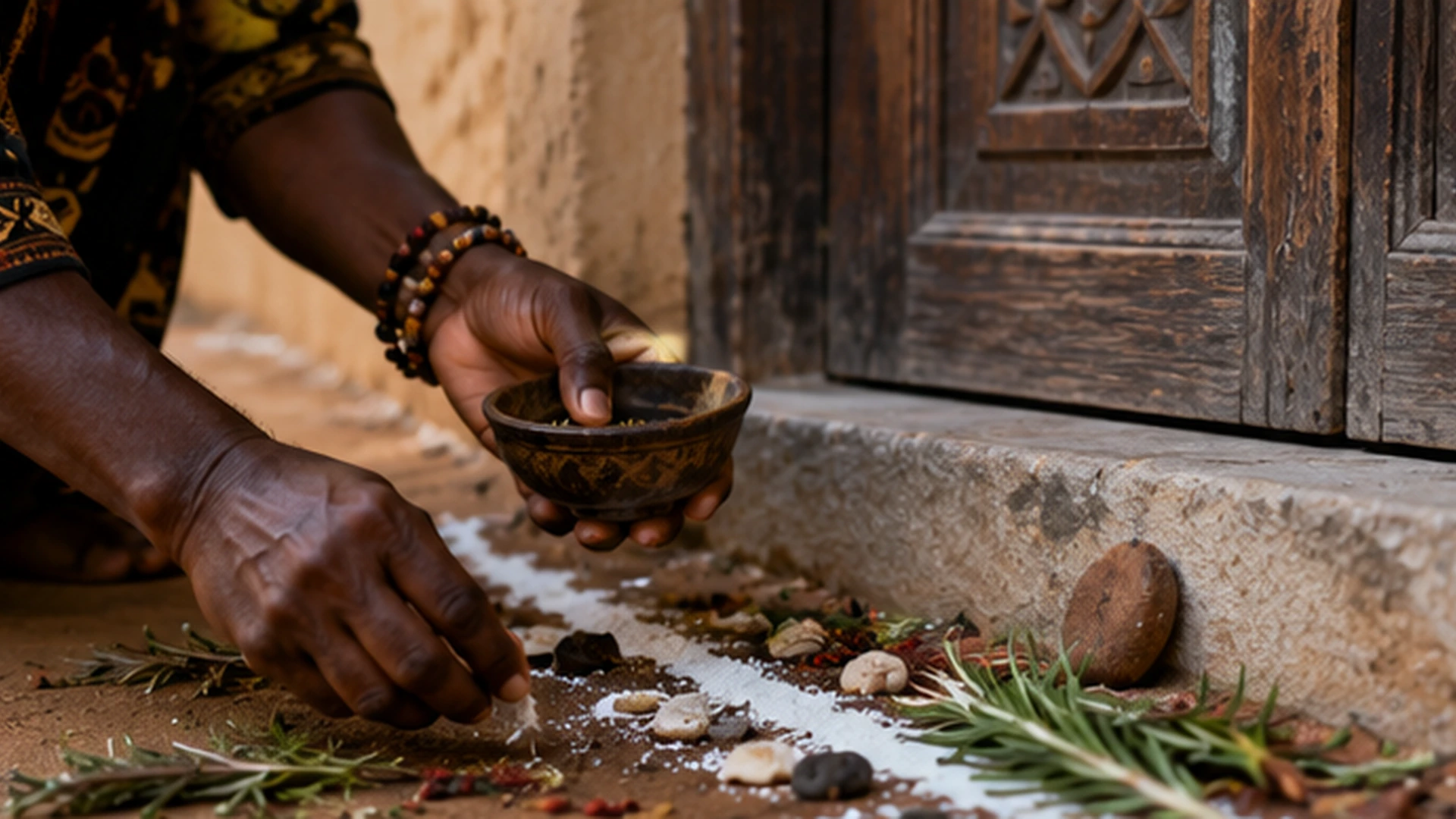
Chinese nianhua, or New Year pictures, include paired door gods placed on household doors. The Metropolitan Museum of Art describes early twentieth-century images of warriors Ma Chao and Ma Dai as traditionally installed during Lunar New Year and believed to ward off evil from the household.[6] Other door-god pairs represent celebrated generals, officials or figures associated with fortune, status and longevity.
The annual timing matters. New pictures can mark renewal, social hope and the beginning of a household year. The images also belong to regional printmaking traditions and popular religious histories. They should not be flattened into a single “Chinese protection symbol,” because subjects, styles and meanings vary by place and period.
The Mezuzah: Doorpost, Covenant and Jewish Home
A mezuzah is a parchment scroll containing passages from Deuteronomy, placed in a case and affixed to the doorpost of a Jewish home. The Jewish Museum notes that traditional Jewish households place mezuzot on the doorframes of rooms and that the scroll contains the Shema, a central part of Jewish liturgy.[7] The practice identifies the home, recalls the commandment to place sacred words on doorposts and connects everyday movement through the doorway with faith and ethical responsibility.
Some Jewish teachings also describe the mezuzah in protective terms. It is still misleading to present it only as an amulet. Its primary context includes covenant, Torah, remembrance and the sanctification of domestic life. Non-Jewish visitors should not remove, open or imitate a mezuzah as décor without understanding its religious status.
Christian House Blessings and Household Responsibility
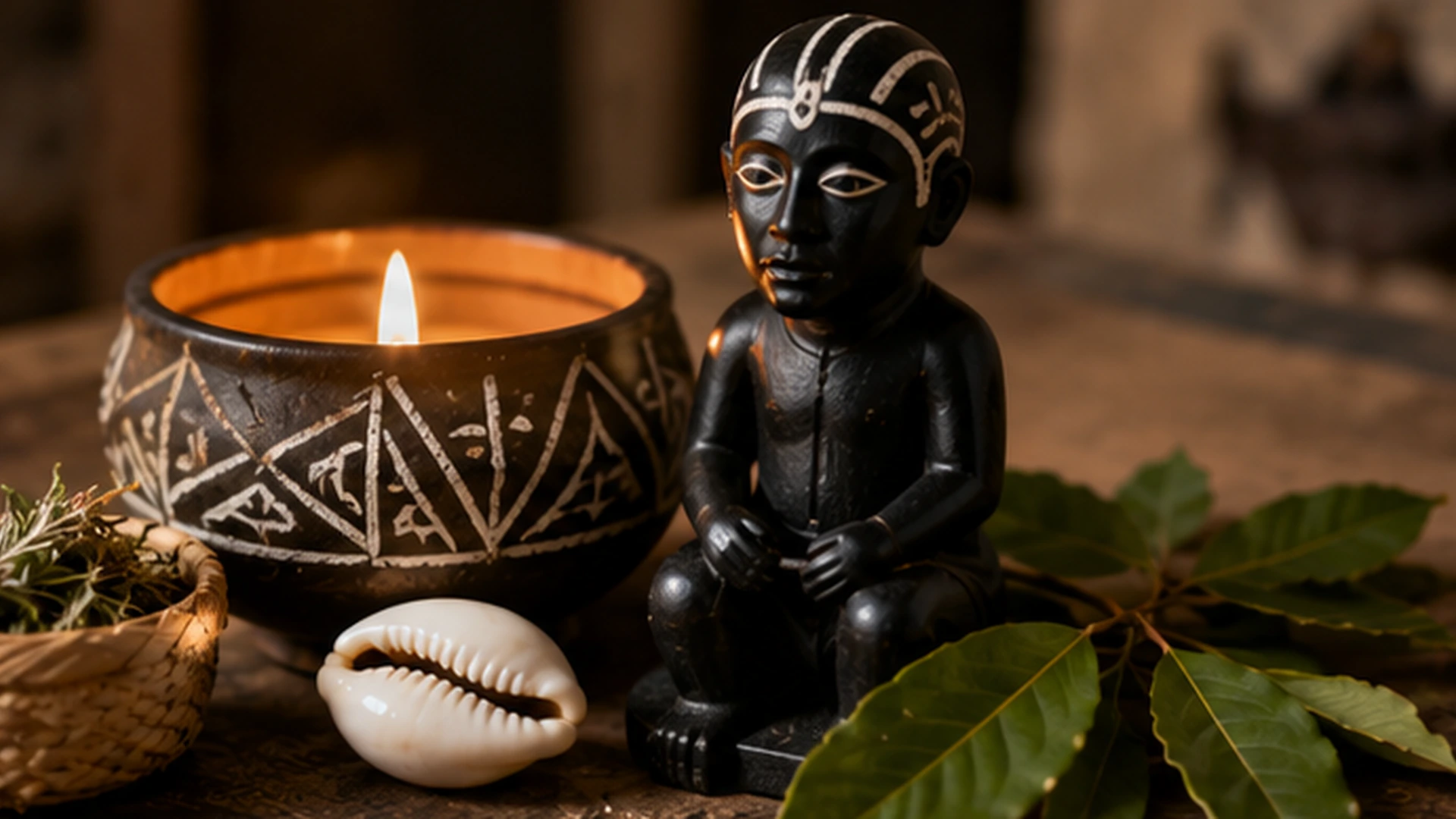
Christian house blessings differ across churches. The Church of England provides forms for blessing a home, with prayers and readings that may be used with or without Holy Communion.[8] In Catholic practice, blessings are sacramentals involving prayer, Scripture and sometimes a ritual sign; the United States Conference of Catholic Bishops publishes a household blessing for Epiphany that asks for divine light, peace, hospitality and concern for others.[9]
These rites are not identical to exorcism, and they should not automatically be described as removing a curse. A house blessing may dedicate a new residence, give thanks, pray for residents and guests, or mark a season such as Epiphany. In many churches, clergy lead formal blessings, while certain household prayers may be led by baptized laypeople according to the tradition’s rules.
The ethical message is often central: a blessed home should be a place of hospitality, peace, generosity and responsibility. Protection is not only what the household receives; it is also how residents are expected to live.
Family Traditions: How Protection Is Remembered and Renewed
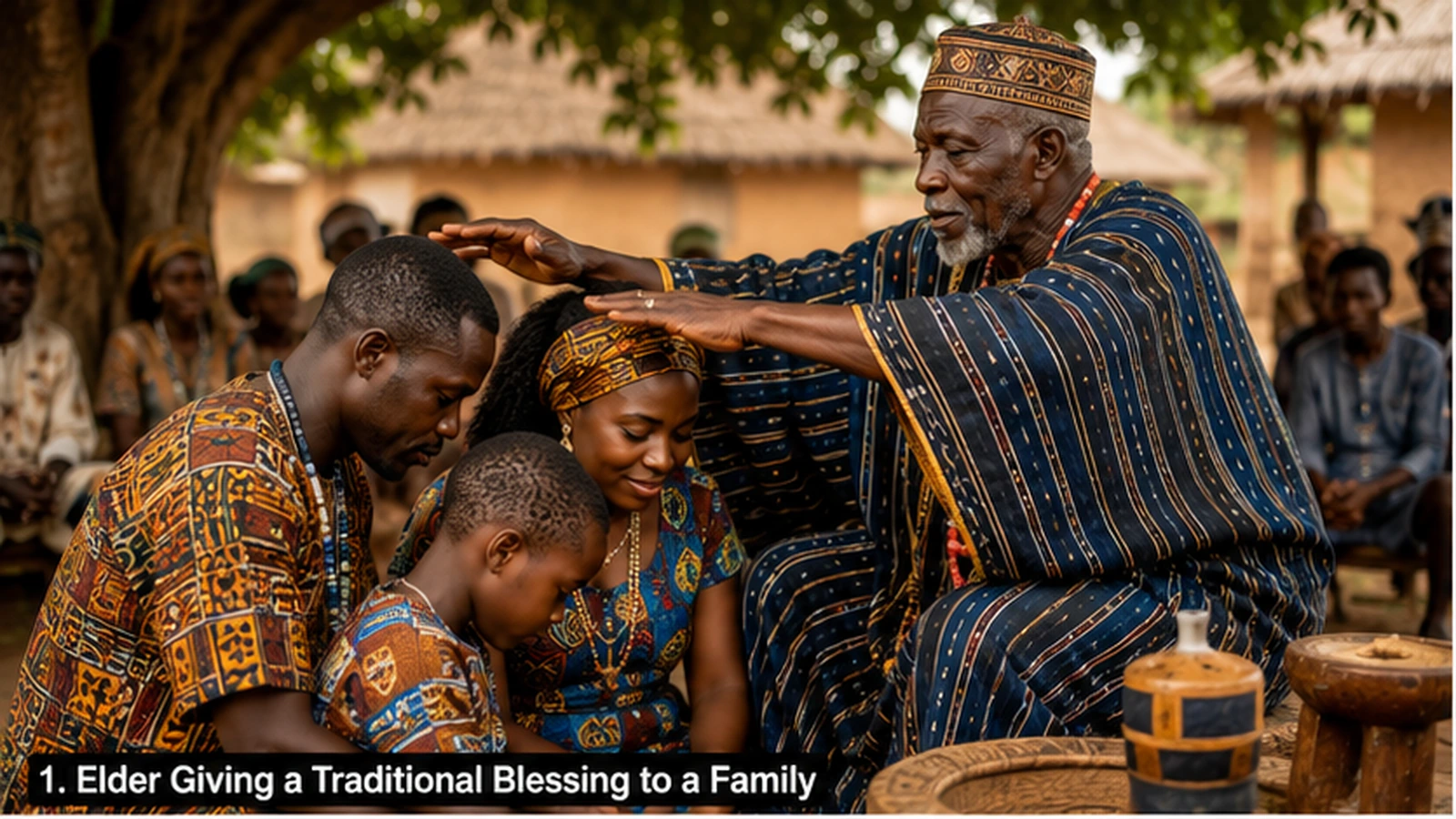
Property traditions often become family traditions because homes are inherited, rebuilt, rented, divided or occupied by new generations. An elder may explain why a doorway object is present. Parents may teach children a prayer used when leaving home. A yearly festival may bring new door images or a renewed blessing. Relatives may gather after construction, after a move or after recovery from conflict or disaster.
The tradition is carried through repetition, but repetition does not make every detail ancient. Families adapt practices to apartments, diaspora settings, interfaith marriages and modern materials. A rural compound custom may change in an urban building. A religious object may be placed differently when tenancy rules restrict alterations. Responsible study recognizes continuity and change instead of declaring a modern adaptation “fake.”
Common Elements in Property Protection Traditions
| Element | Possible role | Important caution |
|---|---|---|
| Doorway or gate | Marks transition, identity, hospitality and control of entry. | Do not assume every doorway symbol is a ward against evil. |
| Prayer or blessing | Dedicates a place, gives thanks or asks for divine care. | Authority and wording vary by religious tradition. |
| Lock or carved door | Provides physical security while carrying social or spiritual imagery. | Museum objects should not be copied as universal charms. |
| Sacred text | Connects the home with covenant, teaching or remembrance. | Do not reproduce restricted or sacred writing inaccurately. |
| Guardian image | Represents protection, courage, fortune or communal memory. | Meanings depend on named figures, region and festival. |
| Rope or boundary marker | Distinguishes sacred from ordinary space. | A sacred boundary is not the same as a legal property line. |
| Household shrine | Supports gratitude, devotion, ancestor memory or family identity. | Respect rules on placement, handling and public display. |
| Annual renewal | Marks a new year, season or family transition. | Avoid claiming all customs are unchanged from antiquity. |
Boundaries, Ownership and Land Disputes
A spiritual boundary cannot settle a legal dispute. Property ownership and use rights are established through the relevant laws, surveys, leases, inheritance procedures, customary authorities and agreements in a particular jurisdiction. A family may regard a tree, shrine or grave as spiritually important while the legal status of the surrounding land remains contested. In such cases, ritual claims should never be used to threaten neighbors, seize land or bypass lawful mediation.
Consent matters on shared property. Residents of apartments, rented homes, workplaces and multi-family compounds may follow different faiths. Placing permanent symbols, burying materials, burning substances or blocking shared entrances without permission can damage property and create conflict. A respectful practice considers landlords, co-owners, neighbors, children, animals and people with respiratory conditions.
Cultural Respect and Ethical Boundaries
Name the specific community, religion, country, institution or historical period whenever possible.
Use official, museum, academic or community-approved sources rather than anonymous ritual lists.
Do not combine Dogon locks, Kongo figures, Shinto ropes, Chinese door gods and Jewish mezuzot into one invented “global protection altar.”
Do not copy restricted initiation objects, sacred texts or specialist practices from photographs.
Ask permission before photographing household shrines, doorposts, graves, altars or private ceremonies.
Do not remove objects from heritage sites, shrines, forests, graves or family compounds.
Avoid selling culturally specific objects with guaranteed claims of protection, wealth or immunity from harm.
Credit artists, ritual specialists, clergy, elders, museums and communities where information is public.
Scientific Limits: What Rituals Can and Cannot Prove
There is no scientific test showing that a house blessing, sacred rope, doorway print, carved lock or protective figure creates an invisible field that prevents burglary, fire, disease, structural collapse or conflict. Claims of guaranteed supernatural protection should be presented as belief or testimony, not measurable fact.
Research does suggest that ritualized behavior can be associated with anxiety and uncertainty. Experimental work has found that higher anxiety can increase repetitive and rigid movements, supporting the idea that ritualization may help people structure uncertain situations.[10] This does not prove that a ritual changes external danger. It helps explain why meaningful repetition, family participation and clear sequences can feel stabilizing.
The healthiest interpretation allows spiritual practice and practical action to support one another. A family may pray over a new home and then test smoke alarms, secure windows, review emergency contacts and store documents safely. The prayer expresses values; the safety work reduces identifiable risk.
Practical Property Protection Must Accompany Belief
The American Red Cross advises households to install and test smoke alarms, know multiple escape routes, establish a family meeting place and practice emergency plans.[11] It also warns against unattended candles and recommends flashlights rather than candles during power outages.[12] These precautions are especially relevant because some household traditions involve flames, incense, oil lamps or smoke.
Use functioning locks on doors, windows, gates, stores and animal enclosures.
Maintain lighting, wiring, cooking equipment, roofs, drainage and boundary fences.
Install and test smoke and carbon-monoxide alarms where appropriate.
Create a family fire and evacuation plan, including children, older adults, disabled residents and pets.
Keep legal records, photographs, inventories and emergency contacts in secure locations.
Use fire-resistant holders and ventilation for any permitted flame or incense practice.
Never leave candles, charcoal, oil lamps or burning herbs unattended.
Consult qualified professionals for electrical, structural, legal, security or mental-health concerns.
A Respectful Family Home Dedication Without Borrowing a Closed Tradition
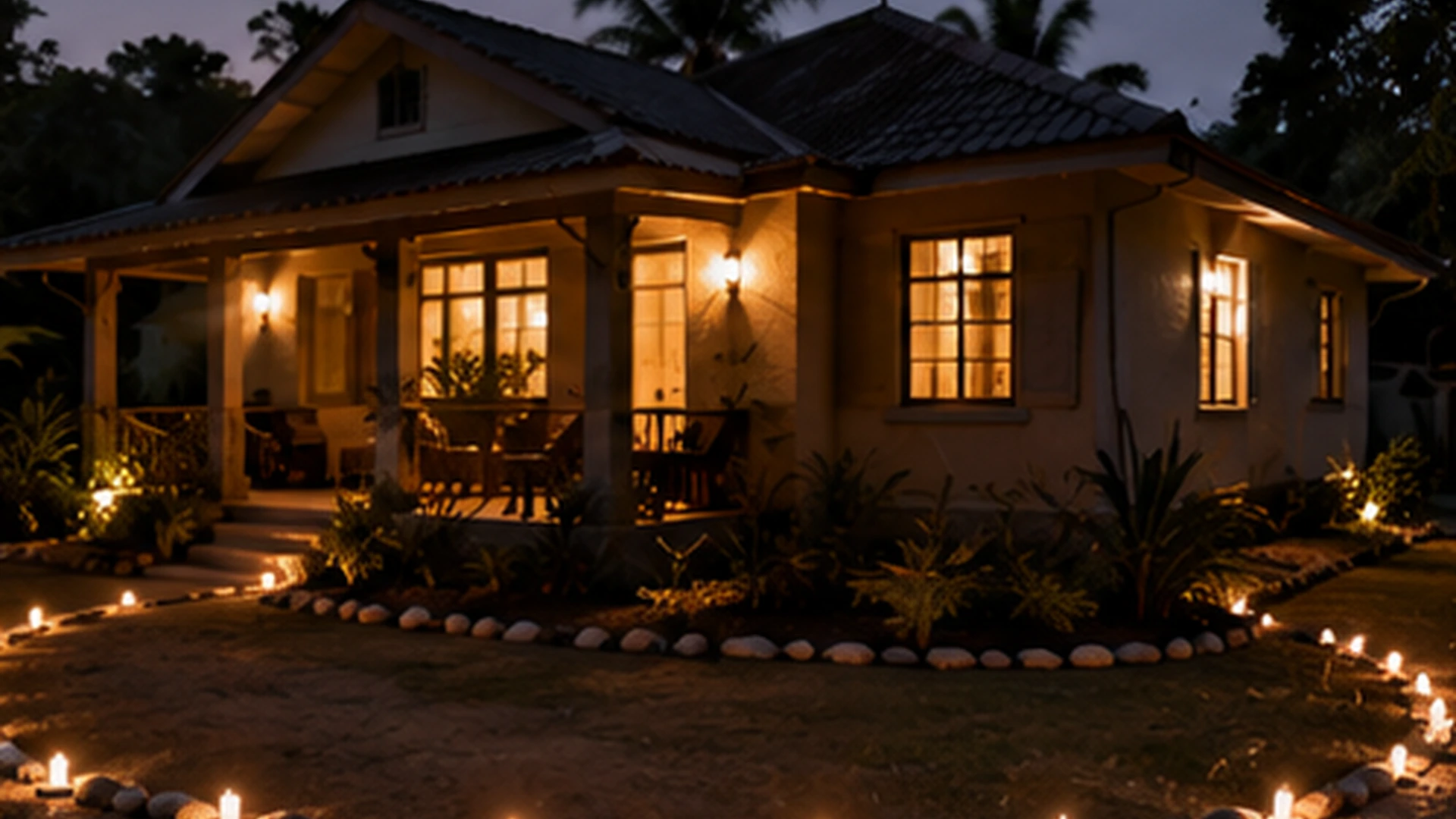
A family that does not belong to a specific inherited tradition can still mark a move or new beginning without presenting the event as an ancient ritual. The following is a modern family dedication framework, not a substitute for clergy, elders or cultural custodians:
Confirm that everyone with authority over the property consents to the gathering and any temporary decoration.
Clean, repair and inspect the home. Test locks, alarms, wiring, water, cooking equipment and emergency exits.
Gather household members and acknowledge the people whose work, land, support or inheritance made the home possible.
Use a prayer, reading, song or moment of silence from the family’s own faith or openly chosen values.
State practical commitments: hospitality, nonviolence, care for children and elders, responsible use of land, and respect for neighbors.
Walk through the home to identify safety responsibilities rather than imitating restricted ceremonial actions.
Share a meal, record emergency contacts and schedule future maintenance or an annual family review.
Families who belong to a religious or cultural tradition should follow its own authorities, wording and rules. A generic internet script should not replace a rabbi, priest, imam, shrine authority, elder, ritual specialist or community custodian where their role is required.
Common Misunderstandings About Property Protection Rituals
| Misunderstanding | More accurate explanation |
|---|---|
| “Every culture has the same home-protection ritual.” | Similar concerns can produce comparable symbols, but histories, authorities and meanings remain distinct. |
| “A sacred boundary is a legal boundary.” | Sacred meaning does not replace surveys, deeds, leases, inheritance law or negotiated rights. |
| “African property protection is one belief system.” | African communities have thousands of distinct histories; Dogon, Senufo and Kongo examples must not be blended. |
| “A mezuzah is only a good-luck charm.” | It is a Jewish religious observance connected with sacred text, covenant, identity and the doorpost commandment. |
| “Shimenawa is a universal protection rope.” | It marks sacred objects or spaces within Shinto contexts and should be understood through shrine tradition. |
| “A house blessing guarantees no harm will occur.” | A blessing expresses faith and values; practical safety, security and maintenance remain necessary. |
| “Museum objects can be copied into a personal ritual.” | Some objects were made by specialists for restricted institutions and should not be recreated without authority. |
| “Older customs never change.” | Living traditions adapt to migration, urban housing, new materials and family circumstances. |
People Also Ask
What is a property protection ritual?
It is a culturally defined practice connected with safeguarding or dedicating a home, land, threshold, shop, farm or family space. It may involve prayer, sacred text, a doorway object, boundary marker, blessing or inherited custom.
What does a house blessing mean?
A house blessing dedicates or gives thanks for a home according to a religious tradition. It may pray for residents, guests, peace and responsible living. Meanings and authorized leaders differ among churches and faiths.
Why are doorways spiritually important?
Doorways control movement between inside and outside. They can represent identity, hospitality, danger, transition and the distinction between sacred and ordinary space.
What are examples of protective doorway traditions?
Documented examples include Dogon carved granary locks, Shinto shimenawa and ofuda, Chinese New Year door-god prints, Jewish mezuzot and Christian prayers of house blessing. They are not interchangeable.
Can property rituals stop theft or fire?
No ritual is scientifically proven to prevent burglary, fire or disaster. Use functioning locks, alarms, safe wiring, emergency plans, insurance and professional advice alongside any spiritual practice.
Can anyone copy an African protection ritual?
No. Africa has many distinct communities, and some practices require elders, clergy, specialists or initiation. Public museum information should not be treated as permission to reproduce restricted rites.
Is a sacred boundary the same as a property line?
No. Sacred boundaries express religious or cultural meaning. Legal boundaries depend on surveys, deeds, leases, customary law and the relevant jurisdiction.
Are house-cleansing and property-protection rituals the same?
They can overlap, but cleansing usually addresses impurity, disorder or transition, while protection focuses on maintaining safety, sacred order or guarded boundaries. Each tradition defines them differently.
Frequently Asked Questions
Do all property protection rituals use objects?
No. Some consist mainly of prayer, Scripture, songs, spoken commitments, processions or acts of repair and hospitality.
What is a threshold ritual?
It is a practice focused on a doorway, gate or other crossing point. It may mark entry into sacred space, establish household identity or renew protection at a seasonal festival.
Why are locks sometimes spiritually meaningful?
A lock protects stored resources physically. Its carved imagery, maker, ownership and use may also communicate spiritual security, status or community values.
What is an ofuda?
An ofuda is a sacred article distributed through a Shinto shrine and enshrined in a home or other appropriate place according to shrine guidance.
What is shimenawa used for?
Shimenawa is a Shinto sacred rope that marks a sacred object or space. It is not simply a decorative cord or universal charm.
Why are door gods renewed at Lunar New Year?
In Chinese popular traditions, new door images can mark seasonal renewal and are believed in some communities to guard the household and invite good fortune.
Is a mezuzah placed for protection?
Some Jewish teachings describe protective meaning, but the mezuzah is also a commanded doorpost observance containing sacred text and expressing Jewish identity, covenant and remembrance.
Can a tenant perform a home blessing?
A tenant can pray or invite authorized religious leadership, but should obtain permission before making permanent changes, burning substances or placing objects in shared areas.
Should a family bury objects at property corners?
Do not bury materials without cultural authority, owner consent and environmental safety. Unknown substances can harm soil, animals, water or future occupants.
Are candles safe during a house blessing?
Open flames create fire risk. Use stable fire-resistant holders, keep flames away from fabrics and children, provide ventilation and never leave them unattended. Some households should use electric lights instead.
Can rituals resolve a boundary dispute?
No. Use lawful records, surveys, customary authorities, mediation and qualified legal advice. Ritual claims should not be used to intimidate neighbors.
How can children participate?
Children can help welcome guests, share a reading, learn family history, test alarms with adults and practice an emergency plan. Keep them away from flames, smoke and sharp tools.
Can an interfaith family combine traditions?
Families can respectfully discuss shared values, but should not merge sacred objects or rites in ways that violate either tradition. Guidance from trusted religious leaders may help.
How often are protection traditions renewed?
Timing varies. Some are performed when moving, annually, at New Year, after repairs, during religious seasons or when a sacred object must be replaced according to community rules.
What should I do with a sacred object left in a purchased home?
Do not discard or open it immediately. Identify it respectfully and contact the previous owner, a relevant religious community, museum or cultural organization for guidance.
How can spiritual and practical protection work together?
Use spiritual practice to express gratitude, identity and shared responsibility while also maintaining locks, alarms, fire safety, legal records, insurance and good relationships with neighbors.
Key Takeaways
Property protection rituals are defined by culture, authority and place—not by a universal list of objects.
Doorways and boundaries often carry meaning because they regulate movement, identity, hospitality and responsibility.
Dogon locks, Senufo portals, Kongo power figures, Shinto household articles, Chinese door gods, mezuzot and Christian blessings must be described separately.
Spiritual protection is not scientific proof of safety and cannot replace legal, structural, fire or security measures.
Family traditions change over time while still carrying memory, faith and responsibility.
Respect requires permission, accurate naming, avoidance of restricted knowledge and refusal to guarantee supernatural outcomes.
Conclusion
Property protection rituals reveal how deeply people connect safety with meaning. A home is not only walls and ownership documents. It may hold ancestral memory, religious commitment, food stores, family authority, hospitality and hopes for future generations. That is why thresholds, locks, gates, doorposts and household shrines can become powerful cultural symbols.
The similarities among traditions should encourage careful comparison, not careless blending. A Dogon lock is not a mezuzah; a shimenawa is not a Chinese door-god print; a Christian blessing is not a Kongo nkisi. Each belongs to a specific history, institution and community. Their shared lesson is broader: protection often includes responsibility, gratitude, moral conduct and care for the place itself.
Responsible practice joins belief with action. Families can pray, remember elders and dedicate a home while also maintaining locks, testing smoke alarms, respecting neighbors, protecting documents and preparing for emergencies. The strongest cultural understanding does not choose between spiritual meaning and practical care. It recognizes the proper role of each.
Final Summary
Property protection rituals are culturally specific practices that mark homes, land and thresholds as spiritually, morally or communally protected. They may involve blessings, sacred texts, carved locks, guardian images, ropes, household shrines or annual renewal. Their meanings vary, and they must not be copied without context or presented as guaranteed protection. Ethical participation requires cultural permission, legal respect, environmental care and practical security.
Article Information
- Publisher
- Ancestral Temple
- Editor
- Ancestral Temple
- Last updated
- Jul 30, 2026
- Last reviewed
- Jul 30, 2026
- Content version
- d43dd97a39
This educational article should be read as cultural and spiritual information, not as medical, legal, financial, or emergency advice.
Helpful Related Guidance
About the Author
 Ancestral Temple
Spiritual guide and practitioner with decades of experience in ancestral wisdom, rituals, and divine guidance.
Related Posts
View All








Comments
We'd love to hear your thoughts.