
Fire Cleansing Rituals: Meaning, Symbolism and Traditional Uses
Pillar Article
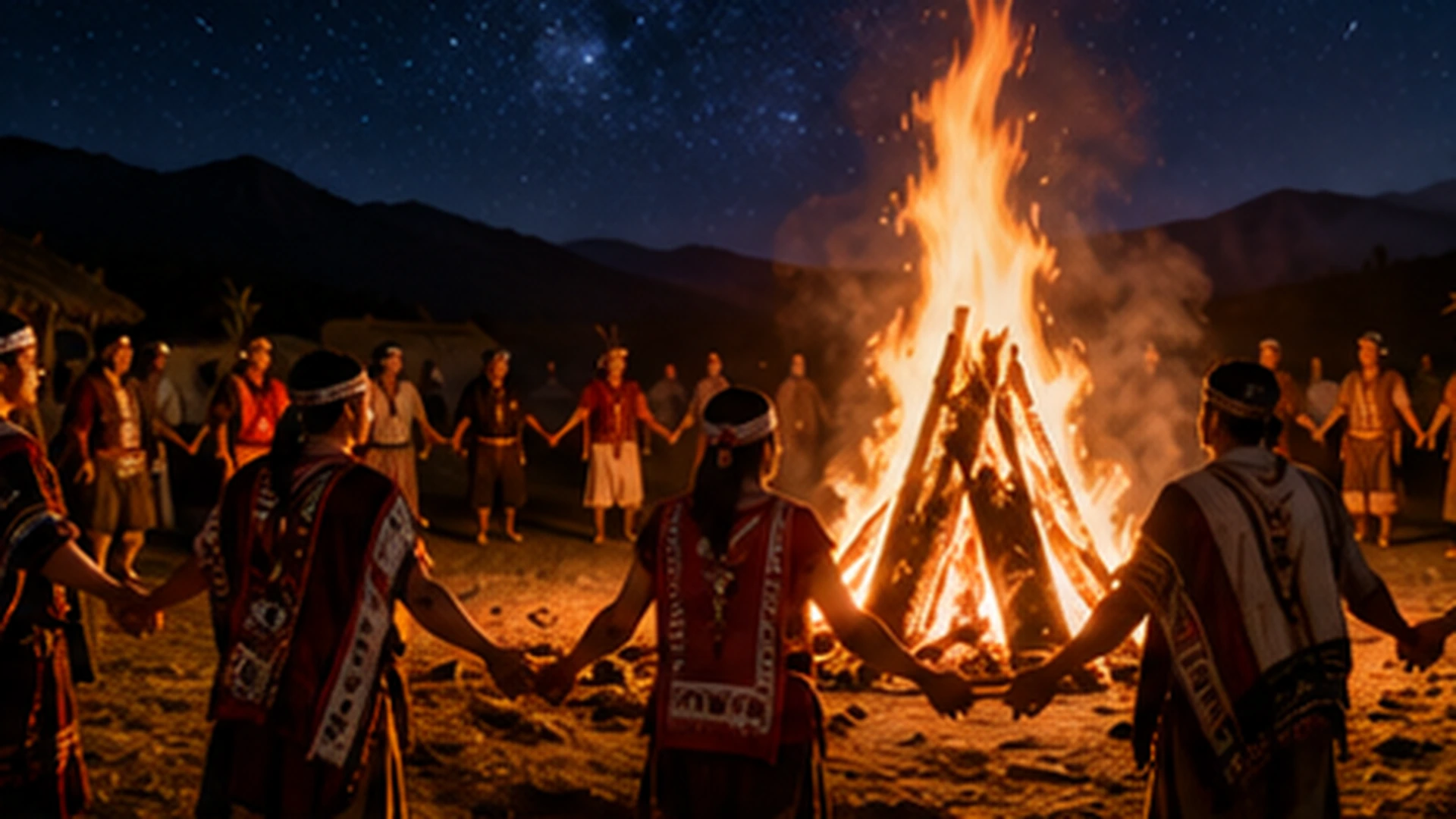
Quick Summary
Fire is one of humanity’s oldest practical tools and one of its most powerful symbols. It cooks food, warms homes, lights darkness, reshapes materials and can destroy what is not c...
Fire is one of humanity’s oldest practical tools and one of its most powerful symbols. It cooks food, warms homes, lights darkness, reshapes materials and can destroy what is not controlled. That double nature helps explain why communities have used flames, embers, lamps and renewed hearths to mark transitions, offerings, protection, worship and communal renewal.
The modern phrase “fire cleansing ritual” brings many different practices under one label. Some involve a candle used during prayer. Others involve a priest-led sacred fire, the annual renewal of a household hearth, the blessing of a new flame, or carefully managed burning of land. These practices are not interchangeable, and most were not originally described as generic methods for removing “negative energy.”
A responsible approach begins with context. Fire may symbolize purification in one setting, divine light in another, continuity of family life in another and ecological stewardship in another. It should never be assumed that lighting any flame recreates an inherited ceremony or guarantees a supernatural result.
| Quick Answer A fire cleansing ritual is a symbolic practice that uses a flame, renewed hearth, candle or consecrated fire to mark transformation, prayer, protection, offering or a new beginning. Its meaning comes from the cultural or religious tradition—not from fire acting as a scientific detector of curses or “negative energy.” Open flames require strict safety, and no-flame alternatives can carry the same personal intention. |
|---|
What Is a Fire Cleansing Ritual?
A fire cleansing ritual is a broad modern phrase for practices in which flame, heat, embers, lamps or renewed hearth fire symbolize a change in spiritual, social or household condition. The action may mark the end of mourning, the start of a new year, a dedication to God, an offering, a vow, the renewal of a family hearth or the restoration of land through knowledgeable burning.
The word cleansing can be misleading. In some traditions, fire does not “wash away” impurity. It may instead illuminate, carry an offering, establish sacred time, witness a promise or preserve continuity. In others, the extinguishing of an old flame and kindling of a new one represents a break between periods. Meaning comes from the surrounding prayers, rules, relationships and authority.
Fire is never culturally neutral. A candle lit privately for reflection is not the same as a consecrated temple flame, a priest-led homa, an Easter Vigil fire, a newly kindled clan hearth or an Indigenous land-management burn. Similar material does not mean identical theology or permission.
The Spiritual Symbolism of Fire
Light and truth: A flame makes darkness visible and can symbolize insight, divine presence, guidance or the exposure of what has been hidden.
Transformation: Fire changes wood to ash, clay to pottery and raw food to nourishment. Rituals may use that visible change to represent transition, discipline or renewal.
Warmth and life: The hearth gathers households, cooks food and protects against cold. Its continuity can symbolize family survival and social order.
Boundary and protection: A controlled flame creates a visible center or edge. In ritual, that boundary may distinguish sacred time from ordinary activity.
Offering and communication: In some traditions, materials are placed into consecrated fire as offerings. The act is governed by prayers and ritual rules, not by the object burning alone.
Destruction and warning: Fire can also symbolize judgment, danger, conflict or uncontrolled desire. A balanced interpretation does not assume every flame is positive.
Continuity and renewal: A perpetual or annually renewed fire can connect generations, institutions or the household across time.
Fire Cleansing Versus Smoke Cleansing
| Feature | Fire-centered practice | Smoke-centered practice |
|---|---|---|
| Primary material | Flame, ember, candle, lamp, hearth or heat | Smoke or fragrance produced by burning plant material, resin or incense |
| Common symbolic focus | Light, transformation, offering, continuity, new beginning | Prayer, fragrance, movement through space, preparation or sensory boundary |
| Typical examples | New-fire ceremonies, Paschal candle, homa, sacred hearth | Incense in worship, nation-specific smudging, household fragrance |
| Main risks | Burns, ignition, tipping, fuel spills, wildfire | Indoor particles, asthma or migraine triggers, hidden ember and fire risk |
| Cultural boundary | A sacred or priest-led fire is not a generic DIY tool | Smudging is not a universal synonym for smoke cleansing |
| No-combustion alternative | LED candle, sunlight, lamp, written commitment | Prayer, flowers, water, sound, ventilation or unscented cleaning |
Traditional Uses of Fire: Specific Examples
The following examples share the material of fire, but their meanings, authorities and procedures differ. They should be studied as distinct traditions rather than combined into one “ancient fire cleansing” recipe.
Angami Sekrenyi: Water, New Fire and the Household Hearth
The Indira Gandhi National Centre for the Arts documents the Angami Sekrenyi festival in Nagaland as a sanctification period linking bodily washing, communal rules and the making of new fire. In the documented Khonoma form, men wash at village wells before a traditional firestick is used to kindle a new flame. That flame renews the family or clan hearth and is intended to continue until the next Sekrenyi. [1]
This is not simply a candle ritual for personal “energy.” It is embedded in Angami social organization, seasonal timing, gendered historical roles, omen traditions and community life. The educational lesson is that renewed fire can represent health, social functioning and the beginning of a new annual cycle. The complete procedure should not be copied outside its community context.
The Christian Easter Vigil: New Fire and the Light of Christ
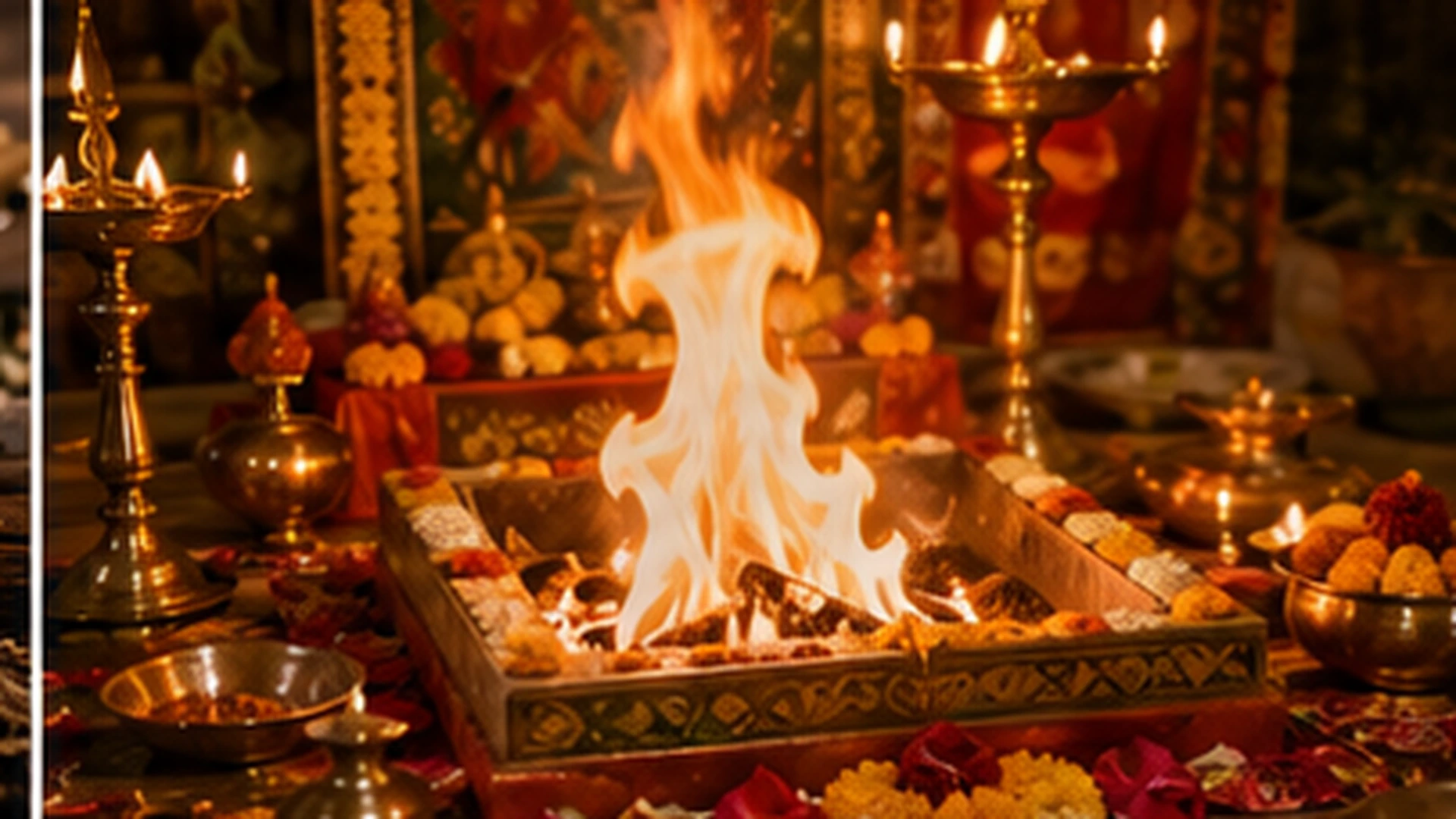
In the Roman Catholic Easter Vigil, the liturgy begins at night with a new fire prepared outside the church. The fire is blessed, and the Paschal candle is lit from it before the light is carried into the dark church. The United States Conference of Catholic Bishops explains that the fire’s light and warmth draw the assembly together, while the Paschal candle signifies Christ as the light of the world. [2][3]
The ceremony is not a generic purification spell. It belongs to the Paschal liturgy and proclaims resurrection, passage from death to life and the scattering of spiritual darkness. A private candle may remind a Christian of that symbolism, but it does not reproduce the church’s liturgical rite.
Hindu Homa and Yajna: Fire, Mantra and Offering
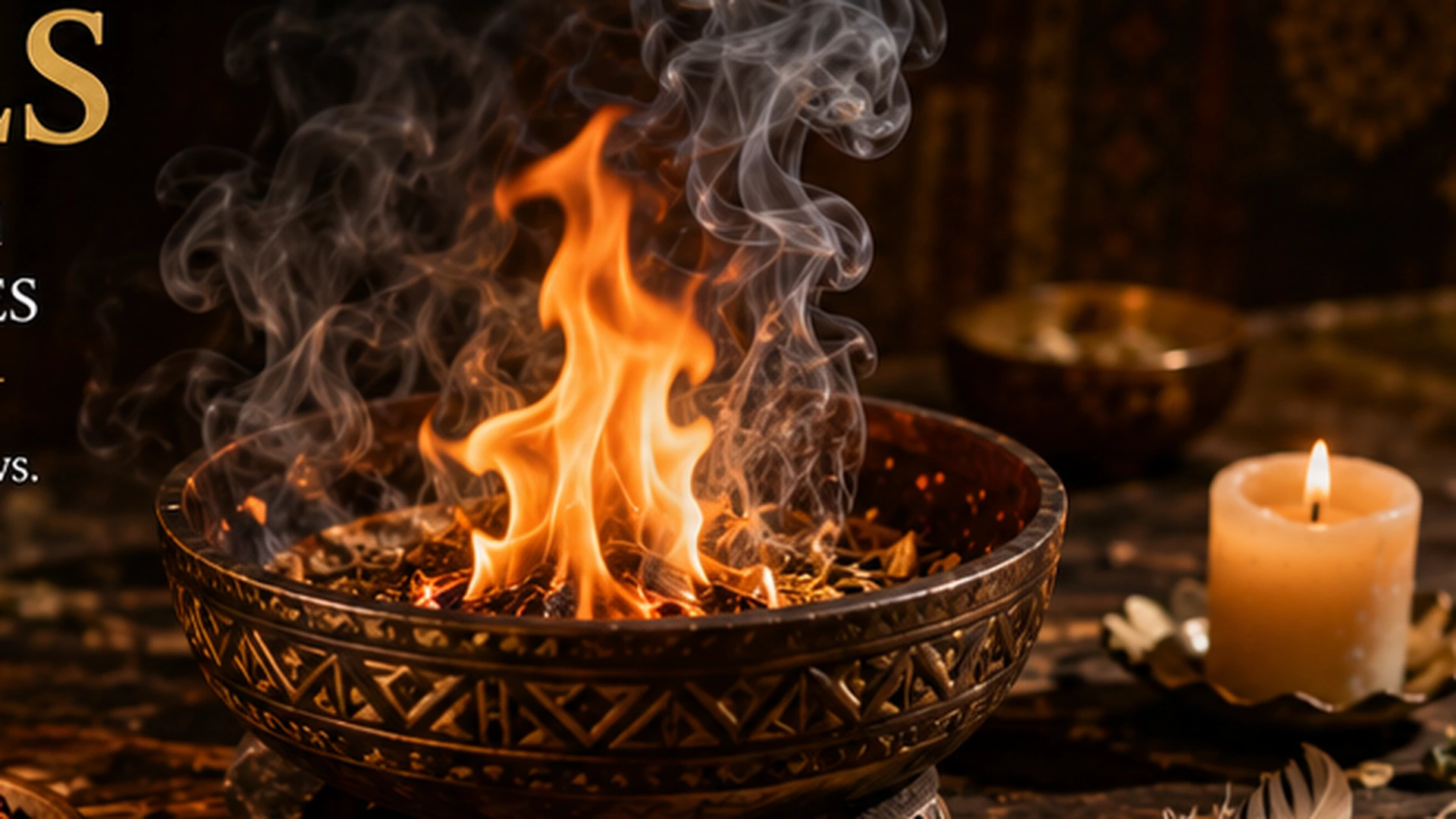
Vedic and later Hindu traditions include yajna, homa or havan practices in which offerings are made in the presence of consecrated fire with mantra and prescribed action. India’s Vedic Heritage Portal identifies yajna-related texts, implements and ritual procedures as a major part of Vedic heritage, while Hindu educational resources note that homa and yajna are among the ritual forms used in homes and temples. [4][5]
The meanings vary by lineage, deity, occasion and level of ritual complexity. Fire may be understood as a divine presence, a ritual mediator or the means through which offerings are presented. This is not permission to improvise with fuel, alcohol, unknown powders or copied mantras. Formal ceremonies may require trained priests, specific altar construction, ventilation and community rules.
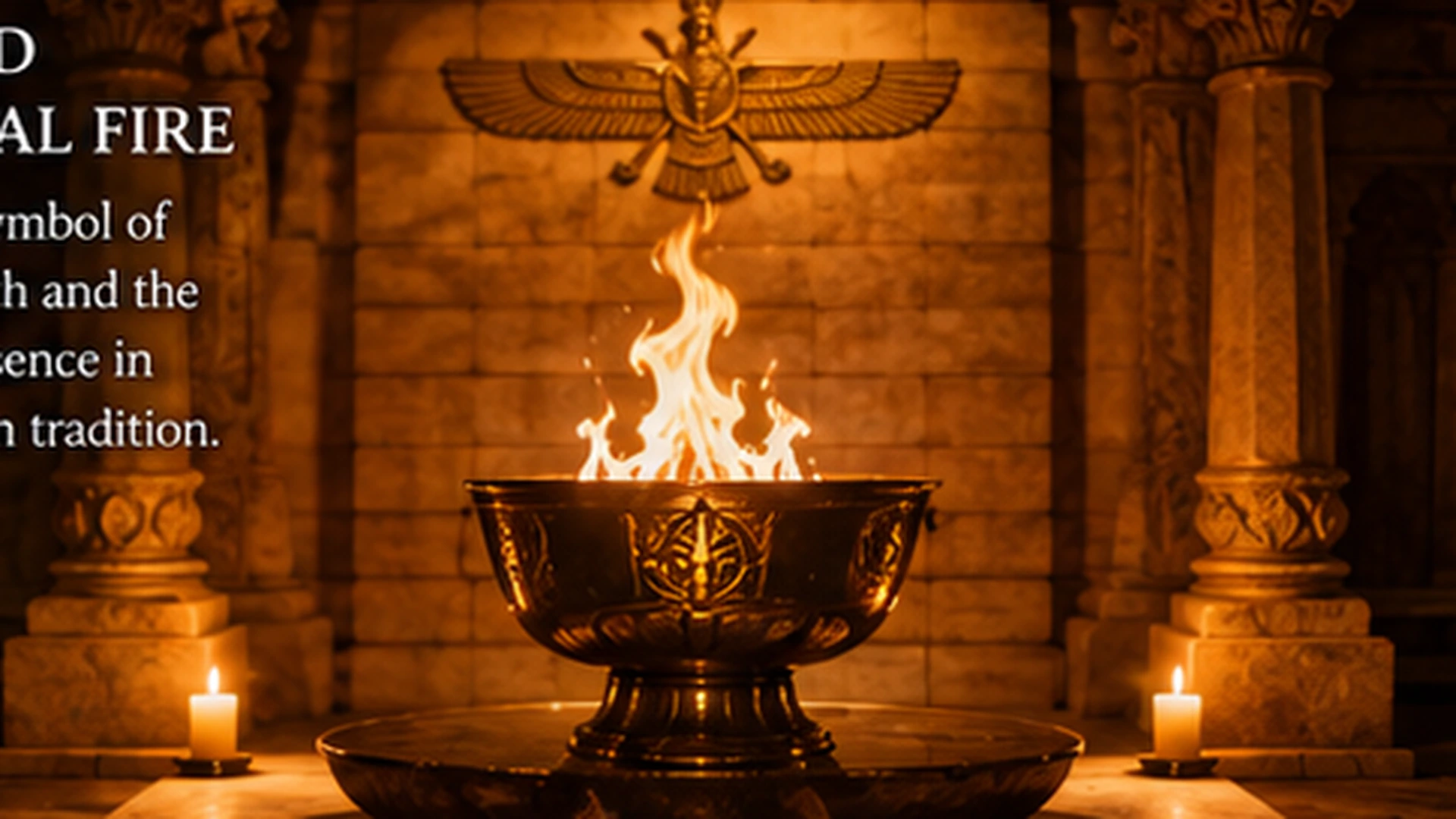
Zoroastrian Sacred Fire: Purity, Worship and Continuity
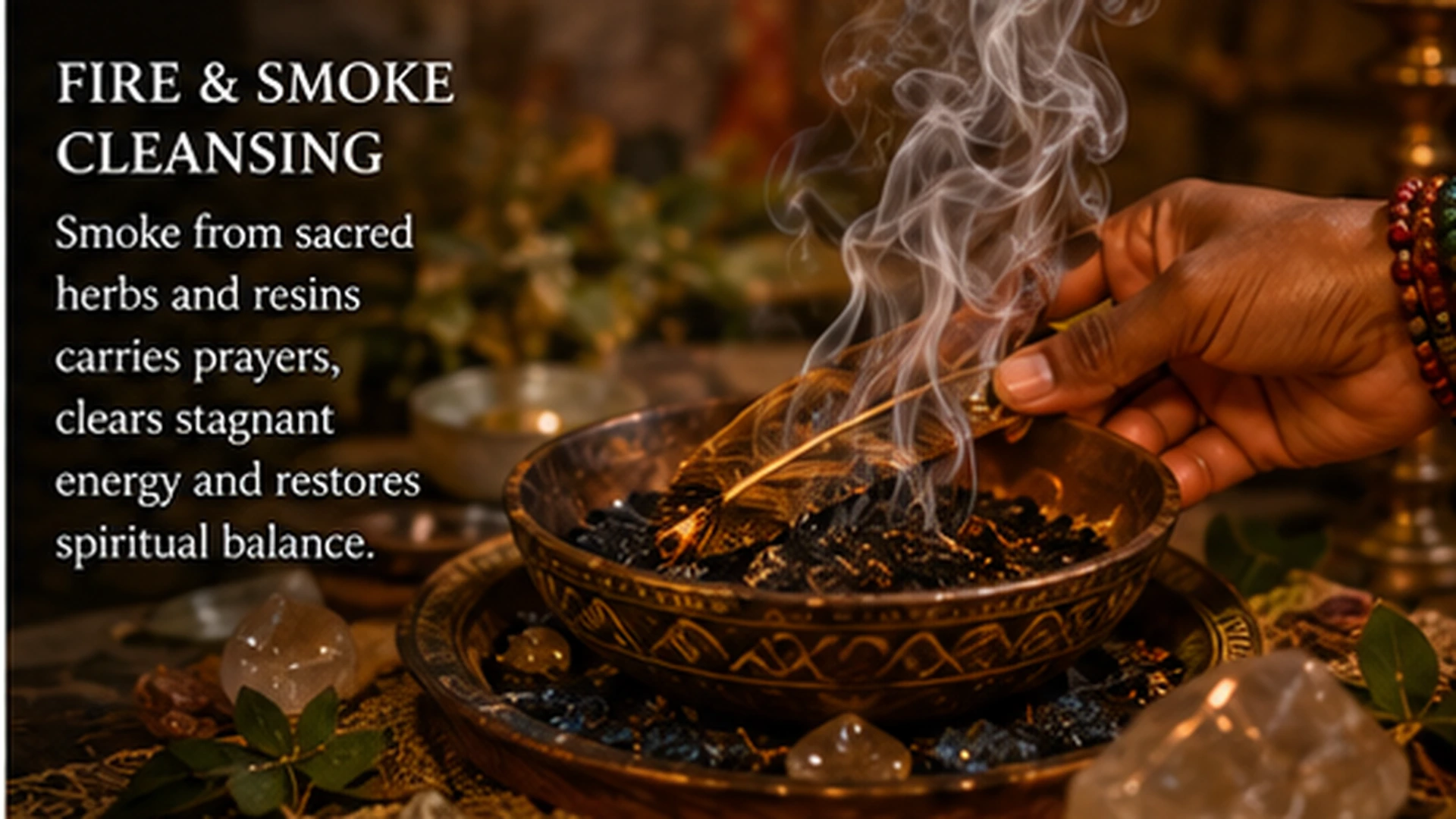
Zoroastrian traditions maintain sacred fires within religious practice, and historical fire altars appear in archaeology, manuscripts, ceramics and Sasanian coinage. UNESCO describes Takht-e Soleyman in Iran as an exceptional Zoroastrian sanctuary with spiritual significance connected to fire and water over many centuries. British Museum objects likewise preserve representations of Zoroastrian fire altars and worship. [6][7][8]
It is inaccurate to reduce Zoroastrians to “fire worshippers” in the sense of treating fire as an ordinary deity or magical object. Sacred fire is approached within a theology of purity, truth and worship, with careful rules against pollution. Outsiders should not attempt to recreate temple practices or use Zoroastrian imagery as a generic cleansing aesthetic.
Indigenous Cultural Burning: Fire as Land Stewardship
Fire also has traditional uses that are ecological rather than household or devotional. UNESCO documents Indigenous controlled burning in the Guiana Shield and Australia, where knowledgeable communities use carefully timed, low-intensity burns to reduce fuel loads, support biodiversity, protect livelihoods and prevent more destructive wildfires. The Martu Waru Fire Program, for example, connects ancestral burning practice with desert ecosystem care. [9][10]
Cultural burning is not a backyard ritual and should never be attempted without land rights, legal authority, trained knowledge holders, appropriate weather assessment and fire-management support. Its inclusion here shows that “cleansing” can refer to renewal of a landscape, but the practice is technical, ecological and community-governed.
Common Forms of Fire-Centered Practice
| Form | Possible meaning | Responsible boundary |
|---|---|---|
| Candle or lamp prayer | A small flame marks prayer, remembrance, vigil or intention. | Use a stable holder or LED alternative; never promise automatic protection. |
| Renewed hearth | An old fire is extinguished and a new one kindled to mark a new cycle. | Often community-specific; do not imitate restricted procedures. |
| Consecrated fire offering | Materials are offered with prayer or mantra in a formal ritual. | May require clergy, priests, lineage knowledge and purpose-built altars. |
| Ceremonial bonfire | A community gathers around a controlled outdoor fire at a festival or transition. | Requires permits, supervision, fuel control and emergency planning. |
| Perpetual sacred flame | A fire is maintained continuously within an institution or religious community. | Not a household decoration; it carries institutional and theological obligations. |
| Cultural burning | Low-intensity fire is used to care for land and reduce wildfire risk. | Only under Indigenous leadership, law, ecological knowledge and professional fire control. |
| Symbolic disposal | A written note or small item is burned to mark release. | Safer to shred, recycle or tear it; never burn plastics, chemicals or personal documents outdoors. |
Can Fire Remove Negative Energy?
There is no scientific test showing that a flame detects or removes an invisible substance called negative energy. People may nevertheless experience a fire-centered ritual as emotionally powerful because it provides sensory focus, a clear sequence and a visible sign that something has changed.
Research on ritual suggests that familiar or predictable ritualized behavior may reduce anxiety for some participants, although effects vary and do not prove that the ritual changes external events. A field study among Marathi Hindu participants in Mauritius found lower reported and physiological anxiety after habitual temple rituals than after quiet rest. A later preregistered experiment found smaller differences and emphasized that the mechanisms remain uncertain. [11][12]
Use the phrase negative energy carefully. A heavy feeling in a home may arise from grief, conflict, unsafe relationships, poor sleep, heat, smoke, clutter, financial pressure or traumatic memories. Fire should not be used to accuse a neighbor, former partner or family member of spiritual attack.
| Responsible limit Fire can help mark a decision, prayer or transition. It cannot diagnose a curse, identify an enemy, guarantee protection, cure illness, fix wiring, remove carbon monoxide or make an unsafe relationship safe. |
|---|
A Respectful Personal Fire Reflection
The following practice is intentionally simple and non-denominational. It does not reproduce Angami, Christian, Hindu, Zoroastrian or Indigenous ceremonies. Use an LED candle when there is any doubt about safety.
Name the transition. State what is ending or beginning: moving home, completing repairs, recovering after conflict, starting a new routine or remembering someone.
Check the environment. Confirm that smoke and carbon-monoxide alarms work, exits are clear and no children, pets, curtains, paper, aerosols or fuel are near the flame.
Choose the safest light. Use daylight, a lamp or an LED candle by default. Use a real candle only where open flame is permitted and continuously supervised.
Keep the symbol small. One light is enough. More flame does not make an intention stronger.
Speak one honest sentence. For example: “May this light remind us to act with truth, repair what is broken and protect what gives life.”
Name one practical action. Repair a smoke alarm, make a budget, apologize, change a lock, seek counseling, clean a room or establish a household boundary.
Close safely. Extinguish the candle completely, confirm that the wick and holder are cool and never leave embers or ash unattended.
No-Flame Alternatives
Use an LED candle or warm household lamp as a symbol of light.
Open curtains and allow daylight into the room when safe.
Write what you are releasing, then tear or recycle the paper instead of burning it.
Wash a surface or doorway with ordinary water as a practical sign of renewal.
Pray, sing, read Scripture or keep a period of silence.
Share a meal, make a donation or offer hospitality as a living expression of the intention.
Complete one repair, safety check or relationship action immediately after the reflection.
Fire and Smoke Safety
Open flames are a physical hazard regardless of spiritual intention. The U.S. Fire Administration advises using stable holders, keeping candles at least 12 inches from anything that can burn, extinguishing them before leaving a room or sleeping and considering battery-operated flameless candles. [13]
Smoke is also not harmless because it is natural. The U.S. Environmental Protection Agency identifies candles, fireplaces and other combustion as indoor sources of particulate matter. Fine particles can irritate the eyes, nose and throat and aggravate respiratory or heart conditions, especially for children, older adults and people with asthma or chronic lung disease. [14][15]
Never use petrol, kerosene, alcohol, aerosol sprays or unknown spiritual oils to enlarge a flame. Never burn plastic, synthetic cloth, treated wood, batteries, photographs, painted objects or chemical powders. Do not carry a lit candle through cluttered rooms or place it on the floor where clothing or pets can reach it.
| Situation | Safer approach | Do not |
|---|---|---|
| Indoors | Prefer LED light. If a candle is used, place it in a stable heat-resistant holder on a clear surface. | Do not use charcoal, open bowls of fuel, bonfires or large resin burners indoors. |
| Children and pets | Use flameless light and keep all hot wax, matches and lighters locked away. | Do not let a child “participate” by carrying a flame. |
| Respiratory sensitivity | Use no-smoke prayer, water, flowers, music or daylight. | Do not pressure anyone to tolerate smoke for spiritual reasons. |
| Outdoors | Check law, weather, wind, drought restrictions and landowner permission. Keep water and extinguisher ready. | Do not conduct burns during dry or windy conditions. |
| Clothing | Wear fitted natural-fiber clothing and tie back long hair. | Avoid loose sleeves, scarves and synthetic costume fabric near flame. |
| Afterward | Extinguish fully, check for heat and dispose of cold ash according to local rules. | Never place warm ash in rubbish or compost. |
Fire Rituals and Financial Exploitation
No ethical practitioner can guarantee that a flame will remove a curse, force an enemy away, produce a lottery win or deliver an exact amount of money.
Pressure to pay immediately because a “fire portal” is closing or the danger will worsen is a serious warning sign.
Repeated demands for larger payments to “feed the fire” can create debt and dependency.
A practitioner should not instruct a client to burn legal papers, photographs, medication, clothing or property.
Spiritual guidance should never replace emergency services, medical care, legal deadlines, domestic-violence support or professional fire remediation.
Common Misunderstandings
| Misunderstanding | More accurate explanation |
|---|---|
| “A stronger flame gives a stronger cleansing.” | A larger flame mainly increases heat, smoke and ignition risk. |
| “Fire automatically destroys curses.” | A flame can symbolize release, but it does not scientifically diagnose or remove a curse. |
| “Every culture uses fire for purification.” | Fire meanings vary: offering, divine light, hearth continuity, worship, warning, protection or land stewardship. |
| “All sacred fires can be copied at home.” | Many require clergy, lineage authority, community rules or specific sacred spaces. |
| “Zoroastrians worship ordinary fire.” | Sacred fire belongs to a theological tradition of purity and worship; the simplistic label is misleading. |
| “Cultural burning is a spiritual bonfire.” | It is highly skilled ecological land management governed by knowledge, law and community authority. |
| “Natural smoke is safe.” | Combustion produces particles and gases; natural does not mean harmless. |
| “Burning a letter is necessary for closure.” | Tearing, recycling, archiving or deleting it can mark the same decision without fire. |
Key Takeaways
Fire cleansing is a modern umbrella phrase, not one universal ancient ritual.
Fire can symbolize light, transformation, offering, continuity, protection, warning or renewal.
Angami new-fire tradition, the Easter Vigil, Hindu homa, Zoroastrian sacred fire and Indigenous cultural burning are distinct practices.
Smoke cleansing and fire cleansing overlap, but they have different sensory focus and health risks.
A flame cannot prove that a home is cursed or identify who caused a problem.
No-flame practices can preserve the symbolism of light while reducing burn and smoke exposure.
The safest ritual connects reflection with a practical action and ends with complete fire control.
People Also Ask
What is a fire cleansing ritual?
It is a symbolic practice that uses flame, a renewed hearth, a candle or consecrated fire to mark transformation, prayer, offering, protection or a new beginning. Meanings differ by tradition.
What does fire symbolize spiritually?
Fire commonly symbolizes light, truth, transformation, warmth, offering, continuity and warning. No single interpretation applies to every religion or culture.
Is fire cleansing the same as smoke cleansing?
Not exactly. Fire-centered practice emphasizes flame, heat or renewed hearth, while smoke-centered practice emphasizes fragrance and smoke moving through space. Both require safety and cultural context.
Can fire remove negative energy?
A flame can help a person focus on release or renewal, but there is no scientific evidence that it detects or removes an invisible substance called negative energy.
What is a new-fire ceremony?
It is a ceremony in which an old flame is replaced or a new sacred flame is kindled to mark a new cycle. Angami Sekrenyi and the Christian Easter Vigil provide culturally distinct examples.
Do Zoroastrians worship fire?
The phrase is oversimplified. Sacred fire is approached within Zoroastrian worship and purity traditions, but it should not be treated as an ordinary magical object or generic deity.
What can I use instead of a real candle?
Use an LED candle, lamp, sunlight, water, flowers, prayer, music or a written practical commitment.
Is it safe to burn herbs indoors?
Burning herbs produces smoke and particles. People with respiratory sensitivity, children, older adults and pets may be affected. A no-smoke alternative is often safer.
Frequently Asked Questions
Can I burn a written intention?
It is safer to tear, recycle or archive it. If local law permits burning, use a purpose-built outdoor container, tiny amounts, calm weather, continuous supervision and full extinguishment.
What color candle is best for cleansing?
Color correspondences are modern or tradition-specific and do not create proven effects. A plain candle or LED light is sufficient when the purpose is reflection.
Should I walk a candle through every room?
Carrying an open flame increases risk around curtains, furniture, children and pets. Keep the light stationary and walk through the home without it.
Can I burn old clothes or photographs?
No. Synthetic fabric, coatings and inks can release harmful smoke, and personal items may have legal or emotional importance. Donate, recycle, archive or dispose of them safely.
Does ash have spiritual meaning?
Ash may symbolize completion, mortality, fertility or what remains after transformation. Meanings vary. Dispose of cold ash according to local fire and waste rules.
Is firewalking a cleansing ritual?
Firewalking occurs in particular cultural and religious contexts and involves serious burn risk. It should never be attempted as a self-guided cleansing exercise.
Can I combine Christian prayer with Hindu or Indigenous fire practices?
Combining borrowed elements can erase their meanings. Use the practices of your own faith or family, or create a clearly modern reflection without claiming cultural authority.
What if a ritual makes me more afraid?
Stop the practice, extinguish any flame and ground yourself in ordinary safety checks. Persistent fear, paranoia, voices or inability to sleep deserves compassionate professional support.
Can fire cleanse a new home?
A small light may symbolize dedication, but the home still needs cleaning, smoke and carbon-monoxide alarms, secure locks, repaired wiring and practical household agreements.
Can I use essential oils near a candle?
Many oils and alcohol-based products are flammable. Keep oils, sprays and diffusers away from flames and follow manufacturer instructions.
What is the safest outdoor fire ritual?
The safest option is no open fire. Where fire is lawful, use a small purpose-built contained flame with permission, calm weather, clear ground, water and extinguisher, and continuous adult supervision.
When should I call emergency services?
Call immediately for an uncontrolled flame, smoke filling a building, suspected carbon monoxide, burns requiring urgent care or any situation you cannot safely extinguish.
Conclusion
Fire is powerful because it is both useful and dangerous, comforting and destructive. Traditional practices have used that tension to express light, offering, continuity, renewal, sacred presence and responsible relationship with land. The material may be shared, but the meanings are not universal.
The most respectful approach is to learn the name and authority of a practice before borrowing it. The most responsible personal practice keeps the flame small—or uses no flame at all—avoids fear-based claims and connects spiritual intention with real repair, consent and safety.
Article Information
- Publisher
- Ancestral Temple
- Editor
- Ancestral Temple
- Last updated
- Jul 30, 2026
- Last reviewed
- Jul 30, 2026
- Content version
- d6a56f8e94
This educational article should be read as cultural and spiritual information, not as medical, legal, financial, or emergency advice.
Helpful Related Guidance
About the Author
 Ancestral Temple
Spiritual guide and practitioner with decades of experience in ancestral wisdom, rituals, and divine guidance.
Related Posts
View All





Comments
We'd love to hear your thoughts.