
Sunset Rituals: Reflection, Release and Spiritual Practices Across Cultures
Pillar Article
Quick Summary
Sunset is a daily transition in which direct daylight fades, shadows lengthen and communities move from work toward prayer, food, rest or night-time responsibilities. Because the c...
Sunset is a daily transition in which direct daylight fades, shadows lengthen and communities move from work toward prayer, food, rest or night-time responsibilities. Because the change is visible and predictable, many religions have connected it with sacred time. Yet there is no single worldwide sunset ritual.
Muslims perform Maghrib just after sunset and break the Ramadan fast at iftar. Jewish households welcome Shabbat with candles before Friday sunset. Hindu communities honour the River Ganga through evening aarti at particular ghats. Christian Vespers gives thanks for the day as dusk begins. Ancient Egyptian texts and art connected the setting sun with the solar god entering the night world and returning at dawn.
These practices may share attention to transition, light and darkness, but their meanings are not identical. A sunset ritual can involve worship, law, community, fasting, thanksgiving, cosmology or personal reflection. Respectful comparison keeps the original names, communities and authorities visible.
Modern personal rituals of journaling, gratitude or letting go can also be meaningful when they are described honestly as personal practices rather than inherited ceremonies. They can support reflection, but they cannot guarantee spiritual cleansing, emotional recovery or mental-health treatment.
Quick Answer
A sunset ritual is a structured practice performed as the sun goes down or evening begins. It may involve prayer, candle or lamp lighting, breaking a fast, singing, gratitude, silence, reflection or preparation for night. Sunset rituals differ across religions and cultures; there is no universal recipe. A personal sunset reflection can be simple, safe and nonreligious, but it should not replace healthcare or be presented as an ancient tradition.
What Is a Sunset Ritual?
A sunset ritual is any structured religious, cultural or personal practice connected with the transition from daylight to evening. Its timing may be tied to the visible setting of the sun, the beginning of twilight, a locally calculated prayer time or the arrival of darkness.
The term is broad. Some traditions have detailed law and liturgy. Others are household customs. Some are public festivals. A modern person may also create a short routine for closing the workday. The category therefore describes timing, not one shared theology.
The most important questions are: who performs the practice, what the community calls it, whether the timing is before or after sunset, what authority governs it, and what the action is understood to accomplish.
Sunset, Dusk and Twilight
Sunset is the moment when the sun disappears below the horizon from a particular location. Twilight is the period of gradually fading light before night. Religious systems may define relevant times more precisely than ordinary speech, and calculations can differ by latitude, season and legal tradition.
| Term | Simple meaning | Why the difference matters |
|---|---|---|
| Sunset | The sun’s disk passes below the horizon | Maghrib begins just after sunset; exact local timing matters. |
| Civil twilight | The brightest twilight period after sunset | Many ordinary outdoor activities remain possible. |
| Dusk | General period when evening darkness develops | Often used loosely in descriptions of Vespers or aarti. |
| Nightfall | The stage when darkness is established | May mark a later prayer or the end of a twilight interval. |
| Religious time | A time defined by law, calendar or community practice | It may not equal a generic weather-app label. |
Why Sunset Feels Spiritually Significant
Sunset is visible, recurring and unavoidable. It can mark the end of labour, the return home, the beginning of a meal, a change in religious day or the need to prepare for night. This makes it a powerful social clock as well as a natural event.
The transition also supports symbolism. Light may represent life, knowledge, divine presence or ordinary human activity. Darkness may represent rest, mystery, danger, death or protected sacred time. These meanings vary and should not be treated as a universal code.
Ritual can give the transition structure. Research on ritualized behaviour suggests that anxiety and uncertainty can increase repetitive, ordered action, and some repetitive behaviours may reduce physiological arousal. The evidence does not prove that every ritual reduces anxiety or that spiritual claims are scientifically measurable. [10]
Reflection, Release, Gratitude and Cleansing Are Not the Same
| Practice | Main emphasis | Responsible wording |
|---|---|---|
| Reflection | Reviewing the day, choices and emotions | “What happened, and what needs attention?” |
| Release | Choosing not to carry a thought, conflict or task in the same way | “I will set this down for now and take the next practical step.” |
| Gratitude | Recognizing support, beauty, effort or provision | “I am thankful for…” |
| Repentance or apology | Accepting responsibility and repairing harm | “I acted wrongly and will make this repair.” |
| Spiritual cleansing | A culturally specific idea of purification or renewed balance | Name the tradition and do not treat it as a measurable substance. |
| Relaxation | Reducing stimulation and preparing for rest | Use ordinary breathing, light and screen routines without supernatural claims. |
A person can reflect without “cleansing energy.” They can release rumination without denying responsibility. They can feel grateful while still recognizing grief or injustice. Precise language prevents a simple evening routine from becoming a promise of instant transformation.
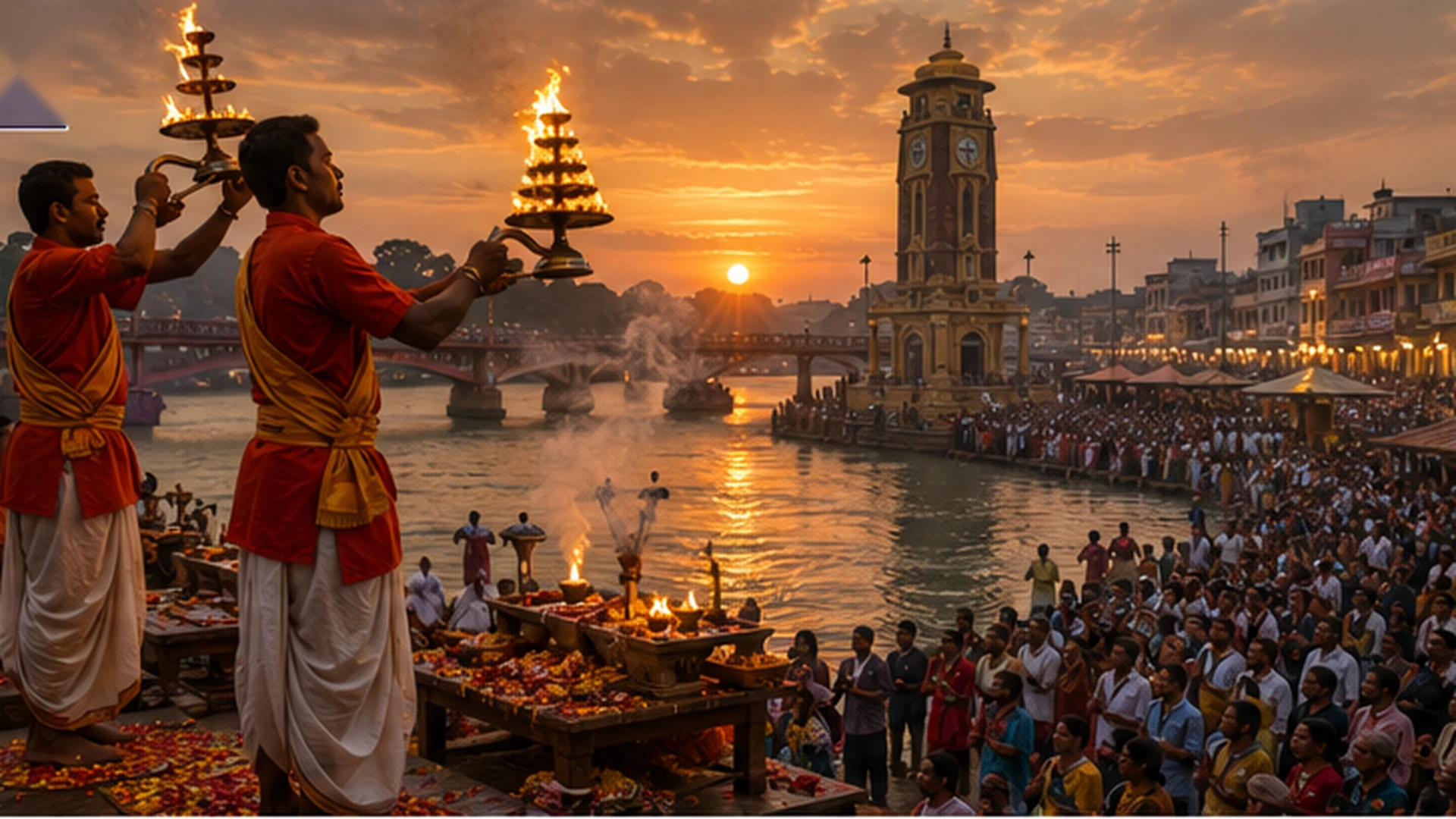
Islamic Maghrib Prayer and Iftar
In Islam, the five daily prayers are connected with the position of the sun. Maghrib is the evening prayer and is performed just after sunset. It is not a general meditation on colour or nature; it is obligatory salah with defined recitation, posture, direction and units of prayer. [1]
During Ramadan, fasting continues from dawn until sunset. Iftar begins at Maghrib, when the fast is broken. UNESCO describes iftar traditions across Azerbaijan, Iran, Türkiye and Uzbekistan as family and community practices that include food, prayer, charity, storytelling and the transmission of knowledge across generations. [2]
The order and customs surrounding iftar differ by country and household. Dates and water are common in many communities, but local foods and social practices vary. Sunset therefore marks worship, lawful timing, discipline and community—not a universal “release ritual.”
Jewish Shabbat Candles and the Beginning of Sacred Time
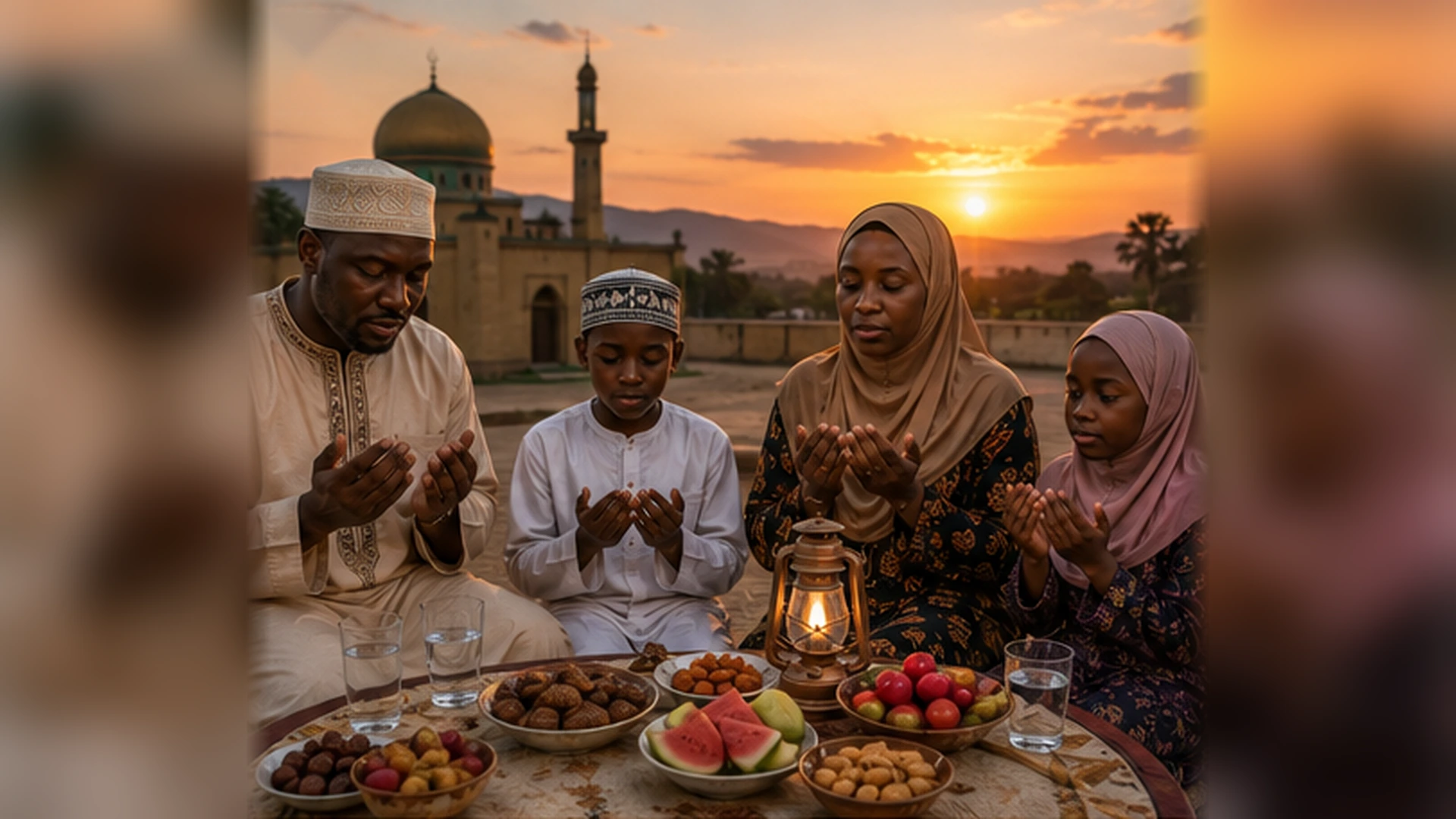
Jewish days and festivals are traditionally understood through an evening-to-evening rhythm. On Friday, Shabbat is welcomed as sunset approaches. Many households light candles during the period before sundown; a common custom is eighteen minutes before sunset, although local and communal practices differ. [3]
The candles are connected with Shabbat, household peace and joy. Kabbalat Shabbat in the synagogue uses psalms, hymns and prayer to welcome the Sabbath. The practice should not be separated from Jewish law and turned into a generic candle ritual for “high vibrations.” [4]
Exact candle-lighting time depends on location and date. A respectful image or explanation should not depict candles being lit after the time by which Shabbat has begun.
Hindu Ganga Aarti at Sunset
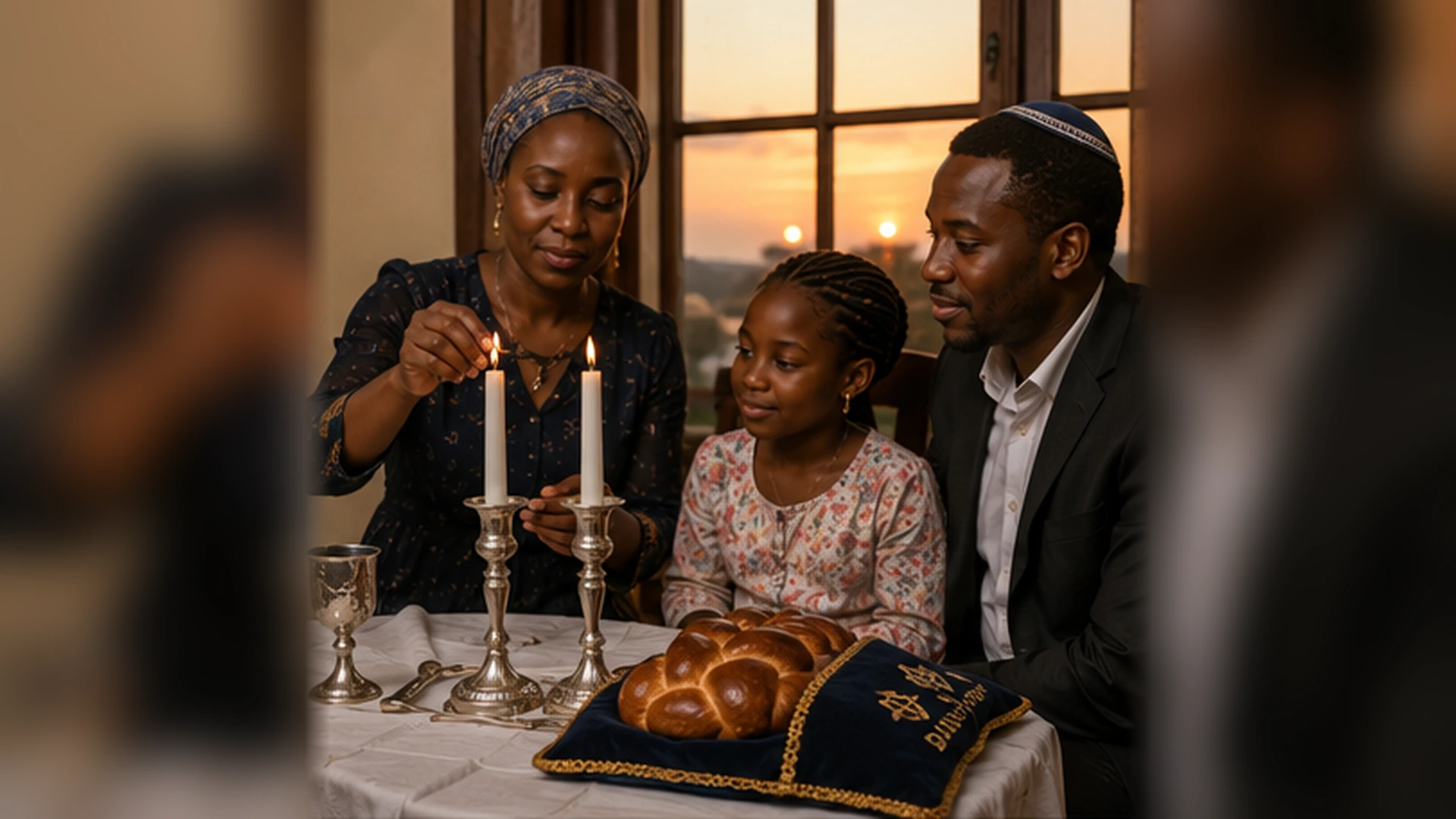
Aarti is a Hindu act of worship in which light is offered to a deity or sacred presence. At Har Ki Pauri in Haridwar, the River Ganga is venerated with an evening aarti involving lamps, bells, conch shells and hymns. Official Indian tourism sources describe the sunset ceremony as a daily public devotional practice. [5]
The large organized Haridwar ceremony in its current form is associated with twentieth-century institutional history. Varanasi’s highly synchronized evening Ganga Aarti is also a contemporary organized public ritual, even though reverence for the Ganga and offering light have much older histories. This distinction prevents the modern performance format from being mislabeled as unchanged from antiquity. [6]
Visitors should observe local rules, avoid blocking worshippers, protect privacy and never leave plastic, wax, food or other waste in the river. The ritual honours a sacred river; littering contradicts responsible respect.
Christian Vespers and Evening Praise
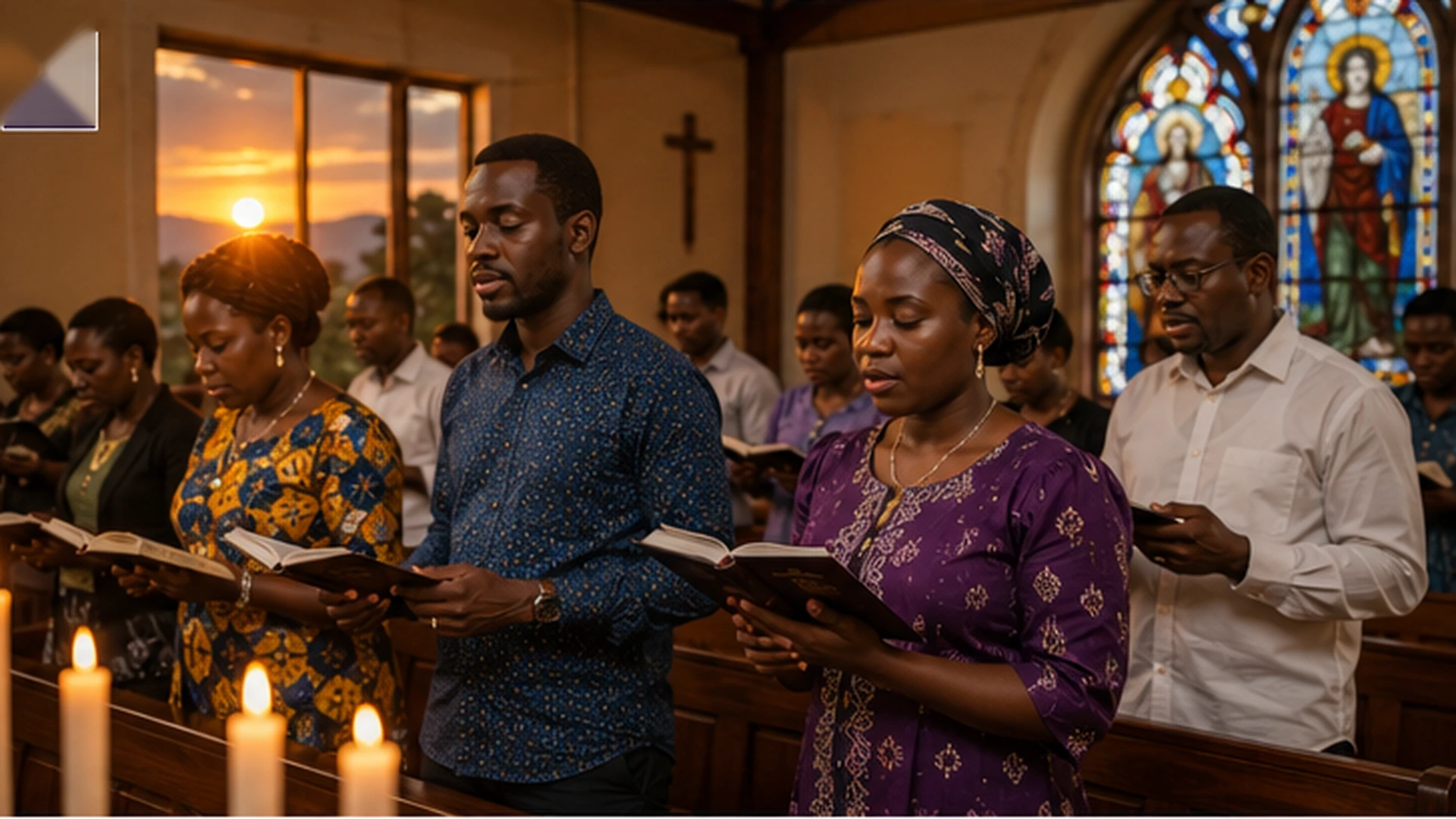
Vespers, also called Evening Prayer, is one of the principal hours in the Christian Liturgy of the Hours. The United States Conference of Catholic Bishops describes it as prayer offered as dusk begins, giving thanks for the day and interceding for the needs of the world. Its structure includes hymn, psalms, scripture, responsory, the Magnificat, intercessions and the Lord’s Prayer. [7]
Christian traditions differ. Catholic, Orthodox, Anglican and other churches may use different books, hymns, languages, vestments and lighting customs. The ancient practice of lamp lighting at evening contributed to Christian symbolism of Christ as light, but not every Vespers service uses candles or incense. [8]
Vespers is therefore not merely a mindfulness routine. It is communal worship shaped by scripture and liturgical tradition, though individuals may also pray evening prayers privately.
Ancient Egyptian Sunset and the Solar Journey
Ancient Egyptian religion developed several ways of describing the sun. Atum could be associated with the evening sun, while the sun god Re was imagined travelling across the sky and entering the underworld at sunset before being renewed at dawn. Museum descriptions of funerary papyri show the setting and rising horizons as part of the deceased person’s hoped-for renewal. [9]
This was not simply a daily self-help ritual for “releasing negativity.” It belonged to Egyptian cosmology, temple religion, funerary texts and ideas of maat—right cosmic and social order. A modern person may find the cycle symbolically meaningful, but should not claim to reproduce an ancient Egyptian sunset rite without historical evidence.
The western horizon was also associated with the realm of the dead because the sun set in the west. That symbolism helps explain the placement and imagery of tombs and funerary texts; it should not be generalized into every African culture.
African Sunset Practices Require Specificity
There is no single African sunset ritual. Africa includes Muslim, Christian, Jewish, Hindu, Indigenous and secular communities, each with local languages, calendars and institutions.
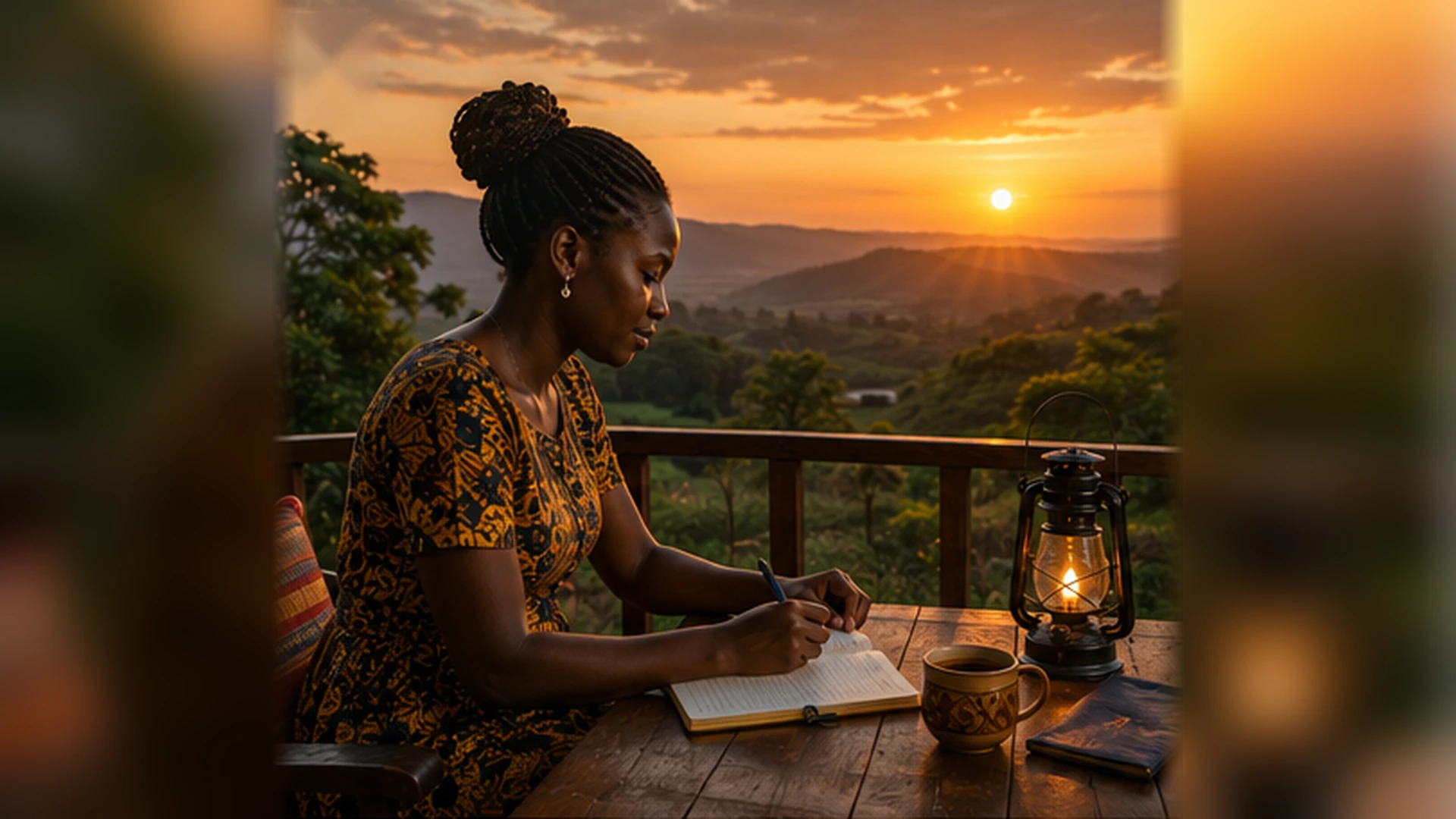
In Uganda, Muslims may organize daily life around Maghrib, and churches may hold evening prayer, revivals or family devotions. Other communities may end work, gather cattle, share food, tell stories or prepare the household for night. These ordinary evening practices can carry moral and social meaning without being formal spiritual ceremonies.
Writers should not combine drums, libation, ancestor prayer, smoke and the setting sun into an invented “African sunset ritual.” An accurate account must identify the community, place, language, occasion and recognized participants.
A Personal Sunset Ritual for Reflection and Release
The following is an original modern framework. It is not an Islamic, Jewish, Hindu, Christian, Egyptian or traditional African ceremony.
1. Choose a safe place
Sit where you can see the changing sky without staring directly at the sun. Avoid cliffs, busy roads, unsafe rooftops and isolated areas where personal security is uncertain.
2. Mark the end of work
Silence nonessential notifications, close work materials and identify anything that must be handled before morning.
3. Name what happened
Write three short facts about the day. Separate facts from interpretations and avoid turning one difficult moment into a judgment about your entire life.
4. Recognize one source of gratitude
Choose something specific: a person, completed task, meal, lesson, natural sight or act of help.
5. Identify what needs repair
If you harmed someone, “release” should not mean avoiding responsibility. Write the apology, repayment or boundary conversation required.
6. Set down what cannot be solved tonight
Name the concern, schedule the next practical step and give yourself permission to pause.
7. Prepare for night
Check doors, medicines, children, animals, tomorrow’s schedule and anything needed for safe sleep.
8. Close without spectacle
Use silence, a short prayer, one deep breath or a cup of water. Candles, incense and burning paper are optional and usually unnecessary.
Original Non-Denominational Sunset Reflection
The following words are original and are not translated from a traditional prayer:
| The day is ending, and I will look at it honestly. I give thanks for what sustained me and acknowledge what I must repair. I release the demand to solve everything tonight, but I do not abandon my responsibilities. May I enter the evening with wisdom, rest with safety and begin tomorrow with clearer action. |
|---|
Does Journaling at Sunset Improve Mental Health?
Writing can help some people organize thoughts, identify problems and prepare actions. However, research on expressive writing shows mixed results. A meta-analysis of randomized trials found no significant overall benefits for many somatic or psychological outcomes, while other reviews have found modest effects in particular groups or formats. [11]
A sunset journal should therefore be described as a reflection tool, not a treatment. People experiencing persistent depression, panic, trauma symptoms, suicidal thoughts, hallucinations or severe sleep disturbance need qualified medical or mental-health support.
Writing can also intensify distress when someone repeatedly revisits trauma without support. Keep the exercise brief, stop if it becomes overwhelming and choose grounding or professional help when needed.
Safety: Sun, Fire, Smoke and the Environment
Do not stare directly at the sun
The National Eye Institute warns that looking directly at the sun can damage the retina and cause permanent vision loss. Sunset brightness can still be dangerous. Watch the changing sky indirectly, look toward the landscape and use proper solar filters only for activities that require direct solar viewing. [12]
Use candles carefully
Candles create real fire and burn hazards. Keep them on stable heat-resistant surfaces, away from fabrics, children and pets, and extinguish them fully before leaving. Battery lights are a valid alternative. [13]
Limit incense and indoor smoke
Burning incense and candles releases particles and volatile compounds. Ventilation reduces exposure but does not make smoke harmless. People with asthma, migraines, pregnancy or respiratory illness may need smoke-free practices. [14]
Do not burn emotional notes casually
Burning paper outdoors can start fires, violate local rules or scatter partly burned material. Shredding, recycling, sealing or deleting a note can mark closure without flame.
Leave natural places clean
Do not leave wax, food, flowers, paper, glass, ribbons or plastics at viewpoints, rivers or beaches. Pack out everything and follow local access rules. [15]
Protect personal safety
Avoid isolated sunset locations without transport, lighting or phone access. Tell someone where you are going and leave before darkness creates avoidable risk.
Common Misunderstandings
“Every culture sees sunset as release.”
False. Sunset may mark obligatory prayer, the beginning of sacred time, fasting, public worship, rest or funerary cosmology.
“Sunset rituals are ancient everywhere.”
False. Some organized public formats are modern even when they use older symbols and devotional forms.
“Watching the sun directly is spiritually healing.”
Unsafe. Direct viewing can damage vision.
“Burning paper removes emotional pain.”
No. It may feel symbolic, but it does not treat trauma or solve the underlying problem.
“Candles and incense are required.”
False. Many traditions use them, but a personal reflection can be completely smoke-free and flame-free.
“A sunset ritual can manifest any desired result.”
False. No ritual guarantees money, employment, relationships, health or legal outcomes.
“Maghrib, Shabbat candles, Ganga Aarti and Vespers are versions of one practice.”
False. They belong to distinct religious systems and use sunset differently.
“Release means avoiding accountability.”
False. Honest release includes apology, restitution, boundaries or practical action when needed.
Cultural and Ethical Boundaries
Use the tradition’s proper name and identify the community and location.
Distinguish household customs from public liturgy and religious law.
Do not copy sacred words, gestures or clothing merely for atmosphere.
Do not combine unrelated rituals into a universal sunset ceremony.
Ask permission before photographing worshippers, children or private family practices.
Do not treat rivers, temples, mosques, synagogues or churches as aesthetic backdrops.
Do not describe a modern practice as ancient without evidence.
Separate spiritual beliefs from medical or psychological claims.
Do not commercialize fear by claiming darkness, sunset or night automatically attracts harmful forces.
Accept correction from practitioners, scholars and cultural custodians.
Key Takeaways
Sunset rituals are practices connected with the transition from day to evening.
There is no universal spiritual meaning of sunset.
Maghrib is the Islamic prayer just after sunset, and iftar ends the Ramadan fast at that time.
Shabbat candles are traditionally lit before Friday sundown.
Ganga Aarti honours the River Ganga through public Hindu worship with light.
Christian Vespers gives thanks for the day as dusk begins.
Ancient Egyptian sunset symbolism belonged to solar and funerary cosmology.
A personal sunset ritual should be labeled as modern and original.
Reflection and release do not replace accountability or mental-health care.
Sun, fire, smoke and environmental safety remain essential.
People Also Ask
What is a sunset ritual in simple words?
It is a prayer, ceremony or personal routine performed as daylight ends. Its meaning depends on the religion, culture or individual involved.
Why do people pray at sunset?
Sunset is a visible daily transition. Some religions attach obligatory prayer, sacred time or thanksgiving to that moment.
What is the spiritual meaning of sunset?
There is no universal meaning. It can symbolize rest, sacred time, death and renewal, gratitude, lawful prayer timing or the end of fasting.
Can I create my own sunset ritual?
Yes. A personal routine can use journaling, gratitude, silence and preparation for tomorrow. Label it as personal rather than traditional.
Is sunset a good time to release negative emotions?
It can be a useful reflection cue, but symbolic release is not guaranteed therapy. Serious or persistent distress deserves professional support.
Do I need candles or incense?
No. A safe ritual can be completely smoke-free and flame-free.
Is it safe to look directly at the setting sun?
No. Direct sun viewing can damage the retina. Enjoy the colours and landscape without staring at the sun.
What is the difference between sunset reflection and spiritual cleansing?
Reflection reviews thoughts and actions. Spiritual cleansing is a culturally specific idea of purification or renewal and should be explained in context.
Frequently Asked Questions
1. How long should a personal sunset ritual take?
Five to twenty minutes is enough for most people. The practice should fit daily life rather than become a burden.
2. Must it happen at the exact moment of sunset?
Only religious practices with defined timing require careful local calculation. A personal reflection can occur during the general evening transition.
3. Can I perform a sunset ritual indoors?
Yes. You can close work, lower lighting, write, pray or prepare for sleep without seeing the horizon.
4. Can children participate?
Yes, with safe and age-appropriate activities such as naming one good part of the day and preparing school items. Keep flames and smoke away from children.
5. What if I live where sunset changes greatly by season?
Religious communities use local calendars and legal guidance. Personal routines can use a consistent clock time or another evening cue.
6. Can I use music?
Yes, when it is your own music or appropriately used material. Do not copy restricted ceremonial songs.
7. Is writing down something and tearing it up effective?
It may provide a clear symbolic ending, but it does not scientifically guarantee emotional recovery.
8. Can a sunset ritual help sleep?
A calm, consistent evening routine and reduced screen use may support sleep, but insomnia can have medical and psychological causes.
9. Can I combine several religious practices?
Interfaith households can plan a respectful shared evening, but sacred prayers and rites should retain their proper meaning and consent.
10. Is Ganga Aarti a meditation practice?
It is public Hindu worship of the River Ganga. Visitors may feel reflective, but it should not be redefined as a generic meditation technique.
11. Does sunset attract spirits?
Some traditions have beliefs about twilight, but there is no universal or scientifically established rule that sunset automatically attracts spiritual beings.
12. Can a spiritual guide guarantee release or transformation?
No ethical practitioner can guarantee emotional healing, removal of every obstacle or control over future events.
Conclusion
Sunset rituals show how one natural transition can become many different forms of sacred and social time. In Islam, it signals Maghrib and the end of the Ramadan fast. In Judaism, the approach of sunset welcomes Shabbat. Hindu Ganga Aarti offers light to a sacred river. Christian Vespers gives evening praise. Ancient Egyptian religion placed sunset within the sun’s night journey and hoped-for renewal.
The respectful lesson is not that every tradition teaches the same hidden truth. It is that communities use time, light, prayer, food and memory in culturally specific ways.
A modern sunset reflection can be meaningful when it remains honest and grounded. Review the day, express gratitude, identify repair, prepare for tomorrow and rest. Do not stare at the sun, create unnecessary fire or smoke, litter sacred landscapes or claim guaranteed spiritual outcomes.
Final Summary
A sunset ritual is a culturally or personally meaningful practice connected with the end of daylight. The category includes very different traditions and should never become a universal recipe. Personal reflection can support gratitude and planning, but spiritual claims, mental-health treatment and religious law must remain clearly distinguished.
Article Information
- Publisher
- Ancestral Temple
- Editor
- Ancestral Temple
- Last updated
- Jul 30, 2026
- Last reviewed
- Jul 30, 2026
- Content version
- d0ecb9a8b4
This educational article should be read as cultural and spiritual information, not as medical, legal, financial, or emergency advice.
Helpful Related Guidance
About the Author
 Ancestral Temple
Spiritual guide and practitioner with decades of experience in ancestral wisdom, rituals, and divine guidance.
Related Posts
View All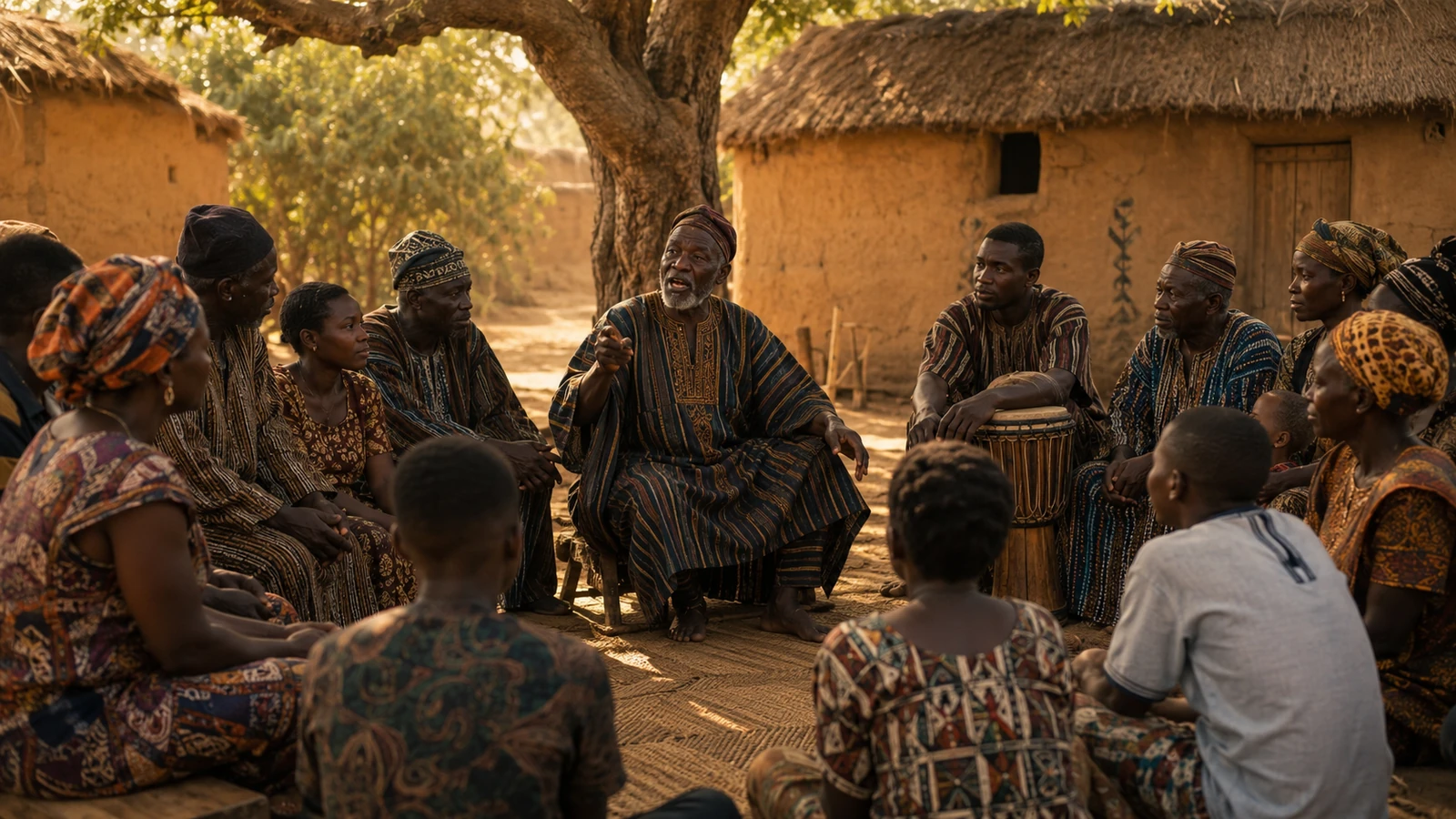






Comments
We'd love to hear your thoughts.