
Sunrise Rituals: Prayer, Gratitude and New-Beginning Traditions
Pillar Article
Quick Summary
Sunrise is a visible transition from darkness to light. Across many societies, that transition has become a time for prayer, remembrance, purification, gratitude, hope and renewed...
Sunrise is a visible transition from darkness to light. Across many societies, that transition has become a time for prayer, remembrance, purification, gratitude, hope and renewed responsibility. Yet there is no single universal sunrise ritual. A Catholic celebration of Lauds, the Islamic Fajr prayer, Chhath Puja offerings in Bihar, the Japanese practice of watching hatsuhinode and a Māori Matariki dawn ceremony arise from different religions, histories and communities.
A personal sunrise ritual can be simple: step into safe morning light, breathe, pray or reflect, name something for which you are grateful and choose one responsible action for the day. The practice may help structure attention and mark a new beginning, but it cannot guarantee luck, wealth, healing or protection.
Scientific research offers a separate reason to take morning light seriously. Light is a major signal for the human circadian system, and structured light interventions can influence sleep timing and some sleep outcomes. Gratitude interventions also produce small average improvements in well-being, although effects differ across methods and cultural settings. [1][2]
Quick Answer
A sunrise ritual is an intentional practice performed around dawn to welcome a new day through prayer, gratitude, remembrance or reflection. Religious examples include Christian Lauds, Islamic Fajr, Hindu Chhath sunrise offerings, Japanese hatsuhinode and Māori dawn ceremonies. A personal ritual should respect these distinctions and combine spiritual intention with practical action rather than promising guaranteed outcomes.
What Is a Sunrise Ritual?
A sunrise ritual is a meaningful action or sequence performed around daybreak. It may be part of an established religious service, a community ceremony, a family practice or a personal routine.
Common elements include:
The meaning does not come from sunrise alone. It comes from the tradition, words, relationships and actions surrounding it. Watching the sun rise on a holiday is not automatically the same as participating in a religious dawn ceremony.
Why Dawn Carries Spiritual Meaning
A visible transition
Dawn makes change visible. The horizon brightens gradually, familiar objects become clearer and ordinary activity resumes. This movement from darkness into light provides a powerful metaphor for hope, knowledge, creation, safety and new responsibility.
A daily boundary
Rituals often form around thresholds: birth, marriage, death, travel, harvest, a new year or the opening of a building. Sunrise is a recurring threshold between night and day, allowing people to mark renewal every morning rather than only during rare life events.
A quieter time for attention
For many people, early morning contains fewer demands and interruptions. That practical quiet can support prayer, reading or reflection. However, sunrise routines are not morally superior to evening routines, and shift workers, caregivers, ill people and those in unsafe environments should not sacrifice needed sleep merely to follow an idealized schedule.
Light and the body clock
Light exposure affects circadian timing, melatonin and sleep-wake patterns. Reviews of light-based interventions suggest benefits for some sleep and circadian problems, though the best timing and intensity depend on the person and condition. Morning light is not a universal medical treatment, and people with bipolar disorder, eye conditions or medication-related light sensitivity may need professional advice before using bright-light devices. [2][3]
Christian Lauds: Morning Prayer at Daybreak
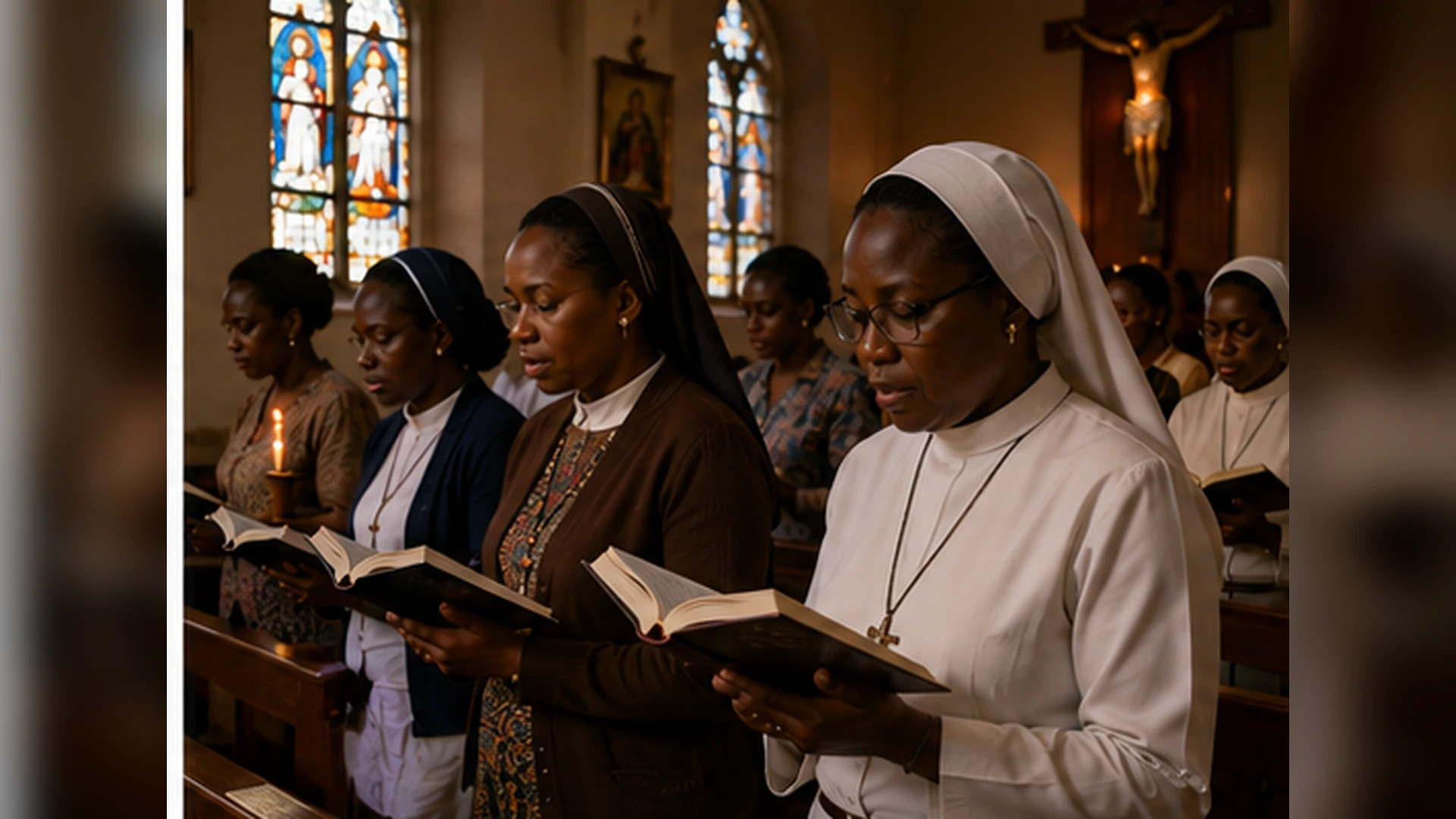
In the Roman Catholic Liturgy of the Hours, Lauds is Morning Prayer. The Second Vatican Council described Lauds and Vespers as the two principal hinges of the daily office. Vatican teaching also connects Lauds with daybreak and the symbolism of beginning each day in divine praise. [4][5]
A celebration of Lauds typically includes psalms, a reading, a canticle, intercessions, the Lord’s Prayer and a concluding blessing. Its purpose is not to worship the physical sun. Dawn becomes a symbol of Christ, resurrection, hope and the dedication of the coming day.
Other Christian communities also practice early-morning prayer, but forms differ across Catholic, Orthodox, Anglican, Protestant and Pentecostal traditions. A responsible overview should not imply that every Christian uses the same liturgy.
Islamic Fajr: The Dawn Prayer
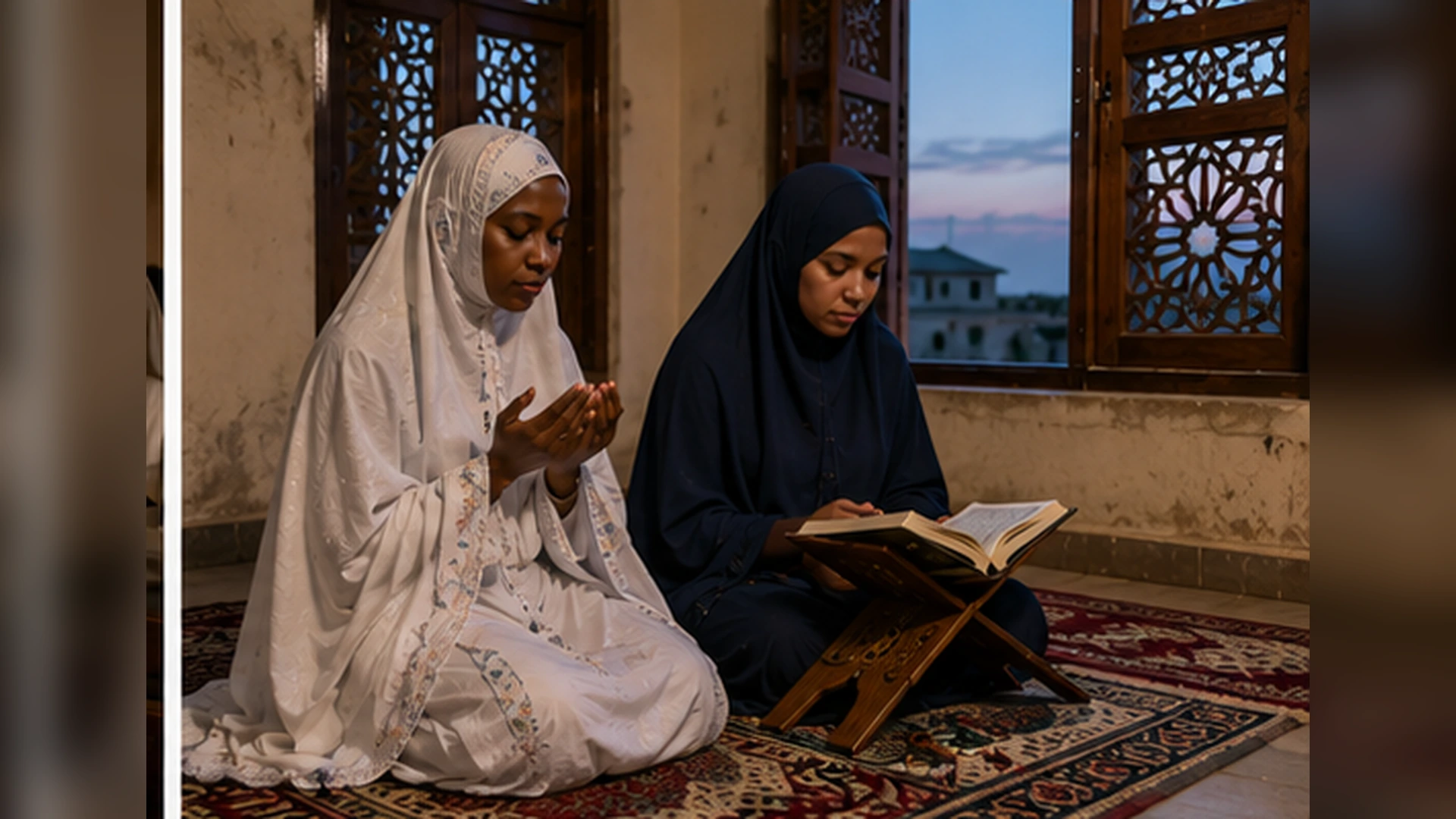
Fajr is the first of Islam’s five daily obligatory prayers and is performed during the dawn period before sunrise. Qur’an 17:78 refers to the recitation or prayer of dawn and describes it as witnessed. [6]
Fajr includes ritual purification when required, the prayer itself and prescribed recitations. Some Muslims remain afterward for Qur’an reading, remembrance or personal supplication, while others return to rest or begin work. Practices vary by household, community, season and school of law.
Fajr should not be described as sun worship. Islamic prayer is directed to Allah, and the timing is determined by dawn rather than devotion to the solar body. A personal sunrise routine inspired by the discipline of early prayer should not be labeled Fajr unless it is the actual Islamic prayer performed by a Muslim according to the tradition.
Chhath Puja and Offerings to the Rising Sun
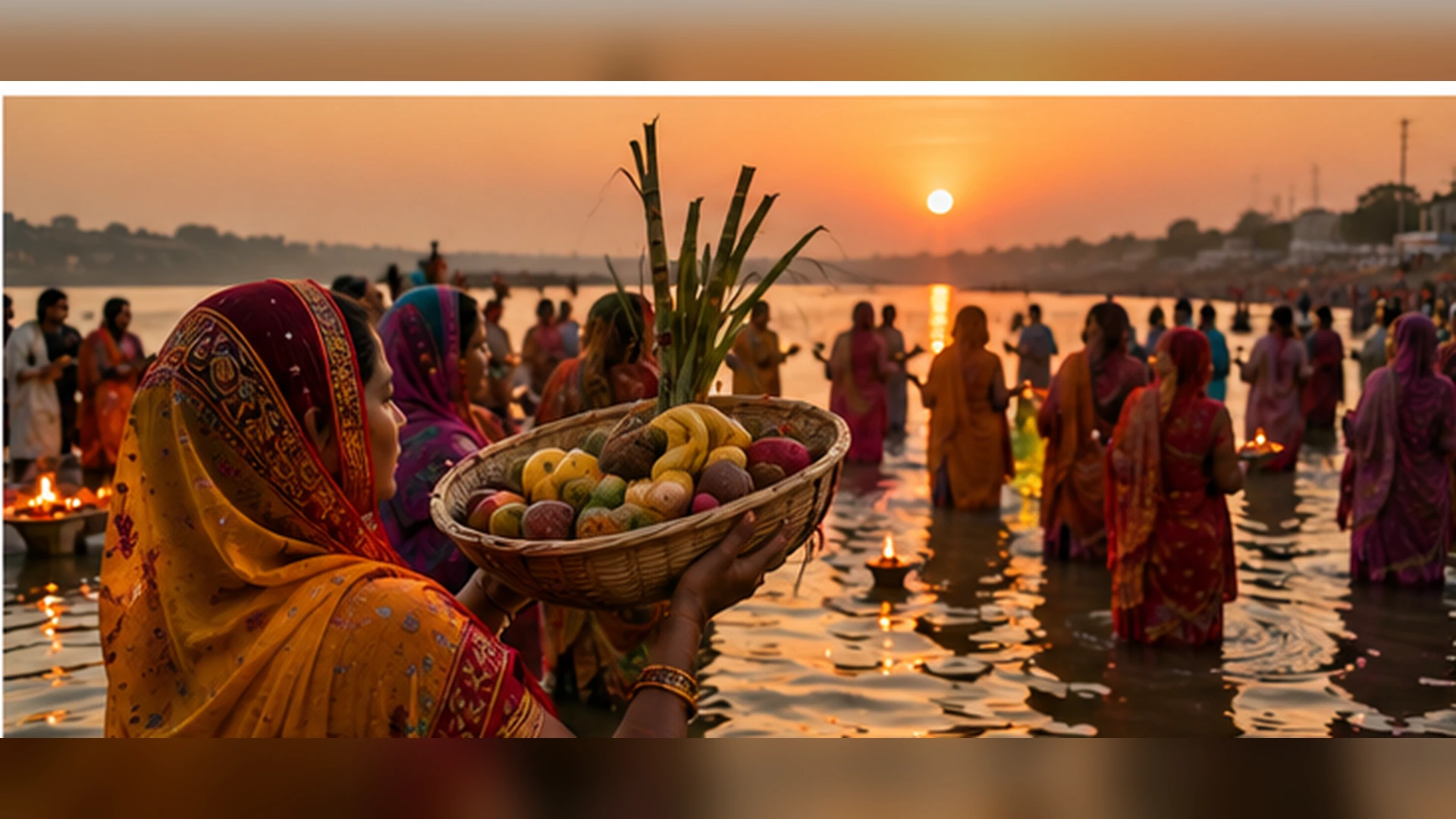
Chhath Puja is a major Hindu festival associated especially with Bihar and eastern Uttar Pradesh, and it is also observed in neighboring regions and diaspora communities. The festival is dedicated to Surya and includes rigorous preparation, fasting, cleanliness, offerings and worship at both sunset and sunrise. On the final morning, devotees gather before sunrise and offer arghya to the rising sun. [7][8]
Government cultural sources describe Chhath as an expression of devotion, gratitude to nature, family well-being, cleanliness and community participation. Its ritual structure belongs to practitioners and local communities; it should not be reduced to a quick sunrise “manifestation” method. [8]
People who are not participants can learn respectfully by using accurate names, following local guidance, avoiding obstruction or intrusive photography and not reproducing fasting or water rituals without understanding health and religious requirements.
Hatsuhinode: Japan’s First Sunrise of the Year
In Japan, hatsuhinode means the first sunrise of the year. Many people wake early on January 1 to watch it from a coast, mountain, observation point or neighborhood viewpoint. Japan’s official tourism materials connect hatsuhinode with wishes for good fortune and the feeling that one year has ended and another has begun. [9]
Hatsuhinode may be combined with hatsumode, the first shrine or temple visit of the new year, but they are not identical practices. Japanese New Year customs also vary by family and region.
Watching hatsuhinode can be understood as a public or family tradition of attention, hope and renewal. It should not be used to claim that simply seeing the first sunrise guarantees success for the year.
Māori Dawn Ceremonies, Matariki and Te Ao Mārama
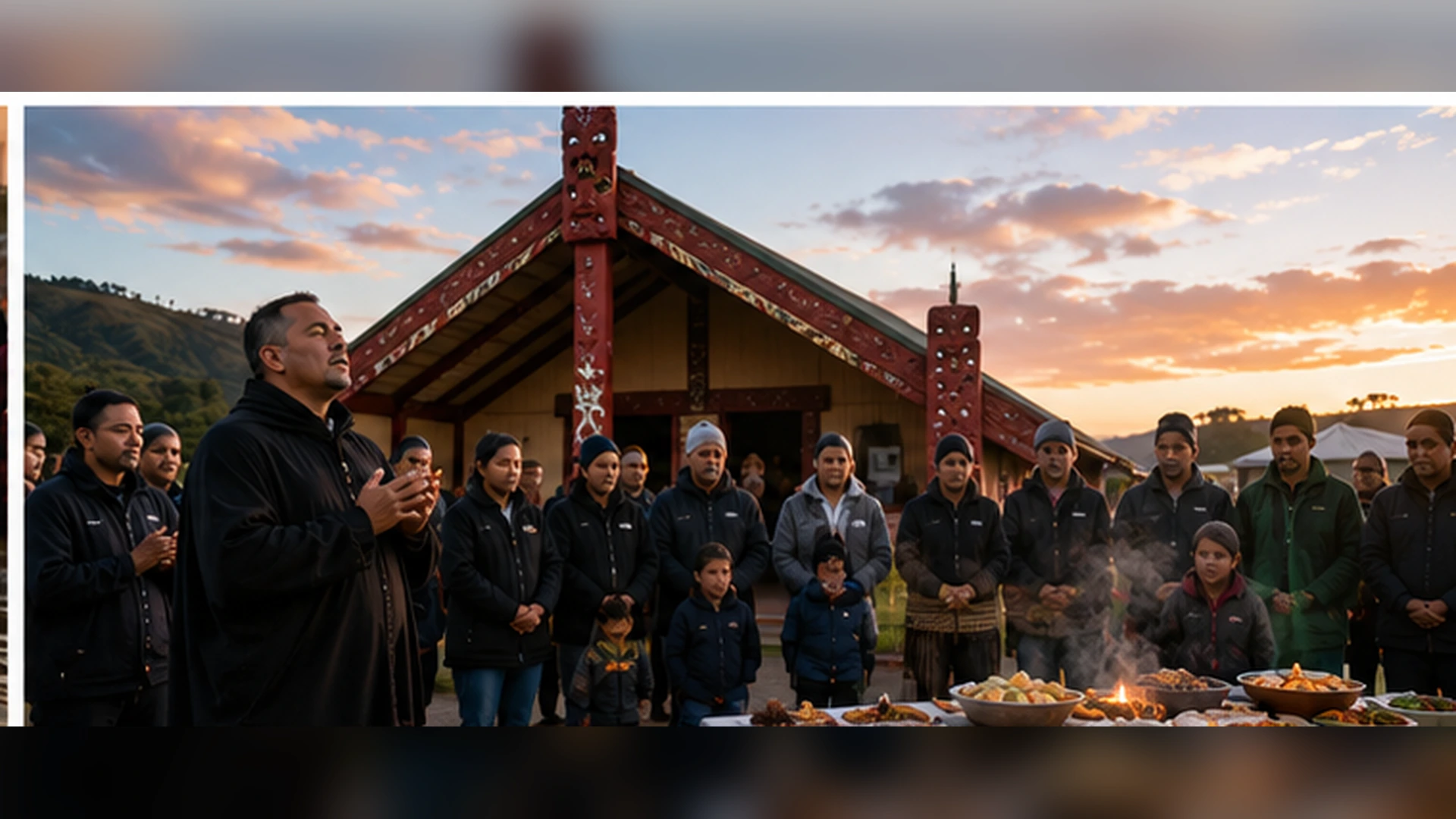
Māori dawn traditions must be described through the relevant iwi, hapū, marae and event. Te Ara explains that carved meeting houses may be opened in dawn ceremonies because dawn symbolizes emergence into Te Ao Mārama, the world of light. Marae protocols are established by the local people connected with that place. [10][11]
Matariki dawn gatherings may include karakia, remembrance of people who have died, reflection on the present, hopes for the year ahead, waiata and shared food. Te Papa’s educational material describes the hautapu ceremony as taking place before sunrise and following a structured sequence of karakia connected with Matariki. [12]
These are not generic “sunrise manifestation” ceremonies. Karakia and ceremonial structures should be learned through Māori-led sources and local custodians. Public festival participation does not grant authority to reproduce restricted or place-specific elements elsewhere.

Sunrise, Gratitude and the Psychology of Renewal
Gratitude is more than forced positivity. It can involve recognizing benefit, support, survival, beauty or responsibility while still acknowledging grief and injustice.
A 2025 preregistered meta-analysis covering 145 papers, 163 samples and 24,804 participants found that gratitude interventions produced a small overall increase in well-being, with meaningful variation between countries and intervention types. Earlier reviews also reported benefits for positive mood and some mental-health outcomes, while emphasizing differences in study quality and methods. [1][13]
These findings do not prove that sunrise is the best time for gratitude. Morning may simply be convenient because it links reflection with the day ahead. A person who works nights or feels worse early in the morning can practice gratitude at another time.
A realistic gratitude prompt
Instead of forcing three impressive blessings every morning, try:
The final prompt turns gratitude into responsibility rather than private satisfaction alone.
New Beginnings Without Magical Guarantees
Sunrise naturally lends itself to language about beginning again. A new beginning, however, is rarely a complete erasure of the past. It may mean carrying lessons forward, repairing harm, accepting grief or beginning one manageable action.
A responsible new-beginning ritual can mark:
No ritual guarantees that change will be easy. Ritual can mark commitment, but sustained change usually depends on repetition, support, resources, opportunity and adaptation.
A Seven-Step Personal Sunrise Ritual
This adaptable routine is not copied from any one religion or culture.
1. Prepare the night before
Place water, clothing and a journal where they are easy to reach. Protect enough sleep. A sunrise ritual that repeatedly produces exhaustion is not serving renewal.
2. Enter safe natural light
Open curtains, stand near a bright window or go outside where safe. Do not stare directly at the sun. People with light-sensitive conditions should follow medical advice.
3. Become physically present
Notice breathing, posture, pain, hunger, fatigue and emotional state. The purpose is awareness, not instant calm.
4. Pray, read or sit in silence
Use words from your real tradition, a short personal prayer or quiet reflection. Do not copy sacred language you do not understand merely because it appears exotic.
5. Name gratitude honestly
Write one specific sentence. Gratitude can coexist with sadness: “I am grieving, and I am grateful that my sister called me.”
6. Choose one responsibility
Select one realistic action: send an email, attend an appointment, apologize, prepare food, study for twenty minutes or ask for help.
7. Close and begin the day
Drink water, make the bed, wash the cup or take a short walk. The closing action prevents the ritual from becoming a substitute for ordinary life.
Short Sunrise Prayers and Reflections
Non-denominational prayer for a new day
May I receive this day with gratitude and clear judgment. Help me use my time responsibly, treat people with dignity and respond to difficulty without cruelty. Give me courage to begin what matters, humility to correct mistakes and wisdom to rest when rest is needed.
Reflection after a difficult night
The morning has arrived, but I do not have to pretend everything is healed. I will notice what is still painful, accept the support available to me and take one safe next step.
Gratitude and service reflection
I name what has sustained me. I also ask how I can protect, share or repay that good through today’s actions.
These are original educational texts and are not presented as traditional prayers from any religion.
Sunrise Rituals for Different Circumstances
For families
Keep the practice brief. A family may share one gratitude statement, say a recognized prayer and name one act of care for the day. Children should not be shamed for tiredness or forced into adult spiritual interpretations.
For workers and students
Use morning light, review the day’s priorities and avoid beginning with notifications where practical. A ritual cannot solve an unsafe workplace, unreasonable workload or lack of resources.
For people recovering from grief
Dawn may be comforting or painful. Include remembrance without requiring closure. Seek human support when grief is overwhelming or prolonged.
For people with irregular schedules
The body’s “morning” may not occur at sunrise. Shift workers can create a waking ritual around their own schedule and manage light exposure according to professional guidance.
For people living in unsafe environments
Do not go outdoors alone or to isolated viewpoints for a ritual. Use a secure window, courtyard or indoor space.
Scientific and Health Limitations
Morning light can influence circadian timing, but stronger or longer light is not always better. Bright-light treatment uses controlled timing and intensity, and poorly timed exposure can shift rhythms in an unwanted direction. [2][3]
Sunrise viewing is not a treatment for depression, insomnia, bipolar disorder, eye disease or vitamin D deficiency. Never stare directly into the sun, including when it appears dim near the horizon. Medical or mental-health concerns require suitable professional assessment.
Gratitude practices produce modest average effects and do not remove poverty, abuse, grief, discrimination or illness. Gratitude should not be used to silence legitimate complaints or pressure people to remain in dangerous situations. [1]
Common Misunderstandings
“Every culture worships the sun”
No. Some traditions revere solar deities, some use dawn symbolically and others schedule prayer at dawn while explicitly rejecting sun worship.
“Waking before sunrise makes a person more spiritual”
Spiritual commitment is not measured by wake-up time. Health, disability, employment and caregiving responsibilities differ.
“A sunrise ritual guarantees good luck”
Cultural traditions may express hopes for blessing or good fortune, but no sunrise practice offers a measurable guarantee.
“All morning prayers can be combined”
Lauds, Fajr, Chhath offerings, hatsuhinode and Māori karakia are not interchangeable components of one global ritual.
“Gratitude means ignoring pain”
Honest gratitude can recognize support while naming grief, injustice and unmet needs.
“Morning sunlight is always medically beneficial”
Light affects circadian rhythms, but timing, dose and individual health matter. Bright-light devices should be used responsibly.
Cultural and Ethical Boundaries
Key Takeaways
People Also Ask
What is the spiritual meaning of sunrise?
Sunrise can symbolize creation, hope, divine presence, clarity, remembrance or a new beginning. The meaning depends on the religious or cultural tradition rather than one universal definition.
What is a sunrise ritual?
It is an intentional practice performed around dawn, such as prayer, gratitude, silence, remembrance, light exposure or setting a daily responsibility.
Why do Christians pray at daybreak?
In the Roman Catholic Liturgy of the Hours, Lauds is Morning Prayer and is associated with dedicating the new day to divine praise. Other Christian traditions have their own forms of early prayer. [4][5]
What is Fajr?
Fajr is Islam’s obligatory dawn prayer, performed during the dawn period before sunrise. [6]
Why do Hindus offer water to the rising sun during Chhath?
During the final morning of Chhath Puja, devotees offer arghya to the rising sun within a four-day regional festival of devotion, fasting, purity, family well-being and gratitude to nature. [7][8]
What is hatsuhinode?
Hatsuhinode is the Japanese custom of watching the first sunrise of the new year, often associated with hope and wishes for good fortune. [9]
What happens at a Matariki dawn ceremony?
Events may include karakia, remembrance, reflection, waiata and shared food under the leadership and protocols of local Māori communities. [10][12]
Does morning sunlight improve sleep?
Light is an important circadian signal, and timed light interventions can help some sleep and circadian problems. Effects depend on timing, intensity and individual health. [2][3]
Frequently Asked Questions
Do I need to see the sun itself?
No. Natural morning brightness can be experienced without staring at the solar disc. Never look directly at the sun.
How long should a personal sunrise ritual take?
Five to fifteen minutes may be enough. The practice should not damage sleep or create anxiety when missed.
Can I perform a sunrise ritual indoors?
Yes. Use a bright window, prayer corner or quiet room if outdoor access is unsafe or impractical.
Should I use incense or candles?
Only when permitted and safe. Open flame and smoke are unnecessary for a meaningful ritual.
Can sunrise prayer replace treatment?
No. Prayer or reflection may complement medical or mental-health care but should not replace it.
Is gratitude best practiced every day?
Frequency should be sustainable. Research does not establish one perfect schedule for everyone.
Can I combine practices from several religions?
A personal routine can include universal actions such as silence, gratitude and light exposure. Sacred prayers and ceremonial forms should not be blended without knowledge, permission and honest attribution.
What if sunrise makes me feel sad?
Do not force positivity. Acknowledge the feeling, shorten the practice and seek support when distress is persistent or severe.
Conclusion
Sunrise rituals endure because dawn is both ordinary and dramatic. It returns every day, yet it visibly changes the world. Religious and cultural communities have used that transition to pray, remember, offer gratitude, welcome a new year and dedicate people or places.
The traditions are not interchangeable. Christian Lauds, Islamic Fajr, Chhath Puja, hatsuhinode and Māori dawn ceremonies each carry their own language, authority and purpose.
A personal sunrise practice can remain simple: enter safe light, become present, pray or reflect, name gratitude and choose one responsible action. Its value lies not in controlling the future but in beginning the day with attention, humility and care.
Final Summary
Sunrise rituals mark the movement from darkness to light through prayer, gratitude, remembrance and new-beginning traditions. Cultural examples include Christian Lauds, Islamic Fajr, Hindu Chhath Puja, Japanese hatsuhinode and Māori dawn ceremonies. A personal routine should respect those differences, avoid guaranteed spiritual claims and support sleep, safety, circadian health and practical action.
Article Information
- Publisher
- Ancestral Temple
- Editor
- Ancestral Temple
- Last updated
- Jul 30, 2026
- Last reviewed
- Jul 30, 2026
- Content version
- edf0b02ee1
This educational article should be read as cultural and spiritual information, not as medical, legal, financial, or emergency advice.
Helpful Related Guidance
About the Author
 Ancestral Temple
Spiritual guide and practitioner with decades of experience in ancestral wisdom, rituals, and divine guidance.
Related Posts
View All






Comments
We'd love to hear your thoughts.