
Career-Opening Rituals: Spiritual Traditions for Work and New Opportunities
Pillar Article

Quick Summary
Career-opening rituals are practices used to mark a new job, business, interview, promotion, apprenticeship, or professional direction. People may pray, consult a religious special...
Career-opening rituals are practices used to mark a new job, business, interview, promotion, apprenticeship, or professional direction. People may pray, consult a religious specialist, bless tools, visit a shrine, reflect on destiny, ask family members for support, or perform a repeated preparation routine before acting. The phrase career-opening ritual is modern, but the concerns behind it—beginnings, livelihood, uncertainty, skill, reputation, and opportunity—are ancient.
No ritual can guarantee employment, promotion, customers, wealth, or protection from discrimination and economic hardship. A careful study therefore asks two questions at once: What does a practice mean within its own tradition, and what practical actions must accompany it in the real world?
Quick Answer
A career-opening ritual is a meaningful practice used to seek guidance, bless work, mark a new beginning, or prepare emotionally for opportunity. Examples include Hindu devotion to Ganesha, Yoruba Ifa consultation, Islamic istikhara, Christian prayers for work, Roman symbolism of Janus, and Japanese shrine visits for business prosperity. These practices express belief and intention; they do not guarantee a job.
What Career-Opening Rituals Are
The term does not describe one universal ceremony. It is an umbrella expression for religious, cultural, family, and personal practices connected with work and transition. One tradition may focus on divine guidance. Another may emphasize destiny, moral character, communal support, technical skill, or the blessing of tools. A modern job seeker may create a personal ritual that combines breathing, prayer, reviewing a résumé, and sending an application at a chosen time.
Rituals become powerful because they organize attention. They create a beginning, define a sequence, and turn uncertainty into actions that can be completed: wash, dress, pray, light a lamp, speak with an elder, visit a shrine, review the plan, submit the application. Research suggests that ritualized behavior may sometimes reduce anxiety or change how people respond to failure, although findings are mixed and do not show that rituals create external opportunities by supernatural means.[14][15]
Why Work and Opportunity Attract Ritual
Work affects food, housing, identity, family responsibility, social status, and belonging. It can also expose people to rejection, unsafe conditions, exploitation, job insecurity, and unequal access. The World Health Organization notes that decent work can support confidence, purpose, social inclusion, and mental health, while unemployment, poor conditions, and job insecurity can harm well-being.[13]
Because employment depends on forces that one person cannot fully control, career transitions are natural settings for prayer and ritual. A ritual may help someone name a goal, manage fear, consult trusted people, renew ethical commitments, or accept that a desired path may not be right. The healthiest interpretation connects spiritual practice with preparation and community support rather than treating every setback as a curse or personal spiritual failure.
A Cultural Caution: Similar Goals Do Not Create One Tradition
Many websites combine Ganesha, crystals, African divination, Qur’anic verses, Japanese charms, candles, and Roman gods into a single “job spell.” That mixture may look inclusive, but it erases differences in theology, authority, language, and ritual responsibility. Ifa is not a decorative manifestation system. Istikhara is not fortune-telling. A Ganesha puja is not interchangeable with a Shinto shrine visit. Christian prayer for work is not a magical contract.
The responsible approach is to identify the community, period, specialist, object, and purpose. Living traditions should be learned through practitioners and reputable institutions, especially where knowledge is initiated, private, or restricted.
Janus, Doorways, and Beginnings in Ancient Rome
Ancient Roman religion associated Janus with beginnings, gates, doorways, and transitions. The British Museum describes him as a two-faced god of beginnings and guardian of doorways and gateways.[1] His two faces allowed artists and later interpreters to imagine attention directed toward both what is ending and what is beginning.
Janus was not a modern employment deity, and there is no basis for claiming that Romans performed today’s internet “career-opening spells.” His relevance is symbolic and historical. A new office, apprenticeship, journey, or public responsibility can be understood as a threshold: one identity is being left behind while another is not yet secure.
A culturally neutral modern practice can borrow the idea of a threshold without pretending to reproduce Roman worship. A person might stand at the doorway before leaving for an interview, review what has been learned from the previous role, and state one commitment for the work ahead. This is a new personal practice, not an ancient Roman rite.
Ganesha, Vishwakarma, and the Blessing of New Work
Ganesha and New Undertakings
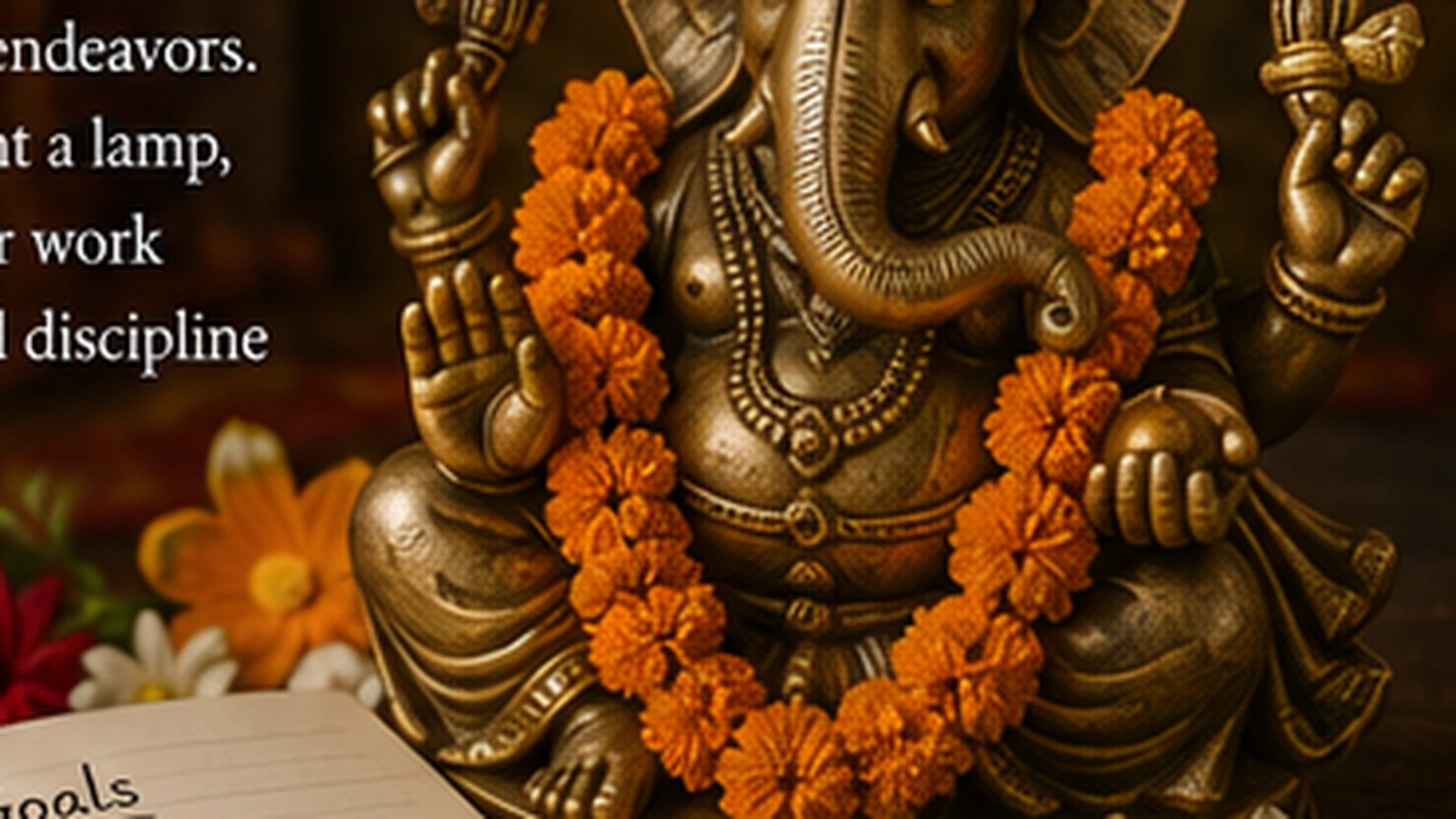
Ganesha is widely honored in Hindu traditions as a lord of beginnings and remover of obstacles. The Metropolitan Museum of Art notes that his name is invoked before a new undertaking and that devotees associate him with clearing a path forward.[2][3] This does not mean that Ganesha worship is a transaction in which an offering purchases a promotion. Devotion may express humility, hope, discipline, and recognition that success depends on more than personal control.
Practices vary by region, family, temple, profession, and sect. They may include prayer, flowers, sweets, a lamp, recitation, or visiting a temple before a new project. Outsiders should not invent mantras, copy a sacred image carelessly, or market a generic “Ganesha job spell” as an authentic Hindu ritual.
Vishwakarma, Tools, and Skilled Labor
Vishwakarma is associated with craftsmanship, tools, making, and technical skill in Hindu belief. In India, the name also has contemporary public importance for communities of artisans and craftspeople who work with their hands and tools. Government descriptions of the PM Vishwakarma program identify occupations such as blacksmithing, carpentry, pottery, goldsmithing, masonry, tailoring, and sculpture, showing the continuing social importance of skilled work.[16][17]
Ritual attention to tools can communicate respect for labor and responsibility for safety. A craftsperson may clean, arrange, or bless tools at the start of a project. The spiritual meaning should reinforce—not replace—training, maintenance, protective equipment, fair payment, and professional competence.

Yoruba Ori, Ifa, and Decisions About One’s Path
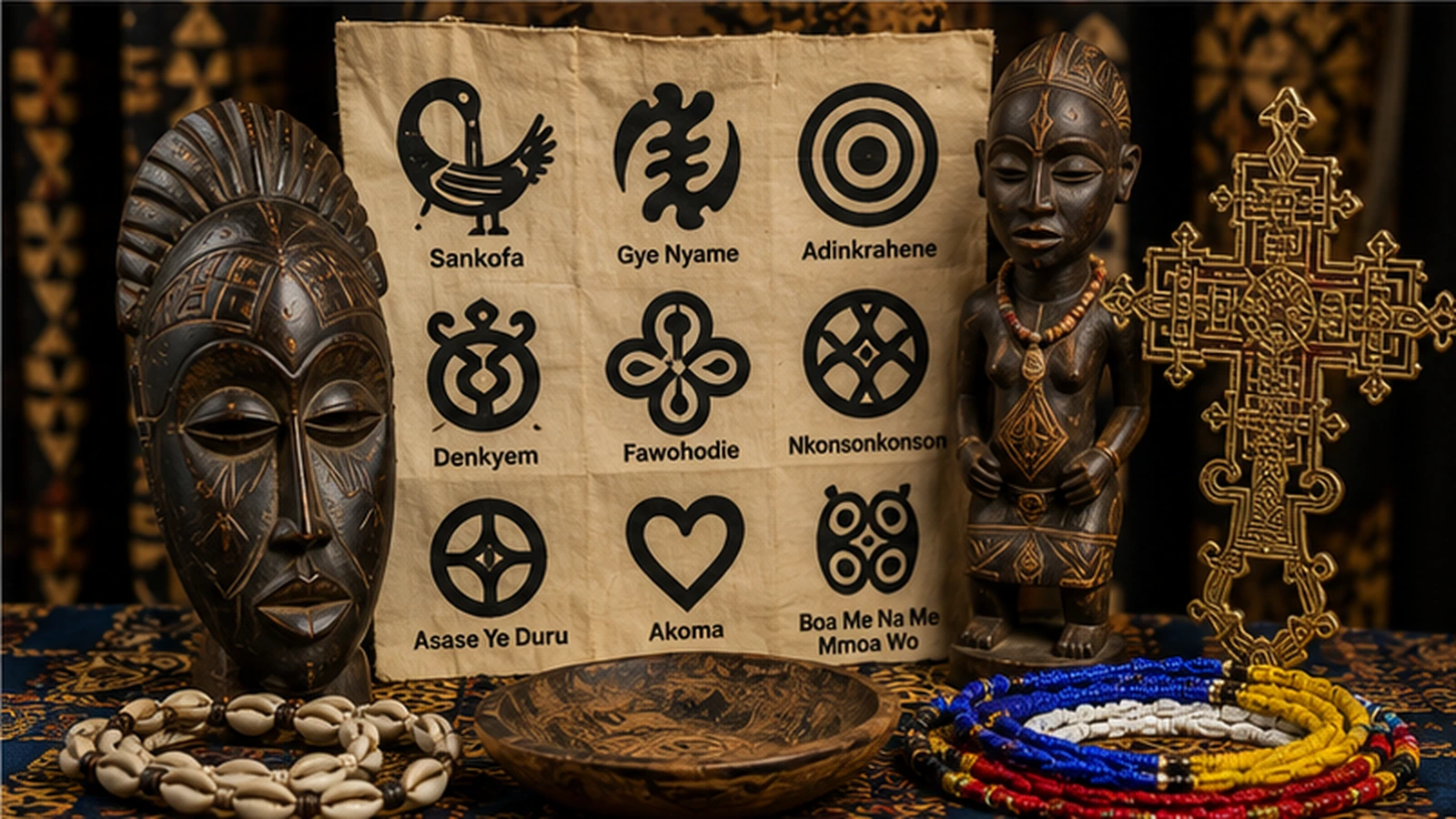
Among Yoruba communities, the concept of ori gives the head profound significance. The Met explains that ori can refer to the spiritual seat of destiny and divinely assigned potential, with the physical head serving as a visible sign of the inner head.[4] This is more complex than the popular phrase “follow your destiny.” Yoruba thought also emphasizes character, responsibility, relationships, and the possibility that a person must learn how to live well with their path.
Ifa is a highly developed Yoruba system of signs and an extensive literary corpus interpreted by trained diviners. UNESCO states that it is consulted when important personal or collective decisions must be made and that its verses preserve history, philosophy, belief, and contemporary social concerns.[5] The Met’s documentation of an agere Ifa vessel likewise explains that Ifa priests communicate with Orunmila to seek insight into individual destiny.[6]
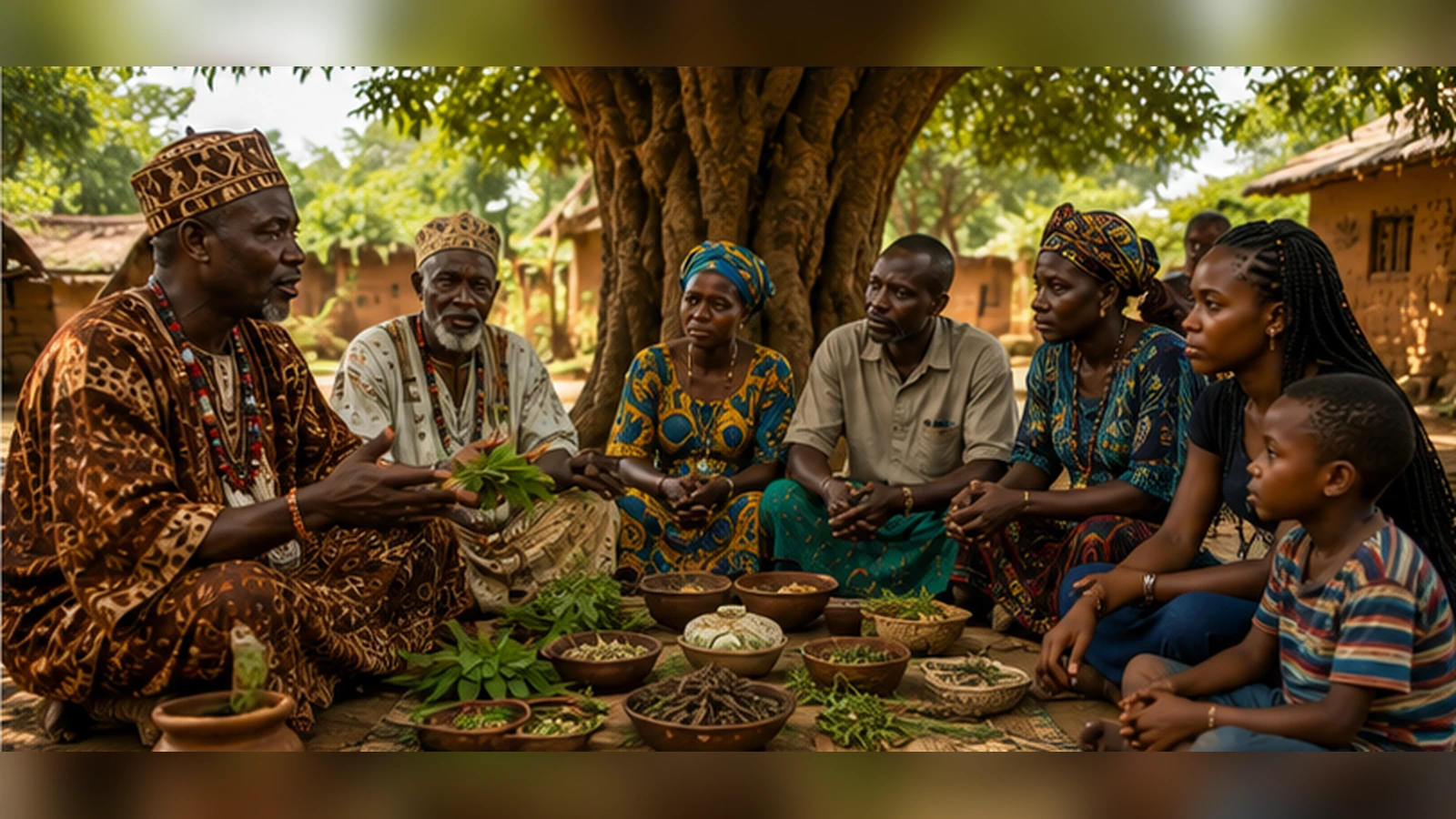
A career decision may be one kind of important decision brought to a qualified practitioner, but Ifa should not be reduced to selecting lottery numbers, predicting a salary, or selling guaranteed employment. Its knowledge is transmitted through training and community authority. A visitor should not imitate the chain, palm nuts, or verses after watching a short video.
For readers outside the tradition, a respectful lesson is that vocational questions can involve more than income: What kind of person will this work require me to become? What responsibilities follow from my abilities? Which elders, specialists, or communities should I consult? Those questions can be used without claiming to practice Ifa.

Islamic Istikhara and Career Decisions
In Islam, salat al-istikhara is a prayer for guidance when considering a matter. A well-known hadith in Sahih al-Bukhari describes two units of voluntary prayer followed by a supplication asking God to facilitate the matter if it is good for one’s religion, livelihood, and outcome, and to turn it away if it is harmful.[7]
Istikhara is therefore not a technique for commanding a particular employer to say yes. It is a practice of entrusting a decision to God, asking for what is genuinely good, and becoming willing to release an option that may be harmful. Muslim teachers also commonly pair it with consultation, research, lawful effort, and attention to ethical livelihood.
Popular misunderstandings include waiting for a dream, treating any coincidence as a guaranteed sign, or repeating the prayer compulsively until the desired answer appears. Practices and interpretations vary, so a Muslim seeking detailed guidance should consult a trusted scholar. Non-Muslims should not market translated fragments of the supplication as an Islamic prosperity spell.
Christian Prayer, Work, and Vocational Discernment
Christian traditions often connect work with dignity, service, family provision, craftsmanship, justice, and vocation. Catholic devotion to Saint Joseph the Worker is one example. In a Jubilee of Workers homily, John Paul II prayed for the work of human hands and emphasized the meaning of labor, while Pope Francis has repeatedly joined prayer for work with concern for dignity, exploitation, unemployment, and social solidarity.[8][9]
A Christian career ritual might involve prayer before an application, blessing a workplace, asking a congregation to pray for the unemployed, or discerning whether a profession serves God and neighbor. Different churches use different liturgies and theological language. The Church of England’s cycle of prayer includes commerce, industry, dangerous or stressful work, and people who are unemployed.[10]
Christian prayer is not a guarantee that a specific job will be received. It may instead lead someone to reject exploitative work, pursue training, seek justice, help another applicant, or recognize that career identity cannot carry the full weight of personal worth.
Shinto Shrine Visits and Business Prosperity in Japan
In Japan, people may visit shrines and temples during hatsumode, the first visit of the new year, to pray for family safety, academic success, or prosperity in business. Some write wishes on wooden ema plaques or receive protective and good-fortune items.[11]
Fushimi Inari Taisha is especially associated with Inari Okami and has a long relationship with business prosperity. A Japanese government cultural feature explains that companies and individuals have donated vermilion torii in gratitude after prayers and hopes for prosperity, guidance, and overcoming difficulty.[12]
These practices are living religious and cultural customs, not aesthetic scenery for a generic abundance ritual. Visitors should follow shrine etiquette, avoid blocking worshippers for photographs, and refrain from copying unreadable Japanese characters onto commercial products. A prayer for prosperity also does not remove the obligations of honest trade, taxes, worker safety, and fair dealing.

Common Symbols in Career and Opportunity Rituals
| Symbol or action | Possible meaning | Cultural caution |
|---|---|---|
| Doorway, gate, or key | Beginning, access, transition, permission | Do not claim every key ritual comes from Janus or one ancient source |
| Head or crown | Destiny, thought, identity, authority | Yoruba ori has a specific philosophical and religious context |
| Tools | Skill, labor, craft, readiness, responsibility | Blessing tools never replaces training and safety |
| Written prayer or plaque | Intention, petition, memory, gratitude | Do not reproduce sacred or foreign-language text inaccurately |
| Light or lamp | Clarity, presence, hopeful beginning | Use fire safely and respect tradition-specific meanings |
| Food or sweets | Hospitality, offering, celebration, shared support | Offerings are not payment for guaranteed supernatural results |
| Repeated preparation | Focus, calm, control, transition into performance | Compulsive repetition may worsen anxiety and deserves support |
A symbol does not carry one fixed meaning everywhere. The same key, lamp, coin, or written wish can belong to a family custom, temple offering, business opening, marketing campaign, or private habit. Interpretation requires context.
Do Career-Opening Rituals Work?
The answer depends on what “work” means. Historical evidence can show that communities used rituals for guidance, beginnings, prosperity, and protection. It cannot prove that supernatural forces caused employment outcomes. Modern psychology suggests that structured actions may sometimes reduce anxiety, organize attention, or buffer reactions to failure, but studies do not show that ritual alone creates jobs.[14][15]
A ritual may be useful when it helps a person prepare, seek support, act consistently, or tolerate uncertainty. It becomes harmful when it replaces applications, training, legal advice, medical care, or financial planning; when it creates fear of doing the sequence imperfectly; or when someone sells expensive curse removal and guaranteed employment.
Mindfulness and relaxation practices may help some people manage stress, but the National Center for Complementary and Integrative Health cautions that evidence varies and such practices should not replace conventional care when care is needed.[18]
A Respectful Nonreligious Career-Opening Ritual
A person who does not belong to a ritual tradition can create a simple practice without borrowing sacred objects or claiming ancient authority. The purpose is to move from uncertainty into responsible action.
Name the transition. Write one sentence describing what is ending and what you are beginning.
Prepare the practical foundation. Review the job description, résumé, portfolio, references, transport, clothing, technology, and interview time.
Choose one grounding action. Take five slow breaths, wash your hands, make tea, sit in silence, or walk briefly.
State an ethical intention. Examples include: “May I present my skills honestly,” “May this work support dignity,” or “May I recognize both opportunity and harm.”
Ask for human support. Contact a mentor, relative, former colleague, career adviser, union representative, or trusted friend.
Complete one measurable action. Submit the application, send the follow-up, register for training, or schedule the meeting.
Record the next review date. A ritual should lead into a process, not become a substitute for one.
This practice is modern and personal. It should be described honestly rather than marketed as a reconstructed African, Roman, Hindu, Islamic, Christian, or Japanese rite.
A Five-Minute Ritual Before a Job Interview
Place both feet on the floor and take three slow breaths.
Read the employer’s name, the role, and three examples of your relevant work.
Say a prayer from your own tradition, or state one clear intention.
Check the time, route, connection, documents, and contact details.
Send one message to a trusted person confirming that you are ready.
This sequence may improve readiness because it combines emotional regulation with concrete checking. It does not control the interviewer, remove bias, or guarantee an offer.
Career Rituals, Anxiety, and Compulsive Behavior
Unemployment and insecure work can intensify anxiety, depression, shame, and isolation. WHO identifies unemployment, financial insecurity, discrimination, and poor working conditions as mental-health risks.[13] Rituals may offer temporary structure, but a person should seek professional support when fear becomes overwhelming, sleep is persistently disrupted, or daily functioning is impaired.
A warning sign is the belief that an application will fail unless a sequence is repeated perfectly, or that every rejection proves spiritual contamination. Research on anxiety shows that uncertainty can increase rigid and repetitive behavior.[19] When a ritual becomes distressing or compulsory, mental-health care is more appropriate than adding more rituals.
Scams and Ethical Boundaries
No one can guarantee a job through a ritual. Claims of a guaranteed appointment, visa, promotion, or salary are warning signs.
Do not pay escalating fees to remove a curse. Fear-based demands for secrecy, urgent payments, or repeated cleansing are common forms of exploitation.
Respect confidential traditions. Do not film private consultations, publish sacred verses, or sell copied ritual objects without community authority.
Do not discriminate. Spiritual explanations must never be used to blame unemployed people, disabled people, migrants, or those facing structural inequality.
Protect physical safety. Avoid unattended flames, toxic smoke, unsafe herbs, and ritual actions in workplaces that violate policy or endanger others.
Keep legal and professional responsibilities. Contracts, licensing, taxes, qualifications, and workplace rights remain necessary.
Key Takeaways
“Career-opening ritual” is a modern umbrella term, not the name of one universal ancient ceremony.
Traditions may seek guidance, bless tools, mark thresholds, honor destiny, pray for ethical livelihood, or ask for business prosperity.
Ganesha, Ifa, istikhara, Christian work prayer, Janus, and Shinto shrine practice belong to different religious and cultural systems.
Ritual may support focus, hope, and emotional preparation, but it does not guarantee employment or wealth.
The most responsible modern practice connects reflection with applications, training, consultation, safety, and ethical work.
How Career and Work Rituals Changed Over Time
Rituals connected with work have changed as economies changed. In agrarian and craft societies, livelihood was visibly tied to land, seasons, animals, tools, workshops, guilds, and family training. A blessing might focus on rain, safe travel, healthy livestock, a new fishing boat, a forge, a market stall, or the transmission of a skill from elder to apprentice. Industrialization moved much work into mines, factories, offices, railways, ports, and large institutions, creating new forms of worker prayer, patron-saint devotion, union ceremony, memorial practice, and public blessing.
Colonialism, missionary activity, migration, slavery, and state regulation also changed spiritual traditions. Some practices were suppressed or dismissed as superstition, while others were translated into new religious settings. Yoruba Ifa traveled through African diasporas and developed within different social and legal environments. Hindu, Muslim, Christian, Buddhist, and Shinto communities carried work-related customs into cities and diasporic workplaces. A prayer once spoken in a family workshop might later be said before opening a restaurant, driving a taxi, sitting an examination, launching an online business, or entering a hospital shift.
Modern employment introduces transitions that older societies did not name in the same way: résumé screening, video interviews, remote work, professional licensing, immigration paperwork, algorithmic hiring, redundancy, and platform labor. People adapt ritual to these settings because uncertainty remains. A laptop may be prepared as carefully as a tool bench; an online application may be submitted after prayer; a family group may call across countries before an interview.
Historical change does not make a practice inauthentic. Living traditions continually respond to new conditions. The important distinction is between adaptation by communities and invention by outsiders. A family may develop a new prayer around contemporary work while remaining grounded in its faith. A commercial influencer, by contrast, should not combine sacred fragments from several cultures and sell the result as an ancient formula.
Family, Elders, Mentors, and Community Support
Career opportunity is often described as an individual achievement, but many transitions depend on collective labor. Relatives may pay school fees, share transport, provide clothing, care for children, introduce a candidate to an employer, lend tools, offer workspace, or pray together. Elders may give advice about reputation and responsibility. Mentors may explain an industry’s hidden expectations. Community support can therefore be both spiritual and materially practical.
A spoken blessing from a parent, grandparent, pastor, imam, priest, teacher, or respected craftsperson may mark the seriousness of a new role. The words can remind the applicant that work affects other people: clients, patients, students, colleagues, family members, and the wider public. A blessing for success can also be a blessing for honesty, restraint, safety, fairness, and the courage to leave harmful employment.
Support should never become coercion. Families should not force someone into a profession, demand earnings that make survival impossible, or interpret unemployment as disobedience or spiritual weakness. The person making the career decision needs room to consider health, aptitude, caregiving responsibilities, compensation, safety, and consent. A ritual is most supportive when it strengthens agency rather than replacing it.
Opening Businesses, Workshops, and Professional Spaces
Career-opening traditions also appear when a workplace itself begins. A shop, studio, farm, clinic, vehicle, office, or workshop may be cleaned, dedicated, blessed, inspected, decorated, or opened with a meal. Religious leaders may pray, family members may speak, and workers may acknowledge the tools and risks of the occupation. These actions can establish a shared moral identity for the workplace.
A responsible opening should include practical protections. A restaurant needs food-safety systems; a workshop needs guards, ventilation, and protective equipment; a clinic needs licensing and infection control; a transport business needs maintenance and insurance. Spiritual dedication is not weakened by these measures. In many traditions, care, competence, and justice are part of the ethical meaning of work.
Business-prosperity ritual also requires caution because prosperity for an owner can be produced through underpaid labor, unsafe conditions, debt, or environmental harm. A meaningful blessing should include employees, suppliers, customers, neighbors, and future generations. It should ask not only whether the enterprise will grow, but whether its growth will be honest and sustainable.
Modern Manifestation Culture and Its Limits
Contemporary manifestation culture often teaches people to visualize a job, write a desired salary, repeat affirmations, create a vision board, or act as though the opportunity has already arrived. These practices can be motivating when they clarify goals and encourage action. A person who names a desired role may identify missing skills, research employers, and notice relevant opportunities more consistently.
Problems arise when manifestation is presented as a law that makes thought directly control hiring, markets, or other people. Employment is shaped by qualifications, geography, disability access, discrimination, economic cycles, family resources, networks, labor policy, and chance. Blaming unsuccessful applicants for negative thoughts hides these realities and can deepen shame.
A grounded approach treats visualization as preparation rather than supernatural command. Imagine answering an interview question calmly, then practice the answer. Picture a safe workplace, then investigate the employer. Write a salary goal, then study market ranges and negotiation. State an intention for meaningful work, then complete the next application. The ritual can hold hope while evidence and action guide decisions.
People Also Ask
What is a career-opening ritual?
It is a meaningful practice used to mark a professional transition, seek guidance, bless work or tools, and prepare for uncertain opportunities. The form depends on the person’s tradition.
Do career rituals guarantee a job?
No. They may support focus, confidence, prayer, or community support, but they cannot guarantee hiring, promotion, customers, visas, or income.
What does Ganesha symbolize for new work?
Ganesha is widely associated with beginnings and the removal of obstacles. Hindu practices vary, and devotion should not be reduced to a commercial job spell.
Can istikhara be used for a career decision?
Muslims may perform istikhara when considering a career matter. It asks God to facilitate what is good and turn away what is harmful; it is not fortune-telling.
How does Ifa relate to career guidance?
Ifa is consulted by trained Yoruba specialists for important decisions. A career question may be considered, but the system is much broader than employment and should not be imitated casually.
Why is Janus associated with opportunities?
Janus was the Roman god of beginnings, doorways, and transitions. Modern writers use him symbolically for career thresholds, but ancient Roman practice was not a modern job ritual.
What is a Christian prayer for work?
Christian prayers may ask for meaningful labor, dignity, wisdom, justice, perseverance, and support for unemployed people. Wording and liturgy differ by church.
What is a Japanese business-prosperity prayer?
People may visit Shinto shrines, especially those connected with Inari, to pray for prosperity, safety, guidance, and gratitude. The practice belongs to Japanese religious culture.
Frequently Asked Questions
Can I combine rituals from several religions?
You can create a personal reflective routine, but combining sacred texts, deities, divination tools, and shrine objects from unrelated traditions and calling it authentic is disrespectful. Use culturally neutral actions unless you are properly guided within a tradition.
What should I place on a career altar?
There is no universal career altar. A neutral workspace may hold a notebook, calendar, portfolio item, family photograph, or plant. Sacred objects should be used according to their own traditions.
Can I perform a ritual for someone else to get a job?
You may offer prayer, encouragement, references, childcare, transport, or networking support with the person’s consent. Avoid claiming control over an employer or promising outcomes.
Is career manifestation scientifically proven?
Visualization, planning, and stress-management practices may affect motivation or anxiety, but there is no scientific evidence that thoughts or rituals alone cause employers or markets to deliver a specific outcome.
What practical actions should accompany a ritual?
Update application materials, build skills, research employers, seek references, practice interviews, use legitimate job services, understand contracts, and track applications.
When should I seek mental-health support?
Seek support when job-search distress becomes persistent, causes hopelessness, disrupts sleep or daily functioning, or leads to compulsive rituals. Immediate crisis support is appropriate when there is risk of self-harm.
Conclusion
Career-opening rituals reveal how deeply work is connected with identity, destiny, family, ethics, and hope. Ancient Romans marked beginnings through Janus. Hindu devotees may invoke Ganesha before new undertakings and honor the dignity of skilled tools. Yoruba Ifa offers a community-rooted system for important decisions. Muslims may pray istikhara for guidance. Christians pray for meaningful and just work. Japanese shrine visitors may ask for business prosperity and give thanks.
These traditions should not be flattened into one promise of instant employment. Their most enduring lesson is that a new opportunity is both a threshold and a responsibility. Reflection can steady the mind; prayer can express trust; ritual can gather support. But the door is approached through preparation, skill, ethical action, and the willingness to keep moving even when one path closes.
Article Information
- Publisher
- Ancestral Temple
- Editor
- Ancestral Temple
- Last updated
- Jul 30, 2026
- Last reviewed
- Jul 30, 2026
- Content version
- 49c5889bd8
This educational article should be read as cultural and spiritual information, not as medical, legal, financial, or emergency advice.
Helpful Related Guidance
About the Author
 Ancestral Temple
Spiritual guide and practitioner with decades of experience in ancestral wisdom, rituals, and divine guidance.
Related Posts
View All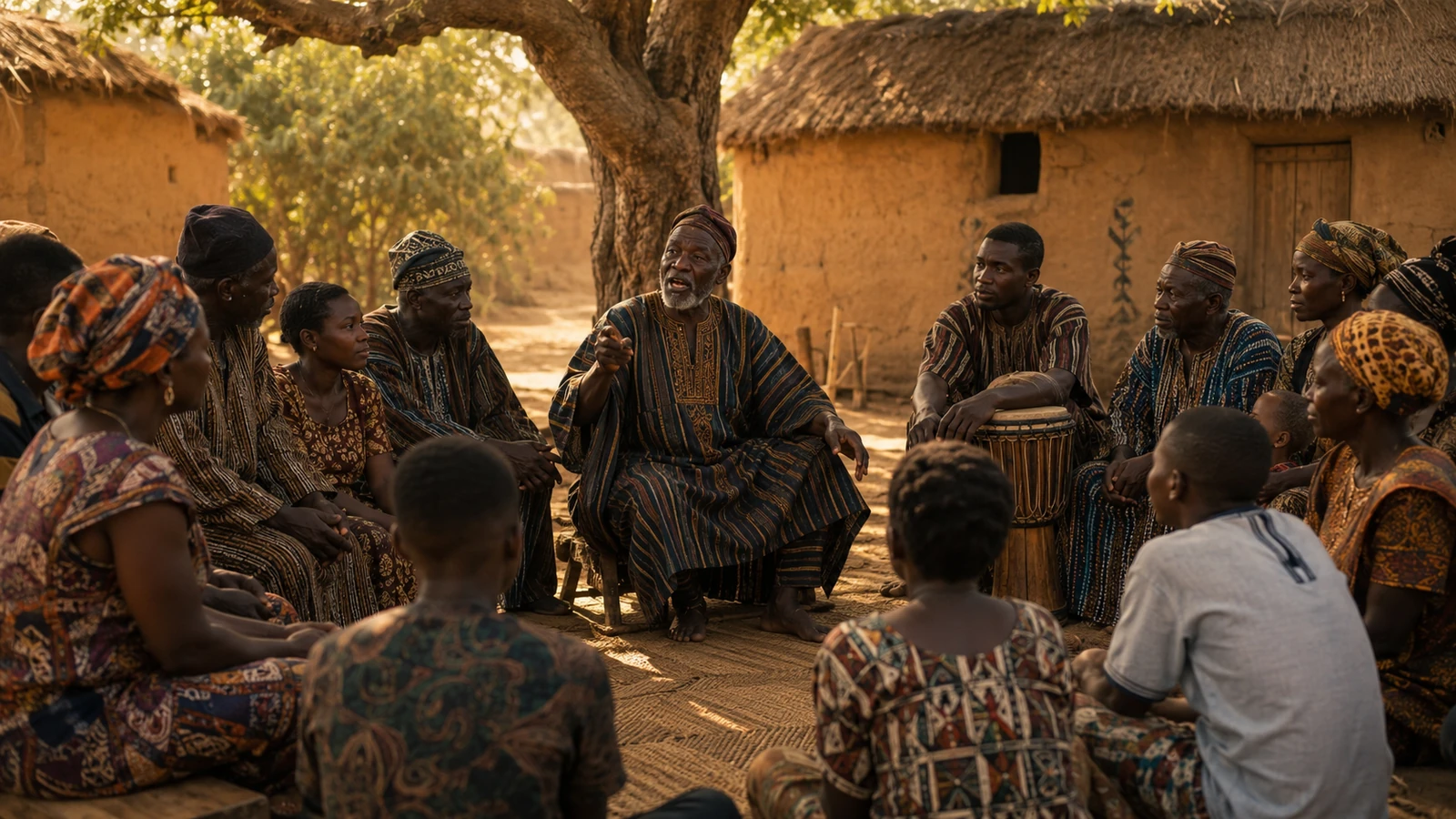









Comments
We'd love to hear your thoughts.