
Luck and Favor Rituals: Traditional Practices and Cultural Meanings
Pillar Article
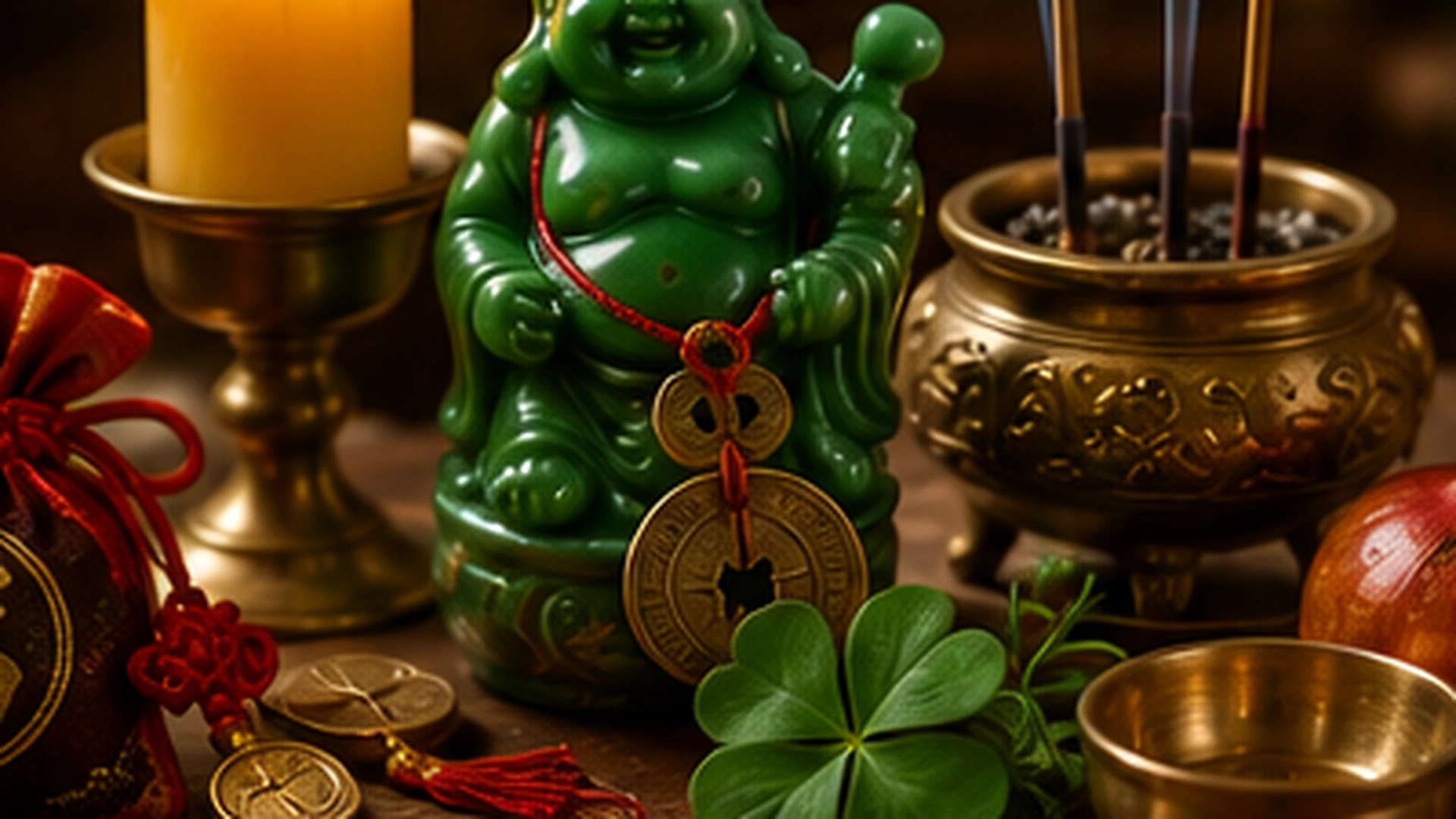
Quick Summary
Luck and favor rituals are practices through which people prepare for uncertainty, seek protection, ask for blessing, mark an auspicious beginning or express hope for a beneficial...
Luck and favor rituals are practices through which people prepare for uncertainty, seek protection, ask for blessing, mark an auspicious beginning or express hope for a beneficial outcome. They may involve prayer, offerings, vows, amulets, special dates, divination, community blessing, ethical commitments or symbolic acts. Yet these practices do not form one universal system. Their meanings depend on the religion, community, historical period and social situation in which they are performed.
In one tradition, success may be described as divine grace. In another, a favorable outcome may be connected with correct timing, reciprocal relationships, ancestral support, moral conduct or the guidance of a diviner. A coin, written prayer, bead, animal image or ritual meal can therefore carry very different meanings in different places. The most responsible way to study luck rituals is to identify the people, language, institution and purpose involved rather than treating every charm or ceremony as a tool for “attracting energy.”
Quick Answer
Luck and favor rituals are culturally specific practices used to seek blessing, protection, auspicious timing, prosperity or confidence before uncertain events. Examples include prayers, offerings, vows, amulets, divination and communal blessings. They do not scientifically guarantee outcomes, and their meanings should be understood within the religion or community that maintains them.
What Is a Luck Ritual?
A luck ritual is a repeated or symbolically meaningful action performed in the hope of improving conditions, avoiding misfortune or beginning an uncertain activity well. The term can describe anything from an informal personal habit before an examination to a formal religious ceremony led by an authorized specialist. Because the English word “luck” is broad, it can hide important differences among chance, blessing, destiny, protection, merit and social support.
Anthropologists often examine ritual not only by asking whether participants believe an act changes external events, but also by studying how the act organizes attention, reinforces identity, creates social solidarity and makes uncertainty manageable. UNESCO describes social practices and rituals as activities that structure community life, reaffirm identity and connect people with collective memory and worldview. Some are public, while others are restricted to particular members or custodians. [1]
Luck, Blessing, Favor and Auspiciousness Are Not Identical
| Term | Common meaning | Important caution |
|---|---|---|
| Luck | A favorable outcome attributed partly to chance or uncertain conditions. | Not every language or religion divides chance and divine agency in the same way. |
| Favor | Special goodwill, assistance or approval, sometimes human and sometimes divine. | Can imply relationship, obligation, grace or patronage rather than random chance. |
| Blessing | Words, acts or conditions understood to convey divine, ancestral or communal goodwill. | Usually belongs to a religious or social framework, not a generic “energy technique.” |
| Auspiciousness | A quality of timing, signs, place or conditions considered favorable for an undertaking. | Calendars and omens differ; one tradition’s auspicious date is not automatically transferable. |
| Protection | Measures intended to reduce danger, disorder, envy or harmful forces. | Protective traditions may be private, initiated or tied to specialist knowledge. |
| Prosperity | Material well-being, fertility, flourishing, household stability or successful exchange. | It does not always mean individual wealth or commercial profit. |
Why People Perform Rituals Before Uncertain Events
People commonly turn to ritual at moments when outcomes matter but cannot be fully controlled: birth, marriage, travel, planting, trade, examinations, court cases, healing, migration, war, business openings and seasonal transitions. A ritual can provide a script for action when ordinary planning reaches its limit. It may gather supporters, clarify obligations, express gratitude, request protection or remind participants how they intend to behave.
This does not prove that the ritual alters probability through supernatural means. It does show why ritual remains meaningful even in technologically advanced societies. Ritual can focus attention, reduce indecision, strengthen confidence and make social support visible. A blessing before opening a shop, for example, may also function as a public commitment to fair dealing and service.
A Brief History of Luck and Favor Practices
Archaeological and textual evidence shows that people have long used small objects, inscriptions, prayers and ceremonial acts to seek favorable conditions. Ancient Egyptian amulets were made in many forms and materials. Their protective or beneficial meanings could depend on shape, color, inscription, material and actions performed over them. The Metropolitan Museum notes that amulets were available across social levels and were used for both the living and the dead. [2]
In the ancient Mediterranean, people made dedications, consulted oracles, watched omens and addressed deities associated with prosperity, trade, fertility or fortune. Roman religious life included Fortuna in multiple local and social forms. Rather than representing a simple modern idea of “random luck,” Fortuna could be associated with the shifting conditions of life, civic well-being and particular communities.
Across Asia, good-fortune imagery developed through changing combinations of religious, courtly and popular traditions. Chinese coin-shaped charms condensed wishes for protection, circulation, prosperity and harmony into portable objects. A British Museum charm bears an inscription translated as a request to drive out evil and allow good fortune to arrive. [3] Japanese visual culture includes multiple gods of good fortune, including Ebisu, who became associated with merchants and successful exchange. [4]
Major Types of Luck and Favor Practices
Prayer, Praise and Requests for Blessing
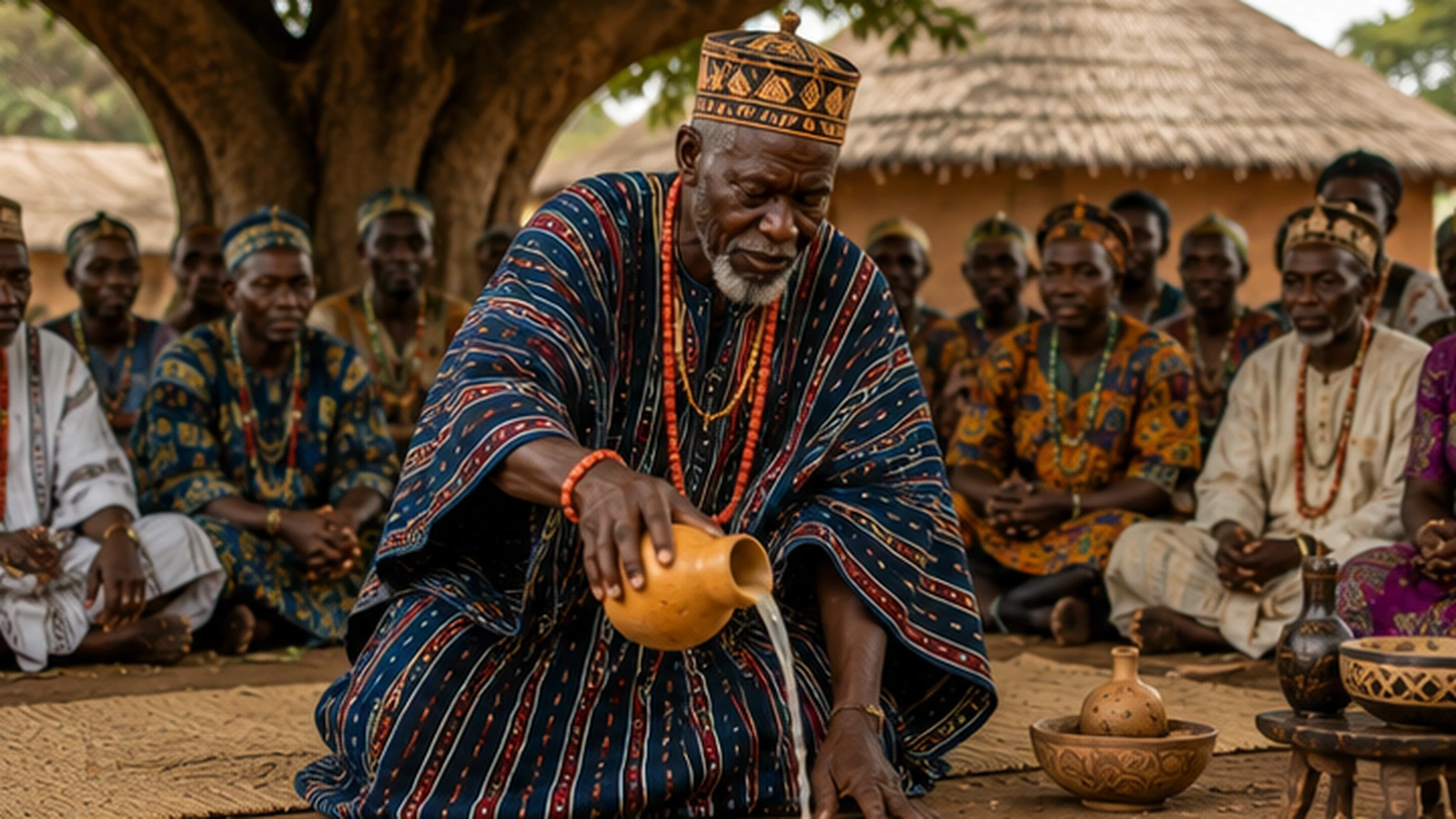
In many religious traditions, people ask for help through prayer rather than attempting to control an impersonal force. A request for favor may be accompanied by praise, repentance, gratitude, charity or a vow. The relationship is theological and moral: the person petitions a deity but does not necessarily claim that the correct words mechanically compel a result.
Offerings, Gifts and Reciprocity
Food, drink, flowers, incense, money, cloth or service may be offered within a religious relationship. Offerings can express gratitude, hospitality, remembrance, obligation or participation in a community. They should not be reduced to “payment for luck.” In many traditions, the ethical meaning of giving is at least as important as the hoped-for result.
Amulets, Talismans and Charms
An amulet is usually carried or worn for protection or well-being. A talisman is often described as an object prepared or inscribed for a particular beneficial purpose. A charm may refer either to an object or to spoken words. These English definitions overlap, and local terms should be preferred where known. Museum records show that materials, inscriptions and specialist preparation can be central to an object’s meaning. [2][5]
Divination and Decision-Making
Divination does not always predict a fixed future. It may diagnose a problem, reveal neglected obligations, identify an auspicious path or prescribe action. In Yoruba Ifá, for example, a trained babaláwo works with an extensive corpus of verses and ritual implements. Smithsonian descriptions note that the signs and verses can prescribe actions understood to help assure success. [6] This is a specialized religious-intellectual tradition, not a generic method for obtaining lottery numbers or guaranteed profit.
Auspicious Timing and Calendars
Some communities select dates, directions or phases believed to support a wedding, journey, construction project or opening. Such decisions may draw on astronomy, astrology, religious calendars, local history and family custom. Auspicious timing should be understood within its own system; selecting a date from an unfamiliar calendar without understanding its rules can turn a living tradition into decoration.
Communal Blessing and Public Support
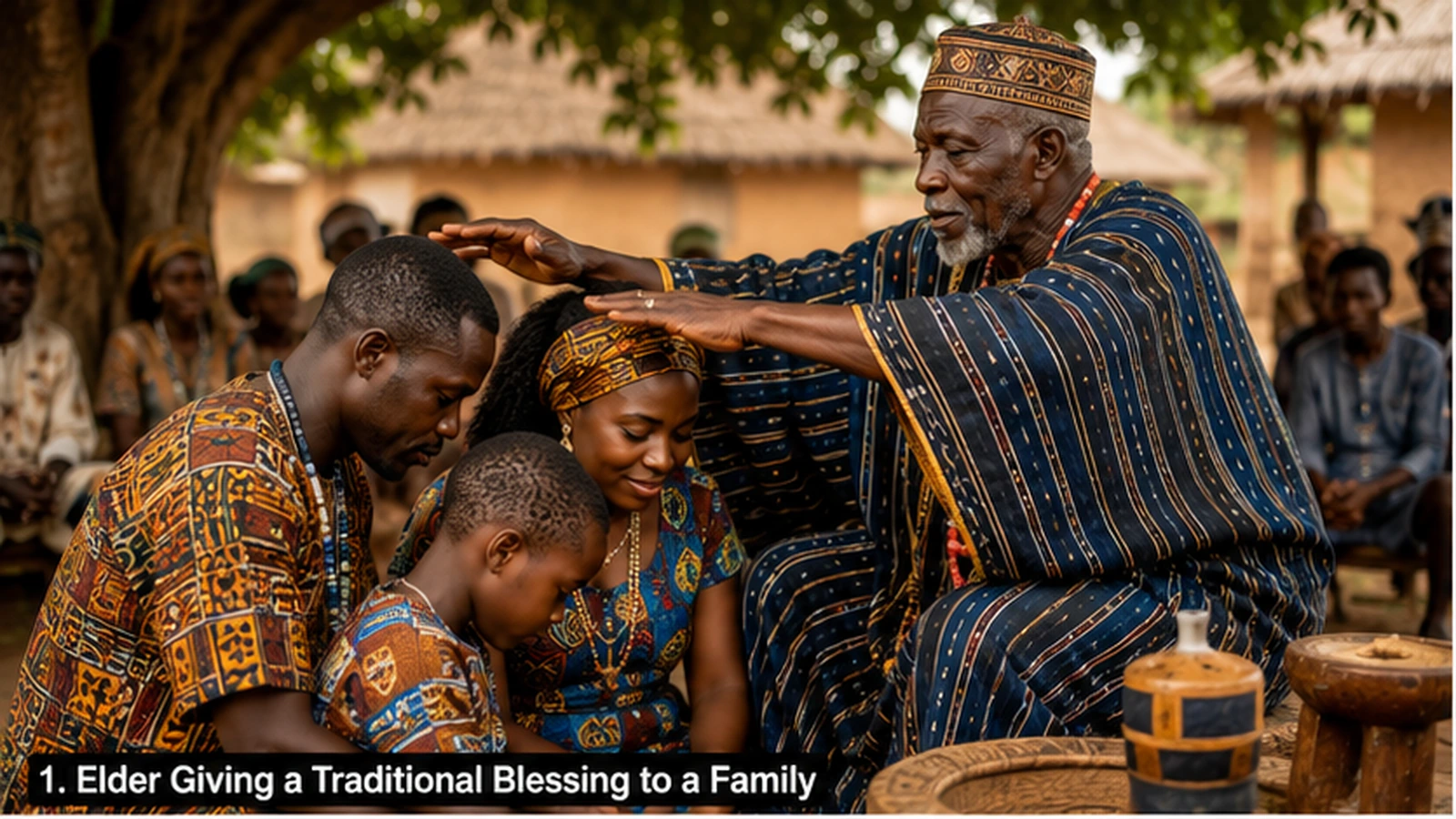
A community gathering can itself be a form of favor. Elders, relatives, religious leaders, guild members or neighbors may offer words, gifts, songs or practical help. The “luck” generated by such an event may be partly social: the person begins with witnesses, obligations, networks and goodwill.
Cultural Examples: Similar Hopes, Different Systems
Ancient Egyptian Amulets
Ancient Egyptian amulets could represent animals, deities, symbols or everyday objects. Their color and material were meaningful: blue and green faience could evoke life and regeneration, while particular forms were associated with protection, rebirth or safe passage. The same object type could change in use across periods. It is therefore misleading to treat an Egyptian scarab simply as a universal “luck crystal.” [2]
Chinese Good-Fortune Symbols and Coin Charms
Chinese good-fortune imagery often works through visual and linguistic associations. Bats, fish, pomegranates, peaches, coins and specific characters can communicate wishes for blessing, abundance, longevity, fertility or harmonious advancement. Coin charms carry the visual authority of circulating money while functioning as symbolic objects rather than ordinary currency. Museum examples show inscriptions explicitly invoking good fortune and the expulsion of harmful influences. [3][7]
Japanese Gods and Objects of Good Fortune
Japanese traditions include the Seven Gods of Good Fortune, whose identities and popularity developed through Buddhist, Shinto, Daoist and popular influences. Ebisu is especially associated with fishing, trade and merchants, while Daikoku is linked with abundance. Dog-shaped charms called inuhariko were historically given in contexts including childbirth and weddings. These are historically situated devotional and social objects, not a single standardized “Japanese luck ritual.” [4][8]
Madagascan Ody
Among several peoples of Madagascar, objects called ody have been prepared for protection, health and good fortune. Metropolitan Museum records emphasize that specialists such as ombiasy selected materials for a particular owner’s circumstances. Sakalava and Merina examples show that the object’s internal substances could matter more than its outward appearance. [5][9] These traditions should not be generalized to all Malagasy communities or copied without specialist knowledge.
Islamic Written Amulets in African Contexts
Across parts of Africa, Islamic amulets may contain Qur’anic passages, prayers, diagrams or other inscriptions. Smithsonian records describe paper amulets carried in leather or metal cases; in some settings, written material may be soaked and the water used for washing with the intention of protection or good fortune. [10] Islamic scholars and communities differ about the permissibility of amulets, especially when inscriptions include elements beyond recognized prayer. This diversity should be stated rather than presenting “Islamic talismans” as one settled practice.
Yoruba Ifá and the Search for a Successful Path
Ifá is a Yoruba divination system associated with Orunmila and transmitted through trained specialists. It addresses moral, social, spiritual and practical questions through an extensive oral and literary corpus. Success is not simply “luck” added to a person. Consultation may identify obligations, sacrifices, conduct or relationships requiring attention. The tradition’s complexity makes it inappropriate to reduce Ifá objects to decorative prosperity symbols. [6]
Do Luck Rituals “Work”?
No reliable scientific evidence shows that a charm, spoken formula or symbolic action can consistently alter random external events in the way a controlled physical intervention does. Claims that a ritual guarantees money, fertility, protection, legal victory or romantic success should therefore be treated with caution.
That limitation does not mean ritual has no effects. Rituals can change attention, emotion, memory, confidence and group behavior. A person who pauses before a difficult task may become calmer and more deliberate. A community blessing may mobilize practical support. A vow may strengthen accountability. These outcomes are psychologically and socially plausible, but they are not the same as proving supernatural control over chance.
The difference matters ethically. A responsible practitioner does not tell a frightened client that failure to purchase an expensive ritual will cause disaster. Nor should a ritual replace medical care, legal counsel, financial planning, safety procedures or honest work. Hope can accompany practical action; it should not be used to suspend judgment.
Luck, Effort and Moral Conduct
Many traditions do not separate good fortune from character. Favor may be associated with generosity, truthfulness, respect for elders, fulfillment of vows, hospitality, disciplined work or repair of damaged relationships. A ritual that asks for success while ignoring exploitation can contradict the moral framework from which the ritual comes.
This is especially important in commercial spirituality. “Attraction” language can imply that people who experience poverty, illness or misfortune failed to think correctly. Such claims ignore structural conditions, accident and unequal access to resources. Cultural traditions often contain more complex accounts of suffering than the simple idea that everyone receives exactly what they energetically attract.
How to Approach Luck and Favor Traditions Responsibly
Name the tradition, community, country, language and historical period whenever possible.
Distinguish a public custom from restricted, initiated or family-specific knowledge.
Learn from practitioners, scholars, museums and community institutions rather than anonymous ritual lists.
Do not combine sacred objects from unrelated traditions into one “universal prosperity altar.”
Do not market copied prayers, symbols or ceremonies as secret knowledge.
Avoid claims that a ritual guarantees money, fertility, healing, legal success or protection.
Use non-religious personal rituals—reflection, gratitude, planning, generosity and community support—when cultural permission is uncertain.
Pair hope with practical preparation, professional advice and ethical action.
UNESCO’s framework for intangible cultural heritage places communities at the center of identifying, transmitting and safeguarding living traditions. It emphasizes participation, respect and free, prior and informed consent. [11][12] That principle is directly relevant to publishing: a tradition is not merely raw material for content, products or social-media aesthetics.
A Non-Appropriative Personal Framework for Hope and Preparation
Someone who wants a meaningful practice before an uncertain event does not need to borrow a restricted ceremony. A simple personal framework can be culturally neutral and practically useful:
Name the situation honestly: what is uncertain, and what is within your control?
Prepare materially: gather information, make a budget, rehearse, rest and ask for help.
Choose a value: integrity, courage, patience, generosity or service.
Use a brief symbolic action that belongs to you, such as writing an intention, tidying the workspace or carrying a reminder of a personal commitment.
Invite support from family, friends or a faith leader within your own tradition.
After the event, reflect on what happened without treating success as proof of special worth or failure as spiritual punishment.
This approach does not promise supernatural control. It recognizes that ritual can help people enter an event with attention, relationship and purpose.
Common Misunderstandings
“All luck rituals attract the same energy.”
This is a modern universalizing claim, not a neutral description. Traditions disagree about gods, ancestors, destiny, chance, moral causation and the nature of ritual power.
“A symbol means the same thing everywhere.”
Coins, colors, animals and numbers can have multiple meanings even within one society. Context determines whether an object relates to wealth, protection, fertility, rank, mourning, memory or something else.
“Old means authentic and unchanged.”
Living practices change. Migration, trade, religious reform, colonialism, tourism, mass production and digital media all reshape customs. Historical continuity should not be confused with perfect sameness.
“If a ritual fails, the participant lacked faith.”
This claim is unfalsifiable and can become abusive. Outcomes depend on countless factors. No ethical article or practitioner should use disappointment to pressure someone into escalating payments or secrecy.
People Also Ask
What is a luck ritual?
A luck ritual is a symbolic or religious practice performed to seek favorable conditions, protection, blessing, confidence or auspicious timing before an uncertain event.
What is the difference between luck and divine favor?
Luck often refers to favorable chance, while divine favor refers to goodwill or grace understood to come from a deity. Many traditions do not draw the boundary in exactly the same way.
Why do people carry good-luck charms?
People may carry charms as reminders of protection, identity, prayer, family connection or hope. The object’s meaning depends on the culture and how it was prepared or received.
Are amulets and talismans the same?
The words overlap. An amulet is commonly associated with protection, while a talisman is often prepared for a particular beneficial purpose. Local names and traditions are more precise.
Do good-luck rituals scientifically change outcomes?
There is no reliable evidence that they consistently control random events. They may nevertheless affect confidence, attention, relationships and preparation.
What are examples of African luck traditions?
Specific examples include Malagasy ody, Islamic written amulets in several African regions and Yoruba Ifá consultation. These belong to different peoples and should not be merged into one African ritual.
How can I learn respectfully?
Use community institutions, museums, scholars and practitioners; identify the specific tradition; avoid restricted knowledge; and do not commercialize copied ceremonies or promise guaranteed outcomes.
Frequently Asked Questions
Can I create my own good-luck ritual?
You can create a personal preparation ritual using your own values and non-restricted symbols. Avoid claiming that it represents another culture or copying sacred ceremonies without permission.
Is carrying a lucky object harmful?
Usually not, provided it does not replace necessary action or expose you to financial, medical or safety risks. Its personal meaning may be comforting.
Are prosperity rituals the same as business planning?
No. A blessing may support confidence or community relationships, but it cannot replace budgeting, legal compliance, market research, insurance or ethical management.
Should I pay someone who guarantees results?
Be cautious. Guaranteed wealth, protection, fertility, healing or legal success is not a credible promise. High-pressure demands, escalating fees and threats are warning signs.
Can traditions be combined?
Communities have always influenced one another, but private individuals should not casually combine restricted symbols and ceremonies. Historical exchange is different from decontextualized copying.
What should I do after a ritual?
Continue with practical action, ethical conduct and reflection. Do not interpret every later event as proof that the ritual succeeded or failed.
Key Takeaways
Luck and favor are culturally variable ideas, not one universal spiritual force.
Rituals can involve prayer, offerings, charms, divination, auspicious timing or communal blessing.
Similar objects may have very different meanings in different traditions.
Historical evidence documents beliefs and practices; it does not prove guaranteed supernatural outcomes.
Africa contains many distinct traditions, including Yoruba Ifá, Malagasy ody and Islamic amulet practices in particular regions.
Communities and cultural custodians should guide how living traditions are represented.
Hope is most responsible when joined with practical preparation, ethical conduct and realistic limits.
Conclusion
Luck and favor rituals reveal how communities respond to uncertainty. They transform hope into words, objects, relationships, timing and action. Some petition a deity. Some seek ancestral or specialist guidance. Some mark a beginning, protect a household or make communal support visible. Their diversity is precisely what makes them worth studying.
The strongest interpretation is not that every culture discovered the same secret technology for attracting fortune. It is that human beings repeatedly create meaningful ways to face what they cannot fully control. Respectful study therefore requires specificity, evidence and humility. A ritual may help a person prepare, remember obligations and receive support—but it should never be sold as a guaranteed substitute for skill, care, consent or practical action.
Final Summary
Luck and favor rituals are culturally specific practices connected with blessing, protection, auspicious timing, prosperity, divination and social support. Their historical forms include amulets, coin charms, prayers, offerings and specialist consultations. They can have psychological and communal value, but they do not scientifically guarantee outcomes. Learn through reliable sources, respect cultural custodians and combine hope with ethical, practical preparation.
Article Information
- Publisher
- Ancestral Temple
- Editor
- Ancestral Temple
- Last updated
- Jul 30, 2026
- Last reviewed
- Jul 30, 2026
- Content version
- 3e8962e213
This educational article should be read as cultural and spiritual information, not as medical, legal, financial, or emergency advice.
Helpful Related Guidance
About the Author
 Ancestral Temple
Spiritual guide and practitioner with decades of experience in ancestral wisdom, rituals, and divine guidance.
Related Posts
View All






Comments
We'd love to hear your thoughts.