
Marriage Blessing Rituals: Traditions for Love, Unity and Family Support
Pillar Article
Quick Summary
Marriage blessing rituals are public or family-supported acts that place a couple's commitment within a wider moral, religious, and social world. They may include prayers, spo...
Marriage blessing rituals are public or family-supported acts that place a couple's commitment within a wider moral, religious, and social world. They may include prayers, spoken wishes, sacred texts, rings, garlands, shared cups, fire, food, gifts, or the formal recognition of two families. Their purpose is not identical everywhere, but recurring themes include love, unity, responsibility, continuity, hospitality, and support beyond the wedding day.
A careful comparison must avoid turning different traditions into one universal ceremony. A Buganda Kwanjula is not the same event as Jewish Sheva Brachot, a Christian nuptial blessing, an Islamic nikah, Hindu Saptapadi, or Japanese san-san-kudo. Each practice has its own theology, history, legal relationship, family roles, and regional variations.
Quick Answer
A marriage blessing ritual is a ceremony, prayer, or communal act that asks for or expresses goodwill toward a couple and their shared life. Across cultures, blessings may emphasize love, peace, fertility, responsibility, family alliance, divine guidance, or social support. They do not guarantee a happy marriage and should always respect consent, law, and cultural context.
What Is a Marriage Blessing?
A marriage blessing is an act through which relatives, elders, friends, or a religious community recognize a couple and express hopes or prayers for their future. In some settings the blessing forms part of the wedding itself. In others it follows a civil marriage, accompanies a family introduction, or continues through meals and gatherings after the wedding.
The word blessing can refer to several different things. It may be a formal liturgical prayer delivered by clergy, a series of benedictions recited by honored guests, an elder's spoken counsel, a symbolic action such as sharing wine or walking around sacred fire, or a family gathering where practical support is pledged. Not every ritual that joins families is technically a blessing, and not every blessing creates a legal marriage.
Why Marriage Blessings Matter
Marriage changes more than the legal status of two people. It can alter household responsibilities, kinship relations, inheritance expectations, residence, caregiving, and community identity. Blessing rituals help make that transition visible. They tell the couple, the families, and the wider community that a new relationship has been recognized and that responsibilities extend beyond celebration.
Many blessings also transform private affection into public accountability. The couple makes promises before witnesses, while the witnesses express support through prayers, gifts, meals, attendance, or continuing care. The Church of England marriage service states explicitly that the support of witnesses does not end on the wedding day and that the couple will value encouragement in the years ahead.[1]
A Brief History of Marriage Blessings
Marriage blessings developed alongside changing ideas about kinship, property, religion, residence, and political authority. In many societies, marriage was historically negotiated between households rather than understood mainly as the private choice of two individuals. Public ceremony helped establish who belonged to which family, who would inherit, who owed support, and how alliances would be remembered.
Religious communities placed these social changes inside sacred narratives. A marriage could be linked with creation, covenant, divine mercy, household duty, ancestors, prosperity, or the continuity of a people. Blessings might call on God, gods, saints, elders, or the moral authority of the community. They could also protect the transition itself, because weddings were moments when people moved between homes, changed status, exchanged wealth, and entered new obligations.
The history was never static. Colonial law, missionary activity, migration, urbanization, wage labor, education, changing gender expectations, and modern civil registration altered wedding practice. A customary family ceremony might be followed by a church wedding or civil registration. A ritual once limited to an elite household might later become a national wedding symbol. Diaspora communities might shorten a multi-day ceremony while preserving its central prayer, meal, or family role.
Modern wedding industries also changed the visual appearance of blessings. Photography, hotels, event planners, imported clothing, social media, and standardized scripts can make ceremonies look more uniform than they really are. Researchers should therefore distinguish historical evidence, living religious law, family custom, and recent commercial styling.
Who Gives a Marriage Blessing?
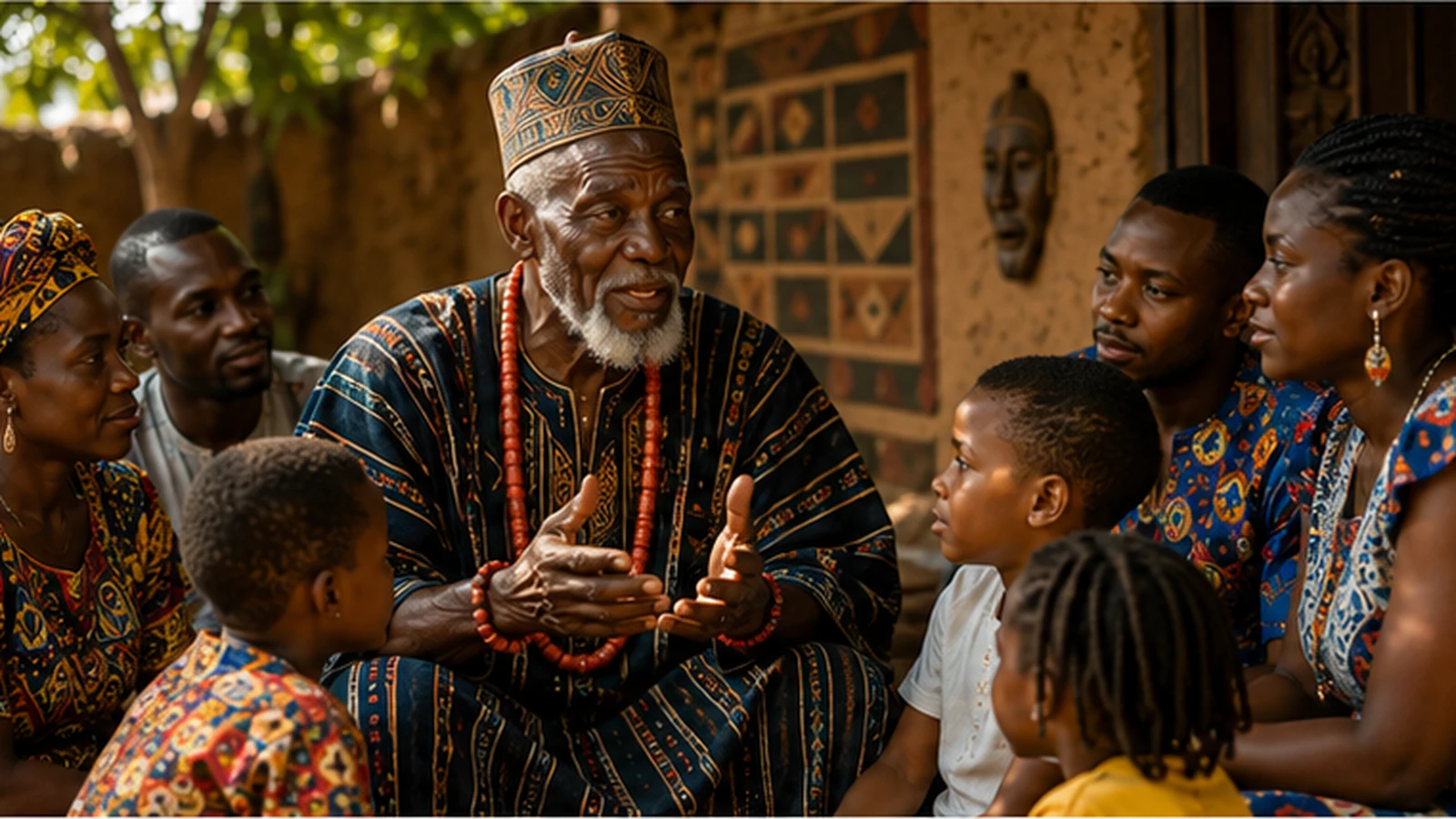
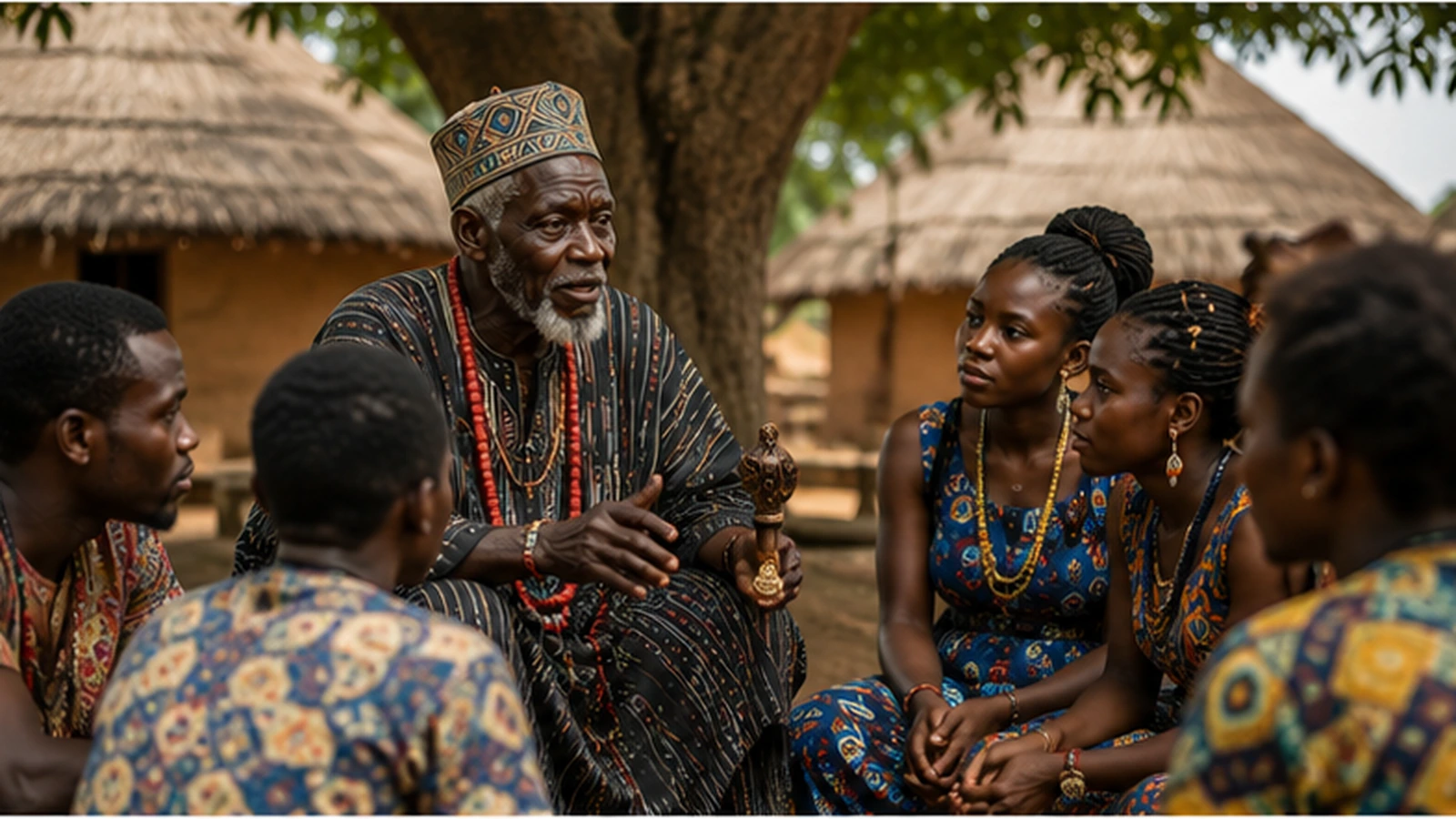
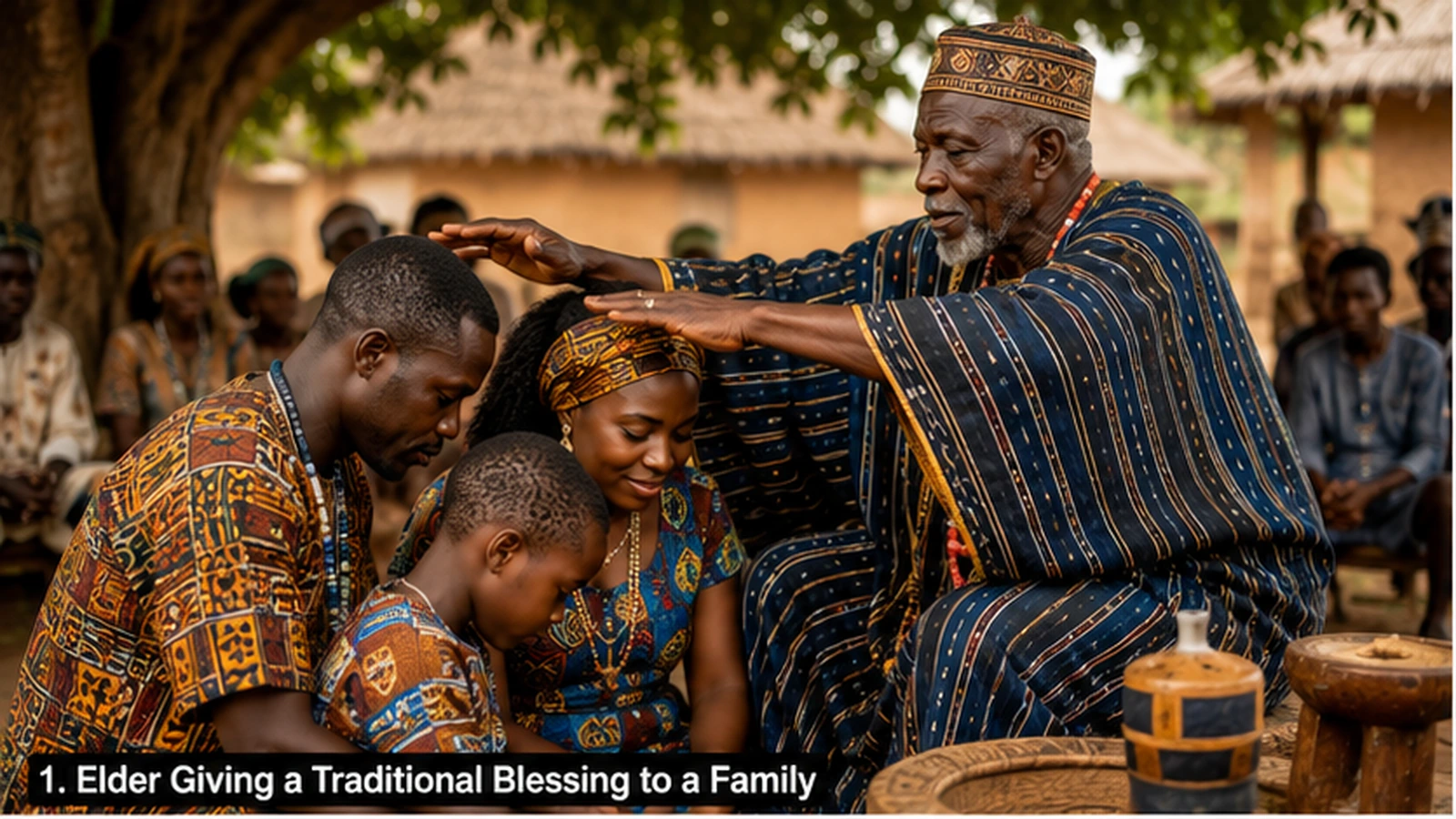
The authority to bless varies. A priest, rabbi, imam, pandit, shrine priest, or other recognized religious leader may lead formal prayers. In some ceremonies, honored relatives recite individual blessings. In others, elders speak from family experience, spokespersons conduct negotiations, or the whole congregation responds together.
Women's family roles are often especially important but may be overlooked in public summaries. A paternal aunt, mother, grandmother, female ritual specialist, or group of married women may prepare the bride, advise the couple, exchange gifts, sing, or lead household teaching. These roles differ by community and can change over time. They should not be described as universal duties for all women.
The couple also has authority. They may choose readings, ask particular relatives to speak, decide which inherited practices feel meaningful, and set boundaries around money, fertility questions, photographs, or private advice. A respectful ceremony recognizes that family support is offered to the couple, not imposed upon them.
| Common element | Possible meaning | Important caution |
|---|---|---|
| Spoken blessing or prayer | Divine guidance, goodwill, moral responsibility | Words and authority differ by religion and community |
| Witnesses and elders | Public accountability, lineage, counsel, family recognition | Family involvement must not override the couple's consent |
| Rings, garlands, cloth, or canopy | Union, continuity, honor, a shared household | Similar objects can have different meanings in different traditions |
| Shared wine, sake, or food | Hospitality, joy, covenant, joined families | Alcohol is not required in every tradition and may be inappropriate for some couples |
| Sacred fire or light | Witness, transformation, divine presence, continuity | Fire must be culturally appropriate and safely controlled |
| Gifts and household goods | Reciprocity, support, preparation for a new home | Gifts should not become coercive financial demands |
| Seven steps or repeated blessings | Commitment expressed through structured sequence | The number seven does not mean the same thing everywhere |
Marriage, Family, and Free Consent
Family support can strengthen a marriage, but it cannot replace the free and full consent of the people marrying. International human-rights standards recognize the right to choose a spouse and enter marriage freely. UNICEF defines child marriage as a formal marriage or informal union involving a person under eighteen and describes it as a harmful practice.[2]
A respectful blessing therefore begins with consent, legal capacity, and safety. Elders may advise, clergy may pray, and families may exchange gifts, but no ritual should be used to pressure someone into marriage, silence abuse, demand pregnancy, or prevent a person from seeking help. A blessing is not proof that a relationship is healthy.
Buganda Kwanjula: Marriage as a Relationship Between Families
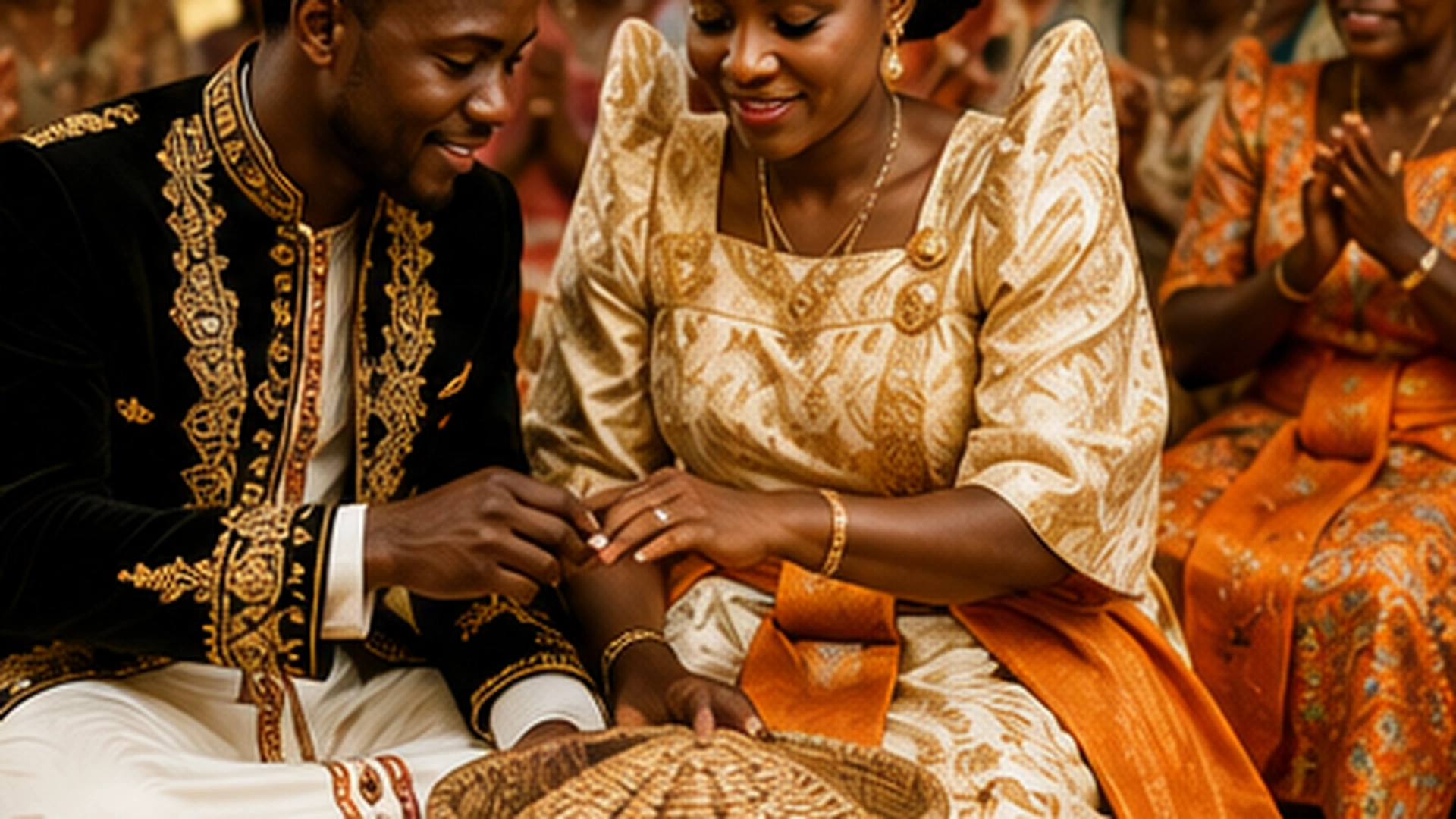
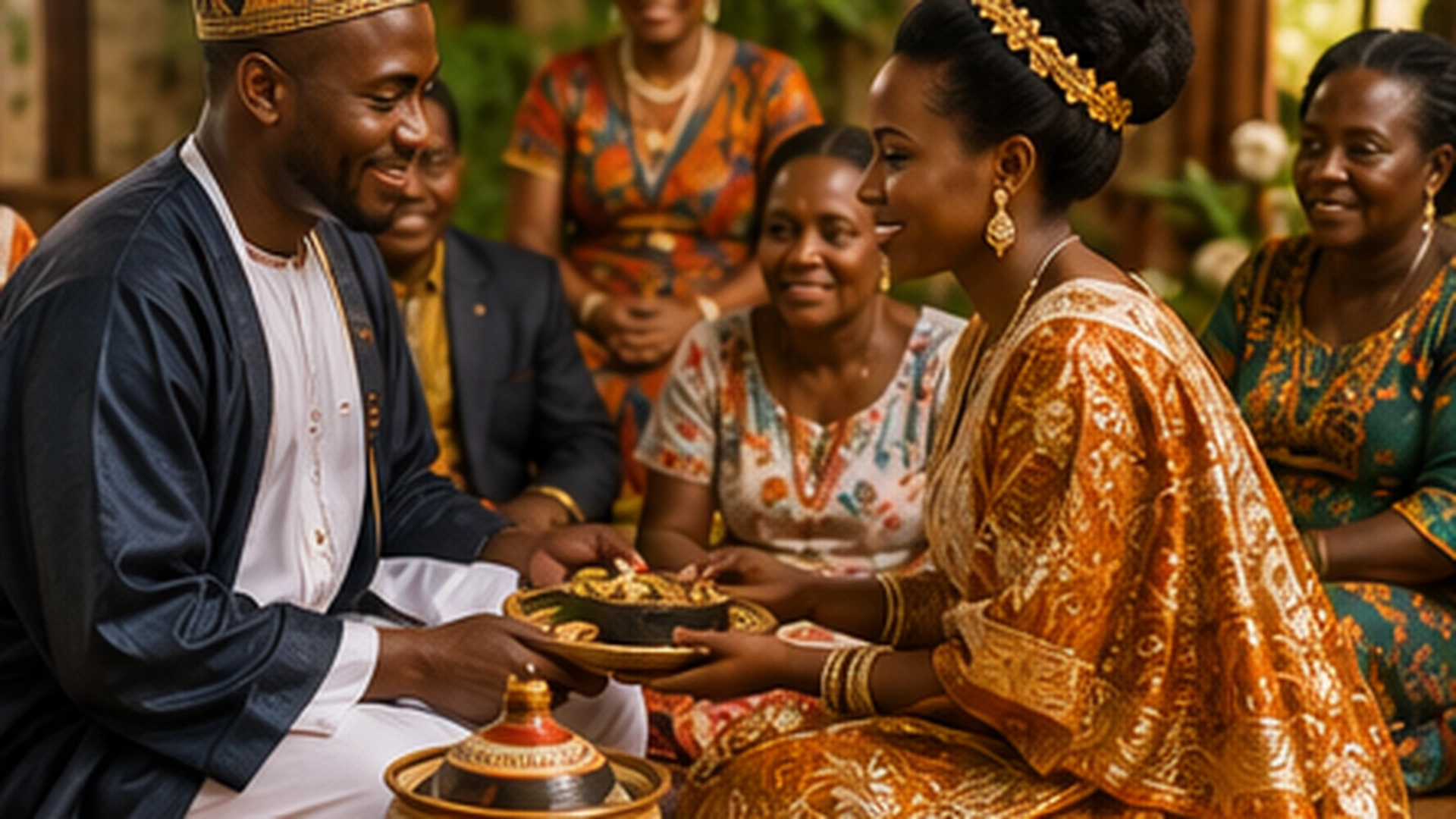
Among the Baganda of Uganda, Kwanjula is commonly described as an introduction ceremony in which the prospective husband and his family are formally presented to the woman's family. Scholarship on Kwanjula and the related Busoga Kwandhula describes the ceremony as a significant institution that joins not only two individuals but also families and clans.[3]
Kwanjula should not be reduced to a decorative “African wedding blessing.” It involves protocol, spokespersons, negotiation, gifts, kinship knowledge, humor, and public recognition. The bride's paternal aunt, or ssenga, may hold an important advisory role, although modern practice varies by household, religion, region, and personal circumstances.
The exchange of gifts can express respect, reciprocity, and practical support for the couple's new life. Ugandan reporting notes that both sides may prepare items intended to help the couple settle into marriage.[4] Yet gift expectations can also create pressure. Families increasingly negotiate scale, cost, and symbolism, and no single list of items represents every Baganda family.
Prayers or blessings may accompany a Kwanjula when families are Christian, Muslim, or follow other practices, but those prayers are not the same thing as the customary introduction itself. Modern couples often combine Kwanjula with civil or religious marriage, and the legal status of customary marriage depends on national law and registration procedures.
Jewish Sheva Brachot: Blessing Through Community and Shared Joy
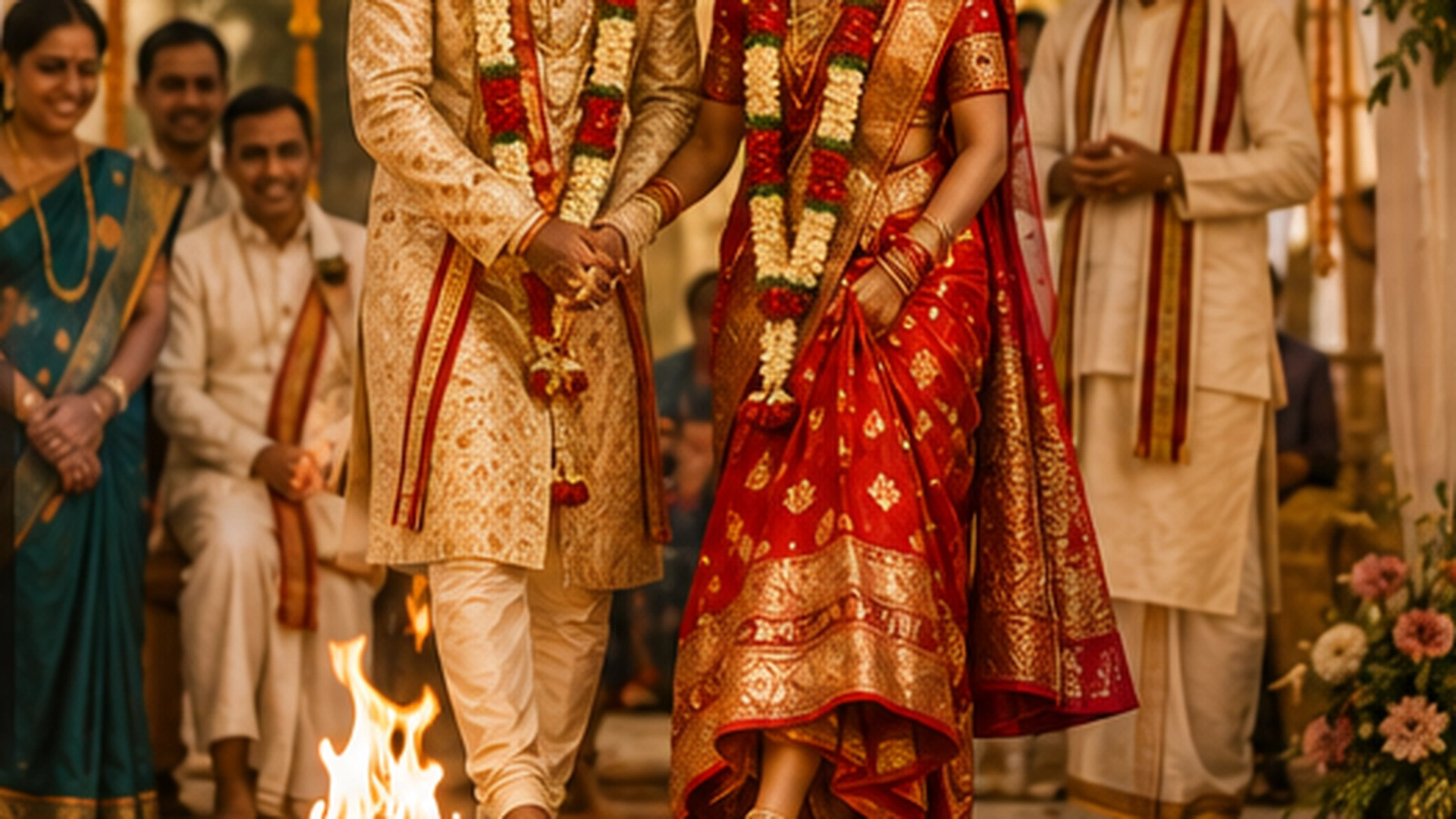
In Jewish wedding tradition, Sheva Brachot means “seven blessings.” They are recited under the chuppah and, in many communities, after festive meals during the week following the wedding. The blessings are spoken over wine and address creation, human life, joy, companionship, peace, and the happiness of the couple.[5]
Friends and relatives may be honored with reciting individual blessings. This makes communal participation part of the ritual itself. The week of celebratory meals also gives family and friends repeated opportunities to host, feed, encourage, and welcome the newly married couple.[6]
Practice differs among Jewish denominations and communities. Requirements concerning a minyan, who recites the blessings, seating, language, and which post-wedding meals include them are matters of religious law and custom, not generic wedding inspiration. Couples should consult their rabbi or community rather than copying fragments from an online ceremony.
Christian Nuptial Blessings and the Support of Witnesses
Christian marriage services vary among Catholic, Orthodox, Anglican, Protestant, African Independent, Pentecostal, and other churches. Common elements may include biblical readings, public vows, rings, intercessory prayer, a nuptial blessing, Communion, or prayers for the couple's household and future service.
The Church of England places the blessing of the marriage after vows, rings, and the public proclamation. Its pastoral introduction describes marriage as a solemn, public, life-long covenant and tells witnesses that their presence and prayers express support that should continue beyond the ceremony.[1]
Some couples who have already married civilly request a service of prayer and dedication. The Church of England distinguishes this from a marriage service: it acknowledges an existing civil commitment and asks for God's guidance without repeating the legal marriage process.[7] This distinction is important wherever religious and civil requirements are separate.
Islamic Marriage: Contract, Mercy, Prayer, and Hospitality
An Islamic marriage is commonly called a nikah, but Muslim marriage practices vary widely by legal school, country, language, and local culture. The marriage includes a contract and the bride's right to a mahr, or marriage gift. Witnesses, consent, a sermon or Qur'anic recitation, supplication, and a public meal may also form part of the event.
Qur'an 30:21 describes spouses as a source of tranquility and speaks of affection and mercy placed between them.[8] These themes are frequently used in wedding sermons and prayers. They are ethical and spiritual ideals, not a promise that conflict, illness, infertility, or financial difficulty will never occur.
The walima, or wedding feast, expresses public celebration and hospitality. Family support may include hosting, welcoming the spouse, offering practical help, and protecting the couple from unnecessary interference. Customs involving clothing, henna, music, gendered spaces, or processions may be regional rather than universally Islamic.
Hindu Vivaha and Saptapadi: Shared Duties and Seven Steps
Hindu weddings are highly diverse across India and the global diaspora. Language, region, caste community, family tradition, temple affiliation, and local law shape the ceremony. The Hindu American Foundation describes marriage as a partnership through which the couple jointly pursues the aims of life and emphasizes that regional customs vary.[9]
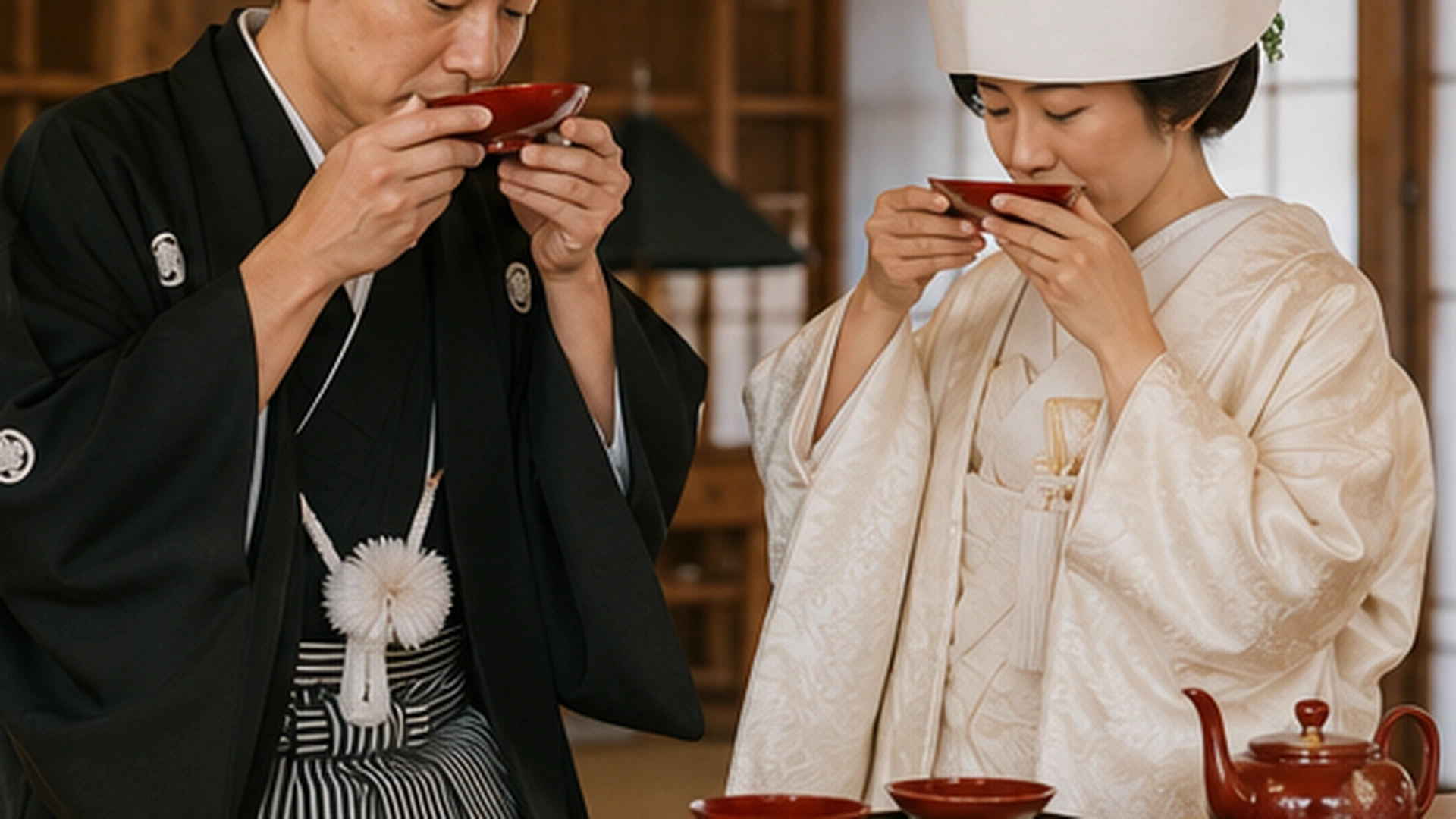
A widely recognized element is Saptapadi, the taking of seven steps together. The steps may be connected with nourishment, strength, prosperity, family, mutual care, friendship, and shared spiritual life. In many ceremonies the couple moves near a sacred fire, which serves as witness within the ritual world of the ceremony.
Popular wedding websites often present one fixed translation of seven vows, but actual wording and sequence vary. A family should follow the guidance of its officiating priest and community. Sacred fire, Sanskrit mantras, rice, garlands, sindoor, mangalsutra, and other elements should not be assembled casually into a generic “Hindu unity ritual.”
Japanese Shinto Weddings and San-san-kudo
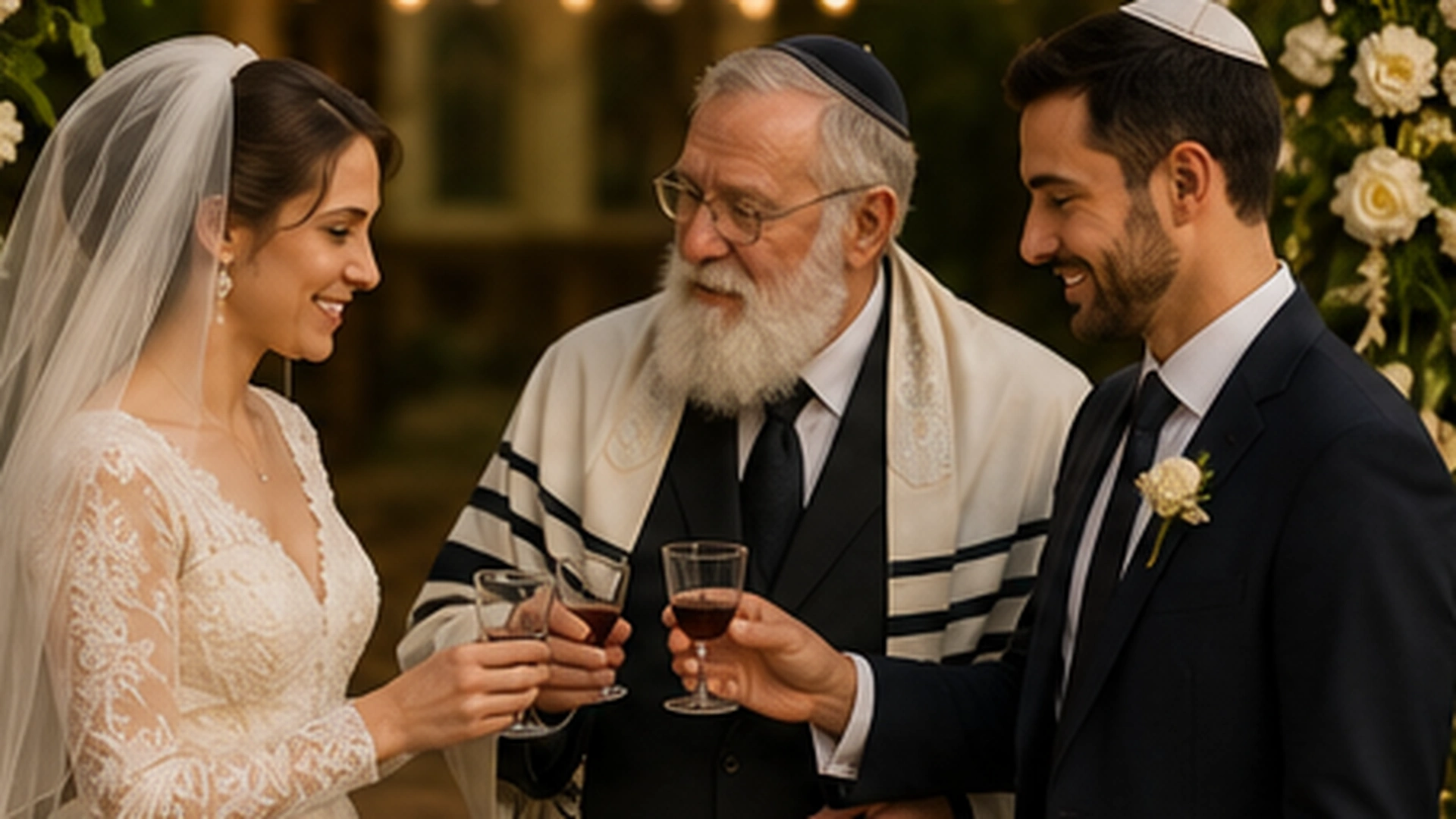
In Shinto-style Japanese weddings, san-san-kudo is a formal exchange in which the couple takes sips of sake from three lacquered cups. The name refers to a three-three-nine pattern. A 2025 Government of Japan cultural feature explains that the practice expresses the couple's union and the joining of their families.[10]
The ritual is connected with the wider religious significance of rice and sake as offerings and shared food. Sake can be presented to the kami and then shared, linking celebration, gratitude, and relationship. Japan House likewise describes san-san-kudo as binding the couple and their relatives.[11]
Not every Japanese wedding is Shinto, and modern ceremonies may be civil, Buddhist, Christian-style, destination-based, or blended. Historical wedding clothing, family crests, lacquerware, and auspicious motifs also changed across periods and social classes.[12]
How Marriage Blessing Traditions Change
Living traditions change through migration, intermarriage, new laws, religious reform, economic pressure, and personal choice. Change does not automatically mean loss of authenticity. A ceremony can remain meaningful when it is translated into another language, moved from a family compound to a city hall, shortened for travel, or adapted for relatives joining online.
At the same time, not every new combination is culturally responsible. A planner may copy a chuppah, sacred fire, Qur'anic recitation, Japanese sake cups, and African fabrics into one “global unity ritual” without understanding any of them. Visual combination can erase the authority of the communities that created the practices.
A better approach is transparent adaptation. Couples can explain which traditions belong to each family, invite authorized people to lead sacred elements, and create new secular actions for shared values. They can also leave some practices out. Refusal may be necessary when a custom conflicts with consent, equality, financial safety, or the couple's beliefs.
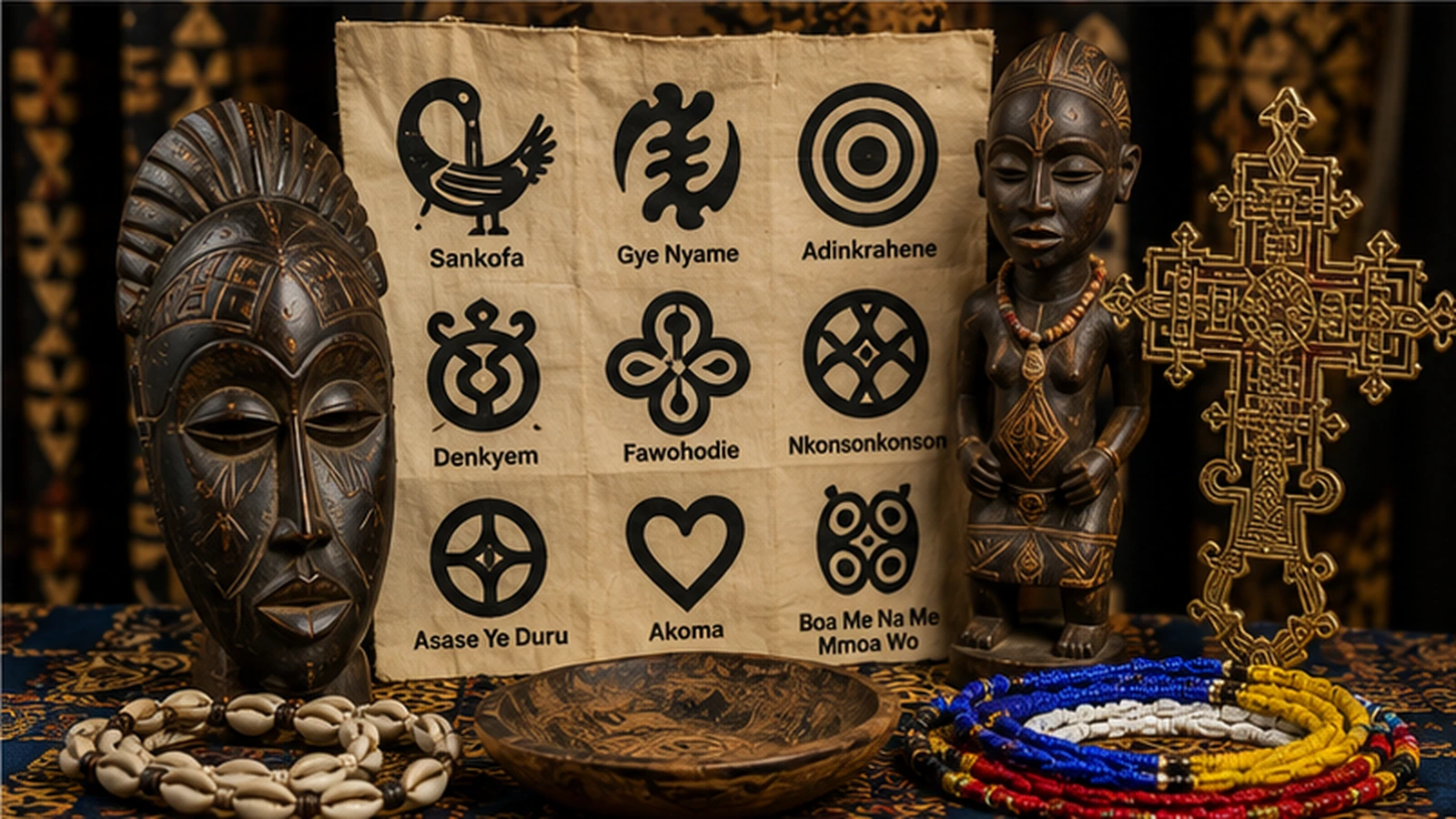
What Marriage Blessing Symbols Commonly Express
Rings and Circles
A ring can symbolize continuity, fidelity, public status, or a binding promise. Its exact theology depends on the ceremony. A circle should not automatically be interpreted as an ancient universal symbol of eternal love.
Canopies, Doorways, and Thresholds
A canopy or decorated entrance can mark the creation of a new household and the passage from one social state to another. The Jewish chuppah has a specific ritual identity; it should not be renamed as a generic ancestral canopy.
Wine, Sake, and Shared Cups
Shared drink can communicate joy, covenant, hospitality, or joined families. Jewish blessings over wine and Japanese san-san-kudo belong to different religious histories even though both use cups. Similar materials do not prove common origin.
Fire, Lamps, and Light
Fire and light may represent witness, divine presence, transformation, household continuity, or hope. In a Hindu wedding, sacred fire belongs to a specific ritual system. A decorative candle used in a secular ceremony has a different status.
Food and Gifts
Meals and gifts extend blessing into practical support. Hosting Sheva Brachot, holding a walima, preparing Kwanjula gifts, or feeding guests after a church wedding all make relationships visible through labor and generosity.
How Families Can Support a Marriage After the Ceremony
The most important family blessing may be what happens after the photographs. Support is strongest when it respects the couple's autonomy and does not create permanent indebtedness or surveillance.
Offer practical help without taking control. Meals, childcare, transport, housing advice, or emergency assistance may be useful when requested.
Protect privacy. Do not demand access to financial decisions, fertility plans, disagreements, or private communication.
Treat both spouses with dignity. A family alliance cannot flourish when one partner is mocked, isolated, or treated as a permanent outsider.
Encourage healthy conflict resolution. Support communication and counseling rather than forcing reconciliation in situations involving abuse.
Respect religious and cultural choices. The couple may combine, simplify, or decline inherited customs while still valuing family.
Continue hospitality. Shared meals and regular contact can sustain belonging without requiring expensive celebrations.
A Respectful Secular or Interfaith Marriage Blessing
Couples who do not belong to one religious tradition can create a meaningful ceremony without copying restricted rites. The goal is not to imitate sacred authority but to make the couple's values and support network visible.
1. Begin with a clear statement that the couple has freely chosen the marriage and that the gathering supports their dignity and equality.
2. Invite one or two trusted relatives or friends to speak brief wishes based on known values such as patience, honesty, hospitality, and mutual care.
3. Use a culturally neutral action: sign a family support book, plant a tree, share bread or fruit, pour water into one vessel, or present keys to the shared home.
4. Ask the community to make a realistic promise, such as offering counsel without intrusion and responding when the couple requests help.
5. End with a meal, music, or quiet moment that belongs naturally to the families involved.
An interfaith ceremony should identify which elements belong to which tradition and obtain guidance before using sacred texts, clergy roles, ritual garments, Hebrew blessings, Sanskrit mantras, Qur'anic recitations, or shrine practices. Some couples choose parallel blessings led by authorized representatives rather than blending them into a single invented rite.
Common Misunderstandings
“A Blessing Guarantees Love, Fertility, or Protection”
A blessing expresses hope, belief, and commitment. It does not scientifically guarantee pregnancy, prevent illness, end conflict, or protect a couple from violence or financial hardship.
“Every Culture Has the Same Unity Ritual”
Wedding symbols may look similar because people everywhere use food, clothing, speech, fire, and gifts. Their meanings and authority remain culturally specific.
“Family Support Means Family Control”
Healthy support respects the couple's decisions. Demands for money, pregnancy, obedience, secrecy, or continued exposure to abuse should not be defended as blessing or tradition.
“A Religious Blessing Automatically Creates a Legal Marriage”
Legal recognition depends on jurisdiction, officiant authority, registration, witnesses, and other requirements. Couples should confirm current law with the appropriate civil authority.
What a Family Marriage Blessing Can Say
A family blessing is most useful when it speaks honestly about the relationship rather than using grand promises. Relatives can acknowledge the couple's courage in choosing one another, name qualities they have already witnessed, and promise forms of support they can realistically provide. The words may ask for patience in disagreement, generosity in success, protection of each person's dignity, and a home where guests, children, elders, and friends are treated with care.
The blessing should avoid assigning fixed gender roles unless the couple freely embraces them. It should not predict children, demand obedience to extended family, or describe suffering as proof of loyalty. A strong blessing leaves room for growth and reminds the community that love is supported by repeated actions: listening, apologizing, sharing work, keeping confidences, seeking help, and refusing violence.
Cultural and Ethical Boundaries
Name the specific community, religion, and region rather than describing a practice as simply “African,” “Eastern,” or “ancient.”
Do not copy sacred language or ritual objects only because they look beautiful in photographs.
Do not expose private family negotiations, restricted prayers, or personal marriage contracts.
Do not portray bridewealth, dowry, or gifts as a simple purchase; also do not ignore financial coercion when it occurs.
Do not romanticize unequal or forced marriage as cultural authenticity.
Consult living custodians, clergy, elders, and cultural scholars when documenting a community's practice.
Key Takeaways
Marriage blessings connect a couple's commitment with family, witnesses, religion, and community responsibility.
The same object—wine, fire, cloth, rings, gifts, or repeated steps—can carry different meanings in different traditions.
Buganda Kwanjula emphasizes formal family introduction and alliance; it should not be reduced to a generic blessing scene.
Jewish Sheva Brachot extends blessing through the wedding and celebratory meals hosted by the community.
Christian, Islamic, Hindu, and Shinto ceremonies express distinct understandings of covenant, mercy, duty, sacred witness, and joined families.
A blessing cannot replace free consent, legal registration, equality, safety, communication, or practical support.
People Also Ask
What is a marriage blessing?
A marriage blessing is a prayer, spoken wish, or communal act that recognizes a couple and expresses hopes for their shared life. It may be religious, customary, interfaith, or secular.
What do families say when blessing a marriage?
Families often wish the couple love, patience, peace, health, honesty, hospitality, mutual respect, and strength during hardship. Wording should fit the family's actual beliefs.
What symbols are used in wedding blessings?
Common symbols include rings, garlands, shared cups, sacred fire, canopies, cloth, food, gifts, and household objects. Their meanings depend on the specific tradition.
What are the seven blessings at a Jewish wedding?
Sheva Brachot are seven blessings recited under the chuppah and, in many communities, after celebratory meals during the first week of marriage.
What does sacred fire mean in a Hindu wedding?
In many Hindu wedding traditions, sacred fire serves as a ritual witness while the couple performs vows or steps. Practice and interpretation vary by region and community.
What does Islam teach about marriage?
Qur'an 30:21 describes tranquility, affection, and mercy between spouses. Islamic marriage also involves consent, a contract, and the bride's right to a mahr, with practices varying across communities.
What is Kwanjula?
Kwanjula is a Buganda introduction and customary marriage ceremony in which the prospective husband and his family are formally presented to the woman's family.
What is san-san-kudo?
San-san-kudo is a Shinto-style Japanese wedding ritual in which the couple takes sips of sake from three lacquered cups, expressing their union and the joining of families.
Frequently Asked Questions
Can a couple have a blessing after a civil wedding?
Yes. Some churches and other communities offer prayer or dedication after a civil marriage. The service is religious recognition, not a second civil marriage.
Can an interfaith couple use two traditions?
Often yes, but the couple should consult qualified leaders and make clear which elements belong to each tradition. Some sacred actions may not be transferable.
Can parents perform the blessing?
Parents or elders can offer wishes, prayer, counsel, or practical promises if the couple welcomes their role. Formal liturgical blessings may require authorized clergy.
Does a marriage blessing need religious language?
No. A secular blessing can focus on consent, mutual care, community support, hospitality, and realistic promises.
Should a blessing mention children?
Only when appropriate to the couple. No one should assume that the couple wants children or can have them, and fertility should never be promised as a ritual outcome.
What should be avoided in a family blessing?
Avoid embarrassing stories, pressure about pregnancy, gender stereotypes, financial demands, claims of guaranteed success, and language that excuses control or abuse.
Conclusion
Marriage blessing rituals make a relationship visible to families, communities, and sacred traditions. Their deepest significance often lies not in a single object or phrase but in the network of responsibility surrounding the couple: witnesses who remember the vows, elders who advise without controlling, relatives who offer practical help, and communities that continue to welcome both spouses.
The most respectful approach is specific rather than universal. Kwanjula, Sheva Brachot, Christian nuptial prayer, nikah, Saptapadi, and san-san-kudo should be understood within their own histories. A modern couple may create a new blessing, but it should be honest about its sources and grounded in consent, equality, safety, and ongoing care.
Article Information
- Publisher
- Ancestral Temple
- Editor
- Ancestral Temple
- Last updated
- Jul 30, 2026
- Last reviewed
- Jul 30, 2026
- Content version
- 69d3a0bc4f
This educational article should be read as cultural and spiritual information, not as medical, legal, financial, or emergency advice.
Helpful Related Guidance
About the Author
 Ancestral Temple
Spiritual guide and practitioner with decades of experience in ancestral wisdom, rituals, and divine guidance.
Related Posts
View All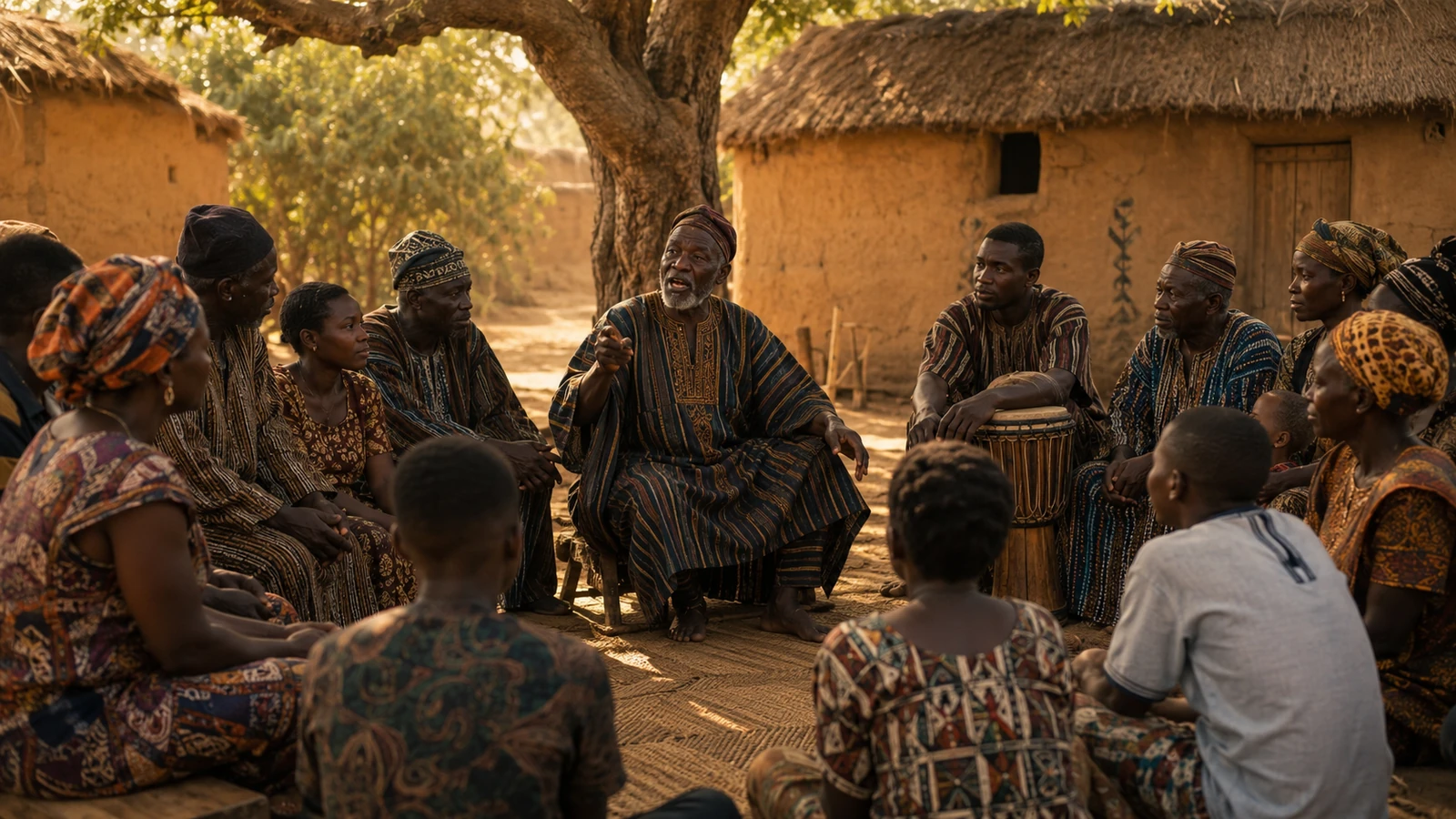






Comments
We'd love to hear your thoughts.