
Relationship Protection Rituals: Traditional Practices for Love, Trust and Unity
Pillar Article
Quick Summary
Relationship protection rituals are culturally specific practices intended to support commitment, trust, unity, family recognition or spiritual blessing between partners. They may...
Relationship protection rituals are culturally specific practices intended to support commitment, trust, unity, family recognition or spiritual blessing between partners. They may include vows, witnesses, contracts, prayer, shared food, symbolic objects, family counsel, reconciliation or the renewal of promises.
The phrase is broad. It does not identify one ancient African ceremony or a single worldwide method for keeping love safe. A Baganda Kwanjula in Uganda, a Catholic marriage blessing, a Jewish ketubah, an Islamic nikah contract and a Shinto wedding belong to different social and religious systems. Their words, authority and symbols cannot be exchanged as though they were ingredients in one universal love ritual.
Traditional practices can give a relationship public meaning and create witnesses to the couple’s responsibilities. They cannot control another person, guarantee fidelity, prevent every separation or make an abusive relationship healthy. Real protection requires free consent, honest communication, practical accountability, respectful boundaries and access to help when harm occurs.
Quick Answer
A relationship protection ritual is a blessing, vow, contract, family ceremony or symbolic practice used to express commitment and support trust between adult partners. It may be religious, cultural or newly created. Its value depends on consent and responsible conduct. No ritual can force love, stop infidelity, guarantee marriage or require someone to remain in an unsafe relationship.
What Is a Relationship Protection Ritual?
A relationship protection ritual is an intentional practice through which adult partners, families or religious communities express commitment and create a framework for trust. The practice may mark courtship, engagement, marriage, reconciliation, an anniversary, a move into a shared home or a difficult period.
The word protection can refer to several different things. Spiritually, a couple may ask for divine blessing or protection from harmful influences. Socially, witnesses may hold the partners accountable to public promises. Legally, a contract may state rights and obligations. Emotionally, a regular ritual may create time for communication. Practically, boundaries and safety plans may reduce identifiable risks.
These forms can support one another, but they should not be confused. A ring does not create fidelity by itself. A family ceremony cannot replace legal marriage registration. A prayer cannot make coercion acceptable. A contract cannot guarantee affection. Trust is protected through repeated conduct.
Relationship Protection, Blessing, Reconciliation and Control
| Practice | Main purpose | Possible value | Important limit |
|---|---|---|---|
| Relationship blessing | Prayer or sacred affirmation for the couple | May support hope and shared meaning | Cannot guarantee outcomes |
| Commitment ritual | Vows, witnesses or symbolic acts expressing promises | Makes responsibilities visible | Promises require consistent behaviour |
| Relationship renewal | Reviewing commitments after time or difficulty | Can clarify goals and boundaries | Should remain voluntary |
| Reconciliation ritual | Addressing harm through apology, restitution and changed behaviour | May rebuild trust | Not appropriate when contact is unsafe |
| Control or binding claim | Attempt to force fidelity, return or obedience | May exploit fear or desperation | Violates consent and cannot ethically guarantee another person’s choices |
Why Cultures Ritualize Relationships
To make consent public
Witnesses can hear the partners’ promises and recognize that a union has been freely entered.
To connect families and communities
Marriage and partnership can create new relationships among relatives, households and social groups.
To define responsibilities
Vows, contracts and counsel can name financial, emotional, sexual, religious and family duties.
To mark a transition
Ceremony distinguishes private courtship from engagement, marriage or shared household life.
To provide blessing and meaning
Prayer or sacred symbols connect the relationship with a religious worldview.
To preserve memory
Rings, documents, photographs, clothing and annual observances can remind partners of promises and history.
To create support
Relatives, clergy, elders and friends can become sources of advice and practical assistance.
Common Elements in Relationship Protection Traditions
Free consent
A meaningful union requires partners who are able to choose without force, threats or grave pressure.
Vows or spoken promises
Words identify what each person intends to give, protect or practise.
Witnesses
Family, friends, clergy or legal witnesses give the promises public recognition.
Contracts and documents
A written agreement can clarify rights, property, support, religious obligations or procedures if the relationship ends.
Exchange or shared symbols
Rings, cups, cords, gifts or other objects can represent unity, but their meaning is tradition-specific.
Blessing and prayer
Religious communities may ask for grace, fidelity, peace, wisdom or family wellbeing.
Shared food and hospitality
Meals join the couple’s commitment with community relationships.
Counsel and mediation
Elders, clergy, relatives or professional counsellors may offer preparation and later support.
Renewal
Anniversaries, prayers or regular check-ins can reconnect symbols with daily behaviour.
Origins and Historical Limits
No single origin exists for relationship protection rituals. Weddings, betrothals, contracts, kinship ceremonies and household blessings developed in many societies because intimate partnerships affect property, children, inheritance, religion, labour and relationships between families.
UNESCO describes social practices and rites of passage as activities that structure community life and mark important stages. Their meaning comes from the community that practises them, not from the mere repetition of an attractive gesture. [1]
Historical records also reflect inequality. Some marriage practices protected family alliances or property more than individual autonomy. Responsible writing must acknowledge change, legal reform and the need for free adult consent rather than treating every old practice as automatically safe or sacred.
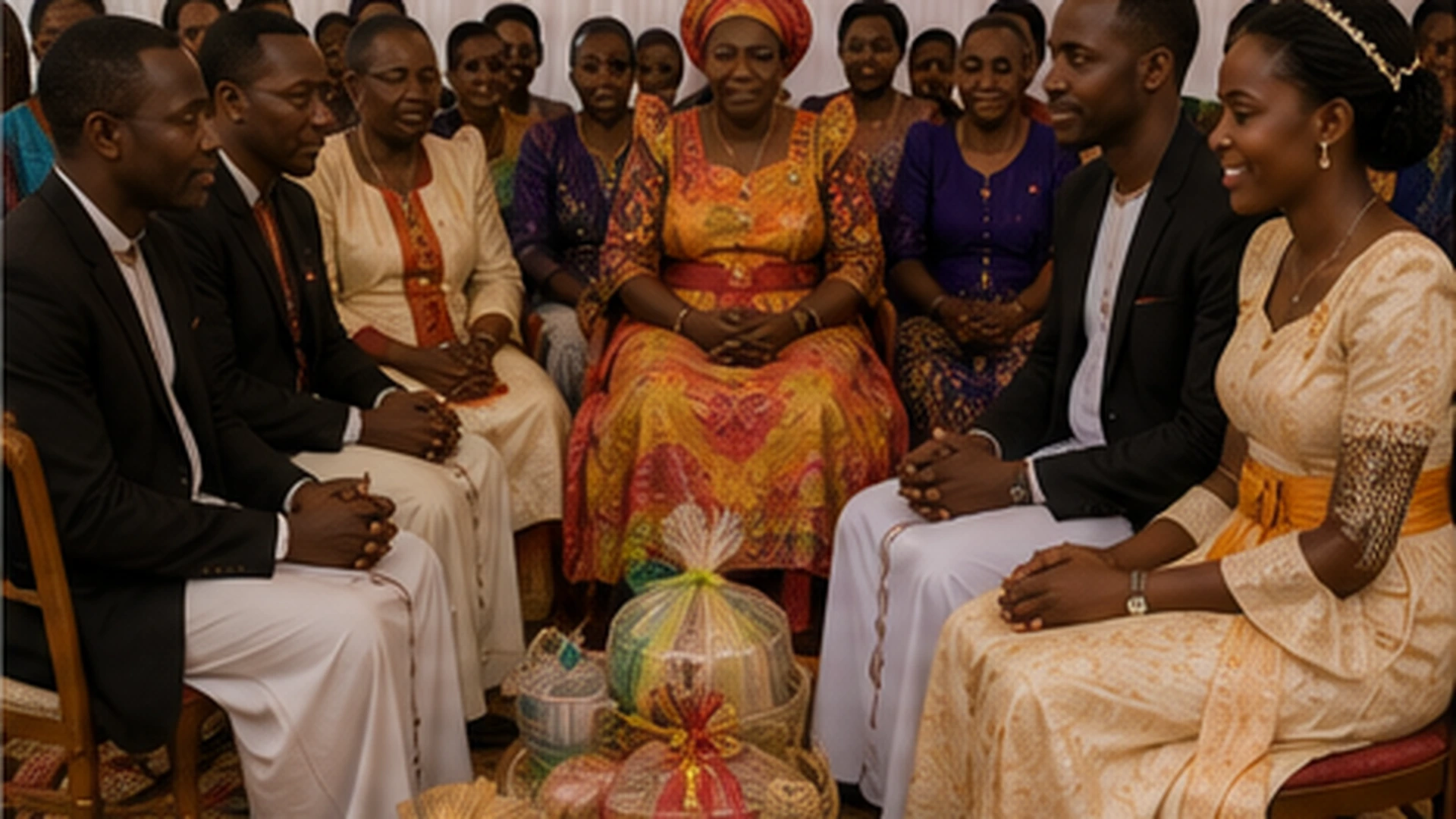
Baganda Kwanjula: Public Recognition and Family Unity
Kwanjula, literally associated with introducing, is a formal Baganda marriage-introduction ceremony in Uganda. Research describes it as an elaborate introduction of a husband to the wife’s family and as a cultural or traditional marriage that connects not only two individuals but families and clans. [2]
The ceremony normally includes appointed speakers, family roles, formal greetings, presentation of agreed gifts, recognition of the couple and hospitality. The paternal aunt, or ssenga, can hold an important role in preparation and family communication. Exact procedures vary by clan, family, religion and contemporary circumstances.
Kwanjula can support a relationship by moving it from private intention to public family recognition. Relatives become witnesses and may provide guidance. That social support can be valuable, but family involvement should not erase the adult partners’ consent, privacy or right to make decisions about their own relationship.
Gifts should not be described as the purchase of a woman. Economic exchanges have different meanings and modern interpretations, and no cultural payment can transfer ownership of a person or justify coercion.
Christian Marriage Blessings and Vows
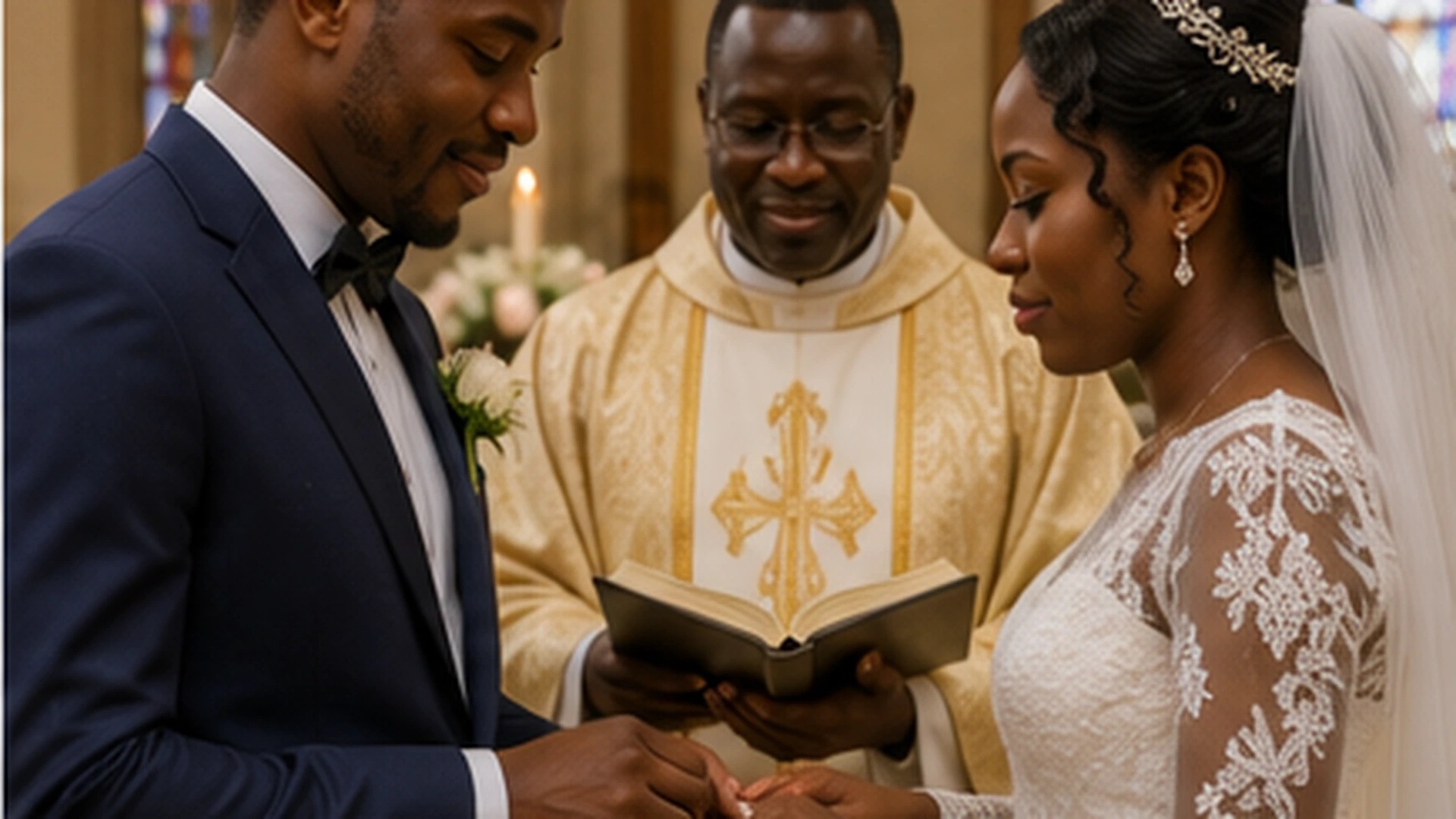
Christian marriage rites differ among Catholic, Orthodox, Anglican, Lutheran, Methodist, Pentecostal, Evangelical and African Independent churches. They may include scripture, vows, rings, prayer, a nuptial blessing, Eucharist, crowns, family participation or community witness.
Catholic teaching identifies free matrimonial consent as indispensable. The partners must be free from constraint, and no other person can substitute for their consent. The public presence of a minister and witnesses gives the promises ecclesial and social visibility. [3]
The Catholic liturgy also includes prayers asking for grace and blessing for the couple. Church teaching connects marriage with ongoing fidelity, mutual support and forgiveness rather than presenting the ceremony as a magical shield against difficulty. [4]
Christian symbols should be followed according to the couple’s own church. A ring, candle, veil or blessing from one denomination should not be combined casually with the sacramental actions of another.
Jewish Ketubah, Chuppah and Seven Blessings
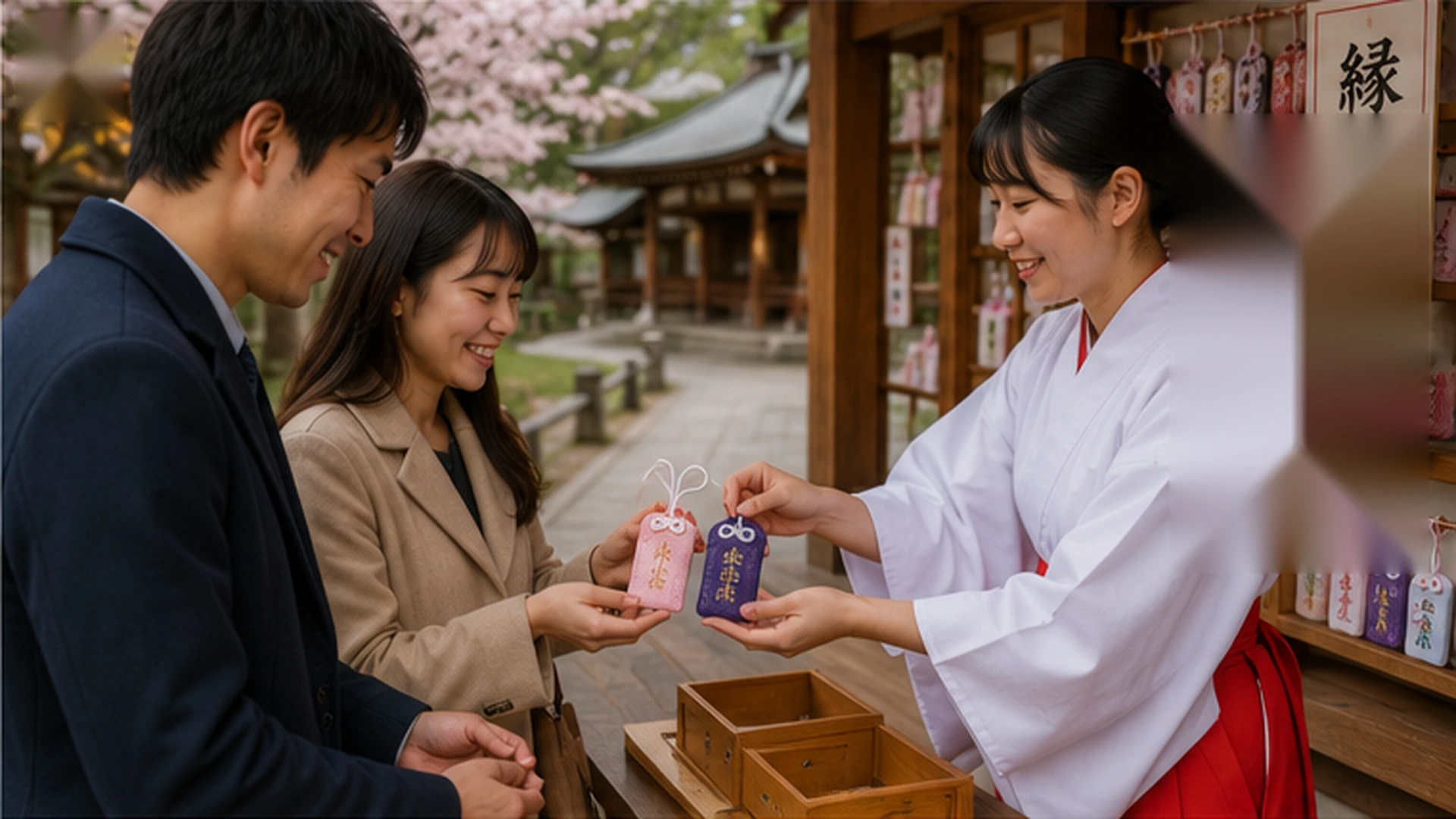
Jewish marriage combines legal, communal and liturgical elements. The ketubah is a marriage contract signed before the wedding ceremony. Traditional forms describe a husband’s obligations to his wife, including financial responsibilities, and historically served as a protection against abandonment without provision. Contemporary Jewish communities use a range of traditional and adapted texts. [5]
The wedding takes place under a chuppah or wedding canopy, and the Sheva Brachot, the seven blessings, are central to the nissuin ceremony and wedding celebration. Their themes include creation, joy and the couple. [6]
The ketubah is not simply decorative calligraphy or a generic love spell. It belongs to Jewish law and community practice. Witness requirements, wording, egalitarian adaptations and additional prenuptial agreements differ among Orthodox, Conservative, Reform, Reconstructionist and other Jewish communities.
The relationship-protection lesson is that blessing and emotion can be accompanied by a clear statement of obligations. A couple should obtain guidance from an appropriate rabbi and comply with civil law as well as religious practice.
Islamic Nikah, Consent, Witnesses and Mahr
Nikah is an Islamic marriage contract and religious union. Legal schools and national laws differ, but marriage commonly includes proposal and acceptance, witnesses, consent and mahr, a required marital gift or financial obligation from the groom to the bride.
Contemporary official marriage-contract procedures in Saudi Arabia, for example, require the bride’s explicit consent, two witnesses and specification of the dowry, including paid and deferred amounts. This is a national administrative example rather than a universal description of every Muslim community. [7]
Mahr belongs to the bride and is not the same as a payment made by her family. Legal scholarship describes it as a financial obligation intended to protect the wife’s interests, though its practical value depends on the amount, enforcement and surrounding law. [8]
A religious contract should not replace civil registration where the law requires it. Couples should understand the terms before signing and seek qualified religious and legal guidance. Consent must never be assumed from silence, family pressure or a ceremony arranged for a child.
Japanese Shinto Marriage and En-Musubi
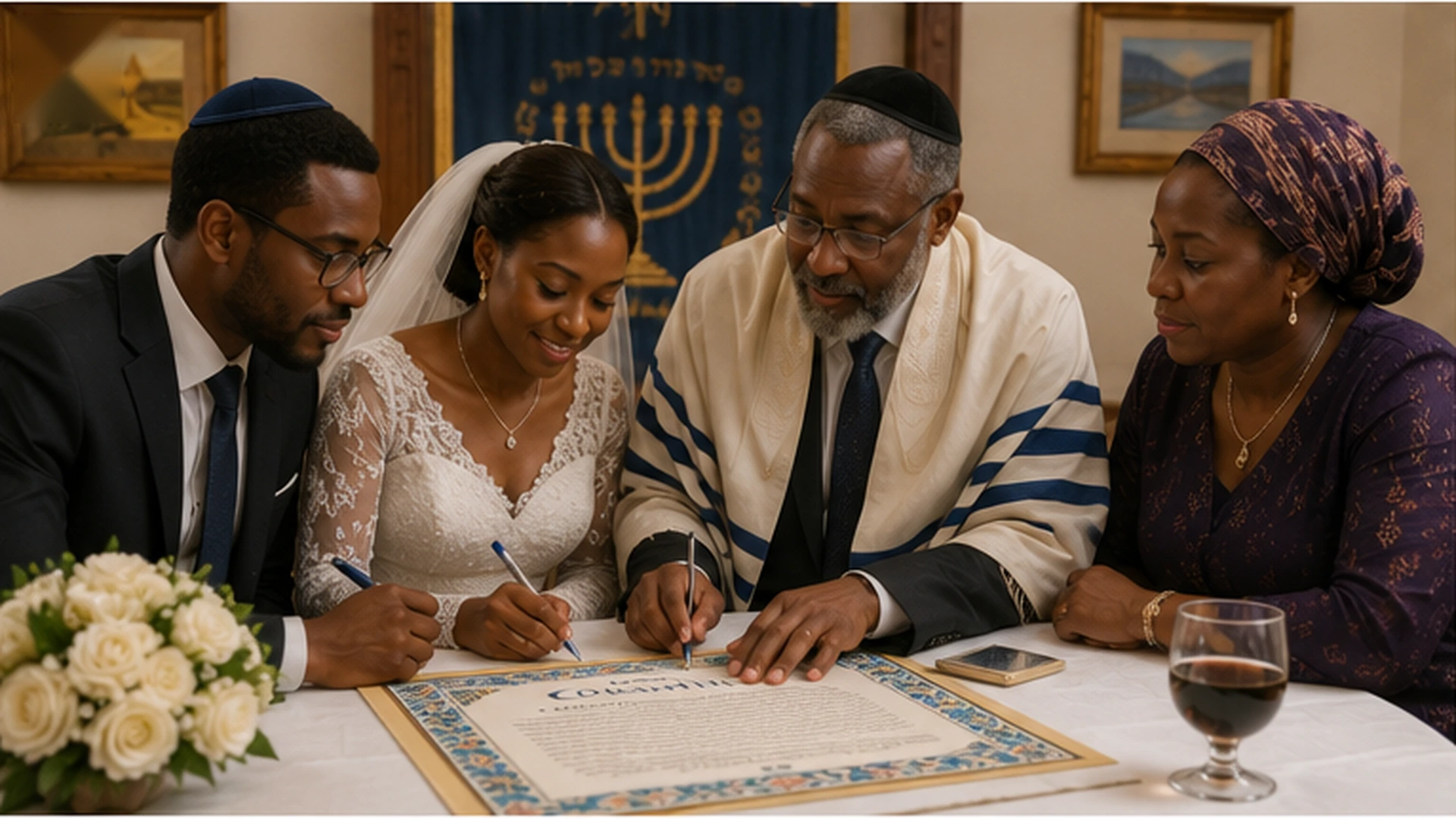
Shinto wedding rites, commonly called shinzenkekkon, are marriages conducted before the kami at a shrine, wedding hall or home. The Encyclopedia of Shinto describes purification, offerings, prayer, shared sacred sake, vows, tamagushi offerings and a pledge between families among the usual elements. [9]
The ritual pattern san-san-ku-do involves the couple drinking sake from three cups in a structured sequence. The action symbolizes the union within a Shinto ceremony; it should not be copied as a universal relationship ritual without its religious setting.
En-musubi, loosely understood as tying relationships or fates, is associated with shrines where people pray for relationships. British Museum collections include sealed en-musubi omamori intended for success in love and sometimes sold in pairs for couples. [10]
Omamori are not ordinary pouches to open and inspect. Their significance is connected to the temple or shrine that issued them. They express hope within a religious practice and cannot guarantee attraction, fidelity or marriage.
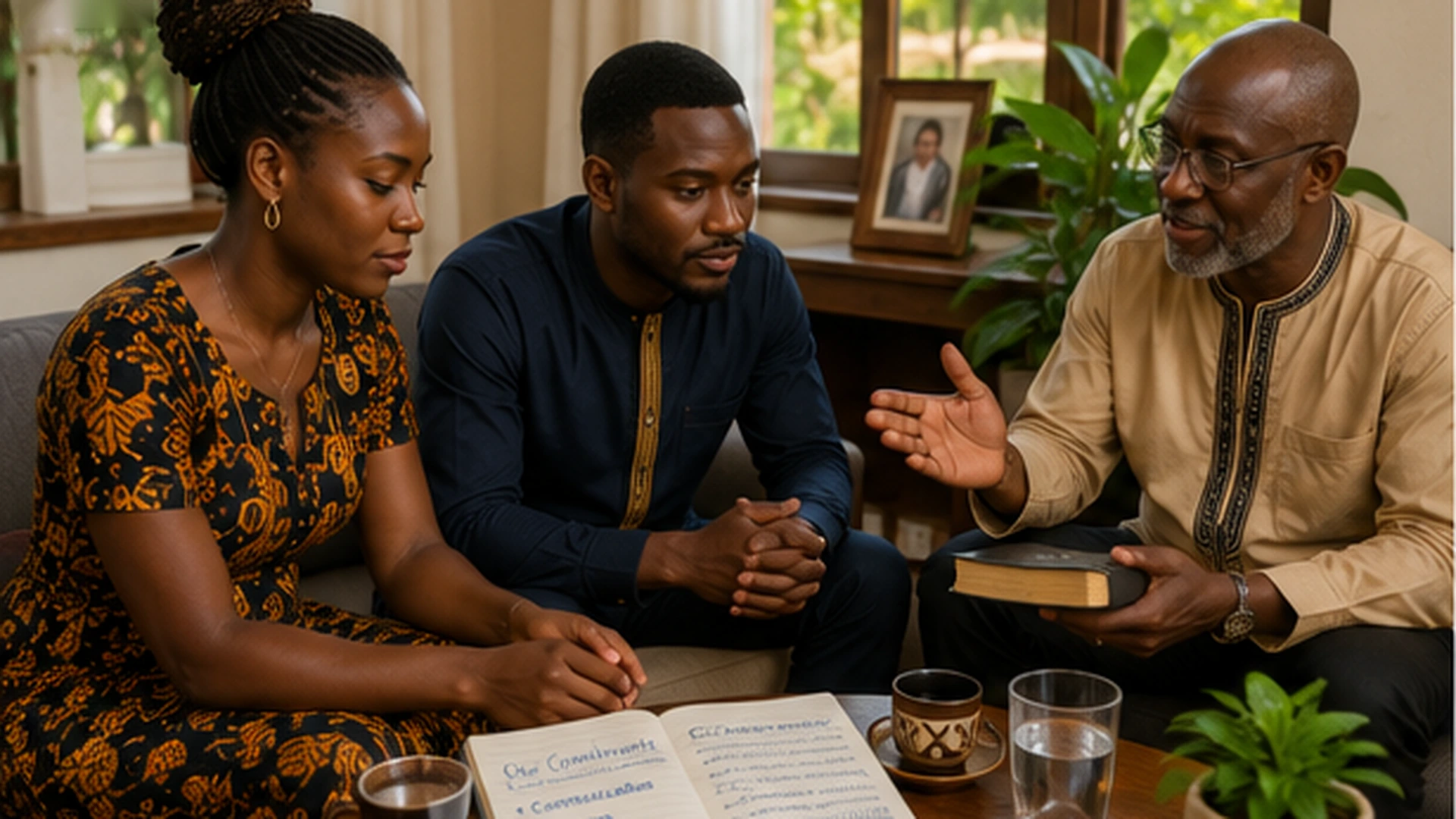
Symbols of Love, Trust and Unity
| Symbol | Possible meaning | Caution |
|---|---|---|
| Rings | Continuity, public status, covenant or commitment depending on the tradition | A ring does not prove consent or fidelity. |
| Knots and cords | Binding, connection or remembered promises in specific ceremonies | Do not invent ancient meanings for colours or copy restricted rites. |
| Shared cup or meal | Hospitality, family unity, covenant or communal celebration | Alcohol and dietary rules require consent and context. |
| Written contract | Rights, duties, financial commitments and public evidence | Religious documents may not satisfy civil law. |
| Canopy, cloth or household space | The shared home, sacred protection or community presence | Meanings vary greatly by religion and region. |
| Amulet or blessing object | Prayer or hope connected to a particular shrine or tradition | It cannot control another person or replace healthy conduct. |
| Tree or plant | Growth, continuity and care in modern or local ceremonies | Use ecologically suitable plants and avoid false claims of antiquity. |
Daily Practices That Actually Protect Trust
Communicate honestly
Healthy communication means that partners can speak, listen and feel respected. Communication skills affect conflict, connection and trust. [11]
Keep agreements specific
Promises about money, fidelity, privacy, caregiving and family boundaries should be clear enough to guide behaviour.
Maintain consent
Consent is ongoing and applies to sex, money, religious participation, photographs, family involvement and physical touch.
Use transparent financial practices
Couples should understand debts, income, shared expenses, property and major financial commitments.
Protect privacy without creating secrecy
Partners can maintain healthy personal privacy while avoiding hidden conduct that violates agreements.
Address conflict early
Small concerns are easier to resolve before they become patterns of contempt, fear or retaliation.
Seek appropriate support
Counselling, clergy, elders, legal advice or health services may help, depending on the problem.
Review commitments
A monthly or quarterly check-in can reconnect ceremonial promises with daily life.
An Original Relationship Protection and Renewal Ritual
The following is an original modern framework. It is not a Baganda, Christian, Jewish, Islamic or Shinto traditional ceremony.
1. Choose a safe and private setting
Both partners should participate voluntarily and be free to pause or leave.
2. Begin with appreciation
Each person names one specific action by the other that supported the relationship.
3. Review the current state of trust
Discuss communication, fidelity agreements, finances, family relationships, privacy, intimacy and shared responsibilities.
4. Name one concern without accusation
Use observable facts and the effect of the behaviour rather than insults or spiritual accusations.
5. Agree on practical protection
Choose measurable steps, such as a weekly conversation, transparent budgeting, counselling or a boundary with extended family.
6. Write the commitments
Record who will do what, by when and how progress will be reviewed.
7. Use one safe symbol
Exchange a letter, water a plant, hold the rings already owned or share a meal. Do not copy restricted sacred objects.
8. Close with prayer or reflection
Use wording that respects both partners’ beliefs.
9. Review after a set period
Trust is measured through conduct, not the emotional intensity of one ceremony.
| May our relationship be protected by truth rather than secrecy, by respect rather than control, and by courage rather than fear. May we listen carefully, keep the promises we freely make, repair harm honestly and ask for help when a problem exceeds our wisdom. May love grow through daily conduct, and may neither of us be required to surrender safety, dignity or conscience in order to preserve this bond. |
|---|
When a Relationship Should Not Be “Protected” at Any Cost
Ritual, religion and family unity should never be used to pressure someone to remain with an abusive or coercive partner. Intimate partner violence includes physical violence, sexual coercion, psychological abuse, stalking and controlling behaviour. It can occur in marriages, dating relationships and former relationships. [12]
WHO emphasizes that intimate partner violence causes physical, sexual and psychological harm and occurs across socioeconomic, religious and cultural groups. [13]
No elder, practitioner or family member should require private mediation when there is violence, stalking, forced sex, threats, child abuse or serious financial control. Safety planning, health care, legal protection and specialist services may be necessary. Reconciliation is not proof of spirituality, and separation can be a responsible safety decision.
Warning Signs That Need Practical Help
Threats, hitting, choking, weapon use or destruction of property
Sexual pressure, forced sex or reproductive control
Stalking, location tracking or repeated unwanted contact
Isolation from family, friends, work, education or health care
Control of money, identification documents, phone or transport
Repeated accusations of spiritual attack used to justify surveillance or punishment
Threats of self-harm used to prevent a partner from leaving
Marriage or sexual activity involving a person under the legal age
A cycle of apology, ritual and renewed abuse without measurable change
Common Misunderstandings
“A ritual can stop a partner from cheating.”
No. A ritual cannot control another adult’s choices. Fidelity depends on consent, agreements and behaviour.
“Family approval proves the relationship is safe.”
No. Family support can help, but families may also overlook coercion or unequal power.
“Bridewealth means ownership.”
No. Cultural exchanges have varied meanings and cannot transfer ownership of a person.
“A marriage contract guarantees love.”
No. Contracts can clarify rights and duties but cannot create affection.
“A love amulet forces attraction.”
No. En-musubi omamori and other sacred objects express hope within particular traditions; they do not override consent.
“Prayer makes counselling unnecessary.”
No. Prayer may support reflection, while skilled counselling, medical care or legal help may still be needed.
“Protecting unity means hiding conflict.”
No. Trust grows through truthful, respectful conflict resolution.
“Forgiveness requires staying together.”
No. Forgiveness, reconciliation and continued partnership are separate decisions.
“Old traditions are always safe.”
No. Customs change and must be evaluated through consent, dignity, law and prevention of harm.
Cultural and Ethical Boundaries
Name the exact community, religion and historical setting.
Distinguish public heritage from private, initiated or clerical practice.
Do not combine Kwanjula, ketubah, nikah and Shinto rites into one universal ceremony.
Do not reproduce sacred formulas or private marriage documents without permission.
Obtain free adult consent before any ritual, photography or public disclosure.
Do not use fear of curses, infidelity or family shame to demand money.
Do not guarantee attraction, fidelity, reconciliation, marriage or pregnancy.
Respect civil marriage, property, inheritance and domestic-violence laws.
Do not pressure a survivor to meet an abusive partner or family mediator.
Credit cultural custodians, scholars and institutions accurately.
Key Takeaways
Relationship protection rituals express commitment, blessing, family recognition or practical responsibility.
They are culturally specific and have no single universal origin.
Kwanjula connects a Baganda couple with family and clan relationships.
Christian marriage rites emphasize consent, blessing and community witness.
Jewish ketubah and Sheva Brachot combine obligations, joy and public ceremony.
Islamic nikah includes contractual and financial responsibilities shaped by law and legal tradition.
Shinto marriage and en-musubi belong to distinct Japanese shrine practices.
Symbols have meaning only within their actual context.
Daily honesty, communication, boundaries and accountability protect trust more reliably than objects alone.
No ritual can ethically force love or require someone to remain in an unsafe relationship.
People Also Ask
What is a relationship protection ritual?
It is a blessing, vow, contract, family ceremony or symbolic practice used to express commitment and support trust between adult partners.
Can rituals protect a relationship from cheating?
No ritual can control another person. Couples can clarify fidelity agreements, communicate openly and respond to breaches with boundaries and appropriate support.
What is Kwanjula?
Kwanjula is a Baganda marriage-introduction ceremony that formally connects a couple and their families in Uganda.
What is a ketubah?
A ketubah is a Jewish marriage contract describing marital obligations. Traditional and adapted versions differ across communities.
What is mahr?
Mahr is an Islamic marital gift or financial obligation from the groom to the bride. Its form and legal treatment vary.
What does en-musubi mean?
En-musubi refers to tying relationships or fates and is associated with Japanese shrines and relationship-focused omamori.
Can prayer strengthen a relationship?
Prayer may support reflection and shared values, but trust also requires communication, consent, accountability and practical action.
When should a relationship not be preserved?
Safety should come first where there is violence, stalking, coercion, sexual abuse, severe control or repeated harm.
Frequently Asked Questions
1. Can unmarried couples use a relationship blessing?
Yes. An original voluntary blessing can mark commitment or shared goals without pretending to be a religious marriage ceremony.
2. Who can lead a traditional relationship ritual?
Authority depends on the tradition. It may belong to clergy, a clan representative, family elder, shrine priest, rabbi, imam or the partners themselves.
3. Can couples combine traditions?
Interfaith couples can design a shared gathering, but each tradition’s sacred rites and legal documents should be represented accurately and voluntarily.
4. Are rings necessary?
No. Rings are common in many weddings but are not universal and do not create the relationship by themselves.
5. Can a couple renew vows after infidelity?
They can, but renewal should follow honest disclosure, health considerations, accountability, counselling where useful and evidence of changed behaviour.
6. Should family elders mediate every relationship problem?
No. Elders may help when both partners agree and the matter is safe. Violence or serious coercion requires specialist and legal support.
7. Can an en-musubi omamori be opened?
Omamori are traditionally kept sealed. Their meaning is tied to the shrine or temple that issued them.
8. Does Kwanjula replace legal marriage registration?
Legal status depends on Ugandan law and the form of marriage. Couples should confirm registration requirements with the relevant authority.
9. Can a written relationship agreement be useful?
Yes. A clear non-legal commitment plan can support communication. Property, marriage and financial rights require qualified legal advice.
10. Can relationship rituals heal trauma?
A ritual may provide meaning, but trauma may require qualified mental-health, medical, legal or safeguarding support.
11. Can a practitioner guarantee that a former partner will return?
No ethical practitioner can guarantee another person’s decision or override consent.
12. What is the best relationship protection practice?
There is no single best ritual. The strongest foundation is voluntary commitment expressed through honest communication, respect, safety and consistent action.
Conclusion
Relationship protection rituals matter because love is not only a private feeling. Partnerships affect families, faith communities, property, children, daily work and the future. Cultures therefore use witnesses, contracts, gifts, vows, meals, blessings and symbols to make responsibility visible.
The respectful lesson is not to copy every ceremony. Kwanjula, Catholic matrimony, Jewish ketubah, Islamic nikah and Japanese Shinto practices each belong to their own authorities and histories.
A ritual becomes meaningful when it supports free consent and truthful conduct. It cannot force fidelity, erase abuse or replace legal and professional help. The most durable protection for love is the daily practice of respect, accountability, communication, wise boundaries and courage to seek safety when unity becomes harmful.
Final Summary
Relationship protection rituals are traditional or modern ways of expressing commitment, blessing and responsibility. Their symbols and procedures differ across cultures. They can support love and trust when they are voluntary, accurately represented and joined with practical relationship skills. They cannot guarantee outcomes or control a partner.
Article Information
- Publisher
- Ancestral Temple
- Editor
- Ancestral Temple
- Last updated
- Jul 30, 2026
- Last reviewed
- Jul 30, 2026
- Content version
- 5e2e0e9995
This educational article should be read as cultural and spiritual information, not as medical, legal, financial, or emergency advice.
Helpful Related Guidance
About the Author
 Ancestral Temple
Spiritual guide and practitioner with decades of experience in ancestral wisdom, rituals, and divine guidance.
Related Posts
View All






Comments
We'd love to hear your thoughts.