
Marriage Restoration Rituals: Prayers, Blessings and Reconciliation Traditions
Pillar Article
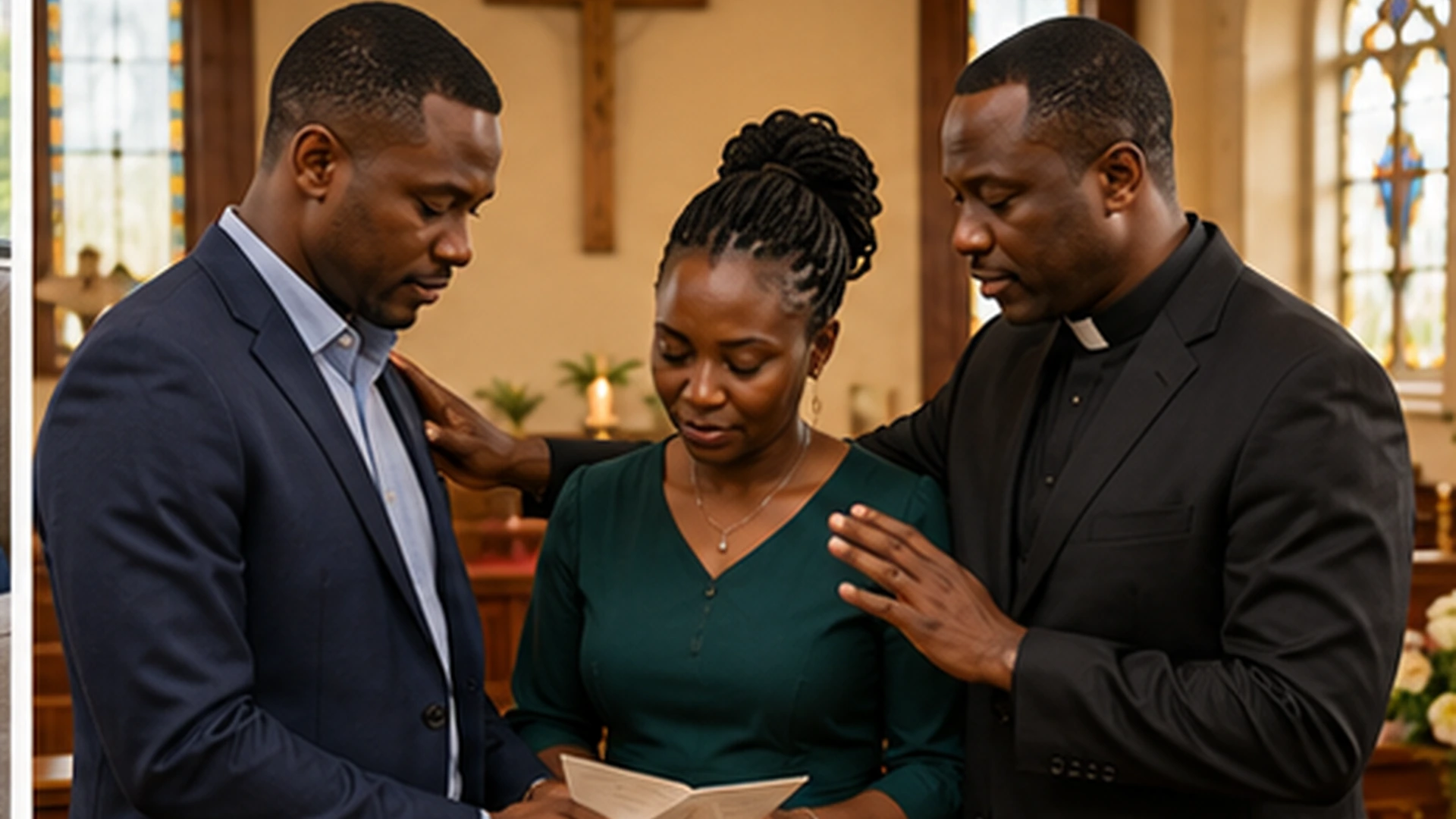
Quick Summary
Marriage restoration is not one dramatic ceremony. It is the gradual rebuilding of safety, honesty, trust, affection and shared responsibility after a relationship has been damaged...
Marriage restoration is not one dramatic ceremony. It is the gradual rebuilding of safety, honesty, trust, affection and shared responsibility after a relationship has been damaged.
Prayer, blessing, family mediation or a renewal ceremony may help a couple slow down, tell the truth and mark a new commitment. None of these practices can force an unwilling spouse to return, erase abuse, remove legal rights or guarantee that a marriage will survive.
Modern research supports several forms of couple intervention for relationship distress. A 2025 systematic review and meta-analysis found that couple interventions produced meaningful improvement compared with control conditions, while broader reviews describe behavioral and emotion-focused couple therapy as established approaches. Results vary, treatment does not help every couple and gains may weaken without continued practice. (PubMed, 2025: https://pubmed.ncbi.nlm.nih.gov/39902350/; PubMed, 2020: https://pubmed.ncbi.nlm.nih.gov/32031866/)
Restoration must also be safe. When a relationship includes coercive control, severe intimidation, stalking, sexual violence, threats or ongoing physical harm, a shared ritual or ordinary couple session may expose the harmed partner to greater danger. Safety assessment and specialized support come before reunion. (WHO: https://www.who.int/publications/i/item/WHO-RHR-14.26; APA: https://www.apa.org/pubs/highlights/spotlight/issue-270.html)
Quick Answer
Marriage restoration rituals are structured practices used to support reconciliation, such as prayer, honest conversation, counseling, family mediation, apology, blessing or renewal of commitments. They may help couples create meaning and accountability, but they cannot guarantee reunion. Lasting restoration requires mutual consent, safety, truthful disclosure, repeated behavioral change and respect for each partner's legal and personal rights.
What Does Marriage Restoration Mean?
Marriage restoration means rebuilding a relationship that has been weakened by conflict, betrayal, neglect, separation, financial stress, family interference, addiction, illness or another serious strain.
Restoration is not identical to remaining legally married. Two people may stay together while fear, resentment and dishonesty continue. A restored marriage requires observable change in how the partners communicate, make decisions, manage conflict and protect one another's dignity.
A healthy restoration process may involve:
• Stopping harmful behavior.
• Telling the truth about what happened.
• Taking responsibility without blaming the injured partner.
• Listening to the impact of the harm.
• Creating boundaries and consequences.
• Seeking suitable counseling, pastoral care or medical treatment.
• Rebuilding trust through consistent behavior.
• Deciding freely whether reconciliation is possible.
Reconciliation is not owed merely because one partner apologizes, prays or pays for a ritual. Trust may require time, evidence and professional support.
Ritual, Symbol and Actual Repair
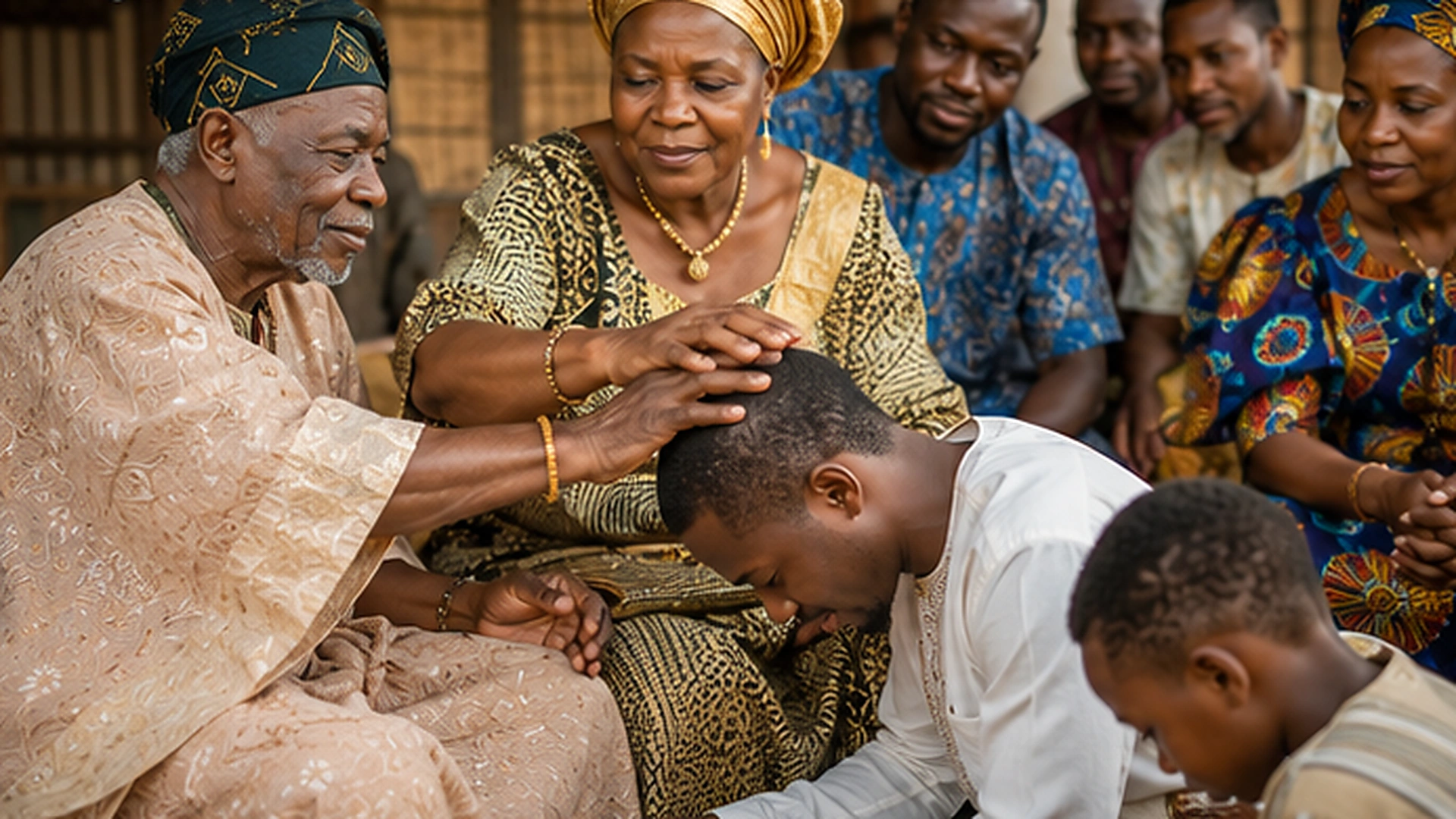
A ritual gives structure to meaning. Lighting a candle safely, praying together, sharing a meal, writing commitments or receiving a blessing can mark a transition from denial toward repair.
The symbolic act and the practical act should support each other.
| Symbolic action | Practical repair it should represent |
|---|---|
| Prayer for truth | Full and honest disclosure |
| Washing or cleaning the home | Ending secrecy, disorder or unsafe behavior |
| Exchanging written promises | Specific measurable commitments |
| Sharing a meal | Respectful time together without hostility |
| Family blessing | Support without pressure or gossip |
| Renewal of vows | Changed conduct, not repeated words alone |
| Offering charity | Responsibility and generosity, not payment for supernatural control |
| Wearing a wedding symbol again | A freely chosen commitment after trust has begun to return |
A ceremony performed while lies, violence or an ongoing affair continue can become a distraction from the real problem.
Safety Comes Before Reconciliation
Intimate partner violence includes physical, sexual and emotional abuse as well as controlling behavior. WHO guidance prioritizes immediate health needs, ongoing safety and suitable support for people experiencing violence. (WHO: https://www.who.int/publications/i/item/WHO-RHR-14.26)
Couple treatment is not appropriate for every violent relationship. APA guidance emphasizes private assessment of each partner and notes that conjoint treatment is unsuitable in many cases, especially where violence maintains control and fear. (APA: https://www.apa.org/pubs/highlights/spotlight/issue-270.html)
Do not begin a joint restoration ritual when one partner:
• Threatens murder, suicide or serious injury to control the other.
• Uses forced sex or reproductive coercion.
• Stalks, monitors or isolates the other partner.
• Controls money, transport, identification or communication.
• Has access to weapons and makes threats.
• Strangles, chokes or repeatedly assaults the other person.
• Threatens children, relatives or pets.
• Punishes the partner for speaking privately to a counselor.
• Demands forgiveness while denying the harm.
Safety planning, medical care, legal advice and individual specialist support may be necessary. Separation can be a responsible and morally serious decision when continued contact is unsafe.
Foundations of Genuine Reconciliation
Mutual willingness
Both partners must be able to say yes or no without threats, family pressure, financial punishment or spiritual intimidation.
Truth before ceremony
A couple cannot rebuild trust around an undisclosed affair, hidden debt, addiction, secret child, falsified documents or ongoing contact that violates agreed boundaries.
Accountability
Accountability includes naming the behavior, recognizing the impact, accepting consequences and changing repeated patterns. It is more than saying, “I am sorry you were hurt.”
Emotional and physical safety
Difficult conversations need rules: no insults, threats, forced sex, property destruction or dangerous driving. Either person should be allowed to pause a discussion and return at an agreed time.
Reliable behavior
Trust grows when promises and actions repeatedly match. A ritual can begin a process, but daily reliability sustains it.
Suitable support
Research reviews indicate that many distressed couples benefit from structured couple interventions, though outcomes vary by setting, severity, safety and follow-through. (PubMed: https://pubmed.ncbi.nlm.nih.gov/32031866/; https://pubmed.ncbi.nlm.nih.gov/22283385/)
Christian Prayer, Forgiveness and Marriage Blessing
Christian marriage restoration practices vary among Catholic, Anglican, Orthodox, Pentecostal and other communities.
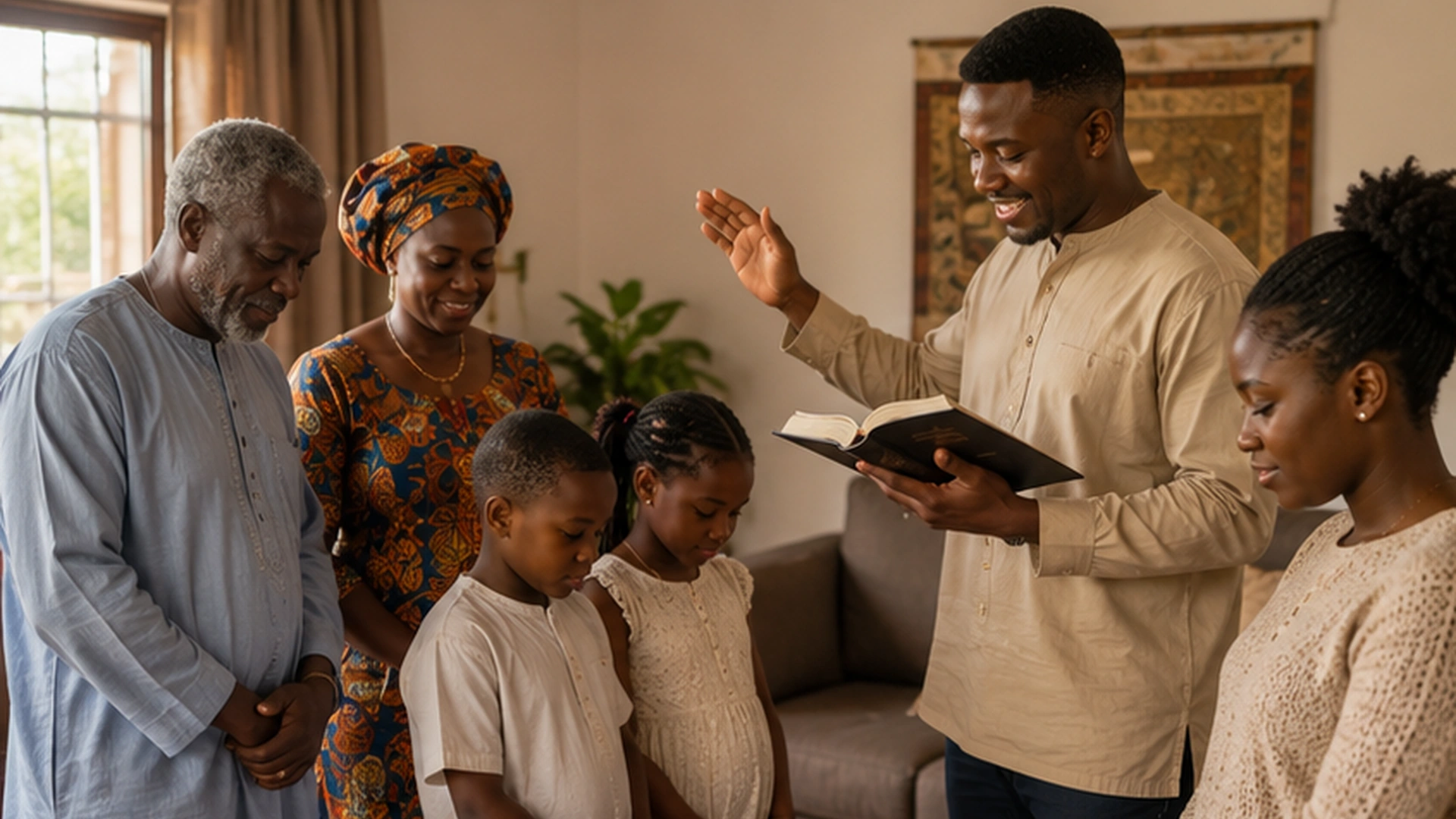
Official Catholic prayers for married couples ask that the marriage covenant be renewed, charity increased and the bond of peace strengthened. These are prayers for grace and faithful conduct, not formulas that guarantee the removal of conflict. (USCCB: https://www.usccb.org/prayers/prayer-married-couples)
Pope Francis encouraged married couples facing breakdown to seek help, rely on community support and understand mutual forgiveness as an interior process maturing through prayer. He also recognized that family crises may require external and professional assistance. (Vatican: https://www.vatican.va/content/francesco/en/letters/2021/documents/20211226-lettera-sposi-anno-famiglia-amorislaetitia.html)
A Christian reconciliation process may include:
• Individual examination of conscience.
• Confession or pastoral counseling where appropriate.
• Prayer for truth, humility and protection.
• Acknowledgment of specific harm.
• Restitution or repair.
• Couple counseling with a qualified professional.
• A blessing or anniversary prayer after meaningful progress.
• Renewal of commitments if both partners choose freely.
Forgiveness should not be used to silence an abused spouse, cancel legal accountability or demand immediate trust.
Sample Christian prayer for marriage restoration
God of truth and mercy, help us face what has happened without denial or cruelty. Give us courage to speak honestly, patience to listen and humility to accept responsibility. Protect us from violence, manipulation and false peace. Guide us toward wise help, changed behavior and a decision that respects dignity and safety. Where reconciliation is possible, strengthen our love through faithful action. Amen.
This is original educational wording and is not presented as an official liturgical prayer.
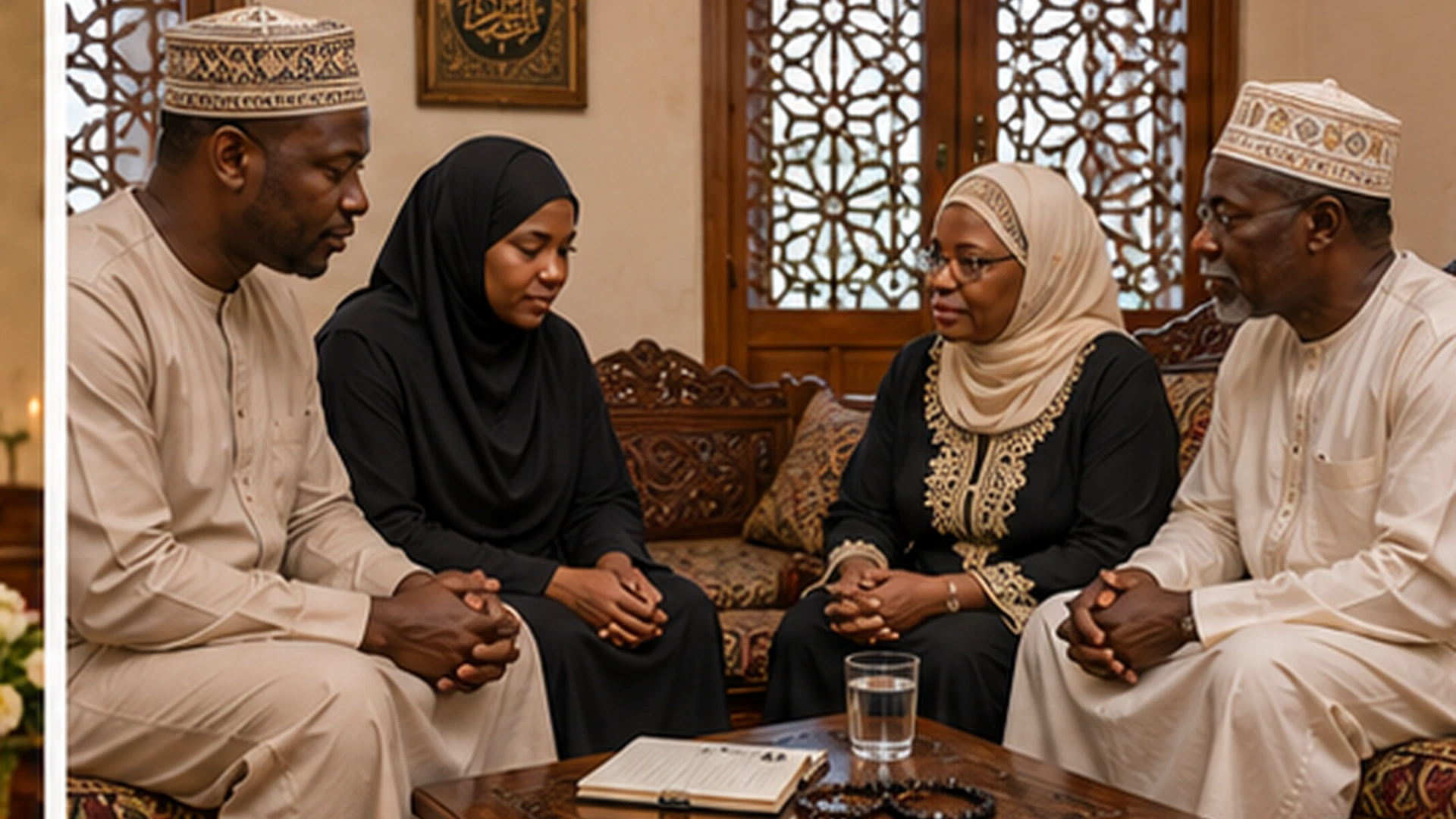
Islamic Dua, Arbitration and Reconciliation
Islamic traditions distinguish between prayerful hope and the practical work of resolving marital conflict.
Qur'an 4:35 instructs that when a serious breach is feared between spouses, an arbitrator may be appointed from his family and another from hers. The verse connects sincere desire for reconciliation with mediation, not with secret spiritual control. (Qur'an 4:35: https://quran.com/en/nisa/35/tafsirs)
The people selected should be trustworthy, knowledgeable and capable of reducing conflict. Family involvement can be helpful when mediators respect confidentiality and the rights of both spouses. It becomes harmful when relatives humiliate a partner, deny violence, protect family reputation at any cost or prevent lawful divorce.
A Muslim reconciliation process may include:
• Dua for justice, mercy and clarity.
• Honest disclosure of harm.
• Consultation with a knowledgeable imam or counselor.
• Separate and joint conversations with suitable mediators.
• Written agreements about finances, housing, communication or family boundaries.
• Repentance and restitution where wrongdoing occurred.
• Recognition that reconciliation must not preserve oppression.
A spiritual adviser should not claim that reciting a secret formula will force a spouse to return.
Sample dua for reconciliation and truth
O Allah, guide us to what is true and just. Protect each of us from oppression, pride and deception. Give us courage to acknowledge harm, wisdom to seek trustworthy help and patience to make decisions without anger or pressure. If reconciliation is good and safe, help us rebuild with mercy and responsibility. If separation is necessary, guide us to act with dignity and fairness. Ameen.
This is newly written educational wording and is not claimed to be a transmitted traditional dua.
Ugandan and African Family Reconciliation: Specificity Matters
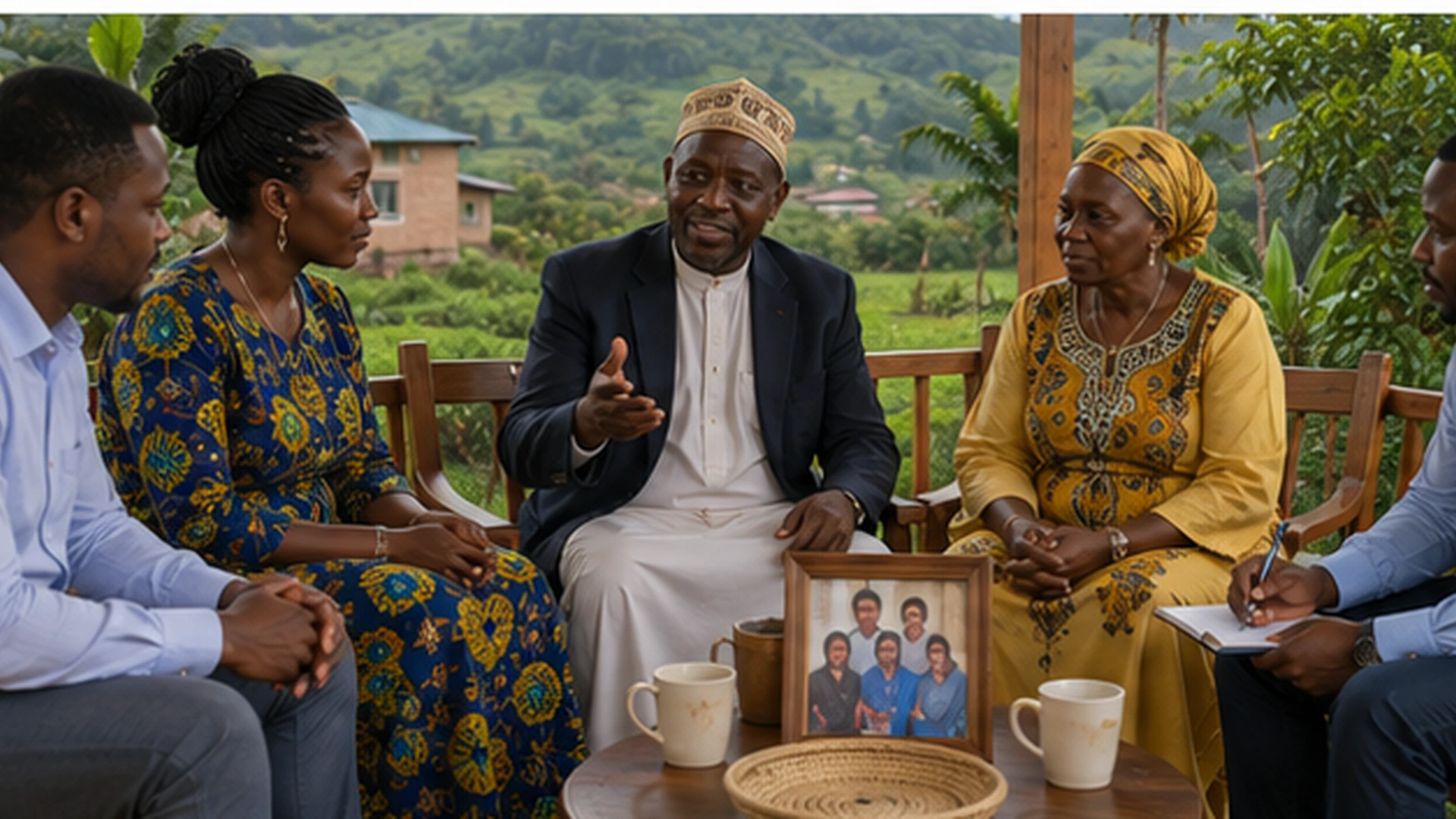
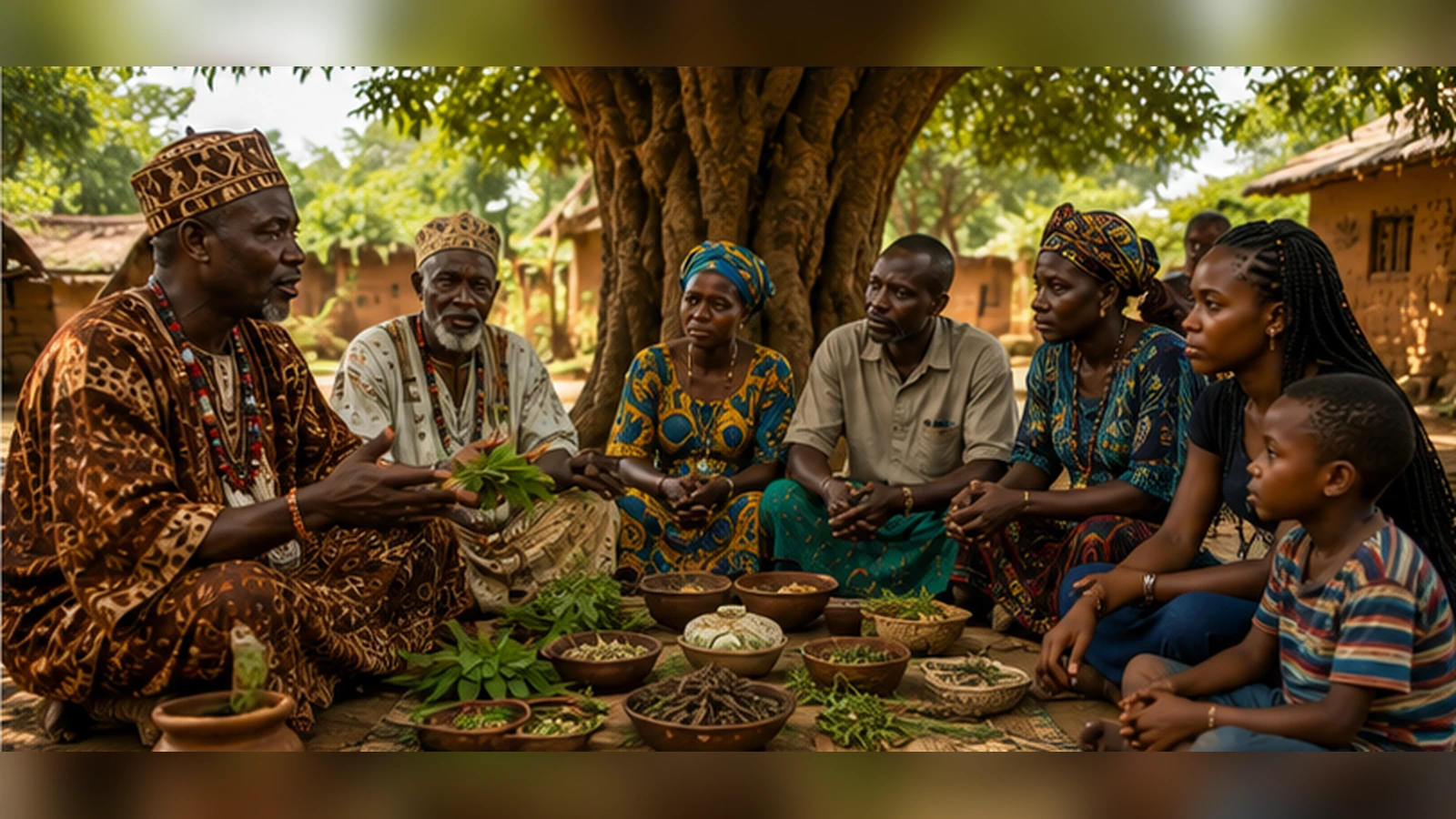
There is no single African ritual for restoring a marriage. Uganda alone contains many peoples, languages, faiths and marriage systems.
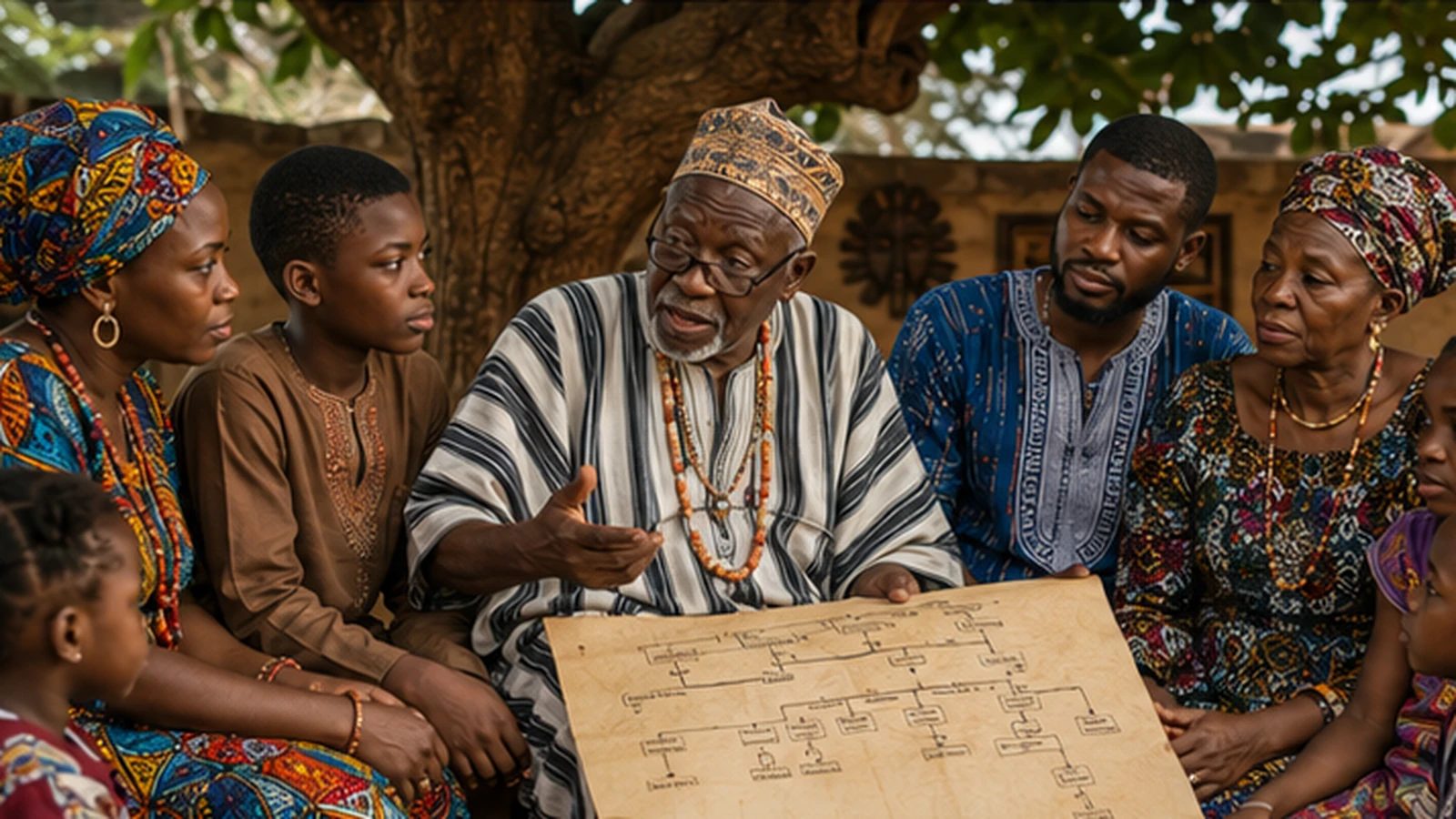
Families may invite elders, clan representatives, religious leaders or trained mediators to help spouses communicate. Such support can be valuable when participation is voluntary and the mediator remains neutral.
Uganda's 2026 court-annexed mediation rules define mediation as a non-adversarial process facilitated by an independent neutral third party. The rules emphasize consent, confidentiality, integrity and voluntary decisions. Although those rules address civil disputes generally rather than private family rituals, the principles provide a useful model for responsible mediation. (ULII: https://ulii.org/en/akn/ug/act/si/2026/14/eng%402026-03-27)
Empaako and relational affirmation
Empaako is practiced by the Batooro, Banyoro, Batuku, Batagwenda and Banyabindi of western Uganda. UNESCO notes that addressing a person by their Empaako name can affirm affection, respect, identity, unity, peace and reconciliation and may help defuse anger. (UNESCO: https://ich.unesco.org/en/USL/empaako-tradition-of-the-batooro-banyoro-batuku-batagwenda-and-banyabindi-of-western-uganda-00904)
Empaako is not a universal marriage-restoration spell. It is specific living heritage. Within the relevant communities, respectful address may help create a less hostile conversation, but it does not replace accountability or safety.
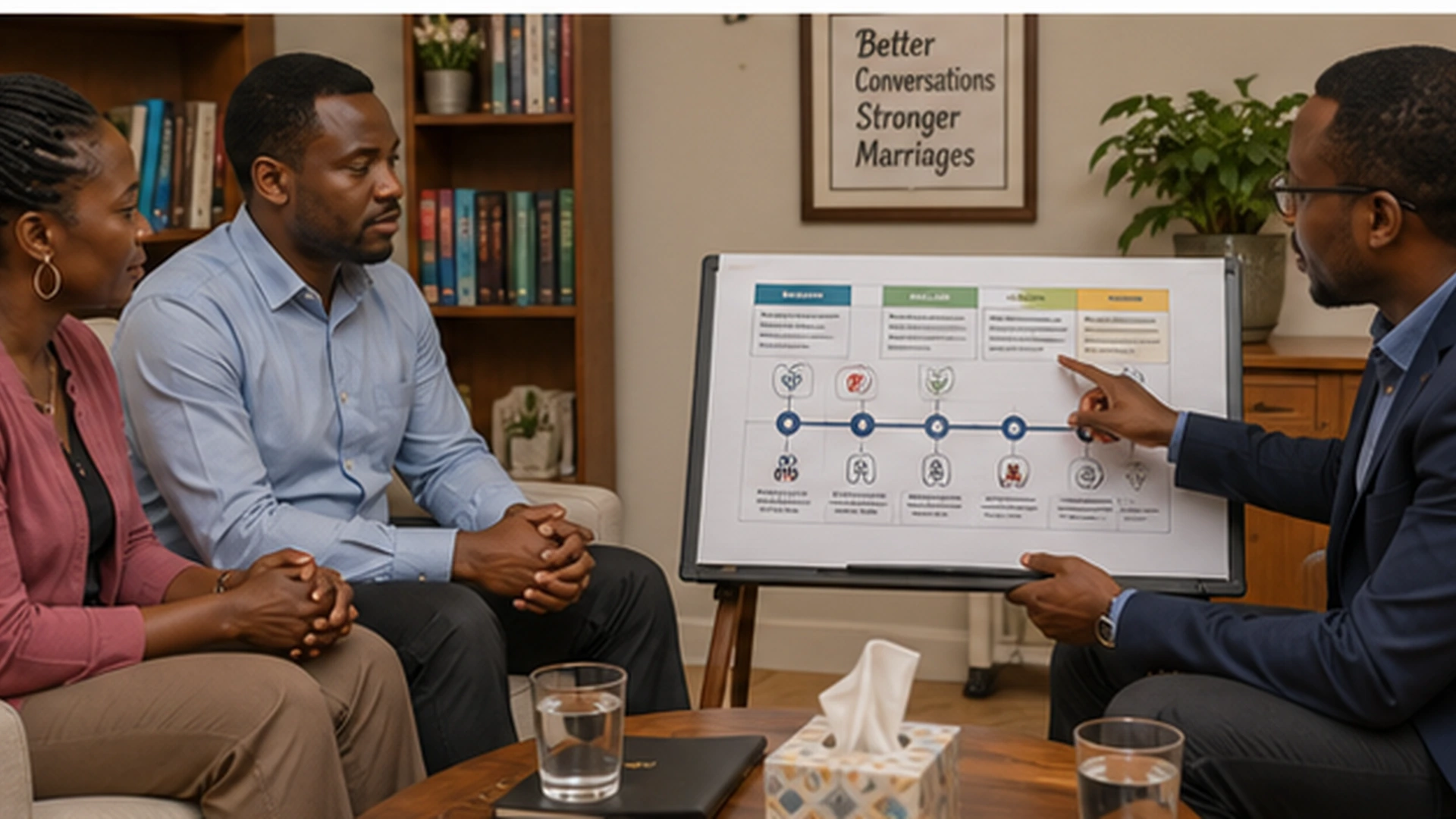
Can Couple Therapy Help a Distressed Marriage?
Evidence reviews generally find that structured couple therapies can reduce relationship distress. One major review estimated that 60 to 80 percent of distressed couples benefit from behavioral and emotion-focused approaches, while also warning that real-world effects can be smaller and may fade for some couples. (PubMed: https://pubmed.ncbi.nlm.nih.gov/32031866/)
A 2025 meta-analysis reported a large overall effect across twelve studies, but also found study differences and signs of publication bias. Evidence should therefore support hope without promising success. (PubMed: https://pubmed.ncbi.nlm.nih.gov/39902350/)
Couple therapy may help partners:
• Slow down conflict.
• Identify repeated interaction patterns.
• Express needs without contempt or threats.
• Process betrayal or grief.
• Negotiate parenting, money and family boundaries.
• Decide whether to reconcile or separate.
• Build a written maintenance plan.
A counselor should be properly trained and should assess safety privately when violence or coercion may be present.
Rebuilding Trust After Infidelity
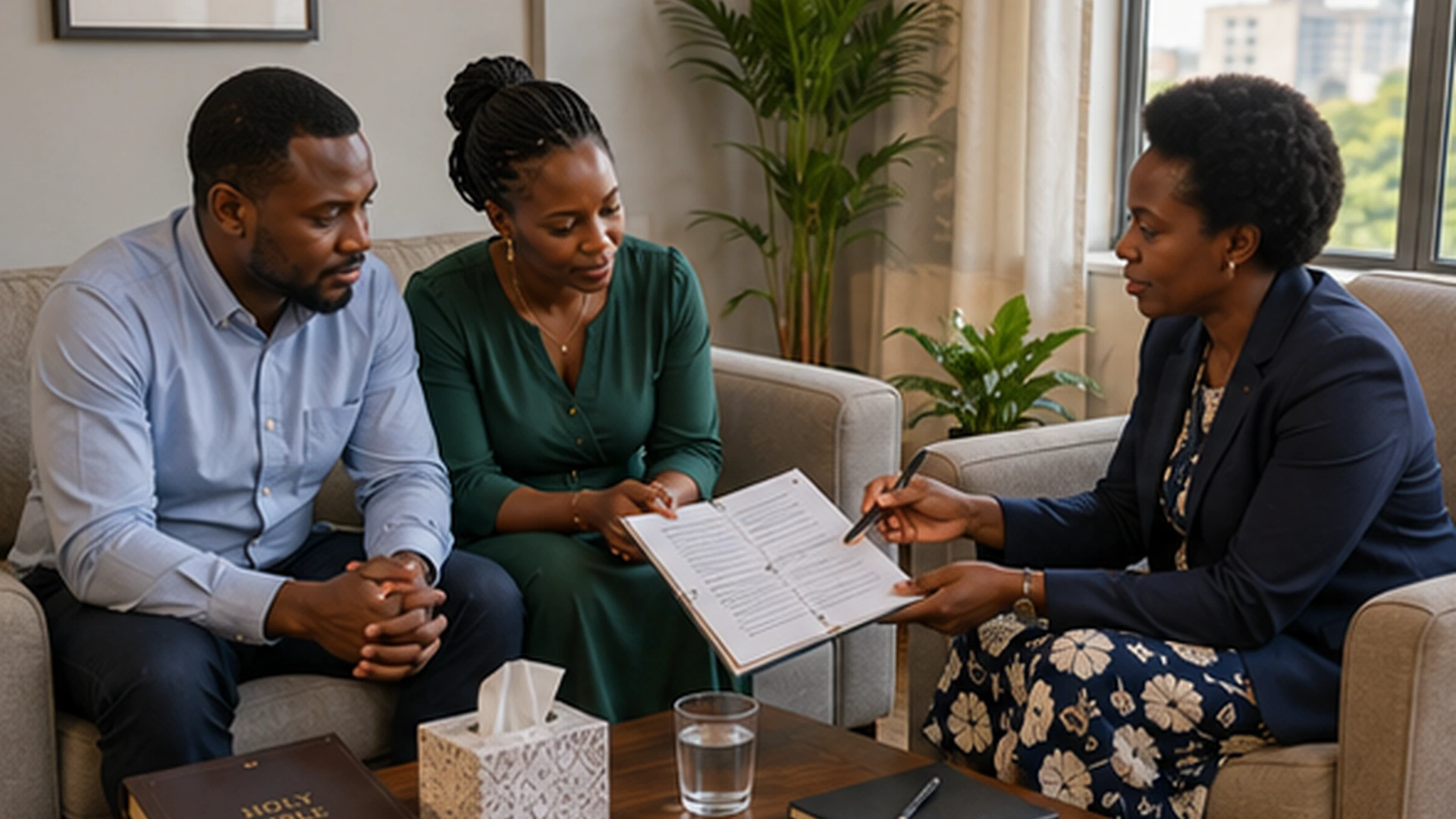
Infidelity can create intense anxiety, grief, anger and loss of safety. Research remains limited, but studies suggest that some couples affected by affairs can improve through structured therapy.
An exploratory trial found that couples who disclosed an affair and entered therapy could improve substantially, although they began treatment more distressed than other couples. Community-based research has also found improvement extending after therapy for some couples affected by infidelity. (PubMed: https://pubmed.ncbi.nlm.nih.gov/15709841/; https://pubmed.ncbi.nlm.nih.gov/20438197/)
Repair usually requires:
1. Ending the affair or prohibited contact.
2. Stopping ongoing deception.
3. Appropriate disclosure guided by safety and therapeutic judgment.
4. Sexual-health testing when relevant.
5. Understanding how the betrayal affected the injured partner.
6. Accepting that forgiveness cannot be demanded.
7. Creating transparent and mutually agreed boundaries.
8. Addressing wider relationship problems without blaming the injured partner for the affair.
9. Deciding whether both partners genuinely want to continue.
An ongoing affair combined with repeated lies makes a renewal ceremony premature.
Forgiveness Is Not the Same as Reconciliation
Forgiveness can mean releasing a commitment to revenge, developing compassion or no longer allowing the injury to control every part of life. Definitions vary by religion, culture and psychology.
Reconciliation means rebuilding a relationship between people. It requires participation from both.
A person may forgive while deciding not to resume the marriage. A person may also need time before knowing whether forgiveness is possible.
Forgiveness does not require:
• Denying what happened.
• Trusting immediately.
• Dropping lawful protection.
• Returning to the same home.
• Resuming sexual contact.
• Keeping abuse secret.
• Avoiding consequences.
A ritual that pressures the harmed spouse to announce forgiveness publicly can deepen injury.
Marriage Restoration After Separation
Separation sometimes provides space for safety, clear thinking or structured repair. It can also become indefinite avoidance.
Before reuniting, discuss:
• Whether contact is safe.
• The purpose and length of the separation.
• Housing and financial responsibilities.
• Parenting arrangements.
• Rules concerning dating or sexual relationships.
• Counseling and treatment expectations.
• Family involvement.
• Conditions for returning to the same home.
• What happens if agreements are broken.
Legal advice may be necessary when property, custody, immigration, maintenance or protection orders are involved. A blessing cannot alter legal rights or court orders.
Renewal of Marriage Vows
Vow renewal can mark an anniversary, recovery from illness or progress after a crisis. It is not required for restoration and does not create automatic trust.
A responsible renewal should occur only when:
• Both spouses consent freely.
• Immediate safety concerns have been addressed.
• Major truths are no longer being hidden.
• The couple understands what the renewed promises require.
• The ceremony is not being used to stop a partner from seeking legal or therapeutic help.
The strongest renewal statements are specific:
I will attend our scheduled counseling sessions.
I will not insult or threaten you during conflict.
I will disclose new debt before taking it on.
I will respect your right to pause a conversation.
A Responsible Marriage Restoration Ceremony
This adaptable structure is not presented as a traditional ceremony from any one culture.
1. Confirm safety and consent
Speak with each partner privately when there has been violence, fear or coercion. Do not proceed merely because relatives want the marriage preserved.
2. Choose a suitable facilitator
The facilitator may be a counselor, pastor, imam, elder or mediator who understands the limits of the role and will not pressure either partner.
3. State the purpose
The couple should say whether the gathering marks a beginning of repair, progress already made or renewal after counseling.
4. Name the harm carefully
Avoid a public confession that humiliates either spouse. Important facts may be handled privately with a counselor.
5. Acknowledge responsibility
Each person names their own behavior without turning the statement into an accusation against the other.
6. Read practical commitments
Use a short written plan covering communication, finances, fidelity, parenting, health, family boundaries or treatment.
7. Offer prayer or reflection
Use words from the couple's actual tradition or an honestly labeled non-denominational prayer.
8. Receive supportive words
Selected supporters may promise confidentiality, practical help and freedom from gossip.
9. Sign the plan
The plan is not necessarily a legal contract. Obtain legal review where legal rights are involved.
10. Schedule review
Set a date to evaluate whether behavior has changed.
Sample Non-Denominational Marriage Blessing
May truth be spoken without cruelty and heard without denial. May each partner be protected from violence, fear and manipulation. May apology lead to repair, promises become consistent action and wise support be accepted without shame. Where this marriage can be restored safely and freely, may trust grow through patience, honesty and care. Where separation is necessary, may both people act with dignity and protect those who depend on them.
Communication Practices That Support Repair
Use one issue at a time
Do not combine years of complaints into one argument.
Describe behavior rather than identity
Say, “You did not tell me about the debt,” rather than, “You are completely evil.”
Make specific requests
“Please send the account statement by Friday” is clearer than “Become trustworthy.”
Pause safely
Agree on a time to resume. A pause should not become punishment or abandonment.
Repair quickly after ordinary conflict
Acknowledge harsh tone, clarify intent and return to the issue.
Protect privacy
Do not post private conflict online or recruit large groups to shame a spouse.
Children and Marriage Restoration
Children should not become messengers, witnesses, spies or emotional counselors.
Parents should:
• Avoid asking children to choose sides.
• Keep adult sexual and financial details away from them.
• Maintain predictable routines where possible.
• Explain changes in age-appropriate language.
• Protect children from violence and destructive arguments.
• Seek professional support when behavior, sleep or school performance changes significantly.
Preserving a marriage at any cost is not automatically best for children. Safety and stable caregiving matter.
Marriage Cleansing and Fresh-Start Practices
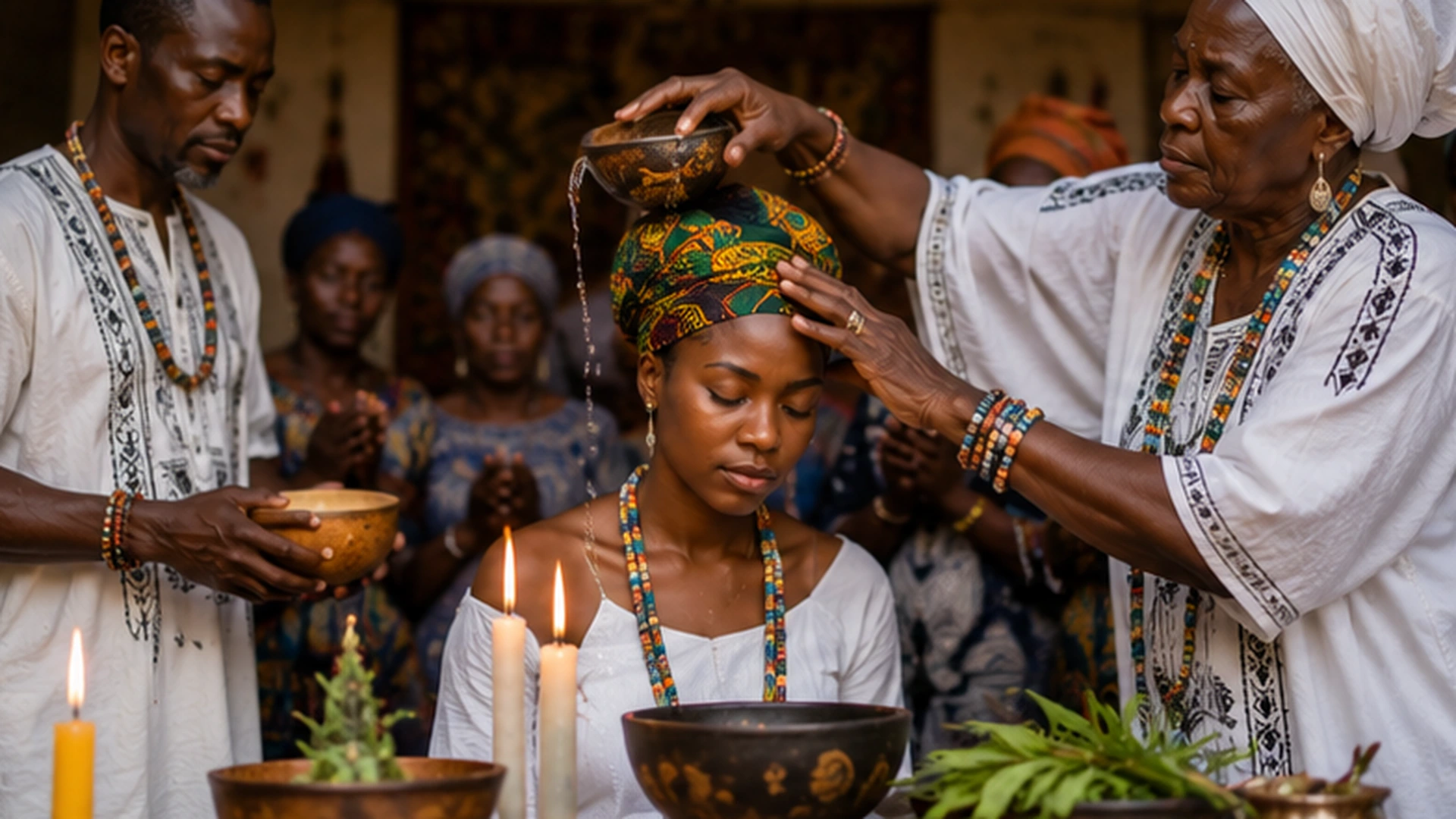
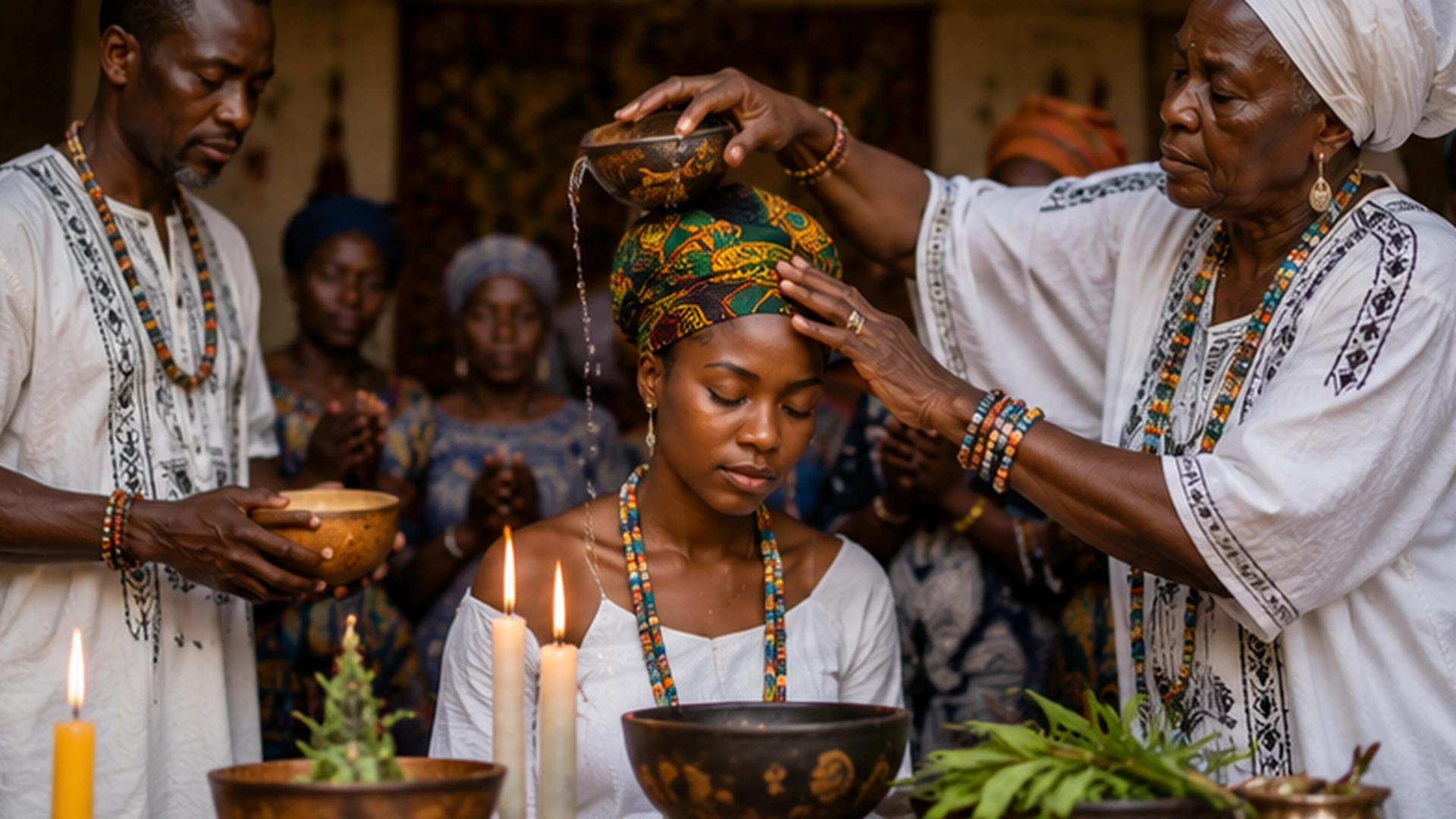
A couple may clean the home, wash bedding, remove reminders of a painful period, pray, donate unused items or reorganize a shared room. These actions can mark transition.
Do not use:
• Unknown substances in food or drink.
• Smoke that endangers children or people with respiratory conditions.
• Illegal wildlife products.
• Bodily injury or forced sexual acts.
• Objects secretly placed in a spouse's belongings.
• Expensive repeated rituals sold through threats.
Cleaning a space does not cleanse responsibility. The real fresh start includes changed behavior.
What Marriage Restoration Rituals Cannot Do
No ritual can ethically:
• Force an unwilling person to love or return.
• Remove the need for consent.
• Make violence safe.
• Erase evidence or legal obligations.
• Guarantee fidelity.
• Cure addiction without treatment.
• Replace medical or mental-health care.
• Turn a dishonest apology into trust.
• Prevent a spouse from choosing separation or divorce.
• Guarantee pregnancy, wealth or family approval.
Common Misunderstandings
“If the prayer is powerful enough, my spouse must return”
Prayer may support hope and wisdom. It does not remove another person's agency.
“Forgiveness means immediate reunion”
Forgiveness and reconciliation are different processes.
“Family elders always know what is best”
Elders can help, but they can also be biased, protect reputation or dismiss abuse. Choose support carefully.
“A vow-renewal ceremony proves the marriage is healed”
Healing is shown through sustained behavior after the ceremony.
“Couple therapy is safe for every marriage”
Violence and coercive control require careful private assessment and specialized support.
“A spiritual adviser can guarantee restoration”
Guaranteed reunion claims are unreliable and may exploit a person in crisis.
Ethical Boundaries for Spiritual Advisers
A responsible adviser should:
• Ask whether either partner is afraid or unsafe.
• Avoid promises of guaranteed reunion.
• Obtain consent before involving relatives.
• Protect confidentiality.
• Refer for counseling, health care or legal advice where needed.
• Refuse requests to control, punish or spy on a spouse.
• Avoid escalating fees through fear.
• Respect a partner's decision not to reconcile.
When Separation May Be the Safer Choice
Restoration is not always the healthiest outcome. Separation may be necessary when there is ongoing violence, coercive control, serious child danger, repeated sexual assault, credible threats, stalking or refusal to stop harmful behavior.
It may also be appropriate when one or both partners freely decide that the marriage cannot be rebuilt.
A spiritual community can support dignity, safety and responsible co-parenting without describing every separation as spiritual failure.
Key Takeaways
• Marriage restoration is a process, not a guaranteed ceremony.
• Prayer and blessing can support truth, courage and accountability.
• Reconciliation requires mutual consent.
• Safety screening comes before joint rituals or ordinary couple counseling.
• Structured couple interventions help many distressed couples, but not every marriage is restored.
• Christian blessing may mark renewed covenant and peace after practical repair begins.
• Qur'an 4:35 describes family arbitration during serious marital division.
• African reconciliation traditions must be identified by community and context.
• Empaako can express respect and reduce tension within specific western Ugandan communities.
• Forgiveness does not automatically require reunion.
• Trust grows through consistent action.
• Spiritual advisers must never promise to force a spouse to return.
People Also Ask
What is a marriage restoration ritual?
It is a structured practice used to support reconciliation, such as prayer, counseling, family mediation, apology, blessing or renewal of commitments. It cannot guarantee reunion.
Can prayer restore a broken marriage?
Prayer may help people seek wisdom, courage and changed behavior. Restoration also requires mutual willingness, safety and practical repair.
Can a marriage recover after infidelity?
Some couples improve through disclosure, ending the affair, accountability, boundaries and therapy. Recovery is not guaranteed and the injured partner cannot be forced to reconcile.
What does Islam teach about marriage reconciliation?
Qur'an 4:35 describes appointing a mediator from each family when spouses face serious division. Mediation should support justice and sincere reconciliation. (https://quran.com/en/nisa/35/tafsirs)
What is a Christian marriage blessing?
It is a prayer asking God to renew love, peace and fidelity in a marriage. It does not replace counseling, safety or accountability. (https://www.usccb.org/prayers/prayer-married-couples)
Is forgiveness required before reconciliation?
No fixed timetable applies. Forgiveness and reconciliation are different, and trust may require substantial time and evidence.
Does couple therapy work?
Research reviews find that many distressed couples benefit from structured couple interventions, although results vary and some couples do not remain improved. (https://pubmed.ncbi.nlm.nih.gov/32031866/)
Can a ritual bring an unwilling spouse back?
No responsible practitioner can guarantee control over another person's decisions.
Frequently Asked Questions
Should relatives participate in reconciliation?
Only when both spouses consent and the relatives can remain respectful, confidential and neutral.
Can couples renew vows after separation?
Yes, if both choose freely and the ceremony follows meaningful progress rather than replacing it.
Should an abused spouse attend couple counseling?
Not automatically. Private safety assessment and specialized support are necessary, and conjoint treatment may be unsafe in coercive relationships. (https://www.apa.org/pubs/highlights/spotlight/issue-270.html)
Can marriage restoration include legal mediation?
Some disputes involving property, maintenance or parenting may benefit from accredited mediation or legal advice. Spiritual ceremonies do not alter legal rights.
What if only one spouse wants restoration?
That person can seek individual counseling, prayer and support, but cannot create mutual reconciliation alone.
How long does trust restoration take?
There is no universal timetable. Severity of harm, honesty, safety, consistency and support all matter.
Can a couple restore a marriage without discussing the past?
Avoiding every painful subject usually leaves the underlying injury unresolved. Discussion should be paced safely and may require professional guidance.
What if the family pressures us to remain together?
Marriage decisions should not be made through threats, humiliation or spiritual fear. Seek confidential professional and legal guidance.
Conclusion
Marriage restoration rituals can create a meaningful beginning, but they cannot do the work of restoration by themselves.
Prayer may help spouses face the truth. Blessing may remind them of shared values. Family mediation may reduce hostility. Counseling may teach communication and create a plan. Each practice becomes useful only when it protects safety, respects consent and leads to consistent action.
A restored marriage is not proved by a public ceremony, matching rings or an emotional promise. It is shown in the ordinary days that follow: honest conversations, kept agreements, nonviolent conflict, responsible finances, faithful conduct and respect for each person's dignity.
Some marriages can be rebuilt. Others should end or remain separated. Responsible spiritual support does not force one outcome. It helps people seek truth, safety, justice and wise care.
Final Summary
Marriage restoration rituals may include prayer, blessing, mediation, counseling and renewal of commitments. They can support meaning and accountability but cannot force reunion. Genuine reconciliation requires mutual consent, safety, truth, changed behavior and sustained support. Abuse, coercive control and serious danger require specialized help rather than ordinary couple rituals.
Article Information
- Publisher
- Ancestral Temple
- Editor
- Ancestral Temple
- Last updated
- Jul 30, 2026
- Last reviewed
- Jul 30, 2026
- Content version
- b12ca5db90
This educational article should be read as cultural and spiritual information, not as medical, legal, financial, or emergency advice.
Helpful Related Guidance
About the Author
 Ancestral Temple
Spiritual guide and practitioner with decades of experience in ancestral wisdom, rituals, and divine guidance.
Related Posts
View All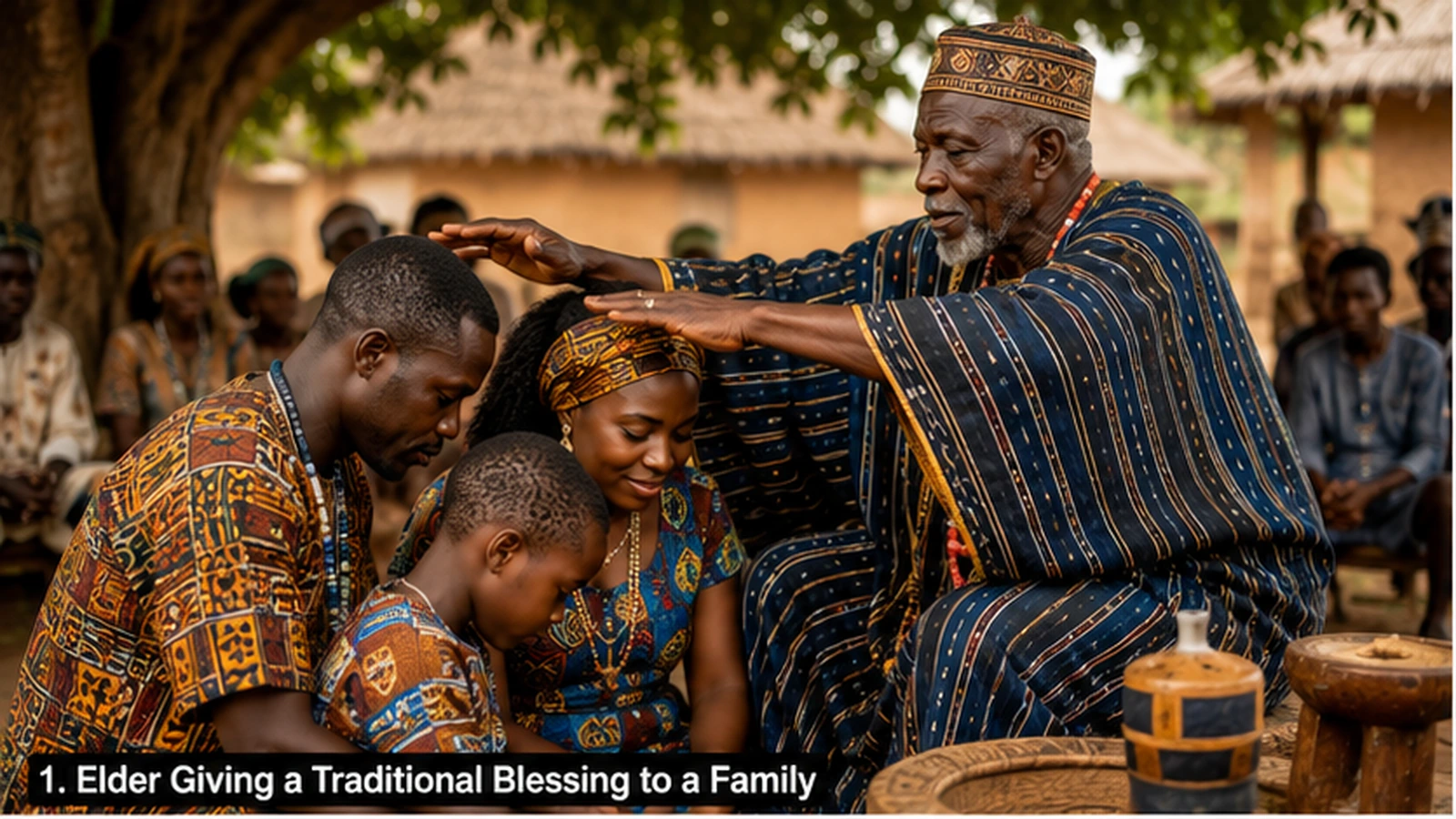






Comments
We'd love to hear your thoughts.