
Urgent Child Protection Rituals: Family Blessings, Prayers and Sacred Symbols
Pillar Article
Quick Summary
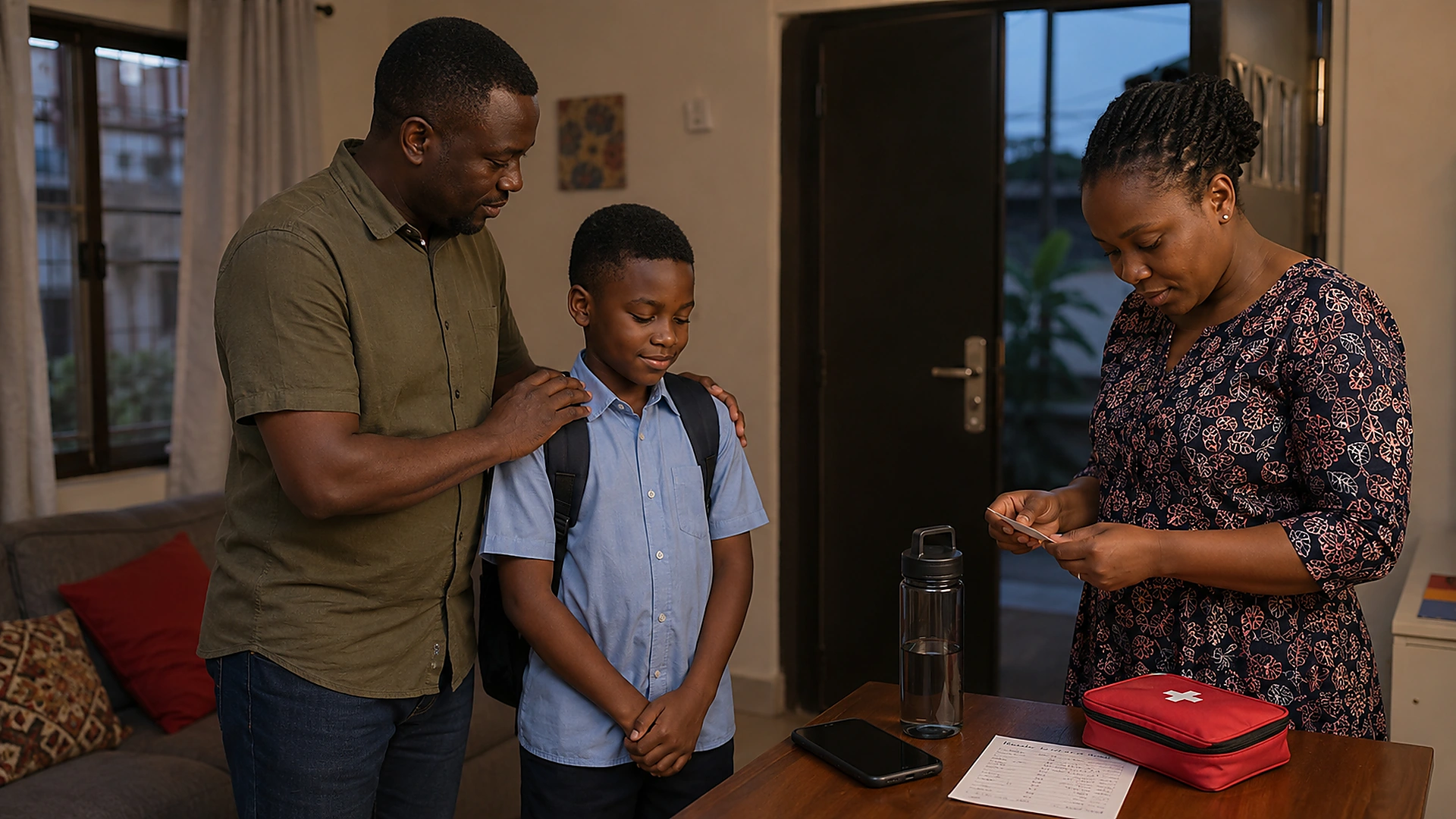
A prayer whispered over a sleeping child, a hand placed gently on a young head, a small amulet tied to clothing or a blessing spoken before school can carry deep meaning for a fami...
A prayer whispered over a sleeping child, a hand placed gently on a young head, a small amulet tied to clothing or a blessing spoken before school can carry deep meaning for a family. Across history, caregivers have used sacred words, protective deities, household symbols and portable charms to express a basic hope: may this child be safe, healthy and surrounded by good care.
That hope is universal, but the practices are not. Ancient Egyptian Bes amulets, Jewish Friday-evening blessings, Islamic supplications for children and Japanese omamori belong to different religious worlds. They should not be blended into one invented “urgent protection ritual” or treated as supernatural security systems.
The word urgent also changes the ethical responsibility of the article. If a child is injured, missing, threatened, abused, sexually exploited, suicidal, poisoned, unable to breathe or in immediate danger, the correct first action is not to perform a longer ritual. It is to reach safety and contact emergency, medical or child-protection services. Prayer may accompany that response, but it must never delay it.
WHO estimates that up to one billion children aged two to seventeen experience physical, sexual or emotional violence or neglect in a year, and the effects can continue across health, learning and relationships.[1] UNICEF and CDC therefore emphasize safe, stable, nurturing relationships, accessible services and coordinated protection systems—not private symbolic acts alone.[2][3]
Quick Answer
A child-protection ritual is a culturally defined prayer, blessing, amulet or symbolic practice used to seek spiritual care and express a family’s responsibility toward a child. Examples include Jewish parental blessings, Islamic dua, Christian prayers, ancient Egyptian protective amulets and Japanese omamori. These practices may comfort families, but immediate danger, suspected abuse, serious illness or online exploitation requires professional safeguarding and medical action without delay.
What “Urgent Child Protection” Must Mean
Urgency should describe risk, not spiritual intensity. An “urgent ritual” cannot diagnose abuse, remove a dangerous adult, treat poisoning or guarantee that a missing child will return. The first question is therefore not “Which symbol should I use?” but “Is the child safe right now?”
Call for emergency help immediately when a child has life-threatening injuries, difficulty breathing, altered consciousness, severe bleeding, suspected poisoning, an immediate threat of violence, or another time-sensitive medical emergency. Move the child away from danger when this can be done without creating greater risk.
Contact child-protection or law-enforcement services when a child is missing, being exploited, threatened, trafficked, forced into marriage, sexually abused, severely neglected or exposed to continuing violence. Reporting systems differ by country. In Uganda, the national Sauti 116 helpline operates as a toll-free mechanism for reporting child-rights violations, abuse, neglect, exploitation and gender-based violence.[4]
Seek urgent medical care after sexual assault or serious physical harm. WHO guidance emphasizes child-centred first-line support, minimizing further trauma, assessing safety and connecting children with medical and psychosocial services.[5] Time-sensitive treatment may be available, so a ritual should never be used as a reason to wait.
A caregiver can pray while travelling to a clinic, sit quietly after making a report or ask a faith leader to support the family. The ethical order remains clear: safety action first, spiritual support alongside it.
If a Child Says Someone Hurt Them
A disclosure may be direct—“someone touched me”—or indirect, through behavior, drawings, fear, online messages or a sudden change in sleep and routine. A caregiver’s first response can influence whether the child feels safe enough to keep talking.
Stay as calm as possible. Listen without demanding a complete story. Tell the child that speaking was the right thing to do, that the harm was not their fault and that adults will work to help keep them safe. Do not promise absolute secrecy, because information may need to be shared with professionals who can protect the child.
Avoid repeated questioning or asking the child to prove what happened. Detailed interviewing should be handled by trained professionals. Do not confront a suspected abuser in a way that could expose the child to retaliation, destroy evidence or increase danger.
Record essential facts in the child’s own words as soon as practical, without adding interpretations. Contact the appropriate child-protection, medical or law-enforcement service. If the alleged offender is a caregiver, religious leader, teacher, coach or respected relative, their status does not reduce the need for safeguarding.
Prayer can help a non-offending caregiver remain present and compassionate. It must not be used to pressure the child to forgive, remain silent, return to an unsafe setting or participate in a religious ceremony with the alleged offender.
Why Families Use Blessings, Amulets and Sacred Symbols
Children are vulnerable because they depend on adults for food, shelter, movement, healthcare and social access. Before modern medicine and formal protection systems, infant illness, childbirth complications, accidents and infectious disease were difficult to understand and control. Protective religion therefore became part of household life in many societies.
A blessing may place the child within a moral community. The words remind adults that the child is entrusted to their care and has dignity beyond the family’s convenience. An amulet can make concern visible, while a bedtime prayer creates a repeated moment of attention in which a caregiver notices mood, injuries or fear.
The same object may also function socially. A child wearing a recognizable amulet may be understood as belonging to a family, shrine, religious community or lineage. A prayer recited each evening can connect grandparents, parents and children across distance.
These meanings should not be confused with proof that the object prevents assault, infection or accidents. The strongest protective effect of a family practice may be indirect: adults pay attention, children learn whom to trust, routines become predictable and the community accepts responsibility for welfare.
Ancient Egypt: Bes, Taweret and Household Protection
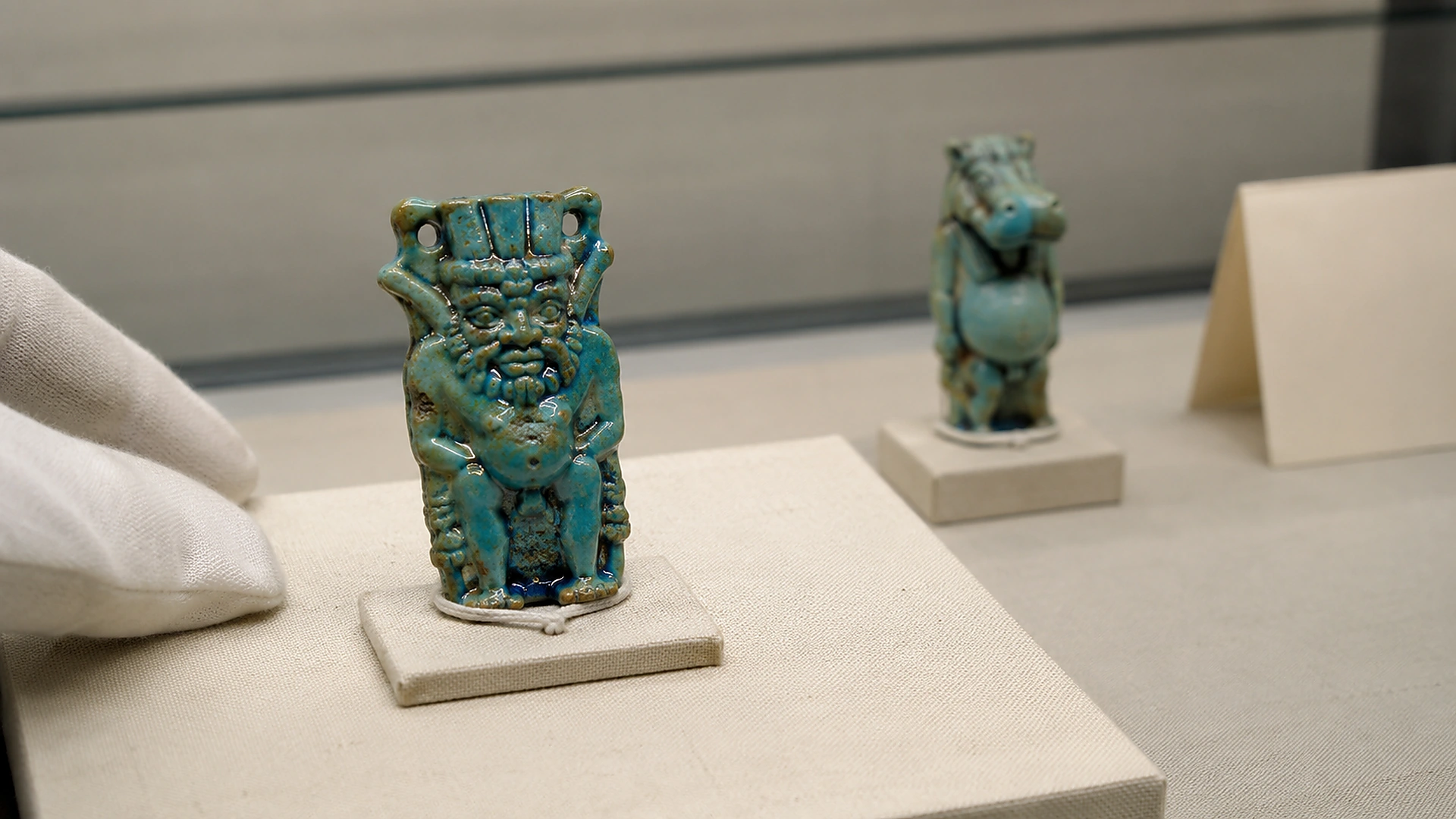
Ancient Egyptian household religion offers some of the clearest surviving material evidence for protective concern around mothers and children. Bes-images depict a powerful dwarf-like figure with leonine features. The Metropolitan Museum of Art explains that the Bes-image guarded household occupants and was particularly protective of women and children.[6]
Taweret combined hippopotamus, crocodile, lion and human features. Her frightening strength was protective rather than malevolent. She was especially associated with pregnancy and childbirth, and her image appeared on amulets and household objects.[7]
Small objects mattered because they could be worn, held or kept within domestic space. Amulets depicting Bes, Taweret and related protective figures were not decorative versions of a universal “energy shield.” They belonged to an Egyptian religious system in which divine powers, household danger, birth and illness were understood together.
Modern families should not copy museum objects as if their shape alone transfers the original power. Responsible interpretation identifies the object, period, material and documented role while admitting what remains uncertain about private household practice.
Jewish Family Blessings for Children
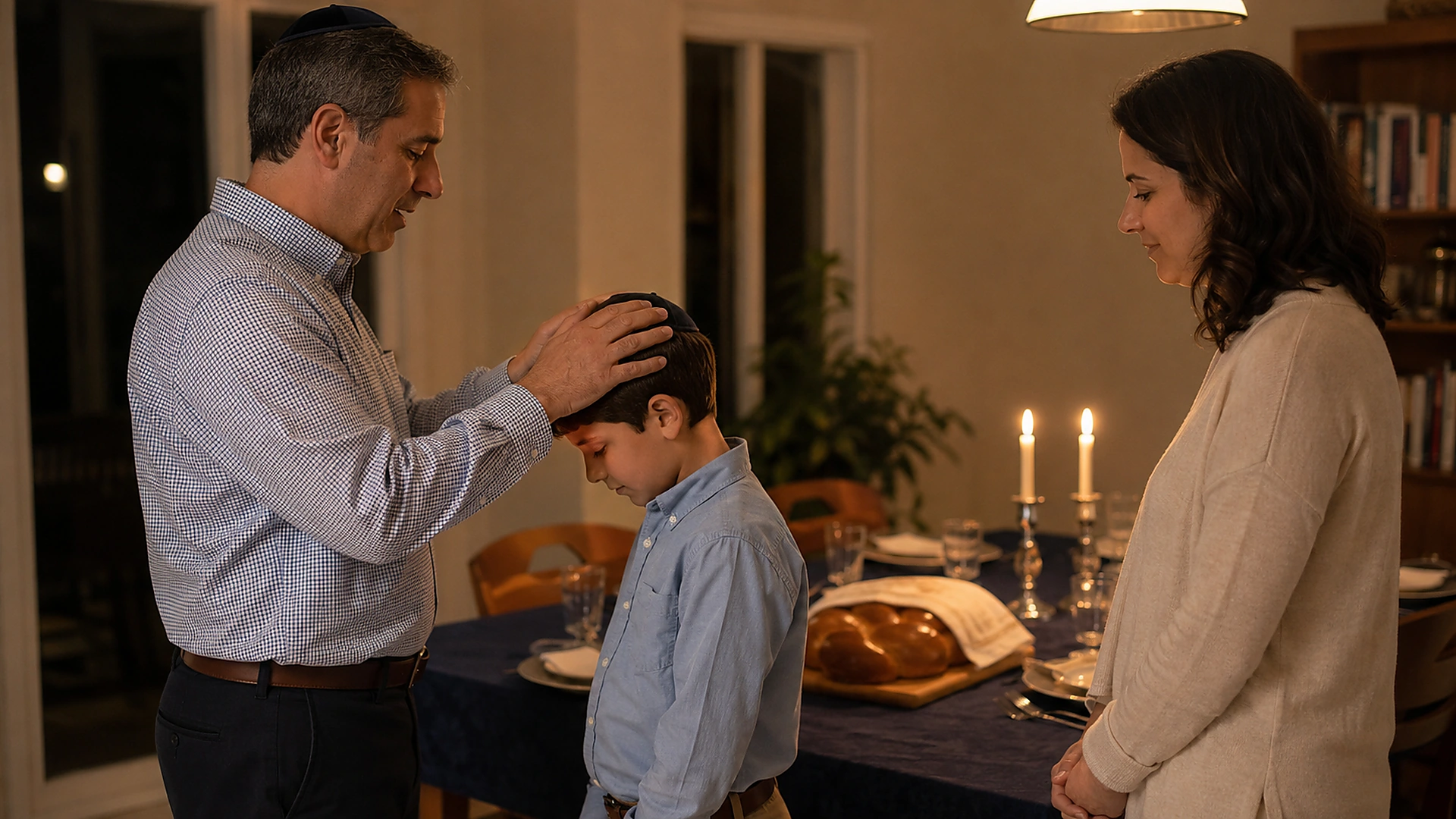
In many Jewish households, parents bless children on Friday evening as Shabbat begins. Sefaria’s Ashkenazi siddur material describes it as a widely accepted custom, and families often use the Priestly Blessing from Numbers 6:24-26, asking that God bless, guard, illuminate and grant peace.[8]
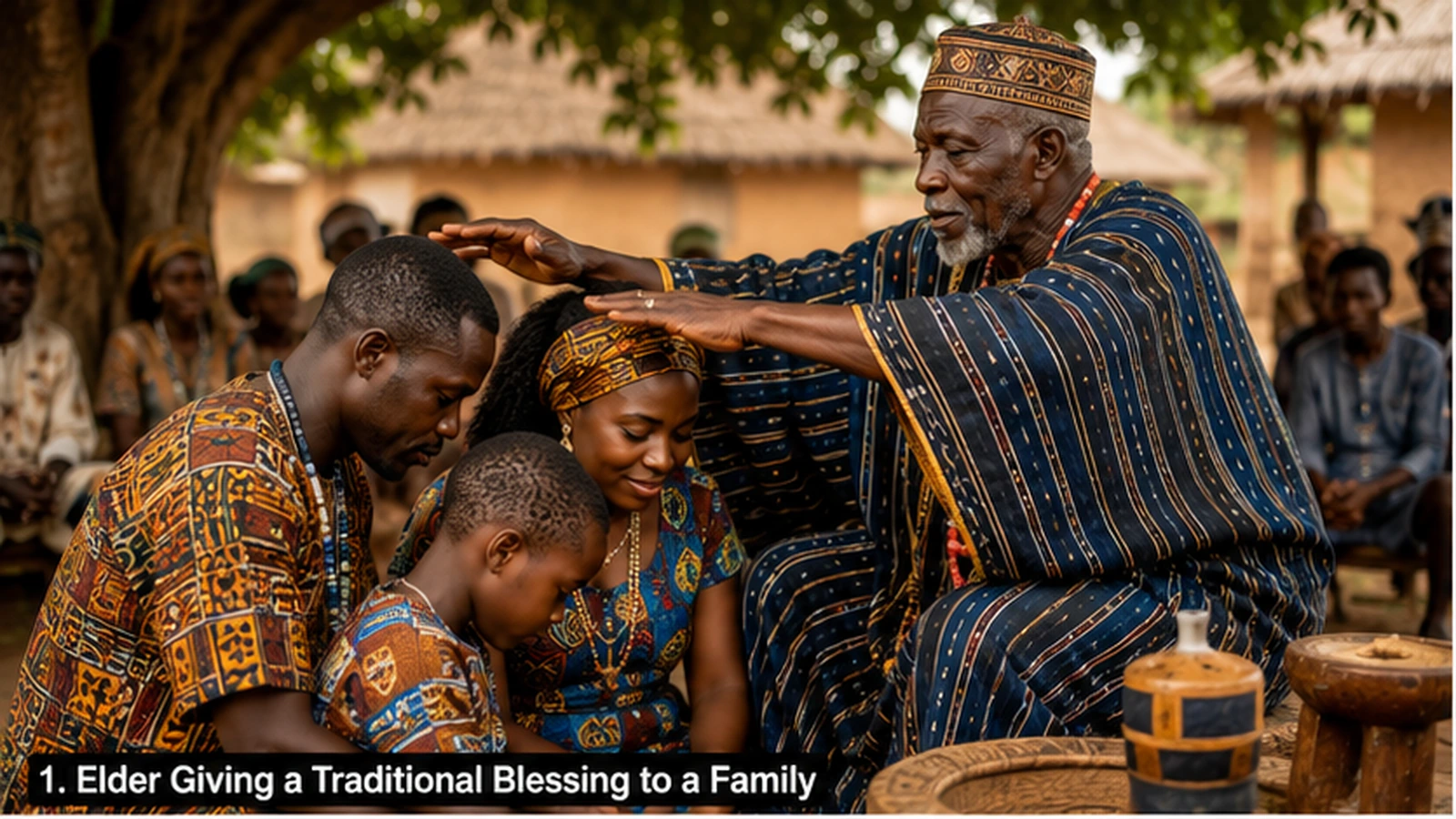
The practice is relational rather than mechanical. A parent may place hands gently on a child’s head, speak the traditional words and add a personal hope. Customs differ among Ashkenazi, Sephardi, Mizrahi and other communities, and not every Jewish family follows the same form.
The verb “guard” in a blessing should not be interpreted as permission to ignore real danger. Jewish ethical life also places strong value on preserving life and taking responsible action. A family prayer can accompany checking who collects a child from school, listening to concerns, obtaining medical care and reporting abuse.
Non-Jewish readers should not copy Hebrew letters as magical symbols or publish sacred names on disposable products. Those interested in the practice should use a reliable siddur and learn from a Jewish community or teacher.
Islamic Dua for Children’s Protection
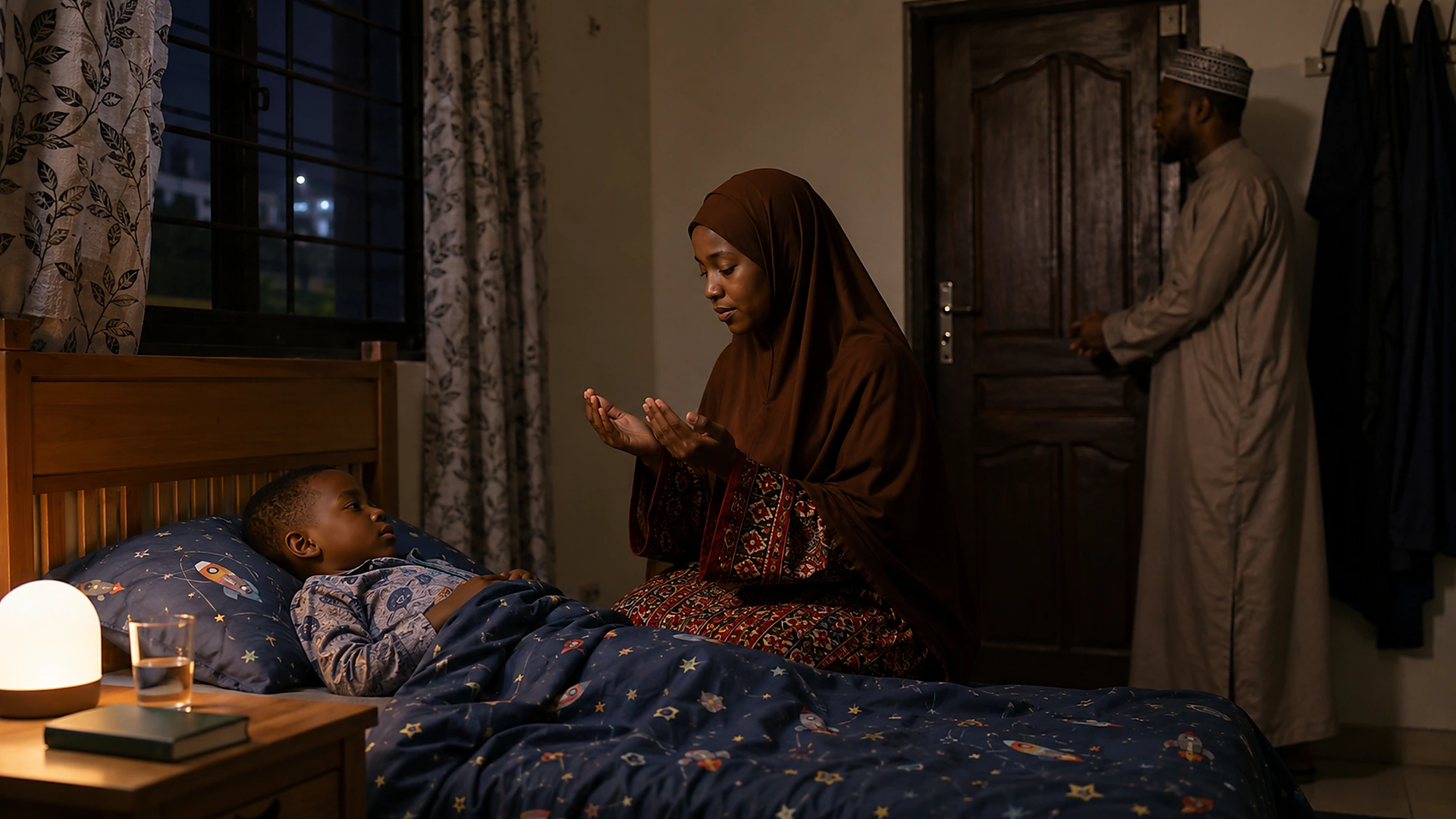
Islamic sources preserve supplications seeking Allah’s protection for children. A well-known report states that the Prophet Muhammad sought protection for al-Hasan and al-Husayn with words asking refuge in the perfect words of Allah from harmful beings and the envious eye.[9]
Muslim families may also recite Qur’anic passages, make personal dua, teach children remembrance before sleep or seek guidance from a trusted scholar. Practices differ by school, region and household. The source should be treated as prayer within Islam, not as a generic incantation detached from belief and worship.
The idea of the evil or envious eye appears across multiple regions and religions, but its symbols and theology are not identical. An Islamic dua should not automatically be combined with a blue eye bead, a South Asian thread, a candle spell and a social-media affirmation and then described as “ancient.”
Reliance on Allah includes taking responsible means. A caregiver who recites a protection prayer should still supervise young children, use car seats and helmets, lock medication, seek vaccination and medical care, protect passwords, investigate unsafe adults and report abuse. Trust and action are not opposites.
Christian Prayers, Blessings and the Duty to Safeguard
Christian traditions include prayers for newborns, children, families, illness and protection. The Church of England publishes prayers asking adults to work for the welfare and protection of young people and to respect their dignity so they may flourish.[10] Christian families may pray at bedtime, before school, during illness or when a child faces a difficult transition.
Biblical scenes of Jesus blessing children are often used to express welcome, dignity and care. The Vatican’s discussion of blessings notes that Jesus took children in his arms and blessed them, presenting blessing as grace, protection and goodness rather than manipulation.[11]
A Christian child-protection prayer can be simple: ask for safety, wise caregivers, honest adults, healing, courage to speak and a community that acts when harm is suspected. Parents should follow their own denomination’s teaching rather than purchasing guaranteed “deliverance packages.”
Religious institutions also carry safeguarding duties. A prayer meeting, school, choir, youth group or clergy relationship must have policies, accountable leadership, safe reporting routes and appropriate supervision. Spiritual authority is never a reason to bypass civil law, medical care or child-protection procedures.
Japan: Omamori for Children’s Health and Protection
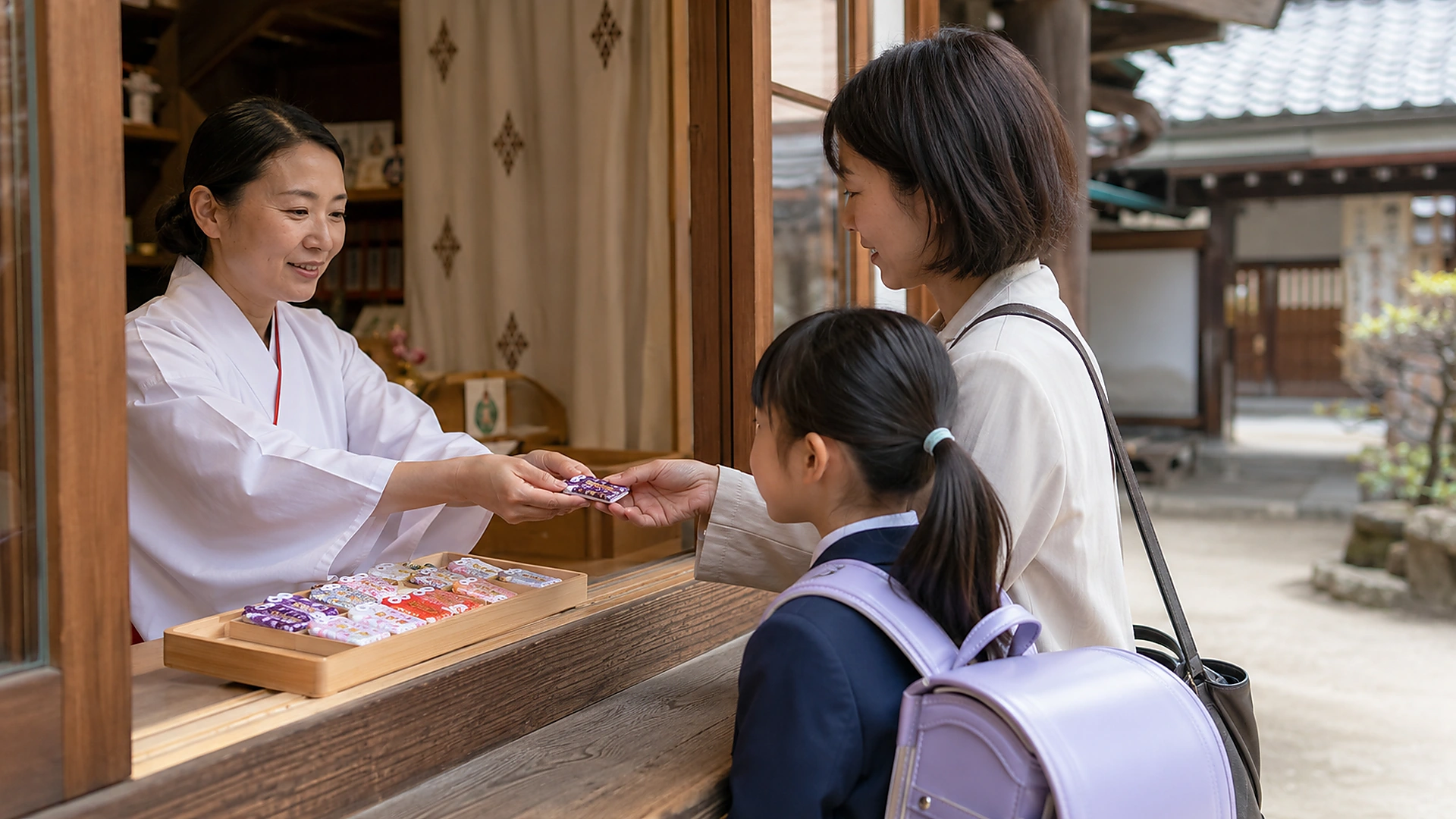
In Japan, omamori are portable amulets received from Shinto shrines or Buddhist temples. Jinja Honcho explains that amulets are carried to receive divine protection, while household ofuda are enshrined in the home.[12] Specific amulets may be associated with health, safe travel, school success or child protection.
The British Museum records Japanese amulets made specifically for children’s protection and health, including examples with small bells whose sound was understood to ward away harm.[13] Such objects belong to the institution that issued them and to Japanese religious practice; they are not empty fabric bags to be opened and filled with personalized ingredients.
Families and visitors should follow shrine or temple guidance about handling, replacement and respectful return. The amulet’s religious meaning does not replace traffic supervision, medical care, secure school procedures or emergency contacts.
This tradition also demonstrates why “sacred symbol” is not enough information. The issuing shrine, written wording, deity or bodhisattva, local history and intended blessing all shape what the object means.
Evil-Eye Charms, Threads and Other Portable Symbols
Belief in the evil or envious eye appears in parts of the Mediterranean, Middle East, Africa, Central Asia and South Asia, but local names, objects and religious interpretations vary. Museum collections include eye-shaped beads, metal cases, threads, bells and packets described as protective.[14]
It is inaccurate to say that every family using a dark thread, bead or eye symbol follows the same religion. Some objects are Islamic, Christian, Jewish, Hindu, local folk-religious or secular; others are commercial souvenirs. A symbol may also change meaning as it moves between regions.
Physical safety matters. Anything worn by a baby or young child can become a choking, strangulation or skin-injury hazard. Pins, bells, chains, beads and cords should not be attached in ways that can catch, tighten or enter the mouth. Cosmetics traditionally applied around children’s eyes may contain unsafe substances, and smoke, burning herbs or essential oils can irritate breathing.
A family can preserve symbolic meaning in a safer way: keep an heirloom out of reach, place a protective card on a high shelf, speak the family blessing without attaching an object, or use a securely sewn design appropriate to the child’s age. Medical and product-safety advice should take priority over a ritual format.
A Safe, Non-Denominational Family Protection Practice
Families without a single religious tradition—or families wanting a practice alongside their faith—can use a short protection routine that does not make supernatural guarantees.
First, invite the child to participate according to age and comfort. Ask what helps them feel safe and which adults they trust. Do not force touch, prayer or disclosure.
Second, speak a simple blessing or intention: “May you be safe, listened to and surrounded by people who respect you. May you know that you can tell us when something feels wrong.”
Third, review one practical protection step. Confirm who may collect the child, check medication storage, test emergency contacts, discuss online privacy or identify a safe adult at school.
Fourth, give the child an age-appropriate action. Younger children can learn their full name and a caregiver’s number. Older children can practice refusing unsafe contact, leaving a threatening situation, blocking an online account and telling a trusted adult.
Fifth, close with connection rather than fear. Share a meal, read together or ask about the child’s day. The aim is a predictable relationship in which the child expects to be heard.
Child Online Protection Is Part of Family Protection
A sacred object near a device cannot manage privacy settings or prevent an adult from contacting a child online. UNICEF advises families to have honest conversations about contacts and sharing, establish clear rules, keep software updated, use appropriate privacy controls and encourage children to report anything that makes them uncomfortable or afraid.[15]
Caregivers should know which apps, games and messaging services a child uses. Children should understand that passwords, location, school details, intimate images and financial information must not be shared casually. Younger children need close supervision, while adolescents need both privacy and clear routes to support.
When something harmful happens online, avoid immediately blaming or confiscating every device in anger. A child may fear losing access and therefore hide abuse. Stay calm, save relevant evidence without redistributing intimate content, block or report accounts where appropriate and contact law enforcement or child-protection specialists when exploitation, threats or sexual material are involved.
A family prayer can ask for wisdom in digital life. The protective action is teaching, listening, secure technology and timely reporting.
Ethics: Protection Must Respect the Child
A practice described as protective can itself become harmful when adults ignore the child’s body, fear or voice. Ethical child-protection spirituality follows several principles.
No violence or humiliation. Beating, burning, cutting, forced fasting, frightening exorcisms, isolation and verbal abuse are not made safe by religious language.
No blame. A child who becomes ill, is assaulted, is bullied or experiences nightmares did not fail to pray correctly and is not spiritually contaminated.
No coercive secrecy. Children should never be told that reporting abuse betrays the family, religious community or ancestors.
Respect bodily autonomy. Do not force older children to wear visible symbols, accept touch or participate in a ceremony that causes distress. Infants and young children require adults to choose only physically safe materials.
Protect privacy. Do not post a child’s diagnosis, disclosure, prayer request, school, location or ritual photographs publicly without considering safety and consent.
Do not monetize fear. Avoid practitioners who demand escalating payments, claim a child is cursed without evidence, discourage medical care or threaten disaster unless a ritual is purchased.
Faith Communities Need Safeguarding Systems
Religious communities can be powerful sources of protection when they combine spiritual care with clear safeguarding structures. Congregations often know families over many years, notice changes in a child’s wellbeing, provide transport or food during crisis and create trusted relationships outside the immediate household. Those strengths become protective only when responsibility is shared and authority is accountable.
Every church, mosque, synagogue, temple, shrine, school and youth ministry serving children should know who is permitted to supervise them, how volunteers are screened, when two-adult rules apply, how transport and overnight activities are managed and where concerns are reported. A respected religious role must never create immunity from investigation.
Prayer requests involving a child should be handled carefully. Publicly naming an abuse allegation, illness, address or family conflict can expose the child to gossip, retaliation and permanent online records. Leaders should obtain appropriate consent, limit information to those who need it and follow professional guidance about confidentiality.
A child should not be required to confess abuse publicly, reconcile with an alleged offender, accept a laying-on of hands or participate in deliverance activity as a condition of receiving help. Pastoral care should be non-coercive and should work alongside medical, psychological, legal and social-service professionals.
Faith leaders can also make prevention visible. They can teach adults that violent punishment is harmful, explain reporting routes, challenge child marriage and exploitation, support non-offending caregivers and tell children in age-appropriate language that they have the right to speak when something feels unsafe. In this form, a blessing is more than words: it becomes a community commitment to create conditions in which children are heard and protected.
A 24-Hour Child-Protection Checklist
When concern is urgent but the child is not in immediate medical danger, a short checklist can prevent panic from turning into inaction.
In the first hour: establish where the child is, who is present and whether there is an immediate threat. Contact emergency or child-protection services when necessary. Keep the child with a safe, non-offending adult.
Within several hours: obtain medical assessment when there is injury, suspected sexual abuse, poisoning, significant illness or trauma. Preserve relevant messages, clothing or other evidence according to professional guidance rather than investigating independently.
Before the day ends: document names, times and the child’s words; contact the school or childcare setting if safety procedures must change; secure devices and accounts; inform only adults who genuinely need to know.
For the next days: follow professional recommendations, maintain normal routines where safe, arrange psychosocial support, monitor sleep and behavior, and make sure the child knows what will happen next.
A family may pray before making a difficult call, after reaching safety or while waiting for help. The prayer should strengthen action, not postpone it.
Common Misunderstandings
A powerful-looking amulet is not automatically more protective than a simple prayer.
A tradition’s age does not prove that its claims are medically or scientifically effective.
A child’s illness, disability, abuse or difficult behavior is not evidence of a curse.
Forgiveness does not require contact with an unsafe person.
Religious leaders may provide pastoral care, but they do not replace doctors, trained investigators, social workers or emergency services.
“Family privacy” does not justify hiding violence or sexual abuse.
A ritual cannot make an unsafe school, home, vehicle or online account safe without practical changes.
People Also Ask
What is a child-protection ritual?
It is a culturally specific prayer, blessing, amulet or symbolic practice used to seek spiritual care and express responsibility for a child. It is not a substitute for safeguarding systems.
Can prayer guarantee that a child will not be harmed?
No. Prayer may offer spiritual support, but no prayer, amulet or ritual can guarantee protection from illness, accidents, abuse or exploitation.
What should I do if a child is in immediate danger?
Contact local emergency or child-protection services and move the child to a safer situation when possible without increasing risk. In Uganda, Sauti 116 is a toll-free national child and gender-based-violence helpline.
How should I respond if a child discloses abuse?
Listen calmly, believe the child, state that the harm was not their fault, avoid detailed interrogation and contact appropriate protection and medical services.
What is the Jewish blessing for children?
Many families bless children on Friday evening, often using the Priestly Blessing from Numbers 6:24-26. Customs vary by community and household.
Is there an Islamic dua for children’s protection?
A documented supplication asks protection for al-Hasan and al-Husayn in the perfect words of Allah from harmful beings and the envious eye.
Are protection necklaces safe for babies?
Necklaces, cords, beads, pins and bells can create choking or strangulation hazards. Families should follow current child-product and medical safety guidance rather than assuming a sacred object is physically harmless.
Frequently Asked Questions
Can spiritual protection be used with medical treatment?
Yes. Prayer or blessing may accompany treatment and emotional support, but it should never delay diagnosis, medicine, vaccination, emergency care or mental-health services.
Should a child be forced to participate in a protection ritual?
No. Participation should respect age, understanding, bodily autonomy and emotional comfort. A frightened or resistant child should not be forced.
Are all evil-eye symbols the same?
No. Eye beliefs and protective objects differ across religious, regional and historical contexts. A commercial blue bead does not represent every tradition.
Can a faith leader handle a child-abuse report privately?
Pastoral support may be valuable, but suspected abuse must follow applicable safeguarding and reporting procedures. Internal religious handling should not replace civil or medical response.
What if I am unsure whether the situation is serious?
Contact a child helpline, healthcare professional, school safeguarding lead or local social service for guidance. Uncertainty is a reason to seek qualified advice, not to rely only on ritual.
Conclusion
Child-protection rituals reveal how seriously families have taken the vulnerability of children. Bes amulets, parental blessings, Islamic supplications, Christian family prayers and Japanese omamori all express care within particular religious histories. Their meanings deserve accuracy and respect.
The deepest ethical lesson is not that one object can create an invisible barrier. It is that adults and communities carry responsibility. A meaningful blessing should lead toward listening, safe routines, medical attention, accountable institutions, secure technology and prompt reporting when harm is suspected.
When there is no immediate danger, prayer and sacred symbols can create calm, identity and a repeated promise of care. When danger is present, the most protective act is urgent, informed action—supported by prayer if the family wishes, but never replaced by it.
Article Information
- Publisher
- Ancestral Temple
- Editor
- Ancestral Temple
- Last updated
- Jul 30, 2026
- Last reviewed
- Jul 30, 2026
- Content version
- a3c8ba6b5f
This educational article should be read as cultural and spiritual information, not as medical, legal, financial, or emergency advice.
Helpful Related Guidance
About the Author
 Ancestral Temple
Spiritual guide and practitioner with decades of experience in ancestral wisdom, rituals, and divine guidance.
Related Posts
View All






Comments
We'd love to hear your thoughts.