
Business Blessing Ceremonies: Rituals for a New Business or Retail Store
Pillar Article
Quick Summary
Opening a new business is both an economic act and a social transition. A shop, salon, restaurant, office, workshop or retail store moves from preparation into public service, and...
Opening a new business is both an economic act and a social transition. A shop, salon, restaurant, office, workshop or retail store moves from preparation into public service, and the owner becomes responsible to employees, customers, suppliers, neighbours and regulators. In many communities, this transition is marked with a business blessing ceremony, dedication, prayer service, puja, purification rite, lion dance, ribbon cutting or shared meal.
These ceremonies do not form one universal tradition. A Catholic blessing of a shop has a different theology and structure from a Hindu new-business puja, a Chinese lion-dance opening, a Shinto request ceremony or a locally authorized African rite. A respectful guide must therefore explain shared purposes while preserving cultural differences.
A business blessing should also never be advertised as a guaranteed way to produce profit, defeat competitors or prevent every loss. Its strongest meaning is usually dedication: asking for wisdom and well-being, expressing gratitude, welcoming the community and committing the enterprise to honest work.
Quick Answer
A business blessing ceremony is a religious, cultural or community event that marks the opening, reopening, relocation or expansion of a business. It may include prayer, purification, music, symbolic objects, staff commitments, a ribbon cutting or hospitality. The ceremony expresses hope and responsibility, but it cannot guarantee customers, profit, protection or commercial success.
What Is a Business Blessing Ceremony?
A business blessing ceremony formally marks the beginning of commercial activity in a place or organization. It may be led by a priest, pastor, imam, pandit, Shinto priest, traditional custodian, elder, family member or the business owner, depending on the tradition and the authority recognized by participants.
The word blessing can refer to prayer for divine favour, praise and thanksgiving, purification of a space, dedication of work to a moral purpose, or a community’s good wishes. In a secular setting, the closest equivalent may be a values dedication, community welcome or opening affirmation.
The ceremony may take place before the first trading day, immediately before a public grand opening, after relocation, when a damaged business reopens, when new owners take responsibility, or when a company begins a major expansion.
Why Communities Mark the Opening of a Business
A new enterprise changes relationships. It creates a workplace, changes the use of a building, introduces goods or services, and may affect traffic, noise, employment and local competition. A ceremony allows people to recognize that change publicly.
Common purposes include:
1. Giving thanks for the labour, money, training and cooperation that made the opening possible.
2. Asking for wisdom, safety and fair relationships.
3. Introducing the owner and staff to neighbours and customers.
4. Connecting the business with family, faith or community identity.
5. Declaring standards such as honesty, fair prices, respectful treatment and responsible use of resources.
6. Transforming an unfinished premises into a socially recognized workplace.
7. Celebrating employees, artisans, builders, suppliers and supporters whose work is often hidden behind the final opening.
A Blessing Is Not a Guarantee of Profit
Religious and cultural ceremonies may give participants courage, meaning, solidarity and a sense of responsibility. They do not replace market research, licensing, bookkeeping, insurance, product quality, staff training, security, customer service or lawful tax and employment practices.
Claims that a ceremony will certainly attract money, force customers to buy, destroy competitors or prevent all business losses are not supported by reliable evidence. Such claims can exploit people who are financially vulnerable. A responsible ceremony expresses hope while accepting uncertainty and human responsibility.
Common Elements of Business-Opening Ceremonies
Although traditions differ, several broad elements appear in many opening events:
Preparation or cleaning of the premises.
Gathering of owners, staff, relatives, neighbours or customers.
Explanation of the business purpose and the meaning of the ceremony.
Prayer, recitation, blessing, purification or words of goodwill.
Recognition of workers, customers and the wider community.
A symbolic action at the entrance, counter, tools, office or first stock.
An ethical commitment about how the business will operate.
A public opening act such as cutting a ribbon, unlocking the door or welcoming the first customer.
Hospitality, food, charitable giving or gifts.
These similarities do not make the underlying religions interchangeable. Water, incense, oil, lamps, flowers, drums, bells and food may carry very different meanings from one community to another.
African Contexts: Markets, Community and Ritual
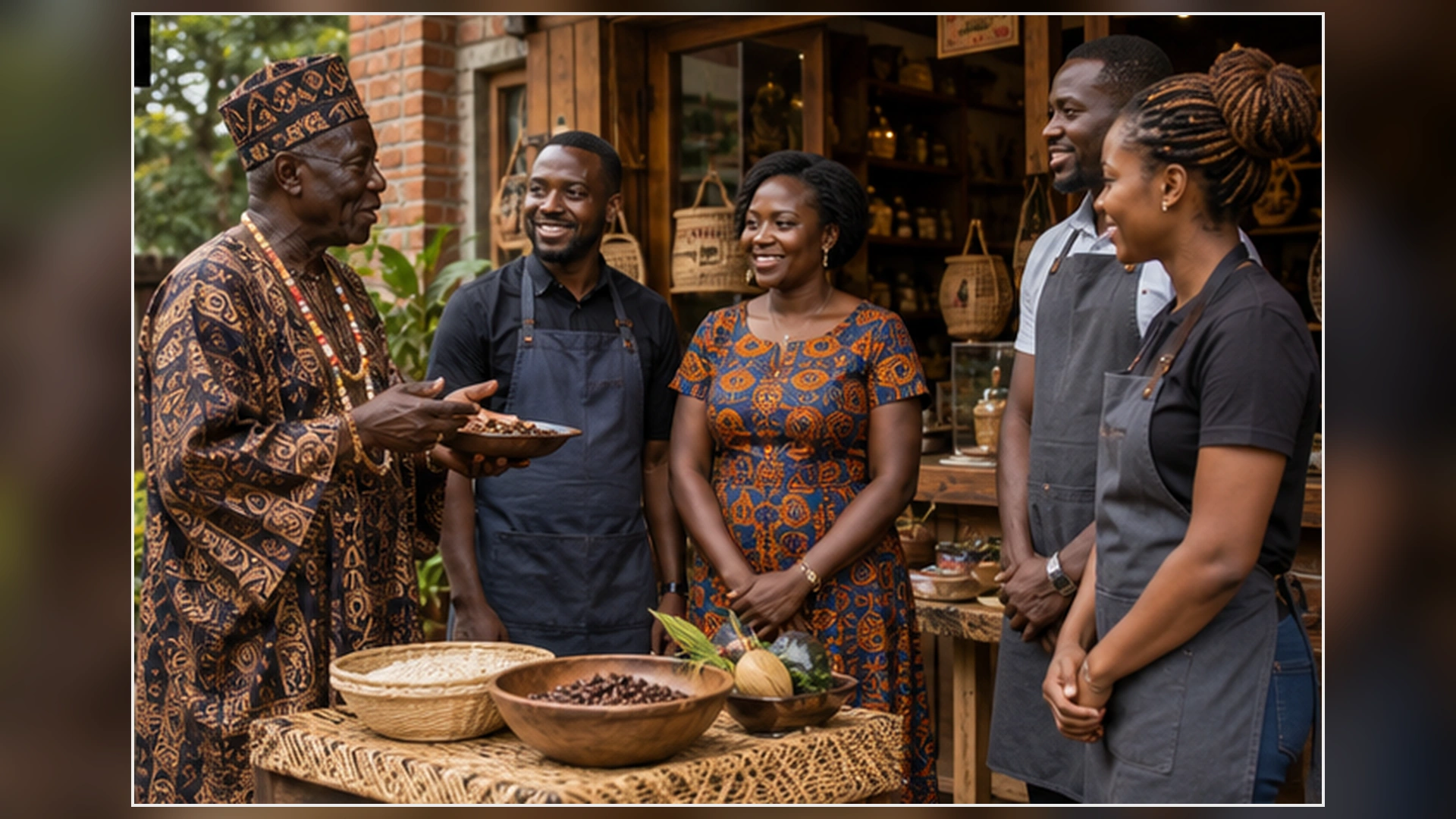
There is no single African business-blessing ritual. Africa contains many religious traditions, languages, political histories and commercial systems. Some business owners invite Christian or Muslim leaders, some consult family elders or recognized cultural custodians, some combine inherited and contemporary practices, and others hold a secular ribbon cutting.
Historical research on Mossi markets in Burkina Faso describes markets as more than places of exchange: they also served social, political, administrative and ceremonial functions. This helps explain why opening a commercial place can be understood as a community event rather than a private transaction.
A documented Ugandan example comes from the reconstruction of the Kasubi royal tomb complex. Before a technical mission entered the sanctuary, a Buganda custodian led a public welcome and cleansing rite, and coffee beans were shared as a sign of friendship, togetherness and hopes for the project’s well-being. This was a heritage-project commencement, not a generic shop-opening formula, but it illustrates how permission, relationship and collective responsibility can frame the beginning of work.
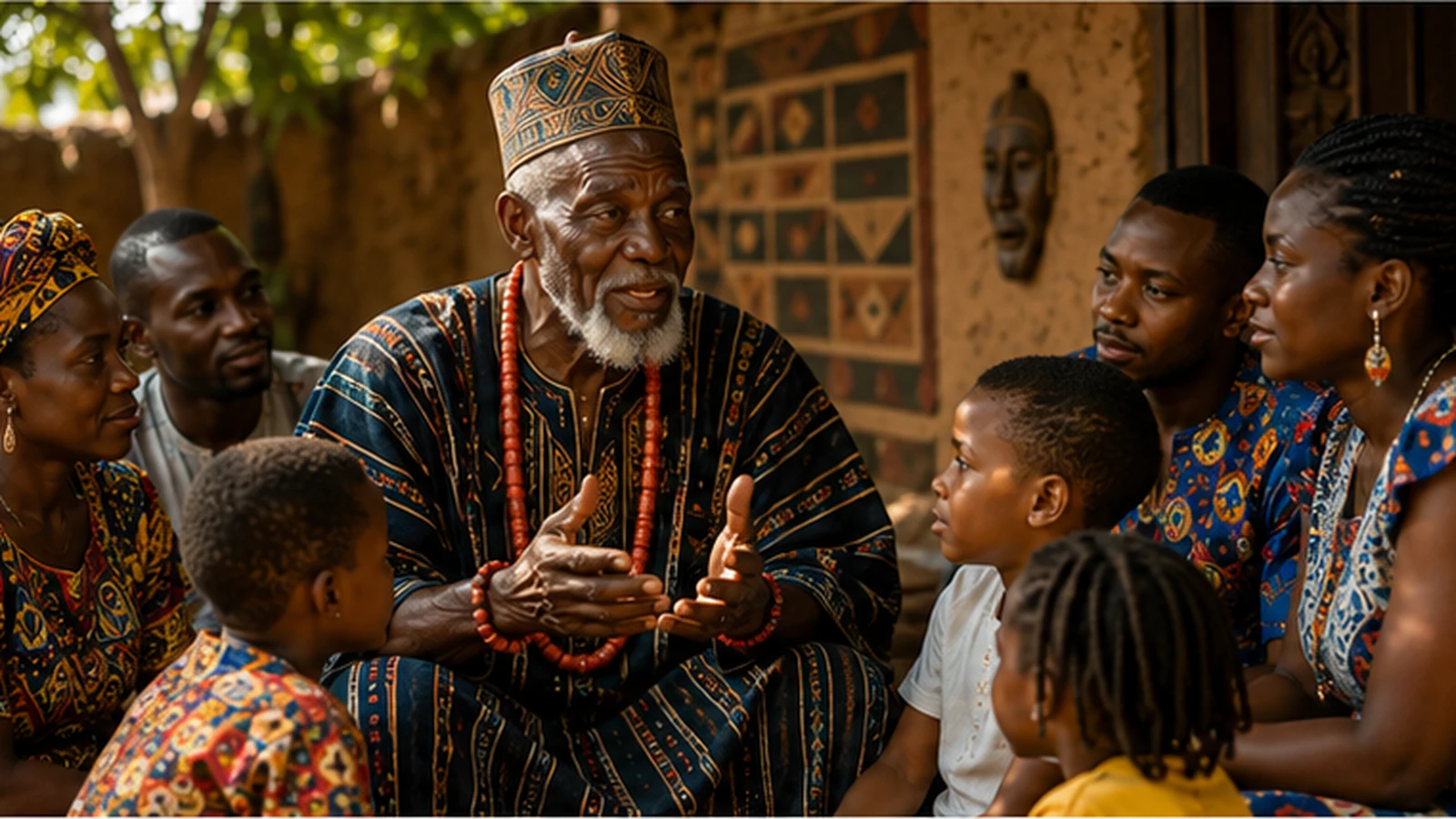
Writers on African Indigenous religions also emphasize that ritual is embedded in lived systems of ethics, community and well-being. This does not justify copying a restricted rite or inventing an “African prosperity ritual.” Owners should consult people who genuinely hold authority in their own family or community.
Christian Blessings for a Shop, Office or Workplace
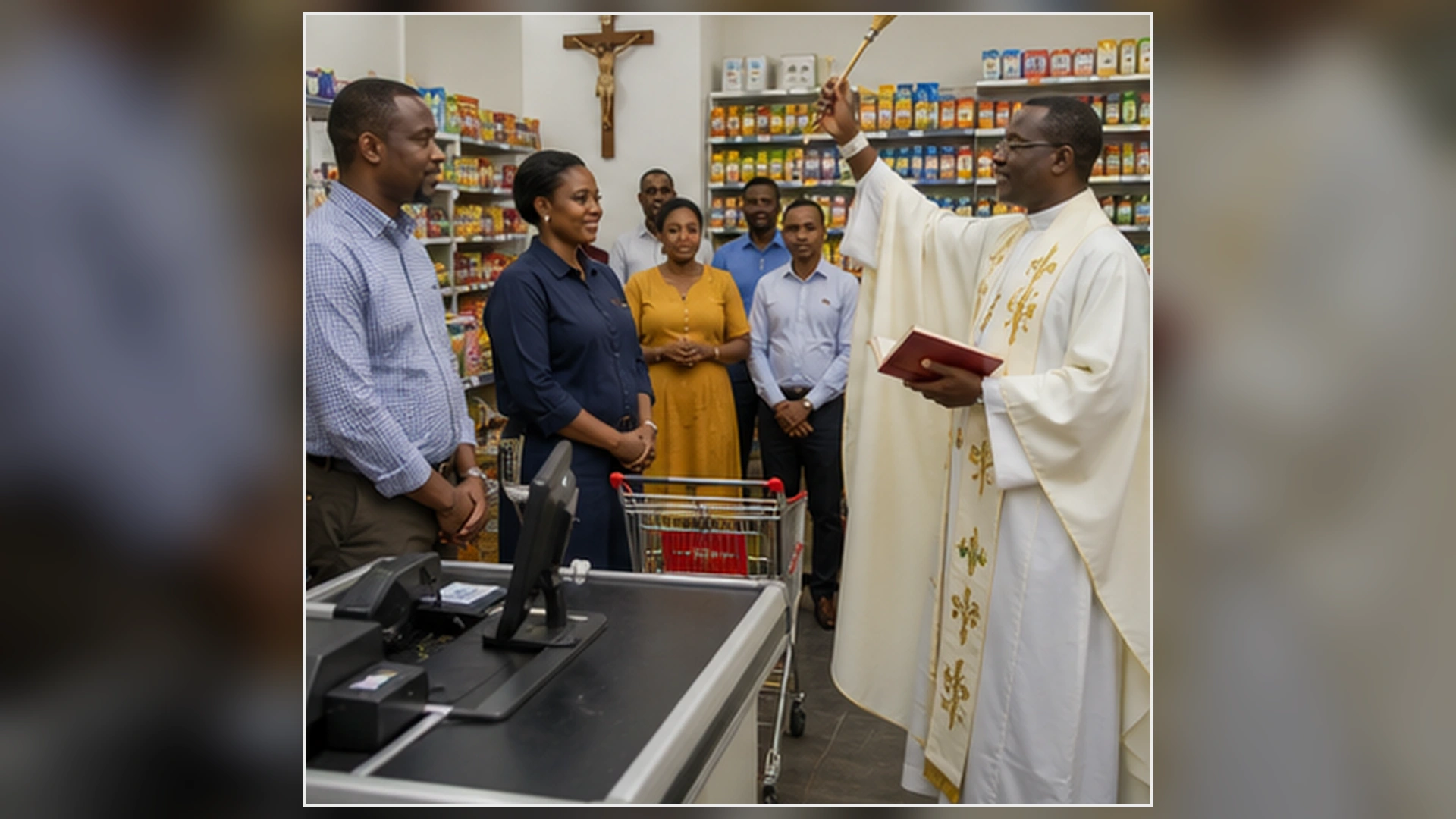
Christian business blessings vary by denomination and local church. In Catholic practice, official blessing texts exist for places of work, offices, shops and factories. The ceremony may gather workers and people who benefit from the work, include Scripture and intercessions, and use holy water. The prayer for a shop emphasizes justice, charity, the common good and the responsibilities of buyers and sellers rather than promising automatic wealth.
Catholic teaching describes blessings as prayers that recognize God in ordinary life, including places of work and the fruits of human labour. A blessing is therefore not magic attached to a building; it calls the people using the place to act consistently with their faith.
Many Protestant and Pentecostal communities hold business-dedication services with Scripture, prayer for owners and staff, and commitments concerning integrity, service and stewardship. Details should be arranged with the specific church rather than copied from a different denomination.
Hindu New-Business Pujas
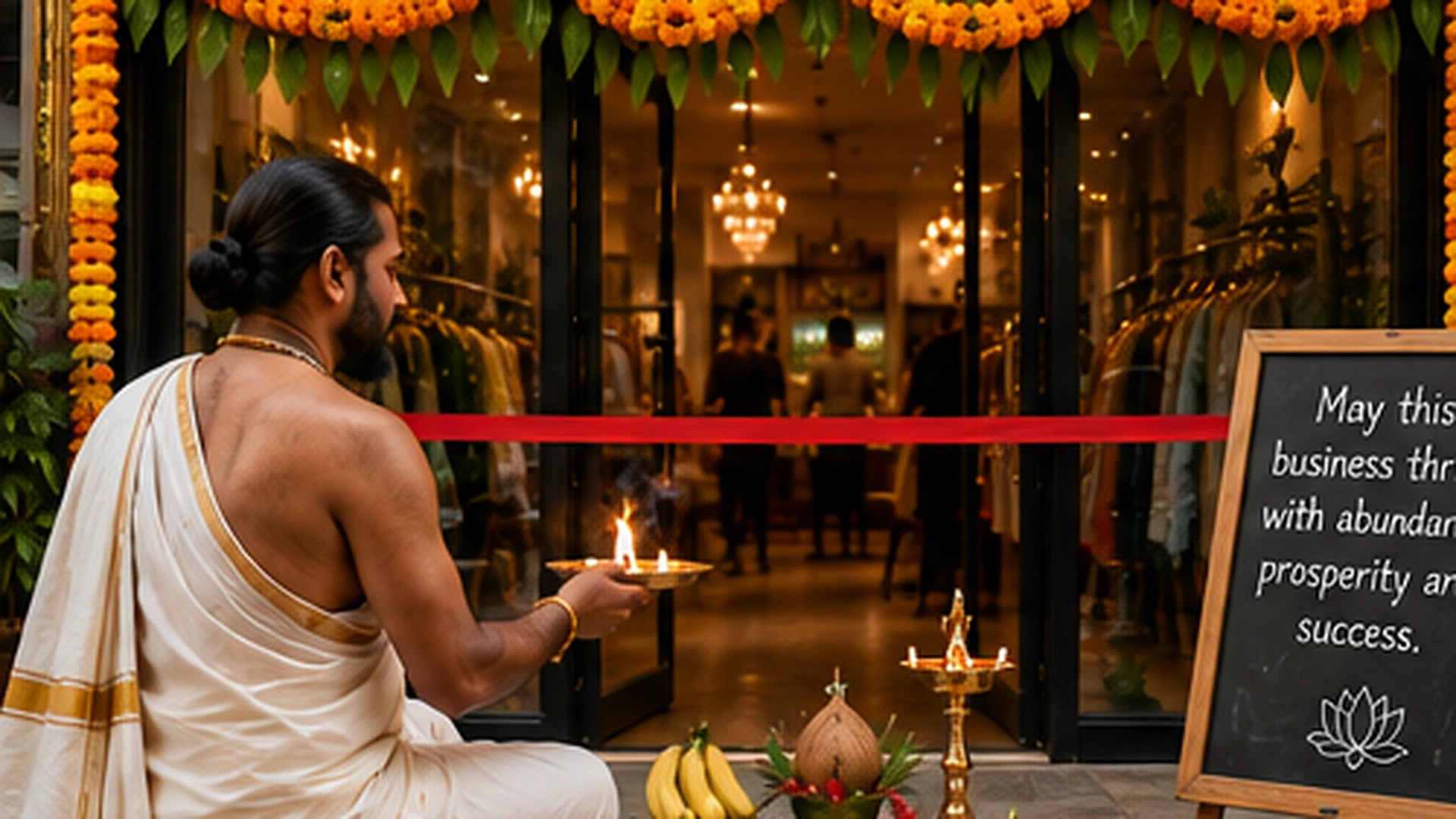
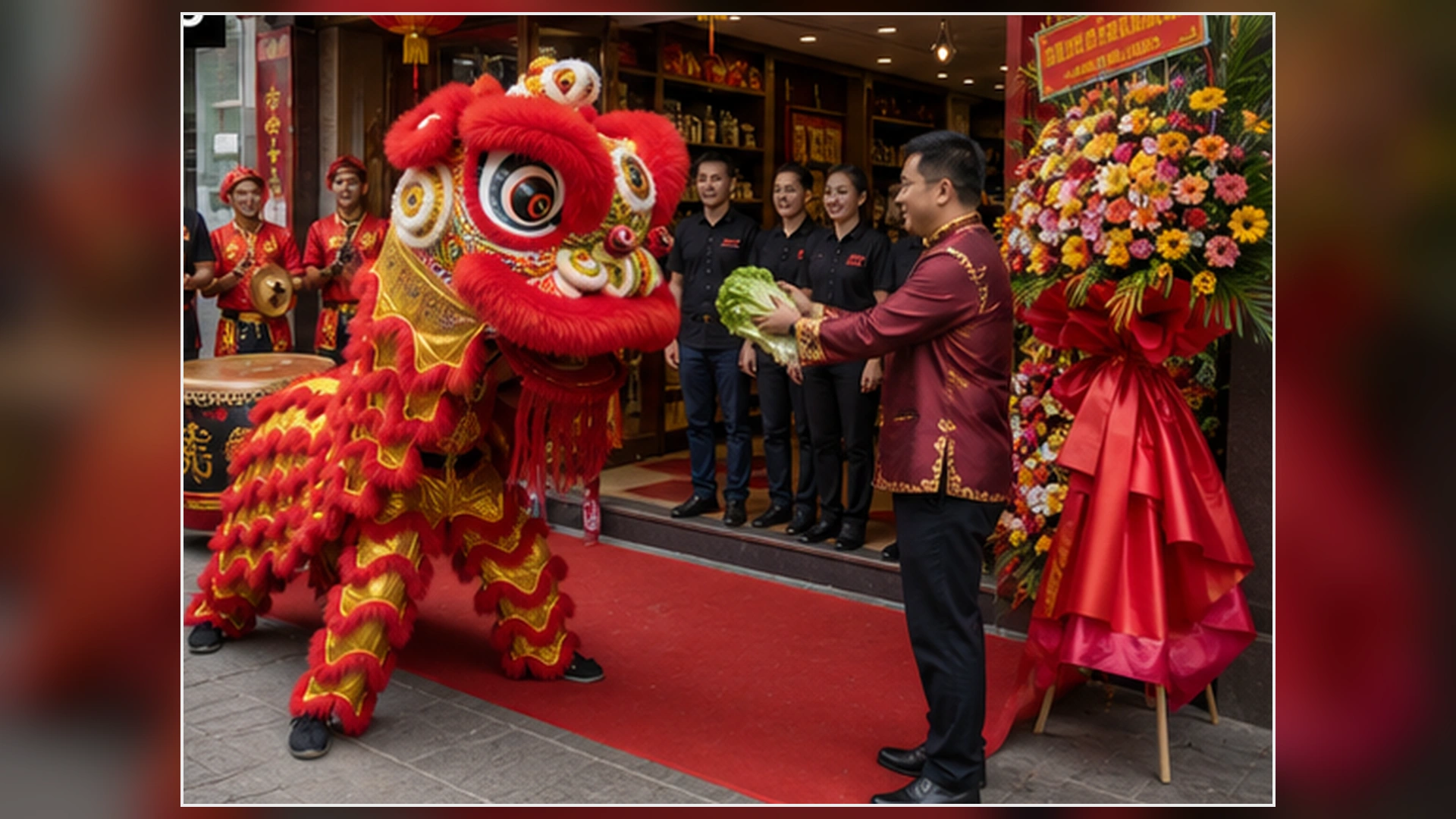
Many Hindu temples and priests offer a new-business puja or shop-opening service. Temple service lists show that such ceremonies may be performed at a business premises and may be connected with prayers for an auspicious beginning. The exact sequence, deities, mantras, materials and timing vary by region, family tradition and priestly lineage.
Ganesha is commonly associated with beginnings and the removal of obstacles, while Lakshmi is widely associated with fortune, prosperity and well-being. Museum records also show that Lakshmi’s meaning has developed across Hindu, Buddhist and Jain traditions, so a business owner should not reduce her to a simple commercial “money symbol.”
A respectful Hindu opening is arranged with a qualified priest or temple. Non-Hindu owners should not assemble images, mantras, fire rituals and offerings from internet lists and present the result as an authentic puja.
Chinese Business-Opening Customs
Chinese business openings can include several culturally specific forms. Southern Chinese flower plaques have historically been constructed for celebrations including business openings. They are temporary public artworks made from materials such as bamboo, paper and fabric and can announce congratulations and community support.
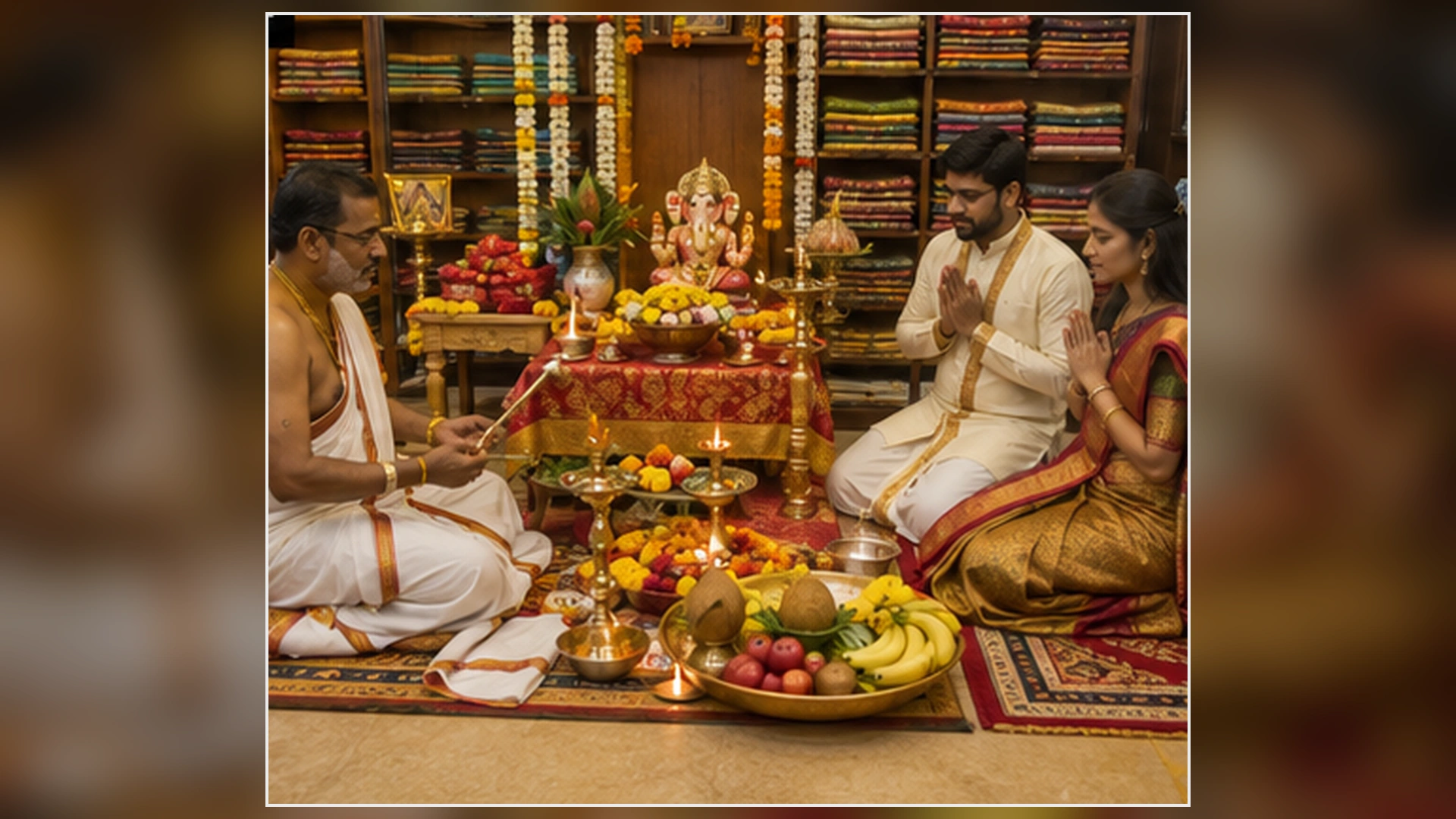
Lion dances are also performed at restaurants, bakeries, shops and other businesses, especially around Lunar New Year and openings. A Smithsonian account describes a lion bowing at an altar and at a Guan Yu image in businesses before receiving lettuce or cabbage from the owner. Practices vary by school, region and diaspora community.
Guan Yu became a patron of merchants because he was associated with loyalty, trust and keeping one’s principles. Chinese traditions also include Cai Shen, a general title for gods of wealth. These figures should not be treated as generic decorations detached from community knowledge. Firecrackers, incense and crowd movement also require local permission and safety planning.
Shinto Prayers for a New Enterprise or Workplace
In Shinto, people may visit a jinja for a special-request ceremony known as gokito. Jinja Honcho explains that such ceremonies have established forms and etiquette and are used when people make specific requests to the kami. At major shrines, formal prayers and sacred music or dance may accompany ceremonies.
A Japanese business may ask a shrine about a prayer for company safety, prosperity, construction, relocation or a new undertaking. The ceremony should be arranged with the shrine rather than improvised from images of torii gates, paper streamers or purification tools. Shinto customs are diverse, and a shrine’s own priest determines the appropriate rite.
Muslim Business Openings and Local Practice
Muslim societies are culturally diverse, and there is no single worldwide store-opening ceremony. Owners may begin with Qur’an recitation, du’a, thanksgiving, charity, hospitality or a short address about lawful and honest trade, depending on local practice and scholarly guidance.
The safest approach is to ask a trusted local imam or scholar rather than circulating a supposedly mandatory formula without evidence. A business opening can emphasize honesty, clear contracts, fair measurement, responsible debt, generosity and avoidance of prohibited goods or exploitation.
Secular and Interfaith Business Blessings
A business with owners, staff and customers from several faiths may choose a short interfaith or secular dedication. This should not merge sacred words and objects into a new invented religion. Instead, it can create space for different participants to contribute in ways that remain faithful to their own traditions.
A practical interfaith structure may include a welcome, one-minute reflections from invited leaders, a shared statement of business values, recognition of staff, a moment of silence, a charitable commitment and a ribbon cutting. Participants should know in advance whether there will be prayer, incense, water, oil, fire, food restrictions or photography.
How to Plan a Respectful Business Blessing
1. Define the purpose
Decide whether the event is primarily religious, cultural, family-based, interfaith, secular or combined with a commercial grand opening. A private dedication for staff may need a different atmosphere from a public media event.
2. Invite the correct leader
Contact the priest, pastor, imam, pandit, shrine priest, elder or cultural custodian early. Explain the type of business, location, expected guests and any safety restrictions. Do not choose someone merely because their clothing looks ceremonial.
3. Complete practical preparations
The premises should be legally ready to operate. Confirm occupancy, trading, health, fire, accessibility and sector requirements before presenting the store as open. A blessing cannot make an unsafe or unlicensed premises acceptable.
4. Brief employees
Tell staff what will happen, how long it will take and whether participation is optional. Religious freedom and personal boundaries matter, especially in a diverse workplace.
5. Prepare the space
Clean the premises, remove hazards, arrange seating and protect sensitive equipment. Identify safe places for candles, incense, holy water, food, musicians or a lion-dance team when relevant.
6. Explain the ceremony
A short introduction helps guests understand why particular actions are being performed. It also prevents sacred elements from becoming unexplained entertainment.
7. Include ethical commitments
Ask the owner or team to state practical commitments: honest prices, accurate weights, respectful service, safe products, fair employment, responsible waste handling and cooperation with neighbours.
8. Recognize the people behind the business
Thank builders, designers, relatives, lenders, suppliers and employees. Ceremonies become more credible when they honour labour rather than focusing only on the owner.
9. Open to the public
After the prayer or dedication, use a clear transition such as a ribbon cutting, unlocking the door, switching on the sign or welcoming the first customer.
10. Continue the meaning after opening day
A ceremony’s values should appear in contracts, wages, product quality, customer complaints, accounting and daily management. The opening is a beginning, not a substitute for ethical practice.
A Simple Non-Denominational Ceremony Outline
This outline is suitable for a culturally neutral community event. It is not a replacement for a tradition-specific religious rite.
1. Welcome guests and introduce the business.
2. Acknowledge the people whose labour made the opening possible.
3. Explain the values the business intends to uphold.
4. Invite a short prayer, reflection or moment of silence.
5. Bless or dedicate the work of the owners and staff in words appropriate to the gathering.
6. Make a public commitment to customers, employees, suppliers and neighbours.
7. Announce a charitable or community contribution if one has been planned.
8. Cut the ribbon or open the door.
9. Welcome guests into the store and offer hospitality.
This structure can be shortened to ten minutes or expanded into a larger grand-opening programme.
Planning for a Retail Store
A retail-store blessing should consider the actual flow of customers and goods. The entrance, service counter, fitting rooms, stockroom, food-preparation area, cash point and staff area may have different safety and privacy requirements.
Useful retail-specific decisions include:
Hold the ceremony before public trading begins so walkways remain clear.
Keep fire exits, payment equipment and security cameras unobstructed.
Explain whether the first sale is ceremonial or a normal transaction.
Do not pressure the first customer to appear in photographs.
Protect food, cosmetics, medicines or fabrics from smoke, water, oil and ash.
Keep volume reasonable for neighbouring businesses.
Provide accessible entry and seating.
Tell guests whether photographs of prayers or sacred objects are permitted.
Arrange crowd control for drumming, dancing or performers.
Have the manager formally welcome staff before focusing on invited dignitaries.
Symbols Used at Business Openings
The entrance or threshold
The doorway represents the movement from preparation to public service. It may be blessed, decorated, crossed in procession or opened ceremonially.
Water
Water may be used for cleansing or blessing in some traditions. Its use is not universal, and it must be kept away from electrical equipment and products that can be damaged.
Light and lamps
Flowers and greenery
Flowers may communicate welcome, honour or auspiciousness. Chinese flower plaques, Hindu floral offerings and ordinary grand-opening arrangements belong to different cultural systems.
Food and drink
A shared meal may thank supporters and turn an opening into a community event. Dietary restrictions, allergies and alcohol choices should be considered.
Ribbons and keys
Ribbon cutting and ceremonial unlocking are modern public-opening symbols. They can follow a religious blessing without being part of the religious rite itself.
Tools, tills and stock
Some ceremonies acknowledge the instruments of work. This can focus attention on labour and responsibility, but objects should not be treated as magical charms.
Who Should Attend?
The guest list depends on the purpose and size of the event. Possible participants include owners, staff, family members, investors, landlords, builders, suppliers, neighbours, customers, faith leaders, cultural custodians, local officials and representatives of a business association.
Inviting employees is especially important because they will carry the stated values into daily practice. Their inclusion should be genuine rather than decorative. Local neighbours can also help establish trust and open a channel for discussing deliveries, parking, noise and shared security.
Cultural and Ethical Boundaries
Do not invent an “African business ritual”
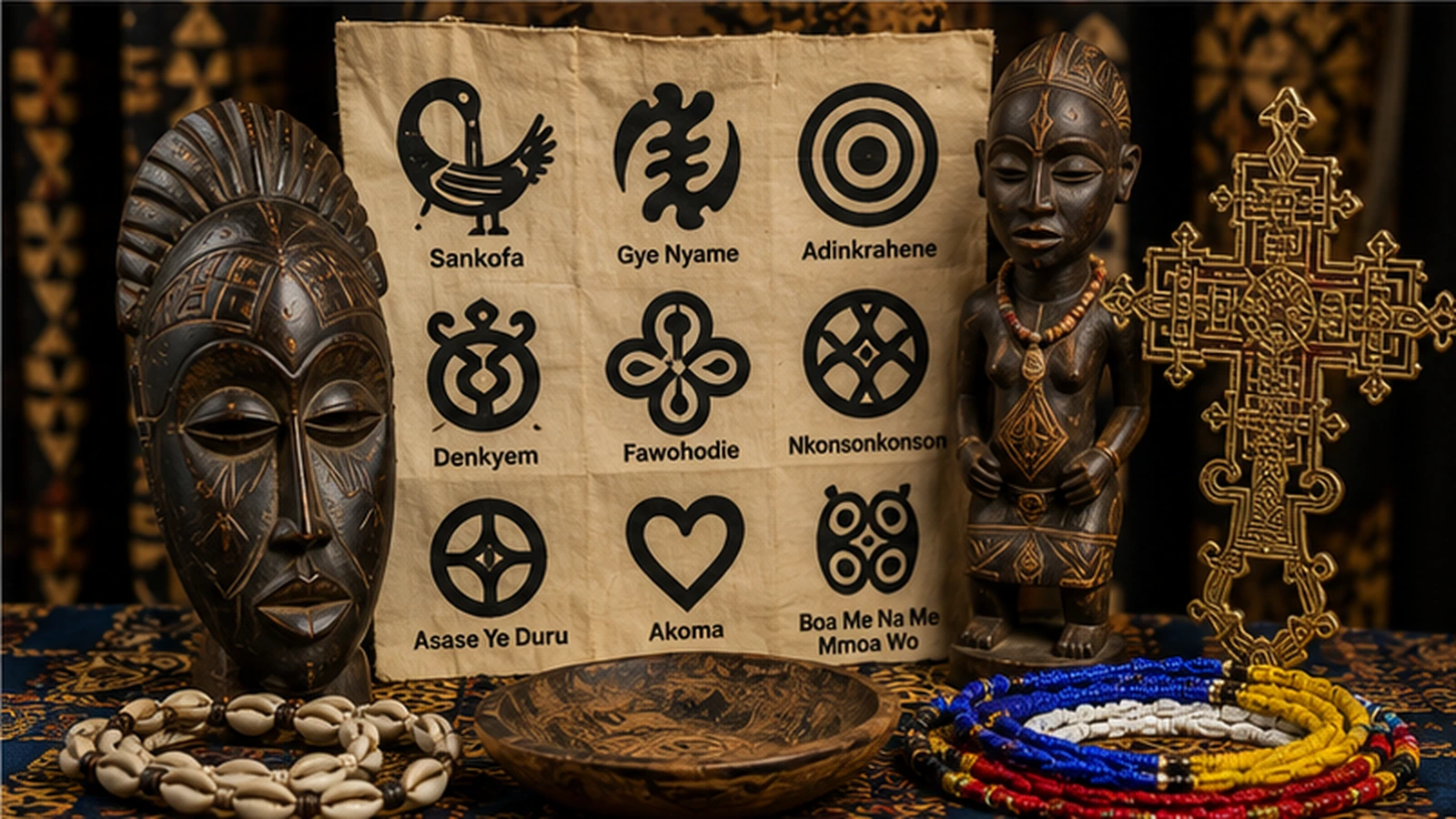
Using a calabash from one region, clothing from another, random drumming, candles and copied words does not create an authentic African ceremony. Identify the specific community and ask who has authority.
Do not guarantee wealth
Avoid promises of certain profit, endless customers, protection from every theft or the downfall of competitors.
Do not expose restricted knowledge
Private prayers, shrine procedures, sacred names and medicinal preparations should not be published or performed for online attention without consent.
Do not force employee participation
Workers should not be punished or embarrassed for declining a religious act. Offer a respectful way to attend as an observer or to step away.
Do not use sacred items as disposable décor
Images of deities, scriptures, blessed objects and ceremonial materials should be handled according to the relevant tradition.
Do not ignore safety and law
Incense, lamps, firecrackers, crowds, food distribution, amplified sound and street processions may require permission or special controls.
Do not replace business competence with ceremony
A meaningful blessing should strengthen responsibility, not excuse poor planning or dishonest practice.
Common Mistakes
1. Copying a ceremony from social media without knowing its community or meaning.
2. Calling every African elder a ritual specialist.
3. Advertising supernatural guarantees.
4. Spending heavily on decoration while employees lack training or equipment.
5. Inviting the public before safety inspections and licences are complete.
6. Treating sacred actions as entertainment for marketing content.
7. Mixing incompatible religious symbols to look “spiritual.”
8. Forgetting customers with disabilities or different faiths.
9. Allowing photographs in restricted moments without permission.
10. Making promises about fairness that the business model does not support.
Key Takeaways
A business blessing ceremony marks a transition into public work and responsibility.
It may be religious, cultural, interfaith or secular.
There is no universal African, Christian, Hindu, Chinese, Muslim or Shinto opening rite.
Documented traditions should be named specifically and led by authorized people.
Common themes include gratitude, purification, community welcome, ethical work and hope for well-being.
Catholic shop blessings emphasize justice, charity and the common good.
Hindu temples offer new-business pujas whose details vary by region and priestly tradition.
Chinese openings may feature flower plaques, lion dances and merchant-associated deities such as Guan Yu.
Shinto special-request ceremonies should be arranged through a jinja.
A ceremony cannot guarantee profit or replace lawful, competent and ethical management.
People Also Ask
What is a business blessing ceremony?
It is a religious, cultural or community event that dedicates a new, relocated, expanded or reopened business. It may include prayer, purification, symbolic acts, ethical commitments and a public opening.
How do you bless a new business?
Choose the tradition or purpose, invite an appropriate leader, prepare the premises, gather staff and supporters, hold the prayer or dedication, state ethical commitments and then formally open the business.
What prayer is used to open a new shop?
There is no universal prayer. Christian, Hindu, Muslim and other communities use different texts and authorities. Ask the relevant local leader for an appropriate prayer rather than combining formulas from several traditions.
Can a Catholic priest bless a shop or office?
Yes. Catholic blessing traditions include rites for places of work, offices, shops and factories. The ceremony may include Scripture, intercessions, a prayer of blessing and holy water.
What is a Hindu new-business puja?
It is a puja arranged for the beginning or expansion of a business. The priest, deities, mantras, offerings and timing vary by regional and family tradition.
Why are lion dances performed at businesses?
In Chinese communities, lion dances may be invited to openings and Lunar New Year visits as culturally meaningful expressions of good fortune, vitality and public celebration.
Are there African rituals for opening a business?
There are community-specific religious and cultural ways of marking new work, but no single African ritual. Owners should identify their community and consult recognized custodians or faith leaders.
Does a business blessing guarantee success?
No. It can express hope, strengthen community support and state ethical intentions, but it cannot guarantee customers, profit, safety or protection from losses.
Frequently Asked Questions
When should a business blessing be held?
It can be held before the first day of trading, immediately before a grand opening, after relocation, during expansion or when a business reopens after disruption.
Who can lead a business blessing?
Depending on the tradition, it may be led by clergy, a pandit, imam, Shinto priest, cultural custodian, elder, family member or business owner.
Can employees opt out?
Yes. A respectful employer should explain the event and avoid forcing employees to participate in religious actions against their conscience.
Can a business blessing be combined with a ribbon cutting?
Yes. The blessing or dedication can take place first, followed by the public ribbon cutting and customer welcome.
What should a shop owner prepare?
Prepare legal approvals, a clean and safe premises, the ceremony leader’s requirements, staff briefing, guest seating, fire and crowd controls, refreshments and a clear opening sequence.
Are incense and candles necessary?
No. They belong to some traditions but not others. Their use should follow the relevant authority and the premises’ safety requirements.
Can I create my own ceremony?
You can create a personal or non-denominational dedication, but you should not present it as an inherited ritual from a culture or religion that did not authorize it.
Should the ceremony be filmed?
Only with permission. Some prayers, sacred objects or participants may not be appropriate for public marketing content.
Conclusion
A business blessing ceremony can give a new shop, office or retail store a meaningful beginning. Its value lies in gratitude, community recognition, ethical commitment and hope—not in a promise that ritual alone will create profit. The most respectful ceremony is one that is grounded in the owner’s actual faith or culture, led by an appropriate authority, safe for employees and guests, and followed by honest daily business practice.
Final Summary
Business blessings may include prayer, puja, purification, music, symbolic opening acts or a secular dedication. Traditions such as Catholic workplace blessings, Hindu new-business pujas, Chinese lion-dance openings and Shinto request ceremonies should remain culturally distinct. African business openings also require specific community knowledge rather than a fictional pan-African formula.
Article Information
- Publisher
- Ancestral Temple
- Editor
- Ancestral Temple
- Last updated
- Jul 30, 2026
- Last reviewed
- Jul 30, 2026
- Content version
- 0e12f36217
This educational article should be read as cultural and spiritual information, not as medical, legal, financial, or emergency advice.
Helpful Related Guidance
About the Author
 Ancestral Temple
Spiritual guide and practitioner with decades of experience in ancestral wisdom, rituals, and divine guidance.
Related Posts
View All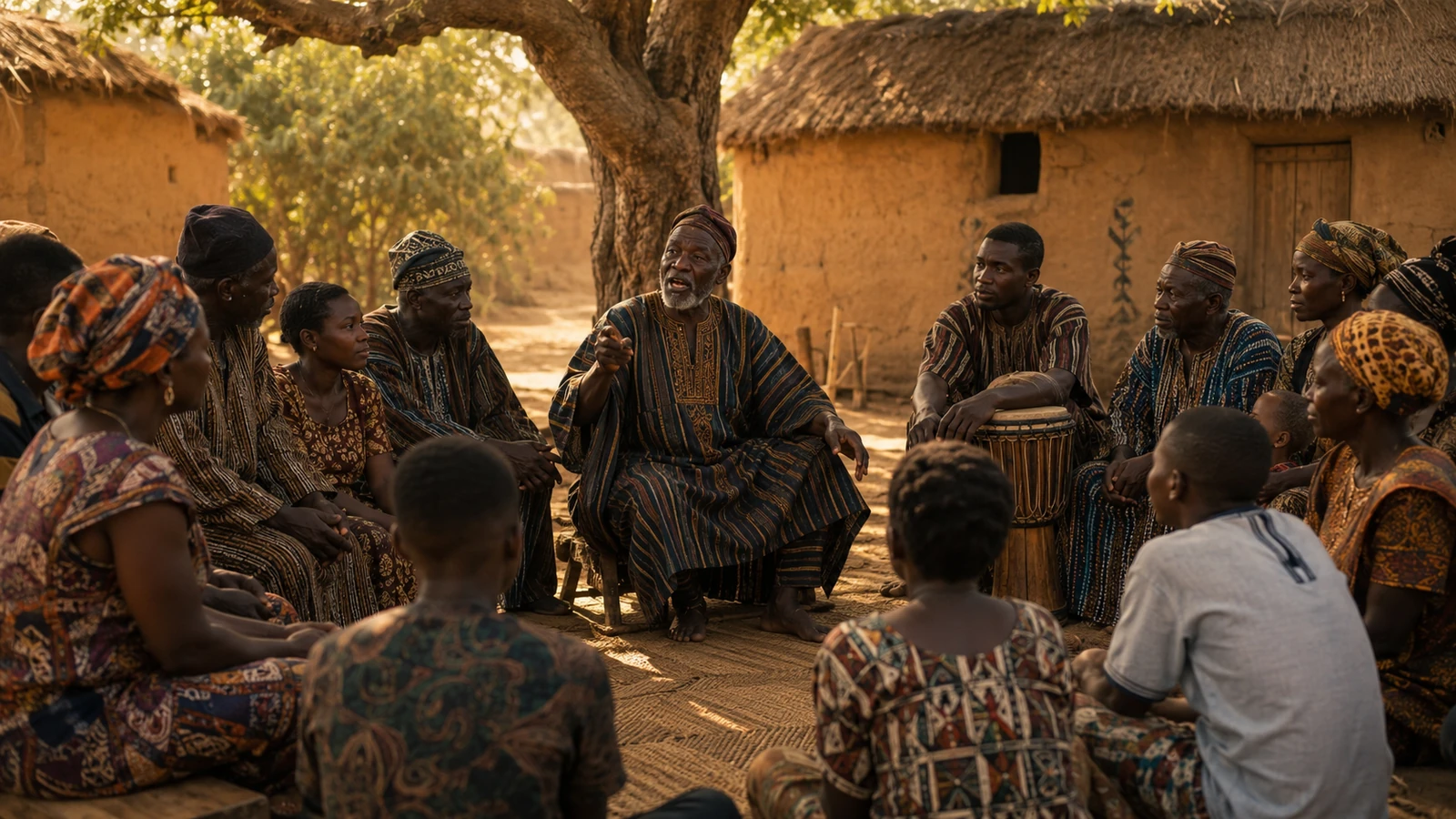







Comments
We'd love to hear your thoughts.