
Prayers and Rituals for Rent, Bills: and Financial Relief
Pillar Article
Quick Summary
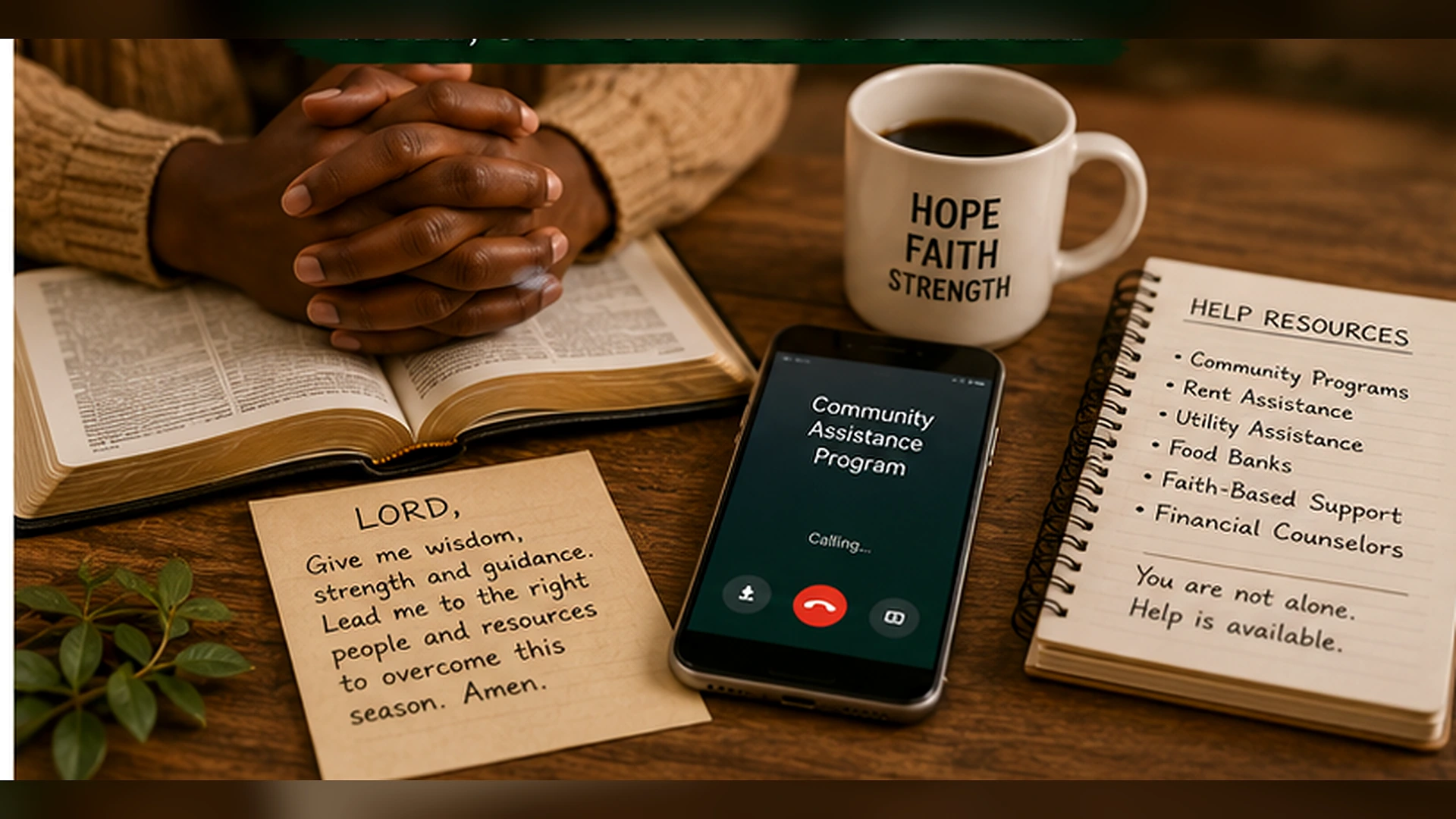
When rent is due and the money is not available, prayer can become one of the few places where fear is spoken honestly. A person may be worried about losing a home, having electric...
When rent is due and the money is not available, prayer can become one of the few places where fear is spoken honestly. A person may be worried about losing a home, having electricity disconnected, disappointing children, facing a landlord, or admitting to relatives that the household is struggling. In that moment, a short prayer can slow panic, name the need and help the person take the next responsible step.
Prayer, however, is not a substitute for money, a repayment agreement, legal advice or an assistance program. A ritual cannot scientifically guarantee that cash will appear, a landlord will stop an eviction, a creditor will forgive a debt or a utility company will keep service connected. Responsible spiritual support does not ask a person to ignore notices, stop communicating or spend essential money on candles, oils, sacrifices, donations or secret services.
The most useful approach joins faith with action. Pray for provision, wisdom, courage, fair treatment and trustworthy people. Then gather the bills, identify the most serious consequences, contact the landlord or provider, search for assistance, ask the faith community or family network for appropriate help and protect personal information from scammers. This article offers original prayers, a free ritual requiring no purchased objects, tradition-specific context and a practical plan for rent, bills and financial relief.
Quick Answer
A grounded prayer for rent and bills asks for daily needs, calm judgment, honest communication, safe housing, work opportunities and compassionate support. A helpful ritual can be as simple as sitting quietly with a notebook, naming the urgent bills, praying according to your faith, choosing one action for each bill and contacting the people involved. In Christian teaching, the prayer for “daily bread” includes material needs and responsibility toward people who lack them. Islamic sources include a supplication seeking refuge from overwhelming debt, call for time to be given to a debtor in hardship and identify people in debt as eligible recipients of zakat. Jewish scripture joins trust in God with the duty to open one’s hand to people in need. [5][6][7][8][9][10][11] None of these traditions teaches that an expensive object or paid ritual guarantees money.
What Prayers and Financial-Relief Rituals Can Do
A prayer can create a pause between fear and action. It can help a person admit what is happening without hiding, ask for wisdom before making a rushed decision, remember moral responsibilities and seek support without shame. A repeated household practice can also create structure: one place for bills, one weekly time to review them, one written list of calls to make and one community contact who knows the situation.
In a religious community, prayer may connect a person to practical systems of care. A church may have a benevolence fund, food pantry or volunteer who helps with applications. A mosque may administer zakat or connect a person with community assistance. A synagogue or Jewish communal organization may provide tzedakah, interest-free lending or social-service referrals. Availability and eligibility differ, so asking is not a guarantee, but asking early is often more useful than waiting until the final notice.
Prayer can also protect dignity. Financial hardship is not proof that someone is lazy, cursed, spiritually attacked or rejected by God. People fall behind because of job loss, illness, caregiving, rent increases, business failure, emergencies, family separation, conflict, disasters and many other causes. A good spiritual guide helps identify real causes and realistic choices instead of turning every difficulty into a supernatural diagnosis.
What They Cannot Reliably Do
They cannot guarantee rent money by a certain hour or date.
They cannot legally cancel a debt, court order, lease obligation or utility balance.
They cannot replace a written agreement with a landlord, lender or service provider.
They cannot make an unsafe loan affordable or remove lawful consequences by declaration alone.
They cannot justify giving a practitioner access to bank passwords, identification numbers or payment accounts.
They should never require spending money needed for housing, food, medicine, transport or children’s needs.
| Important integrity rule Do not spend rent or food money on a ritual, spiritual consultation, offering, sacrifice, candle, oil or “activation fee.” A sincere prayer can be spoken without buying anything. Any helper who guarantees money, demands secrecy or pressures you to pay before relief arrives is exploiting vulnerability. |
|---|
A Free 20-Minute Ritual for Financial Clarity and Relief
This is an original interfaith practice, not a reconstruction of a traditional ceremony. Adapt the prayer language to your beliefs. The goal is not to command money into existence. The goal is to reduce confusion, identify help and leave the table with concrete actions.
Prepare a quiet, safe place. Use a table, chair, notebook, pen, phone and the actual bills or account statements. A candle is unnecessary; if used, follow fire-safety rules and never leave it unattended.
Name the immediate need. Write the exact amount due, the due date, the notice received and the consequence of nonpayment. Separate facts from fears.
Breathe and pray. Ask for daily provision, wisdom, courage, honest speech, fair treatment and trustworthy assistance. Avoid promising that a specific outcome must happen.
Sort the obligations. Put housing, essential utilities, food, medicine, transport to work and immediate safety needs in one group. Put less urgent or negotiable bills in another. Local law and personal circumstances matter, so seek advice when consequences are unclear. [2]
Choose one action for each urgent item. Examples include calling the landlord, requesting a hardship plan, applying for local assistance, asking a faith community, checking a notice with legal aid or arranging a partial payment.
Make the first contact before ending the ritual. Send one message, make one call or submit one application. Spiritual calm becomes useful when it supports action.
Close with gratitude for any real resource already present: time, a phone, a document, a safe person, work skills, food, a place to stay tonight or the courage to ask for help. Gratitude should not deny the seriousness of the problem.
Original Prayers for Rent, Bills and Financial Relief
The prayers below are newly written for this article. They are not official liturgies, scripture quotations or promises of supernatural payment. People may address God according to their faith or adapt the language into a reflection.
Prayer for Rent and Stable HousingGod of mercy and provision, You know the rent that is due and the fear I feel about losing stability. Give me calm enough to face the facts, courage to speak honestly, favor with people who can act fairly and wisdom to find lawful help. Open a path through work, assistance, negotiation or community support. Protect everyone in this household from panic and shame. Help me take the next responsible step today, and guide me toward a stable home rather than a temporary promise. Amen.
Prayer for Overdue Utility BillsProvider of daily needs, I bring before You the electricity, water, heating, phone or other essential bill I cannot presently meet. Help me understand the notice, contact the provider early and ask clearly about hardship options. Keep me from scams, unsafe borrowing and decisions made in fear. Grant patience to the people I speak with and help me protect the health and safety of this household. Show me what can be reduced, negotiated or supported, and strengthen me to act without delay. Amen.
Prayer Before Calling a Landlord or CreditorGod of truth and justice, steady my voice before this conversation. Help me explain the situation without exaggeration, listen carefully, ask for a realistic arrangement and keep any promise I make. Protect me from intimidation and from reacting in anger. Let the other person respond with fairness, and help us put every agreement in writing. If I need legal or professional guidance, lead me to trustworthy help. Amen.
Prayer for Work, Income and OpportunityCreator who gives people gifts and strength, guide me toward honest work and useful opportunities. Help me recognize what I can offer, complete applications carefully, prepare for interviews and follow up with discipline. Keep me from offers that require upfront money, misuse my identity or promise impossible earnings. Bless the work of my hands, and help any new income support housing, food, health, family responsibilities and generosity in the right order. Amen.
Prayer for Debt and Financial AnxietyMerciful God, the weight of debt has entered my thoughts, sleep and relationships. Give me relief from panic, not through denial, but through truth and a workable plan. Help me list what I owe, verify each claim, understand my rights, negotiate where possible and avoid dishonest shortcuts. Teach me patience with a process that may take time. Surround me with people who offer wise counsel instead of judgment. Amen.
Prayer for Someone Helping a Struggling HouseholdGod of compassion, show me how to help without humiliating, controlling or creating false hope. Give me wisdom to listen, verify the need, protect privacy and offer what is genuinely safe—food, a referral, transport, childcare, advocacy, a small gift or help with an application. Keep me from promises I cannot keep. Let assistance preserve dignity and support long-term stability. Amen.
Christian Prayer, Daily Bread and Community Responsibility
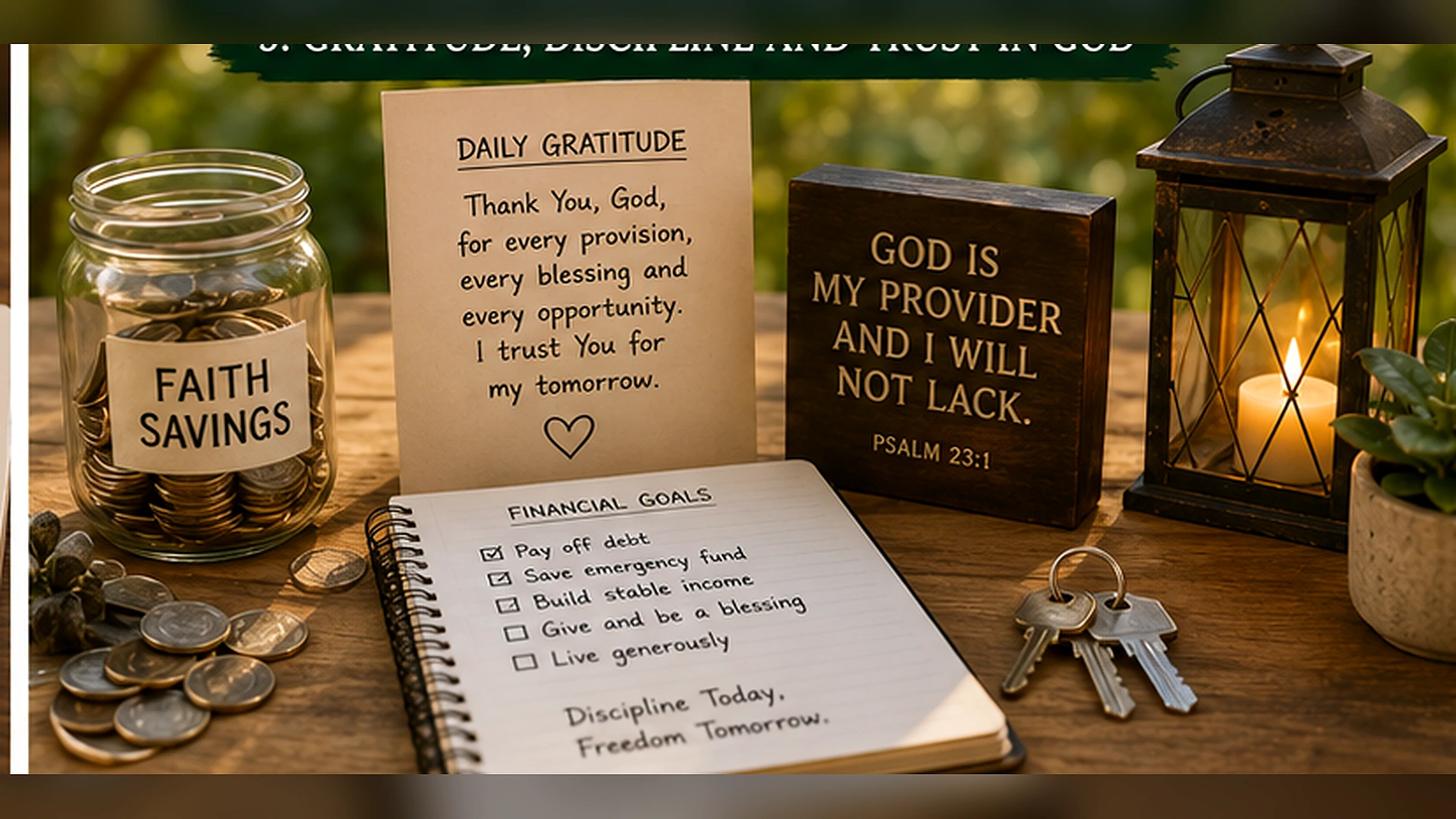
Christian prayer for financial need is often connected to the request for “daily bread” in the Lord’s Prayer. The Catholic Catechism explains this request as trust in God for what is necessary for life, but it does not make the request private or passive. The word “our” points toward responsibility for people whose needs are unmet. Christian social teaching also emphasizes solidarity, fair distribution and the duties shared by workers, employers, communities and nations. [5][6]
For a Christian facing rent or bills, this can support a simple pattern: pray honestly for what is necessary, examine spending without self-hatred, ask the church whether practical support exists, speak truthfully to the landlord or provider and accept appropriate help. Some congregations offer benevolence funds, groceries, transport, temporary accommodation or referrals. Others have limited resources. A request may require documents and may not be approved, but it is reasonable to ask respectfully.
The phrase “financial breakthrough” should not be used to guarantee a sudden payment. Christian prayer may include hope for work, generosity from others, a fair agreement, disciplined choices and peace during uncertainty. It should not pressure a person to make a large offering in order to receive help. A church or minister who conditions prayer on an unaffordable payment contradicts the spirit of care the prayer is meant to express.
Islamic Dua, Debt Hardship and Zakat
Islamic sources connect personal supplication with social and financial duties. A well-known supplication in Sahih al-Bukhari seeks refuge from worry, grief, incapacity, laziness, miserliness, cowardice, heavy debt and being overpowered by others. [7] A Muslim may recite the Arabic from a reliable source, learn its meaning and also take practical steps to repay, negotiate or seek help.
The Quran instructs that when a debtor is in genuine hardship, time should be allowed until ease, and it presents remission as charity that may be better. [8] Another verse identifies people in debt among the categories eligible for zakat. [9] These texts do not erase every debt automatically; they establish compassion, accountability and community responsibility. A person in hardship may contact a trusted mosque, imam or recognized zakat administrator, explain the situation and ask about eligibility or referrals.
A responsible Islamic approach avoids paying strangers for secret numbers, talismans or guaranteed debt removal. It also avoids shame that prevents honest communication. The debtor should seek lawful income, document obligations, avoid deception and pursue a realistic arrangement. The creditor or community should not use humiliation as a collection method. Local law, contract terms and qualified religious guidance may all matter.
Jewish Prayer, Psalms and the Open Hand
Jewish tradition can hold prayer and material responsibility together. Psalm 145 describes God as opening a hand and sustaining living creatures. [11] Deuteronomy commands the community not to harden the heart or shut the hand against a needy person, but to give or lend sufficiently for the need. [10] These texts have supported traditions of tzedakah, communal funds and practical assistance rather than a belief that a symbol alone pays a bill.
A Jewish person under financial pressure may pray from the Psalms, speak with a rabbi or communal professional and ask whether a local fund, food program, interest-free loan organization or social-service partner can help. The details vary widely. A mezuzah, prayer book or tzedakah box should not be marketed as a guaranteed rent charm. Their meaning belongs within Jewish religious life and ethical responsibility.
Someone receiving help may also need confidentiality and respect. Financial hardship can be especially painful in a close community. The person asking should provide truthful information, and the person helping should avoid public exposure, pressure or gossip.
Ancestral, Traditional and Interfaith Approaches
Many families understand financial hardship through inherited religious or ancestral frameworks. They may pray with elders, ask for family unity, remember deceased relatives, seek a blessing before work, clean the home as a sign of renewal or share a meal after receiving help. These practices are meaningful when they belong to a real community and are guided by people who understand the tradition.
There is no single “African money ritual,” and it is misleading to combine unrelated ethnic, regional and religious customs into one formula. A Ugandan family, a Yoruba household, a Nubian community and a Christian or Muslim congregation may understand prayer, ancestors, offerings and responsibility differently. Anyone seeking traditional guidance should ask what the practice means, what it costs, whether participation is voluntary, whether any object or animal is required and whether the guide makes unrealistic promises.
A financially distressed person should not be told to borrow money for a ceremony, sell essential property, hide the practice from family or stop contacting the landlord. A respectful elder or practitioner can support courage, reconciliation and wise action without claiming control over banks, courts, employers or creditors.
What to Do When Rent Is Due and You Cannot Pay
Act before the final deadline when possible. In the United States, the Consumer Financial Protection Bureau advises renters to begin with local and state organizations, ask local government or community institutions about rental assistance, and consider legal aid when eviction is threatened. It also encourages renters to speak with the landlord about a repayment agreement. [1][3] Other countries have different systems, so search for the equivalent local housing authority, municipal social service, tenant union, legal-aid provider or community welfare organization.
Read the lease and every notice. Write down the amount, date, contact details and any response deadline.
Contact the landlord or property manager early. Explain the cause briefly, say what you can pay and propose a realistic date or installment plan.
Ask what documentation is required. Assistance organizations may request identification, a lease, income evidence, notices, utility statements or proof of hardship.
Search locally. Use government offices, libraries, cultural centers, legal aid, faith communities and established charities rather than social-media strangers.
Keep records. Save messages, application numbers, payment receipts and written agreements.
Get legal advice when eviction is threatened. Deadlines can be short, rights vary by location and ignoring court papers can make the situation worse.
Make a backup safety plan. Identify a trusted person, emergency accommodation, transport and document storage in case housing cannot be preserved.
A Respectful Message to a Landlord
Use the exact amount and date. Do not promise money you do not expect to have. Keep the message calm and ask for a written response.
| Sample message Hello [Name], I am writing before the rent deadline because I am experiencing [brief reason]. I can pay [amount] on [date] and propose paying the remaining [amount] by [date / installments]. I am also applying for assistance. Please let me know whether you can accept this plan or suggest another written arrangement. I want to communicate early and keep accurate records. Thank you. |
|---|
This wording is not legal advice and does not change the lease by itself. A landlord may refuse, counteroffer or begin a legal process. The value of the message is that it creates a clear record and may open negotiation. If the landlord agrees, ask for the terms in writing before relying on them.
How to Prioritize Bills When Money Is Short
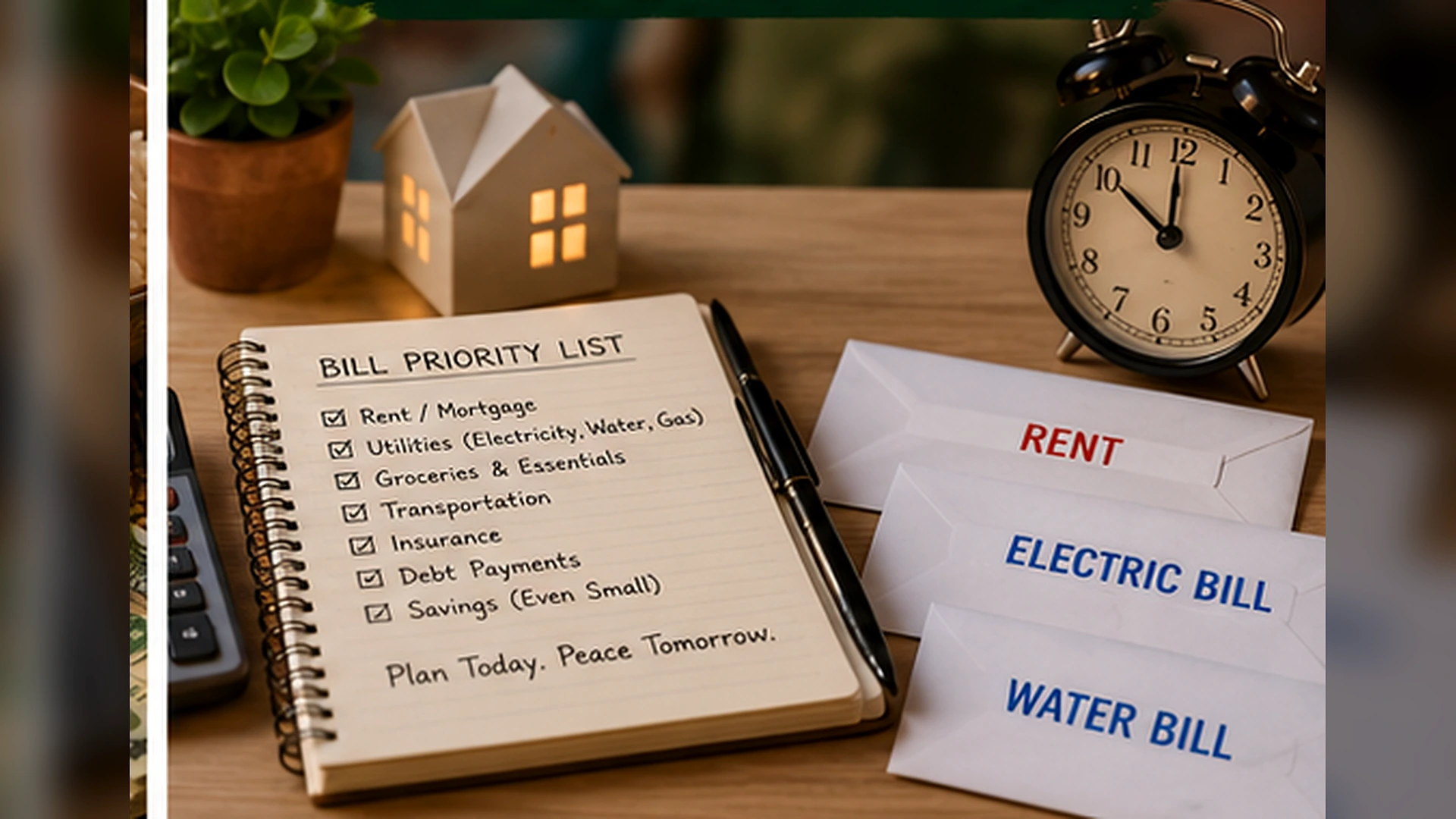
There is no universal order because laws, health needs, secured debts and family circumstances differ. A practical starting point is to compare the consequence and timing of each missed payment. CFPB educational tools encourage people who are behind on bills to track income and spending, prioritize bills and expenses and understand debt-collection rights. [2]
| Category | Why it may be urgent | Possible action | Caution |
|---|---|---|---|
| Housing | Risk of eviction, displacement or loss of deposit | Contact landlord; seek rental assistance and legal aid | Local procedures and deadlines vary |
| Essential utilities | Health, sanitation, communication or safety risk | Ask for hardship plan, extension or local energy assistance | Do not ignore shutoff notices |
| Food, medicine and essential transport | Immediate health and ability-to-work needs | Use community food, health or transport support | Do not create a larger emergency to pay a lower-risk bill |
| Secured or legally sensitive obligations | Possible repossession, court action or service loss | Seek qualified advice and contact the creditor early | Consequences depend on contract and jurisdiction |
| Unsecured debts | Credit damage, fees or collection activity | Verify debt; negotiate or seek reputable counseling | Never pay a scammer upfront for promised relief |
If physical safety, domestic abuse, medical crisis or homelessness is involved, the ordinary bill order may no longer be the first priority. Seek emergency services, shelter, health care or specialist support appropriate to the situation.
A Weekly Bills Ritual That Builds Stability
A recurring ritual can reduce avoidance. Choose one weekly time, ideally before due dates. Place every notice in one folder. Record balances and dates. Pray or sit quietly for two minutes. Review what changed, make the necessary calls and close the folder when the session ends. The ritual is valuable because it creates consistency, not because a particular day, color or object has power over the accounts.
Use one calendar for all due dates.
Open every notice; do not leave frightening envelopes unread.
Record confirmation numbers and the name of anyone who makes an agreement.
Check automatic payments so they do not create overdraft fees.
Review subscriptions and nonessential charges without blaming yourself for every small expense.
Protect identity documents and account details.
Celebrate completed calls and applications, even when the full problem is not solved yet.

Asking a Faith Community for Help
Before asking, prepare a short truthful explanation and the documents that confirm the need. State whether the request is for rent, utility service, food, transport or another essential. Ask whether the community provides direct aid, pays providers instead of individuals, requires membership, limits assistance to a geographic area or refers people elsewhere.
Do not assume a place of worship has money available. Many communities are supporting several households at once. A refusal may reflect limited funds rather than a judgment on the person. Ask for other forms of help: groceries, a reference, temporary transport, childcare during job interviews, assistance completing applications, a landlord call, a legal-aid referral or a list of local programs.
Helpers should preserve dignity. They should explain criteria, avoid publicizing the request, protect documents and never demand spiritual loyalty, political support, unpaid labor or sexual access in exchange for assistance.
Financial-Relief and Miracle-Money Scams
Financial distress makes urgent promises sound attractive. In March 2026, the U.S. Federal Trade Commission warned that dishonest debt-relief companies may take money for promises of eliminating debt and leave people worse off. It identified upfront payment, guaranteed settlement or forgiveness and unexpected requests for personal or financial information as major warning signs. [4] The same caution applies to spiritual offers that promise a fixed amount of money, a guaranteed lottery result or secret debt cancellation after a fee.
Do not pay upfront for guaranteed debt settlement, loan forgiveness or interest reduction.
Do not share bank login details, card PINs, one-time codes, identity numbers or email passwords.
Do not send money through irreversible methods because someone claims a spiritual deadline.
Do not stop communicating with the landlord, lender or utility because a helper says they will “handle everything.”
Do not sign a deed, lease transfer, loan or debt agreement you do not understand.
Get every financial agreement in writing and verify the organization independently.
Remember that a real helper can explain limits; a scammer often guarantees results and creates urgency.
When to Seek Professional or Emergency Help
Seek qualified legal help when eviction papers, court documents, wage garnishment, repossession or aggressive debt collection is involved. Seek a reputable financial counselor when the household needs a longer-term budget and repayment plan. Seek social services, emergency shelter or a domestic-violence organization when housing instability is connected to safety or abuse. Seek mental-health support when financial fear is causing persistent insomnia, panic, hopelessness, family conflict or thoughts of self-harm.
The spiritual guide’s role is not to replace these professionals. A trustworthy guide will encourage the person to use appropriate services and will not interpret every notice, illness, job loss or disagreement as proof of spiritual attack.

Frequently Asked Questions
What prayer can I say when rent is overdue?
Use a prayer that names the exact need and asks for calm, provision, honest communication, fair treatment and a workable next step. After praying, contact the landlord, state what you can pay and ask for a written arrangement. Prayer should support the conversation rather than delay it.
Can prayer make money appear for bills?
People may understand provision through faith, but no prayer can be scientifically guaranteed to produce money on demand. Relief may come through work, assistance, generosity, negotiation, reduced expenses or a longer plan. Avoid anyone who promises a certain payment in exchange for money or secrecy.
Is there a ritual for financial relief that costs nothing?
Yes. Gather the bills, write down amounts and dates, pray or reflect, sort urgent consequences, choose one action per bill and make the first call or application. The value is the combination of spiritual steadiness and practical follow-through, not a purchased object.
Should I give an offering when I cannot pay rent?
No one should pressure you to risk housing, food, medicine or children’s needs in order to buy a ritual or prove faith. Religious giving has different rules across traditions, so speak with a trustworthy leader, but reject any claim that an unaffordable payment guarantees relief.
Can a church, mosque or synagogue help with rent?
Some communities have benevolence funds, zakat administration, tzedakah funds, food support or referrals. Others do not. Ask early, explain the need honestly and provide documents. Also ask about noncash help such as groceries, transport, advocacy or application support.
What is an Islamic prayer for debt?
Sahih al-Bukhari records a supplication seeking refuge from worry, grief, incapacity, laziness, miserliness, cowardice, heavy debt and being overpowered. Muslims may learn it from a reliable source and combine it with repayment efforts, negotiation and appropriate zakat support. [7][9]
Is asking a landlord for more time wrong?
No. Early, truthful communication is usually more responsible than silence. Propose only what you can realistically pay, ask for the agreement in writing and seek legal advice if eviction is threatened. The landlord is not required to accept every proposal.
What bills should I pay first?
Start by comparing the seriousness and timing of consequences, often including housing, essential utilities, food, medicine and transport. But contracts, laws and personal safety differ. Use a bill-priority worksheet or qualified advice rather than a rigid universal rule. [2]
Can I burn, bury or tear up bills as a ritual?
Destroying the only copy of a notice can make the problem harder. Keep records. A symbolic act may be performed on a blank paper that names fear or shame, but never destroy legal documents, account information, court papers or evidence of payment.
How can I spot a debt-relief scam?
Warning signs include guaranteed results, unexpected contact, pressure to act immediately, requests for sensitive information and upfront fees before help is provided. Contact creditors directly and verify counselors or assistance organizations independently. [4]
Can I combine prayers from different religions?
People in interfaith families may pray together, but each tradition has its own meanings and boundaries. Do not copy sacred words as a magic formula. Use language you understand, obtain guidance where needed and avoid presenting a blended practice as an ancient universal ritual.
When is the situation urgent?
Treat eviction papers, utility shutoff notices, loss of essential medicine, domestic violence, homelessness risk, court deadlines and self-harm thoughts as urgent. Contact legal aid, emergency housing, health services or crisis support appropriate to your location. Prayer can accompany urgent action, not replace it.
Final Perspective
A prayer for rent and bills is strongest when it tells the truth. The truth may be that the household needs more income, a temporary extension, outside assistance, legal help, a difficult conversation or a major change in expenses. Prayer can hold fear without letting fear control the next decision. It can ask for daily provision while recognizing the duty of communities to open their hands and the right of people in hardship to be treated with dignity.
Use spiritual practice to become clearer, not more dependent on promises. Keep documents. Call early. Ask for help. Verify every offer. Protect housing, food, medicine and safety before paying for symbolic items. A ritual is ethical when it strengthens responsibility, hope, community and wise action—and when it never claims to guarantee what no honest person can guarantee.
5. Research References
[1] Consumer Financial Protection Bureau. Get help paying rent and bills — https://www.consumerfinance.gov/housing/housing-insecurity/help-for-renters/get-help-paying-rent-and-bills/
[2] Consumer Financial Protection Bureau. Booklets to help talk about money; Behind on bills? Start with one step — https://www.consumerfinance.gov/consumer-tools/educator-tools/your-money-your-goals/booklets-talk-about-money/
[3] Consumer Financial Protection Bureau. Your tenant and debt collection rights — https://www.consumerfinance.gov/housing/housing-insecurity/help-for-renters/your-tenant-debt-collection-rights/
[4] Federal Trade Commission. Looking for debt relief? Here’s how to avoid a scam — https://consumer.ftc.gov/consumer-alerts/2026/03/looking-debt-relief-heres-how-avoid-scam
[5] Vatican. Catechism of the Catholic Church: Give Us This Day Our Daily Bread — https://www.vatican.va/archive/ENG0015/_INDEX.HTM
[6] Vatican. Catechism of the Catholic Church: Human Solidarity — https://www.vatican.va/content/catechism/en/part_three/section_one/chapter_two/article_3/iii_human_solidarity.html
[7] Sahih al-Bukhari 6369. Supplication seeking refuge from worry, grief and overwhelming debt — https://sunnah.com/bukhari:6369
[8] Quran 2:280. Hardship, postponement and remission for a debtor — https://corpus.quran.com/translation.jsp?chapter=2&verse=280
[9] Quran 9:60. Zakat categories, including people in debt — https://quran.com/9/60
[10] Deuteronomy 15:7-11. Open your hand to the poor and needy — https://www.sefaria.org/Deuteronomy.15.7-18/
[11] Psalm 145:16. You open your hand and sustain living creatures — https://www.sefaria.org/Psalms.145.16
| Source note Religious texts are cited to explain their own traditions, not to claim that one prayer formula controls a financial outcome. Financial-assistance and legal information changes by location and time; readers should verify local programs and deadlines. |
|---|
Article Information
- Publisher
- Ancestral Temple
- Editor
- Ancestral Temple
- Last updated
- Jul 30, 2026
- Last reviewed
- Jul 30, 2026
- Content version
- 9c0b092f2b
This educational article should be read as cultural and spiritual information, not as medical, legal, financial, or emergency advice.
Helpful Related Guidance
About the Author
 Ancestral Temple
Spiritual guide and practitioner with decades of experience in ancestral wisdom, rituals, and divine guidance.
Related Posts
View All












Comments
We'd love to hear your thoughts.