
Common Dream Symbols
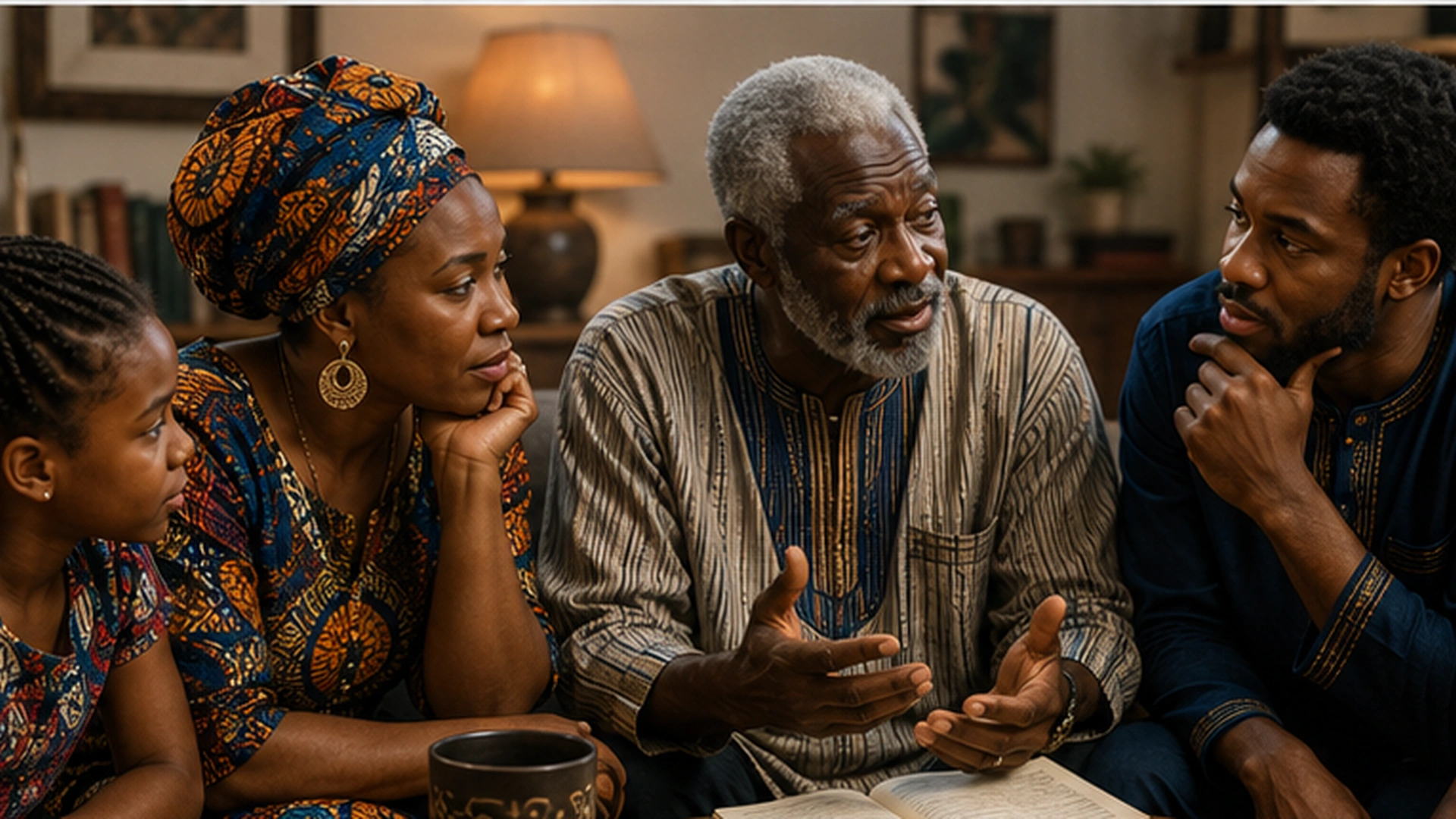
Quick Summary
Water, animals, houses, journeys, falling, teeth, death, and other images appear frequently in dreams. Their meanings are not universal, however. This guide explains how personal experience, culture, religion, memory, emotion, and sleep processes can shape common dream symbols.
Common Dream Symbols
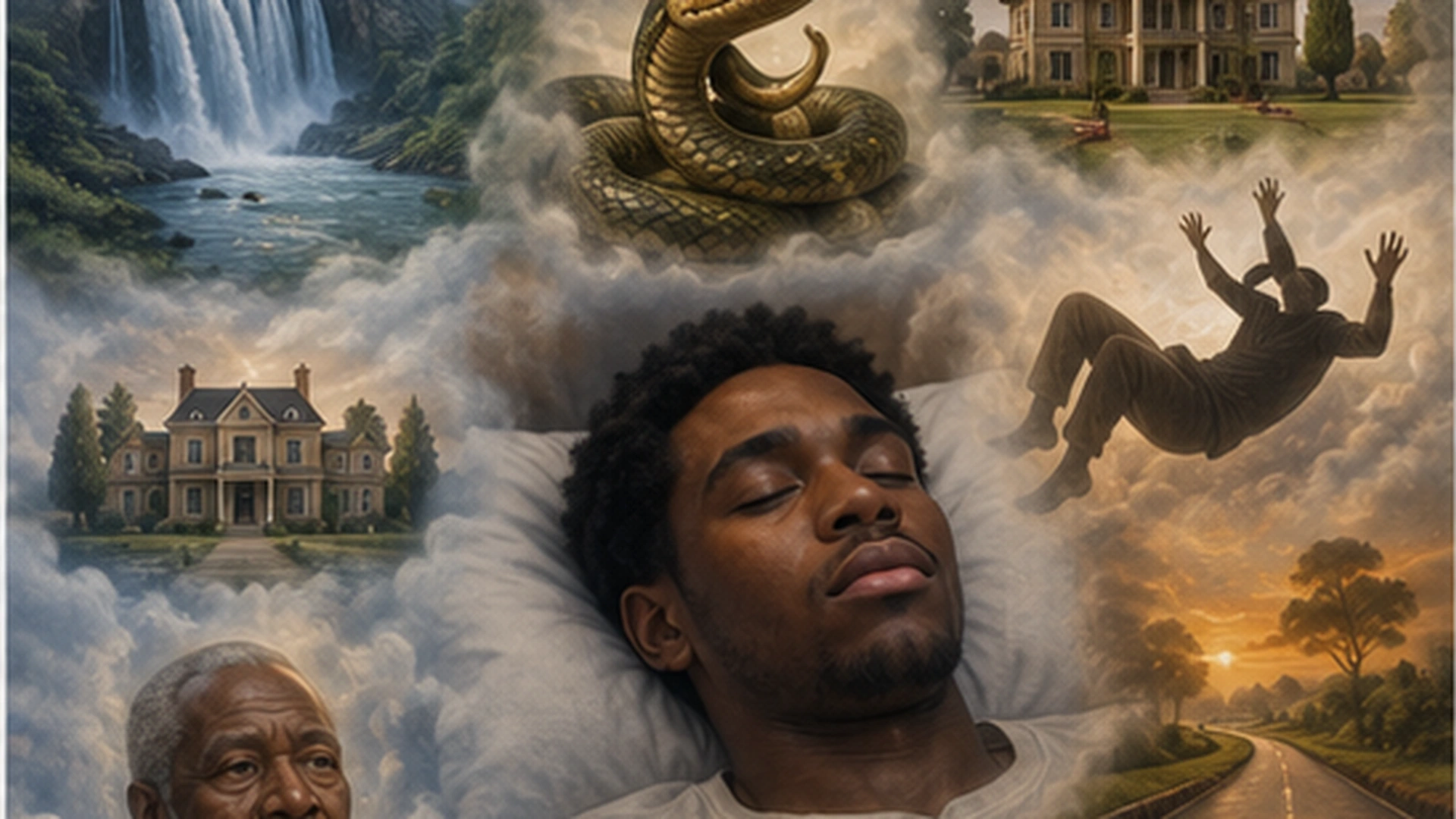
Water, snakes, houses, roads, babies, deceased relatives, missing teeth, fire, falling, and being chased are among the images people often remember after waking.
Their familiarity has helped create a large industry of dream dictionaries, online interpretations, spiritual consultations, videos, and social-media posts. Many of these sources promise a quick answer:
“Water means money.”
“A snake means betrayal.”
“Death means a new beginning.”
“Teeth falling out means someone will die.”
Such formulas may be memorable, but they are not reliable universal rules.
A symbol’s possible meaning depends on the dreamer’s life, emotional response, family history, religion, language, location, health, recent experiences, and cultural background.
A river means something different to a fisher, a flood survivor, an Ethiopian Orthodox Christian remembering baptismal imagery, a person who fetches water daily, and someone who cannot swim.
The image may be similar while the personal and cultural meanings are completely different.
Quick Summary
•Common dream themes include being chased, falling, paralysis, losing teeth, journeys, examinations, animals, water, houses, and deceased relatives.
•A symbol that appears frequently does not have one universal interpretation.
•Dream imagery often reflects waking experiences, emotions, memories, relationships, and concerns.
•Ancient Egyptian scribes preserved organized manuals that classified dreams and their possible meanings.
•Biblical and Qur’anic accounts of Joseph show that cows, grain, vines, and other images gained meaning through a complete narrative rather than a universal symbol list.
•In some Yoruba contexts, dreams may be interpreted as communication or advice from recognized ancestors.
•Tuareg dream narratives may connect with memory, poetry, separation, gender, travel, and political history.
•Dreams narrated publicly may also influence religious identity or authority.
•Research suggests that culture can affect dream structure and the role of the dreamer within the dream.
•Teeth dreams are widely reported, but researchers have not established one psychological meaning for them.
•Dreams about deceased people may be comforting, distressing, spiritual, or part of grief and continuing memory.
•Dreams should never be used as unquestionable evidence of infidelity, curses, illness, pregnancy, crime, or future events.
Concise Definition
A dream symbol is a person, object, place, action, animal, colour, event, or sensation in a dream that the dreamer or an interpreter considers meaningful.
In Simple Terms
A dream symbol is something in a dream that stands out.
It could be:
•A river
•A snake
•A locked door
•A baby
•An elder
•A burning house
•A road
•A missing shoe
•A deceased relative
•A feeling of falling
The important question is not simply:
“What does this symbol mean?”
A better set of questions is:
“What did it mean to the dreamer?”
“How did the dream feel?”
“What is happening in the dreamer’s life?”
“Does the image have a specific cultural or religious meaning?”
Are Some Dream Symbols Truly Common?
Certain dream themes appear repeatedly in surveys and historical accounts.
Research has found that falling, being chased, paralysis, examinations, and teeth-related dreams occur across different populations. However, researchers distinguish between a common theme and a universal meaning. Two people can dream about falling for entirely different reasons.
Dream content also shows continuity with waking life. Experiences, concerns, activities, relationships, and emotions from waking life can reappear in altered or fragmented forms during sleep.
This means that a commonly reported dream is not necessarily a coded message shared by all humanity.
Why Universal Dream Dictionaries Are Unreliable
A fixed dream dictionary assumes that one image means the same thing to everyone.
That approach overlooks:
•Personal memory
•Cultural knowledge
•Religious belief
•Emotional response
•Recent events
•Language and wordplay
•Physical sensations
•Medication
•Trauma
•Grief
•Family stories
Research comparing dream reports from the United States and Japan found differences in dream structure, including the direction and agency of the dreamer within the narrative. This supports the broader conclusion that culture can shape dreaming rather than merely changing how dreams are explained afterward.
A culturally responsible interpretation therefore treats symbolism as contextual rather than automatic.
Historical Dream Symbol Systems
Ancient societies also developed dream interpretations, but their systems belonged to particular periods and institutions.
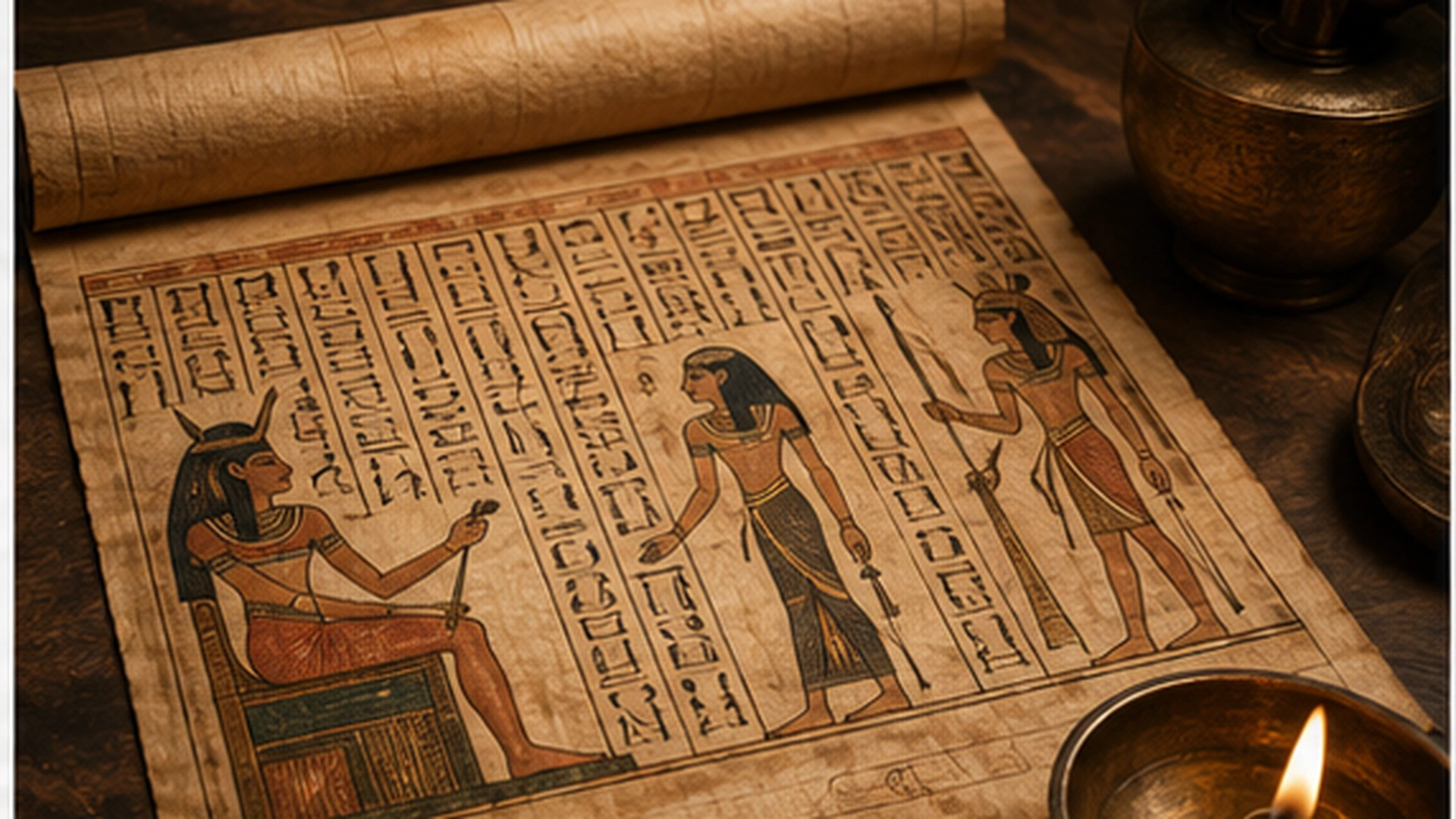
Papyrus Chester Beatty III, preserved by the British Museum, contains an ancient Egyptian manual for interpreting dreams. Its existence shows that dreams could be classified, written down, copied, and evaluated through established associations. It does not prove that modern dream dictionaries preserve an unchanged Egyptian system.
The biblical and Qur’anic narratives about Joseph provide another important example. Pharaoh or the king dreams of healthy and unhealthy cattle and of green and dry grain. The images are interpreted together as a warning about years of abundance followed by famine—not as isolated symbols with meanings that apply to every dreamer.
In the Qur’anic narrative, Joseph’s earlier dream and later interpretations form part of a larger account of family conflict, imprisonment, wisdom, responsibility, and divine knowledge.
These examples show that historical interpretation usually considered the full story, religious authority, and circumstances surrounding the dream.
Common Dream Symbol 1: Water
Water is one of the most frequently discussed dream images because it appears in many forms:
•Rain
•Rivers
•Oceans
•Wells
•Floods
•Drinking water
•Dirty water
•Clear water
•Drowning
•Crossing water
•Washing
Possible Personal Associations
Water may remind a dreamer of:
•Refreshment
•Danger
•Baptism
•Flooding
•Fishing
•Travel
•Domestic work
•Drought
•Childhood
•Pregnancy
•Grief
•A recent news report
The feeling and action matter.
Standing peacefully beside a river differs from being trapped in floodwater. Drinking after intense thirst differs from watching water enter a damaged house.
Cultural and Religious Context
Water may be connected with purification, divine presence, pilgrimage, fertility, birth, danger, or community identity. These meanings vary across religions and communities.
A dream about water should not automatically be interpreted as wealth, blessing, pregnancy, or spiritual cleansing.
Questions to Ask
•Was the water calm or dangerous?
•Was it clean, muddy, deep, or disappearing?
•Was the dreamer entering, crossing, carrying, or escaping it?
•What relationship does the dreamer have with water while awake?
Common Dream Symbol 2: Snakes and Other Animals
Animals can feel powerful in dreams because they move independently and may behave unpredictably.
A snake might be associated with:
•Fear
•A recent encounter
•Medicine
•Danger
•Religious symbolism
•Transformation
•A family story
•A local environmental concern
•A person the dreamer distrusts
It does not automatically represent an enemy or betrayal.
The same caution applies to dogs, cattle, birds, lions, insects, fish, crocodiles, or goats.
In the Joseph narratives, cattle and grain gain meaning from an agricultural and political context involving the future food supply. The animals are part of a complete message rather than a universal cattle symbol.
Questions to Ask
•Is the animal familiar in the dreamer’s environment?
•Was it threatening, injured, protective, trapped, or calm?
•Did the dreamer recently see or discuss that animal?
•Does it have a specific family, religious, occupational, or cultural association?
A dream should never be used to accuse a real person of being a snake, witch, enemy, or harmful spiritual being.
Common Dream Symbol 3: Being Chased
Being chased is among the frequently reported dream themes found in studies of typical dreams.
A chasing dream may involve:
•A person
•An animal
•An unseen presence
•Authorities
•A crowd
•A vehicle
•A natural disaster
•Something impossible to identify
The dream may reflect fear or avoidance, but that is not the only explanation.
A person who recently escaped danger, watched an action film, experienced harassment, or feels unsafe may have a different context from someone anxious about an approaching deadline.
Questions to Ask
•Who or what was chasing the dreamer?
•Was the pursuer known?
•What happened before the chase began?
•Could the dreamer run effectively?
•Was there somewhere safe to go?
•Is the dreamer facing a threat or pressure while awake?
Recurring pursuit dreams after violence or trauma may require compassionate mental-health support rather than only symbolic interpretation.
Common Dream Symbol 4: Falling
Falling dreams are also widely reported across populations.
They may occur as:
•Falling from a building
•Slipping from a cliff
•Falling into water
•Dropping through the ground
•Losing balance
•Falling endlessly
•Waking suddenly before impact
People sometimes interpret falling as loss of control, insecurity, failure, or change. These are possibilities rather than rules.
A brief sensation of falling while entering sleep may also accompany a normal sleep-onset body jerk and need not contain a symbolic message.
Questions to Ask
•What caused the fall?
•Did anyone push the dreamer?
•Was the dreamer frightened or excited?
•Did the dream end before landing?
•Is instability a major waking concern?
Common Dream Symbol 5: Teeth Falling Out
Dreams about loose, broken, rotting, or falling teeth are sufficiently common to have been studied empirically.
Researchers describe teeth-loss dreams as a widespread typical theme, but their source remains uncertain. One study investigated both psychological explanations and physical dental sensations rather than assuming one established symbolic meaning.
Possible waking associations include:
•Dental discomfort
•Grinding or jaw tension
•Appearance
•Speech
•Aging
•Health anxiety
•Shame
•Loss
•A recent dental appointment
There is no reliable evidence that a teeth dream predicts the death of a relative.
Questions to Ask
•Was there tooth or jaw discomfort during the night?
•Is the dreamer worried about appearance or health?
•Did the dream involve speaking, eating, or embarrassment?
•Has the dream occurred repeatedly?
Persistent dental pain, grinding, or damaged teeth should be discussed with a qualified dental professional.
Common Dream Symbol 6: Houses and Rooms
A house may represent much more than a building.
It may evoke:
•Family
•Childhood
•Safety
•Privacy
•Identity
•Property
•Conflict
•Inheritance
•Migration
•A deceased relative
Dream houses sometimes contain unfamiliar rooms, blocked doors, damaged walls, hidden passages, or locations from different periods of life.
It is tempting to claim that every room represents one part of the mind. That can be a useful reflective metaphor, but it is not a universal scientific rule.
Questions to Ask
•Was the building familiar?
•Who normally lived there?
•Was the dreamer welcome or trapped?
•Was the house being built, cleaned, flooded, abandoned, or repaired?
•Does it resemble a family home, school, church, mosque, workplace, or hospital?
For displaced people and migrants, a dream house may be connected with belonging or separation rather than an abstract psychological symbol.
Common Dream Symbol 7: Roads, Journeys, and Vehicles
Journeys appear in dreams as:
•Walking
•Driving
•Missing a bus
•Boarding an aircraft
•Returning home
•Getting lost
•Reaching a border
•Crossing a bridge
•Travelling with relatives
•Searching for a destination
A journey can suggest transition, but its meaning depends on context.
A trader, refugee, student, driver, pilgrim, or person preparing to migrate may bring different waking experiences into the dream.
Research supporting the continuity hypothesis indicates that waking activities and concerns often influence dream activity.
Questions to Ask
•Where was the dreamer going?
•Who controlled the vehicle?
•Was the destination clear?
•Was the dreamer late, lost, blocked, or moving freely?
•Is an important transition occurring in waking life?
Common Dream Symbol 8: Flying or Floating
Flying dreams may feel joyful, powerful, frightening, or unstable.
Possible experiences include:
•Flying above a landscape
•Floating inside a room
•Trying unsuccessfully to rise
•Losing control in the air
•Escaping danger
•Watching the body from above
Flying is among themes recognized in dream research, but no single meaning has been established.
A flying dream may be interpreted personally as freedom, escape, spiritual elevation, confidence, fear of falling, or simple imaginative movement.
The dreamer’s emotion is more informative than the act alone.
Common Dream Symbol 9: Death and Deceased Relatives
Dreaming about death does not automatically predict a physical death.
A dream may involve:
•A living person dying
•The dreamer’s own funeral
•A deceased relative returning
•A dead person appearing healthy
•A burial
•A message from an elder
•Saying goodbye
•A family gathering with deceased members
Dreams about deceased loved ones can affect bereavement in different ways. Research has documented comfort, sadness, increased acceptance, spiritual significance, and continuing emotional bonds among people reporting such dreams.
African Cultural Contexts
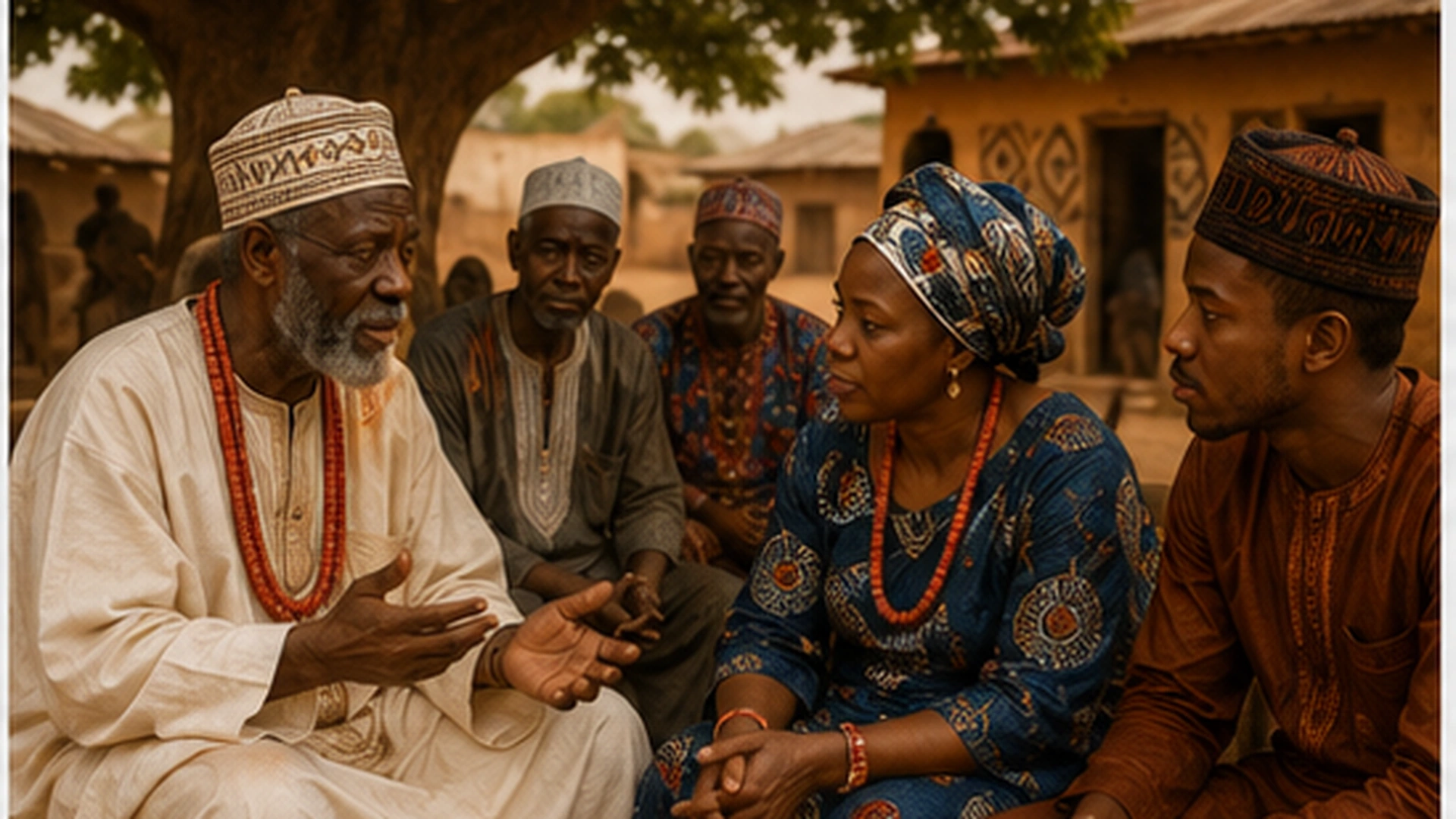
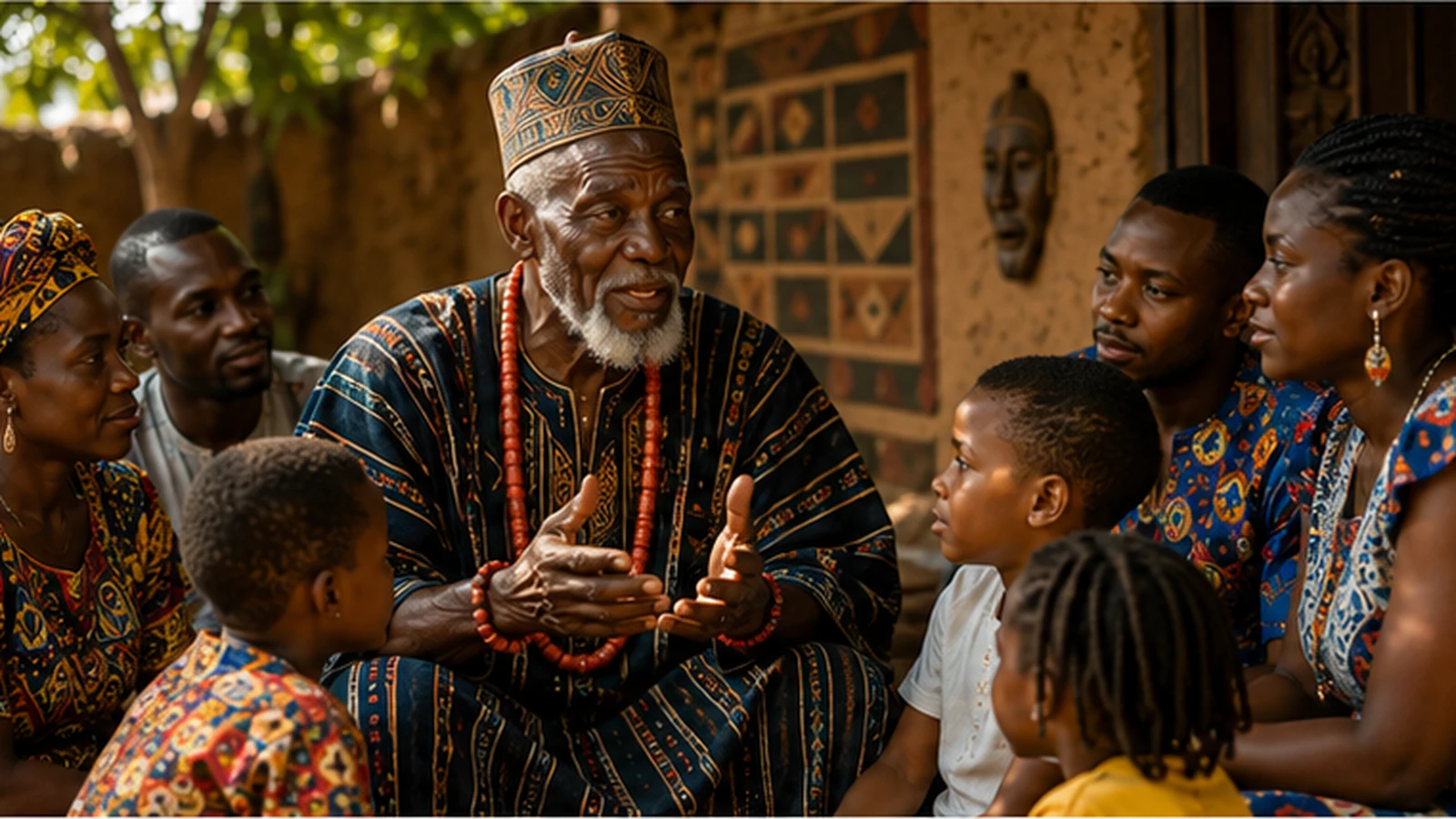
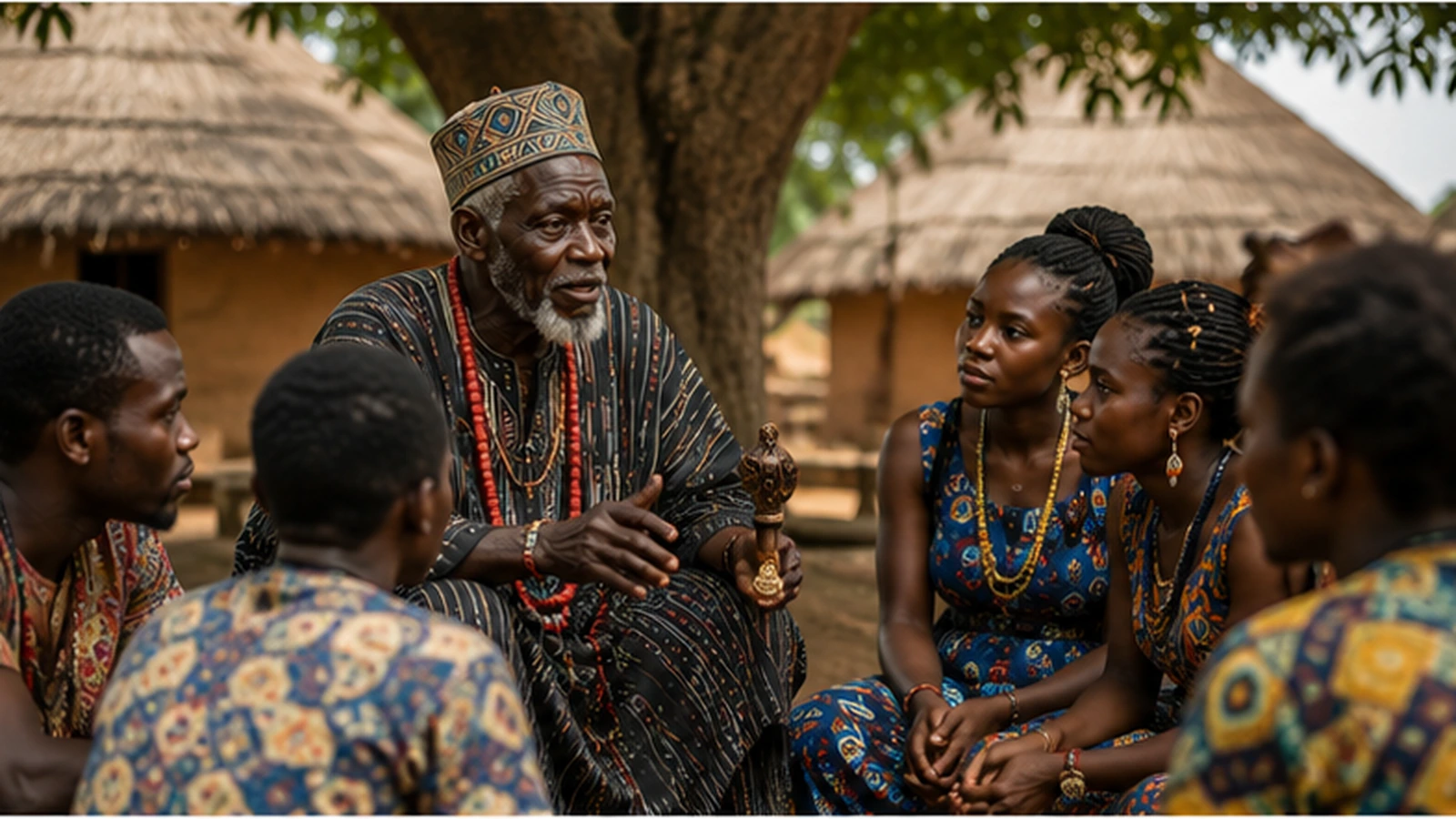
Within some Yoruba contexts, recognized ancestors may be understood as remaining connected with descendants and offering advice through dreams. This should not be generalized to all Yoruba people or all African communities.
Tuareg dream traditions documented in historical and literary sources may connect dreams with memory, poetry, separation, the dead, gender, travel, and political history.
The same dream may therefore be understood as grief processing, ancestral communication, family memory, spiritual comfort, or a combination of interpretations.
Questions to Ask
•What relationship did the dreamer have with the deceased?
•Was the experience comforting or frightening?
•Did the person speak?
•Is the dreamer grieving or approaching an anniversary?
•How does the dreamer’s family or religion understand such dreams?
Common Dream Symbol 10: Babies and Pregnancy
Pregnancy and baby dreams may occur among people of any gender and do not prove that anyone is pregnant.
They may connect with:
•A desire for children
•Fear of pregnancy
•Family pressure
•Caregiving
•A new responsibility
•A creative project
•Recent contact with a baby
•Pregnancy loss
•A relative’s pregnancy
•Physical sensations during sleep
Describing every baby as a “new opportunity” can overlook grief, infertility, medical anxiety, or cultural pressure.
A dream cannot confirm pregnancy. Pregnancy questions require an appropriate test and qualified health care.
Common Dream Symbol 11: Exams, Lateness, and Being Unprepared
Common anxiety dreams include:
•Arriving late
•Missing transport
•Forgetting an examination
•Being unable to answer questions
•Losing important documents
•Appearing in public without suitable clothing
•Giving a speech without preparation
These themes may reflect performance concerns, but they can also be triggered by memories of school or an upcoming responsibility.
Typical-dream surveys have repeatedly included examination, lateness, pursuit, falling, and public embarrassment among commonly reported themes.
Questions to Ask
•Is the dreamer being evaluated while awake?
•Does the dream resemble a real school or workplace?
•Is the fear about failure, exposure, time, or authority?
•Did the dreamer recently take on a new responsibility?
Common Dream Symbol 12: Fire, Light, and Smoke
Fire may symbolize warmth to one dreamer and destruction to another.
Possible associations include:
•Cooking
•Home
•Worship
•Candles
•Wildfire
•Violence
•Electrical danger
•Celebration
•Funeral observance
•Industrial work
•Anger
A burning family home may be interpreted differently by someone who survived a fire than by a person who recently watched a dramatic film.
Light can represent hope or clarity, but it may also be a streetlight, lightning, headlights, or an actual light entering the bedroom.
Physical surroundings can sometimes become incorporated into dreams.
A Practical Comparison Table
Dream image
Possible waking-life connections
Important caution
Water
Emotion, work, drought, flooding, cleansing, travel
It does not automatically mean money or pregnancy
Snake
Fear, environment, medicine, religion, recent encounter
It does not prove betrayal or identify an enemy
Falling
Instability, sleep-onset sensation, fear, change
It does not predict failure
Teeth
Dental sensation, appearance, health, speech, anxiety
It does not predict a relative’s death
House
Family, safety, memory, identity, displacement
Every room does not have one fixed meaning
Journey
Transition, migration, work, pilgrimage, delay
The destination and emotion matter
Deceased relative
Grief, memory, comfort, ancestral belief
It does not automatically contain a command
Baby
Care, family, pregnancy concerns, responsibility
It does not confirm pregnancy
Fire
Warmth, worship, danger, anger, memory
It does not automatically mean spiritual attack
Being chased
Threat, pressure, trauma, avoidance, media
It does not identify a real persecutor
The Social Meaning of Dream Symbols
Dreams do not remain private when they are narrated.
An anthropological study of a West African religious movement found that dream narrations were shaped partly by the movement’s social organization. Publicly shared dreams could influence how commitment and authority were evaluated.
This does not mean dreamers are necessarily inventing their experiences.
It means that the way a dream is told, interpreted, accepted, or rejected may depend on:
•The audience
•Religious expectations
•Family authority
•Gender
•Status
•The interpreter’s position
•The possible benefits of the interpretation
A dream interpretation may therefore reveal social relationships as well as personal emotions.
What Modern Research Suggests
Modern dream research does not support one universal symbolic dictionary.
Evidence supports a relationship between dreams and waking experiences, while studies also examine the possible roles of dreaming in emotional-memory processing.
This does not mean every dream is a direct replay of the previous day.
Dreams may combine recent events with old memories, unusual imagery, physical sensations, fears, and imagined situations.
Researchers continue to debate why dreaming occurs and whether it has one function or several.
The most responsible conclusion is:
•Dreams are real experiences during sleep.
•Their content can relate to waking life.
•Culture can shape dream content and interpretation.
•Common themes exist.
•Fixed meanings have not been scientifically established.
How to Interpret a Dream Responsibly
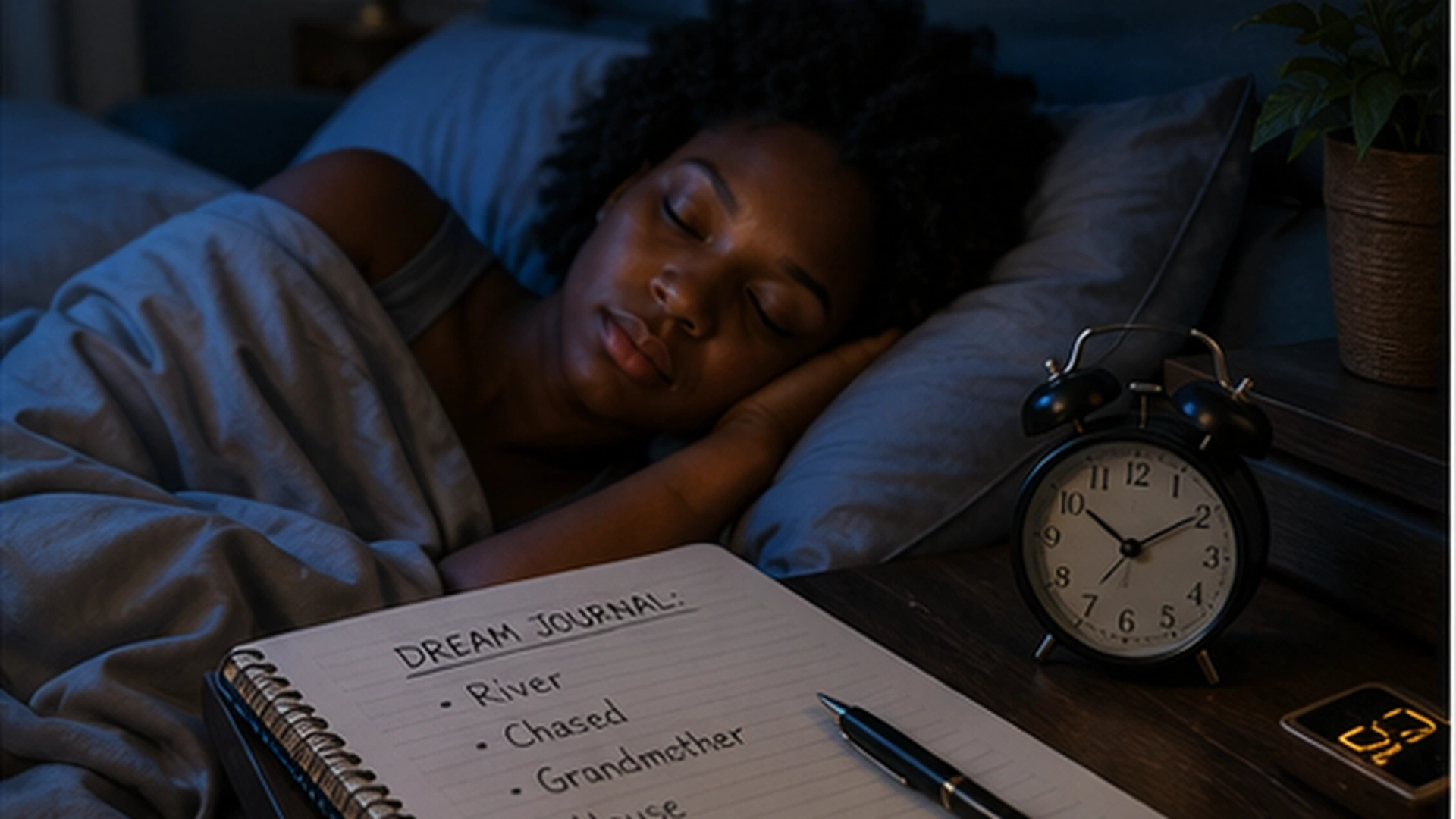
Record the Entire Dream
Write down:
•The setting
•People
•Actions
•Sequence
•Words
•Colours
•Emotions
•Physical sensations
•The ending
Interpreting one isolated object can distort the full story.
Start With Emotion
Ask whether the dreamer felt:
•Fear
•Joy
•Shame
•Grief
•Relief
•Anger
•Confusion
•Safety
•Curiosity
The same symbol can carry a different meaning when the emotion changes.
Consider Recent Life
Ask about:
•Family conflict
•Work
•School
•Travel
•Illness
•Grief
•Media
•Religious events
•Financial stress
•Medication
•Sleep disruption
Consider Personal and Cultural Associations
A symbol may have a meaning connected with a language, proverb, family name, religious story, occupation, or local environment.
Permit Several Interpretations
A dream about a deceased grandmother may be understood as grief, memory, comfort, or ancestral communication depending on the dreamer’s worldview.
One interpretation need not always destroy another.
Avoid Guaranteed Conclusions
Use language such as:
“This may be connected with…”
“One possibility is…”
“What does this image mean to you?”
Avoid:
“This definitely means…”
“This proves…”
“Your dream guarantees…”
When Dreams Require More Than Interpretation
Recurring nightmares can interfere with sleep and daytime functioning.
Professional help may be appropriate when dreams:
•Follow a traumatic event
•Cause fear of sleeping
•Lead to repeated awakenings
•Produce severe daytime distress
•Occur with hallucinations while awake
•Begin after a medication change
•Involve shouting, punching, kicking, or leaving the bed
•Create danger for the dreamer or another person
REM sleep behaviour disorder involves loss of the normal muscle inhibition associated with REM sleep and dream-enactment behaviour. Diagnosis requires professional assessment, often including sleep-laboratory testing.
A disturbing dream is not proof of possession, a curse, or spiritual attack.
Common Misconceptions
“Every Symbol Has One Meaning”
False. Personal history, culture, emotion, and context change the meaning.
“Dreaming About Death Predicts Death”
False. Death dreams may relate to grief, fear, memory, change, religion, or many other concerns.
“A Snake Always Represents an Enemy”
False. The image may come from environmental experience, fear, medicine, religion, or a recent encounter.
“Teeth Falling Out Means Someone Will Die”
False. Teeth-loss dreams are common, but no scientific evidence supports that prediction.
“Dreams About Babies Confirm Pregnancy”
False. Pregnancy must be determined through appropriate testing and medical care.
“All African Communities Interpret Dreams the Same Way”
False. Dream meanings differ among communities, families, religions, languages, and individuals.
“A Dream Interpreter Cannot Be Questioned”
False. Interpretation should remain ethical, transparent, and open to uncertainty.
“Science Has Proved Dreams Are Meaningless”
False. Dreaming is studied in relation to memory, emotion, waking concerns, and sleep stages, although its complete function remains unresolved.
Ethical and Safety Boundaries
Dream interpretation should never be used to:
•Accuse someone of witchcraft
•Declare a partner unfaithful
•Identify a criminal without evidence
•Diagnose illness
•Stop prescribed treatment
•Force marriage or separation
•Demand large payments
•Threaten death or misfortune
•Control another person
•Frighten children
•Claim guaranteed pregnancy
•Predict legal victory
•Promise wealth
•Encourage violence
A dream belongs first to the dreamer.
Interpreters should respect privacy and avoid publishing intimate family information without consent.
Key Takeaways
•Common dream symbols exist, but common meanings do not.
•Dream interpretation must consider the complete narrative rather than one isolated image.
•Water, snakes, houses, journeys, death, babies, teeth, falling, fire, and pursuit can have many associations.
•Ancient Egyptian dream manuals demonstrate organized historical interpretation, not a universal modern dictionary.
•Biblical and Qur’anic dream symbols gain meaning through narrative, authority, and circumstance.
•Waking-life concerns frequently influence dream content.
•Culture can affect dream structure and the role of the dreamer.
•Some Yoruba contexts recognize dreams as possible communication from ancestors.
•Tuareg dream traditions may connect dreaming with poetry, memory, separation, and history.
•Dreams about deceased relatives can be comforting, distressing, spiritual, or related to grief.
•Teeth-loss dreams are common, but their cause and meaning remain uncertain.
•Dreams do not reliably prove future death, pregnancy, betrayal, wealth, or spiritual attack.
•Recurring nightmares or dangerous dream enactment may require professional care.
•Responsible interpretation combines curiosity, cultural knowledge, evidence, privacy, and humility.
People Also Ask
What are the most common dream symbols?
Frequently reported themes include falling, being chased, losing teeth, animals, water, journeys, examinations, houses, deceased people, and being unprepared.
Does every dream symbol have a meaning?
Not necessarily. Some images may reflect recent experiences, memories, physical sensations, stress, or ordinary sleep activity.
What does water mean in a dream?
Water may relate to emotion, work, danger, purification, travel, flooding, or personal memory. Its meaning depends on the dream.
What does dreaming about a deceased relative mean?
It may relate to grief, comfort, memory, religious belief, or ancestral interpretation. There is no single universal explanation.
Can dreams predict future events?
Science has not established that ordinary dreams reliably predict specific future events.
Frequently Asked Questions
1. Why do people experience similar dream symbols?
Humans share many concerns, bodies, emotions, environments, and life transitions. However, similar images can still have different personal meanings.
2. What does being chased in a dream mean?
It may relate to perceived threat, pressure, trauma, avoidance, recent media, or another concern. The pursuer and the dreamer’s emotions matter.
Article Information
- Publisher
- Ancestral Temple
- Editor
- Ancestral Temple
- Last updated
- Jul 26, 2026
- Last reviewed
- Jul 26, 2026
- Content version
- 8c66d2356d
This educational article should be read as cultural and spiritual information, not as medical, legal, financial, or emergency advice.
Helpful Related Guidance
Explore This Topic
Dreams & Symbolism · Spiritual Protection After A Nightmare
About the Author
 Ancestral Temple
Spiritual guide and practitioner with decades of experience in ancestral wisdom, rituals, and divine guidance.
Related Posts
View All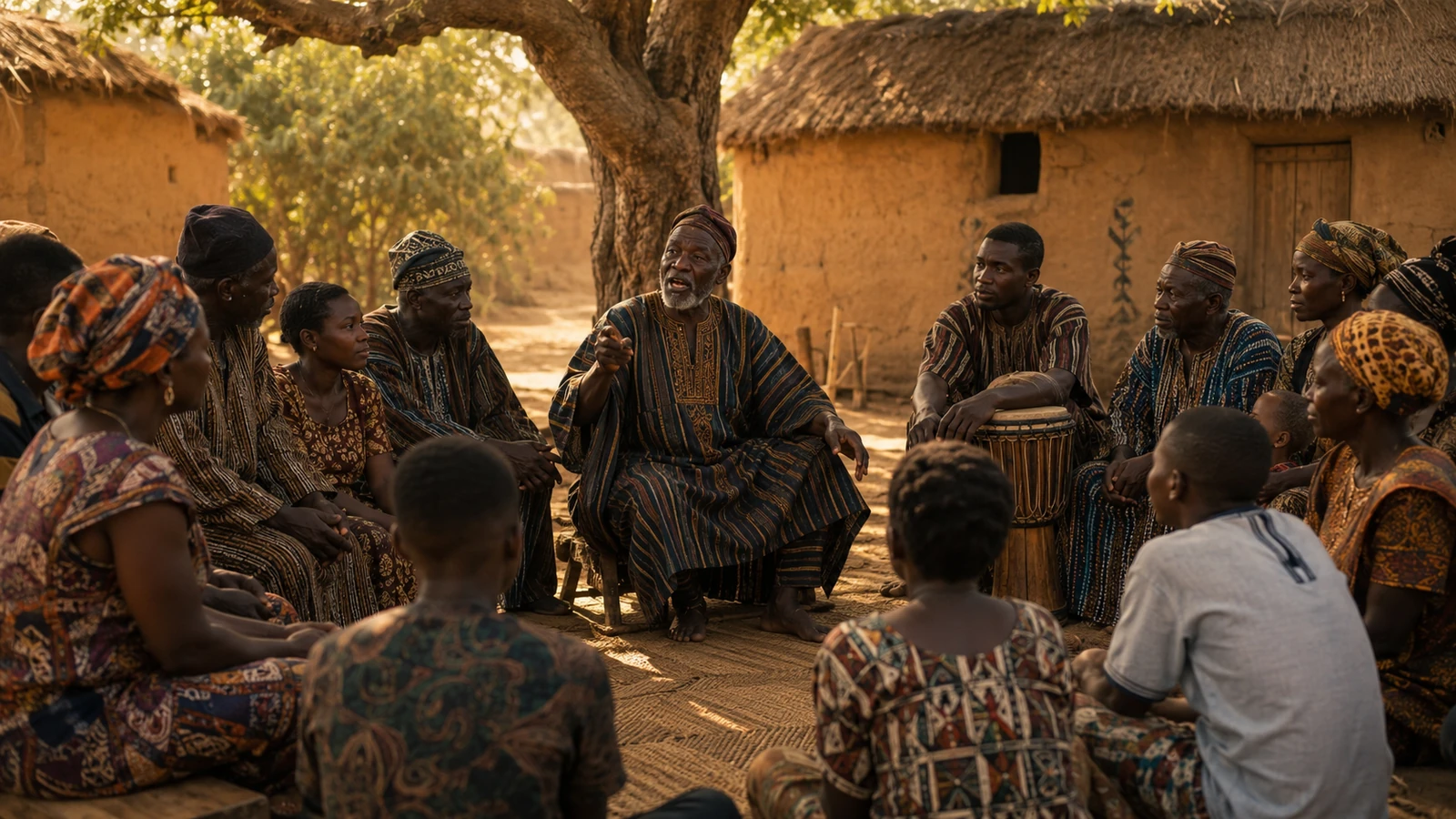
Leave a Comment
We'd love to hear your thoughts.
This is a strong foundation for individual articles about each major dream symbol.
The grief-dream section was one of the most compassionate parts.
The article clearly warned against making medical or relationship decisions from one dream.
The five image placements are well distributed through the article.
I liked the distinction between religious interpretation and scientific proof.
The FAQ answer about dream dictionaries was concise and accurate.
The article did a good job challenging accusations based on snake or ancestor dreams.
Could you write more about dreaming in different African languages?
The section on roads and vehicles reflected how modern experiences can enter dreams.
I appreciated that Islamic and African traditions were not presented as one combined belief system.
This article will connect well with the broader dream-history knowledge hub.
The warning about physical dream enactment was important.
I learned that culture may influence the structure of dreams, not only their later interpretation.
The article was respectful and did not promise supernatural predictions.
Please write a future guide about dream journaling and privacy.
The advice about allowing more than one interpretation was helpful.
The Qur’anic account of Joseph was used carefully rather than turned into a generic dream dictionary.
I liked the reminder to record emotions as well as visual details.
The article correctly stated that a dream cannot diagnose an illness.
Could you write about dreams of returning to childhood homes?
I would like a full article about Tuareg dreams, poetry, and memory.
The section about deceased relatives was compassionate and culturally balanced.
The article clearly explained why the entire dream story matters more than one isolated image.
I appreciated the mental-health and sleep-safety guidance near the end.
The ancient Egyptian section added useful historical depth.
Please consider a follow-up about recurring dreams and stress.
The distinction between a common dream and a universal meaning was the most useful lesson.
The practical table made the major warnings easy to understand.
The article avoided the fear-based dream interpretations that are common online.
I liked that dreams about pregnancy were discussed without making guaranteed claims.
Could you write more about how proverbs and local languages influence dream symbols?
The section about being chased explained several possibilities without oversimplifying the dream.
The article correctly emphasized that a dream should not be used as evidence against another person.
Please write a future article about dreams and religious life in Ethiopian communities.
I appreciated that dreaming about death was not treated as a prediction.
The explanation of houses and displacement was thoughtful.
I would enjoy a detailed article about water dreams in West African cultural contexts.
The section on teeth dreams was interesting because it included possible physical explanations.
Could you write a separate article about dream symbols commonly discussed in Ugandan families?
The warning against calling every snake dream a sign of betrayal was necessary.
I liked the questions provided under each symbol because they encourage reflection rather than certainty.
The comparison between biblical and Qur’anic dream narratives was respectful and clear.
Thank you for avoiding the claim that every dream involving water is a spiritual cleansing message.
The section about water was helpful because it included practical, religious, and personal possibilities.
I appreciated the explanation that common symbols do not automatically have common meanings.