
African Trees with Cultural Significance
Pillar Article
Quick Summary
African trees can carry social, spiritual, economic, historical, and ecological importance. This article explores specific examples, including baobab, iroko, sycamore fig, marula, shea, Ethiopian church forests, Osun-Osogbo, and the Mijikenda Kaya forests.
African Trees with Cultural Significance describes a culturally specific topic that should not be reduced to one universal African belief or practice. The article explains meaning, context and variation across communities while avoiding broad claims about all cultures or all practitioners.
African Trees with Cultural Significance
Across Africa, trees have served as more than sources of shade, fruit, medicine, fuel, and timber.
A mature tree may mark the centre of a settlement, shelter a meeting, identify a burial place, preserve the memory of a founder, support a household economy, or stand inside a protected religious landscape. Some trees are associated with deities, ancestors, saints, royal authority, initiation, hospitality, fertility, or moral responsibility. Others are culturally significant because generations have depended on their fruit, oil, fibres, wood, or seasonal rhythms.
There is no single African belief about trees.
Africa contains thousands of communities, languages, religions, political histories, and ecological regions. A baobab in Botswana, an iroko in Yorùbá country, a sycamore fig in ancient Egypt, a marula in Namibia, a shea tree in northern Ghana, and a cedar within an Ethiopian church forest belong to different cultural worlds.
The phrase sacred tree should therefore be used carefully. Some trees are explicitly sacred within a recognised tradition. Others are respected, protected, economically valuable, politically symbolic, or socially important without being treated as divine.
A responsible study of culturally significant trees asks four questions:
Which species is being discussed?
Which community or historical period gives it meaning?
What roles do elders, priests, healers, land custodians, women, farmers, and families play?
How do cultural protection and ecological conservation support one another?
African trees have cultural significance through food, shelter, law, memory, religion, trade, medicine, art, and community identity.
No tree has one universal meaning across Africa.
The African baobab is widely distributed across dry tropical and southern Africa and is associated with food, stories, gathering, longevity, and local spiritual meanings. (Kew Science)
Particular holy baobabs remain connected with living traditions in Zimbabwe and Mozambique. (UNESCO World Heritage Centre)
In specific Yorùbá, Igbo, and Edo contexts, iroko has been treated as a spiritually powerful tree whose status could discourage indiscriminate cutting. (Cambridge University Press)
In ancient Egypt, the sycamore fig was connected with shade, food, coffin wood, and goddesses such as Hathor and Nut. (British Museum)
Marula supports food, fermented drink, craft, household life, and social traditions in southern Africa, with practices varying by community. (South African National Biodiversity Institute)
Shea trees form part of West African agroforestry parklands and support food, skincare, trade, and women’s livelihoods. (Food and Agriculture Organization)
Ethiopian Orthodox church forests preserve trees, religious history, biodiversity, and local memory; juniper and indigenous olive can function as witnesses to church history. (Cambridge University Press)
The Osun-Osogbo Sacred Grove and the Mijikenda Kaya forests show that cultural significance can belong to entire wooded landscapes rather than one species. (UNESCO World Heritage Centre) (UNESCO World Heritage Centre)
Cultural restrictions can help conserve trees, but traditions should not be romanticised or treated as substitutes for land rights, scientific monitoring, and fair livelihoods.
Public information about a sacred tree does not authorise outsiders to perform restricted ceremonies, remove materials, or enter protected spaces without permission.
Tree-based remedies should not replace qualified medical care, and bark or roots should never be harvested casually.
Clear Definition
African trees with cultural significance are tree species or wooded landscapes that carry recognised social, historical, religious, economic, artistic, ancestral, or ecological meaning within specific African communities.
Plain-Language Meaning
A tree becomes culturally significant because people build relationships around it.
They may gather beneath it, preserve it during farming, use its fruit in family life, remember ancestors near it, associate it with a deity, carve respected objects from its wood, or protect the forest where it grows.
The meaning comes from the relationship between the tree, the people, the place, and the history.
Why Trees Become Cultural Landmarks
Trees Outlive Individual Generations
Large trees can survive longer than many human lifetimes.
A tree may have been present during migrations, marriages, political transitions, conflicts, harvests, funerals, and family meetings. Its physical survival can make it a witness to community history even when written records are limited.
Shade Creates Social Space
In hot climates, a broad canopy can provide a practical meeting place.
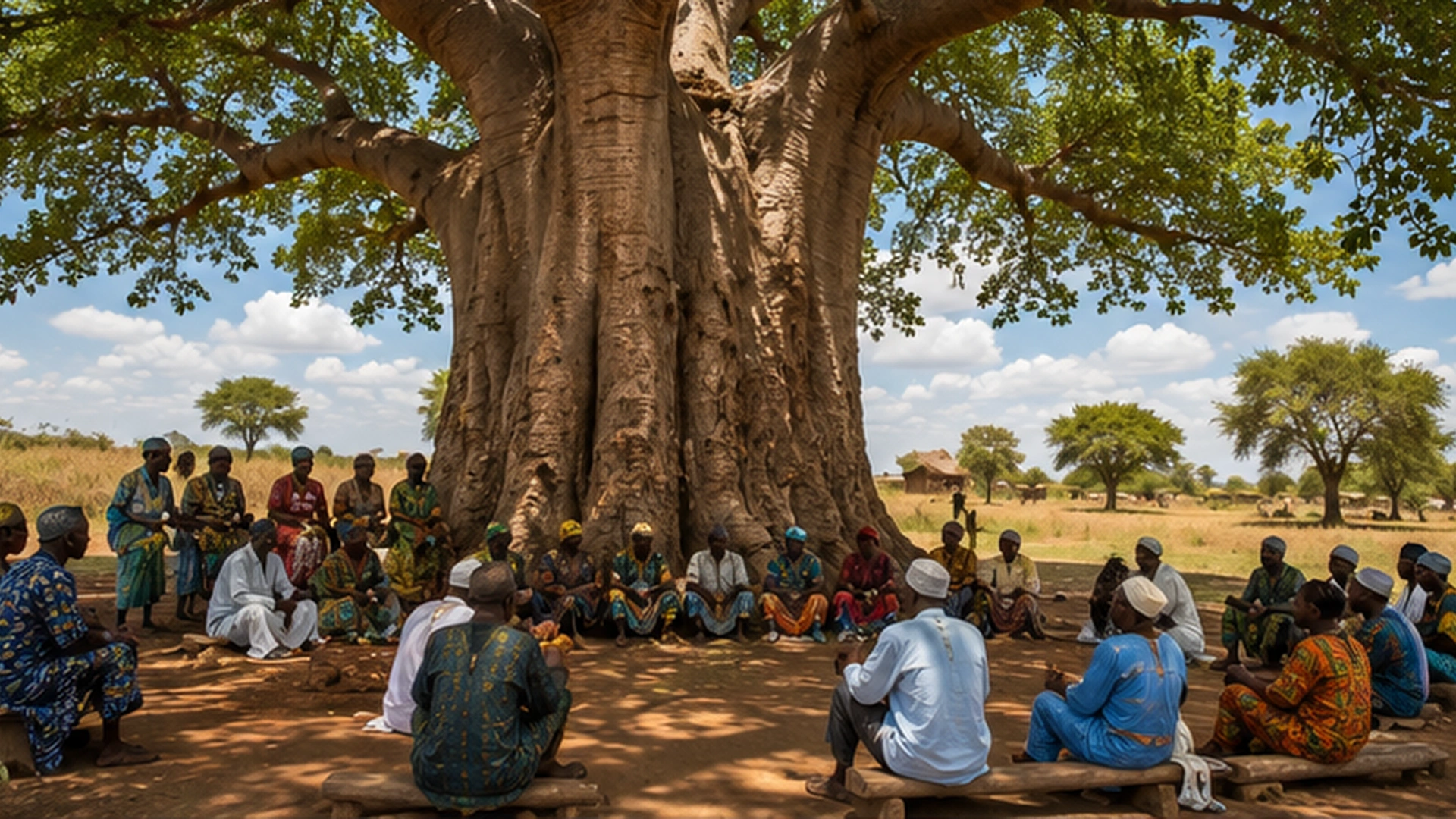
Community discussions, storytelling, teaching, trading, dispute resolution, and rest may occur beneath trees because the environment makes gathering possible. The resulting social meaning belongs to the repeated use of the place, not only to the species.
Trees Provide Food and Livelihoods
Fruit, nuts, oil, fibre, leaves, resins, and wood can support households for generations.
Trees preserved in African agroforestry parklands provide food and income while also supporting soil, water, and climatic resilience. FAO describes these systems as culturally managed landscapes rather than untouched wilderness. (Food and Agriculture Organization)
Trees Connect the Living With the Past
A tree may mark a grave, former settlement, royal site, shrine, or family land.
In some traditions, particular trees are linked with ancestors or spiritual beings. In others, the tree is primarily a memorial or territorial marker. Ancestors, divinities, spirits, deceased relatives, elders, priests, and healers should not be treated as interchangeable categories.
Trees Can Carry Legal and Political Meaning
A protected tree may identify land rights, chiefly authority, a palace boundary, or a place where agreements are witnessed.
Colonial forestry and commercial logging sometimes conflicted with local understandings of trees, sacred sites, and ownership. Research on southern Nigeria shows that iroko and other forest meanings became entangled with colonial reservation, timber concessions, and political authority. (Cambridge University Press)
The Baobab: Food, Memory, Gathering, and Longevity
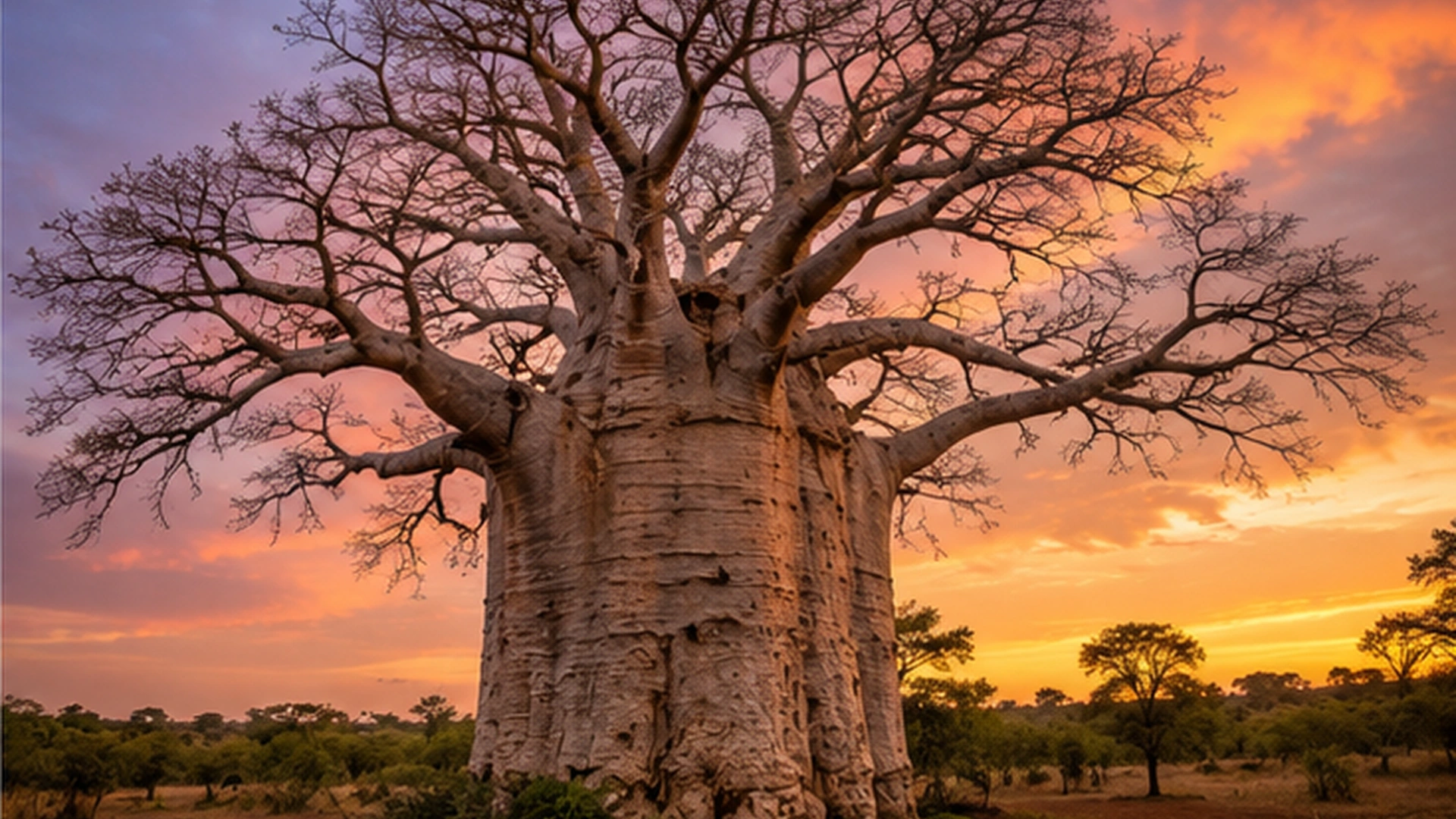
The African baobab, Adansonia digitata, grows widely across drier tropical and southern Africa. Its thick trunk, broad crown, nutritious fruit, edible leaves, fibres, and long life have made it important in many communities. (Kew Science)
Why the Baobab Is So Recognisable
A mature baobab can dominate a landscape.
Its swollen trunk stores water, its branches may look root-like when leafless, and its size makes it a natural landmark. These features have inspired stories and local explanations, but no single baobab legend represents the whole continent.
Food and Household Use
Baobab fruit pulp is used in foods and drinks, while leaves and seeds are used in different local cuisines and household practices. UNESCO reporting from Botswana described baobab as central to traditional dishes in a Khwe community, illustrating how cultural importance can grow from everyday nourishment rather than formal ritual alone. (UNESCO)
Meeting Place and Social Memory
A large baobab may provide shade for markets, teaching, family gatherings, or public discussion.
When a particular tree becomes associated with generations of meetings, its identity is local and historical. Another baobab a few kilometres away may not have the same status.
Holy Baobabs in Specific Communities
UNESCO’s Mavhuradonha Wilderness tentative listing identifies holy baobabs revered by particular Kasekete and Sena communities in Zimbabwe and Mozambique. This is evidence of specific living traditions, not a universal belief held by everyone in either country. (UNESCO World Heritage Centre)
Responsible Interpretation
It is inaccurate to say:
Every baobab is sacred.
All Africans believe spirits live inside baobabs.
Baobabs can guarantee fertility, protection, or healing.
A visitor may remove bark, carve names, or leave offerings without permission.
The correct meaning belongs to the community connected with the particular tree.
Iroko: Spiritual Authority, Timber, and Forest Politics
The name iroko is commonly applied to large West and Central African timber trees, especially Milicia excelsa and Milicia regia.
Iroko has major commercial value because its durable wood is used in construction, furniture, carving, and other forms of craftsmanship. Its cultural significance cannot be separated from the pressure created by valuable timber.
Iroko in Yorùbá Thought
Research discussing Yorùbá environmental thought describes iroko as a tree associated with spiritual presence and protected from indiscriminate exploitation through cultural designation. (Cambridge University Press)
This does not mean every Yorùbá person follows one belief or that every Milicia tree is a shrine.
Meanings vary by town, lineage, religious affiliation, and historical period.
Igbo and Edo Contexts
Scholarly sources also document iroko as spiritually significant in particular Igbo and Edo settings. Research on Benin forest history records beliefs around iroko, sacred trees, shrines, and the risks associated with entering or cutting particular forest areas. (Cambridge University Press)
Cultural Protection and Commercial Logging
A tree may be protected because people fear spiritual consequences, respect a shrine, recognise ancestral ownership, or follow customary law.
Commercial logging can weaken these protections by placing high monetary value on the timber, changing land tenure, or excluding local custodians from decisions.
Important Boundary
No online article should tell a reader how to approach, cut, appease, or perform a ceremony at an iroko tree.
Such actions may involve restricted knowledge, real physical danger, property rights, and community authority.
The Sycamore Fig in Ancient Egypt
The sycamore fig, Ficus sycomorus, was important in ancient Egyptian food production, shade, woodworking, funerary life, literature, and religion.
It should not be confused with unrelated trees called sycamores in Europe or North America.
A Tree of Shade and Fruit
Ancient Egyptian gardens included sycamore figs around pools, while tomb and literary scenes show people enjoying their shade and fruit. A Metropolitan Museum model of a garden from the tomb of Meketre includes a pool surrounded by sycamore figs, representing abundance and life within an arid environment. (The Metropolitan Museum of Art)
Hathor and the “Mistress of the Sycamore Fig”
A British Museum amulet records Hathor’s epithet as “Mistress of the sycamore fig.” This association connected the tree with fertility, motherhood, protection, and rebirth within ancient Egyptian religion. (British Museum)
Nut and the Tree of Nourishment
Ancient Egyptian funerary imagery also represents a goddess emerging from a tree to offer food and drink to the deceased. These scenes connect the sycamore fig with nourishment and the hoped-for continuation of life after death. (British Museum)
Wood for Coffins and Objects
Sycamore fig wood was used for coffins and other objects. A British Museum coffin of Seshepenmehyt was made from sycamore fig wood, demonstrating that the tree’s material importance existed alongside religious symbolism. (British Museum)
Historical Precision
Ancient Egyptian meanings should not be applied automatically to present-day African dreams, rituals, or household fig trees.
A symbol from one historical society is not a universal African code.
Marula: Fruit, Fermentation, Craft, and Social Life
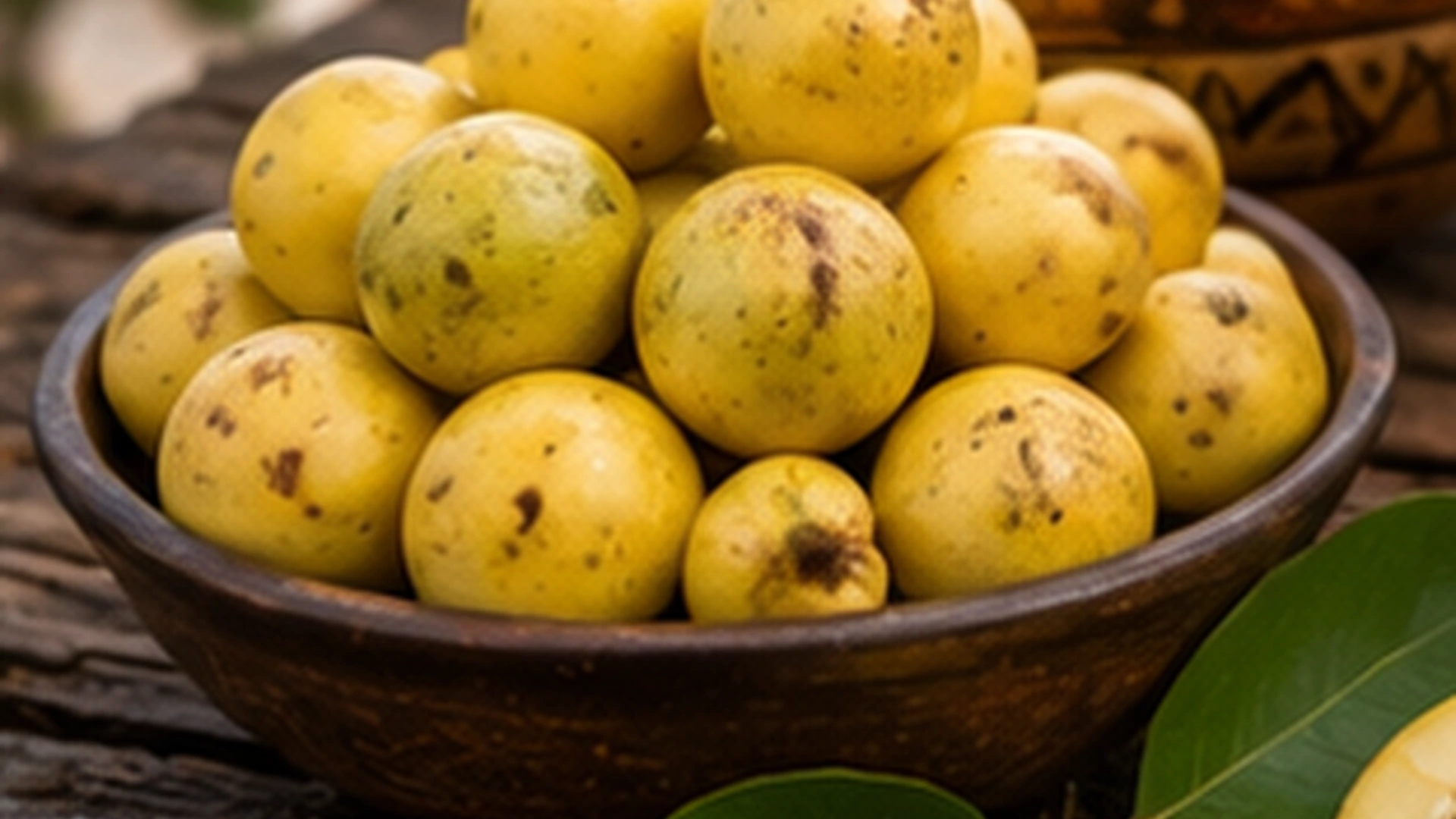
Marula, Sclerocarya birrea, grows across broad parts of sub-Saharan Africa, with southern African communities developing particularly well-documented food, craft, and social traditions around the tree.
Fruit and Fermented Drink
Marula fruit may be eaten fresh or processed into juice, preserves, and fermented beverages. These activities can bring people together seasonally through gathering, preparation, sharing, and celebration.
Wood and Household Objects
SANBI material records Herero uses of marula wood for utensils and fire-making equipment, while noting that fruit-bearing trees were seldom felled. This illustrates how practical use can coexist with a customary preference to preserve productive trees. (South African National Biodiversity Institute)
Gender and Seasonal Knowledge
Collection, fermentation, distribution, and trade may involve gendered responsibilities that differ among communities. A respectful article should not assign one southern African gender rule to everyone.
Commercialisation
Modern commercial drinks and cosmetic products have made marula internationally recognisable.
Commercial branding should not erase the communities that developed local food knowledge, nor should it create the false impression that all marula use is ceremonial or alcohol-based.
Shea: A Tree of Food, Women’s Work, and Agroforestry
The shea tree, Vitellaria paradoxa, grows across a broad belt from West Africa toward parts of East Africa. Its kernels produce shea butter, which is used in food, skincare, household products, and trade. (Food and Agriculture Organization)
Shea Parklands Are Managed Landscapes
Mature shea trees are often preserved when land is cleared for crops. Farmers manage seedlings and tree density within agricultural fields, creating parkland systems rather than separating “forest” and “farm” into strict categories. (Food and Agriculture Organization) (Food and Agriculture Organization)
Women’s Knowledge and Livelihoods
Shea collection and butter processing are strongly associated with women’s work in many producing communities, although ownership, access, labour, and marketing arrangements vary by place.
The tree can support household nutrition, emergency income, market trade, cosmetics, and social networks.
Cultural Conservation
FAO documentation notes that where strong cultural traditions of shea conservation exist, trees may be maintained for butter production even when other pressures encourage cutting. (Food and Agriculture Organization)
Avoiding Romanticisation
Calling shea “women’s gold” can recognise economic importance, but it should not hide hard labour, unequal market power, insecure land rights, or low producer prices.
Cultural significance must include the living conditions of the people doing the work.
Kola Trees and the Social Meaning of Hospitality
Kola nuts come from trees in the Cola genus and carry major social and ceremonial importance in particular West African communities.
In specific Igbo and Yorùbá settings, kola may be presented, blessed, broken, offered, or shared when welcoming visitors, beginning meetings, praying, or recognising social relationships. Smithsonian collections include Yorùbá kola containers whose artistry reflects the importance of the nut within social and ceremonial life. (Smithsonian National Museum of African Art)
The kola tree’s significance therefore extends beyond caffeine or trade.
It can structure:
Who welcomes a guest
Who speaks first
How respect is shown
How an important discussion begins
How prayer and hospitality overlap
Igbo and Yorùbá procedures are not identical, and no public article should invent a universal kola ceremony.
Ethiopian Church Forests: Trees as Witnesses to Religious History
In the Ethiopian highlands, many Ethiopian Orthodox Tewahedo churches are surrounded by wooded areas known as church forests.
These forests can preserve native tree species, sacred space, burial grounds, religious history, and local identity within heavily farmed landscapes. Research in northwestern Ethiopia identified indigenous juniper, Juniperus procera, and indigenous olive, Olea europaea subsp. cuspidata, as especially important symbols of tradition and witnesses to church history. (Cambridge University Press)
Forest and Church Form One Cultural Landscape
The trees are not simply decoration around a building.
They may help mark the boundary between sacred and ordinary space, provide shade for gatherings, preserve graves, supply carefully regulated materials, and hold memories of the church’s foundation and rebuilding.
Biodiversity Islands
Church forests can also conserve plant and animal life within agricultural areas. Their ecological importance is strengthened by religious protection, although they may still face grazing, wood extraction, invasive species, edge effects, and land pressure. (Cambridge University Press)
Respecting Religious Authority
Visitors should not assume that public access to a church permits unrestricted photography, sampling, climbing, or removal of leaves and wood.
Religious custodians and local communities determine appropriate behaviour.
Sacred Groves and Forests as Cultural Landscapes

Sometimes cultural significance belongs to a whole forest rather than one tree.
Osun-Osogbo Sacred Grove
The Osun-Osogbo Sacred Grove in southern Nigeria is one of the last remnants of primary high forest in the region. UNESCO describes the grove as a sacred landscape associated with the river Osun, sanctuaries, shrines, sculptures, and Yorùbá religious traditions. (UNESCO World Heritage Centre)
The grove is not simply a collection of “magic trees.”
Its meaning emerges from:
The river
The forest
Shrines and sculpture
Priests and devotees
Festival traditions
Community history
Rules governing access and use
Individual trees may be important, but the cultural landscape must be understood as a whole.
Mijikenda Kaya Forests
The Sacred Mijikenda Kaya Forests of coastal Kenya contain the remains of fortified settlements established from the sixteenth century. UNESCO describes the kayas as revered sacred sites associated with ancestors and maintained by councils of elders. (UNESCO World Heritage Centre)
Traditional restrictions on cutting, grazing, hunting, and access contributed to the preservation of coastal forest biodiversity. The same forests also support oral tradition, language, identity, and continuing religious life. (UNESCO World Heritage Centre)
Ancestor reverence in this context should not automatically be called ancestor worship.
The Mijikenda communities’ own language, theology, and custodial practices should guide description.
Sacred Groves Are Not Empty Wilderness
A sacred grove may contain former homes, paths, graves, meeting areas, shrines, water sources, and plants managed over generations.
Describing such a place as “untouched nature” can erase the people whose cultural practices helped preserve it.
How Cultural Beliefs Can Protect Trees
Cultural protection may operate through:
Prohibitions on cutting
Limits on collecting bark or roots
Seasonal access rules
Permission from elders or custodians
Protection of fruit-bearing trees
Sacred boundaries
Burial and memorial associations
Community penalties
Stories warning against destructive behaviour
These rules can reduce exploitation, but they are not automatically sufficient.
Population growth, commercial logging, mining, road building, agricultural expansion, conflict, tourism, climate change, and insecure land rights can overwhelm customary protections.
How Conservation Can Harm Culture
Conservation is not always respectful simply because it protects trees.
Problems arise when authorities:
Remove communities from ancestral land
Ignore customary rights
Ban livelihood activities without alternatives
Treat elders as obstacles rather than partners
Reveal restricted sites to tourists
Commercialise sacred stories
Prevent communities from managing burial or religious spaces
The best approach is biocultural conservation: protecting ecological diversity together with language, memory, land rights, knowledge, and living practice.
Common Misconceptions
“All Large African Trees Are Sacred”
False.
A tree may be economically important, historic, protected, ordinary, or sacred depending on local context.
“The Baobab Has One African Meaning”
False.
Baobab meanings vary among communities and individual trees.
“Iroko Is the Same as Every Sacred Tree”
False.
Iroko has specific botanical, timber, linguistic, and religious histories.
“Ancient Egyptian Tree Symbolism Represents All Africa”
False.
Ancient Egypt was one African civilisation with its own historical traditions.
“Sacred Groves Are Untouched Wilderness”
False.
Many are culturally managed landscapes shaped by settlement, customary rules, worship, and community history.
“Cultural Protection Makes Scientific Conservation Unnecessary”
False.
Tree populations still require ecological monitoring, regeneration, habitat protection, and fair land management.
“Traditional Tree Medicine Is Automatically Safe”
False.
Bark, roots, latex, seeds, and extracts can be toxic, interact with medicines, or be dangerous during pregnancy.
“Visitors May Leave Offerings at Any Heritage Tree”
False.
Uninvited offerings can be culturally inappropriate, environmentally harmful, or prohibited.
Ethical Boundaries
Information about culturally significant trees should never be used to:
Cut or strip bark from a protected tree
Dig roots without botanical and medical expertise
Enter restricted sacred groves without permission
Reconstruct private ceremonies
Claim automatic authority as an elder, healer, priest, or diviner
Photograph funerals, shrines, or ceremonies against community wishes
Sell fake “ancestral” tree products
Promise guaranteed healing, fertility, wealth, love, or protection
Identify a tree as inhabited by a spirit without the community’s own authority
Remove archaeological wood, carvings, or heritage objects
Encourage accusations of witchcraft
Replace medical, legal, or environmental advice
How to Research a Culturally Significant Tree Responsibly
1. Identify the botanical species rather than relying only on a popular name.
2. Name the community, region, and historical period.
Frequently Asked Questions
What should readers know first about African trees with cultural significance?
Explore African trees with cultural significance, from baobab and iroko to sycamore fig, marula, shea, church forests, sacred groves, and conservation.
What causes African trees with cultural significance?
African trees can carry social, spiritual, economic, historical, and ecological importance. This article explores specific examples, including baobab, iroko, sycamore fig, marula, shea, Ethiopian church forests, Osun-Osogbo, and the Mijikenda Kaya forests. The
How does African trees with cultural significance work?
African trees can carry social, spiritual, economic, historical, and ecological importance. This article explores specific examples, including baobab, iroko, sycamore fig, marula, shea, Ethiopian church forests, Osun-Osogbo, and the Mijikenda Kaya forests. The
Is it possible to get private guidance for African trees with cultural significance?
African trees can carry social, spiritual, economic, historical, and ecological importance. This article explores specific examples, including baobab, iroko, sycamore fig, marula, shea, Ethiopian church forests, Osun-Osogbo, and the Mijikenda Kaya forests. The
How long does African trees with cultural significance take to understand?
African trees can carry social, spiritual, economic, historical, and ecological importance. This article explores specific examples, including baobab, iroko, sycamore fig, marula, shea, Ethiopian church forests, Osun-Osogbo, and the Mijikenda Kaya forests. The
Can African trees with cultural significance affect relationships, family, work, or personal peace?
African trees can carry social, spiritual, economic, historical, and ecological importance. This article explores specific examples, including baobab, iroko, sycamore fig, marula, shea, Ethiopian church forests, Osun-Osogbo, and the Mijikenda Kaya forests. The
Why do people seek spiritual guidance for African trees with cultural significance?
African trees can carry social, spiritual, economic, historical, and ecological importance. This article explores specific examples, including baobab, iroko, sycamore fig, marula, shea, Ethiopian church forests, Osun-Osogbo, and the Mijikenda Kaya forests. The
What signs should someone notice before asking about African trees with cultural significance?
African trees can carry social, spiritual, economic, historical, and ecological importance. This article explores specific examples, including baobab, iroko, sycamore fig, marula, shea, Ethiopian church forests, Osun-Osogbo, and the Mijikenda Kaya forests. The
When should someone contact a private spiritual guide?
African trees can carry social, spiritual, economic, historical, and ecological importance. This article explores specific examples, including baobab, iroko, sycamore fig, marula, shea, Ethiopian church forests, Osun-Osogbo, and the Mijikenda Kaya forests. The
Article Information
- Publisher
- Ancestral Temple
- Editor
- Ancestral Temple
- Last updated
- Jul 26, 2026
- Last reviewed
- Jul 13, 2026
- Content version
- 44b1298c50
This educational article should be read as cultural and spiritual information, not as medical, legal, financial, or emergency advice.
Helpful Related Guidance
Explore This Topic
African Spiritual Traditions · Sacred Symbols In African Spiritual Traditions
Related Topic Cluster
African Trees With Cultural Significance
Complete Guide Understanding African Spiritual Traditions: A Historical IntroductionAbout the Author
 Ancestral Temple
Spiritual guide and practitioner with decades of experience in ancestral wisdom, rituals, and divine guidance.
Related Posts
View All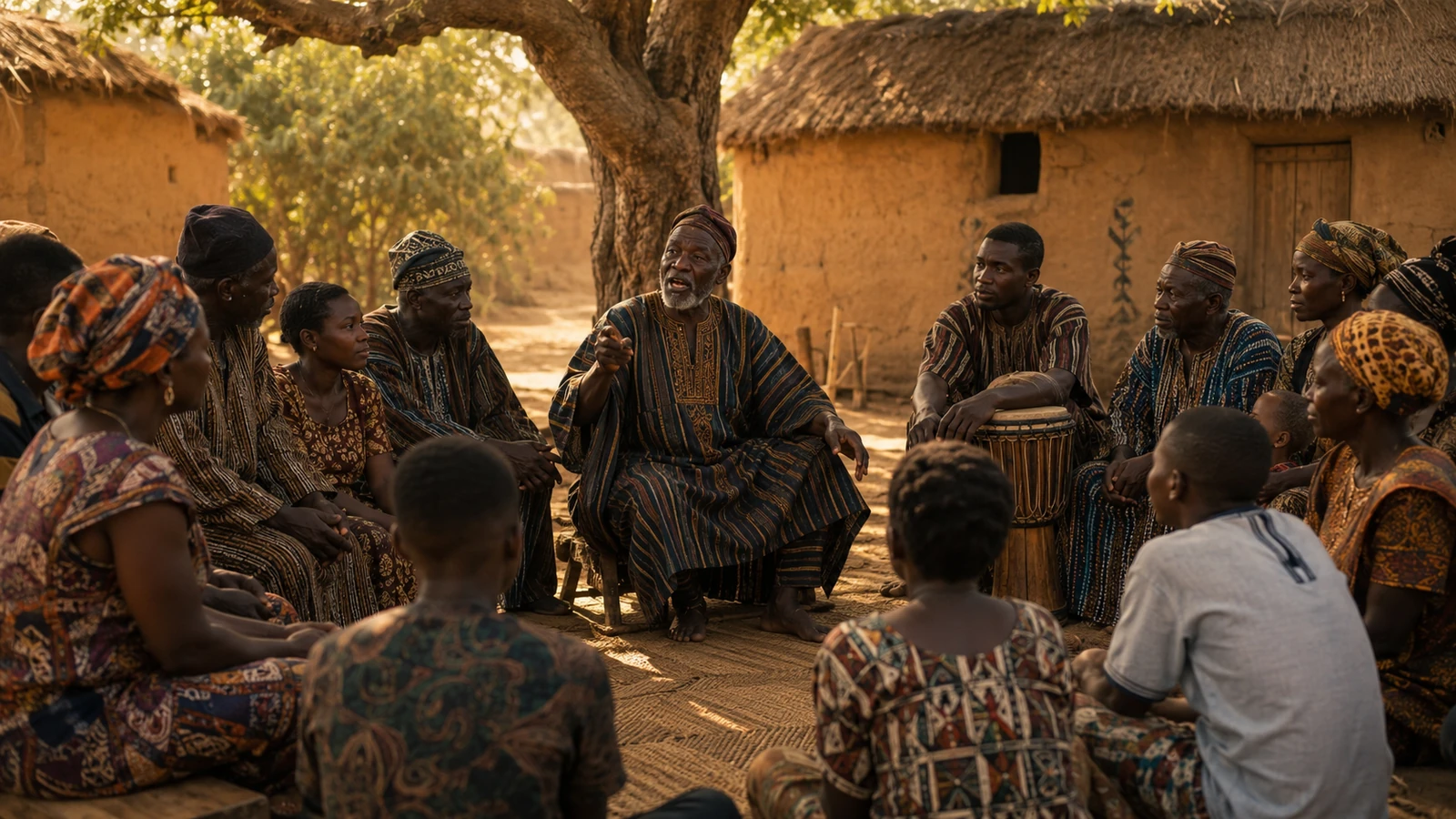
Leave a Comment
We'd love to hear your thoughts.
The distinction between sacred trees, heritage trees, and economically important trees was very helpful.
I appreciated the warning that no tree has one universal African meaning.