
Protection Customs Across Cultures
Pillar Article
Quick Summary
Protection Customs Across Cultures Protection customs across cultures reveal how people respond to uncertainty, illness, conflict, travel, childbirth, weather, envy, spiritual fear...
Protection Customs Across Cultures
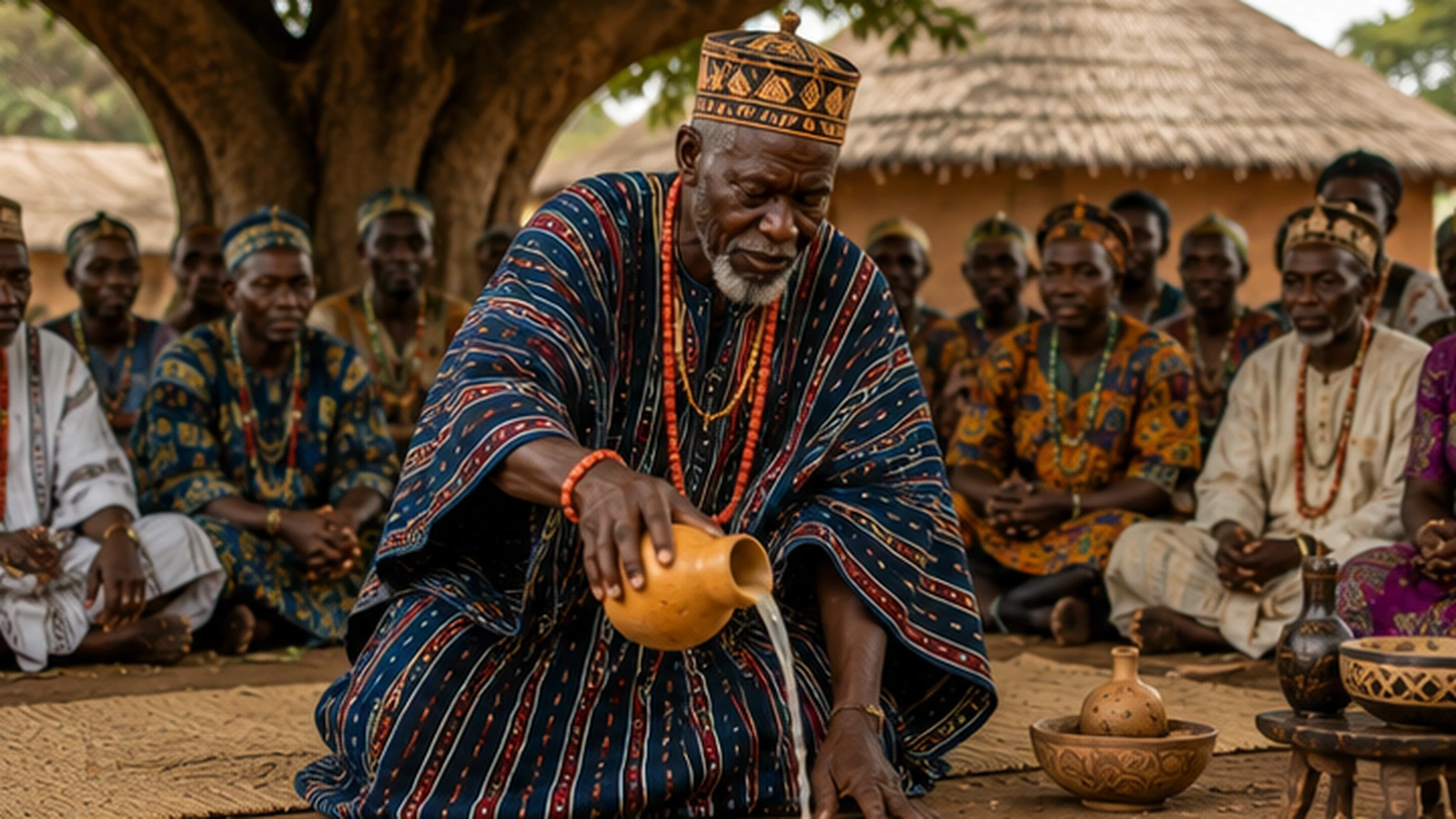
Protection customs across cultures reveal how people respond to uncertainty, illness, conflict, travel, childbirth, weather, envy, spiritual fear, and the vulnerability of homes and families.
These customs may involve:
Prayer or scripture
Amulets and pendants
Household thresholds
Protective images
Sacred clothing
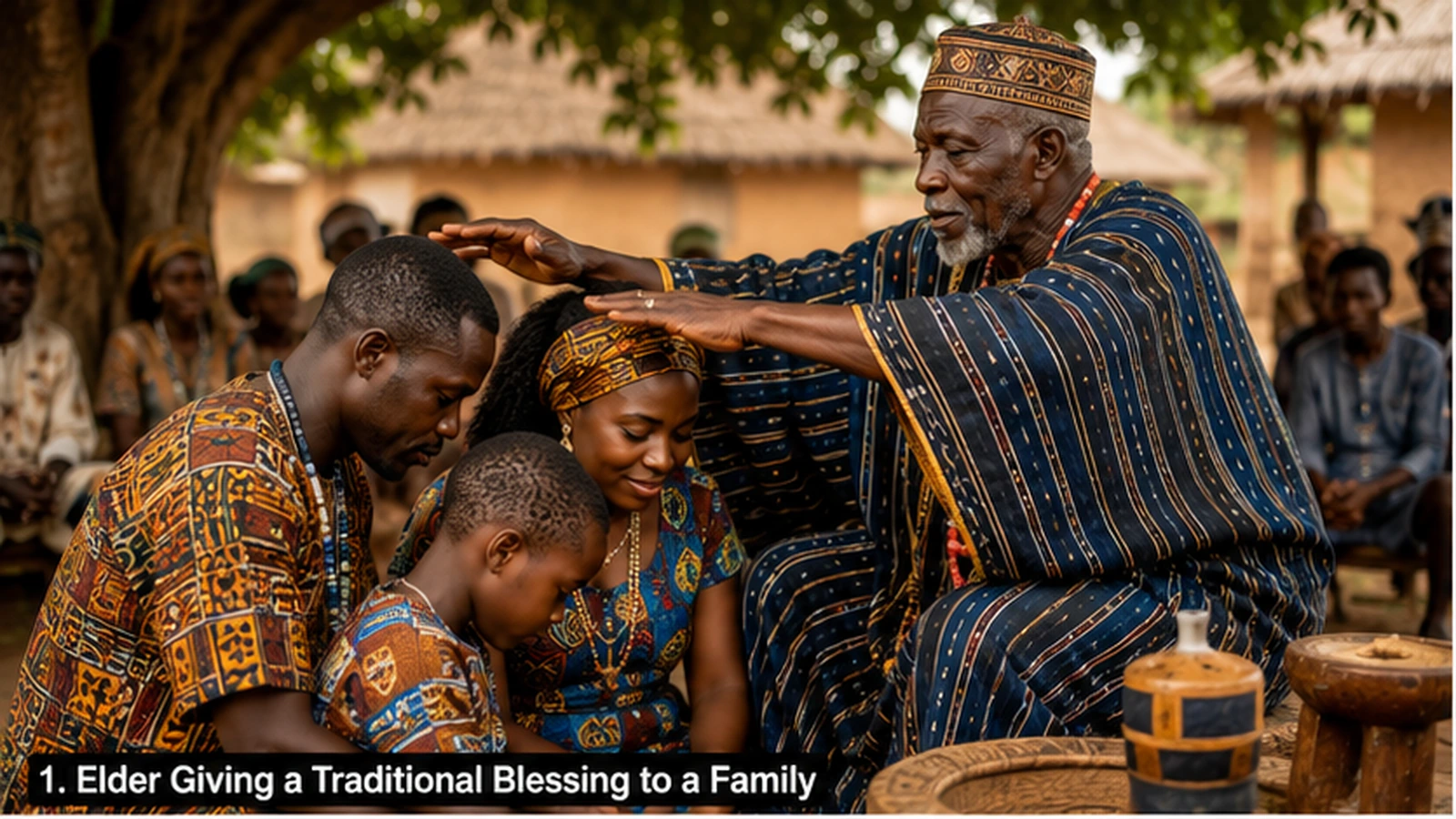
Blessings from religious or community authorities
Architectural marks
Rules about conduct, hospitality, and social responsibility
Community-based conflict resolution
The word protection does not mean the same thing in every tradition.
A Kongo power figure used to settle disputes and safeguard social order is not equivalent to a Japanese omamori carried for safe travel. An Ethiopian healing scroll created for a named individual differs from a Jewish mezuzah placed on a doorway as a religious commandment and sign of covenant. A Chinese door-god image belongs to another history, while an Anishinaabe dreamcatcher has its own community-specific teachings and modern history of commercialization.
There is no universal protection ritual.
Responsible study begins by identifying the community, historical period, religious framework, authorized practitioner, and intended purpose of each custom.
Protection customs may be intended to:
Guard a household
Support safe travel
Protect a child or family member
Mark religious identity
Reinforce moral conduct
Prevent envy or the evil eye
Support healing or spiritual care
Protect crops, livestock, or stored food
Set boundaries around sacred places
Resolve conflict and uphold agreements
Encourage courage, responsibility, or hope
They may take the form of:
Spoken prayers
Written sacred texts
Carved figures
Doorway symbols
Necklaces or pendants
Cloth packets
Painted images
Knotted cords
Building marks
Community ceremonies
No object or ritual can guarantee physical safety, medical recovery, wealth, romantic control, legal victory, or protection from every form of harm.
What Is a Protection Custom?
Clear Definition
A protection custom is a culturally recognized practice, object, symbol, prayer, rule, or ceremony intended to guard a person, household, community, journey, crop, or sacred space from danger, misfortune, conflict, or spiritually interpreted harm.
Plain-Language Meaning
It is something people do, wear, display, recite, or maintain because their community associates it with safety, blessing, identity, or the prevention of harm.
Protection Is More Than an Object
Popular articles often focus only on charms.
In many communities, protection also involves:
Keeping promises
Respecting elders or religious law
Maintaining family obligations
Caring for children
Resolving disputes
Supporting vulnerable people
Avoiding prohibited behavior
Following rules for sacred spaces
A protective object may be meaningful because it belongs to this wider moral and social system.
Apotropaic: A Useful but Limited Term
The word apotropaic describes something intended to avert or turn away evil, misfortune, or harmful influence.
Researchers use it for items such as:
Building marks
Eye-shaped amulets
Protective figures
Door guardians
Animal symbols
Inscribed objects
The term is useful for comparison, but it should not erase local names and meanings.
Why Protection Customs Developed
1. Human Vulnerability
People have always faced danger from:
Disease
Childbirth
War
Theft
Fire
Storms
Crop failure
Animal attack
Unsafe travel
Social conflict
Protection customs provided language, community support, and a sense of order when outcomes were uncertain.
2. Religious Commitment
Some customs express obedience, faith, covenant, or devotion rather than a belief that the object independently creates safety.
The difference matters.
A sacred text may be displayed because a religion commands it. A prayer may remind a person to act responsibly. A blessing may place an individual within a community of faith.
Frequently Asked Questions
What should readers know first about uncategorized?
Uncategorized: Protection Customs Across Cultures Protection customs across cultures reveal how people respond to uncertainty, illness, conflict, travel, chil
What should readers know first about Protection Customs Across Cultures?
Explore protection customs across cultures, including African power figures, Ethiopian scrolls, mezuzahs, omamori, door guardians, amulets, and household symbols.
What causes Protection Customs Across Cultures?
Explore protection customs across cultures, including African power figures, Ethiopian scrolls, mezuzahs, omamori, door guardians, amulets, and household symbols. The safest next step is to compare the signs, prepare clear details, and request private guidance
How does Protection Customs Across Cultures work?
Explore protection customs across cultures, including African power figures, Ethiopian scrolls, mezuzahs, omamori, door guardians, amulets, and household symbols. The safest next step is to compare the signs, prepare clear details, and request private guidance
Is it possible to get private guidance for Protection Customs Across Cultures?
Explore protection customs across cultures, including African power figures, Ethiopian scrolls, mezuzahs, omamori, door guardians, amulets, and household symbols. The safest next step is to compare the signs, prepare clear details, and request private guidance
How long does Protection Customs Across Cultures take to understand?
Explore protection customs across cultures, including African power figures, Ethiopian scrolls, mezuzahs, omamori, door guardians, amulets, and household symbols. The safest next step is to compare the signs, prepare clear details, and request private guidance
Can Protection Customs Across Cultures affect relationships, family, work, or personal peace?
Explore protection customs across cultures, including African power figures, Ethiopian scrolls, mezuzahs, omamori, door guardians, amulets, and household symbols. The safest next step is to compare the signs, prepare clear details, and request private guidance
Why do people seek spiritual guidance for Protection Customs Across Cultures?
Explore protection customs across cultures, including African power figures, Ethiopian scrolls, mezuzahs, omamori, door guardians, amulets, and household symbols. The safest next step is to compare the signs, prepare clear details, and request private guidance
What signs should someone notice before asking about Protection Customs Across Cultures?
Explore protection customs across cultures, including African power figures, Ethiopian scrolls, mezuzahs, omamori, door guardians, amulets, and household symbols. The safest next step is to compare the signs, prepare clear details, and request private guidance
When should someone contact a private spiritual guide?
Explore protection customs across cultures, including African power figures, Ethiopian scrolls, mezuzahs, omamori, door guardians, amulets, and household symbols. The safest next step is to compare the signs, prepare clear details, and request private guidance
Article Information
- Publisher
- Ancestral Temple
- Editor
- Ancestral Temple
- Last updated
- Jul 26, 2026
- Last reviewed
- Jul 13, 2026
- Content version
- 66018a51e4
This educational article should be read as cultural and spiritual information, not as medical, legal, financial, or emergency advice.
Helpful Related Guidance
Explore This Topic
Community Healing Traditions Across Africa · African Spirituality And Cultural History
Related Topic Cluster
Uncategorized
Complete Guide Understanding African Spiritual Traditions: A Historical IntroductionAbout the Author
 Ancestral Temple
Spiritual guide and practitioner with decades of experience in ancestral wisdom, rituals, and divine guidance.
Related Posts
View All

Leave a Comment
We'd love to hear your thoughts.
This was comprehensive without suggesting that readers need to perform any ritual.
Ruth E.
Are there recommended museum collections for studying protective objects online?
Nathan C.
The article showed why public museum display does not make a tradition free to copy.
Sophia D.
A future article about protective prayers and written texts across cultures would be interesting.
Emmanuel R.
I liked the point that a symbol becomes empty when people display it but neglect vulnerable community members.
Alice M.
Strong overview connecting protection with faith, family, law, architecture, and identity.
Brian W.
The misconceptions section corrected several claims I have seen on social media.
Patricia N.
The tone remained neutral while discussing religious disagreements.
Omar S.
The practical-safety section made the article more responsible.
Janet R.
I appreciated that African protection customs were not reduced to fear or superstition.
Kofi A.
More information about women who made, wore, or preserved protective objects would be valuable.
Evelyn P.
A complete article about the evil eye in different regions would be interesting.
Thomas D.
The strongest lesson was that similar symbols can have completely different meanings.
Mariam F.
The article respected belief without treating every historical claim as proven fact.
Victor L.
I liked that household protection included mutual aid and care, not only objects.
Hannah O.
The warning signs of spiritual manipulation were practical and important.
George E.
Could you write next about protective customs in Ugandan communities?
Rose B.
The short paragraphs worked well on mobile.
Abdul J.
The community-by-community format made the long article easy to navigate.
Linda C.
This is useful for readers interested in religion, art, architecture, history, and anthropology.
Paul K.
Thank you for stating clearly that charms cannot replace healthcare or emergency safety.
Rebecca M.
The Historic England section showed that protection marks existed in churches and homes as well as caves.
Henry A.
I appreciated the cultural-appropriation guidance for sacred symbols.
Naomi T.
A visual comparison of doorway customs would make a useful companion article.
Christopher S.
The glossary made apotropaic, talisman, and threshold easy to understand.
Zainab R.
The dreamcatcher section was a useful reminder that Indigenous traditions are not all the same.
David N.
The distinction between comfort and guaranteed supernatural power was well explained.
Esther G.
I did not know omamori were connected to the particular shrine or temple that issued them.
Andrew H.
This was educational without giving instructions for copying sacred ceremonies.
Josephine E.
The Chinese door-god and tiger sections were clear and culturally specific.
Michael P.
I would like a detailed article about Ethiopian protective jewelry and scroll cases.
Beatrice L.
The article maintained respect while still warning against guaranteed claims.
Ibrahim C.
I had assumed the mezuzah was mainly a good-luck object, so the religious explanation was important.
Sarah W.
The doorway section helped explain why so many cultures protect thresholds.
Moses K.
Thank you for not describing every Islamic protective practice as magic.
Fatima D.
The evil-eye section explained the connection with envy without encouraging accusations.
James R.
I appreciated the explanation that Islamic opinions about amulets are diverse.
Nadia S.
A full article about Kongo minkisi and community law would be interesting.
Peter O.
The balangandã section showed how diaspora communities created new protective traditions.
Maria J.
The African examples were specific and did not treat the continent as one culture.
Kwame B.
I liked that Ethiopian healing scrolls were explained within their Christian and historical context.
Lydia A.
The section on minkisi corrected several stereotypes I had seen online.
Samuel T.
I did not know that Kongo power figures could be connected with agreements and dispute resolution.
Grace N.
The explanation of protection as both spiritual and social was very helpful.
Daniel M.
I appreciated that the article separated culturally specific traditions instead of presenting one universal protection ritual.
Amina K.