
Sacred Metals in History
Cornerstone Content
Quick Summary
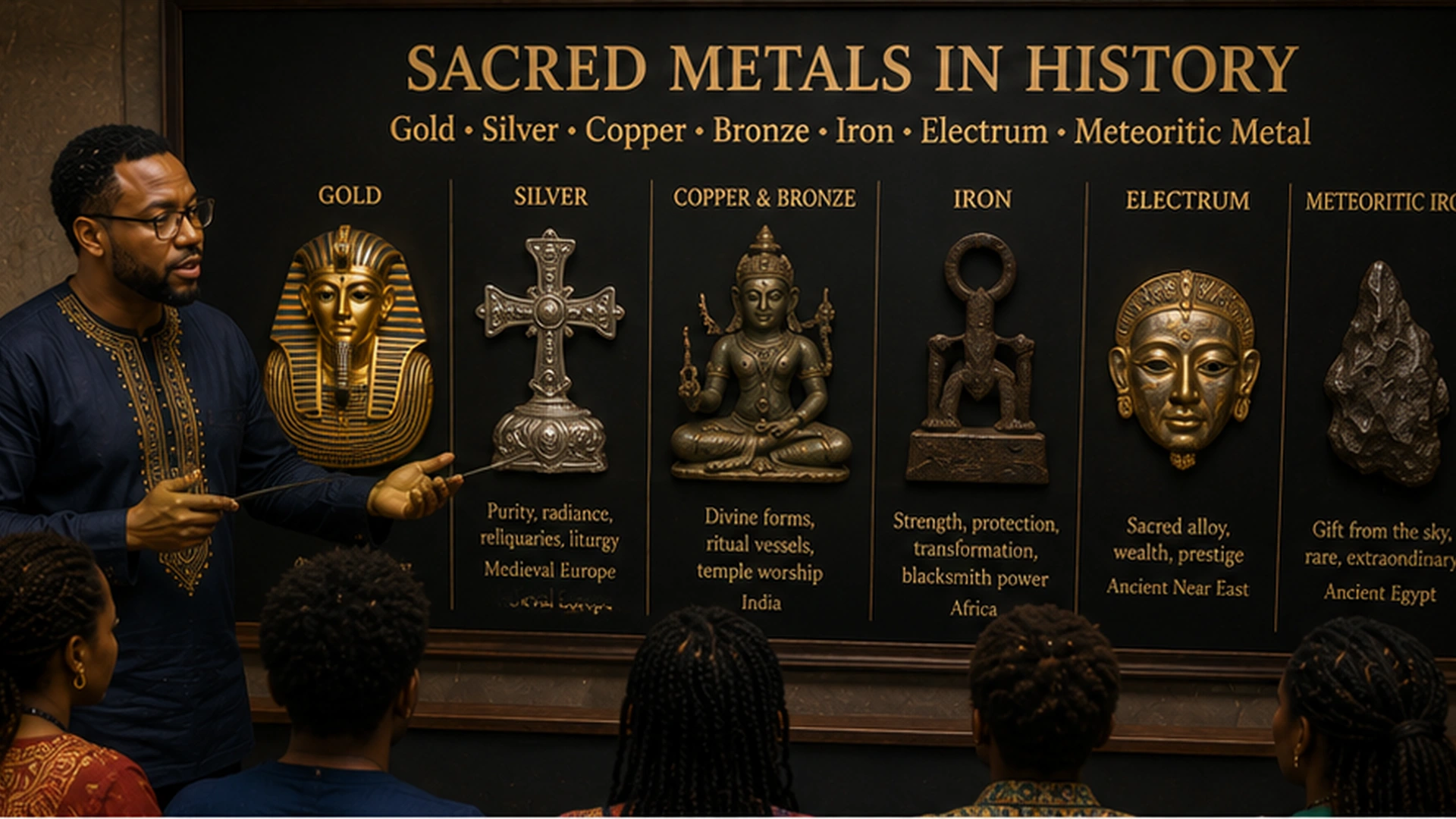
Metals became sacred not because one material carried the same power everywhere, but because communities connected color, rarity, durability, sound, transformation, political authority, divine imagery, and ritual use with particular metals. Gold, silver, copper, bronze, iron, electrum, and meteoritic metal each developed different meanings across cultures.
Sacred Metals in History explains the meaning, background and cultural context of sacred metals in history in clear educational language. The article answers the main topic near the beginning, preserves the original examples and highlights important distinctions for respectful understanding.
Metals have shaped religious life, royal authority, burial practice, pilgrimage, healing, warfare, and artistic production for thousands of years.
The phrase sacred metal does not describe a scientific property. A metal became sacred through cultural interpretation, specialist skill, ritual use, religious teaching, political authority, or association with a deity, ancestor, saint, ruler, shrine, or sacred object.
Gold could evoke sunlight, divine flesh, immortality, kingship, or wealth. Silver could suggest brilliance, purity, moonlight, liturgy, or elite devotion. Copper and bronze allowed durable images, bells, lamps, ritual vessels, and statues to be cast. Iron could represent force, transformation, danger, agricultural power, military authority, or the exceptional skill of the blacksmith.
No metal carried one universal meaning. The same material could be sacred in one setting, commercial in another, and ordinary in a third.
This article compares public, historically documented uses. It does not reproduce secret metallurgical rites or claim that any metal scientifically guarantees protection, healing, prosperity, or spiritual power.
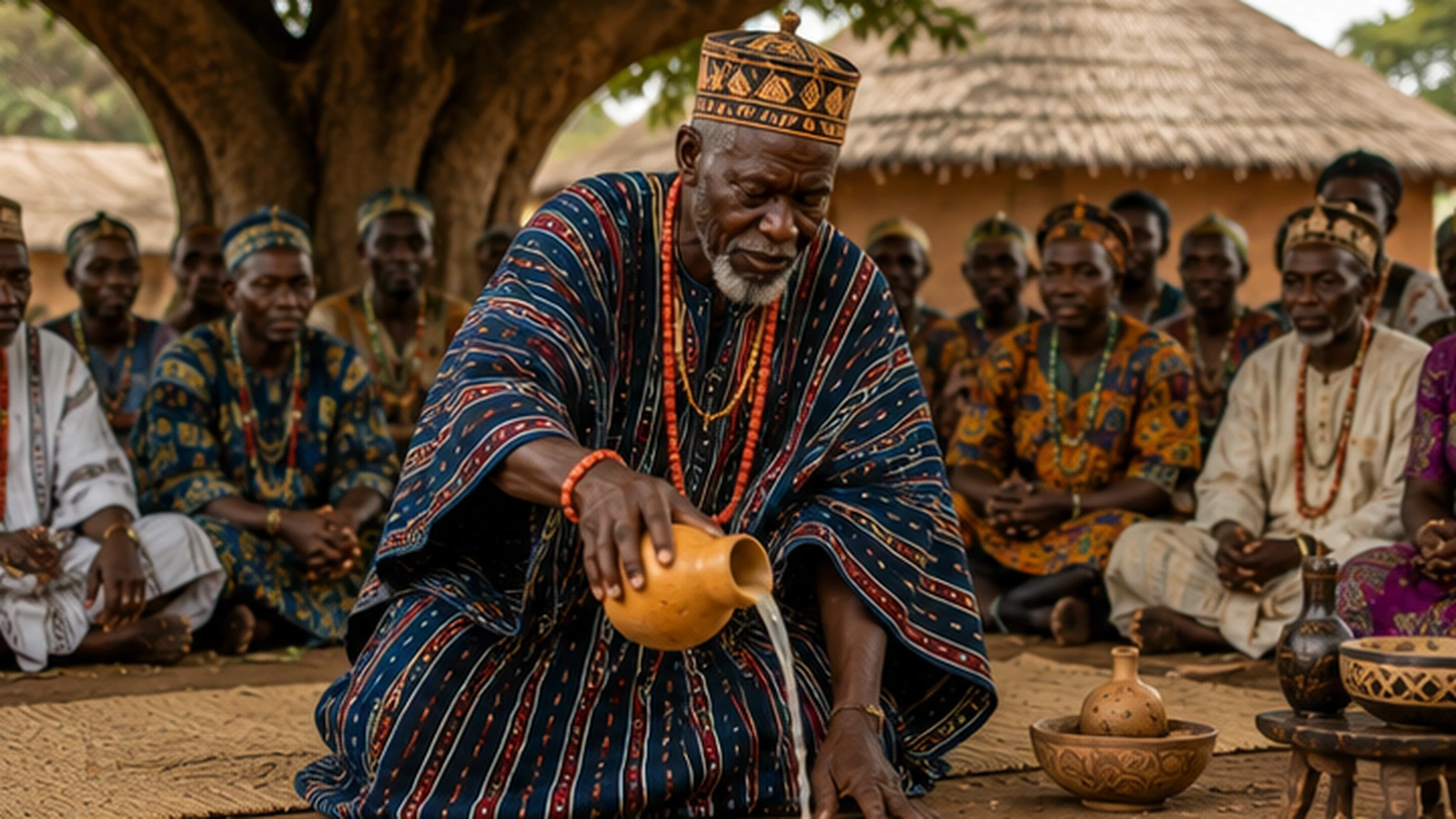
Suggested scene: Black African museum historian introducing gold, silver, copper, bronze, iron, electrum, and meteoritic metal objects in separate culturally identified displays.
Key Points
Metals became sacred through cultural meaning and use, not through one universal supernatural property.
Gold was associated with the sun, divine bodies, kingship, prestige, and permanence in several societies.
Ancient Egyptians connected gold's color and brilliance with the sun and the flesh of the gods.
West African gold could express royal authority, life force, ancestry, office, and political legitimacy.
Silver was widely used for Christian reliquaries, liturgical vessels, Jewish ritual objects, Islamic luxury arts, and courtly devotion.
Copper and bronze enabled durable sacred images, bells, lamps, vessels, and ritual sculpture.
Indian Hindu, Buddhist, and Jain metal images were created for devotion, procession, temple worship, and pilgrimage.
Iron and blacksmithing held powerful social and spiritual meanings in many African communities, but these meanings varied by region.
Meteoritic iron was exceptional because it came from the sky and was worked before large-scale iron smelting.
Inka gold and silver offerings supported state religion and political authority.
Colonial seizure and museum provenance are essential when interpreting sacred metal objects.
Historical significance does not scientifically prove supernatural effects.
What Makes a Metal Sacred?
Factor
How it can shape meaning
Color and shine
Gold may evoke sunlight; silver may evoke brilliance or moonlight; polished copper alloys may appear radiant.
Rarity and cost
Scarcity can associate a metal with rulers, temples, elites, ancestors, or major offerings.
Durability
Metal can preserve names, images, relics, vows, and authority across generations.
Transformability
Smelting, alloying, hammering, casting, and gilding can be understood as extraordinary acts of transformation.
Sound
Bells, gongs, rattles, and metal pendants can announce ritual presence or repel harm.
Religious association
A metal may be linked with a deity, planet, saint, ancestor, shrine, or sacred text.
Political control
Kings, courts, temples, guilds, and states often regulated precious metals.
Placement
An object in a shrine, grave, crown, altar, reliquary, temple, or household may carry different significance.
1. Gold in Ancient Egypt
Gold held exceptional importance in ancient Egypt because its color and brilliance were associated with the sun, divine permanence, and the bodies of the gods.
The Metropolitan Museum explains that the color and sheen of gold were connected with the sun and that the skin of the gods was believed to be made of gold.
Gold was used in:
Royal regalia
Temple equipment
Deity statues and gilding
Jewelry and amulets
Coffins and funerary masks
Inlays and decorative fittings
Gold did not belong only to kings. Museum evidence also documents gold jewelry owned by people below royal rank, although access remained unequal.
Divine flesh and gilded images
Gold leaf on the face of a divine image could refer to the precious substance of a deity's body. The metal's resistance to tarnish made it an effective material for ideas of eternal divine presence.
Important caution
Gold was not sacred in every ancient Egyptian object. It was also wealth, a controlled commodity, diplomatic tribute, jewelry, and craft material.
2. Electrum and Mixed Precious Metals
Electrum is a naturally occurring or manufactured alloy of gold and silver.
Its pale golden appearance made it useful for jewelry, temple fittings, royal objects, and precious ornaments in Egypt, the eastern Mediterranean, and western Asia.
An alloy's meaning depended on its source, composition, visual effect, and use. Electrum should not be assigned one universal planetary or magical meaning without evidence.
Frequently Asked Questions
What should readers know first about african spirituality and cultural history?
African spirituality and cultural history: Read clear guidance, key signs, practical steps, and private support from Ancestral Temple.
What causes sacred-metals-in-history?
The safest next step is to compare the signs, prepare clear details, and request private guidance when the matter feels personal.
How does sacred-metals-in-history work?
The safest next step is to compare the signs, prepare clear details, and request private guidance when the matter feels personal.
Is it possible to get private guidance for sacred-metals-in-history?
The safest next step is to compare the signs, prepare clear details, and request private guidance when the matter feels personal.
How long does sacred-metals-in-history take to understand?
The safest next step is to compare the signs, prepare clear details, and request private guidance when the matter feels personal.
Can sacred-metals-in-history affect relationships, family, work, or personal peace?
The safest next step is to compare the signs, prepare clear details, and request private guidance when the matter feels personal.
Why do people seek spiritual guidance for sacred-metals-in-history?
The safest next step is to compare the signs, prepare clear details, and request private guidance when the matter feels personal.
What signs should someone notice before asking about sacred-metals-in-history?
The safest next step is to compare the signs, prepare clear details, and request private guidance when the matter feels personal.
When should someone contact a private spiritual guide?
The safest next step is to compare the signs, prepare clear details, and request private guidance when the matter feels personal.
What causes african spirituality and cultural history?
African spirituality and cultural history: Read clear guidance, key signs, practical steps, and private support from Ancestral Temple. The safest next step is to compare the signs, prepare clear details, and request private guidance when the matter feels perso
Article Information
- Publisher
- Ancestral Temple
- Editor
- Ancestral Temple
- Last updated
- Jul 26, 2026
- Last reviewed
- Jul 13, 2026
- Content version
- 1c4597710a
This educational article should be read as cultural and spiritual information, not as medical, legal, financial, or emergency advice.
Helpful Related Guidance
Explore This Topic
Spiritual Lessons From Ancient African Kingdoms · Sacred Symbols In African Spiritual Traditions
Related Topic Cluster
African Spirituality And Cultural History
Complete Guide Why Homes Have Been Blessed Throughout HistoryAbout the Author
 Ancestral Temple
Spiritual guide and practitioner with decades of experience in ancestral wisdom, rituals, and divine guidance.
Related Posts
View All

Leave a Comment
We'd love to hear your thoughts.
I appreciated the distinction between sacred use and economic value.
The article clearly explained that metals do not have one universal sacred meaning.