
Ancient Wisdom Traditions: Knowledge, Ethics, and Living Heritage
Quick Summary
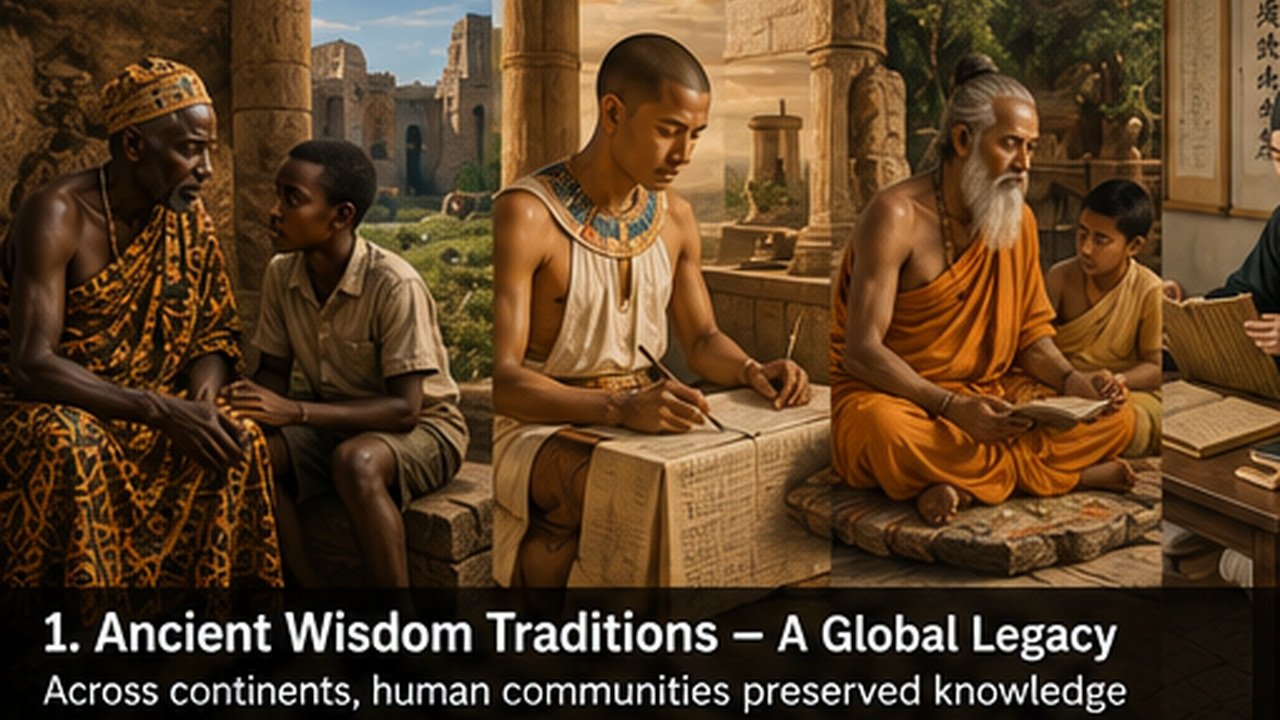
Ancient wisdom was preserved through elders, proverbs, ritual specialists, scribes, philosophical dialogue, disciplined practice, and close observation of the natural world. This guide compares distinct knowledge traditions while respecting their communities and histories.
What This Topic Means
Ancient wisdom is often presented online as a collection of timeless quotations, mysterious symbols, or universal spiritual secrets. Historical traditions were far more demanding. Wisdom could mean knowing how to govern, how to listen, how to speak at the right time, how to honour relationships, how to cultivate character, how to interpret inherited teaching, or how to live responsibly within a particular landscape.
The phrase ancient wisdom traditions is useful as a broad comparison, but it can become misleading when it suggests that Africa, Egypt, Mesopotamia, India, China, Greece, and Indigenous communities all taught the same doctrine.
They did not.
Each tradition developed through its own languages, institutions, social structures, sacred narratives, debates, and methods of transmission.
This article compares selected traditions without turning them into one invented system. It focuses on public educational knowledge and does not reproduce restricted divination procedures, initiatory teachings, or community-owned ritual formulas.
What Is an Ancient Wisdom Tradition?
An ancient wisdom tradition is a historically rooted way of preserving and applying knowledge about how human beings should live, understand reality, relate to the sacred, govern communities, respond to suffering, and learn from experience.
Such traditions may be religious, philosophical, practical, legal, ecological, artistic, or several of these at once. Modern categories such as philosophy, religion, science, medicine, ethics, and folklore did not always exist as separate fields in the ancient societies being discussed.
Wisdom could be carried by:
- Elders
- Household heads
- Poets
- Priests
- Diviners
- Scribes
- Healers
- Navigators
- Farmers
- Rulers
- Monks
- Teachers
- Philosophers
Authority might depend on age, office, lineage, education, initiation, demonstrated judgment, community recognition, or mastery of a textual and oral corpus.
Knowledge Was More Than Information
In many ancient traditions, a person was not considered wise merely because they possessed facts.
Wisdom was shown through conduct:
- Self-control
- Fairness
- Appropriate speech
- Generosity
- Courage
- Humility
- Attention
- Sound judgment under difficult conditions
This distinction remains important. Information can be stored, copied, or repeated. Wisdom involves interpretation, timing, responsibility, and consequences.
It asks not only:
What is true?
It also asks:
How should this truth shape action?
Who is affected by the decision?
How Ancient Wisdom Was Preserved
Oral Tradition and Memory
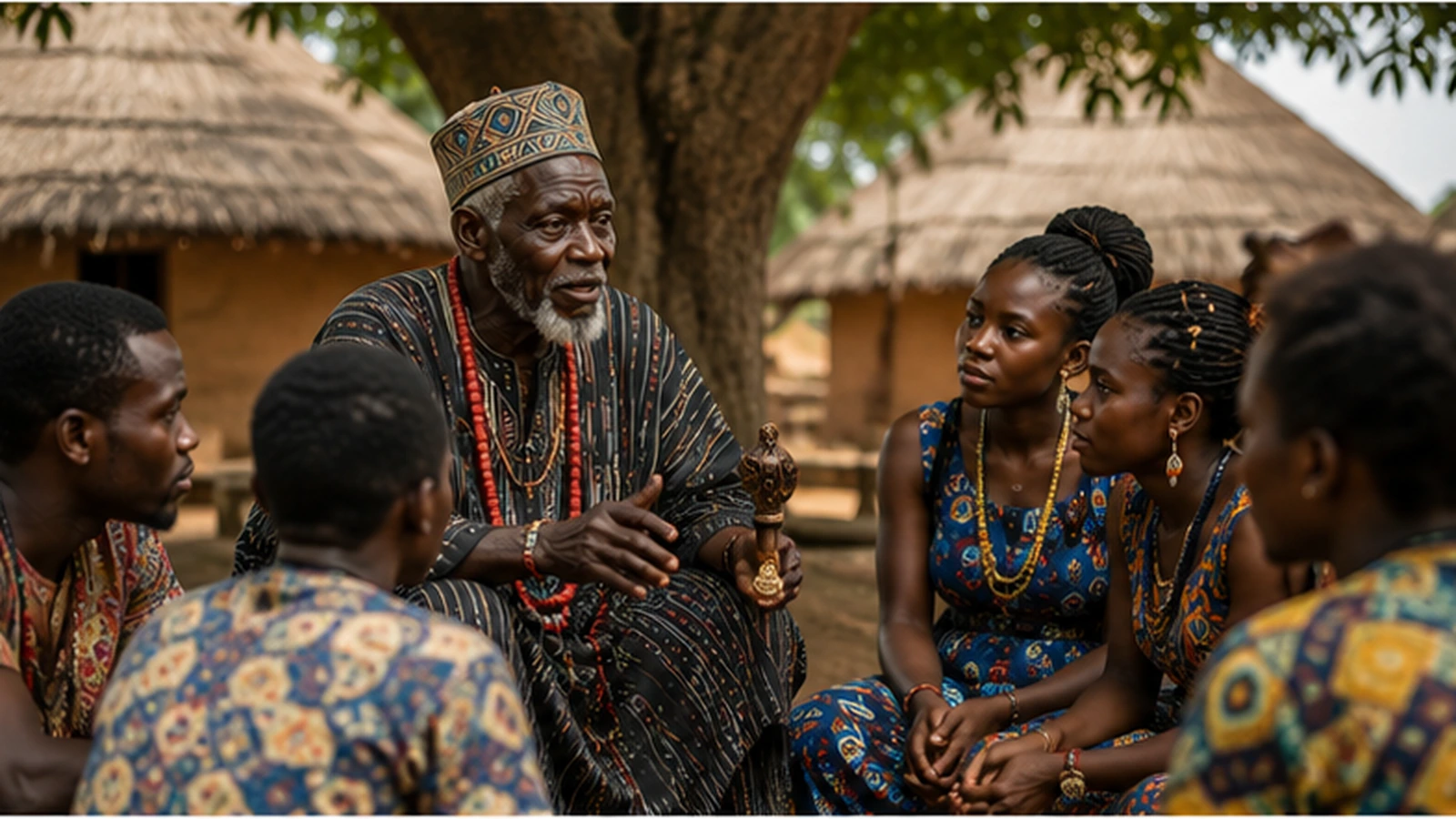
Oral traditions include proverbs, riddles, stories, praise poetry, genealogies, epics, prayers, songs, and formal recitations.
UNESCO explains that oral traditions transmit knowledge, social values, and collective memory and remain crucial to keeping cultures alive. Oral transmission is not casual memory. It can involve disciplined repetition, performance rules, specialist training, and correction by recognized knowledge holders.
Apprenticeship and Embodied Practice
Some forms of knowledge cannot be learned from a written explanation alone.
Healing, ritual leadership, farming, navigation, craft, music, and conflict mediation may require:
- Observation
- Imitation
- Supervised practice
- Gradual responsibility
- Community evaluation
The learner acquires not only a procedure but also judgment about when and why it should be used.
Scribal Schools and Textual Study
Ancient Egypt and Mesopotamia developed scribal cultures in which students copied signs, lexical lists, proverbs, instructions, hymns, legal documents, and literary works.
Copying trained memory and handwriting while introducing students to social values, official language, and models of good judgment.
Dialogue, Debate, and Commentary
Wisdom traditions were not always fixed collections of answers.
Teachers and students questioned texts, debated interpretations, tested arguments, and applied inherited principles to new situations.
Greek philosophical dialogue, Indian debate over valid sources of knowledge, Chinese commentary traditions, and African sage discussions all demonstrate forms of critical reflection.
Important distinction: Oral knowledge is not automatically uncritical, and written knowledge is not automatically more rational. Communities can question, revise, and debate teachings through both spoken and written forms.
Ancient Wisdom Traditions in Africa
Africa contains thousands of communities and many distinct intellectual, religious, and educational histories.
There is no single African wisdom tradition.
Knowledge may be carried in:
- Proverbs
- Royal histories
- Islamic scholarship
- Christian manuscript traditions
- Divination systems
- Age-grade instruction
- Healing practice
- Environmental knowledge
- Philosophical dialogue
The most accurate approach is to identify the specific people, language, place, and institution.
Broad phrases such as “African ancestors taught” should not replace evidence from named communities.
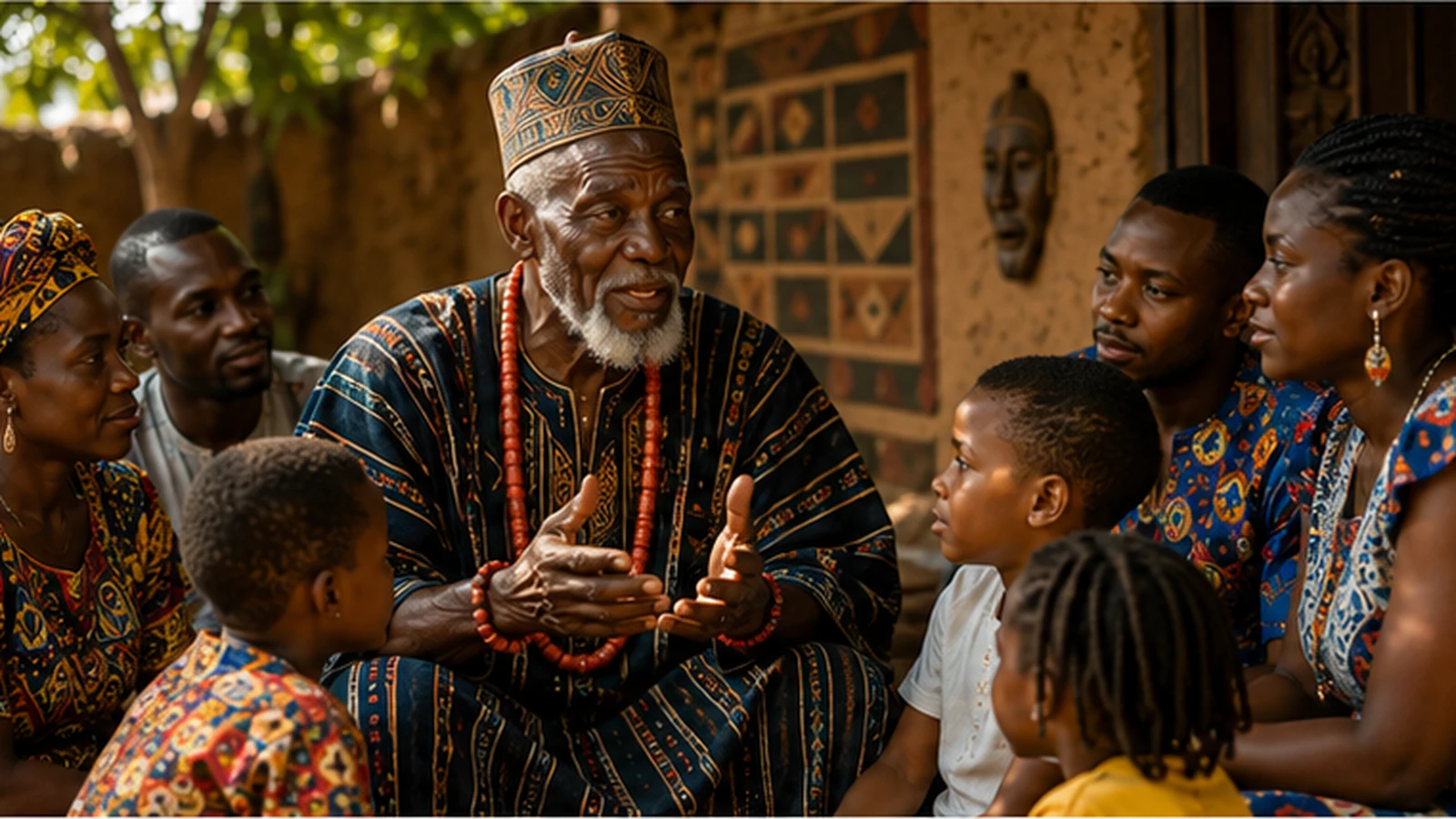
Oral Tradition, Proverbs, and Community Memory
Proverbs compress complex social observations into memorable language.
Their meaning is rarely exhausted by a literal translation. A proverb may be used to:
- Advise
- Criticize indirectly
- Settle a dispute
- Teach a child
- Praise patience
- Remind leaders of their obligations
Understanding it often requires knowledge of the situation in which it is spoken.
Stories and praise traditions can preserve genealogies, migrations, political events, ethical models, and community identity.
UNESCO describes oral traditions as vehicles of knowledge and collective memory, while Malian scholar Amadou Hampâté Bâ helped draw international attention to the urgency of preserving African oral heritage.
African Sage Philosophy and Critical Reflection
The modern term African Sage Philosophy is associated with Kenyan philosopher Henry Odera Oruka’s documentation of thinkers regarded as wise in their communities.
The project challenged the assumption that critical philosophy exists only in literate or European traditions.
It distinguished communal beliefs from the reflective arguments of individuals who examined questions about:
- Personhood
- Freedom
- Equality
- Death
- Morality
- Ultimate reality
This does not mean that every elder is automatically a philosopher or that every community agrees on one worldview.
Wisdom and authority can be debated, and recognized sages may disagree with popular opinion.
Ifa: Yoruba Knowledge, Interpretation, and Responsibility
Ifa is a Yoruba system of knowledge, divination, poetry, narrative, ethics, and interpretation associated with Orunmila, regarded in Yoruba tradition as a figure of wisdom and intellectual development.
UNESCO describes Ifa as relying on an extensive literary corpus and a complex system of signs interpreted by trained specialists.
The corpus contains:
- Verses
- Stories
- Warnings
- Precedents
- Ethical instruction
Consultation is not simply fortune-telling. It places a present question within an inherited body of knowledge and may identify responsibilities, cautions, or changes in conduct according to the tradition.
Ifa belongs to Yoruba communities and related diaspora traditions.
Its restricted methods, consecrated materials, and priestly authority should not be reconstructed from simplified online instructions or presented as a generic African oracle.
Ecological Knowledge and the Living Landscape
Indigenous knowledge is often built through generations of observation and practical engagement with specific ecosystems.
It may include:
- Weather interpretation
- Water management
- Grazing
- Plant use
- Soil care
- Fire management
- Fishing
- Animal behaviour
- Seasonal timing
UNESCO emphasizes that Indigenous knowledge is holistic, developed through close interaction with nature, and transmitted through oral teaching and practice.
This knowledge should not be romanticized as infallible or treated as freely extractable data.
It is connected to land rights, language, community authority, and the continued ability of knowledge holders to practise what they know.
Ancient Egyptian Wisdom Literature
Ancient Egyptian wisdom literature included a genre often called instructions, or sebayt.
These works present advice from an experienced figure to a younger person and address:
- Speech
- Public office
- Family relationships
- Self-control
- Leadership
- Listening
- Social order
The Instruction of Ptahhotep
The Instruction of Ptahhotep is framed as the teaching of an elderly vizier who asks the king for permission to retire and pass knowledge to a successor.
The work is preserved in later manuscript copies and became one of the best-known Egyptian instruction texts.
Its wisdom emphasizes:
- Attentive listening
- Restraint in speech
- Fair treatment of others
- Appropriate conduct in authority
- Recognition that knowledge is never complete
These teachings belong to the courtly and scribal world of ancient Egypt and should not be reduced to modern motivational quotations.
Maat, Order, and Right Conduct
Egyptian instruction literature is often discussed in relation to maat, a concept involving truth, justice, balance, proper order, and right relationship.
Maat was not merely private calm.
It connected:
- Personal conduct
- Social responsibility
- Kingship
- Law
- Ritual
- Cosmic order
Mesopotamian Wisdom: Proverbs, Instructions, and Human Limits
Mesopotamian wisdom literature developed in Sumerian and Akkadian scribal cultures.
It included:
- Proverbs
- Instructions
- Fables
- Dialogues
- Debates
- Satire
- Reflections on suffering and mortality
Scholarly classifications commonly identify proverbs and instructions, existential compositions, satire, and other reflective genres within Mesopotamian wisdom literature.
Proverbs and Scribal Education
Collections of Sumerian proverbs were copied in Old Babylonian scribal schools.
Some sayings may reflect everyday speech, while the collections also reveal the intellectual world of scribes who selected, organized, and transmitted them.
Proverbs trained language and writing while offering compact observations about work, speech, status, conflict, and human behaviour.
The Epic of Gilgamesh and the Search for Meaning
The Epic of Gilgamesh is not simply a book of advice, but its treatment of friendship, grief, kingship, mortality, and the failed search for physical immortality made it a major reflection on human limits.
The story redirects attention from escaping death toward how a person:
- Lives
- Rules
- Builds
- Remembers
- Participates in community
The work became one of the great masterpieces of cuneiform literature and survives through copies found across the ancient Near East.
Mesopotamian texts also show that wisdom was connected with power.
Royal and temple libraries collected knowledge about language, medicine, omens, ritual, astronomy, and literature, and access could be restricted to trained elites.
Ancient Indian Wisdom Traditions
Ancient Indian intellectual history includes:
- Vedic ritual traditions
- Upanishadic inquiry
- Hindu philosophical schools
- Buddhist traditions
- Jain traditions
- Medical learning
- Grammatical study
- Formal philosophical debate
These traditions disagree on major questions and should not be described as one philosophy.
Vedic Recitation and Disciplined Transmission
The Vedas were preserved through highly disciplined oral recitation.
UNESCO notes that Vedic verses were traditionally chanted during sacred rituals and recited daily in Vedic communities, with methods developed to protect wording, sound, accent, and sequence.
This tradition demonstrates that oral transmission can maintain complex texts with extraordinary precision.
The Upanishads and Knowledge of the Self
The Upanishads contain diverse dialogues and reflections on:
- The self
- Ultimate reality
- Action
- Rebirth
- Knowledge
- Liberation
Later Vedanta schools interpreted these texts differently.
Some emphasized nonduality, while others developed theistic understandings and devotional paths.
It is inaccurate to present one sentence as the complete teaching of all Upanishadic or Hindu philosophy.
How Is Knowledge Established?
Classical Indian philosophers developed detailed theories of pramana, or reliable sources of knowledge.
Schools debated the roles of:
- Perception
- Inference
- Testimony
- Comparison
- Presumption
- Awareness of absence
These debates demonstrate that ancient spiritual traditions could include rigorous analysis of evidence and justification.
The teacher-student relationship was important, but authority did not eliminate argument.
Indian philosophical literature preserves extensive criticism among Hindu, Buddhist, Jain, and materialist schools.
Chinese Wisdom: Cultivation, Relationship, and the Way
Ancient Chinese thought includes Confucian, Daoist, Mohist, Legalist, and other traditions.
These schools debated:
- Good government
- Human nature
- Ritual
- Language
- Social order
- Spontaneity
- Knowledge
- The proper way to live
Confucian Moral Cultivation
Confucian traditions connect learning with the cultivation of character and relationships.
Knowledge is not complete when it remains abstract. It must shape conduct toward parents, children, friends, rulers, subjects, elders, and the wider community.
Concepts such as ren, often translated as humaneness, and li, associated with ritual propriety and patterned conduct, emphasize that moral development occurs through repeated practice and attention to relationships.
Confucius was also associated with the idea that rulers should lead through moral example rather than relying only on punishment.
Daoism and Alignment With the Dao
Daoist traditions centre on the dao, the way or path, and explore how human life can become less forced, less rigid, and more responsive to natural patterns.
Texts associated with Laozi and Zhuangzi question:
- Excessive control
- Fixed distinctions
- Status seeking
- The assumption that human plans can master every situation
Daoism is not one simple philosophy of “going with the flow.”
It includes philosophical texts, organized religious traditions, ritual lineages, meditation, ethics, medicine, and many historical developments.
The Yijing and Interpretive Judgment
The Yijing, or Book of Changes, became a major Chinese classic used for divination, ethical reflection, cosmology, and commentary.
Its patterns were interpreted in relation to changing circumstances.
The tradition emphasizes that good judgment requires attention to timing, position, relationship, and transformation rather than one fixed answer for every situation.
Greek Wisdom and the Examined Life
Ancient Greek philosophy included many competing schools.
Socrates, Plato, Aristotle, the Stoics, Epicureans, Cynics, and Skeptics did not teach one unified doctrine.
They disagreed about:
- Knowledge
- Happiness
- Virtue
- Politics
- Pleasure
- Nature
- The best form of life
Socratic Questioning
Socratic dialogue treats questioning as a moral practice.
A person may confidently use words such as justice, courage, or piety without being able to explain them consistently.
Questioning exposes confusion and encourages intellectual humility.
Socratic wisdom is often connected with recognition of one’s limitations.
This is not a celebration of ignorance. It is a refusal to confuse confidence with knowledge.
Virtue and Human Flourishing
Ancient Greek ethical theories often asked what kind of person one should become and what makes a human life flourish.
Socrates connected wisdom with the proper use of other goods. Aristotle emphasized virtues such as courage, justice, temperance, and practical wisdom as developed dispositions that guide feeling and action.
Practical wisdom is especially important because moral decisions depend on circumstances.
General rules matter, but a wise person must perceive what is relevant in a particular case and choose appropriately.
Indigenous Wisdom and Ecological Responsibility
The phrase Indigenous wisdom can also become overly broad.
Indigenous peoples are not one cultural group, and their knowledge systems differ across languages, territories, and histories.
The most responsible term is often the community’s own name for its knowledge and practice.
Many Indigenous knowledge systems connect:
- Observation
- Ethics
- Spirituality
- Kinship
- Ecology
Weather, water, plants, animals, soils, fire, stars, and seasonal movement may be understood through long-term experience and community responsibility.
Knowledge is often tested through survival, repeated observation, and collective memory.
Modern institutions increasingly recognize that Indigenous knowledge can contribute to biodiversity conservation and climate adaptation. Collaboration must still protect consent, intellectual sovereignty, land rights, and the authority of knowledge holders.
Extracting information without supporting the community can reproduce colonial patterns.
Shared Themes Without a Universal Doctrine
Comparing traditions can reveal recurring questions.
The safest comparisons concern problems that many communities face, not claims that they secretly share one origin.
- How should a person speak and listen?
- What responsibilities come with power?
- How can desire, anger, fear, or pride be disciplined?
- What makes knowledge trustworthy?
- How should people respond to suffering and mortality?
- What is owed to family, ancestors, strangers, community, and land?
- How can inherited teaching be preserved while responding to change?
The answers differ.
Egyptian maat, Yoruba Ifa, Confucian ren and li, Daoist dao, Indian liberation traditions, and Greek eudaimonia belong to distinct conceptual worlds.
Translation can help comparison, but it should not erase difference.
What Ancient Wisdom Is Not
Not One Hidden Universal Religion
Similar moral advice does not prove that all civilizations inherited one secret doctrine.
Ideas can arise independently because communities confront recurring human problems.
Not a Collection of Decontextualized Quotes
A sentence removed from its language, genre, speaker, and historical setting can become a modern slogan that says more about the publisher than the original tradition.
Not Automatic Authority
Age alone does not make a belief accurate or just.
Ancient societies also contained hierarchy, exclusion, violence, and disagreement.
Respectful study can value historical knowledge without treating every inherited practice as beyond criticism.
Not a Substitute for Professional Care
Traditional teachings may offer meaning, moral guidance, community support, or ecological insight.
They should not be marketed as guaranteed cures or replacements for qualified:
- Medical care
- Legal advice
- Financial guidance
- Mental-health assistance
Colonialism, Translation, and Lost Context
Colonial rule disrupted languages, institutions, sacred sites, land access, and systems of education.
Missionaries, administrators, collectors, and scholars sometimes recorded valuable material, but they also:
- Misclassified traditions
- Removed sacred objects
- Suppressed languages
- Interpreted knowledge through prejudiced categories
Translation can preserve knowledge while changing it.
Terms such as religion, magic, philosophy, spirit, priest, and medicine may not match the original categories.
Responsible scholarship explains translation choices and includes community perspectives.
How Ancient Traditions Remain Living
A tradition is not living because it remains unchanged.
It survives because people continue to:
- Teach
- Practise
- Debate
- Reinterpret
- Protect it
Oral traditions can be recorded, but a recording does not replace the community relationships that teach when, where, and by whom knowledge should be used.
Digital archives, schools, festivals, museums, cultural associations, religious institutions, universities, and community-led research can support transmission.
They can also create risks if restricted knowledge is published without consent or if commercial platforms profit without returning value to the community.
How to Study Ancient Wisdom Respectfully
- Name the exact people, language, text, school, place, and historical period whenever possible.
- Use primary texts in reliable translation together with museum, university, heritage, and community-approved sources.
- Distinguish historical evidence from modern spiritual interpretation.
- Do not copy restricted divination procedures, initiatory teachings, medicinal formulas, or sacred objects.
- Avoid blending unrelated traditions into one ritual, symbol system, or “ancient African” philosophy.
- Recognize internal debate. No large tradition has only one interpretation.
- Credit living communities and respect intellectual and cultural property.
- Do not promise guaranteed healing, protection, wealth, love, fertility, or supernatural results.
- Ask how the knowledge was transmitted and who had authority to apply it.
- Approach wisdom as a practice of responsibility, not merely content to collect.
Key Takeaways
Ancient wisdom traditions preserve humanity’s long effort to live intelligently within limits.
They ask how people should:
- Use power
- Respond to death
- Educate the young
- Care for land
- Test knowledge
- Cultivate character
- Remain accountable to others
Their value does not depend on pretending they all teach the same message.
Yoruba Ifa, Egyptian instruction literature, Mesopotamian proverbs, Vedic recitation, Upanishadic inquiry, Confucian cultivation, Daoist thought, Greek virtue ethics, and Indigenous ecological knowledge are meaningful because they are rooted in particular communities and histories.
The wisest comparative approach is both open and disciplined: willing to learn across cultures, careful about evidence, humble about translation, and respectful of the people who continue to carry living knowledge.
Article Information
- Publisher
- Ancestral Temple
- Editor
- Ancestral Temple
- Last updated
- Jul 26, 2026
- Last reviewed
- Jul 26, 2026
- Content version
- d6de251d87
This educational article should be read as cultural and spiritual information, not as medical, legal, financial, or emergency advice.
Helpful Related Guidance
Explore This Topic
Spiritual Knowledge · African Spiritual Traditions
About the Author
 Ancestral Temple
Spiritual guide and practitioner with decades of experience in ancestral wisdom, rituals, and divine guidance.
Related Posts
View All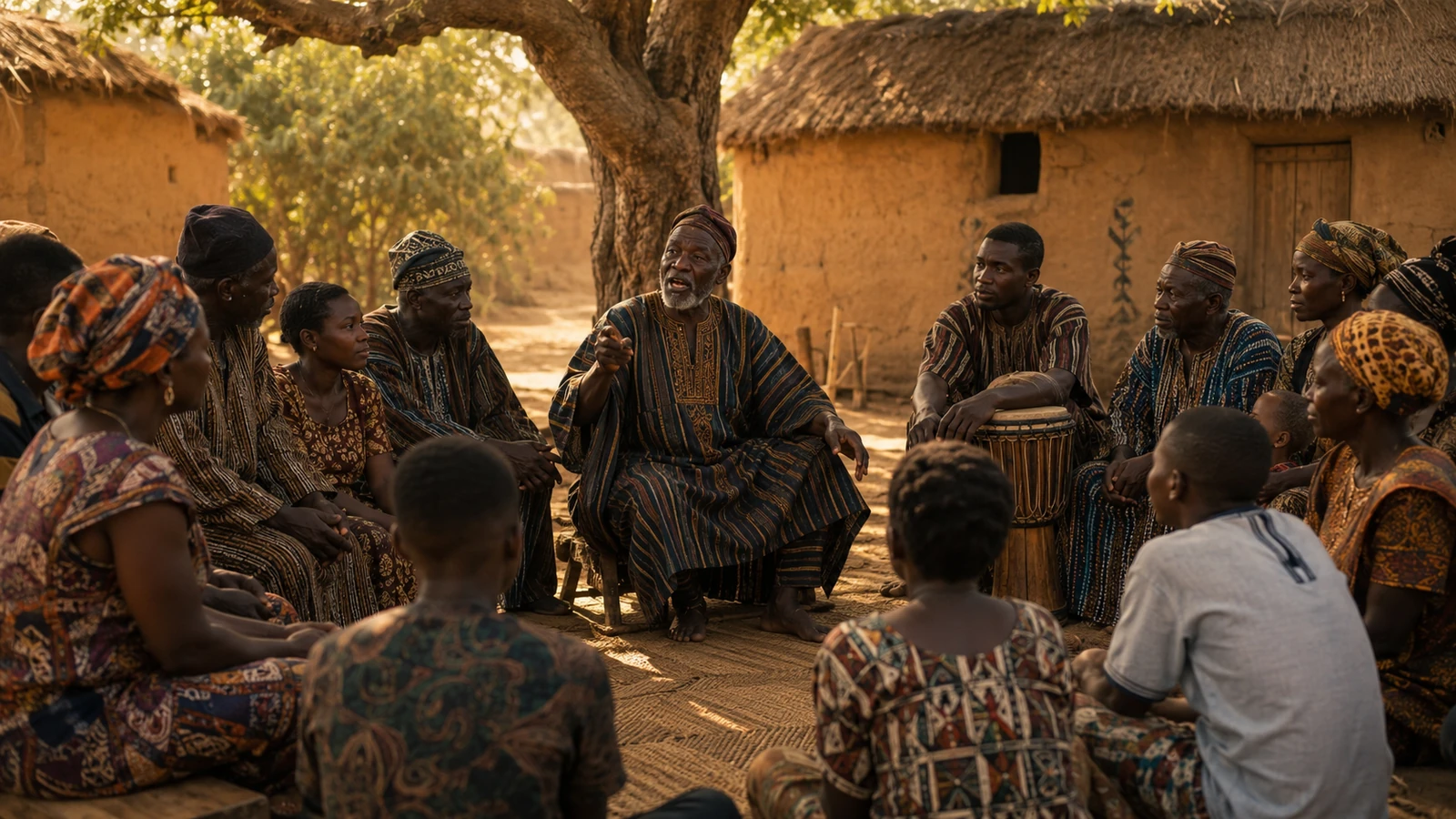



Leave a Comment
We'd love to hear your thoughts.
The final message that wisdom is responsibility rather than content to collect is memorable.
The article clearly separates public educational material from restricted knowledge.
The ecological knowledge section is especially relevant to current environmental challenges.
The SEO metadata and topic cluster are ready for publication.
The article gives African intellectual traditions substantial attention within a global comparison.
The conclusion balances openness to learning with humility about translation.
The publishing checklist is practical for a serious educational website.
The article shows why copying a quotation is not the same as understanding a tradition.
I appreciated the emphasis on apprenticeship and embodied practice.
The explanation of living heritage respects community authority.
The article is detailed while remaining careful about spiritual and medical claims.
The section on information versus wisdom is one of the strongest parts.
The image plan keeps cultural settings separate and avoids invented hybrid scenes.
The FAQ answers are direct and suitable for search snippets.
The internal-link plan creates a clear knowledge hub for the website.
The article repeatedly names exact traditions instead of using vague universal language.
The shared-themes section compares traditions without flattening them.
I liked the reminder that age alone does not make every belief true or just.
The section on colonialism explains why translated categories can distort knowledge.
This would be a useful pillar article for students of religion, philosophy, and history.
The article presents Socratic humility as serious inquiry rather than ignorance.
The Greek section makes practical wisdom understandable and relevant.
The Yijing section explains changing circumstances without presenting it as a simple fortune-telling tool.
The Daoist section avoids reducing the tradition to the phrase go with the flow.
The Confucian section connects knowledge with ethical relationships and leadership.
The explanation of pramana shows that ancient spiritual traditions could ask rigorous questions about evidence.
The Indian philosophy section properly acknowledges debate among different schools.
The Vedic chanting section demonstrates the precision possible in oral transmission.
The glossary is useful for readers who are new to philosophy and cultural heritage.
The discussion of Gilgamesh connects grief and mortality with responsible living.
The Mesopotamian section shows how proverbs and scribal education worked together.
I appreciate that the article does not claim all ancient civilizations shared one secret religion.
The explanation of Ptahhotep makes ancient instruction literature easy to understand.
The Egyptian wisdom section is specific and does not turn maat into a modern wellness slogan.
The article shows that traditions remain living by changing and being debated.
The warning against extracting community knowledge without consent is important.
The section on Indigenous ecological knowledge connects wisdom with land and long observation.
The article gives oral and written knowledge equal intellectual respect.
The proverb section explains why context matters more than a literal translation.
I liked the focus on responsibility and conduct rather than mysterious claims.
The Ifa section is respectful because it explains the knowledge system without exposing restricted procedures.
The discussion of elders and sage philosophy shows that wisdom can include debate and criticism.
The African sections avoid presenting the continent as one culture or philosophy.
I appreciated the explanation that oral traditions can be disciplined and intellectually rigorous.
The article makes a strong distinction between ancient wisdom and decontextualized motivational quotes.