
What Is the Significance of Harvest in Culture?
Pillar Article
Quick Summary
Discover how communities celebrate harvests through first-fruit ceremonies, family meals, dance, prayer, food sharing, ancestor remembrance, and public festivals.
Harvest is significant in culture because it marks the moment when food, labour, land, weather and community survival come together. Across different societies, harvest traditions can express gratitude, confirm that a crop is ready, remember ancestors, share food, renew family bonds and begin a new seasonal or ritual cycle. The meaning changes by community, religion, crop and historical context.
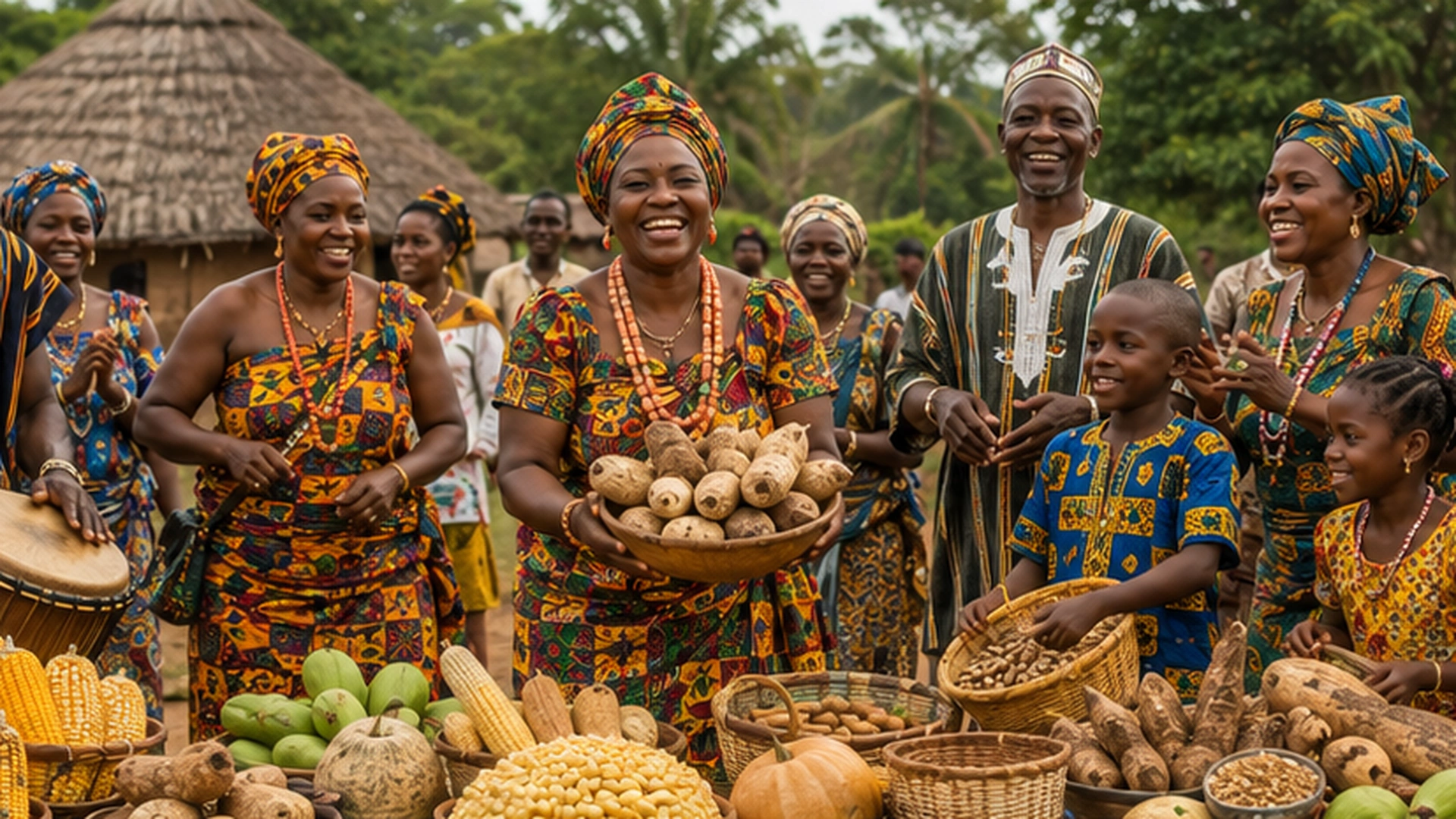
Harvest celebrations across cultures mark the moment when months of planting, rain-watching, weeding, herding, fishing, and collective labor finally produce food that can be gathered, stored, shared, sold, or offered in gratitude.
These celebrations may involve:
First-fruit ceremonies
Shared meals
Religious thanksgiving
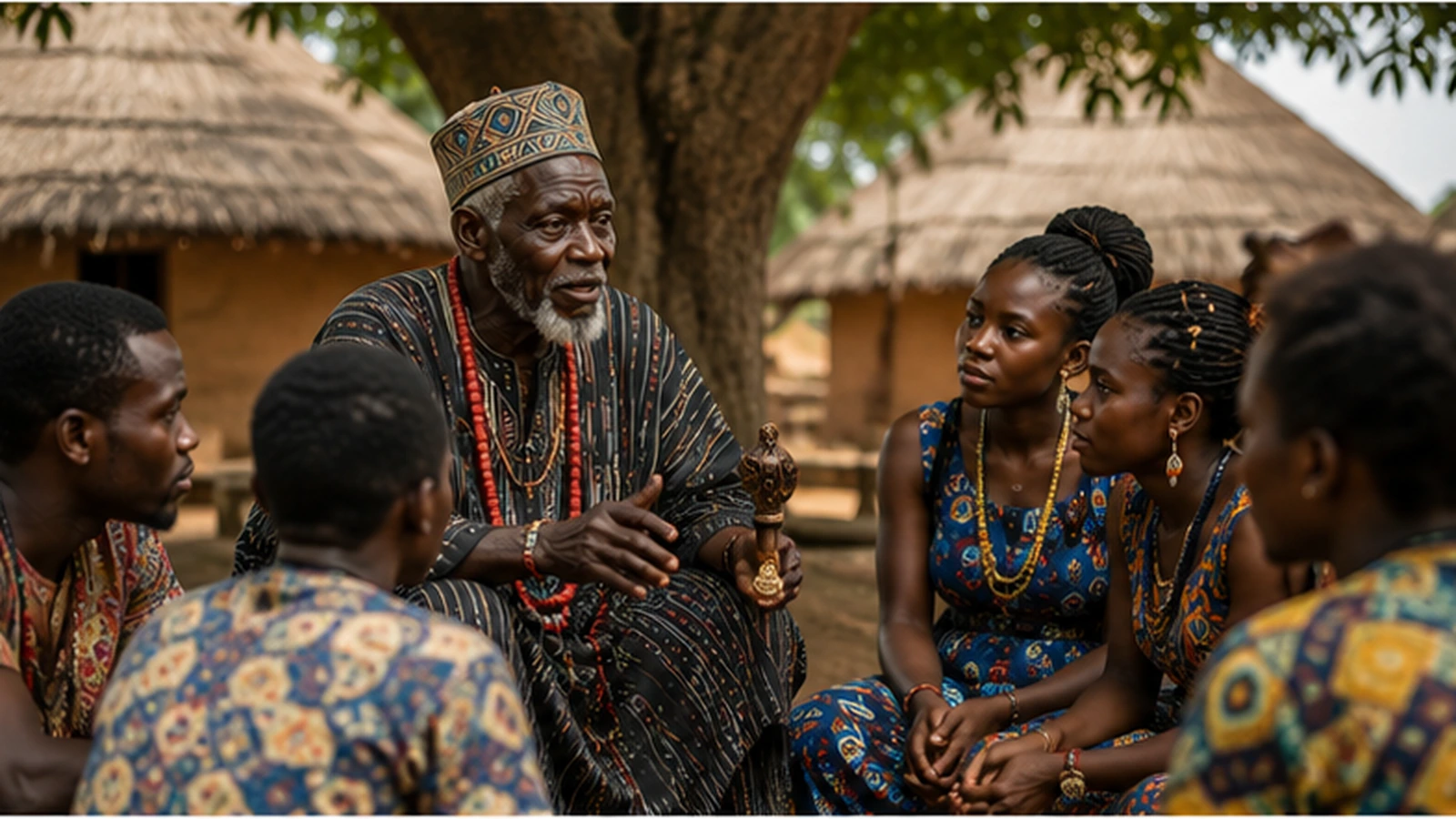
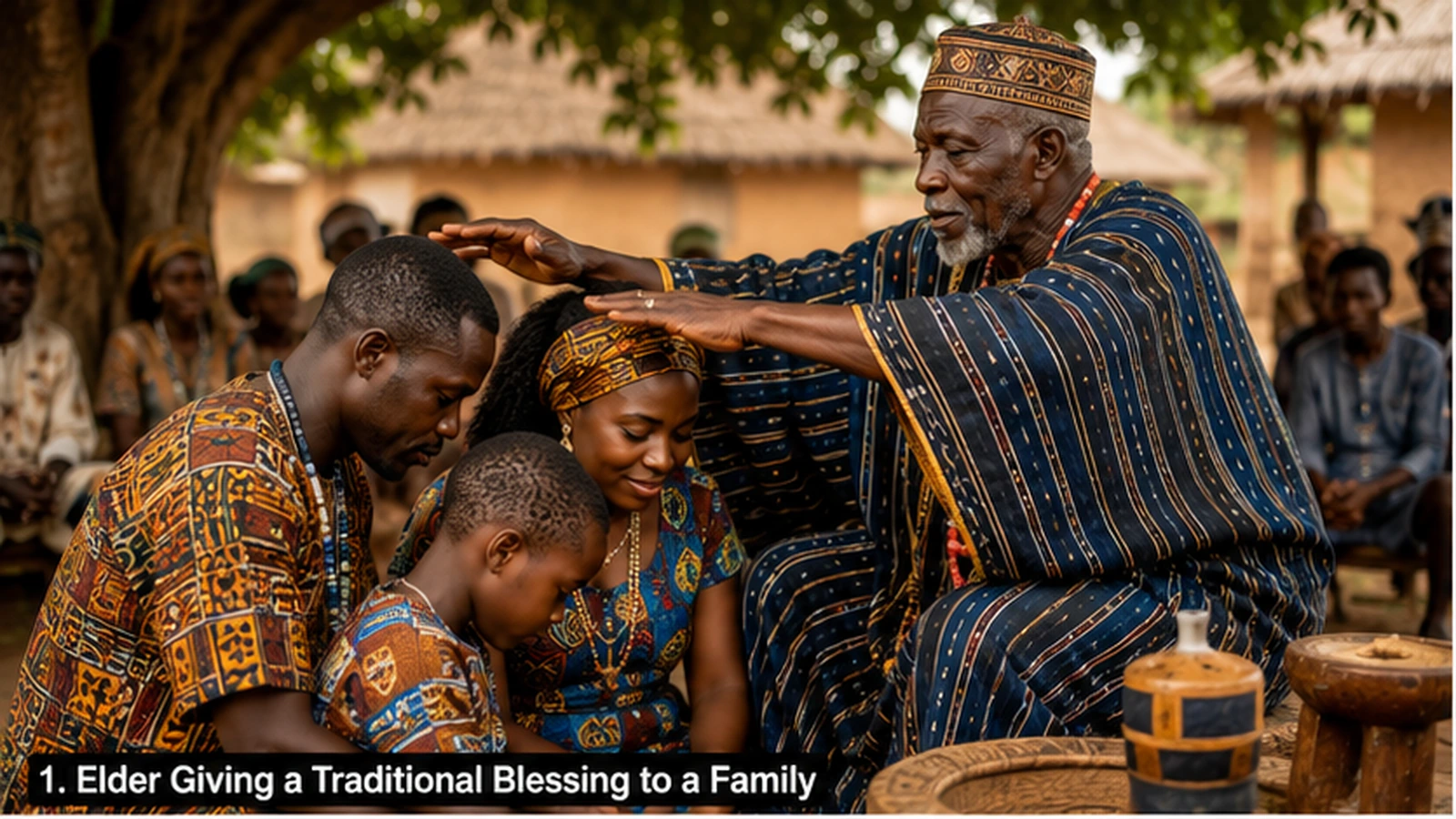
Blessings from elders
Remembering ancestors
Public markets
Music and dance
New-year observances
Crop displays
Gift exchange
Charity and food distribution
Family reunion
There is no universal harvest ritual.
Nigeria’s Sango Festival connects new yam, Yoruba New Year, ancestral memory, political history, and devotion to Sango. Ethiopia’s Gifaataa marks the Wolaita people’s final harvest and beginning of a new annual cycle. Korea’s Ganggangsullae combines harvest season, women’s circle dance, song, and full-Moon celebration. The Philippines’ Pahiyas emphasizes abundance, reciprocity, decoration, and blessings. Mehregan in Iran and Tajikistan expresses autumn thanksgiving. Songkran in Thailand occurs after the rice harvest but is primarily a New Year festival focused on family, respect, renewal, and merit-making. These traditions share a relationship with agricultural time, but they do not share one theology or ceremonial system. UNESCO describes festive events as living heritage that can mark the end of harvest, reinforce identity, and bring together music, dance, food, storytelling, and social practice. [1]
Harvest celebrations may help communities:
Thank God, divinities, ancestors, land, rain, livestock, farmers, and family members
Confirm that a new crop is ready to eat
Redistribute food to relatives and vulnerable households
Recognize elders, farmers, cooks, artisans, and performers
Renew family and community relationships
Begin a new agricultural or ritual year
Teach children agricultural knowledge, language, songs, and etiquette
Support markets and local livelihoods
Remember hardship, hunger, resilience, and survival
A harvest festival may be religious, agricultural, political, royal, family-based, civic, or a mixture of several categories.
What Is the Significance of Harvest in Culture?
Harvest often matters because food is never only food. It represents survival after uncertainty, the skill of farmers and herders, the patience of families, the timing of rain and seasons, and the social duty to share abundance. Where a tradition includes religious or ancestral practice, harvest may also become a time for prayer, offerings, remembrance, blessings or thanksgiving.
What Is a Harvest Celebration?
Concise Definition
A harvest celebration is a recurring cultural or religious event that marks the gathering, first consumption, storage, or public sharing of an important crop or food resource.
In Simple Terms
It is a community’s way of saying:
“The food is ready.”
“The difficult work has produced something.”
“We should give thanks.”
“The first harvest must be shared or blessed.”
“Families should gather.”
“The next agricultural cycle is beginning.”
Why Harvest Festivals Developed
Food Security and Seasonal Time
Before modern storage, global trade, and year-round supermarket supply, harvest timing directly affected survival.
A successful harvest could mean:
Food for the coming months
Seed for the next planting season
Fodder for animals
Goods for trade
Ability to pay taxes or obligations
Relief after a hunger period
Celebration therefore followed real risk and labor.
Gratitude, Prayer and Ancestor Remembrance
Communities may give thanks to:
God or gods
Ancestors
Rain
Land
Rivers
Farmers
Livestock
Elders
Family members
Community labor groups
Thanksgiving language must be interpreted within the specific tradition. Gratitude to ancestors is not the same as prayer in Christianity, Islam, Hinduism, or another religion.
Frequently Asked Questions
What should readers know first about Harvest celebrations across cultures?
Harvest celebrations across cultures: Discover how communities celebrate harvests through first-fruit ceremonies, family meals, dance, prayer, food sharing, a
What causes Harvest celebrations across cultures?
Discover how communities celebrate harvests through first-fruit ceremonies, family meals, dance, prayer, food sharing, ancestor remembrance, and public festivals. The safest next step is to compare the signs, prepare clear details, and request private guidance
How does Harvest celebrations across cultures work?
Discover how communities celebrate harvests through first-fruit ceremonies, family meals, dance, prayer, food sharing, ancestor remembrance, and public festivals. The safest next step is to compare the signs, prepare clear details, and request private guidance
Is it possible to get private guidance for Harvest celebrations across cultures?
Discover how communities celebrate harvests through first-fruit ceremonies, family meals, dance, prayer, food sharing, ancestor remembrance, and public festivals. The safest next step is to compare the signs, prepare clear details, and request private guidance
How long does Harvest celebrations across cultures take to understand?
Discover how communities celebrate harvests through first-fruit ceremonies, family meals, dance, prayer, food sharing, ancestor remembrance, and public festivals. The safest next step is to compare the signs, prepare clear details, and request private guidance
Can Harvest celebrations across cultures affect relationships, family, work, or personal peace?
Discover how communities celebrate harvests through first-fruit ceremonies, family meals, dance, prayer, food sharing, ancestor remembrance, and public festivals. The safest next step is to compare the signs, prepare clear details, and request private guidance
Why do people seek spiritual guidance for Harvest celebrations across cultures?
Discover how communities celebrate harvests through first-fruit ceremonies, family meals, dance, prayer, food sharing, ancestor remembrance, and public festivals. The safest next step is to compare the signs, prepare clear details, and request private guidance
What signs should someone notice before asking about Harvest celebrations across cultures?
Discover how communities celebrate harvests through first-fruit ceremonies, family meals, dance, prayer, food sharing, ancestor remembrance, and public festivals. The safest next step is to compare the signs, prepare clear details, and request private guidance
When should someone contact a private spiritual guide?
Discover how communities celebrate harvests through first-fruit ceremonies, family meals, dance, prayer, food sharing, ancestor remembrance, and public festivals. The safest next step is to compare the signs, prepare clear details, and request private guidance
Article Information
- Publisher
- Ancestral Temple
- Editor
- Ancestral Temple
- Last updated
- Jul 26, 2026
- Last reviewed
- Jul 13, 2026
- Content version
- 7f8ab56d5d
This educational article should be read as cultural and spiritual information, not as medical, legal, financial, or emergency advice.
Helpful Related Guidance
Explore This Topic
Libation Ceremonies In African Communities · Seasonal Festivals Explained
Related Topic Cluster
Blessings and ceremonies
Complete Guide What Is a Traditional Ceremony? Meaning, Purpose and Cultural ExamplesAbout the Author
 Ancestral Temple
Spiritual guide and practitioner with decades of experience in ancestral wisdom, rituals, and divine guidance.
Related Posts
View All

Leave a Comment
We'd love to hear your thoughts.
This was comprehensive without suggesting that readers need to perform any ritual.
Ruth E.
Are there museum collections that document historic harvest festivals?
Nathan C.
The article showed why similar foods and dances can have different meanings.
Sophia D.
A future article about traditional harvest songs would be interesting.
Emmanuel R.
I liked the explanation that a shared meal may be more important than public performance.
Alice M.
Strong overview connecting harvest with food, labor, ancestors, dance, and New Year.
Brian W.
The misconceptions section corrected several claims I have seen online.
Patricia N.
The tone remained neutral while explaining religious differences.
Omar S.
The family harvest tradition idea is practical and respectful.
Janet R.
I appreciated that the article did not reduce African harvest culture to drumming and yams.
Kofi A.
More information about women’s work in harvesting and food preparation would be valuable.
Evelyn P.
A complete article about the economics of harvest festivals would be interesting.
Thomas D.
The strongest lesson was that harvest festivals express social responsibility as well as joy.
Mariam F.
The article respected belief while avoiding guaranteed claims.
Victor L.
I liked that modern change was not automatically treated as cultural loss.
Hannah O.
The section about fixed festival dates and changing crop seasons was insightful.
George E.
Could you write next about harvest celebrations in Uganda?
Rose B.
The short paragraphs worked well on mobile.
Abdul J.
The community-by-community structure made the article easy to follow.
Linda C.
This is useful for readers interested in agriculture, heritage, religion, and food history.
Paul K.
Thank you for including child safety and animal welfare.
Rebecca M.
The article showed that harvest celebrations can be political and royal as well as religious.
Henry A.
I appreciated the photography and consent guidance.
Naomi T.
A visual comparison of harvest festivals would make a useful companion article.
Christopher S.
The glossary made first fruits and reciprocity easy to understand.
Zainab R.
The article explained why elders may have authority over the first crop.
David N.
I liked the reminder that food can preserve family and community identity.
Esther G.
The climate-change section is important for modern harvest traditions.
Andrew H.
This was educational without encouraging anyone to copy sacred ceremonies.
Josephine E.
The Sarawja example showed how harvest, rain, dance, and religion can overlap.
Michael P.
I would like a detailed article about Gifaataa and Wolaita food traditions.
Beatrice L.
The Songkran section corrected the idea that it is only a water fight.
Ibrahim C.
I did not know that Pahiyas is also about reciprocity and gift-giving.
Sarah W.
The food redistribution section explained an important social function.
Moses K.
The Mehregan section was respectful and did not turn it into generic spirituality.
Fatima D.
I appreciated the focus on labor behind every harvest.
James R.
The distinction between Chuseok and Ganggangsullae was helpful.
Nadia S.
A separate guide to African first-fruit traditions would be useful.
Peter O.
Gifaataa sounds like an important example of harvest and annual renewal.
Maria J.
The article avoided claiming that every African harvest festival uses the same ceremony.
Kwame B.
I liked that West African yam festivals were not treated as identical.
Lydia A.
The Sango Festival section showed that new yam, religion, history, and identity can be connected.
Samuel T.
I did not know that some communities begin a New Year after harvest.
Grace N.
The explanation of first-fruit ceremonies was very clear.
Daniel M.
I appreciated that the article treated every harvest festival as culturally specific.
Amina K.