
Yoruba Spiritual Heritage
Quick Summary
Yoruba spiritual heritage is a living family of traditions rooted in Yorubaland and carried across the Atlantic world. It includes devotion to Olodumare and the orisa, Ifa knowledge, ancestor remembrance, sacred kingship, festivals, moral character, healing, art, and community responsibility.
Yoruba spiritual heritage belongs to a broad cultural world centered mainly in southwestern Nigeria and neighboring parts of Benin and Togo, with major historical influence in the Atlantic diaspora.
It is not one perfectly uniform religion. Beliefs, priesthoods, festivals, sacred sites, artistic forms, and local histories differ among places such as Ile-Ife, Oyo, Osogbo, Ijebu, Ekiti, Ondo, Ketu, and other Yoruba-speaking communities.
Yoruba religious life includes relationships among the Supreme Being, the orisa, ancestors, living families, rulers, priests, healers, artists, marketplaces, rivers, farms, forests, towns, and moral obligations.
The UNESCO-recognized Ifa divination system preserves an extensive oral literary corpus associated with Orunmila and interpreted by trained diviners. It contains knowledge concerning history, philosophy, medicine, ethics, and mythology.
This article describes public historical and cultural evidence. It does not reveal restricted initiatory knowledge, reproduce private divination procedures, or promise supernatural results.
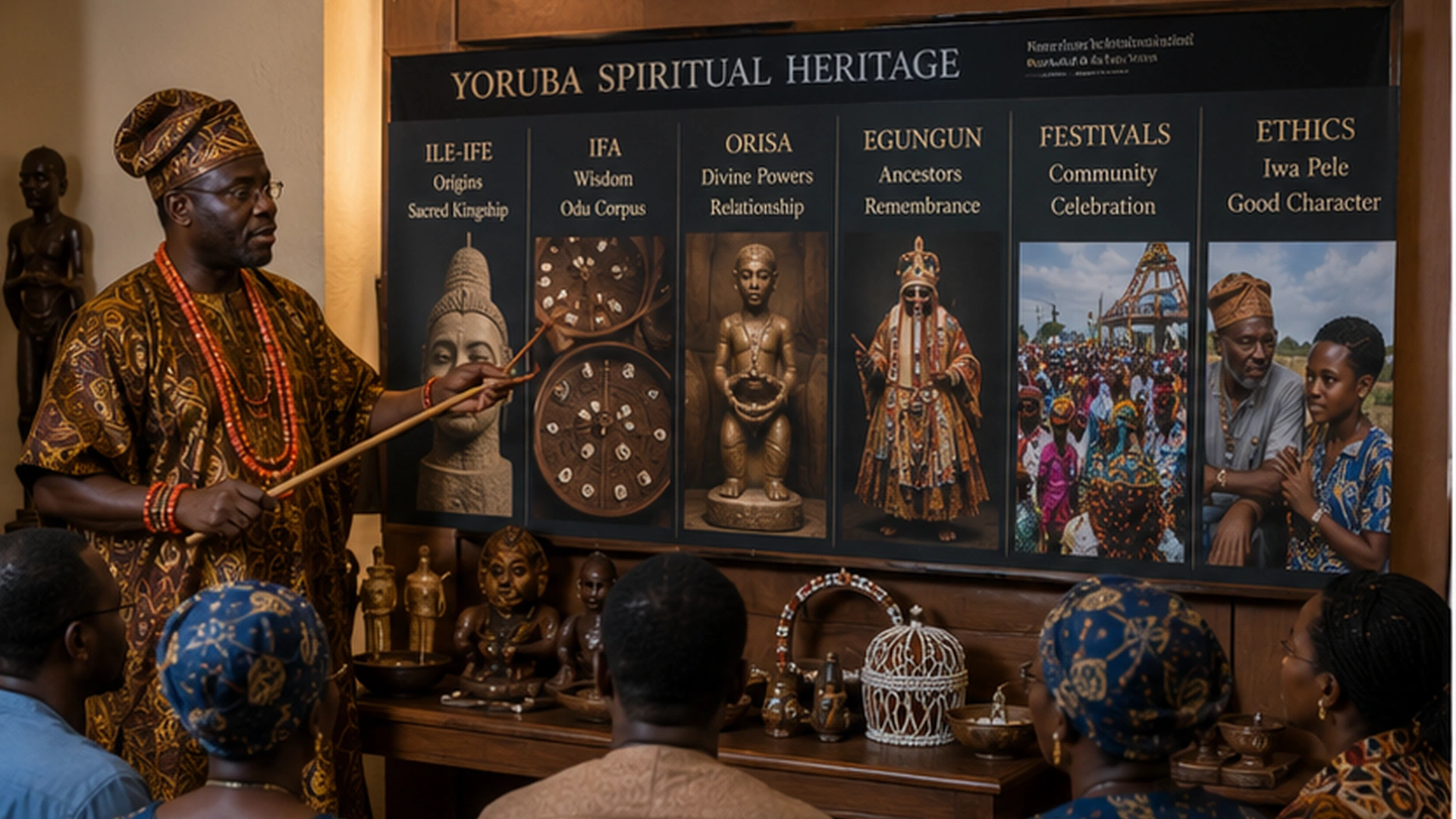
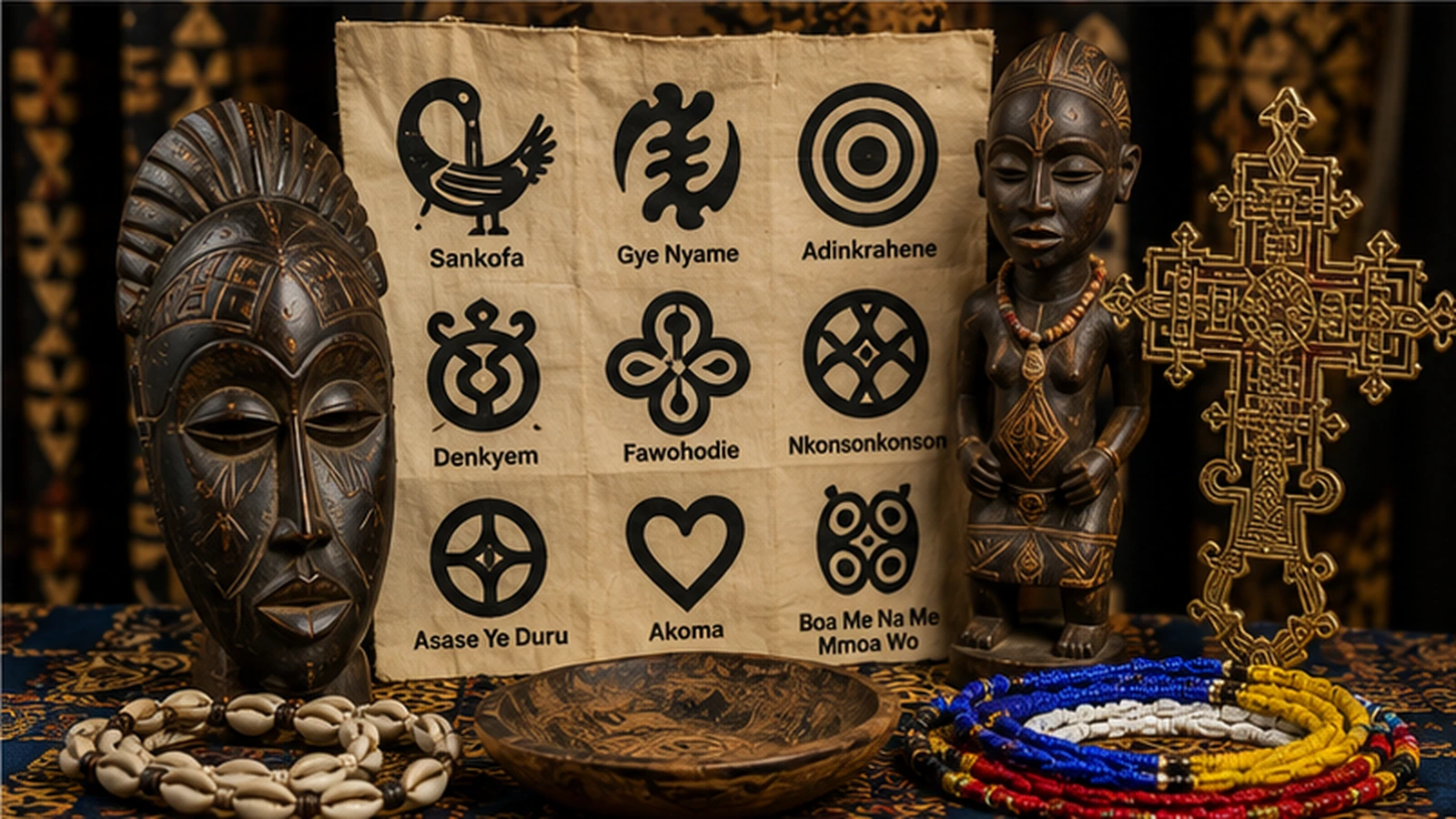
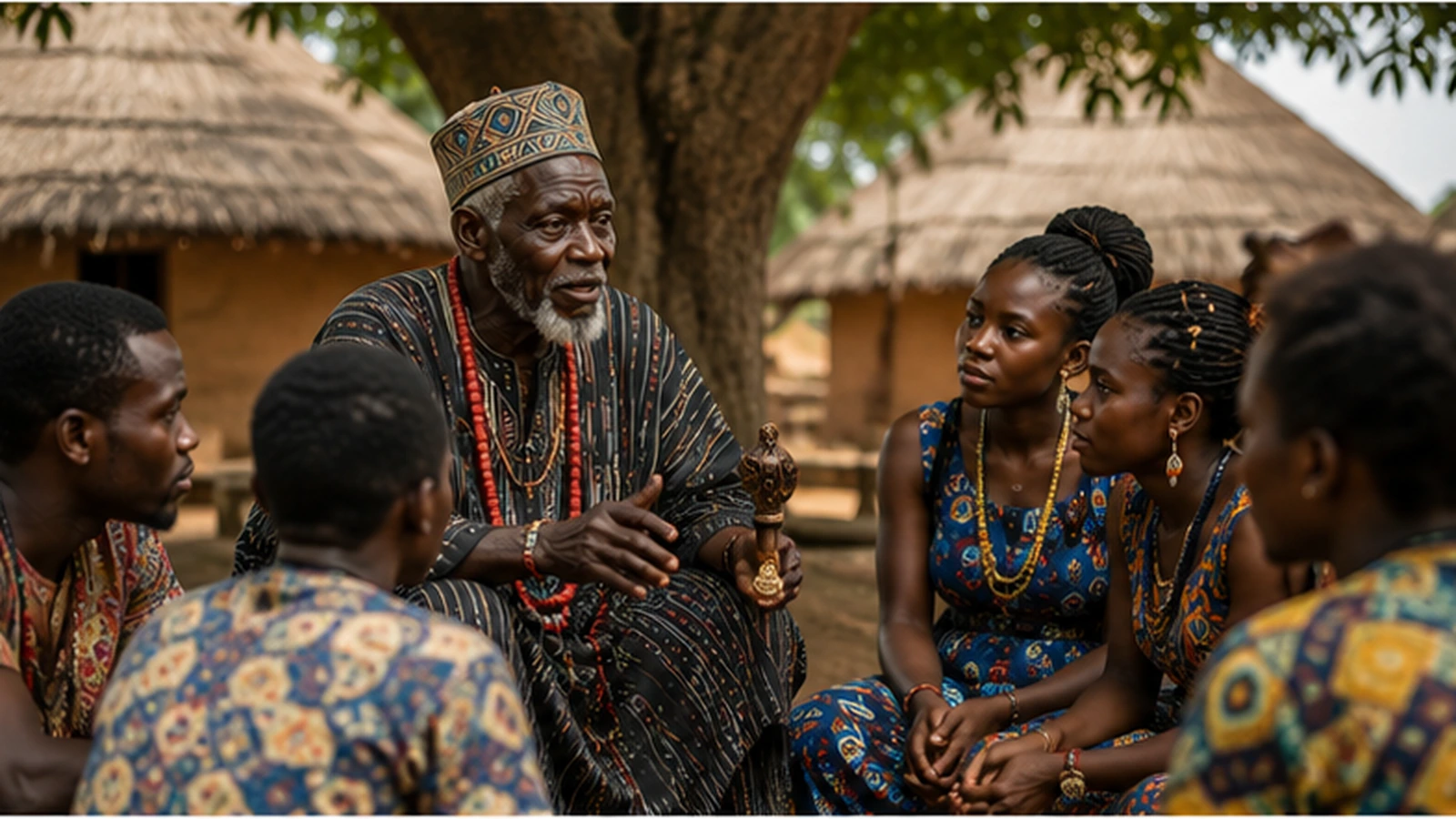
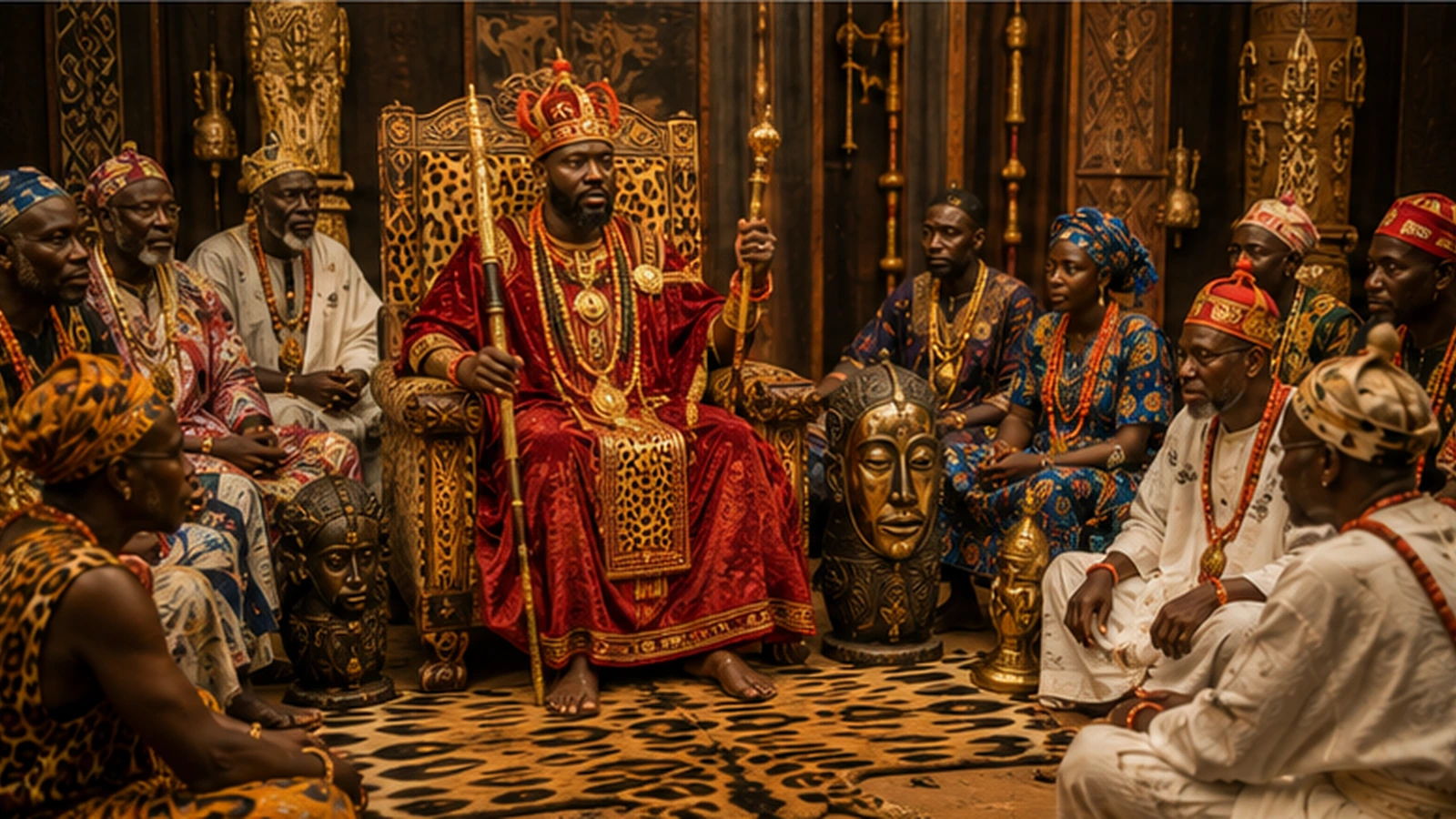
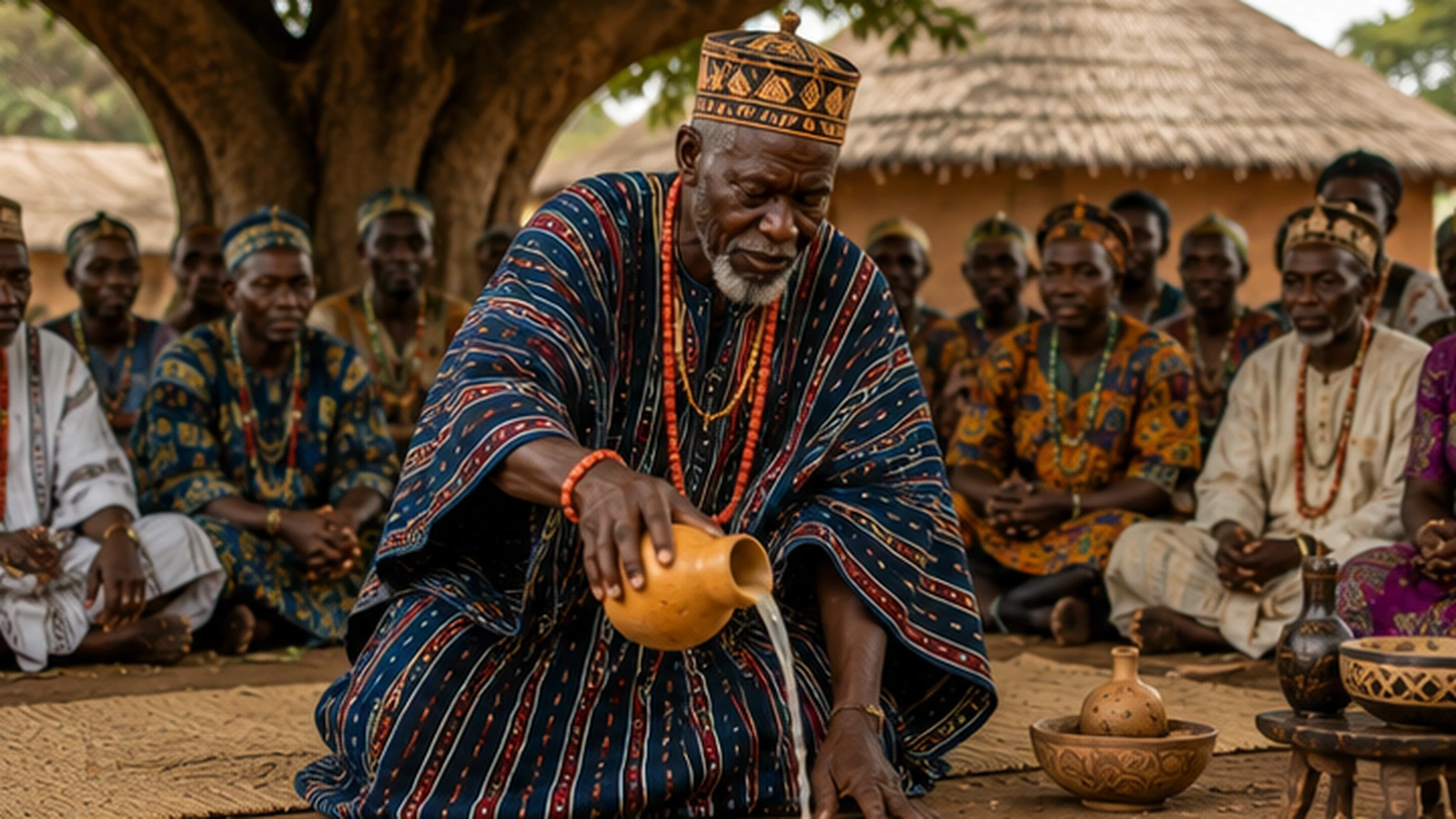
Suggested scene: Yoruba cultural historian introducing Ile-Ife, Ifa, orisa devotion, Egungun ancestry, sacred kingship, festivals, and community ethics through clearly separated educational displays.
Key Points
Yoruba spiritual heritage is diverse, living, and locally specific.
Olodumare is understood as the supreme source of existence, while the orisa are powerful divine beings or forces with distinct responsibilities and histories.
Ifa is a system of divination, oral literature, philosophy, and ethical guidance associated with Orunmila.
Ase refers to effective, life-giving power expressed through speech, ritual, character, art, authority, and right relationship.
Iwa pele, or good and balanced character, is a central ethical ideal.
Egungun traditions honor and represent ancestral presence through lineage-based ritual and public masquerade.
Kingship, crowns, palaces, shrines, markets, rivers, groves, and festivals connect religion with political and community life.
Yoruba traditions have interacted for centuries with Islam and Christianity.
Atlantic slavery carried Yoruba-derived traditions to Cuba, Brazil, Trinidad, the United States, and other regions.
Modern practitioners and communities differ in theology, language, ritual, and identity.
Key Concepts
Concept
General meaning
Olodumare
Supreme source or divine authority in Yoruba thought
Orisa
Divine beings or powers associated with aspects of nature, history, morality, community, and human experience
Ase
Effective power or authority that enables words, beings, and actions to accomplish their purpose
Ifa
Divination and knowledge system associated with Orunmila and the Odu corpus
Iwa pele
Good, balanced, and gentle character
Ebo
An offering or prescribed act intended to restore balance or address a situation
Egungun
Ancestral institution expressed through lineage ritual, remembrance, and masquerade
Ori
The personal head or inner destiny associated with individuality, direction, and responsibility
Ilé
House, family compound, home, or lineage context; meaning depends on usage
1. Yorubaland and Historical Diversity
Yorubaland contains many towns, kingdoms, dialects, political histories, and local cults. Ile-Ife holds exceptional importance in Yoruba origin traditions, sacred kingship, art, and ideas about the beginning of ordered human society.
Oyo developed a major imperial and political tradition in which Sango, royal ancestry, palace institutions, cavalry, and state ritual became especially influential.
Osogbo is closely associated with Osun and the Osun sacred grove, while Ijebu, Ekiti, Ondo, Ketu, and other regions maintain their own sacred histories and festivals.
No single town should be used as a complete model for every Yoruba community.
2. Olodumare and the Divine Order
Olodumare is widely understood as the supreme divine source, creator, or ultimate authority.
Yoruba theology does not always describe Olodumare through one fixed list of qualities. Interpretations vary among oral traditions, regions, scholars, and contemporary practitioners.
The orisa are not simply interchangeable gods below a distant supreme being. They are distinct beings, powers, ancestors, royal figures, and natural or moral forces whose identities are shaped by local histories and worship.
Article Information
- Publisher
- Ancestral Temple
- Editor
- Ancestral Temple
- Last updated
- Jul 26, 2026
- Last reviewed
- Jul 26, 2026
- Content version
- 6f600bf899
This educational article should be read as cultural and spiritual information, not as medical, legal, financial, or emergency advice.
Helpful Related Guidance
Explore This Topic
Spiritual Knowledge · African Spirituality And Cultural History
About the Author
 Ancestral Temple
Spiritual guide and practitioner with decades of experience in ancestral wisdom, rituals, and divine guidance.
Related Posts
View All

Leave a Comment
We'd love to hear your thoughts.
I appreciated the explanation of Olodumare and the orisa.
The article clearly showed that Yoruba spiritual heritage is diverse rather than uniform.