
Zodiac Signs in Different Cultures: Systems Beyond Western Astrology
Quick Summary
“Zodiac sign” usually means Aries, Taurus, Gemini and the rest of the twelve-sign system used in modern Western astrology. Across cultures, however, the same English word is applie...
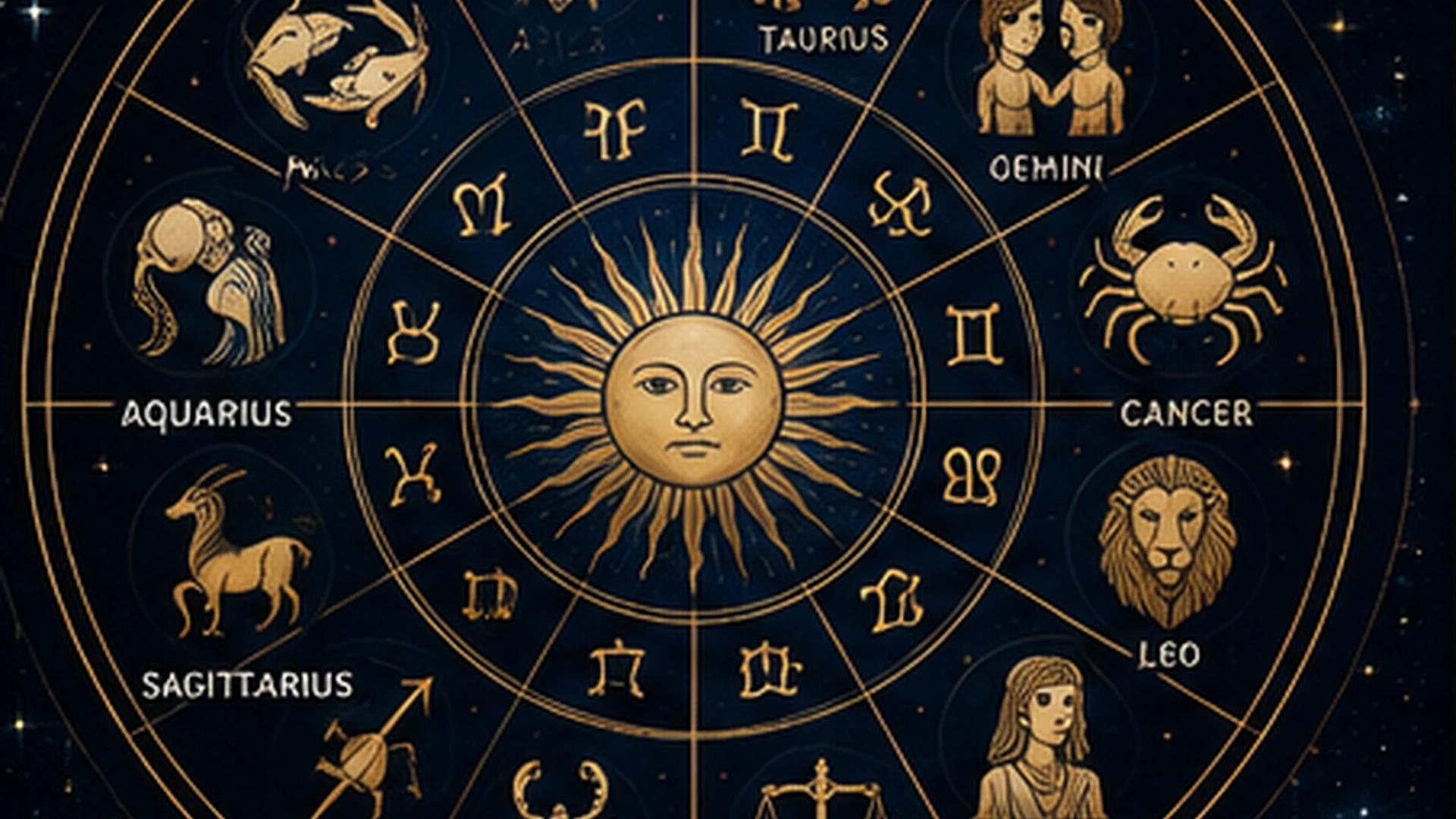
“Zodiac sign” usually means Aries, Taurus, Gemini and the rest of the twelve-sign system used in modern Western astrology. Across cultures, however, the same English word is applied to several very different ways of organizing time, the sky and human experience. Some systems divide the ecliptic into twelve signs. Others assign animals to years, divide the Moon’s path into lunar mansions, track groups of stars for ten-day periods, or combine numbered days with sacred day names.
The most important starting point is therefore not “Which sign matches mine?” but “What does this system actually measure?” A Western sun sign is based on the Sun’s zodiacal longitude at birth. A Chinese animal sign usually identifies a year within a twelve-year calendrical cycle. Indian Jyotisha uses twelve rāśis alongside twenty-seven or sometimes twenty-eight nakṣatras, planetary periods and other chart factors. Tibetan astrology brings together Indian, Chinese and Tibetan elements. Ancient Egyptian decans originally served as star-based timekeepers. The Maya Tzolk’in or Chol Q’ij is a 260-day sacred count of twenty day signs combined with thirteen numbers—not a twelve-sign zodiac.
These traditions have influenced one another through trade, translation, empire, religion and scholarship, yet they remain culturally specific. Comparing them responsibly requires both attention to shared history and resistance to flattening every calendar or divination system into a Western horoscope.
Quick Answer
Zodiac systems differ because they classify different things. Western and Indian astrology use twelve ecliptic signs, while Chinese and related East Asian systems assign animals to years and calendrical branches. Tibetan astrology combines animal-element cycles with Indian and Buddhist traditions. Egyptian decans and Maya day signs are important astral or calendrical systems, but they are not simply alternative versions of Western sun signs.
What Does “Zodiac” Actually Mean?
In astronomy, the zodiac is the region of the sky centered on the ecliptic—the Sun’s apparent annual path against the stars. The Moon and visible planets also remain near this path because the major bodies of the solar system orbit in broadly similar planes. NASA’s educational material explains the ecliptic as the path traced by the Sun on the celestial sphere during Earth’s yearly orbit. [1]
In the standardized Babylonian and later Hellenistic system, the ecliptic was divided into twelve equal signs of thirty degrees each. The British Museum preserves a Late Babylonian tablet that equates months with zodiac signs and describes it as an important stage in the development of the twelve-part zodiac. [2] Those divisions later passed through Greek, Roman, Indian, Persian, Arabic and European intellectual networks.
The word “zodiac” is also used more loosely in English. The Chinese zodiac is not a belt of twelve monthly Sun signs. It is an animal cycle linked to the twelve earthly branches and used to designate years, months, days, hours and directions in different historical contexts. Likewise, “Maya zodiac” is a popular but misleading label for day-sign systems that do not divide the ecliptic into twelve equal sectors.
A Comparison of Major Systems
| System | Main divisions | What it organizes | Typical input | Interpretive focus | Key caution |
|---|---|---|---|---|---|
| Western tropical astrology | 12 signs | Sun’s apparent longitude relative to the equinox-based tropical zodiac | Birth date; full charts also use time and place | Sun sign, rising sign, planets and houses | Direct descendant of Babylonian/Hellenistic zodiac traditions |
| Chinese and East Asian animal cycle | 12 animals within a 60-year stem-branch cycle | Calendrical years and branches; also time and direction historically | Year is most popular; full systems use more data | Rat through Pig; five phases and yin-yang combinations | Not equivalent to monthly sun signs |
| Indian Jyotisha | 12 rāśis plus 27/28 nakṣatras | Ecliptic signs and lunar mansions | Date, exact time and place | Ascendant, Moon, planets, houses, periods and nakṣatras | A complex family of regional and textual traditions |
| Tibetan astrology | 12 animals, 5 elements, trigrams, numbers and Indian components | Calendrical, elemental and planetary relationships | Year and additional calendrical/chart data | Animal-element cycles, mewa, parkha and planetary factors | A synthesis, not a single borrowed zodiac |
| Ancient Egyptian decans | 36 decans | Star groups associated with ten-day periods and night hours | Calendar and stellar observations | Timekeeping and religious-astronomical symbolism | Not originally a twelve-sign personality zodiac |
| Maya Tzolk’in / Chol Q’ij | 20 day signs × 13 numbers = 260 days | Sacred calendrical count | Birth day within the cycle | Day sign or nawal and number in living traditions | Not an ecliptic zodiac |
Why Similar Numbers Do Not Prove the Systems Are the Same
Twelve appears frequently because it is useful for calendrical organization: roughly twelve lunar cycles fit within a solar year, and twelve can be divided into halves, thirds, quarters and sixths. Yet the same number can support unrelated structures. Twelve zodiac signs on the ecliptic, twelve earthly branches, twelve months and twelve directions are not automatically the same institution or evidence of one universal ancient religion.
Historical contact did matter. Babylonian astral science influenced Hellenistic astrology; Hellenistic and Persian materials entered South Asia; Greek texts were translated and transformed in Arabic; Chinese calendrical concepts spread across East and Southeast Asia; Tibetan traditions incorporated Chinese, Indian and Buddhist materials. Responsible comparison therefore looks for documented transmission, not superficial resemblance.
The Chinese Zodiac: Animals, Branches and a Sixty-Year Cycle
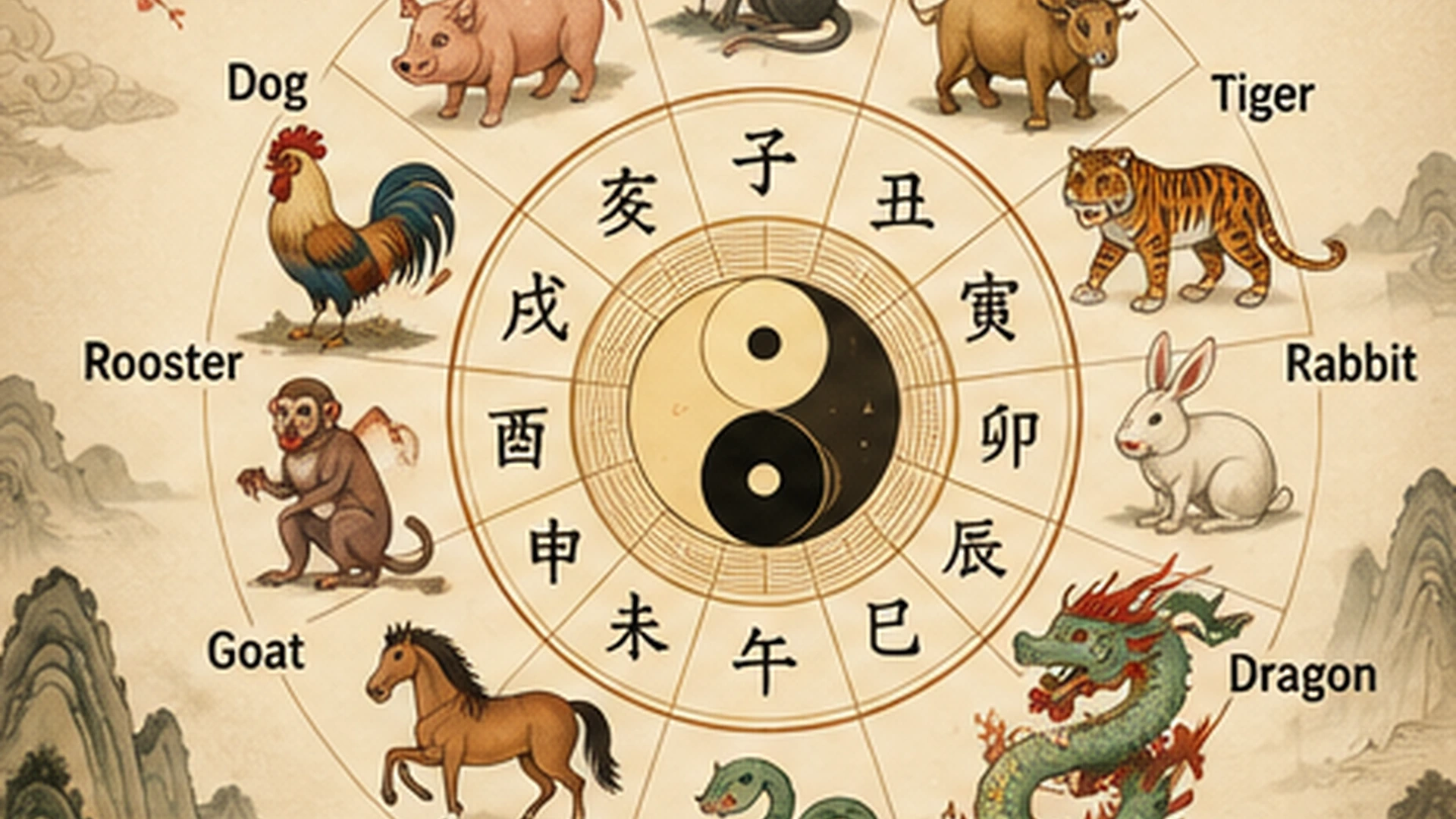
The Chinese zodiac, commonly called shēngxiào, is best known as a repeating sequence of twelve animals: rat, ox, tiger, rabbit, dragon, snake, horse, goat or ram, monkey, rooster, dog and pig. The Metropolitan Museum of Art notes that the conventional order was established by the Eastern Han period and that the animals were paired with ten additional calendrical elements to form a rotating sixty-year cycle. [3]
The animals correspond to the twelve earthly branches. These branches were not originally invented as personality mascots. They functioned in calendrical notation and were associated with months, times of day and directions. The ten heavenly stems combine yin and yang expressions of five phases—wood, fire, earth, metal and water—with the twelve branches. Because ten and twelve repeat together every sixty combinations, the full stem-branch sequence forms a sexagenary cycle.
Popular birth-year descriptions are therefore only one layer. Traditional Chinese calendrical and divinatory practices may consider the stem and branch of the year, month, day and hour, as well as relationships among phases, directions and seasonal cycles. A person born in a “Dragon year” does not possess the same kind of sign as someone described as a Western Leo. One is primarily a calendrical year classification; the other is based on the Sun’s position within an ecliptic sign.
How the East Asian Zodiac Changes Across Regions
The animal cycle spread widely, but local cultures adapted its vocabulary, stories and artistic forms. The Met records adoption by other East and Southeast Asian countries. [3] Japan uses the twelve animals within the jūnishi or eto calendrical framework. Japan’s National Diet Library explains that the ten stems and twelve branches were used to express years, days, times and directions, and lists the animal sequence with Japanese readings. [4]
Korean traditions likewise use the twelve-animal cycle while attaching local historical, artistic and folkloric meanings to each animal. Vietnamese tradition famously replaces the rabbit with the cat in the popular animal sequence. A Vietnamese cultural report highlights this substitution as an example of localization rather than a completely separate calendar system. [5]
These differences matter. It is more accurate to speak of related East Asian and Southeast Asian calendrical traditions than to assume one identical “Chinese zodiac” is practiced everywhere in the same way.
Indian Jyotisha: Rāśis, Nakṣatras and the Whole Chart
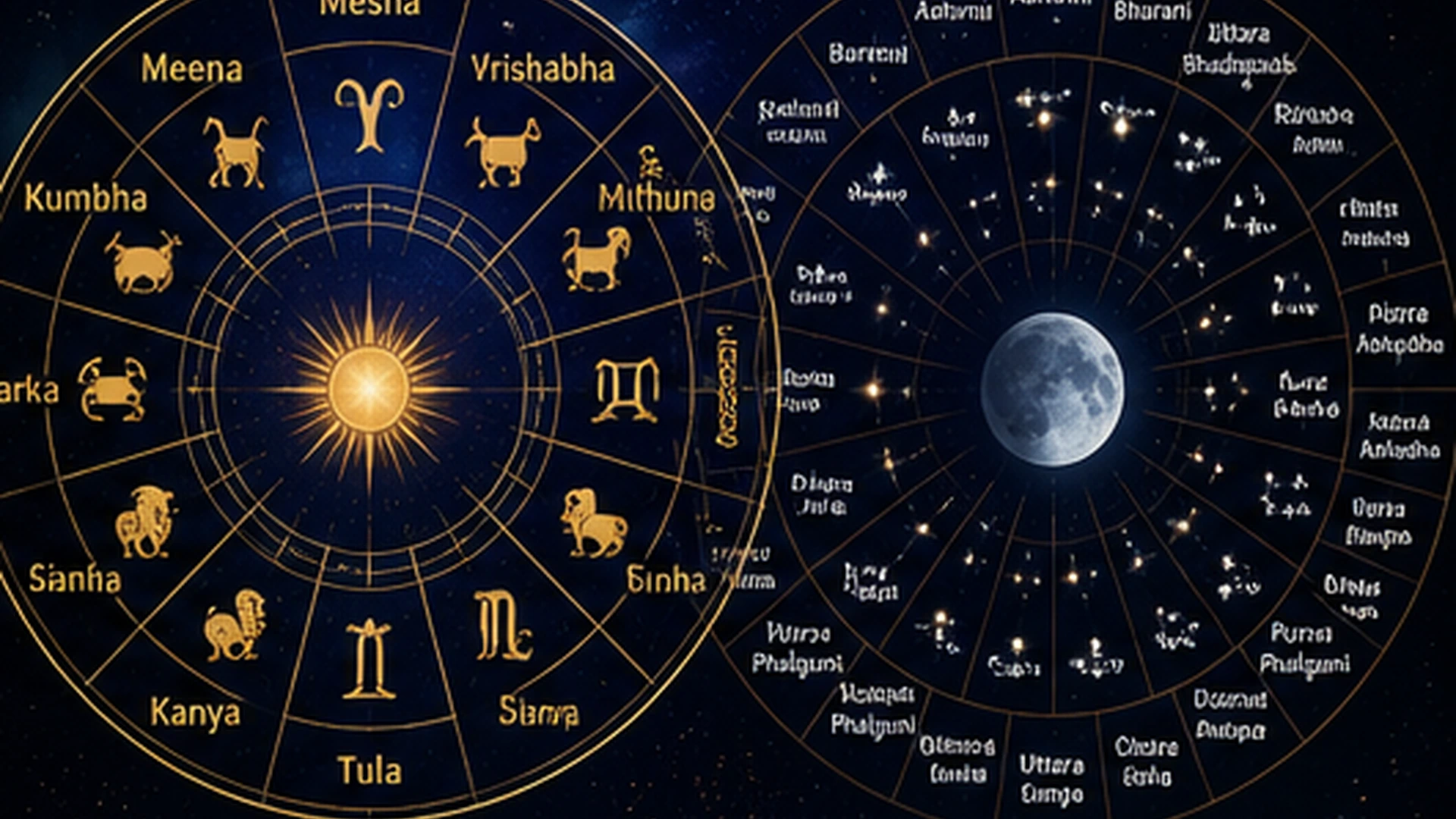
Indian astral traditions are often summarized online as “Vedic astrology,” but Jyotisha is a broad field with astronomical, calendrical, mathematical, ritual and interpretive dimensions developed across many centuries and regions. Modern horoscopic practice commonly uses twelve rāśis, or zodiac signs, whose names correspond closely to Aries through Pisces. A Metropolitan Museum painting of Pisces, called Mīna, belongs to a historical series of rāśis and cites the Yavanajātaka, an important Sanskrit astrological text shaped by cross-cultural transmission. [6]
The twelve rāśis are only one layer. Indian astronomy and calendrical science also use nakṣatras, often translated as lunar mansions or asterisms. A scholarly overview published through Cambridge describes the conventional system of twenty-seven equal ecliptic divisions, each 13 degrees 20 minutes long, associated with named stars or star groups. [7] Some traditions count twenty-eight.
Because the Moon moves through approximately one nakṣatra each day, lunar mansions became important for calendars, ritual timing, naming, electional astrology and interpretation. In many modern Jyotisha readings, the Moon’s nakṣatra, the ascendant or lagna, planetary positions, houses, aspects, yogas and planetary periods may matter more than a simple Sun-sign label.
Is Indian Astrology Sidereal?
Most contemporary Jyotisha schools use a sidereal zodiac adjusted by an ayanāṃśa, an offset intended to account for precession. Different ayanāṃśa choices can shift degrees and occasionally signs near a boundary. Western tropical astrology usually anchors its signs to the equinoxes instead. The two systems may use the same sign names while assigning different zodiacal longitudes to the same planet.
It is therefore misleading to compare “my Vedic sign” with a Western sun sign without checking which placement is being discussed. A Jyotisha practitioner may refer to the Moon sign, ascendant, nakṣatra or a specific planetary configuration rather than treating the Sun sign as the central identity marker.
Tibetan Astrology: A Deliberate Synthesis
Tibetan astrology is especially useful for understanding why cultural systems should not be treated as isolated boxes. The Rubin Museum describes Tibetan astrology as accumulated knowledge drawing from ancient Tibetan traditions, Chinese elemental astrology, Indian astrological systems and the Buddhist Kālacakra or “Wheel of Time” tradition. These streams were compiled in works such as the White Beryl associated with Desi Sangye Gyatso in the seventeenth century. [8]
One important Tibetan framework combines twelve animals with five elements to form a sixty-year cycle. Protective charts may also include nine numerical squares, called mewa, and eight trigrams, called parkha. The Rubin Museum’s description of a Tibetan protective astrological chart identifies these concentric systems and explains their role in the sixty-year calendar. [9]
Tibetan practice is not simply “Chinese zodiac plus Buddhism.” It contains multiple calculation and interpretation traditions, including planetary astrology, elemental divination, calendrical selection and religious contexts. Specific charts, medical applications and protective images belong to living traditions and should not be copied casually or stripped of their ritual setting.
Ancient Egyptian Decans: Star Clocks, Not Twelve Personality Signs
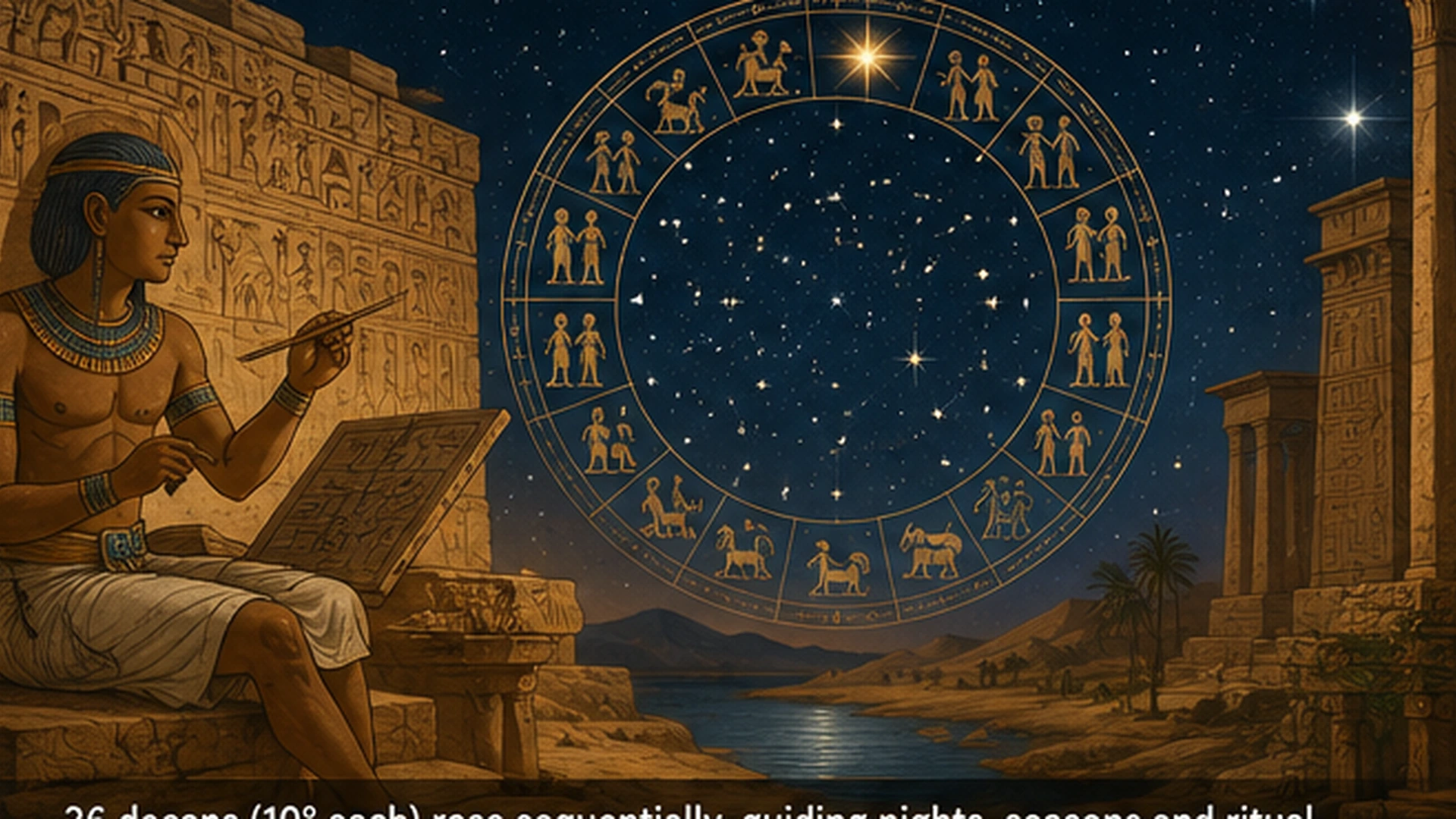
Ancient Egypt is frequently assigned an “Egyptian zodiac” in modern internet lists, often with twelve gods mapped onto modern birth dates. That format is largely modern. A better-documented ancient Egyptian system is the decan: groups of stars used in relation to ten-day periods and the hours of the night.
The Metropolitan Museum of Art explains that Egyptian night hours were reckoned through the movement of star groups called decans. [10] Another Met object record summarizes the original decanal scheme as thirty-six star-associated divisions connected with ten-day units, plus provisions for the remaining five days of the civil year. [11]
Decans later entered Hellenistic and Greco-Egyptian astrology and were associated with segments of the twelve zodiac signs. Yet their earlier function in timekeeping and temple cosmology should not be erased by presenting them as an alternative set of modern sun signs.
The Maya Tzolk’in or Chol Q’ij: A Sacred Day Count, Not a Zodiac
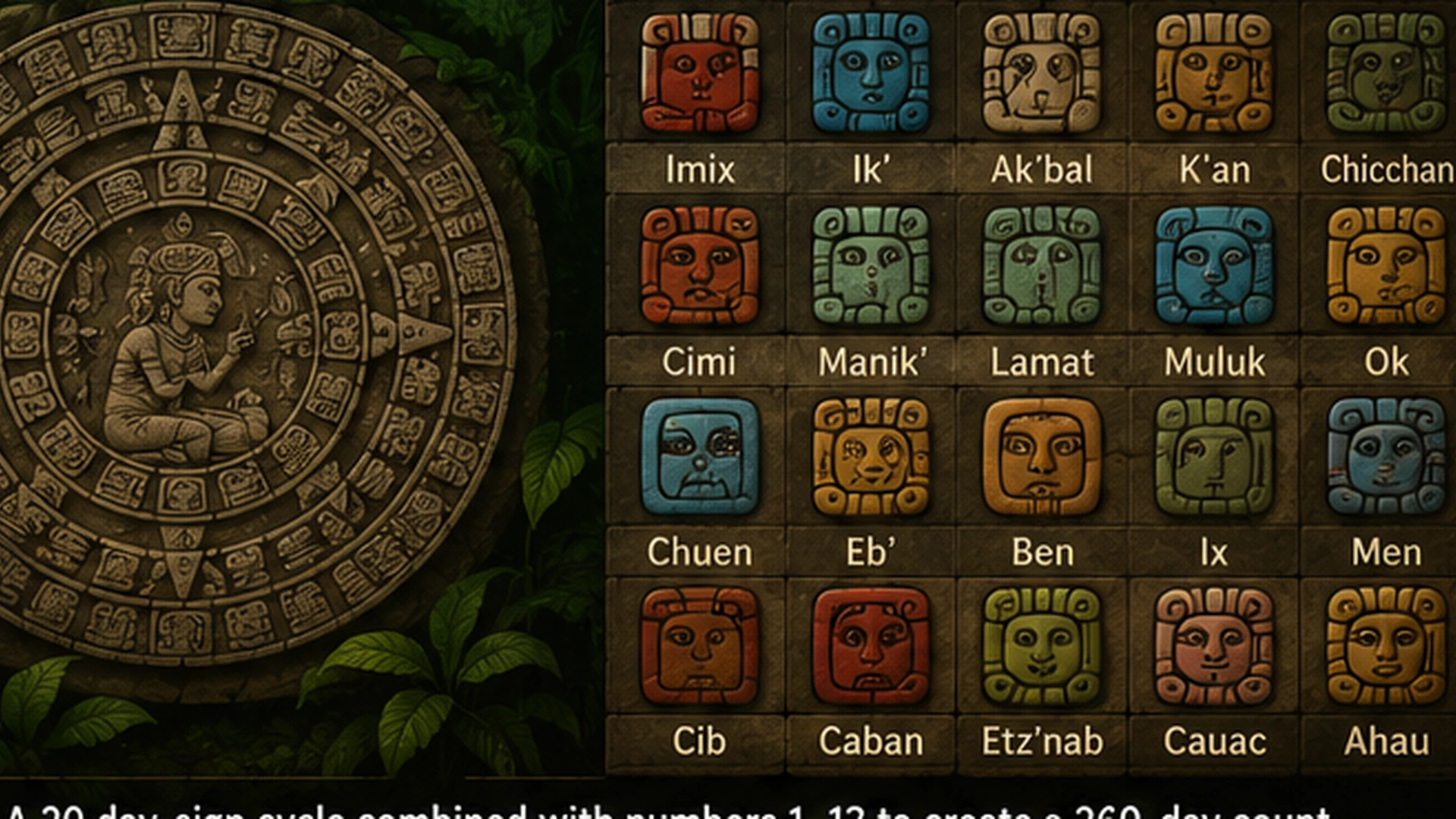
Another common search phrase is “Maya zodiac signs.” The better terminology is the Tzolk’in, a Yucatec Maya name, or Chol Q’ij in K’iche’ Maya usage. The system combines twenty named day signs with the numbers one through thirteen, creating 260 distinct day combinations.
The Smithsonian National Museum of the American Indian’s Living Maya Time project explains that the 260-day sacred calendar remains part of living Maya practice, including New Year observances among K’iche’ communities in Guatemala. It also describes the Calendar Round, in which a Tzolk’in day and a 365-day Haab date do not repeat in the same combination until fifty-two Haab years have passed. [12]
A day sign or nawal can carry cultural, spiritual and community meaning, but it is not one of twelve sectors along the ecliptic. Calling the system a zodiac may help a beginner recognize that birth dates receive symbolic associations, yet it also risks replacing Maya concepts with a foreign category. The living names, languages and custodians of the tradition should come first.
Medieval Islamic Astrology: Transmission, Calculation and Transformation
The medieval Islamic world did not create a completely unrelated twelve-sign zodiac. Scholars working in Arabic and Persian inherited, translated, criticized and expanded Greek, Persian, Indian and earlier Near Eastern astral sciences. This made the Islamic world one of the major centers through which astronomy and astrology were developed and transmitted.
The Metropolitan Museum of Art notes that religious needs—including calculating prayer times, the direction of Mecca, sunrise and sunset for fasting, and lunar months—encouraged refined instruments and observational methods. Astronomers also criticized and improved Ptolemaic models. Astrologers used tools such as the astrolabe, ephemerides and calculation boards before interpreting zodiacal and planetary configurations. [13]
Islamic astrology therefore demonstrates both continuity and innovation. The signs may resemble the Hellenistic zodiac, while imagery, terminology, mathematical tables, courtly uses and philosophical debates developed in Arabic-speaking and Persianate contexts. It belongs in a cross-cultural history of the zodiac, but not as evidence that every culture independently invented the same twelve signs.
What About African Zodiac Signs?
Africa should never be described as one culture with one astrology. The continent contains thousands of communities, languages and historical traditions. Some African societies developed sophisticated calendars, star lore, agricultural timing systems, divination practices and sacred cosmologies. Ancient Egyptian decans are one documented example, but they do not stand for the whole continent.
Modern web pages sometimes publish a single “African zodiac” made from generalized animals or symbols without identifying a community, language, historical source or living custodian. Such lists should be treated cautiously. A credible article must name the specific people and region, explain the evidence, distinguish oral tradition from modern invention, and avoid combining unrelated systems.
A separate AncestralTemple.com research cluster could examine documented traditions community by community—for example, calendars, stellar navigation, seasonal star knowledge or divination—without forcing them into a twelve-sign zodiac framework.
Common Misunderstandings
“Every culture has twelve personality signs.” False. Some systems use twelve ecliptic signs; others use animal years, lunar mansions, star groups or sacred day counts.
“The Chinese zodiac tells your monthly sun sign.” False. The popular animal sign is usually based on a lunar-solar calendrical year, with the New Year beginning in January or February rather than on January 1.
“Indian astrology is just Western astrology shifted backward.” Incomplete. Jyotisha has its own textual histories, lunar mansions, timing methods, house practices and interpretive frameworks, even though cross-cultural transmission shaped the twelve rāśis.
“Egyptians had the same zodiac with different gods.” Misleading. Ancient Egyptian decans first functioned as star-based time divisions. Twelve-sign zodiac imagery became important later in Greco-Egyptian contexts.
“The Maya used twelve zodiac signs.” False. The Tzolk’in or Chol Q’ij combines twenty day signs with thirteen numbers in a 260-day count.
“Similar animals prove direct borrowing.” Not by themselves. Historical transmission requires linguistic, textual, archaeological or chronological evidence.
“One birth sign summarizes a whole tradition.” Rarely. Full systems often consider multiple cycles, planets, houses, lunar positions, elements, numbers or ritual calendars.
How to Compare Zodiac Systems Responsibly
Start with the system’s own name. Use rāśi, nakṣatra, shēngxiào, jūnishi, Chol Q’ij or decan where appropriate instead of translating everything as “zodiac sign.”
Identify what the divisions measure: years, months, ecliptic longitude, lunar motion, days, hours, directions or ritual cycles.
Name the culture, language, region and historical period. “Asian astrology” and “African astrology” are too broad to be precise.
Distinguish documented history from modern popular reinterpretation. A recent personality list may not represent an ancient system.
Recognize living custodians. Some practices are taught publicly, while others involve restricted ritual knowledge that should not be extracted for entertainment.
Avoid ranking systems as more “advanced,” “primitive,” “mystical” or “scientific.” Each should be described in its historical purpose and evidence.
Separate astronomical calculation from interpretive or religious claims. A calendar can accurately track cycles without proving personality predictions.
Astronomy, Astrology and Scientific Limits
Many cultural systems contain genuine observational astronomy: tracking the ecliptic, lunar phases, seasonal stars, calendar cycles, planetary positions or time of night. These measurable components should be distinguished from claims that birth categories determine personality, compatibility, health, wealth or destiny.
Modern scientific testing has not established natal astrology as a reliable method for matching birth charts to personality. Shawn Carlson’s double-blind study in Nature tested the proposition that natal charts could accurately describe personality traits under controlled conditions. [14] Psychological effects can also make broad descriptions feel personally precise; the American Psychological Association defines the Barnum effect as the tendency to accept vague or general descriptions as uniquely applicable to oneself. [15]
This scientific limitation does not erase historical, artistic, religious or personal significance. People may use zodiac systems as cultural identity, sacred time, family tradition, ethical reflection or symbolic language. Responsible writing simply avoids presenting supernatural, medical, protective, financial or personality outcomes as scientifically guaranteed.
People Also Ask
Do all cultures have the same zodiac signs?
No. Western and Indian traditions use twelve ecliptic signs, East Asian systems commonly use twelve animal years, Tibetan astrology combines several cycles, Egyptian decans track star-based time divisions, and Maya day signs belong to a 260-day sacred calendar.
How is the Chinese zodiac different from Western astrology?
The popular Chinese sign is assigned by year within a twelve-animal calendrical cycle and combines with stems and five phases. A Western sun sign is based on the Sun’s position within one of twelve ecliptic signs at birth.
What are Indian zodiac signs called?
The twelve zodiac signs are called rāśis. Jyotisha also uses nakṣatras, or lunar mansions, plus the ascendant, planets, houses and timing systems.
What is the Tibetan zodiac?
Tibetan astrology includes a twelve-animal and five-element sixty-year cycle, but it also draws on Indian planetary astrology, Tibetan traditions, trigrams, numerical squares and Buddhist Kālacakra teachings.
Did ancient Egypt have zodiac signs?
Later Greco-Egyptian culture used the twelve-sign zodiac, but earlier Egyptian astronomy is especially known for decans—star groups connected with ten-day periods and nighttime hours.
Did the Maya have a zodiac?
Not in the twelve-sign ecliptic sense. The Tzolk’in or Chol Q’ij is a 260-day count formed by combining twenty day signs with thirteen numbers.
Why does Vietnam use the cat instead of the rabbit?
Vietnamese tradition localizes the East Asian animal cycle by using the cat where the Chinese sequence commonly uses the rabbit. The exact historical explanation is debated, so simple folk stories should not be presented as settled fact.
Where did the twelve-sign zodiac begin?
The standardized twelve-part zodiac developed in Late Babylonian astronomy and astrology, then moved through Hellenistic, Indian, Persian, Arabic and European traditions.
Is astrology scientifically proven?
No reliable scientific evidence shows that zodiac signs determine personality or predict life events. Astrology remains culturally and historically significant, but its interpretive claims should not be presented as scientific fact.
Frequently Asked Questions
Are the twelve Indian rāśis identical to Western signs?
They share names and a historical connection, but most Jyotisha schools use sidereal calculations and interpret the rāśis within a broader system that includes nakṣatras, planetary periods and other factors.
Is the Japanese zodiac the same as the Chinese zodiac?
It uses the related twelve-animal and stem-branch framework adopted from China, but Japanese readings, art, folklore and calendrical practices developed locally.
Does a Chinese animal year begin on January 1?
Usually not. The relevant lunar-solar New Year falls in January or February, and some astrological schools use the solar term Beginning of Spring for specific calculations.
Are decans still used in astrology?
Some modern and traditional astrologers use 36 decans as ten-degree subdivisions of the twelve signs. This later astrological use should be distinguished from ancient Egyptian stellar timekeeping.
Can one person have signs in several systems?
Yes, because the systems classify different cycles. A person may have a Western sun sign, an Indian Moon sign and nakṣatra, a Chinese year animal and a Maya day sign without those categories being direct equivalents.
Which system is the oldest?
The answer depends on what is being compared. Ancient Egyptian stellar timekeeping, Mesopotamian astral divination, Indian lunar mansions and Chinese calendrical branches all have deep histories. The standardized twelve-sign zodiac is specifically associated with Late Babylonian development.
Should cultural zodiac descriptions be used for medical or financial decisions?
No. Cultural and spiritual interpretations are not substitutes for qualified medical, legal or financial advice, and no sign can guarantee health, fertility, protection, wealth or compatibility.
Key Takeaways
The Western zodiac is an ecliptic sign system; many other systems called “zodiacs” organize years, days, lunar mansions or star-based time periods.
The Chinese zodiac’s twelve animals correspond to earthly branches and combine with ten stems in a sixty-year cycle.
Indian Jyotisha uses twelve rāśis alongside twenty-seven or twenty-eight nakṣatras and a full chart of planetary factors.
Tibetan astrology deliberately synthesizes Tibetan, Chinese, Indian and Buddhist systems rather than copying one source.
Ancient Egyptian decans were star groups connected with ten-day periods and night hours.
The Maya Tzolk’in or Chol Q’ij is a living 260-day sacred count, not a twelve-sign zodiac.
Historical transmission connects many traditions, but similar numbers or symbols do not make the systems identical.
Astronomical observation can be accurate even when astrological personality or predictive claims are not scientifically supported.
Conclusion
Zodiac signs in different cultures reveal many ways human communities have organized the sky, time and meaning. The comparison becomes most useful when it moves beyond matching one sign to another. A Chinese animal year is not a Western sun sign. A nakṣatra is not a zodiac animal. A decan is not a Maya day sign. Each belongs to a particular historical system with its own language, evidence, uses and living interpreters.
The strongest cross-cultural understanding holds two truths together: traditions have always exchanged knowledge, and cultural differences still matter. By naming each system accurately, tracing documented connections and stating scientific limits, readers can appreciate the world’s astral traditions without reducing them to a single universal horoscope.
Final Summary
Across cultures, “zodiac” may refer to twelve ecliptic signs, twelve animal years, lunar mansions, elemental cycles or other symbolic calendars. Western and Indian traditions share a twelve-sign zodiacal framework, East Asian systems center on calendrical branches and animals, Tibetan astrology combines multiple traditions, Egyptian decans began as stellar timekeepers, and Maya day signs belong to a 260-day count. These systems are best understood through their own terminology and cultural contexts.
Suggested Internal Links
Rising Signs Explained: Meaning, Calculation and Why They Change Every Two Hours
Solstices and Equinoxes Explained: Meaning, Dates and Differences
How the Zodiac Developed in Ancient Mesopotamia
Chinese Zodiac vs Western Zodiac: The Differences That Matter
Rāśi and Nakṣatra Explained in Indian Jyotisha
Egyptian Decans: The Ancient Star Clocks of the Night Sky
Maya Tzolk’in and Chol Q’ij: Twenty Day Signs and Sacred Time
Astrology and Science: What Can and Cannot Be Tested
Research Sources and Further Reading
[1] NASA Goddard Space Flight Center. “The Path of the Sun, the Ecliptic.” Educational overview of the Sun’s apparent annual path and the zodiac.
[2] The British Museum. Late Babylonian zodiac tablet (Museum object 1885,0430.15), a list associating months with zodiac signs.
[3] The Metropolitan Museum of Art. “Set of Twelve Zodiac Animals,” China, Tang dynasty. Collection research on the established animal order and sixty-year cycle.
[4] National Diet Library, Japan. “The Japanese Calendar: E-to and the Twelve Animals.” Historical explanation of heavenly stems, earthly branches, animals, time and direction.
[5] Vietnam.vn. “The 12 Zodiac Animals—From Folk Tradition to Modern Creativity.” Cultural discussion of the Vietnamese cat substitution.
[6] The Metropolitan Museum of Art. “Pisces (Mina), from a Mandi Astrology Series,” attributed to Sajnu, ca. 1810. Collection research on rāśis and the Yavanajātaka.
[7] A. K. Chakravarty. “The Asterisms.” International Astronomical Union Colloquium, published by Cambridge University Press. Overview of the twenty-seven nakṣatras.
[8] Rubin Museum of Himalayan Art. “The White Beryl Manuscript.” Research on the combined sources of Tibetan astrological tradition.
[9] Rubin Museum of Himalayan Art. “Protective Astrological Chart.” Collection research on twelve animals, five elements, trigrams and numerical squares.
[10] The Metropolitan Museum of Art. “Telling Time in Ancient Egypt.” Essay on night hours, decans and Egyptian calendars.
[11] The Metropolitan Museum of Art. “Bastet on a Throne Decorated with the Decans.” Collection note on thirty-six decans and ten-day periods.
[12] Smithsonian National Museum of the American Indian. “Living Maya Time: The Calendar System” and “Corn and Calendar Traditions.” Community-centered material on Tzolk’in/Chol Q’ij and the Calendar Round.
[13] The Metropolitan Museum of Art. “Astronomy and Astrology in the Medieval Islamic World.” Essay on instruments, calculation, translation and astrological practice.
[14] Shawn Carlson. “A Double-Blind Test of Astrology.” Nature 318 (1985): 419–425. DOI: 10.1038/318419a0.
[15] American Psychological Association Dictionary of Psychology. “Barnum Effect.”
Post-Publication Optimization
After indexing, review Search Console queries at 28, 60 and 90 days. Replace the title-derived map with actual impressions, clicks, CTR and average position.
If “Chinese zodiac vs Western zodiac” gains high impressions, strengthen the comparison table and create a dedicated supporting article rather than duplicating this overview.
If “Maya zodiac signs” appears, preserve the corrective wording in the snippet: the Tzolk’in or Chol Q’ij is a 260-day sacred count, not a twelve-sign ecliptic zodiac.
Add internal links from the rising-sign and solstice/equinox articles using descriptive anchors related to zodiac history, ecliptic systems and cultural astronomy.
Use FAQ structured data only for questions visibly answered on the page and only if current Google guidelines permit it for the site type.
Review all cultural terminology annually and update museum or institutional references if collection descriptions change.
Create localized supporting content only when adequate region-specific sources and cultural expertise are available; do not mass-produce thin “zodiac of every country” pages.
Article Information
- Publisher
- Ancestral Temple
- Editor
- Ancestral Temple
- Last updated
- Jul 26, 2026
- Last reviewed
- Jul 26, 2026
- Content version
- 1136c4aed4
This educational article should be read as cultural and spiritual information, not as medical, legal, financial, or emergency advice.
Helpful Related Guidance
Explore This Topic
Related Topic Cluster
Dreams & Symbolism
About the Author
 Ancestral Temple
Spiritual guide and practitioner with decades of experience in ancestral wisdom, rituals, and divine guidance.
Related Posts
View All












Leave a Comment
We'd love to hear your thoughts.