
What Is a Blessing Ceremony?
Cornerstone Content
Quick Summary
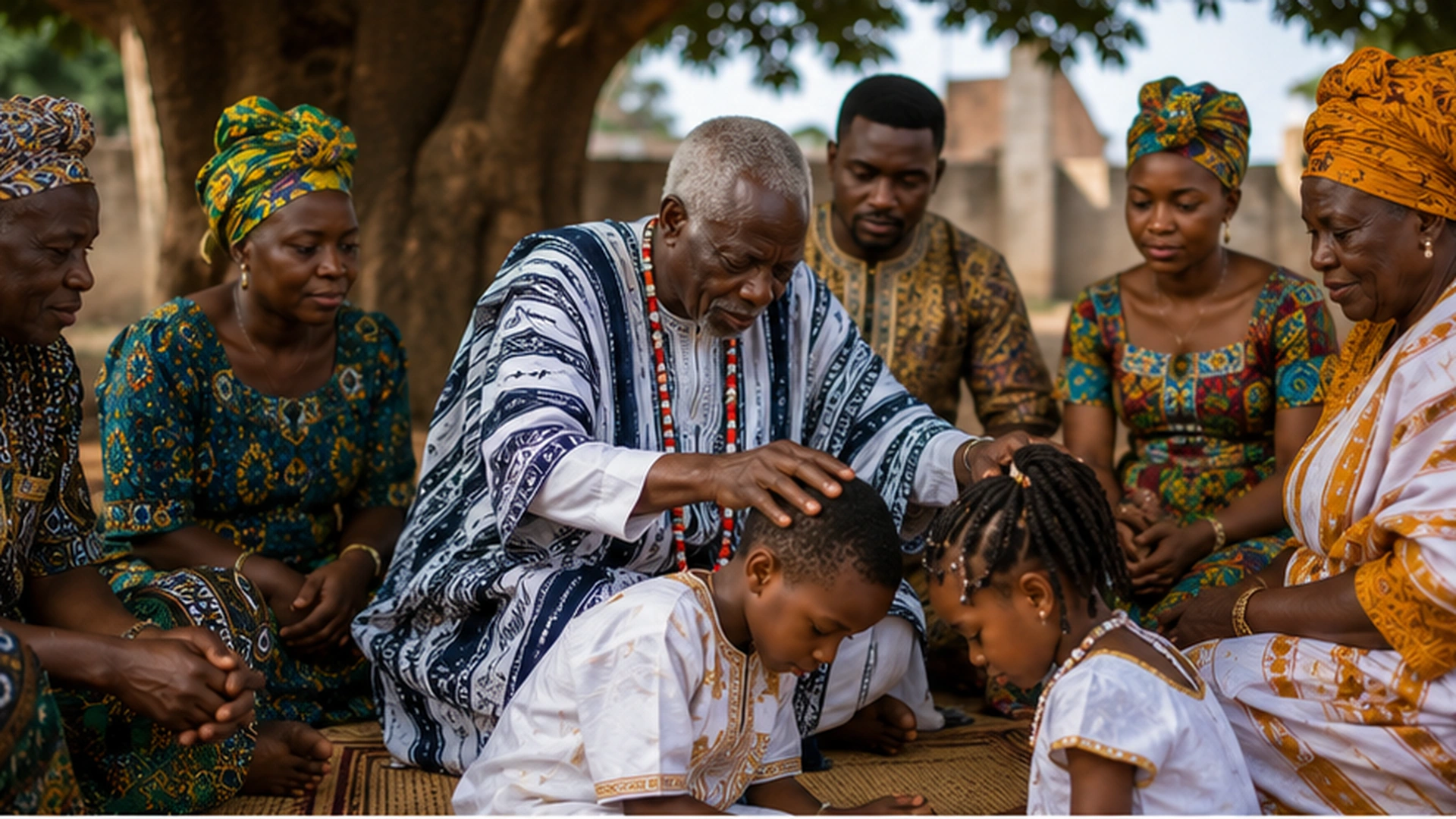
Blessing ceremonies have accompanied births, marriages, leadership transitions, journeys, harvests, new years, homes, and community gatherings for centuries. This guide explores their history across diverse religious and African cultural settings without treating them as one universal tradition.
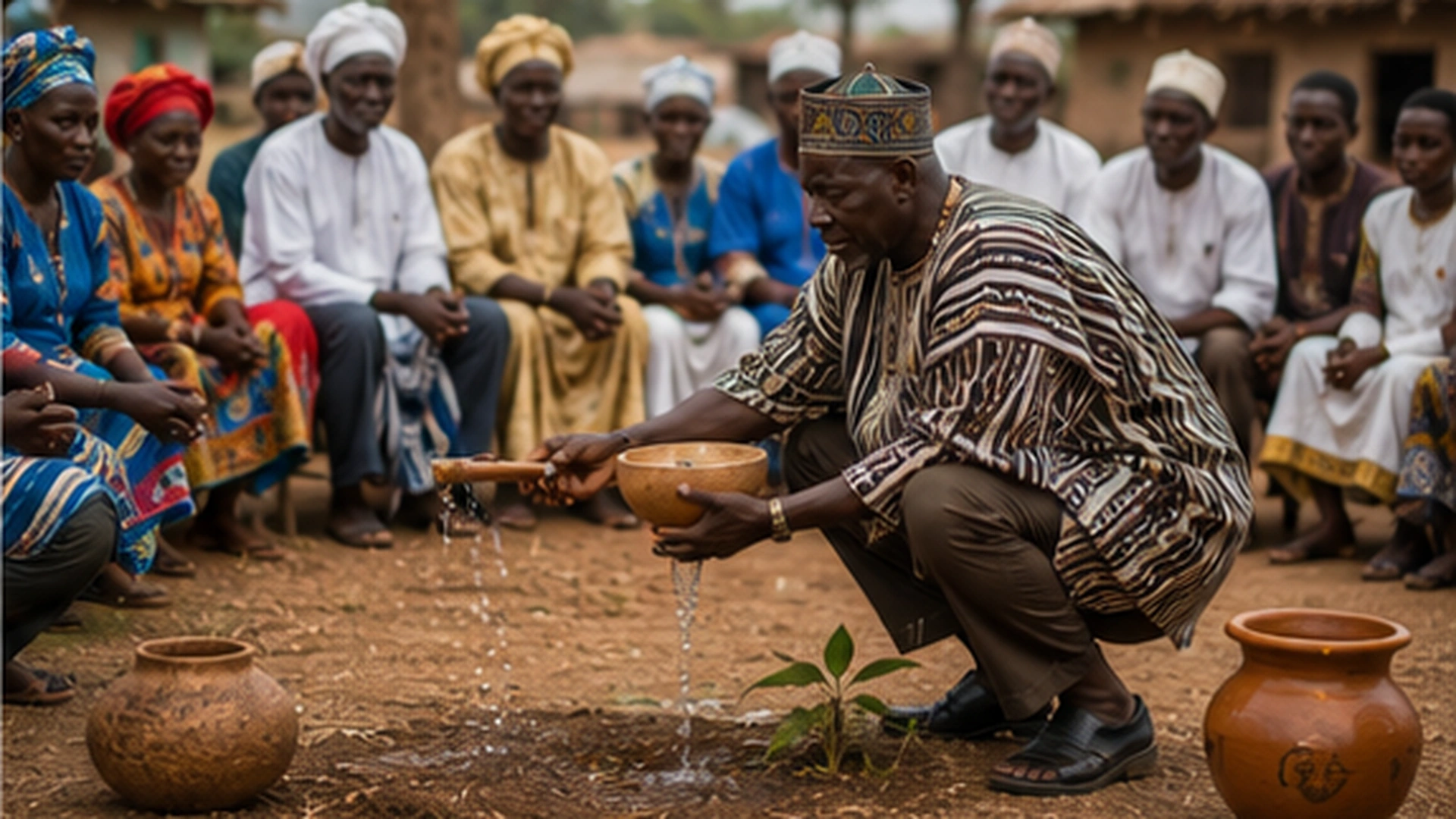
A blessing ceremony is a structured occasion where people express prayer, approval, gratitude, protection, responsibility or hope for well-being. Blessings may be spoken over a child, marriage, home, harvest, journey, leader, family, community or meaningful object. The exact meaning depends on the religious, cultural and family tradition involved.
Blessing ceremonies appear in many parts of human history, but they did not begin as one worldwide ritual with a single origin.
The word blessing can describe a prayer for well-being, a formal expression of approval, a sacred invocation, a statement of gratitude, or an elder’s words of guidance. A blessing may be spoken over a person, marriage, child, meal, household, journey, harvest, ruler, community, or meaningful object.
Some blessing ceremonies are religious. Others are primarily familial, political, social, or commemorative.
Their meanings also differ greatly.
In one setting, a blessing may be understood as a prayer directed to God. In another, it may express the authority of elders. Elsewhere, it may affirm kinship, welcome a child, recognize a new leader, restore peace, or communicate a community’s hopes for the coming year.
For this reason, there is no single “African blessing ceremony,” just as there is no single Christian, Jewish, Muslim, or Indigenous form of blessing.
The history of blessing ceremonies is instead a history of many communities using solemn words, gestures, relationships, and public gatherings to express hopes for well-being, continuity, peace, responsibility, and belonging.
Blessing Ceremony Meaning: Quick Summary
Blessing ceremonies are structured occasions during which people express prayers, approval, gratitude, goodwill, protection, responsibility, or hopes for future well-being.
They have historically appeared in connection with:
- Birth and naming
- Childhood and adulthood
- Marriage
- Leadership and succession
- Farming and harvest
- New Year celebrations
- Travel and migration
- Homes and community spaces
- Religious worship
- Reconciliation
- Funerals and remembrance
- Craftwork, tools, boats, and other valued objects
No historian can identify one first blessing ceremony. Spoken blessings almost certainly existed before surviving written records, but their earliest forms cannot be reconstructed with certainty.
Written and material evidence from the ancient Near East, biblical traditions, early Christianity, Islamic societies, and many later cultural records demonstrates that blessings have long been associated with family authority, priesthood, kingship, hospitality, fertility, peace, protection, and social continuity.
What Is a Blessing Ceremony?
A blessing ceremony is an organized occasion in which a person or group formally expresses goodwill, prayer, approval, sacred intention, or responsibility toward someone or something.
A ceremony may involve:
- Spoken words
- Prayer
- Song
- Poetry
- Gesture
- Touch
- Raised hands
- Shared food
- Water or another culturally appropriate substance
- Gift-giving
- Family witnesses
- Religious officials
- Elders
- Community leaders
- Symbolic objects
- A meal or public celebration
Not every blessing uses all these elements.
A parent speaking privately to a child may offer a blessing without holding a public ritual. A religious institution may use an established liturgical formula. A clan head or elder may address relatives in language learned through community tradition.
In Simple Terms
A blessing ceremony is a meaningful way of saying:
- May you be well.
- May your new responsibility be successful.
- May peace remain in this family.
- May this marriage be guided wisely.
- May this child grow with dignity.
- May this community enter the new season in unity.
- May God show favor and mercy.
- May you remember your obligations to others.
The exact wording and intended recipient depend on the tradition.
Why the Earliest History Is Difficult to Trace
Blessing ceremonies are often performed orally. Spoken words may survive through memory and practice without being written down.
This creates several historical challenges:
- The earliest ceremonies may have left no physical evidence.
- Written records often represent rulers, temples, courts, or religious elites more than ordinary households.
- Colonial observers sometimes misunderstood local practices.
- Missionaries and early anthropologists frequently translated different ideas using broad terms such as “blessing,” “magic,” or “superstition.”
- Living traditions may have changed since their earliest documented forms.
The history of precolonial religions in much of sub-Saharan Africa is especially difficult to reconstruct because early written archives are uneven and many surviving descriptions were produced by outsiders during relatively recent periods. Scholars therefore compare oral histories, languages, archaeology, art, community knowledge, and later ethnographic records rather than assuming that a modern ceremony is an unchanged survival from remote antiquity.
Blessings in the Ancient World
Family and household authority
Before blessings became standardized in written religious institutions, they were likely part of family and household relationships.
Parents, senior relatives, rulers, and religious specialists could express hopes for descendants, inheritance, fertility, safety, prosperity, or continuity.
In many ancient societies, household religion was connected with family descent, land, food, burial, and obligations between generations. Blessings could therefore concern both spiritual favor and practical social order.
Because the evidence is incomplete, these practices should not be described as one universal ancient ceremony.
Blessing, kingship, and political order
In ancient Near Eastern political traditions, rulers were frequently connected with divine favor, justice, agricultural well-being, and the security of the land.
Blessings and curses could also appear in treaties or covenants. Blessing language affirmed the benefits of loyalty, while curse language described the consequences of violating an agreement.
This history shows that blessings were not always private expressions of kindness. They could reinforce political authority, public duty, and legal obligation.
Written blessings and meaningful objects
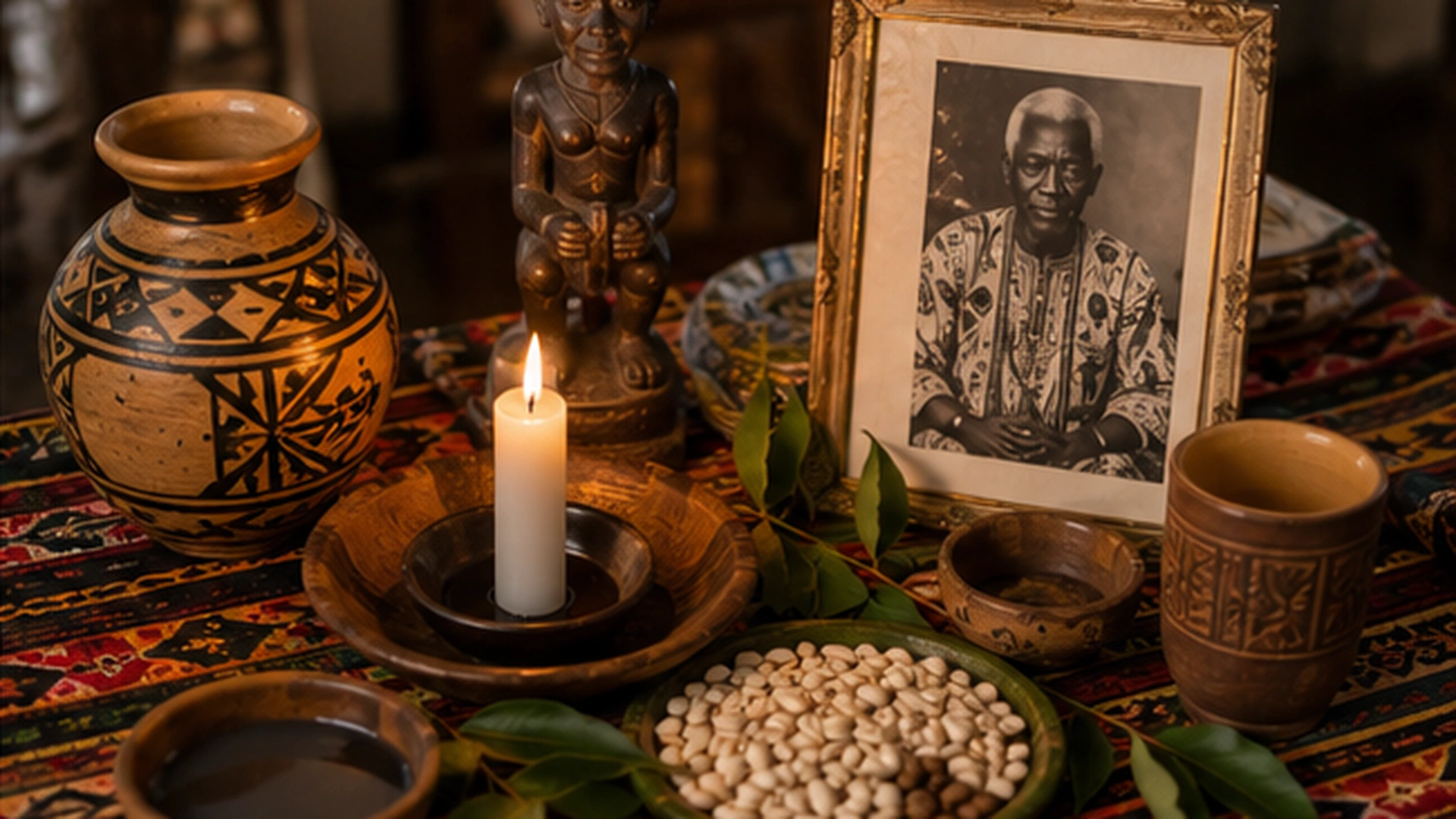
Blessing words were sometimes placed on objects.
A surviving tenth-century ceramic bowl attributed to Iraq carries the Arabic word baraka, meaning blessing. The inscription gave the object an auspicious quality connected with making, gifting, serving, and everyday use. Similar wishes for blessing and well-being also appeared on early Islamic cups, textiles, and vessels.
Such objects demonstrate how blessings could move beyond spoken ceremonies and become part of material culture.
Blessing in Ancient Israelite and Jewish Traditions
One of the best-known ancient blessing texts appears in Numbers 6:22–27.
In this passage, Aaron and his sons are instructed to bless the people of Israel with words asking for divine protection, grace, favor, and peace. The text became known as the Priestly Blessing or Birkat Kohanim.
The blessing is significant for several reasons:
- It is spoken by authorized priests.
- The ultimate source of blessing is understood to be God.
- Protection and peace are central themes.
- The blessing addresses a community rather than promising private power to the speaker.
- Its language continued to influence Jewish and Christian worship.
Jewish blessing traditions later developed around worship, meals, festivals, family life, children, and major life events.
These traditions are diverse. Orthodox, Conservative, Reform, Sephardi, Ashkenazi, Mizrahi, and other Jewish communities may differ in language, timing, gesture, and liturgical interpretation.
Blessing Ceremonies in Christian History
Christian blessing practices grew from biblical, Jewish, Mediterranean, and developing church traditions.
Early Christian communities used prayers and benedictions in worship, meals, baptismal settings, leadership, and communal gatherings. Over time, churches developed distinct liturgical practices for blessing people, marriages, homes, religious objects, fields, food, journeys, and other aspects of life.
In Catholic teaching, blessings are classified among sacramentals. They may be offered for people, meals, objects, and places, while directing praise toward God and asking for divine gifts.
Eastern Orthodox, Oriental Orthodox, Catholic, Anglican, Lutheran, Methodist, Pentecostal, Evangelical, and African Independent churches have developed different approaches.
Examples may include:
- A final benediction at the end of worship
- Blessing a marriage
- Praying for a newborn child
- Blessing a home
- Blessing crops or food
- Praying before a journey
- Commissioning a religious leader
- Offering prayers at a funeral
- Blessing a congregation at a new year
Christian practices in Africa have also interacted with existing family, royal, elder, naming, and community traditions.
This interaction has not produced one uniform “African Christian” ceremony. Some churches reject Indigenous ceremonial elements, while others use local languages, music, kinship structures, clothing, or community forms within Christian worship.
Blessing in Islamic History
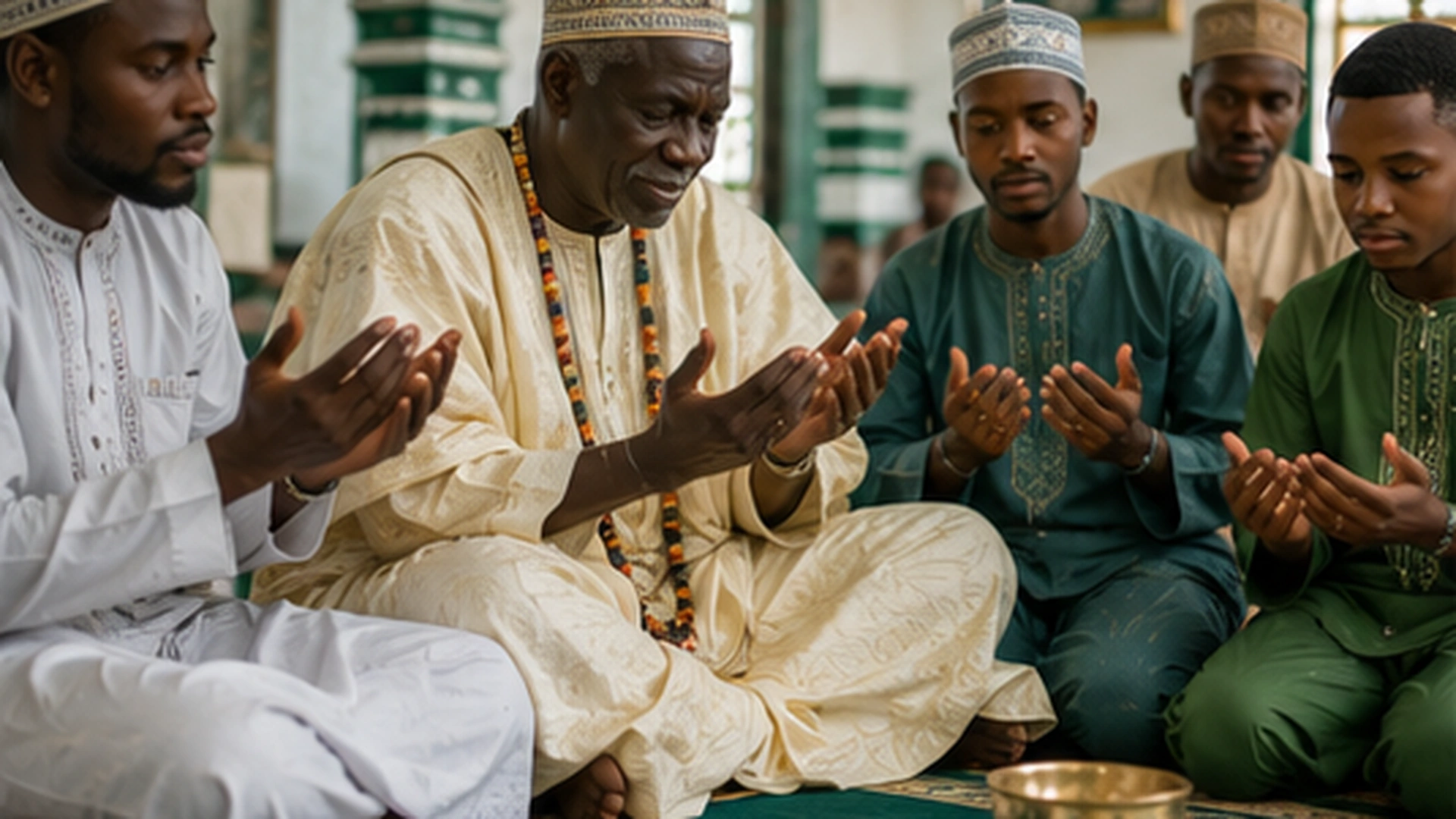
In Islamic thought, baraka generally refers to blessing or divine grace.
The term has been used in connection with God’s favor, prayer, respected people, sacred learning, places, devotional objects, generosity, family descent, and acts believed to carry spiritual benefit.
Early Islamic material culture preserves numerous blessing inscriptions. Ninth- and tenth-century cups, ceramics, and textiles contain words wishing blessing, success, and well-being for their owners.
As Islam expanded across Africa, communities interpreted Islamic teachings within their own languages, political institutions, family systems, and historical circumstances. Historians describe this not simply as the arrival of a fixed foreign culture but also as the development of locally rooted Muslim societies.
In particular African Muslim settings, blessing may be associated with:
- Supplication or duʿā
- Qur’anic recitation
- Marriage
- Naming a child
- Welcoming a traveler
- Religious education
- Charity
- A respected scholar
- Sufi devotional traditions
- Family or scholarly lineages
Muslim interpretations of baraka and acceptable blessing practices differ. Reformist, Sufi, Sunni, Shia, Ibadi, and locally established communities may disagree about visits to tombs, sacred objects, saintly authority, or inherited spiritual charisma.
These debates should be described carefully rather than presenting one practice as representative of all Muslims.
Blessing Ceremonies in African Historical Contexts
African blessing practices have developed within highly diverse systems of kinship, religion, kingship, age organization, farming, trade, migration, and community authority.
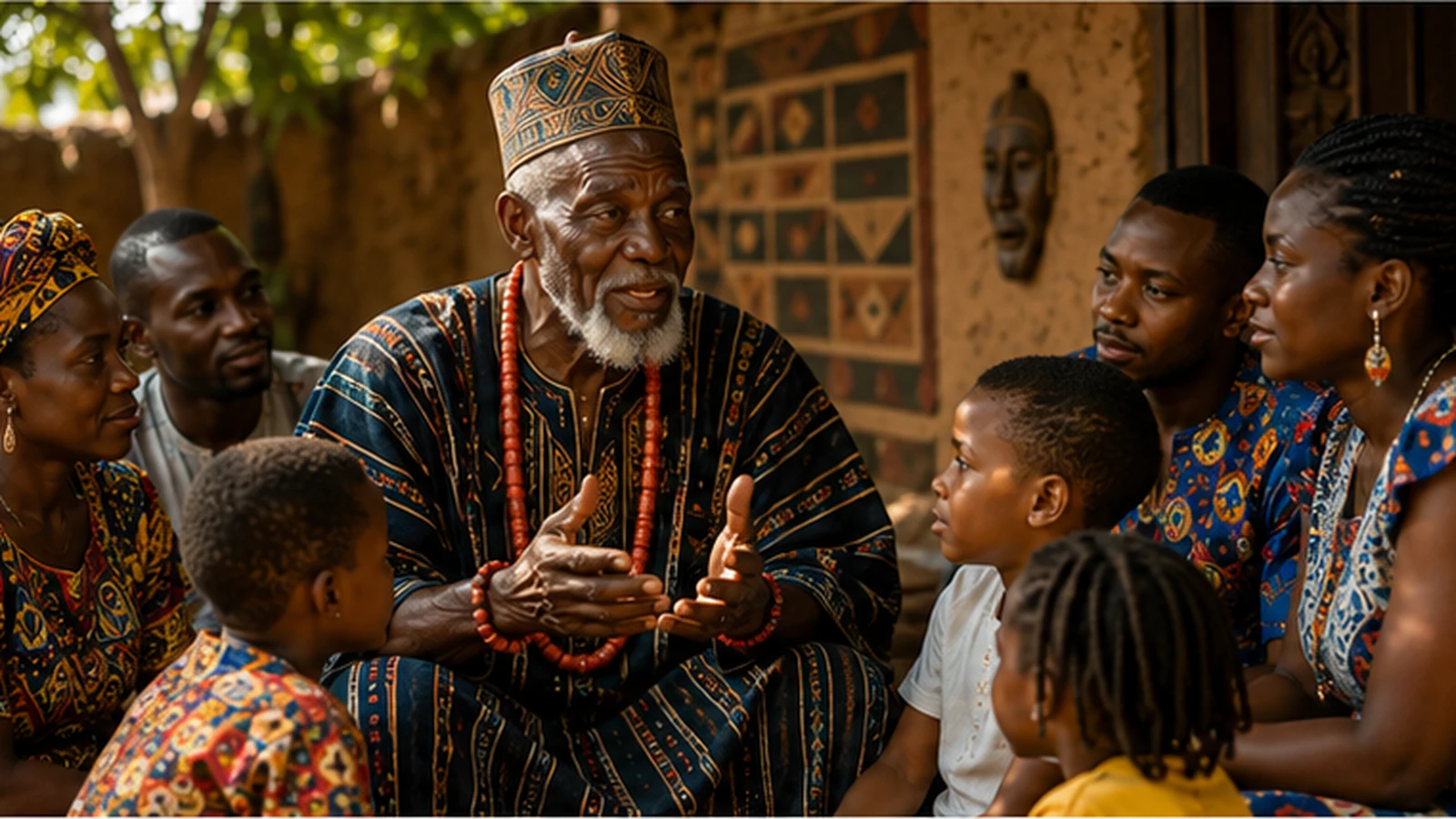
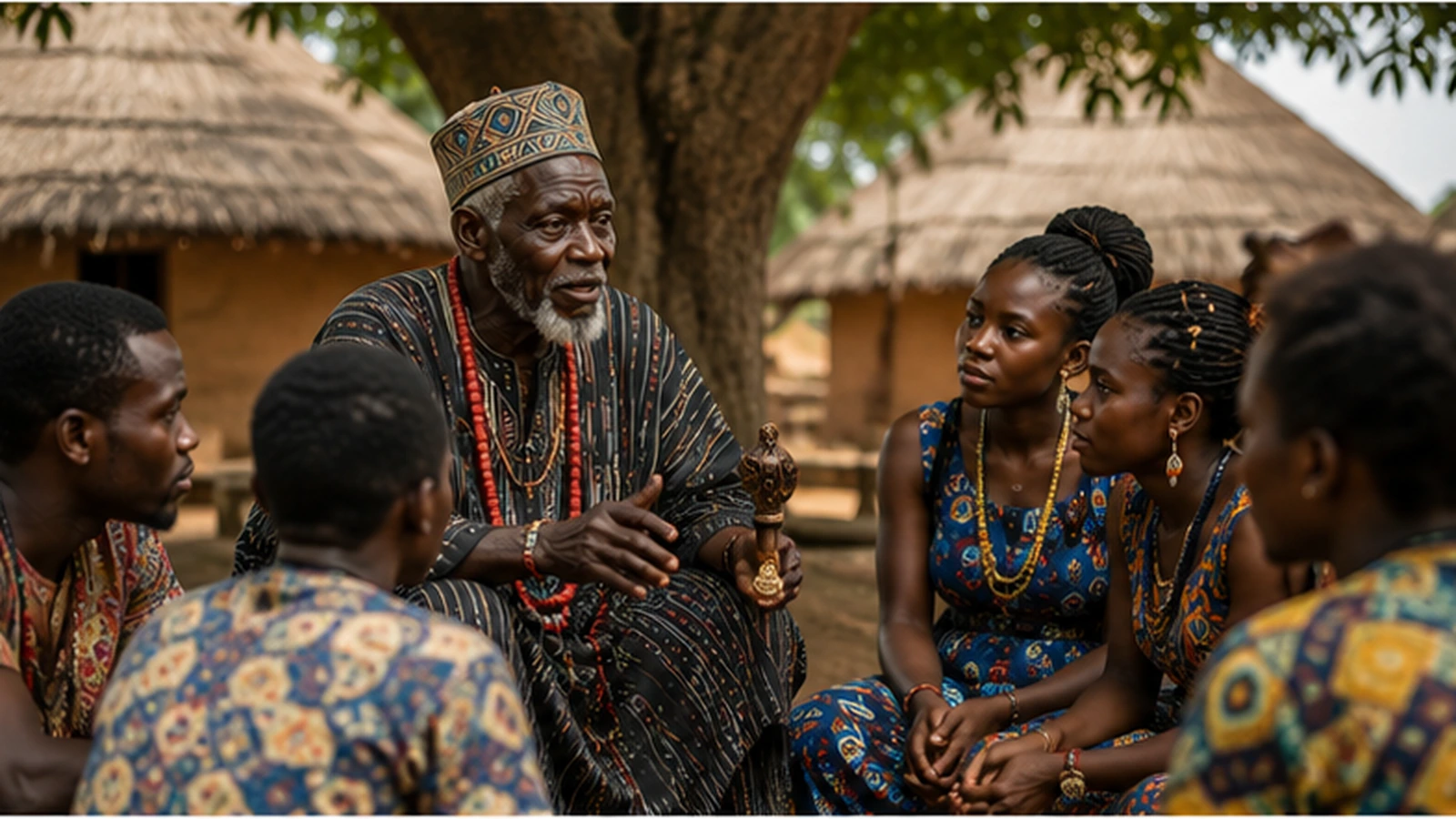
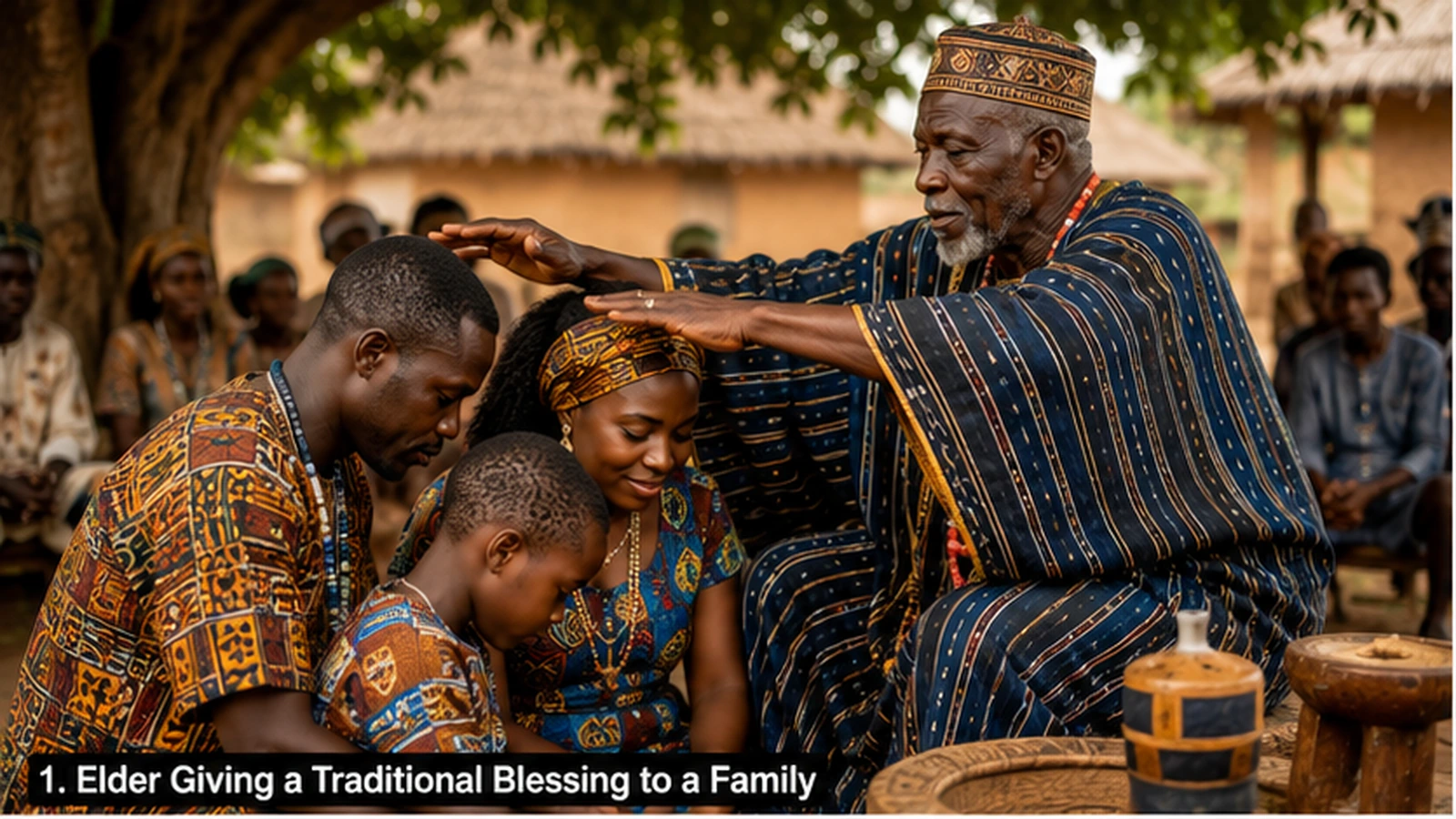
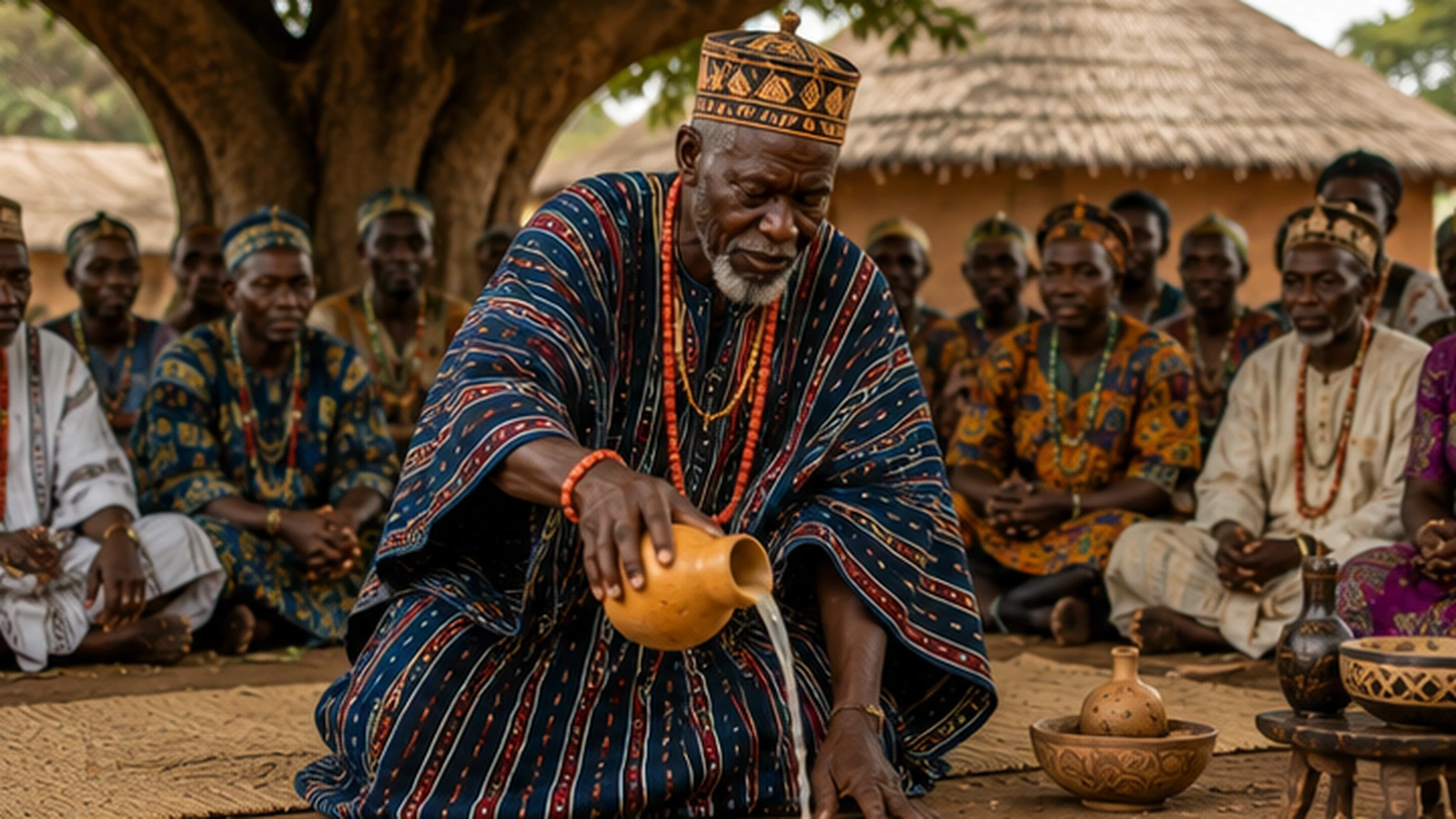
In some settings, elders speak blessings because age is associated with experience and family seniority. In others, a priest, clan head, monarch, aunt, parent, diviner, Muslim scholar, Christian minister, or recognized specialist may have the appropriate authority.
An elder is not automatically a priest, and a chief is not automatically a religious specialist.
The following cases demonstrate diversity rather than a universal African pattern.
Empaako naming traditions in western Uganda
The Empaako naming system is practiced among Batooro, Banyoro, Batuku, Batagwenda, and Banyabindi communities in western Uganda.
A child receives an Empaako name in addition to other personal and family names. The ceremony takes place within a family and clan setting, and the clan head and relatives participate. Addressing someone by an Empaako can express affection, honor, respect, social identity, and unity.
The tradition illustrates how a naming ceremony can bless a child socially by recognizing belonging and relationships.
Empaako should not be simplified into a generic Ugandan baby blessing. It belongs to particular communities and has its own names, authorities, and meanings.
Fichee-Chambalaalla among the Sidama
Fichee-Chambalaalla is a New Year festival of the Sidama people in Ethiopia.
The festival includes family visits, shared food, songs, dance, intergenerational participation, and guidance from clan leaders. Elders encourage responsibility, mutual support, respect, and environmental care.
Blessing in this setting forms part of a wider social process. It is connected with renewal, ethics, family ties, and the start of a new period rather than being an isolated spoken formula.
Gifaataa among the Wolaita
Gifaataa is a New Year festival celebrated by the Wolaita community in Ethiopia.
Preparations include cleaning surroundings, repairing homes, returning to family, and resolving disputes. Families gather, and elders offer blessings while promoting social harmony and sharing agricultural knowledge. The festival concludes with a larger community celebration and final blessings.
This example shows that blessings may be tied to reconciliation and communal responsibility.
Royal and leadership blessings
Blessings have also appeared in African political history.
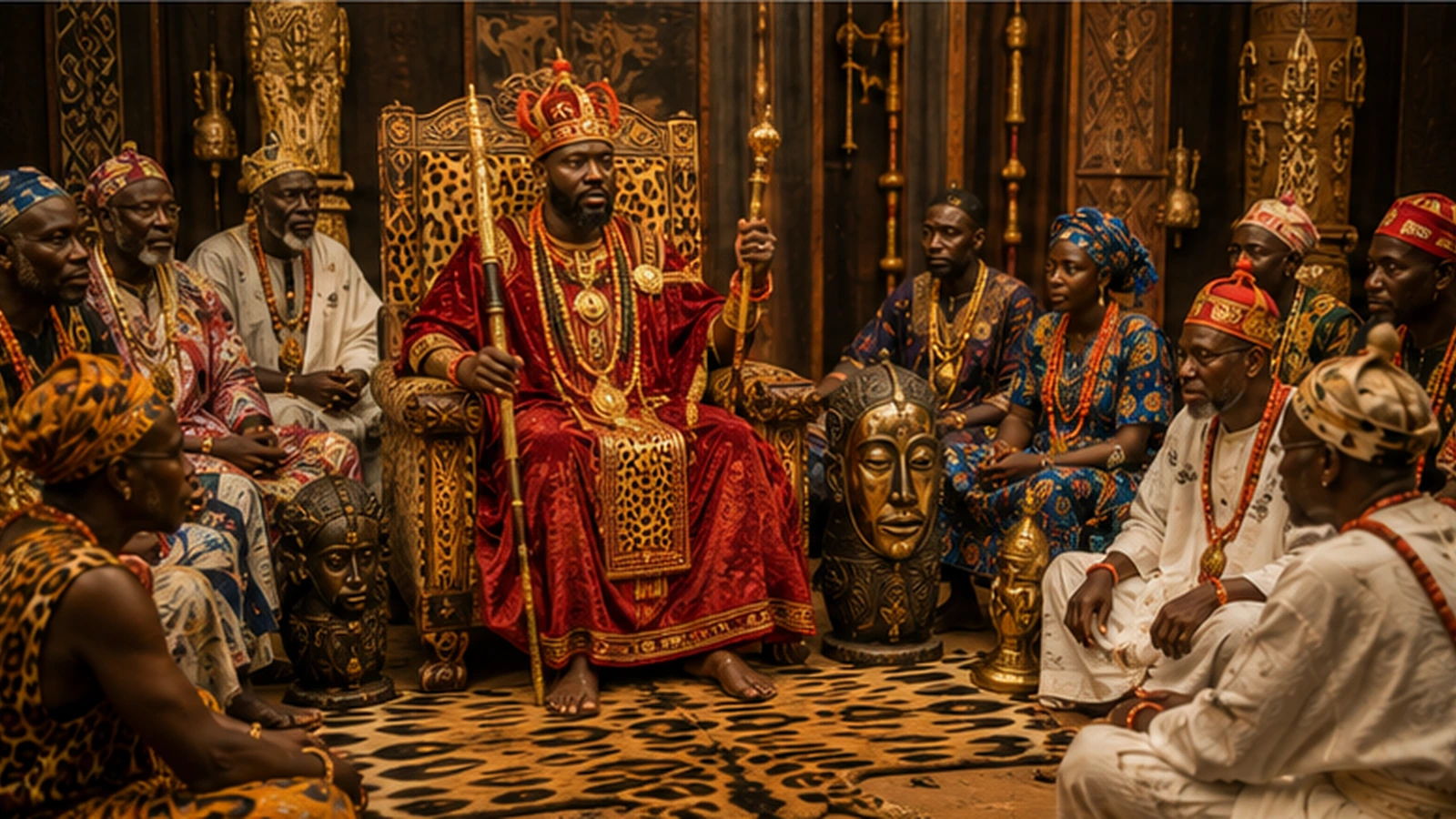
Rulers may receive public recognition, prayers, oaths, or ceremonial affirmation during installation, annual festivals, military transitions, or periods of renewal.
These ceremonies can connect political leadership with obligations toward land, ancestors, law, fertility, justice, or public welfare.
However, royal systems differ greatly. A blessing connected with an Asante stool, a Benin monarch, an Ethiopian ruler, or a Great Lakes kingdom cannot be treated as the same institution.
Types of Blessing Ceremonies
Birth and Naming Blessings
Birth and naming ceremonies welcome a child into a family, lineage, religious community, or wider society.
They may involve:
- Announcing a name
- Explaining its meaning
- Recognizing relatives
- Praying for health and wisdom
- Sharing food
- Giving gifts
- Introducing the child to elders
- Recording clan or family identity
- Expressing parental responsibilities
The person who names or blesses the child varies.
It may be a parent, grandparent, aunt, clan head, priest, pastor, imam, rabbi, monarch, or another recognized person.
Naming ceremonies should not be recreated by outsiders from a short online description. Names may carry restricted histories, family obligations, or religious meanings.
Marriage Blessings
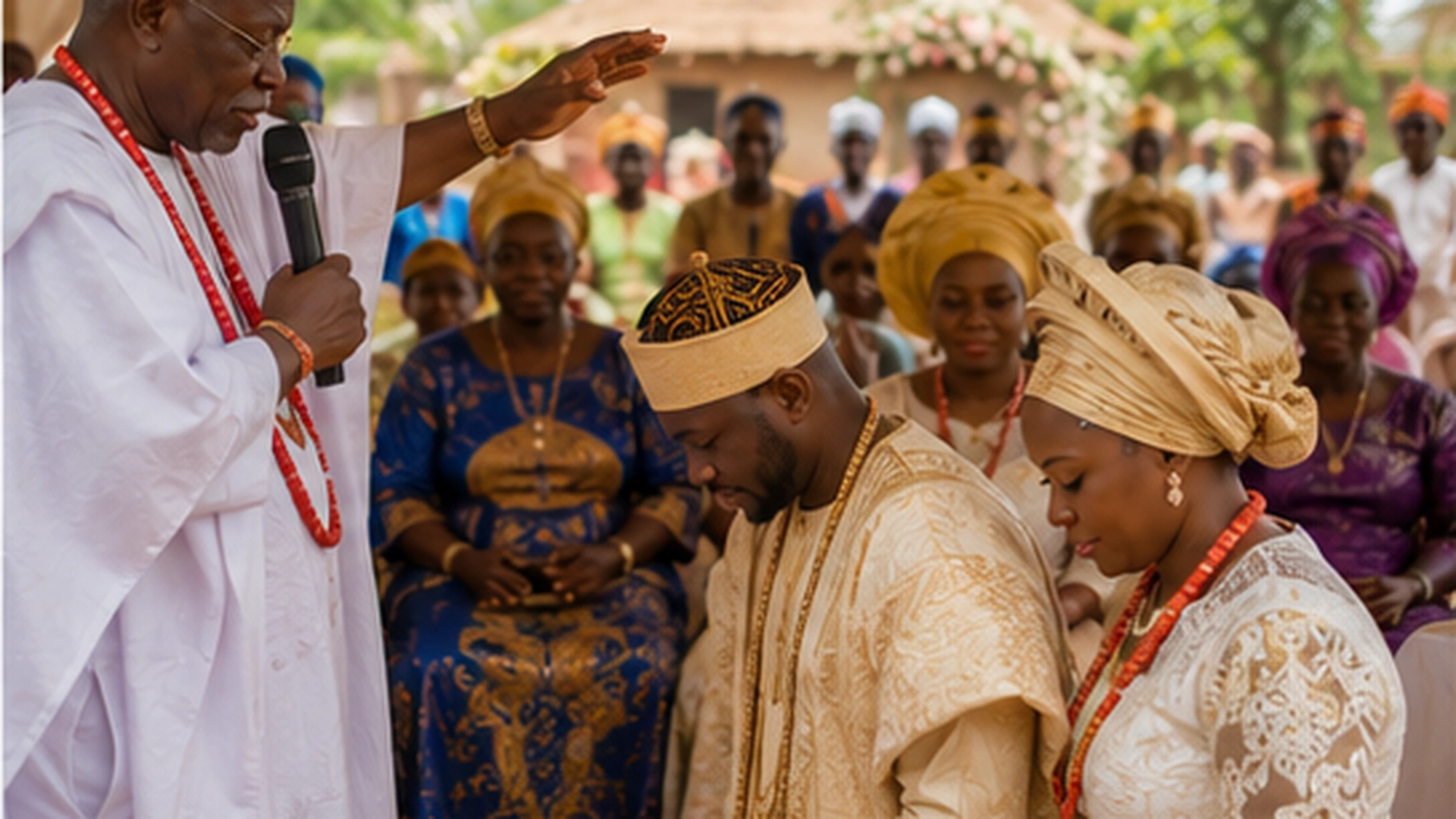
Marriage blessings often express hopes for:
- Mutual respect
- Stability
- Fertility, where culturally appropriate
- Cooperation between families
- Economic responsibility
- Hospitality
- Peace
- Faithfulness
- Care for children or dependants
Historically, marriage ceremonies have also involved property, inheritance, political alliances, gender expectations, and family authority.
A historical description should therefore not romanticize every marriage blessing. Some older customs reflected unequal rights or limited personal choice.
Modern communities may preserve ceremonial language while revising expectations to emphasize consent, equality, safety, and legal rights.
Coming-of-Age and Initiation Blessings
Some communities mark transitions from childhood to adulthood or entry into a profession, age group, religious institution, or social responsibility.
Blessings may advise participants about:
- Discipline
- Courage
- Sexual responsibility
- Marriage
- work
- leadership
- service
- respect for community rules
Public education must distinguish between open rites of passage and restricted initiation knowledge.
Secret teachings, bodily procedures, sacred names, private prayers, or instructions that could lead to harm should not be published.
Harvest and Seasonal Blessings
Agricultural communities have historically organized ceremonies around rain, planting, harvest, livestock, and new seasons.
Blessings in these settings may express gratitude for food, recognize environmental dependence, ask for favorable conditions, or renew community cooperation.
Seasonal blessings do not prove that every participant shares one religious interpretation. Public festivals may include religious, political, economic, family, and recreational dimensions at the same time.
Leadership Blessings
A leader may receive a blessing when taking office.
The ceremony may affirm:
- Legitimate succession
- Service to the people
- Respect for law
- Responsibility toward land
- Protection of vulnerable members
- Loyalty to a constitution, kingdom, church, clan, or community
- Accountability to predecessors and future generations
Such blessings should not be confused with unlimited authority.
A responsible ceremonial tradition may place obligations on a leader rather than merely granting privilege.
Blessings for Homes, Tools, Boats, and Places
People have blessed houses, fields, wells, workshops, boats, vehicles, sacred buildings, public institutions, and work tools.
UNESCO documentation of traditional boatbuilding in Carriacou and Petite Martinique, for example, records that completed boats may receive a traditional blessing and designated godparents.
These ceremonies can acknowledge the labor of makers, the risks faced by users, the importance of community cooperation, or hopes for safe use.
They should not be presented as proof that an object has scientifically measurable supernatural protection.
How Blessing Ceremonies Changed Through History
Oral traditions became written liturgies
Many blessings began or continued as spoken forms.
Religious institutions later wrote prayers into liturgical books, legal texts, scriptures, family records, or ceremonial manuals.
Writing helped standardize wording, but oral performance remained important. Tone, gesture, timing, authority, and audience could still shape meaning.
Local traditions interacted with expanding religions
Judaism, Christianity, Islam, and other religious traditions moved across regions through migration, trade, conquest, mission, scholarship, and family networks.
Local communities did not always abandon earlier forms of blessing. They sometimes rejected them, reinterpreted them, or combined them with new religious language.
This process created disagreements about authenticity and religious authority.
Colonial rule disrupted ceremonial authority
Colonial governments and missionaries sometimes discouraged, prohibited, or reclassified Indigenous ceremonies.
Traditional leaders lost power in some places, while colonial systems strengthened selected chiefs elsewhere. Mission schools and churches introduced new prayers, naming practices, marriage rules, and calendars.
Historical sources from this period must be read critically because outsiders often described African religious practices through hostile or inaccurate categories.
Urbanization changed community participation
As families moved to cities, work schedules, housing, language use, and distance from elders changed how ceremonies were organized.
Some blessings became shorter or moved from homesteads to churches, mosques, hired halls, restaurants, or online gatherings.
Digital media created new forms
Families now share prayers, speeches, recorded messages, livestreams, and video calls across countries.
A grandparent may bless a marriage or child through a mobile phone when travel is impossible.
Digital transmission can preserve connection, but it also creates privacy risks. Families should obtain consent before publishing a ceremony online.
What Usually Remains Consistent
Despite historical change, many blessing ceremonies retain several recurring elements:
- Recurring element
- Possible purpose
- Recognized speaker
- Establishes appropriate authority
- Spoken words
- Expresses prayer, goodwill, advice, or responsibility
- Witnesses
- Confirms family or community recognition
- Gesture
- Marks solemnity or relationship
- Shared food
- Strengthens hospitality and participation
- Gift or object
- Preserves memory or obligation
- Naming
- Establishes identity and belonging
- Prayer or invocation
- Connects the event with religious belief
- Advice
- Communicates expected conduct
- Celebration
- Welcomes a new stage of life
The table describes patterns, not universal rules.
Blessing, Prayer, and Approval: What Is the Difference?
A prayer is communication directed toward God, a divinity, or another spiritually recognized recipient.
A blessing may be a prayer, but it can also be an expression of approval or goodwill.
An invocation calls upon a sacred presence, authority, or power.
A benediction is a formal expression of blessing, especially in religious worship.
A consecration formally dedicates a person, place, or object to a sacred purpose.
A commissioning publicly authorizes someone to undertake a responsibility.
These categories overlap, but they should not automatically be treated as synonyms.
Common Misconceptions
“All blessing ceremonies come from one ancient religion”
False.
Different communities developed their own ceremonies under different historical conditions.
“Every African blessing is an ancestral ritual”
False.
A blessing may be directed to God, spoken by a Muslim or Christian leader, offered by a parent, or expressed without invoking ancestors.
“Every elder is authorized to perform every ceremony”
False.
Authority may depend on lineage, office, training, gender, age grade, religious ordination, or family relationship.
“Blessing ceremonies never change”
False.
Living traditions adapt to language change, migration, religious developments, technology, law, and community needs. UNESCO describes rituals and festive events as living practices transmitted and recreated by communities.
“A blessing guarantees a desired result”
False.
No ceremony can guarantee pregnancy, healing, wealth, love, legal victory, protection, business success, or control over another person.
“Copying the words is enough to reproduce a ceremony”
False.
Meaning may depend on authorization, kinship, setting, language, timing, preparation, and community recognition.
“Older automatically means authentic”
False.
A recent family tradition can be meaningful, while an old ceremony may have been reconstructed, commercialized, or removed from its context.
Ethical and Safety Boundaries
Educational writing about blessing ceremonies should not publish:
- Secret prayers
- Restricted names
- Initiation formulas
- Private divination results
- Instructions involving dangerous substances
- Non-consensual procedures
- Sacred locations that communities want protected
- Images of private ceremonies without permission
- Claims of authority from unrecognized practitioners
Blessing traditions must not replace:
- Medical treatment
- Mental-health support
- Legal advice
- Financial guidance
- Emergency services
- Domestic-violence support
- Child-protection services
A ceremony should never be used to pressure someone into marriage, force reconciliation, demand money, conceal abuse, or discourage urgent professional help.
Preserving Blessing Traditions Responsibly
Let communities lead documentation
The people who practice a blessing tradition should help decide how it is described, photographed, recorded, and shared.
Record context
Documentation should identify:
- The community
- The occasion
- The speaker’s role
- The language
- The general purpose
- Whether the event was public
- What information must remain private
Preserve language carefully
Blessing words may contain proverbs, kinship terms, poetic structures, and concepts that do not translate exactly.
A translation should not replace the original where the community wants the original preserved.
Support practitioners and elders
Cultural preservation requires people who can teach, organize, interpret, and transmit traditions.
Recording one ceremony is not enough if younger generations have no opportunity to learn its context.
Allow responsible adaptation
Safeguarding should not freeze a tradition into one historical form.
Communities may adapt clothing, location, language, length, music, technology, or participation while protecting core meanings.
Key Takeaways
- Blessing ceremonies do not have one identifiable origin.
- They have appeared in family, religious, political, agricultural, and community settings.
- Ancient blessing language could express favor, protection, peace, authority, or covenant responsibility.
- Jewish Priestly Blessing traditions influenced later Jewish and Christian worship.
- Christian churches developed blessings for people, meals, marriages, homes, places, and objects.
- Islamic concepts of baraka have appeared in prayer, scholarship, devotional life, material culture, and African Muslim history.
- African blessing traditions differ by community, language, family, religion, and office.
- Empaako, Fichee-Chambalaalla, and Gifaataa demonstrate distinct naming and seasonal contexts.
- Elders may give blessings, but age alone does not grant universal ceremonial authority.
- Blessings can communicate responsibilities as well as hopes.
- Living traditions naturally change over time.
- No blessing ceremony guarantees a specific material or supernatural outcome.
- Private and restricted knowledge should not be published without permission.
People Also Ask
Where did blessing ceremonies originate?
There was no single origin. Blessing practices developed in different family, political, and religious settings, and many early oral traditions predate surviving written records.
What is the purpose of a blessing ceremony?
A blessing ceremony may express goodwill, prayer, welcome, approval, guidance, communal recognition, or hopes for peace and well-being.
What are examples of African blessing ceremonies?
Examples include Empaako naming traditions in western Uganda and elder blessings within Sidama Fichee-Chambalaalla and Wolaita Gifaataa New Year celebrations.
Who is allowed to give a traditional blessing?
Authority varies. It may belong to a parent, elder, clan head, priest, monarch, pastor, imam, rabbi, aunt, or another recognized officeholder.
Is a blessing ceremony always religious?
No. Some blessings are religious, while others primarily express family approval, social recognition, political authority, or goodwill.
What is the difference between a prayer and a blessing?
A prayer is directed toward a sacred recipient. A blessing may be a prayer, but it can also be a formal expression of goodwill or approval.
Why do elders give blessings?
In some communities, elders represent family seniority, experience, continuity, or recognized authority. This role is not universal.
Can blessing traditions change?
Yes. Traditions may adapt to migration, urban life, religious change, new languages, law, and digital technology.
Can a blessing guarantee protection or success?
No. Blessings express faith, hope, approval, or communal support, but they cannot guarantee specific outcomes.
Can outsiders perform a cultural blessing ceremony?
They should not copy restricted or community-specific ceremonies without invitation, training, and permission from recognized knowledge holders.
Frequently Asked Questions
1. Where did blessing ceremonies originate?
Blessing ceremonies developed independently in many societies. Their first origin cannot be identified because spoken blessings existed before complete written documentation.
2. What is the purpose of a blessing ceremony?
Its purpose may be to pray for well-being, welcome someone, recognize a transition, communicate guidance, affirm authority, or strengthen community relationships.
Frequently Asked Questions
What should readers know first about african spirituality and cultural history?
African spirituality and cultural history: Read clear guidance, key signs, practical steps, and private support from Ancestral Temple.
What causes History of Blessing Ceremonies?
The safest next step is to compare the signs, prepare clear details, and request private guidance when the matter feels personal.
How does History of Blessing Ceremonies work?
The safest next step is to compare the signs, prepare clear details, and request private guidance when the matter feels personal.
Is it possible to get private guidance for History of Blessing Ceremonies?
The safest next step is to compare the signs, prepare clear details, and request private guidance when the matter feels personal.
How long does History of Blessing Ceremonies take to understand?
The safest next step is to compare the signs, prepare clear details, and request private guidance when the matter feels personal.
Can History of Blessing Ceremonies affect relationships, family, work, or personal peace?
The safest next step is to compare the signs, prepare clear details, and request private guidance when the matter feels personal.
Why do people seek spiritual guidance for History of Blessing Ceremonies?
The safest next step is to compare the signs, prepare clear details, and request private guidance when the matter feels personal.
What signs should someone notice before asking about History of Blessing Ceremonies?
The safest next step is to compare the signs, prepare clear details, and request private guidance when the matter feels personal.
When should someone contact a private spiritual guide?
The safest next step is to compare the signs, prepare clear details, and request private guidance when the matter feels personal.
What causes african spirituality and cultural history?
African spirituality and cultural history: Read clear guidance, key signs, practical steps, and private support from Ancestral Temple. The safest next step is to compare the signs, prepare clear details, and request private guidance when the matter feels perso
Article Information
- Publisher
- Ancestral Temple
- Editor
- Ancestral Temple
- Last updated
- Jul 26, 2026
- Last reviewed
- Jul 13, 2026
- Content version
- 547a605360
This educational article should be read as cultural and spiritual information, not as medical, legal, financial, or emergency advice.
Helpful Related Guidance
Explore This Topic
African Spiritual Traditions · Role Of Elders In African Spiritual Practices
Related Topic Cluster
African Spirituality And Cultural History
Complete Guide Why People Have Carried Talismans Throughout HistoryAbout the Author
 Ancestral Temple
Spiritual guide and practitioner with decades of experience in ancestral wisdom, rituals, and divine guidance.
Related Posts
View All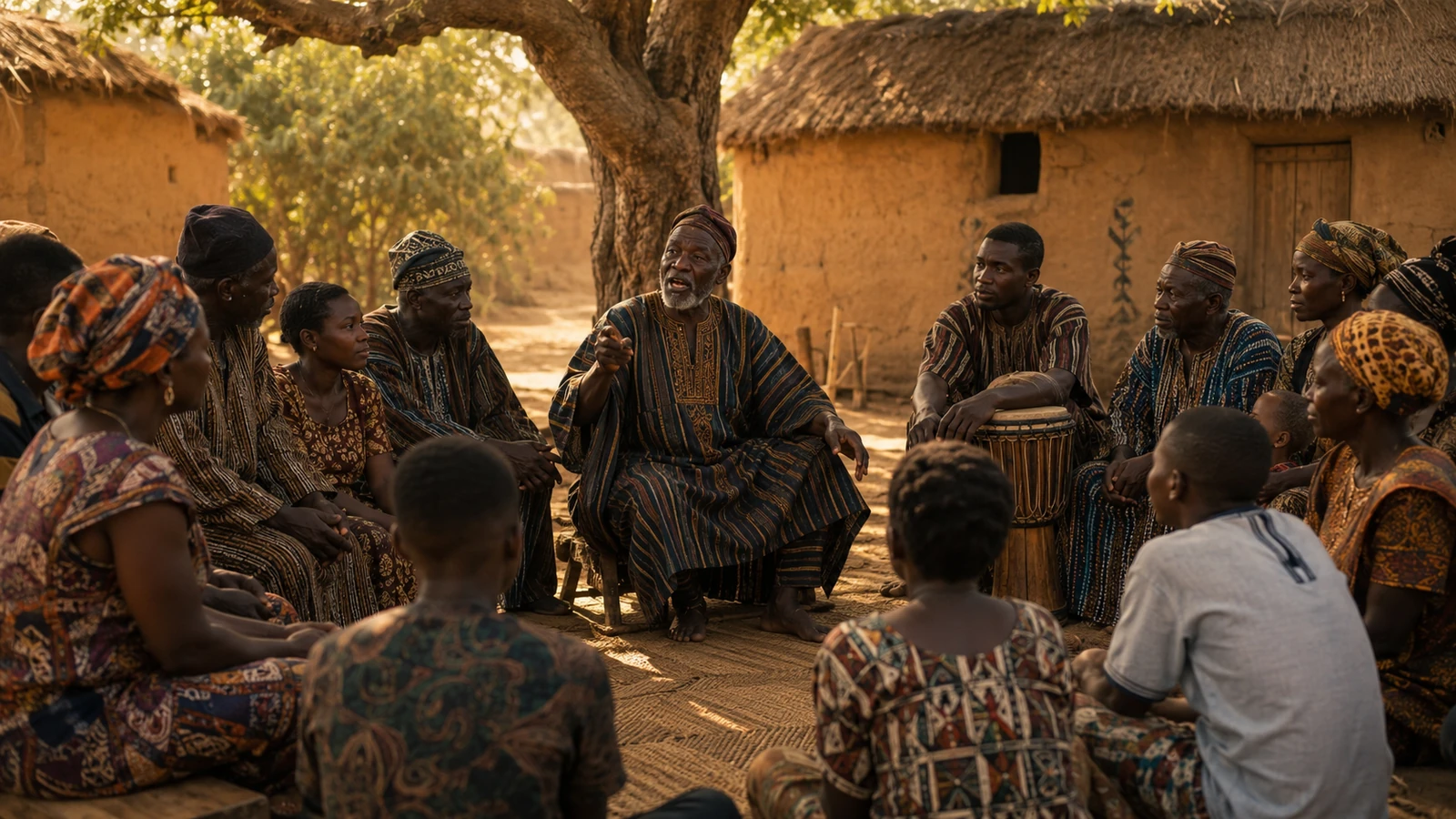

Leave a Comment
We'd love to hear your thoughts.
The conclusion clearly explains why cultural specificity matters when discussing ceremonies.
I would enjoy a separate comparison of blessings in Christianity, Judaism, and Islam.
The article was detailed but remained organized and readable.
The warning against using blessings to pressure people into marriage or reconciliation was necessary.
Could you explore how blessing ceremonies changed after families moved to cities?
The article shows that a ceremony can have religious, political, and family meanings at the same time.
The ethical boundaries are important for educational and cultural websites.
I would like more examples from Southern and Central African communities.
The section on oral tradition explains why exact origins are difficult to prove.
The glossary was helpful, especially the definition of liturgical formula.
Could there be a future article about the history of blessings before travel?
I liked that the article did not romanticize every historical marriage custom.
The discussion of boat blessings shows that ceremonies can also relate to craftsmanship and work.
A guide to obtaining consent before photographing ceremonies would be helpful.
The article avoids presenting every traditional ceremony as spiritual or supernatural.
I appreciated the discussion about documenting the original language of a blessing.
Could you compare household blessings with public community ceremonies?
The Christian history section acknowledged differences among denominations.
I would like to learn more about the Jewish Priestly Blessing and its historical influence.
The point that a blessing can communicate obligations and not only benefits was important.
How did early missionaries translate local concepts of blessing into European languages?
The article would be useful for students studying religion and cultural history.
Thank you for warning readers not to copy restricted ceremonies from online descriptions.
The Gifaataa example shows how blessing and reconciliation can be connected.
I would appreciate an article focused entirely on Fichee-Chambalaalla.
The digital blessing section reflects how many families now include relatives living abroad.
The article clearly separates an elder from a priest or religious specialist.
Could you discuss blessing ceremonies connected with farming and livestock in more detail?
I had not considered how blessing words could appear on everyday objects and textiles.
The section about marriage blessings correctly included consent and equality.
A follow-up article about blessings during leadership installations would be interesting.
I liked that the article discussed both continuity and adaptation.
The section about colonialism helped explain why some ceremonies changed or disappeared.
Can families create new blessing traditions without claiming they are ancient?
The explanation of baraka was respectful and did not generalize all Muslim communities.
I would enjoy a detailed article about the history of naming ceremonies.
The table showing the common elements of blessing ceremonies was easy to understand.
The historical section on ancient blessing inscriptions was fascinating.
I appreciated the reminder that blessing ceremonies cannot guarantee a desired result.
Could you write more about blessing traditions in the kingdoms of the Great Lakes region?
The article handled the connection between religion and family authority very carefully.
The Empaako section was meaningful because it identified the communities instead of calling it a general Ugandan tradition.
I would like a separate article about how elders become authorized to give blessings.
The difference between prayer, blessing, invocation, and consecration was especially helpful.
I appreciated the explanation that blessing ceremonies do not have one single historical origin.